Europe
Flag of Russia
Russia is the world's largest country by land area, spanning eleven time zones and stretching from Eastern Europe across northern Asia to the Pacific Ocean. Moscow, the capital, is one of Europe's largest cities and a major global political, economic, and cultural centre. Russia has an extraordinarily rich literary and artistic heritage, with writers like Tolstoy and Dostoevsky, composers like Tchaikovsky and Stravinsky, and a deep tradition of classical ballet.

- CapitalMoscow
- RegionEurope
- Current flag since1993
- Main coloursWhite, Blue, Red
- Populationabout 144 million
- Areaabout 17,098,000 km²
- Flags in history9
Population and area are rounded.
What the flag of Russia means
White, blue and red were first used on Russian merchant ships at the end of the 17th century, in the time of Peter the Great, possibly inspired by the Dutch flag. The tricolour became the national flag of the Russian Empire, was replaced by the red Soviet flag after the revolution, and was restored in 1991. A popular reading links white to nobility, blue to faithfulness and red to courage.
How to recognise it
Horizontal white-blue-red. The Netherlands is also red-white-blue but in different order.
Did you know?
Russia is the largest country in the world, spanning 11 time zones.
Easily confused with
Russia's flag is often mixed up with these. Learn to tell them apart:
Flag history of Russia
Every flag that has flown over Russia, from today back through time.
1993–present
Russian Federation
The white-blue-red tricolor was restored after the fall of the Soviet Union and fixed in its current 2:3 proportions by decree in 1993, then confirmed by federal law in 2000. The colors trace back to Peter the Great.
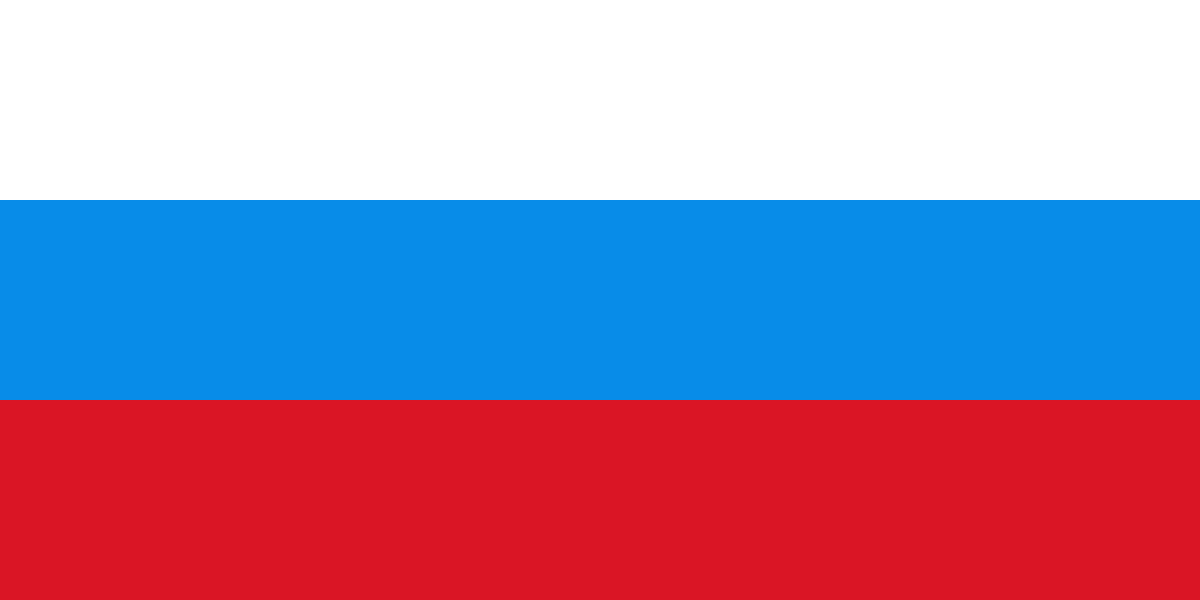
1991–1993
Russian Federation (1991 transitional)
When Russia re-adopted the historic tricolor in 1991 the first version used a slightly lighter shade and longer 1:2 proportions, before the design was standardized two years later.
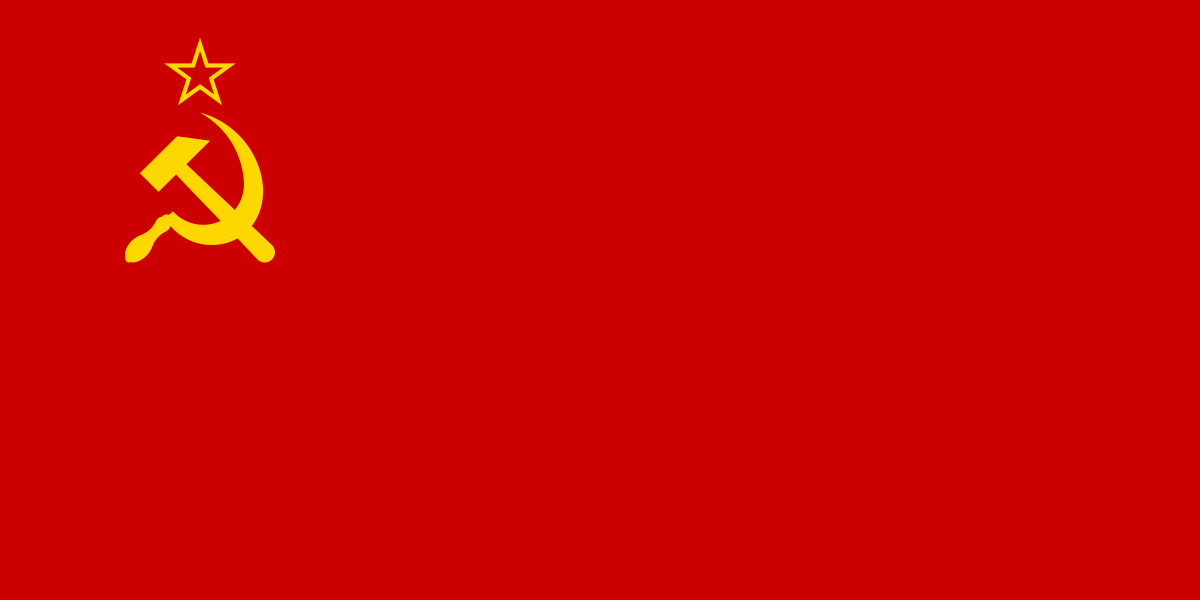
1922–1991
Soviet Union
The red banner with a gold hammer, sickle, and star symbolized the union of workers and peasants. It flew over the USSR for nearly seven decades until the country dissolved in December 1991.
Russian SFSR within the USSR:
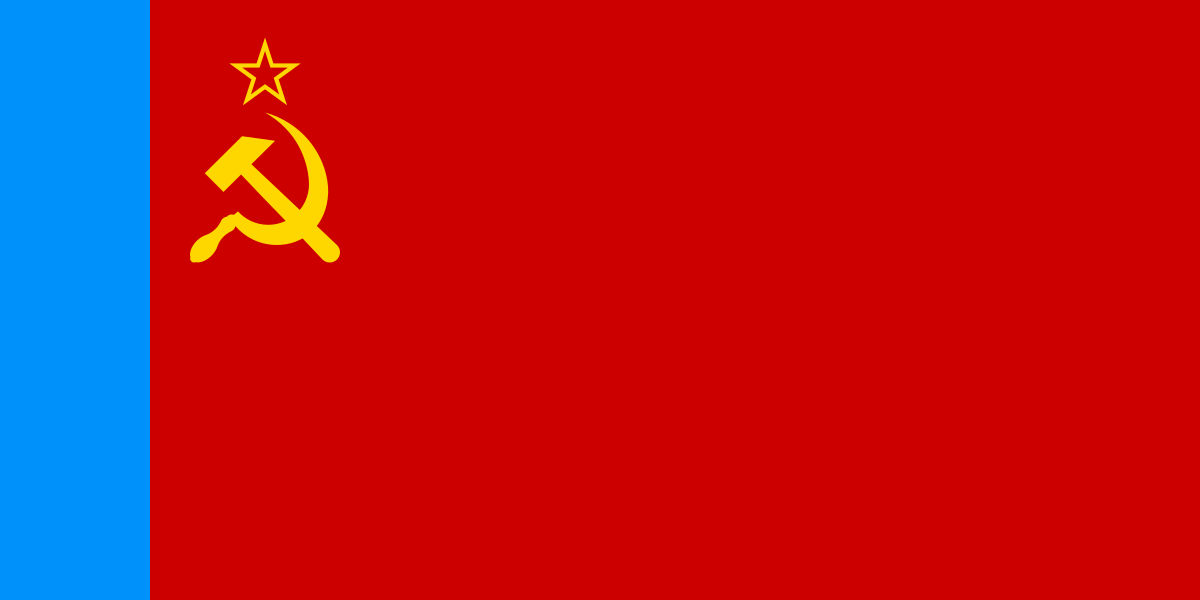
1954–1991
Russian SFSR
Russia itself was one republic inside the union. From 1954 it flew the Soviet flag with a light-blue band at the hoist to distinguish it from the all-union banner.
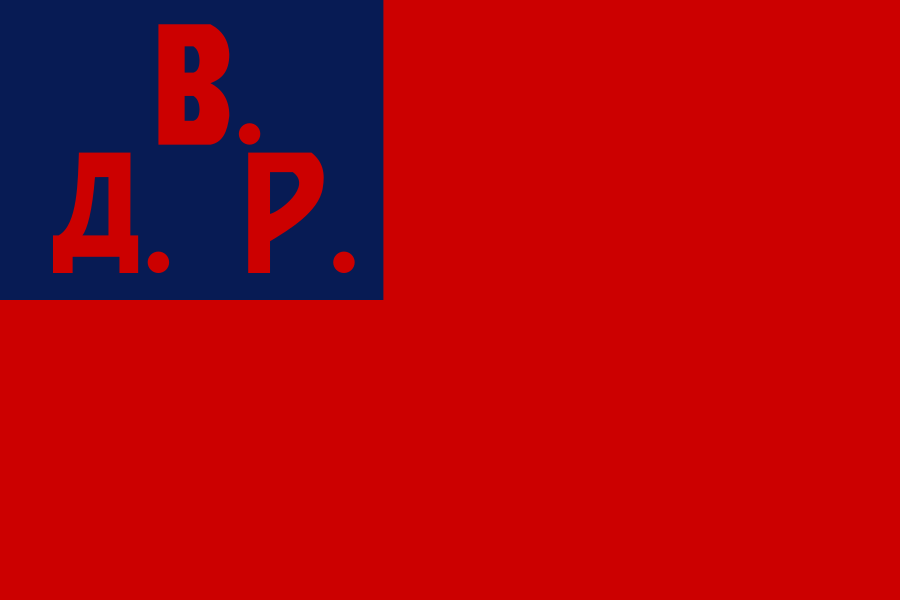
1920–1922
Far Eastern Republic
A nominally independent buffer state created by Soviet Russia in 1920 to avoid direct war with Japan, which occupied parts of the Russian Far East during the Civil War. Its red flag bore a blue canton lettered "DVR." Once Japanese forces withdrew in 1922, the republic dissolved itself into Soviet Russia.
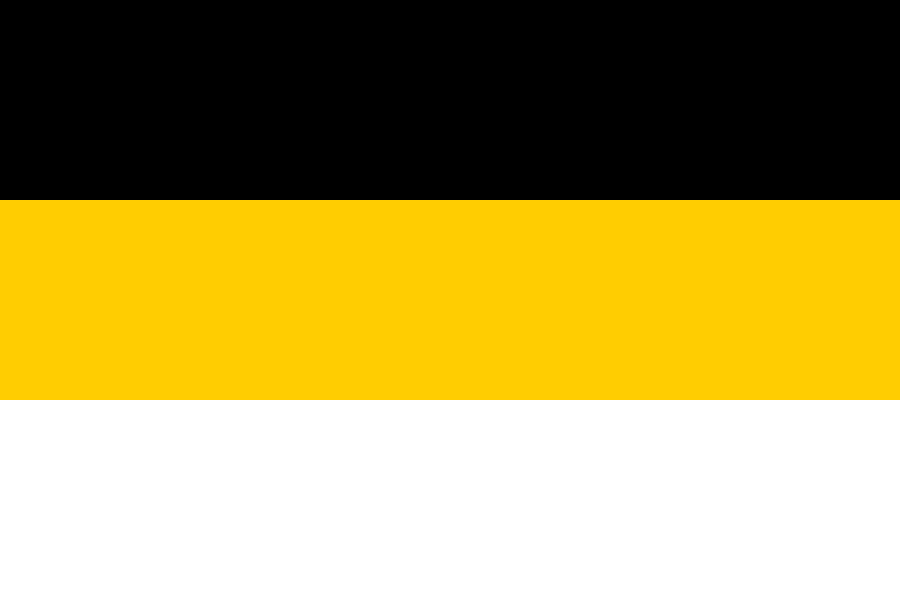
1858–1896
Russian Empire (imperial colors)
Decreed by Alexander II in 1858, the black-yellow-white flag drew on the heraldic colors of the imperial coat of arms. It served as the official state flag for nearly four decades before the tricolor was restored.
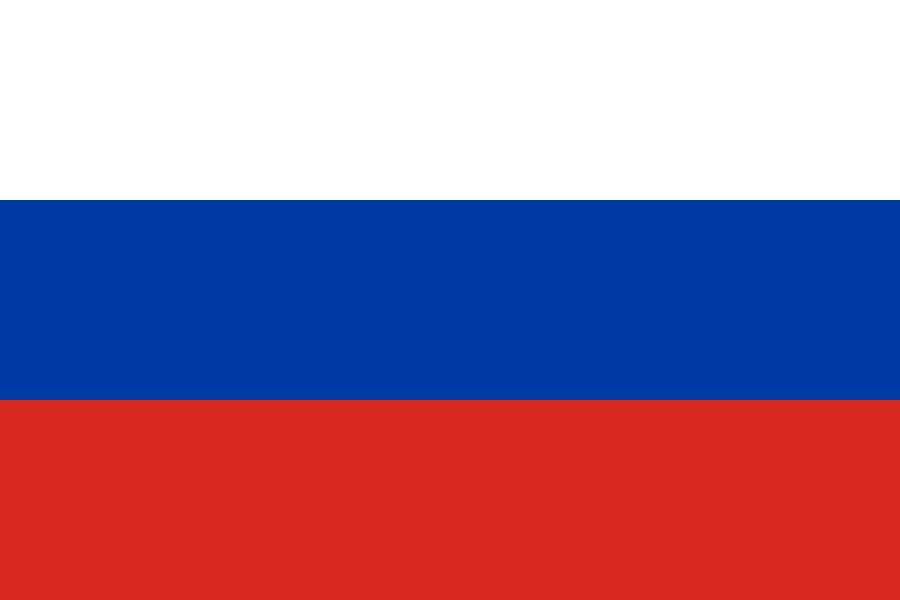
1696–1858
Tsardom of Russia (Petrine tricolor)
Peter the Great introduced the white-blue-red tricolor in the 1690s for the merchant fleet, modeled on the Dutch flag. Restored again in 1896, it is the direct ancestor of the modern Russian flag.
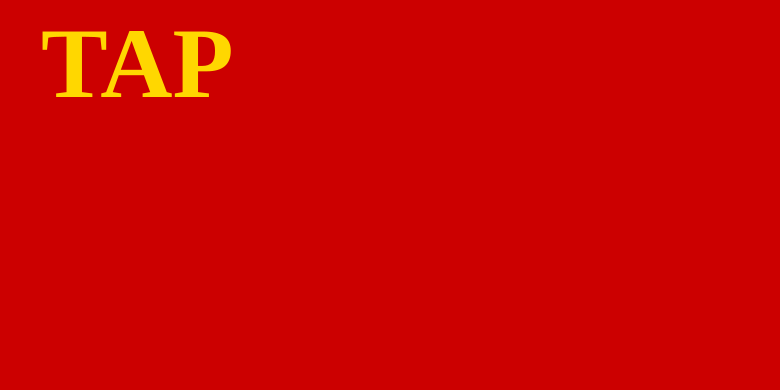
1921–1944
Tuvan People's Republic
A nominally independent Soviet-aligned state in southern Siberia that was quietly annexed into the USSR in 1944.

1917–1922
Confederated Republic of Altai
A short-lived attempt at an autonomous Altai state in the Russian Civil War's Siberian chaos.
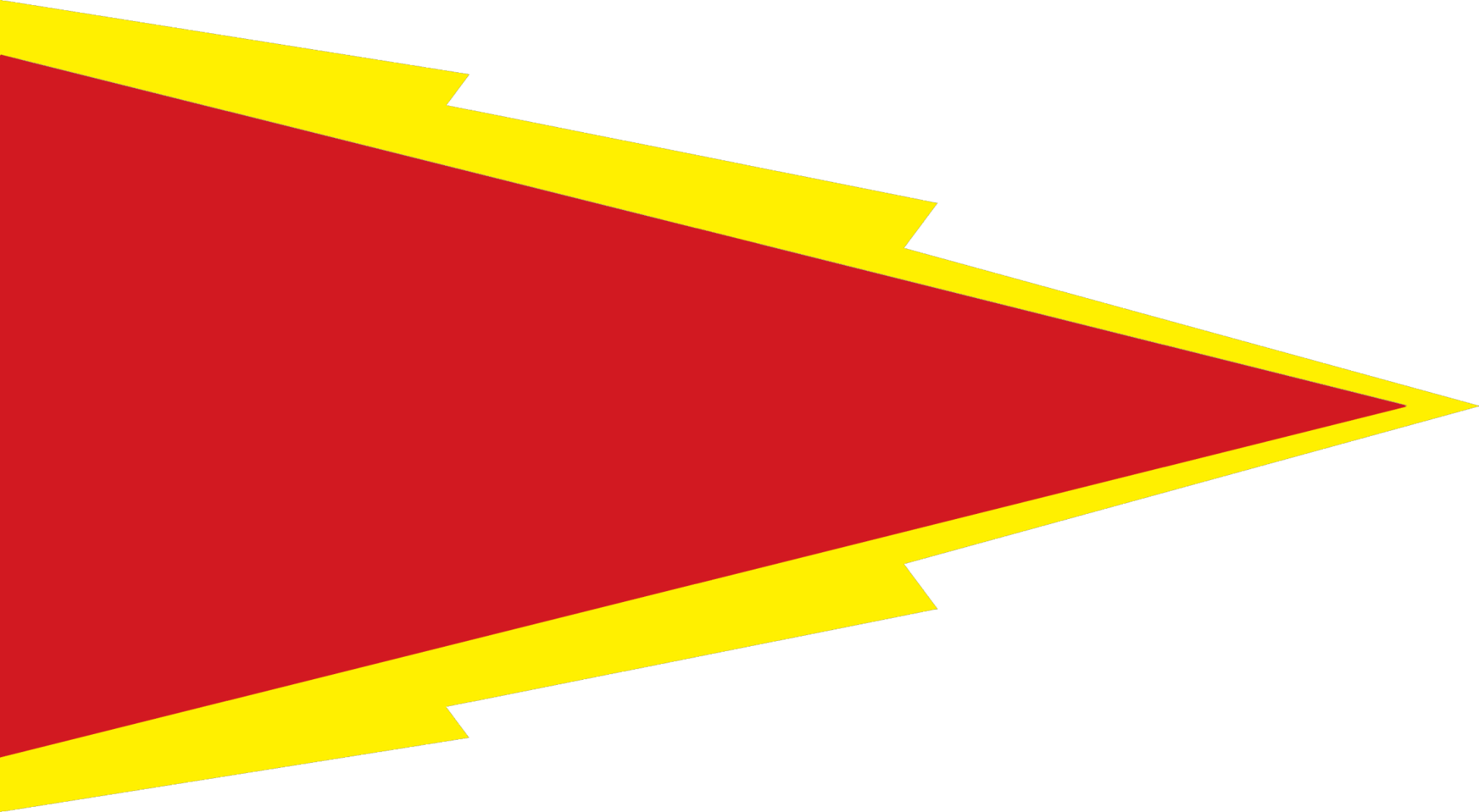
1914–1921
Uryankhay Krai
The Russian protectorate over Tuva, between Mongolia and Siberia, before the Tuvan People's Republic.
Related historical states
Empires, kingdoms and republics that once covered part of Russia.
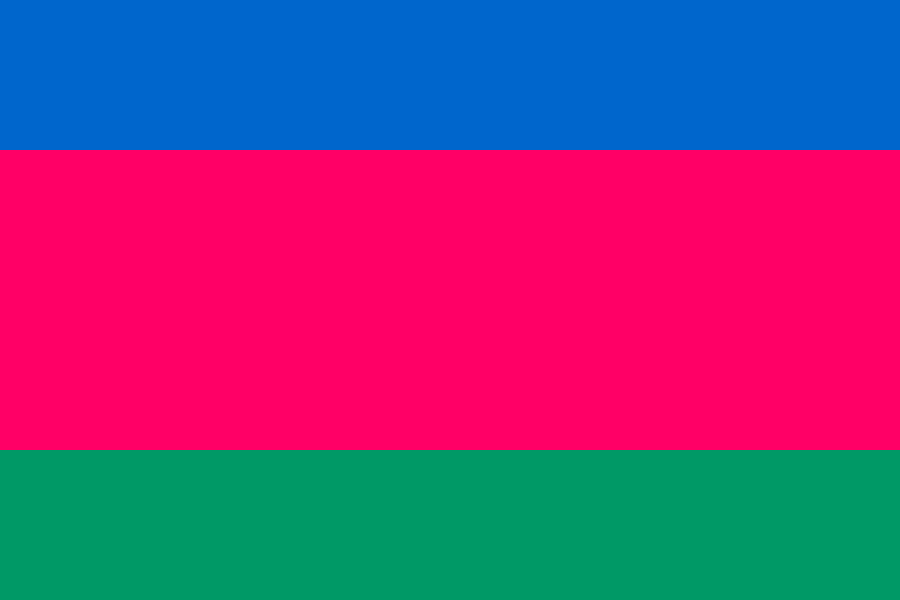
1918–1920
Kuban People's Republic
An anti-Bolshevik Cossack state on the Kuban river; its blue-raspberry-green bands stood for Cossacks, non-Cossack residents, and highlanders.
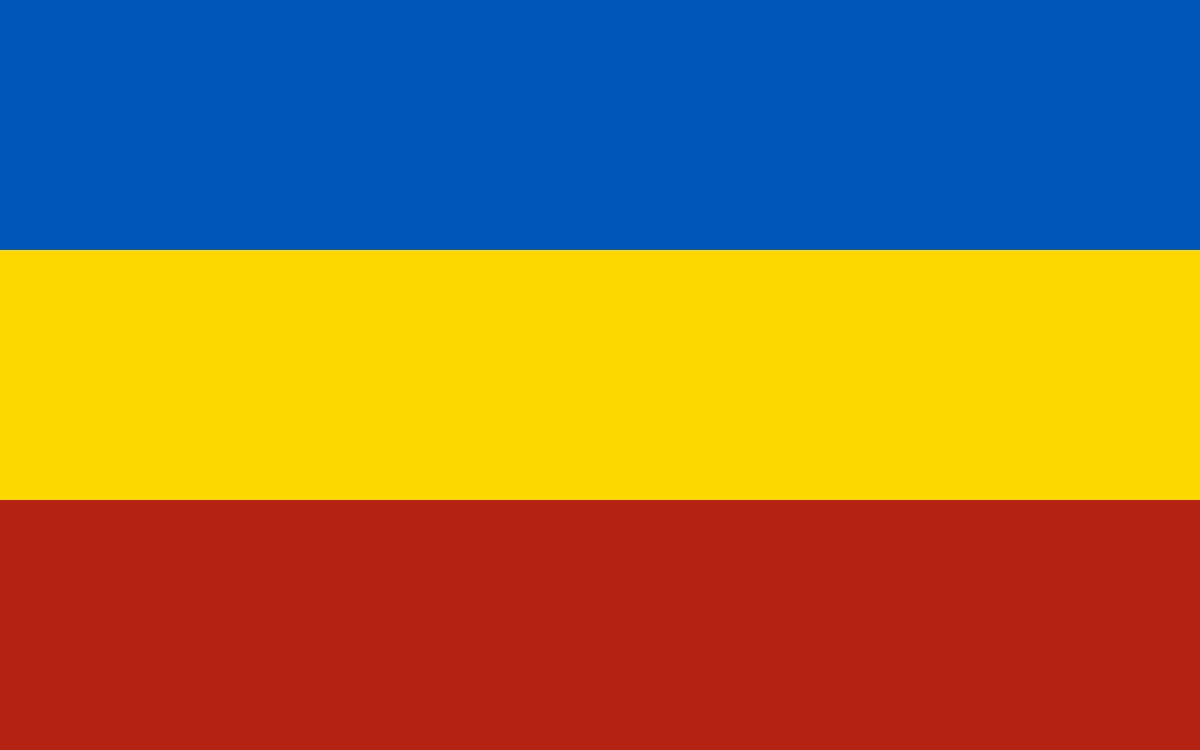
1918–1920
Don Republic
The Don Cossack state's blue-yellow-red tricolor stood for the Don Cossacks, Kalmyks, and Russian non-Cossack residents during the Russian Civil War.
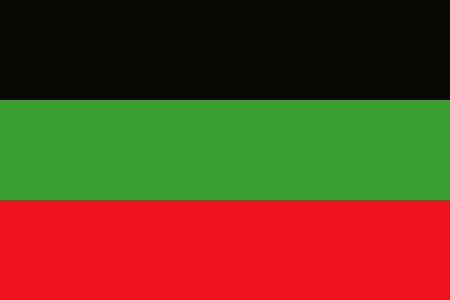
1917–1921
Mountainous Republic of the Northern Caucasus
Green and white stripes with a blue canton bearing seven stars for the seven main highland peoples of the North Caucasus.
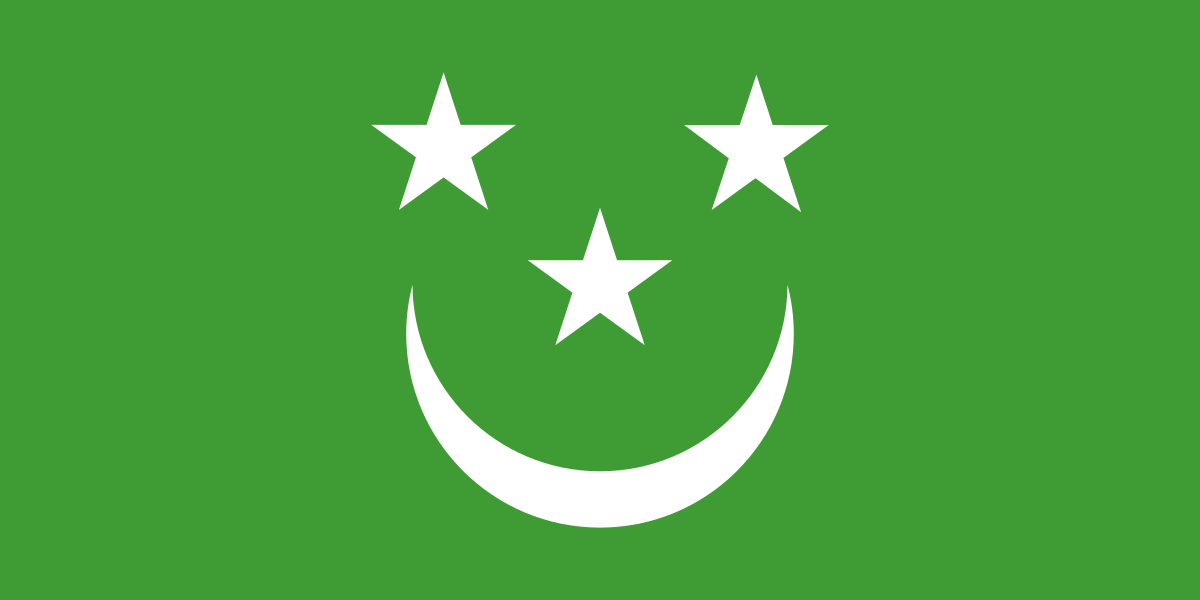
1919–1920
North Caucasian Emirate
A short-lived theocratic emirate under Uzun Hajji spanning Chechnya and Dagestan during the Russian Civil War; its green flag bears three white stars above a crescent.
1920–1922
Far Eastern Republic
A nominally independent buffer state the Bolsheviks set up across Siberia to avoid war with Japan; once the Japanese withdrew, it was absorbed into Soviet Russia.
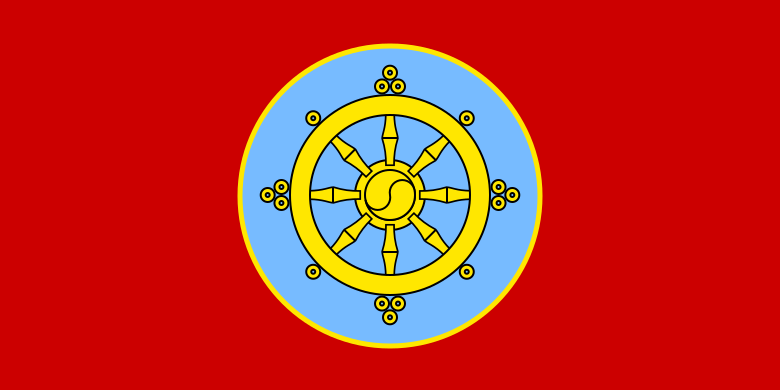
1921–1944
Tuvan People's Republic
A tiny Soviet-aligned republic in southern Siberia, recognized only by the USSR and Mongolia; its famous triangular stamps were prized by collectors before the USSR annexed it in 1944.
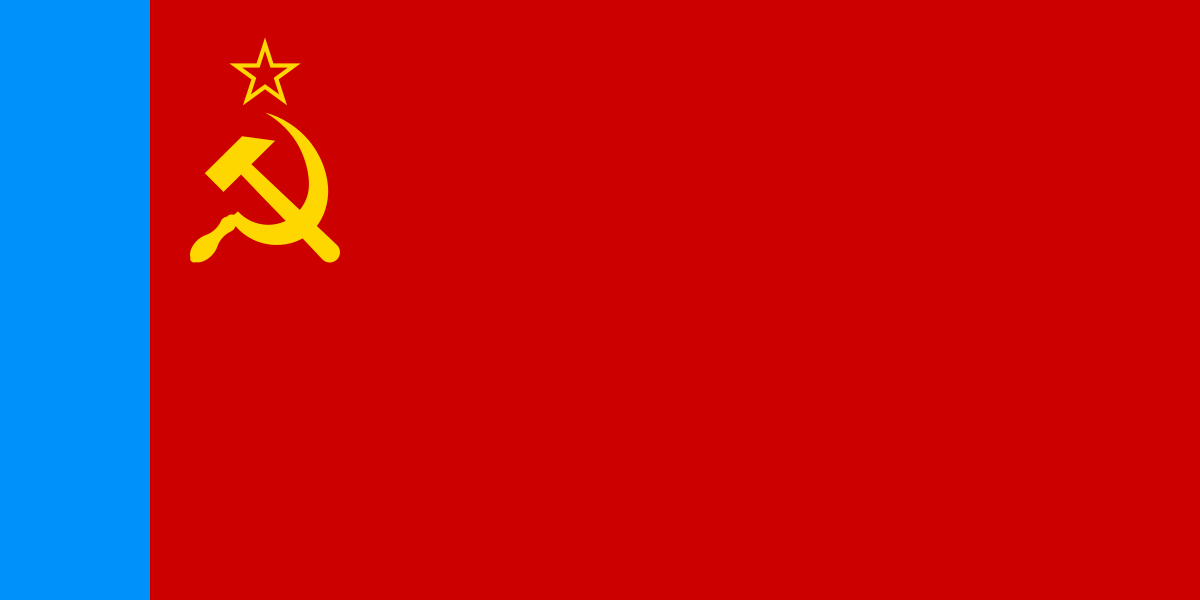
1954–1991
Russian SFSR
The largest Soviet republic flew a red flag with a thin blue stripe down the hoist; the RSFSR was the core of the USSR and became the Russian Federation in 1991.
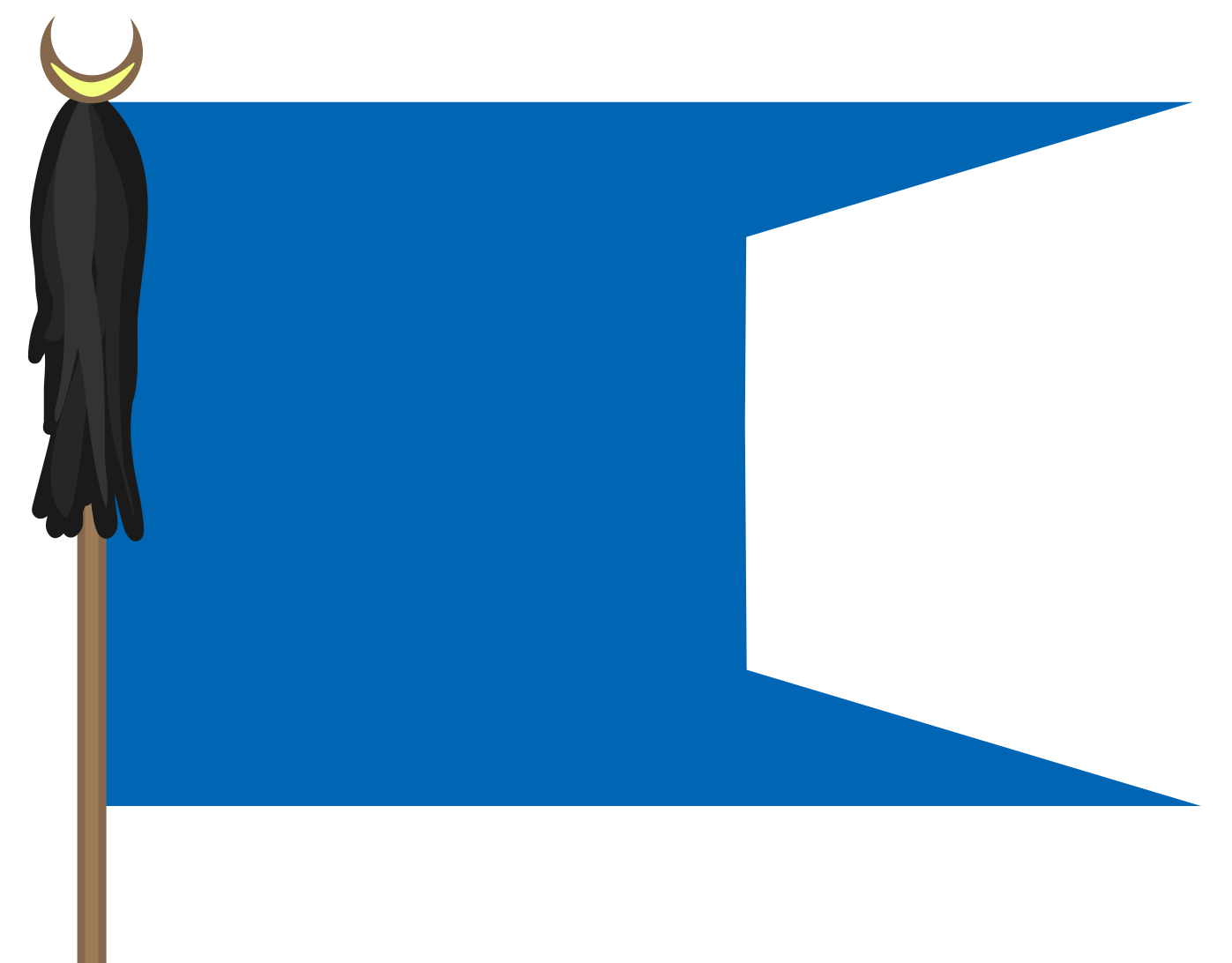
1438–1552
Kazan Khanate
A Tatar successor state of the Golden Horde on the Volga, conquered by Ivan the Terrible in 1552 — a turning point in Russia's eastward expansion.
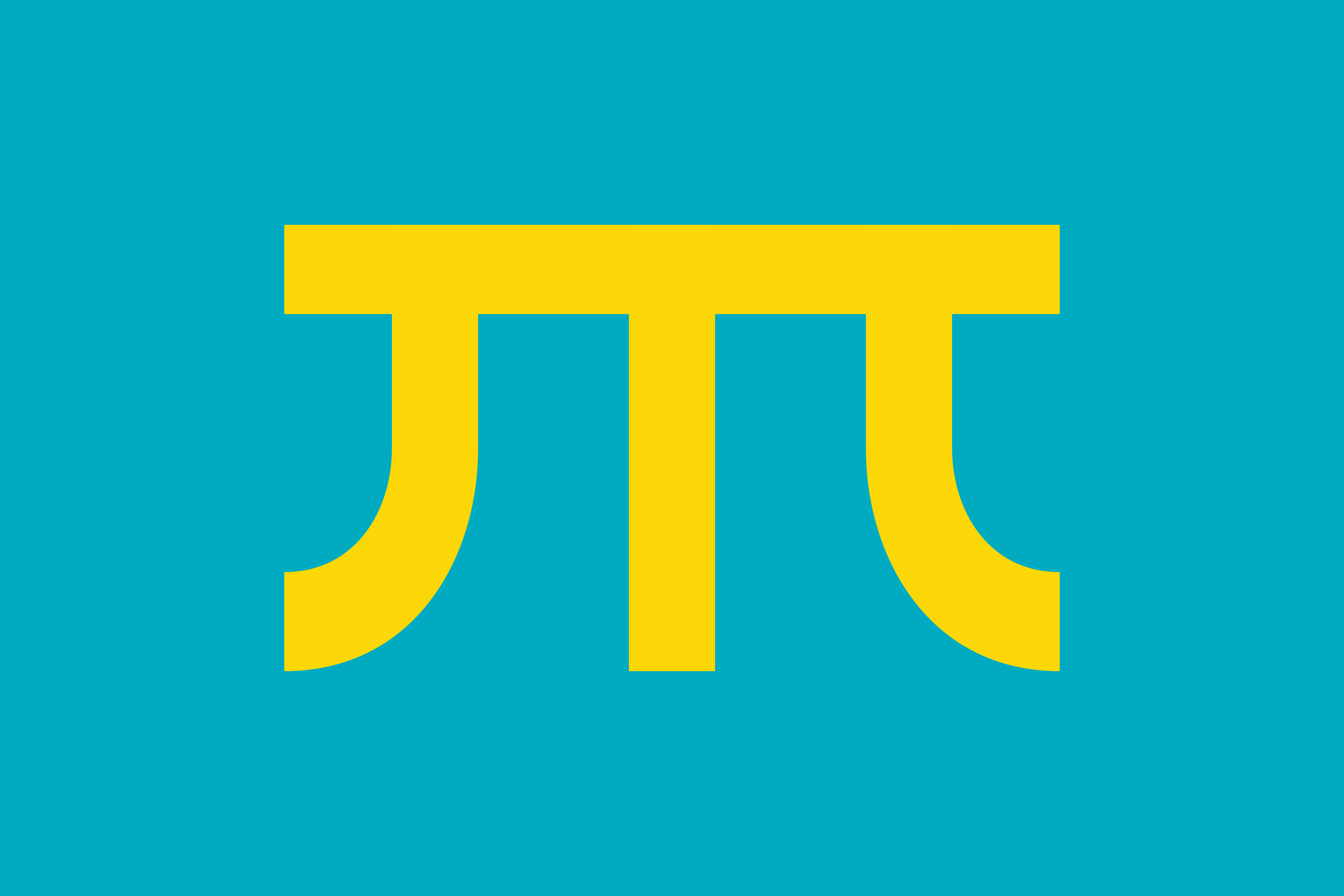
1490–1598
Khanate of Sibir
The Turco-Mongol khanate beyond the Urals that gave Siberia its name; its conquest by the Cossack Yermak opened Russia's vast eastward expansion across Asia.
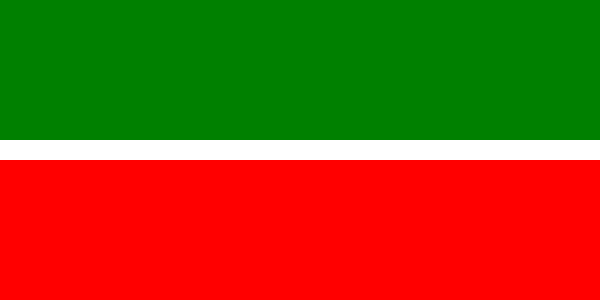
1438–1552
Khanate of Kazan
A Tatar successor state of the Golden Horde on the Volga; Ivan the Terrible's bloody siege and capture of Kazan in 1552 is commemorated by Moscow's St Basil's Cathedral.
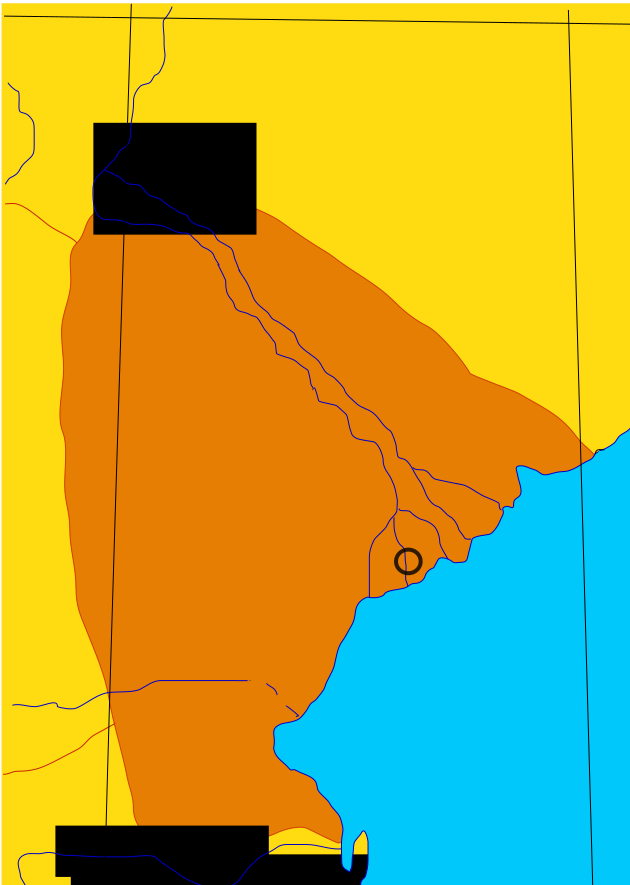
1466–1556
Khanate of Astrakhan
A small Tatar khanate guarding the Volga delta and the Caspian trade, the last of the Golden Horde's successors, annexed by Ivan the Terrible four years after Kazan.
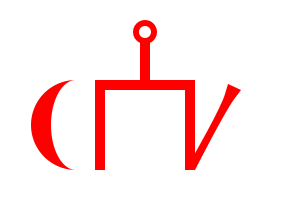
1242–1502
Golden Horde
The Mongol khanate that held the Russian principalities under the 'Tatar Yoke' for over two centuries; this white banner with a crescent appears on a 1339 Genoese map.

1918
Idel-Ural State
A short-lived Tatar-Bashkir republic on the Volga proclaimed amid the Russian Revolution, crushed by the Bolsheviks within weeks of its declaration.
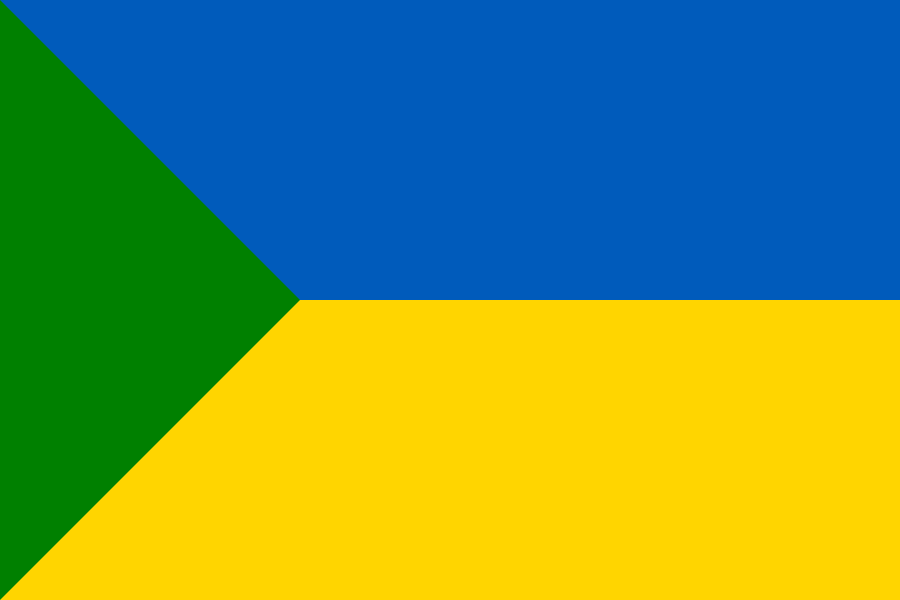
1918–1922
Green Ukraine
An attempt by Ukrainian settlers in the Russian Far East to form an autonomous state around the Amur and Pacific coast, suppressed by the Bolsheviks.
Regional flags of Russia
The 83 states, provinces and regions of Russia with their own flags.
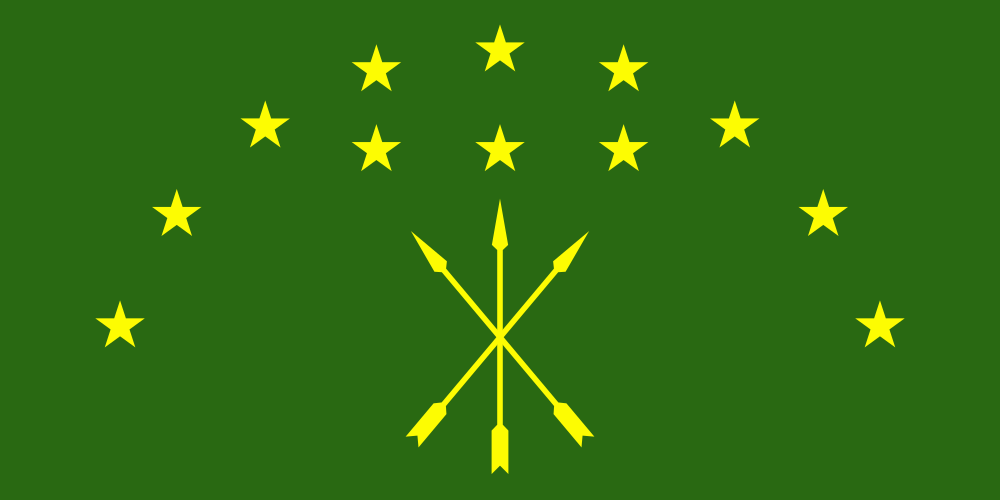
Adygea

Altai Republic
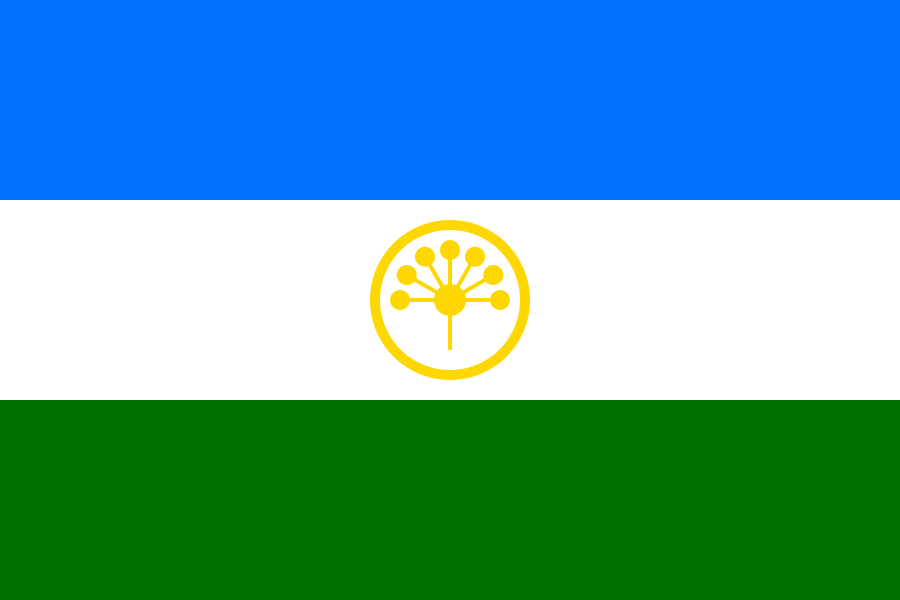
Bashkortostan
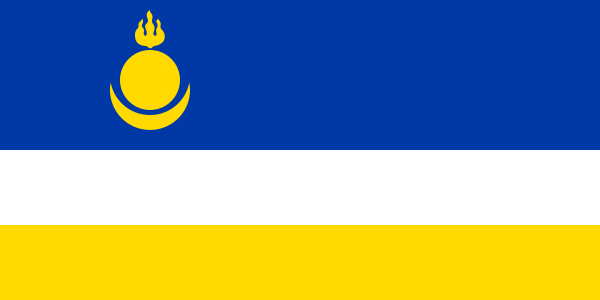
Buryatia
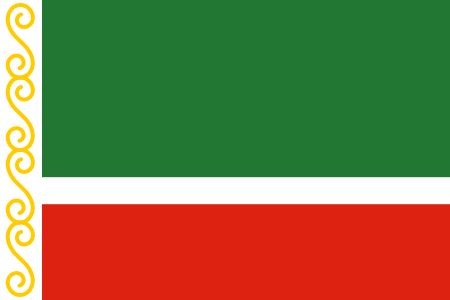
Chechnya
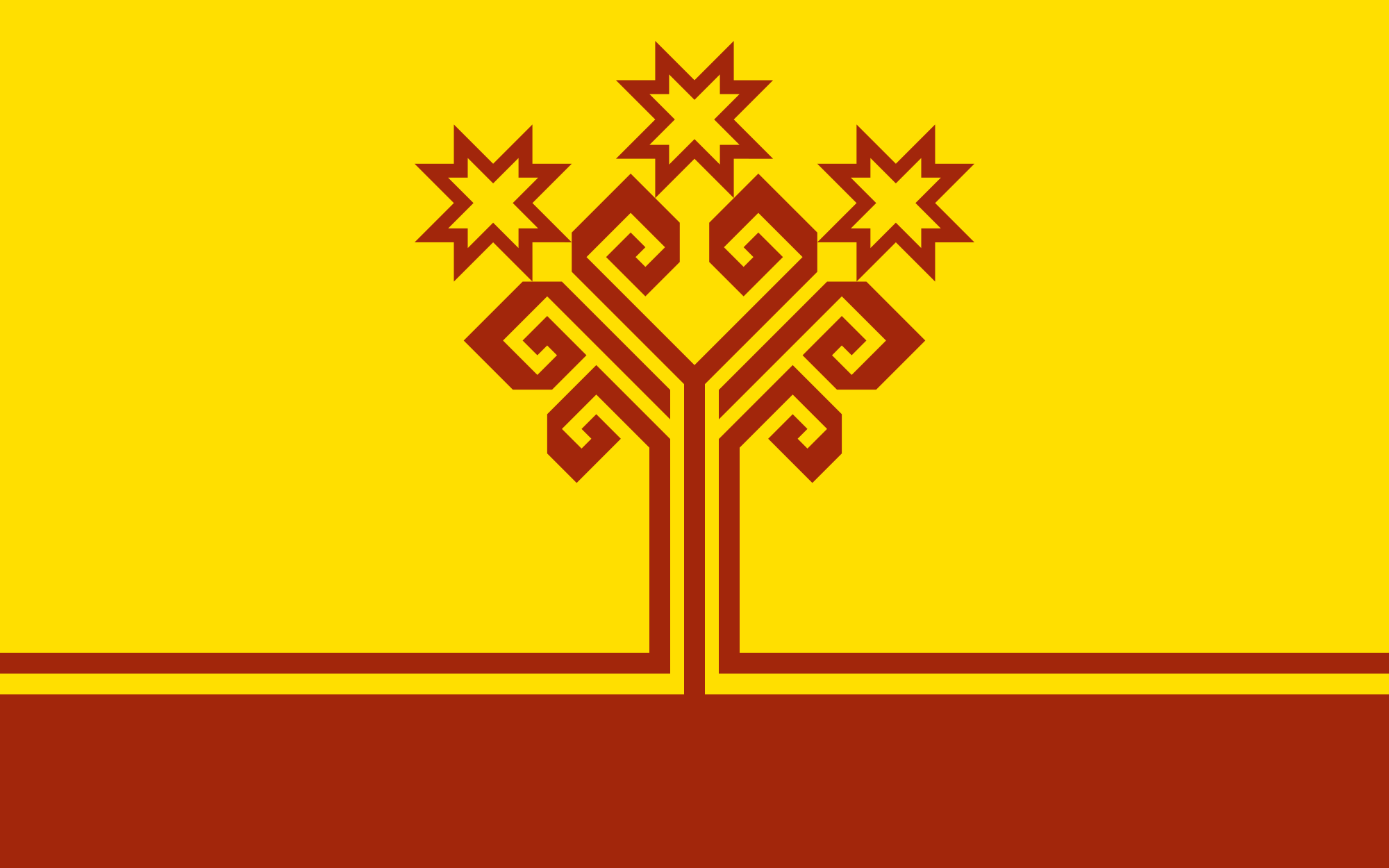
Chuvashia
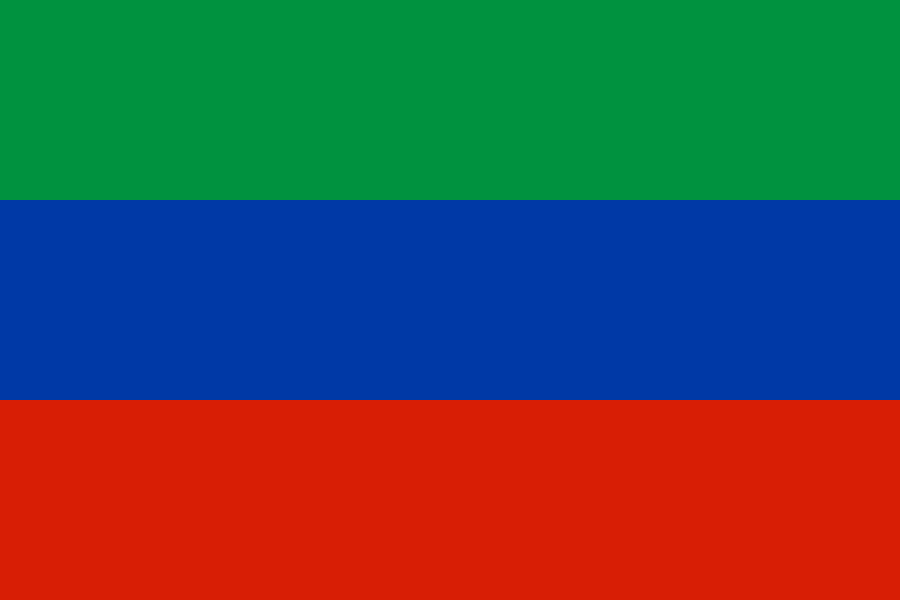
Dagestan
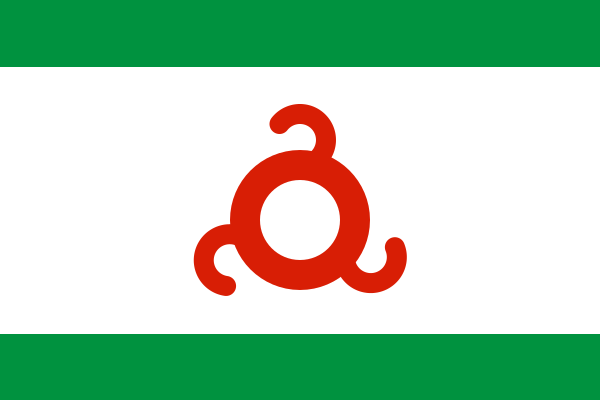
Ingushetia
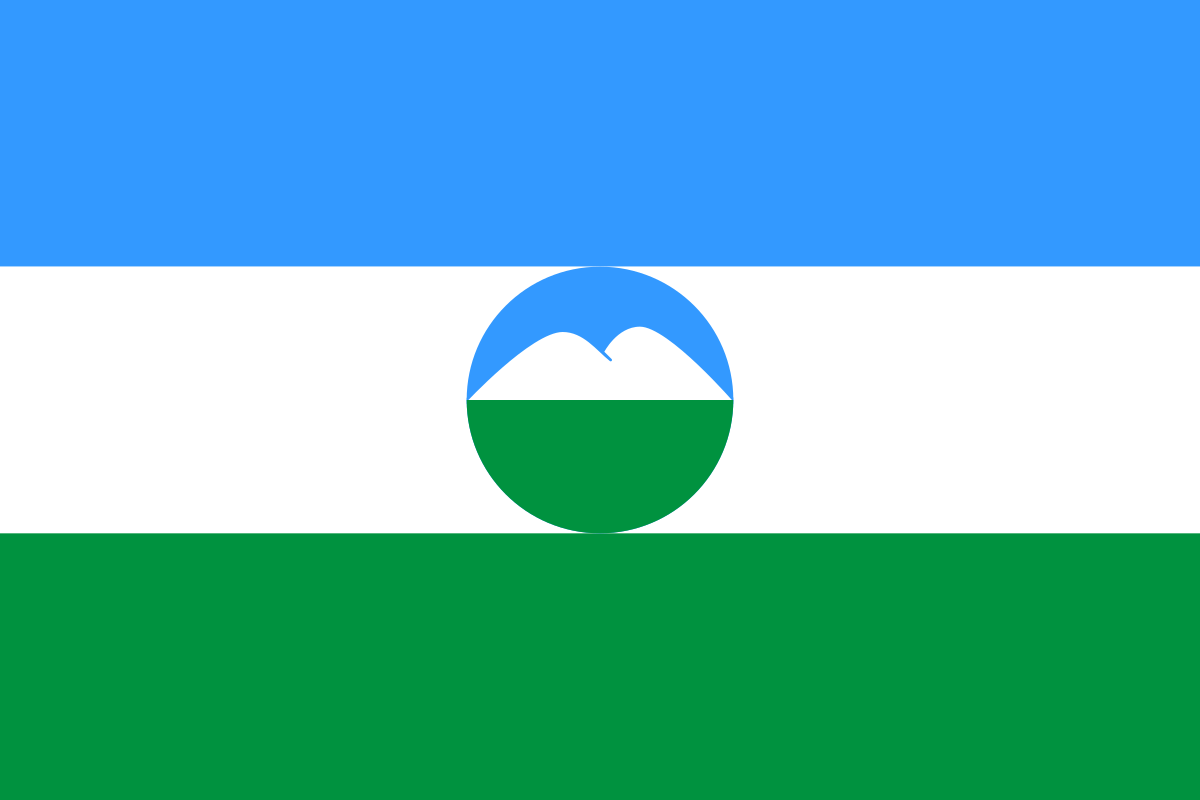
Kabardino-Balkaria
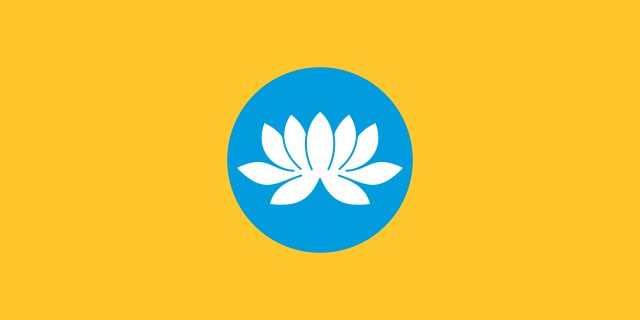
Kalmykia
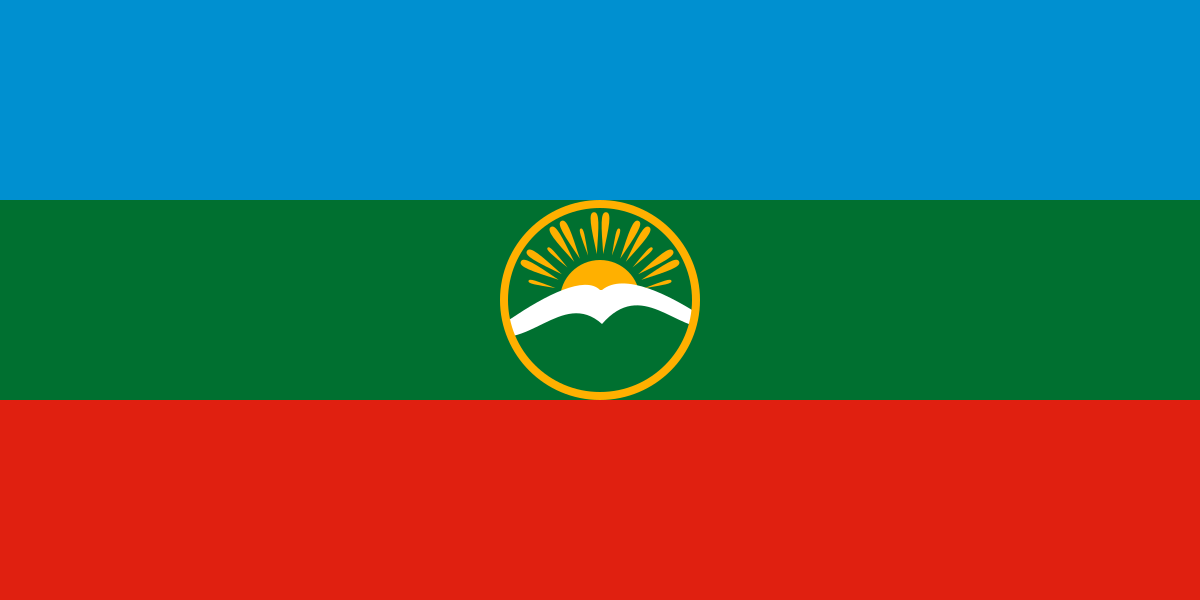
Karachay-Cherkessia
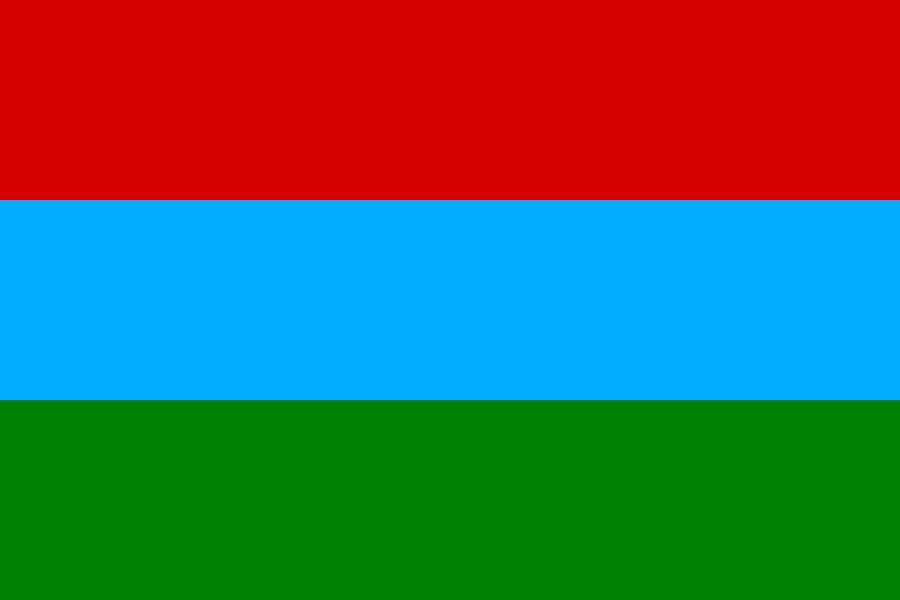
Karelia
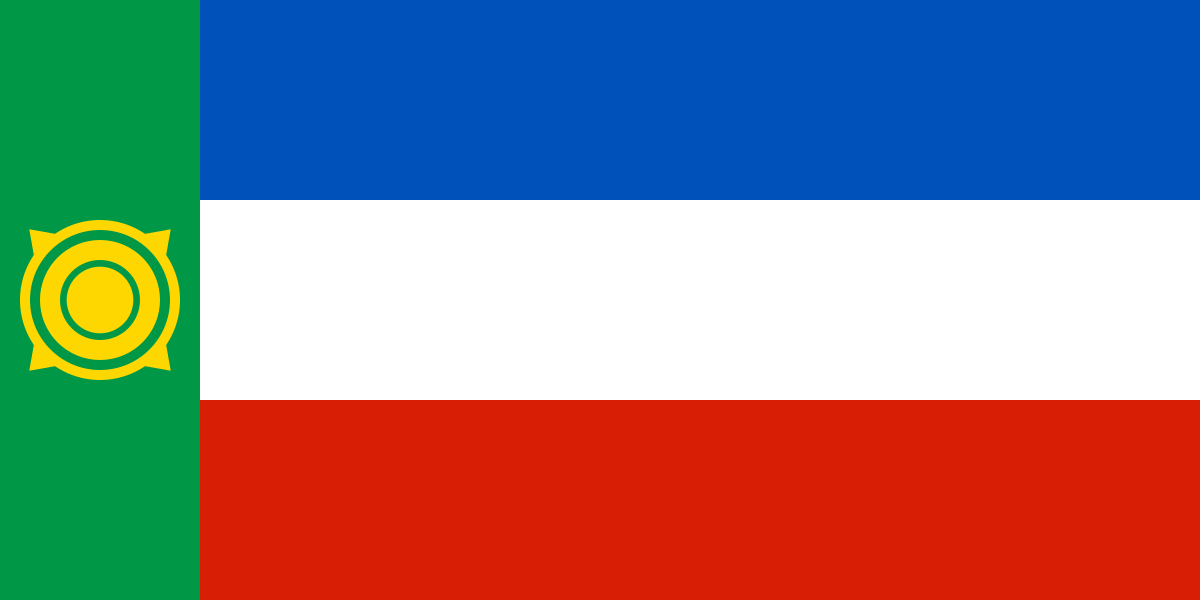
Khakassia
Komi
Mari El
Mordovia
North Ossetia

Sakha (Yakutia)
Tatarstan
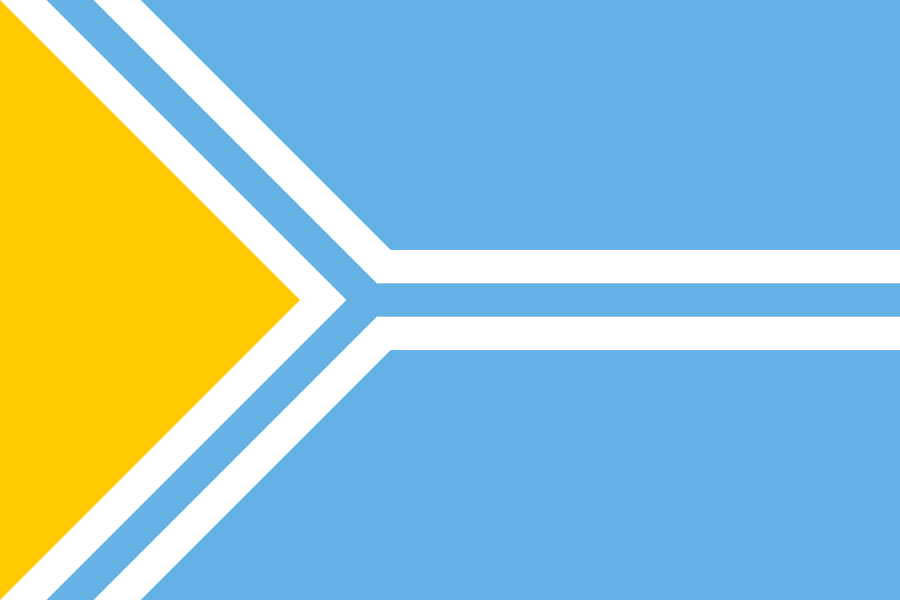
Tuva
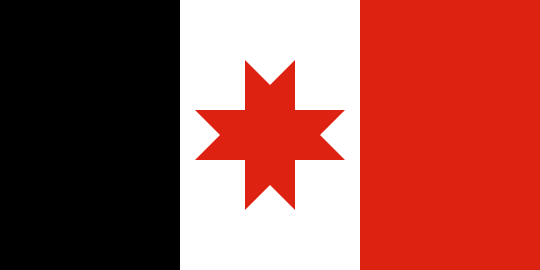
Udmurtia
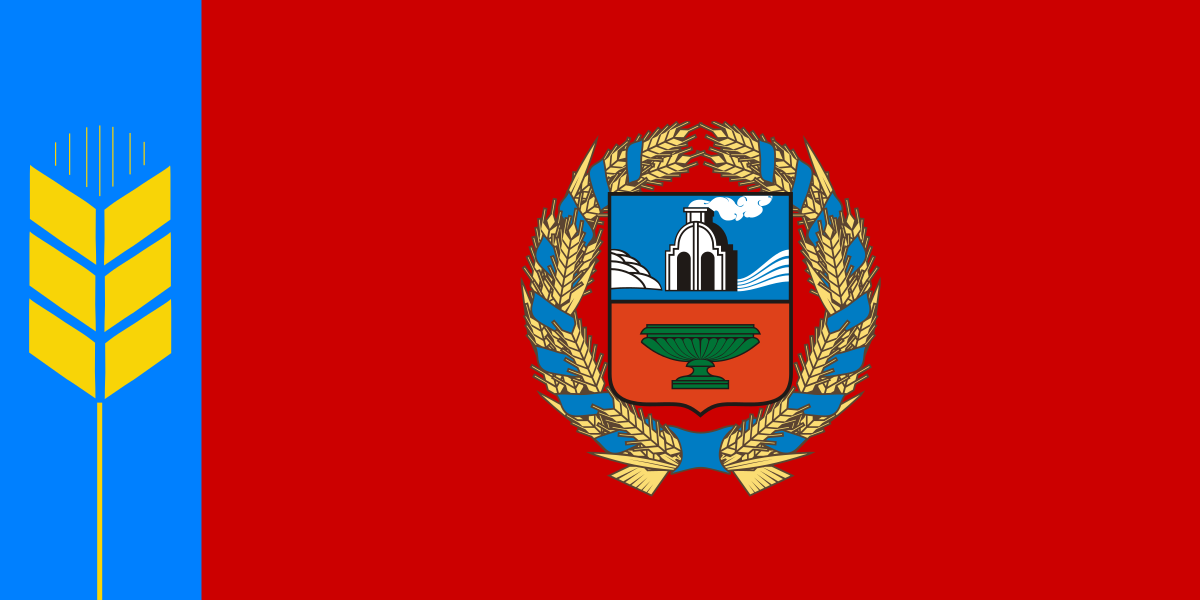
Altai Krai
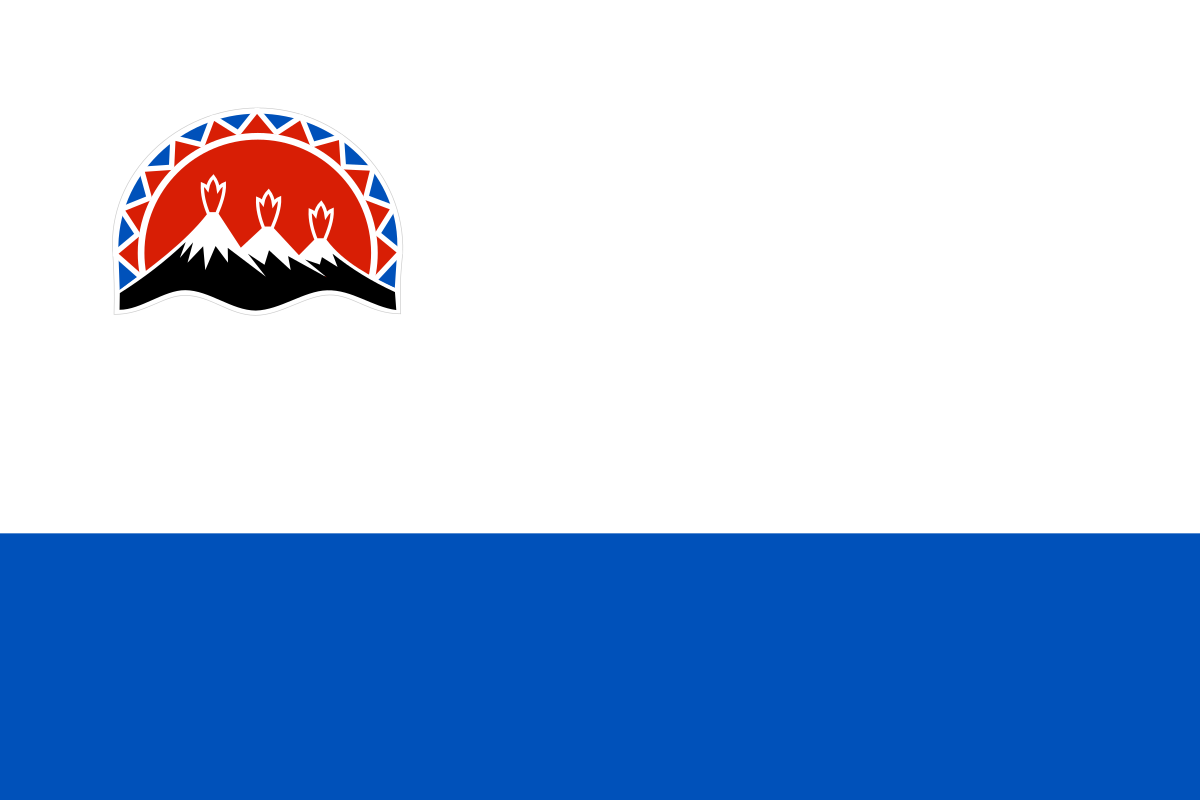
Kamchatka Krai
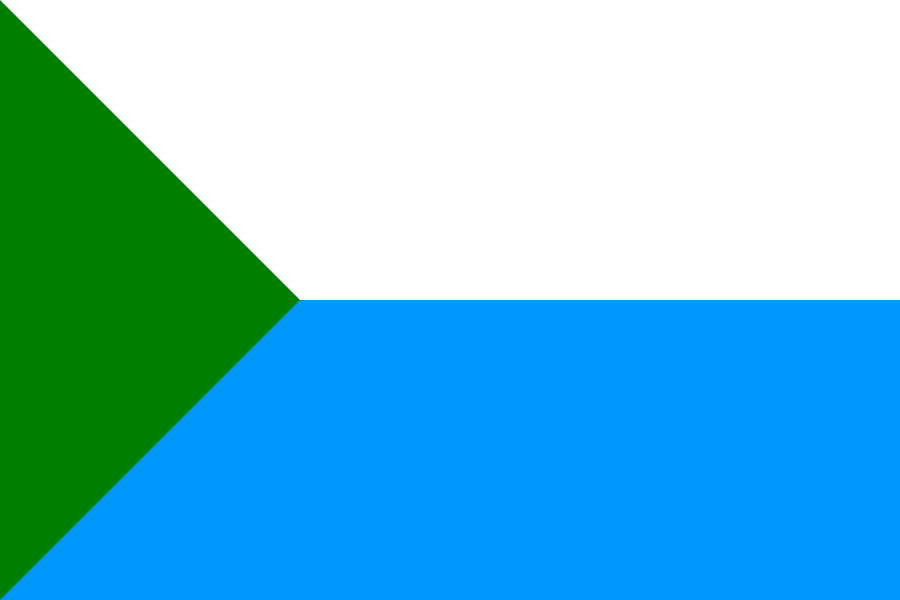
Khabarovsk Krai
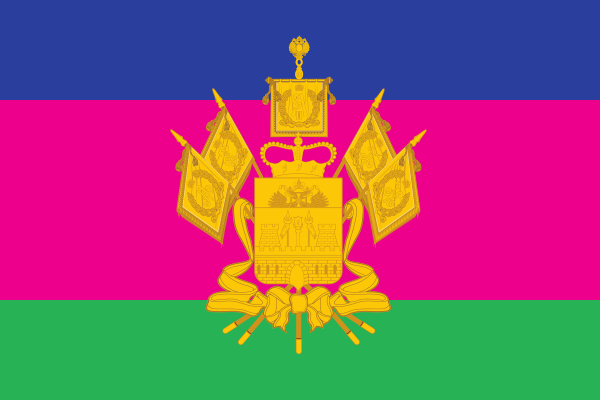
Krasnodar Krai
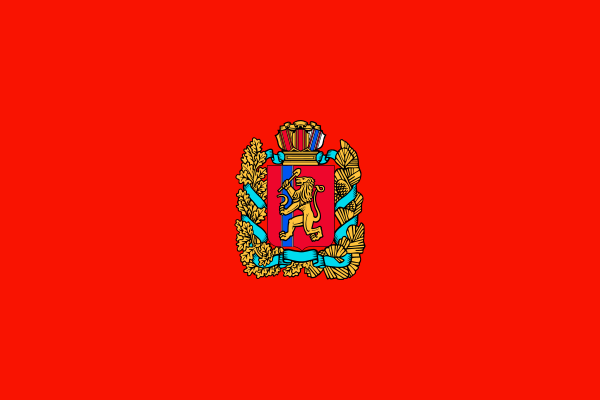
Krasnoyarsk Krai
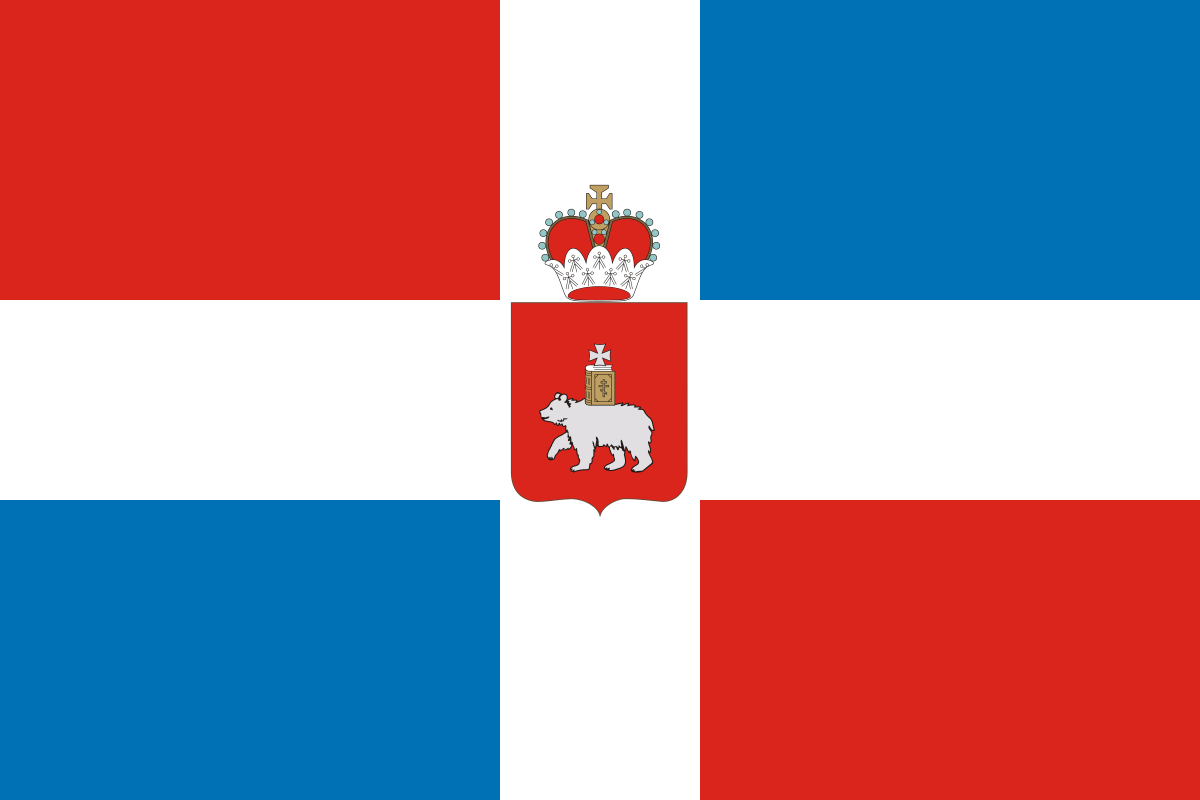
Perm Krai
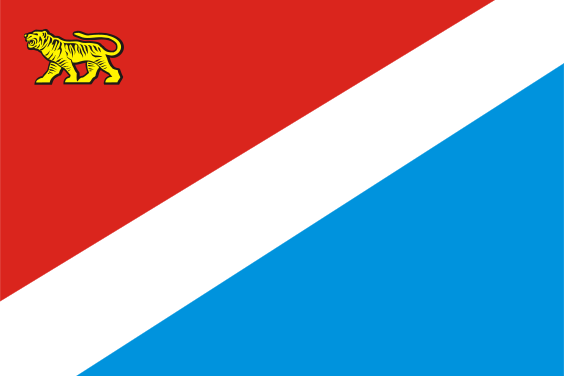
Primorsky Krai
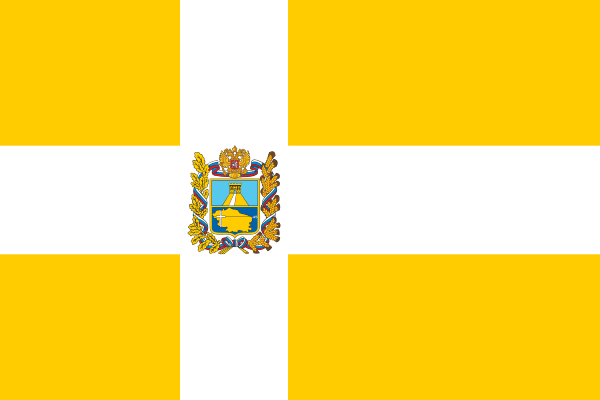
Stavropol Krai

Zabaykalsky Krai
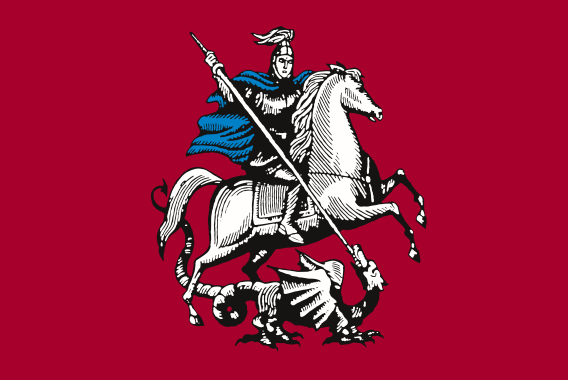
Moscow
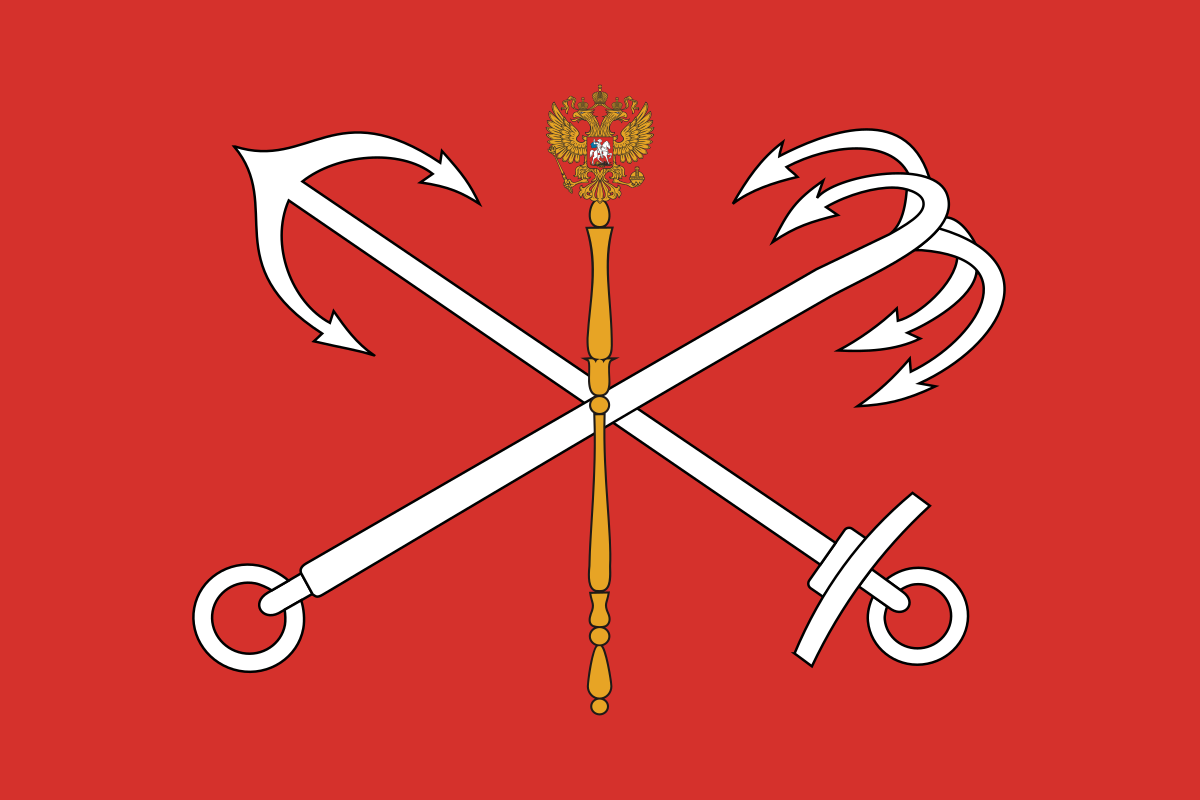
Saint Petersburg
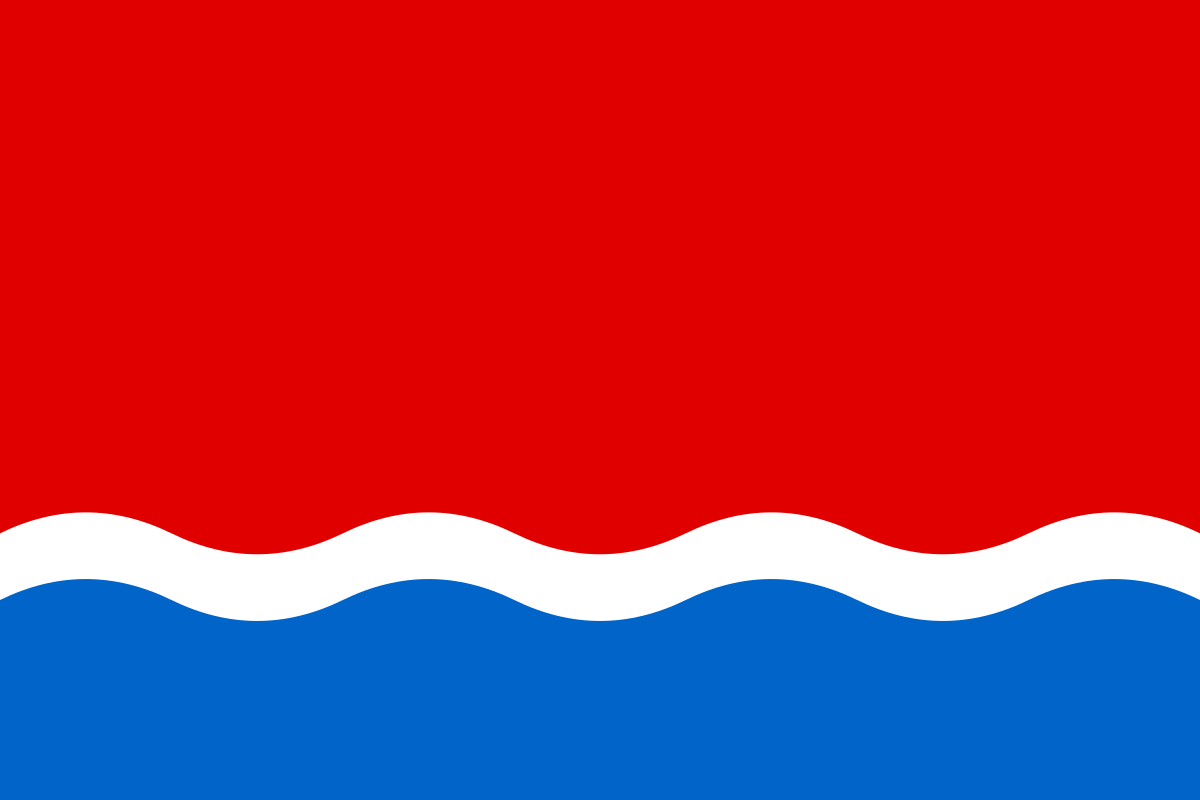
Amur Oblast
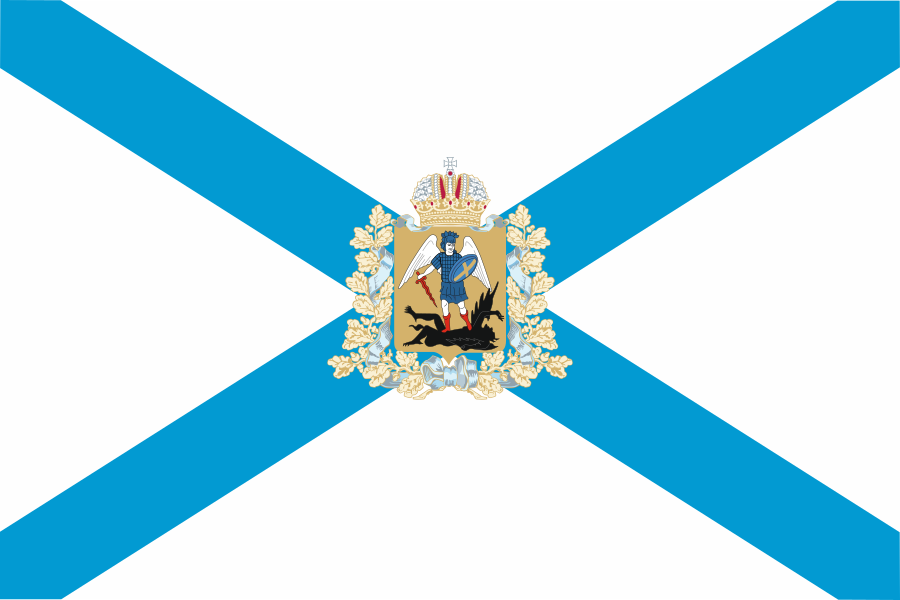
Arkhangelsk Oblast
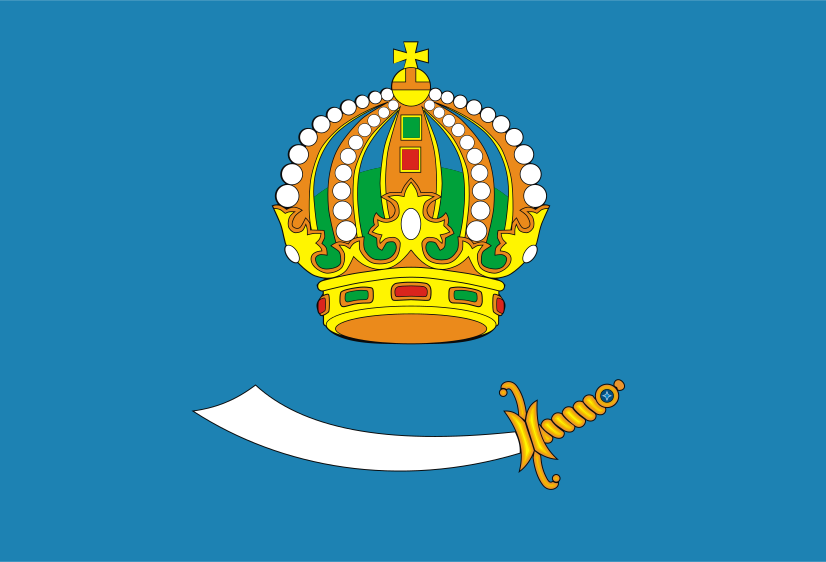
Astrakhan Oblast
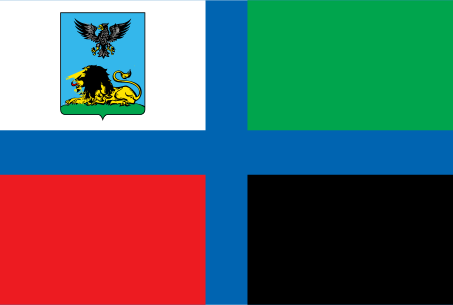
Belgorod Oblast
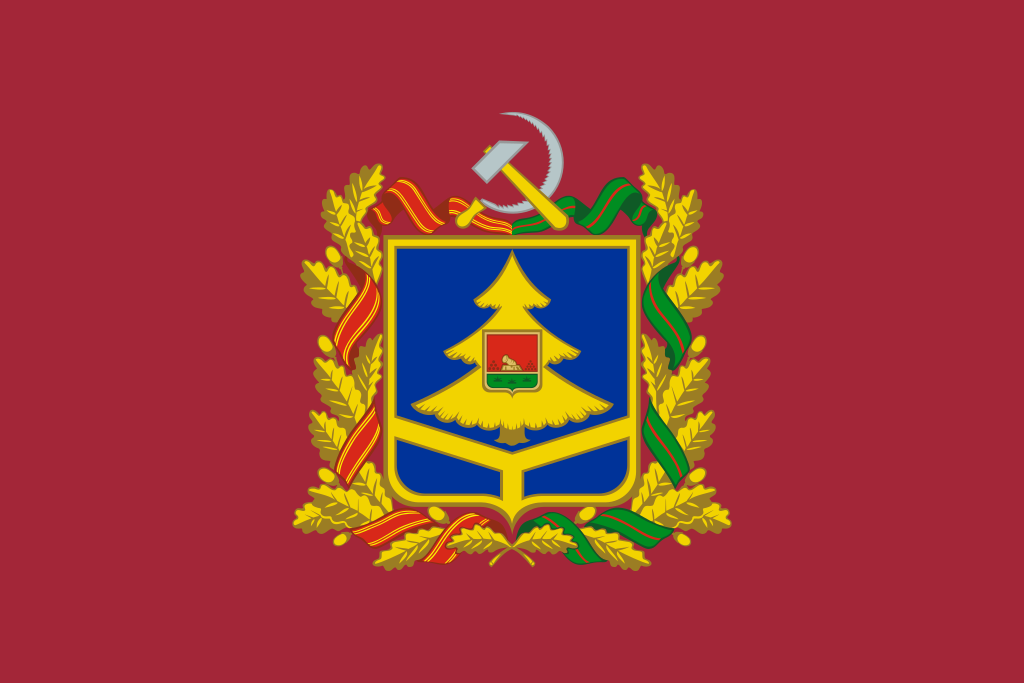
Bryansk Oblast
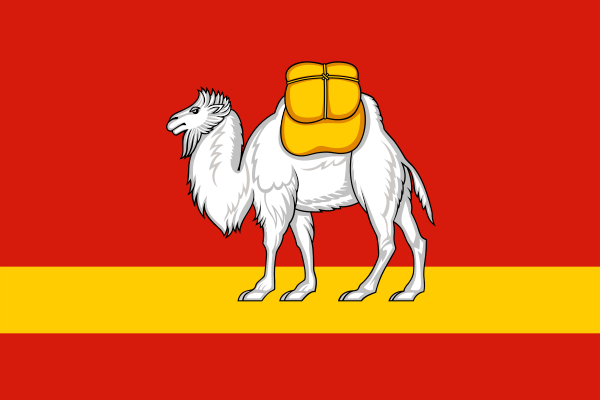
Chelyabinsk Oblast
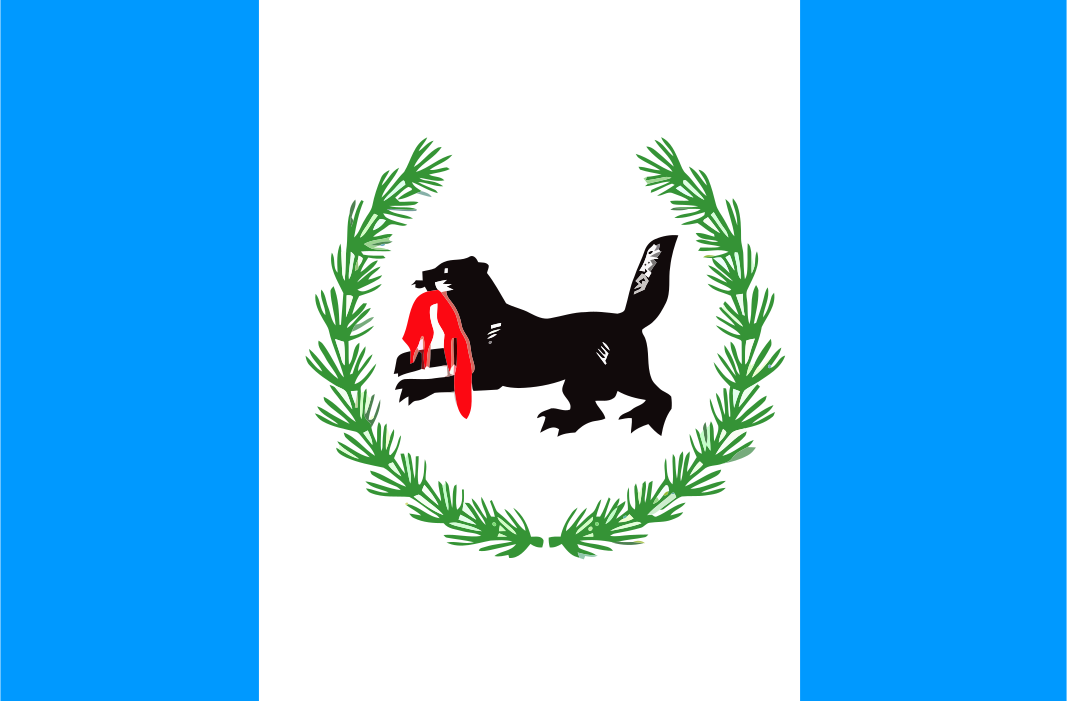
Irkutsk Oblast
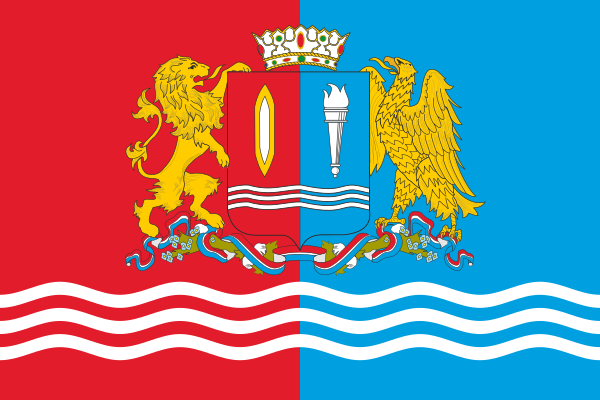
Ivanovo Oblast
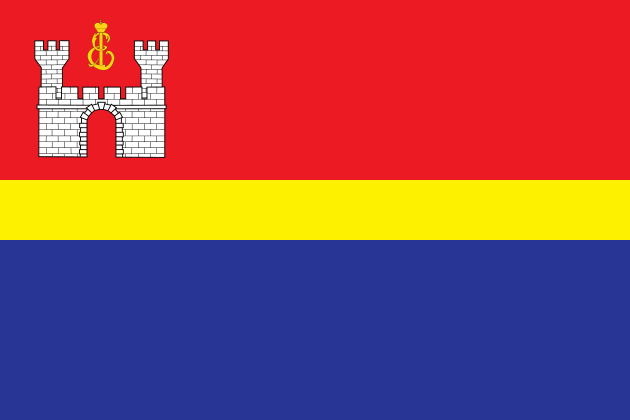
Kaliningrad Oblast
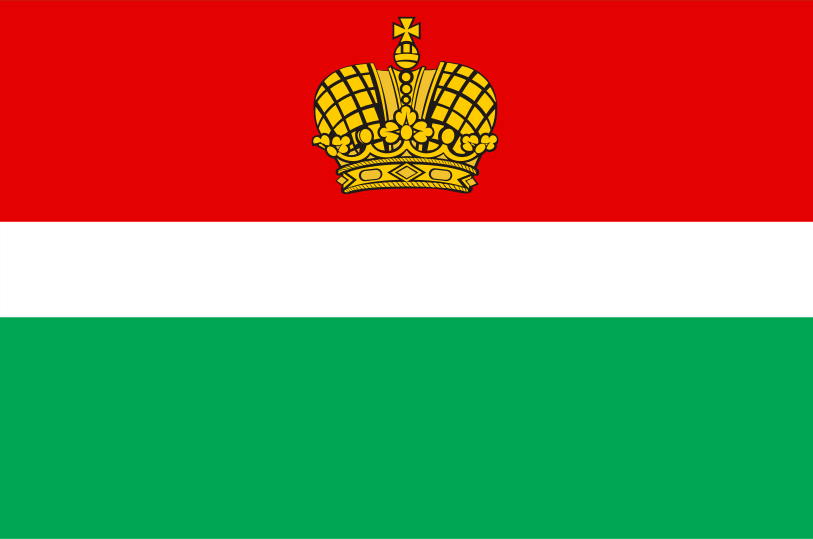
Kaluga Oblast
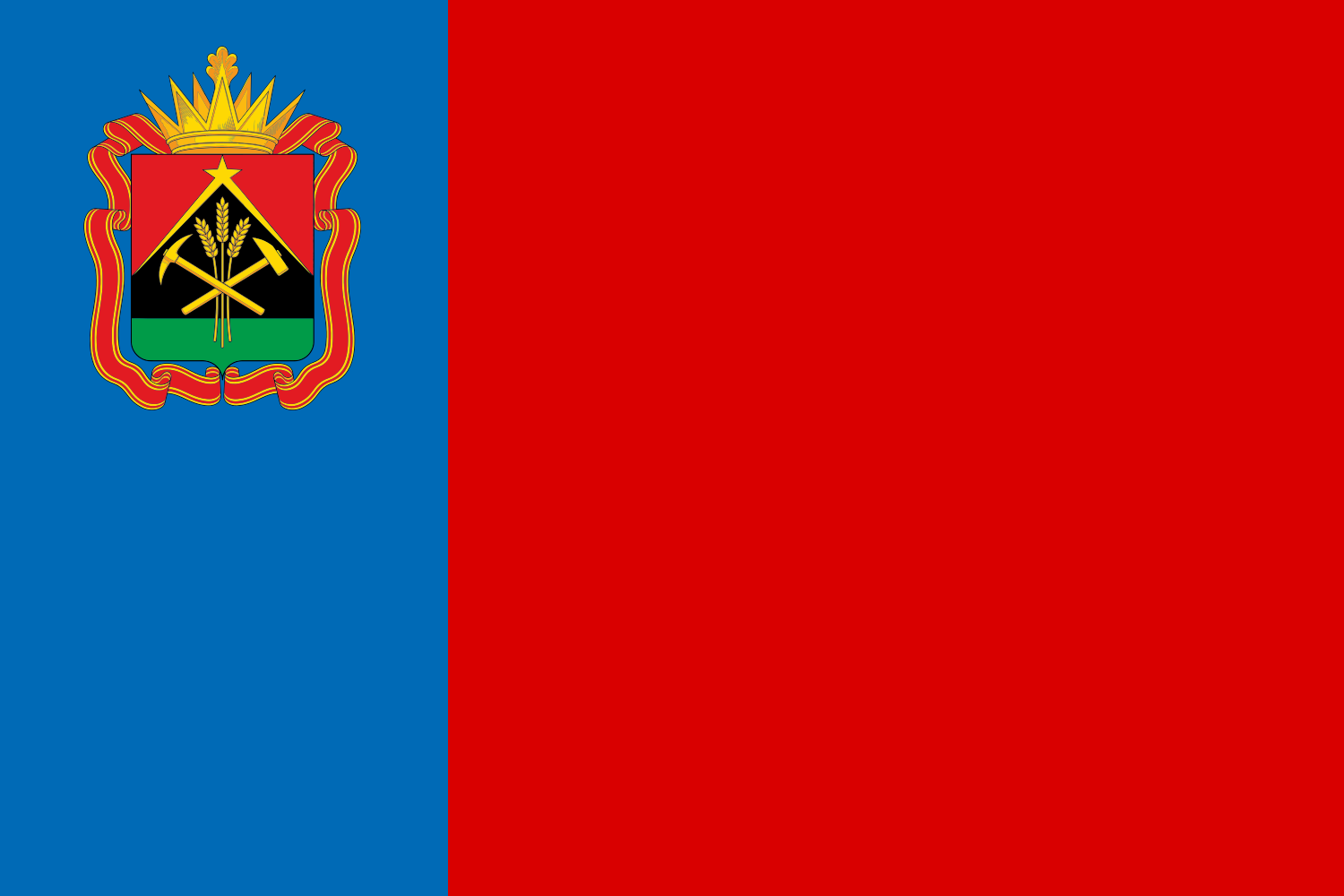
Kemerovo Oblast
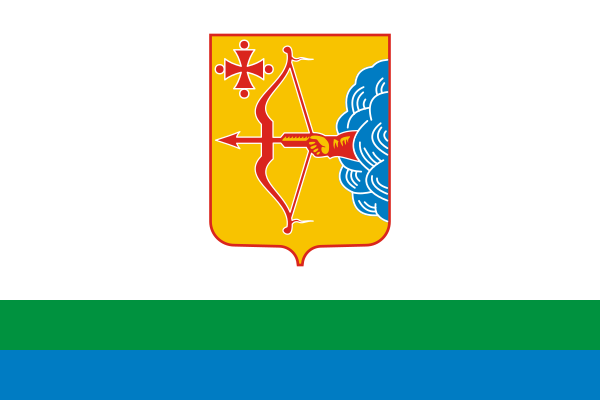
Kirov Oblast
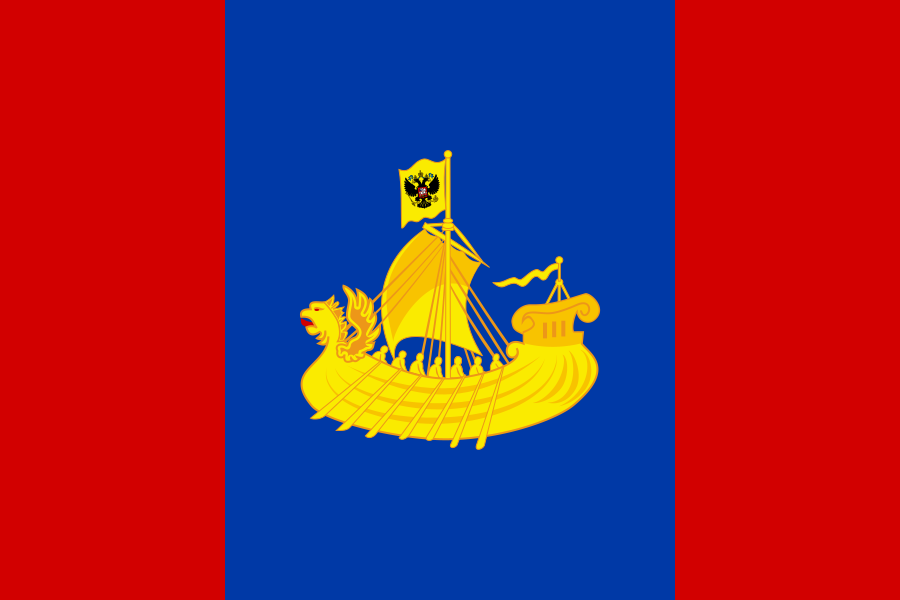
Kostroma Oblast
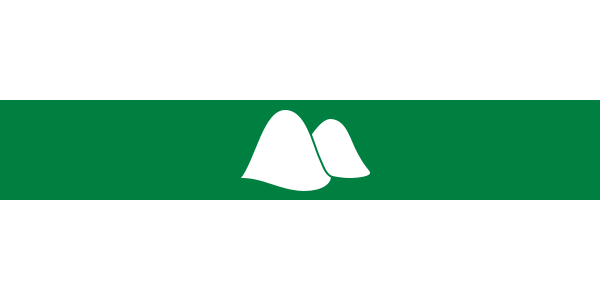
Kurgan Oblast
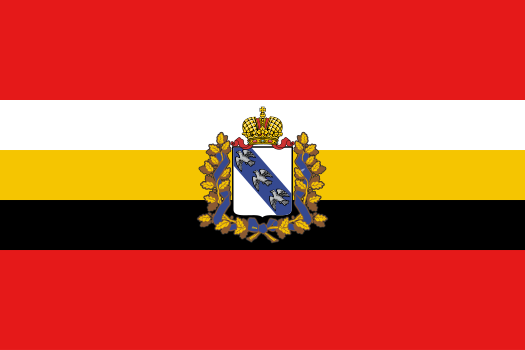
Kursk Oblast
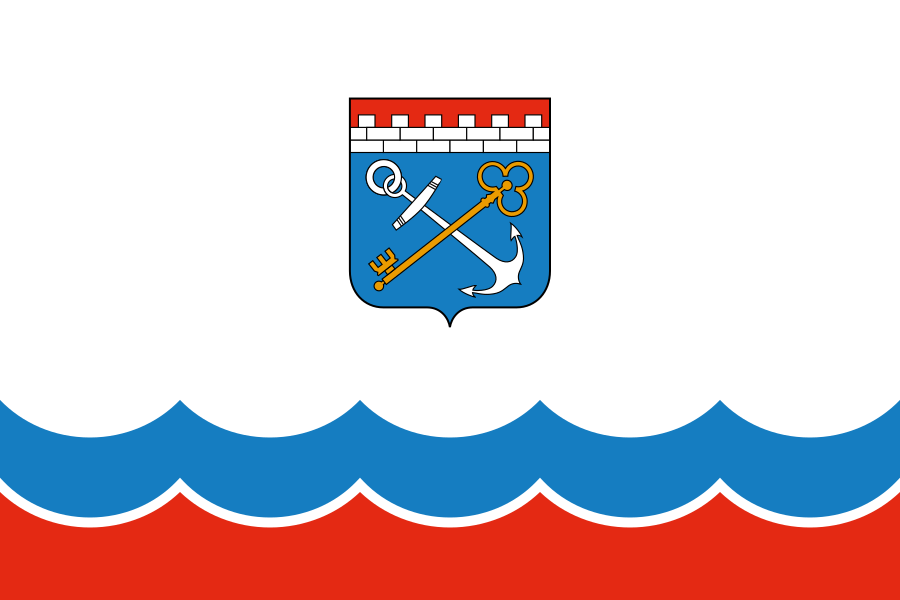
Leningrad Oblast
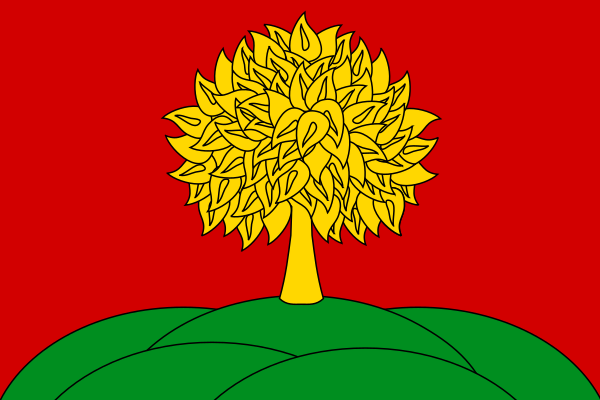
Lipetsk Oblast
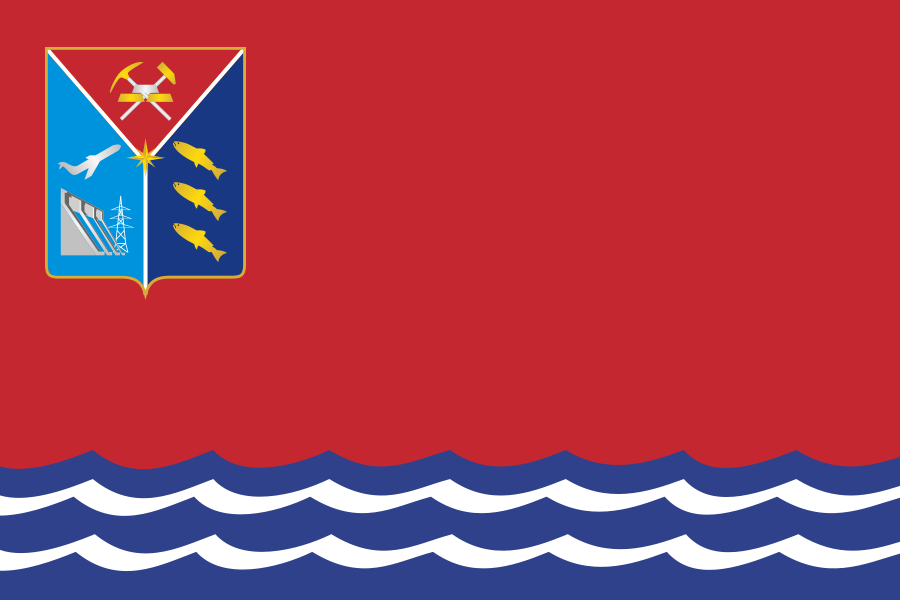
Magadan Oblast
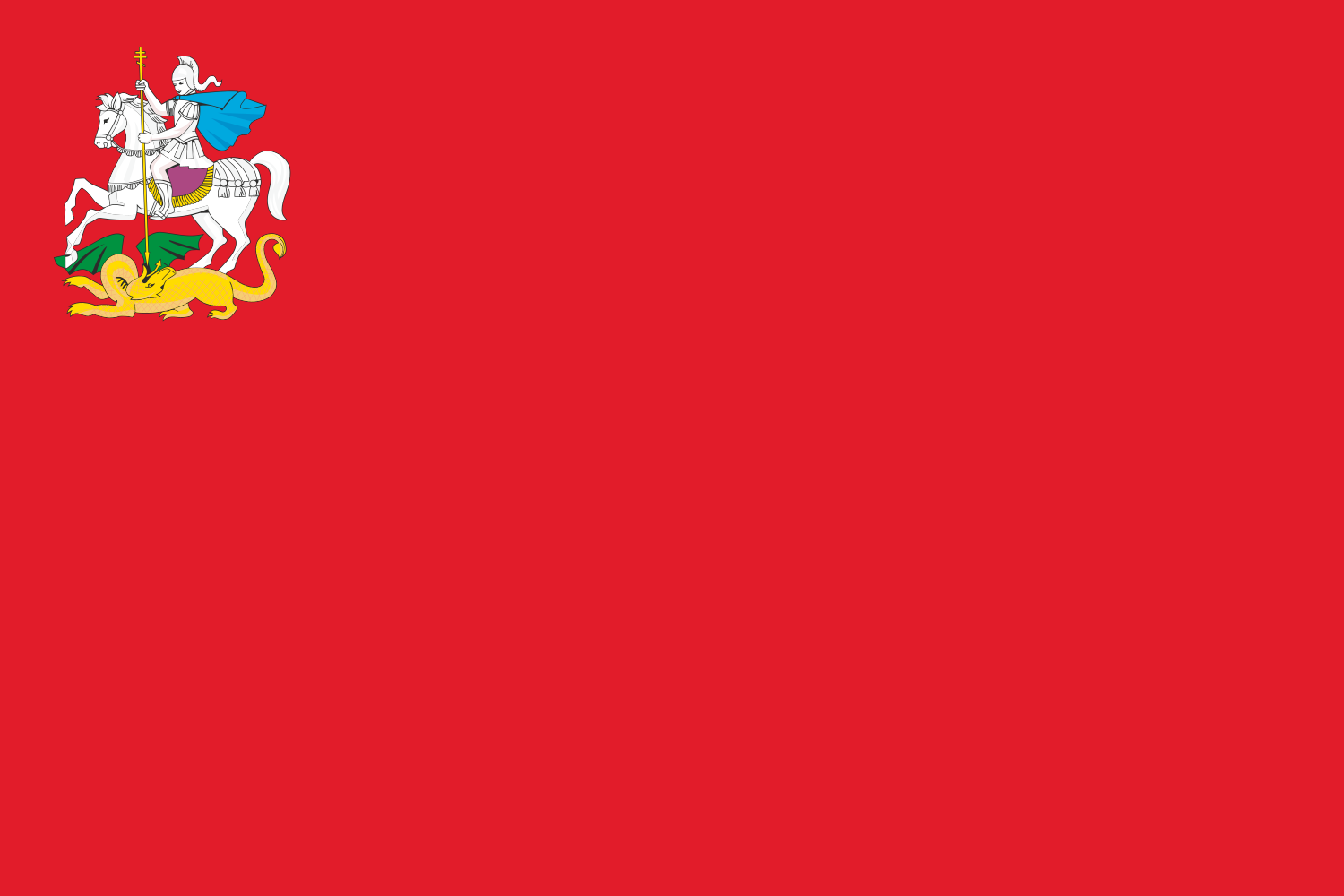
Moscow Oblast
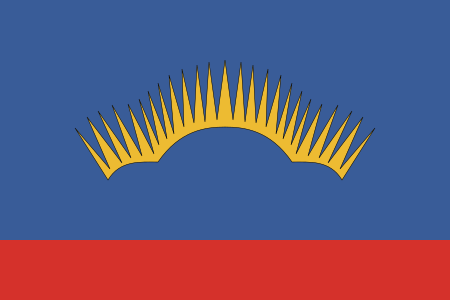
Murmansk Oblast
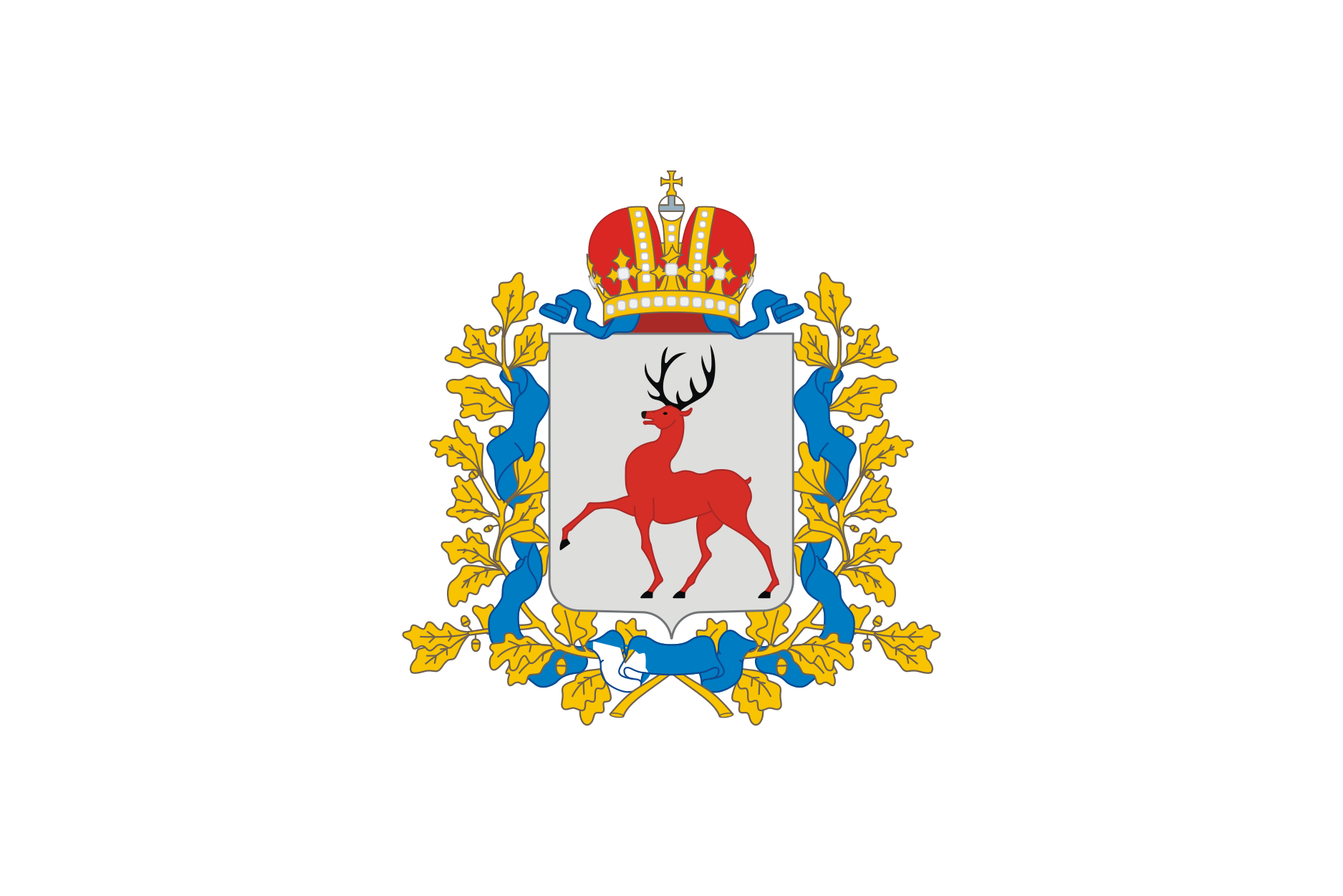
Nizhny Novgorod Oblast
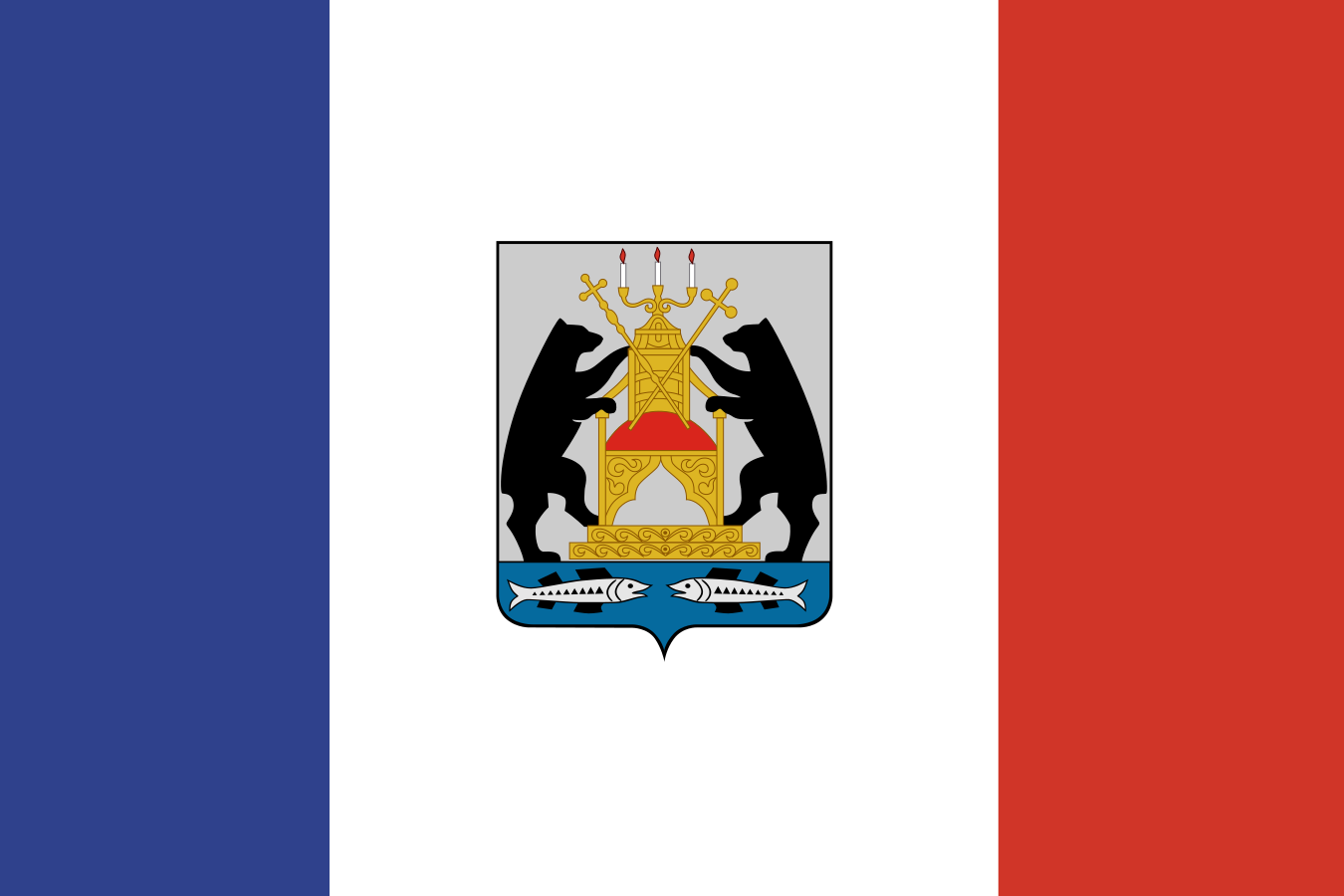
Novgorod Oblast
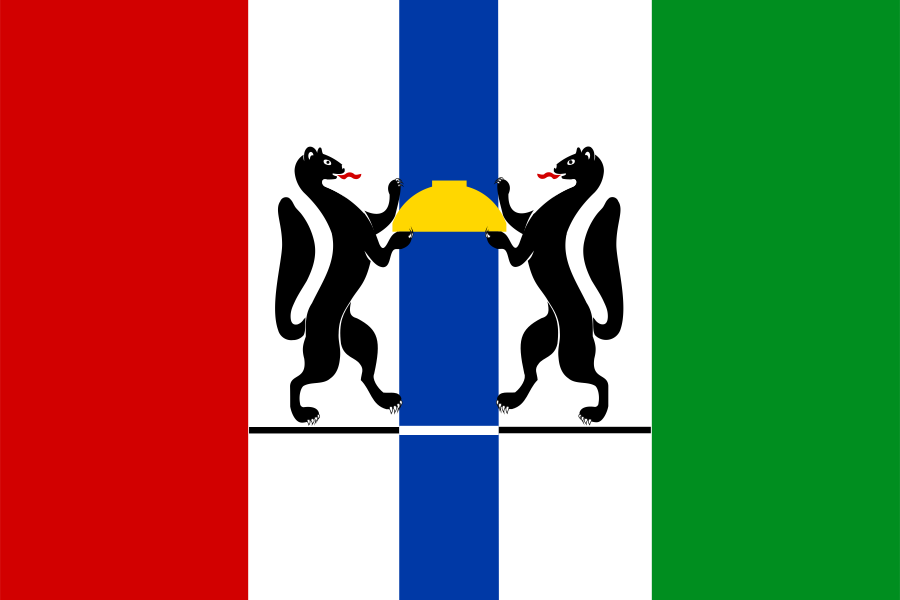
Novosibirsk Oblast
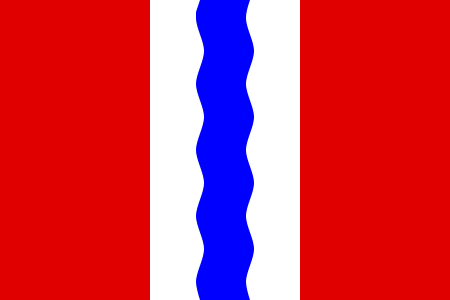
Omsk Oblast
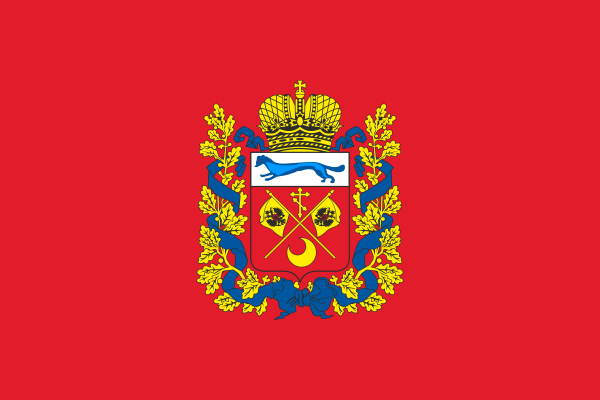
Orenburg Oblast
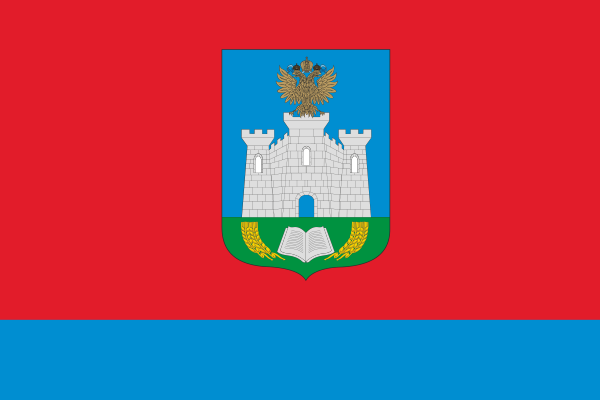
Oryol Oblast
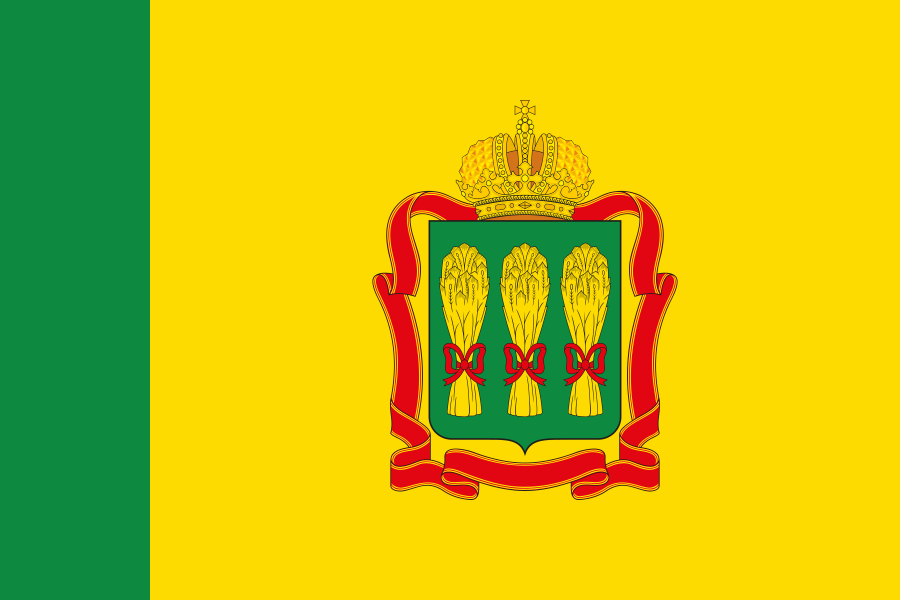
Penza Oblast
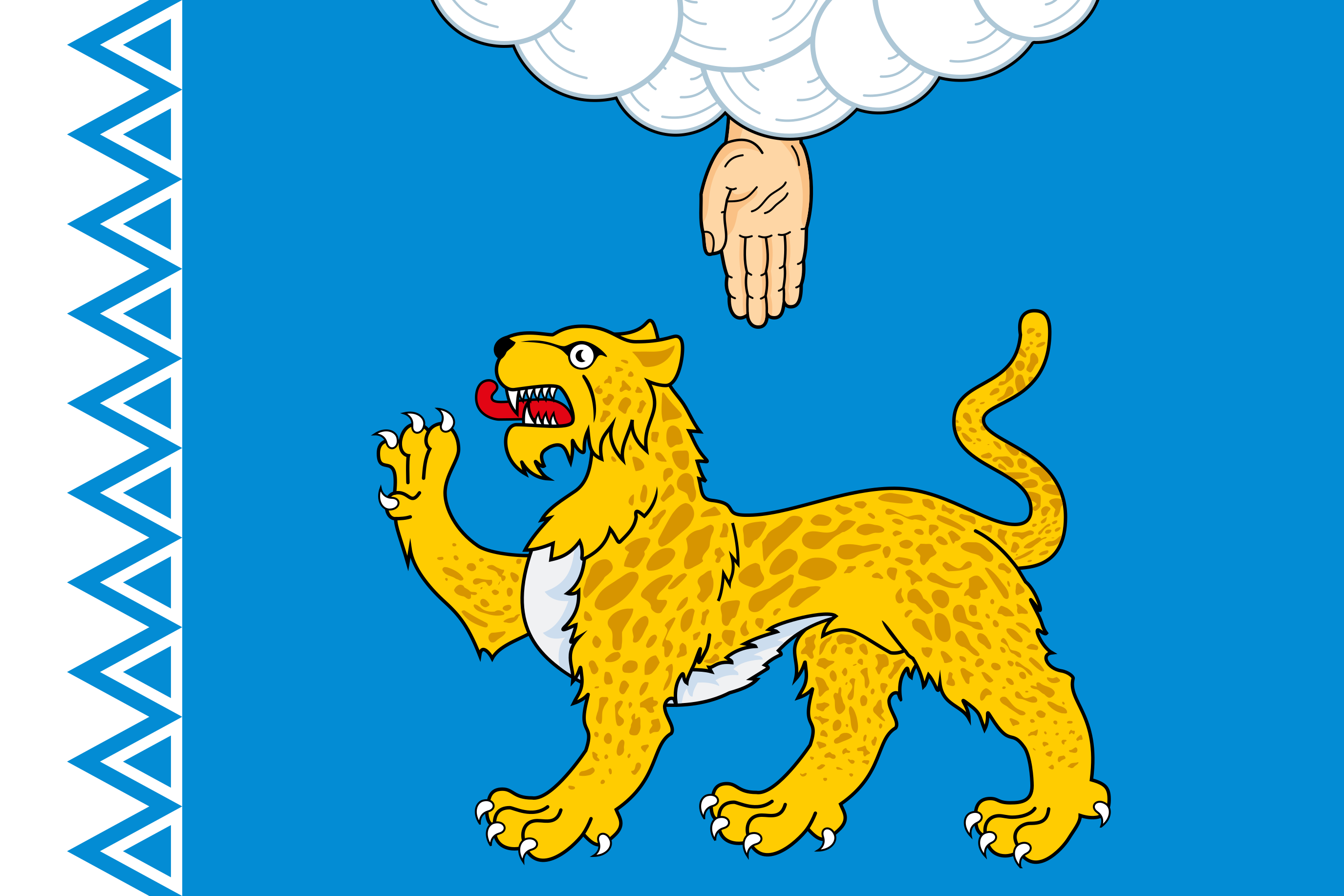
Pskov Oblast
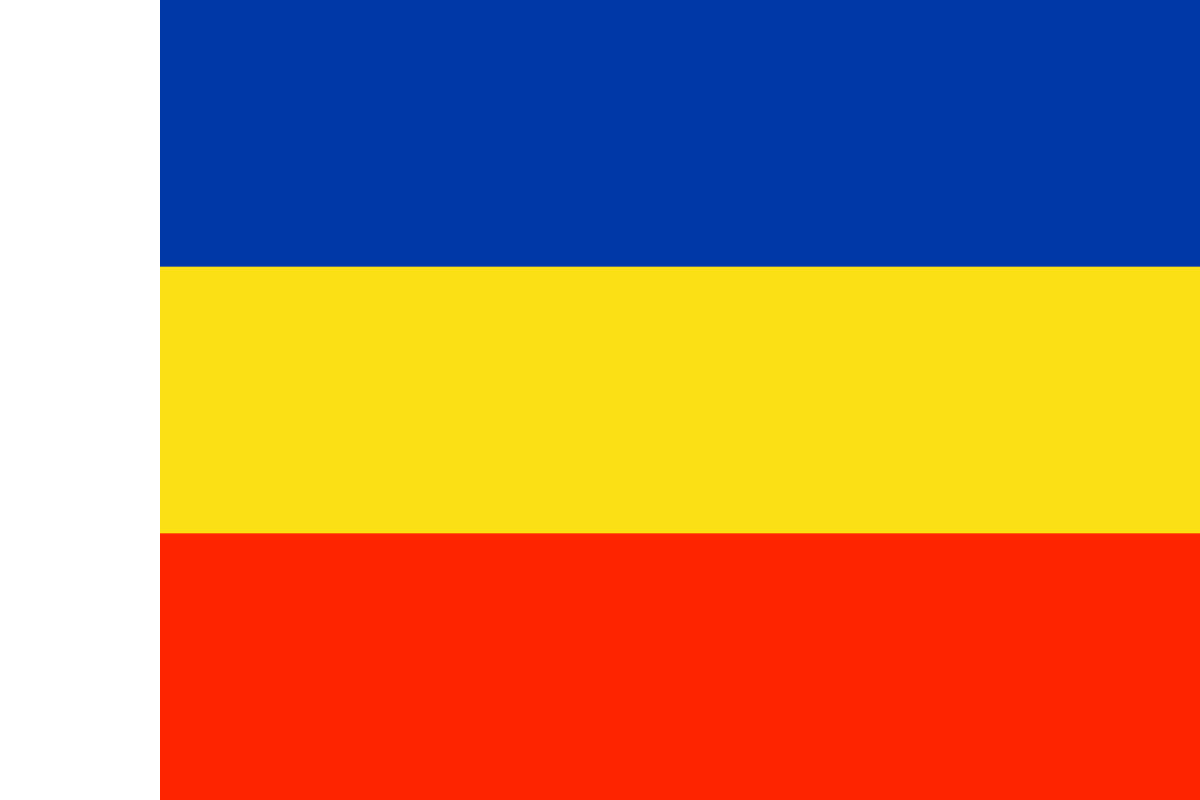
Rostov Oblast
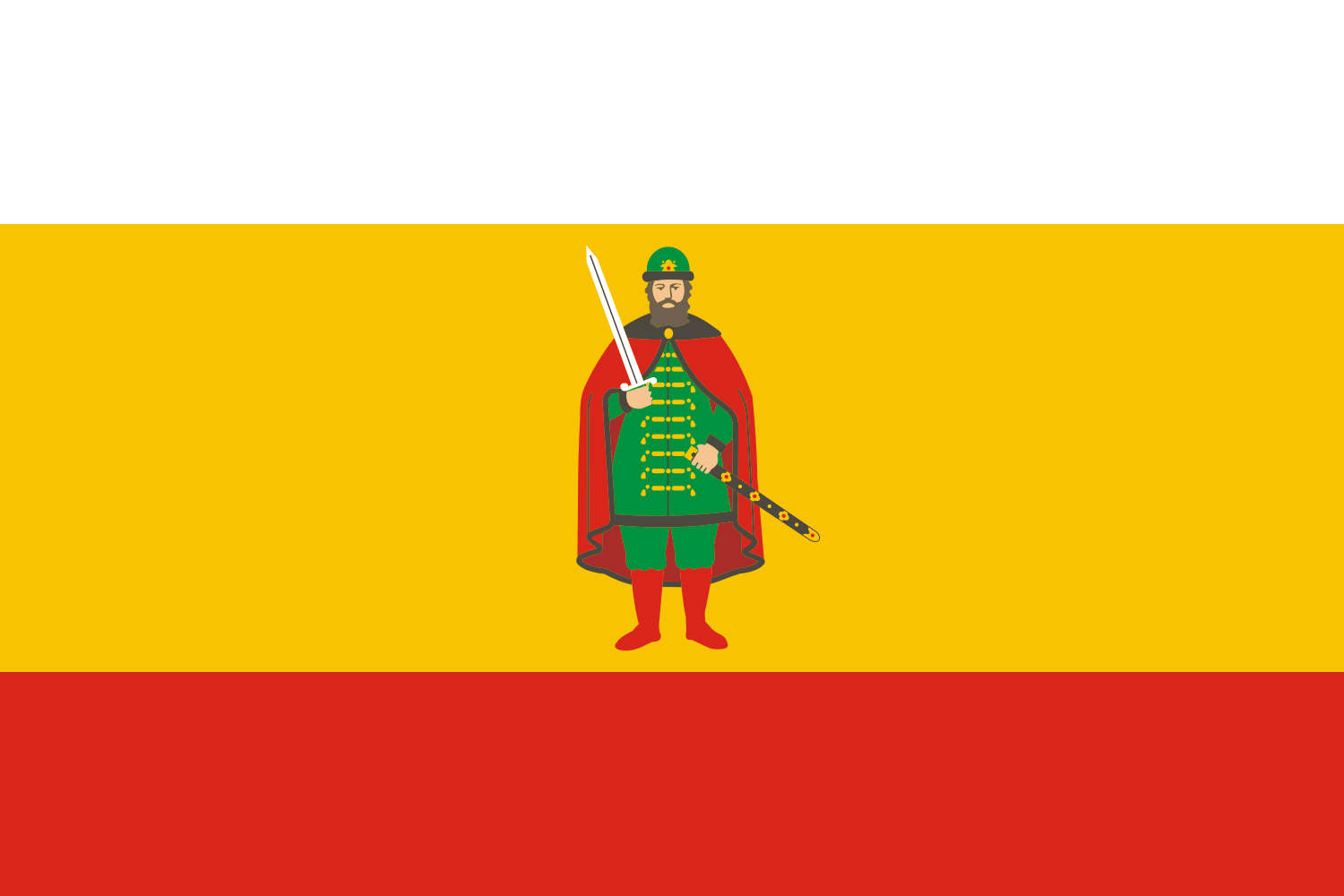
Ryazan Oblast
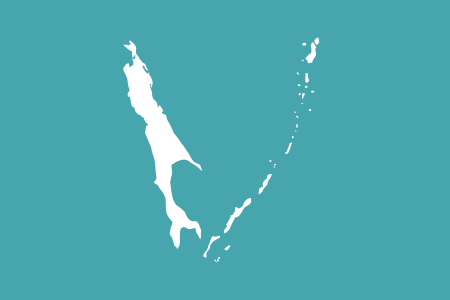
Sakhalin Oblast
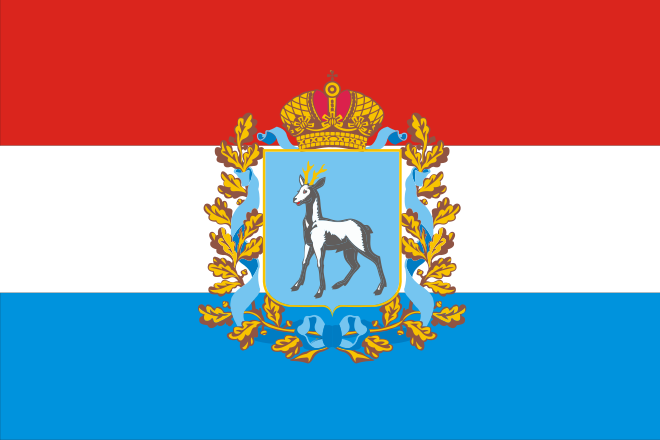
Samara Oblast
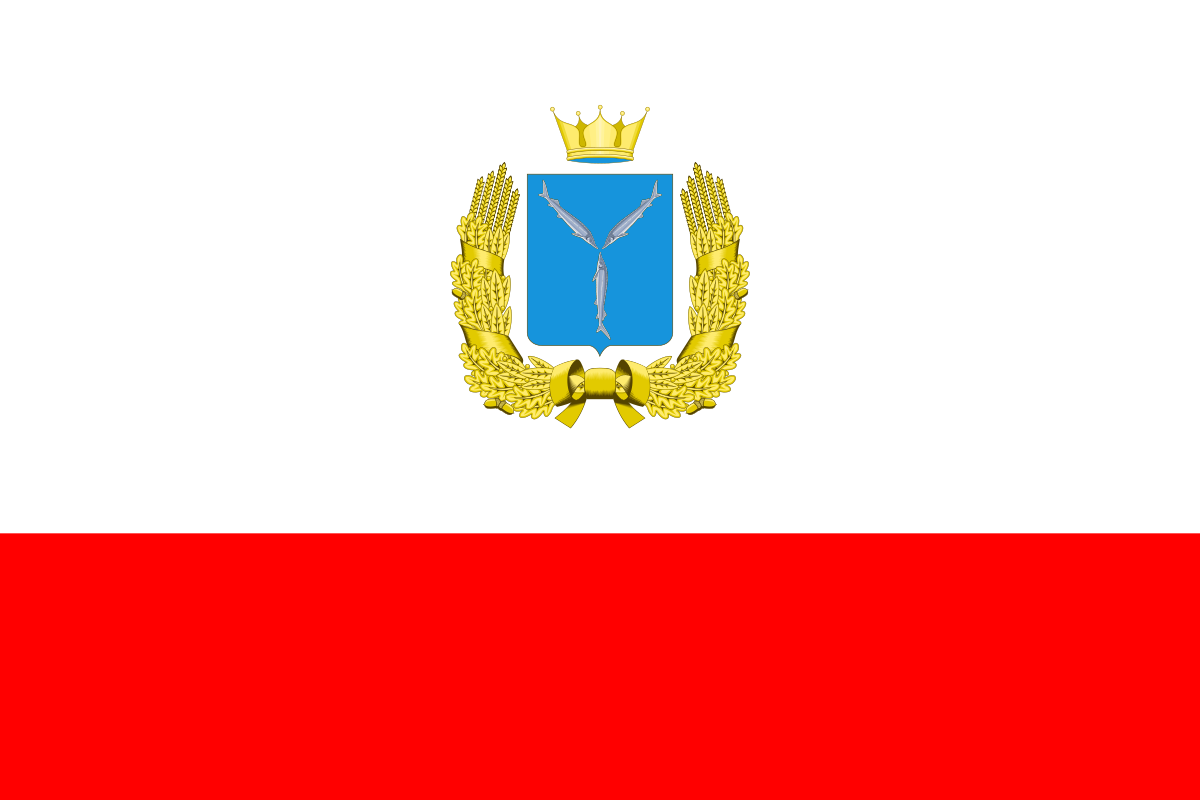
Saratov Oblast
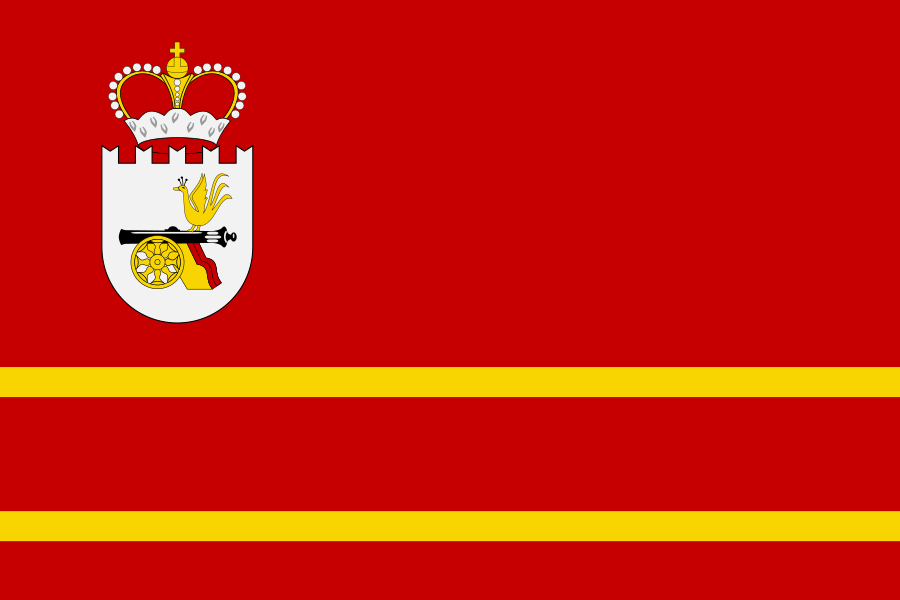
Smolensk Oblast

Sverdlovsk Oblast
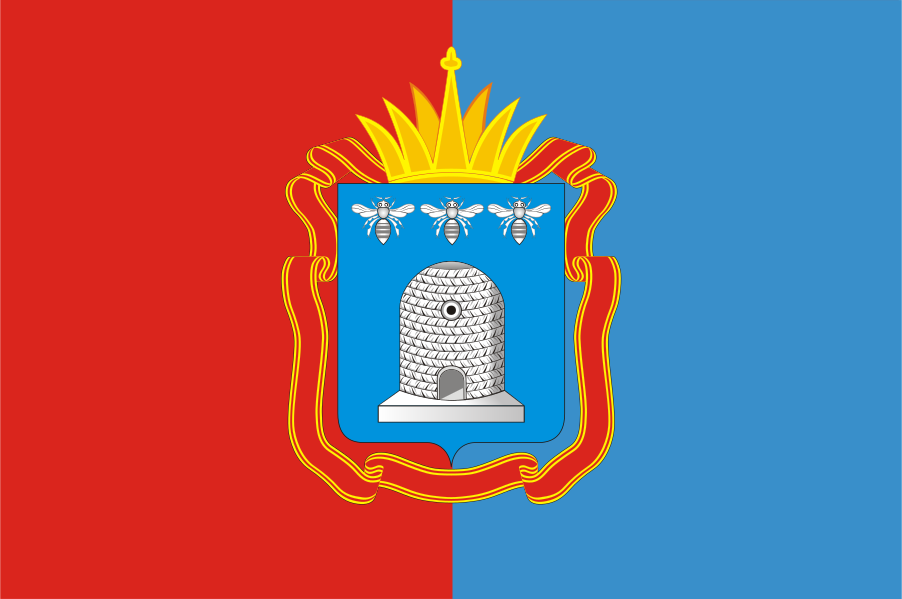
Tambov Oblast
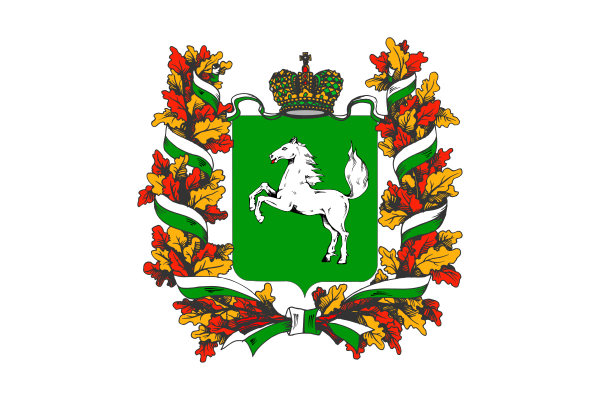
Tomsk Oblast
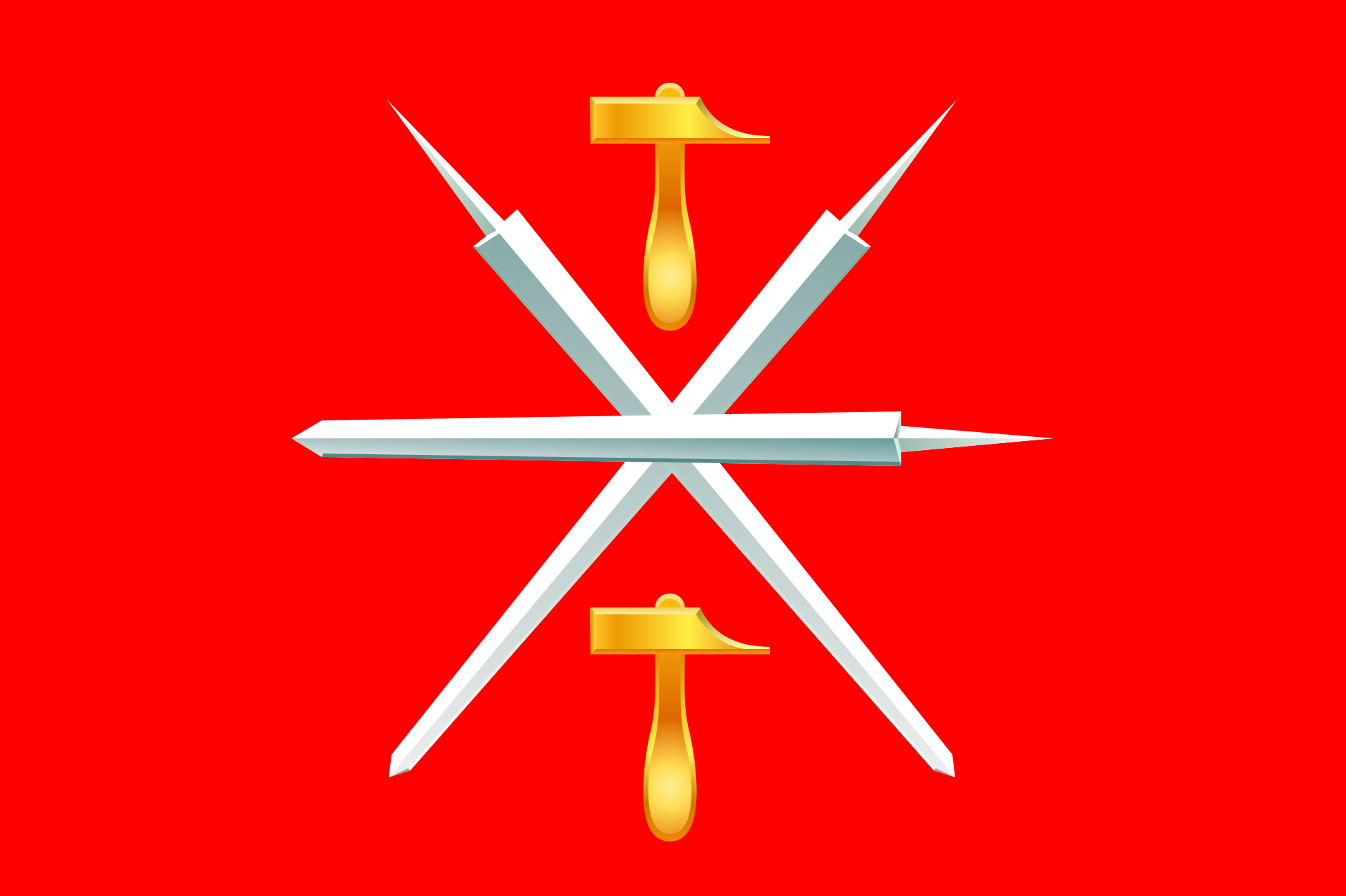
Tula Oblast
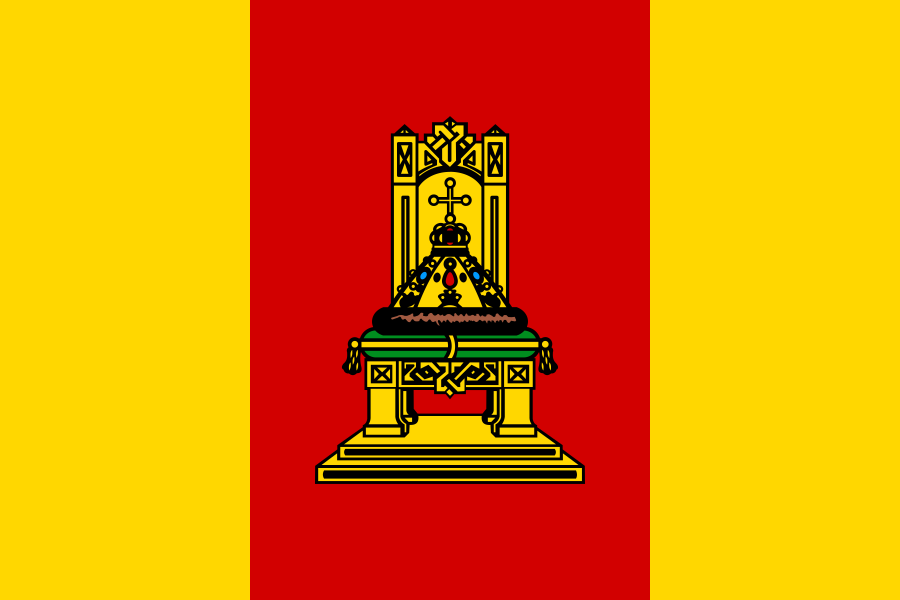
Tver Oblast
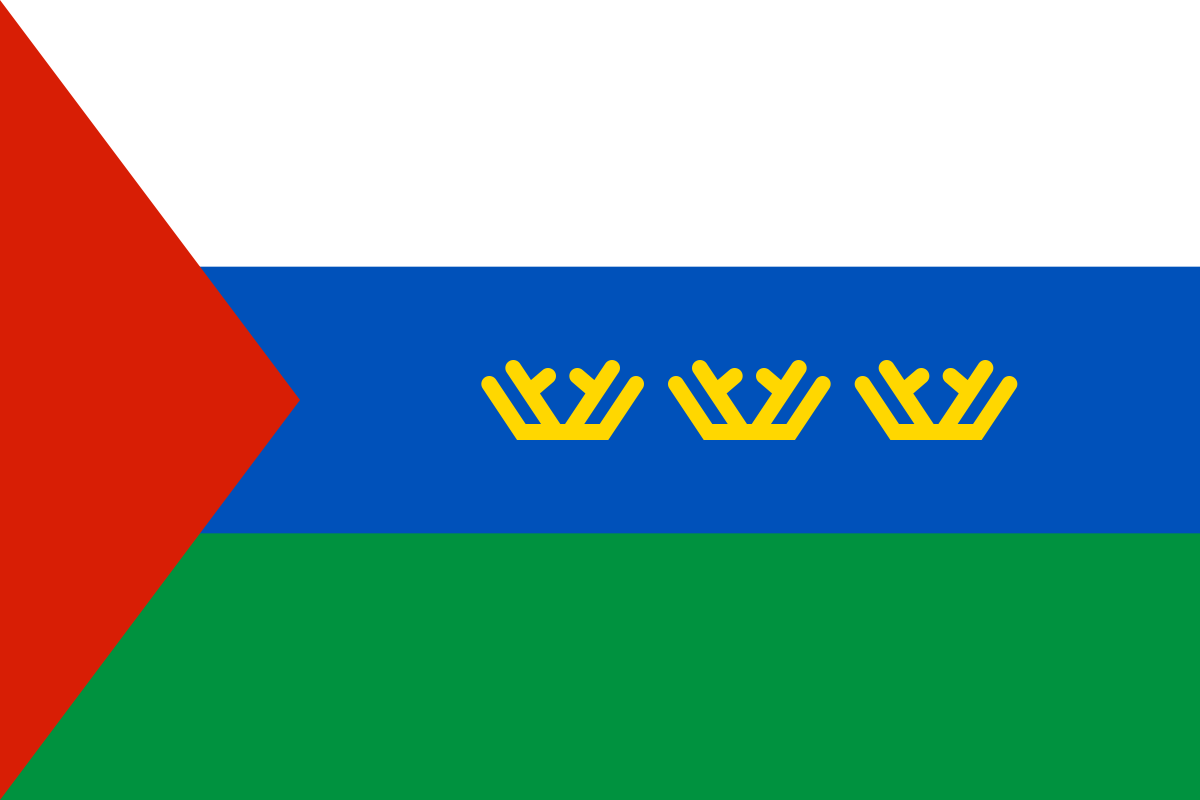
Tyumen Oblast
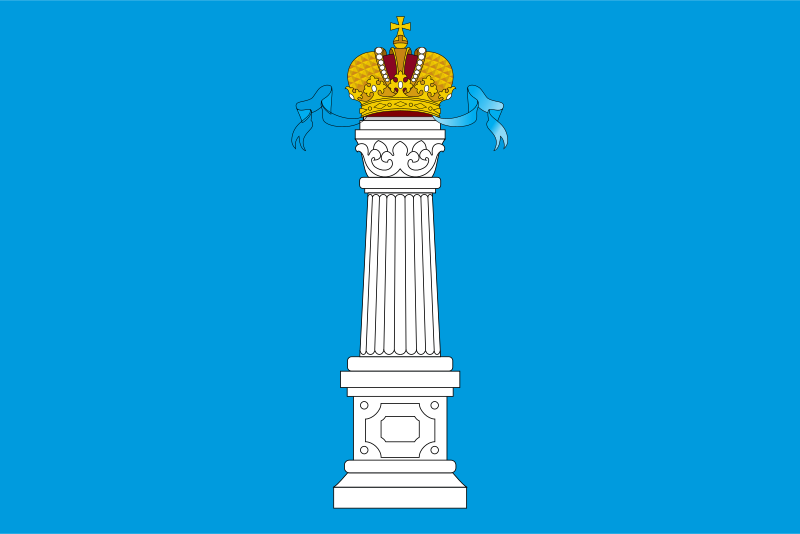
Ulyanovsk Oblast
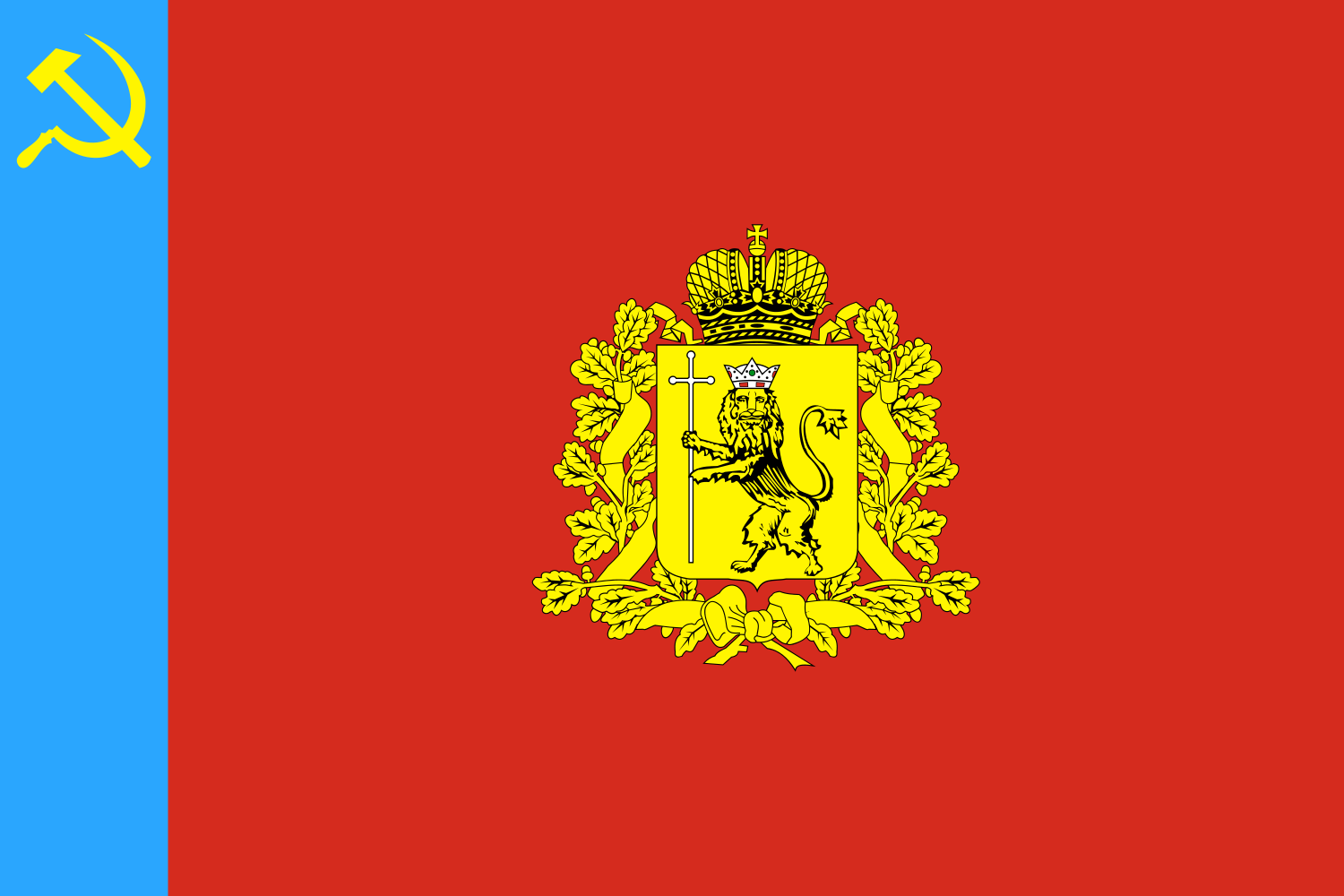
Vladimir Oblast
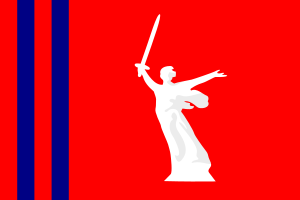
Volgograd Oblast
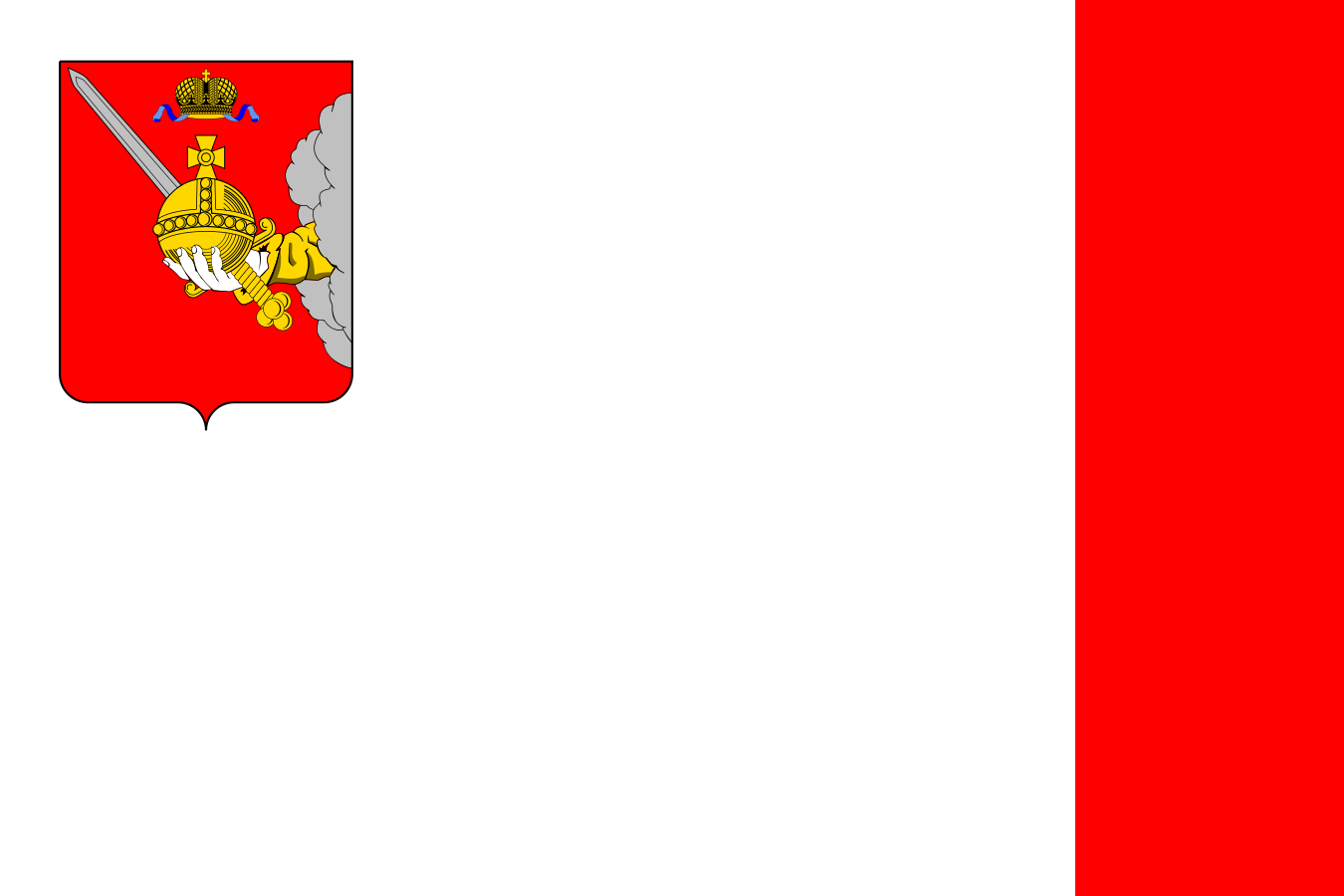
Vologda Oblast
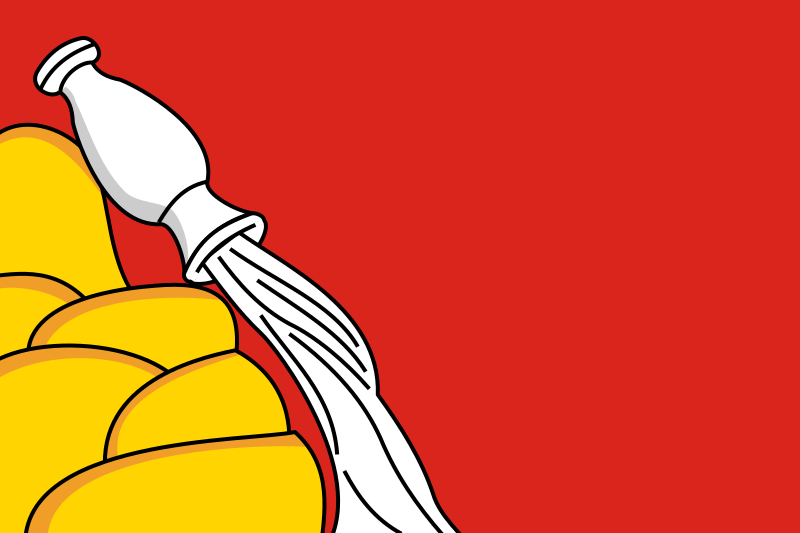
Voronezh Oblast
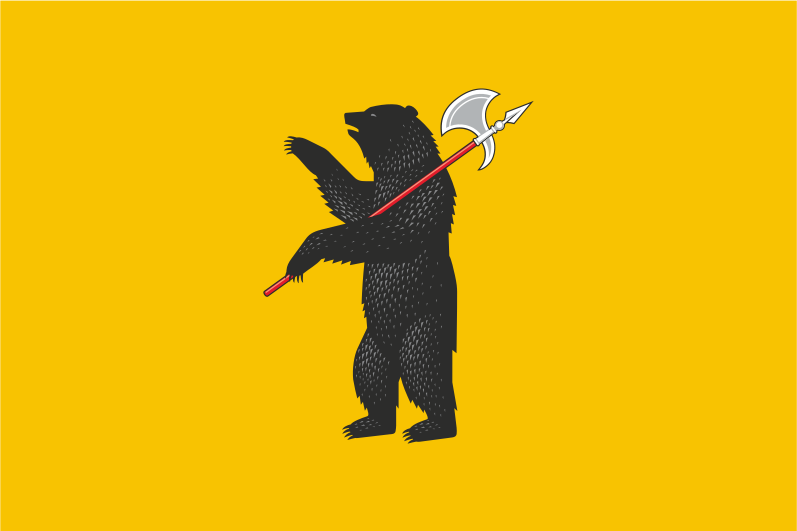
Yaroslavl Oblast
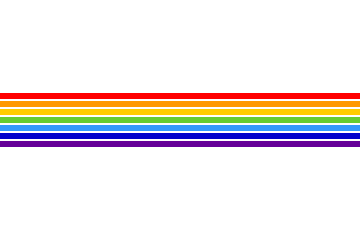
Jewish Autonomous Oblast
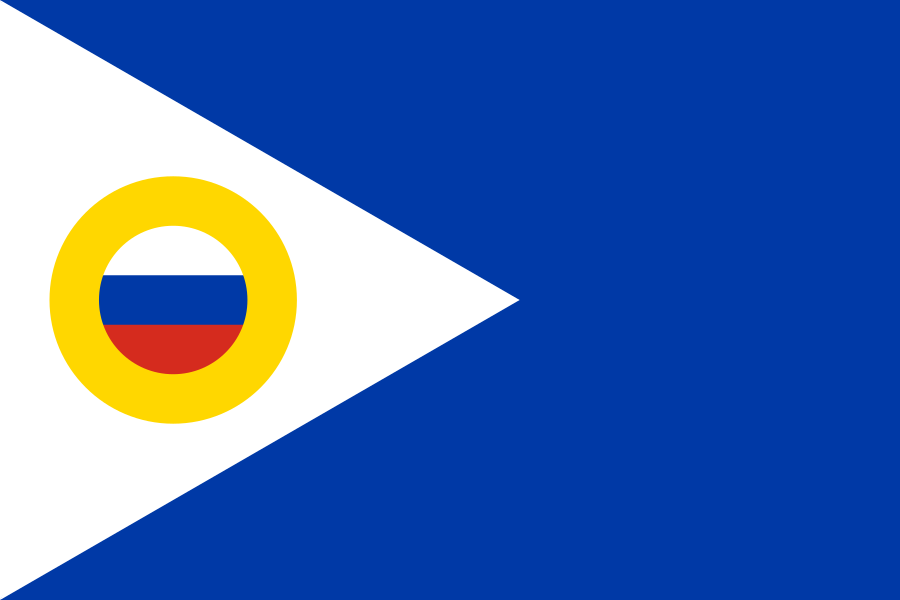
Chukotka
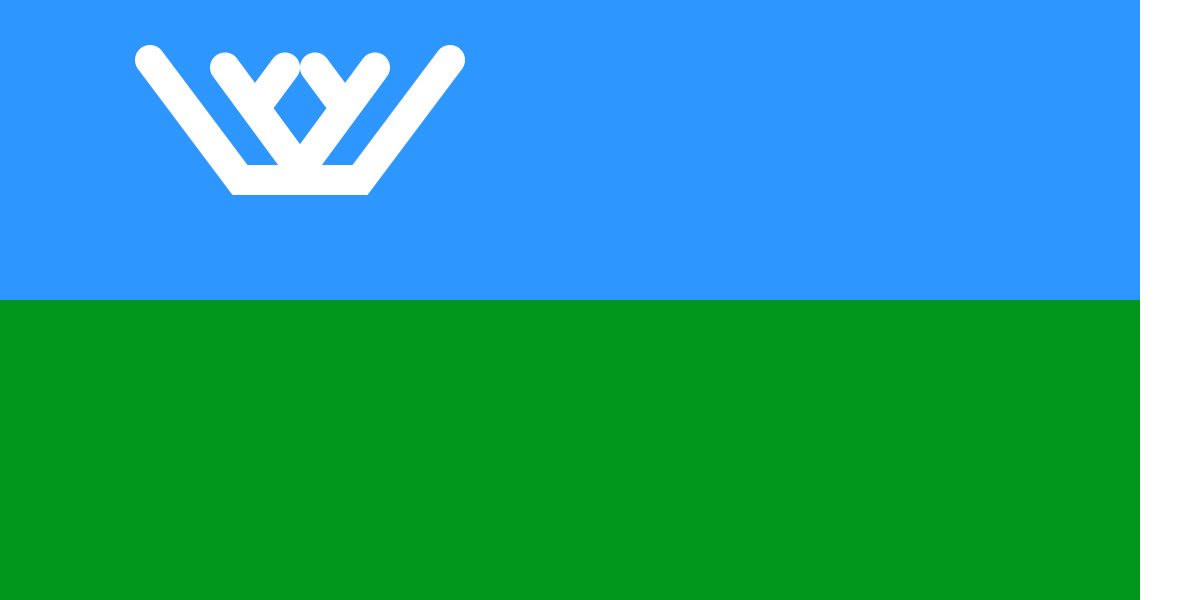
Khanty-Mansiysk (Yugra)
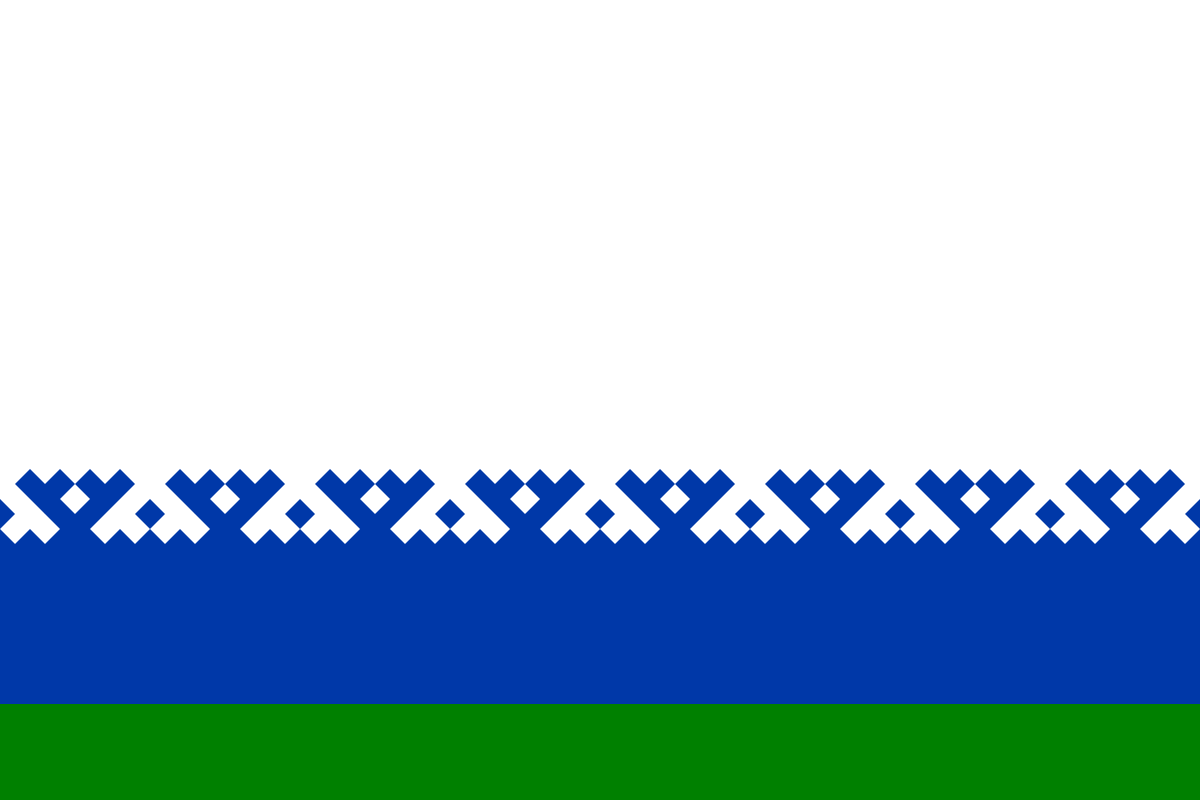
Nenets
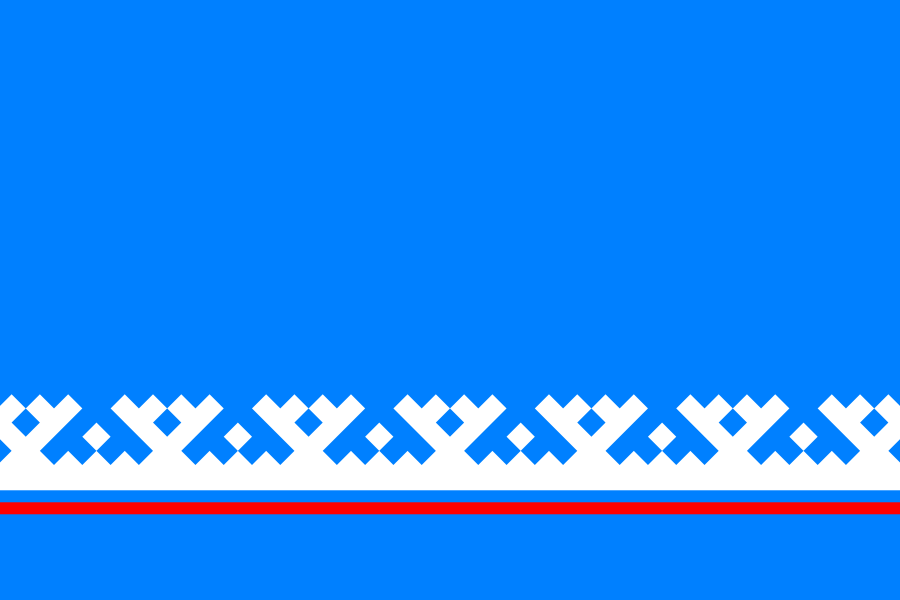
Yamalo-Nenets
Neighbouring countries
Russia shares a land border with 14 countries: Azerbaijan, Belarus, China, Estonia, Finland, Georgia, Kazakhstan, Latvia, Lithuania, Mongolia, North Korea, Norway, Poland and Ukraine.
Other flags in white, blue and red
30 other national flags use the same main colours as Russia's.
Play Globalio and learn Russia's flag
 Netherlands
 Slovakia
 Slovenia
 Azerbaijan
 Belarus
 China
 Estonia
 Finland
 Georgia
 Kazakhstan
 Latvia
 Lithuania
 Mongolia
 North Korea
 Norway
 Poland
 Ukraine
 Australia
 Belize
 Cambodia
 Chile
 Costa Rica
 Croatia
 Cuba
 Czech Republic
 Dominican Republic
 Fiji
 France
 Iceland
 Laos
 Liberia
 Luxembourg
 Nepal
 New Zealand
 Panama
 Paraguay
 Samoa
 Serbia
 Taiwan
 Thailand
 United Kingdom
 United States