 Austria

2012–present
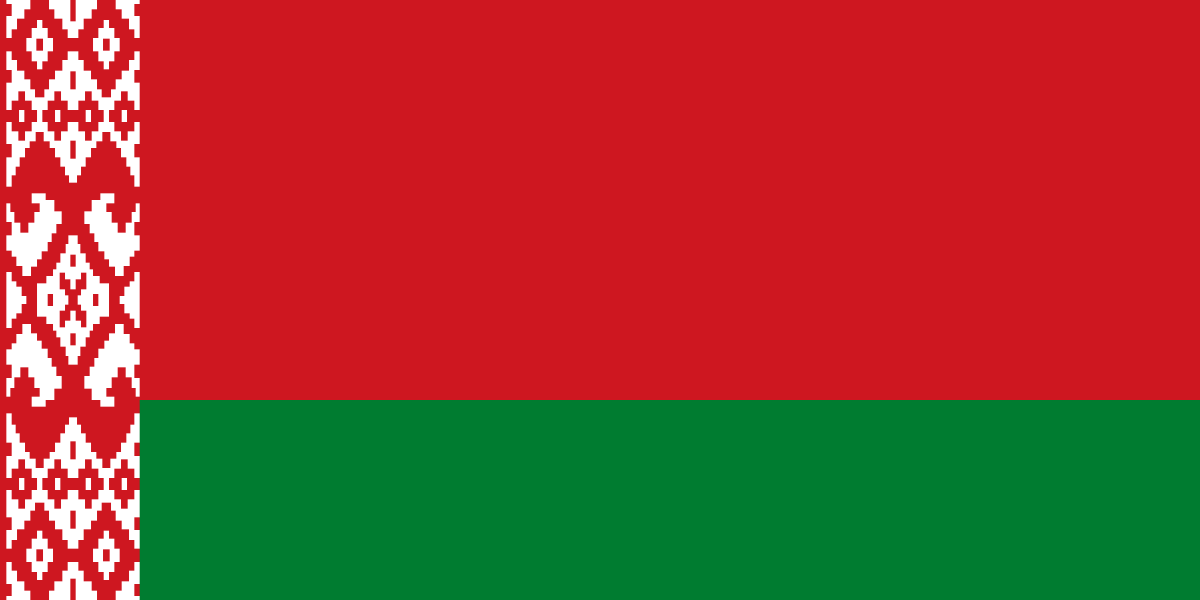
Flag of Belarus
A 2012 standardization made the hoist ornament red-on-white. The red-green bicolour is one of the few national flags that still keeps a Soviet-derived design rather than reverting after independence.
Belarus is a landlocked country in Eastern Europe bordered by Russia, Ukraine, Poland, Lithuania, and Latvia, maintaining close political and economic ties with Russia. Minsk, the capital, was almost entirely destroyed during World War II and was meticulously rebuilt in an imposing Soviet architectural style with wide boulevards and grand public squares. The country has a rich tradition of folk art, weaving, and woodcraft.
Population and area are rounded.
Belarus's red and green flag was adopted after a 1995 referendum called by President Alexander Lukashenko, replacing the white-red-white flag used after independence in 1991. It is based on the flag of the Byelorussian Soviet Republic without the hammer and sickle. Red is usually linked to the defeat of invaders and green to forests and fields, while the hoist pattern is a traditional rushnyk embroidery design. The white-red-white flag is still flown by the opposition.
Red and green horizontal stripes with a decorative white-red vertical band at the hoist.
Belarus has the last KGB (secret police) in the world still using that exact name.
Belarus' flag is often mixed up with these. Learn to tell them apart:
Every flag that has flown over Belarus, from today back through time.
A 2012 standardization made the hoist ornament red-on-white. The red-green bicolour is one of the few national flags that still keeps a Soviet-derived design rather than reverting after independence.
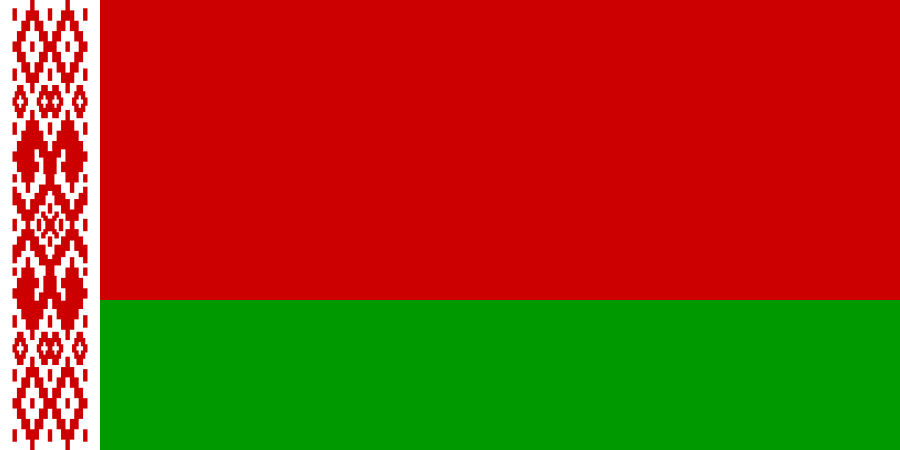
Introduced after a 1995 referendum, this revived the Soviet-era look without the communist symbols. The hoist ornament was originally rendered white-on-red.

First used by the 1918 Belarusian People's Republic and readopted at independence in 1991. Dropped after the 1995 referendum, it is now the symbol of the Belarusian democratic opposition.
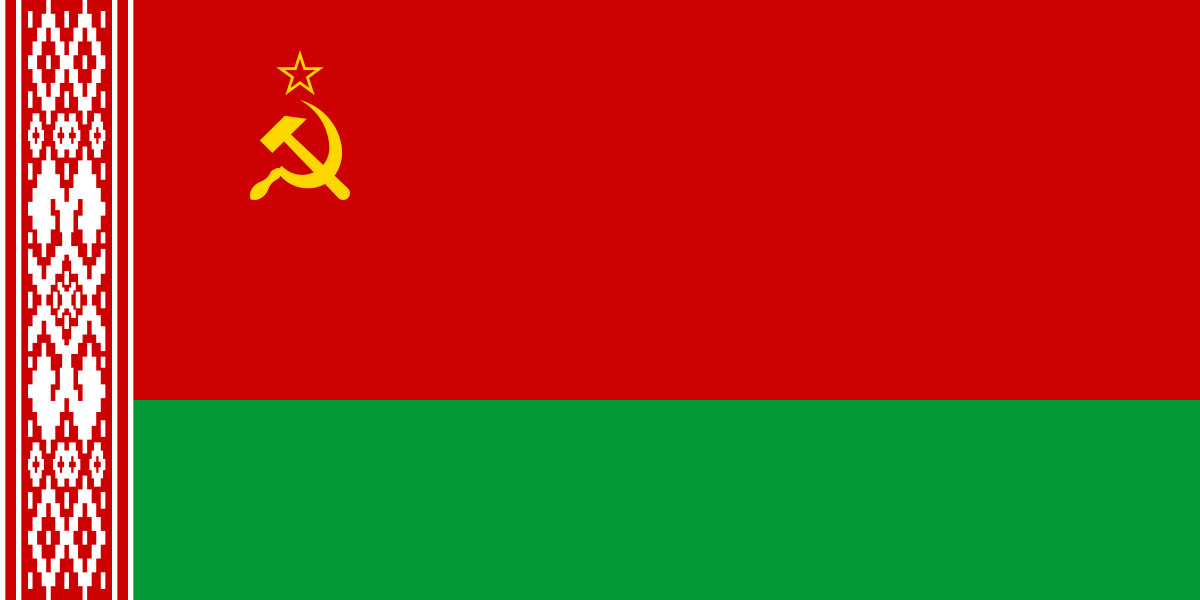
A red field with a green bottom stripe and a red-and-white ornamental pattern at the hoist. Adopted in 1951, it directly inspired the flag Belarus flies today.
Empires, kingdoms and republics that once covered part of Belarus.
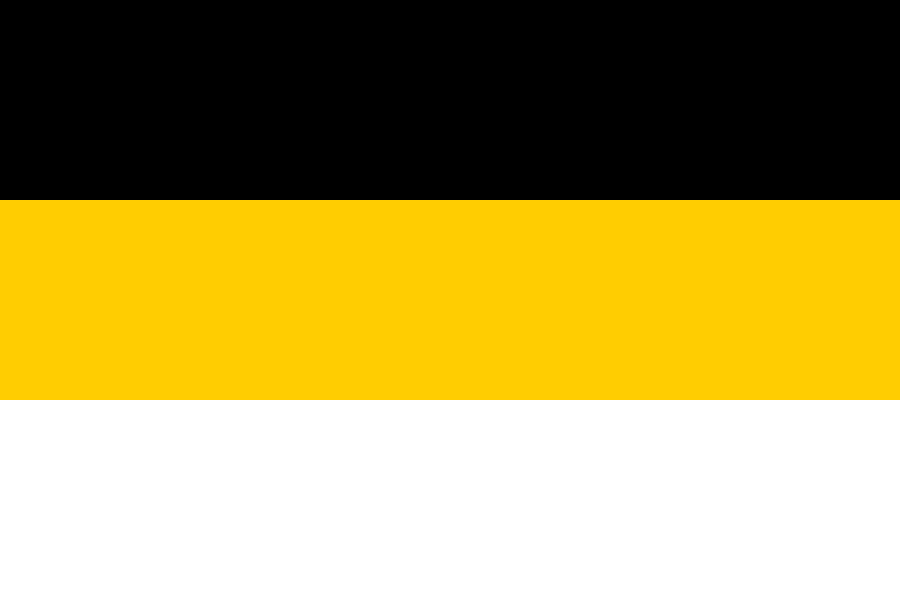
The black-yellow-white 'imperial colors' were drawn from the state coat of arms by Alexander II, before Nicholas II demoted them for the white-blue-red tricolor.
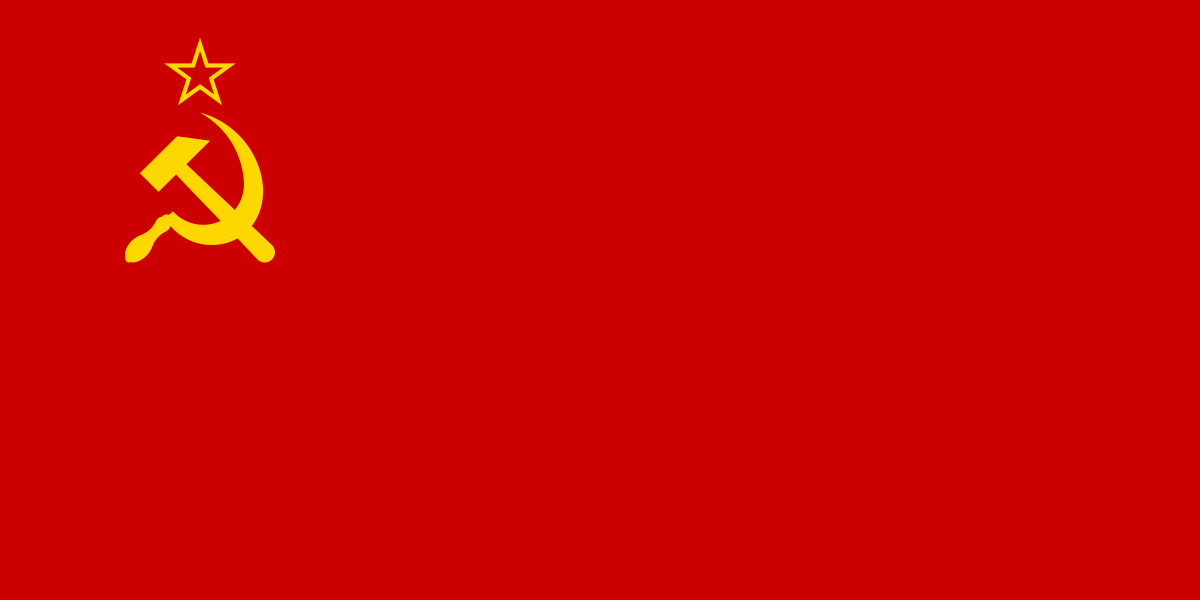
The gold hammer and sickle beneath a red star stood for the worker-peasant alliance. The exact shade and proportions were fixed by Soviet law in 1955.
Red over a green band with a white folk-ornament stripe at the hoist; modern Belarus readopted a near-identical design in 1995, dropping only the hammer and sickle.
The white-red-white flag of the short-lived republic declared during WWI; suppressed by the Bolsheviks, it returned as independent Belarus's flag from 1991 to 1995.
The 7 states, provinces and regions of Belarus with their own flags.
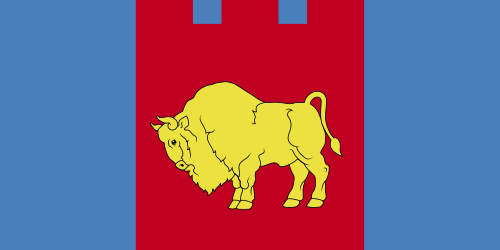 Brest
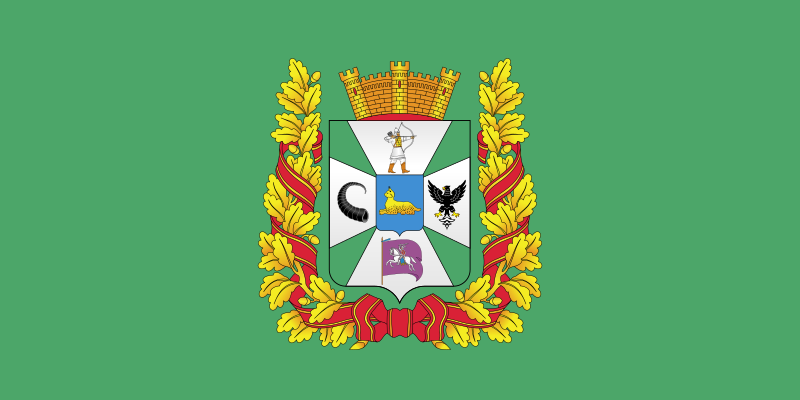 Homiel
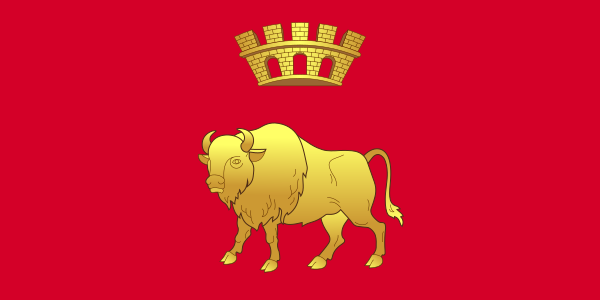 Hrodna
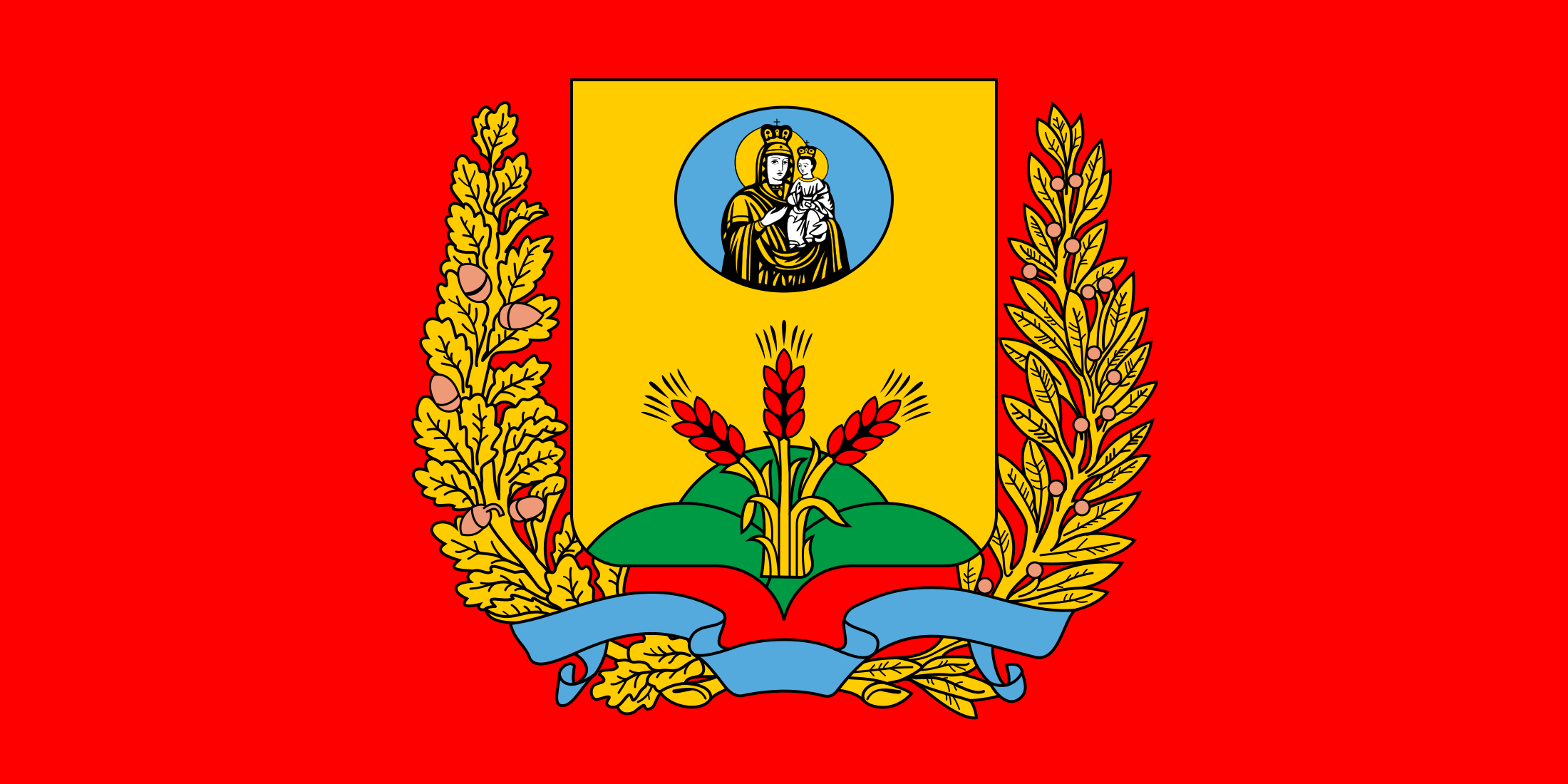 Mahilyow
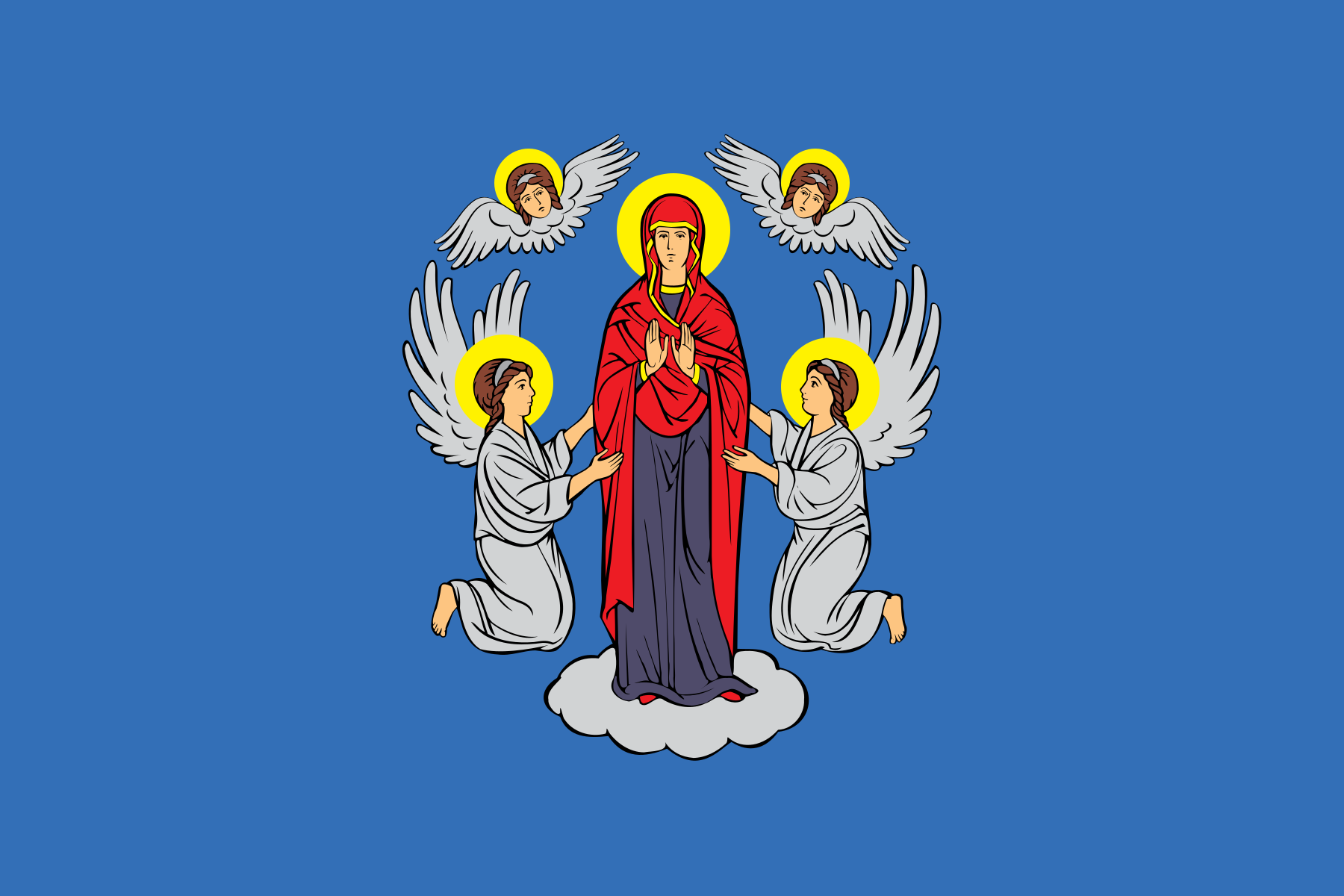 Minsk City
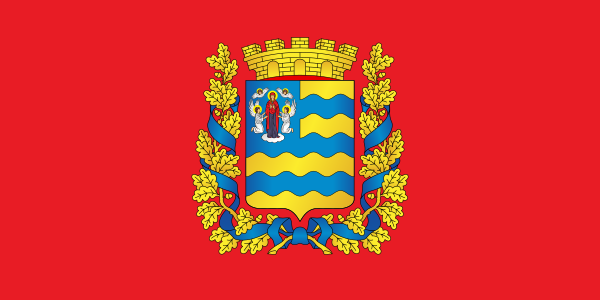 Minsk Oblast
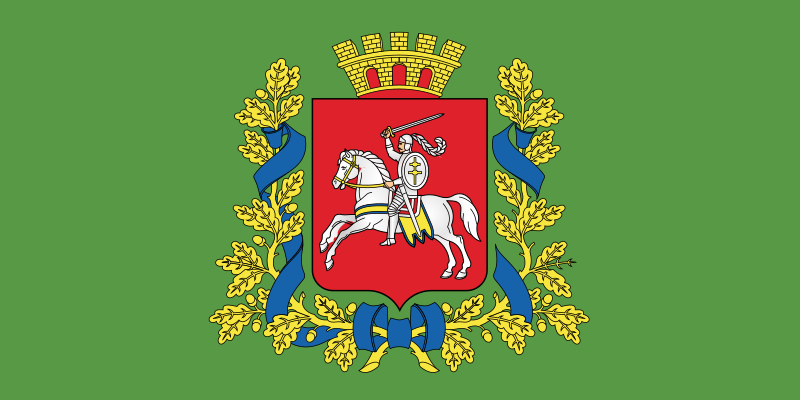 Vitsebsk
Belarus shares a land border with 5 countries: Latvia, Lithuania, Poland, Russia and Ukraine.
12 other national flags use the same main colours as Belarus'.
Play Globalio and learn Belarus' flag Latvia
 Lithuania
 Poland
 Russia
 Ukraine
 Algeria
 Bulgaria
 Burundi
 Hungary
 Iran
 Italy
 Lebanon
 Madagascar
 Maldives
 Mexico
 Oman
 Turkmenistan