Europe
Flag of Poland
Poland is the largest country in Central Europe by area and population, with a turbulent history shaped by centuries of partition and occupation by neighbouring empires. Warsaw, the capital, was almost entirely destroyed during World War II and was painstakingly rebuilt by its citizens, with the historic centre now a UNESCO World Heritage Site. Poland joined NATO in 1999 and the European Union in 2004 and has become one of Europe's fastest-growing economies.

- CapitalWarsaw
- RegionEurope
- Current flag since1919
- Main coloursWhite, Red
- Populationabout 38 million
- Areaabout 313,000 km²
- Flags in history4
Population and area are rounded.
What the flag of Poland means
White and red come from the coat of arms of Poland, a white eagle on a red shield, used since the Middle Ages. The flag was adopted in 1919 after Poland regained independence, and the state flag and naval ensign add the eagle to the white stripe. Poland has celebrated a national Flag Day every 2 May since 2004.
How to recognise it
Horizontal white-over-red. Indonesia and Monaco are red-over-white (red on top).
Did you know?
Poland has the largest population of storks in Europe — about 25% of the world's white storks.
Easily confused with
Poland's flag is often mixed up with these. Learn to tell them apart:
Flag history of Poland
Every flag that has flown over Poland, from today back through time.
1919–present
White-and-red bicolour
The Sejm officially adopted the horizontal white-over-red bicolour in 1919, and its basic design has been unchanged since — retained even throughout the communist People's Republic.
State flag with eagle (used abroad & at sea):
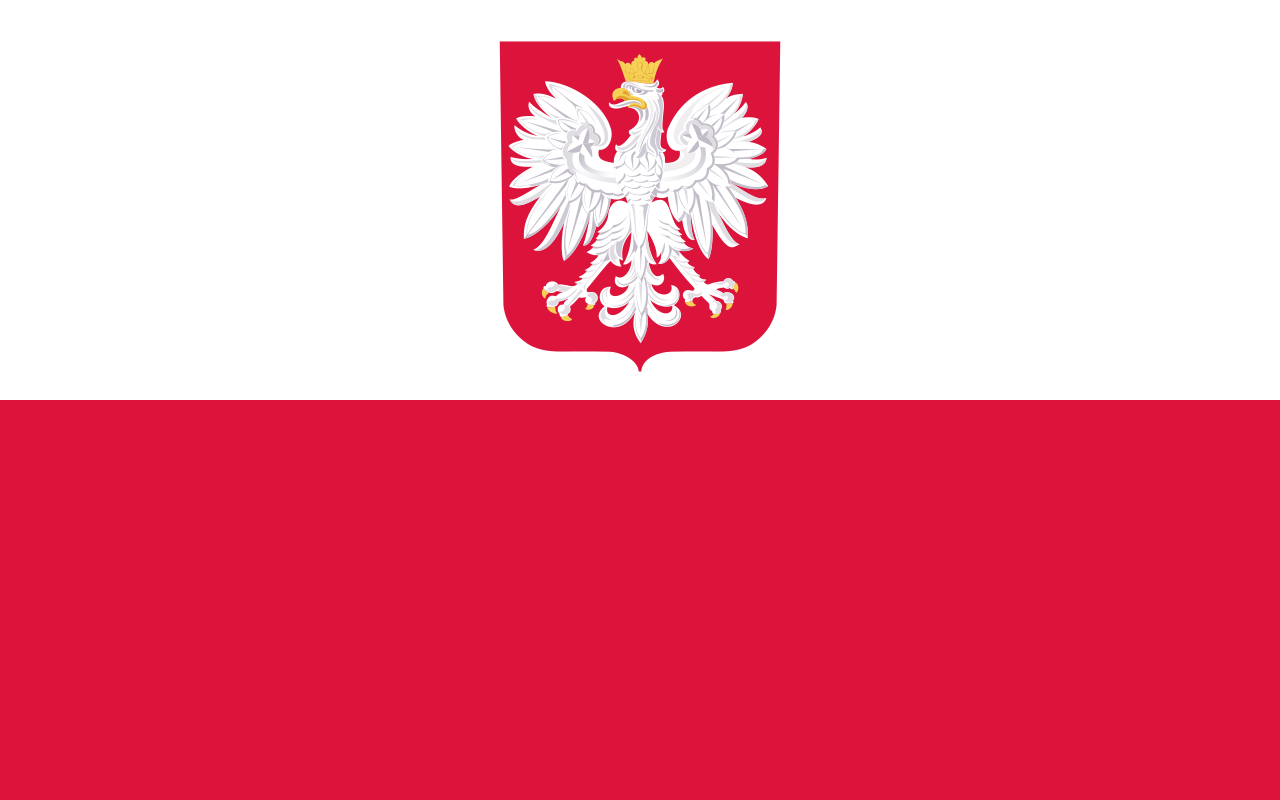
1990–present
State flag (crowned eagle)
The civil and state ensign adds the crowned white eagle in the white stripe. By law it is reserved for official use abroad, at sea, and at airports rather than general display.
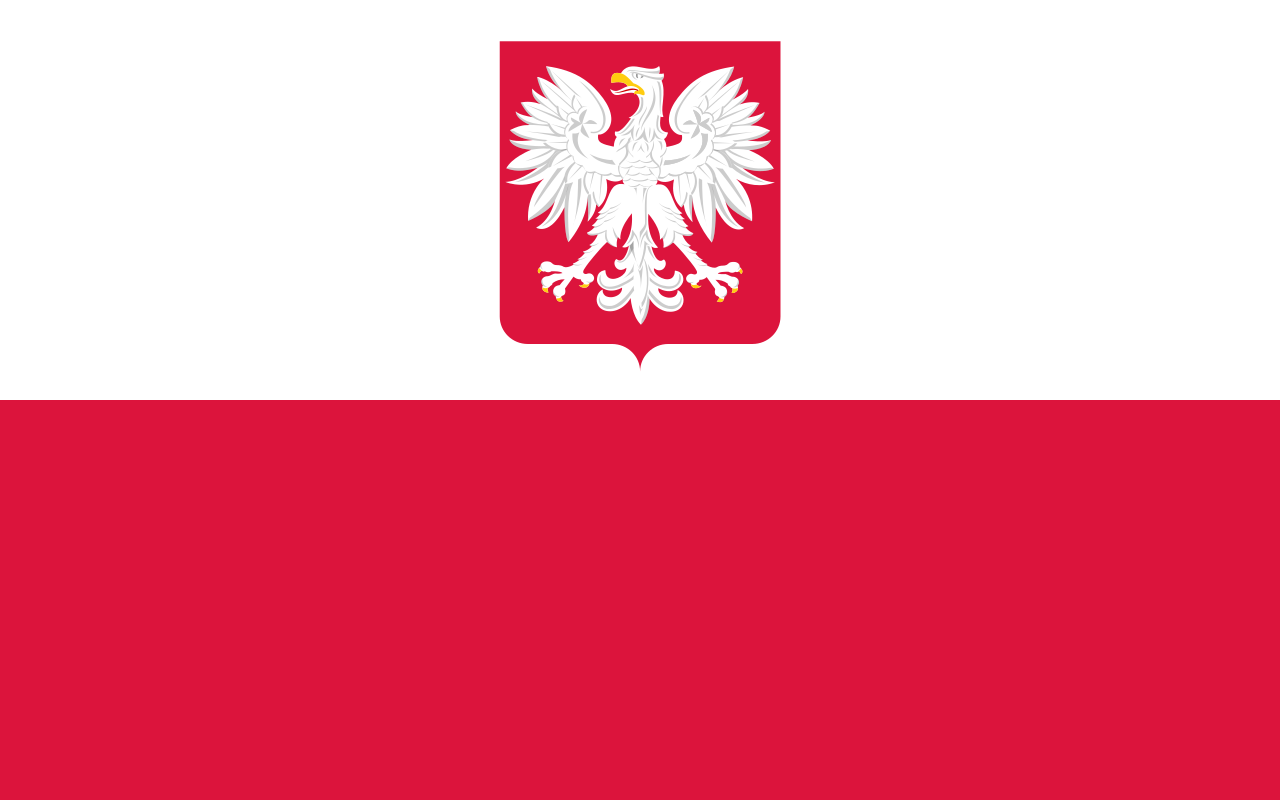
1980–1990
People's Republic state flag
The communist-era state ensign bore a white eagle stripped of its crown. The crown was restored to the eagle at the end of 1989 as communism fell.
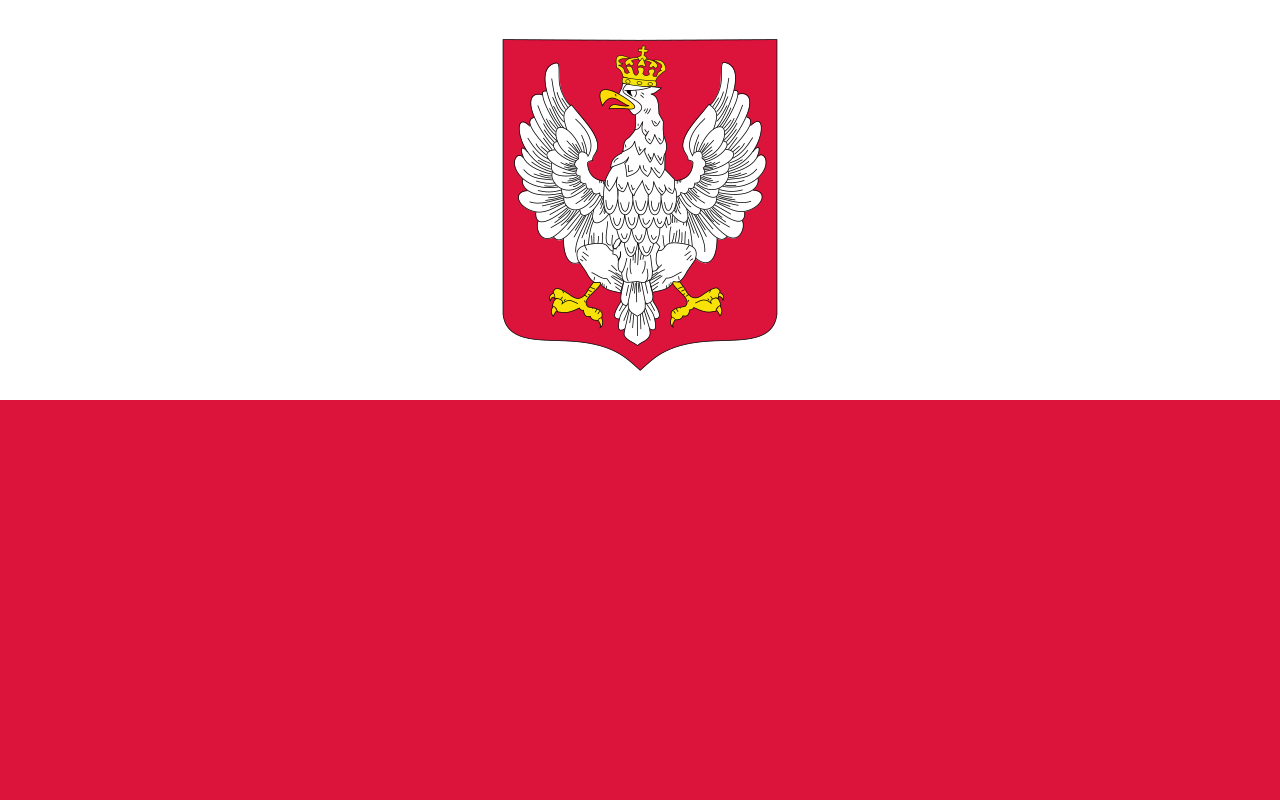
1919–1928
Second Republic state flag
The interwar state ensign charged with the crowned white eagle of the reborn Polish Republic, before the coat of arms was redesigned in 1927–28.
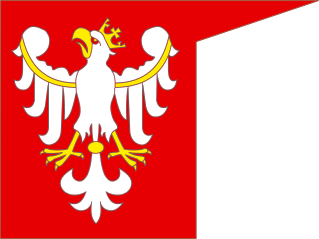
1295–1795
Kingdom of Poland (royal banner)
Long before the modern white-and-red bicolor, the Kingdom of Poland — and the vast Polish-Lithuanian Commonwealth it formed in 1569 — was represented by the royal banner: the crowned white eagle on a red field, in use since the late 13th century. The white-and-red of the national colours is drawn directly from this eagle. The Commonwealth, once one of Europe's largest states, was carved up and erased by Russia, Prussia and Austria in the partitions ending in 1795.
Related historical states
Empires, kingdoms and republics that once covered part of Poland.
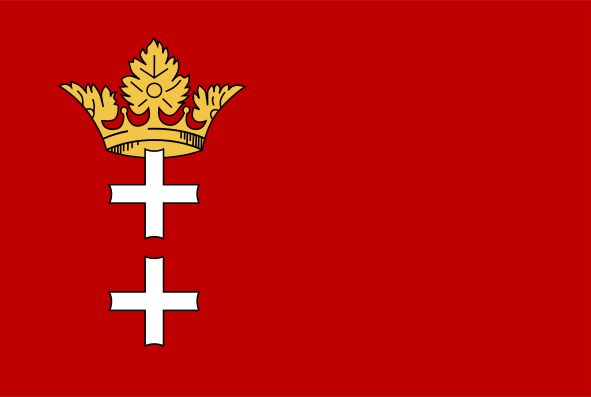
1920–1939
Free City of Danzig
Two white crosses and a gold crown on red, from the city's medieval arms. This League of Nations-administered free city was the flashpoint where World War II began.

1918–1920
Lemko-Rusyn Republic
A pro-Russian Rusyn republic centered on Florynka in the western Lemko region, flying a blue-yellow-green tricolor after the collapse of Austria-Hungary.
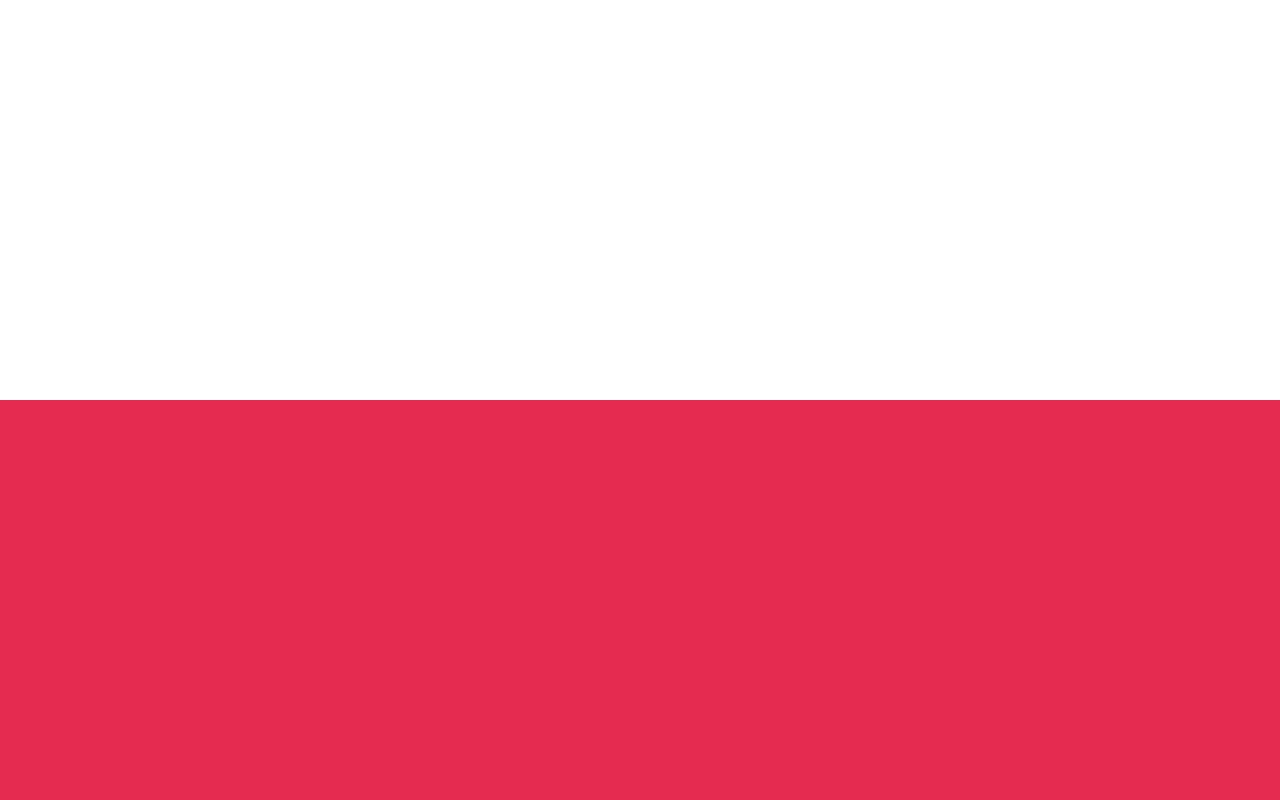
1807–1815
Duchy of Warsaw
Napoleon's Polish client state, a brief restoration of statehood after the Partitions; its white-and-crimson flag preceded the modern Polish flag by a century.
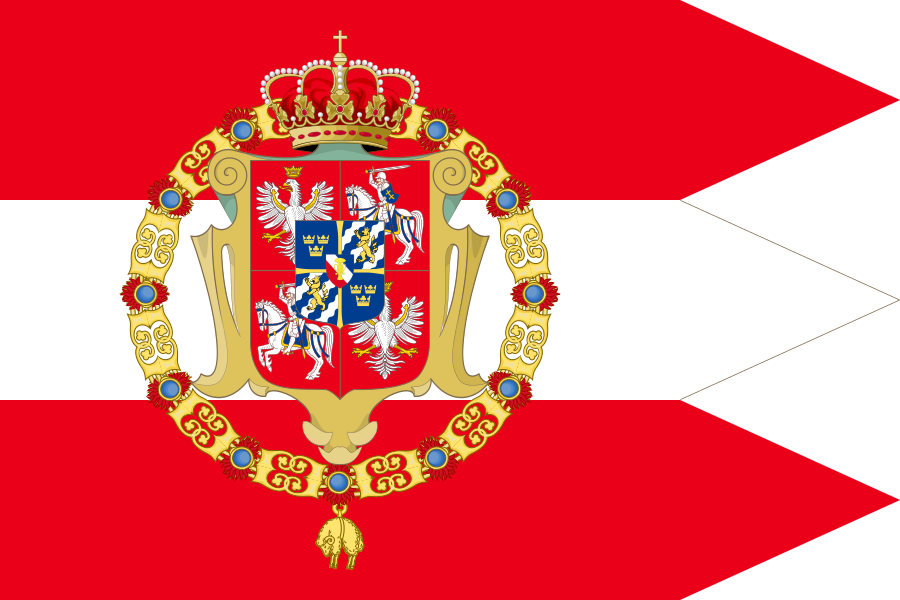
1569–1795
Polish–Lithuanian Commonwealth
One of the largest states in Europe, an elective monarchy with an early constitution and a 'noble democracy', partitioned out of existence by Russia, Prussia, and Austria.

1815–1846
Free City of Kraków
A tiny independent city-republic created at the Congress of Vienna, the last fragment of sovereign Poland, until Austria annexed it after a failed 1846 uprising.
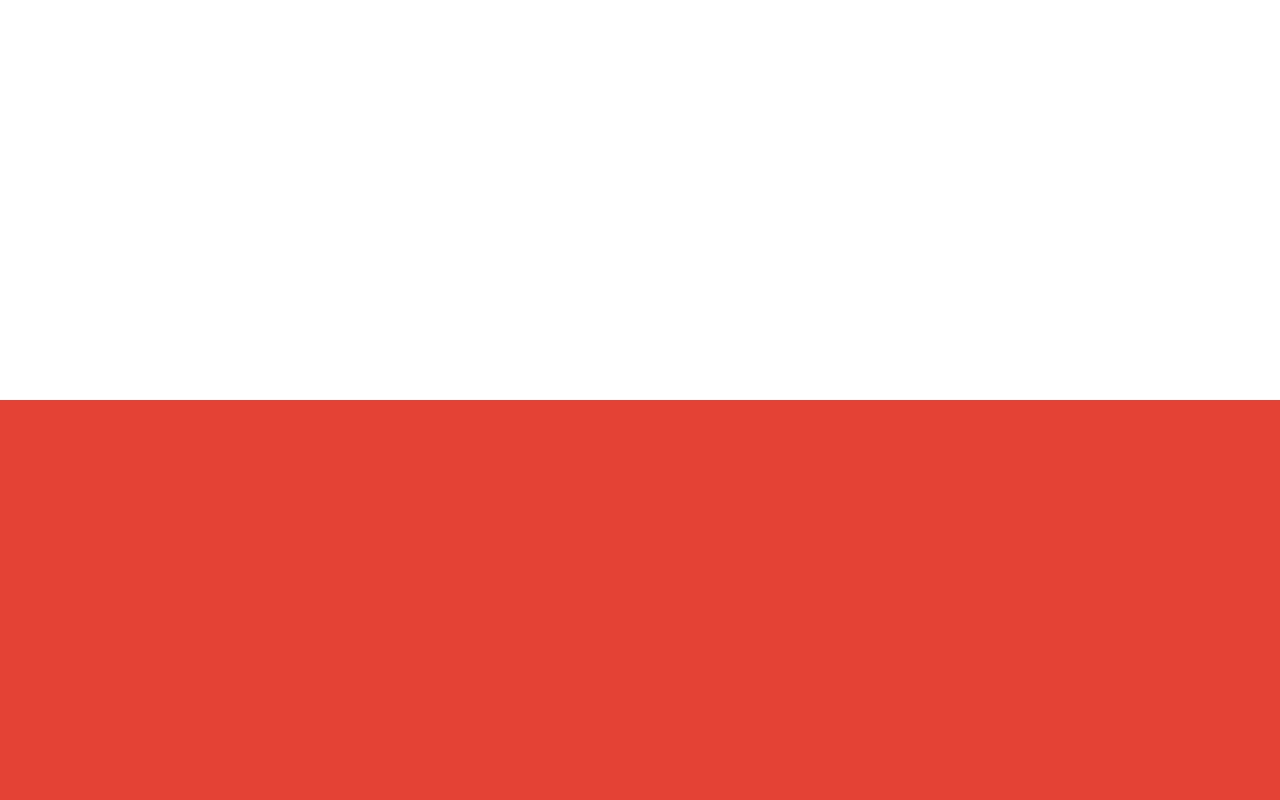
1947–1989
Polish People's Republic
The Soviet-aligned communist state flew the same white-and-red bicolor as the republic before and after it, the eagle on its arms shorn of its royal crown until 1989.
Regional flags of Poland
The 16 states, provinces and regions of Poland with their own flags.
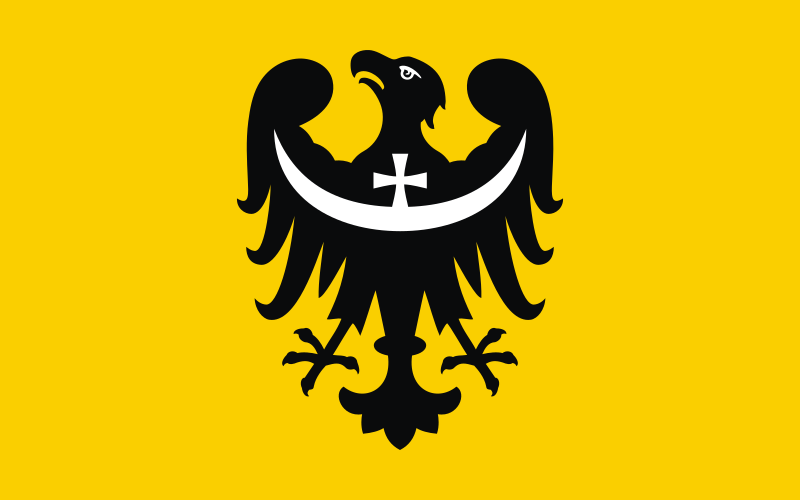
Lower Silesian
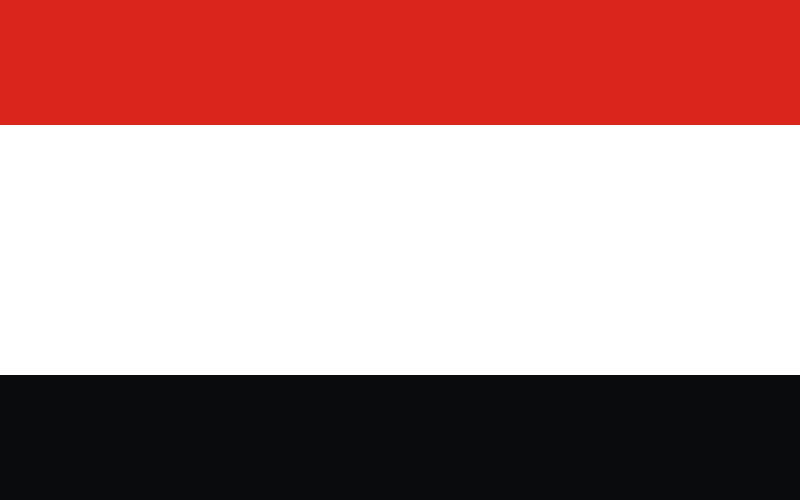
Kuyavian-Pomeranian
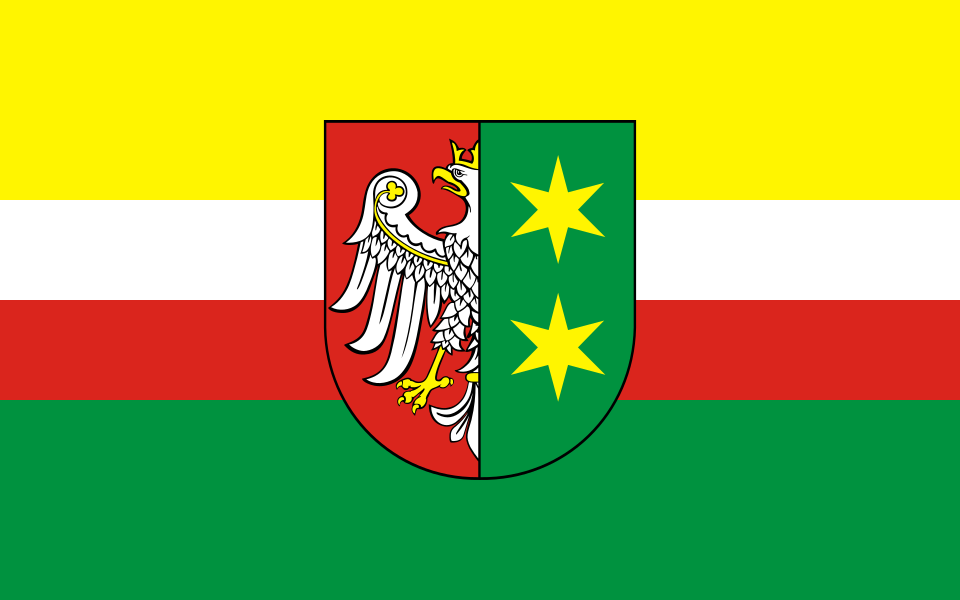
Lubusz
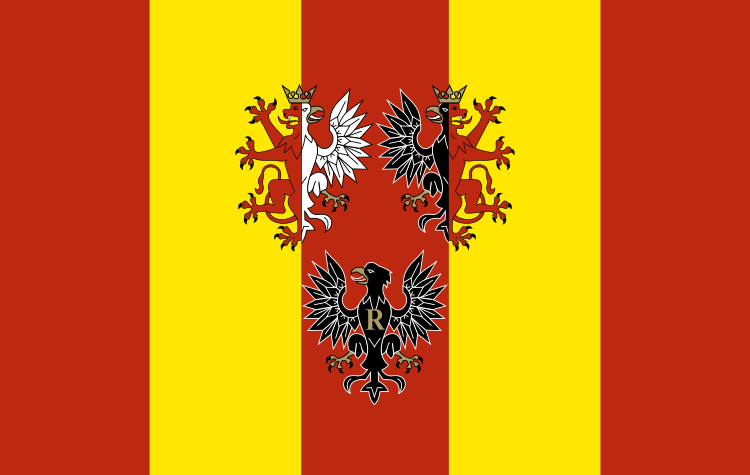
Łódź
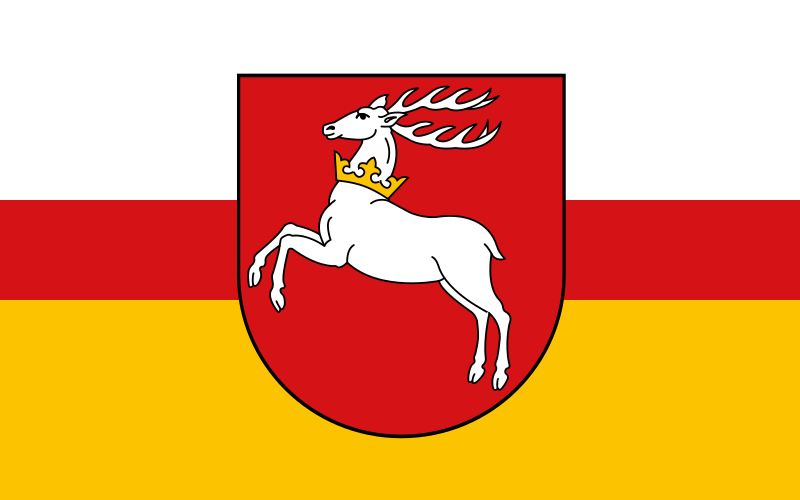
Lublin
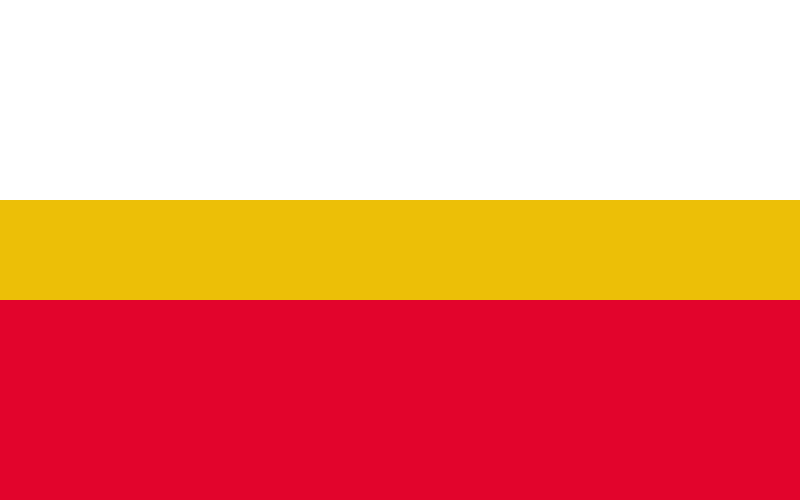
Lesser Poland
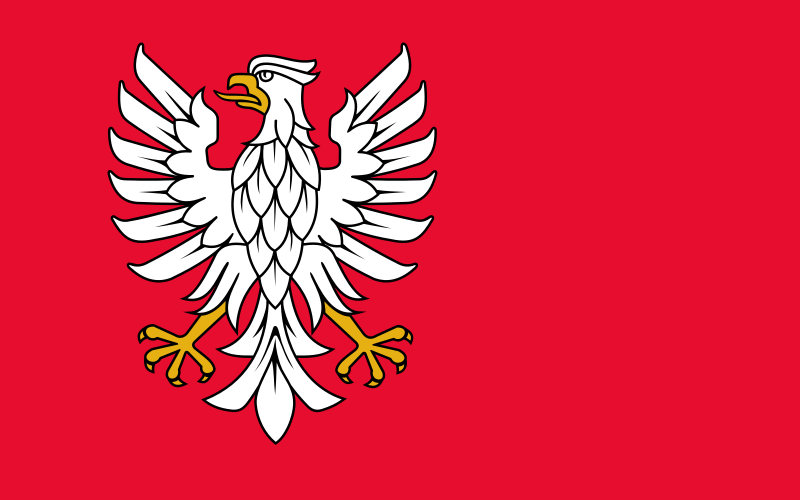
Masovian
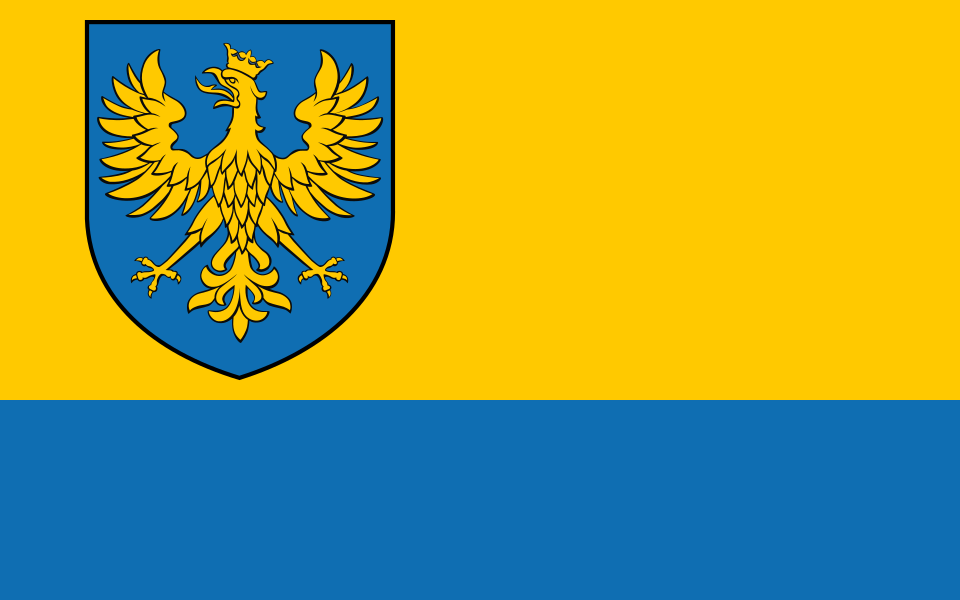
Opole
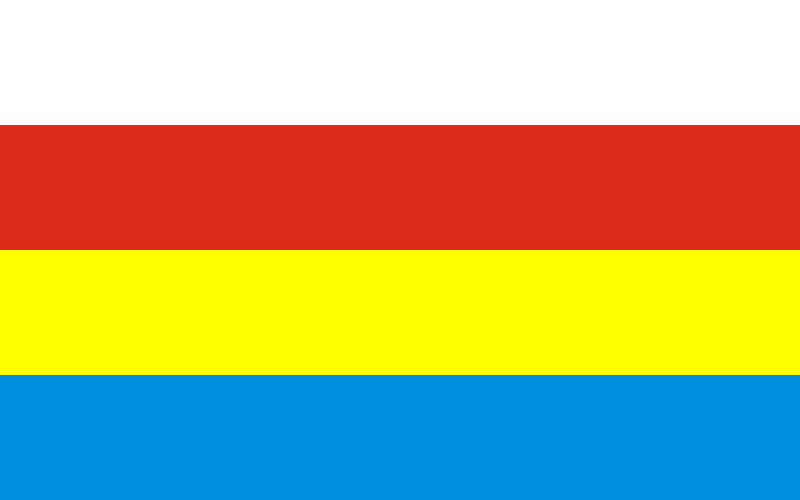
Podlaskie
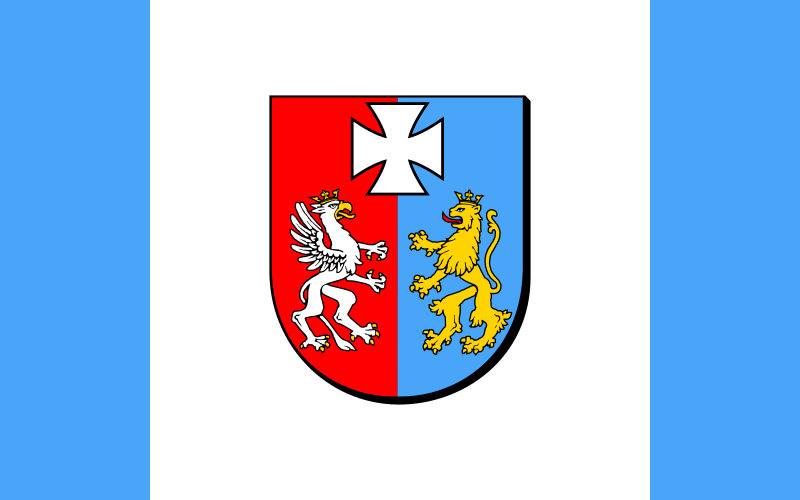
Subcarpathian
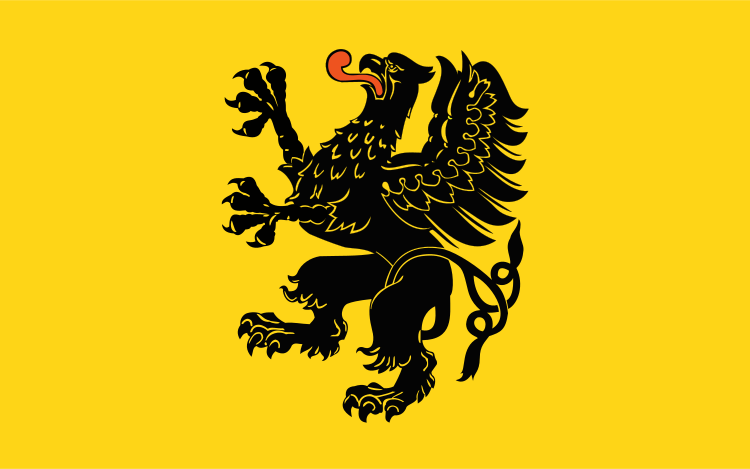
Pomeranian
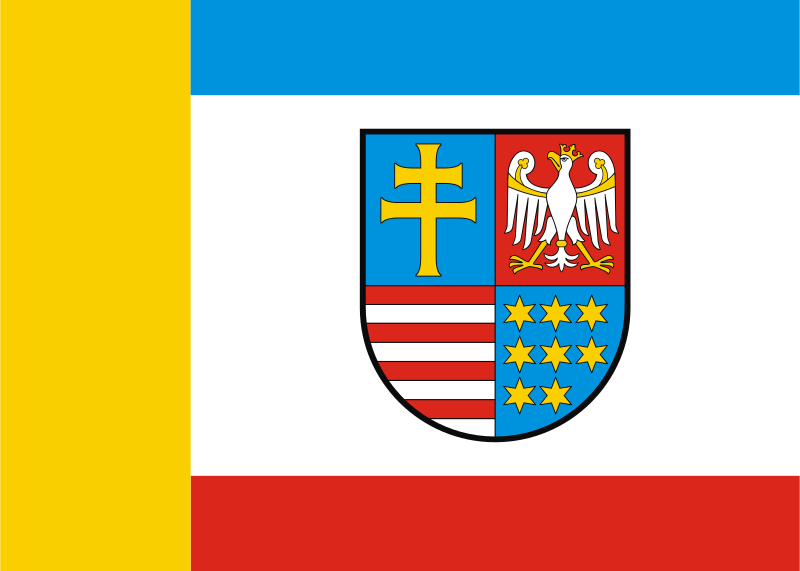
Świętokrzyskie
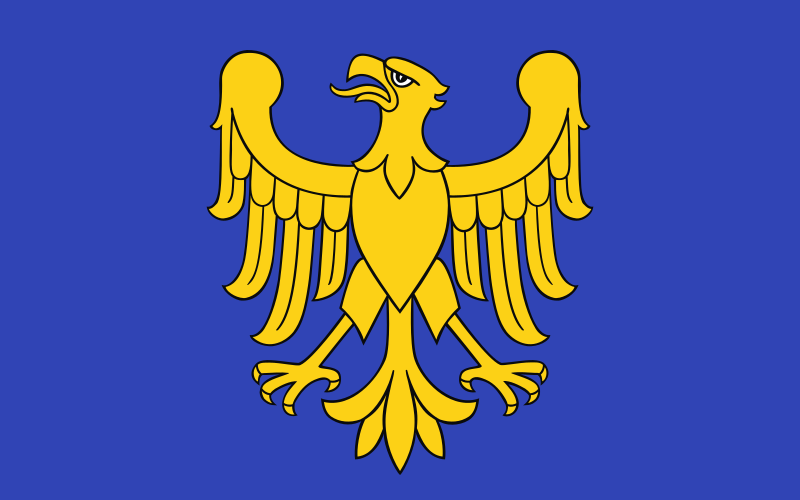
Silesian
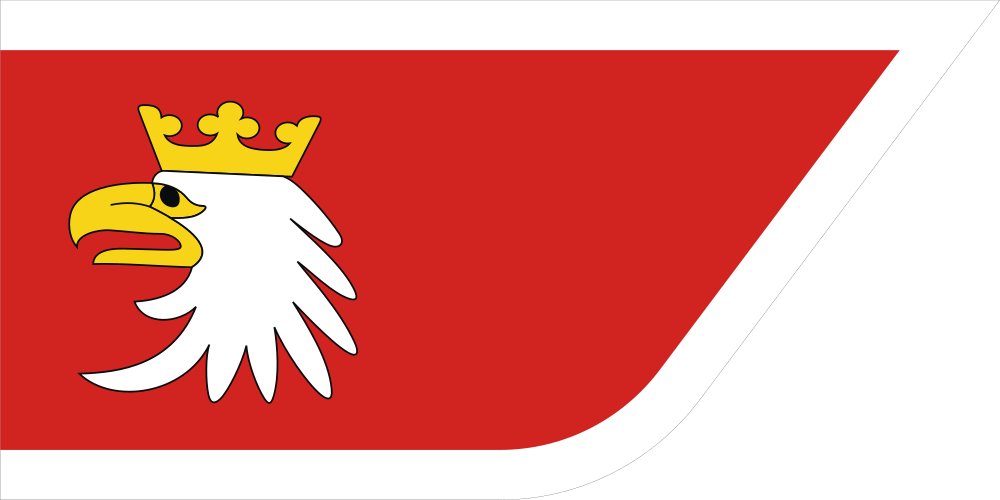
Warmian-Masurian
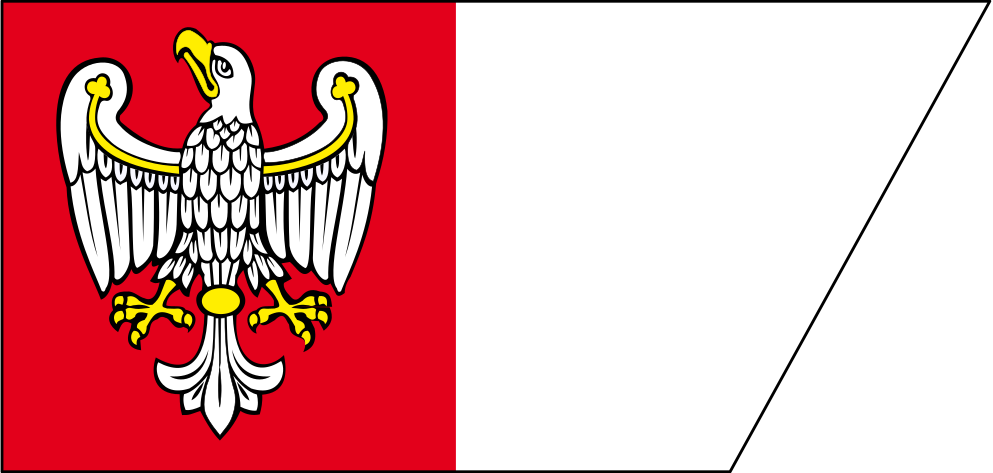
Greater Poland
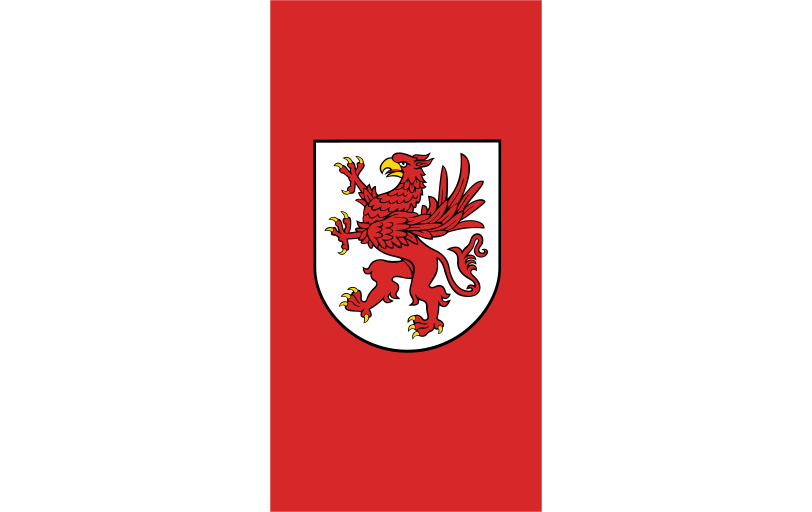
West Pomeranian
Neighbouring countries
Poland shares a land border with 7 countries: Belarus, the Czech Republic, Germany, Lithuania, Russia, Slovakia and Ukraine.
Other flags in white and red
17 other national flags use the same main colours as Poland's.
Play Globalio and learn Poland's flag
 Indonesia
 Monaco
 Singapore
 Belarus
 Czech Republic
 Germany
 Lithuania
 Russia
 Slovakia
 Ukraine
 Austria
 Bahrain
 Canada
 Denmark
 Georgia
 Japan
 Latvia
 Malta
 Peru
 Qatar
 Switzerland
 Tonga
 Tunisia
 Turkey