Americas
Flag of the United States
The United States of America is the world's third-largest country by area and third-most-populous, a federal republic of 50 states that declared independence from Britain in 1776. It has been the world's largest economy for over a century and has dominated global political, military, and cultural influence in the modern era. The United States has made profound contributions to global science, technology, literature, music, and film, and hosts the world's most prestigious universities and research institutions.

- CapitalWashington, D.C.
- RegionAmericas
- Current flag since1960
- Main coloursRed, White, Blue
- Populationabout 335 million
- Areaabout 9,834,000 km²
- Flags in history6
Population and area are rounded.
What the flag of the United States means
The thirteen stripes represent the original thirteen colonies, and the fifty stars the fifty states. Red is commonly linked to valour, white to purity, and blue to vigilance and justice, a reading taken from the Great Seal. The flag has changed 27 times; the current 50-star version has flown since 4 July 1960, longer than any earlier design.
How to recognise it
Thirteen red-white stripes with a blue canton bearing 50 white stars.
Did you know?
The US flag has been redesigned 27 times as new states joined the union.
Easily confused with
The United States' flag is often mixed up with these. Learn to tell them apart:
Flag history of the United States
Every flag that has flown over the United States, from today back through time.
1960–present
50-Star Flag
Adopted July 4, 1960, the day after Hawaii became the 50th state. Designed by 17-year-old Robert Heft as a school project — his teacher gave him a B minus but later raised the grade when the design was officially selected.
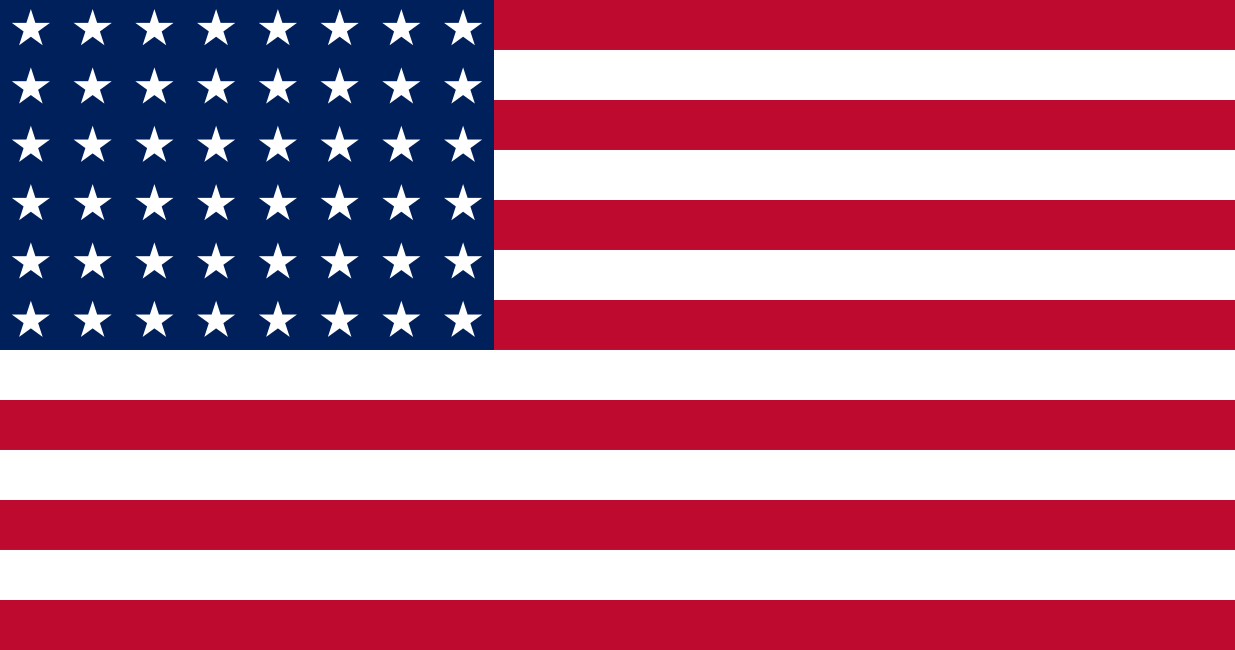
1912–1959
48-Star Flag
The longest-serving version of the US flag at 47 years, used from the admission of New Mexico and Arizona in 1912 until Alaska joined in 1959. This was the flag flown through both World Wars.
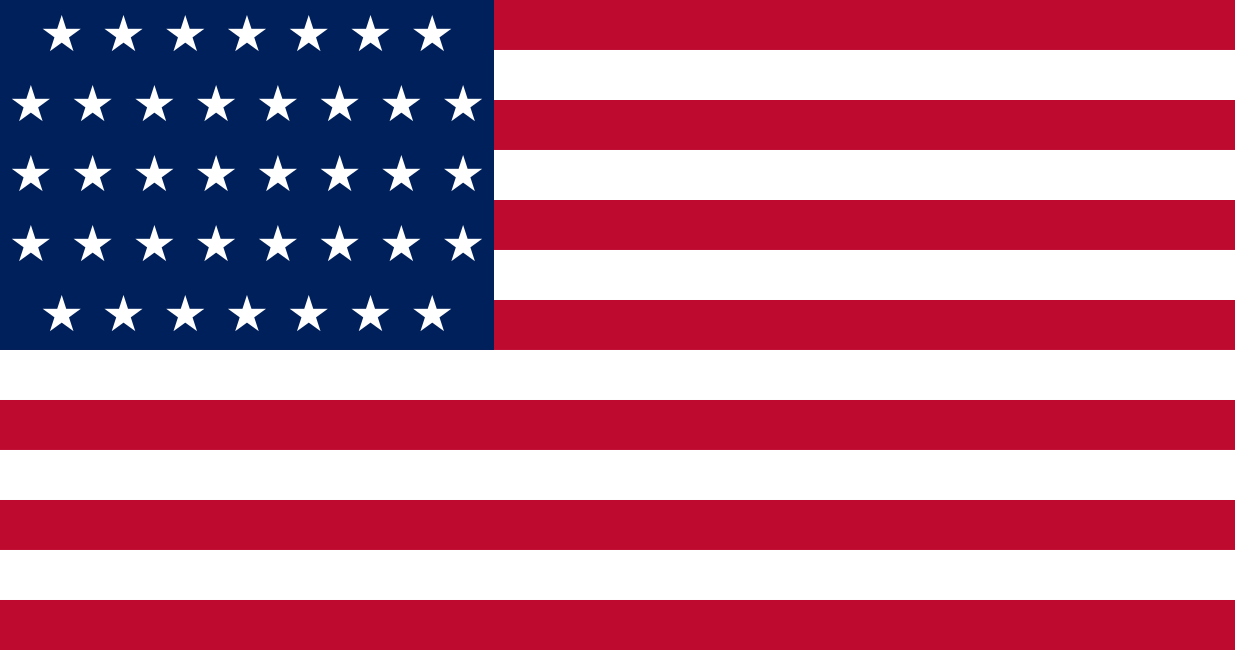
1877–1912
38-Star Flag (Centennial Era)
Flown during the American centennial celebrations of 1876 and used through the Gilded Age. Colorado joined in 1876 to bring the count to 38. By 1912 five more states had joined, each adding a star on the following July 4th.
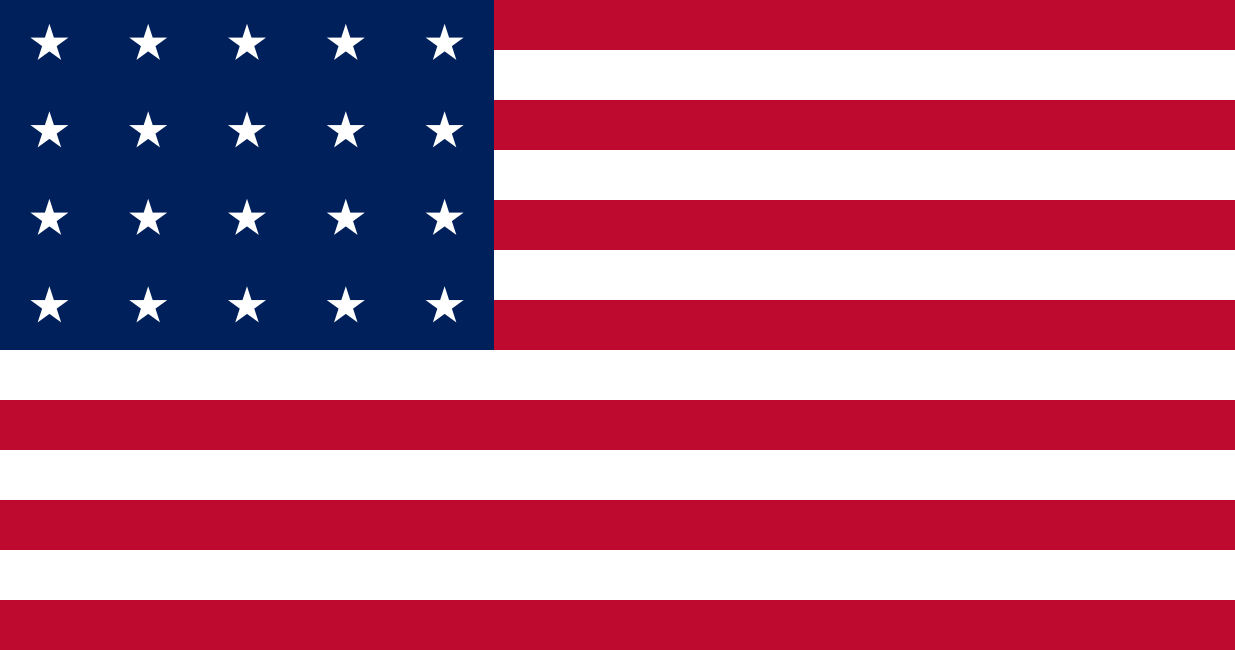
1818–1877
Westward Expansion (20–37 Stars)
The Act of 1818 froze the stripes at 13 — one per original colony — and added one new star per state admitted, effective each July 4th. Across this era the count rose from 20 to 37 as America expanded across the continent through the Civil War and Reconstruction.
Breakaway republics of the era:
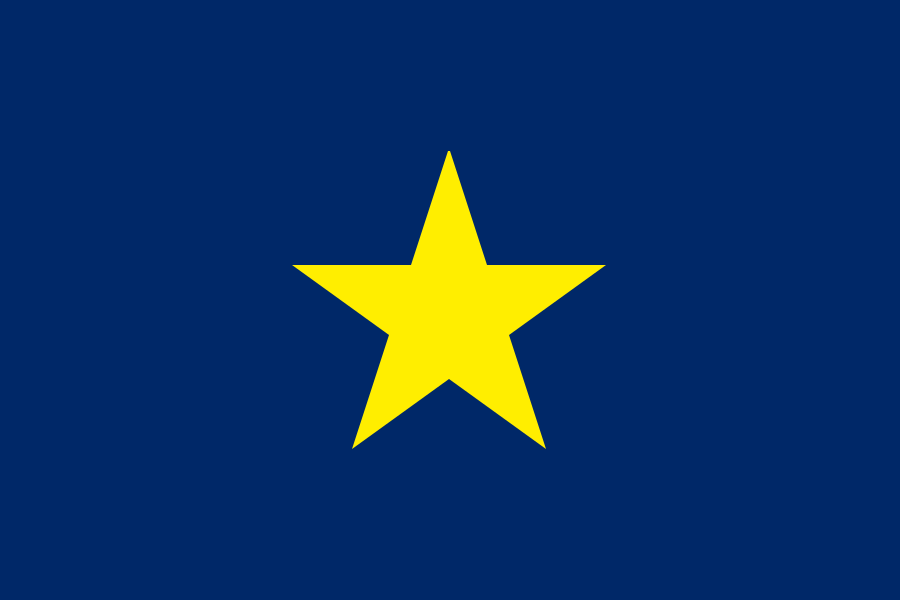
1836–1839
Republic of Texas (Burnet Flag)
After winning independence from Mexico in 1836, the Republic of Texas first flew the Burnet Flag — a single gold star on azure — before adopting the Lone Star flag in 1839. Texas was an independent nation for nearly a decade before joining the US in 1845.
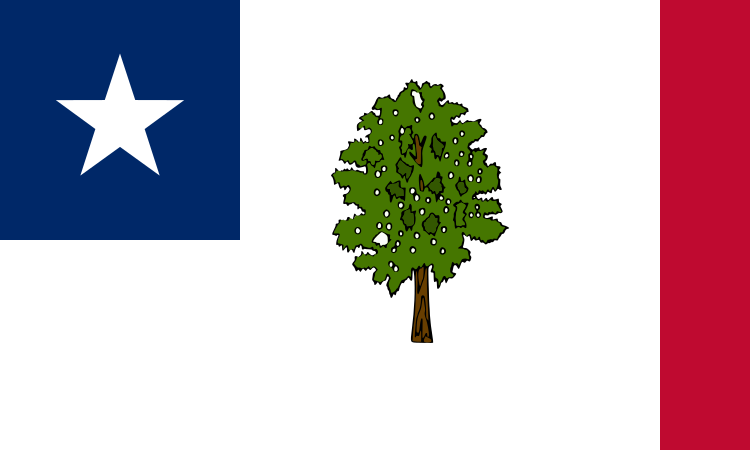
1861
Republic of Mississippi (Magnolia Flag)
When Mississippi seceded in January 1861 it briefly flew the "Magnolia Flag" — a magnolia tree on white with a lone-star canton — before joining the Confederacy. Mississippi revived the magnolia on its state flag in 2020.
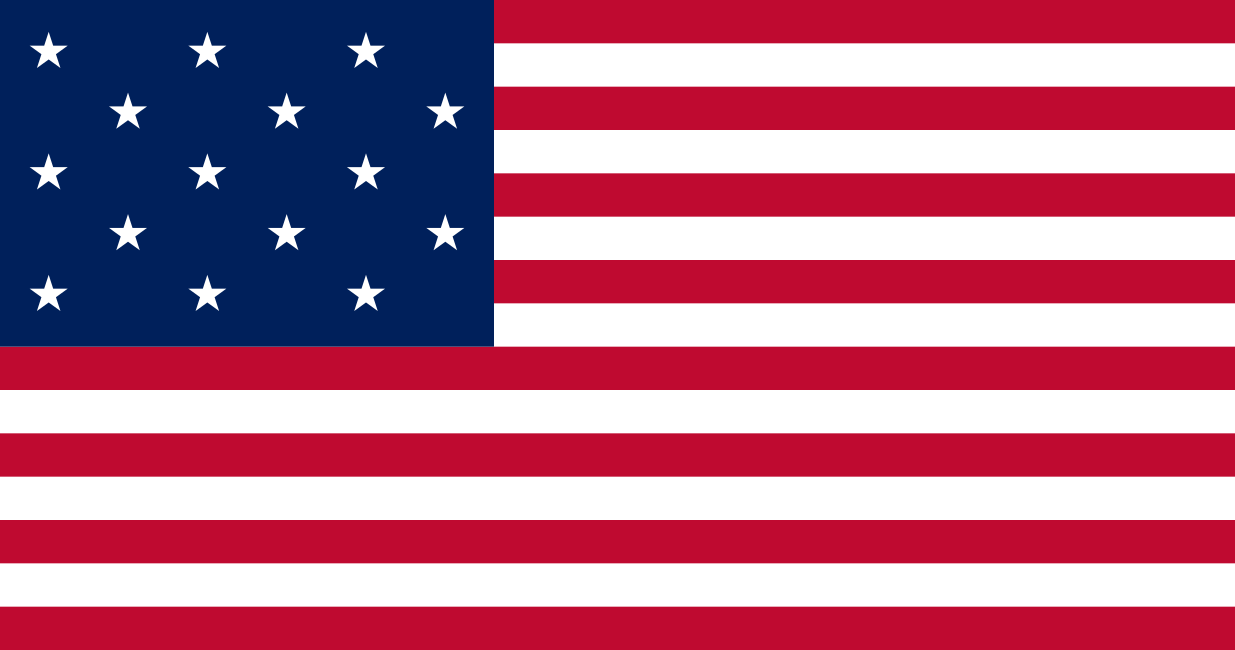
1795–1818
15-Star, 15-Stripe Flag
After Vermont (1791) and Kentucky (1792) joined, both the stars and stripes were bumped to 15. This is the flag that flew over Fort McHenry during the British bombardment in 1814 — the sight that inspired Francis Scott Key to write what became "The Star-Spangled Banner."
Breakaway republic of the era:
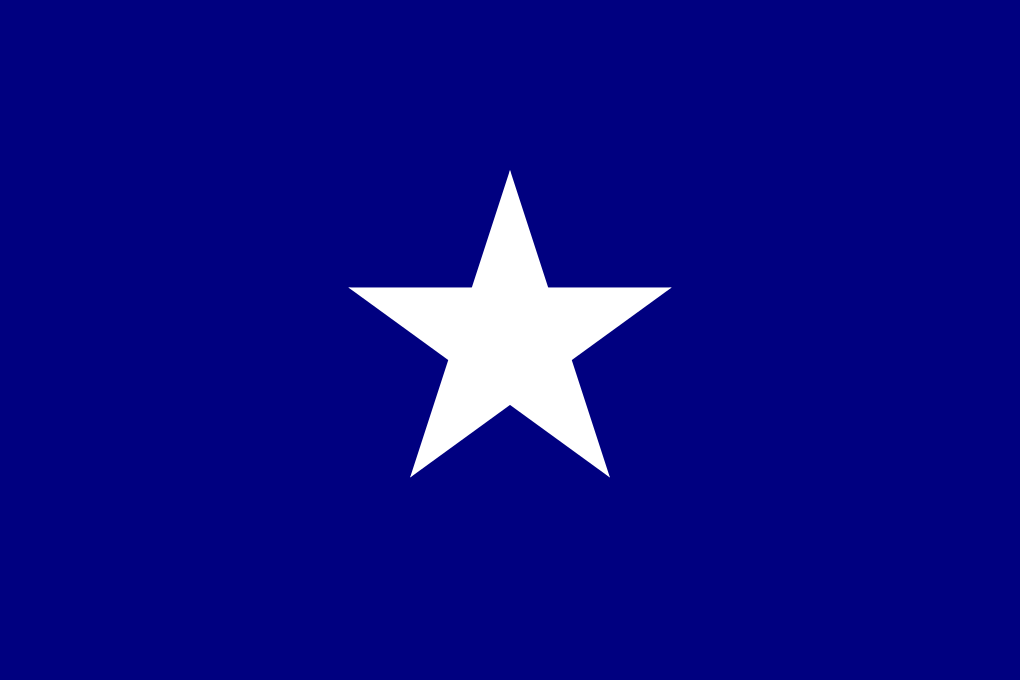
1810
Republic of West Florida
For 90 days in 1810, English-speaking settlers in Spanish West Florida revolted and flew the "Bonnie Blue" — a single white star on blue. The US annexed the territory the same year, but the lone-star motif lived on in Texas and Confederate symbolism.
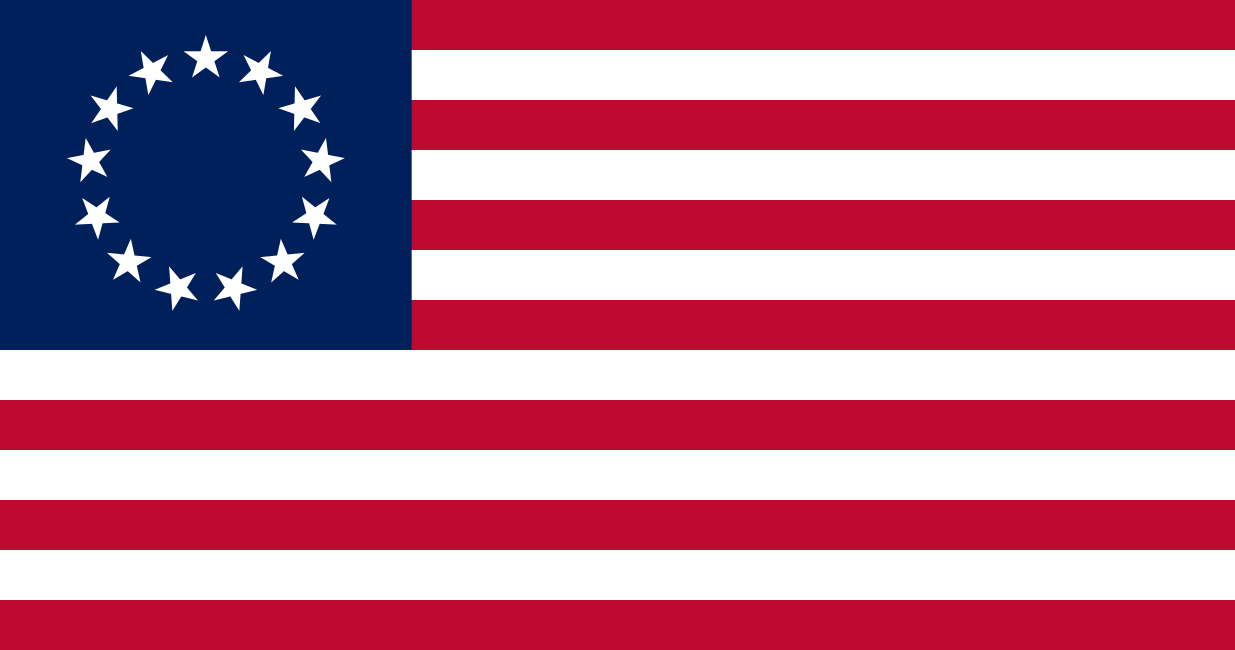
1777–1795
Betsy Ross Flag (13 Stars)
One of the earliest Stars and Stripes, with 13 stars in a circle representing the original colonies. Commonly attributed to Philadelphia seamstress Betsy Ross, though the historical evidence for this attribution is limited.
Related historical states
Empires, kingdoms and republics that once covered part of the United States.
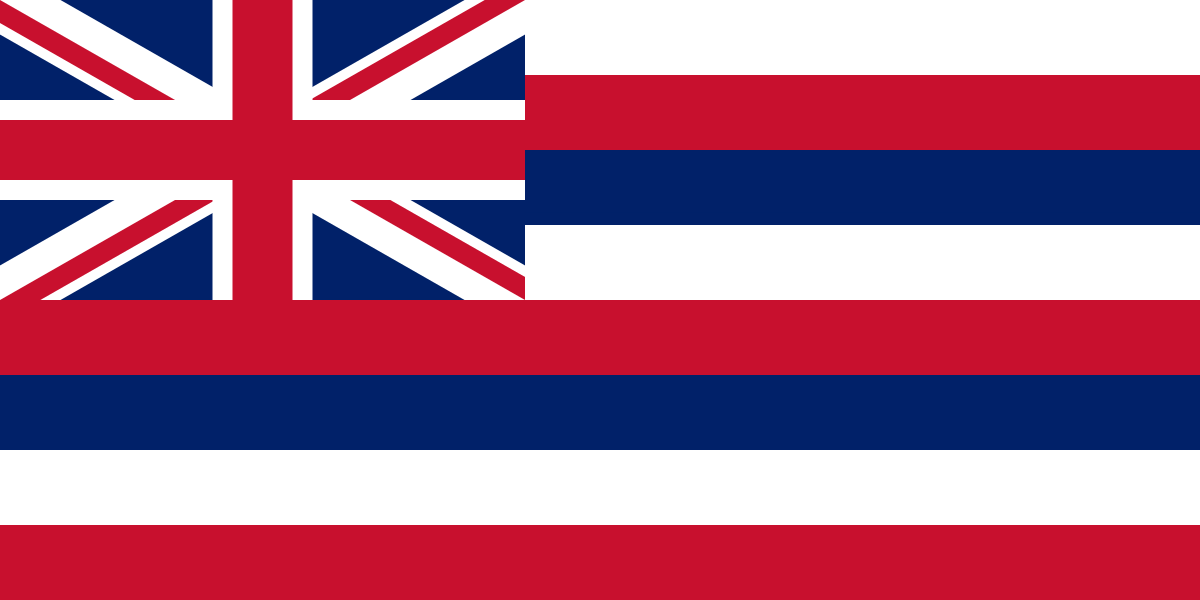
1845–1893
Kingdom of Hawaii
Identical to the modern US state flag: a Union Jack canton (a nod to British friendship under Kamehameha I) over eight stripes for the eight main islands.
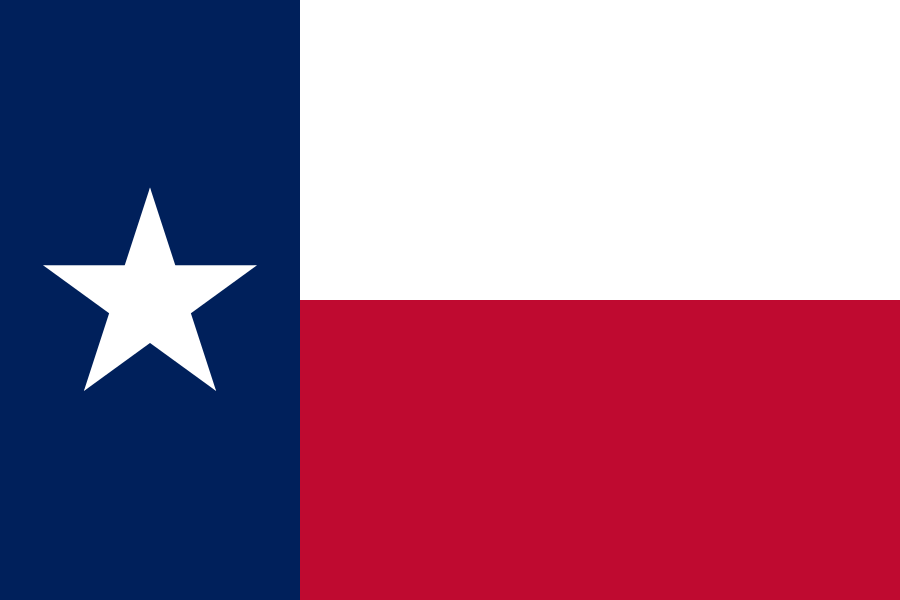
1839–1845
Republic of Texas
The 1839 Lone Star flag became the US state flag of Texas unchanged. Its predecessor, the 'Burnet flag', was a plain gold star on blue.
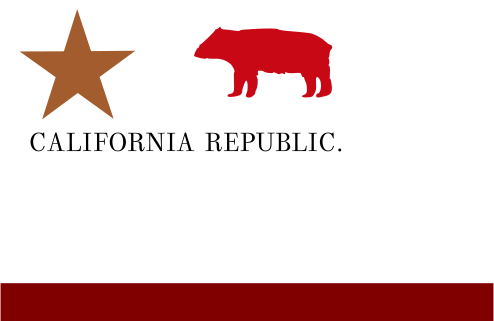
1846
California Republic
The original hand-painted Bear Flag of the 25-day Bear Flag Revolt was so crude its grizzly was mocked as looking like a pig. The 1846 original burned in the 1906 San Francisco earthquake.
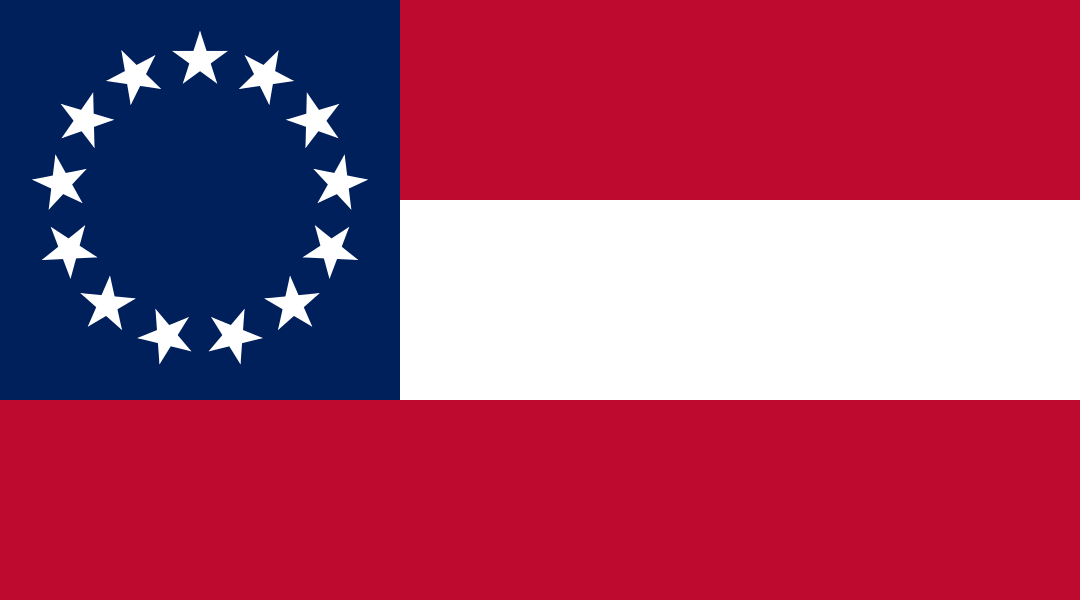
1861–1865
Confederate States
The Confederate States were formed by eleven slave states that seceded from the United States in 1860–61 to preserve slavery. Their first national flag, the 'Stars and Bars', was so easily confused with the US flag in battle smoke that a separate square Battle Flag was created for the field.
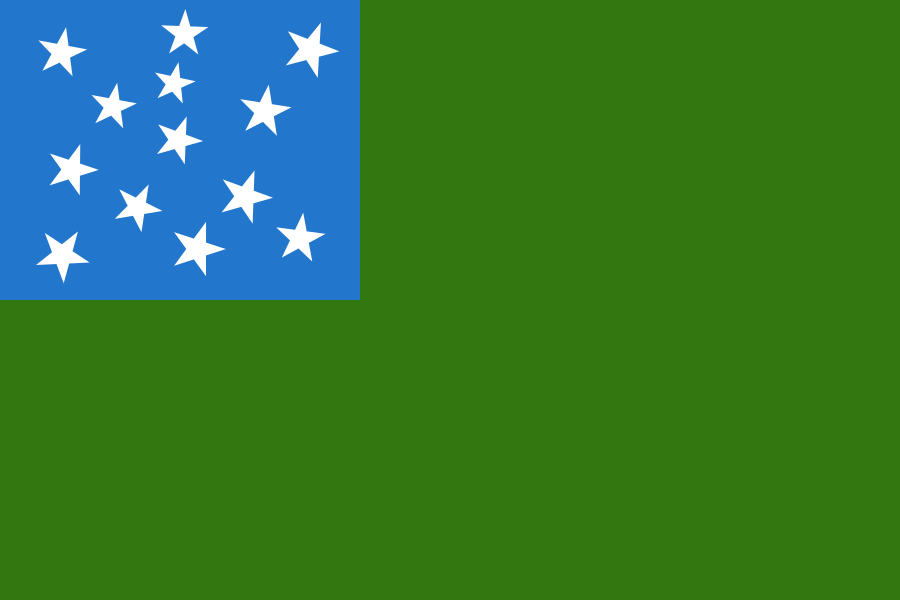
1777–1791
Vermont Republic
The independent republic that existed before Vermont became the 14th US state governed itself for 14 years and abolished adult slavery in its 1777 constitution.
1810
Republic of West Florida
A single white star on blue, this 'Bonnie Blue Flag' was the first lone-star flag in US history and directly inspired the Texas and Confederate lone-star imagery.

Haudenosaunee
Iroquois Confederacy
A purple field bearing the white Hiawatha Belt — the Tree of Peace flanked by squares for the union of the Five Nations. Designed in the 1980s for the Haudenosaunee lacrosse team.
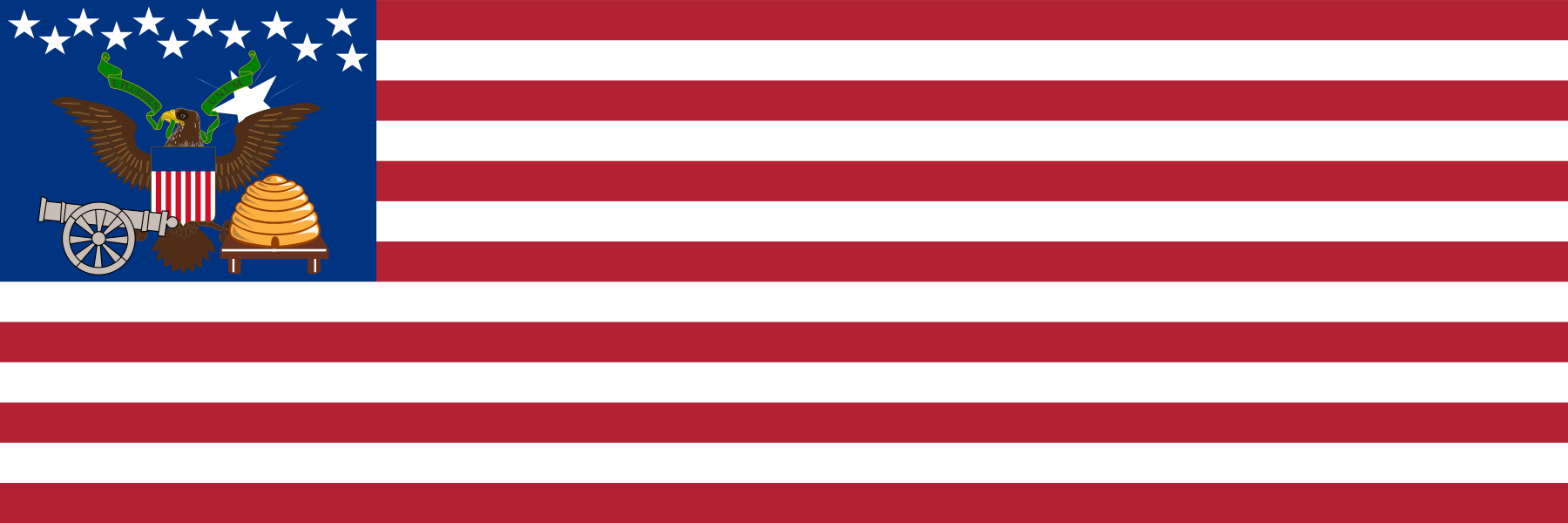
1849–1851
State of Deseret
A reconstructed beehive flag of the provisional Mormon state that covered much of the future US Southwest before Congress created Utah Territory.
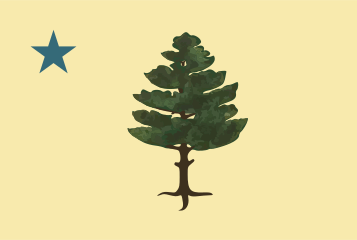
1901–1909
Republic of Maine (1901 ensign)
A buff field with a green pine tree and a blue North Star in the canton — the beloved 'pine tree' flag, recently the subject of campaigns to bring it back.
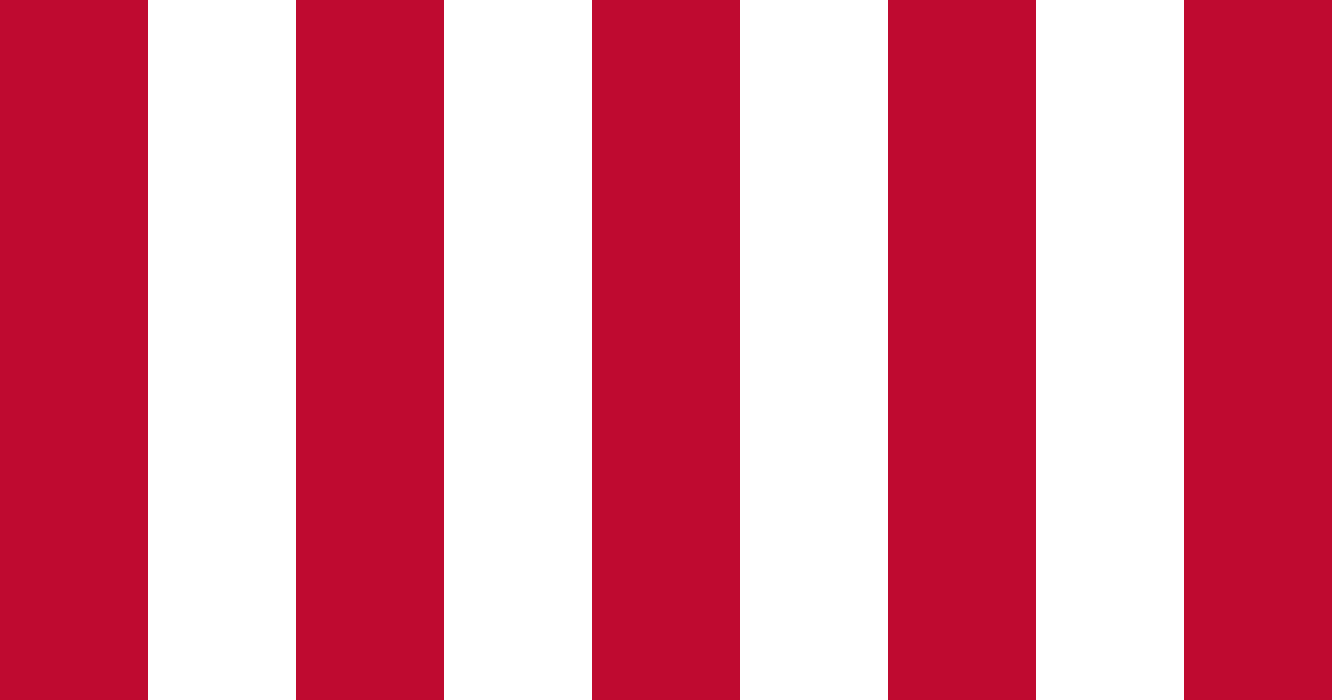
1765–1775
Sons of Liberty
Nine alternating vertical red and white stripes — the 'Rebellious Stripes' — representing the colonies at the 1765 Stamp Act Congress.
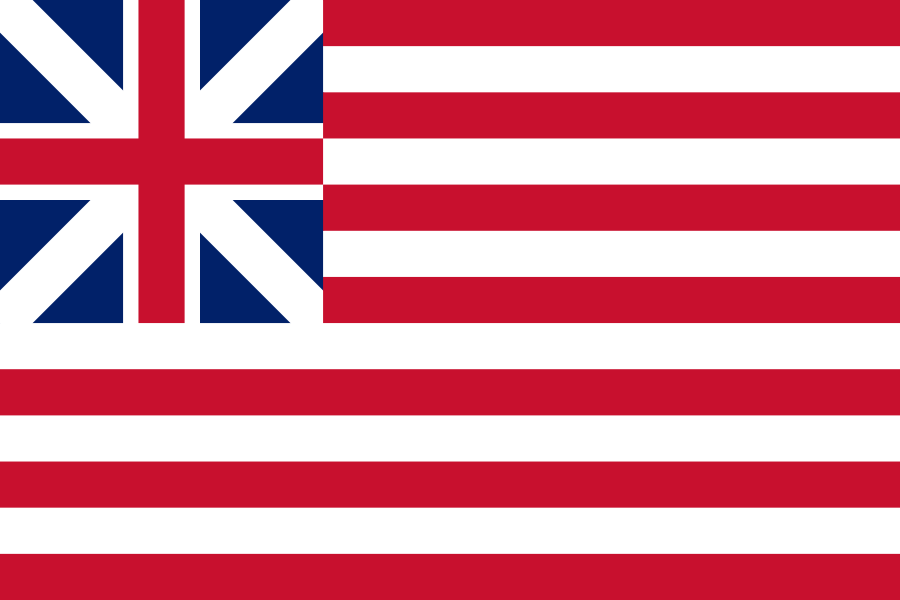
1775–1777
Grand Union Flag
Thirteen red-white stripes with the British Union Jack in the canton — the de facto first US flag, flown before the stars replaced the Union Jack in 1777.
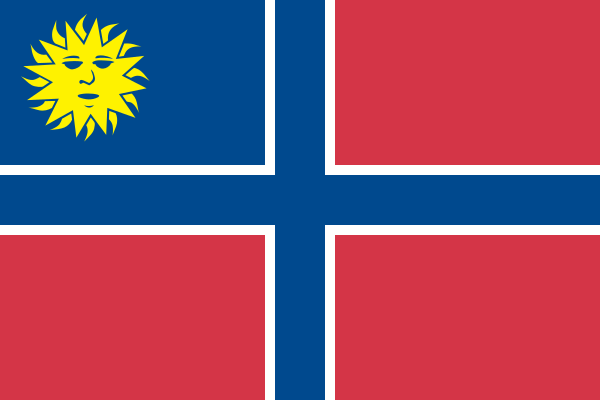
1799–1803
State of Muskogee
A red field with a blue canton and sunburst, flown by the Creek–Seminole state that adventurer William Augustus Bowles tried to build in Spanish Florida.

1868
Republic of Puerto Rico (Lares)
The Grito de Lares revolutionary flag — a white cross dividing blue and red quarters with a white star — raised in the brief 1868 uprising against Spanish rule.
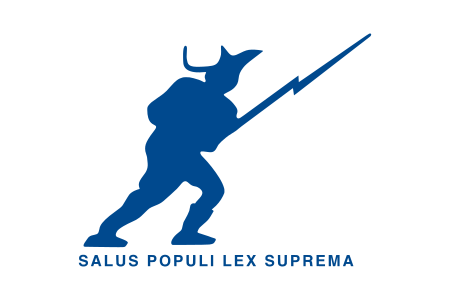
1812
Republic of East Florida
American 'Patriots' raised this flag of a charging soldier in a covert 1812 bid to seize Spanish East Florida — a filibuster the US government quietly encouraged, then disavowed.

1863–1865
Confederate States (Stainless Banner)
The Confederacy's second national flag placed the square Battle Flag canton on a white field; its designer openly described the white as standing for white supremacy. Critics warned that when hanging limp it could be mistaken for a flag of surrender.
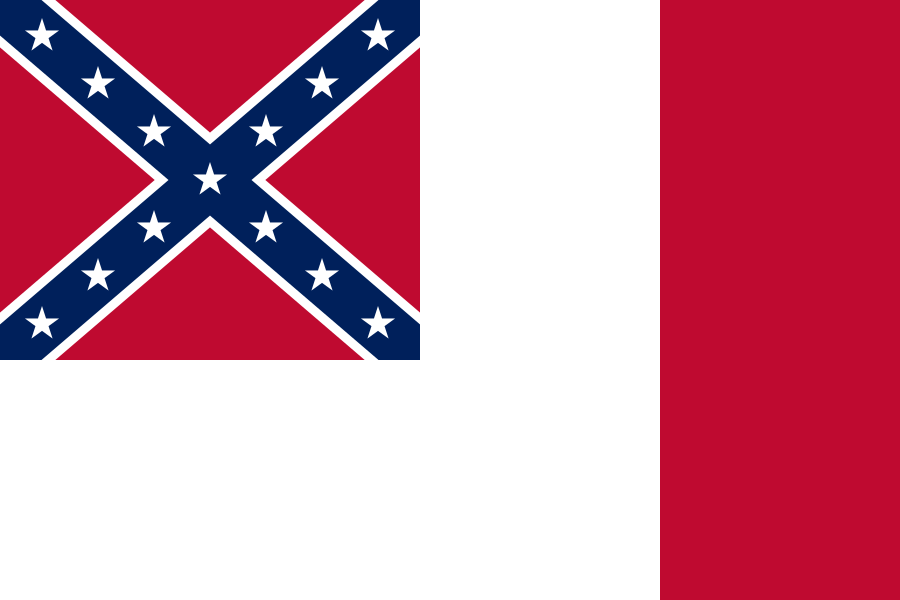
1865
Confederate States (Blood-Stained Banner)
The third and final Confederate national flag added a vertical red bar to the white 'Stainless Banner' to fix its surrender-flag problem — adopted barely a month before the war ended.
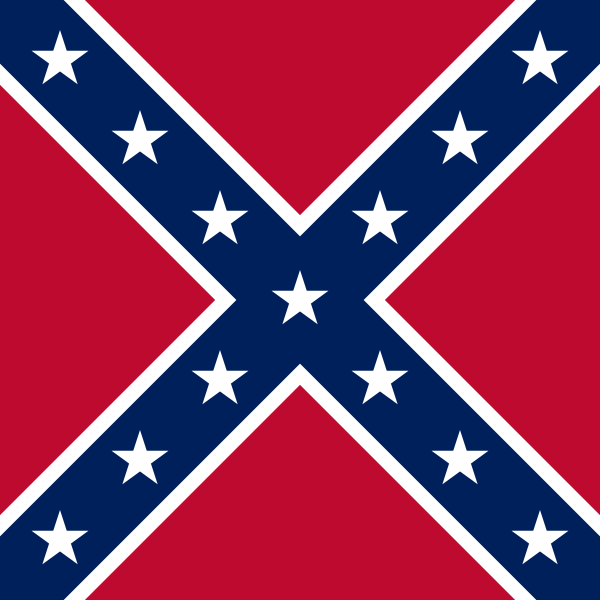
1861–1865
Confederate Battle Flag
The square blue Saint Andrew's cross with thirteen stars was carried by the Army of Northern Virginia. Never an official national flag, it later became the basis of the rectangular 'rebel flag', which segregationists took up in the 20th century to oppose civil rights; it is widely seen today as a symbol of racism.
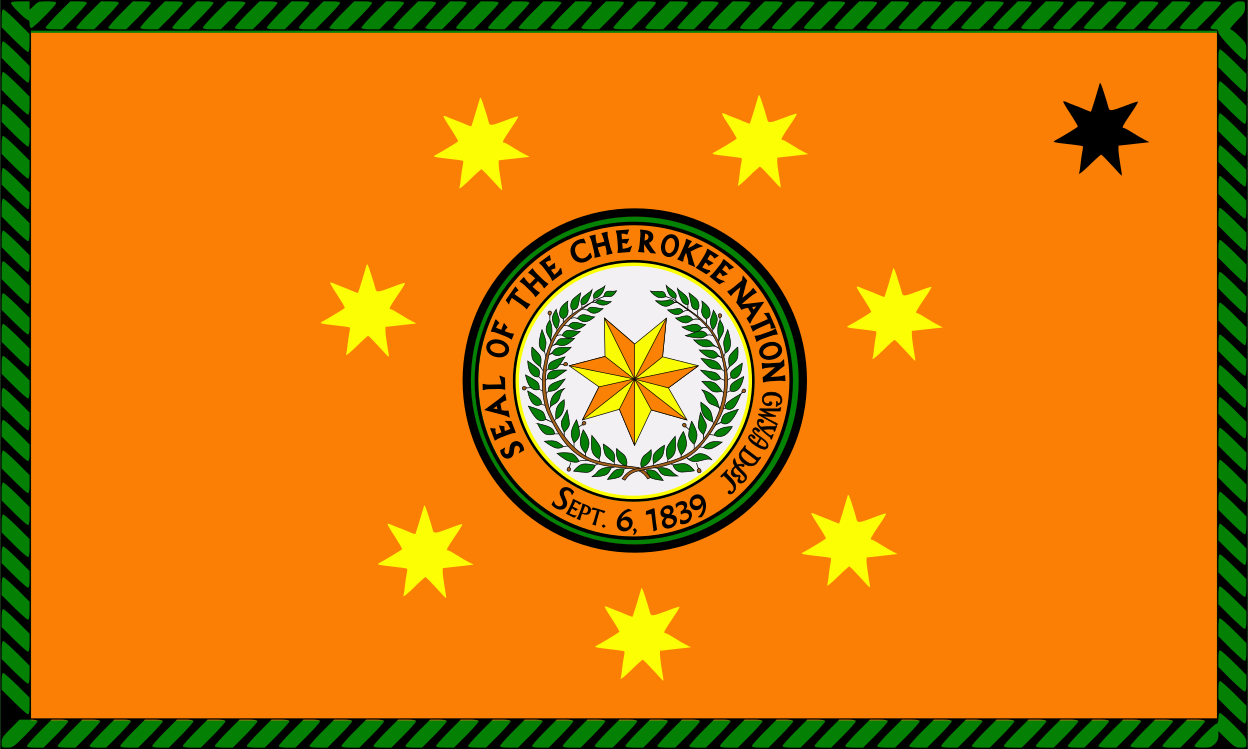
1839–present
Cherokee Nation
The seven-pointed star and ring of stars honour the seven clans and the Trail of Tears; one black star commemorates those who died on the forced removal to Indian Territory.
Territories & dependencies
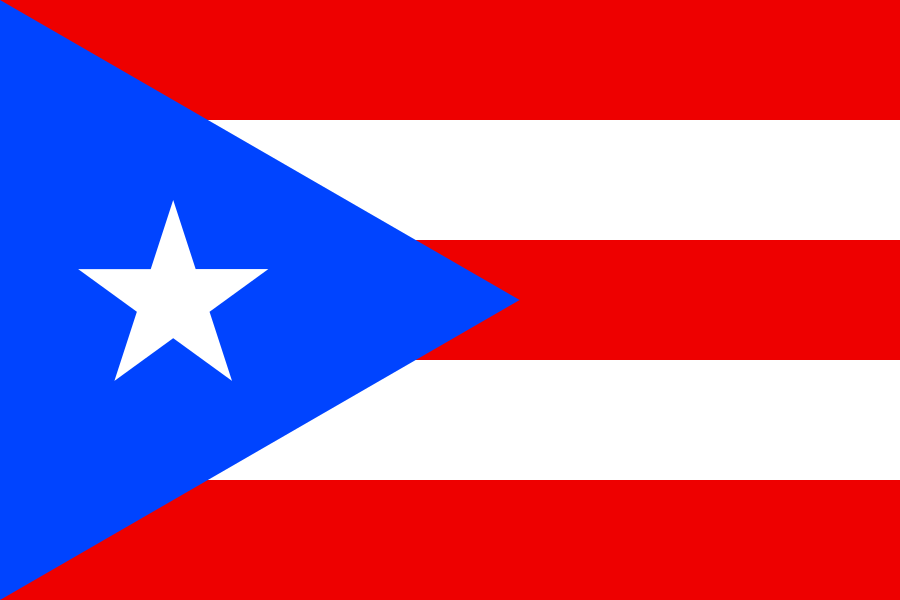
Commonwealth (unincorporated territory)
Puerto Rico
The most populous US territory, a Caribbean commonwealth whose residents are US citizens but cannot vote for president. Statehood remains a live debate.
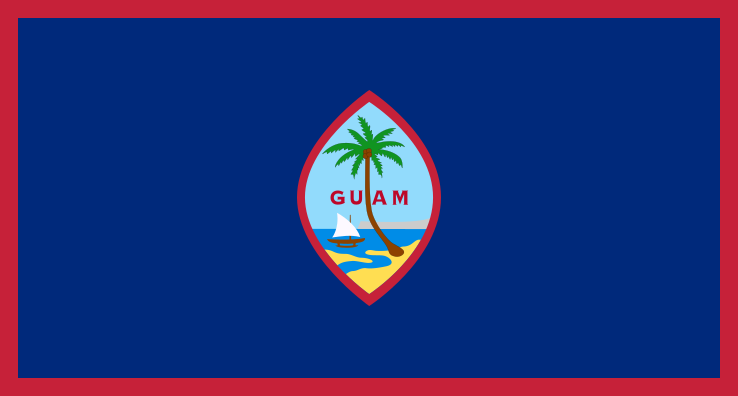
Unincorporated territory
Guam
A strategically vital Pacific island and major US military hub. Its flag shows a proa sailing past a coconut palm in Hagåtña Bay.
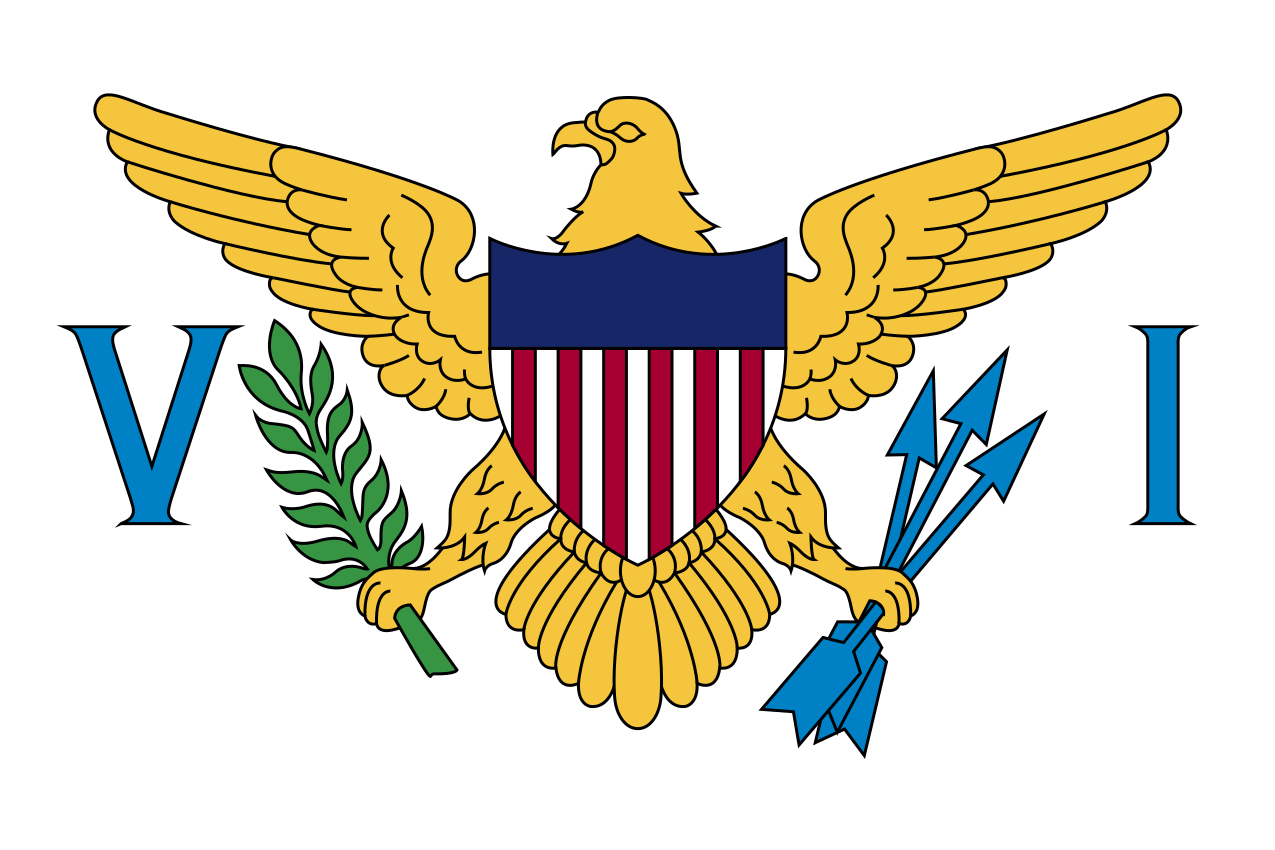
Unincorporated territory
U.S. Virgin Islands
A Caribbean territory the US bought from Denmark in 1917. The flag is a simplified US eagle holding a laurel branch and arrows between the letters V and I.
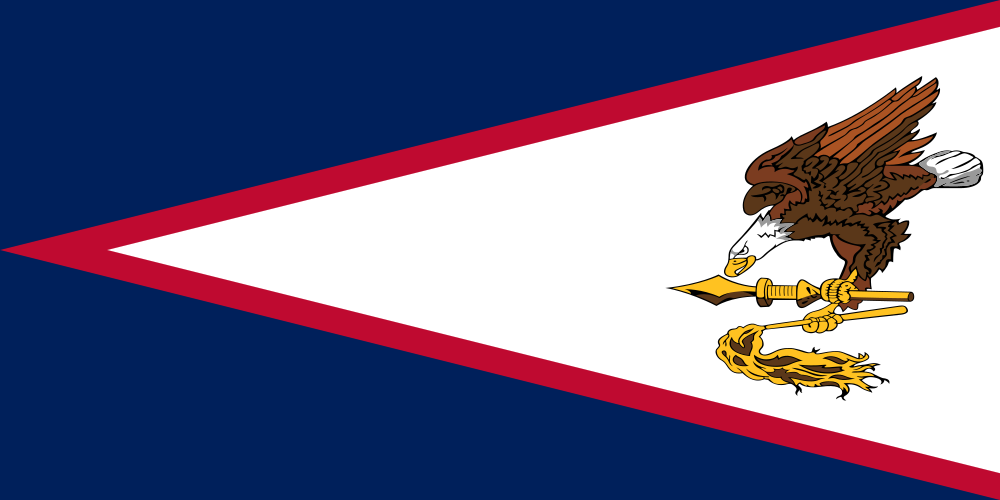
Unincorporated territory
American Samoa
The only US territory south of the equator. Its flag shows a bald eagle clutching a Samoan war club and fly-whisk, symbols of chiefly authority.
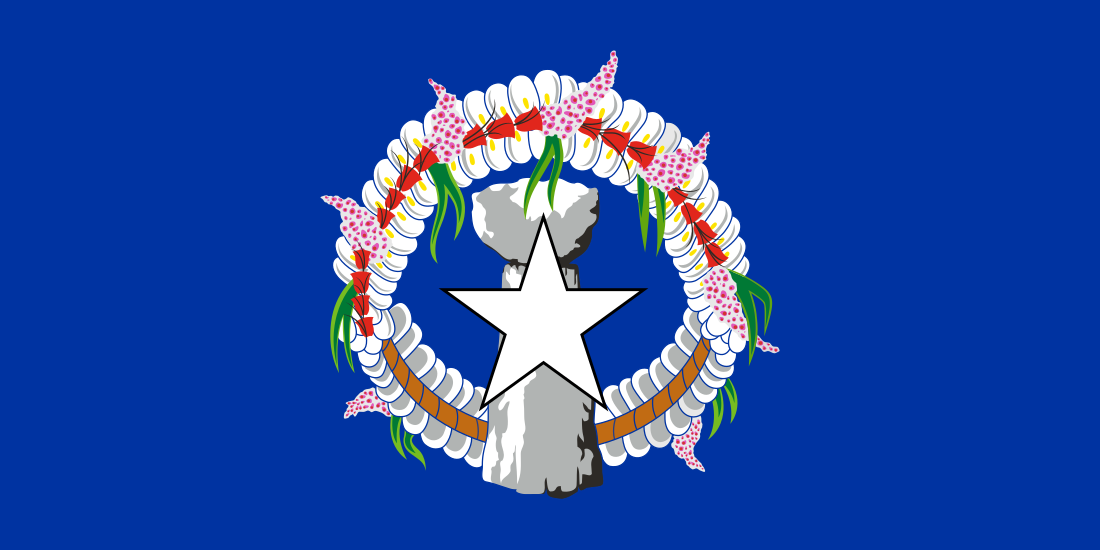
Commonwealth (unincorporated territory)
Northern Mariana Islands
A Pacific commonwealth that, unlike Guam, chose union with the US in the 1970s. Its flag features a latte stone and a mwar (flower garland).
Regional flags of the United States
The 56 states, provinces and regions of the United States with their own flags.
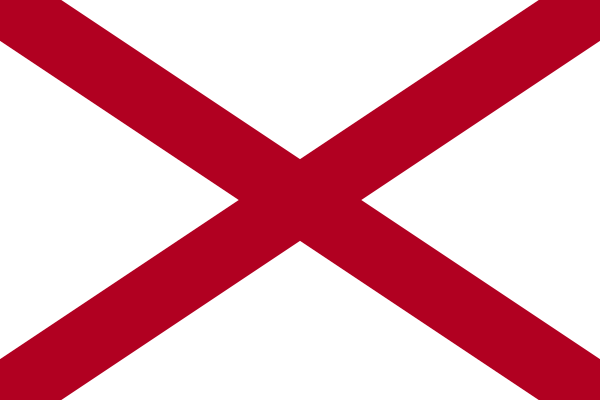
Alabama
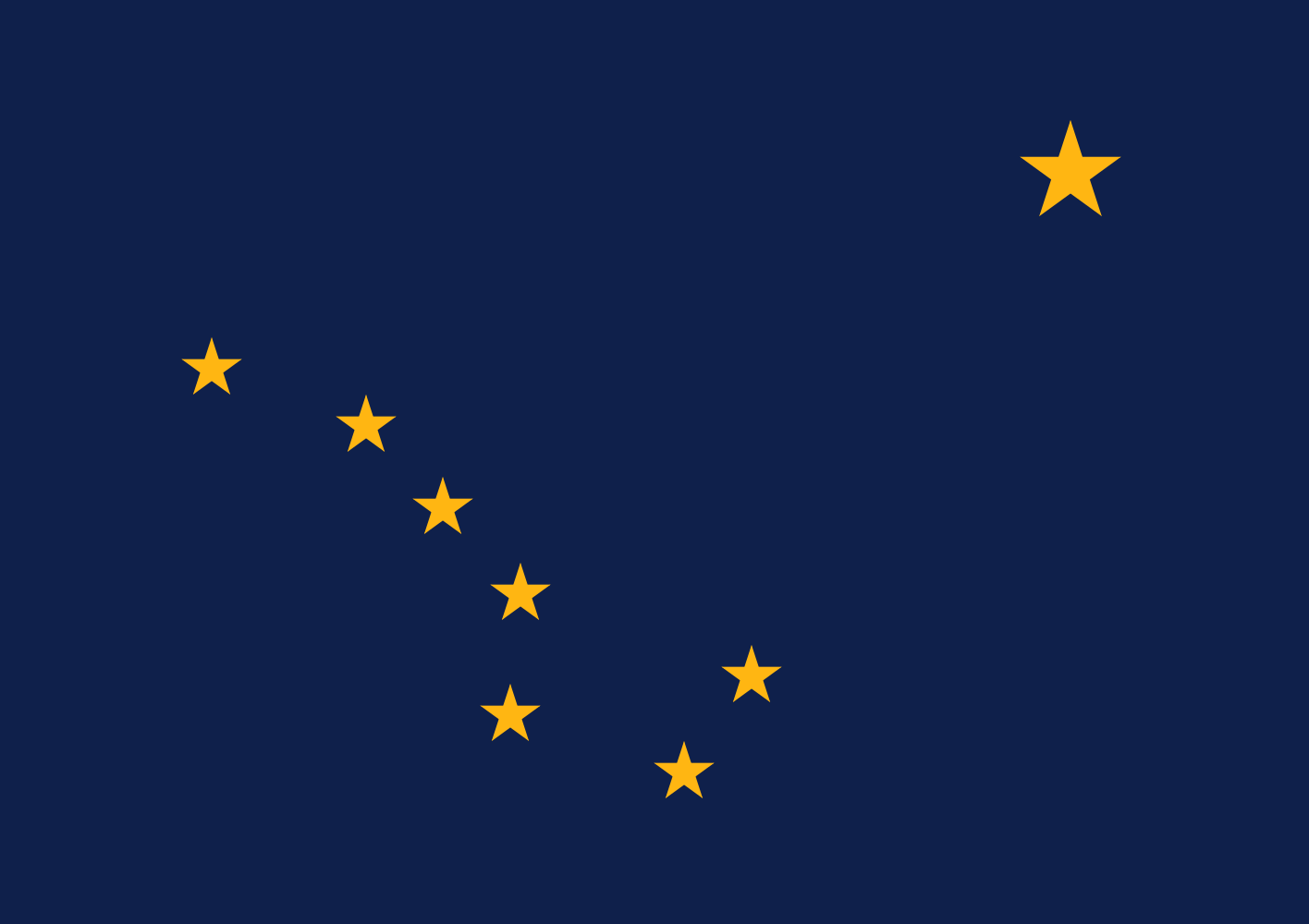
Alaska
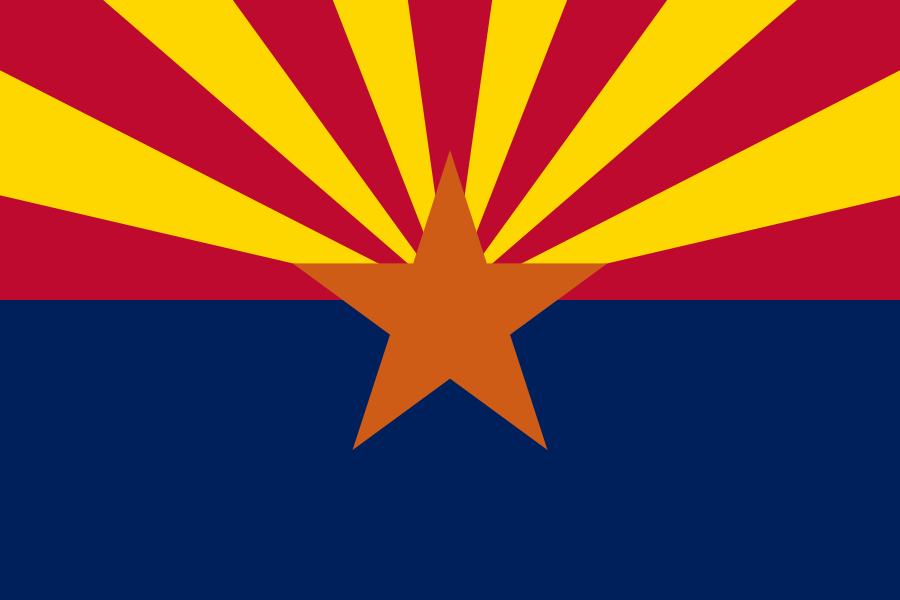
Arizona
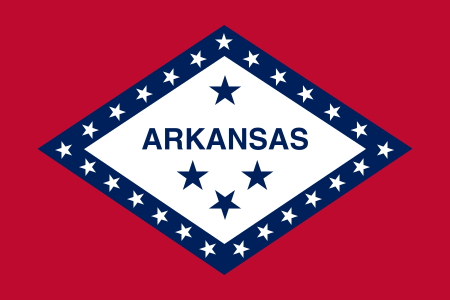
Arkansas
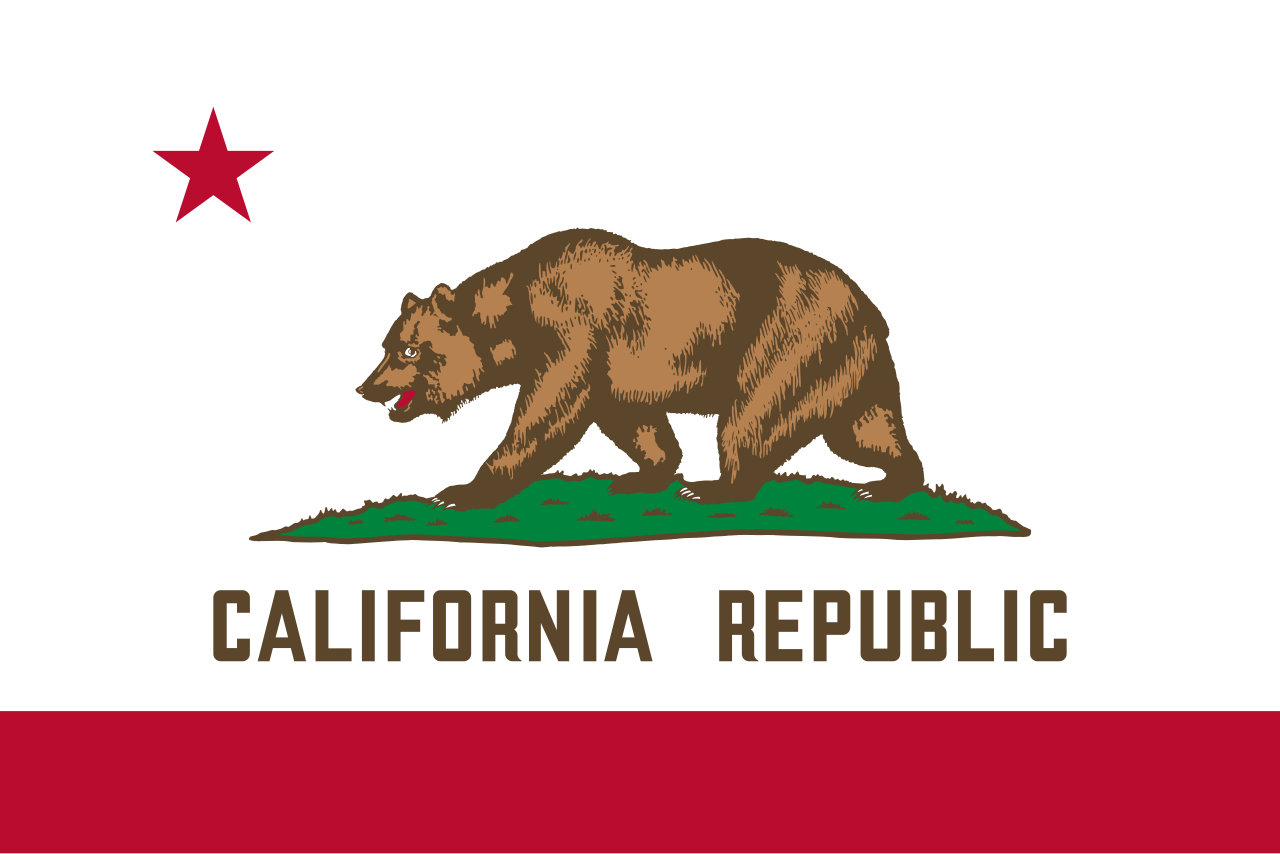
California
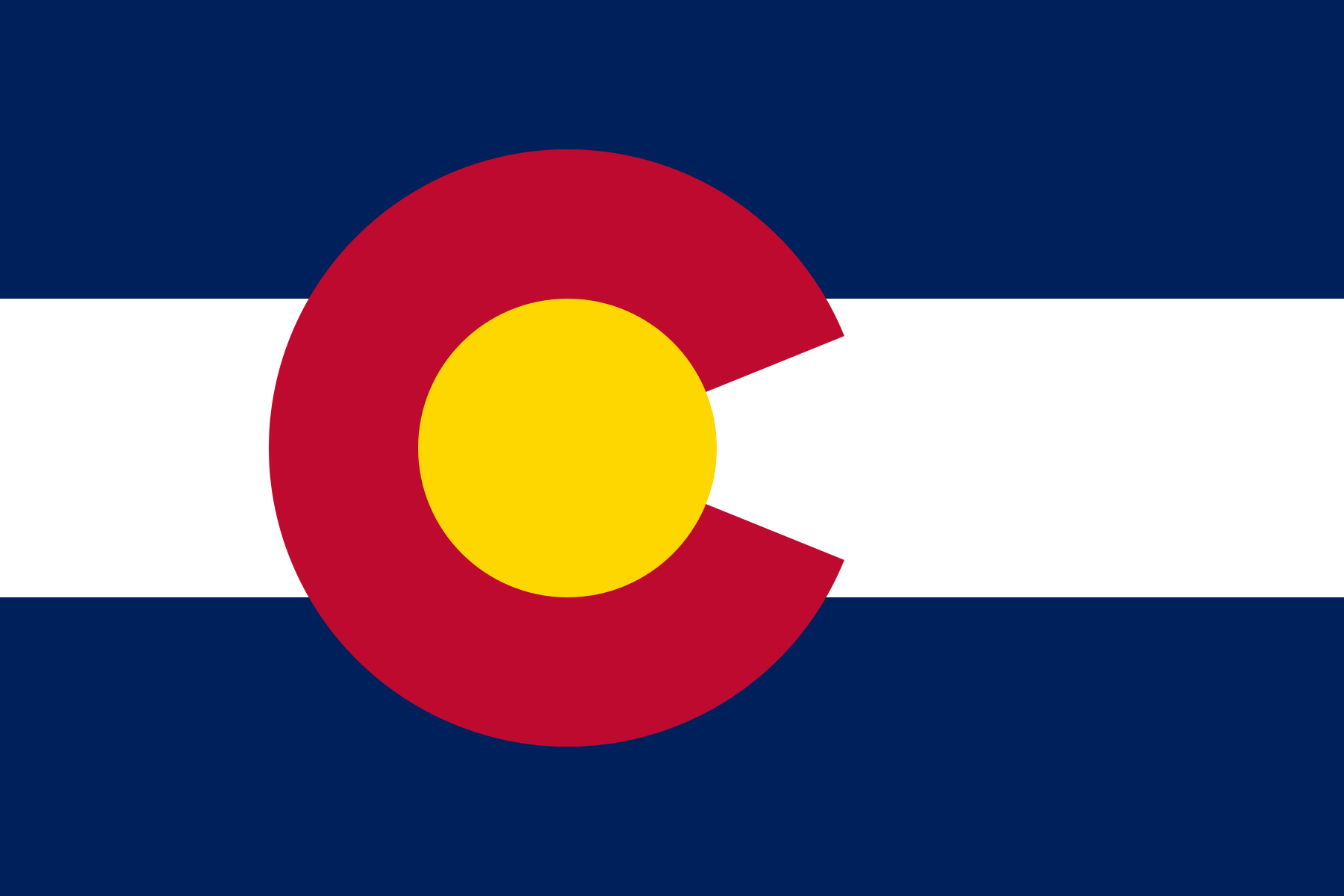
Colorado
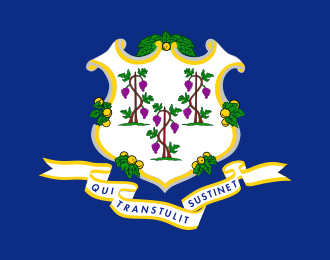
Connecticut
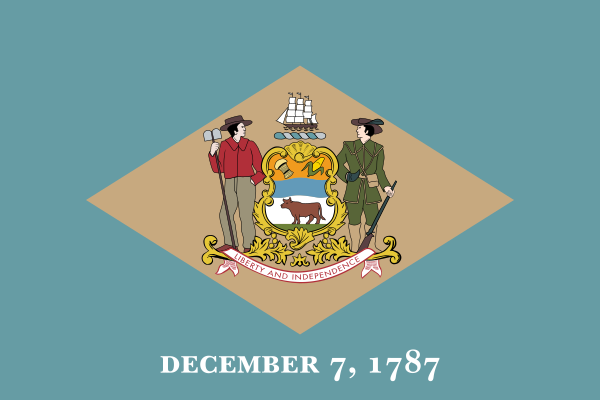
Delaware
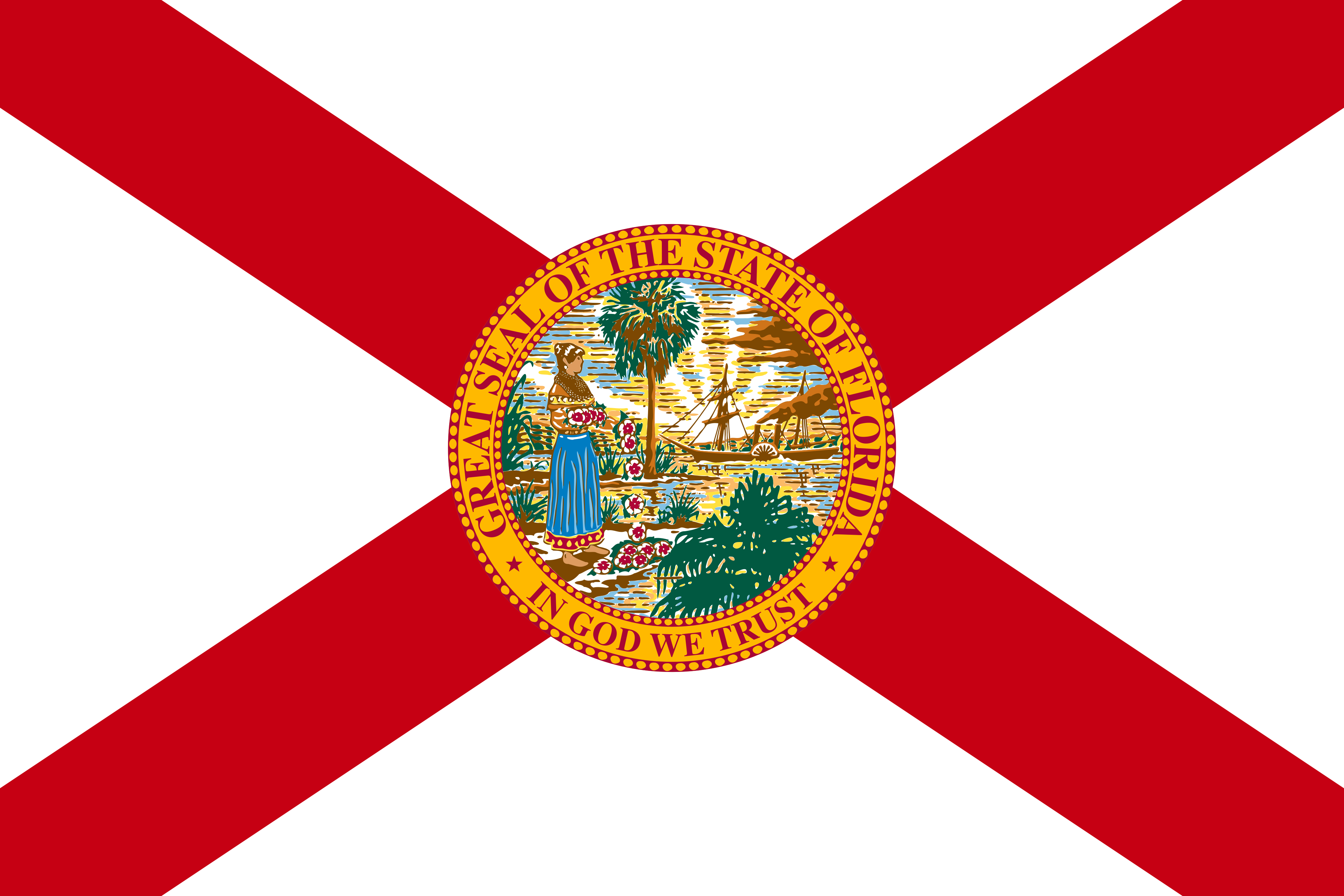
Florida
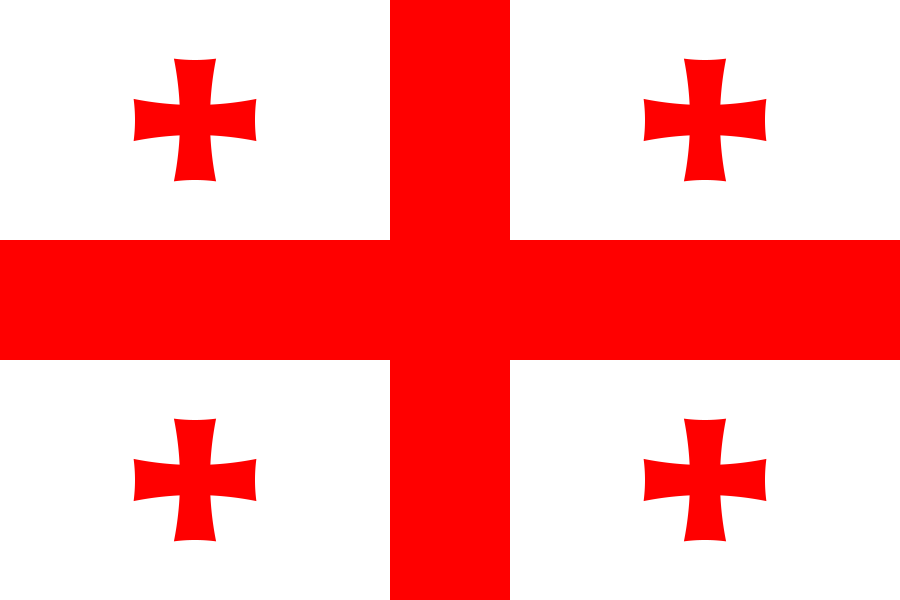
Georgia
Hawaii
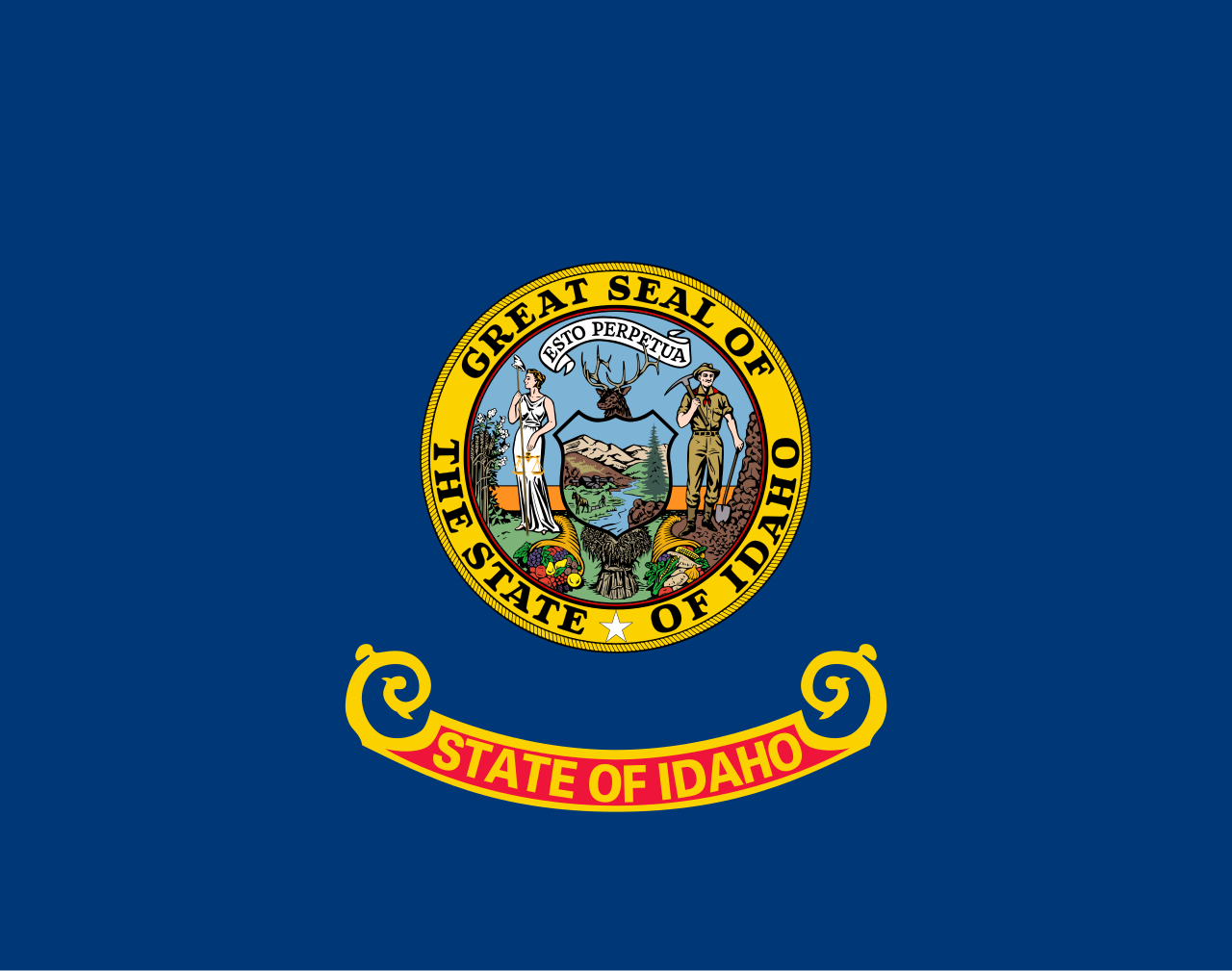
Idaho
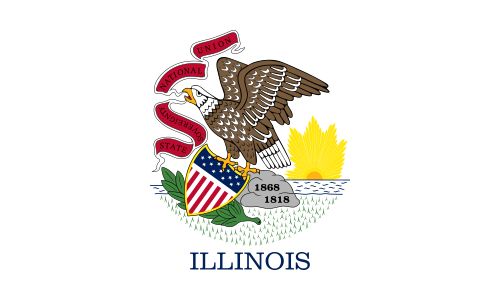
Illinois
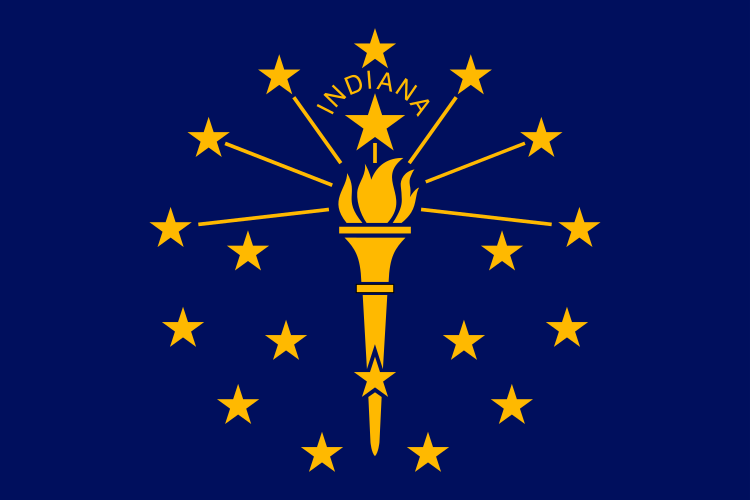
Indiana
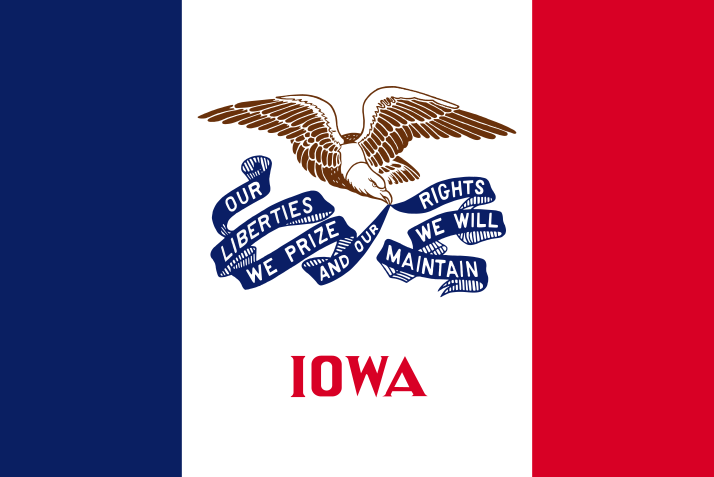
Iowa
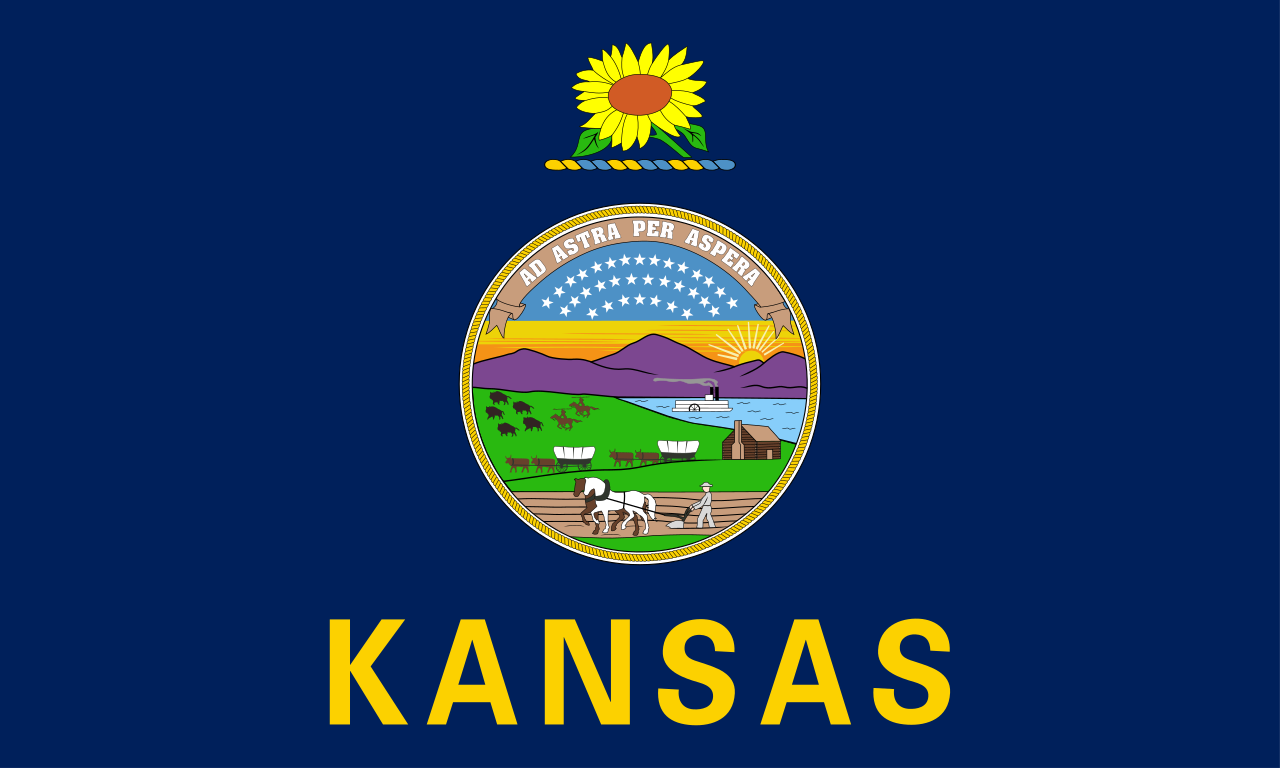
Kansas
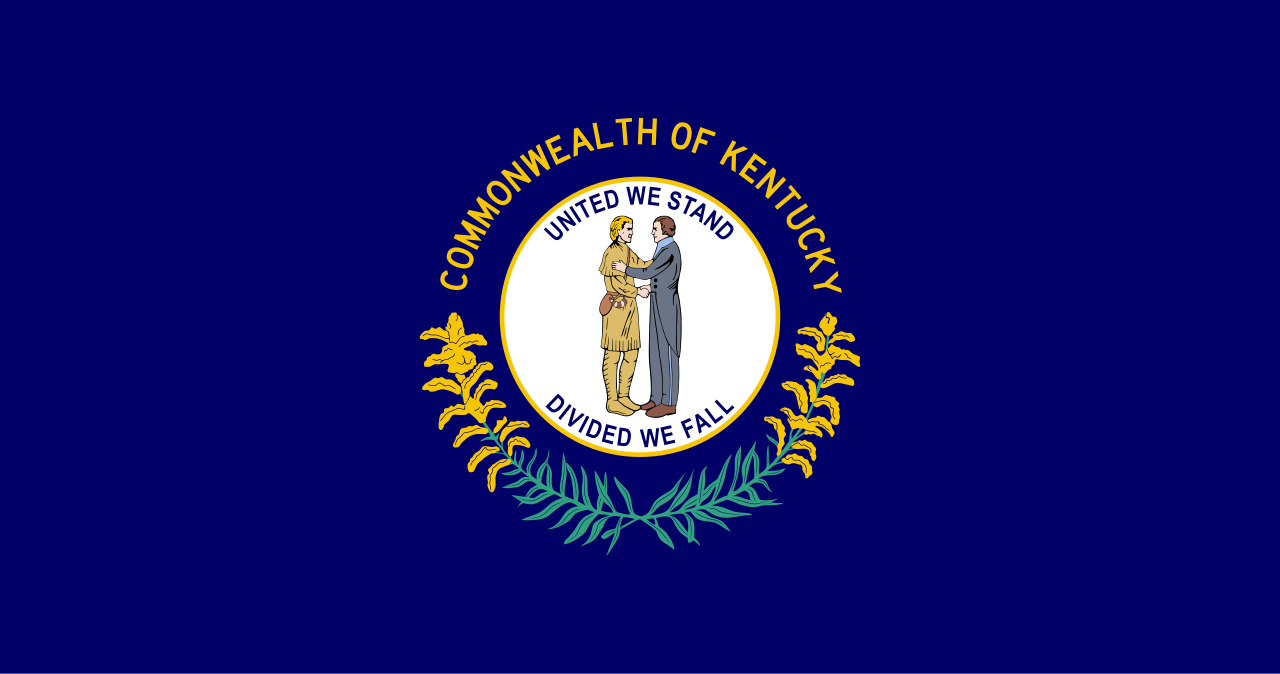
Kentucky
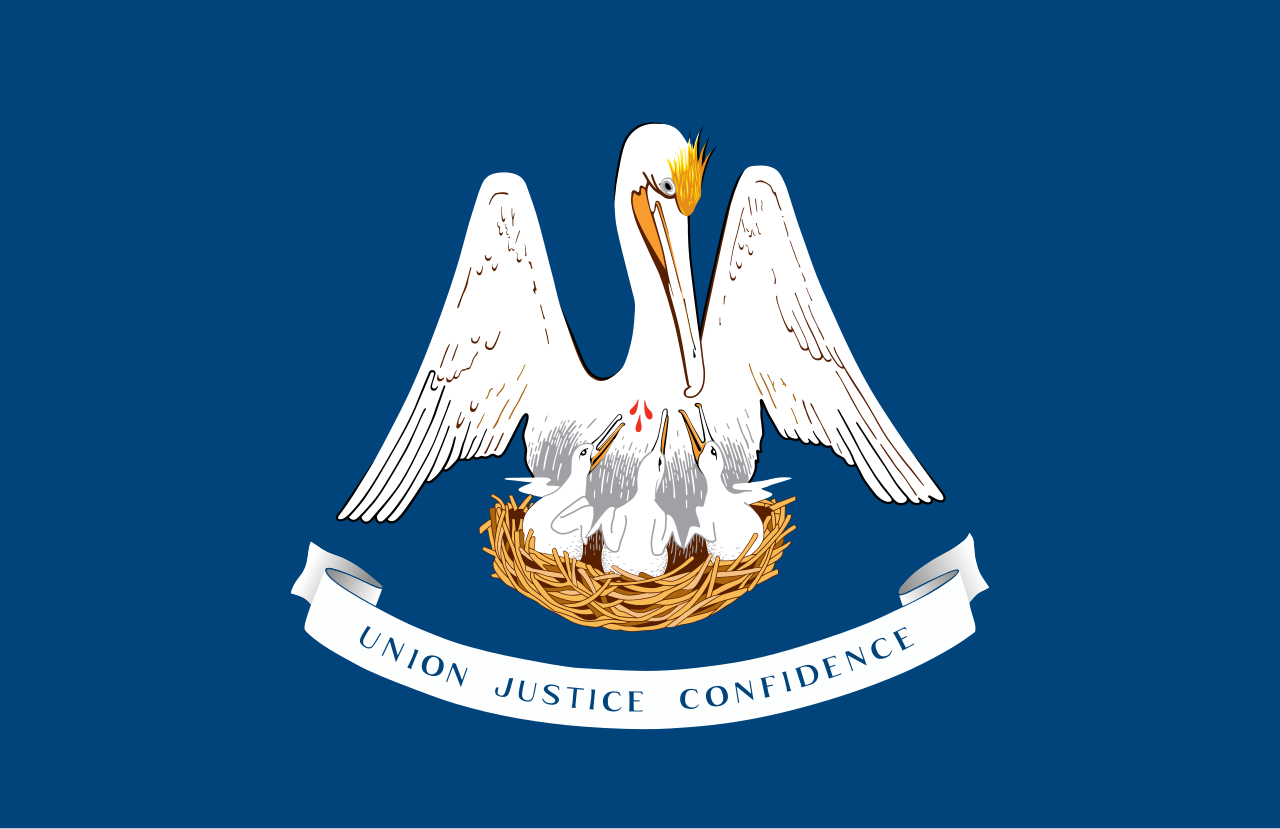
Louisiana
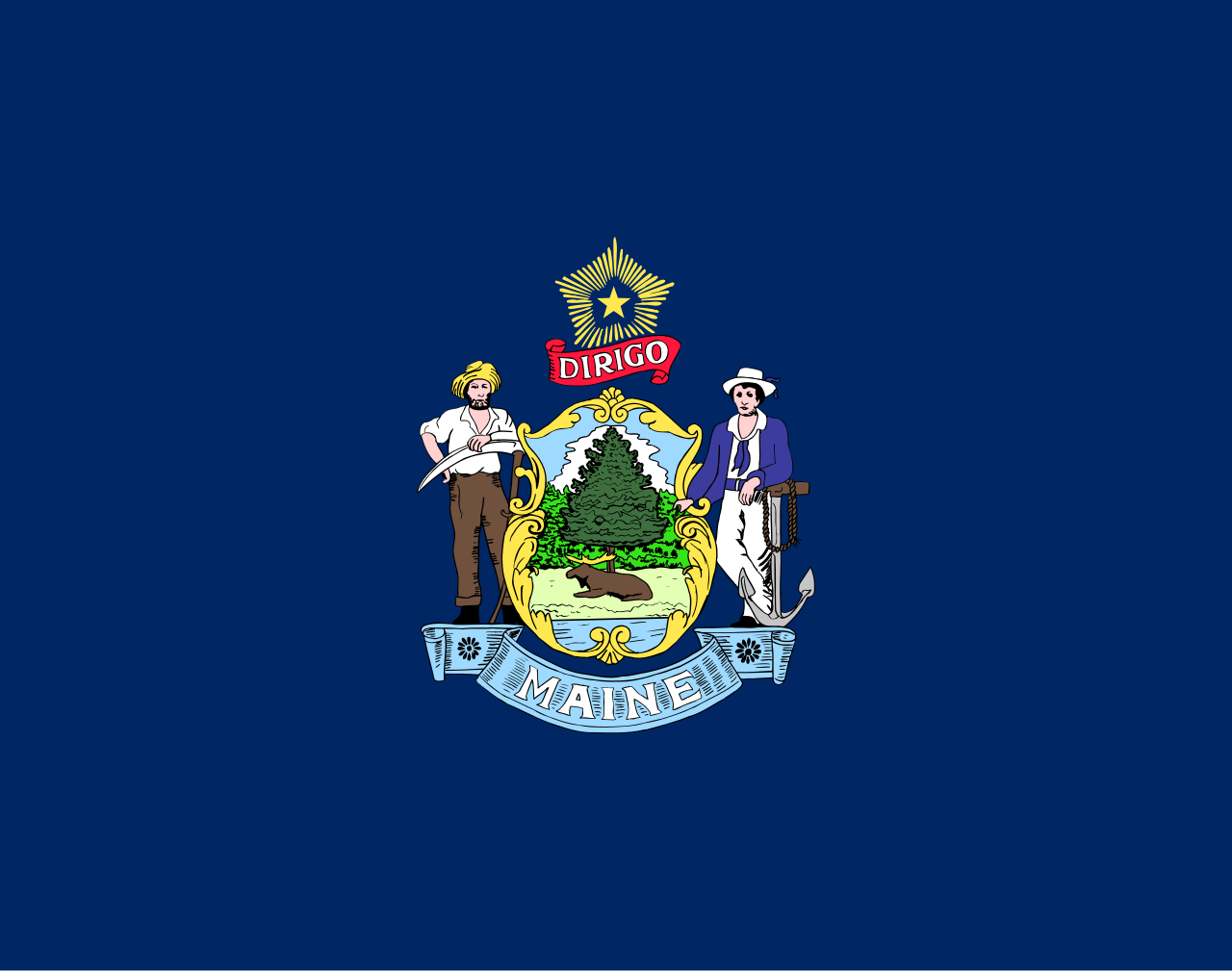
Maine
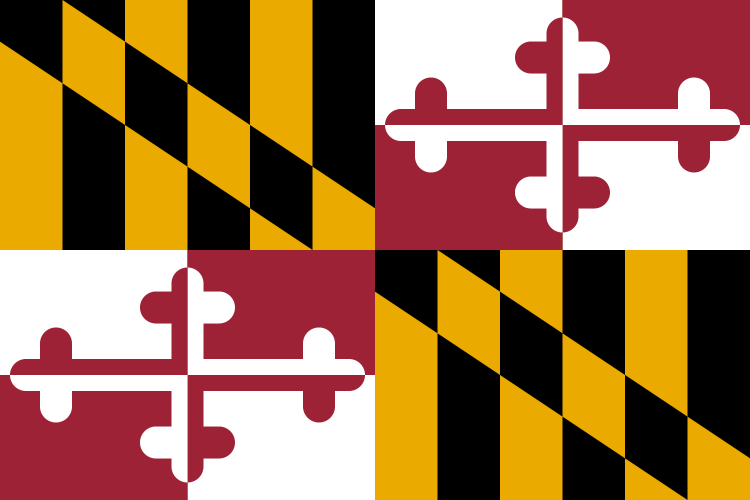
Maryland
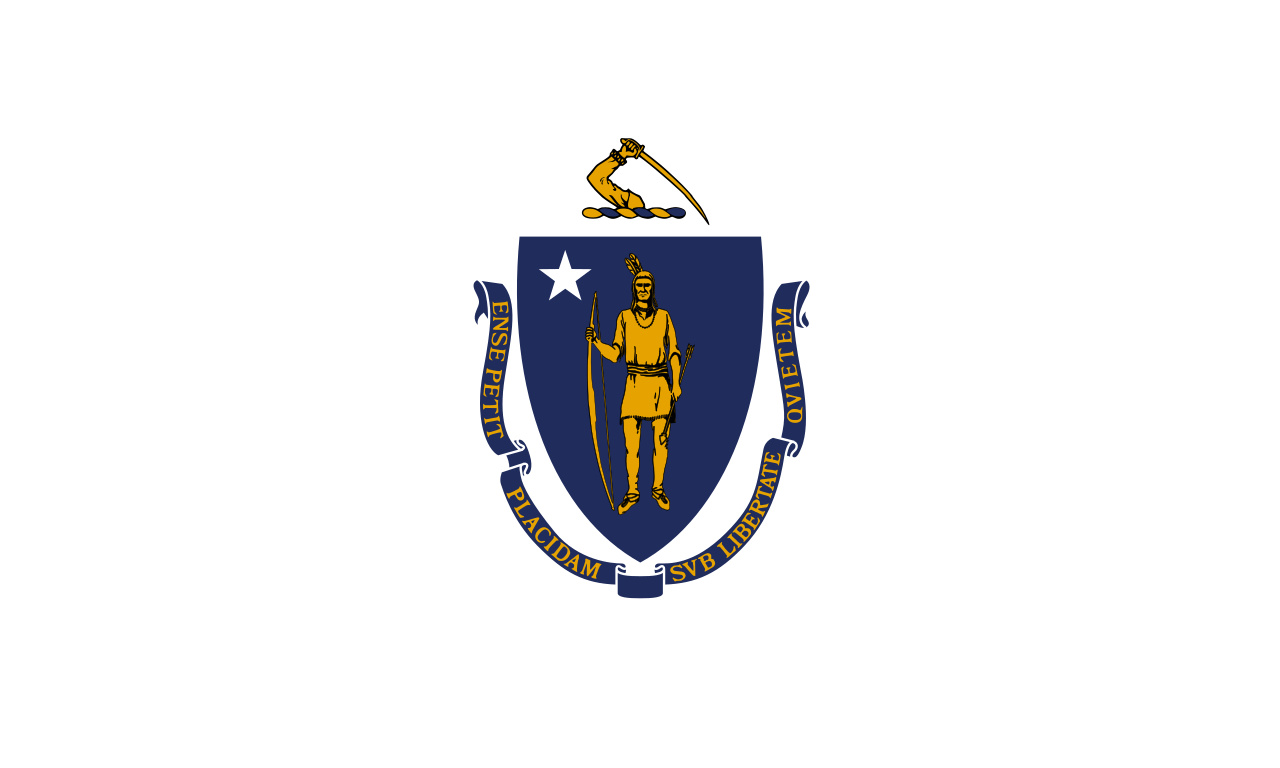
Massachusetts
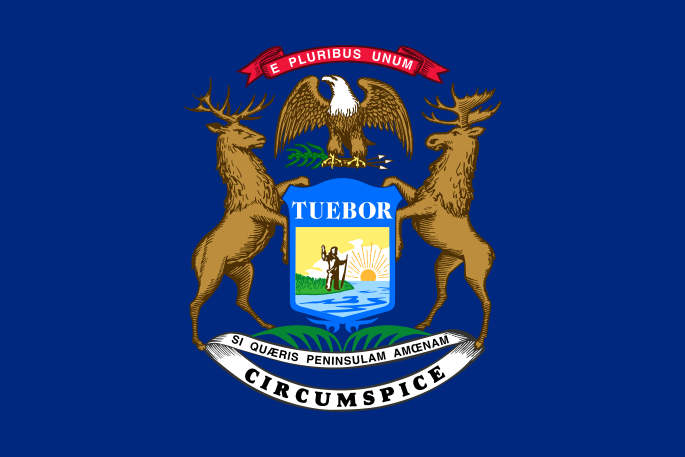
Michigan

Minnesota
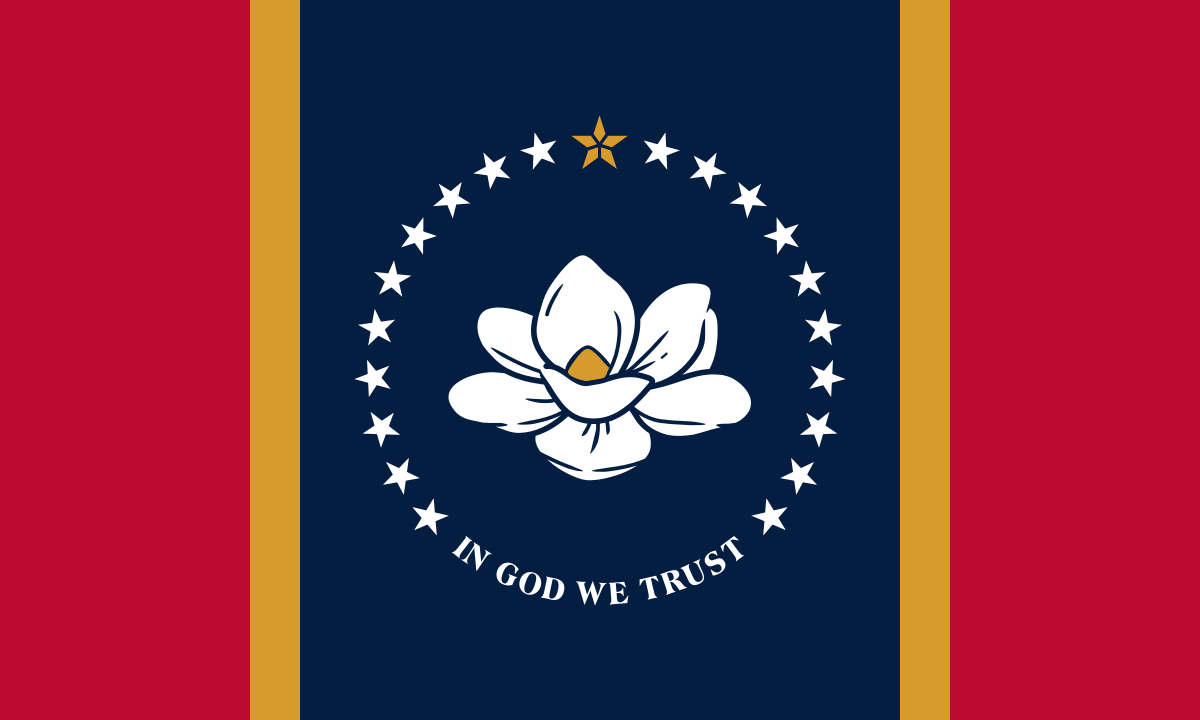
Mississippi
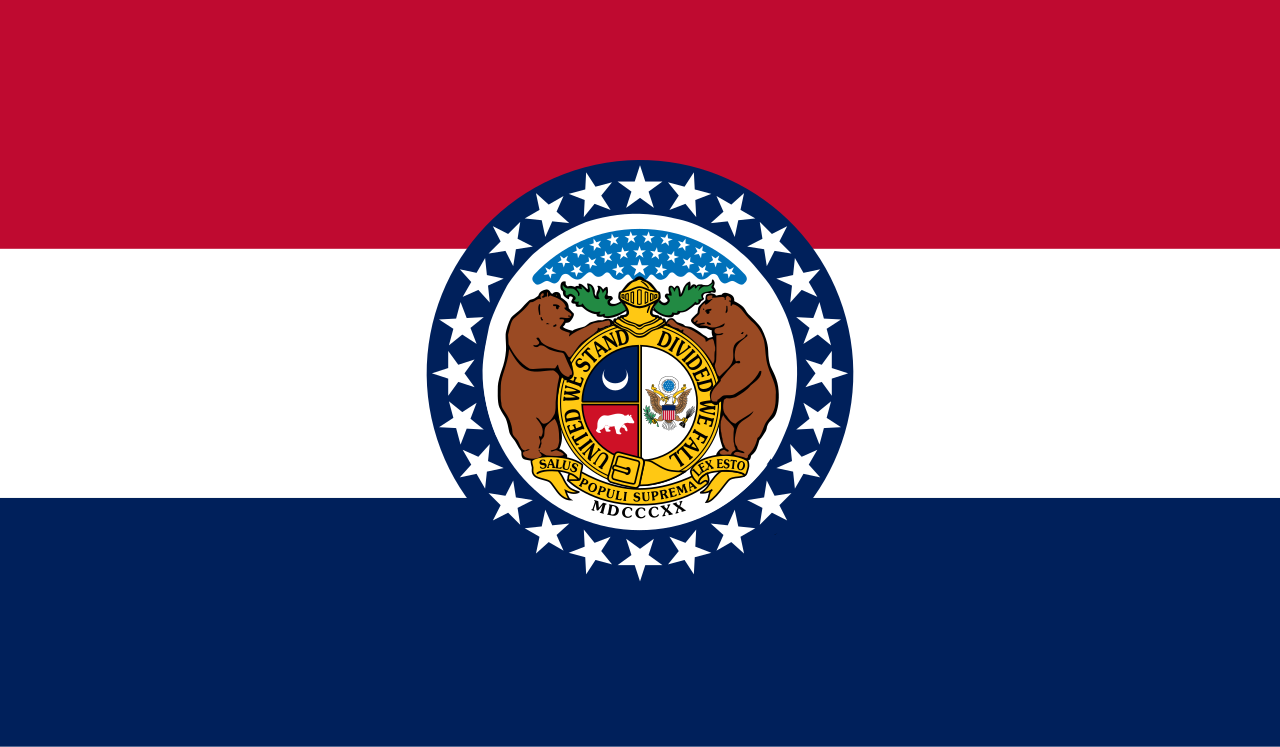
Missouri
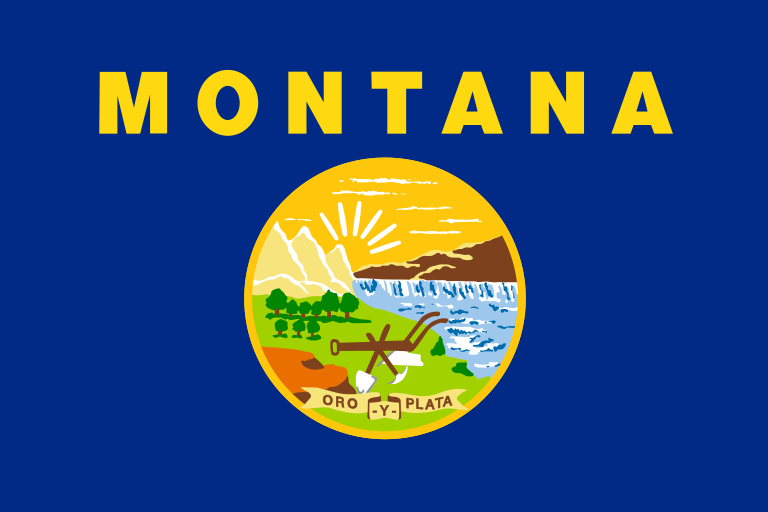
Montana
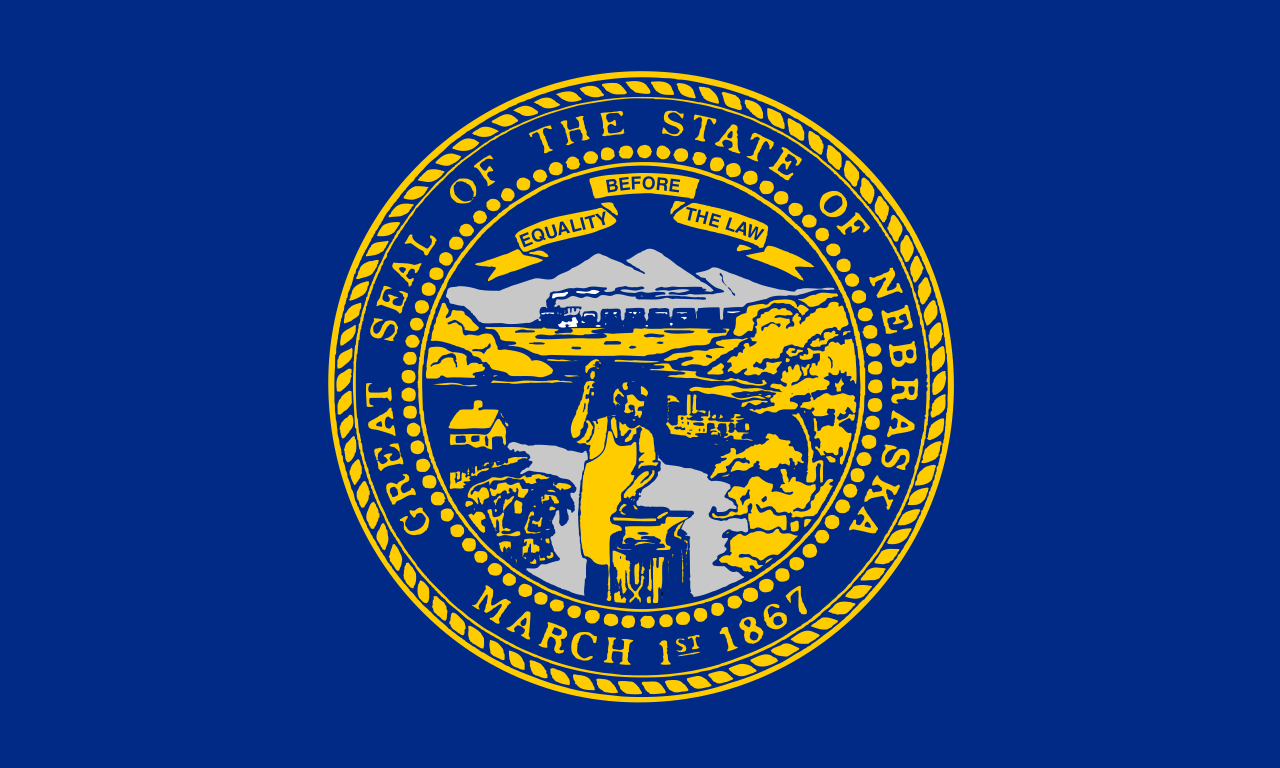
Nebraska
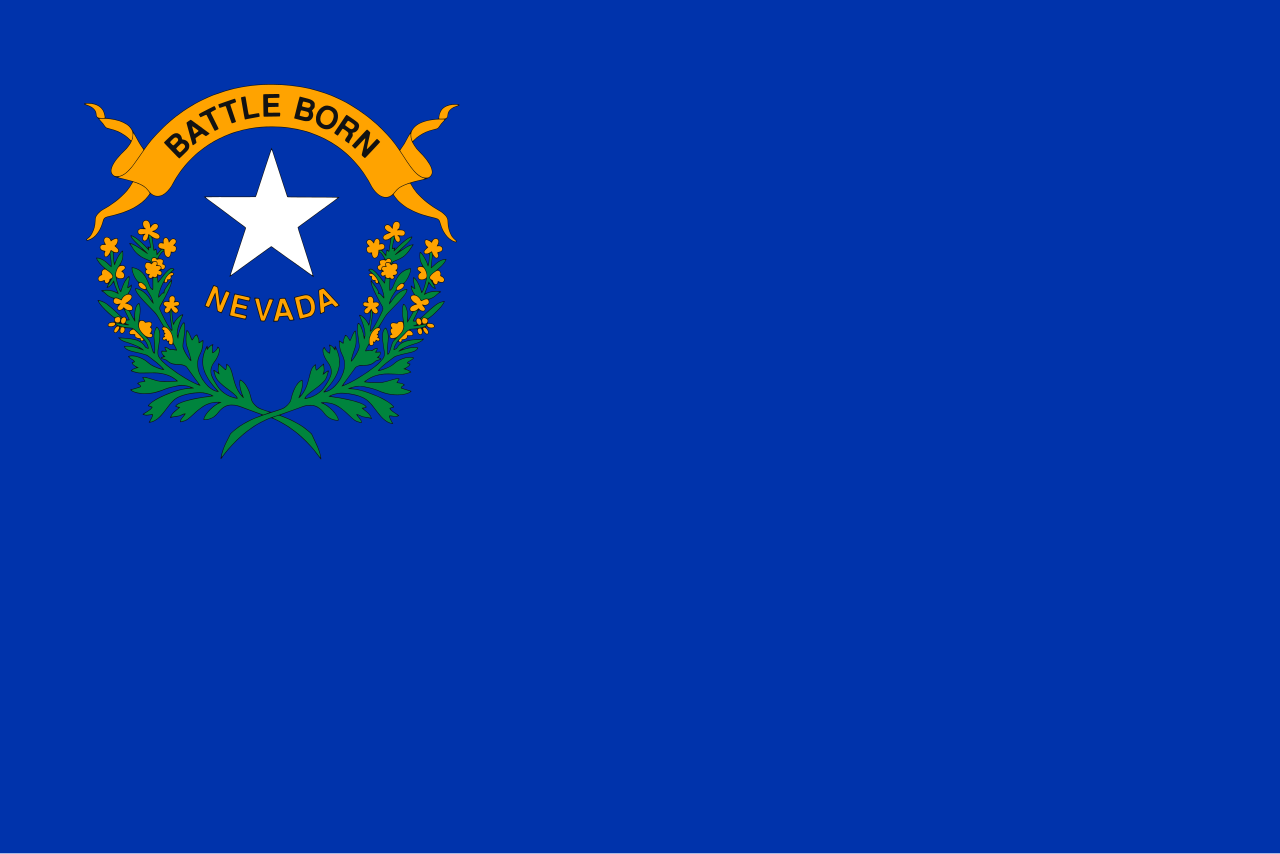
Nevada
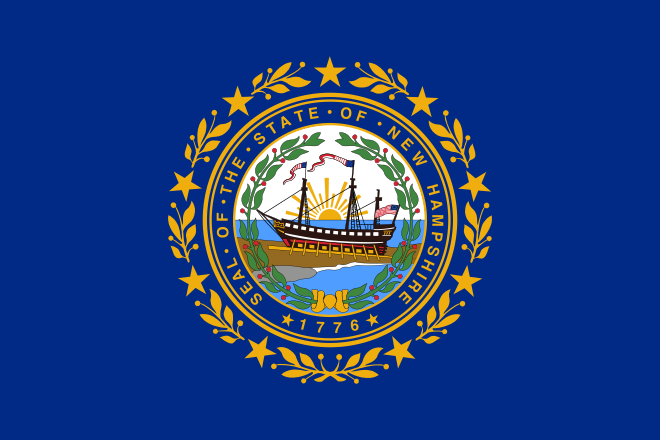
New Hampshire
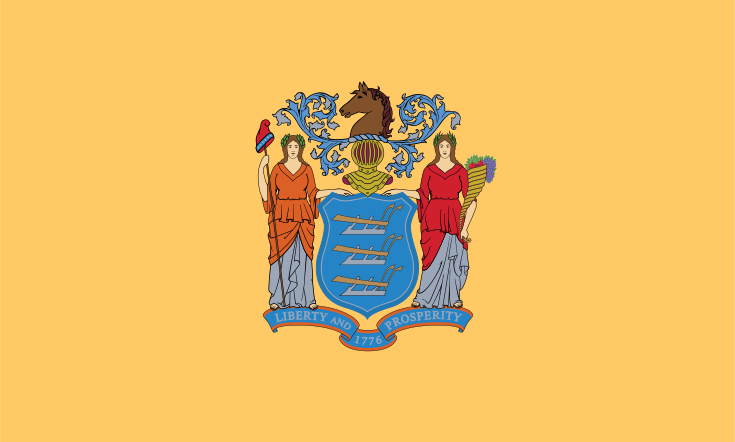
New Jersey
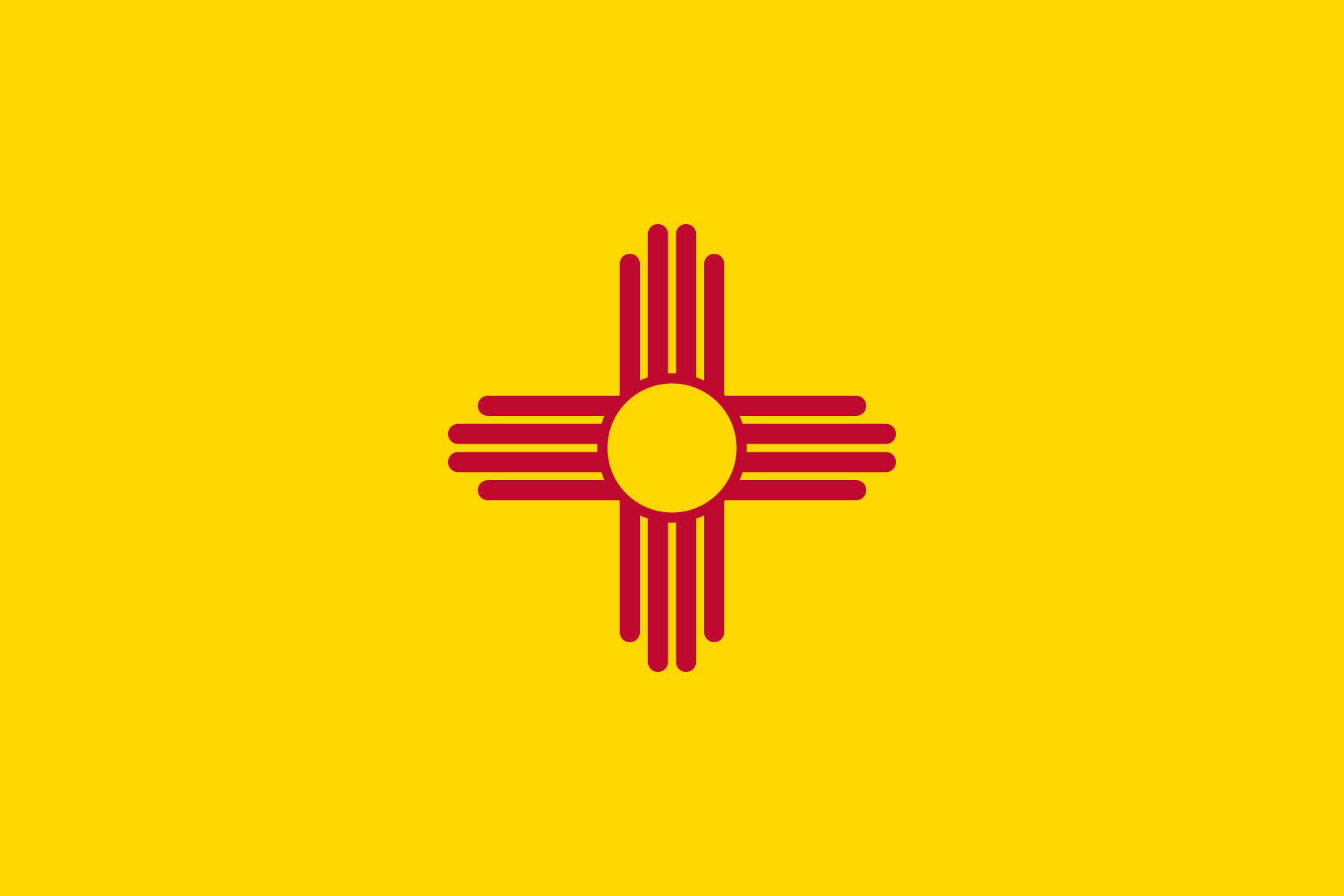
New Mexico
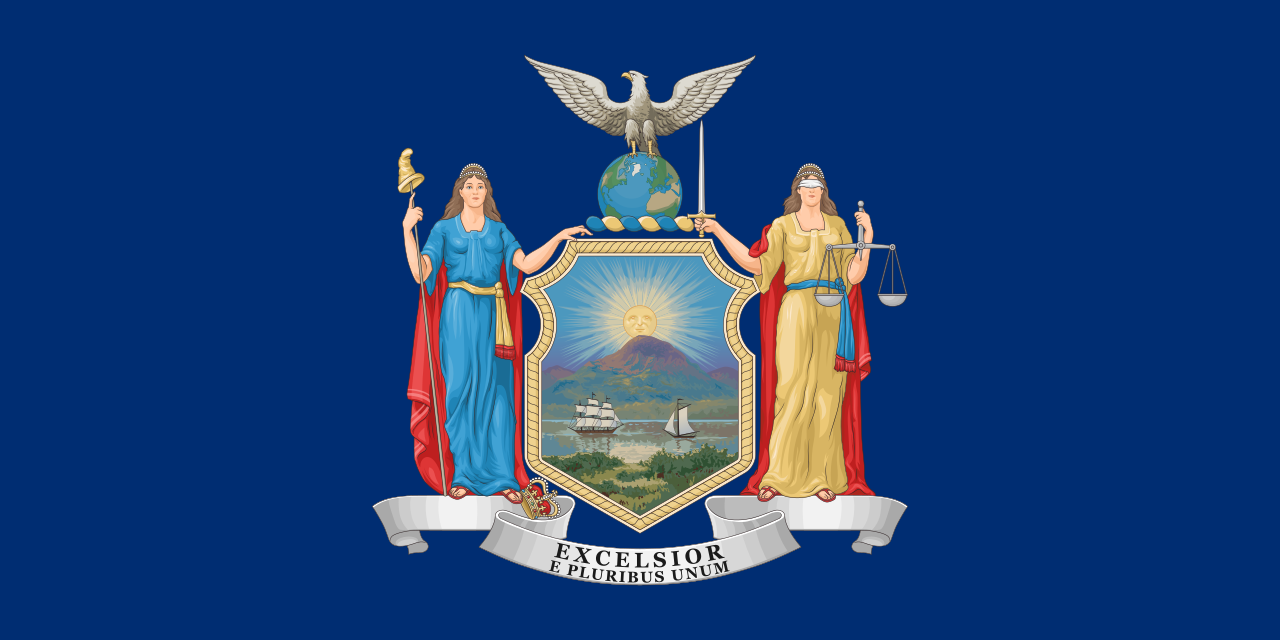
New York
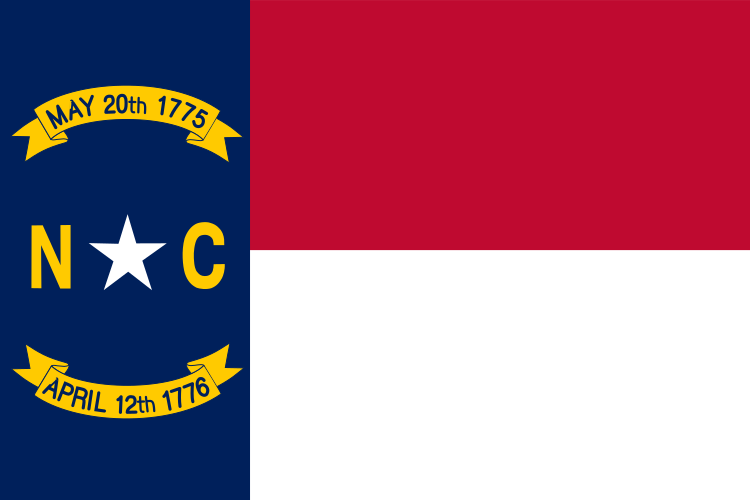
North Carolina
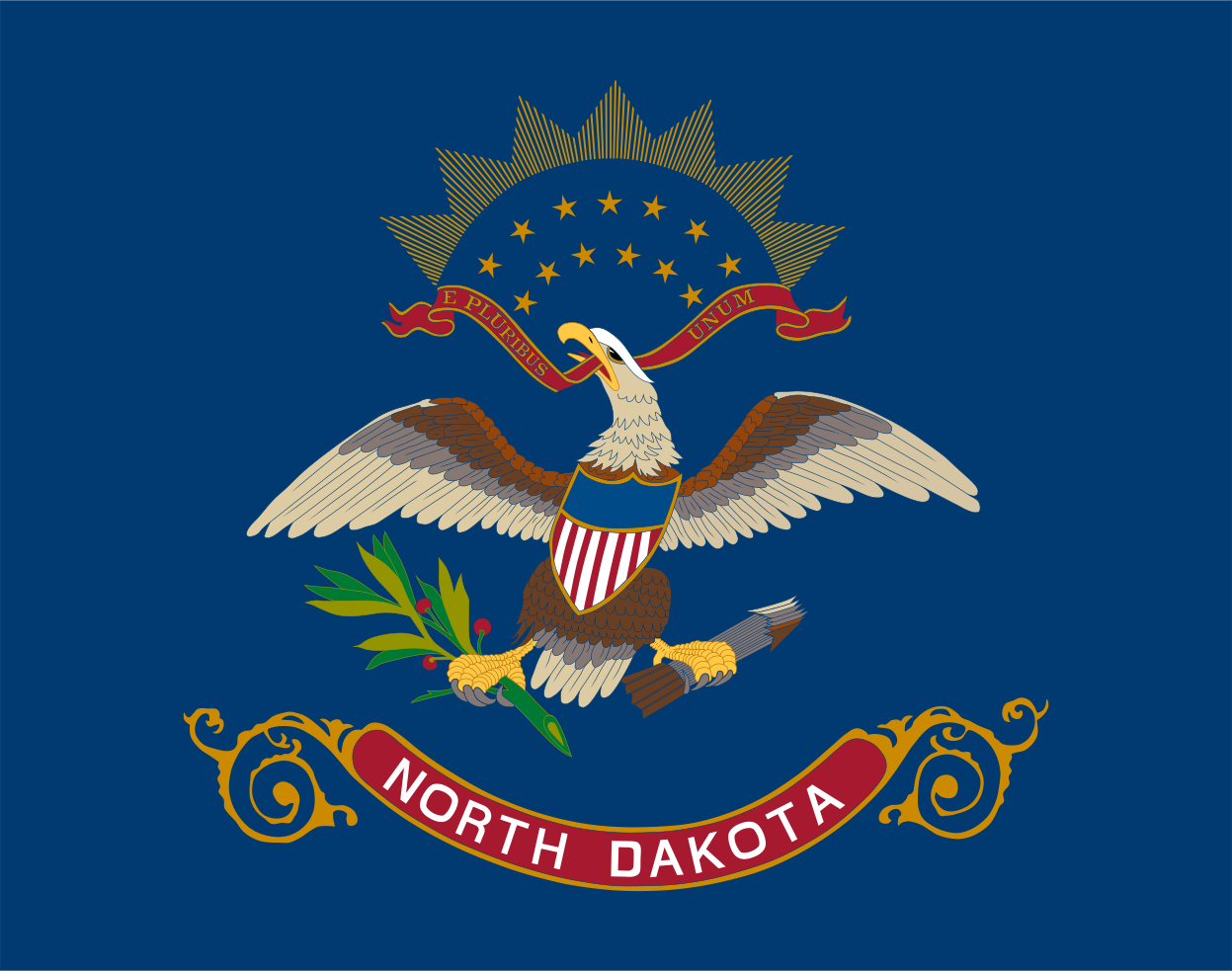
North Dakota
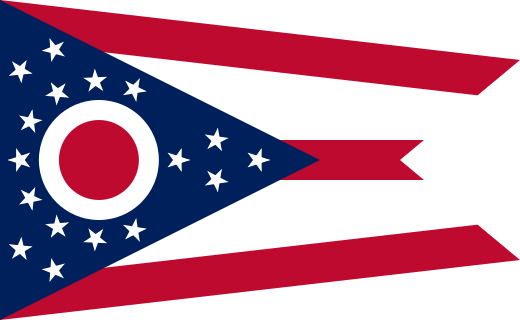
Ohio
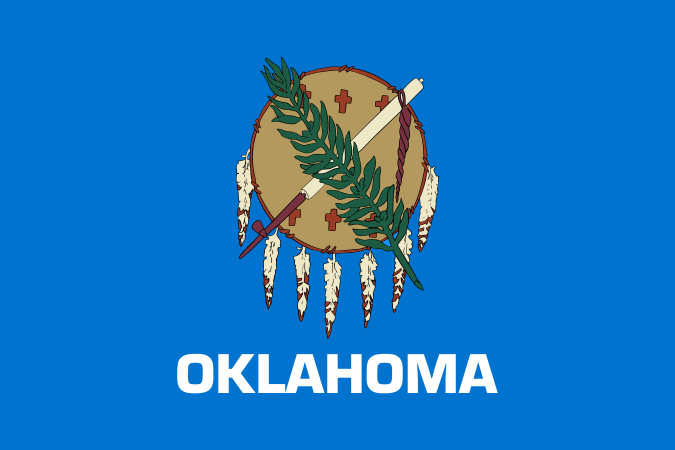
Oklahoma
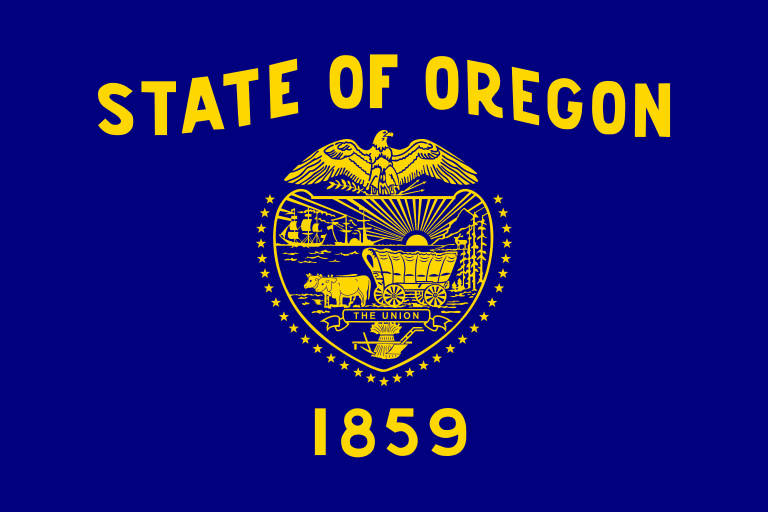
Oregon
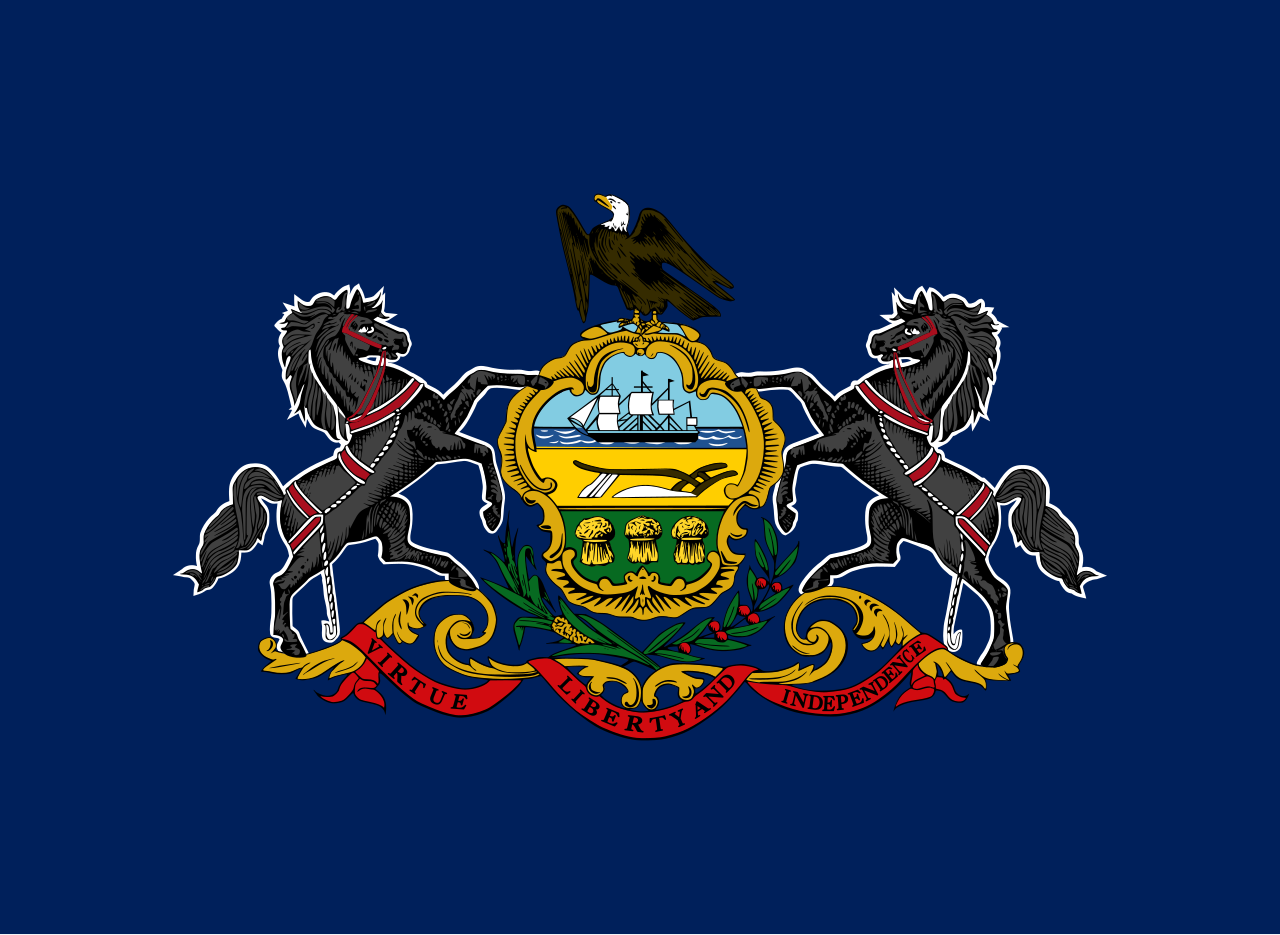
Pennsylvania
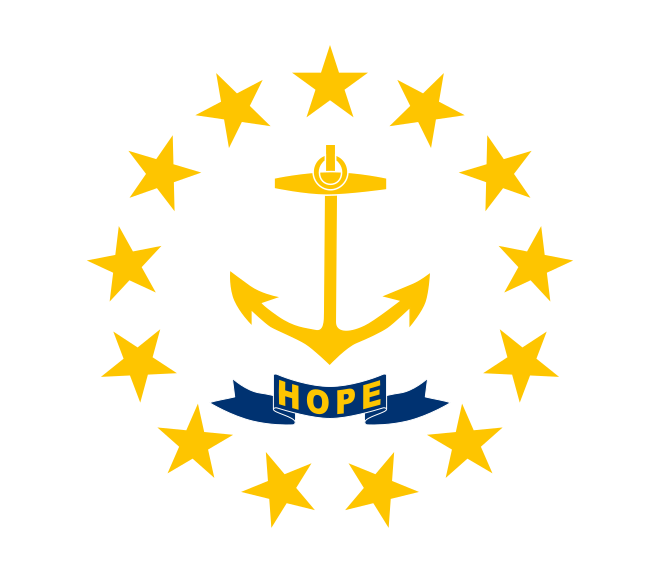
Rhode Island
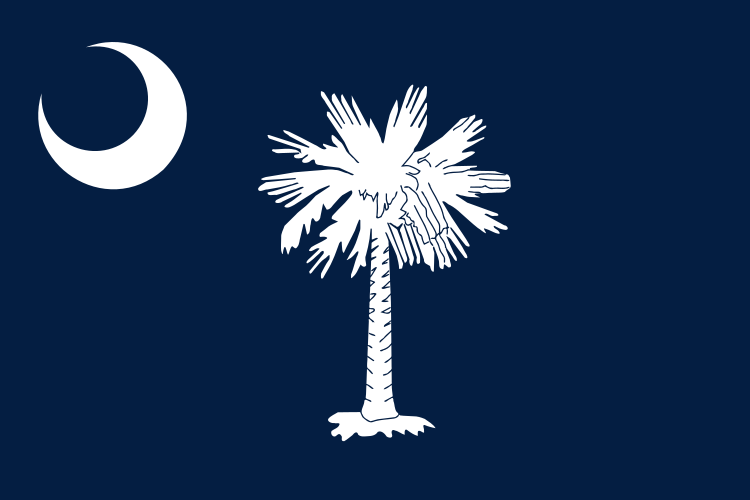
South Carolina
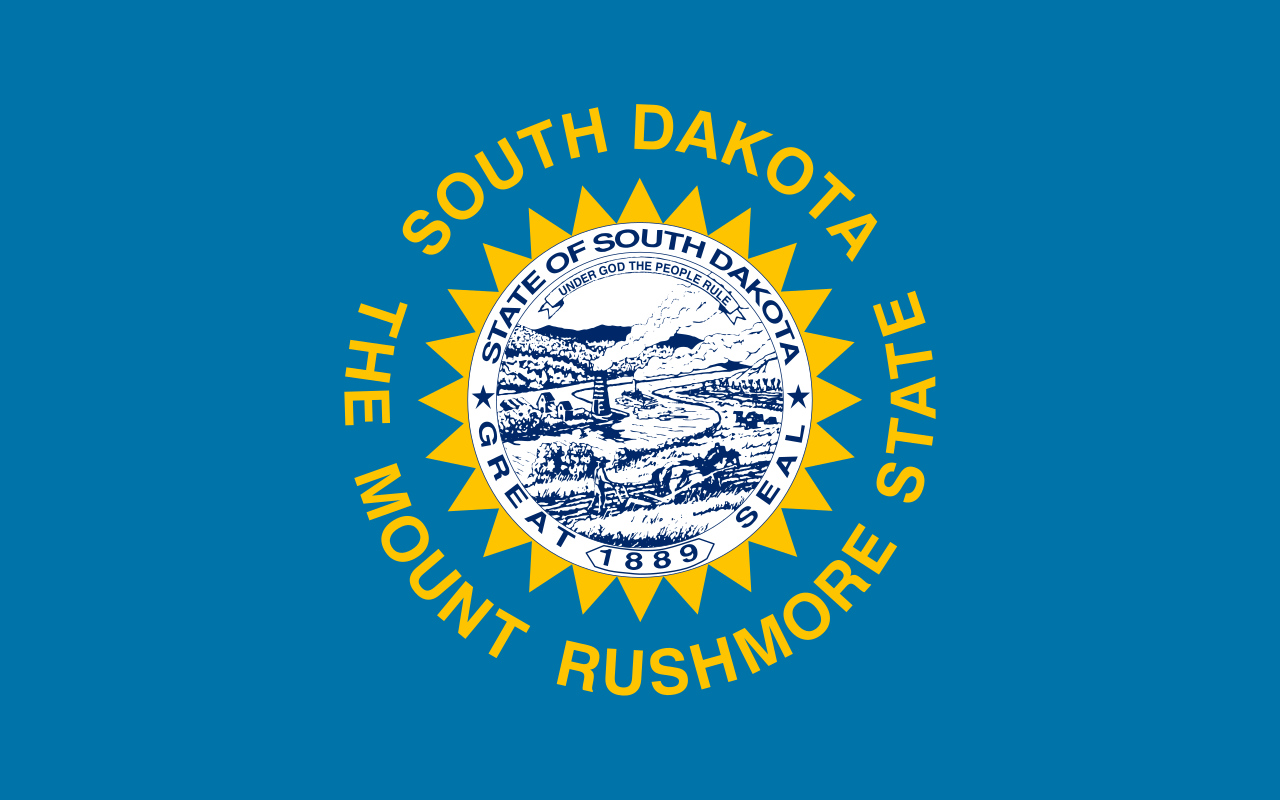
South Dakota
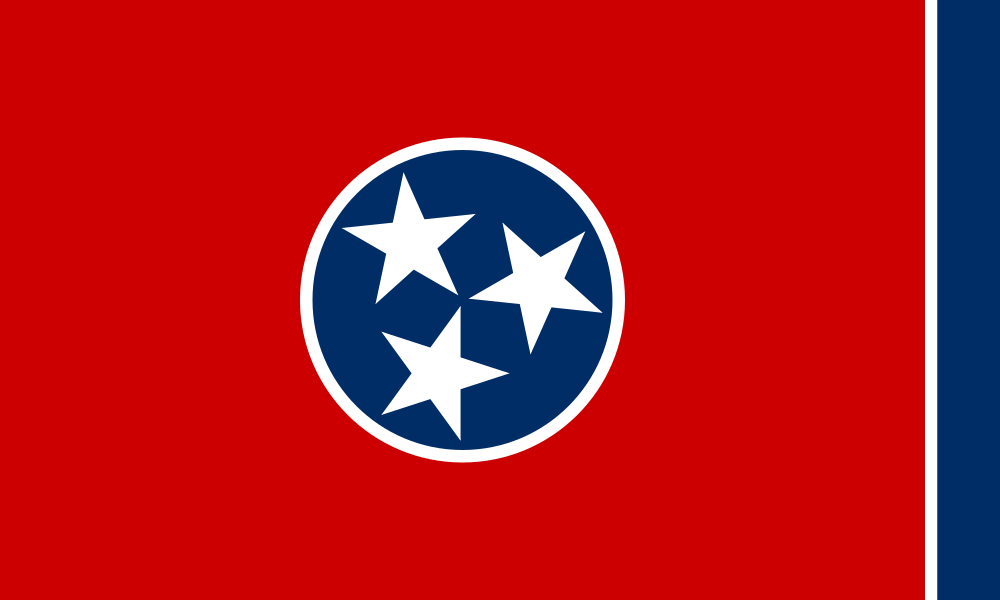
Tennessee
Texas
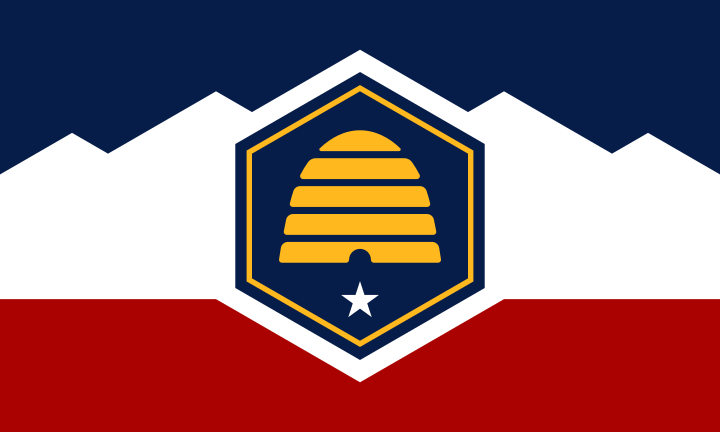
Utah
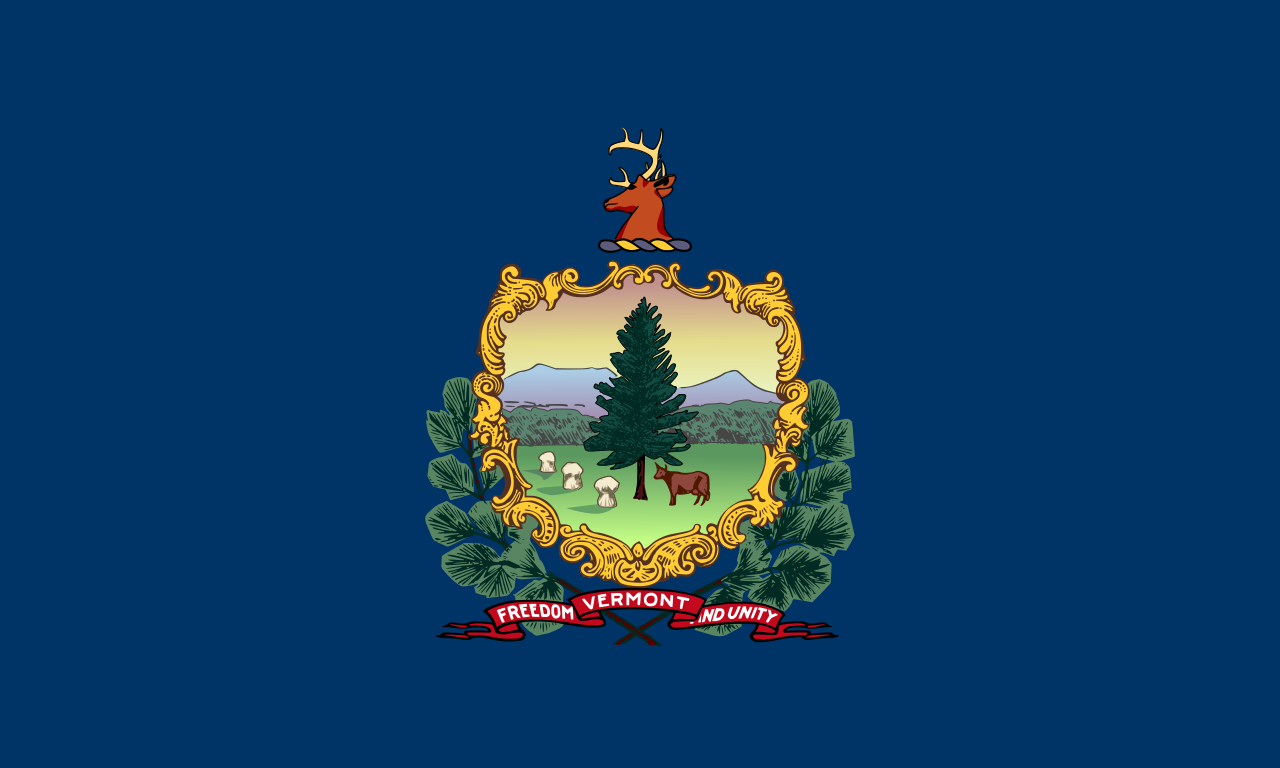
Vermont
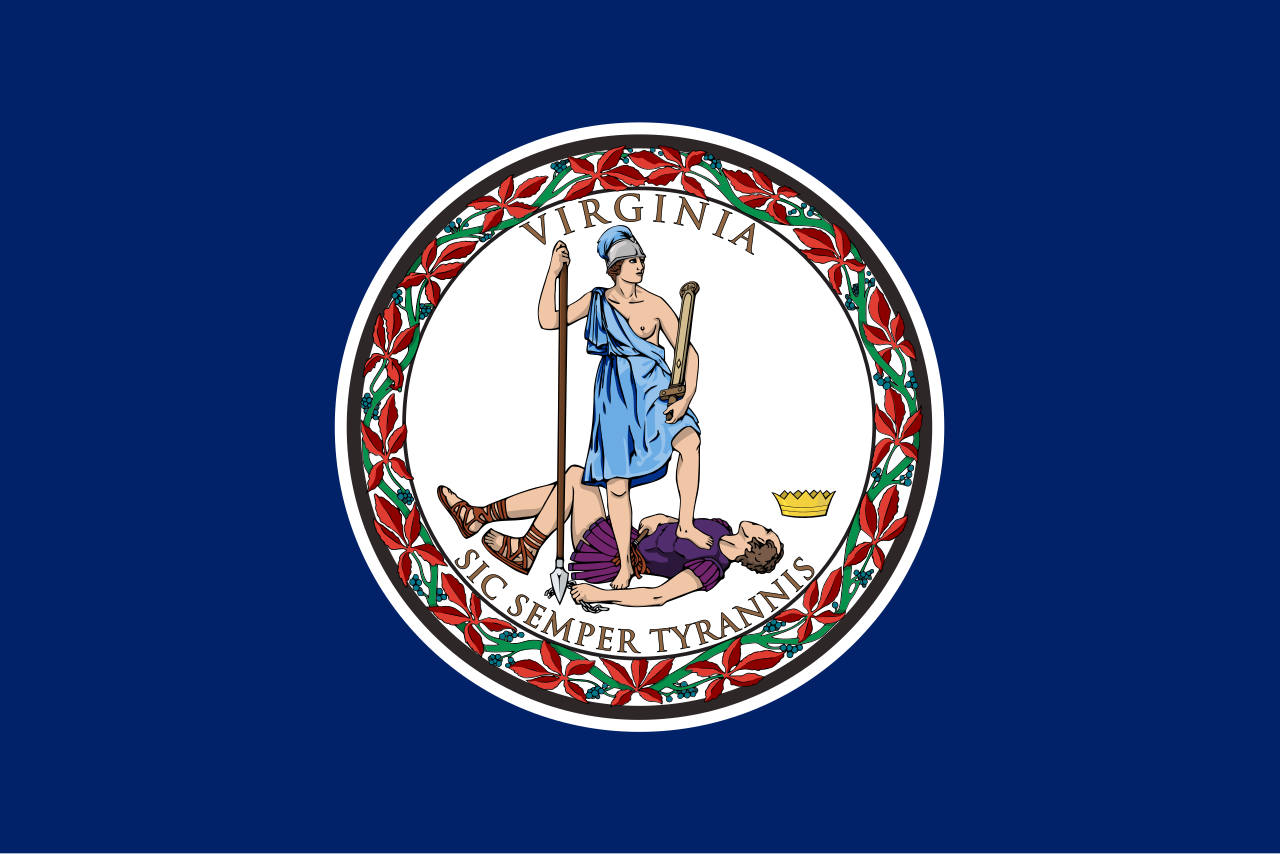
Virginia
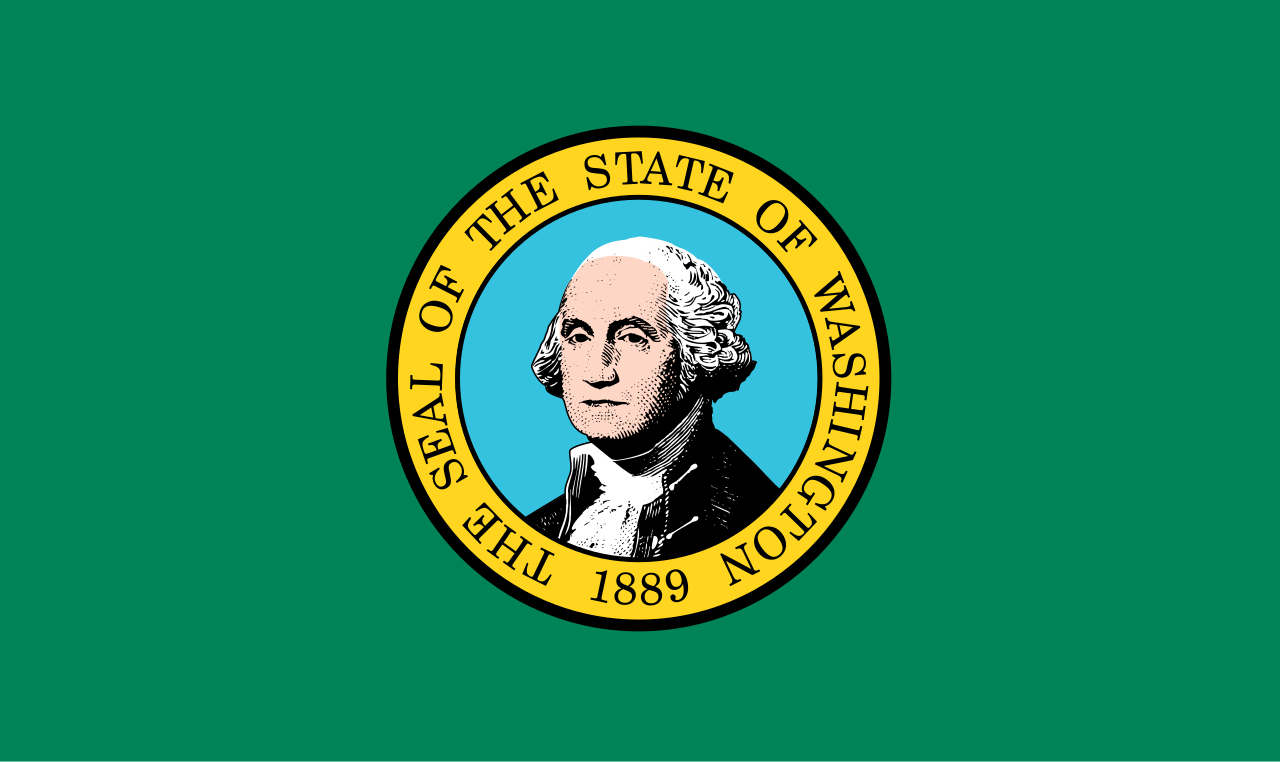
Washington
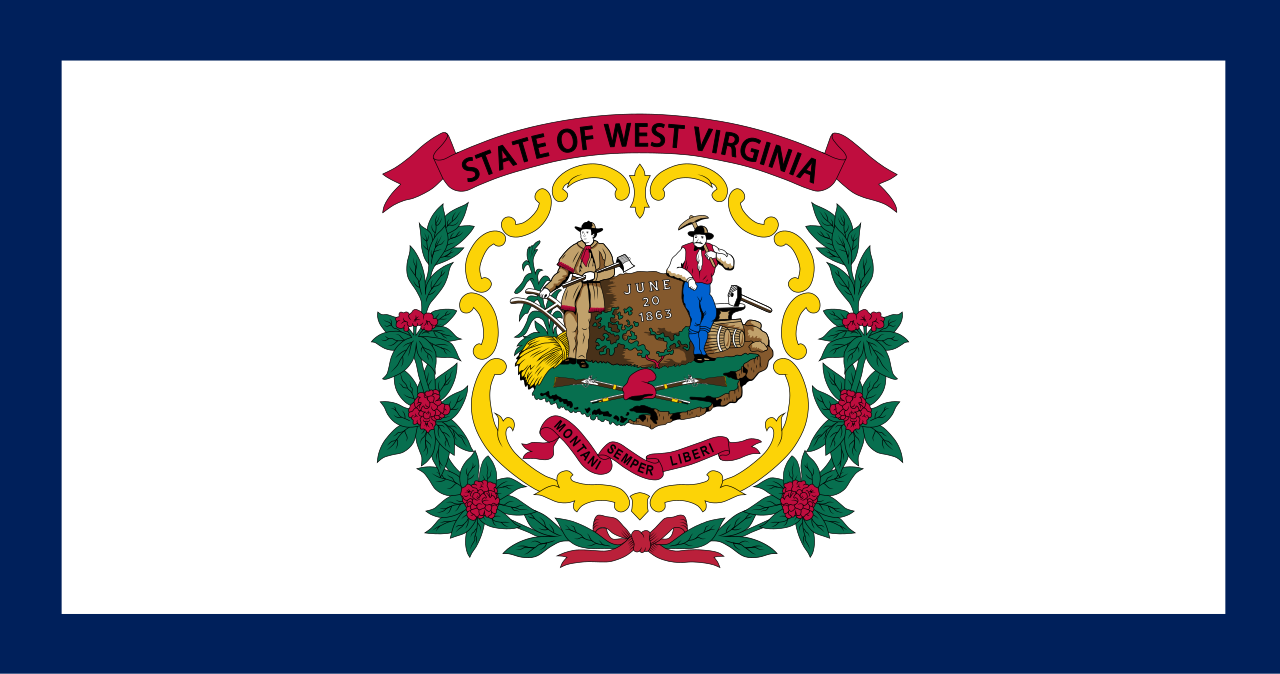
West Virginia
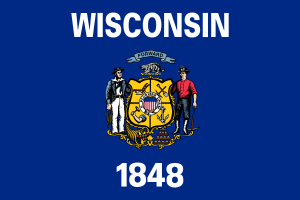
Wisconsin
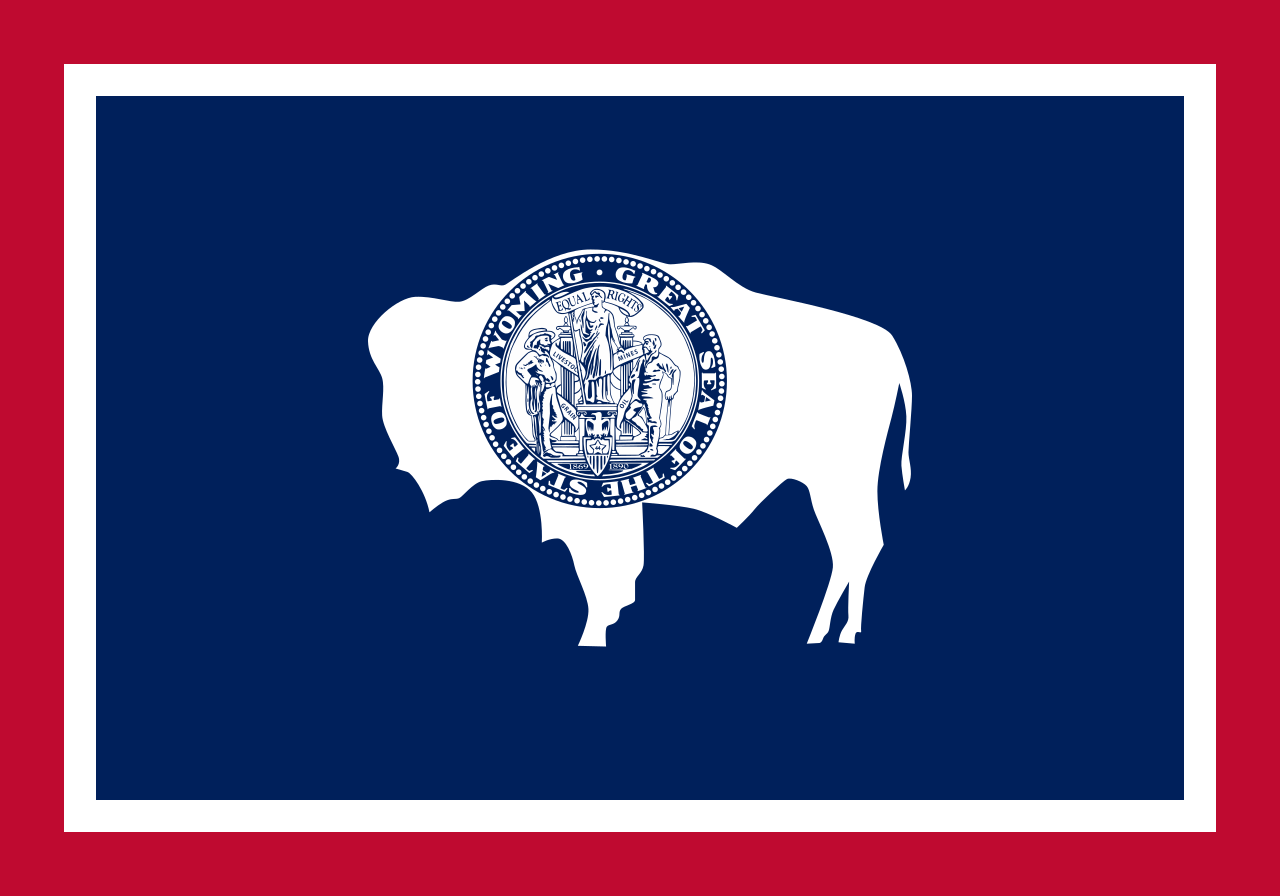
Wyoming
Puerto Rico
Guam
U.S. Virgin Islands
American Samoa
Northern Mariana Islands
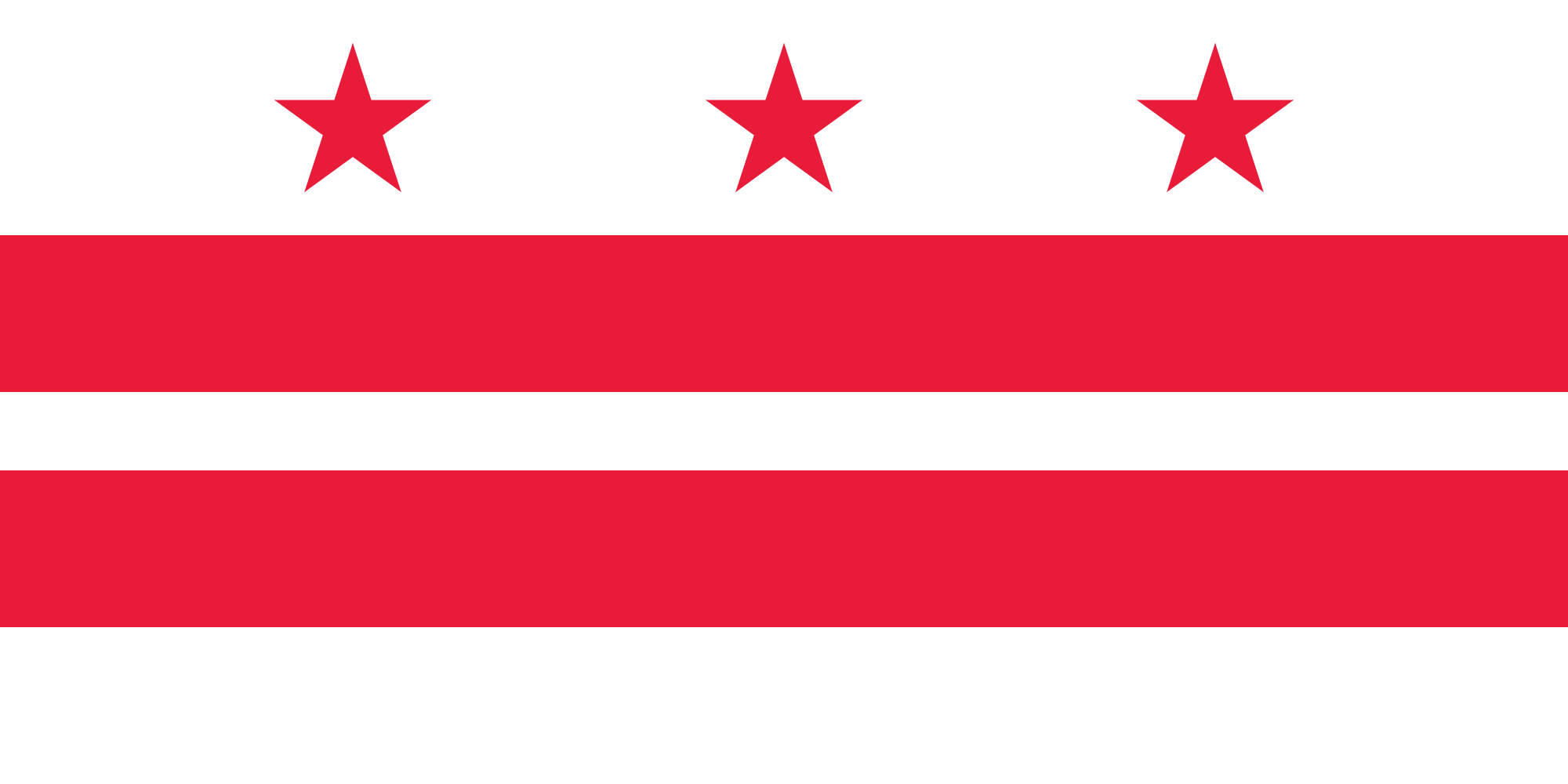
Washington, D.C.
Neighbouring countries
The United States shares a land border with 2 countries: Canada and Mexico.
Other flags in red, white and blue
30 other national flags use the same main colours as the United States'.
Play Globalio and learn the United States' flag
 Liberia
 Malaysia
 Canada
 Mexico
 Australia
 Belize
 Cambodia
 Chile
 Costa Rica
 Croatia
 Cuba
 Czech Republic
 Dominican Republic
 Fiji
 France
 Iceland
 Laos
 Luxembourg
 Nepal
 Netherlands
 New Zealand
 North Korea
 Norway
 Panama
 Paraguay
 Russia
 Samoa
 Serbia
 Slovakia
 Slovenia
 Taiwan
 Thailand
 United Kingdom