
1991–present
Flag of Slovenia
Adopted at independence in June 1991, it replaced the red star with the national arms in the upper hoist: Mount Triglav, wavy lines for sea and rivers, and three gold stars of the Counts of Celje.
Slovenia is one of the smallest and most prosperous countries in Central Europe, known for its alpine terrain, pristine lakes, medieval old towns, and remarkable biodiversity packed into a small area. It was the first former Yugoslav republic to join the European Union in 2004. Lake Bled, with its island church and clifftop castle reflected in turquoise glacial waters, is one of Europe's most photographed and widely recognised landscapes.
Population and area are rounded.
Slovenia's tricolour dates from the 1848 revolution and the colours of the historic land of Carniola. The shield added in 1991 shows Mount Triglav, the country's highest peak, in white above two wavy blue lines for the sea and rivers, with three golden six-pointed stars from the arms of the Counts of Celje. It is often confused with Slovakia's flag.
Horizontal white-blue-red with a shield showing Mount Triglav and stars on the left.
Slovenia was the first former Yugoslav republic to join both NATO and the EU.
Slovenia's flag is often mixed up with these. Learn to tell them apart:
Every flag that has flown over Slovenia, from today back through time.
Adopted at independence in June 1991, it replaced the red star with the national arms in the upper hoist: Mount Triglav, wavy lines for sea and rivers, and three gold stars of the Counts of Celje.
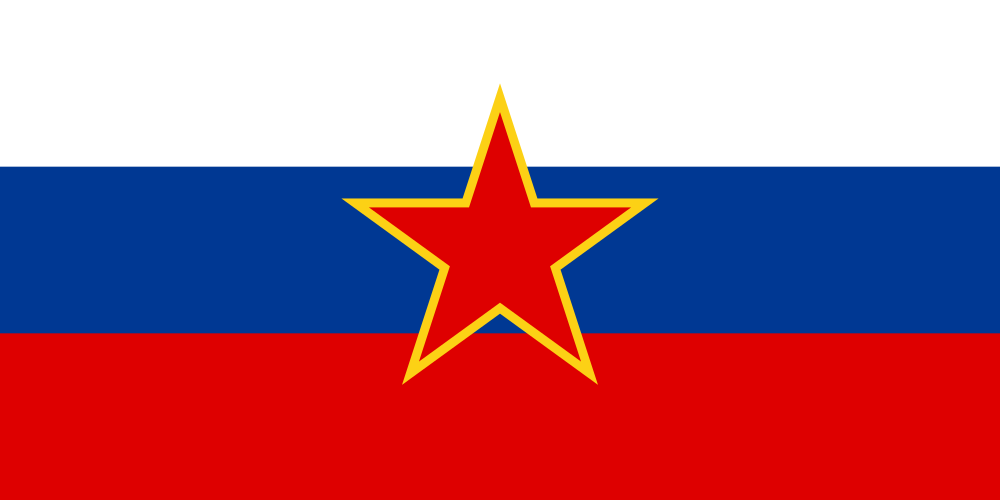
The Socialist Republic used a white-blue-red tricolor with a gold-bordered red star centered on it.
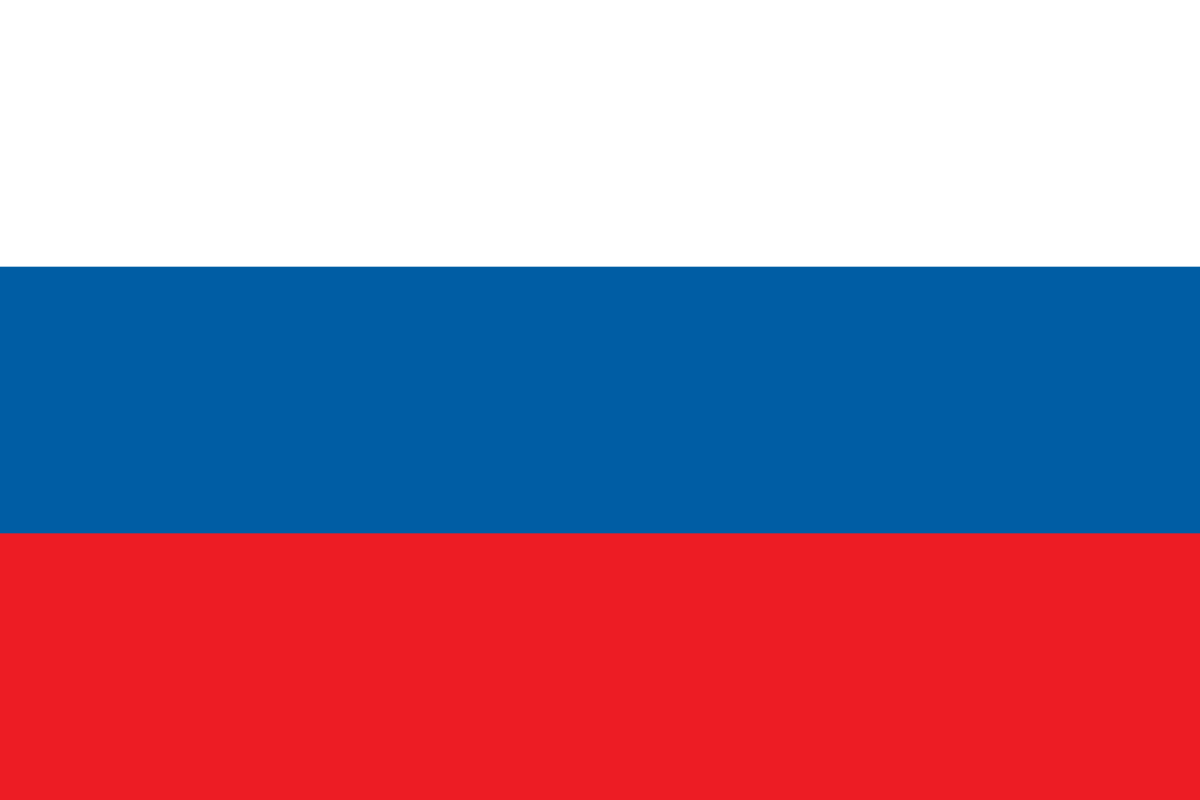
The Slovene white-blue-red tricolor was born in 1848, when Slovene nationalists adopted the colours of the Duchy of Carniola (Krain) — the historic Slovene heartland within the Habsburg Empire. It was the first distinctly Slovene flag, raised in defiance of Austrian-German rule, and is the direct ancestor of every Slovenian flag since.
Empires, kingdoms and republics that once covered part of Slovenia.
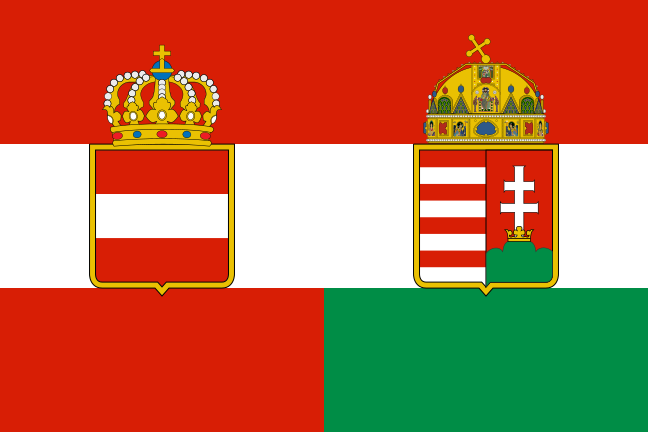
The civil ensign split 50/50, joining the Austrian red-white-red with Hungary's colors and both shields — the Dual Monarchy never agreed on a single flag for the whole empire.

The blue-white-red Pan-Slavic tricolor symbolized the union of Serbs, Croats, and Slovenes, flown by the Kingdom until the Axis invasion of 1941.
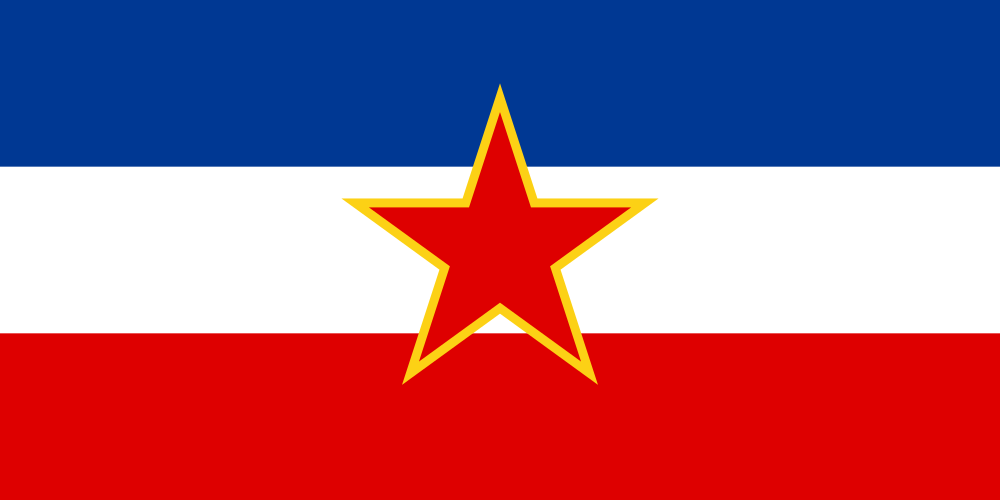
Tito's Partisans added a red, gold-bordered star to the tricolor; it marked the country's communist character until the federation's violent breakup in the 1990s.
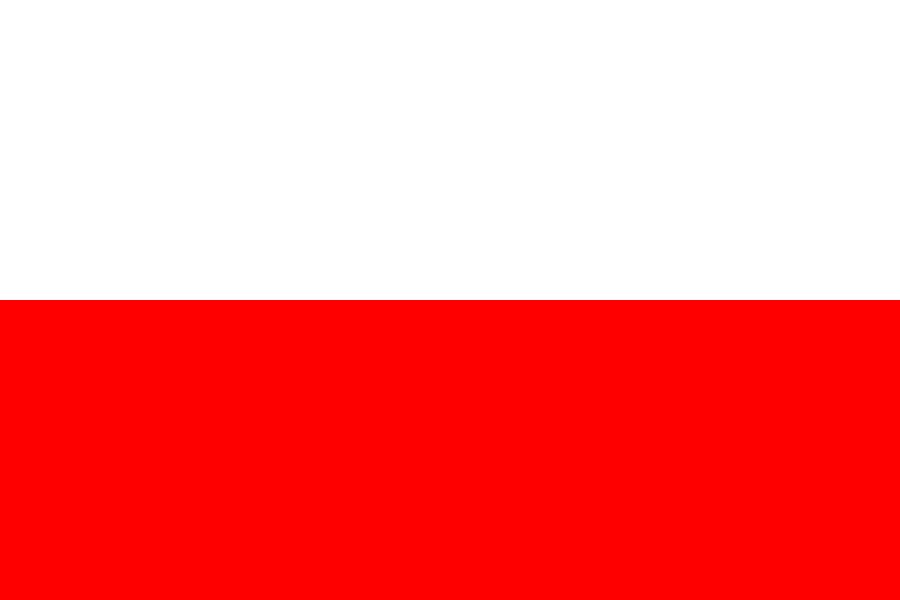
A white-and-red bicolour for the Habsburg princely county on the Adriatic frontier, whose arms feature a gold lion. Its land is now split between Italy and Slovenia.
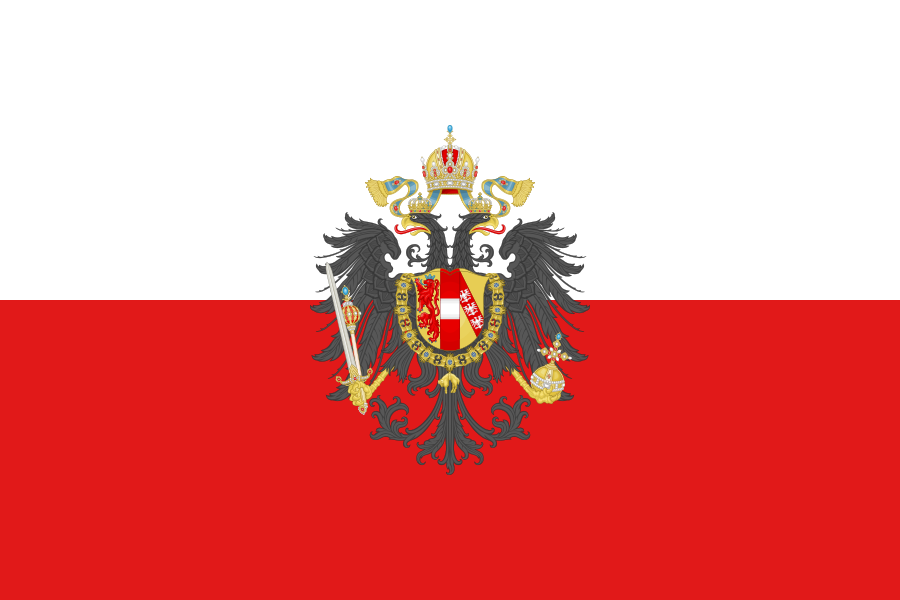
An Austrian crown land carved from former Napoleonic territory along the Adriatic, covering parts of modern Slovenia, Croatia, and Austria.
Slovenia shares a land border with 4 countries: Austria, Croatia, Hungary and Italy.
30 other national flags use the same main colours as Slovenia's.
 Australia
 Belize
 Cambodia
 Chile
 Costa Rica
 Croatia
 Cuba
 Czech Republic
 Dominican Republic
 Fiji
 France
 Iceland
 Laos
 Liberia
 Luxembourg
 Nepal
 Netherlands
 New Zealand
 North Korea
 Norway
 Panama
 Paraguay
 Russia
 Samoa
 Serbia
 Slovakia
 Taiwan
 Thailand
 United Kingdom
 United States
 Austria
 Hungary
 Italy