 Uzbekistan
 Turkmenistan

1992–present
Republic of Kazakhstan
Adopted in 1992, the sky-blue flag bears a golden sun with 32 rays above a soaring steppe eagle, with a national ornamental pattern down the hoist. Blue symbolizes the Turkic sky and unity.
Kazakhstan is the world's largest landlocked country, a vast Central Asian nation spanning parts of both Europe and Asia, larger than Western Europe combined. It was the last Soviet republic to declare independence in 1991 and has significant oil, natural gas, and mineral deposits that have driven rapid economic development. Astana, the purpose-built capital relocated in 1997, features striking futuristic architecture rising from the Kazakh steppe.
Population and area are rounded.
The sky blue stands for the Turkic peoples and the sky, and for peace and unity. The golden sun with 32 rays represents life and abundance, and the steppe eagle beneath it freedom and the state. The pattern along the hoist is a traditional Kazakh ornament known as “ram's horns”. Designed by Shaken Niyazbekov, the flag was adopted in 1992.
Light blue with a yellow sun and soaring eagle in the centre, and a decorative yellow ornament running down the hoist.
Kazakhstan is the world's largest landlocked country, bigger than all of Western Europe combined.
Kazakhstan's flag is often mixed up with these. Learn to tell them apart:
Every flag that has flown over Kazakhstan, from today back through time.
Adopted in 1992, the sky-blue flag bears a golden sun with 32 rays above a soaring steppe eagle, with a national ornamental pattern down the hoist. Blue symbolizes the Turkic sky and unity.
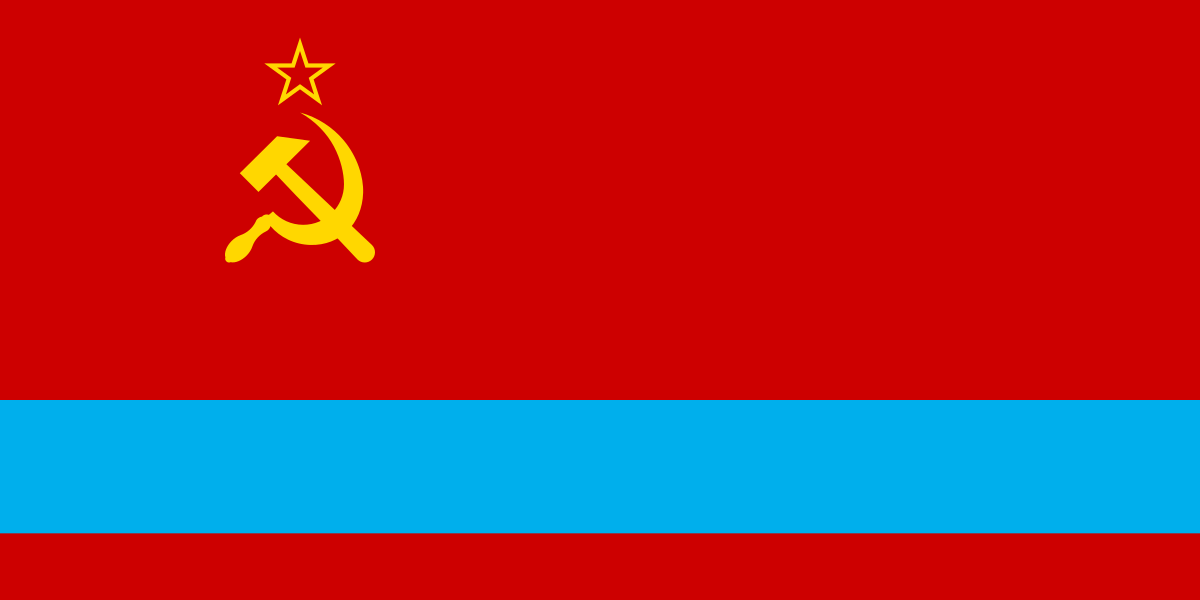
A red flag with a light-blue band along the bottom, which continued in use until the new national flag was adopted after independence.
In the chaos of the Russian Revolution, Kazakh intellectuals proclaimed the Alash Autonomy (1917–1920) — the first modern Kazakh state — under a red flag with a yellow crescent and star. The Bolsheviks crushed it and later executed most of its leaders, but the Alash movement is now honoured as the founding moment of modern Kazakh nationhood.
Empires, kingdoms and republics that once covered part of Kazakhstan.
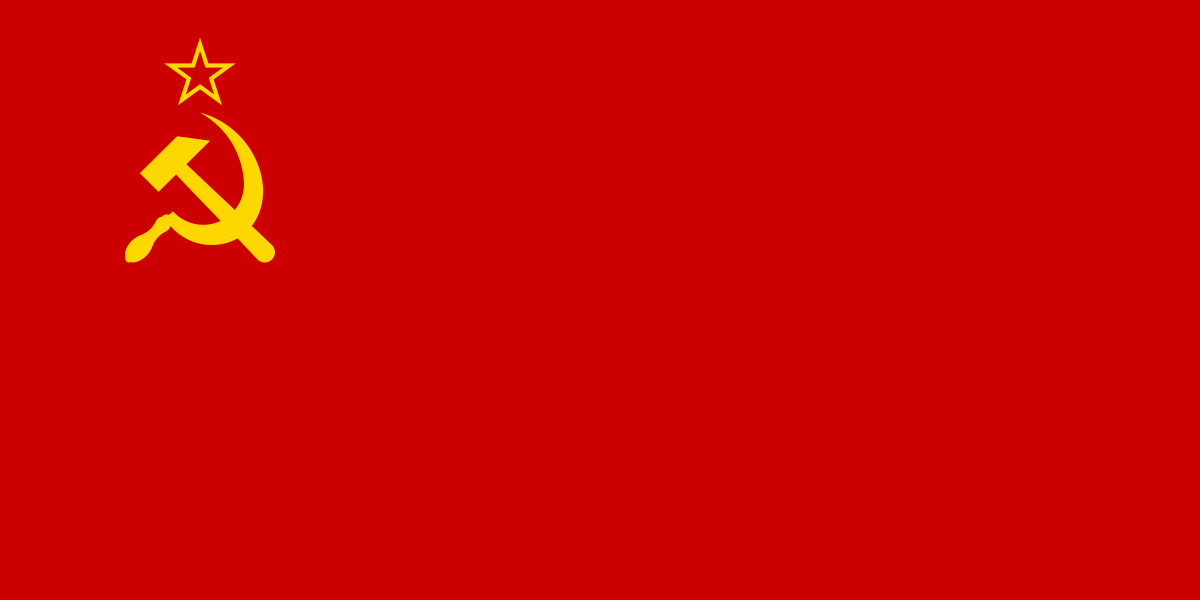
The gold hammer and sickle beneath a red star stood for the worker-peasant alliance. The exact shade and proportions were fixed by Soviet law in 1955.
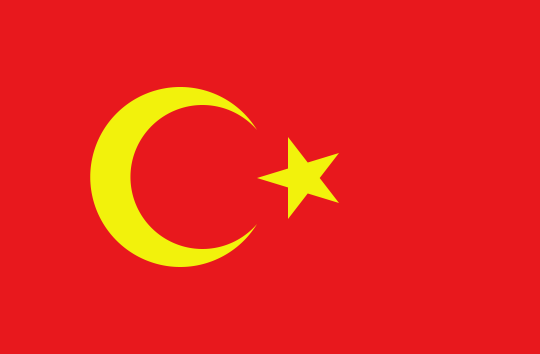
A short-lived Kazakh national government formed amid the Russian Civil War by the Alash Orda intelligentsia, suppressed by the Bolsheviks who then built the Kazakh SSR.
A red Soviet flag with a turquoise lower band and the hammer, sickle and star, flown over Soviet Kazakhstan until its independence in 1991.
Kazakhstan shares a land border with 5 countries: China, Kyrgyzstan, Russia, Turkmenistan and Uzbekistan.
3 other national flags use the same main colours as Kazakhstan's.
Play Globalio and learn Kazakhstan's flag China
 Kyrgyzstan
 Russia
 Palau
 Sweden
 Ukraine