 Albania

2004–present
Five-Cross Flag
Adopted in 2004 after the Rose Revolution, the white flag bears a central red St. George's cross and four smaller Bolnisi crosses, reviving a banner of the medieval Kingdom of Georgia.
Georgia is a country at the crossroads of Eastern Europe and Western Asia in the South Caucasus, bordered by Russia, Turkey, Armenia, and Azerbaijan. It is one of the world's oldest winemaking regions, with an 8,000-year tradition of fermenting wine in clay vessels called qvevri buried underground. Georgia adopted Christianity as its state religion in the 4th century AD and has one of the world's oldest and most distinctive alphabets, the Georgian script, dating to at least the 5th century.
Population and area are rounded.
The Five Cross Flag is based on a medieval Georgian banner with a large red cross of St George, Georgia's patron saint, and four smaller crosses in the corners. The design was revived by the National Movement in the 1990s and became the official flag in 2004, after the Rose Revolution, replacing the dark red flag of the 1990s.
White with a large red cross and four smaller red crosses in each quadrant (Five Cross Flag).
Georgia's winemaking tradition dates back 8,000 years — it is considered the birthplace of wine.
Georgia's flag is often mixed up with these. Learn to tell them apart:
Every flag that has flown over Georgia, from today back through time.
Adopted in 2004 after the Rose Revolution, the white flag bears a central red St. George's cross and four smaller Bolnisi crosses, reviving a banner of the medieval Kingdom of Georgia.

In 1990 Georgia readopted the wine-red flag of the 1918–21 Democratic Republic — designed by painter Iakob Nikoladze — which served through the Rose Revolution.
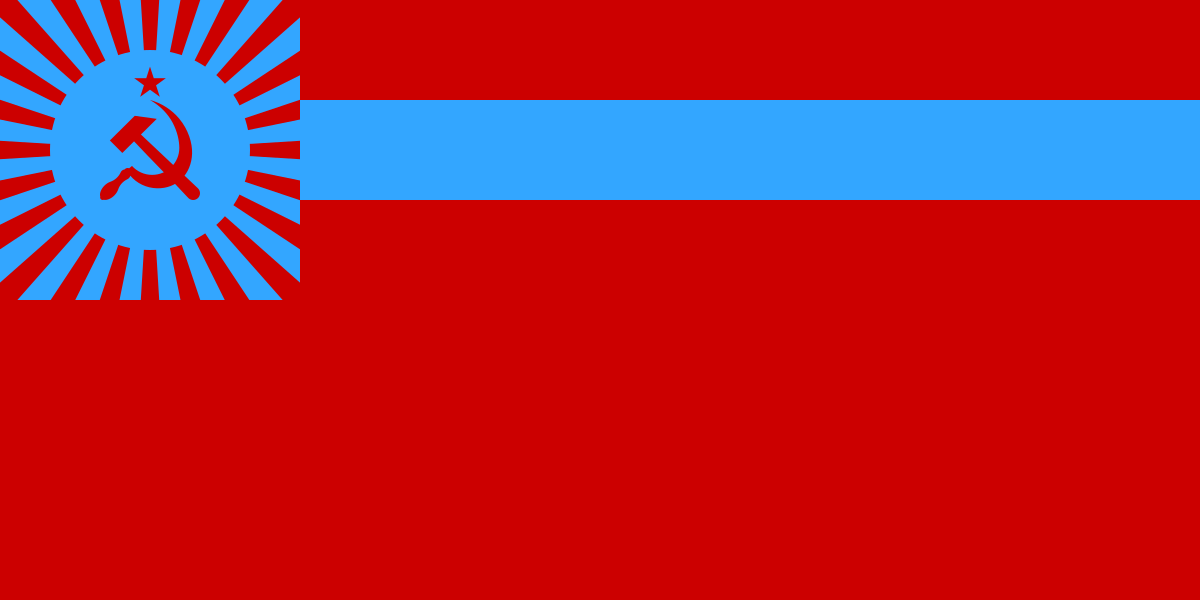
Distinctive among Soviet republic flags: a red field with a blue canton containing a hammer, sickle, and star inside a radiant blue sun.
Empires, kingdoms and republics that once covered part of Georgia.
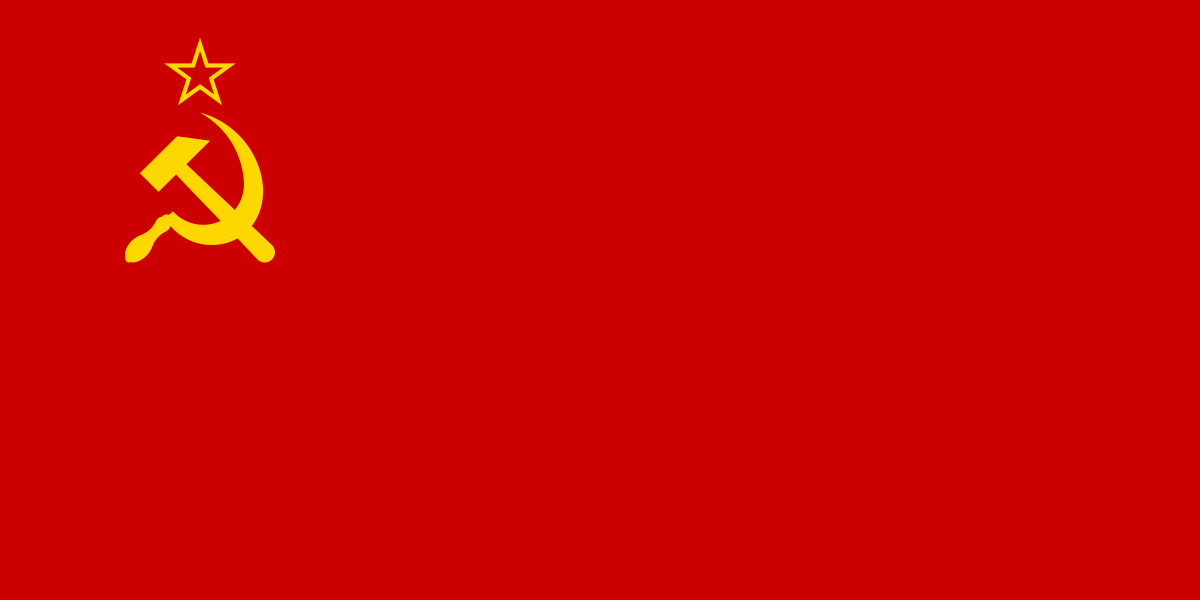
The gold hammer and sickle beneath a red star stood for the worker-peasant alliance. The exact shade and proportions were fixed by Soviet law in 1955.
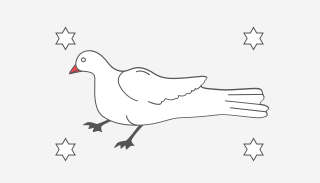
A white flag with a St George crest, flown by the Dadiani princes of western Georgia until the principality was absorbed by the Russian Empire.
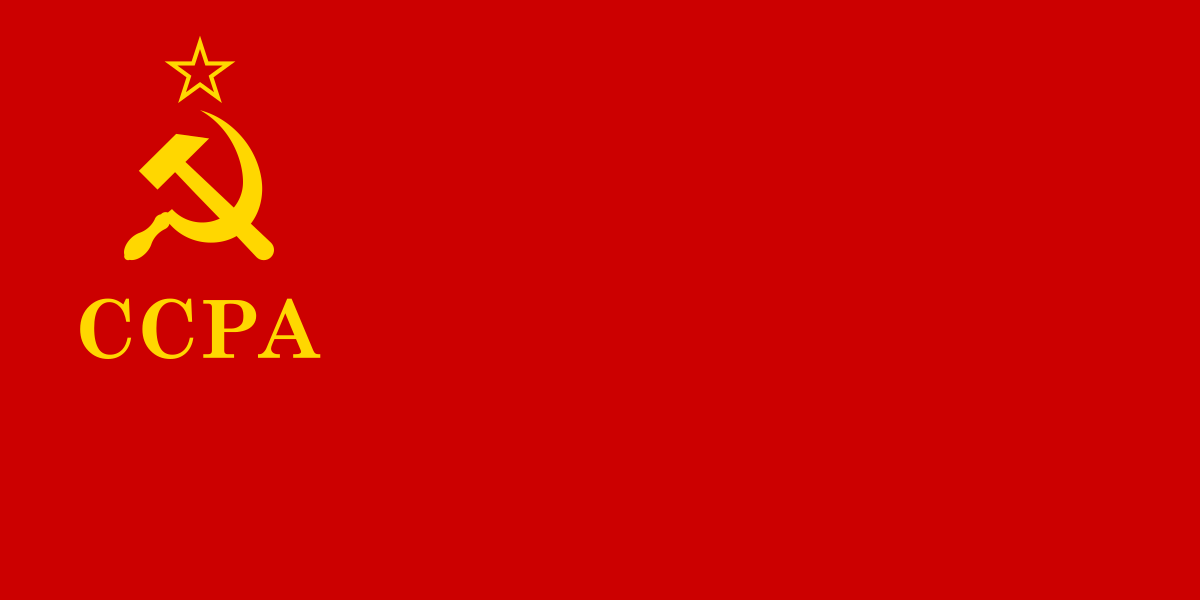
For a decade Abkhazia was a full Soviet republic with a hammer-and-sickle flag, before Stalin downgraded it to an autonomous republic within Georgia.
A red flag with a sunburst-and-hammer roundel in a blue canton; Soviet Georgia was the birthplace of Joseph Stalin, in the town of Gori.
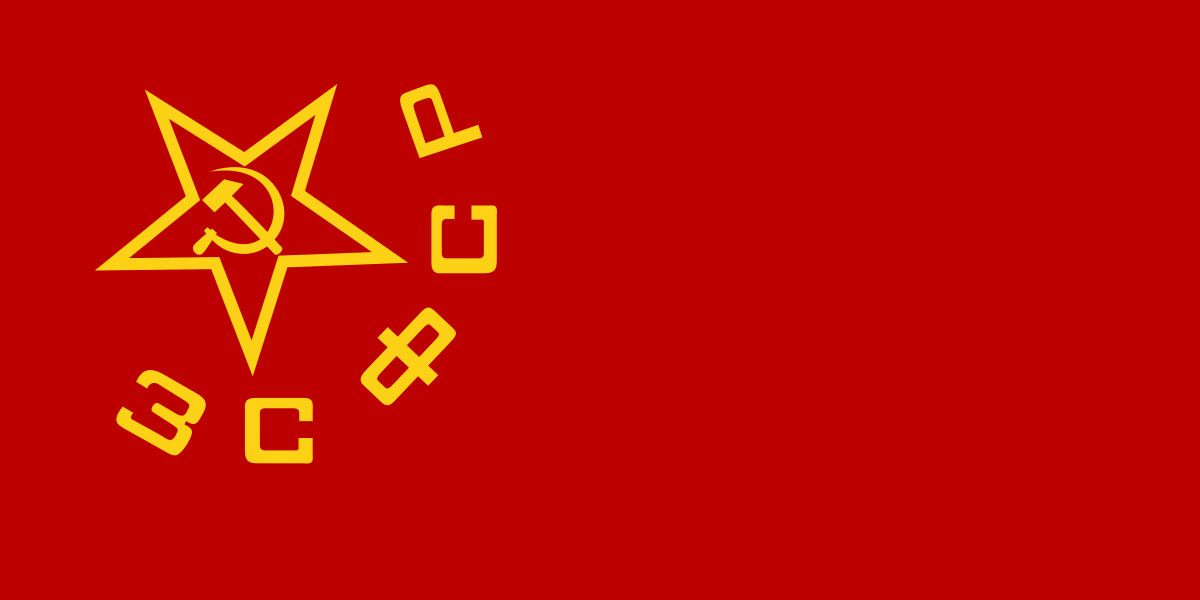
For 14 years Georgia, Armenia, and Azerbaijan were fused into a single Soviet republic — one of the four founding members of the USSR — before Stalin split them apart.
A Menshevik-led social-democratic republic with a wine-red flag, conquered by the Red Army in 1921; its flag flew again over independent Georgia from 1990 to 2004.
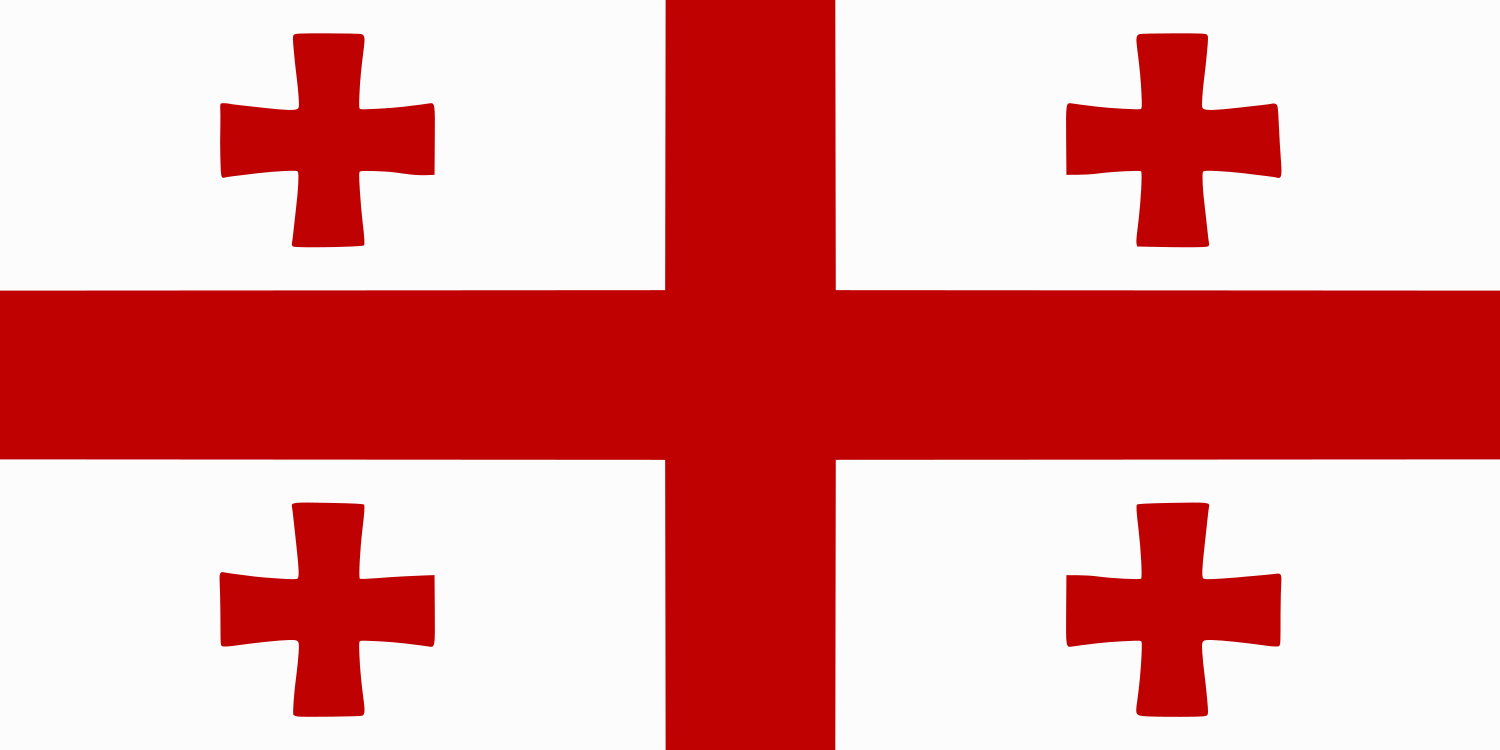
The medieval Christian kingdom that reached its 'Golden Age' under Queen Tamar, ruling much of the Caucasus before Mongol invasions fractured it into rival realms.
The 2 states, provinces and regions of Georgia with their own flags.
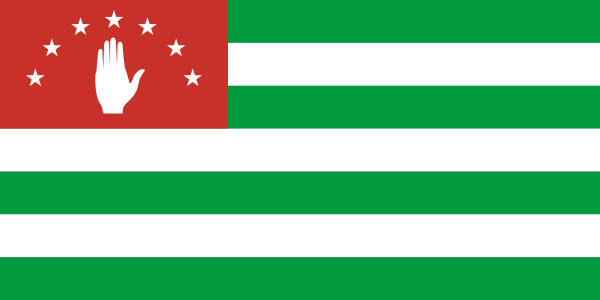 Abkhazia
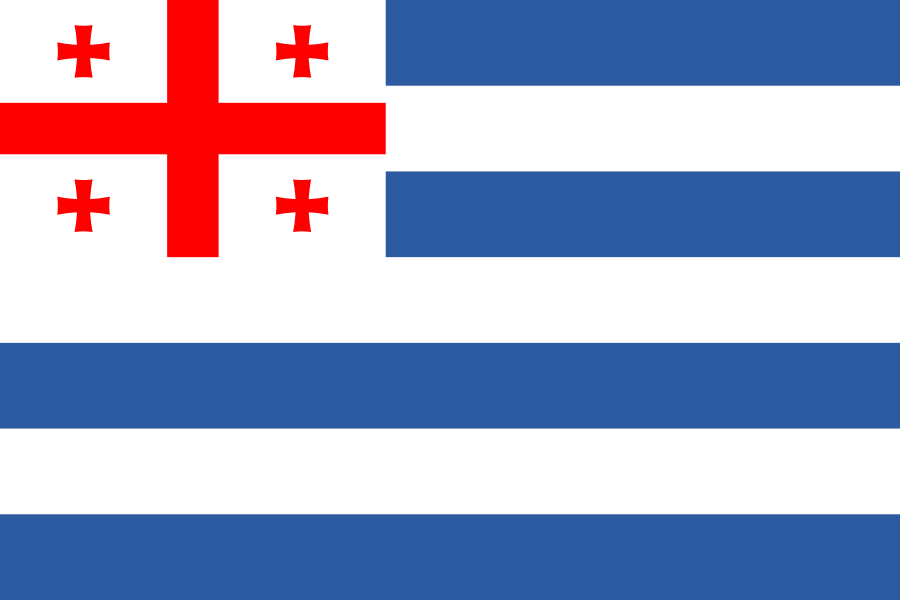 Adjara
Georgia shares a land border with 4 countries: Armenia, Azerbaijan, Russia and Turkey.
17 other national flags use the same main colours as Georgia's.
 Austria
 Bahrain
 Canada
 Denmark
 Indonesia
 Japan
 Latvia
 Malta
 Monaco
 Peru
 Poland
 Qatar
 Singapore
 Switzerland
 Tonga
 Tunisia
 Turkey
 Armenia
 Azerbaijan
 Russia