
1917–present
Thong Trairong
The central stripe was changed to dark blue in 1917 — honoring Rama VI's birthday color and the WWI Allies — giving the red-white-blue-white-red flag with its double-width blue band.
Thailand is a Southeast Asian country known as the 'Land of Smiles' and is the only country in mainland Southeast Asia never to have been colonised by a European power. Bangkok, the capital, is one of the world's most visited cities, known for its ornate temples, vibrant street food culture, and famous floating markets. Thailand is a constitutional monarchy where the king holds deep cultural reverence, and has a strong Theravada Buddhist tradition.
Population and area are rounded.
The Trairanga, “tricolour”, was adopted in 1917 by King Vajiravudh. Red represents the nation, white religion, and blue the monarchy. Earlier, Siam's flag showed a white elephant on red; a popular story says the king saw an elephant flag hung upside down during a flood and wanted a design that could never be.
Horizontal red-white-blue-white-red — the blue centre stripe is twice the width of the others.
Thailand is the world's largest exporter of rice and has never been colonised by a European power.
Thailand's flag is often mixed up with these. Learn to tell them apart:
Every flag that has flown over Thailand, from today back through time.
The central stripe was changed to dark blue in 1917 — honoring Rama VI's birthday color and the WWI Allies — giving the red-white-blue-white-red flag with its double-width blue band.
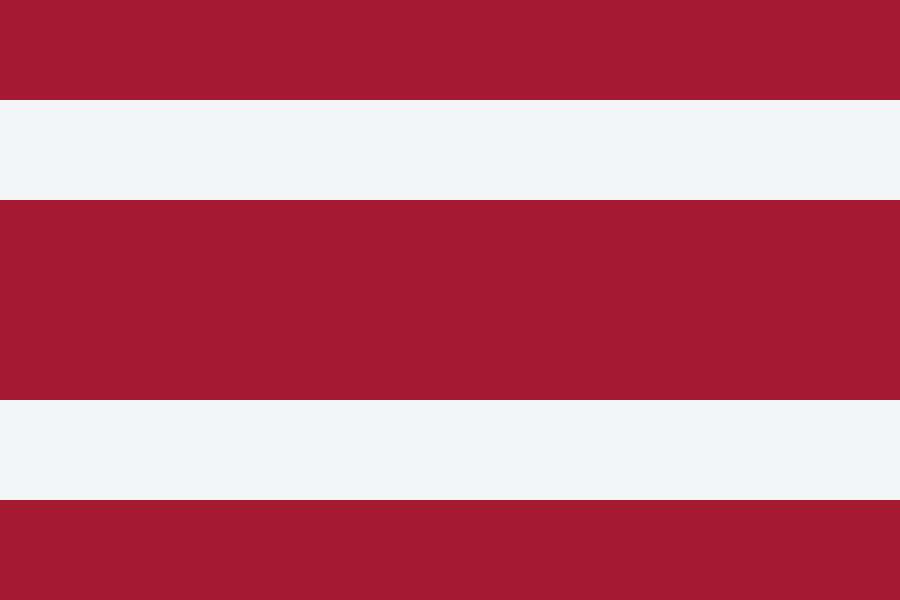
A transitional flag of five red-and-white stripes. By legend, Rama VI had seen an elephant flag flown upside-down during a flood and wanted a symmetrical design that could not be inverted.
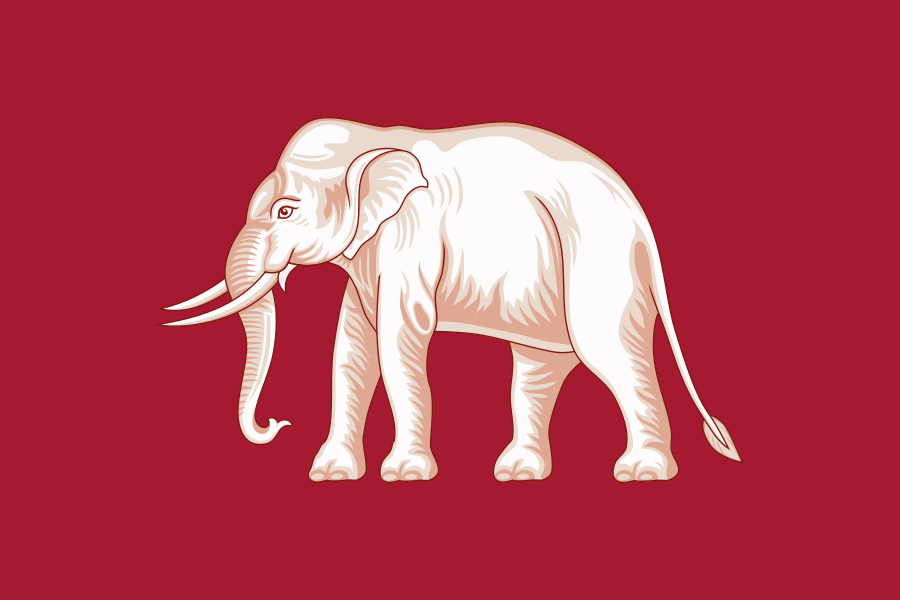
King Mongkut (Rama IV) added a white elephant — a royal symbol of good fortune — to the red field in 1855 so foreign ships could distinguish Siam.
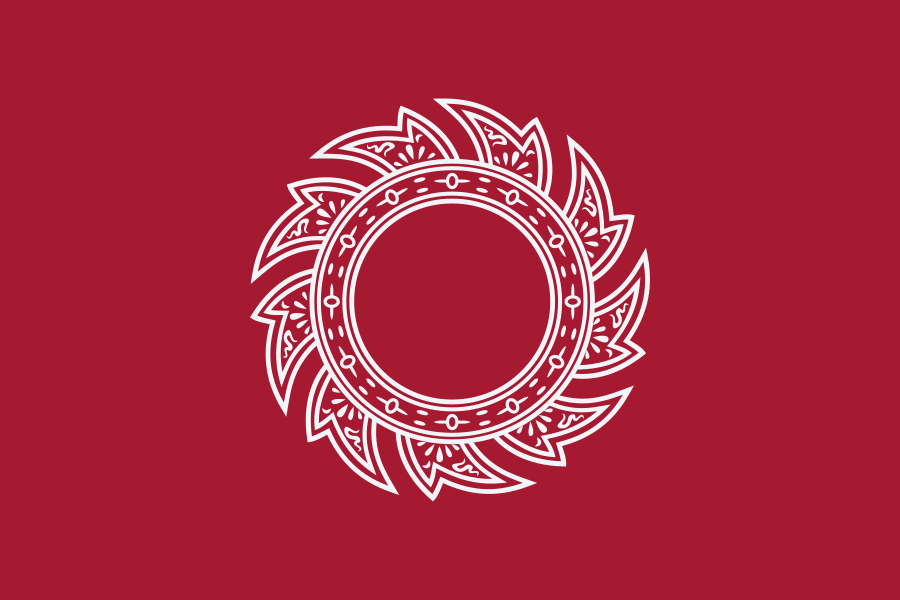
A plain red field was Siam's earliest national and merchant flag, its origins tracing back to the 17th century under King Narai.

Before Bangkok, the Siamese capital was Ayutthaya — for four centuries one of the world's great cities, a cosmopolitan trading hub that astonished European visitors — which flew a plain red flag. Its destruction by a Burmese army in 1767 ended the kingdom, but the survivors regrouped and founded the Bangkok (Rattanakosin) state that became modern Thailand.
The brief kingdom of King Taksin, who reunited Siam after the fall of Ayutthaya before Bangkok became the capital.
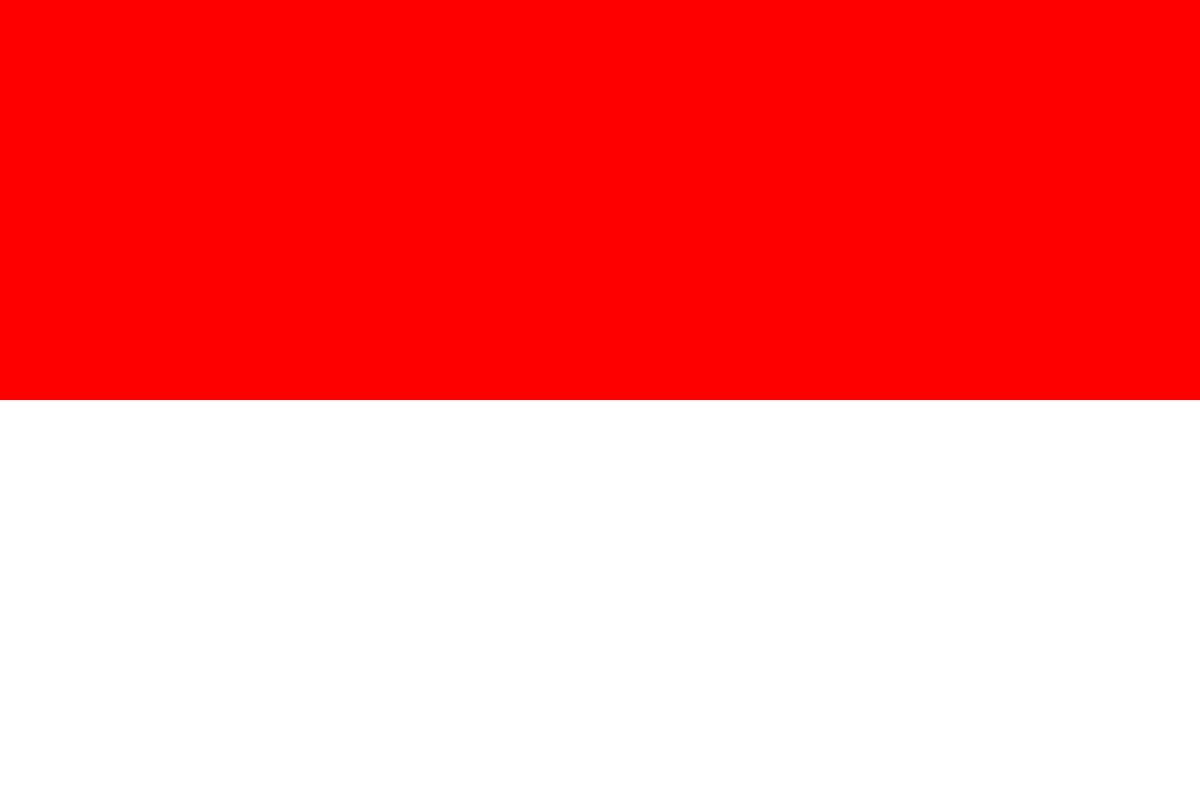
A Malay-Muslim sultanate in what is now southern Thailand, annexed by Siam — the root of a still-simmering insurgency.

A Malay state on the peninsula, ceded by Siam's vassal Kedah and absorbed into Thailand as Satun province.
Empires, kingdoms and republics that once covered part of Thailand.
King Mongkut (Rama IV) placed a white royal elephant — a sacred symbol of royal power — on a plain red field after foreign traders couldn't distinguish Siam's earlier banner.
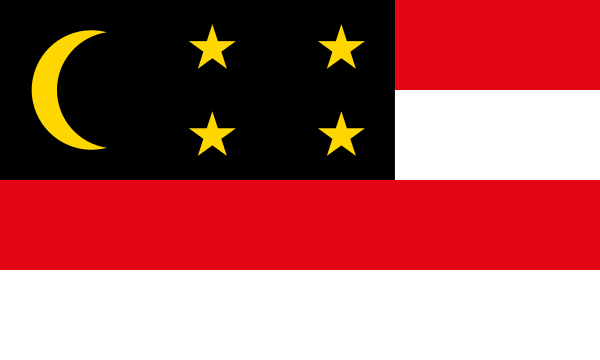
The banner of the movement seeking independence for the historically Malay-Muslim Patani region of southern Thailand: red-white stripes with a crescent and star.
The 65 states, provinces and regions of Thailand with their own flags.
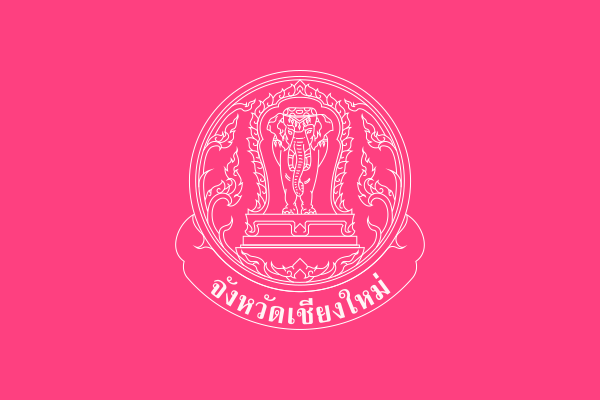 Chiang Mai
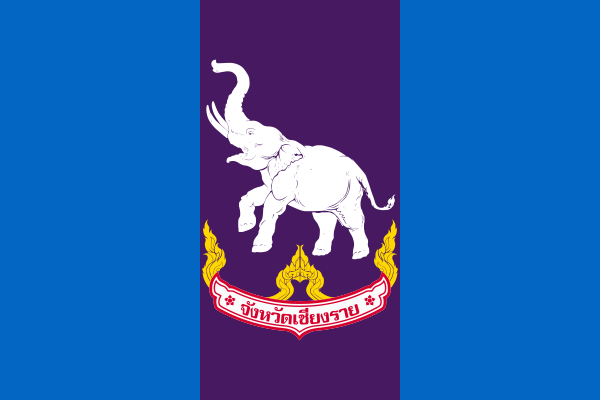 Chiang Rai
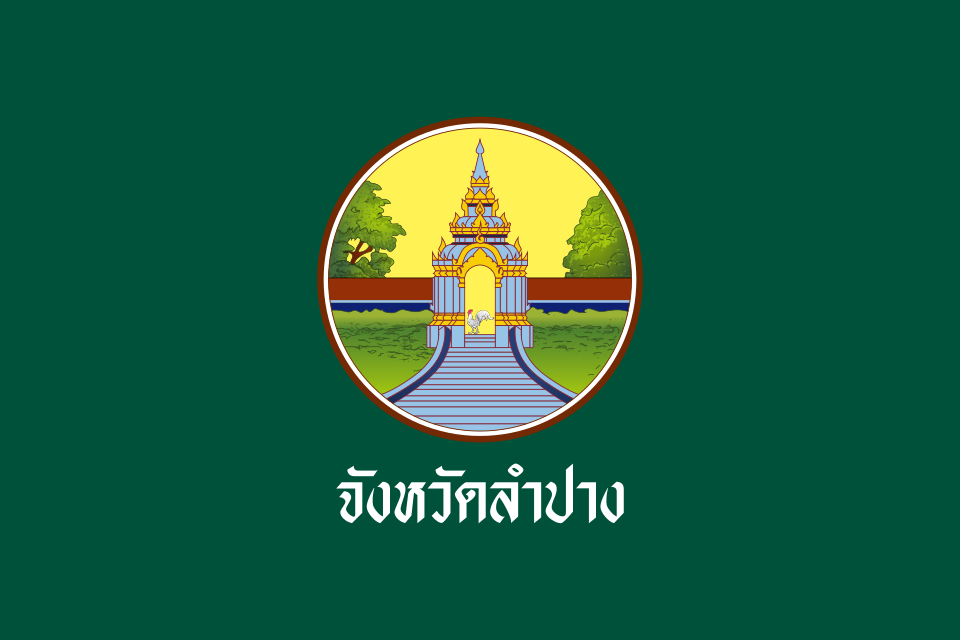 Lampang
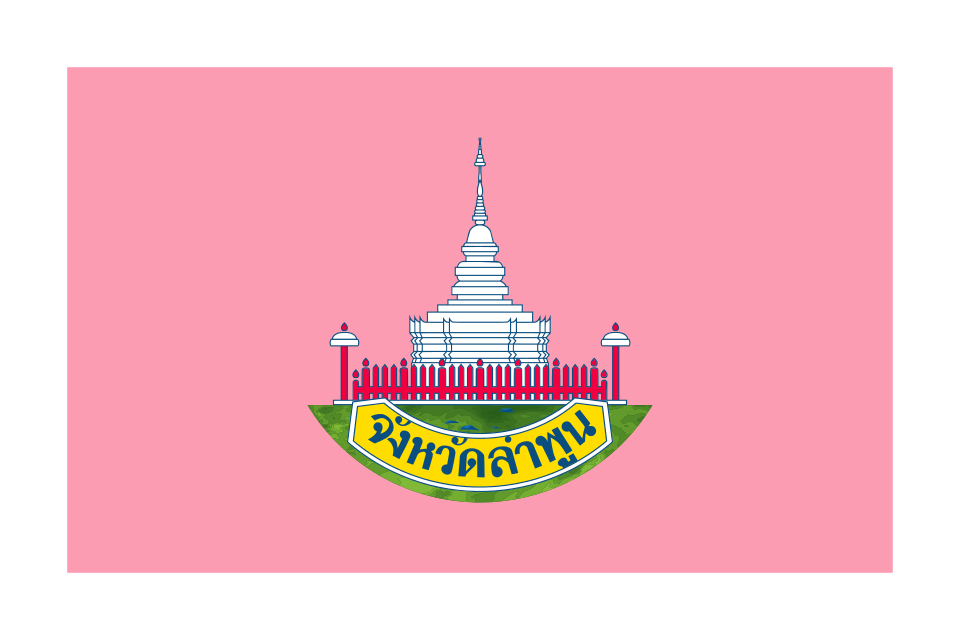 Lamphun
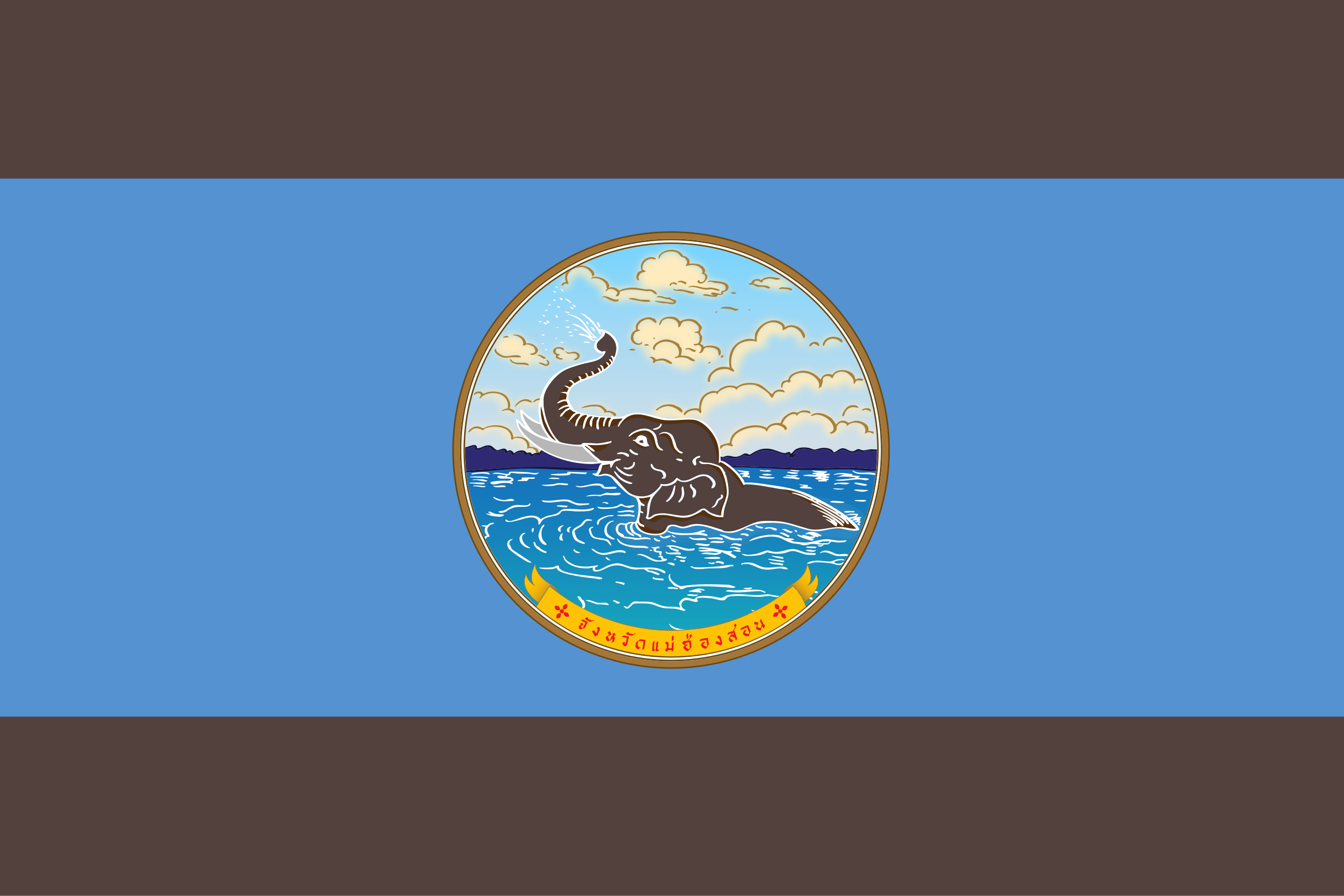 Mae Hong Son
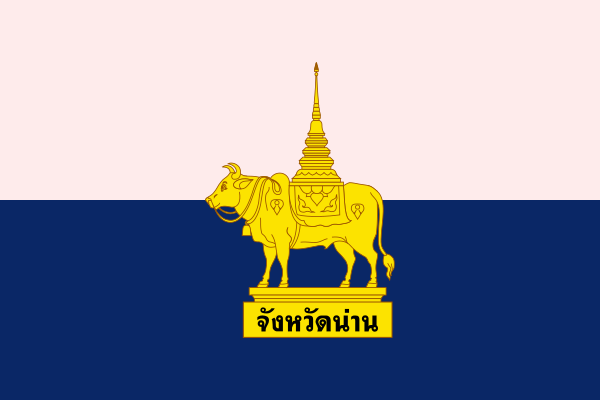 Nan
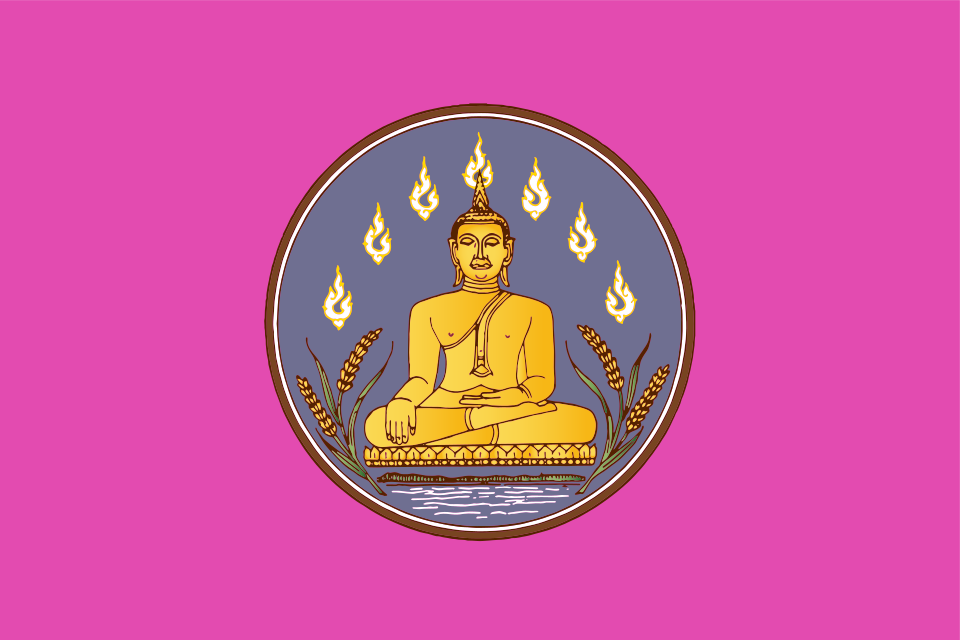 Phayao
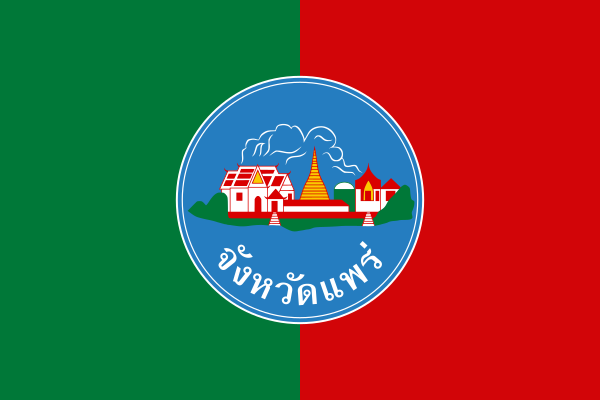 Phrae
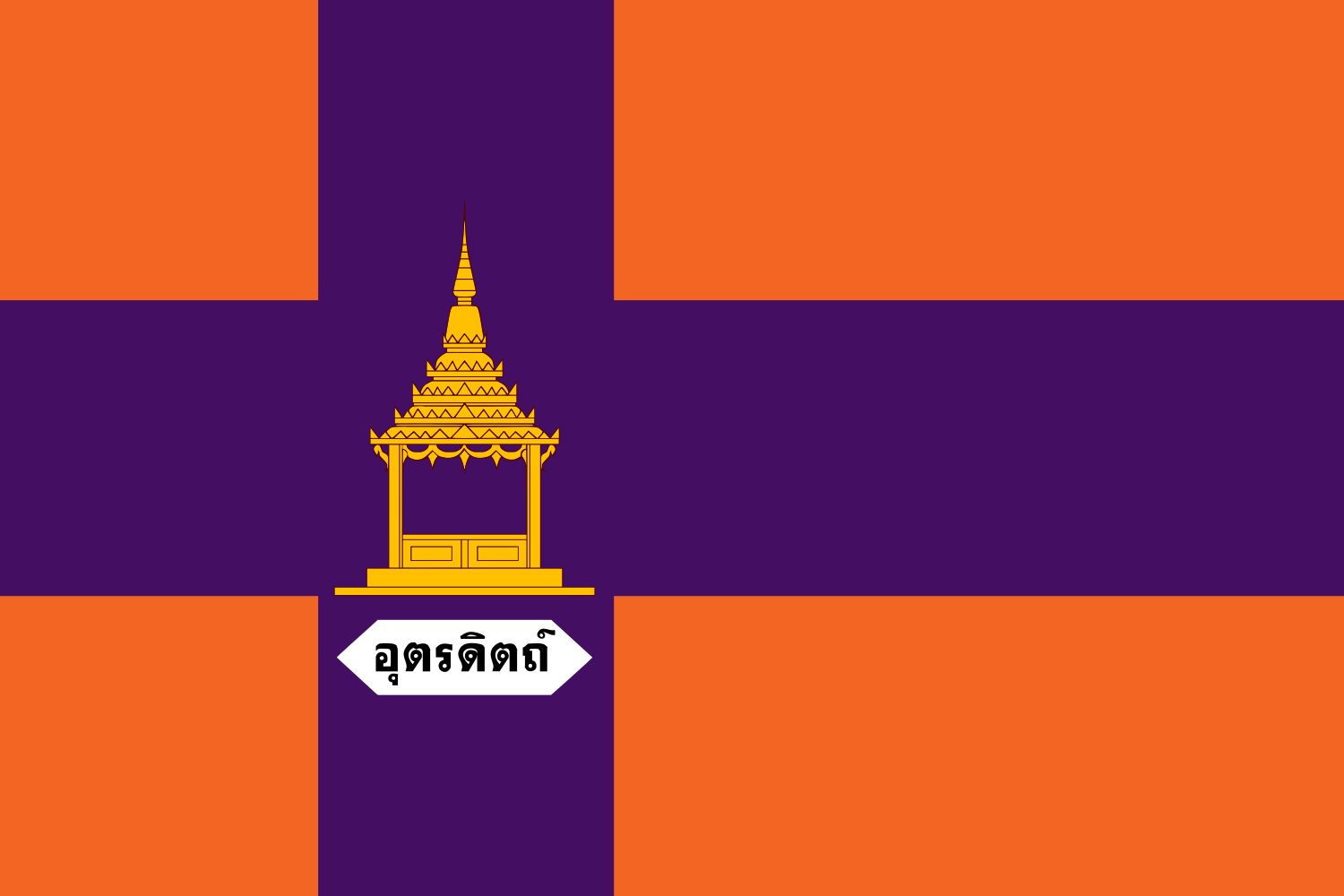 Uttaradit
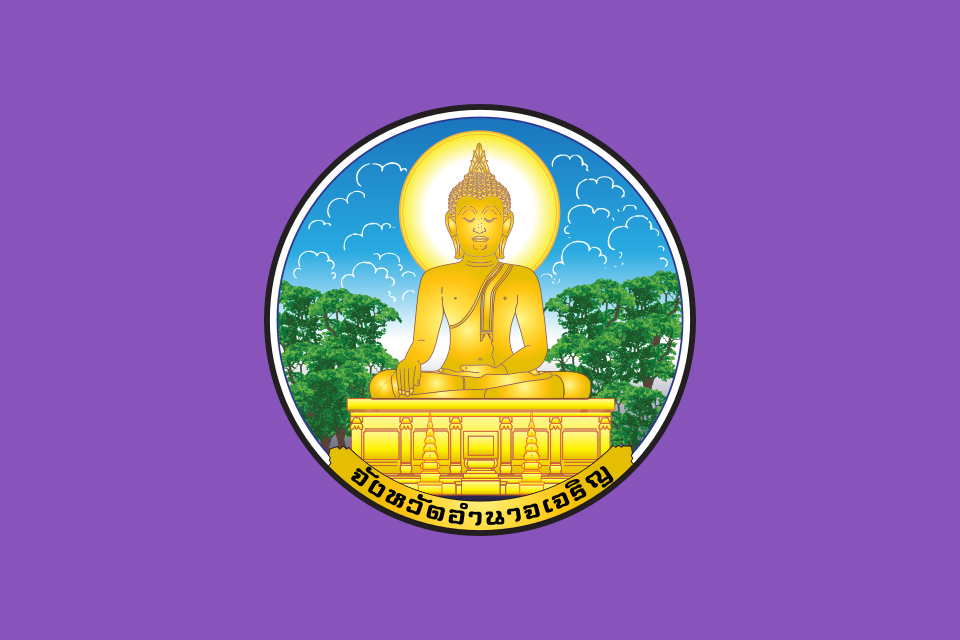 Amnat Charoen
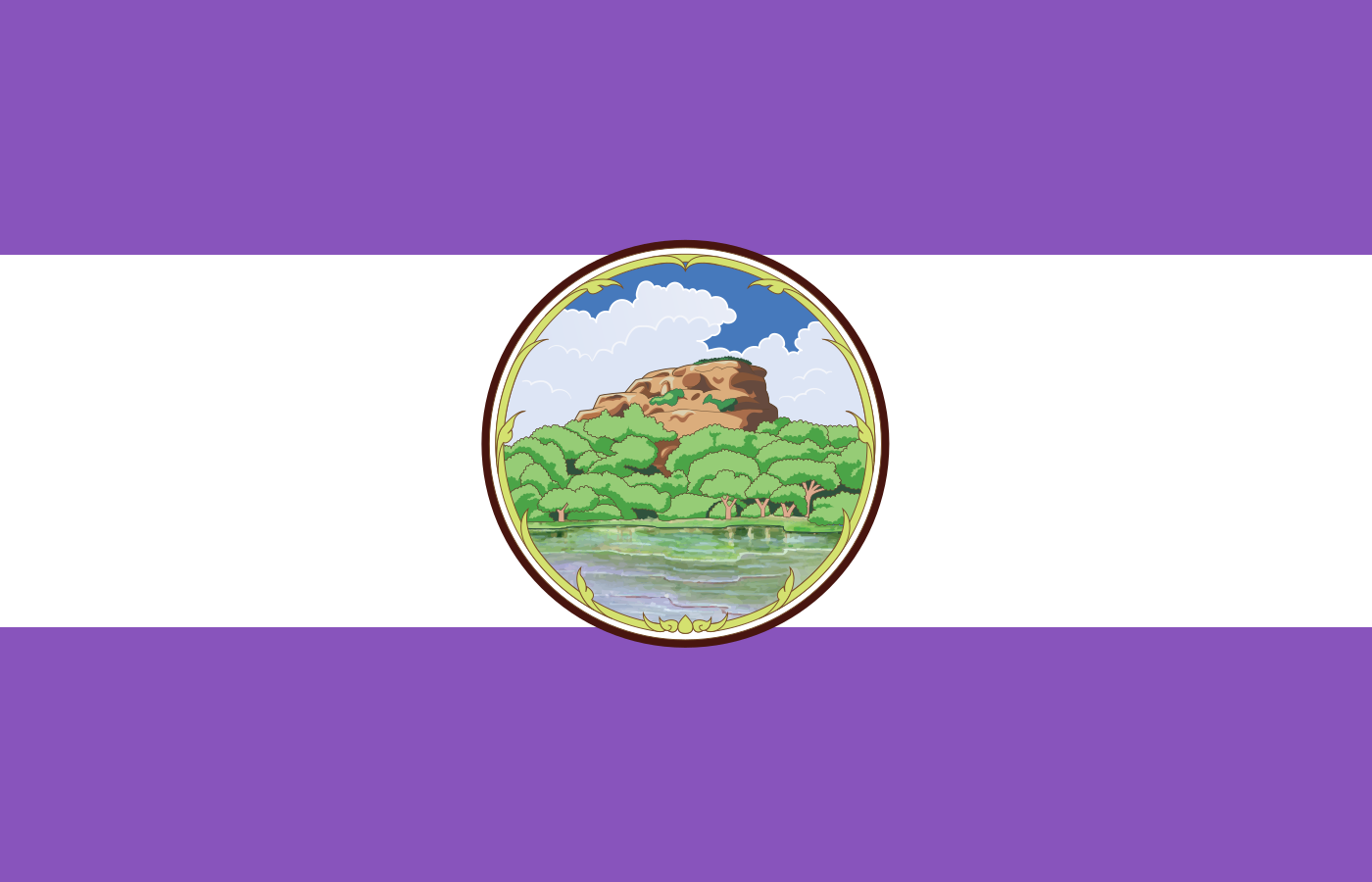 Bueng Kan
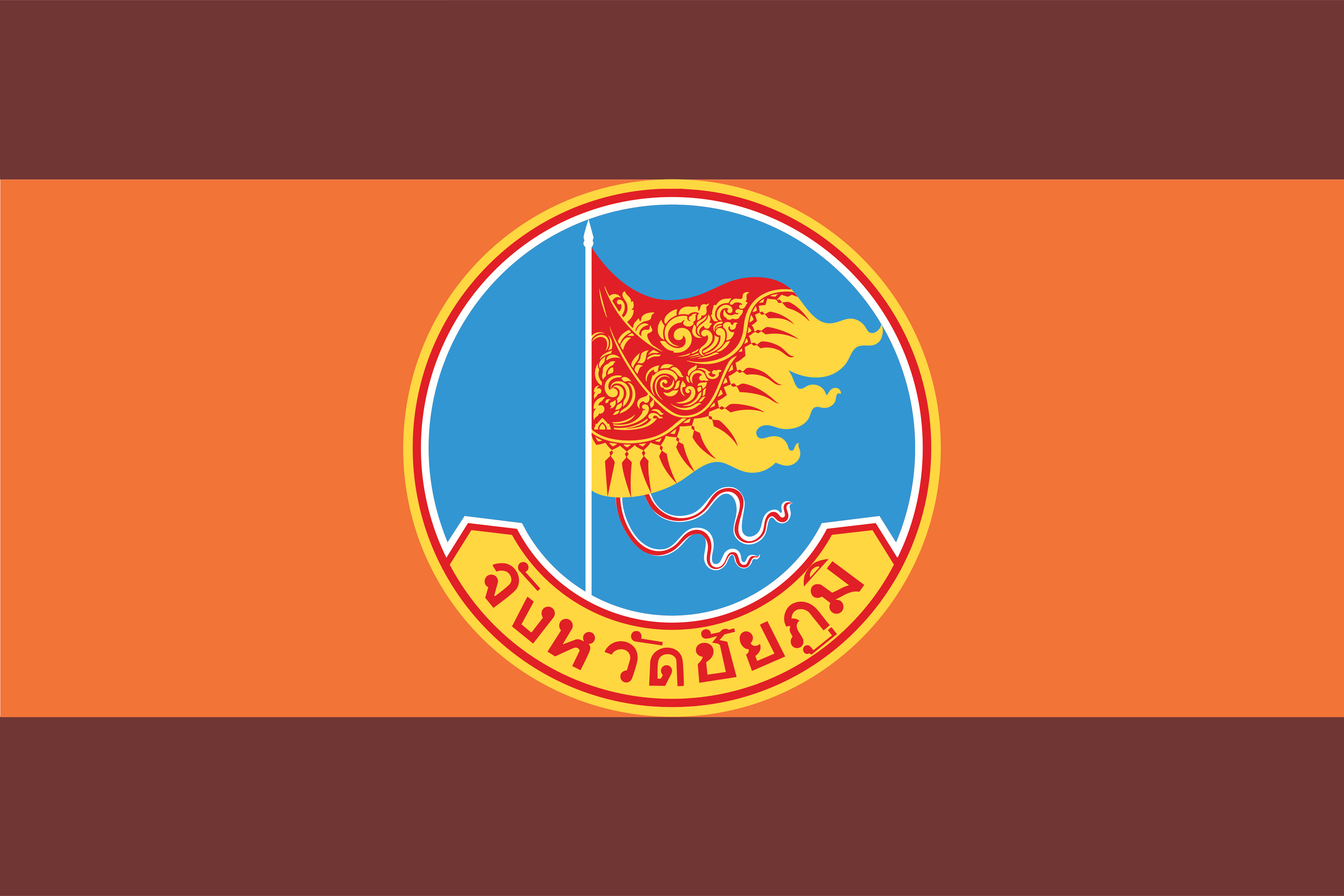 Chaiyaphum
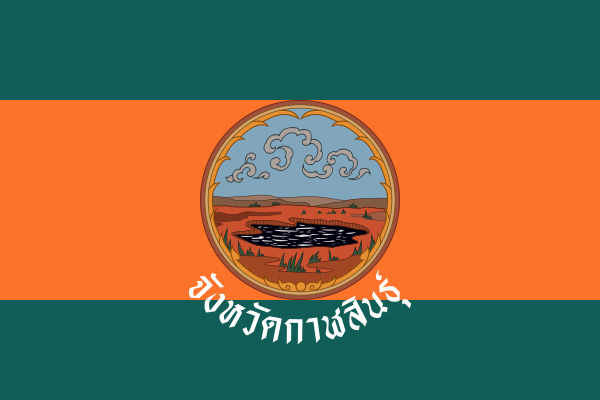 Kalasin
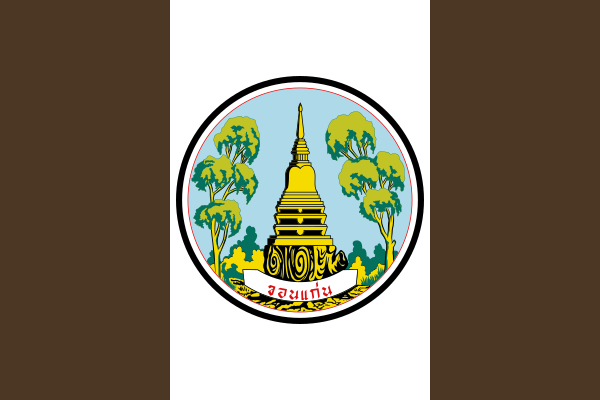 Khon Kaen
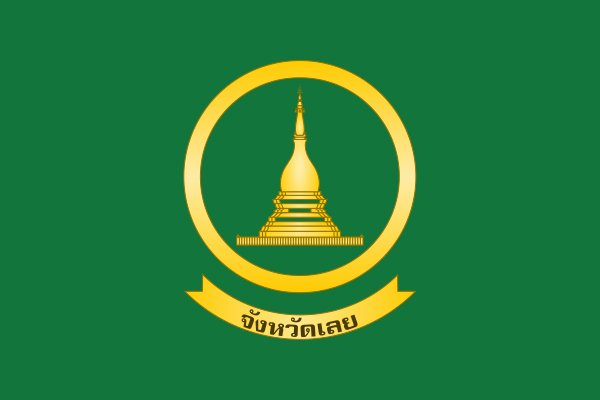 Loei
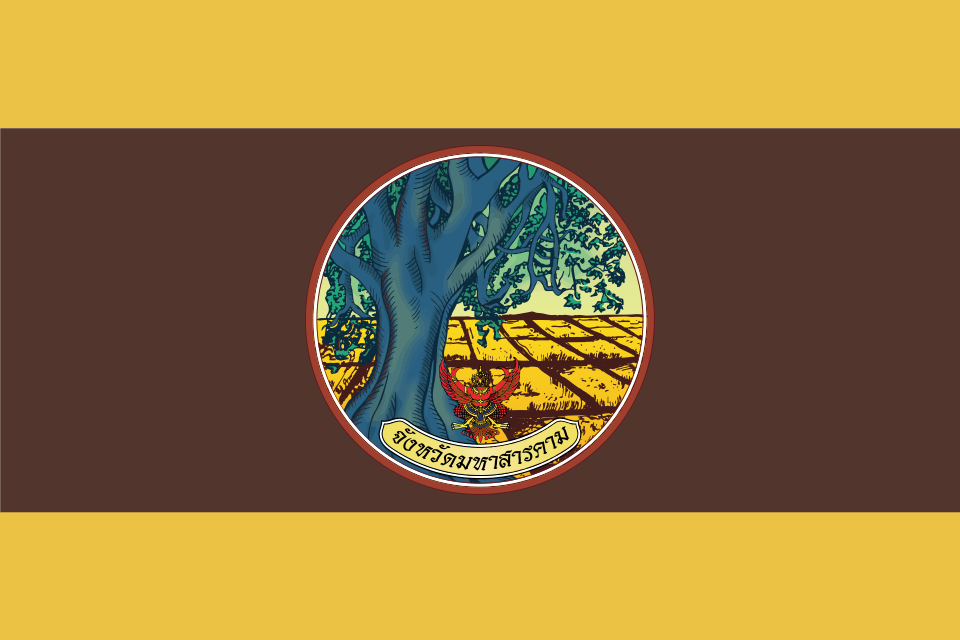 Maha Sarakham
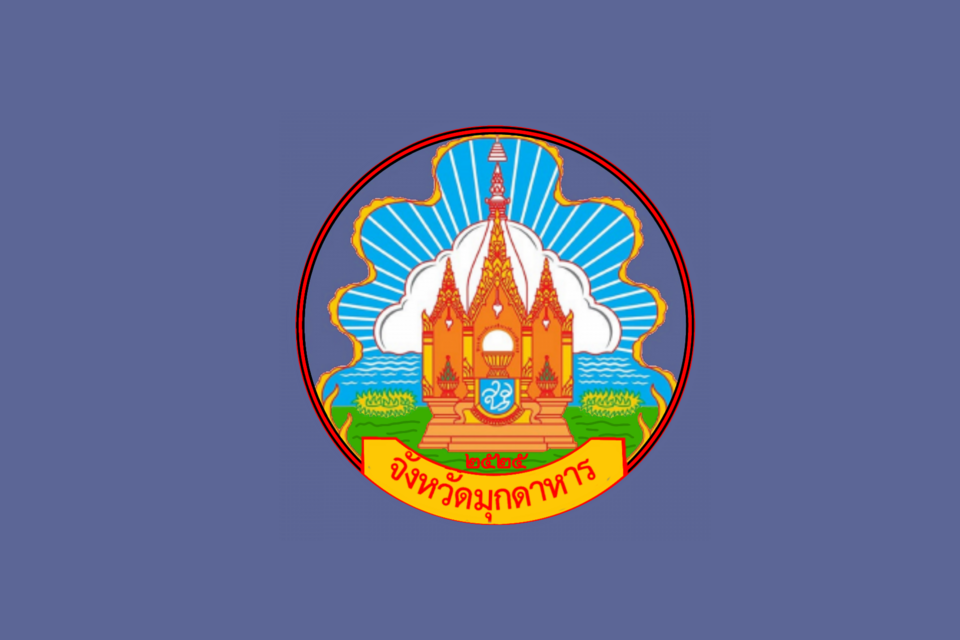 Mukdahan
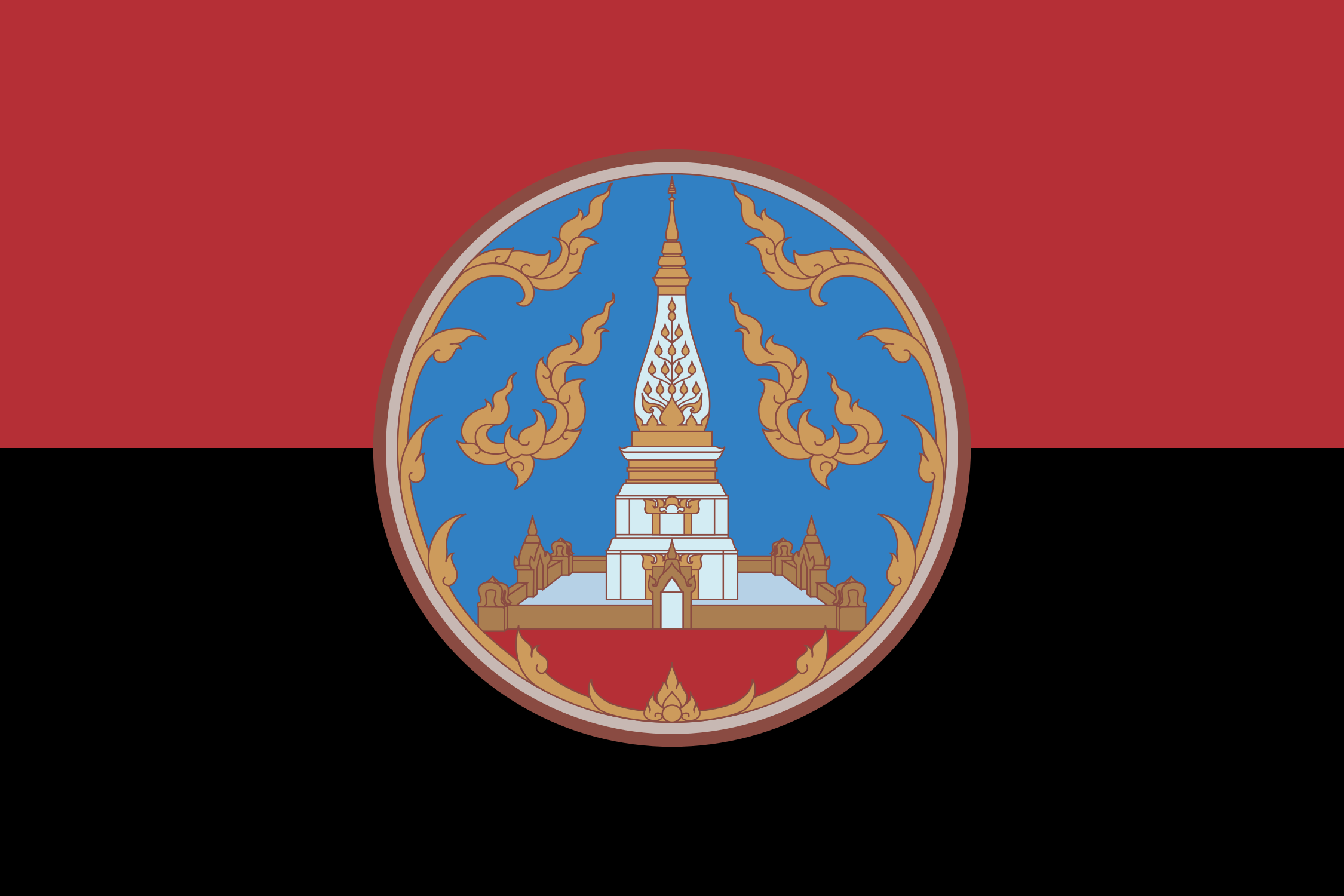 Nakhon Phanom
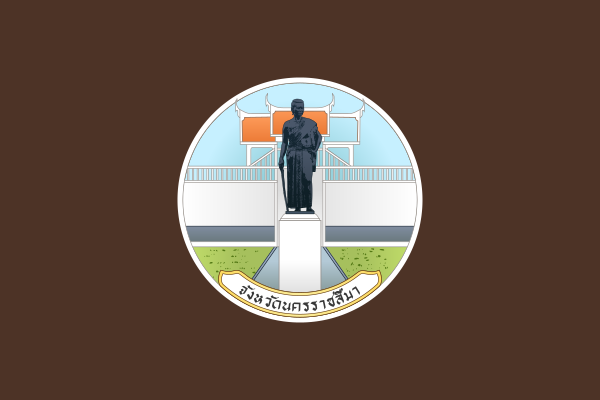 Nakhon Ratchasima
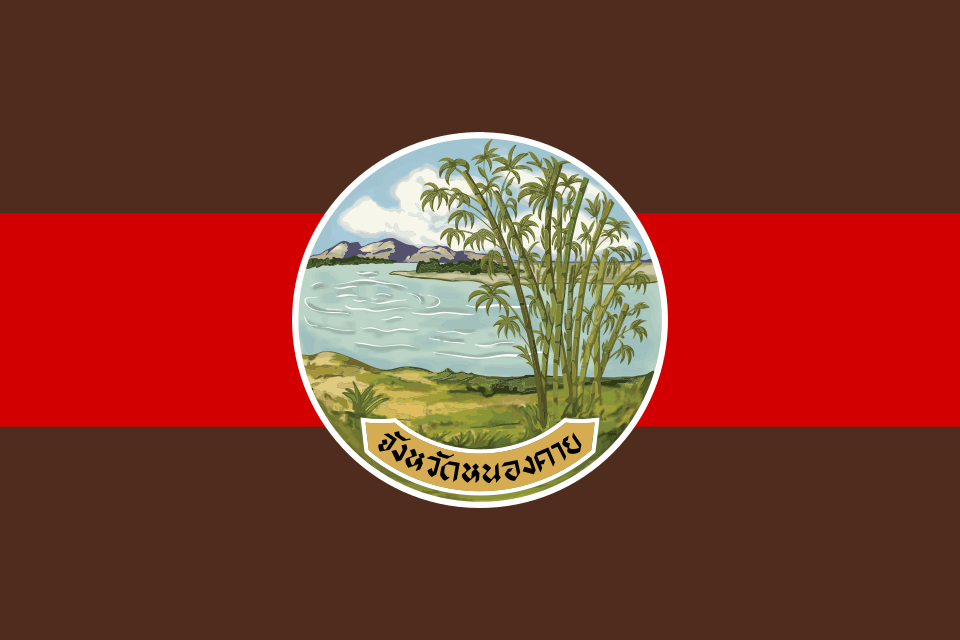 Nong Khai
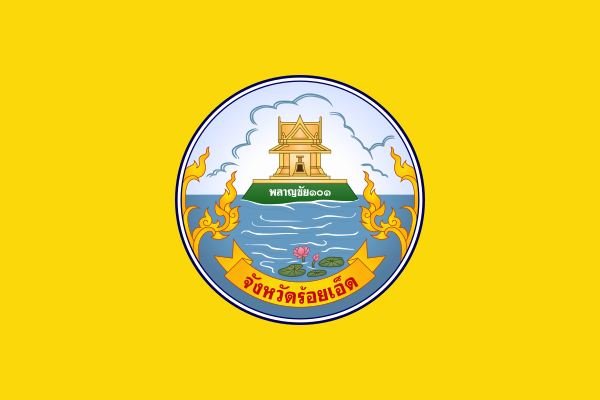 Roi Et
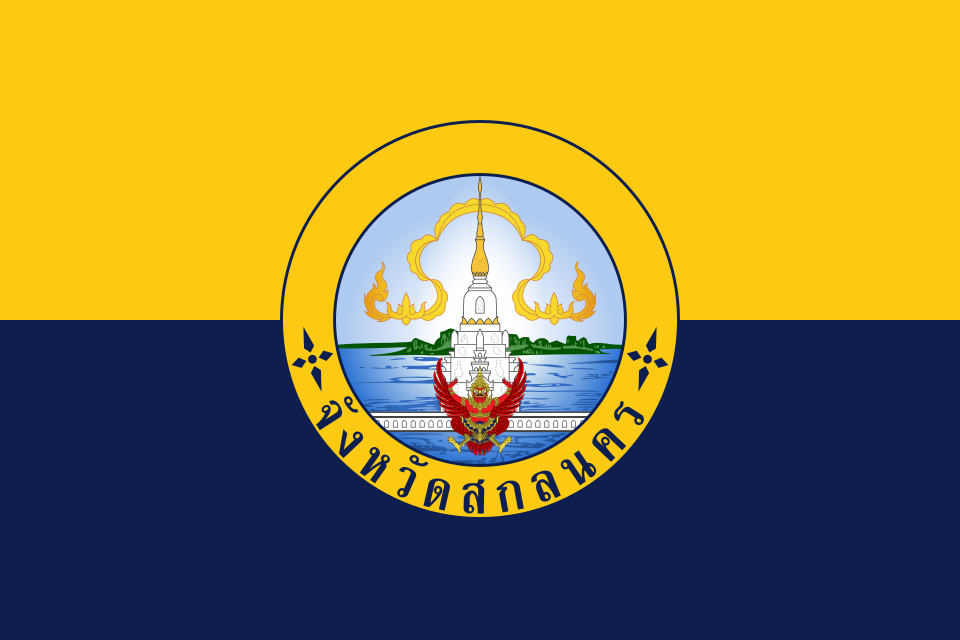 Sakon Nakhon
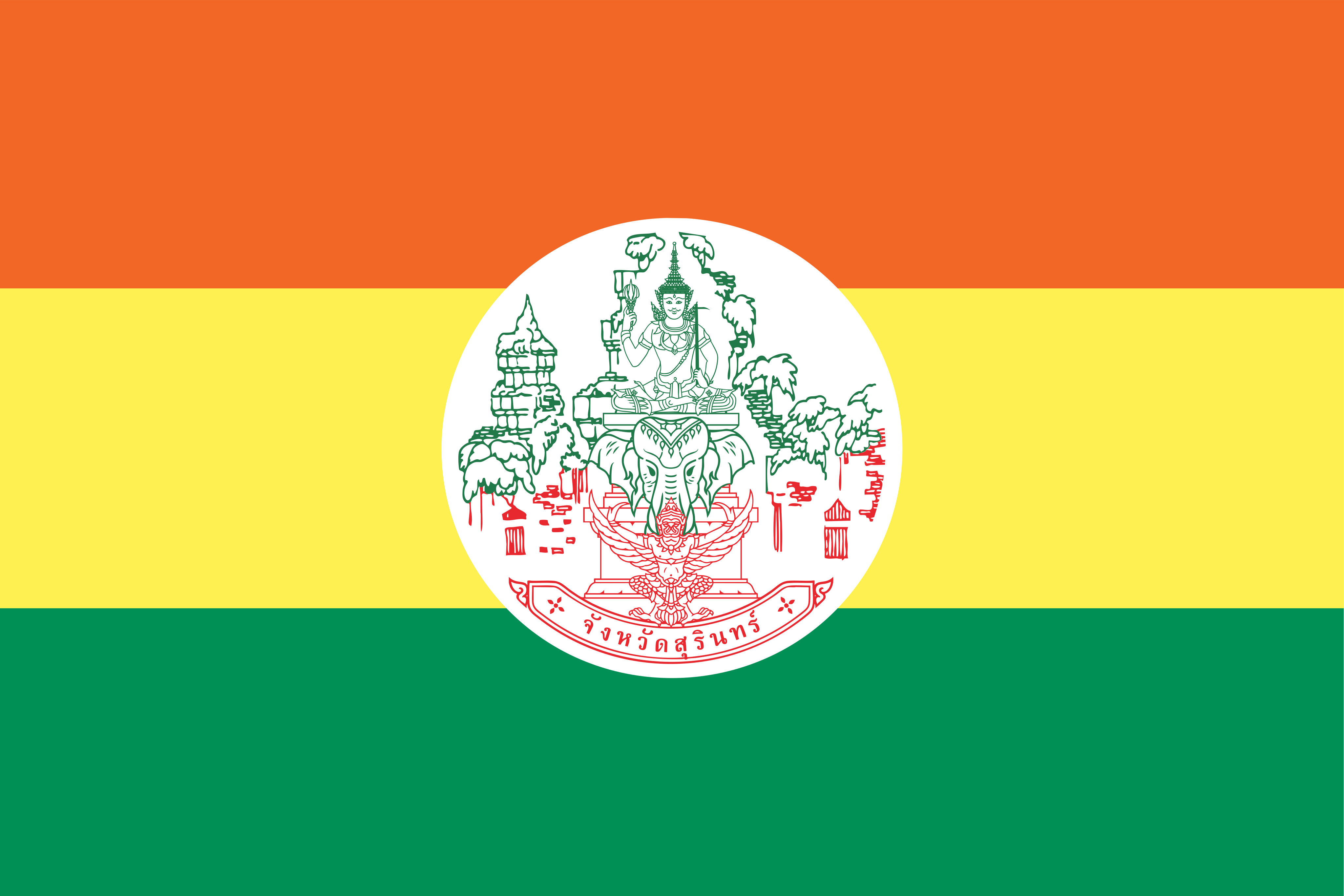 Surin
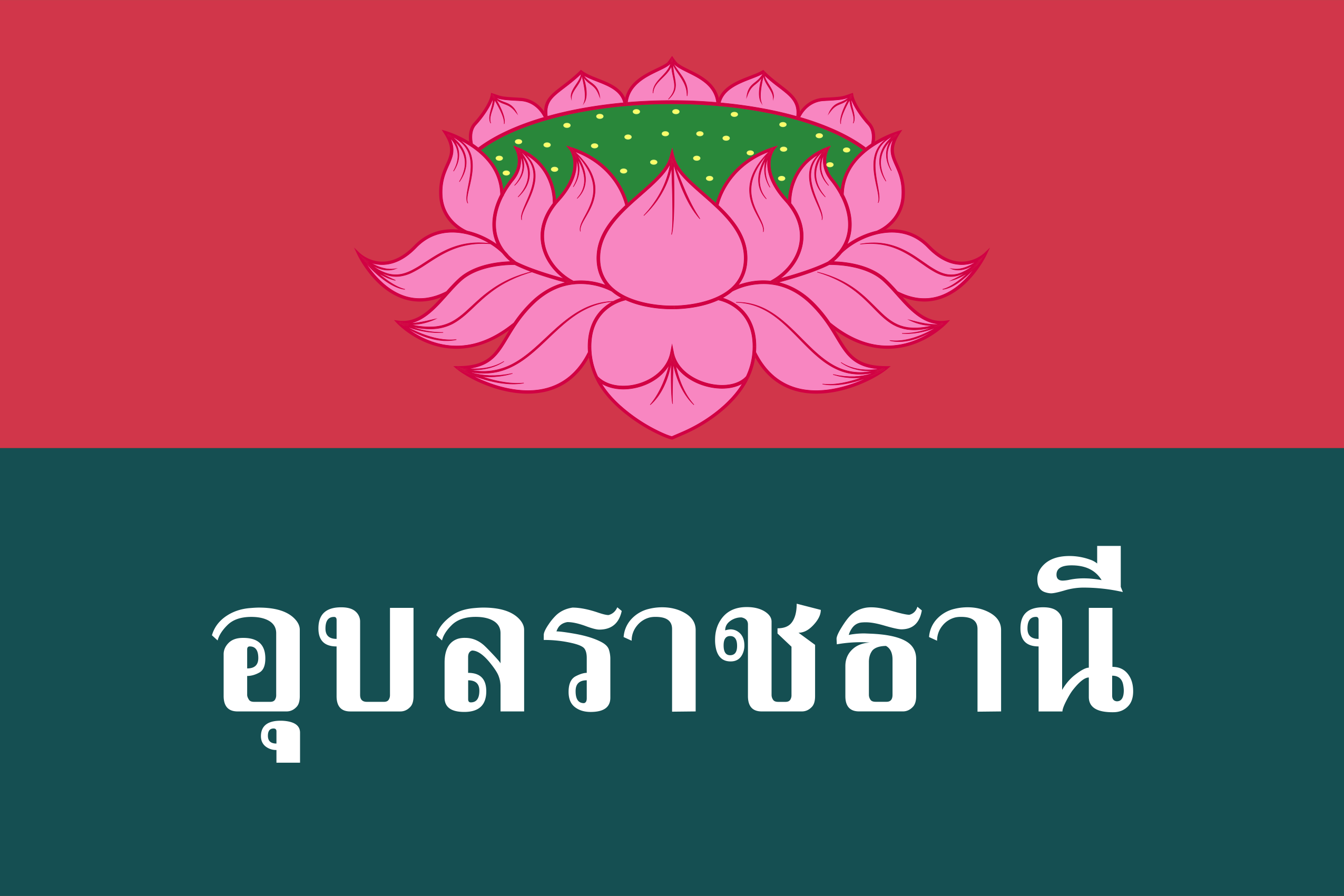 Ubon Ratchathani
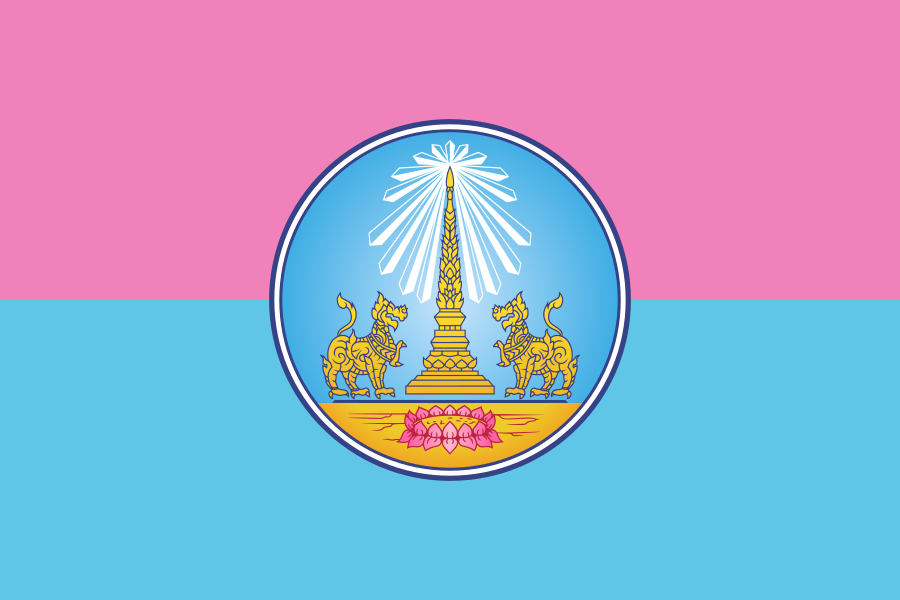 Yasothon
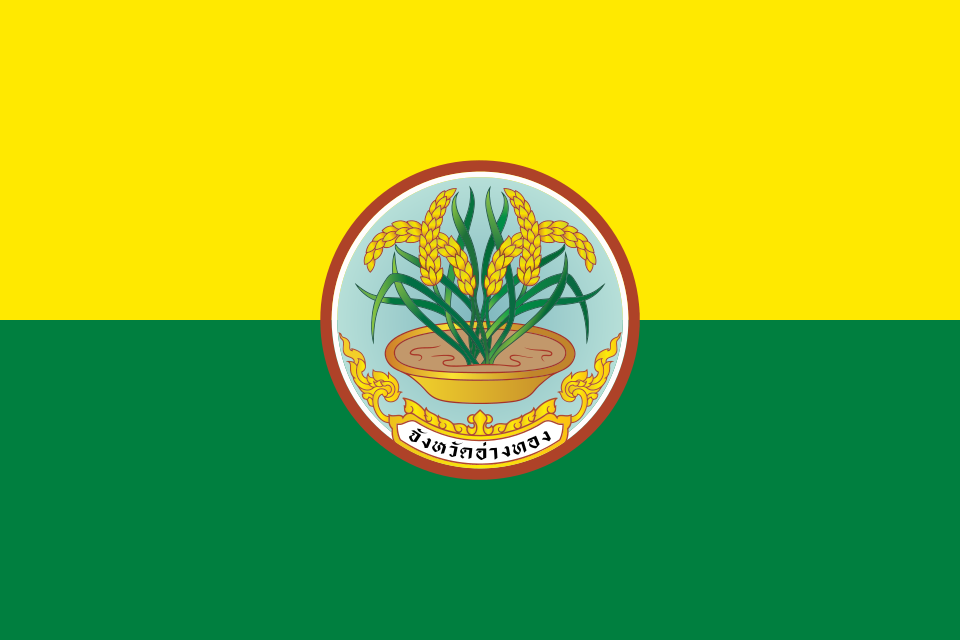 Ang Thong
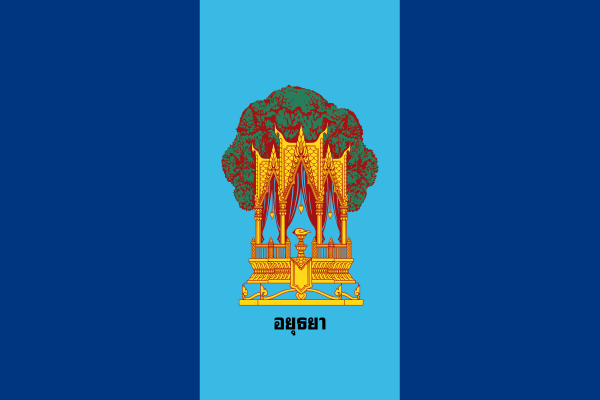 Ayutthaya
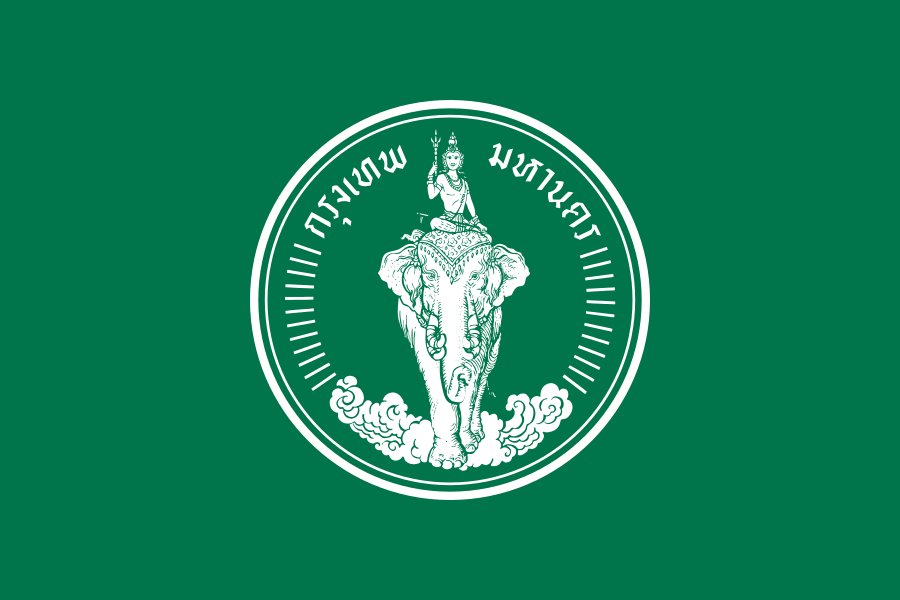 Bangkok
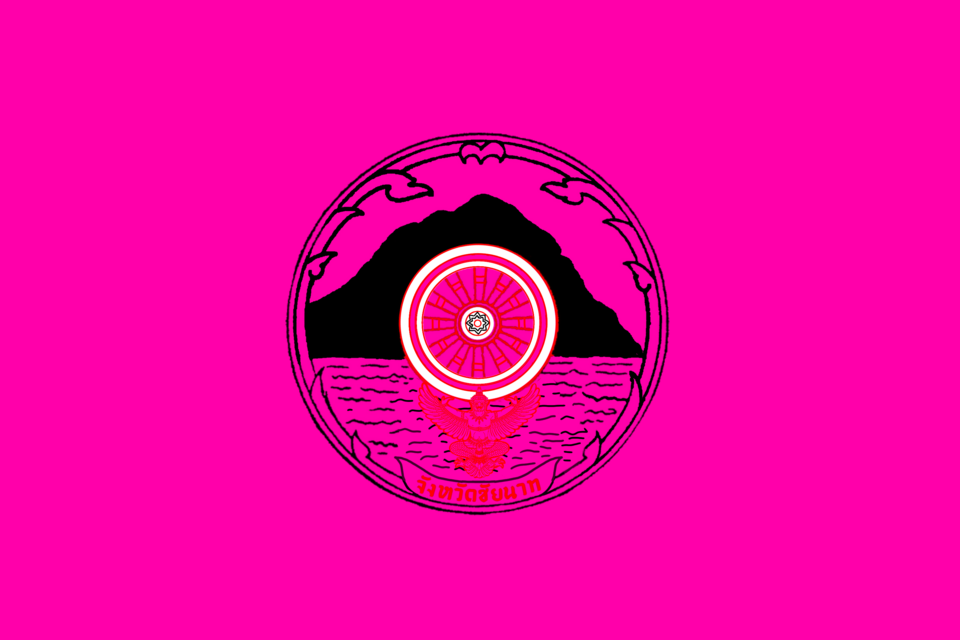 Chainat
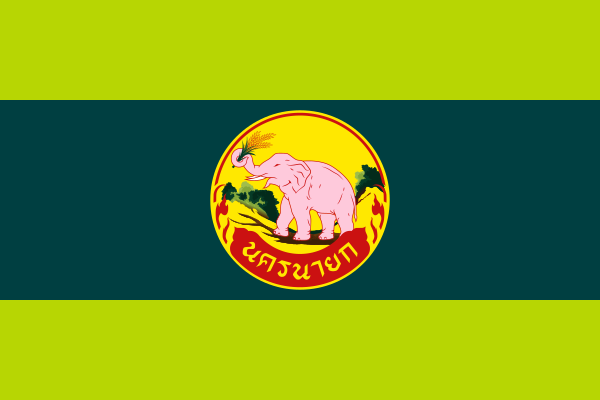 Nakhon Nayok
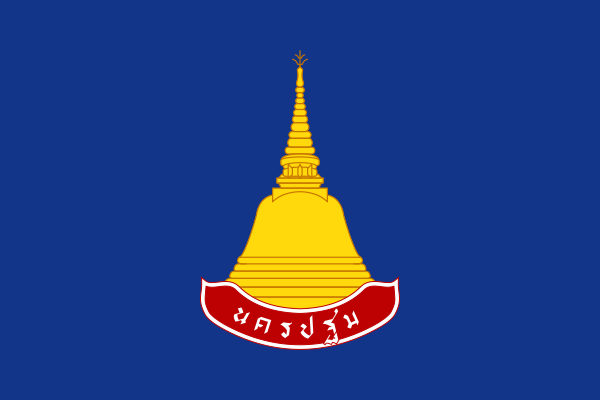 Nakhon Pathom
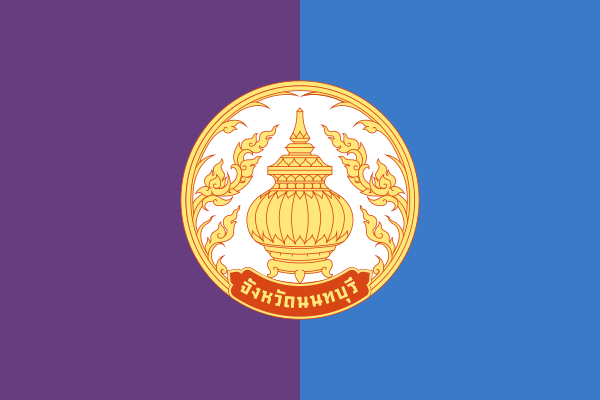 Nonthaburi
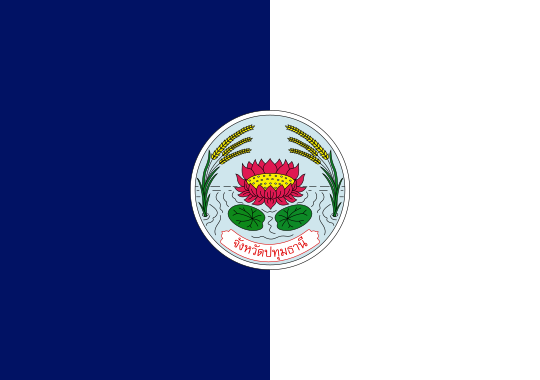 Pathum Thani
 Phetchaburi
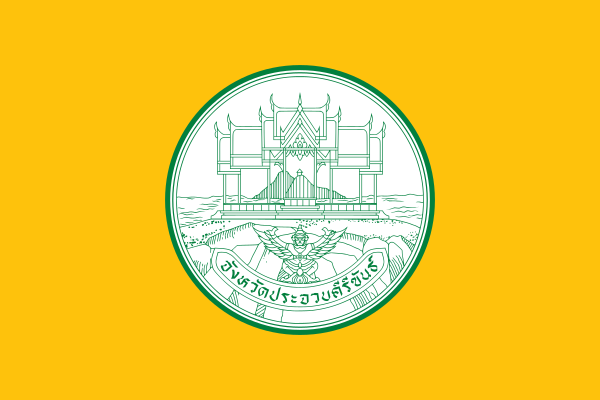 Prachuap Khiri Khan
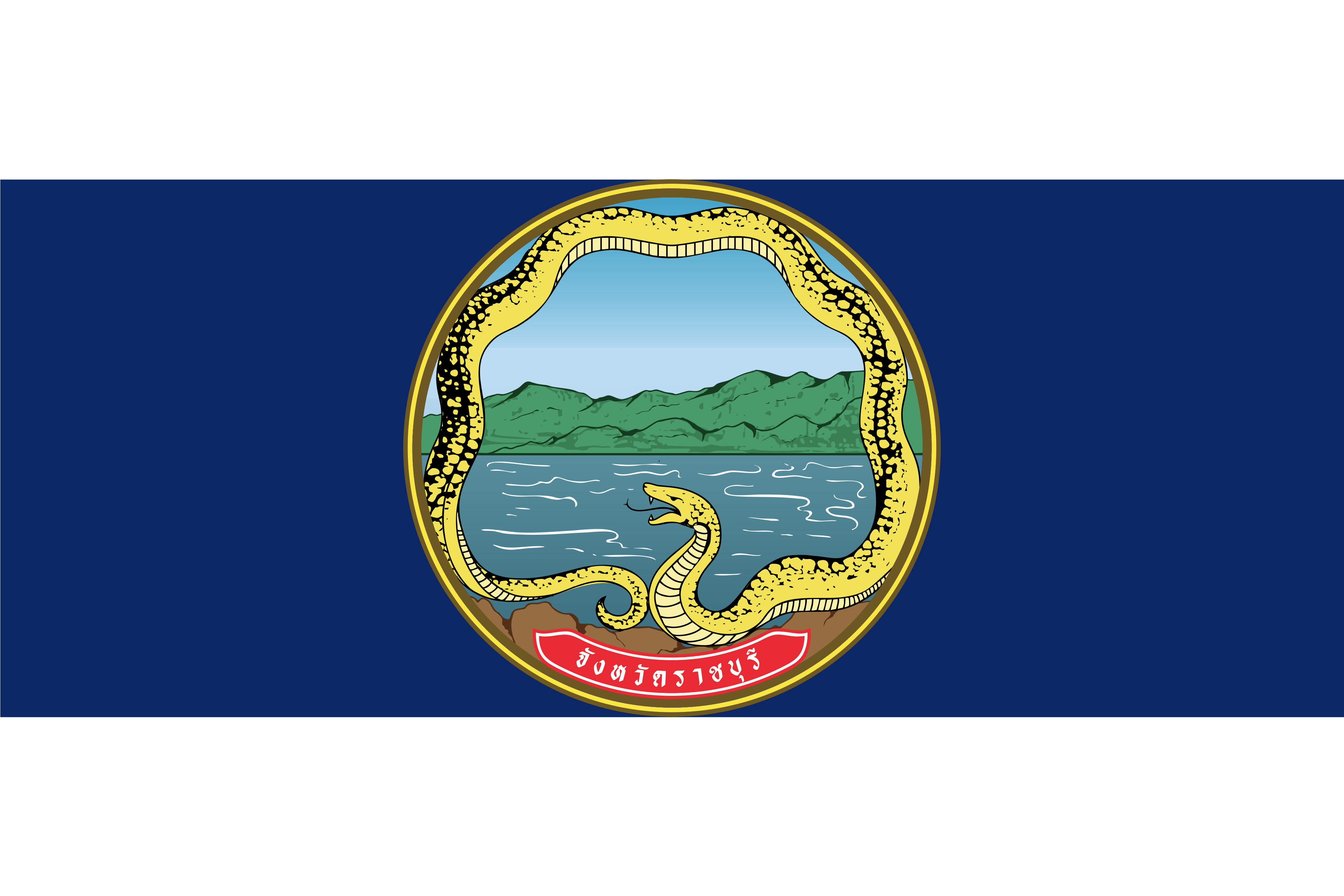 Ratchaburi
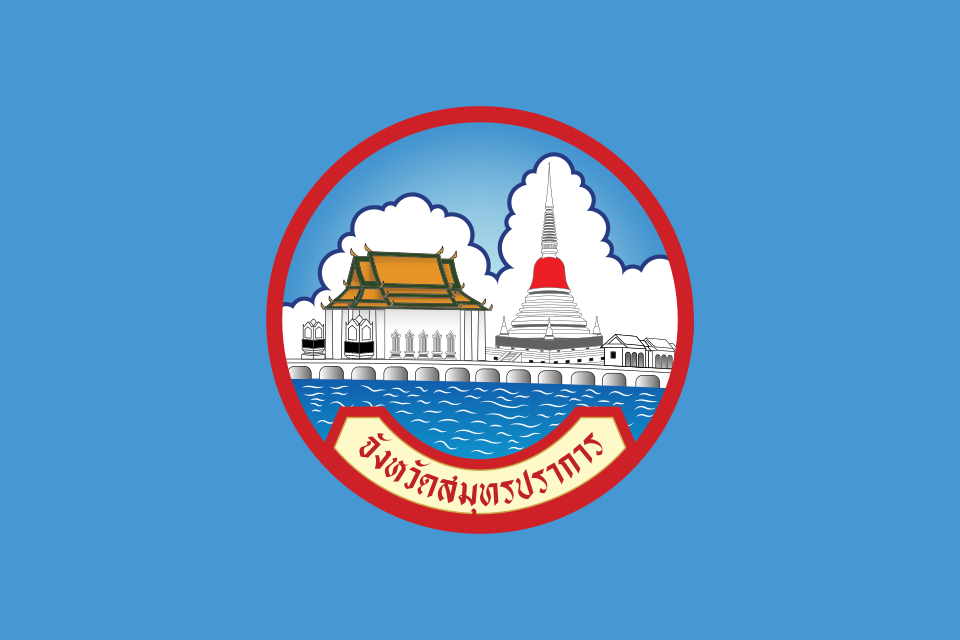 Samut Prakan
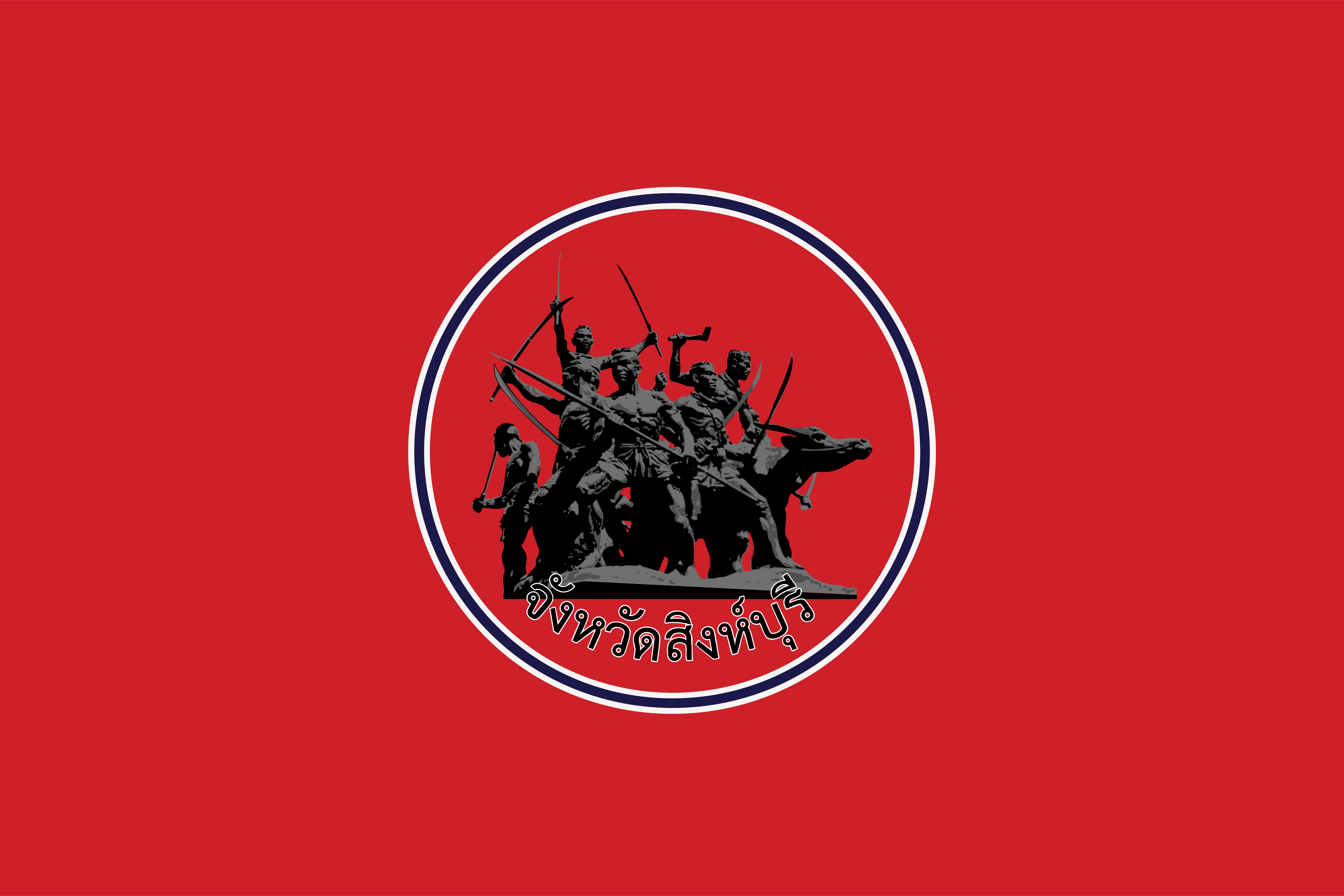 Sing Buri
 Suphan Buri
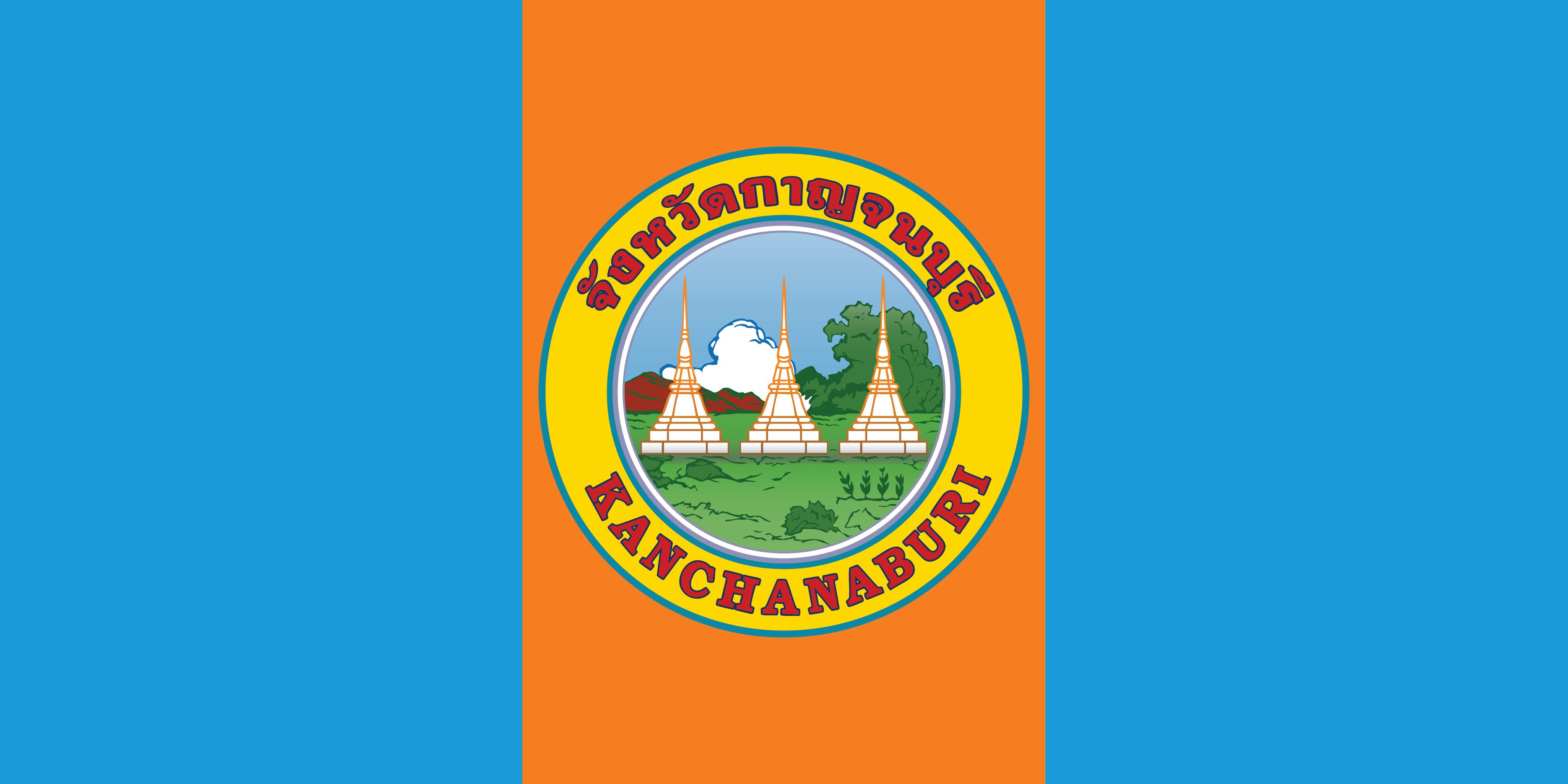 Kanchanaburi
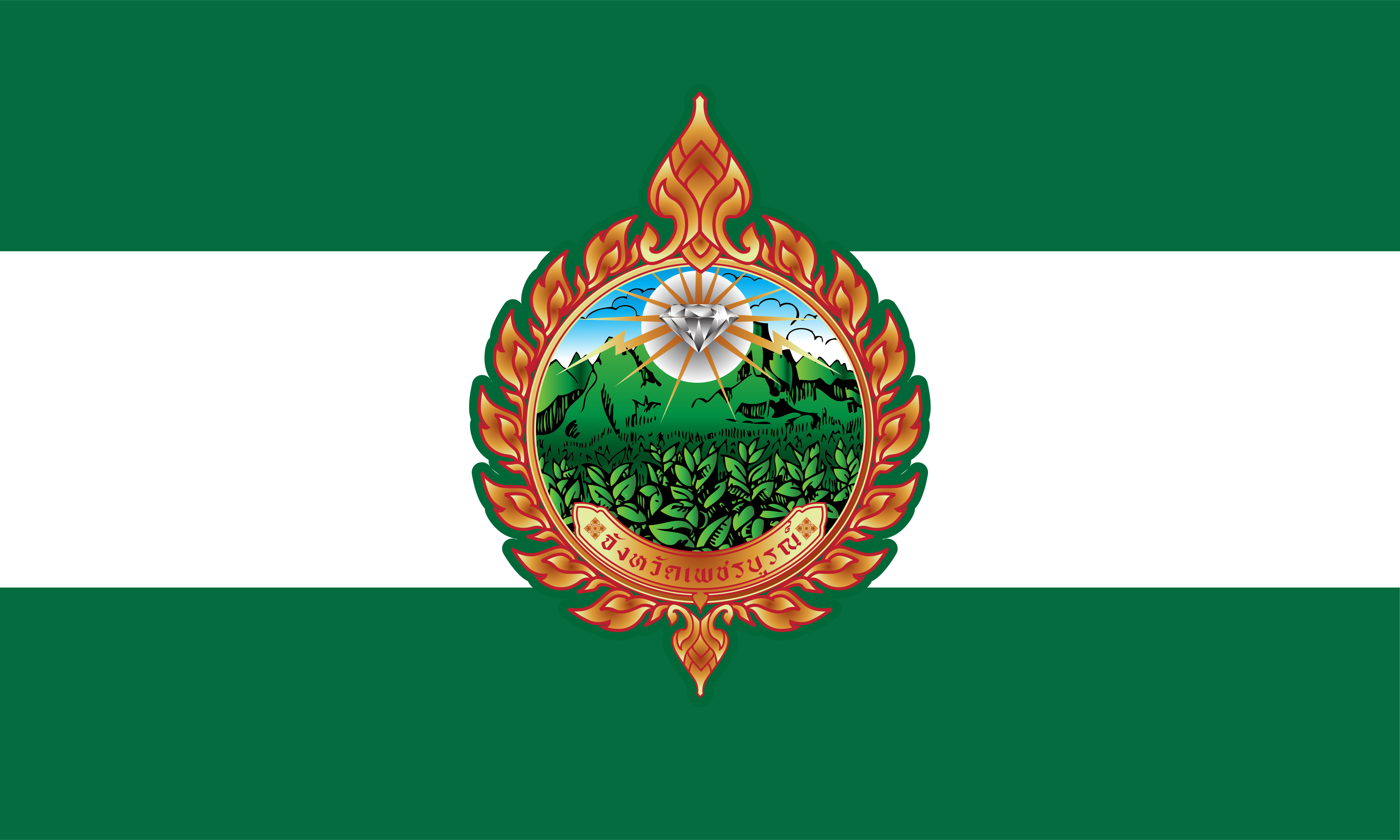 Phetchabun
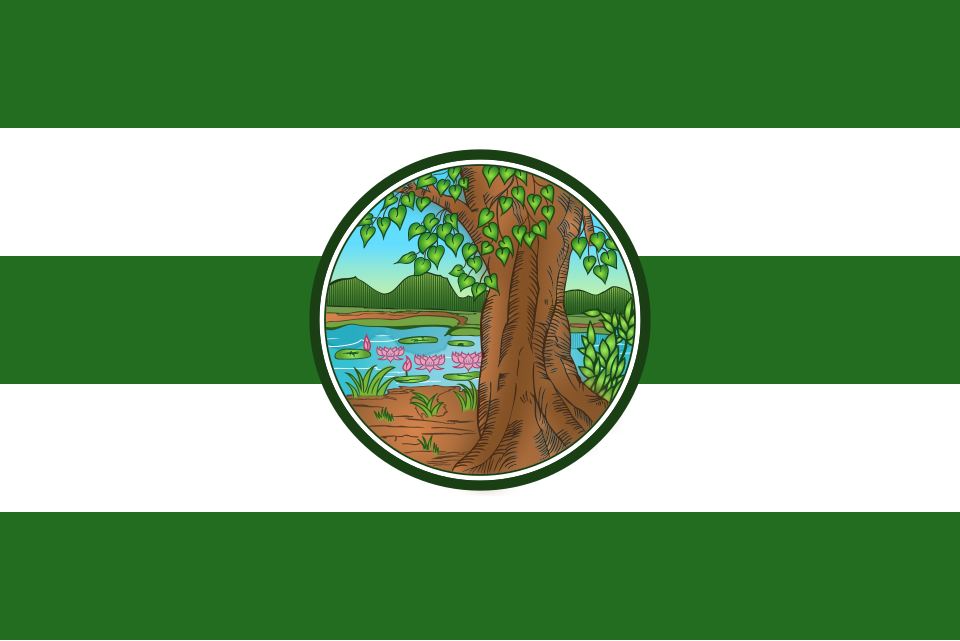 Phichit
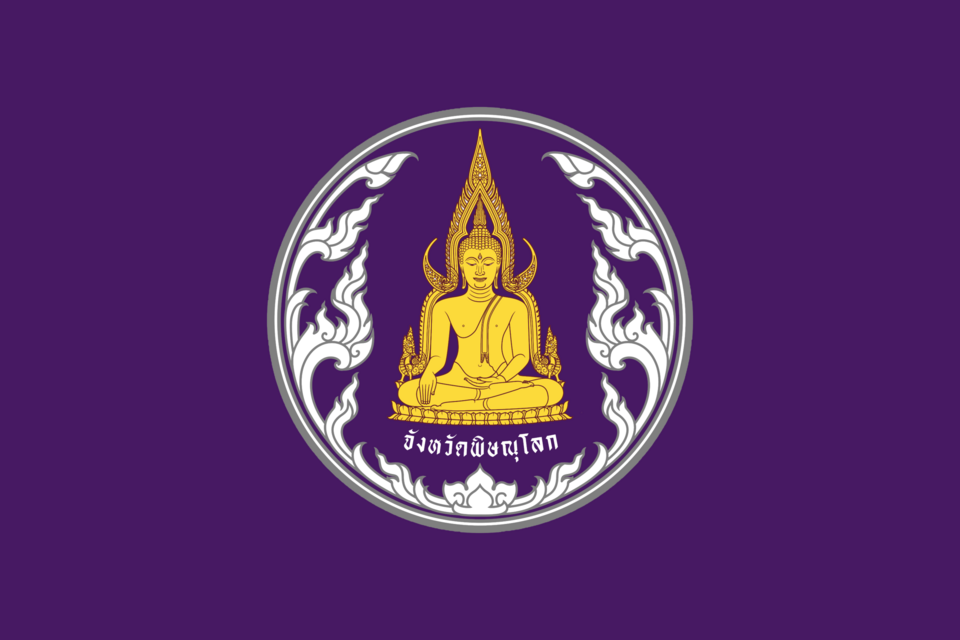 Phitsanulok
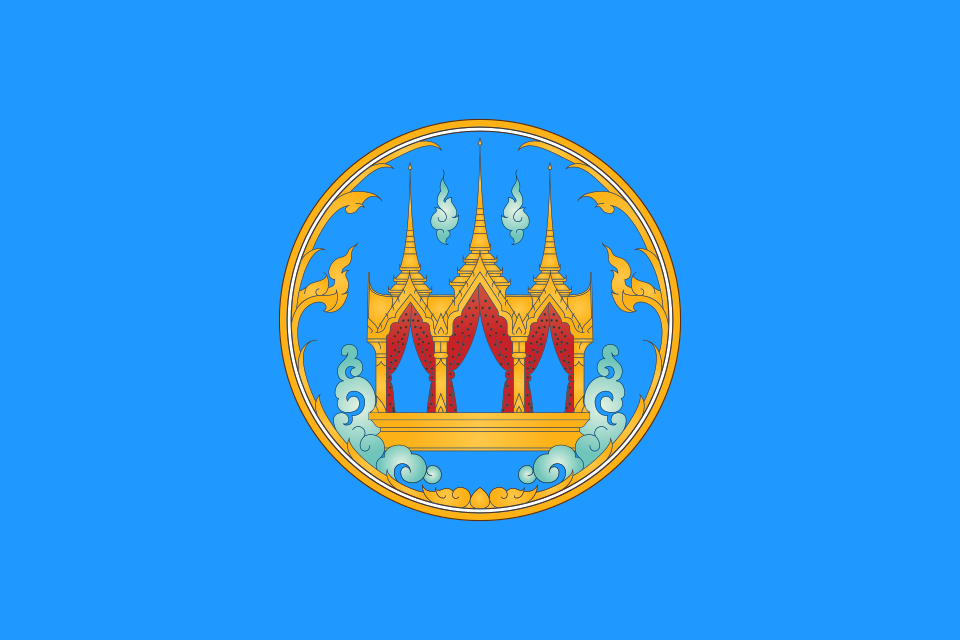 Nakhon Sawan
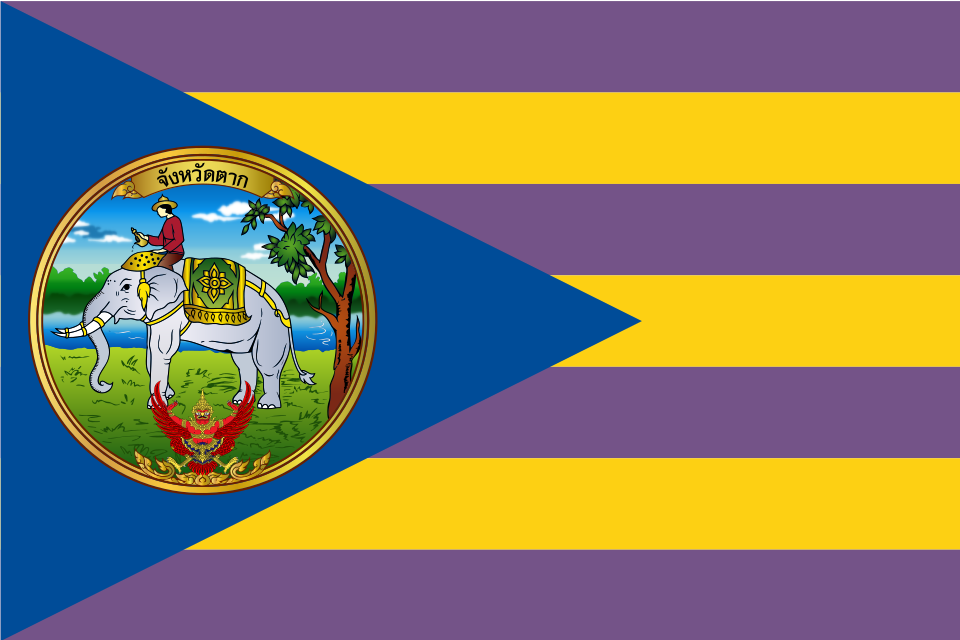 Tak
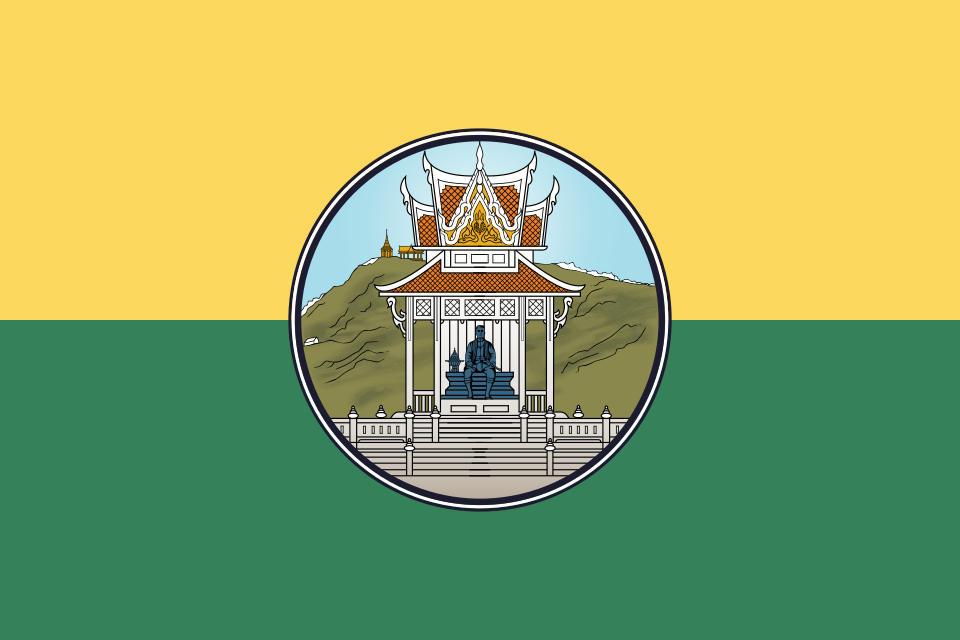 Uthai Thani
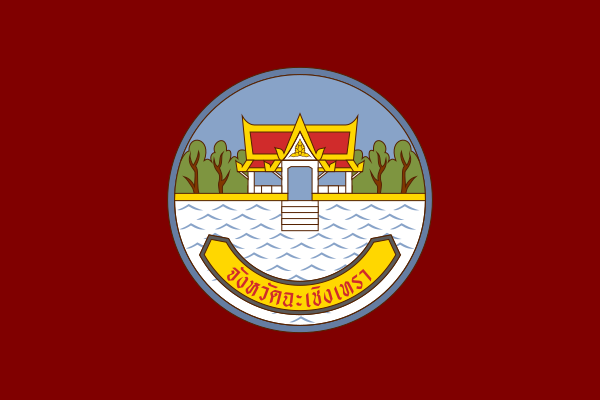 Chachoengsao
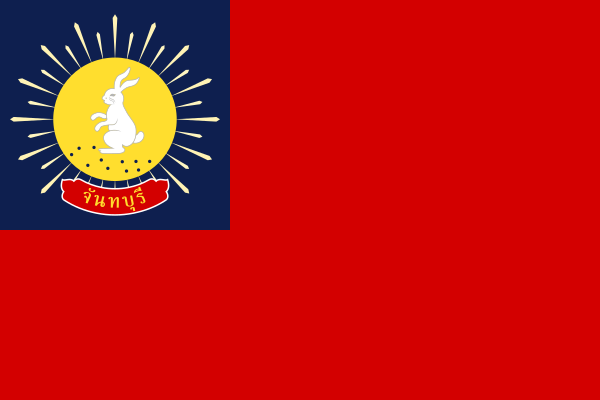 Chanthaburi
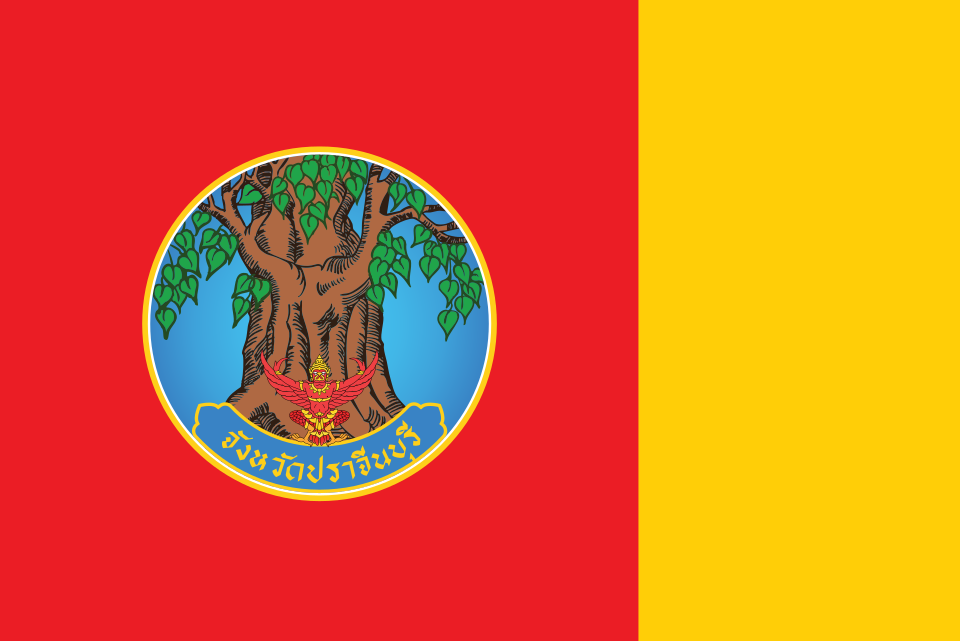 Prachin Buri
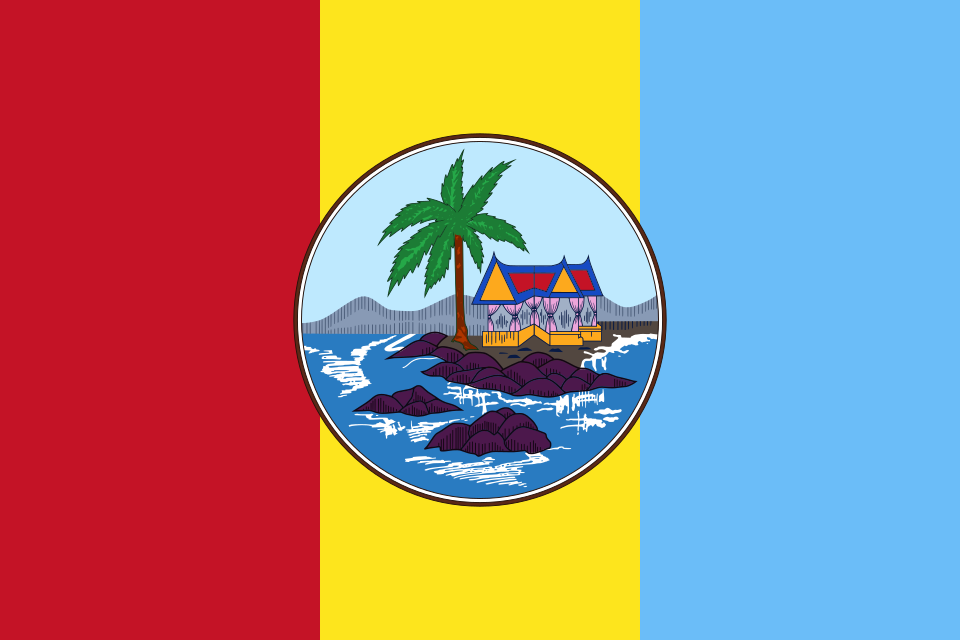 Rayong
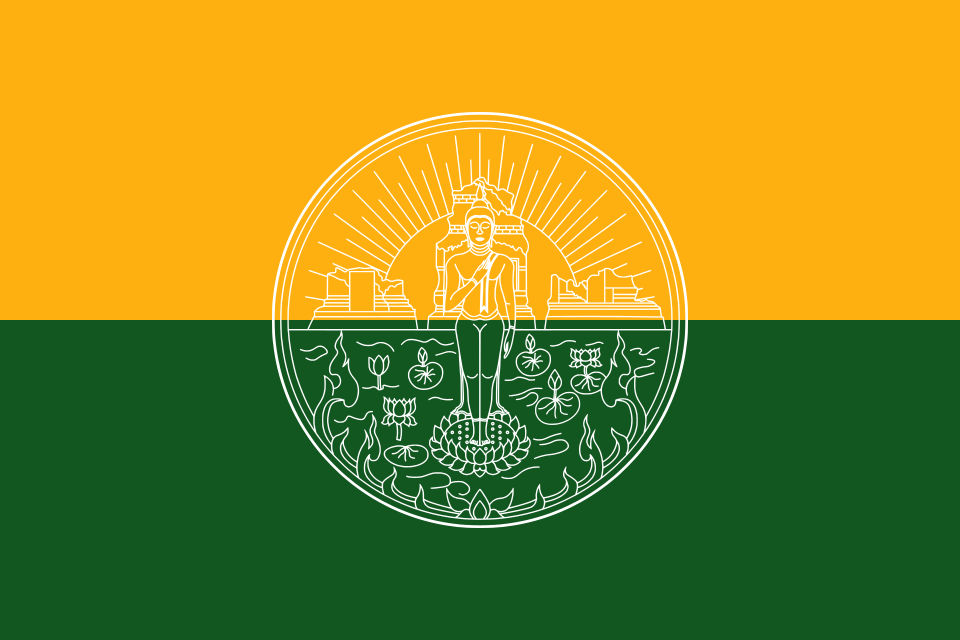 Sa Kaeo
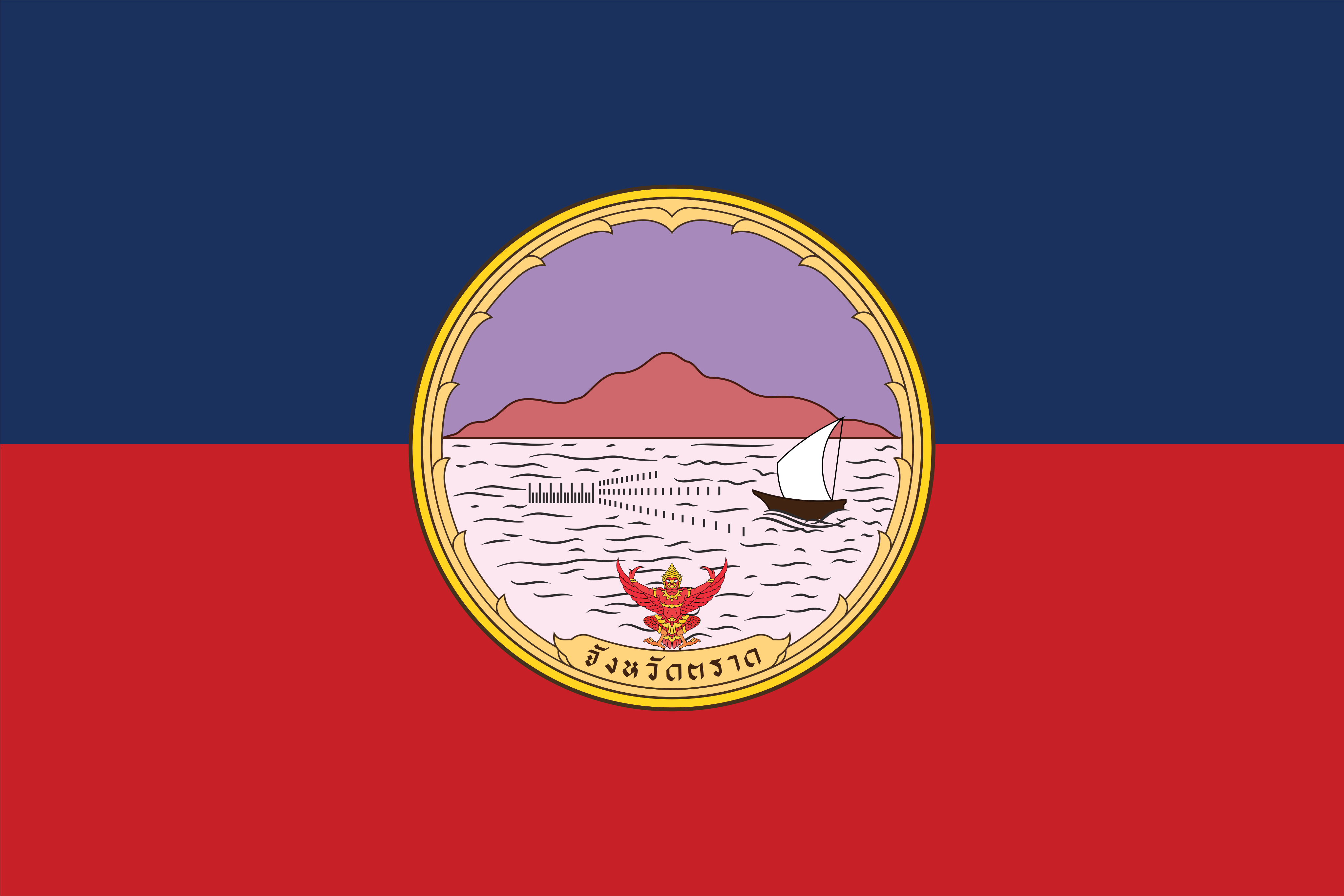 Trat
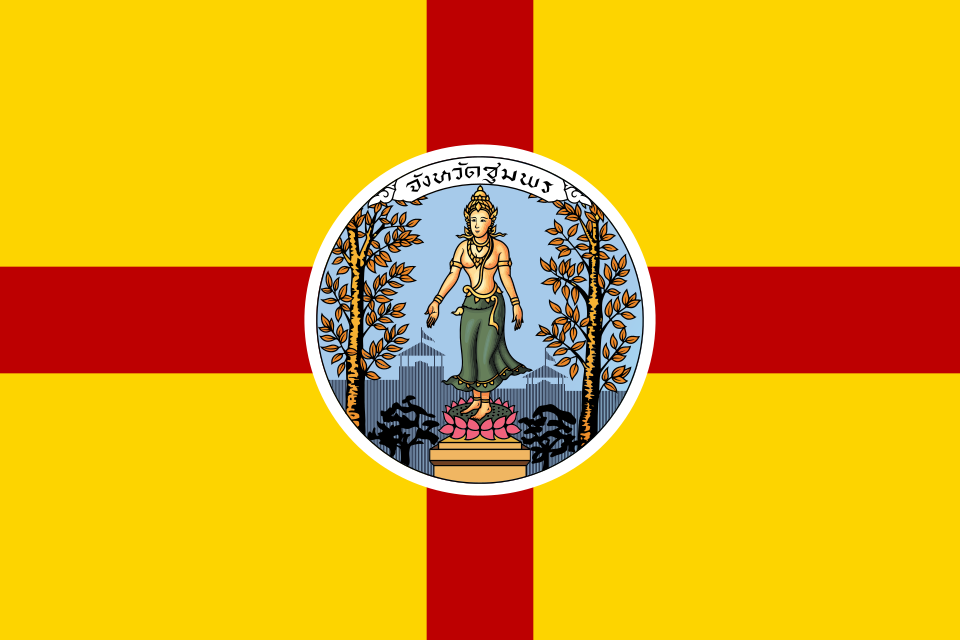 Chumphon
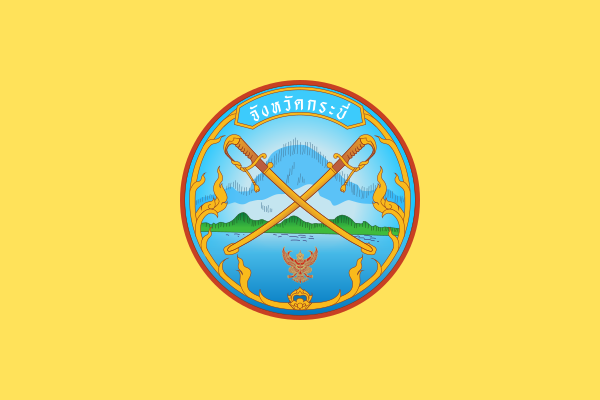 Krabi
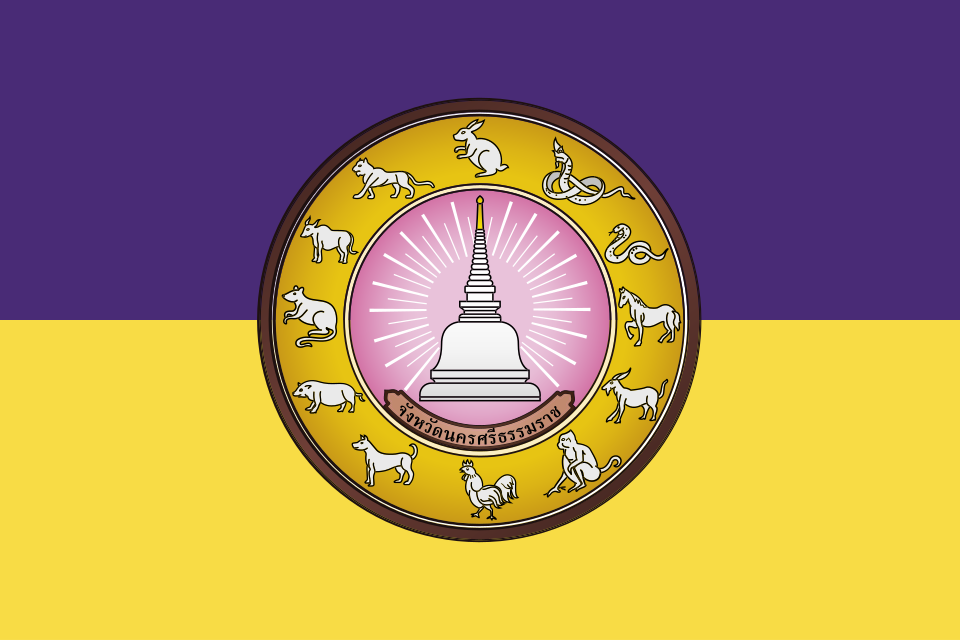 Nakhon Si Thammarat
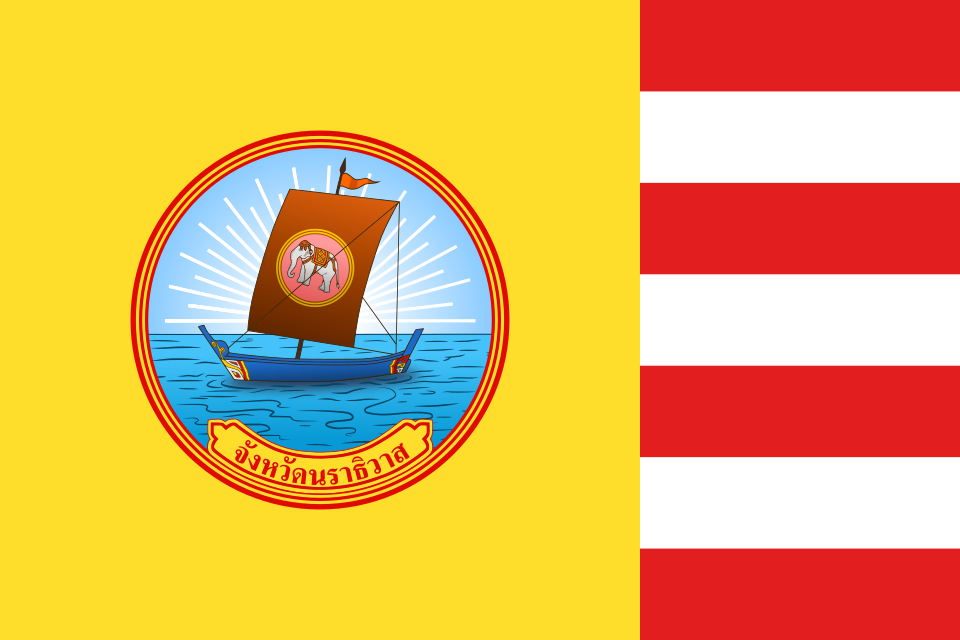 Narathiwat
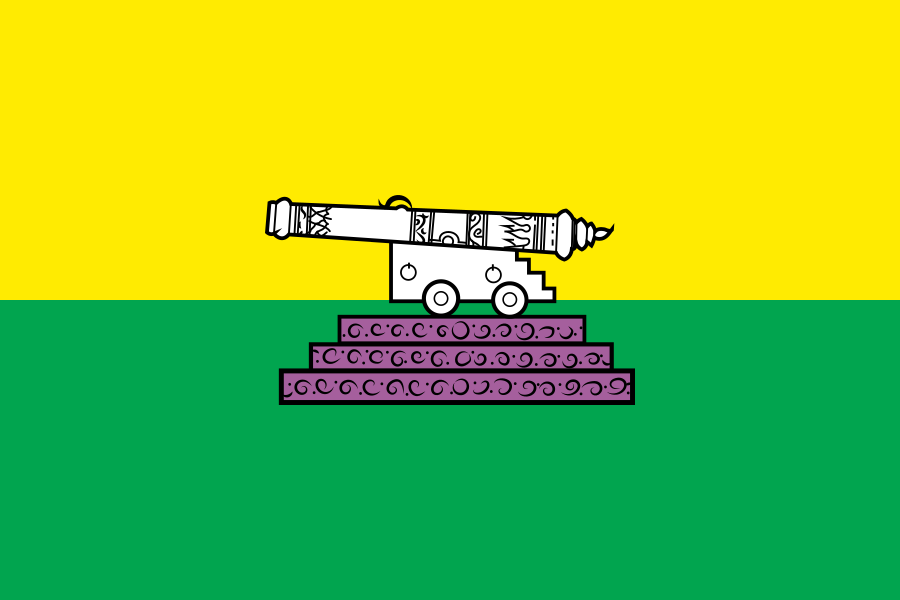 Pattani
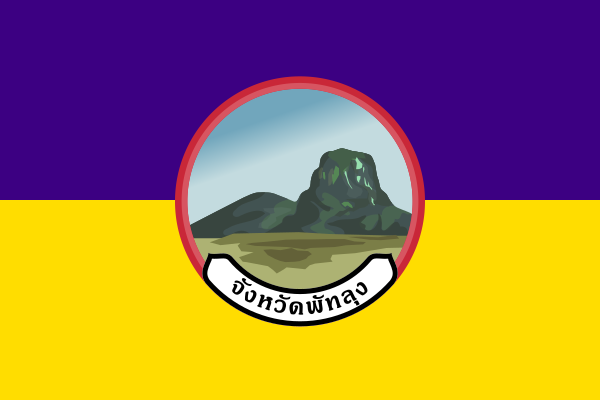 Phatthalung
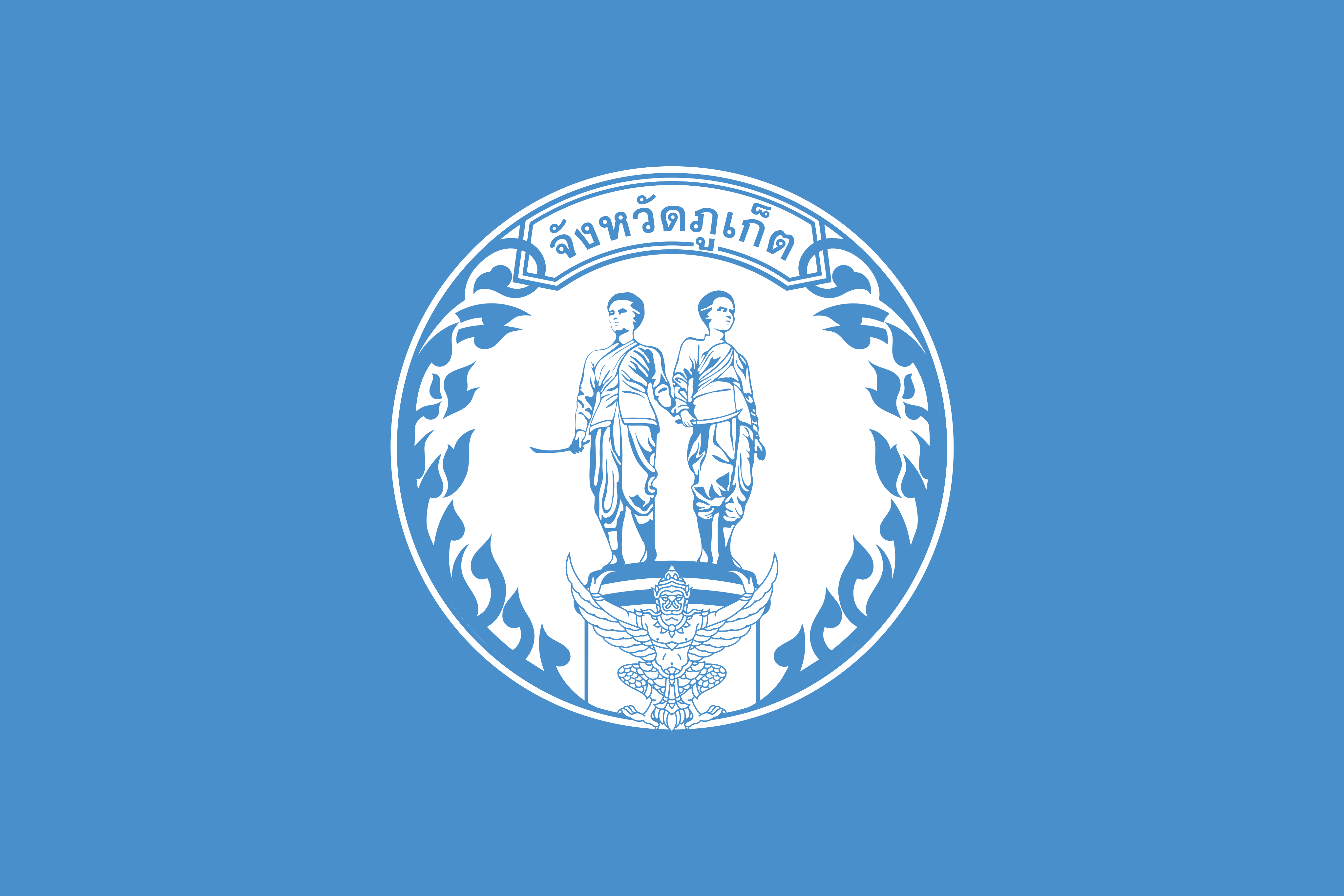 Phuket
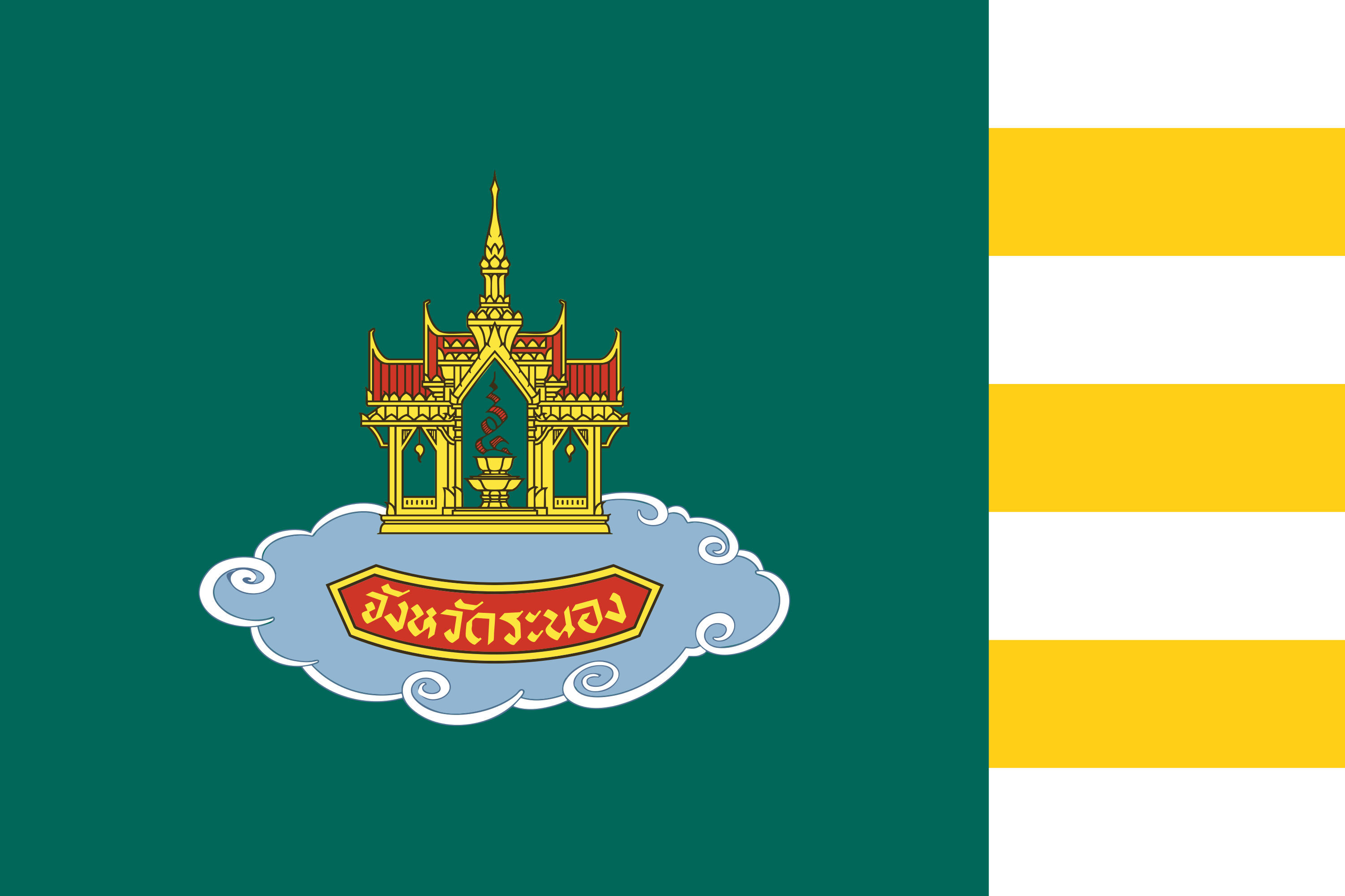 Ranong
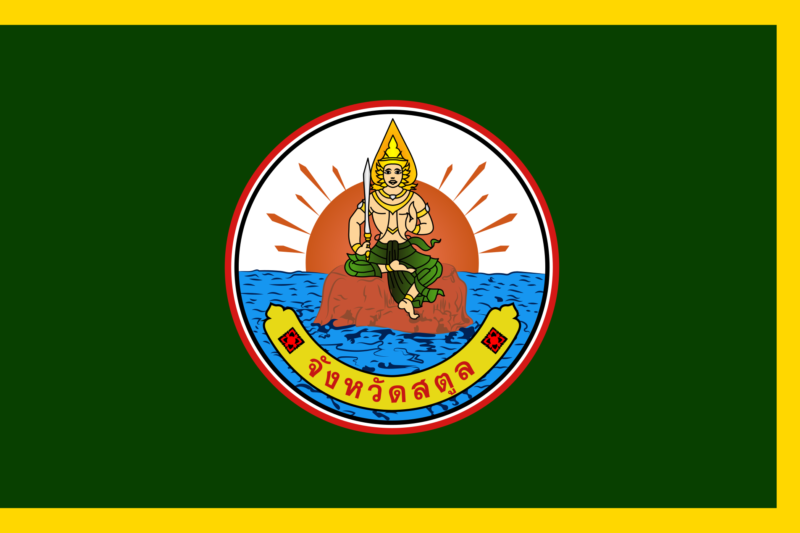 Satun
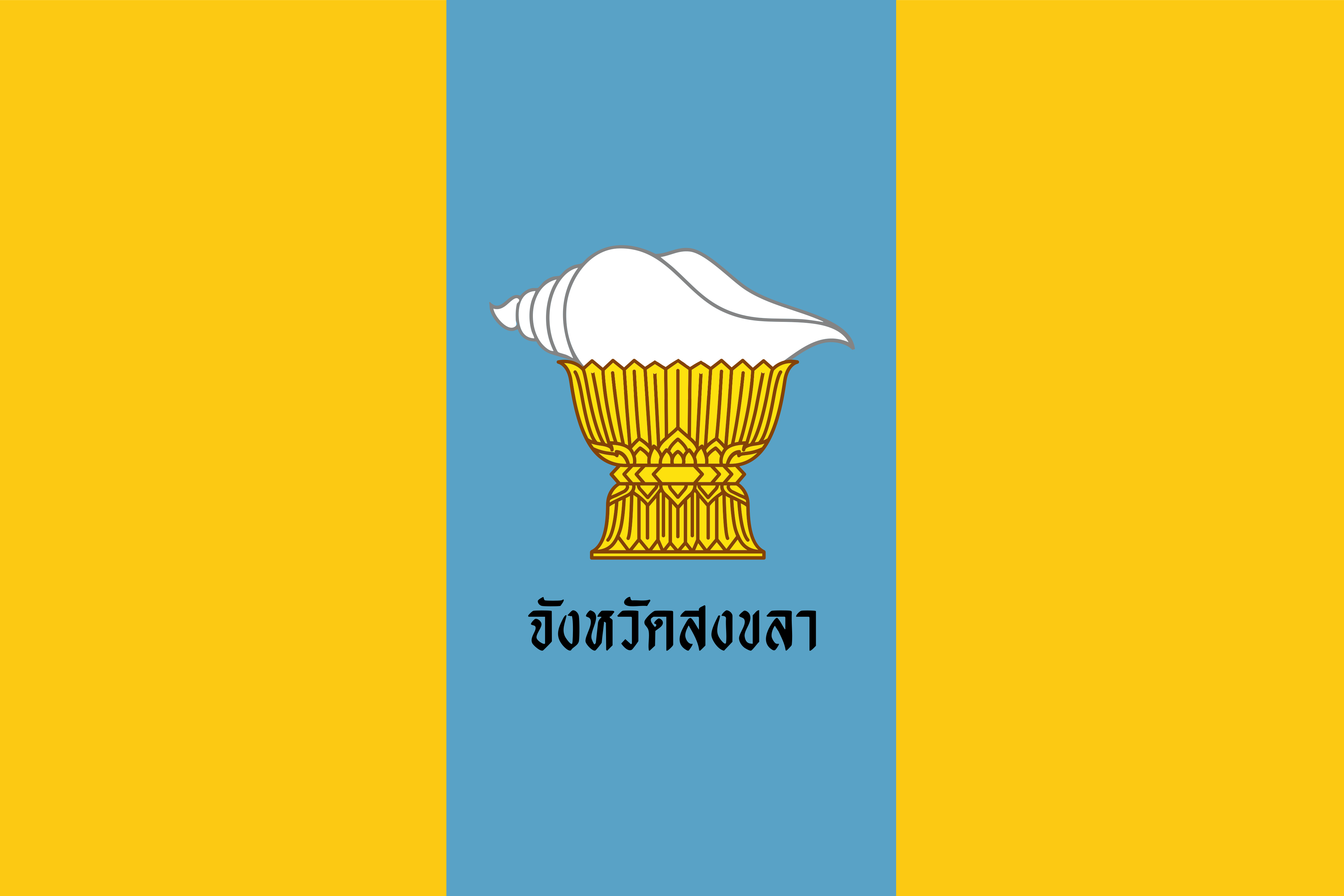 Songkhla
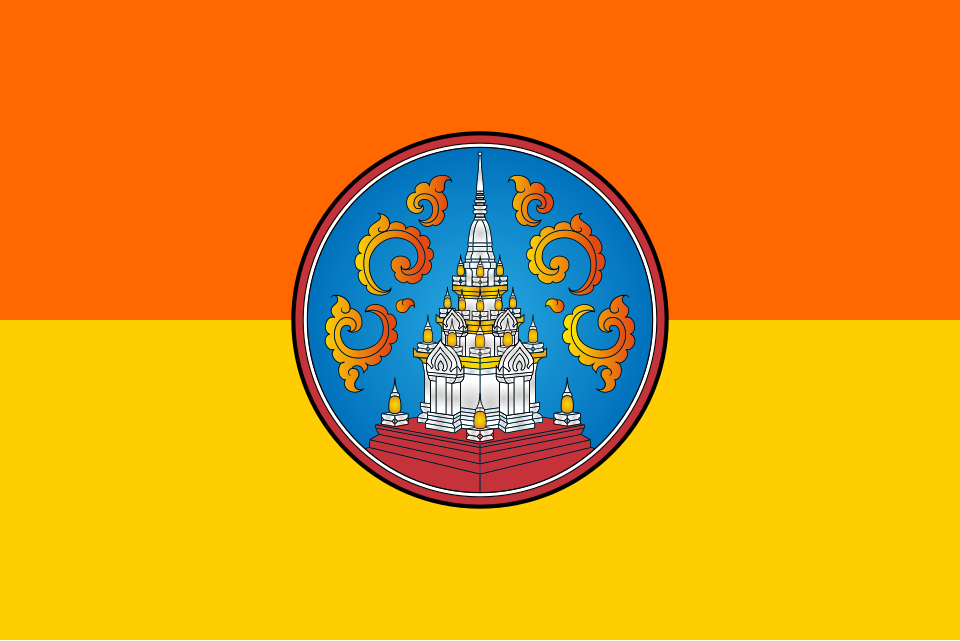 Surat Thani
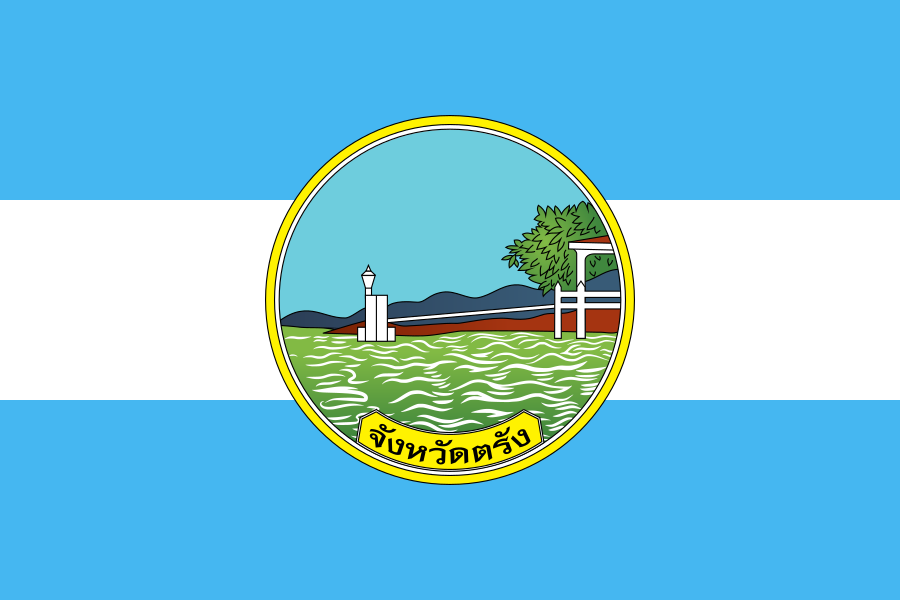 Trang
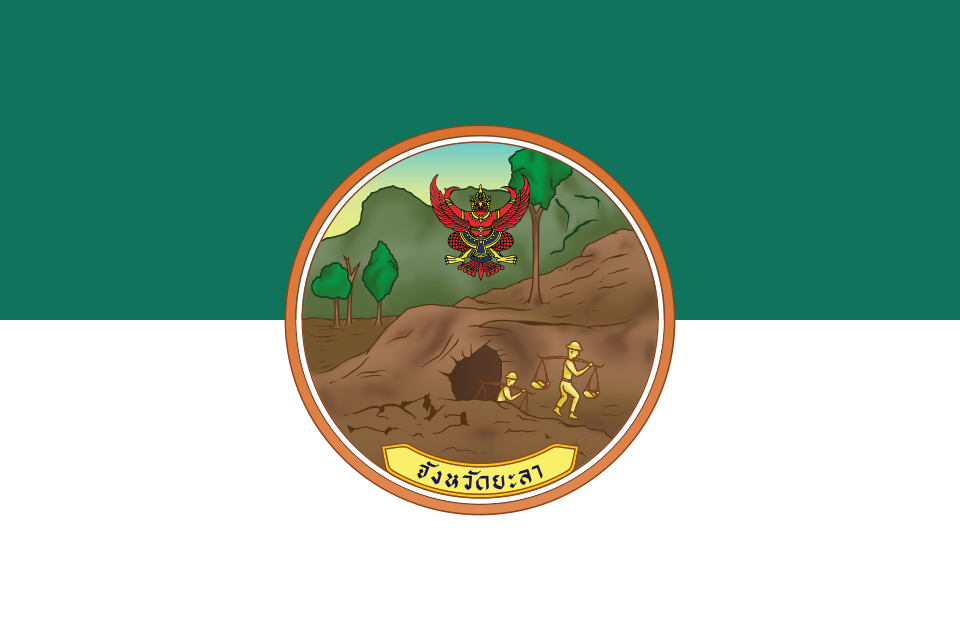 Yala
Thailand shares a land border with 4 countries: Cambodia, Laos, Malaysia and Myanmar.
30 other national flags use the same main colours as Thailand's.
 Australia
 Belize
 Cambodia
 Chile
 Costa Rica
 Croatia
 Cuba
 Czech Republic
 Dominican Republic
 Fiji
 France
 Iceland
 Laos
 Liberia
 Luxembourg
 Nepal
 Netherlands
 New Zealand
 North Korea
 Norway
 Panama
 Paraguay
 Russia
 Samoa
 Serbia
 Slovakia
 Slovenia
 Taiwan
 United Kingdom
 United States
 Malaysia
 Myanmar