
2010–present
Flag of Serbia
A 2010 standardization set the coat of arms in its present form — the double-headed white eagle and the cross with four firesteels (the "Serbian cross").
Serbia is a landlocked Balkan country that was historically the dominant republic within the former Yugoslavia. Belgrade, the capital, sits at the confluence of the Sava and Danube rivers and has been an important regional hub for thousands of years — it has been destroyed and rebuilt more than 40 times in its history. Serbia is known for its vibrant music scene, including the Exit Festival, and a rich Eastern Orthodox Christian heritage with important medieval monasteries.
Population and area are rounded.
Red, blue and white are the Pan-Slavic colours, in the reverse order of Russia's flag. The coat of arms shows a white double-headed eagle with a shield bearing a cross and four firesteels, which are often read as four letters for the motto “Only unity saves the Serbs”. The current state flag was adopted in 2004 and redrawn in 2010.
Horizontal red-blue-white with a small coat of arms on the left.
Serbia is the world's largest exporter of raspberries, producing about 95,000 tonnes per year.
Serbia's flag is often mixed up with these. Learn to tell them apart:
Every flag that has flown over Serbia, from today back through time.
A 2010 standardization set the coat of arms in its present form — the double-headed white eagle and the cross with four firesteels (the "Serbian cross").
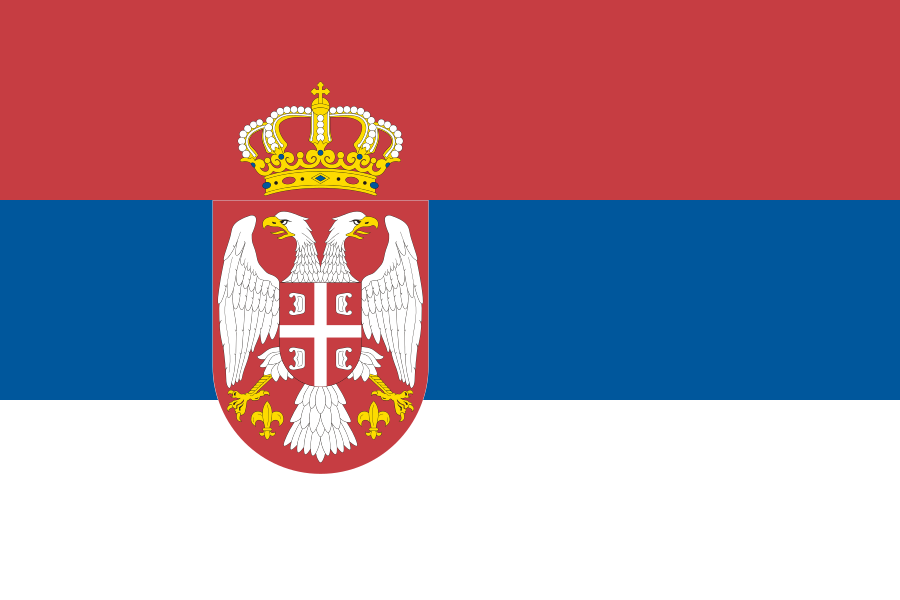
In 2004 Serbia restored the double-headed eagle and shield, reviving royal-era symbolism abandoned under socialism.
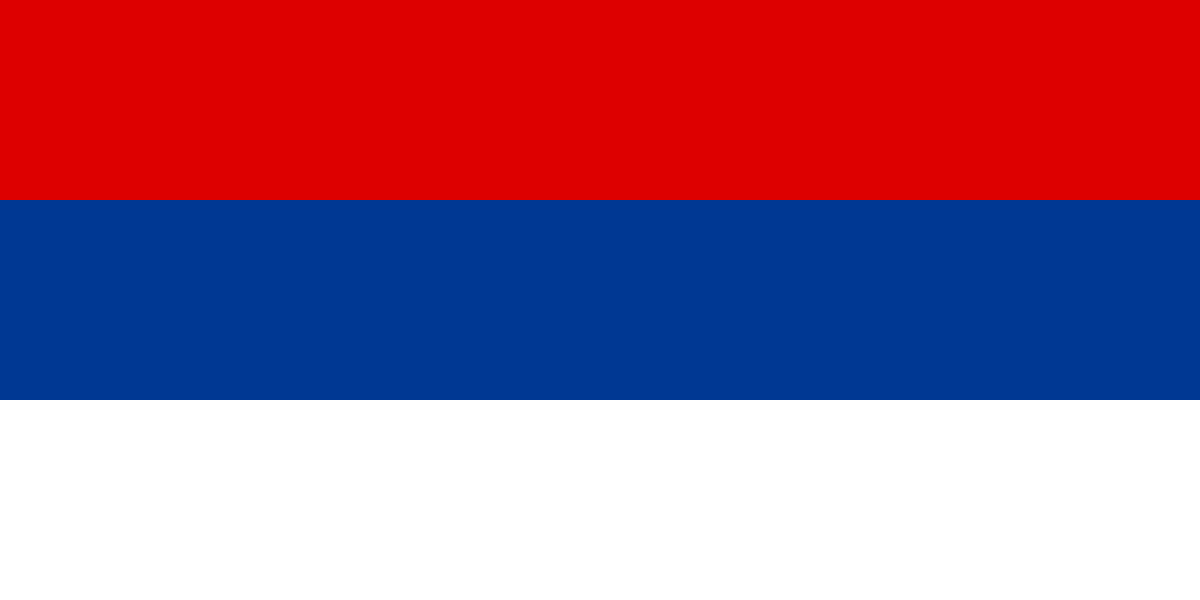
After the communist era Serbia simply dropped the star, leaving a bare tricolor that carried no coat of arms throughout the Milošević years.
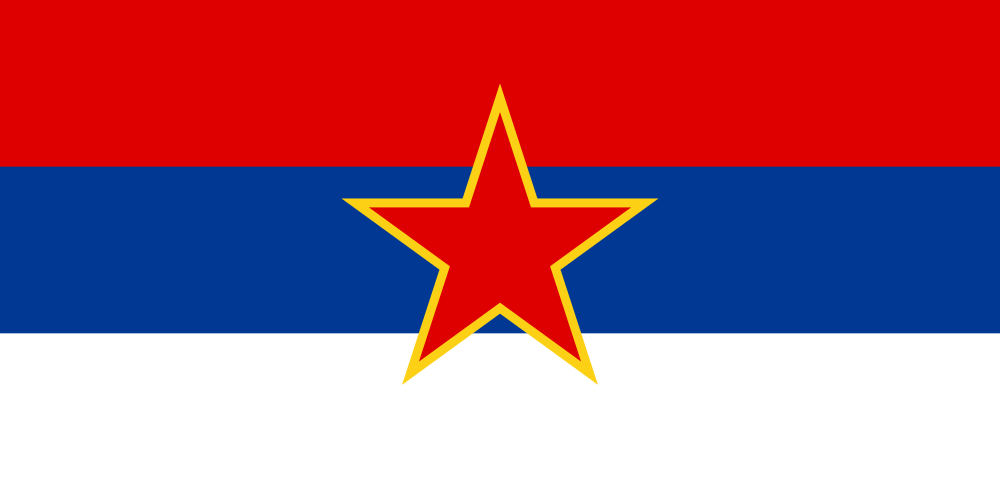
The Socialist Republic flew a red-blue-white tricolor with a centered gold-bordered red star — visually identical to the flag of SR Montenegro.
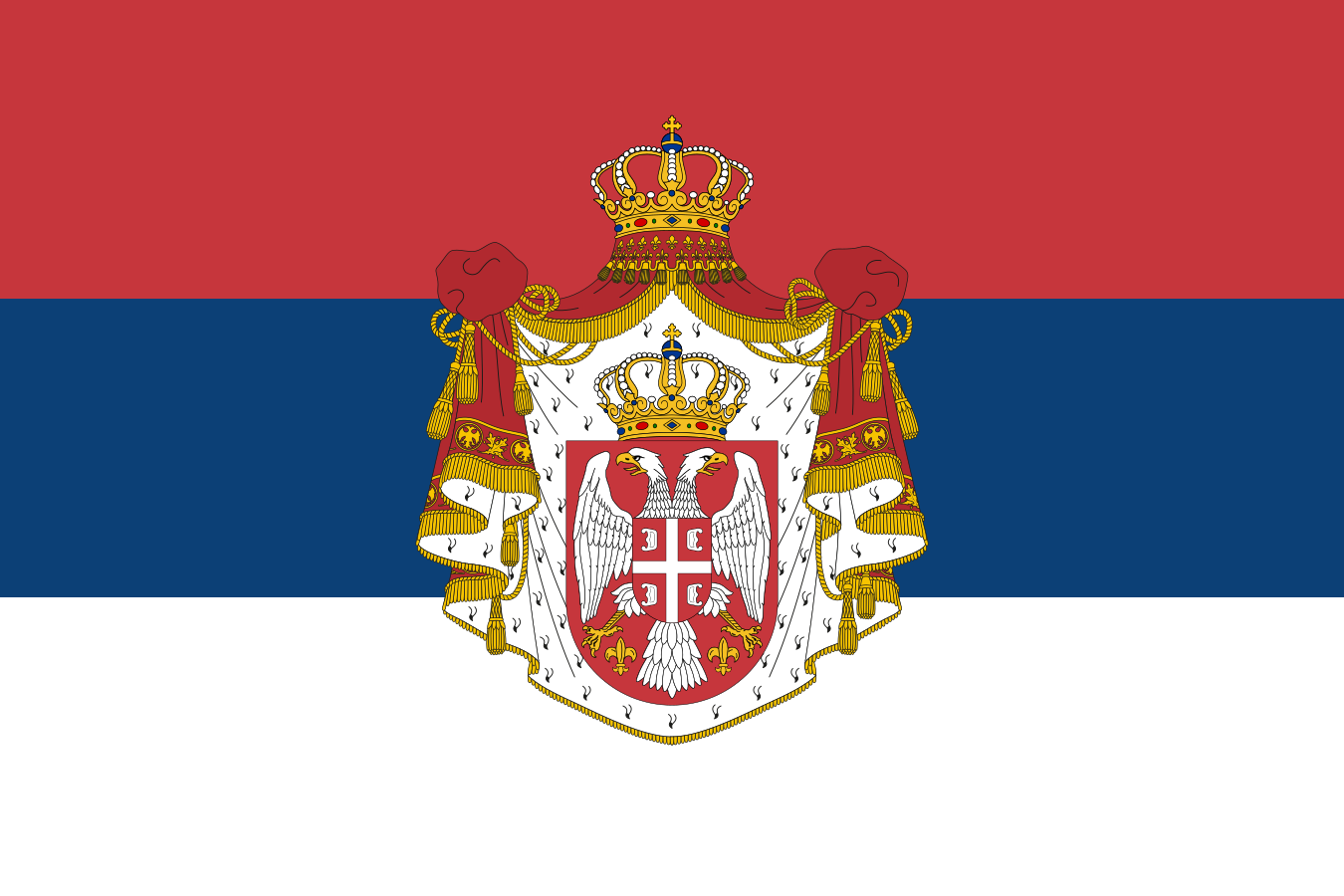
When Serbia became a kingdom in 1882, its state flag was the red-blue-white tricolor charged with the royal coat of arms — the double-headed eagle beneath a crown. This is the direct ancestor of the modern flag; the kingdom dissolved into Yugoslavia in 1918.
Empires, kingdoms and republics that once covered part of Serbia.

The blue-white-red Pan-Slavic tricolor symbolized the union of Serbs, Croats, and Slovenes, flown by the Kingdom until the Axis invasion of 1941.
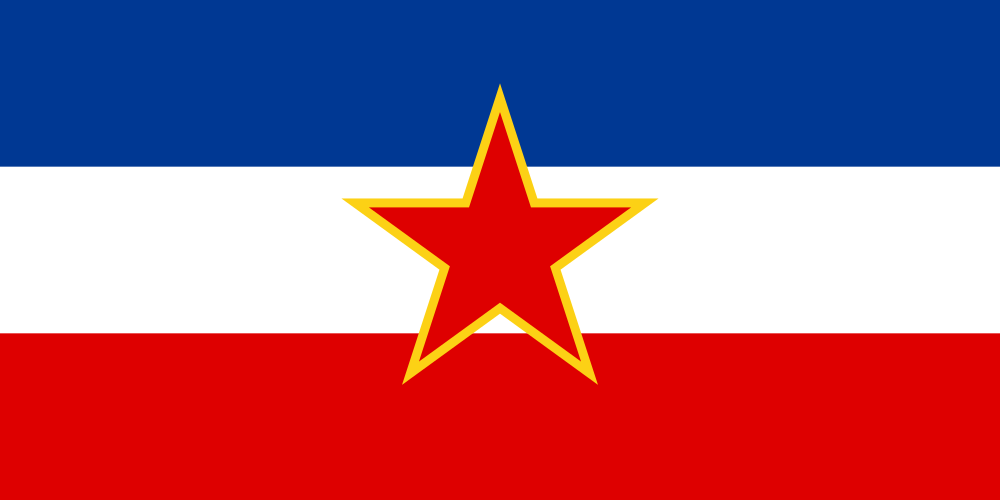
Tito's Partisans added a red, gold-bordered star to the tricolor; it marked the country's communist character until the federation's violent breakup in the 1990s.
The red-blue-white tricolor with the royal arms flew over the independent Serbian kingdom whose alliances and crisis with Austria-Hungary helped ignite World War I.
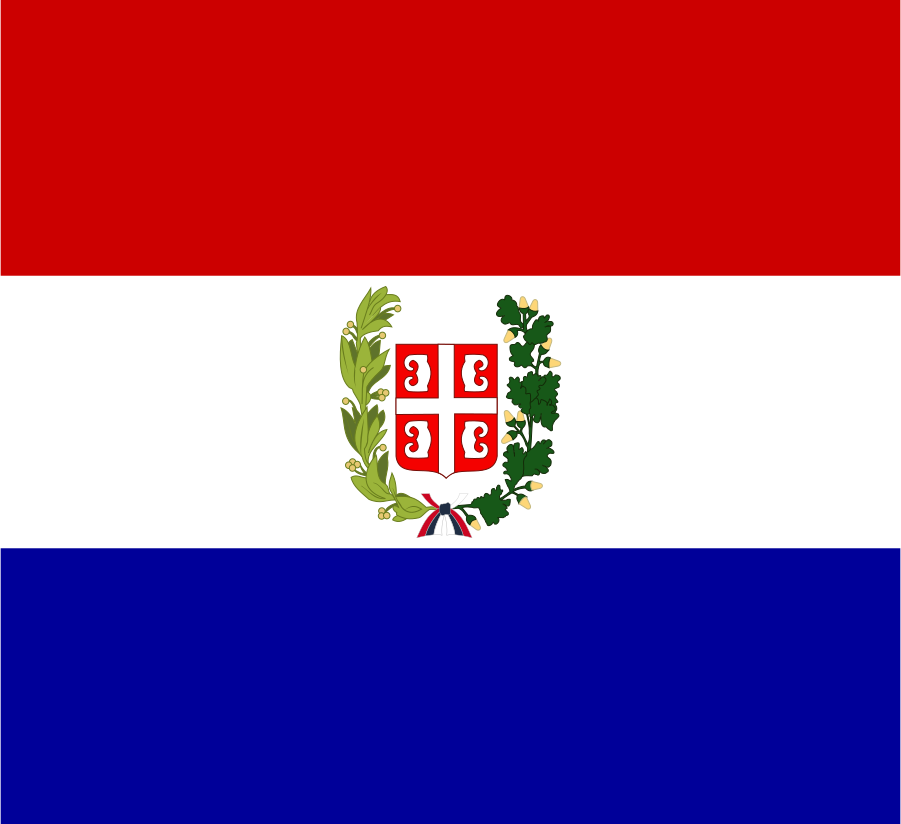
An autonomous principality that won self-rule from the Ottomans under the rival Obrenović and Karađorđević dynasties before being raised to a kingdom in 1882.
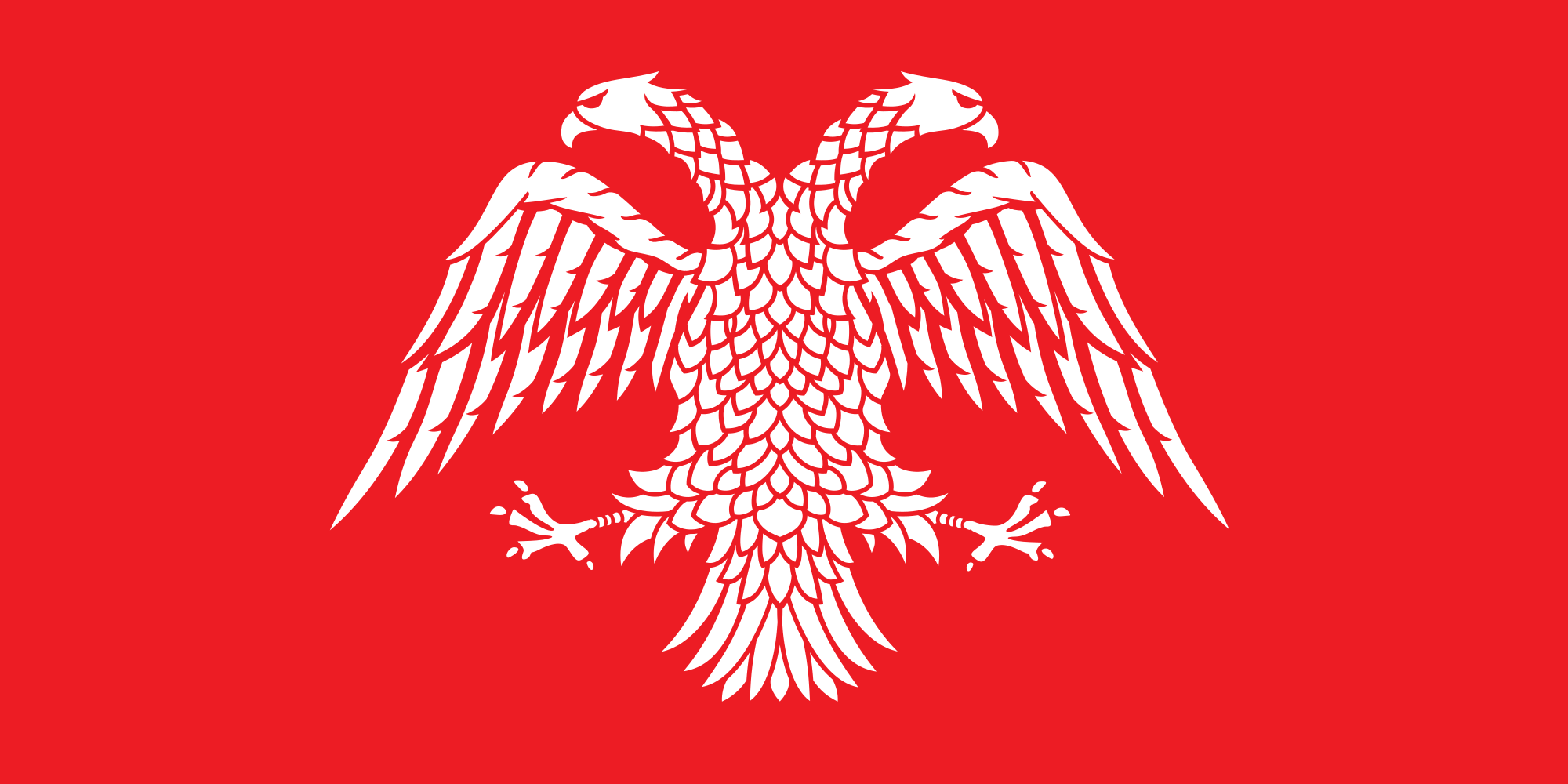
The last independent medieval Serbian state, a despotate that briefly flourished at Smederevo before the Ottomans conquered it, ending Serbian statehood for centuries.
The 2 states, provinces and regions of Serbia with their own flags.
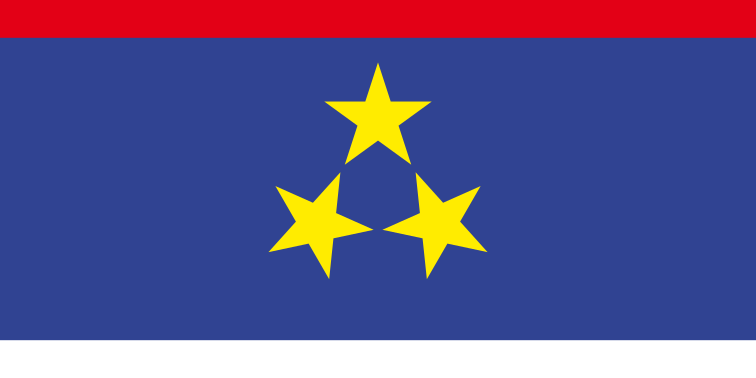 Vojvodina
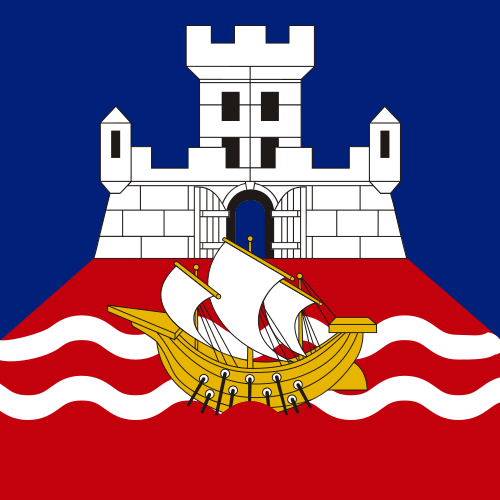 Belgrade
Serbia shares a land border with 8 countries: Bosnia and Herzegovina, Bulgaria, Croatia, Hungary, Kosovo, Montenegro, North Macedonia and Romania.
30 other national flags use the same main colours as Serbia's.
 Australia
 Belize
 Cambodia
 Chile
 Costa Rica
 Croatia
 Cuba
 Czech Republic
 Dominican Republic
 Fiji
 France
 Iceland
 Laos
 Liberia
 Luxembourg
 Nepal
 Netherlands
 New Zealand
 North Korea
 Norway
 Panama
 Paraguay
 Russia
 Samoa
 Slovakia
 Slovenia
 Taiwan
 Thailand
 United Kingdom
 United States
 Bosnia and Herzegovina
 Bulgaria
 Hungary
 Kosovo
 Montenegro
 North Macedonia
 Romania