Europe
Flag of Norway
Norway is a Nordic country occupying the western part of the Scandinavian Peninsula, famous for its dramatic fjords, the aurora borealis, the midnight sun, and a remarkably high standard of living. The country manages one of the world's largest sovereign wealth funds, generated from its offshore oil and gas revenues. Norway has a strong tradition of international peacekeeping and humanitarian aid and consistently ranks among the best countries in the world for human development.

- CapitalOslo
- RegionEurope
- Current flag since1821
- Main coloursRed, White, Blue
- Populationabout 5.5 million
- Areaabout 324,000 km²
- Flags in history3
Population and area are rounded.
What the flag of Norway means
Norway's flag was designed by Fredrik Meltzer and adopted by parliament in 1821. It places a blue cross inside the white cross of Denmark's flag, and the red, white and blue were chosen as colours of liberty, associated at the time with France, the United States and Britain. Between 1844 and 1899 it carried a union mark for the union with Sweden in its canton.
How to recognise it
Red with a blue-bordered white Nordic cross offset left. Iceland swaps colours: blue with red-bordered white.
Did you know?
Norway's sovereign wealth fund is the largest in the world at over $1.4 trillion.
Easily confused with
Norway's flag is often mixed up with these. Learn to tell them apart:
Flag history of Norway
Every flag that has flown over Norway, from today back through time.
1821–present
Norwegian Flag (Meltzer design)
Designed by merchant and politician Fredrik Meltzer, this flag cleverly incorporated the three colours of the French Tricolore (associated with liberty) into a Nordic cross — blue within white within red. The design was adopted by the Norwegian Storting in 1821, though Norway was in union with Sweden and the flag was slow to gain official recognition abroad.
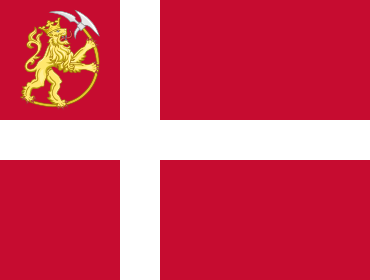
1814–1821
First Norwegian Flag (Eidsvoll)
When Norway's constitution was signed at Eidsvoll in May 1814, the country briefly gained independence before entering a union with Sweden. This first flag — a red field with a simple white cross — was used during that brief window and inspired the later, more distinctive design.

1524–1814
Denmark–Norway
For nearly three centuries Norway was the junior partner in the kingdom of Denmark–Norway, ruled from Copenhagen and flying the Danish Dannebrog. When Denmark backed Napoleon and lost, Norway was handed to Sweden in 1814 — but not before Norwegians seized the moment to write their own constitution, the seed of the independence finally won in 1905.
Related historical states
Empires, kingdoms and republics that once covered part of Norway.
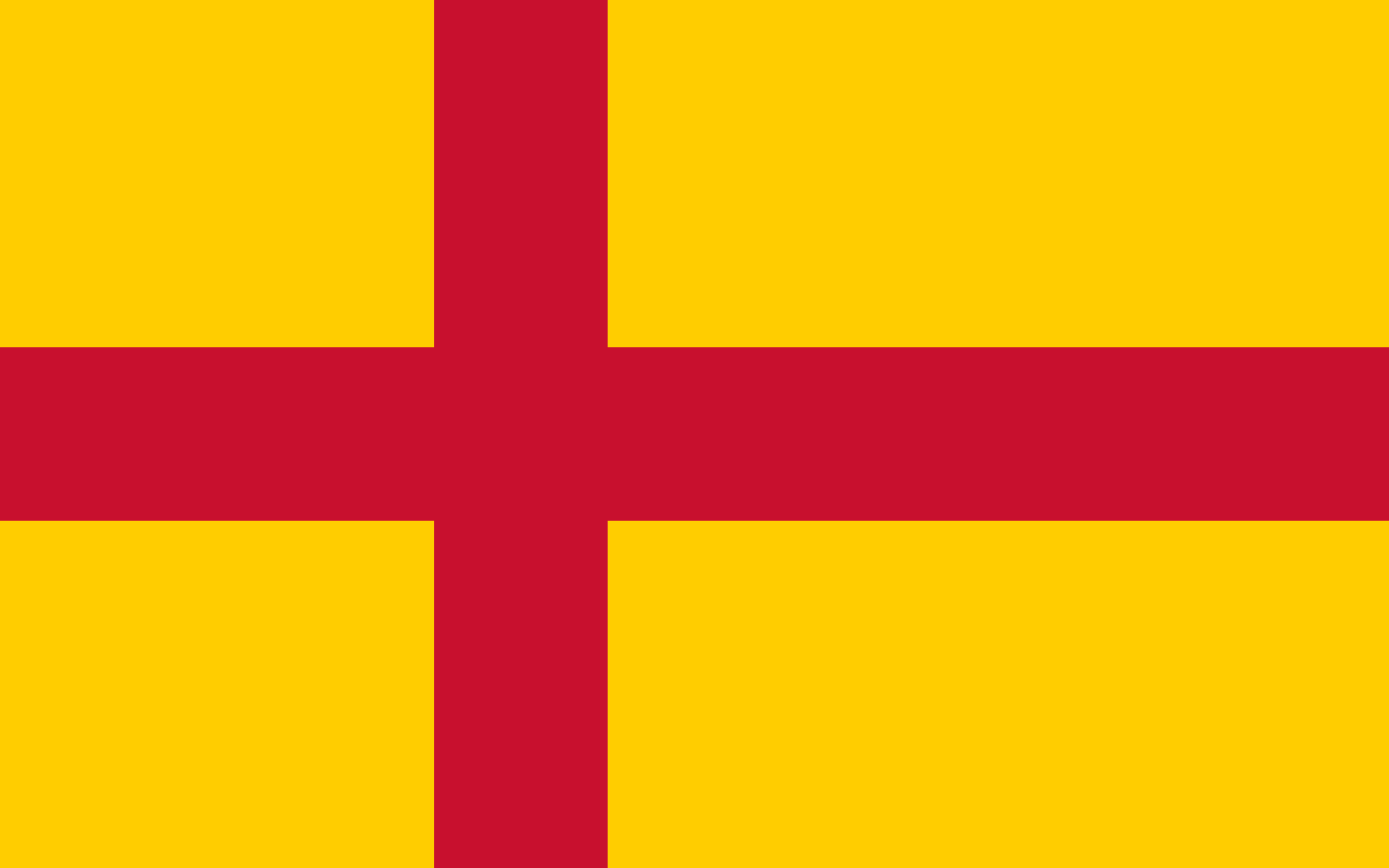
1397–1523
Kalmar Union
The dynastic union that joined Denmark, Sweden, and Norway under a single monarch for over a century, until Gustav Vasa led Sweden to break away in 1523.
Regional flags of Norway
The 15 states, provinces and regions of Norway with their own flags.
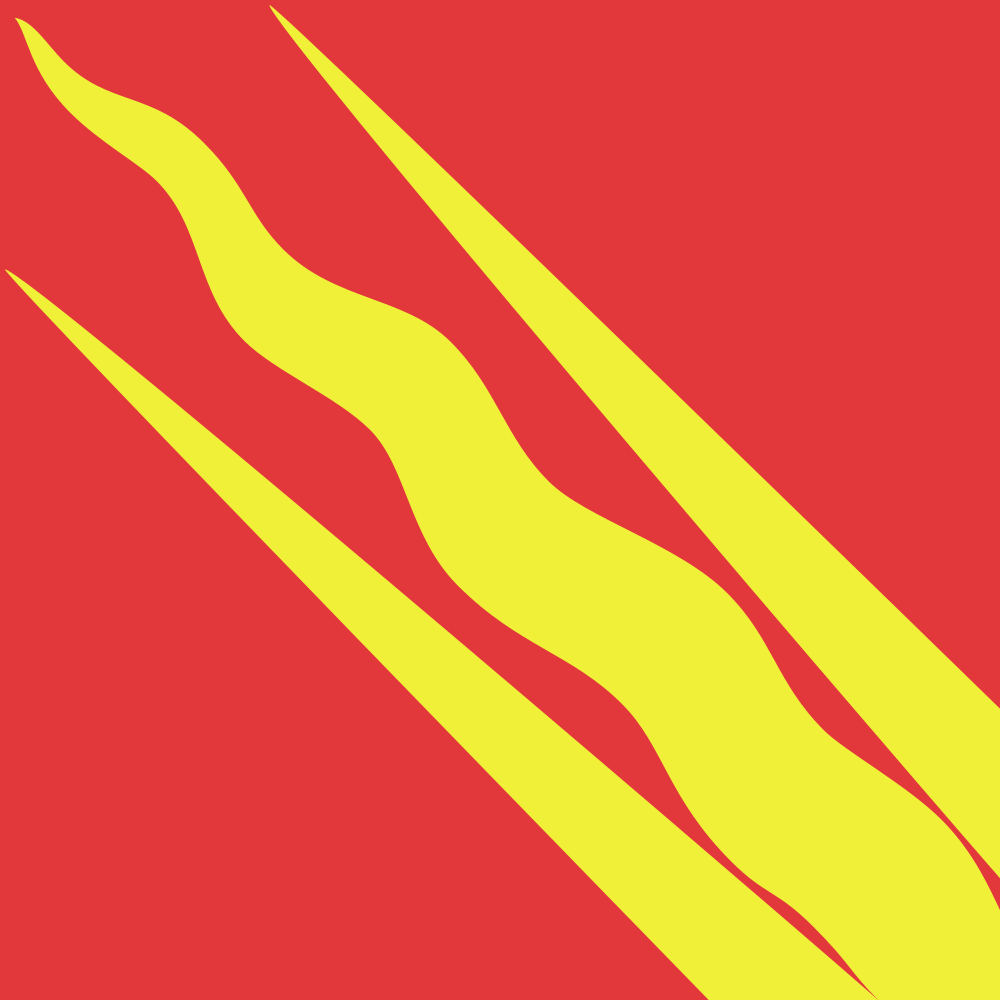
Østfold

Akershus
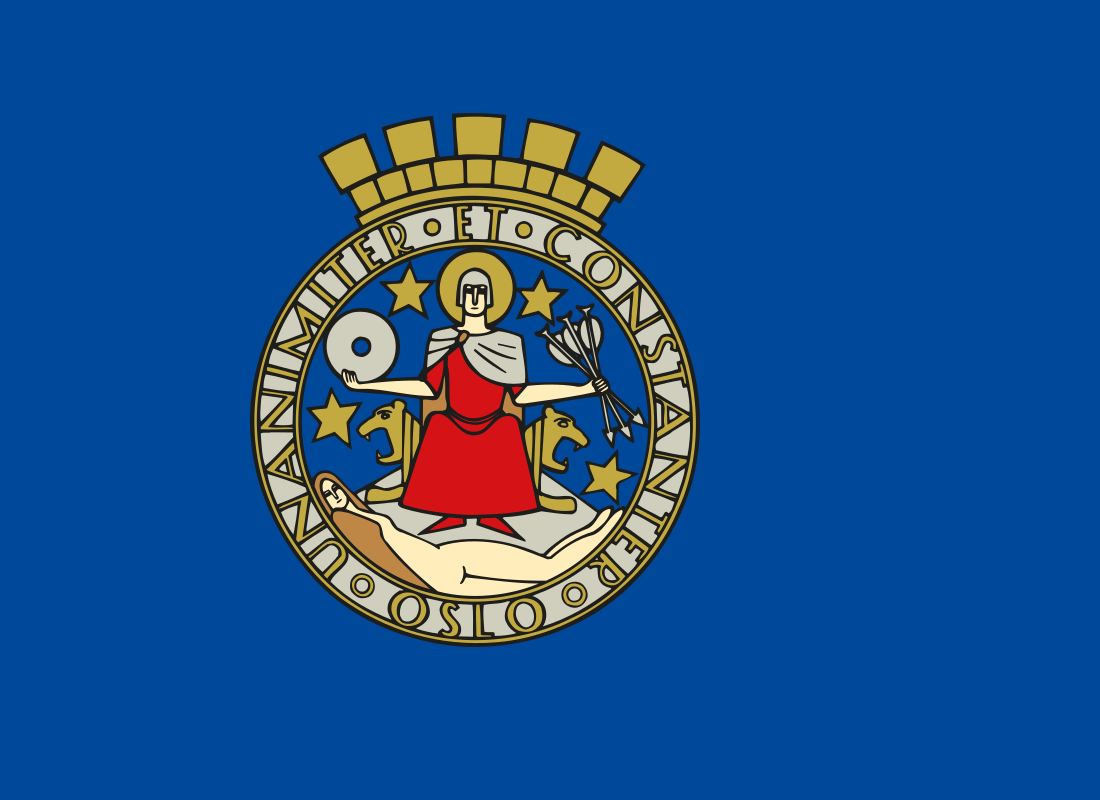
Oslo
Buskerud
Innlandet
Vestfold
Telemark
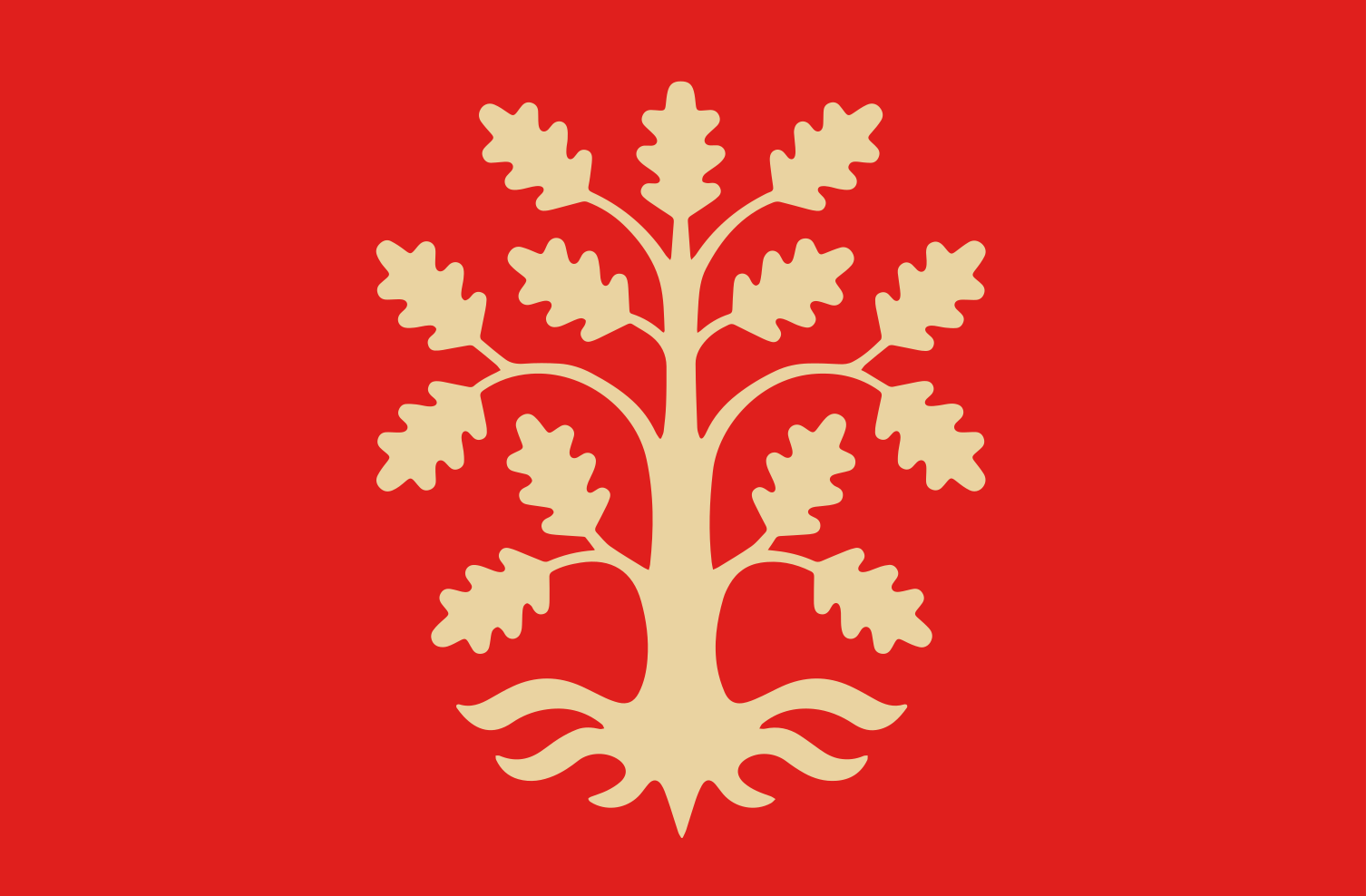
Agder
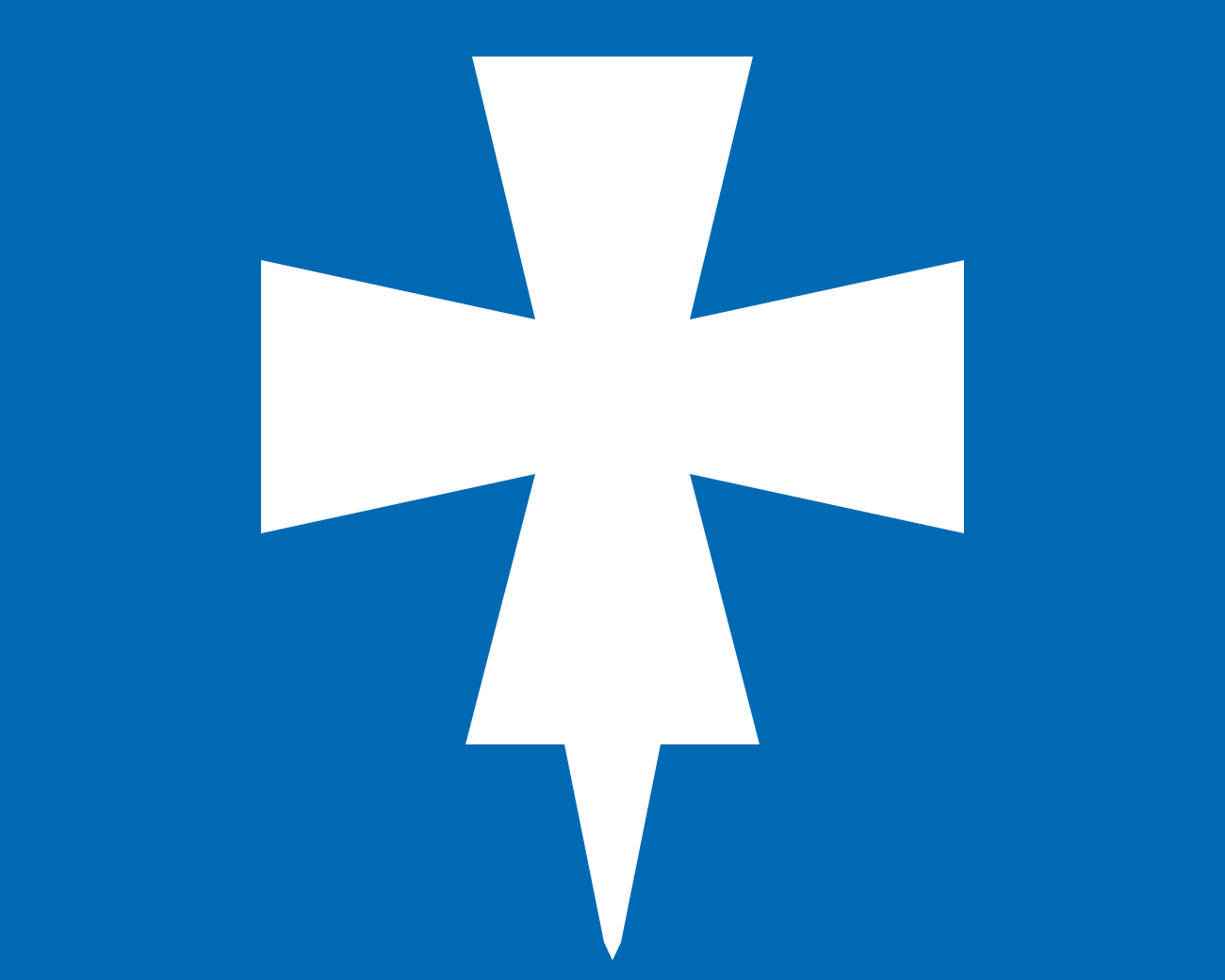
Rogaland
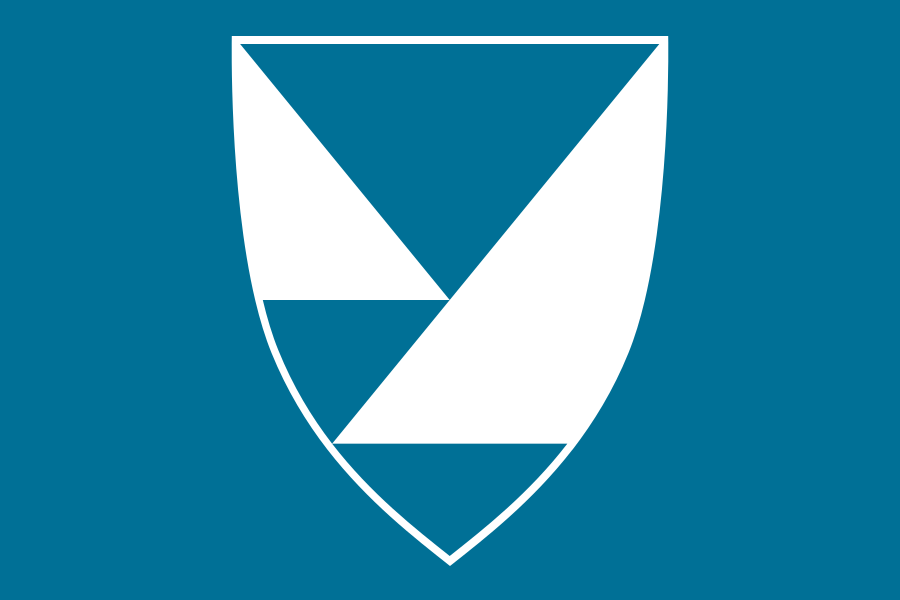
Vestland
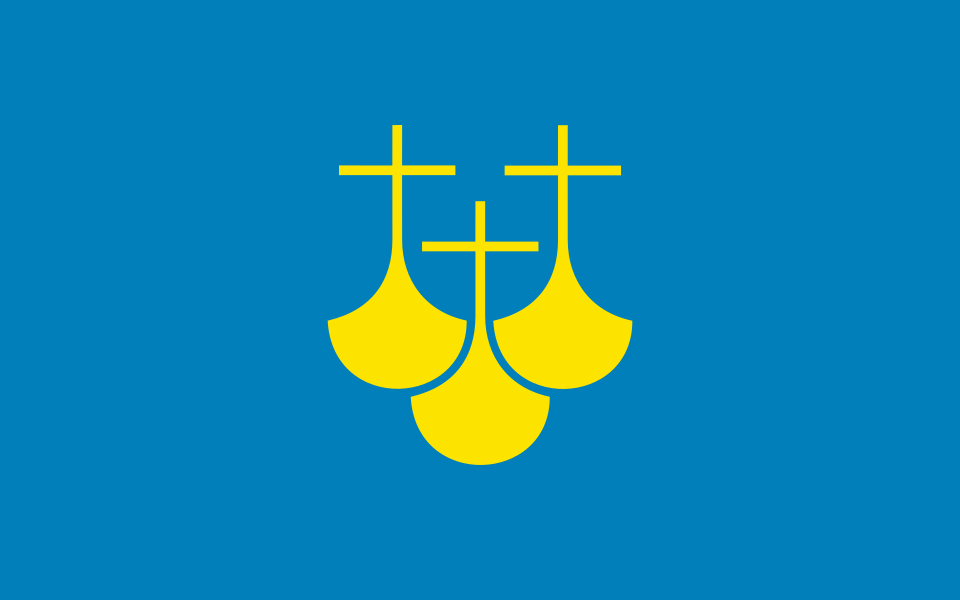
Møre og Romsdal
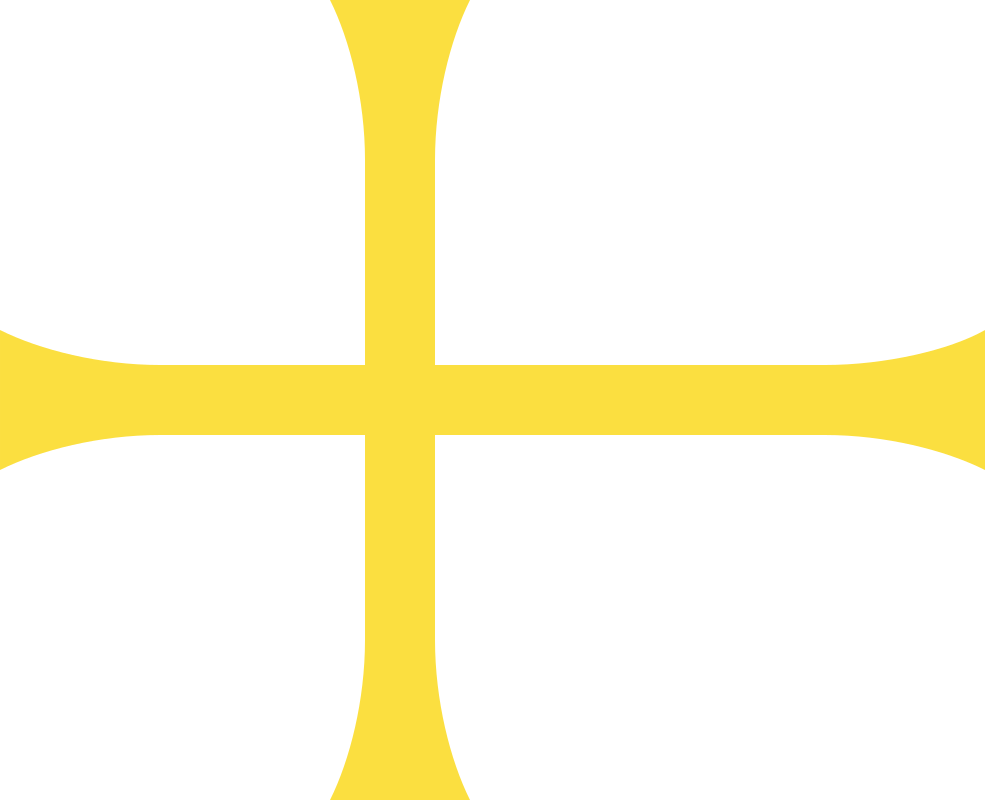
Trøndelag
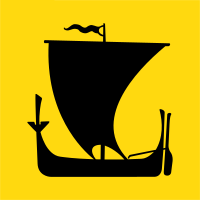
Nordland
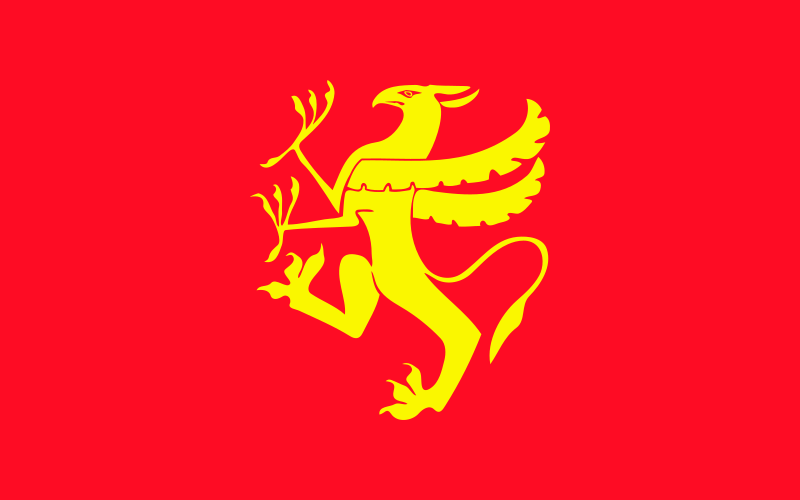
Troms
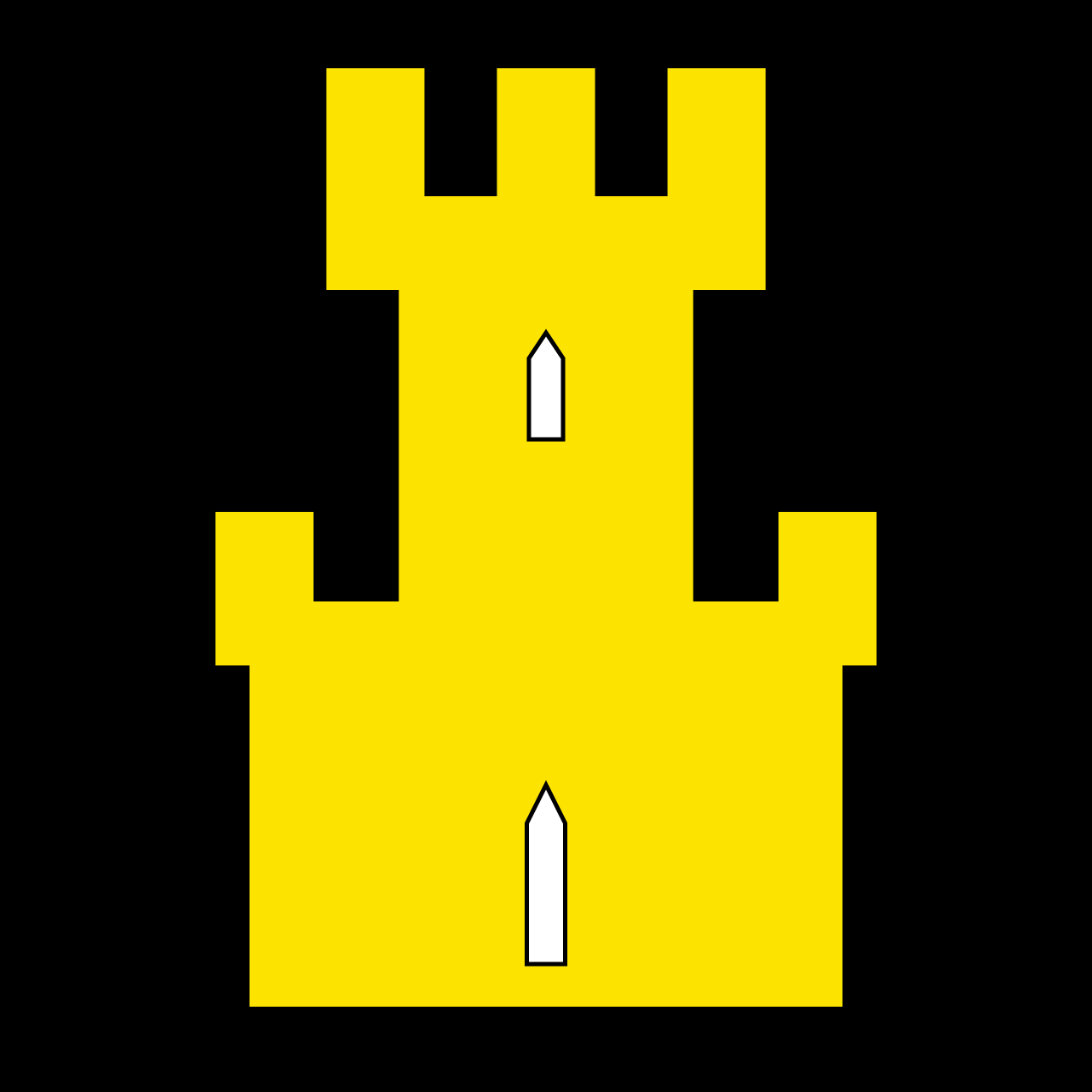
Finnmark
Neighbouring countries
Norway shares a land border with 3 countries: Finland, Russia and Sweden.
Other flags in red, white and blue
30 other national flags use the same main colours as Norway's.
Play Globalio and learn Norway's flag
 Iceland
 Sweden
 Finland
 Russia
 Australia
 Belize
 Cambodia
 Chile
 Costa Rica
 Croatia
 Cuba
 Czech Republic
 Dominican Republic
 Fiji
 France
 Laos
 Liberia
 Luxembourg
 Nepal
 Netherlands
 New Zealand
 North Korea
 Panama
 Paraguay
 Samoa
 Serbia
 Slovakia
 Slovenia
 Taiwan
 Thailand
 United Kingdom
 United States