Europe
Flag of Estonia
Estonia is one of the three Baltic states on the eastern shore of the Baltic Sea, having re-declared independence from the Soviet Union in 1991 as one of its first republics to do so. It rapidly transformed into one of the world's most digitally advanced societies, pioneering e-government, digital voting, and the concept of e-residency. Tallinn, the capital, has one of the best-preserved medieval old towns in all of Northern Europe.

- CapitalTallinn
- RegionEurope
- Current flag since1990
- Main coloursBlue, Black, White
- Populationabout 1.3 million
- Areaabout 45,000 km²
- Flags in history4
Population and area are rounded.
What the flag of Estonia means
Blue, black and white were first the colours of the Estonian Students' Society, whose flag was consecrated in Otepää in 1884. Blue is often read as the sky, loyalty and hope; black as the dark soil and the hardships of the past; and white as snowy winters and the striving for freedom. Banned under Soviet rule, the flag was raised again on Tall Hermann tower in Tallinn on 24 February 1989.
How to recognise it
Horizontal blue-black-white — the only flag in the world with this colour combination.
Did you know?
Estonia was the first country in the world to use internet voting in national elections, in 2005.
Easily confused with
Estonia's flag is often mixed up with these. Learn to tell them apart:
Flag history of Estonia
Every flag that has flown over Estonia, from today back through time.
1990–present
Flag of Estonia (restored)
The blue-black-white tricolour, first raised by Estonian students in 1884, was restored in 1990 as the USSR collapsed. Blue is the sky, black the soil and hardship, white the people's striving for freedom.
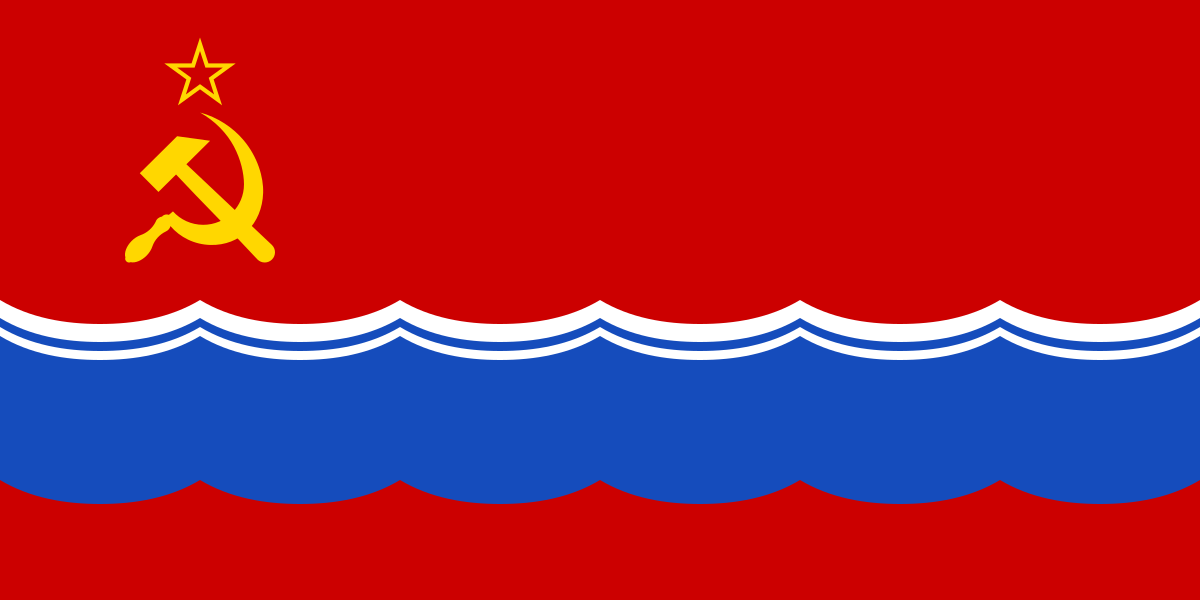
1953–1990
Estonian SSR
The Soviet-era flag placed a gold hammer, sickle, and star on red above blue wavy bands evoking the Baltic Sea.
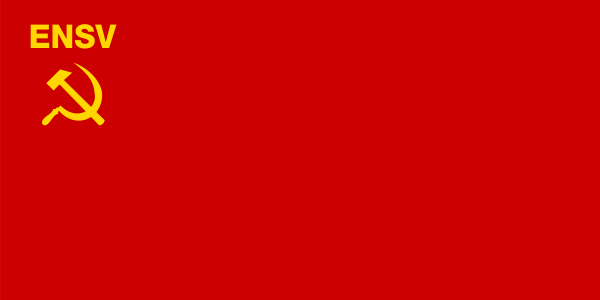
1940–1953
Estonian SSR (early)
After Soviet annexation in 1940, a plain red flag with gold "ENSV" lettering and a hammer and sickle replaced the tricolour until the 1953 redesign.

1918–1940
Independence era
The same blue-black-white tricolour became the national flag at independence in 1918, before it was banned under Soviet rule and later restored.
Related historical states
Empires, kingdoms and republics that once covered part of Estonia.
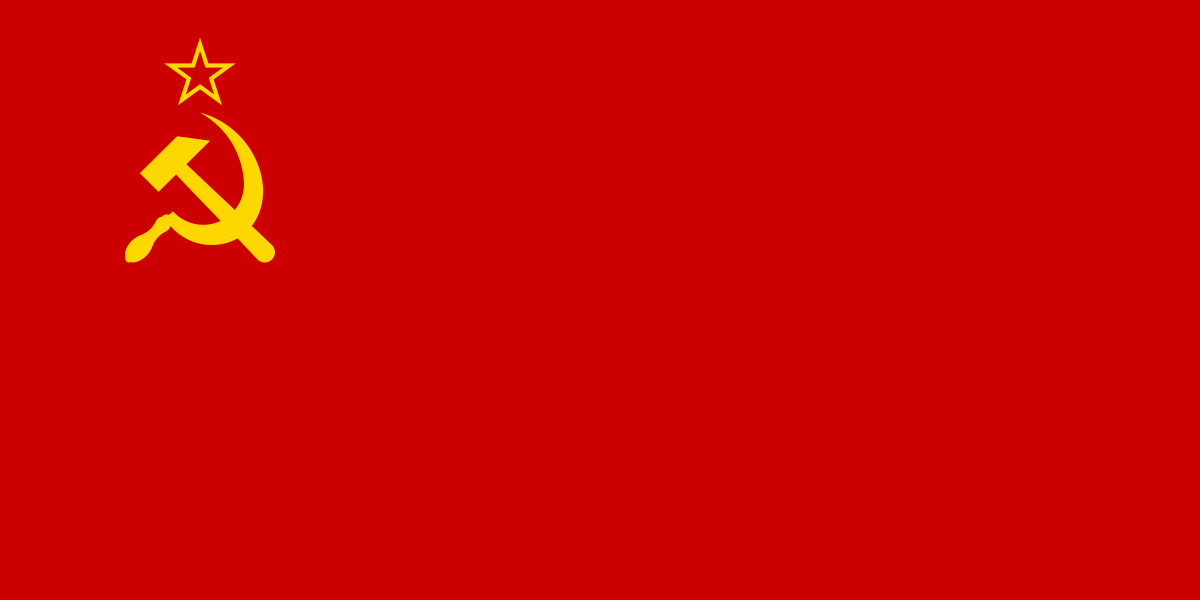
1922–1991
Soviet Union
The gold hammer and sickle beneath a red star stood for the worker-peasant alliance. The exact shade and proportions were fixed by Soviet law in 1955.
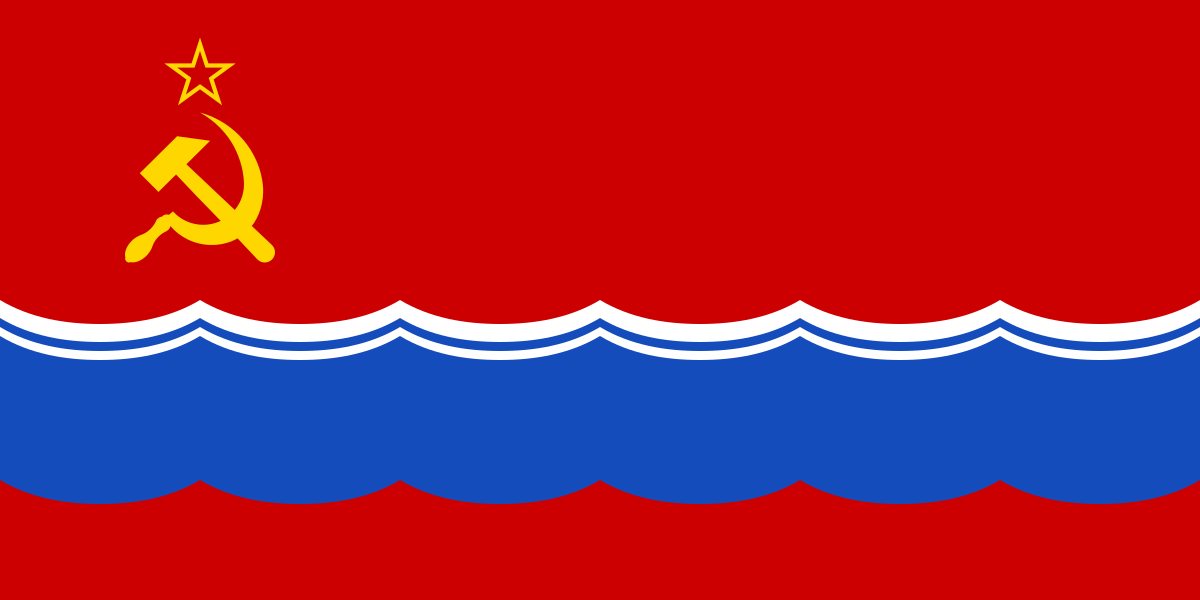
1953–1990
Estonian SSR
A red flag with a wavy blue-and-white Baltic band at the base, the Soviet flag of Estonia, replaced when the blue-black-white national tricolor was restored in 1990.
Regional flags of Estonia
The 15 states, provinces and regions of Estonia with their own flags.
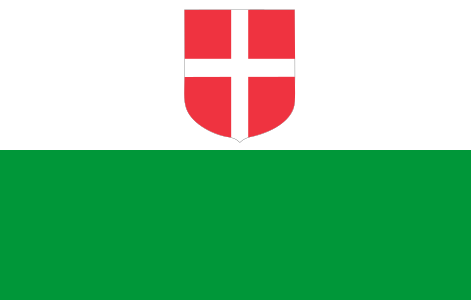
Harju
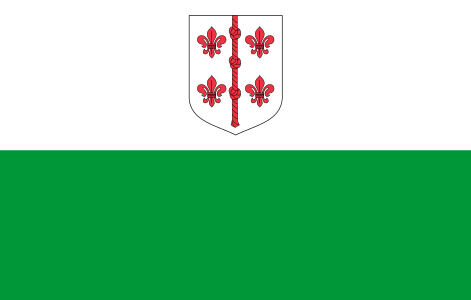
Hiiu
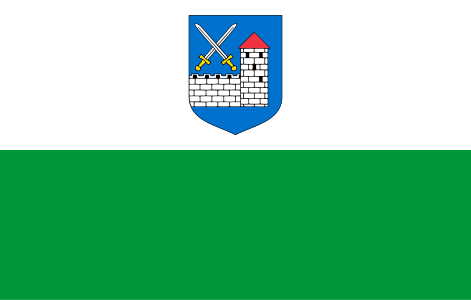
Ida-Viru
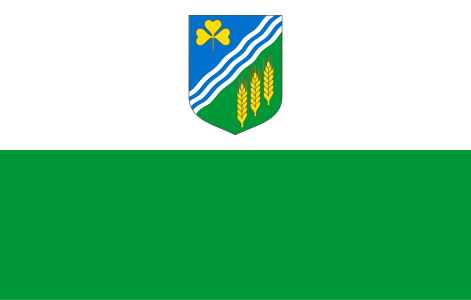
Jõgeva
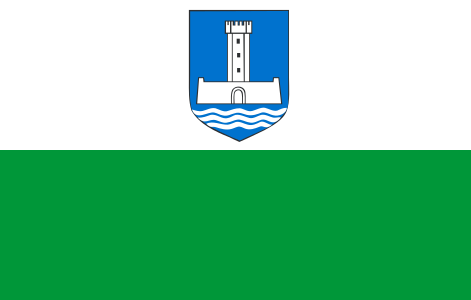
Järva
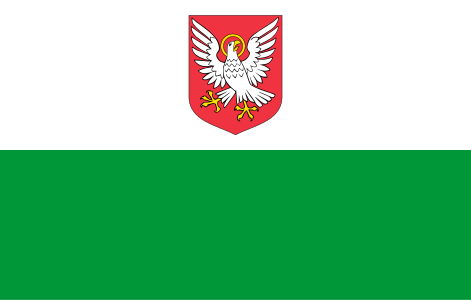
Lääne
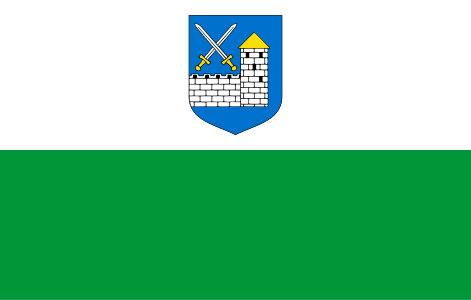
Lääne-Viru
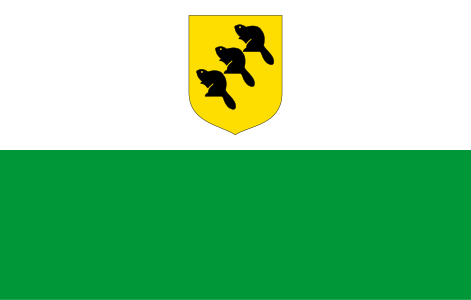
Põlva
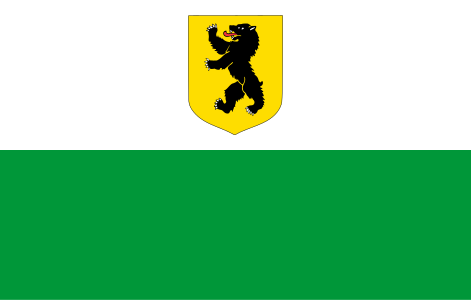
Pärnu
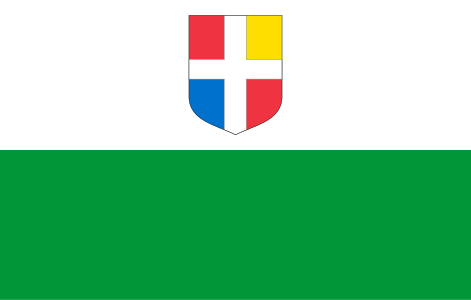
Rapla
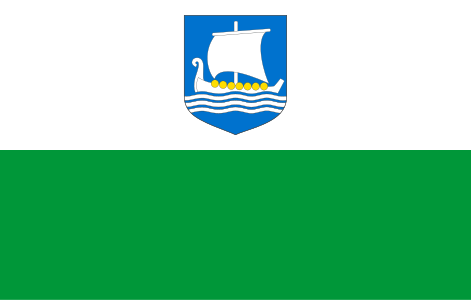
Saare
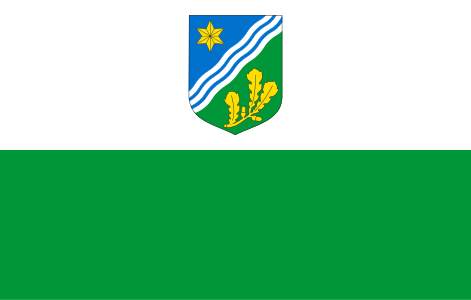
Tartu
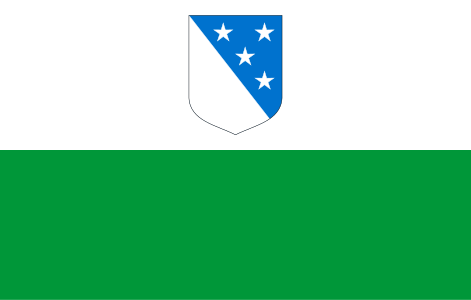
Valga
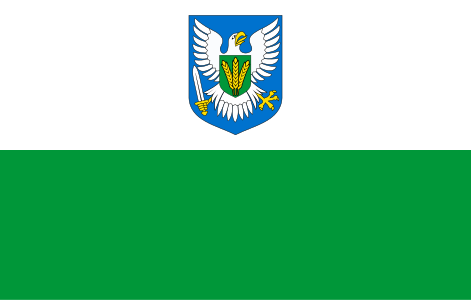
Viljandi
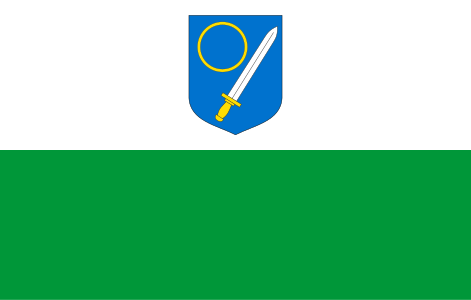
Võru
Neighbouring countries
Estonia shares a land border with 2 countries: Latvia and Russia.
Other flags in blue, black and white
One other national flag uses the same main colours as Estonia's.
Play Globalio and learn Estonia's flag
 Germany
 Latvia
 Russia
 Botswana