Europe
Flag of the Czech Republic
The Czech Republic, also called Czechia, is a landlocked Central European country celebrated for its medieval architecture, rich brewing tradition, and wealth of historic towns. Prague, the capital, served as an imperial seat of the Holy Roman Empire and remains one of the best-preserved Gothic and Baroque cities in Europe. Czechoslovakia peacefully dissolved into the Czech Republic and Slovakia in 1993, an event known as the Velvet Divorce.

- CapitalPrague
- RegionEurope
- Current flag since1920
- Main coloursWhite, Red, Blue
- Populationabout 11 million
- Areaabout 79,000 km²
- GeographyLandlocked
- Flags in history3
Population and area are rounded.
What the flag of the Czech Republic means
White and red are the old colours of the Kingdom of Bohemia. The blue wedge was added in 1920 to represent Moravia and Slovakia within Czechoslovakia, and to tell the flag apart from Poland's. When Czechoslovakia split in 1993, the Czech Republic kept the flag even though the two states had agreed that neither would use federal symbols. Slovakia adopted its own flag instead.
How to recognise it
Horizontal white-red with a blue triangle on the left (hoist) side.
Did you know?
The Czech Republic has the highest beer consumption per capita in the world.
Easily confused with
The Czech Republic's flag is often mixed up with these. Learn to tell them apart:
Flag history of the Czech Republic
Every flag that has flown over the Czech Republic, from today back through time.
1920–present
Czech flag (blue triangle)
Adopted by Czechoslovakia in 1920, adding a blue hoist triangle to distinguish it from Poland's. Czechia kept this exact flag after the peaceful 1993 split, despite a law barring successor states from using the federal flag.
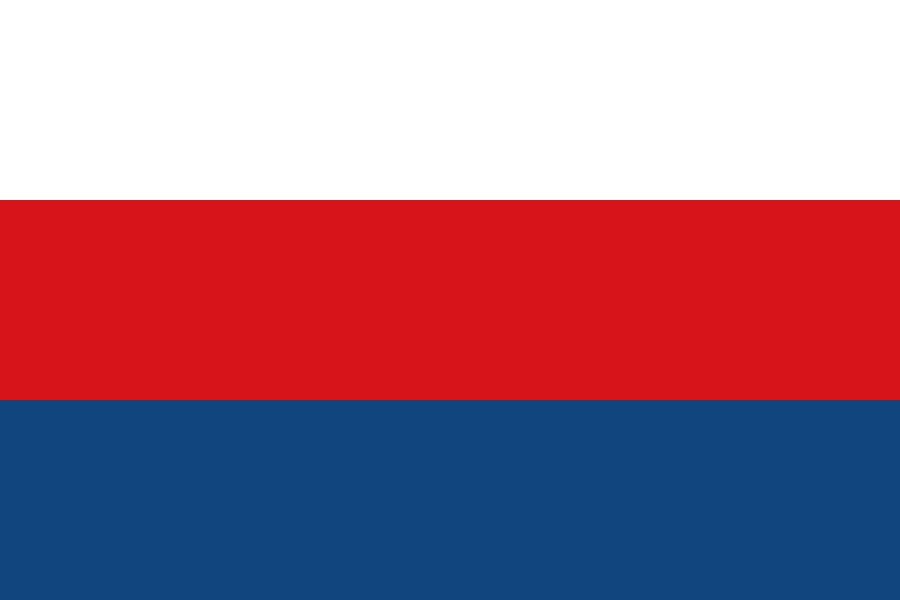
1939–1945
Protectorate of Bohemia and Moravia
Under Nazi occupation (1939–1945) the Czech lands became the Protectorate of Bohemia and Moravia, flying a white-red-blue horizontal tricolor. The familiar blue-triangle national flag was suppressed for the duration and restored when Czechoslovakia was liberated in 1945.
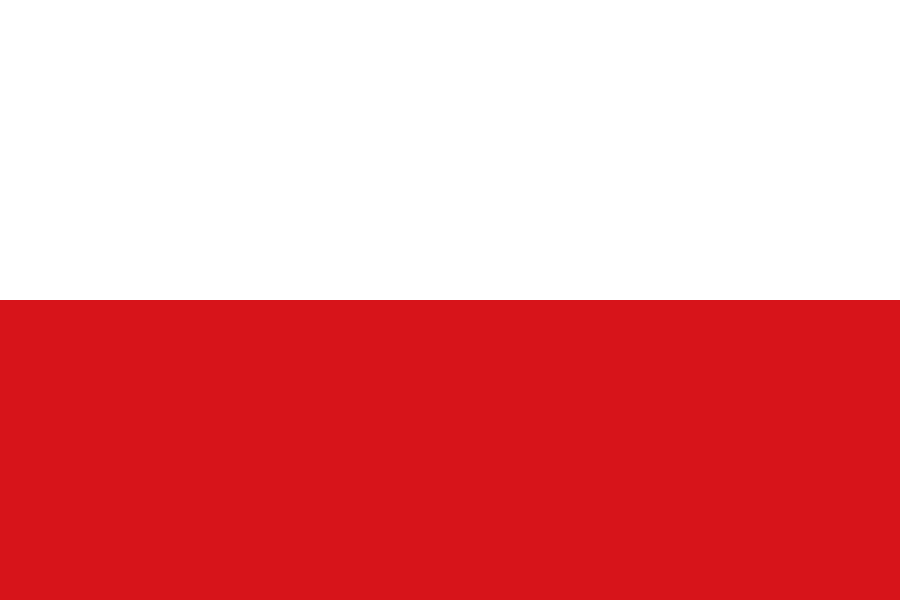
1918–1920
White-red bicolour
Newly independent Czechoslovakia first flew the historic white-over-red bicolour of Bohemia — but it was nearly identical to Poland's flag, prompting the 1920 redesign.
Related historical states
Empires, kingdoms and republics that once covered part of the Czech Republic.
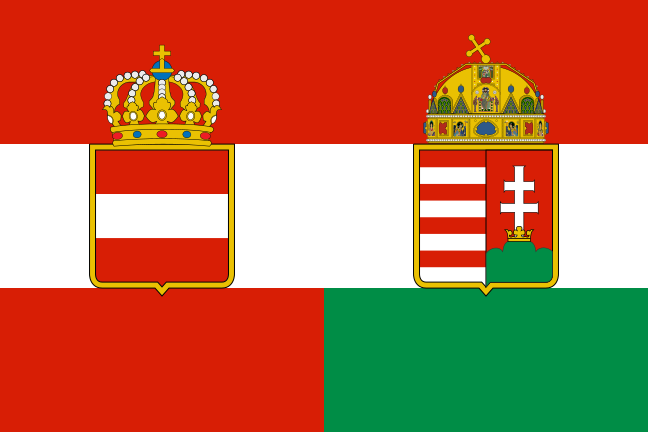
1867–1918
Austria-Hungary
The civil ensign split 50/50, joining the Austrian red-white-red with Hungary's colors and both shields — the Dual Monarchy never agreed on a single flag for the whole empire.
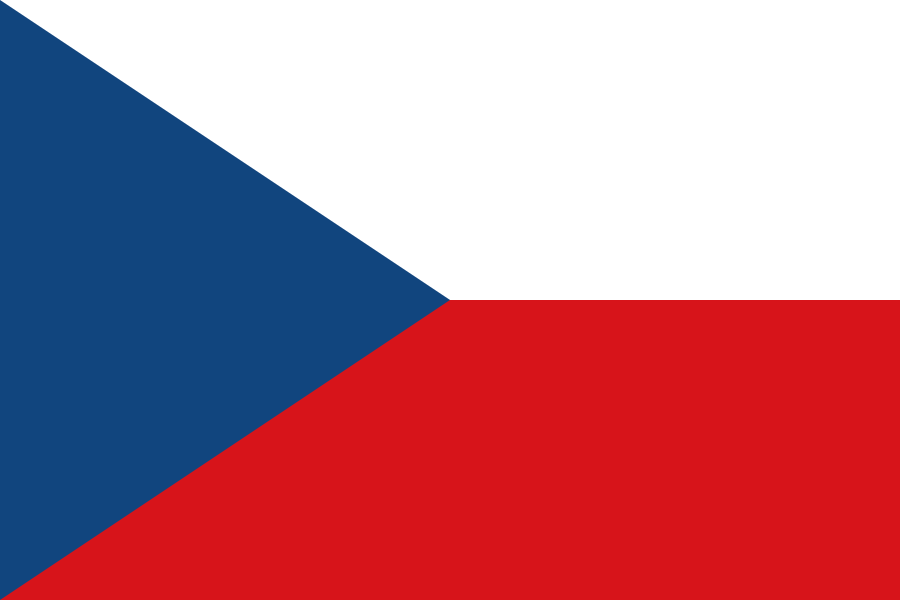
1920–1992
Czechoslovakia
Adopted in 1920 with a blue hoist wedge to tell it apart from Poland's flag. Czechia kept it after the 1993 split, despite a clause meant to bar successor states from reusing it.
1198–1918
Kingdom of Bohemia
The white-over-red bicolor of the Czech lands ruled from Prague; its kings were prince-electors of the Holy Roman Empire, and one, Charles IV, became Emperor himself.
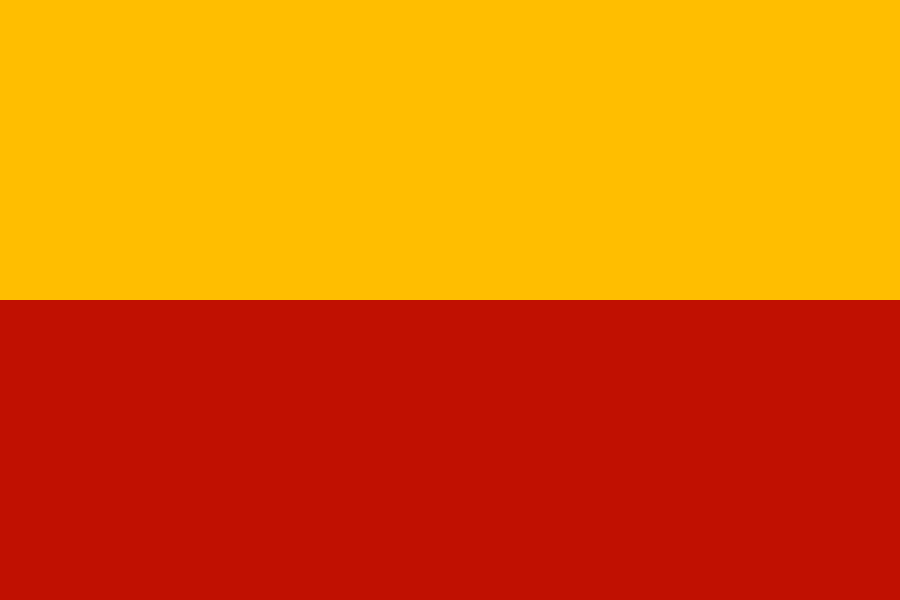
1182–1918
Margraviate of Moravia
The eastern Czech land, a margraviate within the Bohemian crown; its yellow-and-red checkered eagle gives the modern Moravian flag its distinctive look.
Regional flags of the Czech Republic
The 14 states, provinces and regions of the Czech Republic with their own flags.
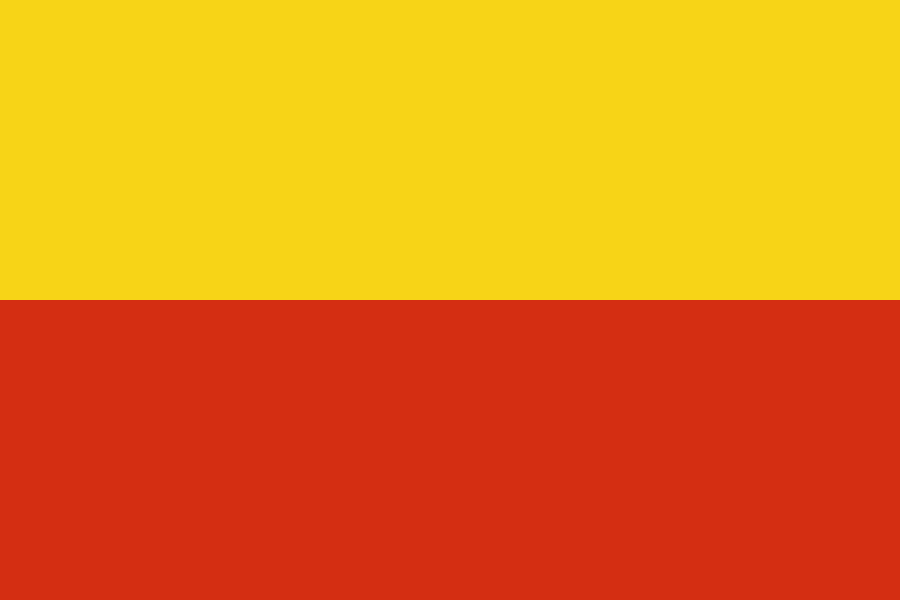
Prague
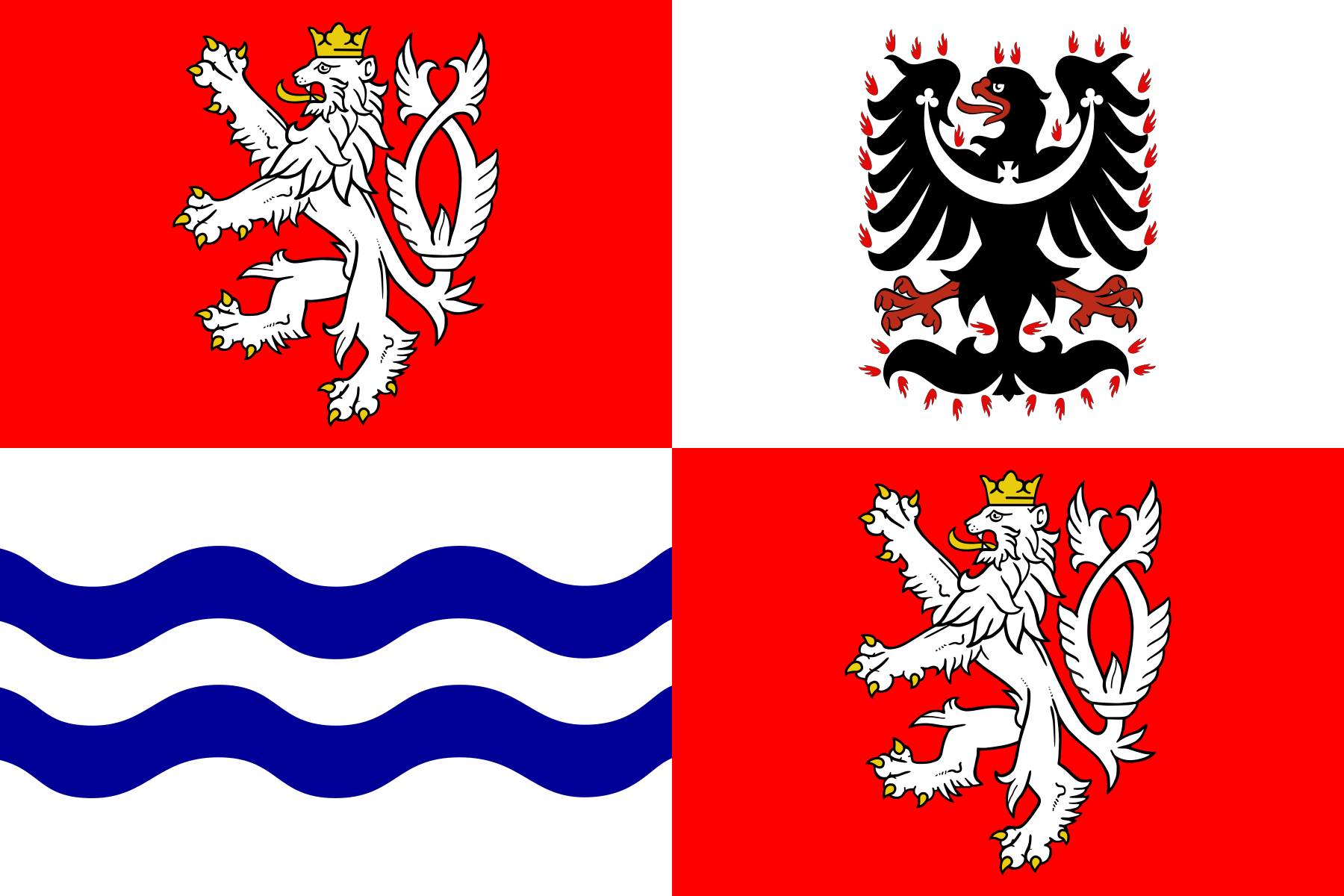
Central Bohemia
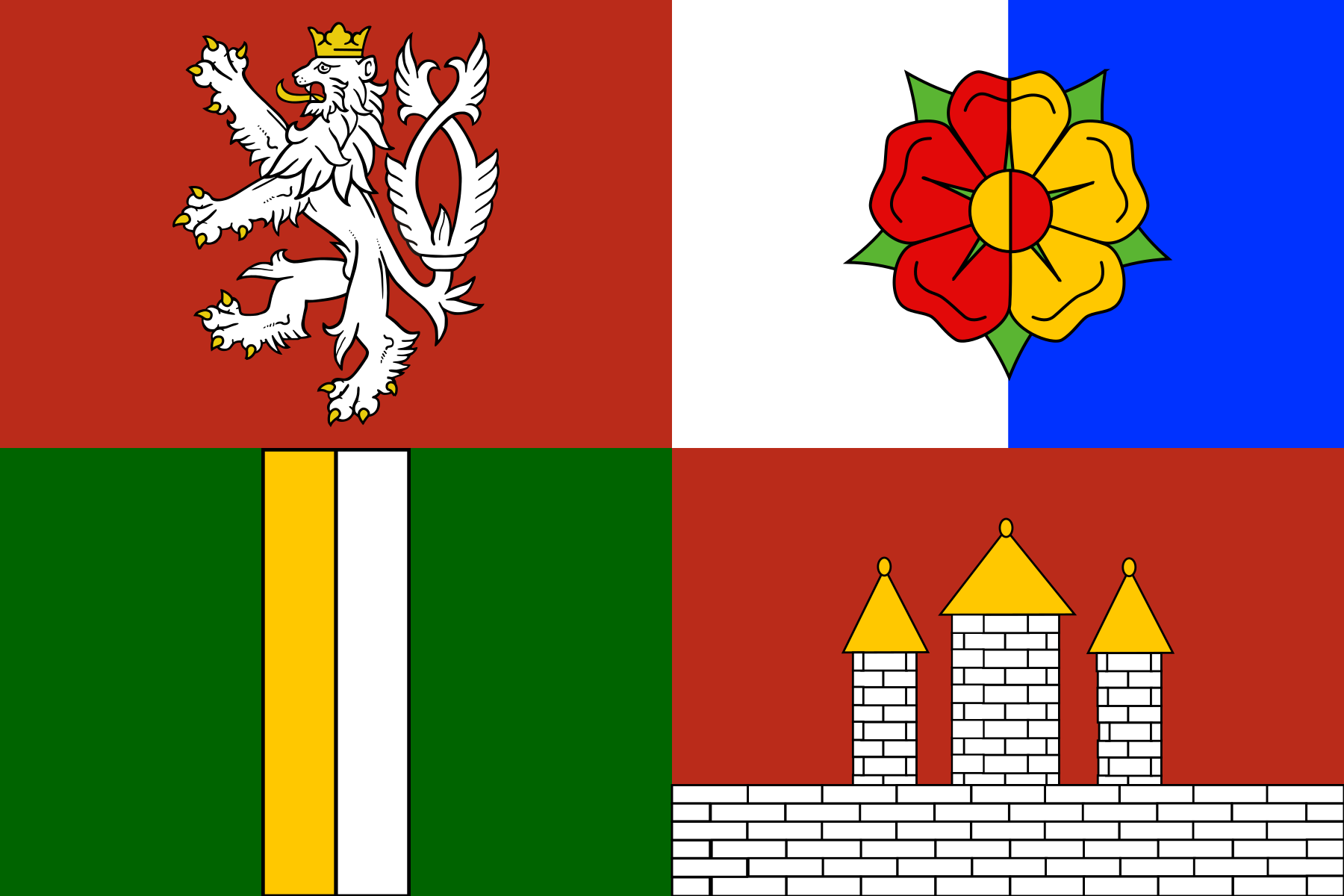
South Bohemia
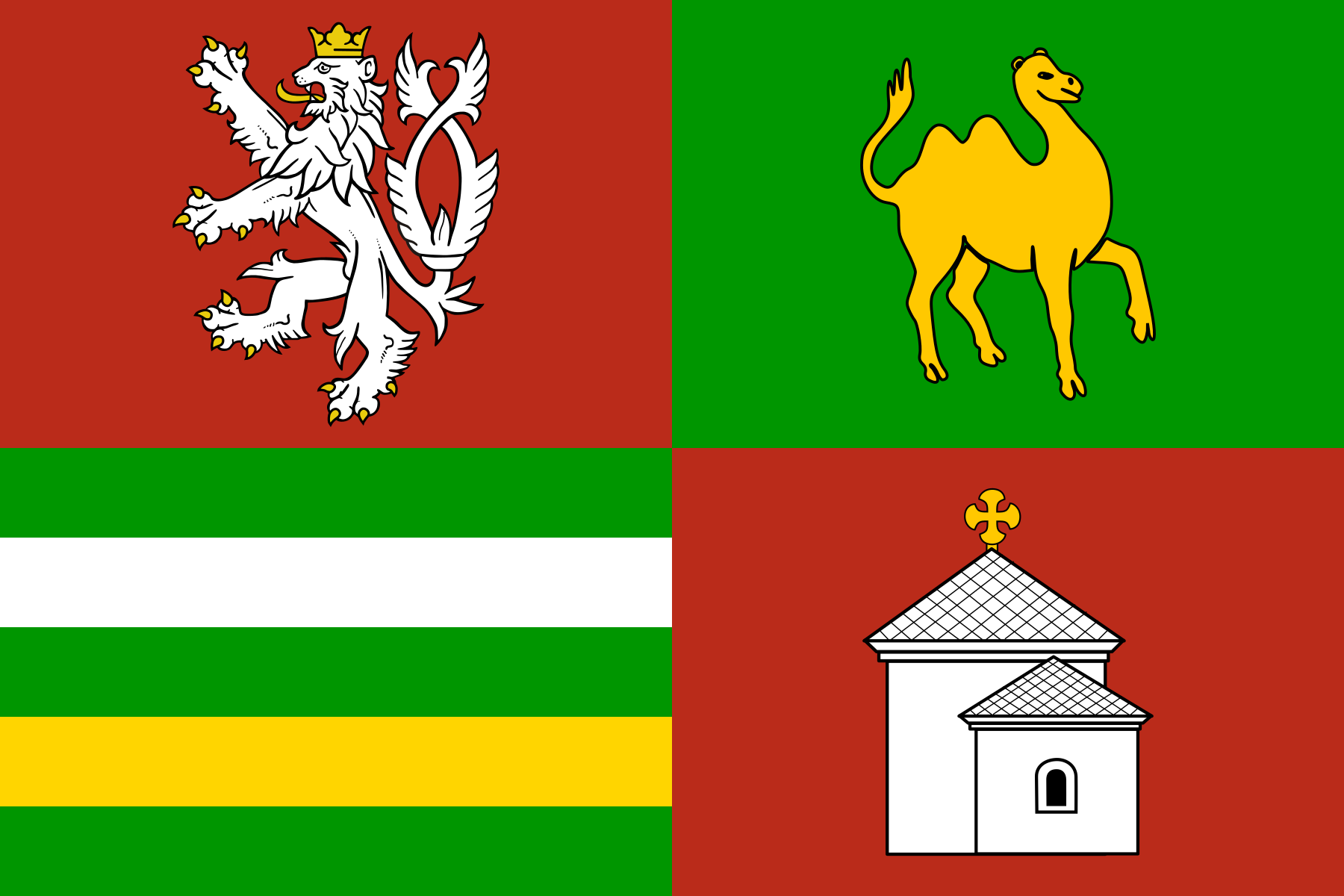
Pilsen
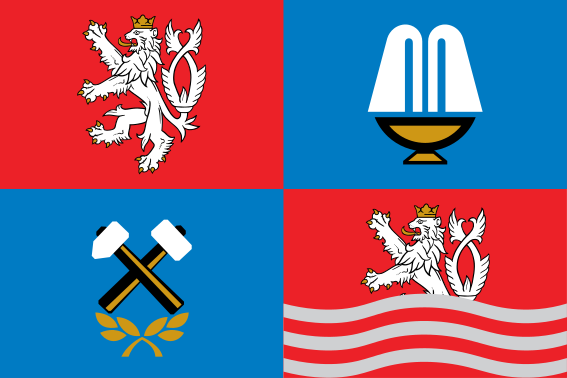
Karlovy Vary
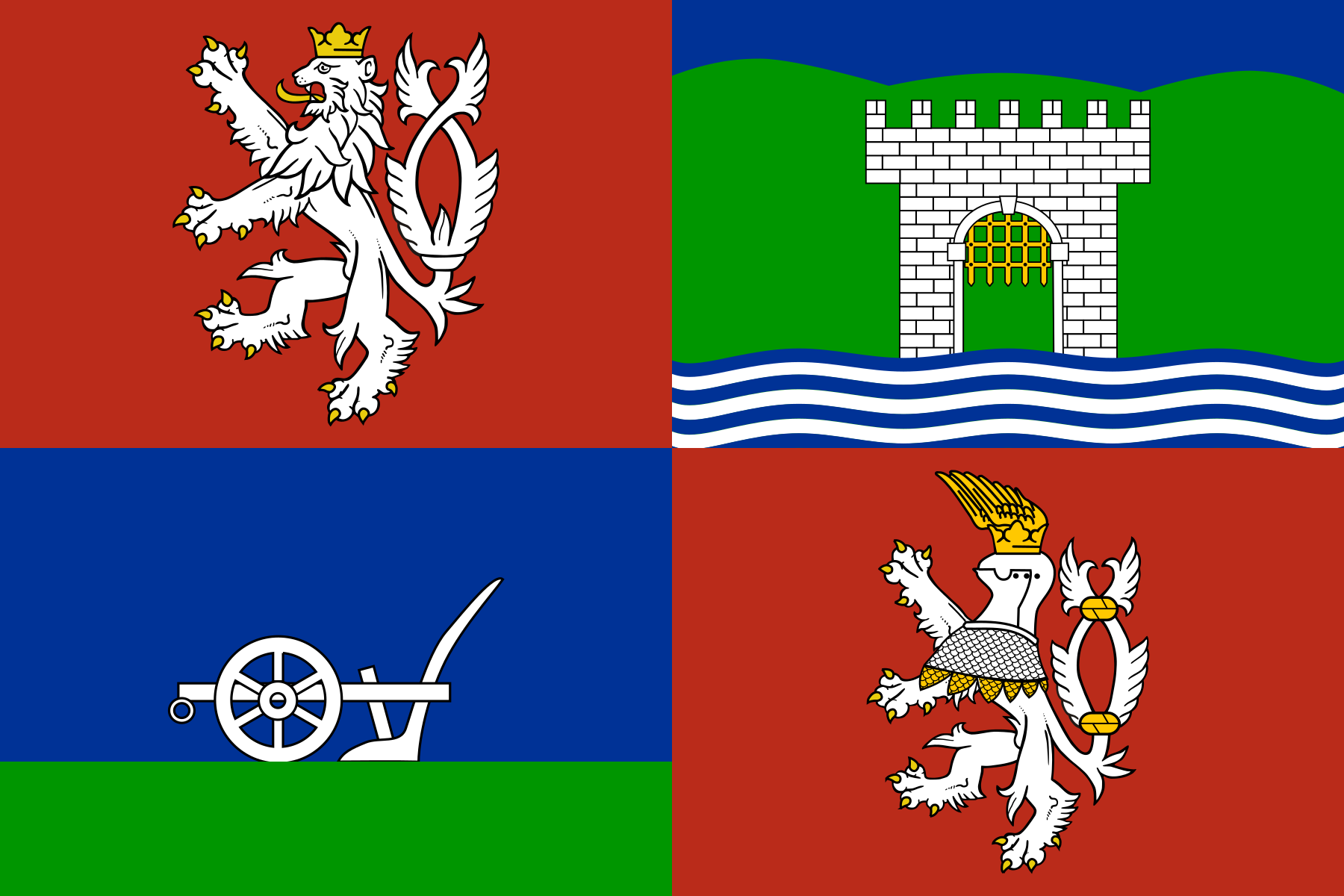
Ústí nad Labem
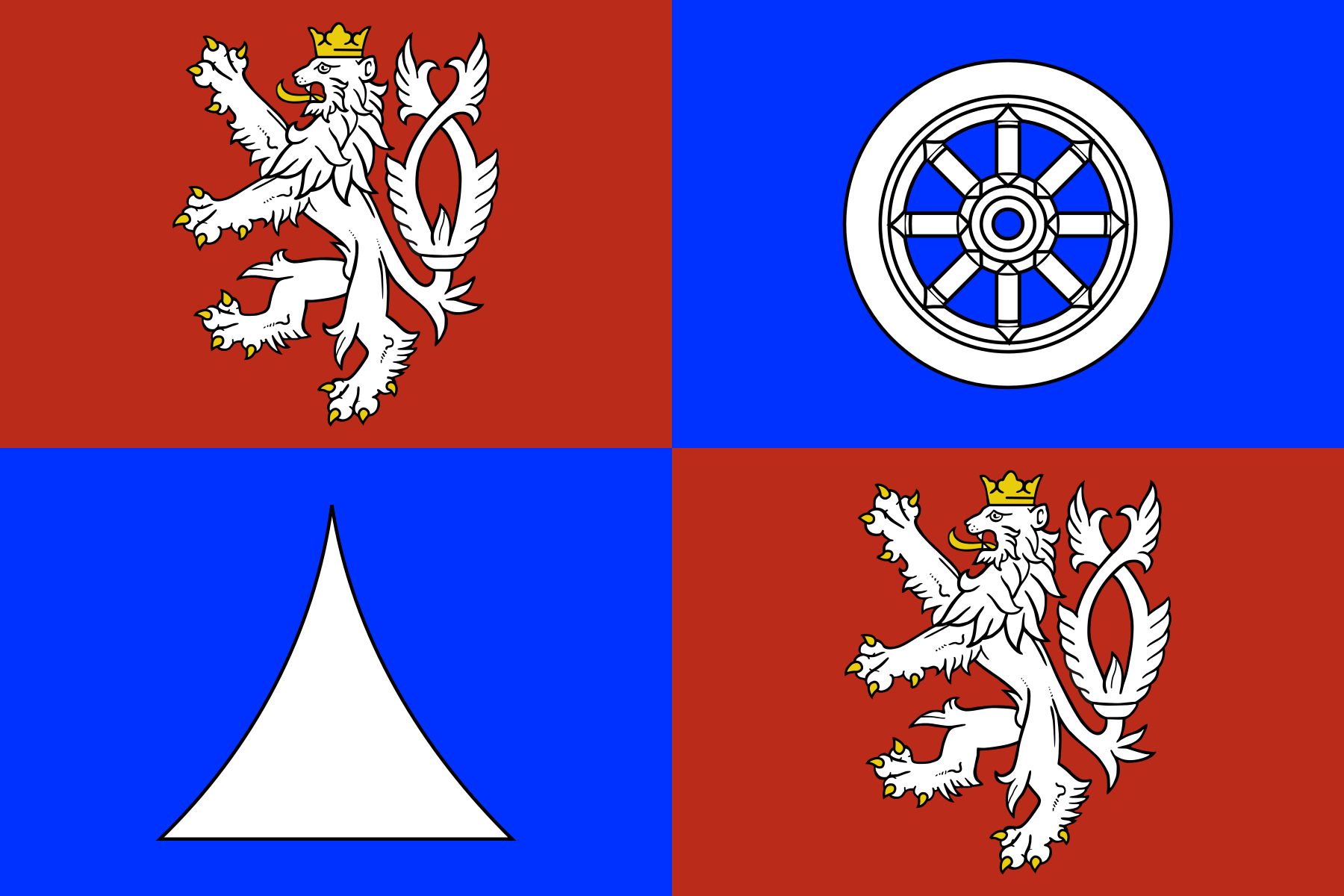
Liberec
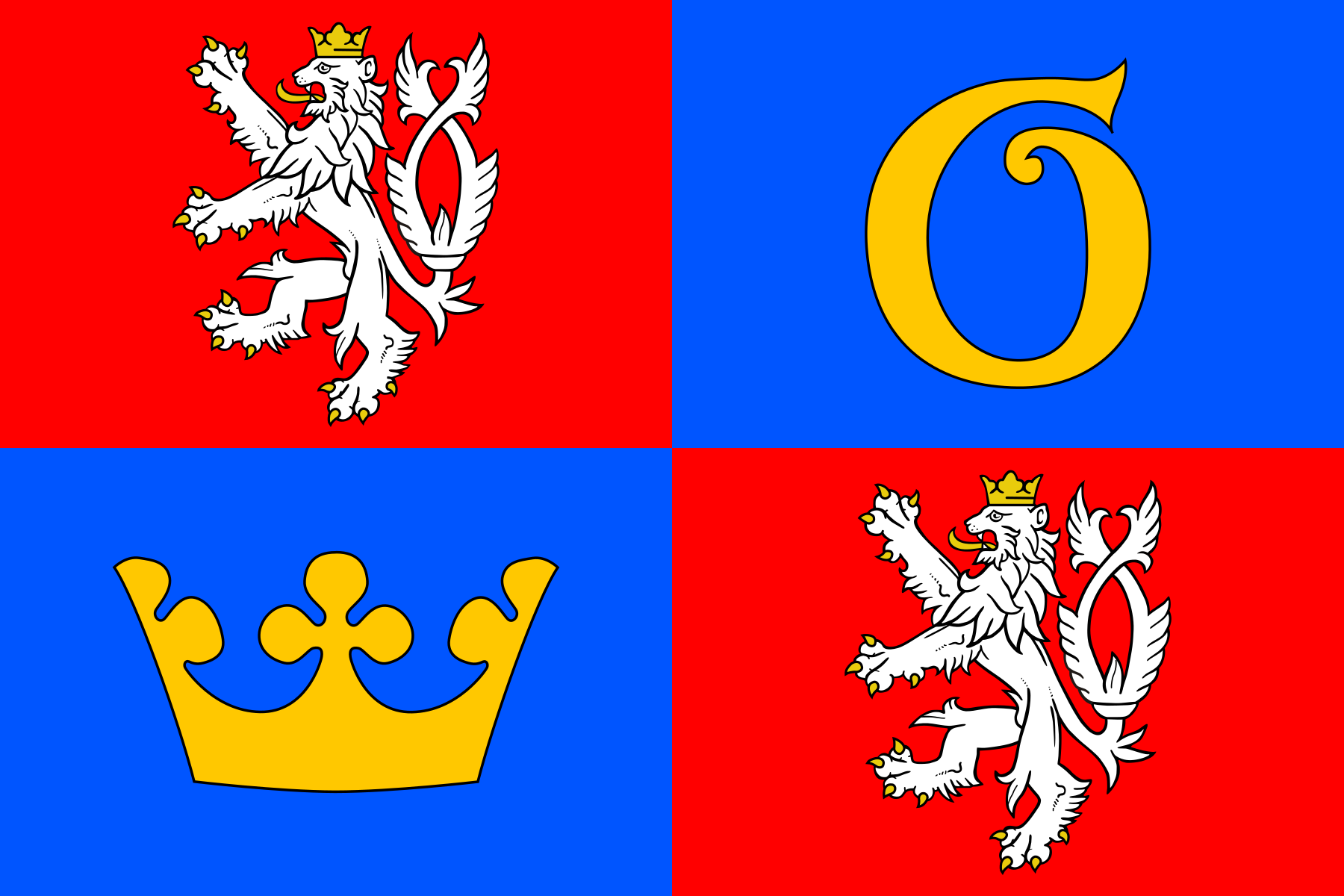
Hradec Králové
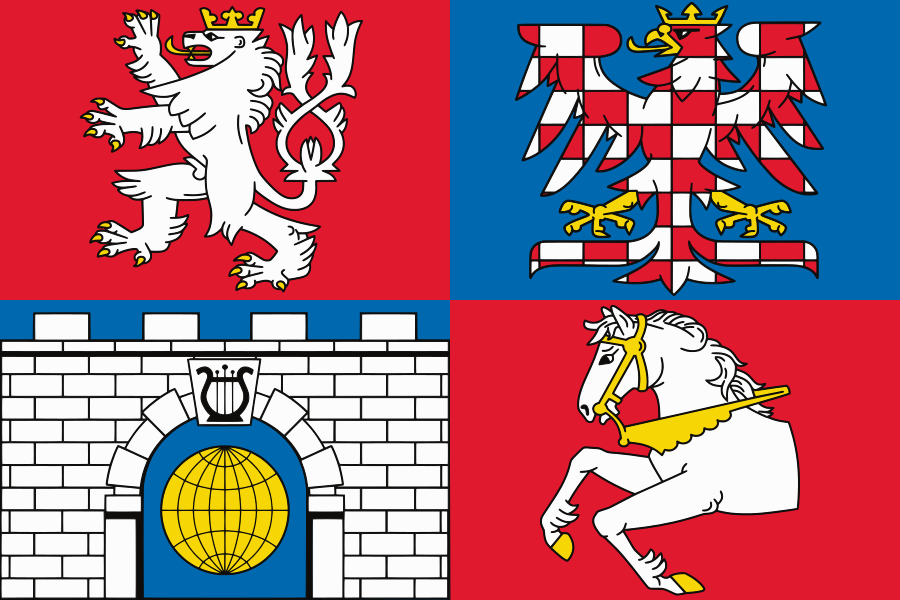
Pardubice
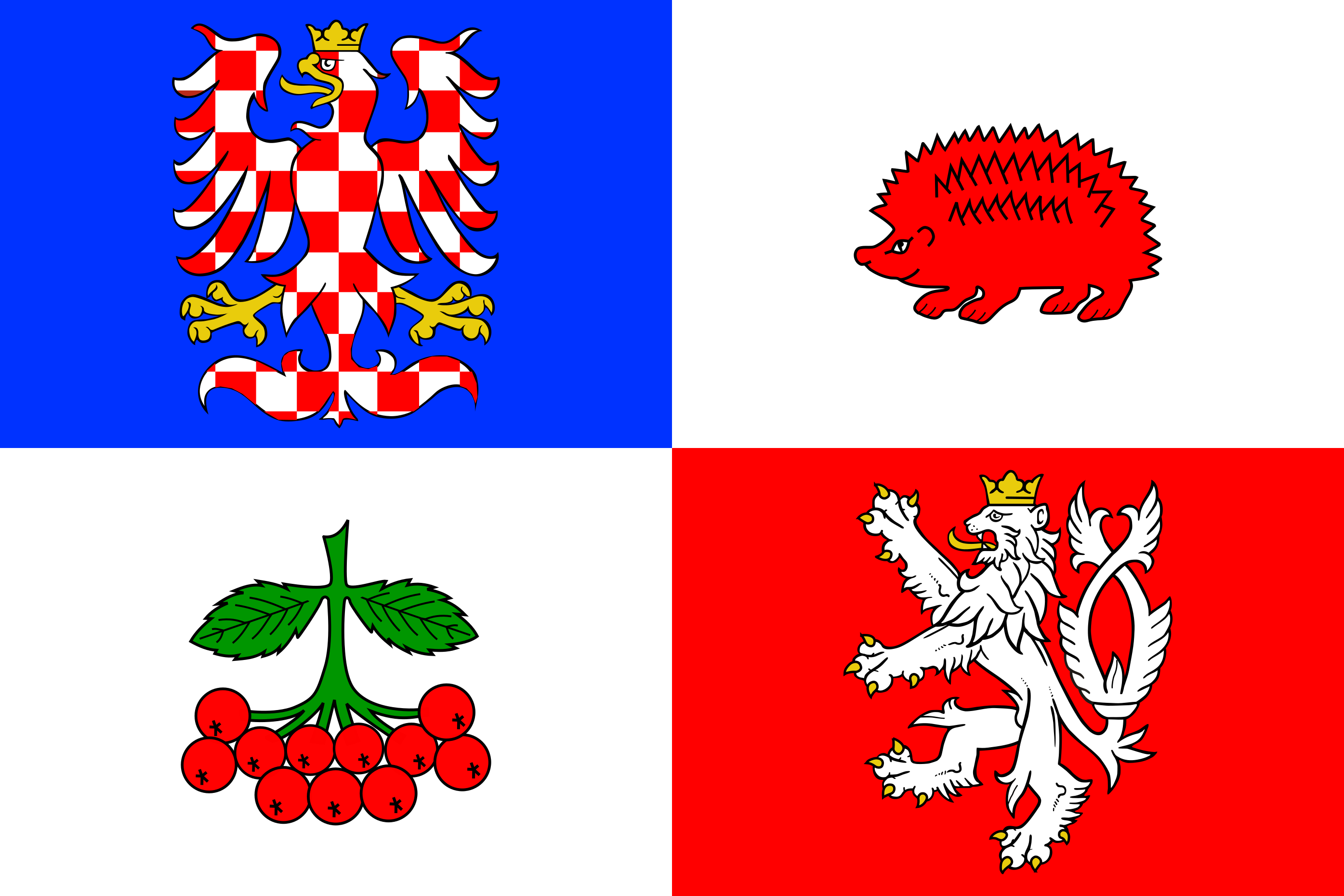
Vysočina
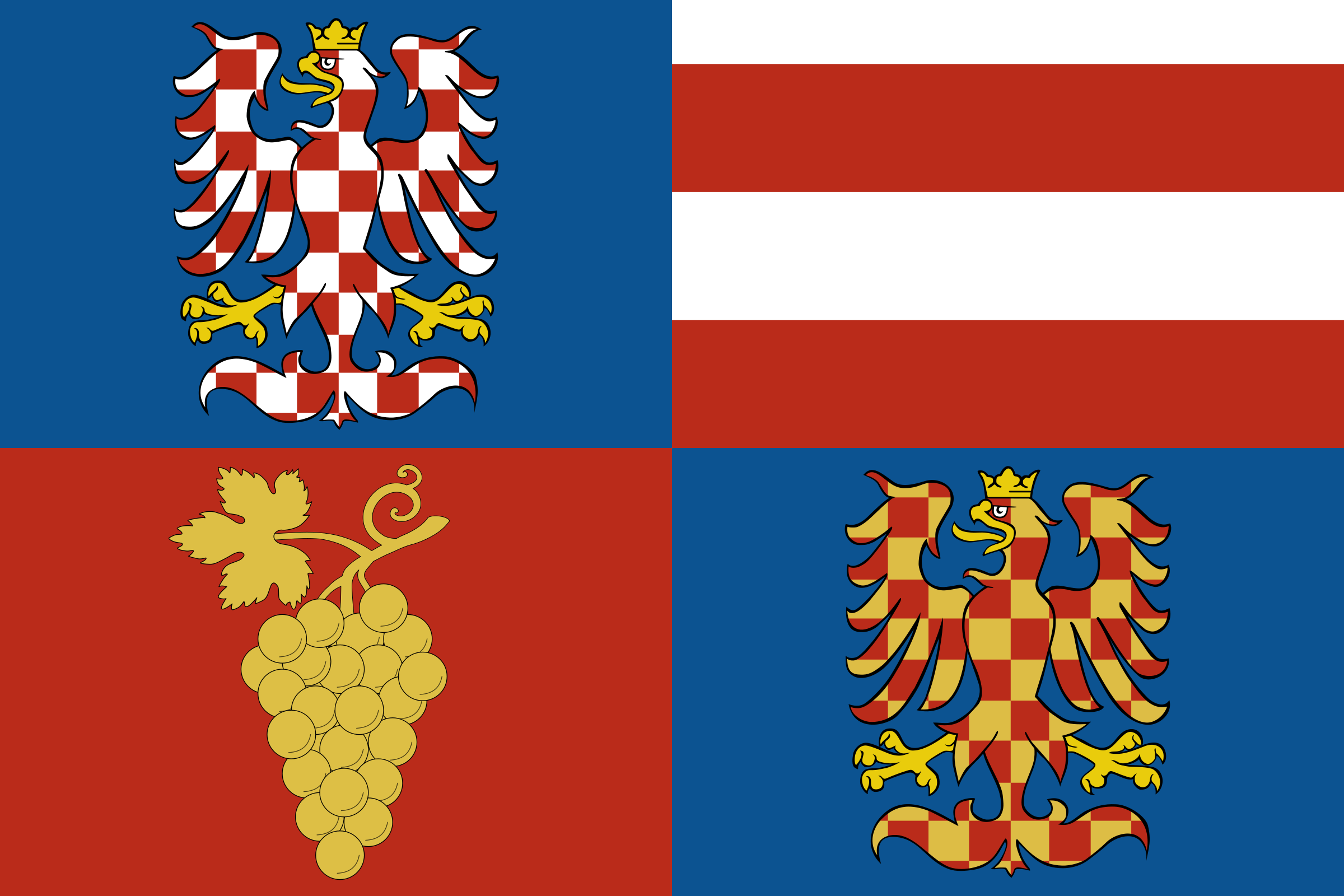
South Moravia
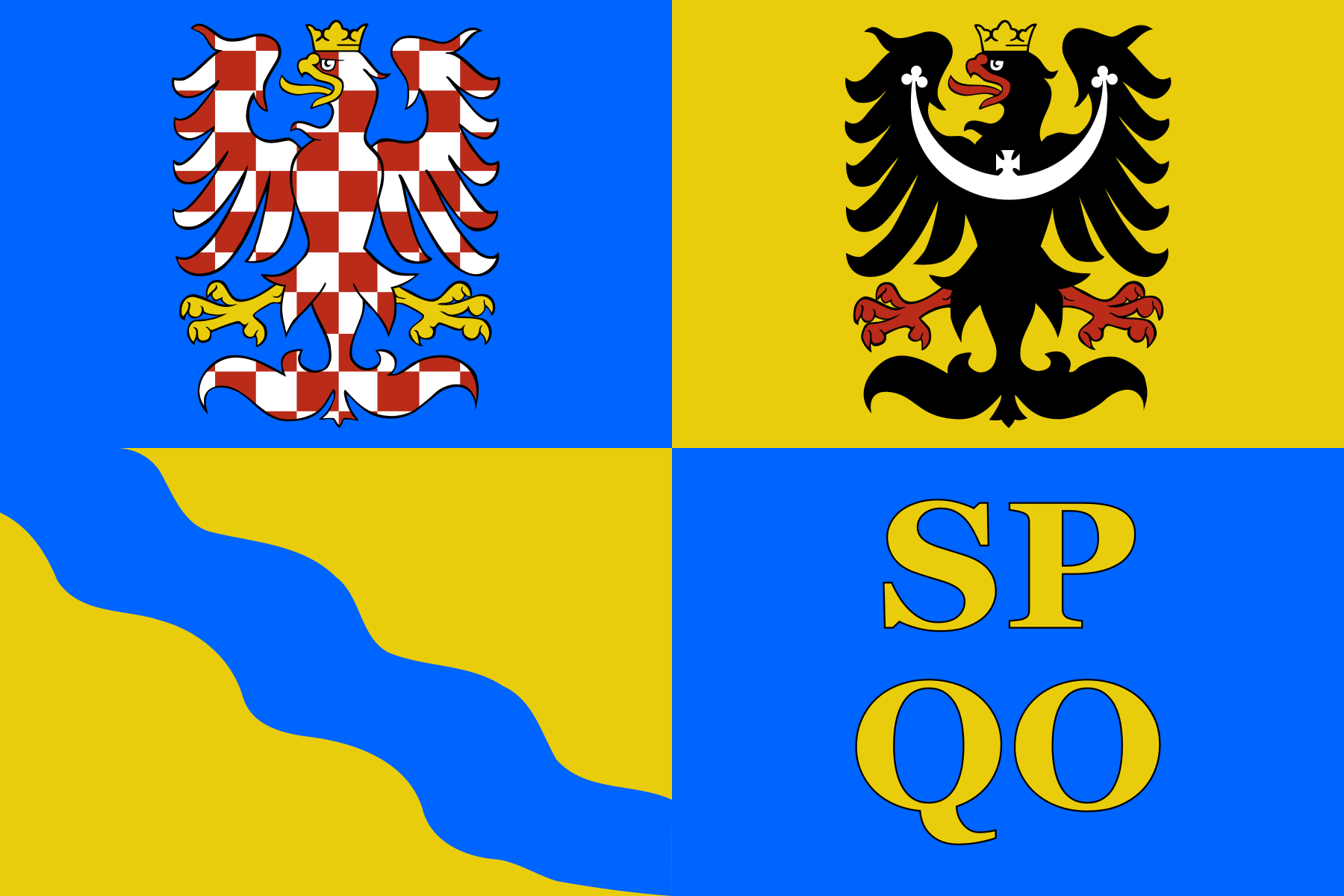
Olomouc
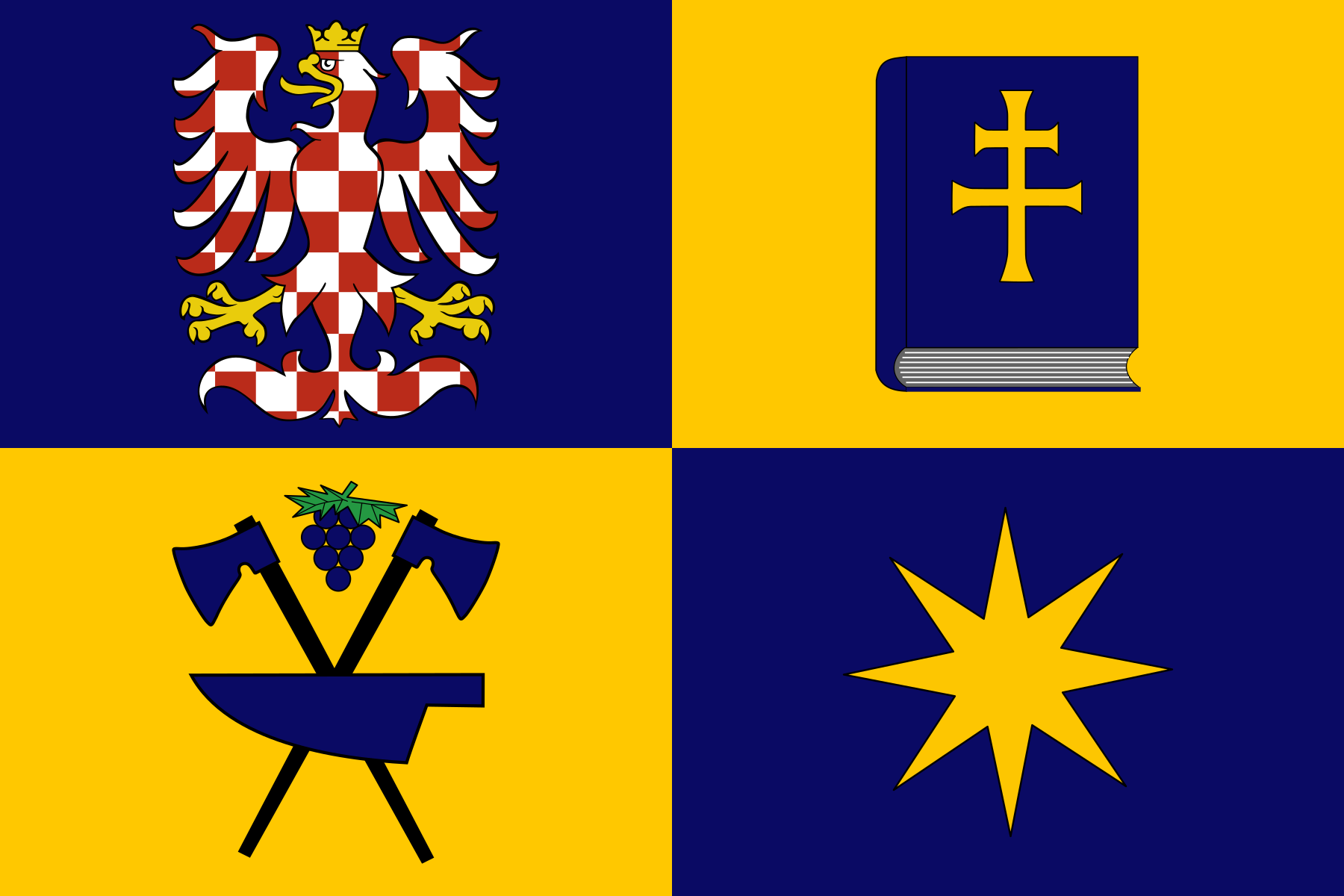
Zlín
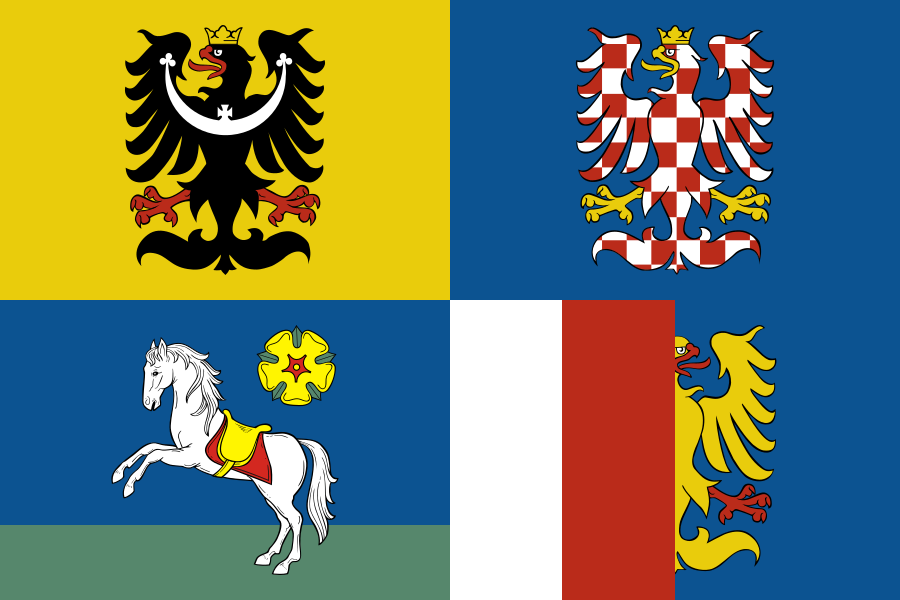
Moravian-Silesian
Neighbouring countries
The Czech Republic shares a land border with 4 countries: Austria, Germany, Poland and Slovakia.
Other flags in white, red and blue
30 other national flags use the same main colours as the Czech Republic's.
Play Globalio and learn the Czech Republic's flag
 Russia
 Slovakia
 Croatia
 Austria
 Germany
 Poland
 Australia
 Belize
 Cambodia
 Chile
 Costa Rica
 Cuba
 Dominican Republic
 Fiji
 France
 Iceland
 Laos
 Liberia
 Luxembourg
 Nepal
 Netherlands
 New Zealand
 North Korea
 Norway
 Panama
 Paraguay
 Samoa
 Serbia
 Slovenia
 Taiwan
 Thailand
 United Kingdom
 United States