Europe
Flag of Finland
Finland is a Nordic country bordering Sweden, Norway, and Russia, known for its vast forests, tens of thousands of lakes, and the spectacular aurora borealis. It was part of Sweden for nearly 700 years before becoming a Russian Grand Duchy in 1809 and declaring independence in 1917. Finland consistently ranks at the very top of global happiness, education, and quality-of-life indices.

- CapitalHelsinki
- RegionEurope
- Current flag since1918
- Main coloursWhite, Blue
- Populationabout 5.5 million
- Areaabout 338,000 km²
- Flags in history3
Population and area are rounded.
What the flag of Finland means
The blue cross on white was proposed in the 19th century, when the poet Zachris Topelius wrote of the blue of Finland's lakes and the white of its snow, and it was adopted in May 1918 after independence from Russia. The state flag adds the coat of arms, a crowned lion standing on a sabre, at the centre of the cross. Finland's flag days include Midsummer and Independence Day on 6 December.
How to recognise it
White field with a blue Nordic cross slightly offset to the left.
Did you know?
Finland has the most metal bands per capita of any country in the world.
Easily confused with
Finland's flag is often mixed up with these. Learn to tell them apart:
Flag history of Finland
Every flag that has flown over Finland, from today back through time.
1918–present
Finnish Flag (blue cross)
Adopted on May 29, 1918, shortly after Finland declared independence from Russia in December 1917. The blue Nordic cross on white was chosen through a design competition — the blue representing Finland's thousands of lakes and the clear sky, the white its snow. The exact proportions were refined several times, with the current form standardised in 1978.
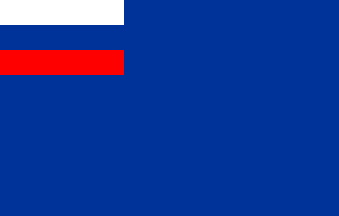
1809–1917
Grand Duchy of Finland (Russian era)
After Sweden ceded Finland to Russia in 1809, Finland became an autonomous Grand Duchy of the Russian Empire. The duchy used a red flag bearing the Finnish lion coat of arms. During this period Finnish national identity grew steadily — the Kalevala epic was compiled, the Finnish language was promoted, and the eventual push for independence gathered strength.

1249–1809
Part of Sweden
For roughly 600 years — from the medieval Northern Crusades until 1809 — Finland was an integral eastern part of the Kingdom of Sweden, not a colony but Swedish soil, flying the blue-and-yellow Swedish flag. That long union left Finland its Lutheran faith, its legal traditions, and the Swedish-speaking minority that endures today, before Russia took it as war booty in 1809.
Related historical states
Empires, kingdoms and republics that once covered part of Finland.
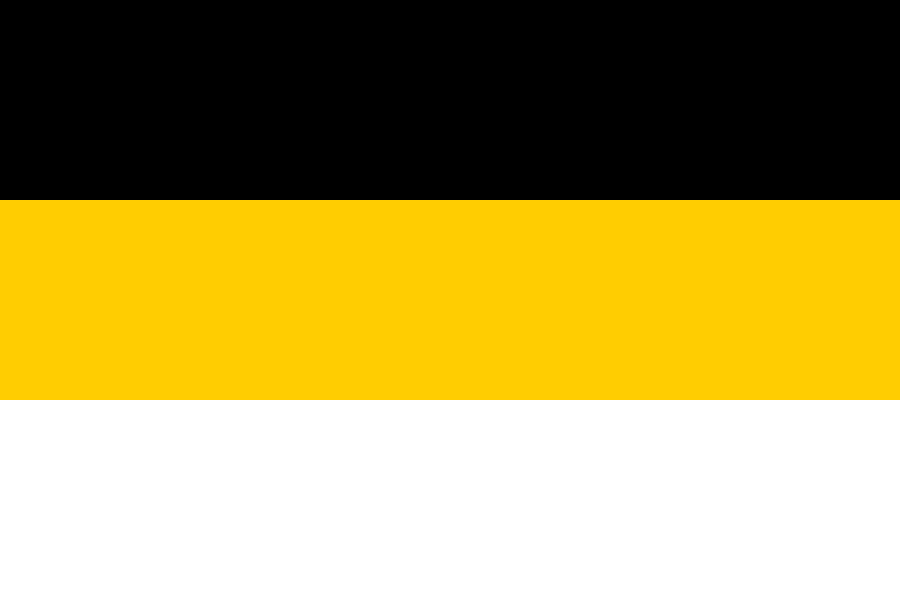
1858–1896
Russian Empire
The black-yellow-white 'imperial colors' were drawn from the state coat of arms by Alexander II, before Nicholas II demoted them for the white-blue-red tricolor.
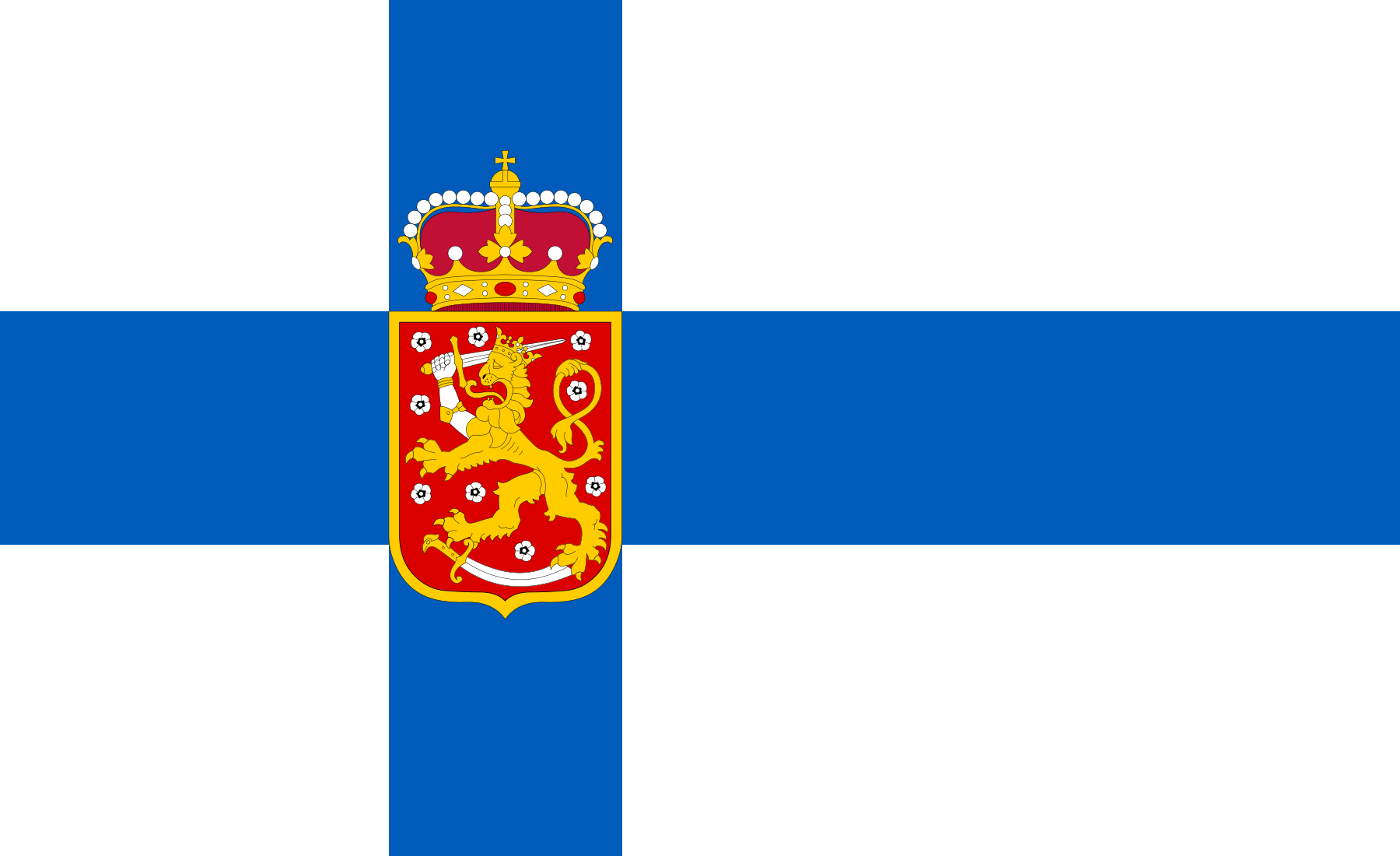
1918
Kingdom of Finland
After independence Finland briefly elected a German prince as king and designed lion-bearing royal flags — but Germany's defeat in WWI ended the monarchy before he ever arrived.
Regional flags of Finland
The 19 states, provinces and regions of Finland with their own flags.
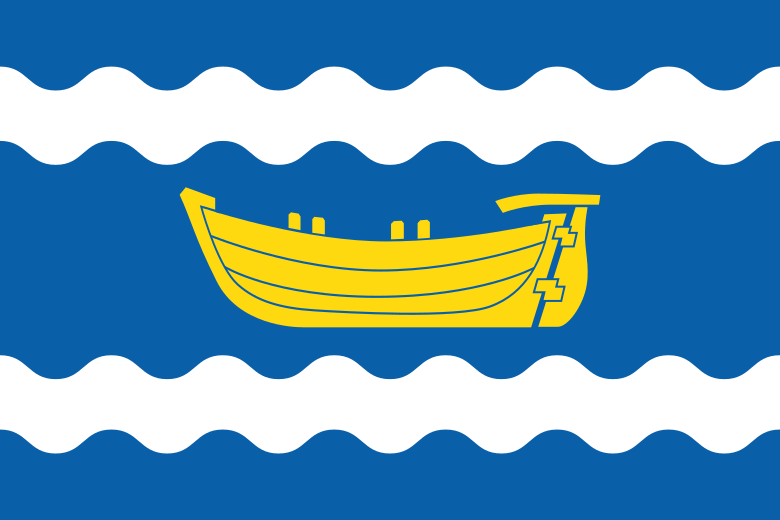
Uusimaa

South Karelia
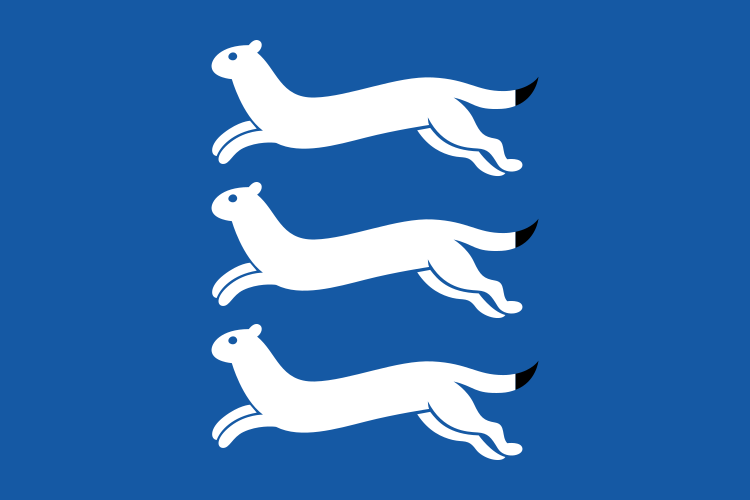
South Ostrobothnia
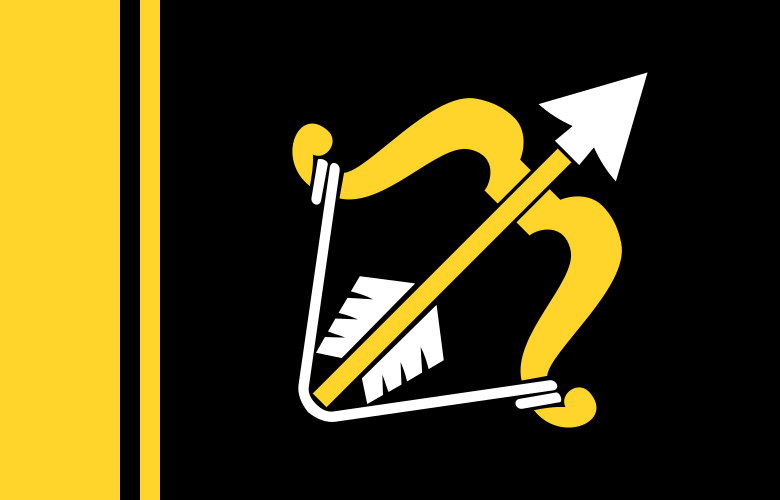
South Savo
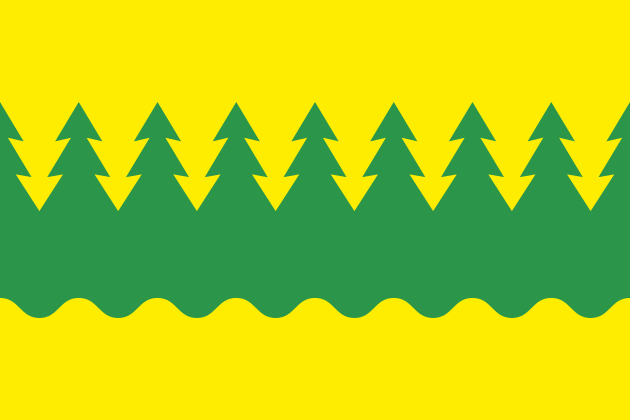
Kainuu
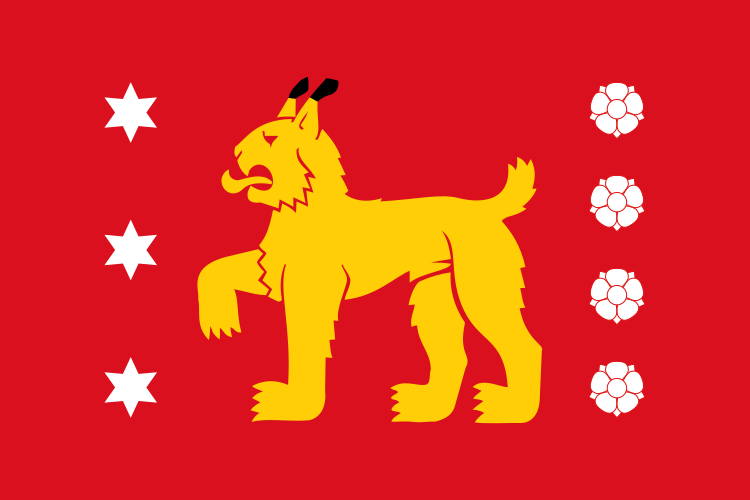
Tavastia Proper
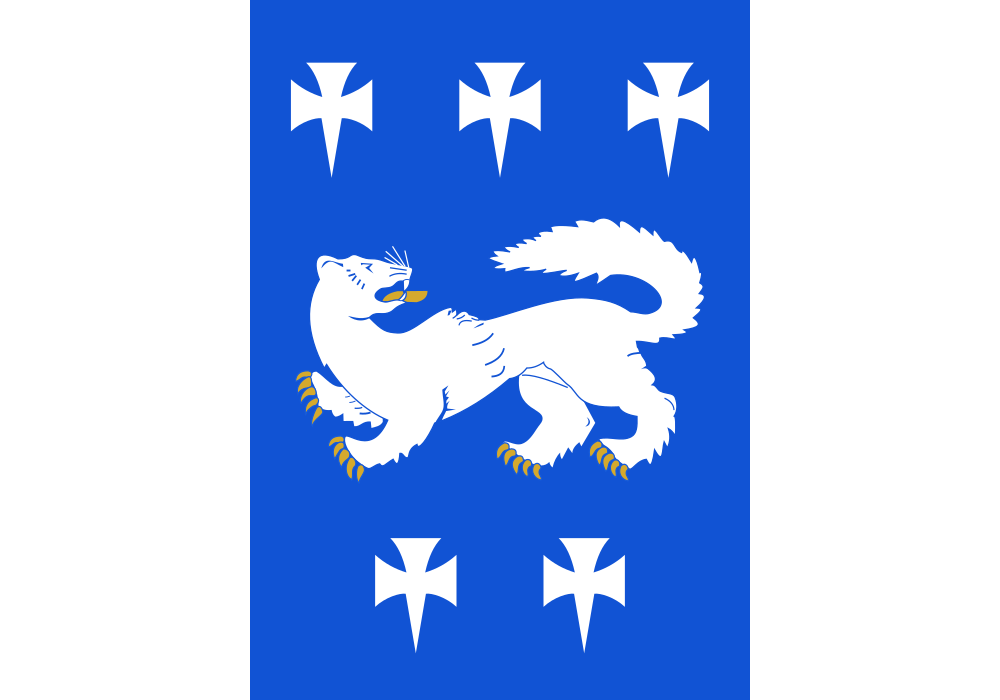
Central Ostrobothnia
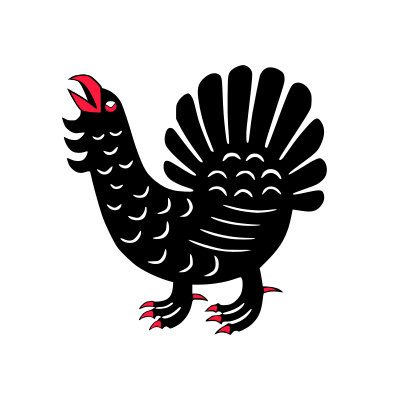
Central Finland

Kymenlaakso
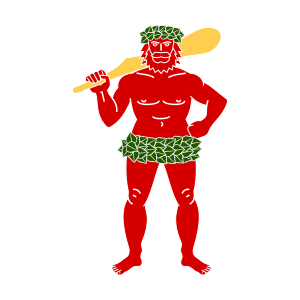
Lapland
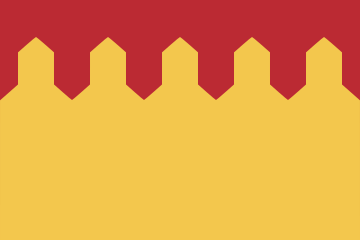
Pirkanmaa
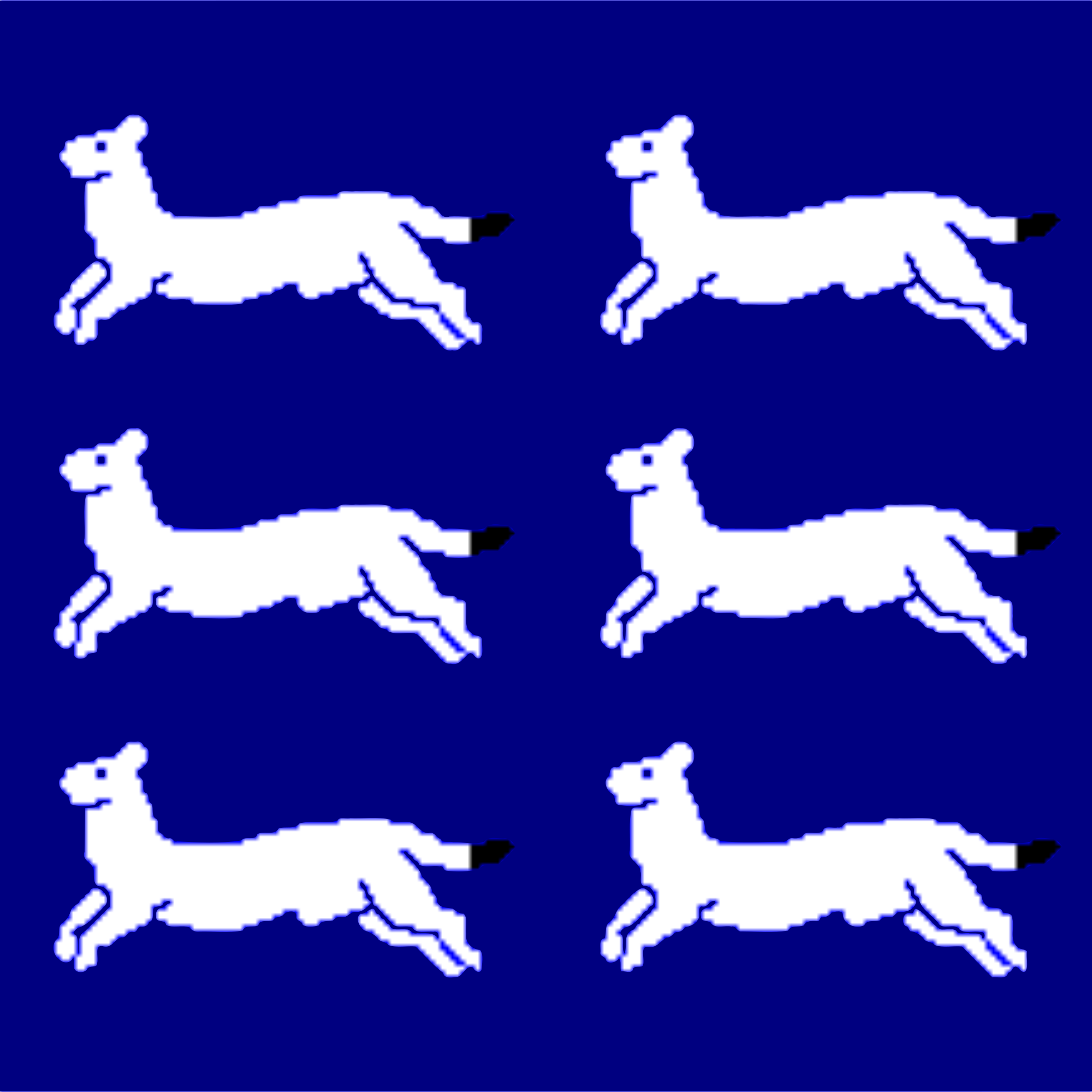
Ostrobothnia
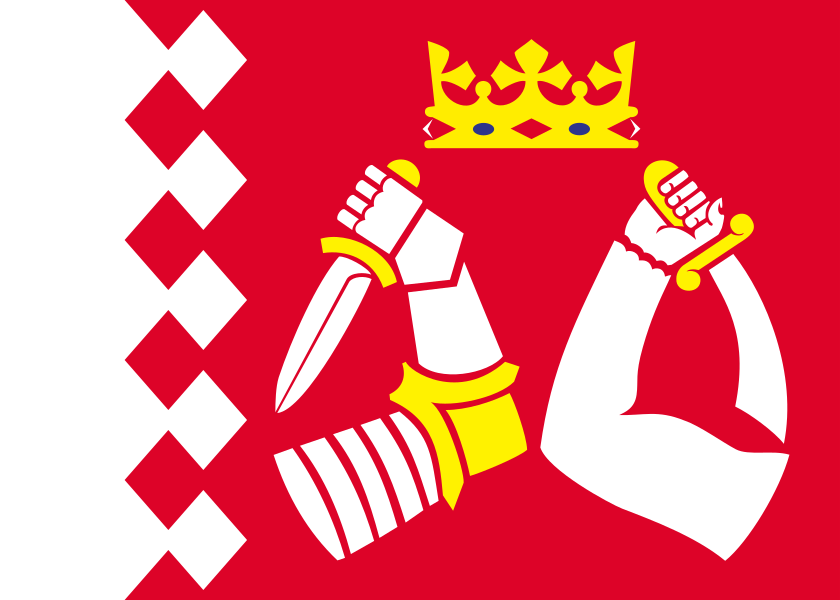
North Karelia

North Ostrobothnia
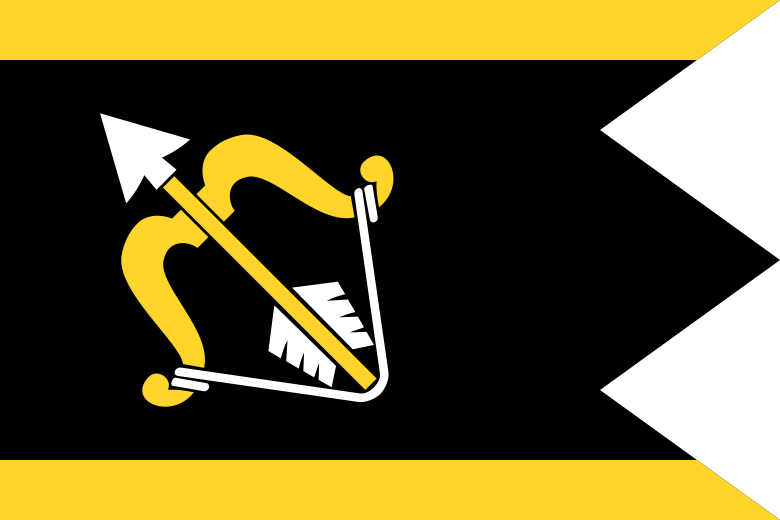
North Savo
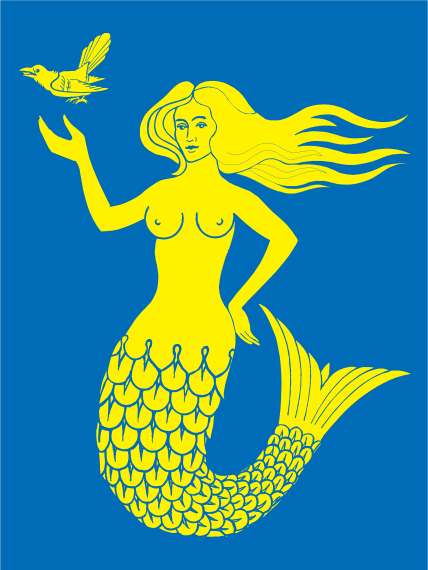
Päijänne Tavastia
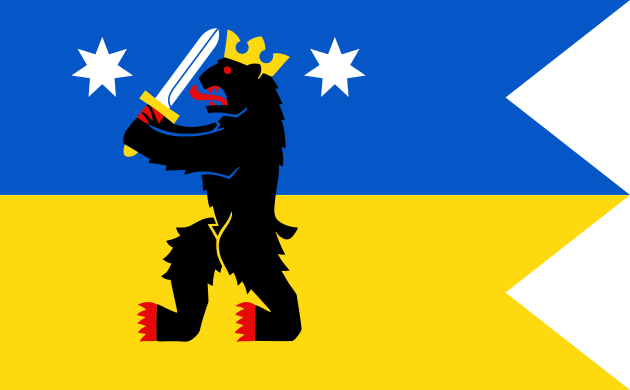
Satakunta

Southwest Finland
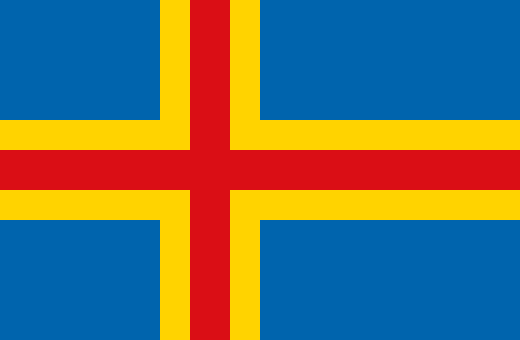
Åland Islands
Neighbouring countries
Finland shares a land border with 3 countries: Norway, Russia and Sweden.
Other flags in white and blue
9 other national flags use the same main colours as Finland's.
Play Globalio and learn Finland's flag
 Norway
 Iceland
 Russia
 El Salvador
 Greece
 Guatemala
 Honduras
 Israel
 Micronesia
 Nicaragua
 San Marino
 Somalia