 Italy
 Ireland

1830–present
France (tricolore)
Louis-Philippe, the "citizen-king", restored the blue-white-red tricolore in 1830, and it has flown through every French republic and regime since. A slightly darker navy shade was quietly reintroduced in 2020.
France is one of the world's most visited countries, attracting around 90 million tourists annually, and a founding member of the European Union and a permanent member of the UN Security Council. It has been a major cultural, philosophical, and political force in Western civilisation for centuries. Paris, the capital, is globally associated with art, fashion, gastronomy, the Eiffel Tower, and some of the world's greatest museums.
Population and area are rounded.
The tricolour came out of the French Revolution: blue and red were the colours of Paris, and white was long associated with the monarchy. It became the national flag in 1794. The restored Bourbon kings replaced it with a white flag, but it returned for good after the July Revolution of 1830. The shade of blue has varied over the years, and the darker navy blue was brought back at the Élysée Palace in 2020.
Vertical blue-white-red. Italy is vertical green-white-red. Ireland is green-white-orange.
France is the most visited country in the world, welcoming about 90 million tourists per year.
France's flag is often mixed up with these. Learn to tell them apart:
Every flag that has flown over France, from today back through time.
Louis-Philippe, the "citizen-king", restored the blue-white-red tricolore in 1830, and it has flown through every French republic and regime since. A slightly darker navy shade was quietly reintroduced in 2020.

When the Bourbons returned after Napoleon's fall, the tricolore and its revolutionary associations were dropped for the plain white royalist flag. The July Revolution of 1830 swept it away for good.
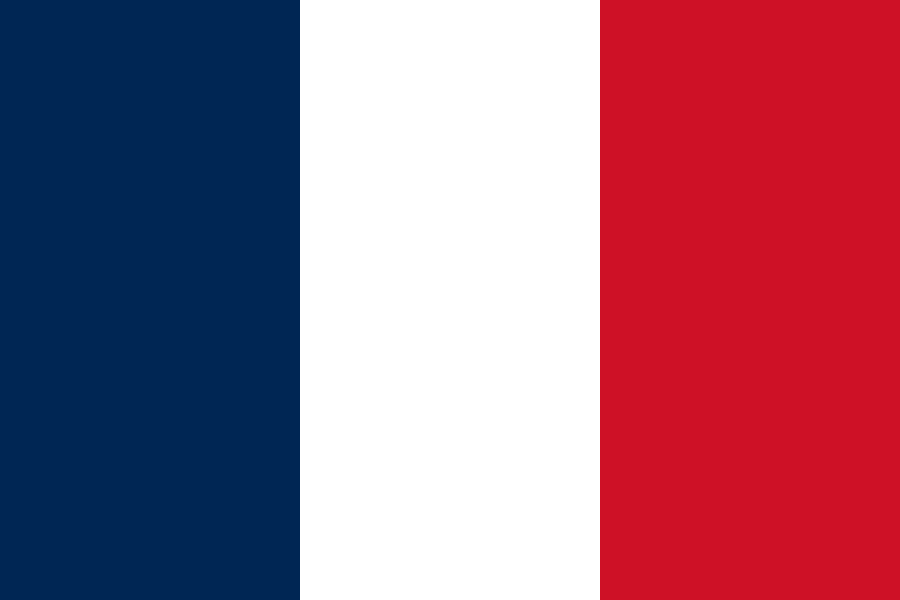
In 1794 the tricolore was fixed as three equal vertical bands of blue, white, and red — the exact design still used today. It flew over the First Republic and Napoleon's First Empire.
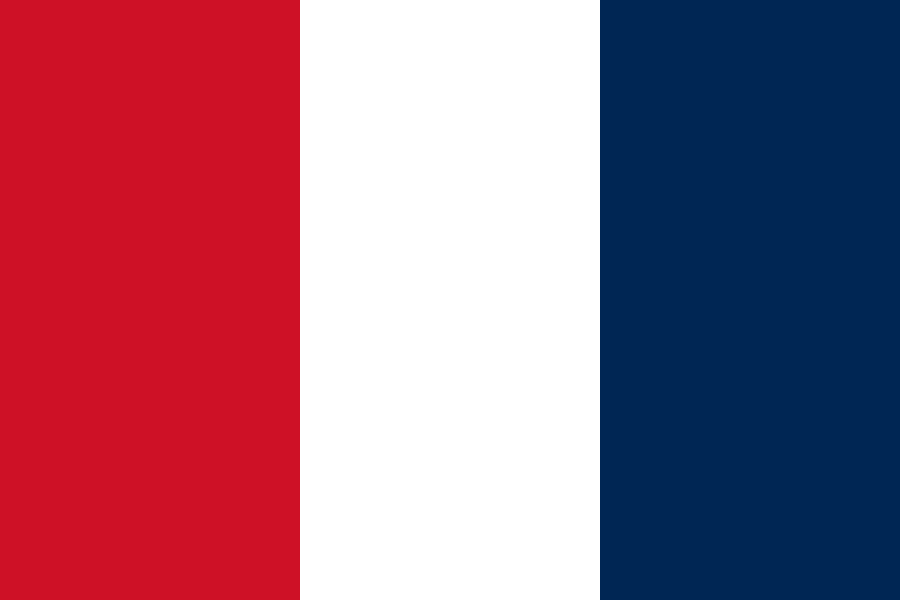
The first revolutionary flag placed blue at the hoist and red at the fly — the reverse of the modern order — before the bands were swapped to their familiar arrangement in 1794.
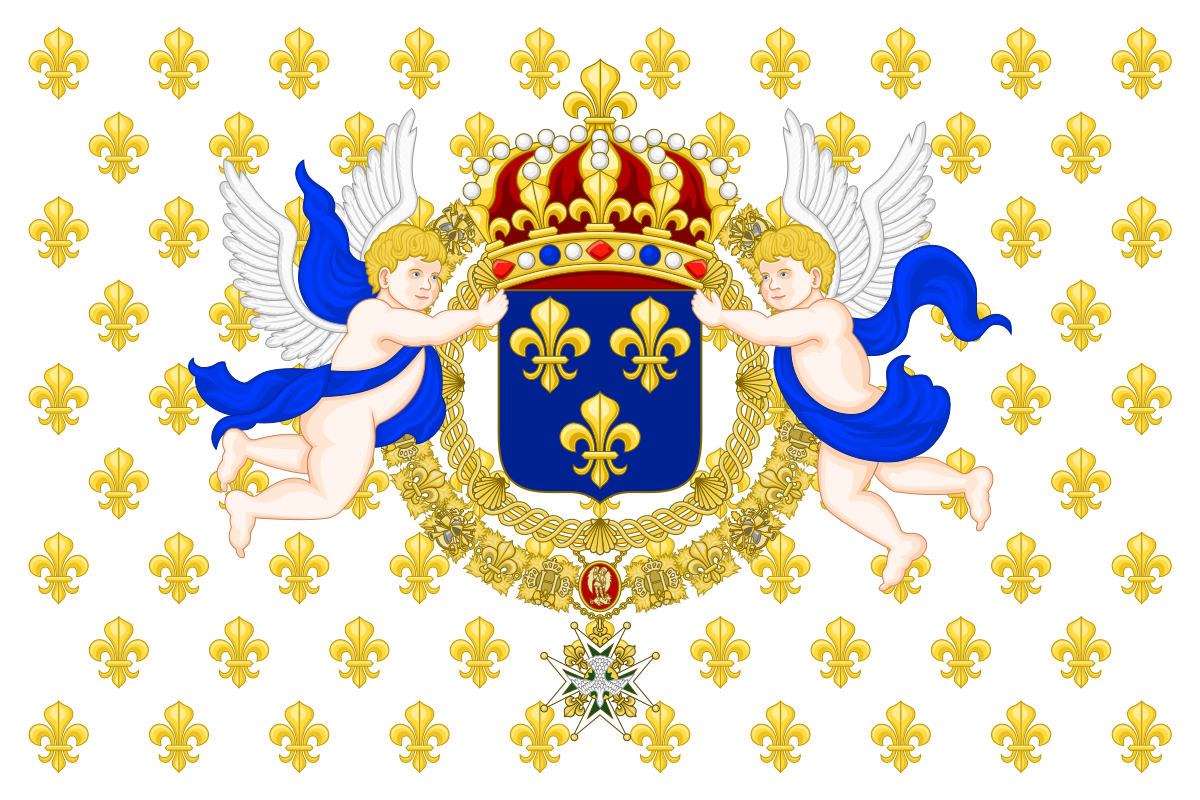
The white royal standard strewn with golden fleurs-de-lis was the emblem of the Ancien Régime monarchy. White was the dynastic color of the House of Bourbon until the Revolution.
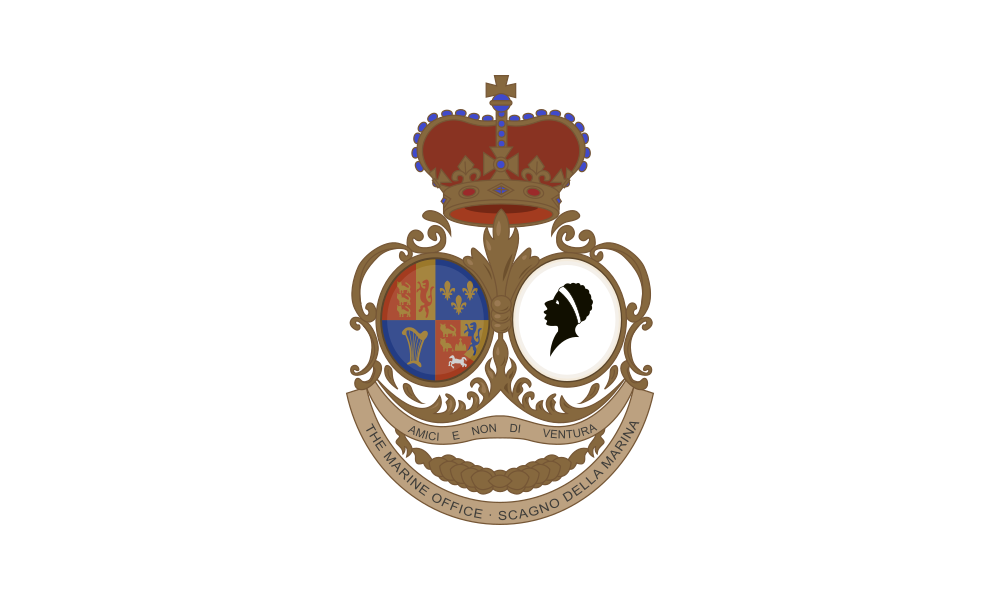
A brief Corsican kingdom under British protection during the French Revolutionary Wars.
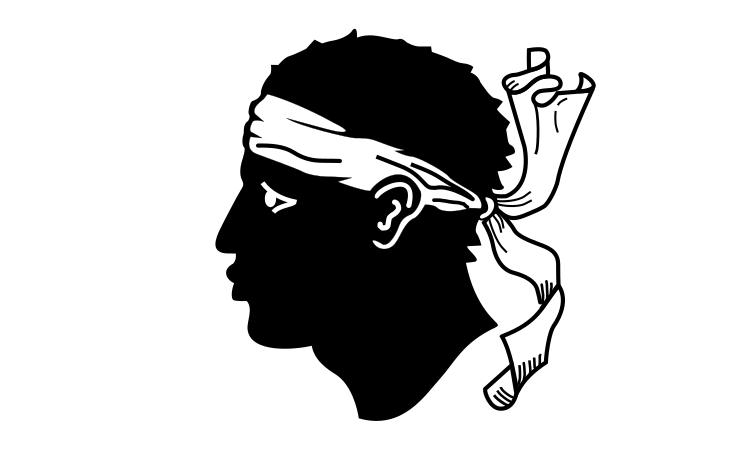
Pasquale Paoli's enlightened Corsican republic — with one of the first democratic constitutions — before France bought and conquered the island.
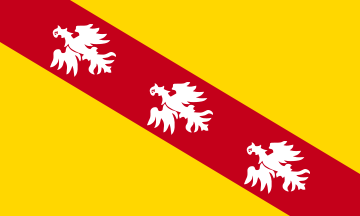
A long-independent duchy between France and the German lands, passed to France only in 1766.
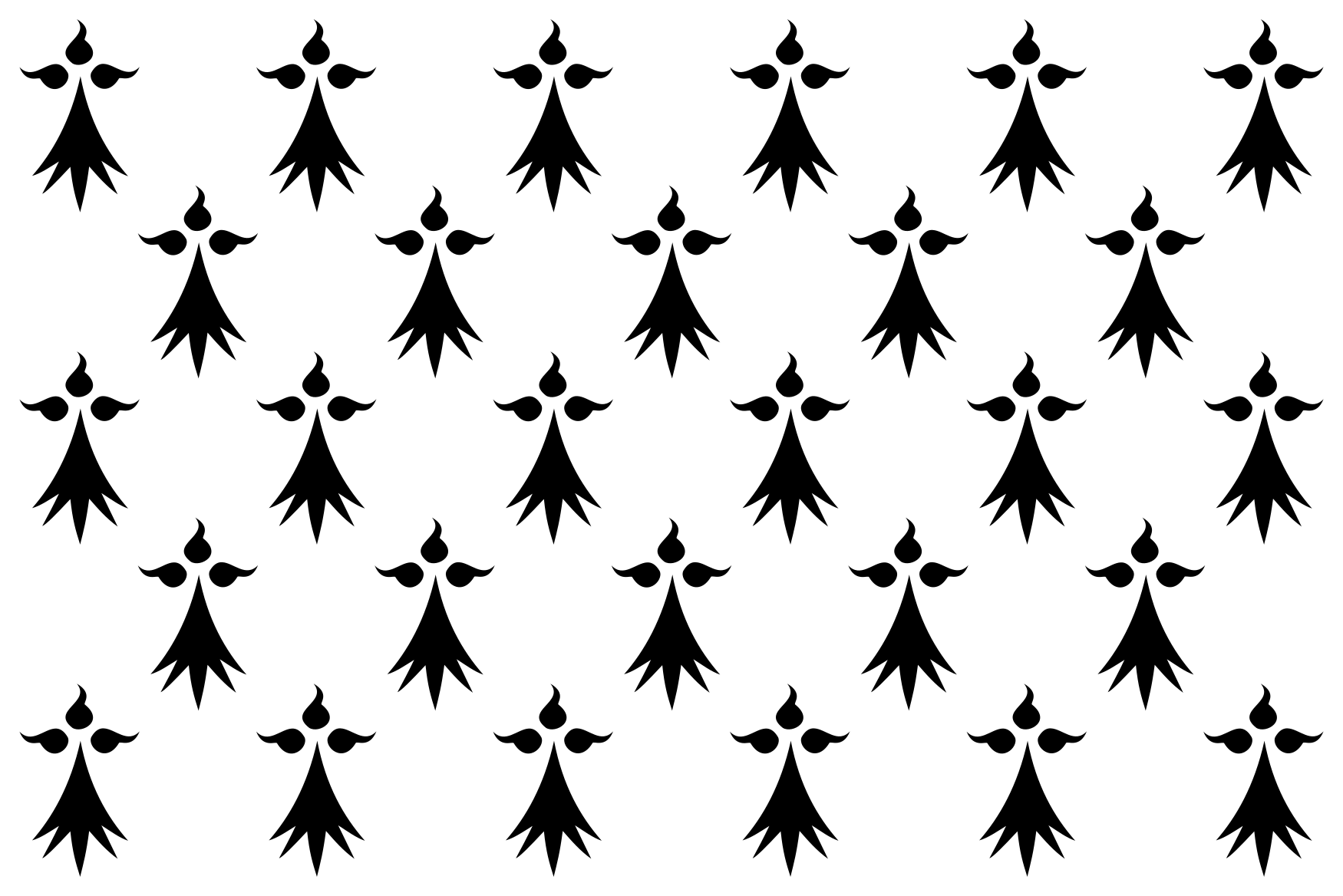
An independent Celtic duchy with its own language and parliament, joined to the French crown by royal marriage in the 16th century.
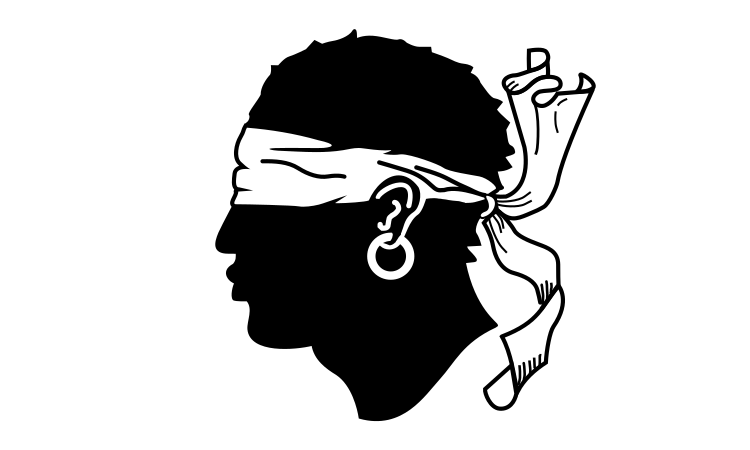
The improbable few-month kingdom of Theodor von Neuhoff, a German adventurer crowned king by Corsican rebels against Genoa.
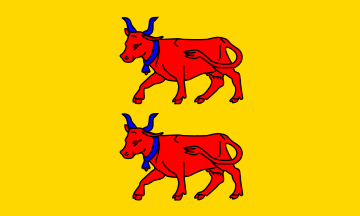
An independent Pyrenean state — the homeland of King Henry IV — that kept its own laws and parliament until merged into France.
Empires, kingdoms and republics that once covered part of France.
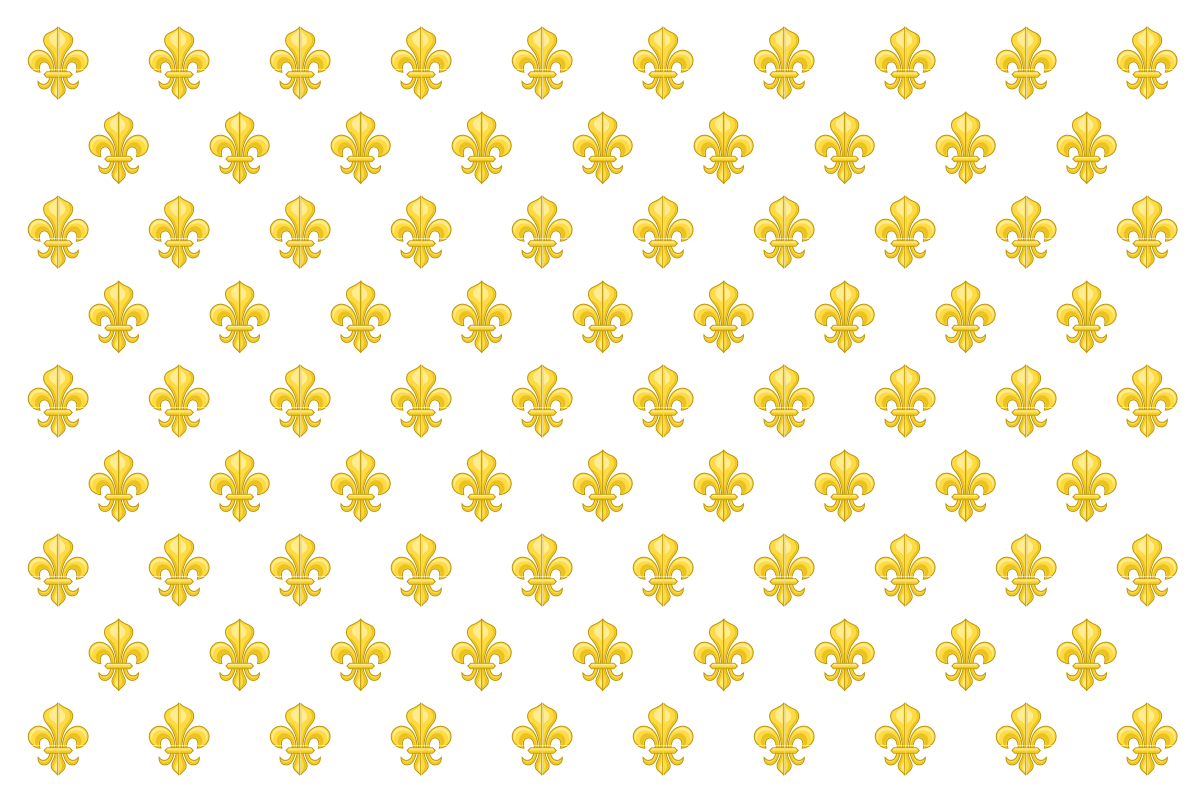
The white field strewn with golden fleurs-de-lis was the banner of the Bourbon monarchy. White, not a tricolor, symbolized the king before the Revolution.
The white Moor's-head flag of the brief kingdom created when German adventurer Theodore von Neuhoff was crowned King of Corsica for a few months in 1736.
Combined the British Union Jack with the Corsican Moor's head during the brief union under George III in the French Revolutionary Wars.
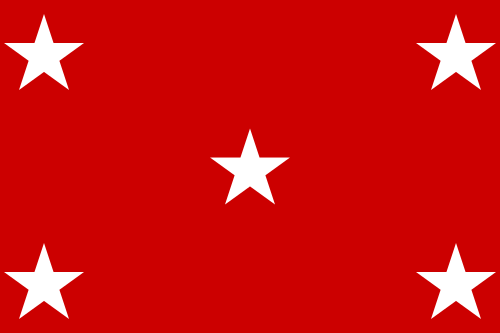
Red-and-white stripes with a canton of white stars, flown by the 19th-century Polynesian island kingdom before French annexation.
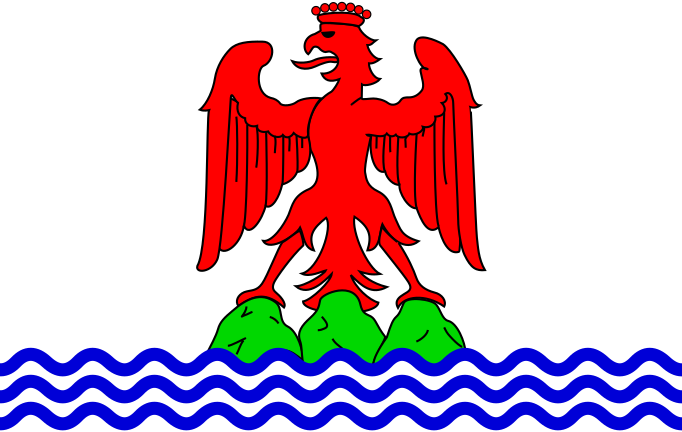
A red eagle perched on three green hills on white — the arms of Nice during its centuries under the House of Savoy, before France annexed it in 1860.
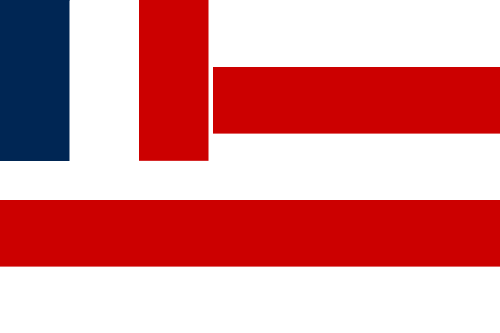
A red-and-white striped flag with a small French tricolor canton, from the Leeward Islands kingdom that resisted French annexation for years.

A white field with a red cross and four blue stars, the historic flag of a kingdom in the Austral Islands of the South Pacific.
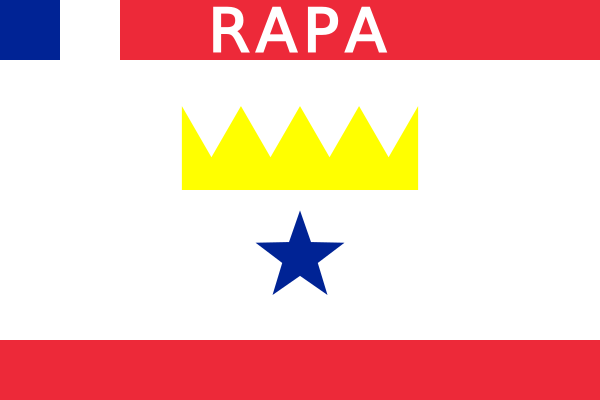
A remote Polynesian island kingdom whose flag carried a blue star beneath a crown with a French canton, before France absorbed it.
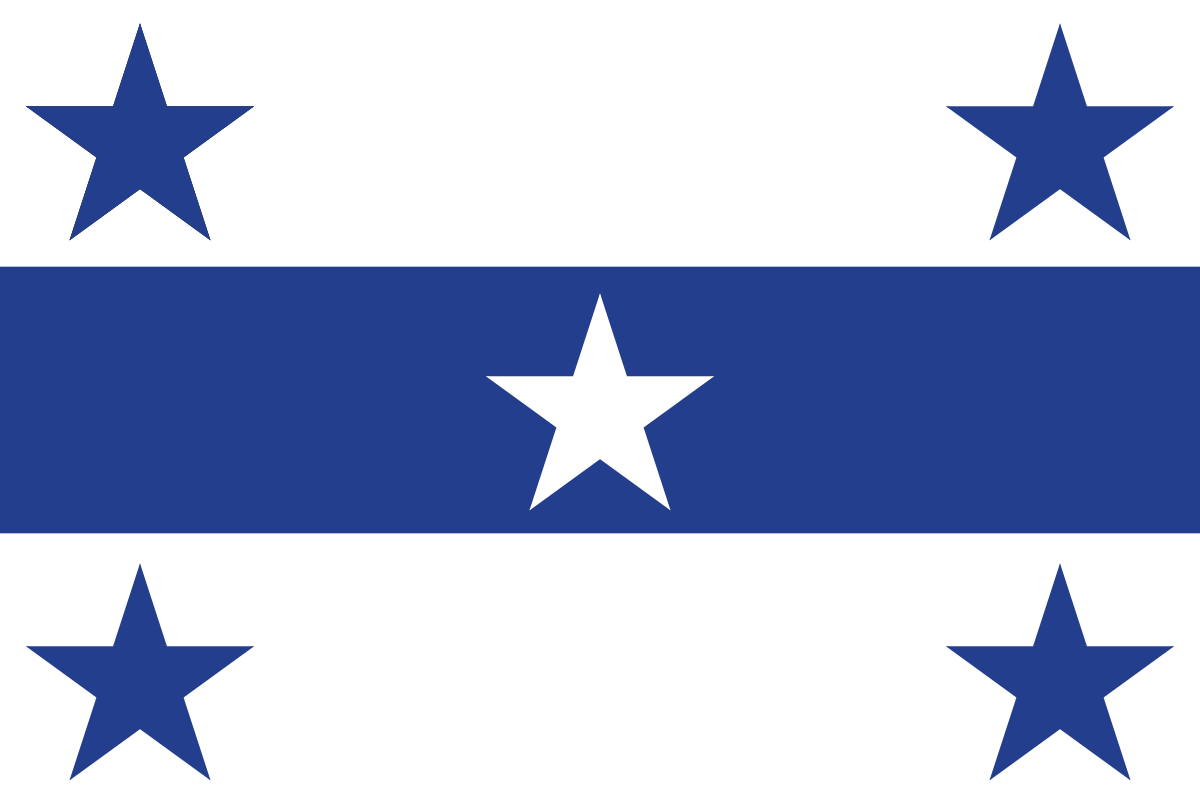
The Gambier Islands kingdom flew a banded flag with corner stars, attributed to the French explorer Dumont d'Urville, before becoming a French protectorate.

A Society Islands kingdom that resisted France longer than its neighbours; its red-and-white flag with a French canton reflected an uneasy protectorate before annexation.
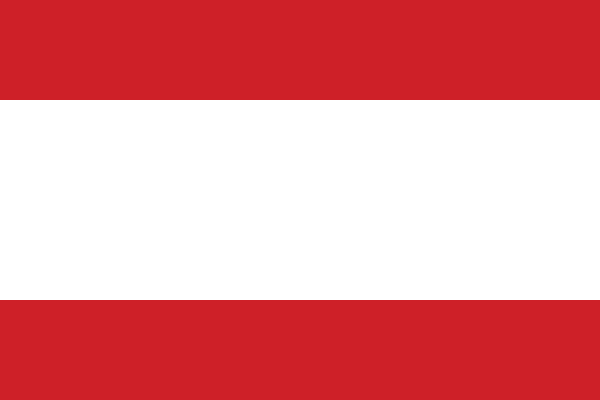
The Pōmare dynasty's red-white-red flag flew over the Society Islands kingdom until France annexed Tahiti in 1880, ending nearly a century of independent Polynesian rule.
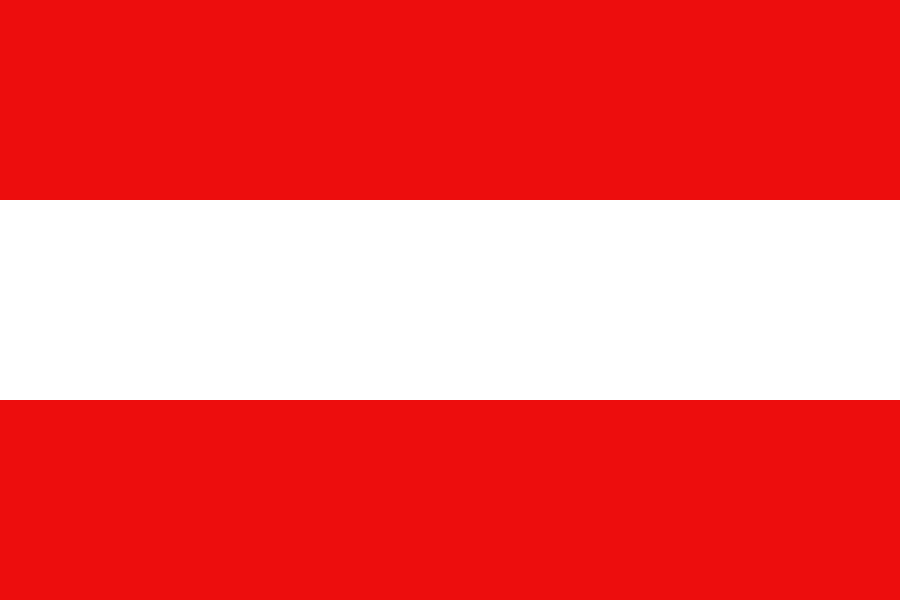
The Valois dukes of Burgundy built one of the richest states in late-medieval Europe, rivaling the French crown, until Duke Charles the Bold fell at the Battle of Nancy in 1477.
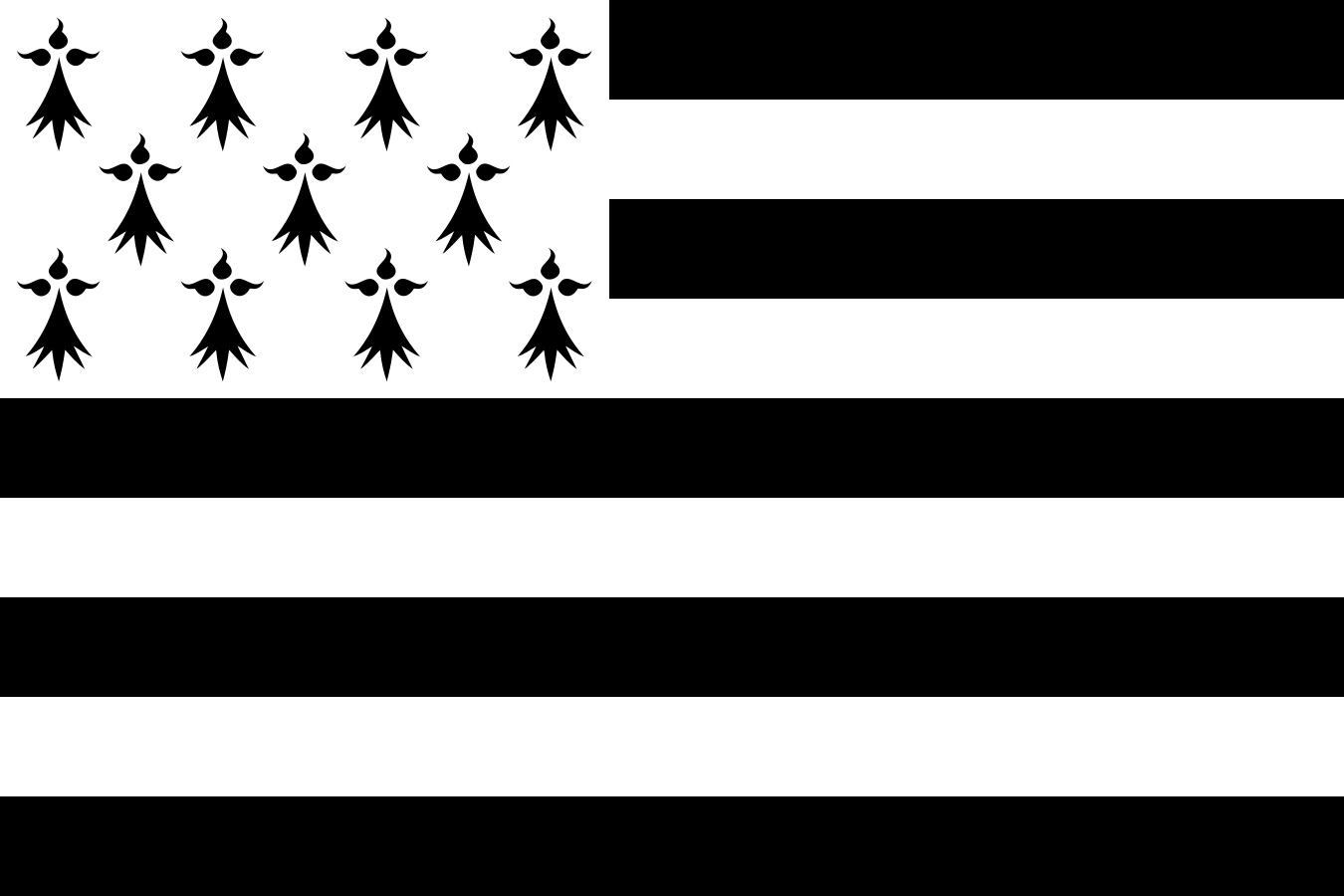
The independent Breton duchy on France's Atlantic peninsula; its modern black-and-white 'Gwenn ha du' flag recalls the duchy absorbed into France through royal marriage in 1532.
A gold flag with a red diagonal band and three white eaglets; the duchy on the German frontier passed to France only after its last duke became Holy Roman Emperor.
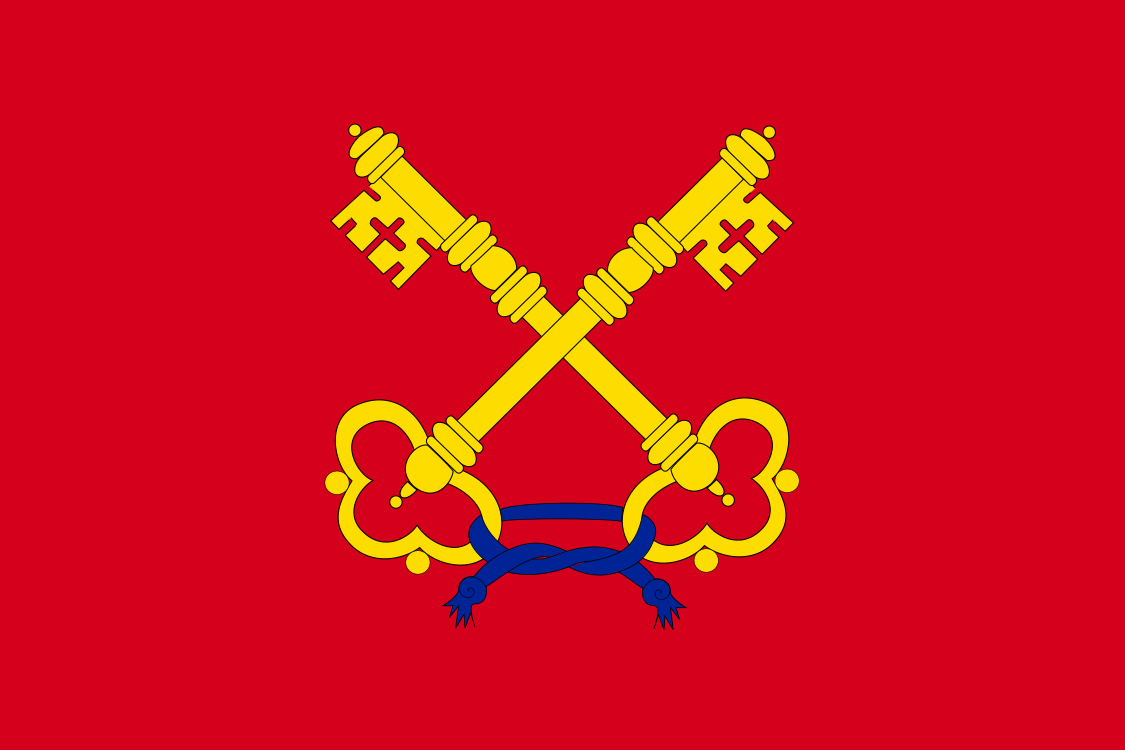
A papal enclave around Avignon ruled directly by the Popes for over five centuries — even surrounding the Avignon papacy — until France annexed it during the Revolution.
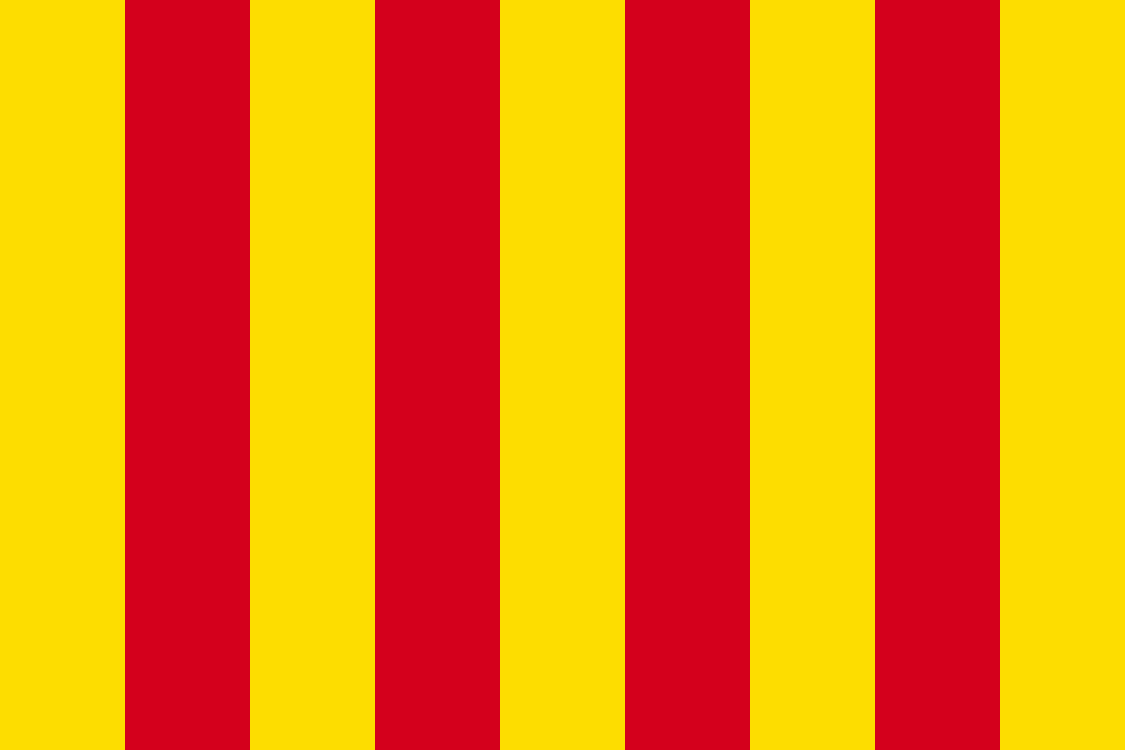
The gold-and-red striped banner of the medieval county, ruled by the House of Barcelona and then Anjou, before it was bequeathed to the French crown in 1481.
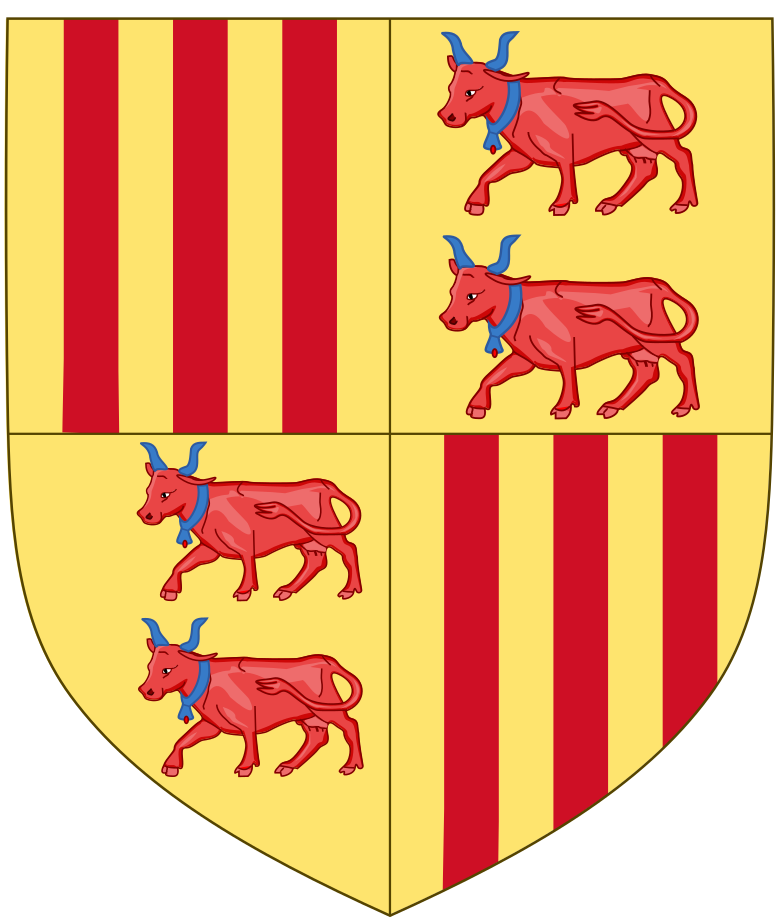
A Pyrenean county whose arms joined the gold-and-red pales of Foix with the cows of Béarn; its counts became kings of Navarre, and one, Henry, became King of France.
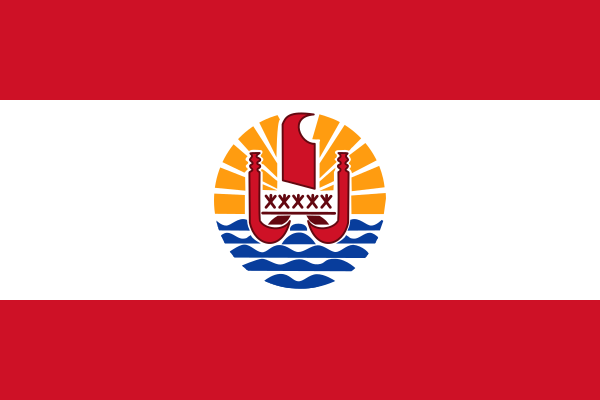
An autonomous collectivity of 121 Pacific islands including Tahiti. It has its own official territorial flag — a red-white-red design with an outrigger canoe and sun.
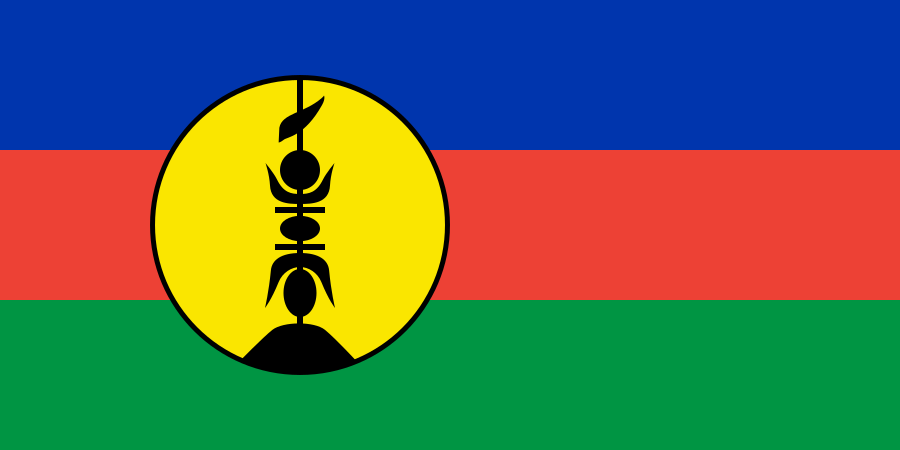
A Pacific territory voting on independence in three referendums (2018–2021), all narrowly rejecting it. The indigenous Kanak (FLNKS) flag is flown alongside the French tricolor — the only French territory with such a recognised co-flag.
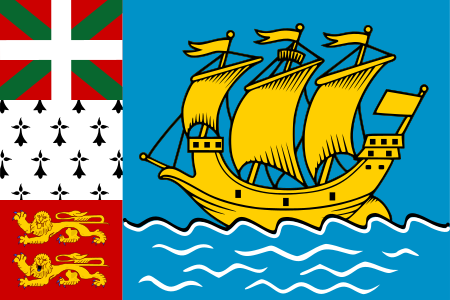
A tiny archipelago off Newfoundland, the last remnant of French North America. Its widely flown local flag bears a ship and three regional emblems.
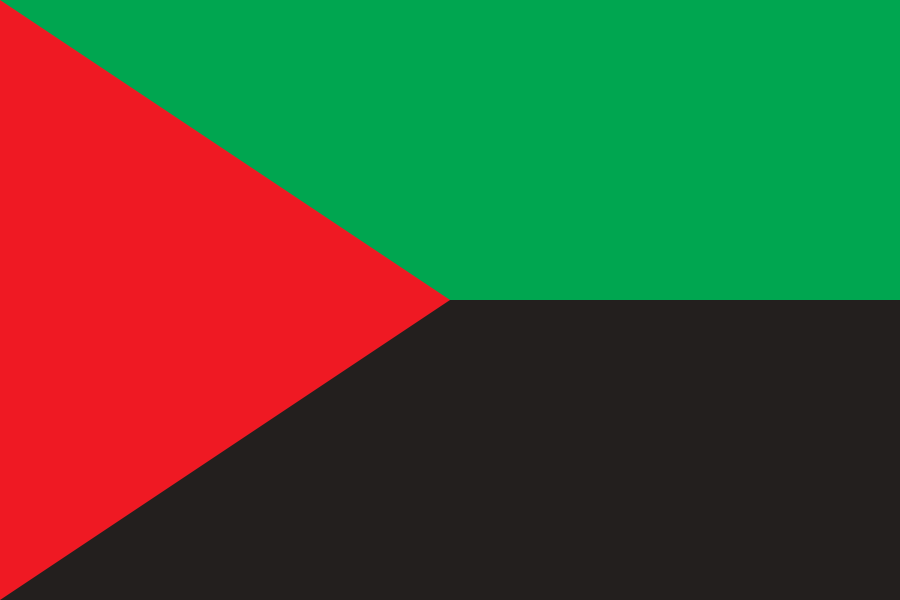
A Caribbean island and full department of France. In 2023 it adopted an official red-green-black flag with a hummingbird, replacing the colonial snake banner.
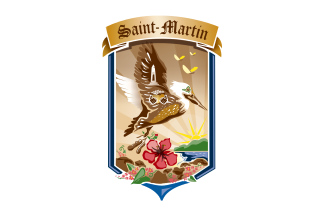
The French northern half of the island shared with Dutch Sint Maarten. Its local flag depicts the island's coastline and landmarks.
A Caribbean department of France. It officially flies only the French tricolor; the local sun-and-fleur-de-lis designs are unofficial.
An Indian Ocean department east of Madagascar, fully part of France and the EU. It officially flies only the French tricolor.
An Indian Ocean department that chose to stay French when the rest of the Comoros became independent. It officially flies only the tricolor.
France's only mainland territory in South America, home to the Guiana Space Centre. It officially flies only the tricolor (a regional flag exists but is unofficial).
A small, affluent Caribbean collectivity once owned by Sweden (1784–1878). It officially flies only the French tricolor.
The 18 states, provinces and regions of France with their own flags.
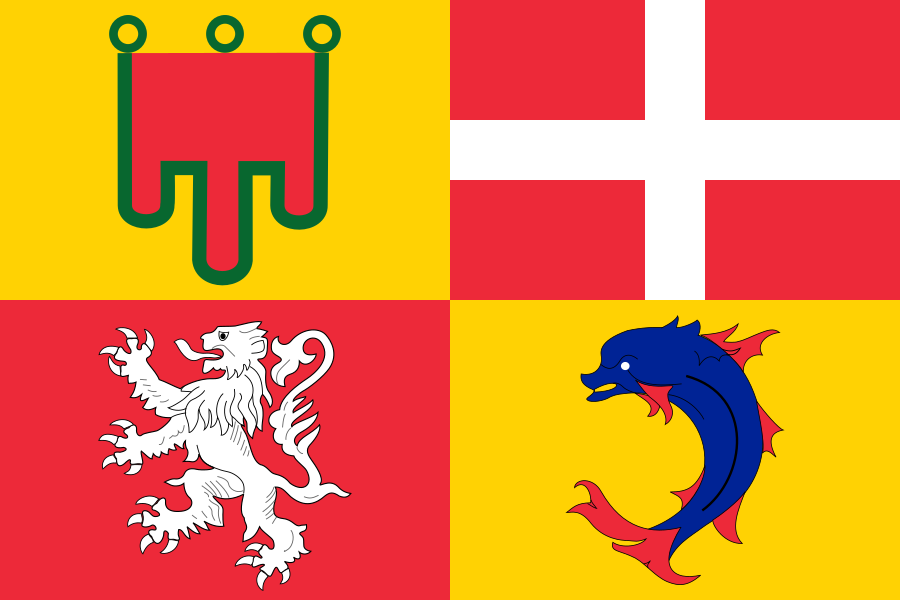 Auvergne-Rhône-Alpes
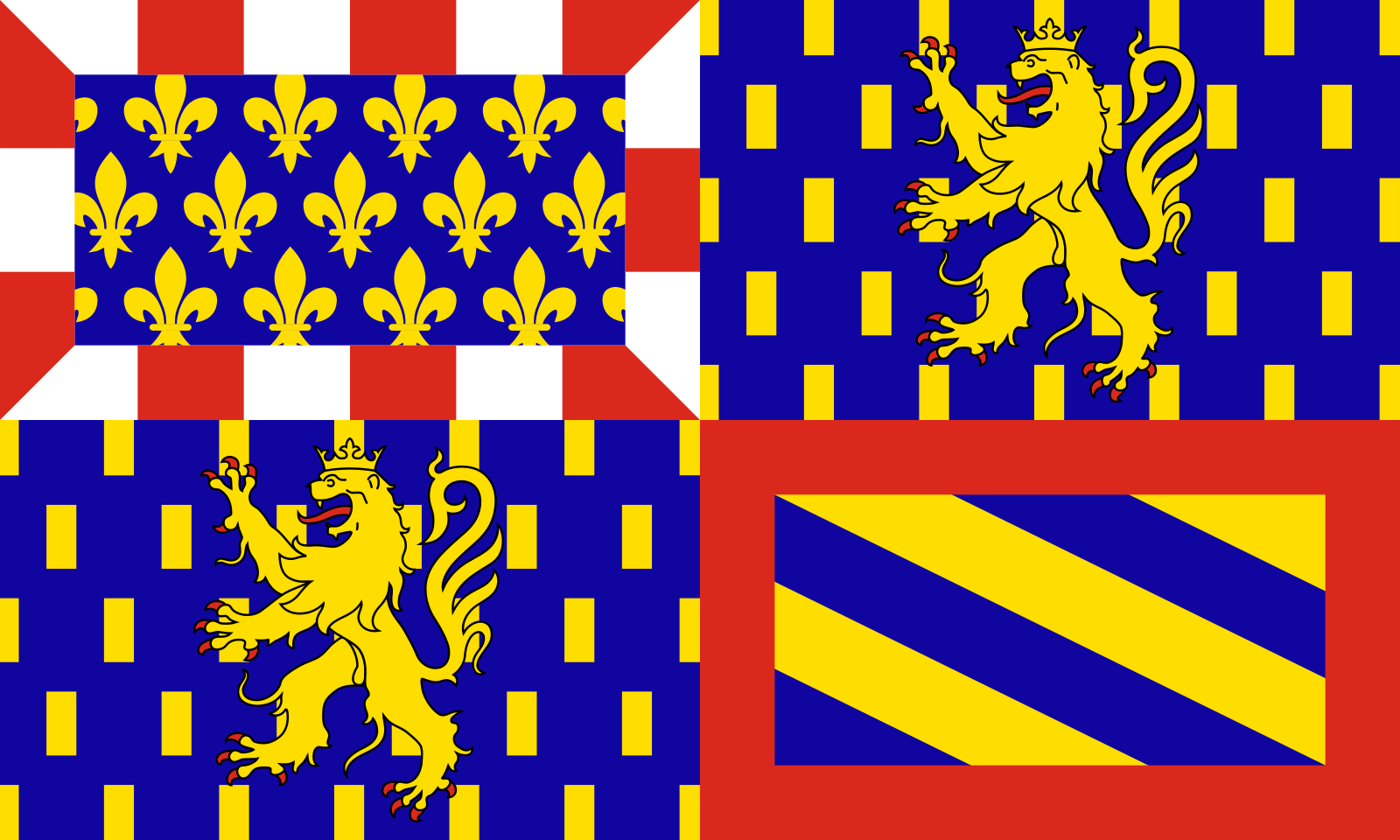 Bourgogne-Franche-Comté
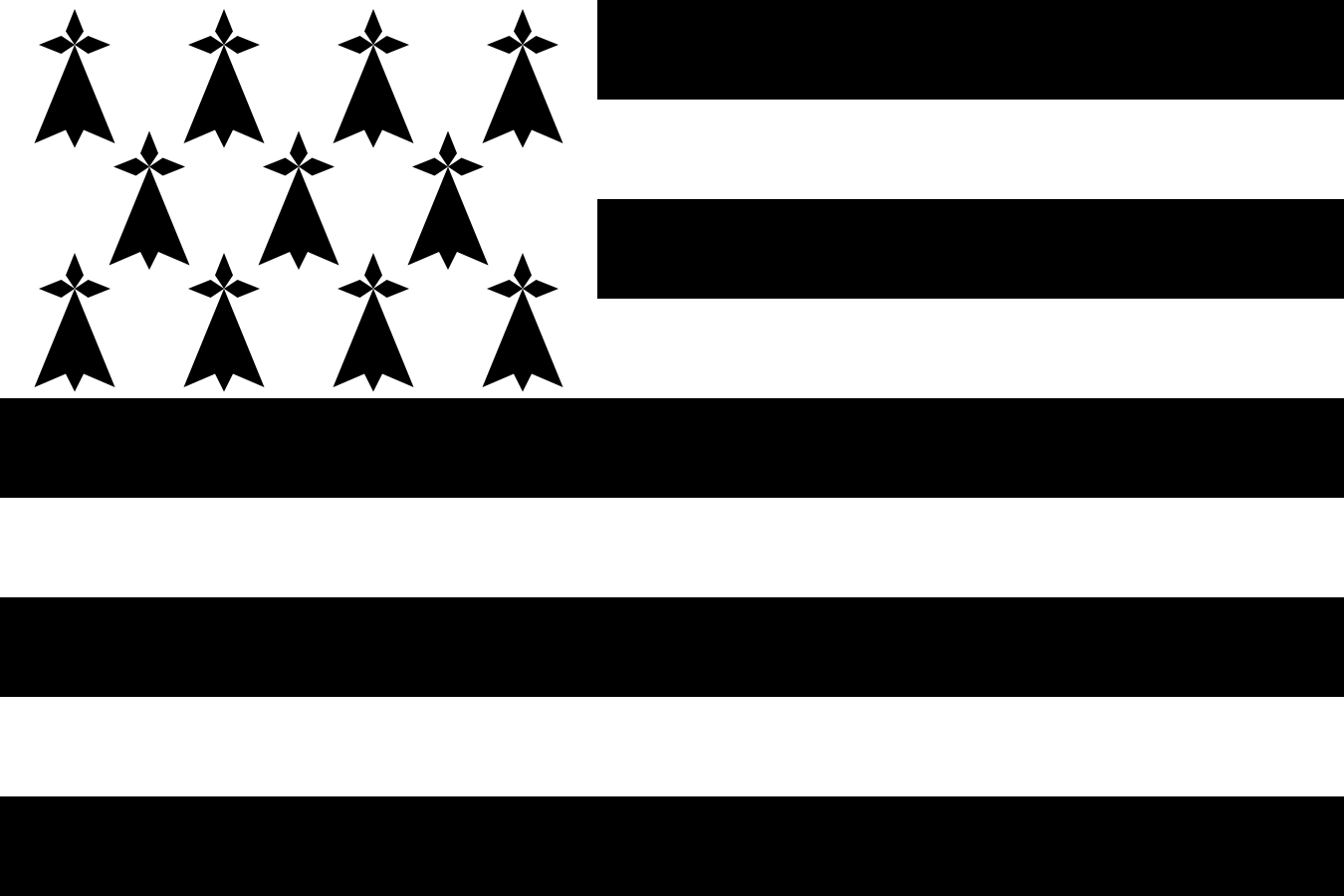 Brittany
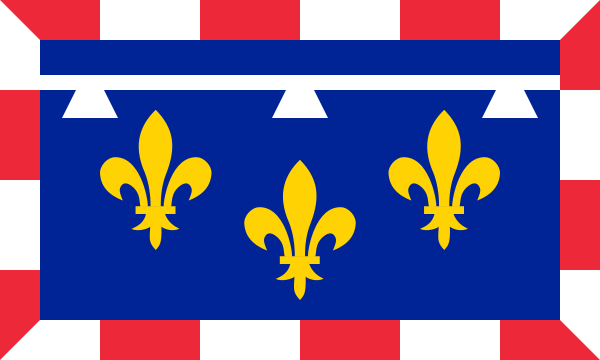 Centre-Val de Loire Corsica
 Grand Est
 Hauts-de-France
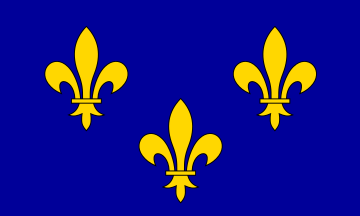 Île-de-France
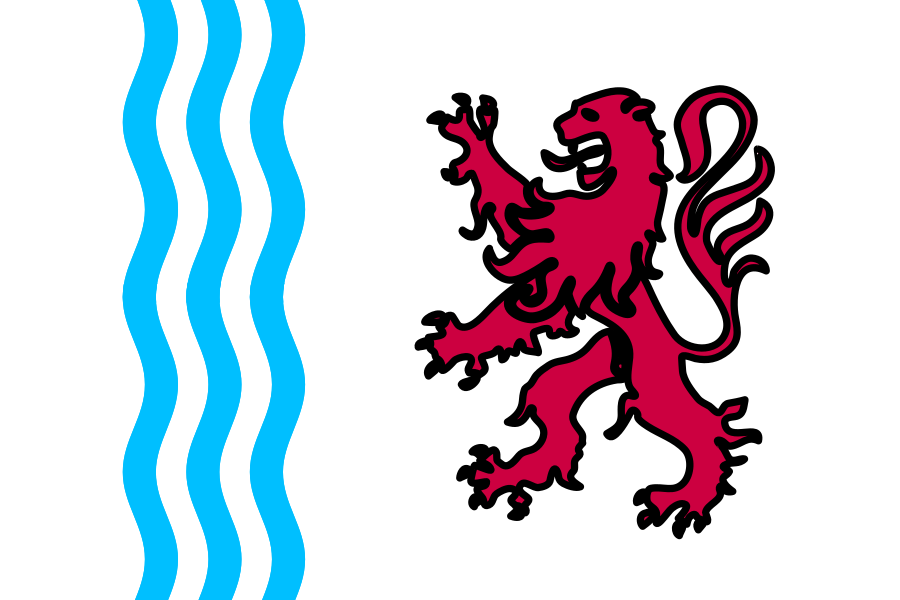 Nouvelle-Aquitaine
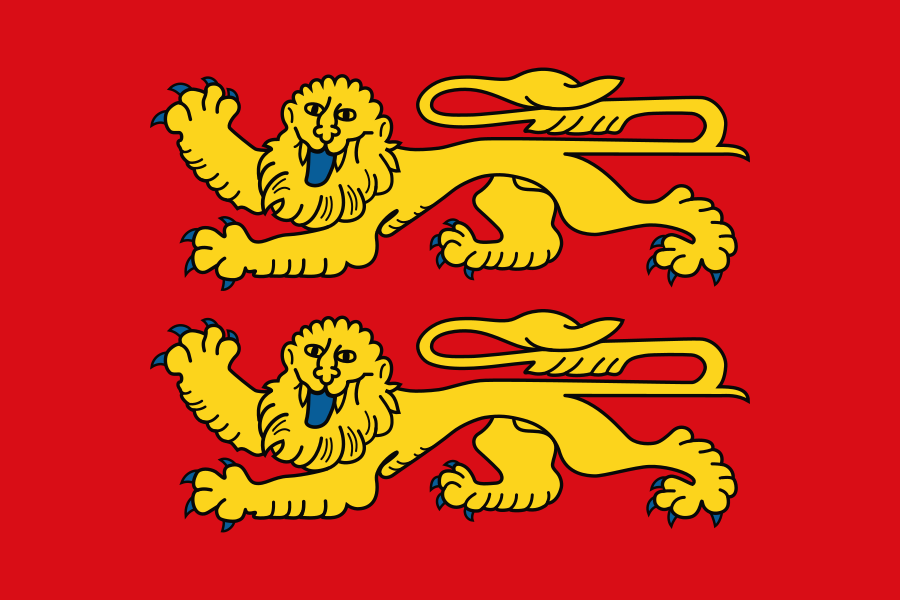 Normandy
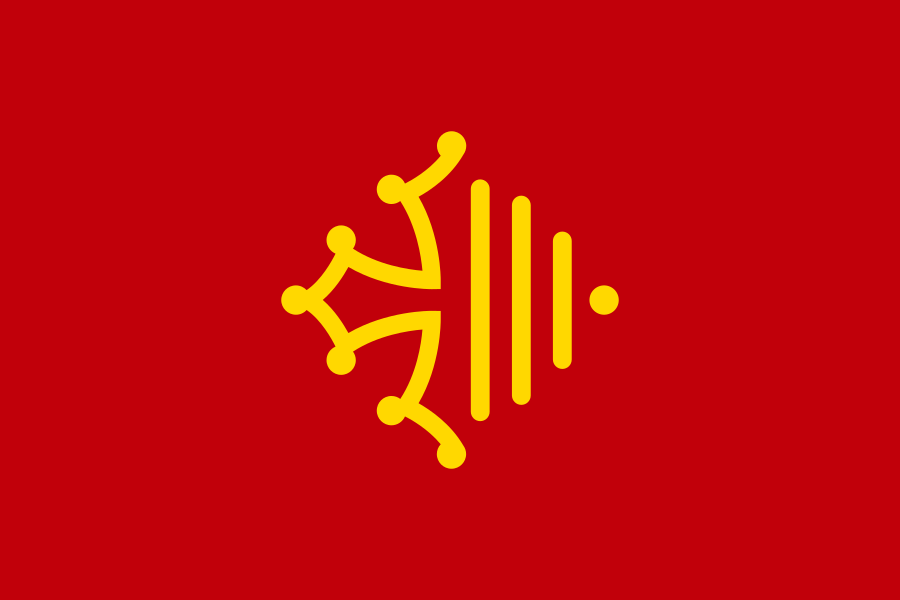 Occitanie
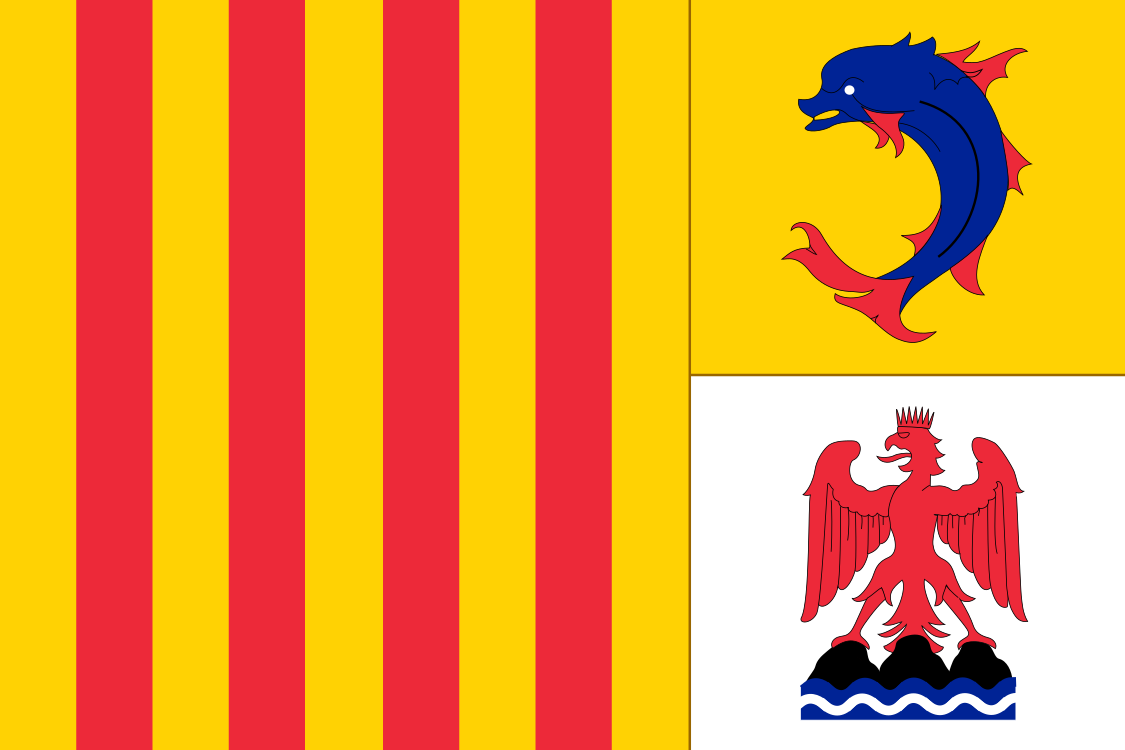 Provence-Alpes-Côte d'Azur
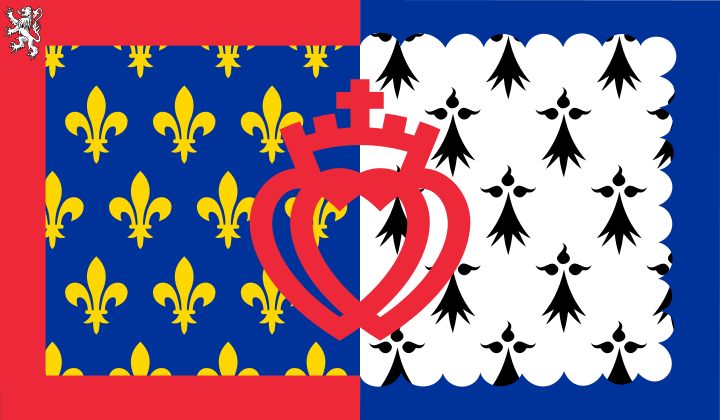 Pays de la Loire
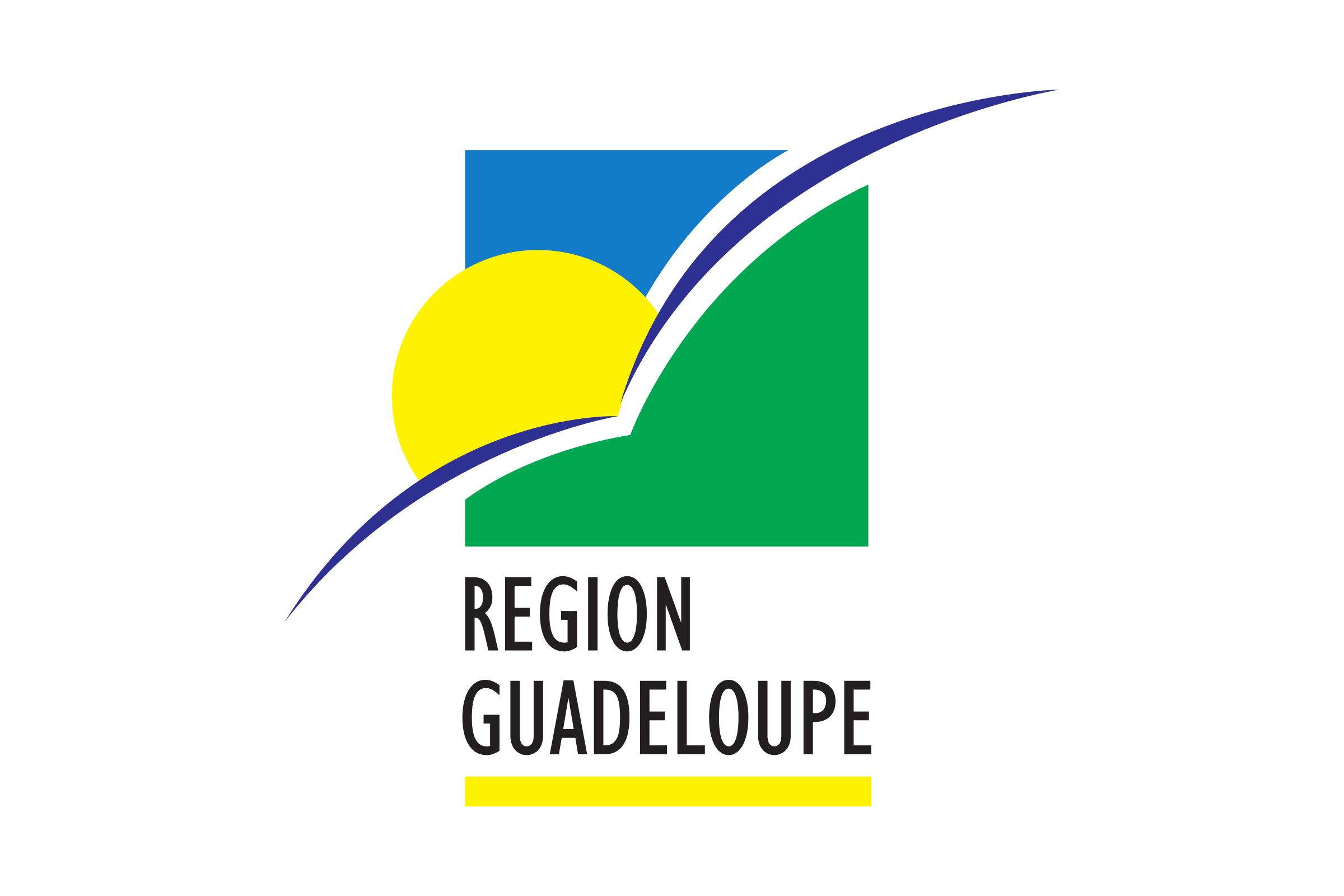 Guadeloupe
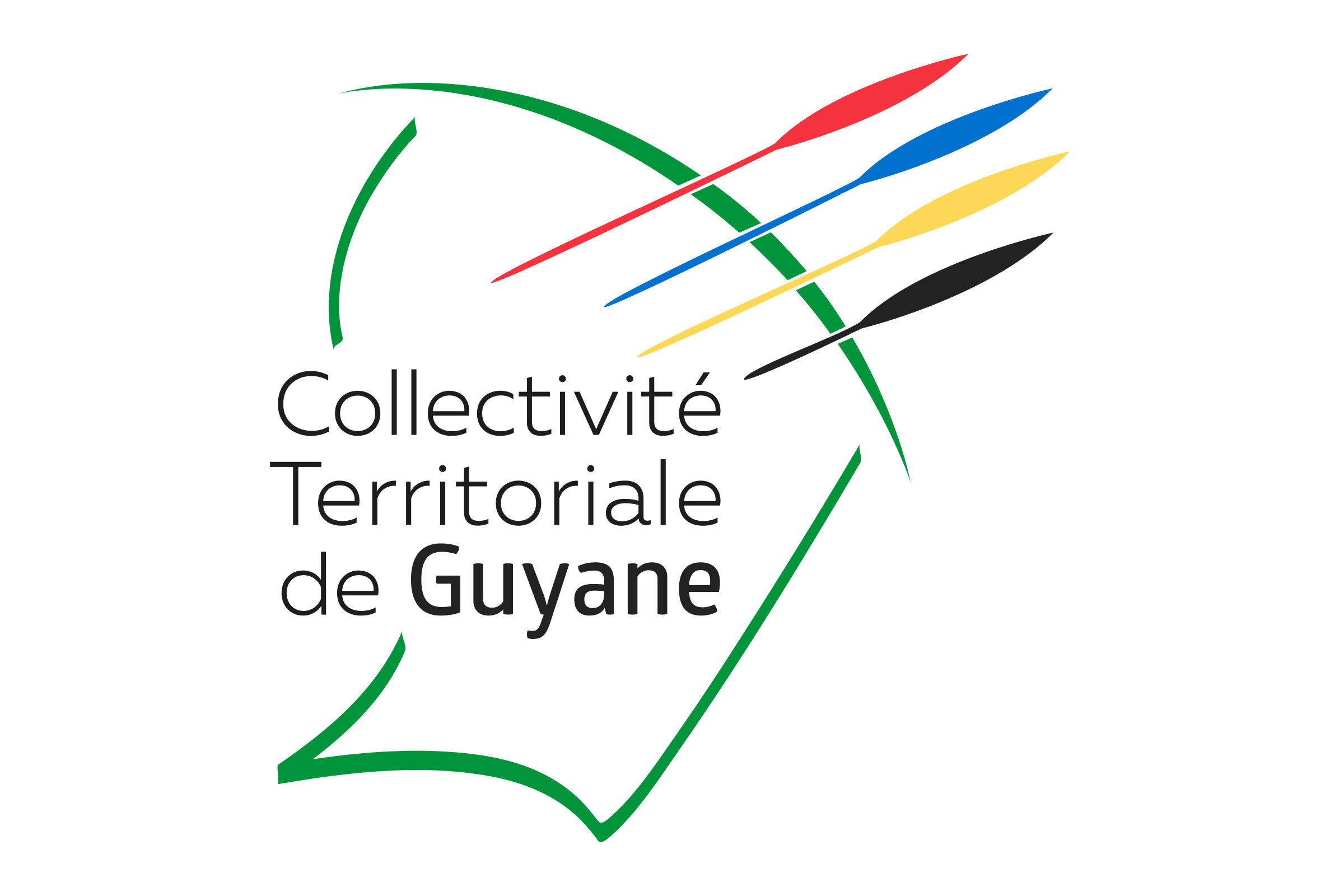 French Guiana
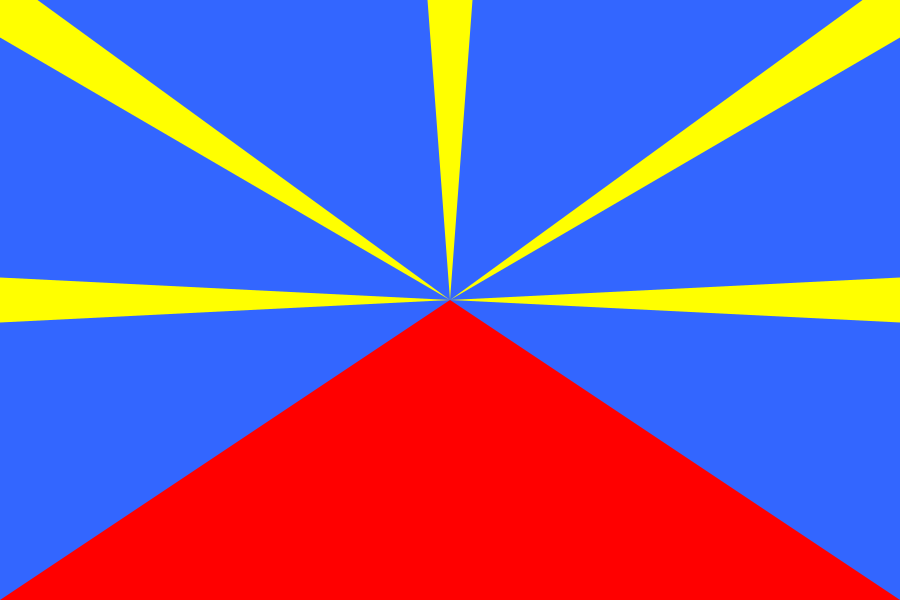 La Réunion
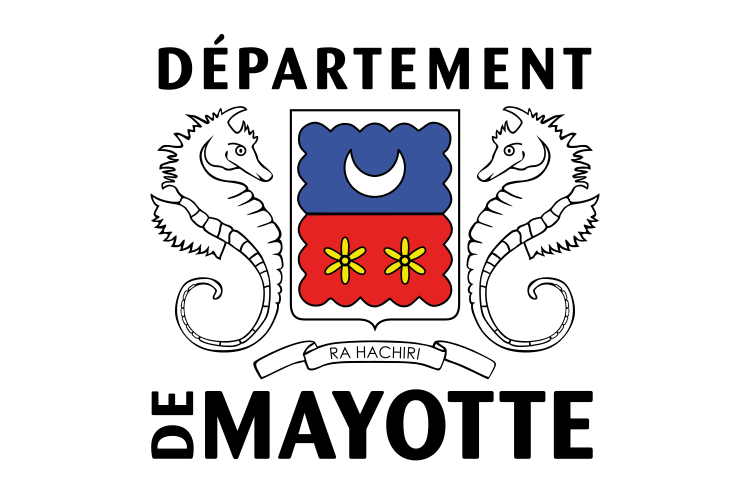 Mayotte Martinique
France shares a land border with 8 countries: Andorra, Belgium, Germany, Italy, Luxembourg, Monaco, Spain and Switzerland.
30 other national flags use the same main colours as France's.
 Australia
 Belize
 Cambodia
 Chile
 Costa Rica
 Croatia
 Cuba
 Czech Republic
 Dominican Republic
 Fiji
 Iceland
 Laos
 Liberia
 Luxembourg
 Nepal
 Netherlands
 New Zealand
 North Korea
 Norway
 Panama
 Paraguay
 Russia
 Samoa
 Serbia
 Slovakia
 Slovenia
 Taiwan
 Thailand
 United Kingdom
 United States
 Andorra
 Belgium
 Germany
 Monaco
 Spain
 Switzerland