Americas
Flag of Panama
Panama is located at the narrow isthmus connecting North and South America and is home to the Panama Canal, one of the world's most important engineering achievements, connecting the Pacific and Atlantic Oceans and handling around 5% of global trade. The canal was completed in 1914 and transferred to Panamanian sovereignty in 1999. Panama has extraordinary biodiversity, with more bird species than the continental United States and Canada combined.

- CapitalPanama City
- RegionAmericas
- Current flag since1903
- Main coloursRed, Blue, White
- Populationabout 4.4 million
- Areaabout 75,000 km²
- Flags in history2
Population and area are rounded.
What the flag of Panama means
The quarters stand for the two political parties of the time: blue for the Conservatives and red for the Liberals, with white for peace between them. The blue star represents honesty and purity, the red star authority and law. The flag was designed by the family of Manuel Amador Guerrero, the first president, and first raised in 1903.
How to recognise it
Quartered white-red (top) and blue-white (bottom) with a blue star and red star in the white quarters.
Did you know?
Panama is the only place in the world where you can see the sun rise on the Pacific and set on the Atlantic.
Flag history of Panama
Every flag that has flown over Panama, from today back through time.
1903–present
Republic of Panama (independence)
Panama's quartered flag — white with a blue star, white with a red star, blue, and red — was designed by Manuel Amador Guerrero's family and first flown on November 4, 1903, the day after independence from Colombia. The blue represents the Conservative Party; red represents the Liberal Party; white represents the peace between them. The design was chosen to symbolise national unity across political lines — an ambitious hope for a country whose independence was largely engineered by the United States to secure the Canal Zone.

1821–1903
Department of Colombia
Panama declared independence from Spain in 1821 and immediately joined Gran Colombia, later becoming a department of Colombia when Gran Colombia dissolved. Panama's attempts at independence in 1840, 1841, and later years were all unsuccessful. The 1903 independence was backed by the United States, which wanted to build a canal and found Colombia unwilling to cede the territory on American terms. Panama flew Colombia's yellow-blue-red tricolor for 82 years.
Related historical states
Empires, kingdoms and republics that once covered part of Panama.
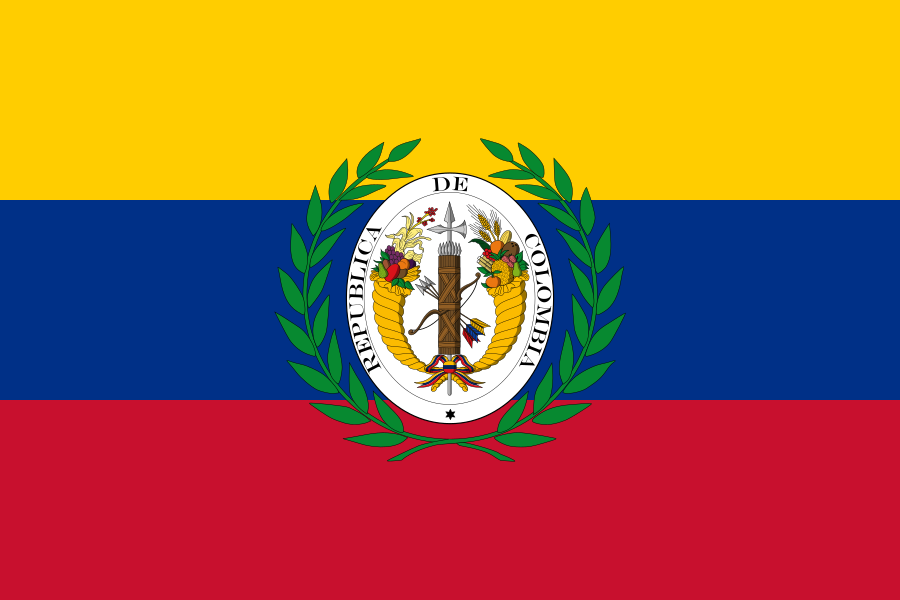
1819–1831
Gran Colombia
Bolívar's union of present-day Colombia, Venezuela, Ecuador, and Panama. Its yellow-blue-red tricolor is the direct ancestor of all three modern flags.
Regional flags of Panama
The 9 states, provinces and regions of Panama with their own flags.
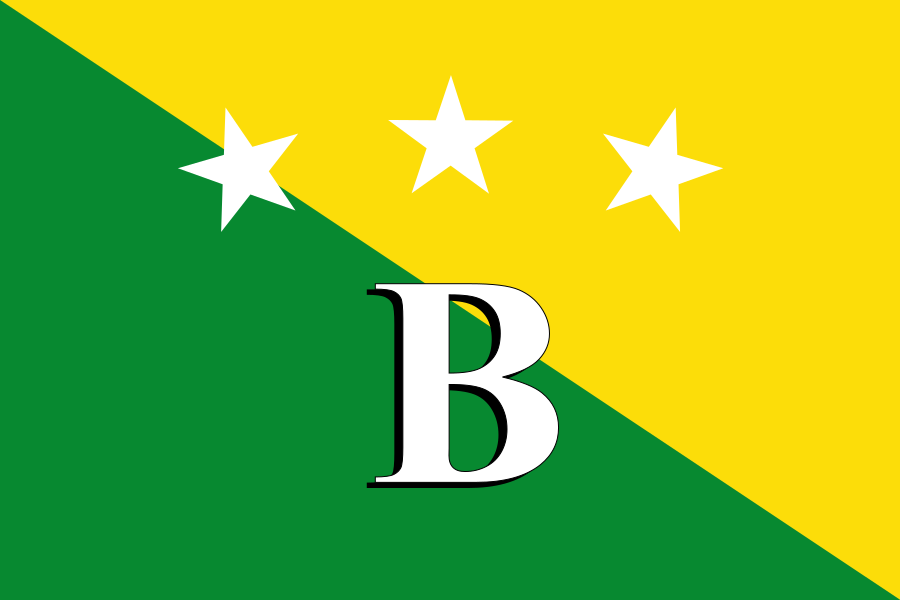
Bocas del Toro

Coclé
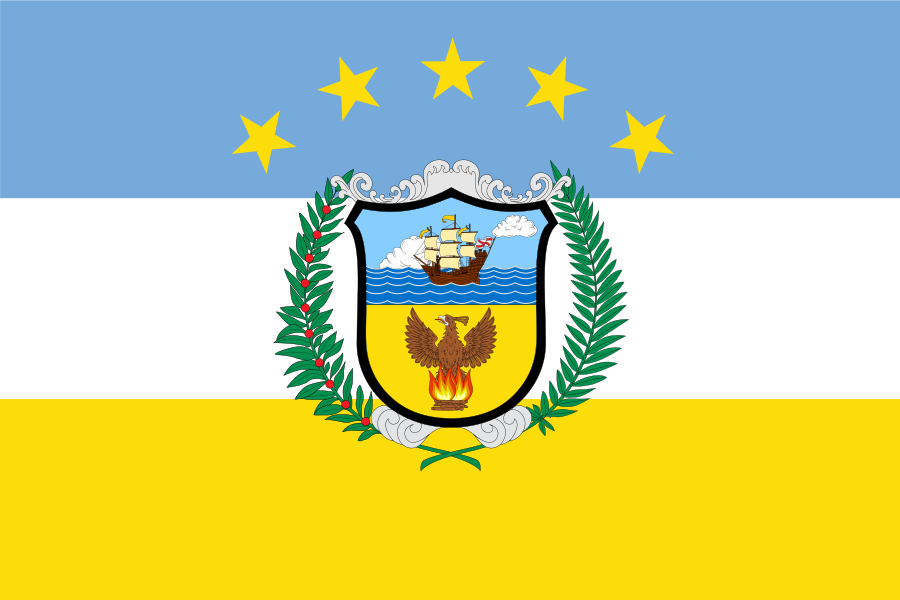
Colón
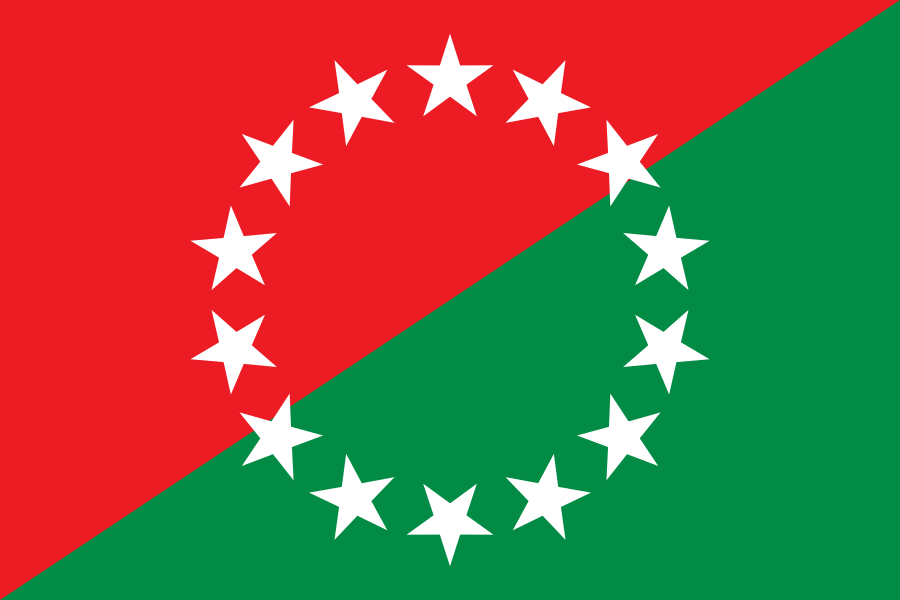
Chiriquí
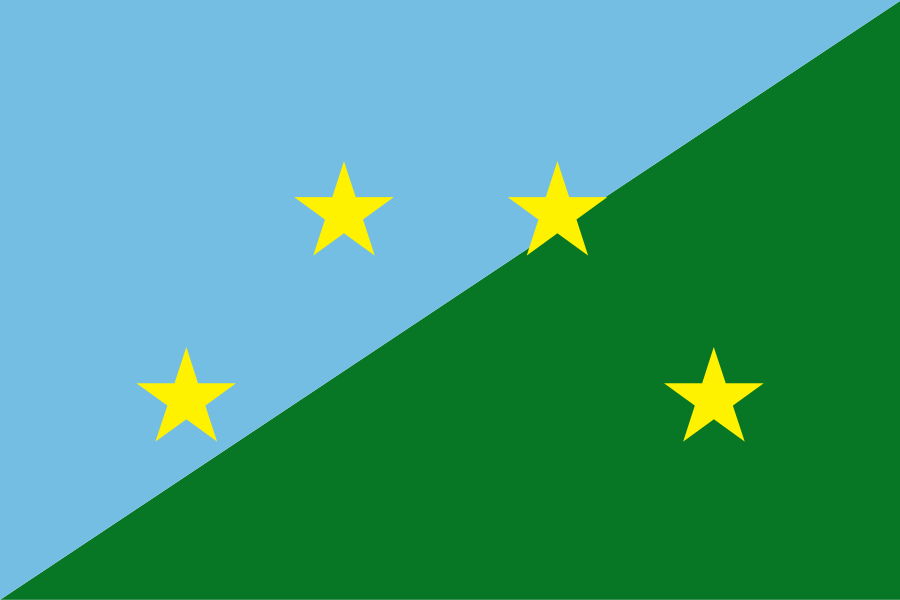
Darién
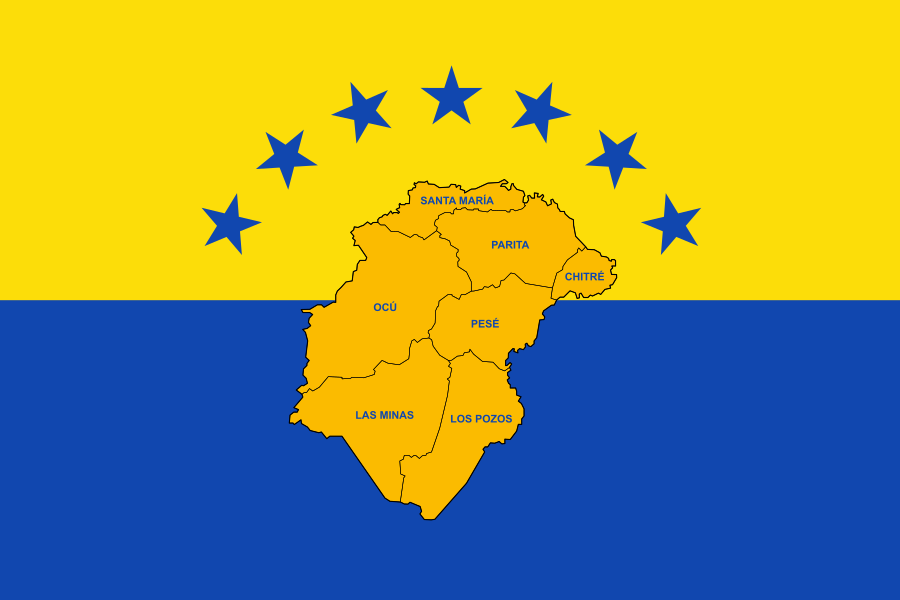
Herrera
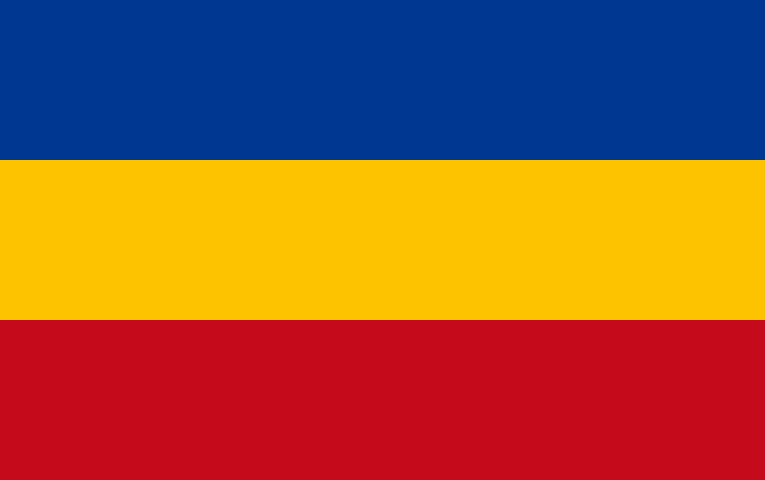
Los Santos
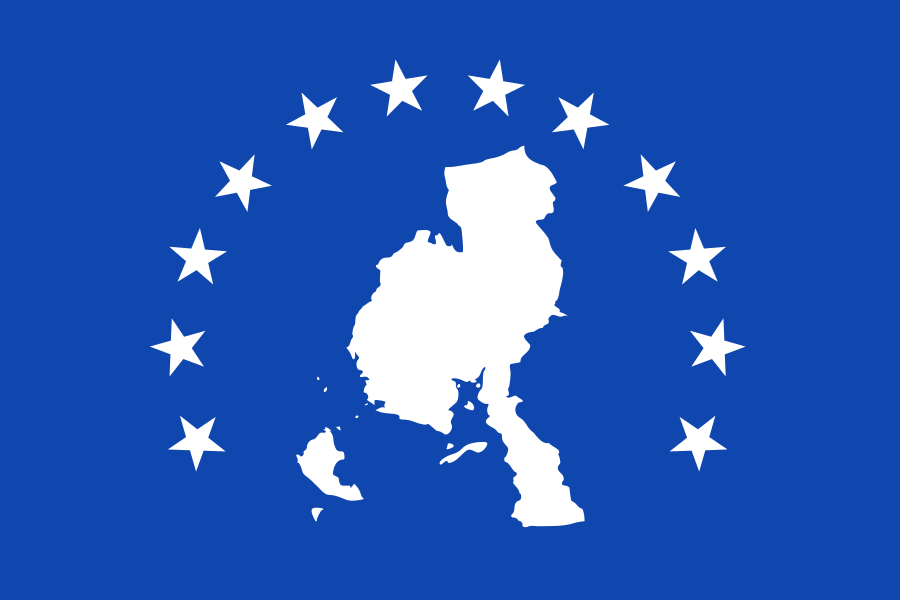
Veraguas
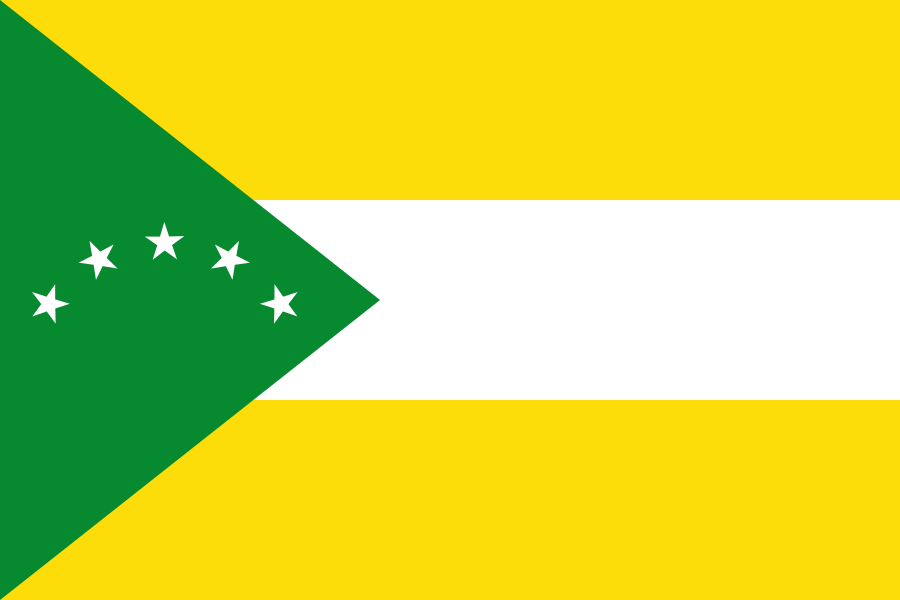
Panamá Oeste
Neighbouring countries
Panama shares a land border with 2 countries: Colombia and Costa Rica.
Other flags in red, blue and white
30 other national flags use the same main colours as Panama's.
Play Globalio and learn Panama's flag
 Costa Rica
 Australia
 Belize
 Cambodia
 Chile
 Croatia
 Cuba
 Czech Republic
 Dominican Republic
 Fiji
 France
 Iceland
 Laos
 Liberia
 Luxembourg
 Nepal
 Netherlands
 New Zealand
 North Korea
 Norway
 Paraguay
 Russia
 Samoa
 Serbia
 Slovakia
 Slovenia
 Taiwan
 Thailand
 United Kingdom
 United States