Europe
Flag of the United Kingdom
The United Kingdom consists of four constituent nations — England, Scotland, Wales, and Northern Ireland — and was historically the centre of the world's largest empire, covering approximately a quarter of Earth's land surface at its peak. London, the capital, is one of the world's leading financial, cultural, and political cities, home to institutions from the British Museum to the Houses of Parliament. The UK is a founding member of NATO and a permanent member of the UN Security Council.

- CapitalLondon
- RegionEurope
- Current flag since1801
- Main coloursRed, White, Blue
- Populationabout 67 million
- Areaabout 244,000 km²
- Flags in history3
Population and area are rounded.
What the flag of the United Kingdom means
The Union Flag combines the red cross of St George for England, the white saltire of St Andrew for Scotland, and the red saltire of St Patrick for Ireland. The first version joined England and Scotland in 1606, and St Patrick's cross was added in 1801. Wales is not represented because it was already joined to England when the first union flag was made.
How to recognise it
The Union Jack: overlapping red, white, and blue crosses of England, Scotland, and Ireland.
Did you know?
The UK invented football (soccer), cricket, golf, tennis, and the World Wide Web.
Easily confused with
The United Kingdom's flag is often mixed up with these. Learn to tell them apart:
Flag history of the United Kingdom
Every flag that has flown over the United Kingdom, from today back through time.
1801–present
Union Jack (Current)
Created in 1801 when Ireland joined Great Britain. Combines St George's Cross (England), St Andrew's Cross (Scotland), and St Patrick's Cross (Ireland). The red diagonal is deliberately offset so the Scottish white saltire is not obscured.
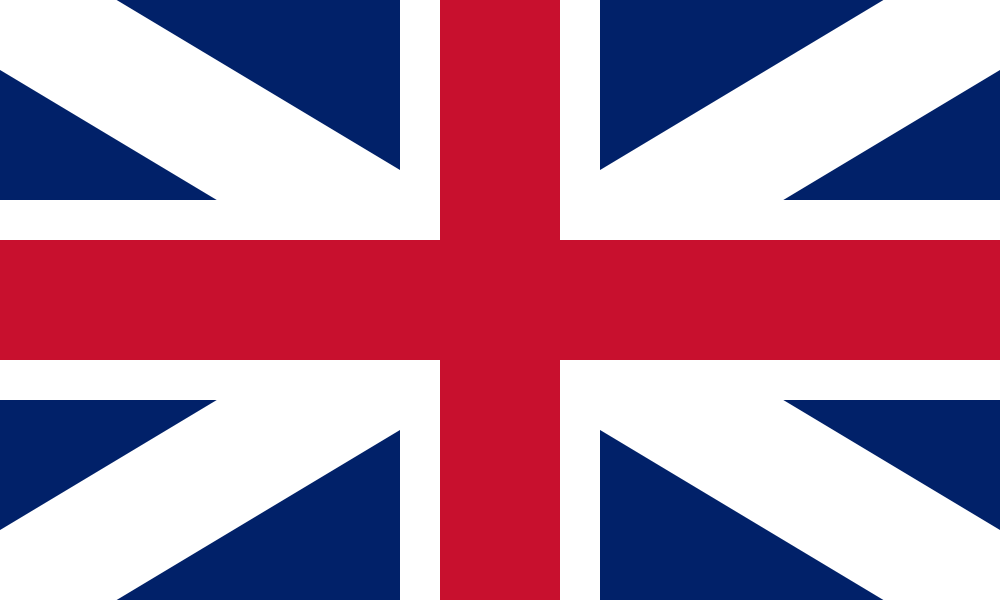
1707–1800
Flag of Great Britain (1707–1800)
Created by the Acts of Union 1707 joining England and Scotland. Combined only St George's Cross and St Andrew's Cross. Ireland had not yet joined, so there is no red diagonal of St Patrick.
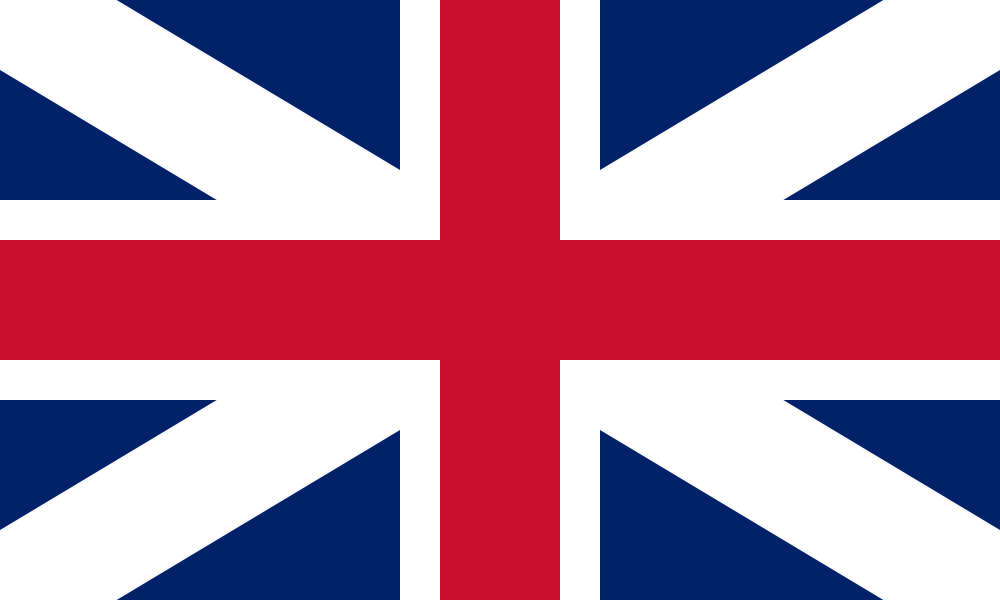
1606–1707
King's Colours (Union of the Crowns)
When James VI of Scotland also became James I of England in 1603, the two crowns were united under one king though the kingdoms stayed separate. In 1606 he ordered this first Union Flag — St George over St Andrew — flown at sea. It served as a royal and maritime banner for a century before the 1707 union made it the flag of the new Kingdom of Great Britain.
England
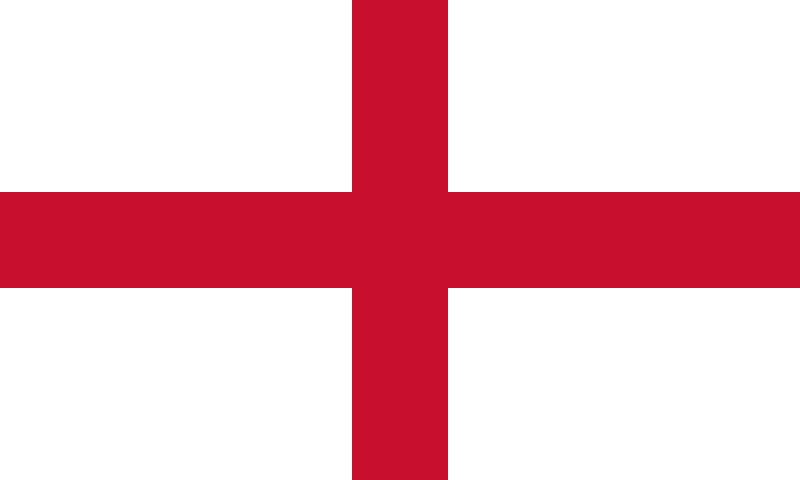
1270–present
St George's Cross
A red cross on white, adopted by England from the late 13th century after St George became the realm's patron. It later formed the base of the Union Flag and is still flown as England's national flag today.
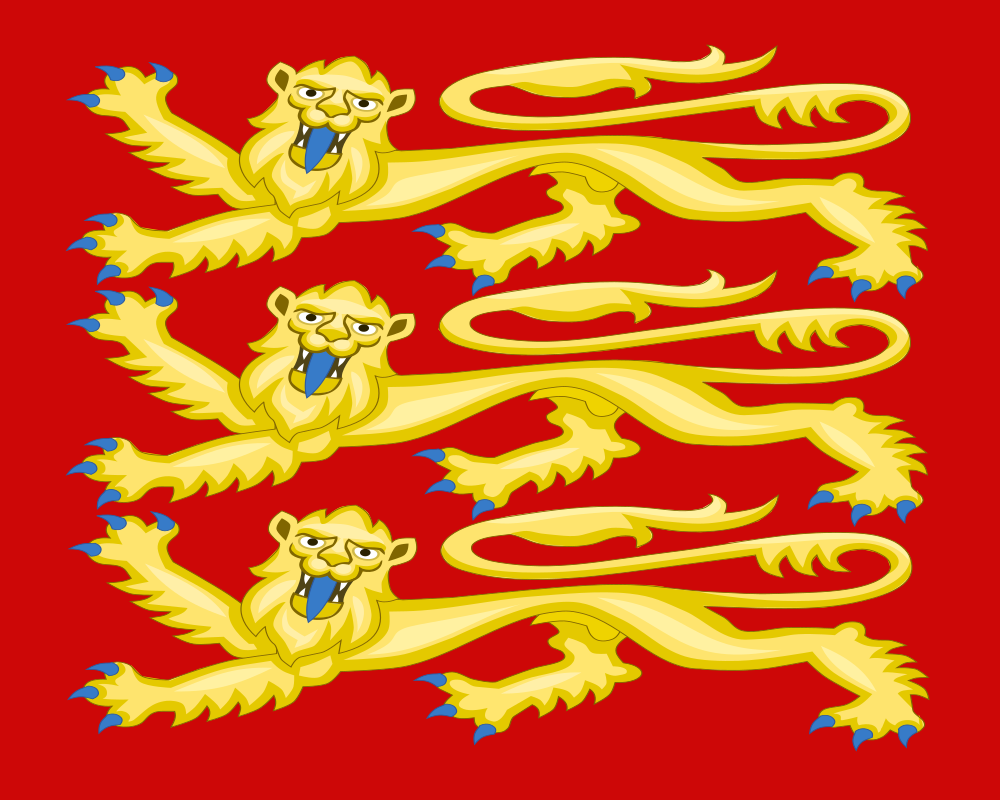
1198–1707
Royal Banner of England (Three Lions)
The three gold lions (leopards) on red were the royal arms of the Plantagenet kings from Richard I onwards. As a banner it represented the monarch and the Kingdom of England until the 1707 union, and the lions survive in the Royal Standard and on England's sporting badges.
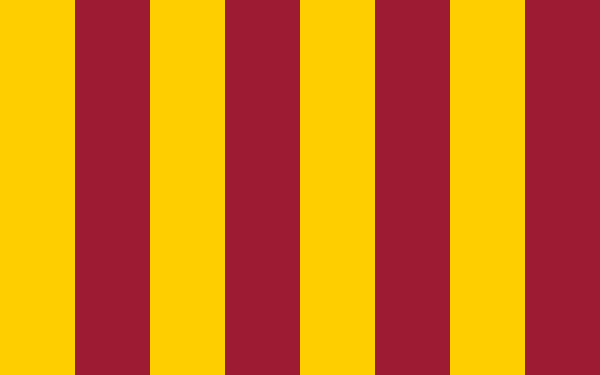
654–954
Kingdom of Northumbria
An Anglo-Saxon kingdom across northern England and southern Scotland. Its red-and-gold vertical banner is an attributed design based on Bede's description of King Oswald's standard — the kingdom itself had no flag in the modern sense.
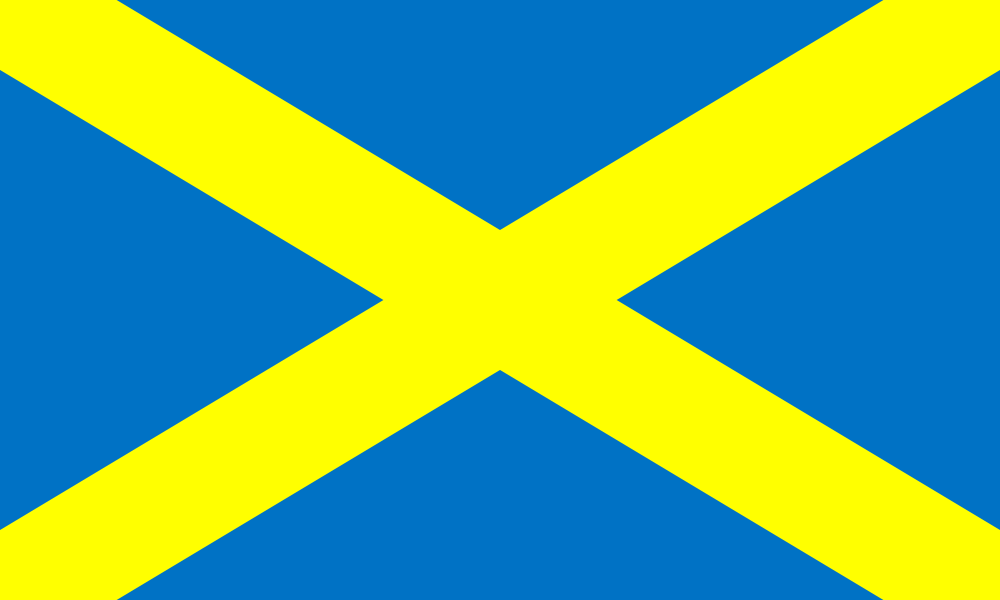
527–918
Kingdom of Mercia
The dominant kingdom of the English Midlands during the 'Mercian Supremacy'. The gold saltire on blue — St Alban's Cross, after England's first martyr — is the attributed banner traditionally associated with Mercia.
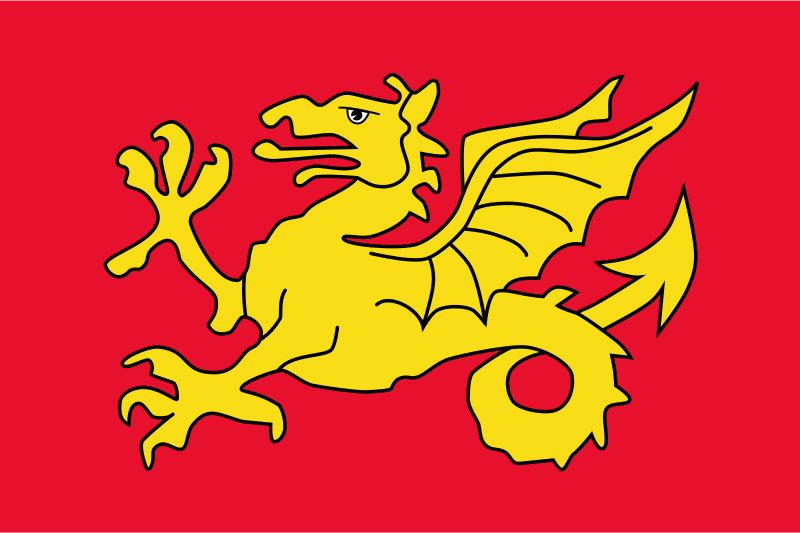
519–927
Kingdom of Wessex
The kingdom of the West Saxons, from which Alfred the Great and the eventual kings of a united England arose. The gold wyvern (dragon) on red is the attributed standard of Wessex, later revived as a regional emblem.
Scotland
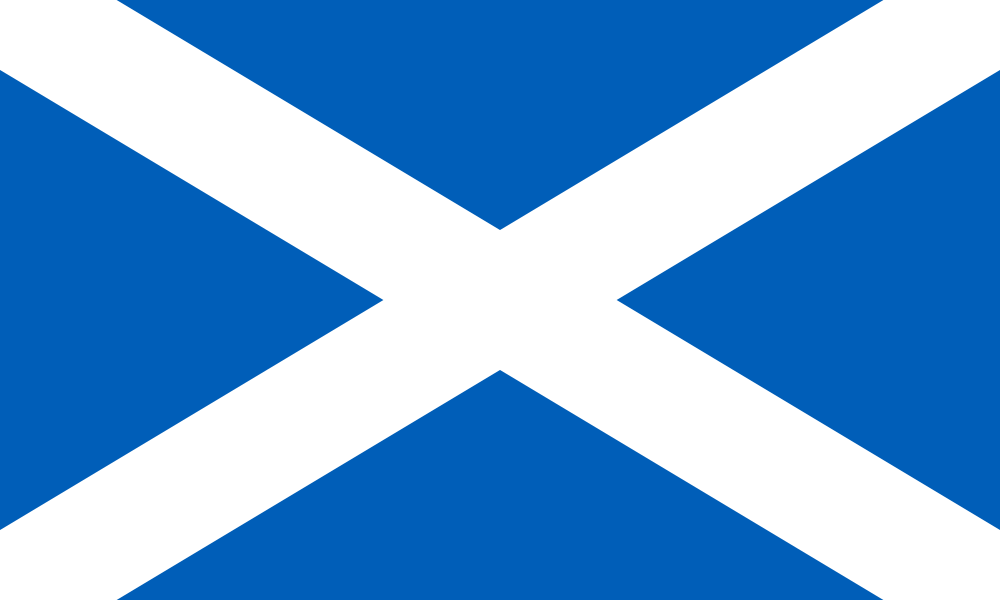
1385–present
Flag of Scotland (Saltire)
The white diagonal cross of St Andrew on blue — by legend seen in the sky before a 9th-century battle, and first recorded in use in 1385. It is one of the oldest national flags still in use and forms the blue field of the Union Jack.
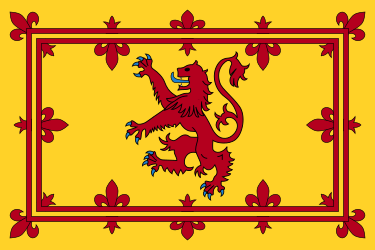
1222–present
Royal Standard of Scotland (Lion Rampant)
The red lion rampant within a double border, used by the Kings of Scots since at least the reign of Alexander II. Still the monarch's official banner in Scotland, it is flown unofficially as a second national flag at sporting events.
Wales
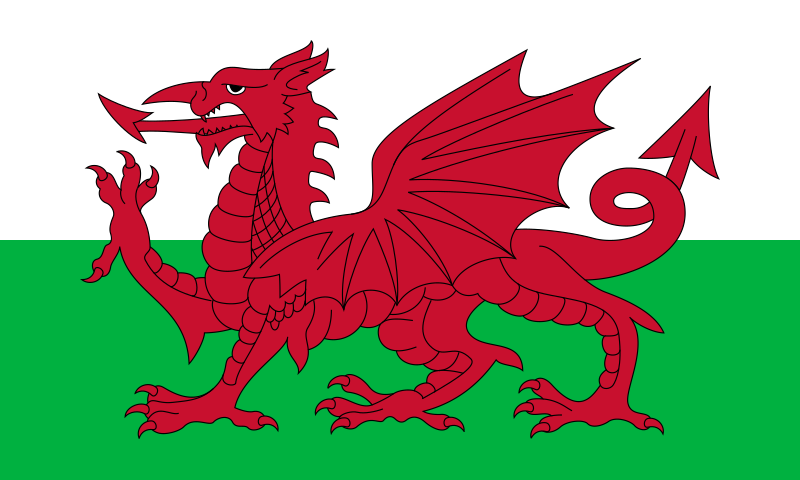
1959–present
Flag of Wales (Y Ddraig Goch)
The red dragon on a green-and-white field, made the official flag of Wales in 1959. The dragon is one of Britain's oldest emblems, linked to the Welsh kings and the legend of Myrddin (Merlin). Uniquely, Wales is not represented on the Union Jack.
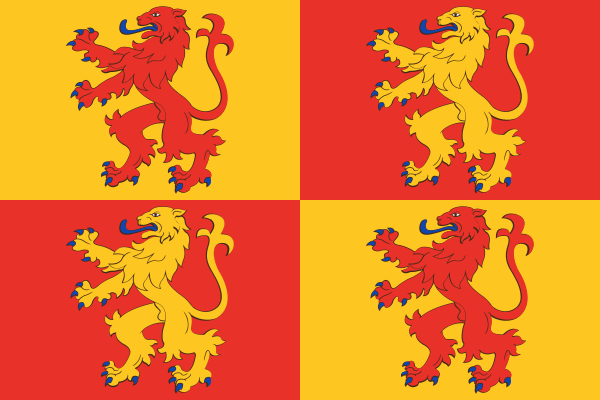
1400–1415
Owain Glyndŵr's Banner
The four lions rampant, quartered gold and red, were the arms of Owain Glyndŵr, the last native Welshman to hold the title Prince of Wales. He raised this banner during his revolt against English rule (1400–1415) and it remains a symbol of Welsh independence.
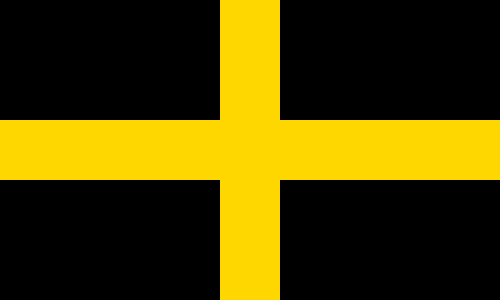
1120–present
St David's Flag
A gold cross on black, the banner of Dewi Sant (St David), patron saint of Wales. Flown especially on St David's Day (1 March), it serves as an alternative Welsh flag rooted in the early medieval Welsh church.
Northern Ireland
1972–present
No official flag (Union Jack)
Since the Northern Ireland government was suspended in 1972, the region has had no official flag of its own — the Union Jack is the only flag used by the UK government for Northern Ireland. Other flags remain politically contested.
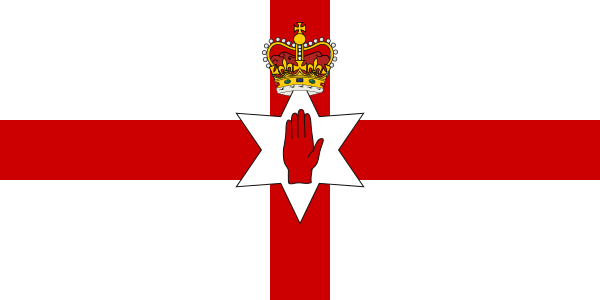
1953–1972
Ulster Banner
Based on the St George's Cross with the red hand of Ulster on a six-pointed star and a crown, this was the flag of the Northern Ireland government from 1953 until it was abolished in 1972. It still appears in some sporting and unionist contexts but has no official status.
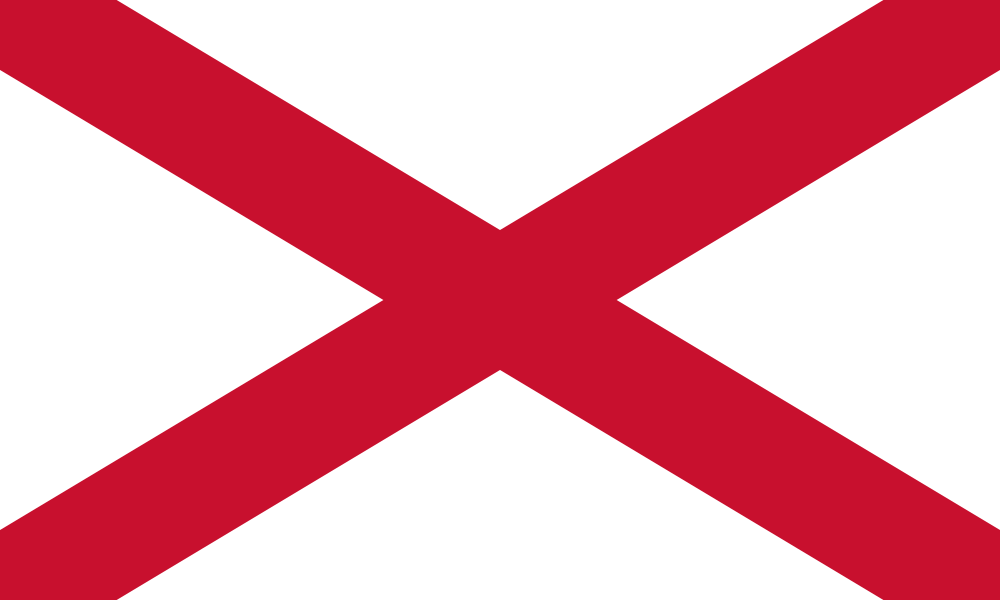
1783–present
St Patrick's Saltire
A red diagonal cross on white, used to represent Ireland in the Union Jack from the 1801 union. Its standing as a purely Irish symbol is debated, but it is the element of the UK flag that stands for the island of Ireland.
Related historical states
Empires, kingdoms and republics that once covered part of the United Kingdom.
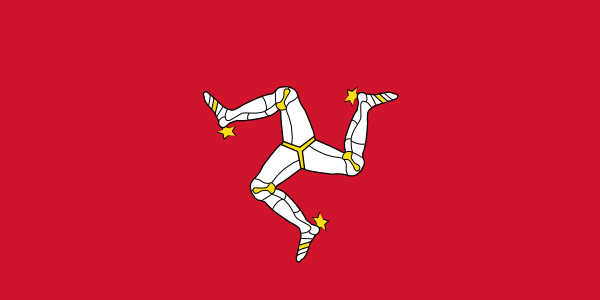
1079–1265
Kingdom of Mann
The gold three-legged triskelion on red descends from the Norse-Gaelic Kingdom of Mann and the Isles, which once ruled the Irish Sea from the Isle of Man.
927–1707
Kingdom of England
The red St George's Cross on white became England's flag in the late Middle Ages; the kingdom merged with Scotland in 1707 to form Great Britain.
843–1707
Kingdom of Scotland
The white Saltire of St Andrew on blue, one of the oldest national flags in the world, flew over independent Scotland until the union with England in 1707.
1707–1800
Kingdom of Great Britain
The first Union Flag, combining the crosses of St George and St Andrew, flew over the merged kingdom until Ireland's 1801 union added St Patrick's saltire to make the modern flag.
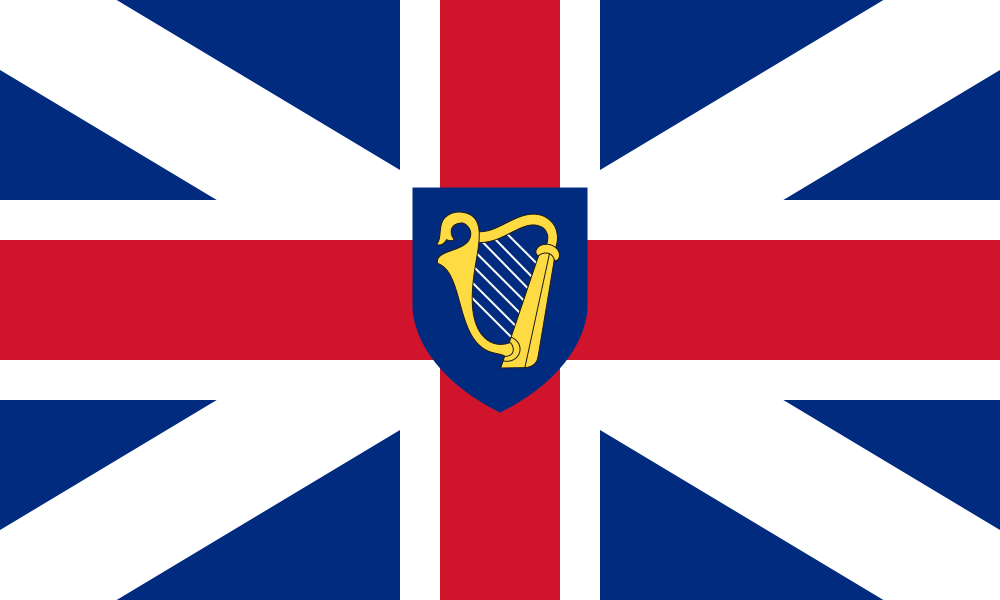
1649–1660
Commonwealth of England
England's brief republic after the execution of Charles I, ruled by Oliver Cromwell as Lord Protector; its flag combined the crosses of England, Scotland, and Ireland with his arms.
Territories & dependencies
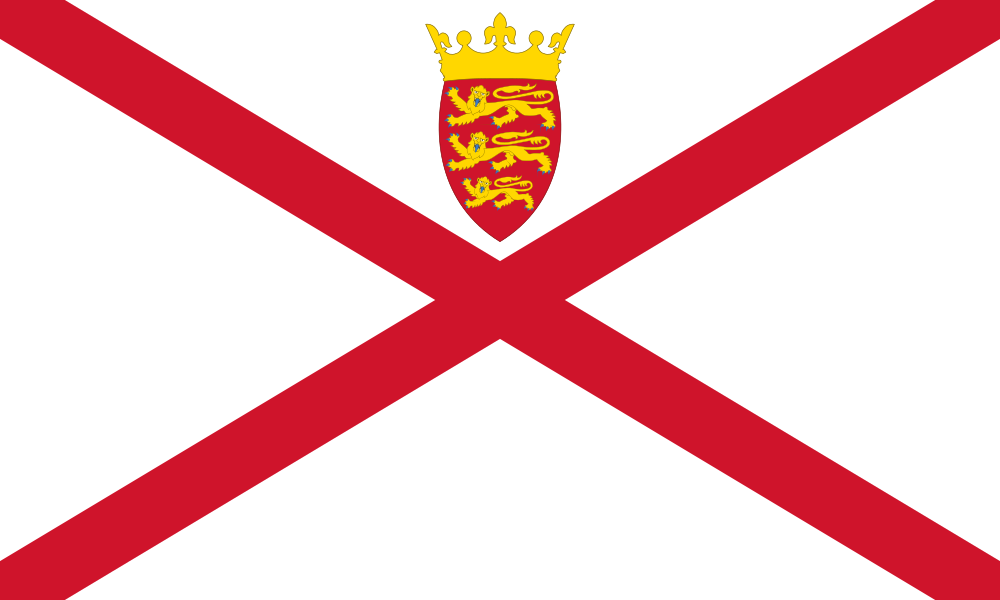
Crown Dependency
Jersey
A self-governing Bailiwick in the Channel Islands, a possession of the Crown but not part of the UK. Its red saltire with the Plantagenet badge dates from 1981.
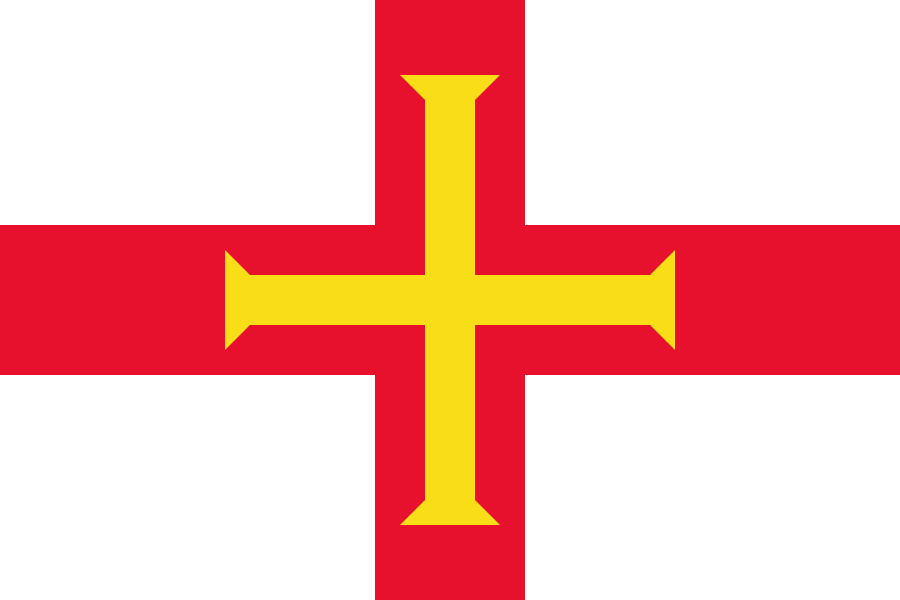
Crown Dependency
Guernsey
The other Channel Island Bailiwick (with Alderney, Sark and Herm). Its St George's Cross carries a gold cross said to be the banner of William the Conqueror, added in 1985.
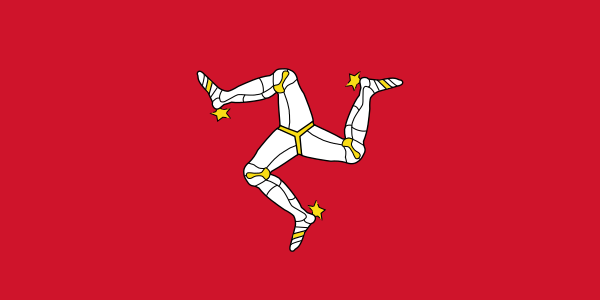
Crown Dependency
Isle of Man
A self-governing island in the Irish Sea with its own ancient parliament, Tynwald. The triskelion — three armoured legs — has symbolised Man since the 13th century.
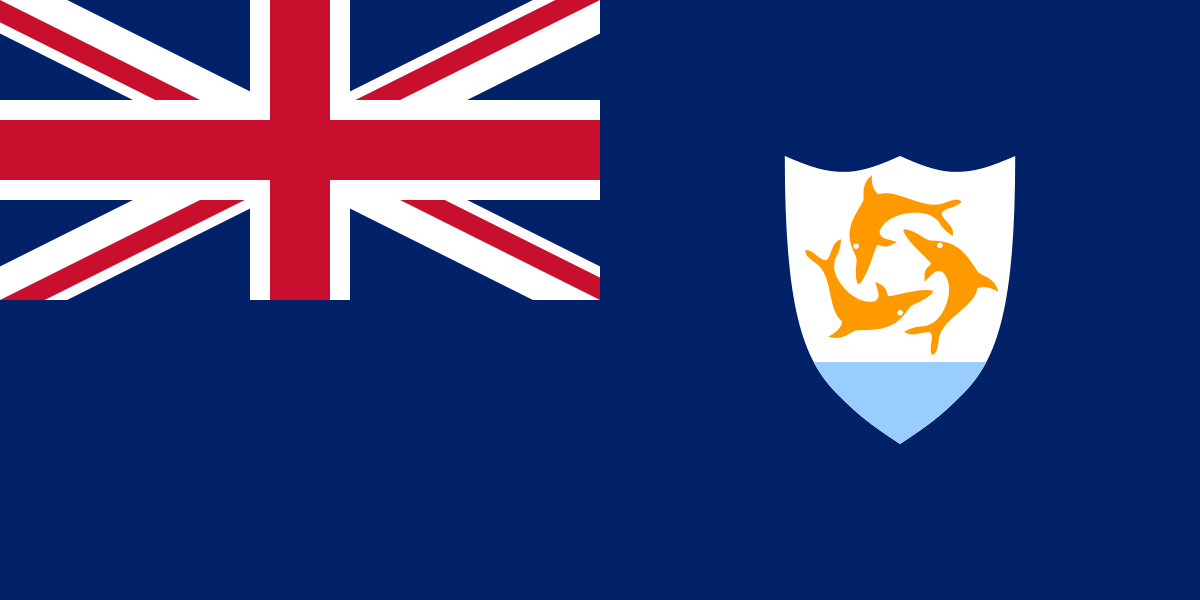
British Overseas Territory
Anguilla
A small Caribbean island that broke away from St Kitts–Nevis to stay British. Its flag shows three dolphins on a Blue Ensign.
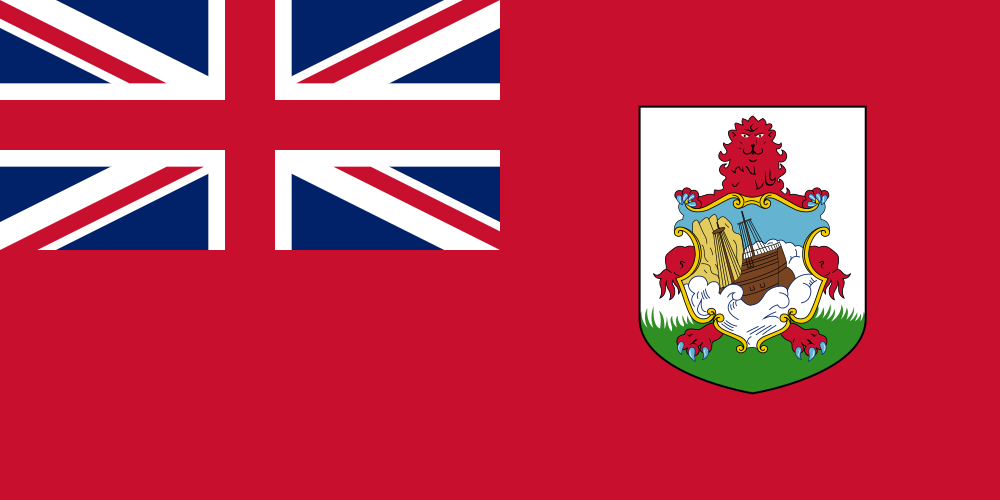
British Overseas Territory
Bermuda
A North Atlantic territory and one of the oldest, settled in 1609. Unusually it uses a Red Ensign defaced with the colony's arms — a wrecked ship.
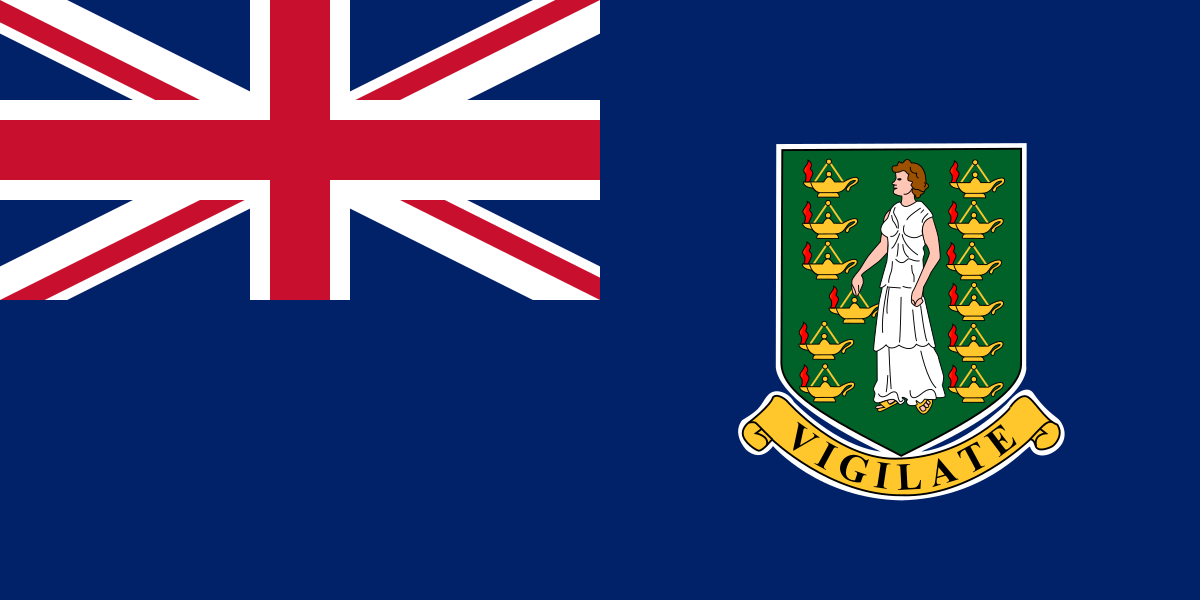
British Overseas Territory
British Virgin Islands
A Caribbean archipelago east of Puerto Rico. Its Blue Ensign carries the territory's arms with St Ursula and her lamps.
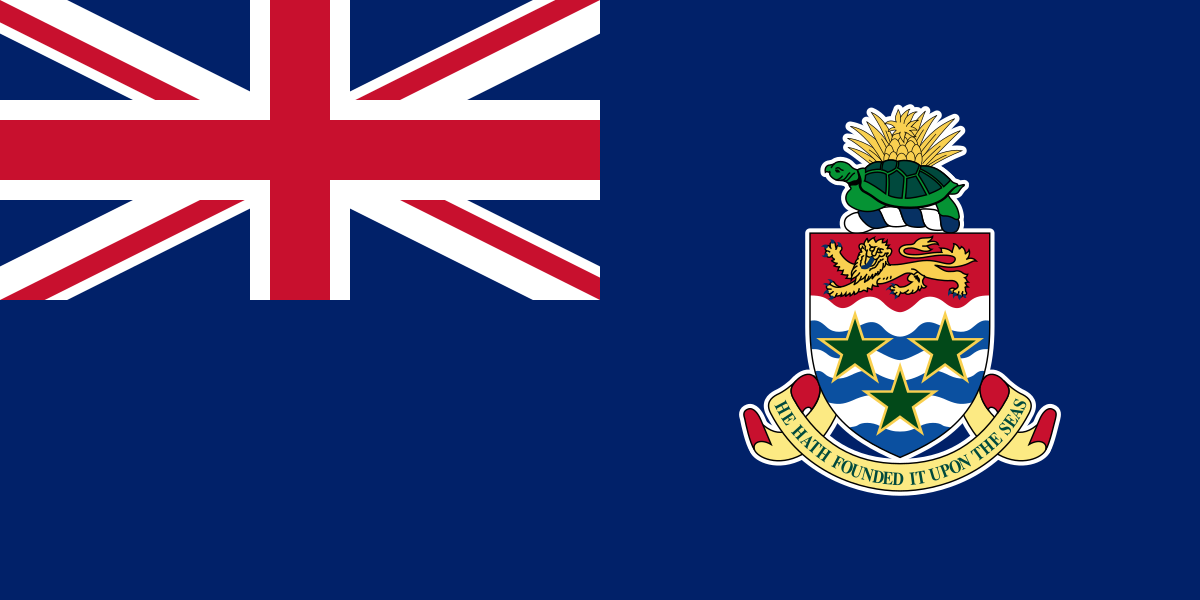
British Overseas Territory
Cayman Islands
A major offshore financial centre in the Caribbean. The Blue Ensign bears arms with three stars for the islands and a turtle crest.
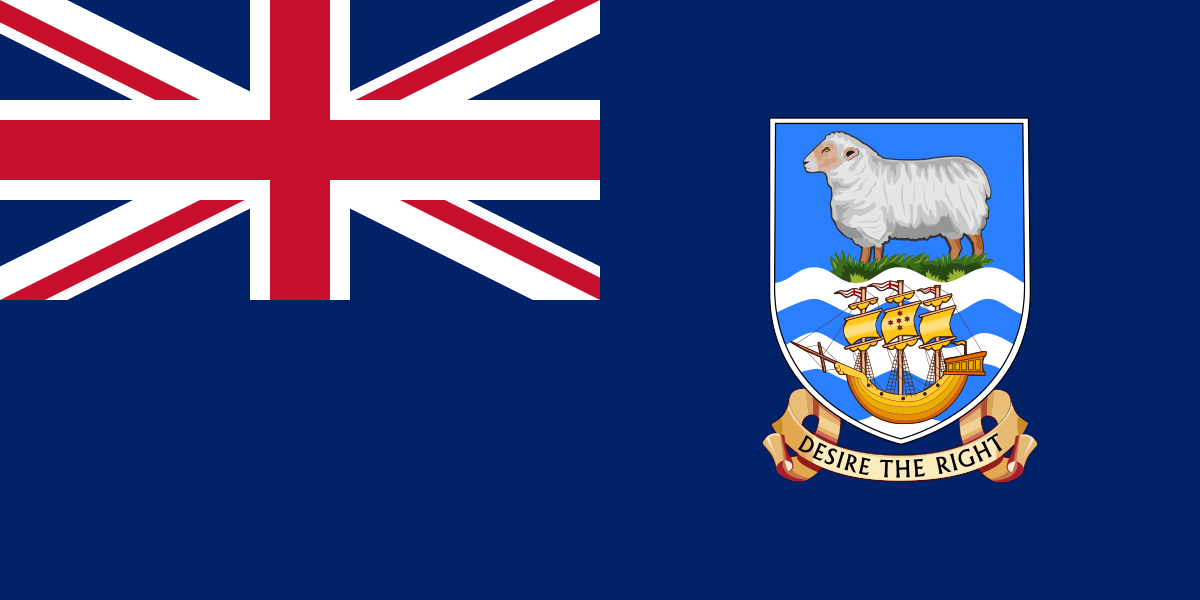
British Overseas Territory
Falkland Islands
A South Atlantic territory claimed by Argentina, sparking the 1982 Falklands War. Its arms show the ship Desire and a ram for the sheep economy.
British Overseas Territory
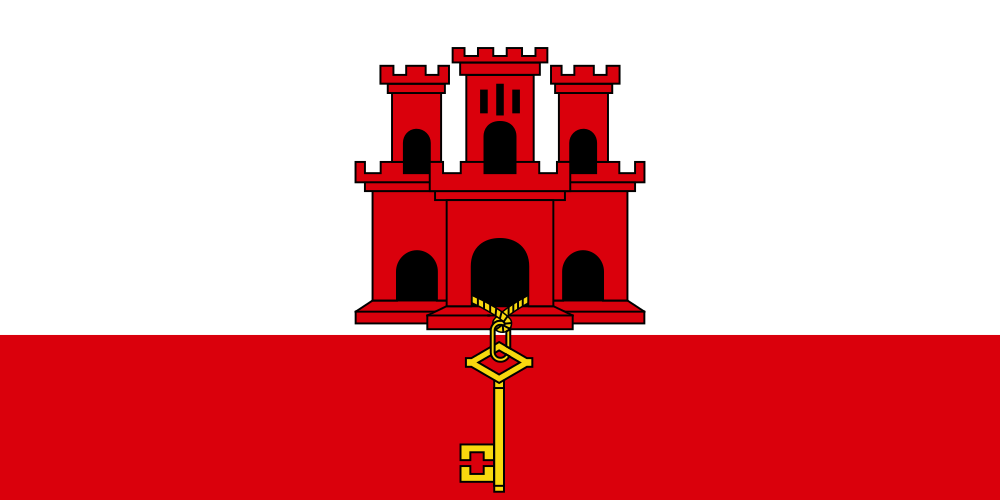
Gibraltar
A strategic rock guarding the entrance to the Mediterranean, British since 1713. Uniquely it flies a banner of its own arms — a castle and key — not a Blue Ensign.
British Overseas Territory
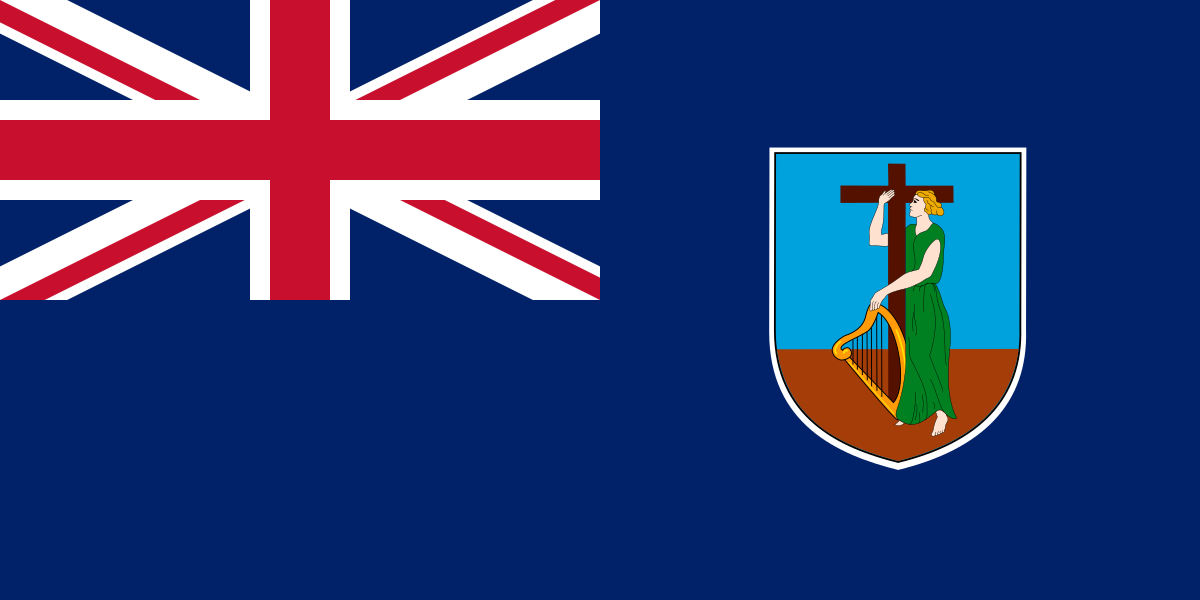
Montserrat
A Caribbean island half-buried by its volcano since 1995. Its Blue Ensign shows Erin with a harp, reflecting the island's Irish heritage.
British Overseas Territory
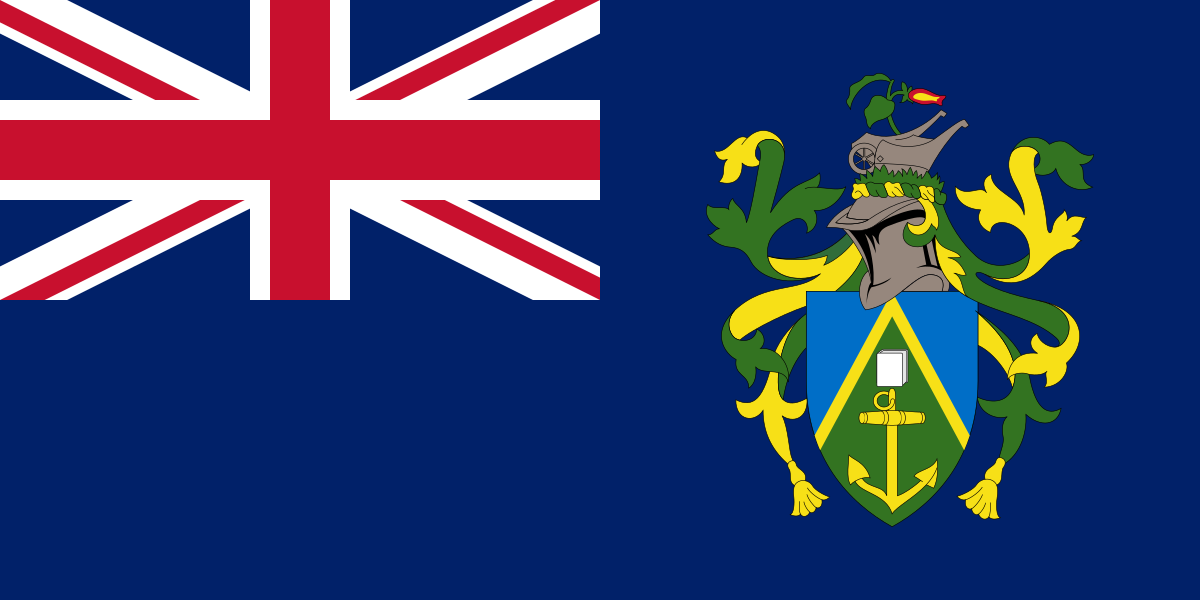
Pitcairn Islands
The UK's most remote territory, in the South Pacific, settled by HMS Bounty mutineers in 1790. Fewer than 50 people live there.
British Overseas Territory
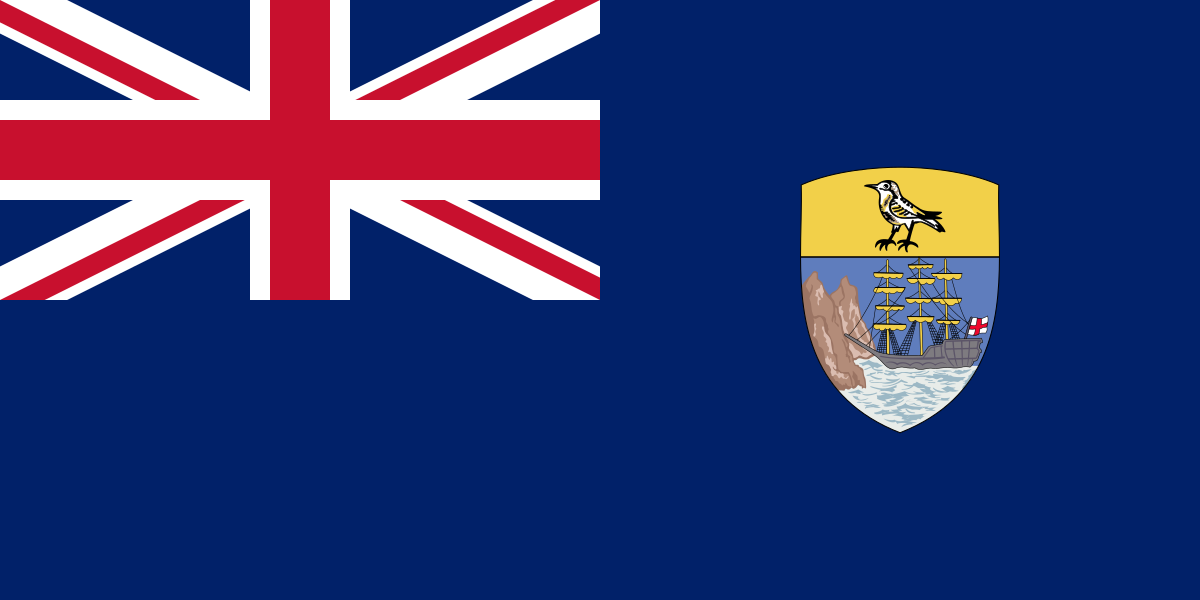
St Helena, Ascension & Tristan da Cunha
A trio of remote South Atlantic islands; St Helena was Napoleon's final place of exile. The flag carries the wirebird, found nowhere else on Earth.
British Overseas Territory
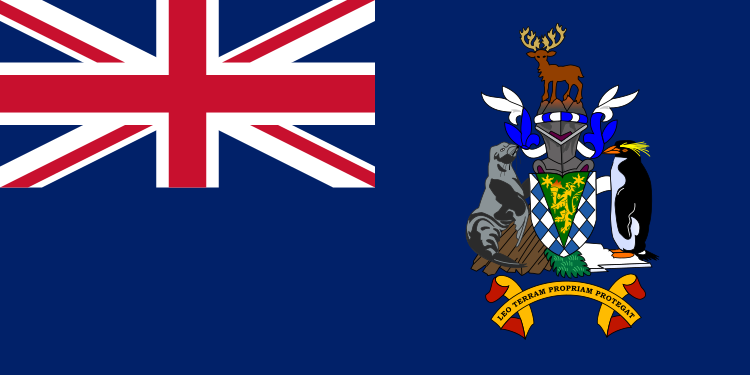
South Georgia & South Sandwich Islands
Sub-Antarctic islands with no permanent population, administered from the Falklands. The arms feature a fur seal and a macaroni penguin.
British Overseas Territory
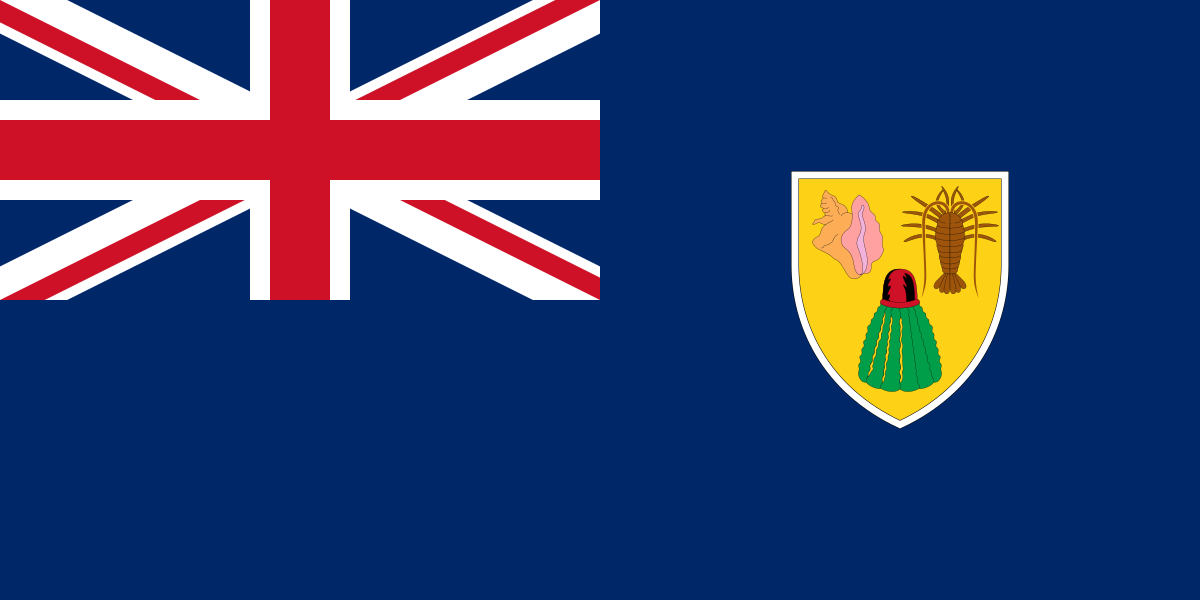
Turks & Caicos Islands
A Caribbean archipelago of low coral islands. Its Blue Ensign shows a conch shell, a spiny lobster and a turk's-cap cactus.
British Overseas Territory
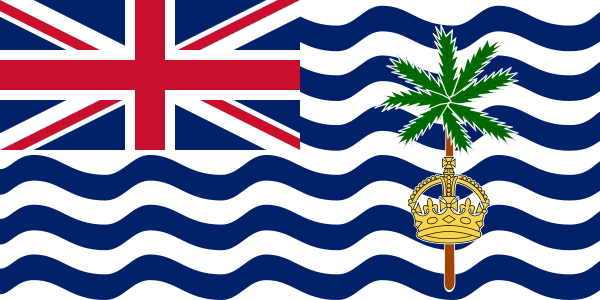
British Indian Ocean Territory
The Chagos Archipelago, home to the Diego Garcia military base. In 2024 the UK agreed to transfer sovereignty to Mauritius while keeping the base on a long lease.
British Overseas Territory
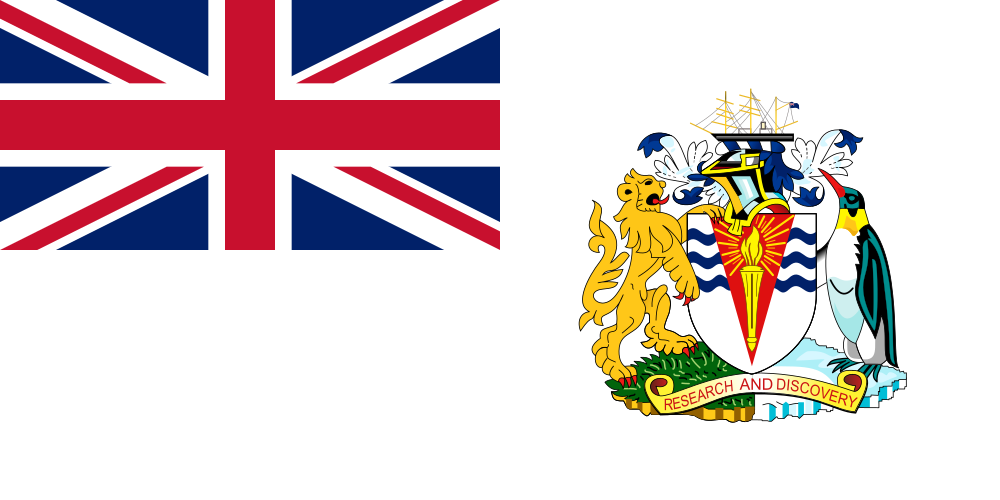
British Antarctic Territory
The UK's slice of Antarctica below South America, with only research-station staff. Its claim overlaps those of Argentina and Chile and is held in abeyance under the Antarctic Treaty.
British Overseas Territory
Akrotiri & Dhekelia
Two Sovereign Base Areas retained on Cyprus when the island became independent in 1960. As military bases they have no flag of their own and fly the Union Jack.
Regional flags of the United Kingdom
The 25 states, provinces and regions of the United Kingdom with their own flags.
England
Scotland
Wales
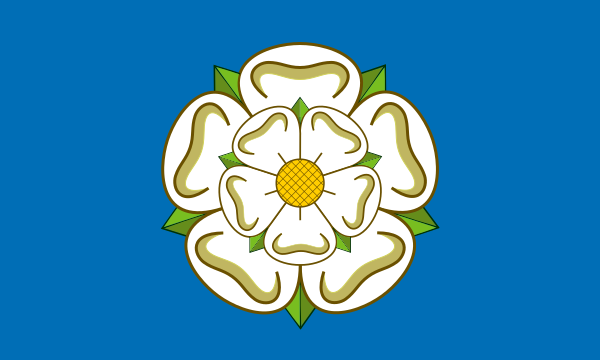
Yorkshire & the Humber
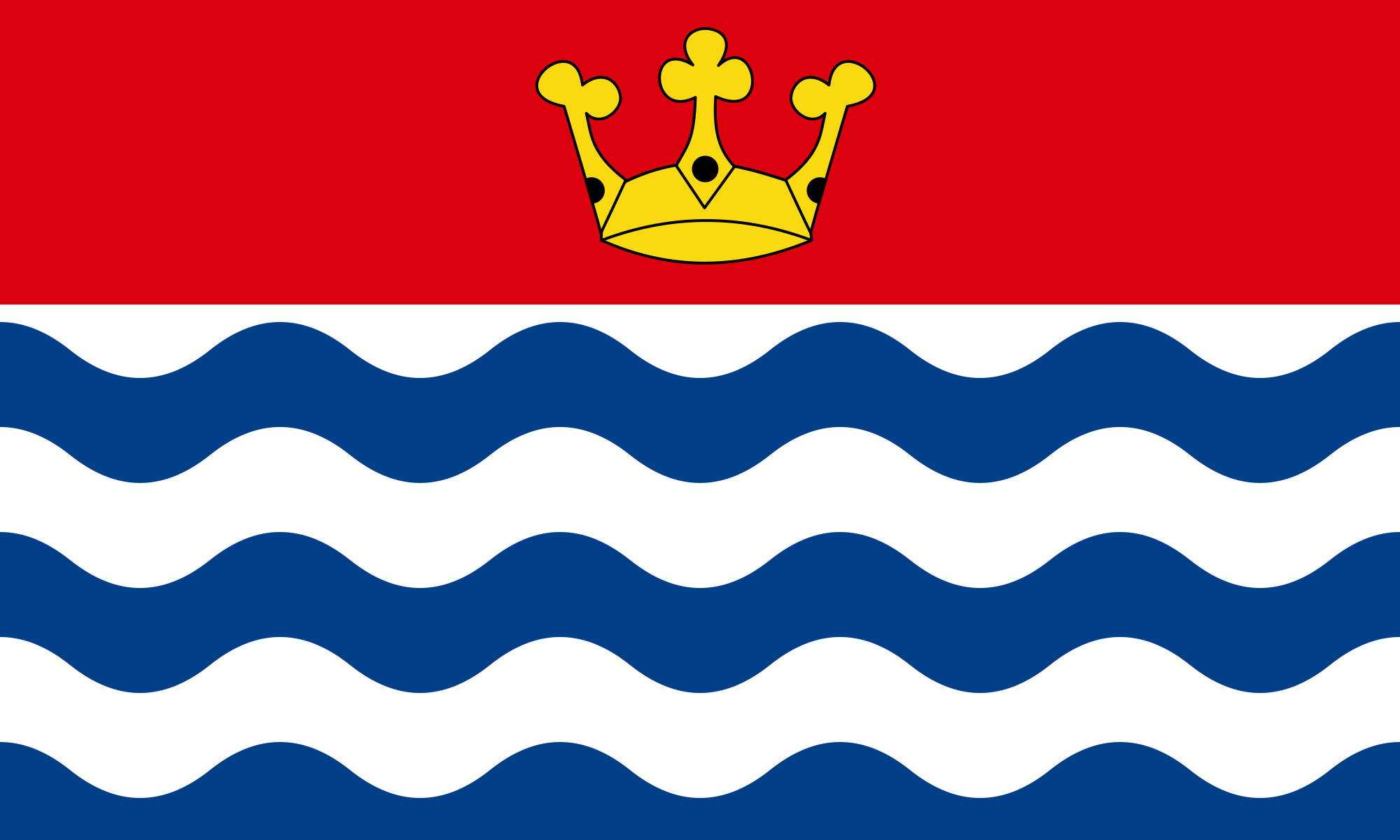
Greater London
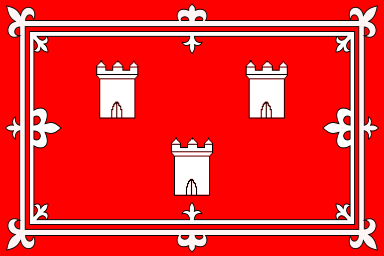
Aberdeen City
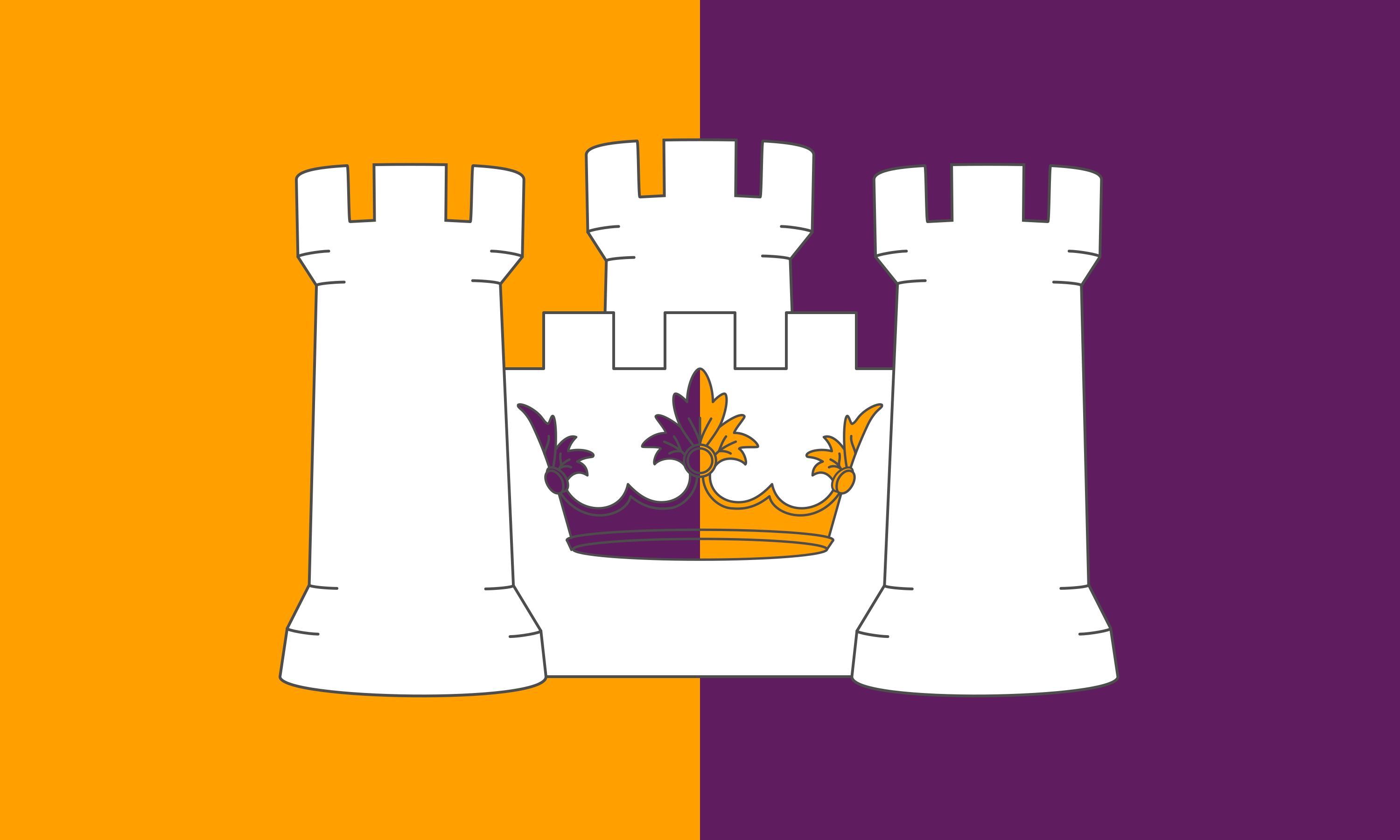
Aberdeenshire

Dumfries and Galloway
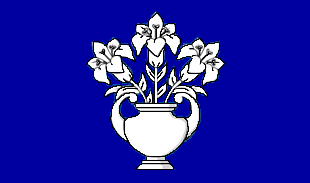
Dundee City
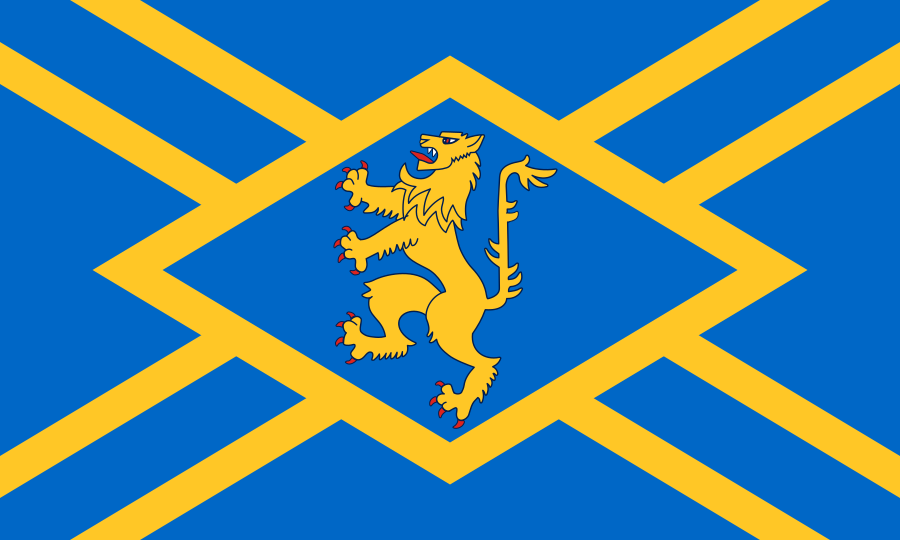
East Lothian
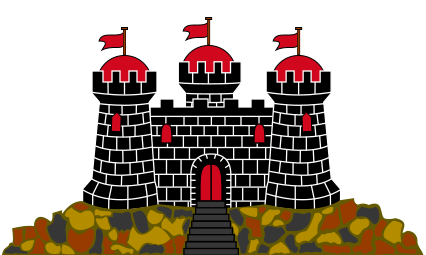
Edinburgh
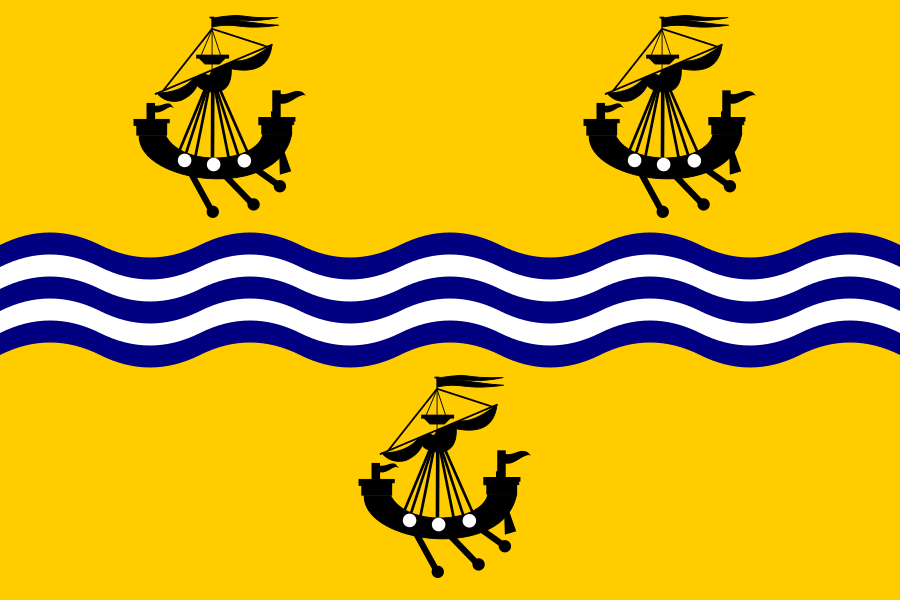
Na h-Eileanan Siar
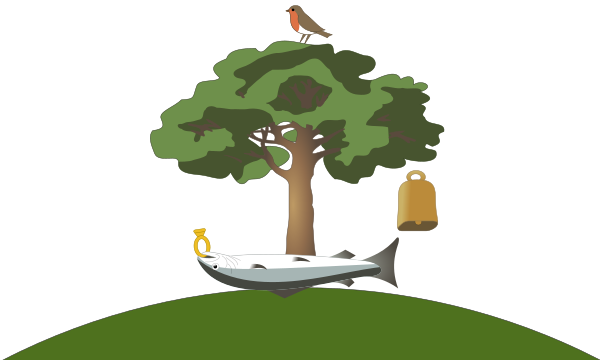
Glasgow City
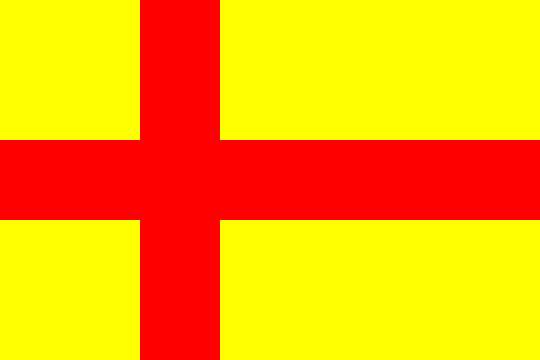
Orkney Islands
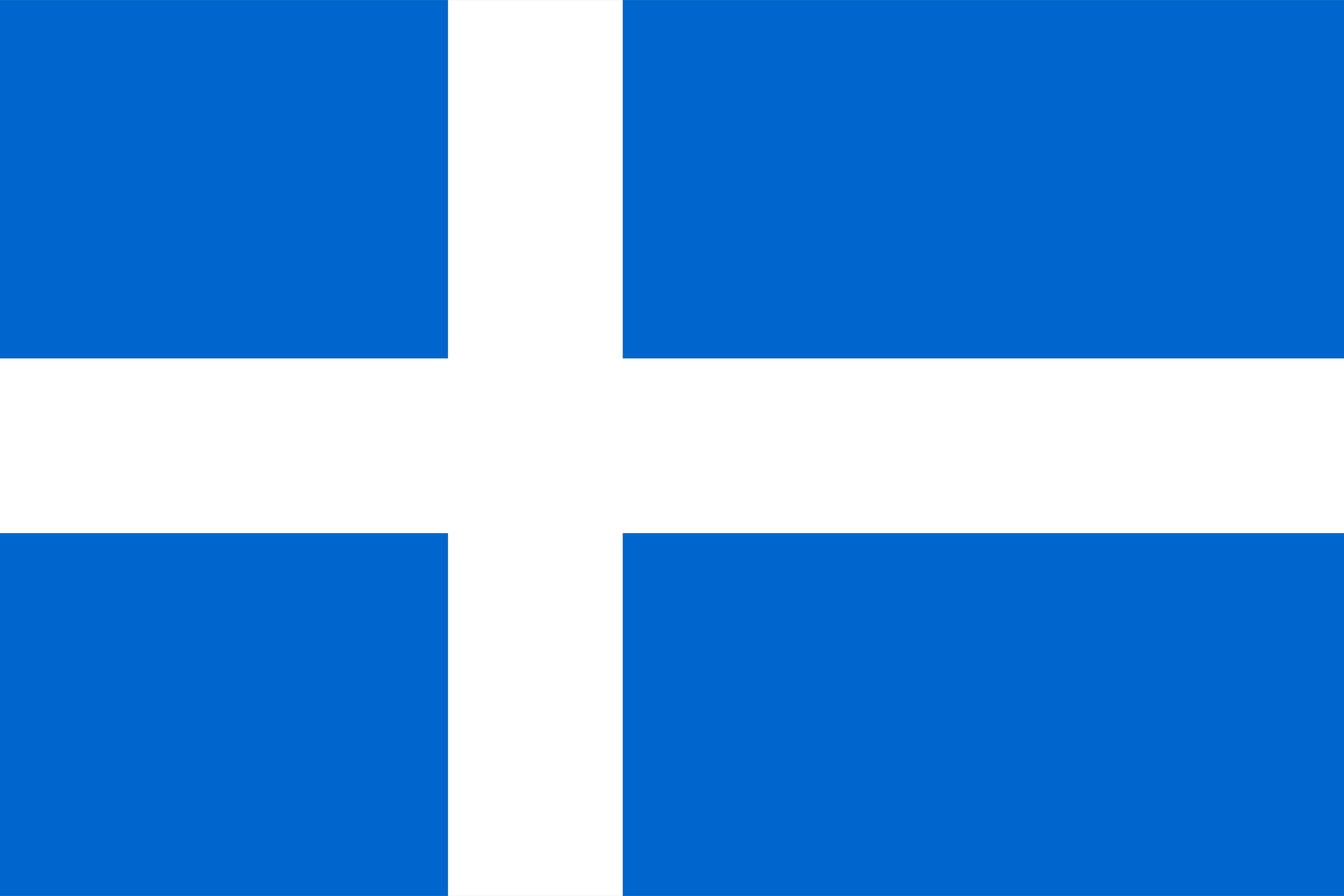
Shetland Islands
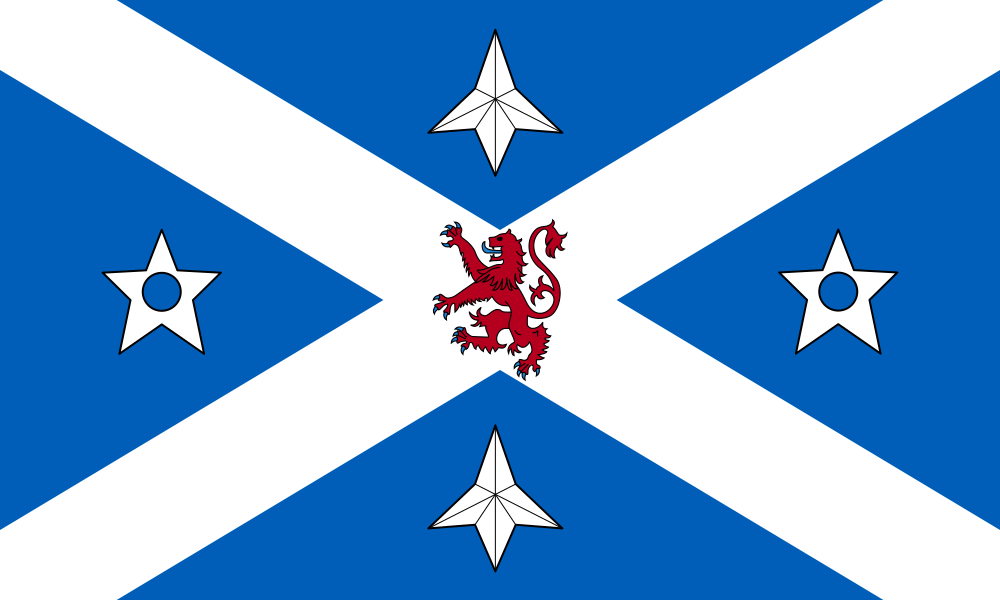
Stirling
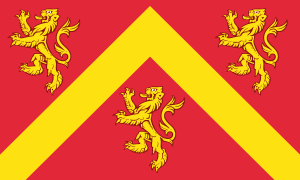
Isle of Anglesey
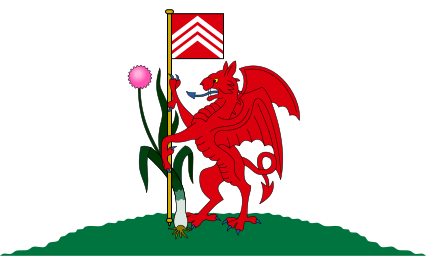
Cardiff
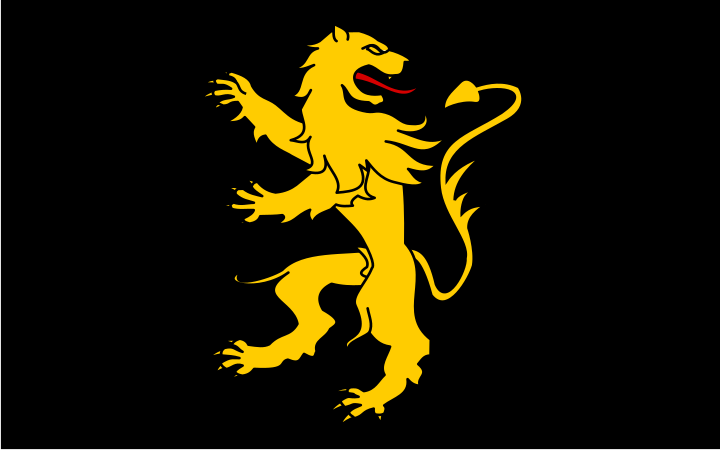
Ceredigion
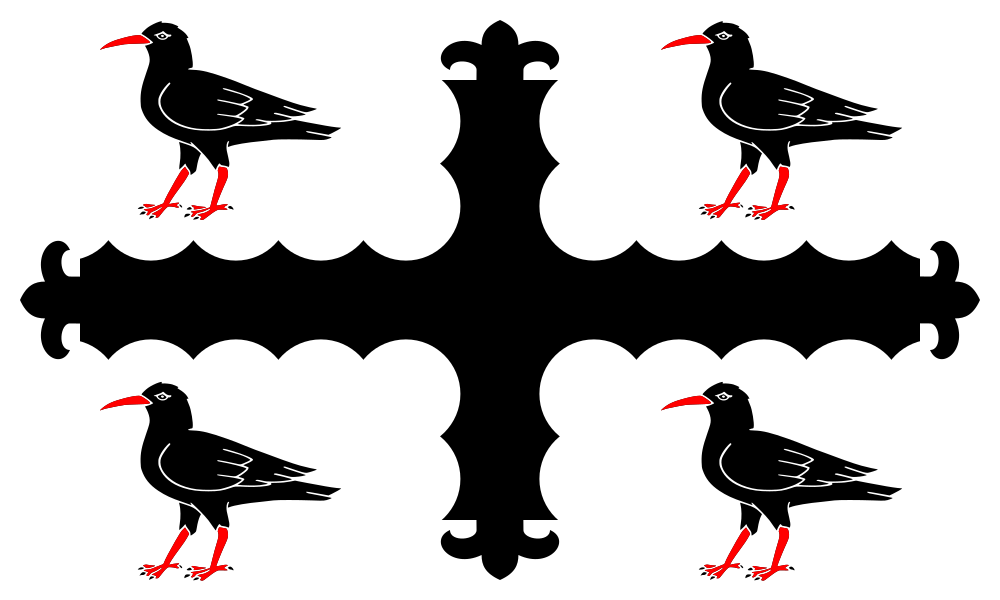
Flintshire
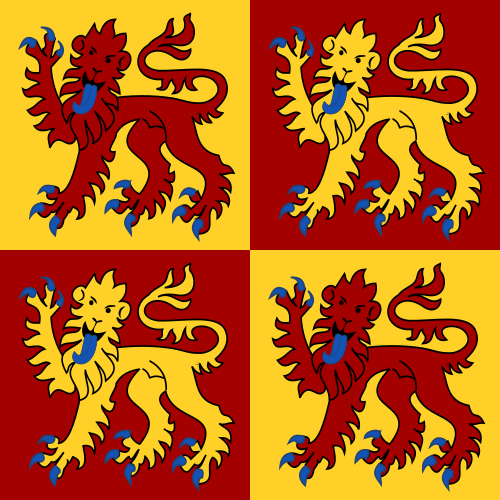
Gwynedd
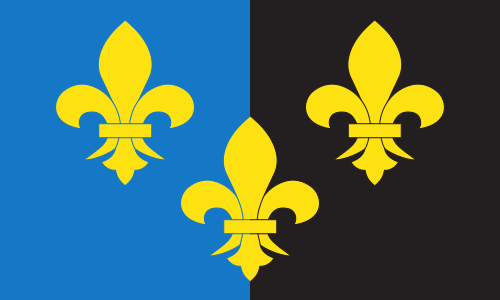
Monmouthshire
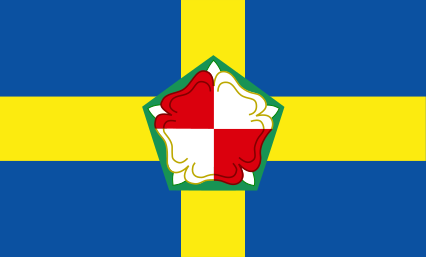
Pembrokeshire
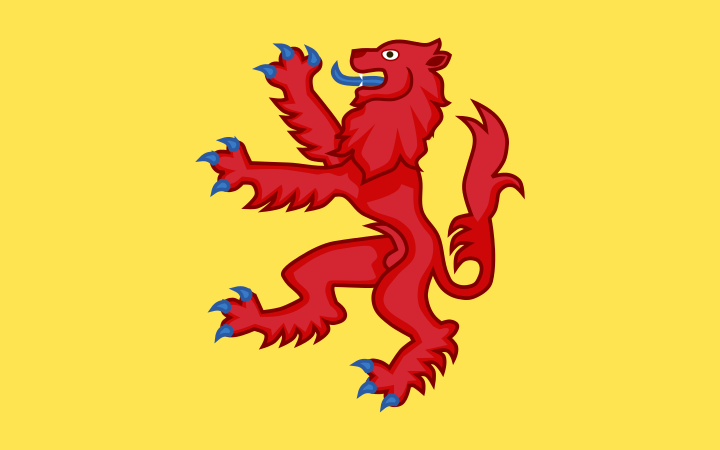
Powys
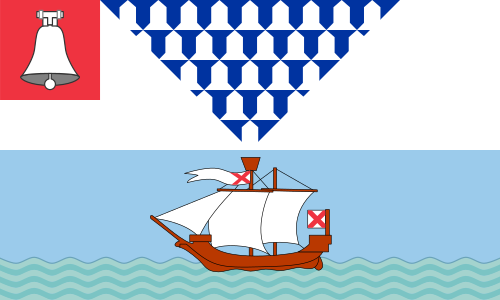
Belfast
Neighbouring countries
The United Kingdom shares a land border with one country: Ireland.
Other flags in red, white and blue
30 other national flags use the same main colours as the United Kingdom's.
Play Globalio and learn the United Kingdom's flag
 Australia
 New Zealand
 Fiji
 Ireland
 Belize
 Cambodia
 Chile
 Costa Rica
 Croatia
 Cuba
 Czech Republic
 Dominican Republic
 France
 Iceland
 Laos
 Liberia
 Luxembourg
 Nepal
 Netherlands
 North Korea
 Norway
 Panama
 Paraguay
 Russia
 Samoa
 Serbia
 Slovakia
 Slovenia
 Taiwan
 Thailand
 United States