Americas
Flag of Chile
Chile is a long, narrow country stretching approximately 4,300 kilometres along South America's western coast, from the world's driest non-polar desert in the north to Patagonian glaciers and Cape Horn in the south. The Atacama Desert in northern Chile is so dry that in some areas no rainfall has ever been recorded. Easter Island (Rapa Nui), famous for its mysterious moai statues carved by the Rapa Nui people, is a Chilean Pacific territory.

- CapitalSantiago
- RegionAmericas
- Current flag since1818
- Main coloursRed, White, Blue
- Populationabout 19 million
- Areaabout 756,000 km²
- Flags in history3
Population and area are rounded.
What the flag of Chile means
Chile's flag, La Estrella Solitaria, was adopted in 1817 during the war of independence. White stands for the snow of the Andes, blue for the sky, and red for the blood shed for independence. The star is a guide to progress and honour.
How to recognise it
Horizontal white-over-red with a blue canton containing a white star in the upper left.
Did you know?
Chile is the longest north-south country in the world at 4,300 km.
Easily confused with
Chile's flag is often mixed up with these. Learn to tell them apart:
Flag history of Chile
Every flag that has flown over Chile, from today back through time.
1818–present
Chilean Flag (La Estrella Solitaria)
Chile's flag — the "Lone Star" — was finalised on October 18, 1817, shortly before independence was formally declared. The white star represents a guide to progress and honour; red and blue are said to represent the blood of patriots and the sky and ocean. Superficially similar to the Texas flag (adopted 1839), the Chilean flag actually came first. The proportions were refined in 1854 but the design has been unchanged for over 200 years.
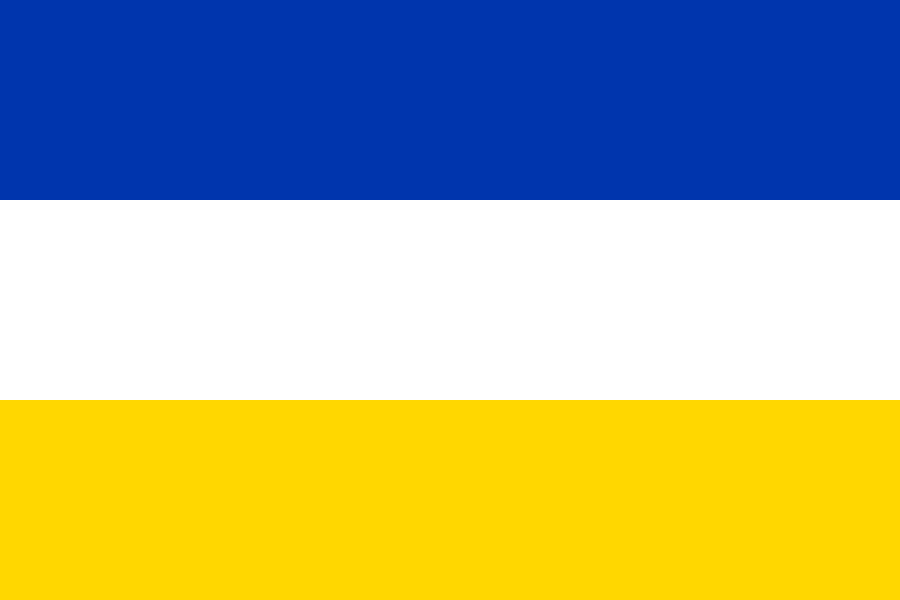
1812–1817
La Patria Vieja (Old Fatherland)
During the first period of Chilean self-government (1810–1814, before the Spanish reconquest), Chile's early revolutionary flags used horizontal blue-white-yellow stripes — very different from today's design. After the Reconquista restored Spanish rule, patriots went into exile in Argentina, trained with San Martín's Army of the Andes, and returned in 1817 to liberate Chile and adopt an entirely new flag.
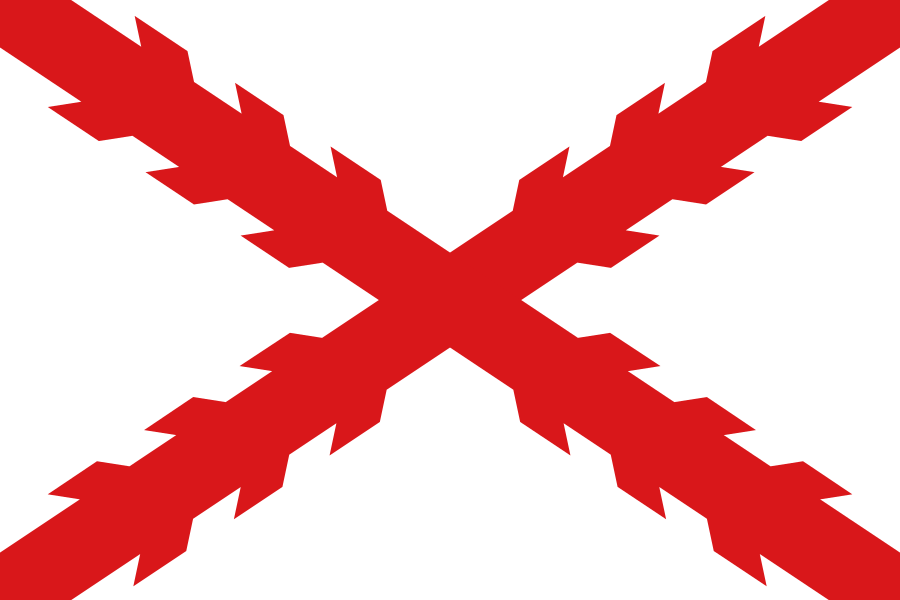
1542–1810
Captaincy General of Chile (Spanish)
For nearly three centuries Chile was a Spanish colony — the Captaincy General of Chile, a frontier territory fighting a long war with the unconquered Mapuche in the south — flying the Cross of Burgundy of the Spanish Empire, until the independence movement began in 1810.
Related historical states
Empires, kingdoms and republics that once covered part of Chile.
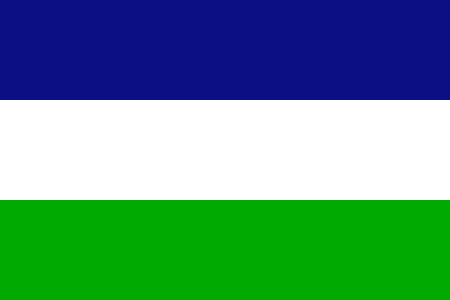
1860–1862
Kingdom of Araucanía and Patagonia
A blue-white-green tricolor for the unrecognized kingdom that French adventurer Orélie-Antoine de Tounens proclaimed over Mapuche territory in southern Chile.
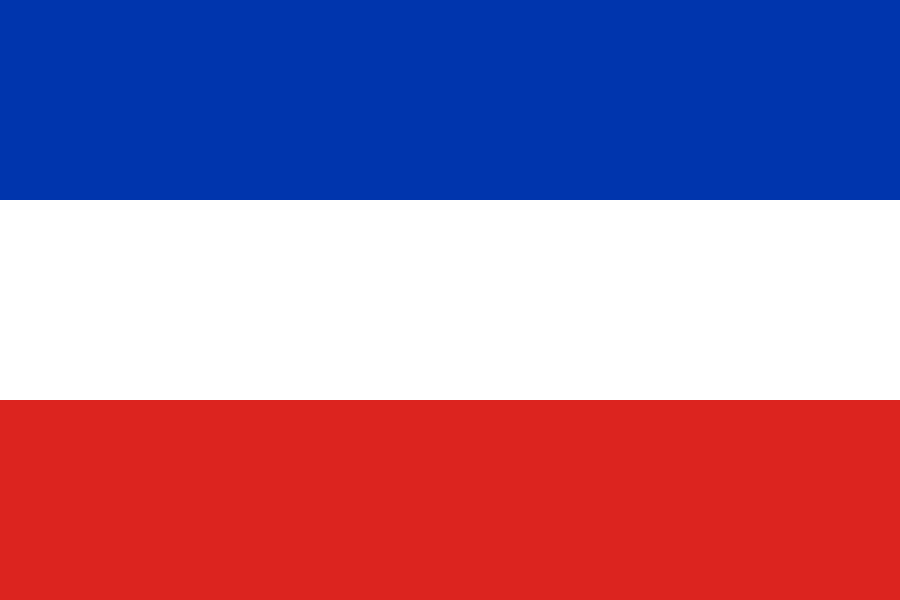
1817–1818
Chile (Patria Vieja transition)
A transitional blue-white-red tricolour flown between the Patria Vieja and the definitive 1818 flag, during the years San Martín's army crossed the Andes to liberate Chile.
Regional flags of Chile
The 16 states, provinces and regions of Chile with their own flags.
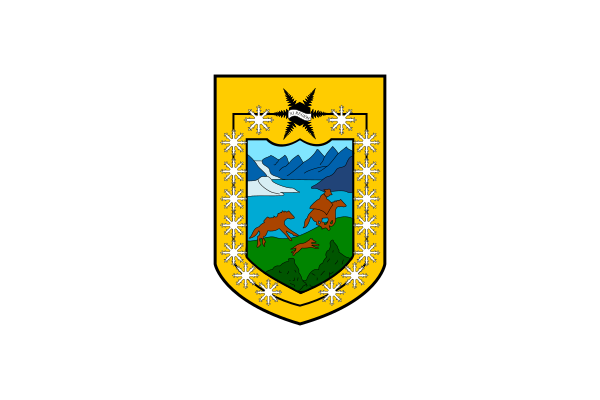
Aysén
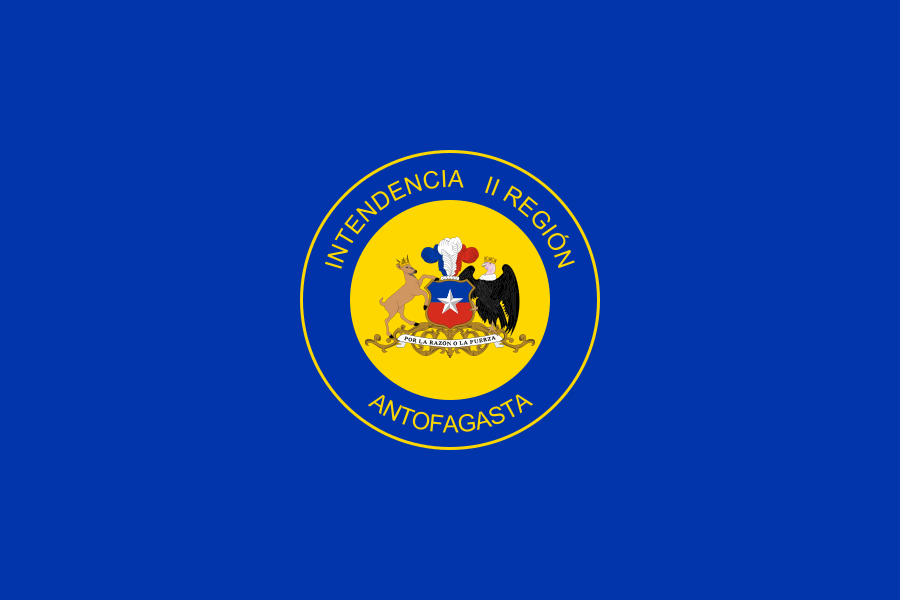
Antofagasta
Arica y Parinacota
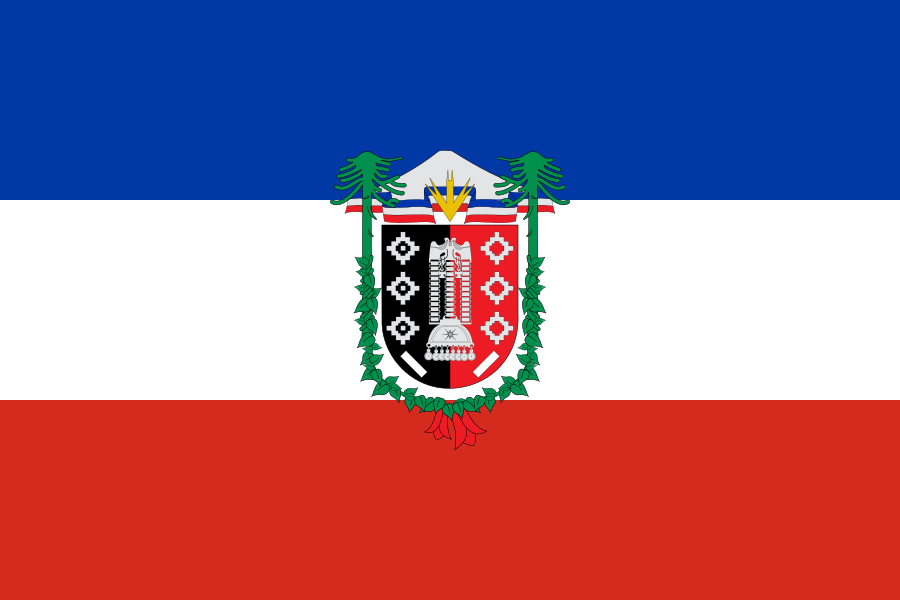
La Araucanía
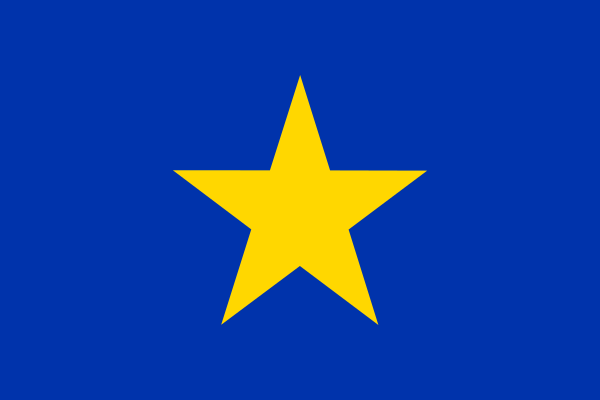
Atacama
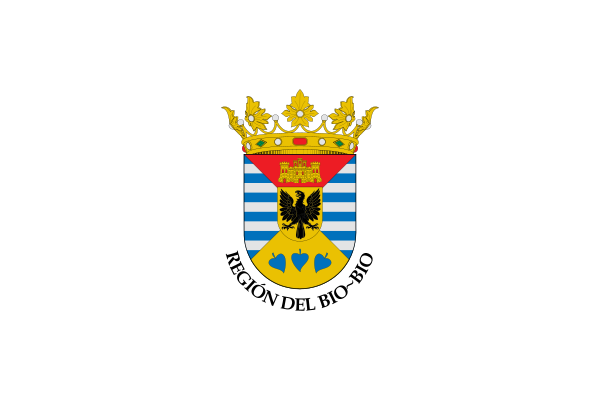
Biobío

Coquimbo
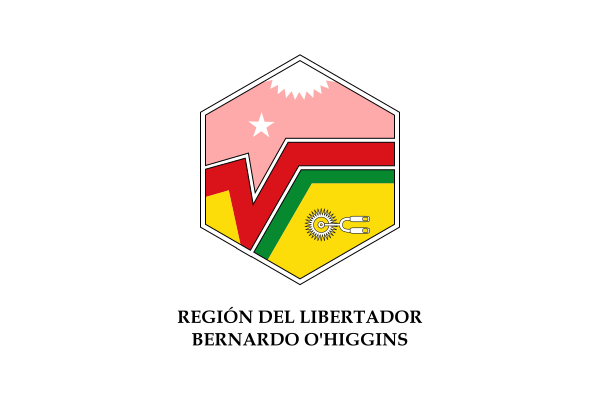
O'Higgins
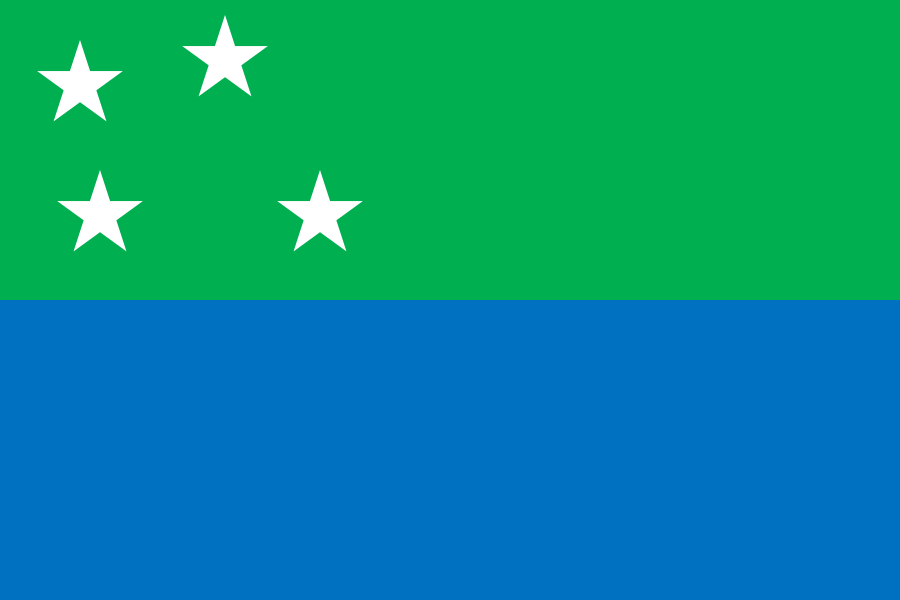
Los Lagos
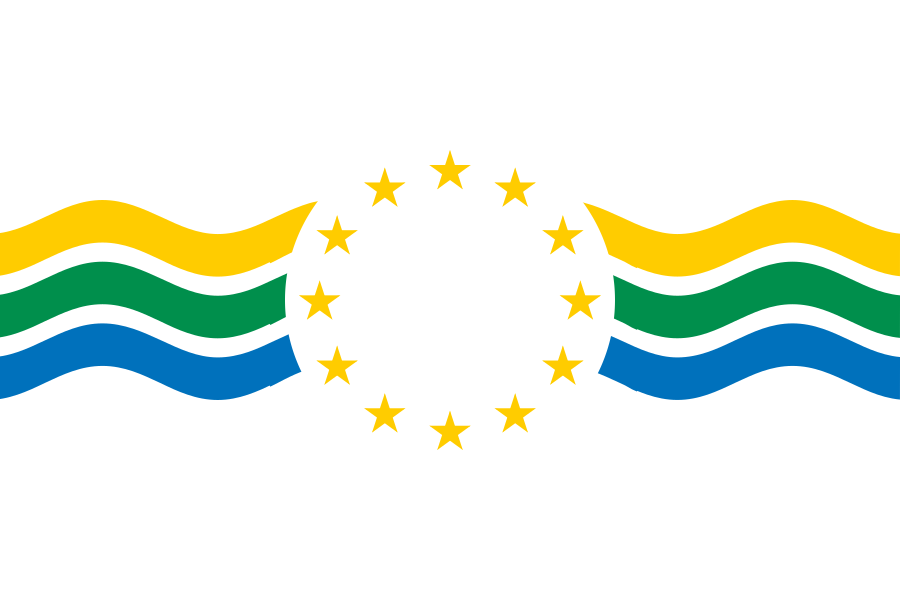
Los Ríos
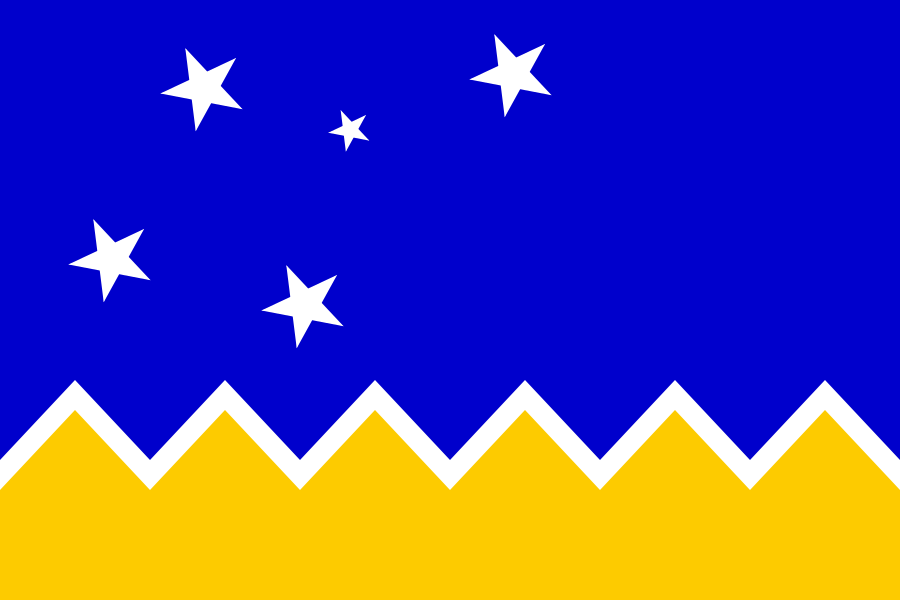
Magallanes
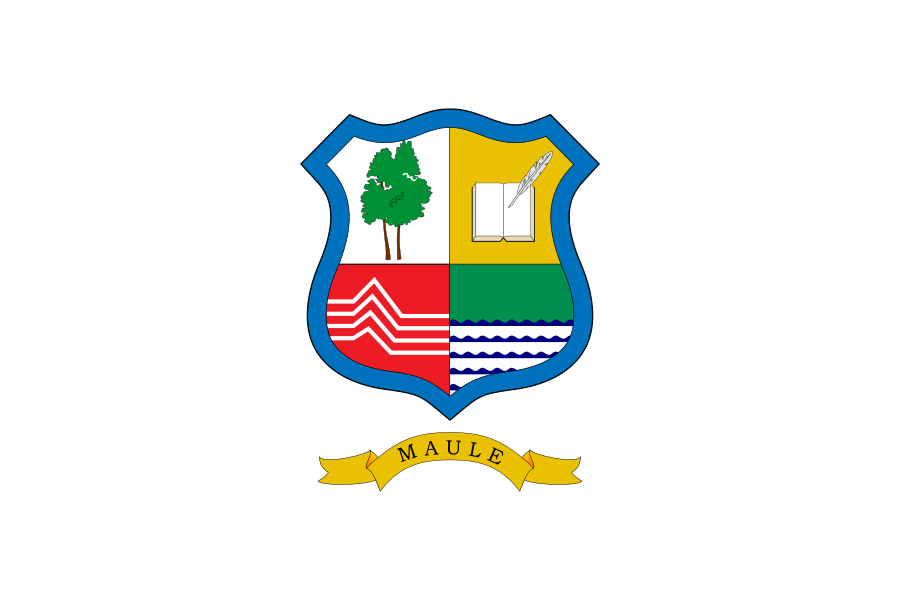
Maule
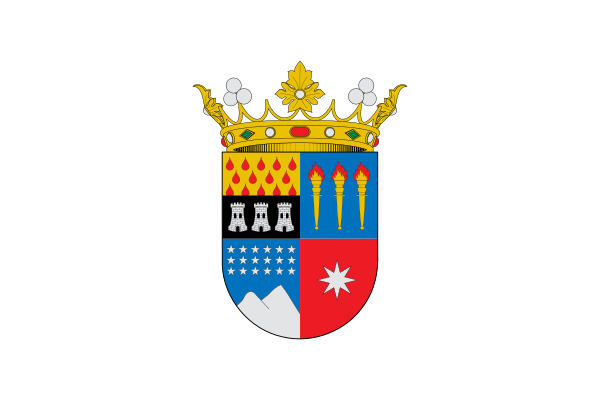
Ñuble
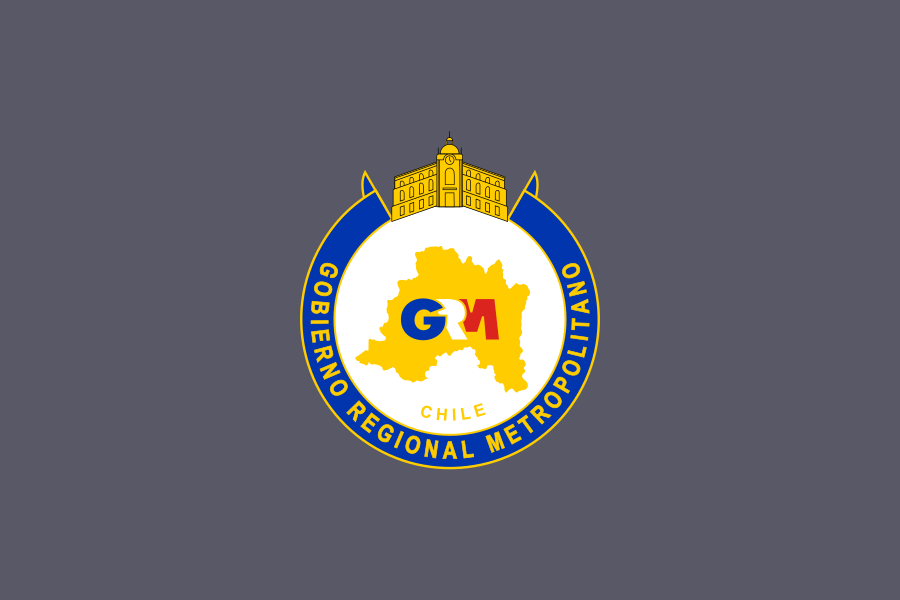
Santiago Metro
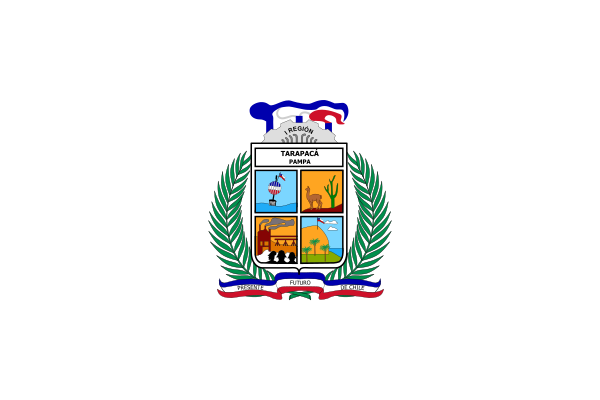
Tarapacá
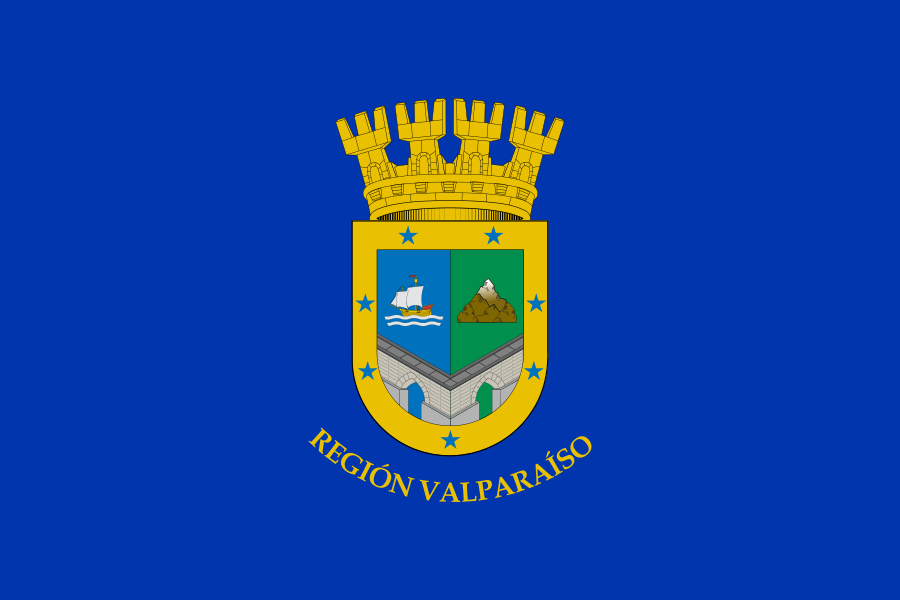
Valparaíso
Neighbouring countries
Chile shares a land border with 3 countries: Argentina, Bolivia and Peru.
Other flags in red, white and blue
30 other national flags use the same main colours as Chile's.
Play Globalio and learn Chile's flag
 Cuba
 Liberia
 Argentina
 Bolivia
 Peru
 Australia
 Belize
 Cambodia
 Costa Rica
 Croatia
 Czech Republic
 Dominican Republic
 Fiji
 France
 Iceland
 Laos
 Luxembourg
 Nepal
 Netherlands
 New Zealand
 North Korea
 Norway
 Panama
 Paraguay
 Russia
 Samoa
 Serbia
 Slovakia
 Slovenia
 Taiwan
 Thailand
 United Kingdom
 United States