Oceania
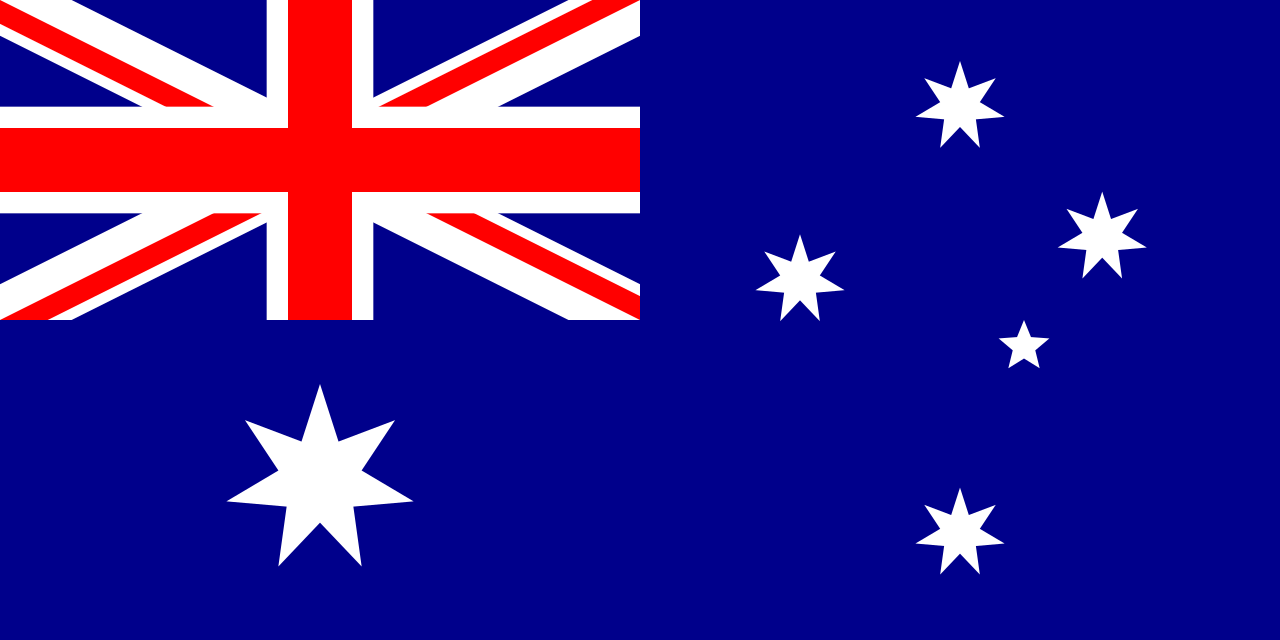
Flag of Australia
Australia is the world's sixth-largest country by area and the only nation that governs an entire continent, a vast land with ecological diversity from tropical rainforests to scorching deserts to temperate forests. It is home to unique wildlife found nowhere else, including kangaroos, koalas, platypuses, wombats, and the world's two egg-laying mammals. The Great Barrier Reef, stretching 2,300 kilometres along the Queensland coast, is the world's largest coral reef system.

- CapitalCanberra
- RegionOceania
- Current flag since1908
- Main coloursBlue, Red, White
- Populationabout 26 million
- Areaabout 7,692,000 km²
- Flags in history4
Population and area are rounded.
What the flag of Australia means
The Union Jack recalls the history of British settlement. The seven-pointed Commonwealth Star stands for the six federating states and the territories, and the Southern Cross is a constellation seen from every part of the country. The design won a 1901 competition with more than 32,000 entries. The Aboriginal and Torres Strait Islander flags have also been official flags since 1995.
How to recognise it
Union Jack + large 7-pointed Commonwealth Star + 5-star Southern Cross. New Zealand has only 4 stars.
Did you know?
Australia is the only continent that is also a single country, and has more sheep than people.
Easily confused with
Australia's flag is often mixed up with these. Learn to tell them apart:
Flag history of Australia
Every flag that has flown over Australia, from today back through time.
1908–present
Australian National Flag
In 1908 a seventh point was added to the large Commonwealth Star to represent the territories. The blue ensign was confirmed as the sole national flag by the Flags Act 1953, effective 1954.
Red Ensign — flown on land before 1954:
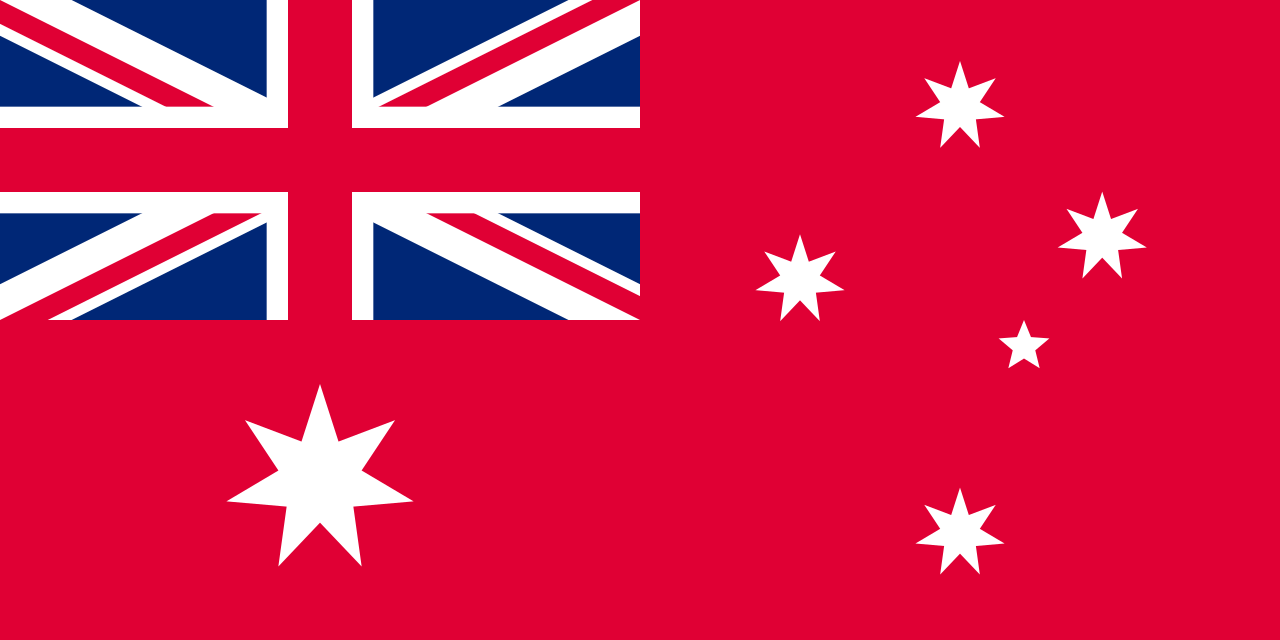
1908–present
Australian Red Ensign
For decades most Australians actually flew the red version on land; only in 1954 did the blue ensign officially take precedence. It remains the flag of Australian-registered merchant ships.
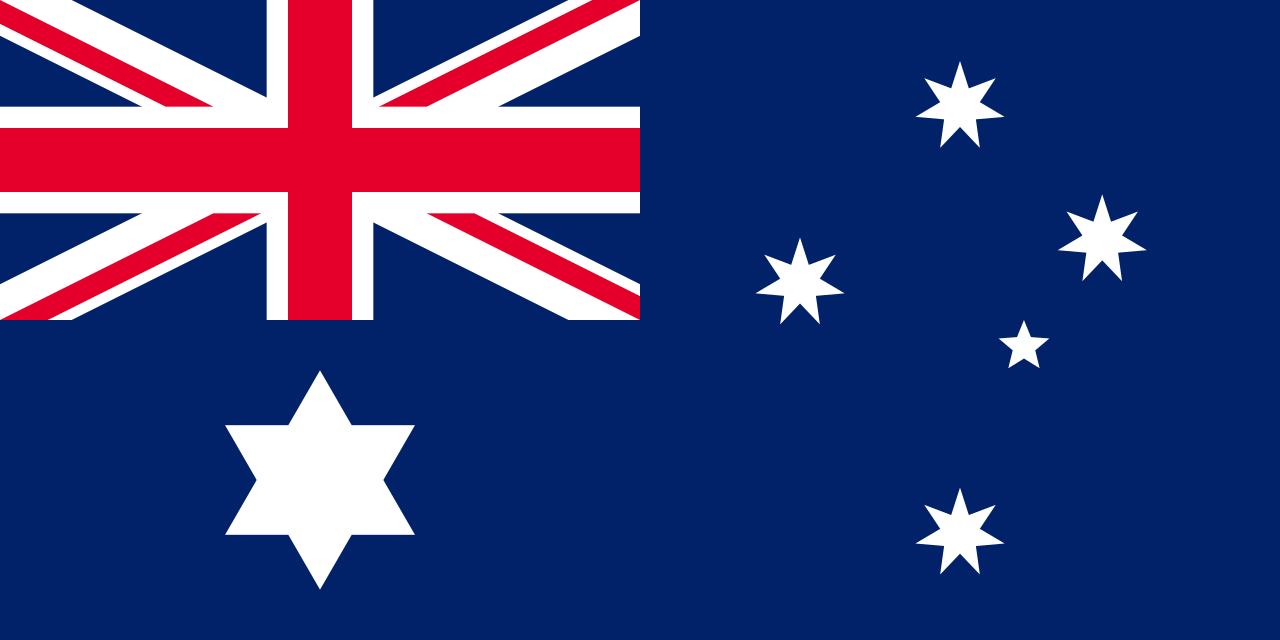
1903–1908
Blue Ensign (six-pointed star)
In 1903 the Southern Cross stars were standardized, but the large Commonwealth Star still had only six points — one for each federating colony.
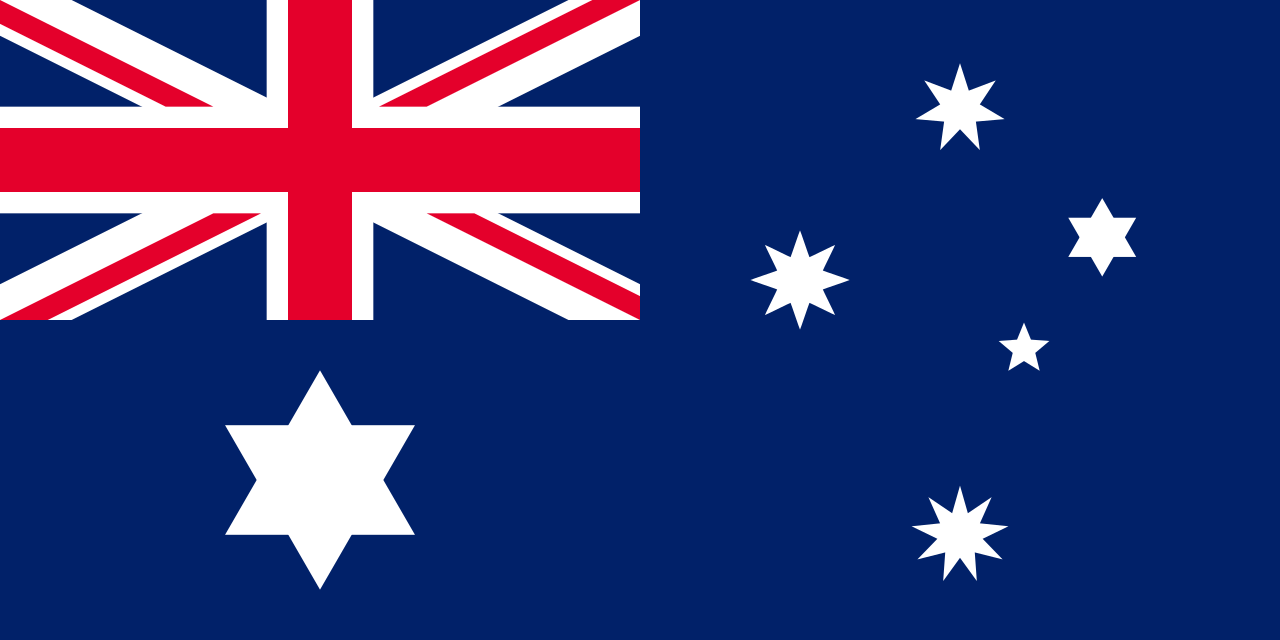
1901–1903
1901 Federation Design
The winning entry from the 1901 Federal Flag Design Competition, chosen from 32,823 submissions. The original Southern Cross stars had varying point counts (from five to nine points).
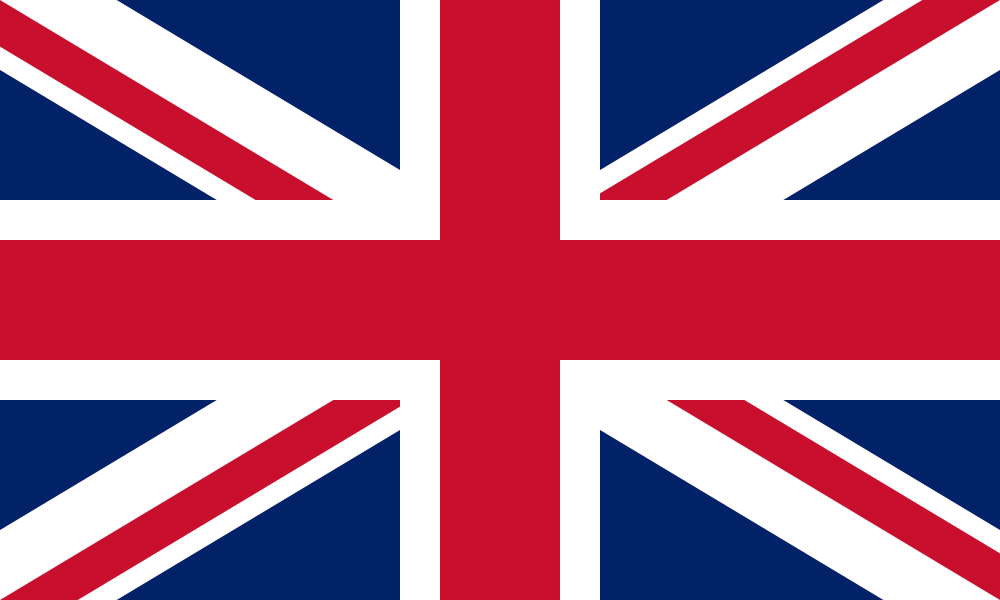
1801–1901
Union Jack (pre-Federation)
Before the colonies federated into the Commonwealth of Australia in 1901, the Union Jack was the primary flag flown across the Australian colonies.
Territories & dependencies
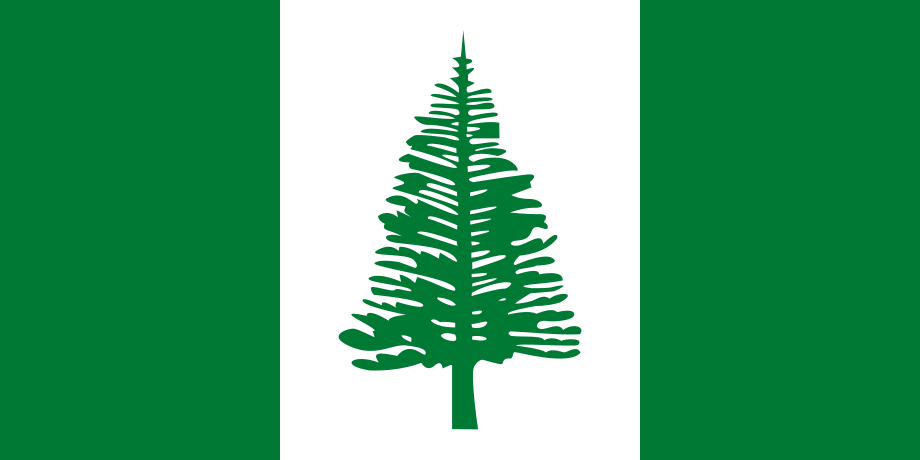
External territory
Norfolk Island
A South Pacific island settled partly by Bounty mutineer descendants from Pitcairn. Its flag frames the endemic Norfolk Island pine in green.
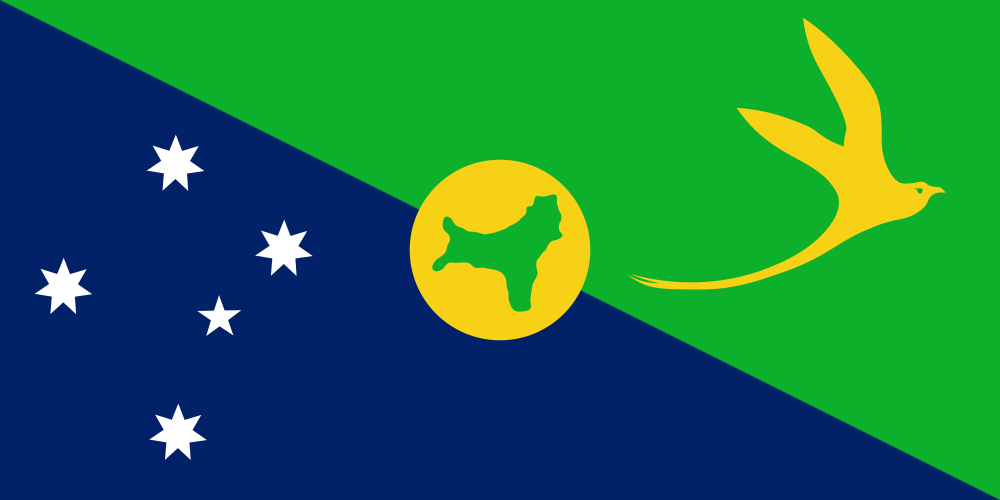
External territory
Christmas Island
An Indian Ocean island famous for its annual red-crab migration. The crab and a golden bosun bird feature on its blue-and-green flag.
External territory
Cocos (Keeling) Islands
A remote Indian Ocean atoll group with a largely Cocos Malay, Muslim population. Its flag bears a palm tree, a crescent and the Southern Cross.
Regional flags of Australia
The 8 states, provinces and regions of Australia with their own flags.
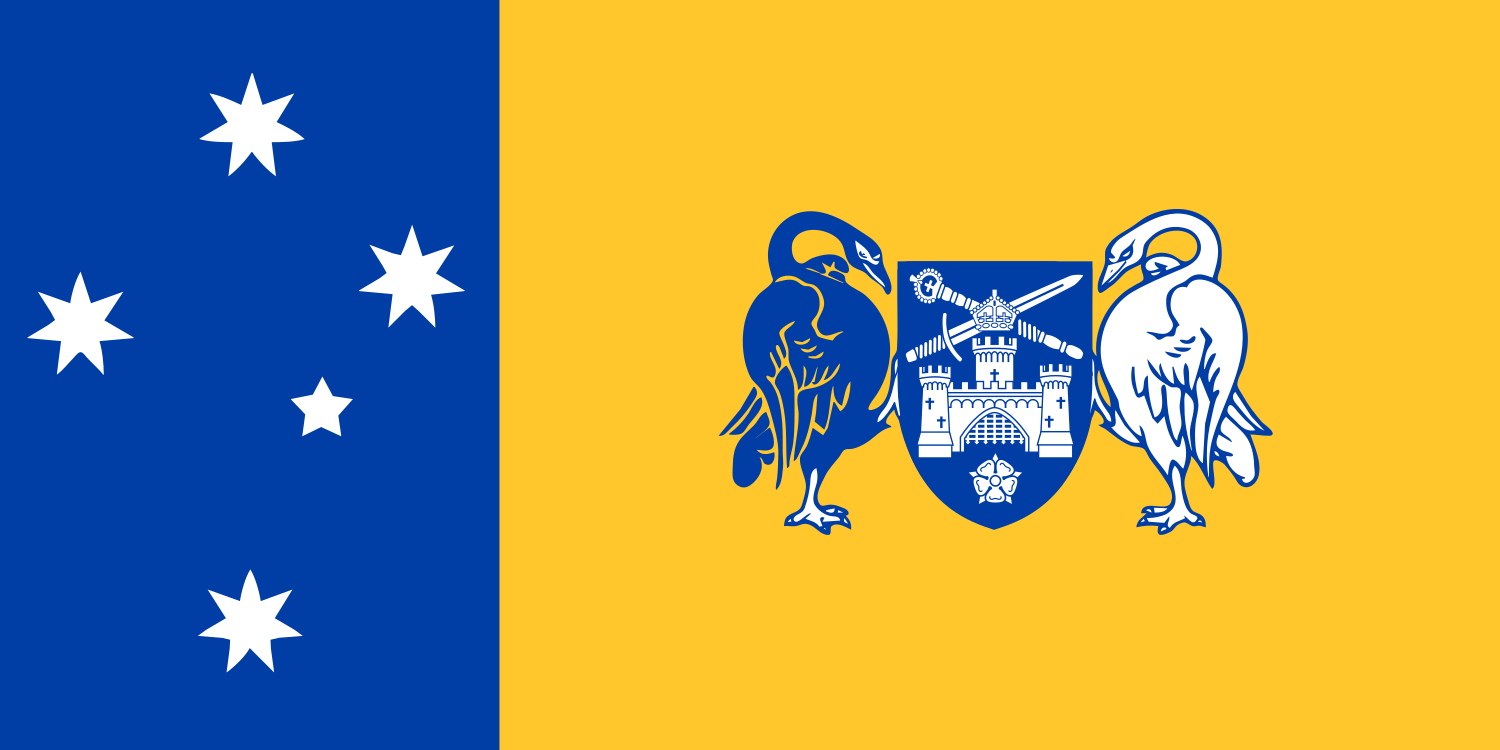
Australian Capital Territory
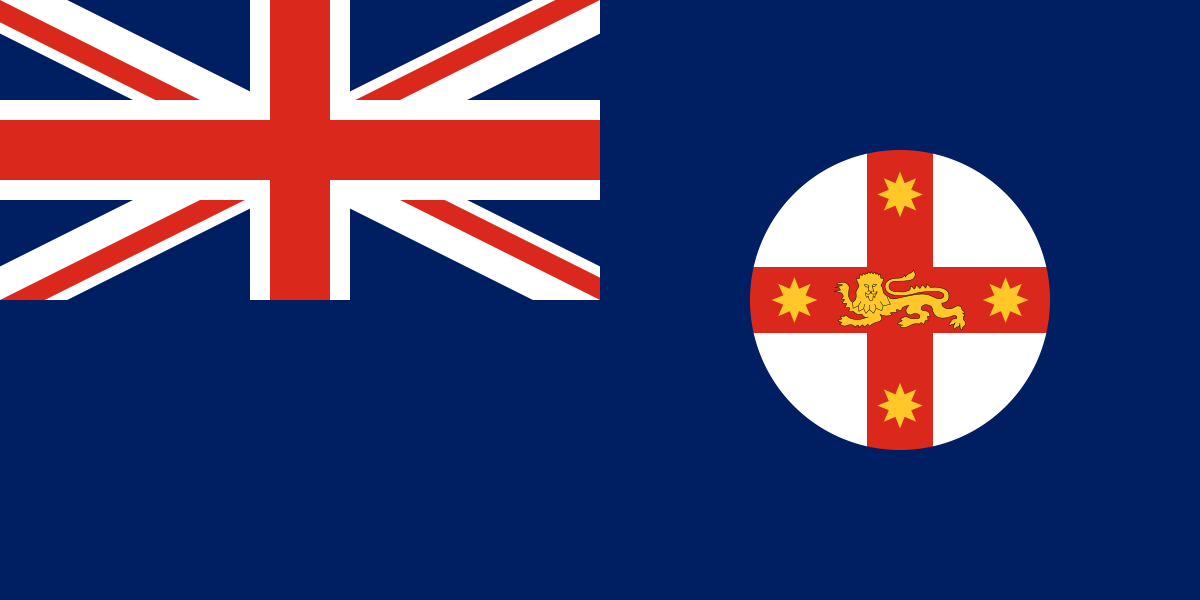
New South Wales
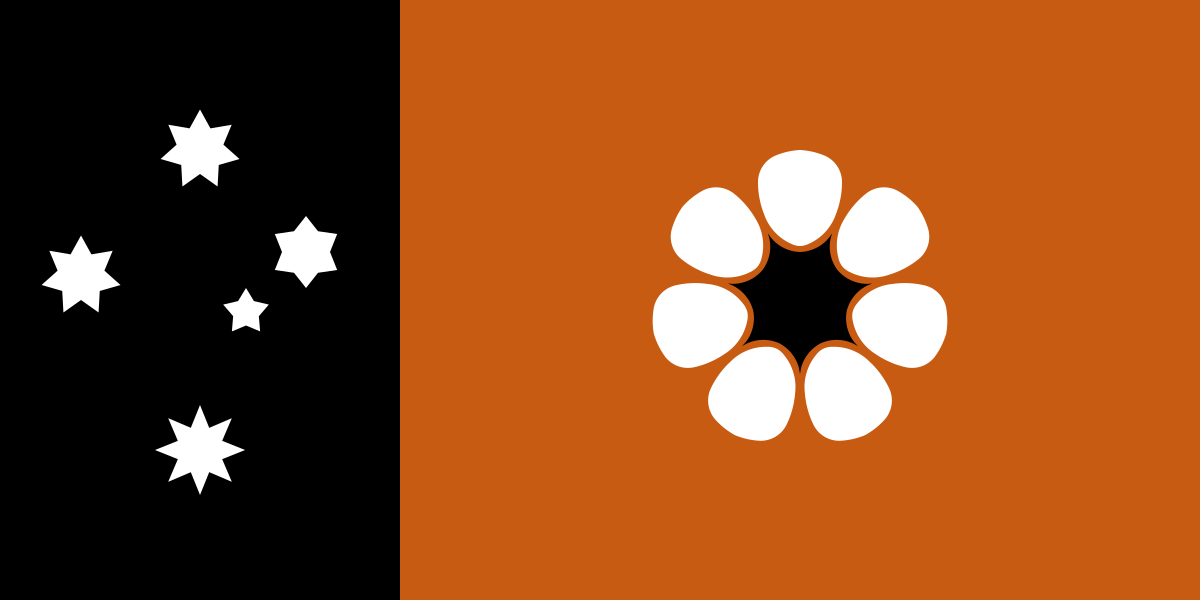
Northern Territory
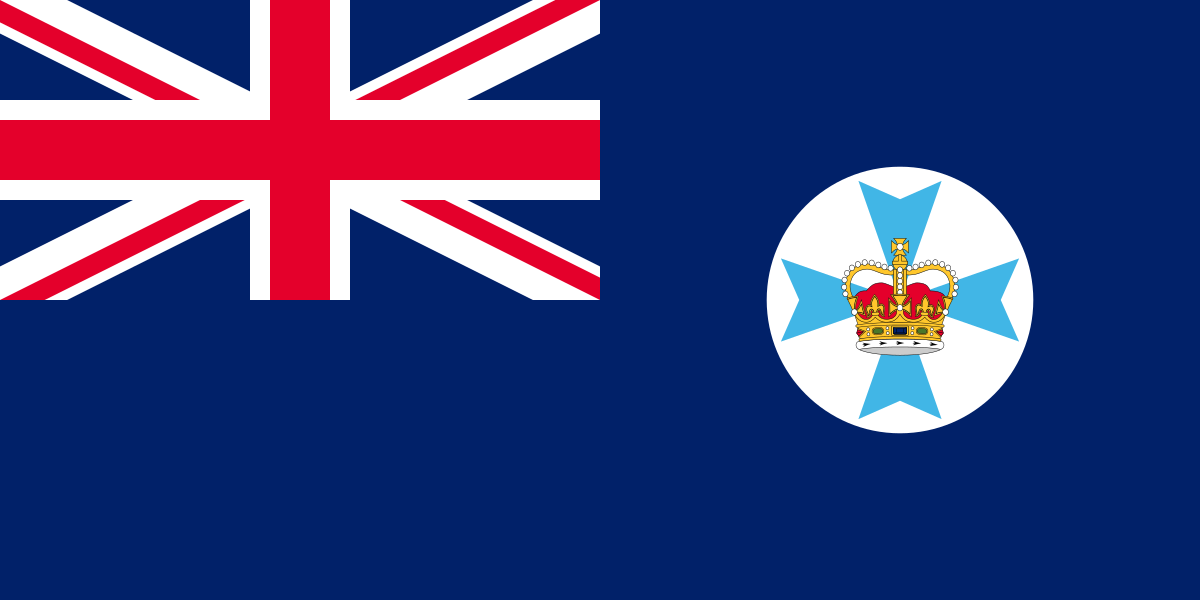
Queensland
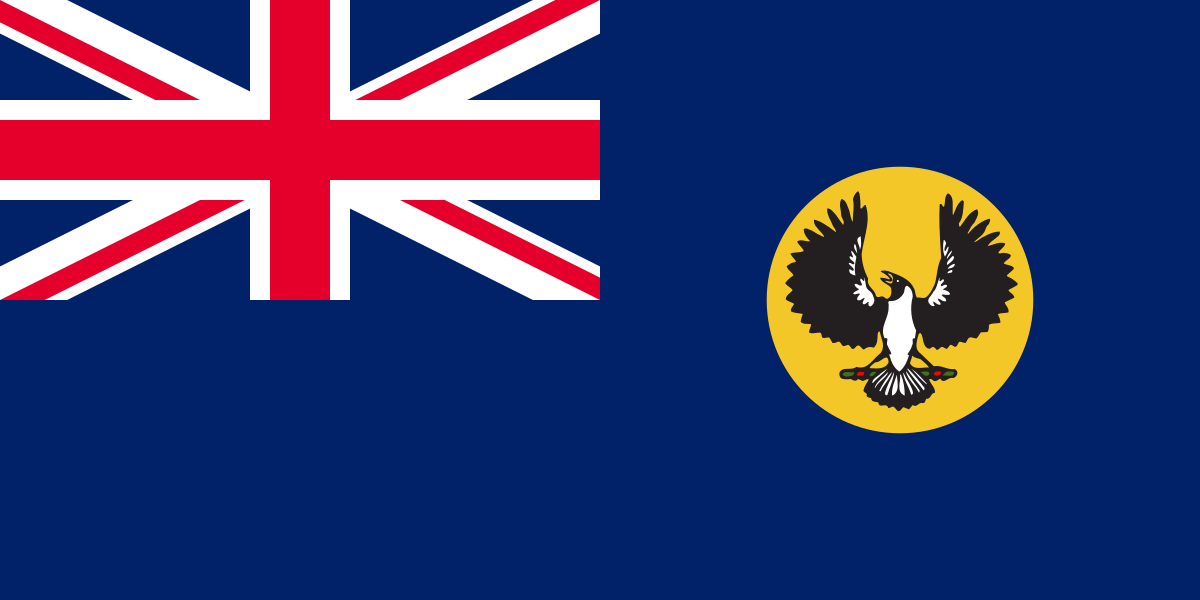
South Australia
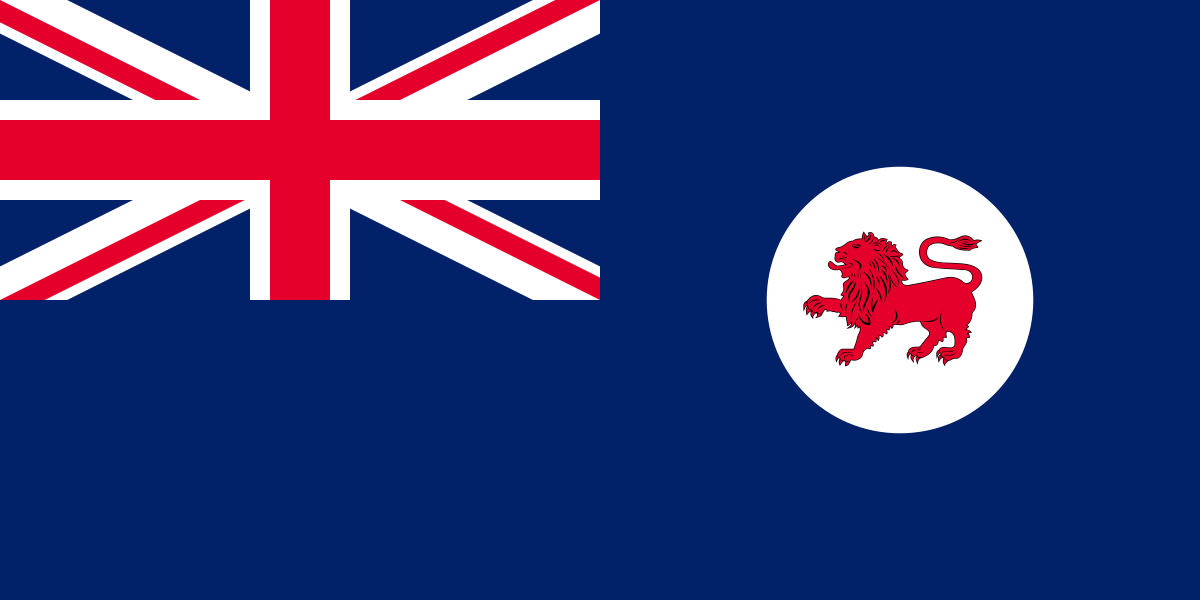
Tasmania
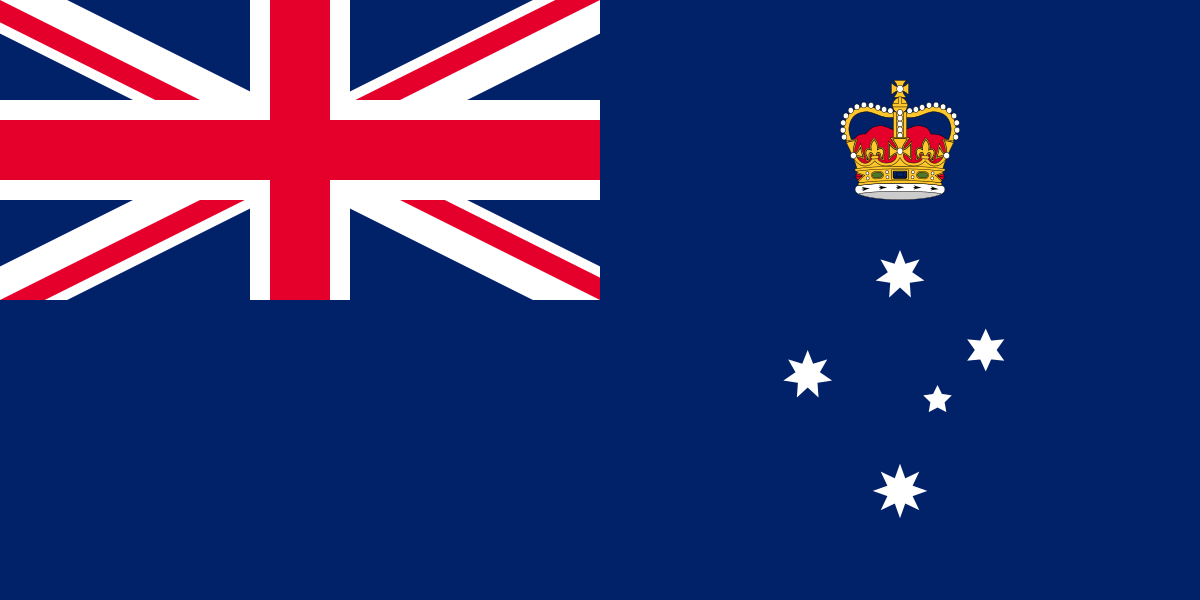
Victoria
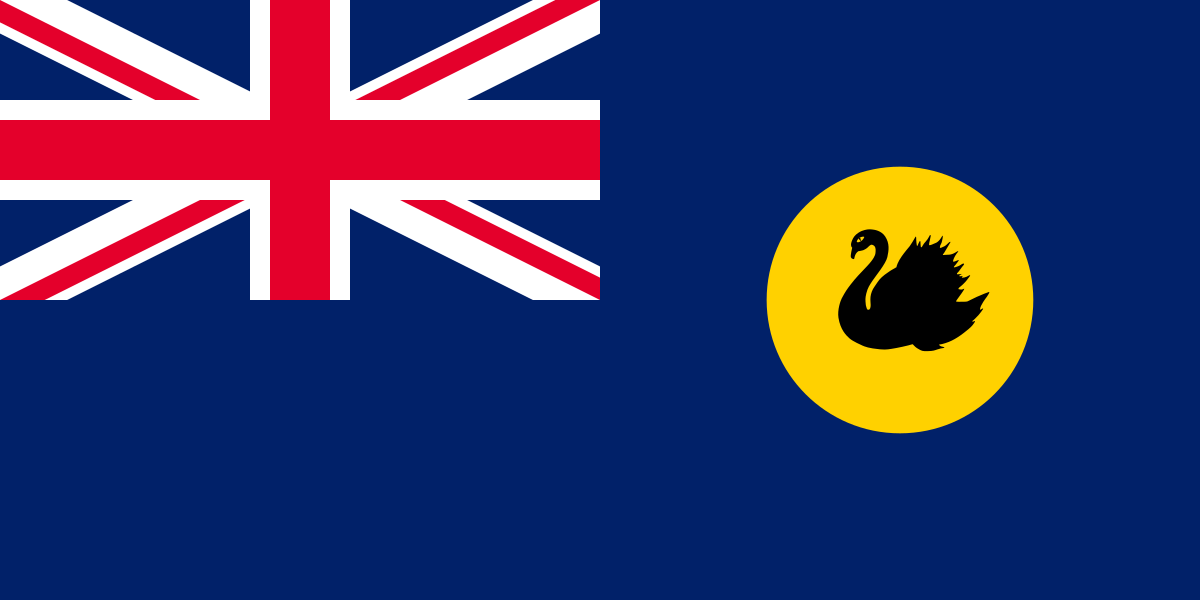
Western Australia
Other flags in blue, red and white
30 other national flags use the same main colours as Australia's.
Play Globalio and learn Australia's flag
 New Zealand
 Fiji
 Tuvalu
 Belize
 Cambodia
 Chile
 Costa Rica
 Croatia
 Cuba
 Czech Republic
 Dominican Republic
 France
 Iceland
 Laos
 Liberia
 Luxembourg
 Nepal
 Netherlands
 North Korea
 Norway
 Panama
 Paraguay
 Russia
 Samoa
 Serbia
 Slovakia
 Slovenia
 Taiwan
 Thailand
 United Kingdom
 United States