
1990–present
Flag of Croatia
Adopted in December 1990 as Yugoslavia dissolved, it centers the red-and-white checkerboard (šahovnica) beneath a crown of five historical regional shields, beginning with the oldest known Croatian coat of arms.
Croatia stretches along the eastern Adriatic Sea and is known for its dramatic coastline, more than a thousand islands, and well-preserved medieval cities. Dubrovnik, encircled by massive limestone walls, is one of Europe's most iconic historic cities and has been a UNESCO World Heritage Site since 1979. Croatia joined the European Union in 2013 and is famous worldwide for the crystalline waterfalls of Plitvice Lakes National Park.
Population and area are rounded.
Red, white and blue are the Pan-Slavic colours, taken up during the Croatian national revival of the 1840s. The shield shows the red-and-white checkerboard, the šahovnica, a Croatian symbol since at least the late 15th century. Above it sits a crown of five small shields for historic regions: the oldest known Croatian arms, the Republic of Dubrovnik, Dalmatia, Istria and Slavonia. The current flag was adopted in December 1990.
Horizontal red-white-blue with a distinctive red-and-white checkerboard shield in the centre.
Croatia has 1,244 islands, islets and reefs along its Adriatic coast, but only about 50 of them are inhabited.
Croatia's flag is often mixed up with these. Learn to tell them apart:
Every flag that has flown over Croatia, from today back through time.
Adopted in December 1990 as Yugoslavia dissolved, it centers the red-and-white checkerboard (šahovnica) beneath a crown of five historical regional shields, beginning with the oldest known Croatian coat of arms.
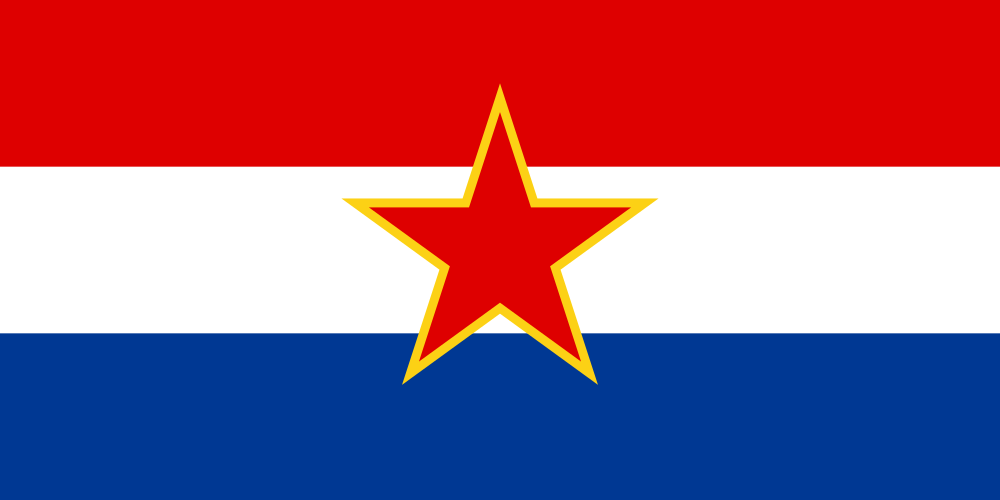
The Socialist Republic placed a gold-bordered red star at the center of the tricolor, deliberately omitting the traditional checkerboard during the Yugoslav period.
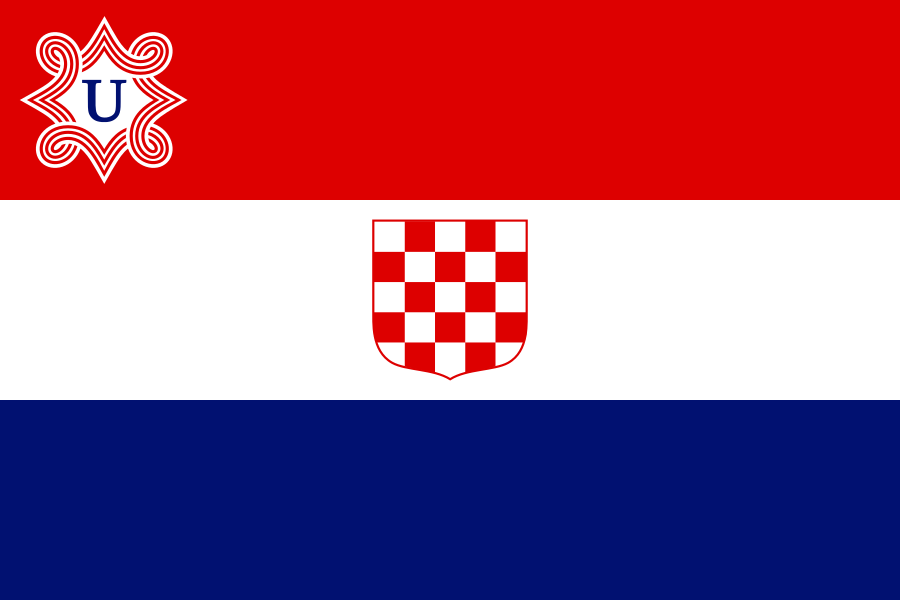
The WWII fascist puppet state kept the tricolor and checkerboard but added the Ustaše "U" emblem. It remains a taboo symbol because of the regime's genocidal crimes.
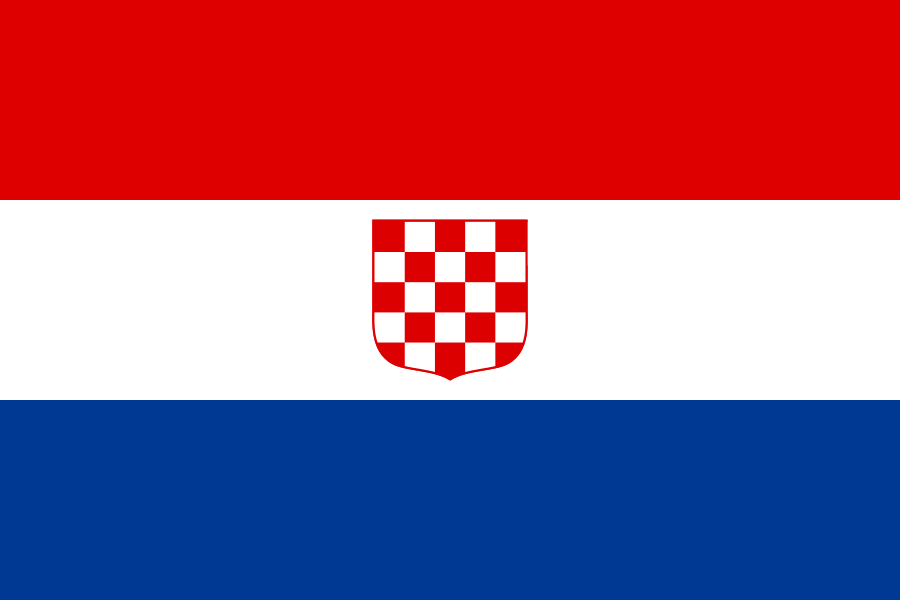
On the eve of WWII, Croatia won a measure of autonomy within the Kingdom of Yugoslavia as the Banovina (Banate) of Croatia in 1939, flying the plain red-white-blue tricolor with the checkerboard. This brief self-government was swept away in 1941 when the Axis invaded and dismembered Yugoslavia.
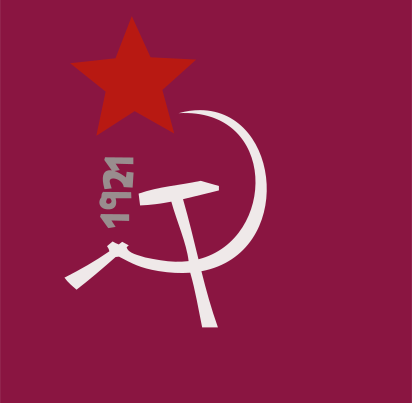
The Labin Republic was a short-lived 1921 workers' state in Istria, when coal miners seized the mines and declared self-rule against rising Italian Fascism. Its red flag bore a miner's hammer and pick. Italian troops crushed it within five weeks — one of Europe's earliest organized anti-fascist uprisings.
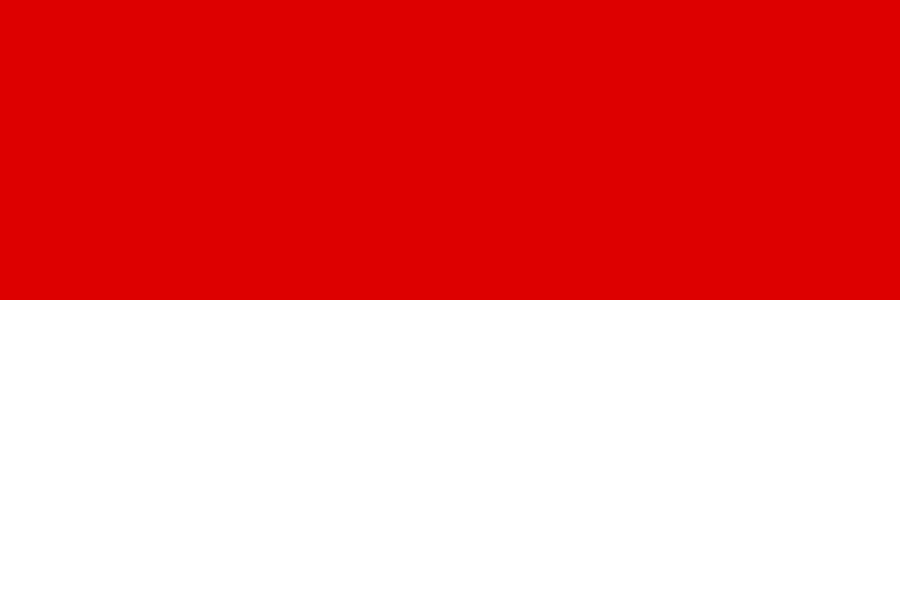
Within Austria-Hungary, Croatia-Slavonia was an autonomous kingdom flying a red-white-blue tricolor with the historic checkerboard shield. The pan-Slavic red-white-blue arrangement, chosen in the 19th-century national revival, is the direct ancestor of the modern Croatian flag.
Empires, kingdoms and republics that once covered part of Croatia.
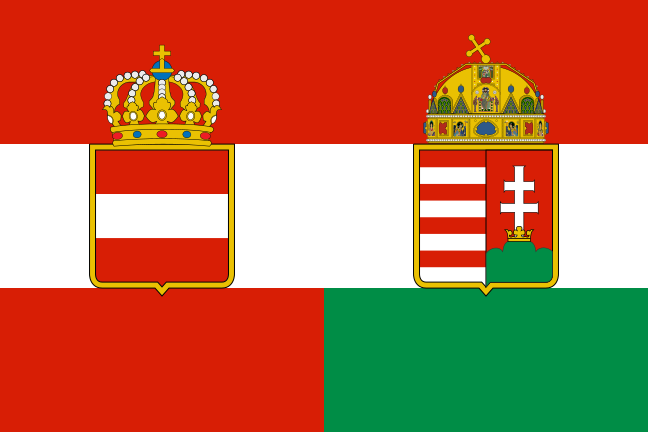
The civil ensign split 50/50, joining the Austrian red-white-red with Hungary's colors and both shields — the Dual Monarchy never agreed on a single flag for the whole empire.

The blue-white-red Pan-Slavic tricolor symbolized the union of Serbs, Croats, and Slovenes, flown by the Kingdom until the Axis invasion of 1941.
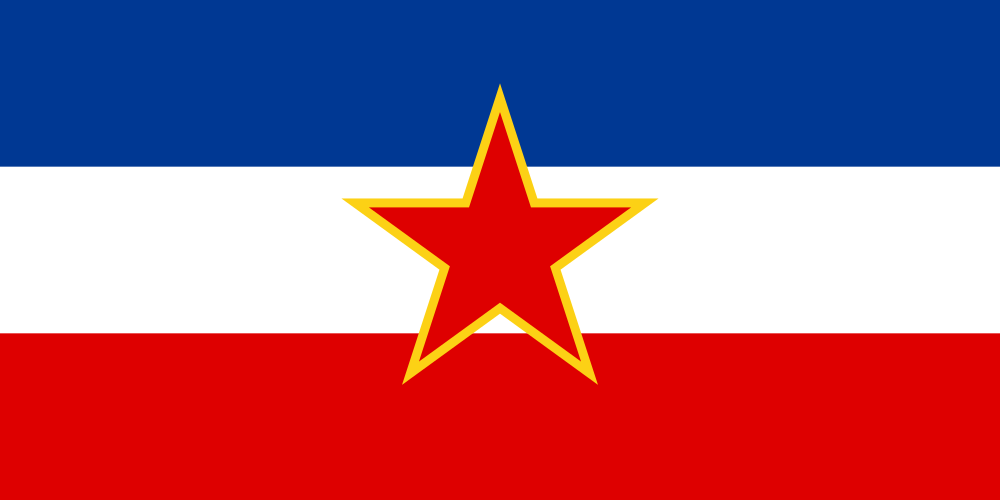
Tito's Partisans added a red, gold-bordered star to the tricolor; it marked the country's communist character until the federation's violent breakup in the 1990s.
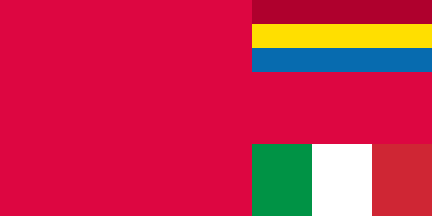
Poet Gabriele D'Annunzio's quasi-anarchic statelet at Fiume, whose flag bore the constellation of Ursa Major and the motto 'Quis contra nos?' — 'Who is against us?'.
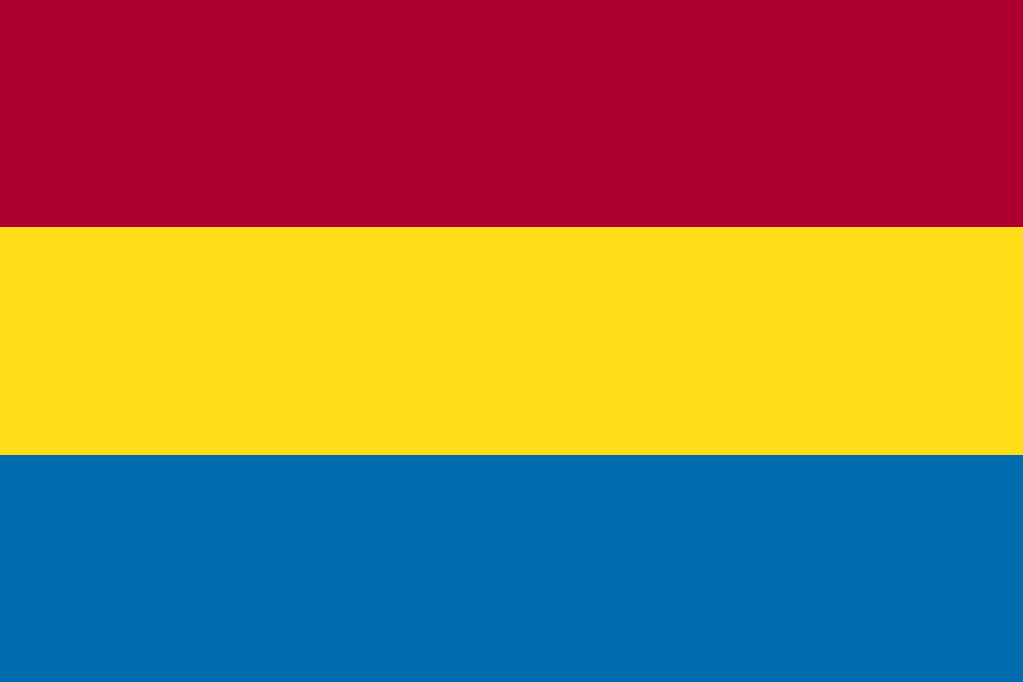
A short-lived independent city-state — modern Rijeka, Croatia — created by the Treaty of Rapallo and annexed by Italy in 1924. Its flag is a burgundy-yellow-blue tricolor.
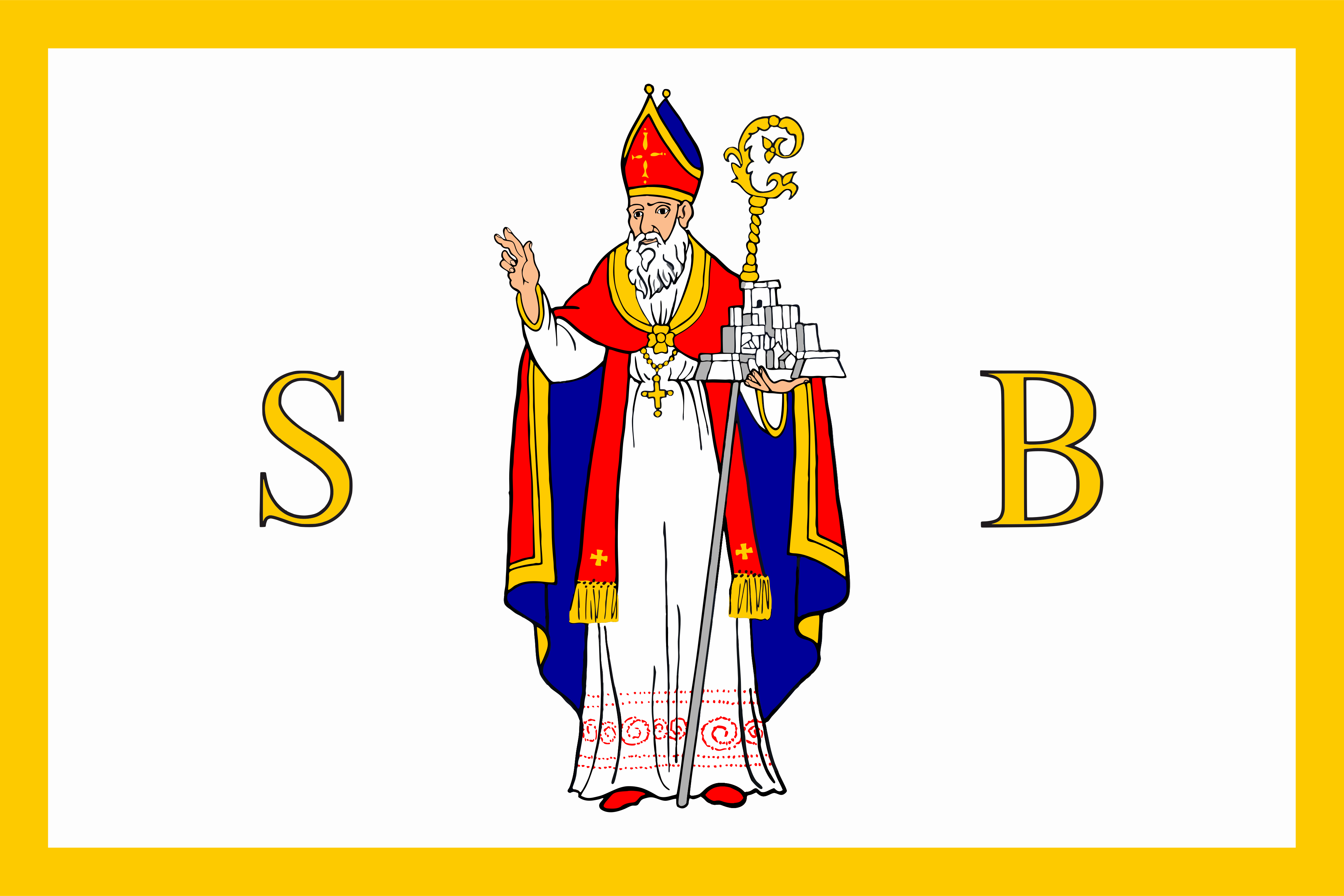
The Adriatic merchant republic of Dubrovnik flew a white flag bearing St Blaise, its patron, holding a model of the walled city. Its motto was 'Libertas'.
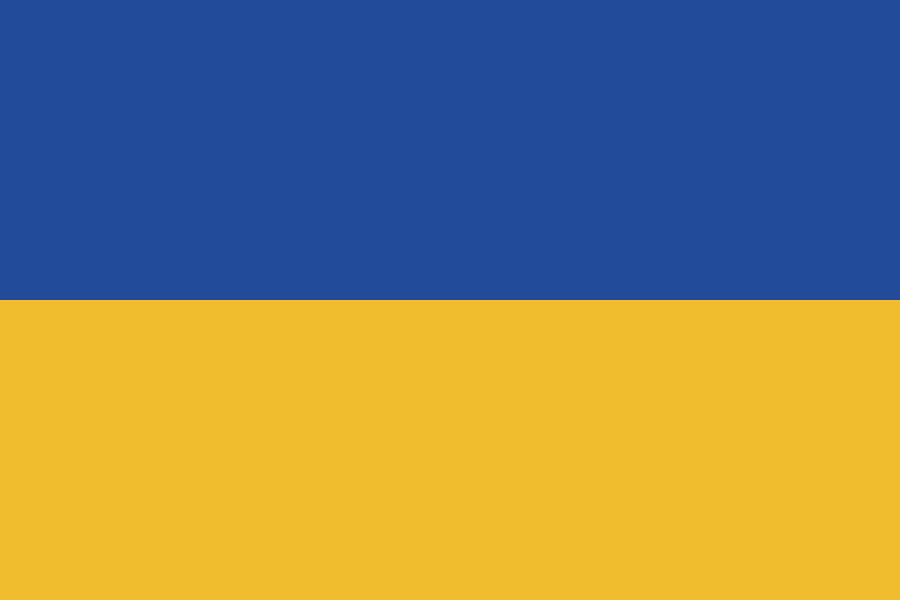
A blue-and-yellow flag for the Habsburg crown land along the Adriatic coast, governed from Zadar, whose territory is now part of Croatia.
The Axis puppet state run by the fascist Ustaše, responsible for atrocities against Serbs, Jews, and Roma; its flag added the Ustaše's 'U' badge to the Croatian checkerboard.
The 21 states, provinces and regions of Croatia with their own flags.
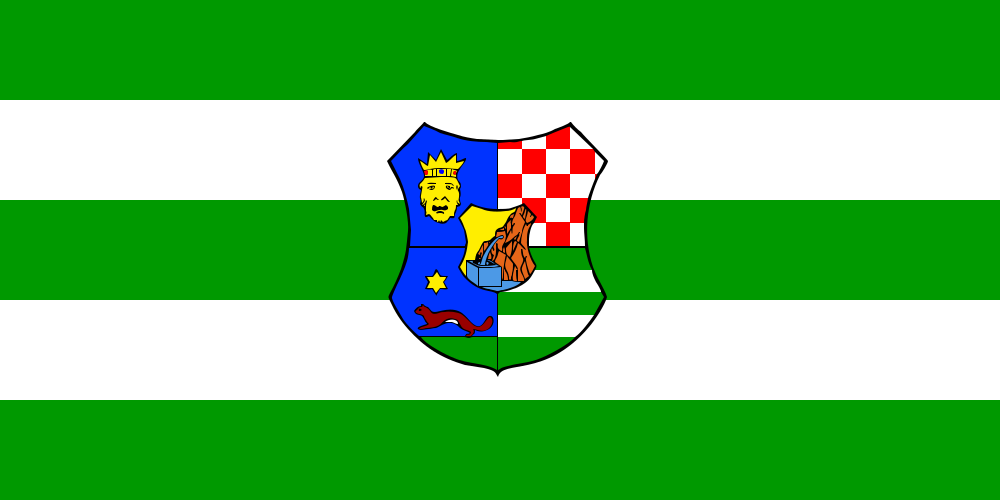 Zagreb County
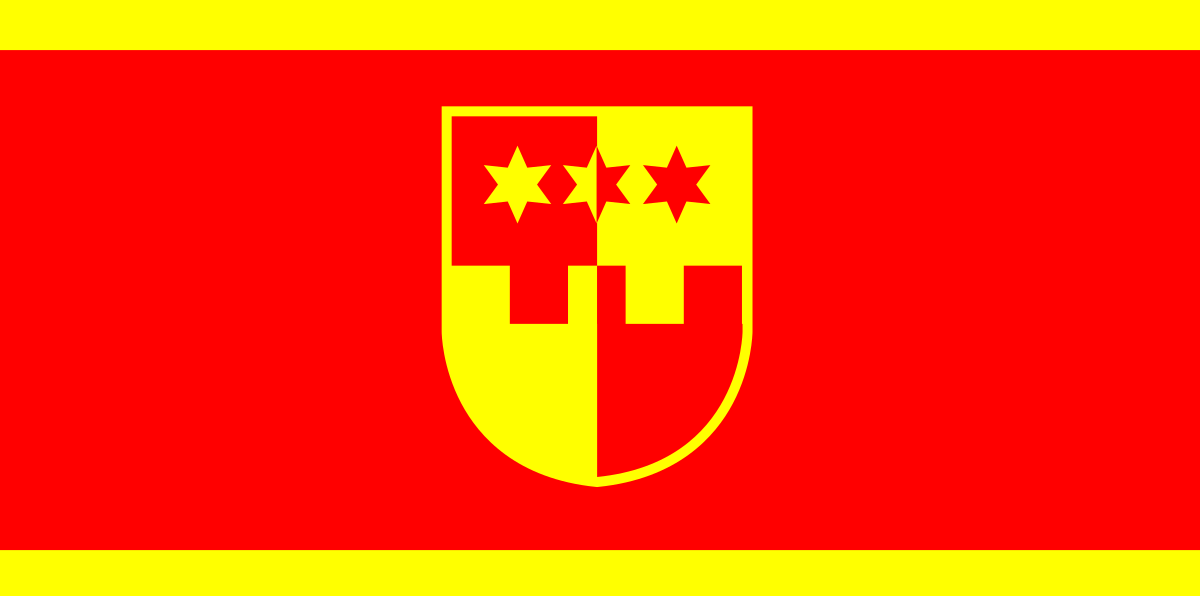 Krapina-Zagorje
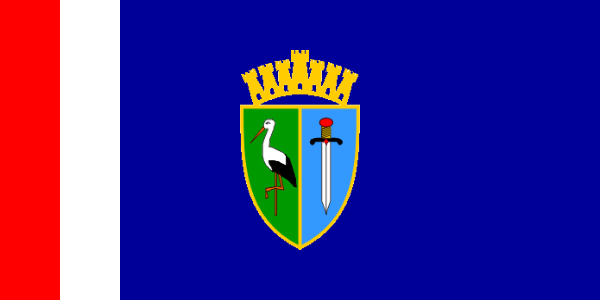 Sisak-Moslavina
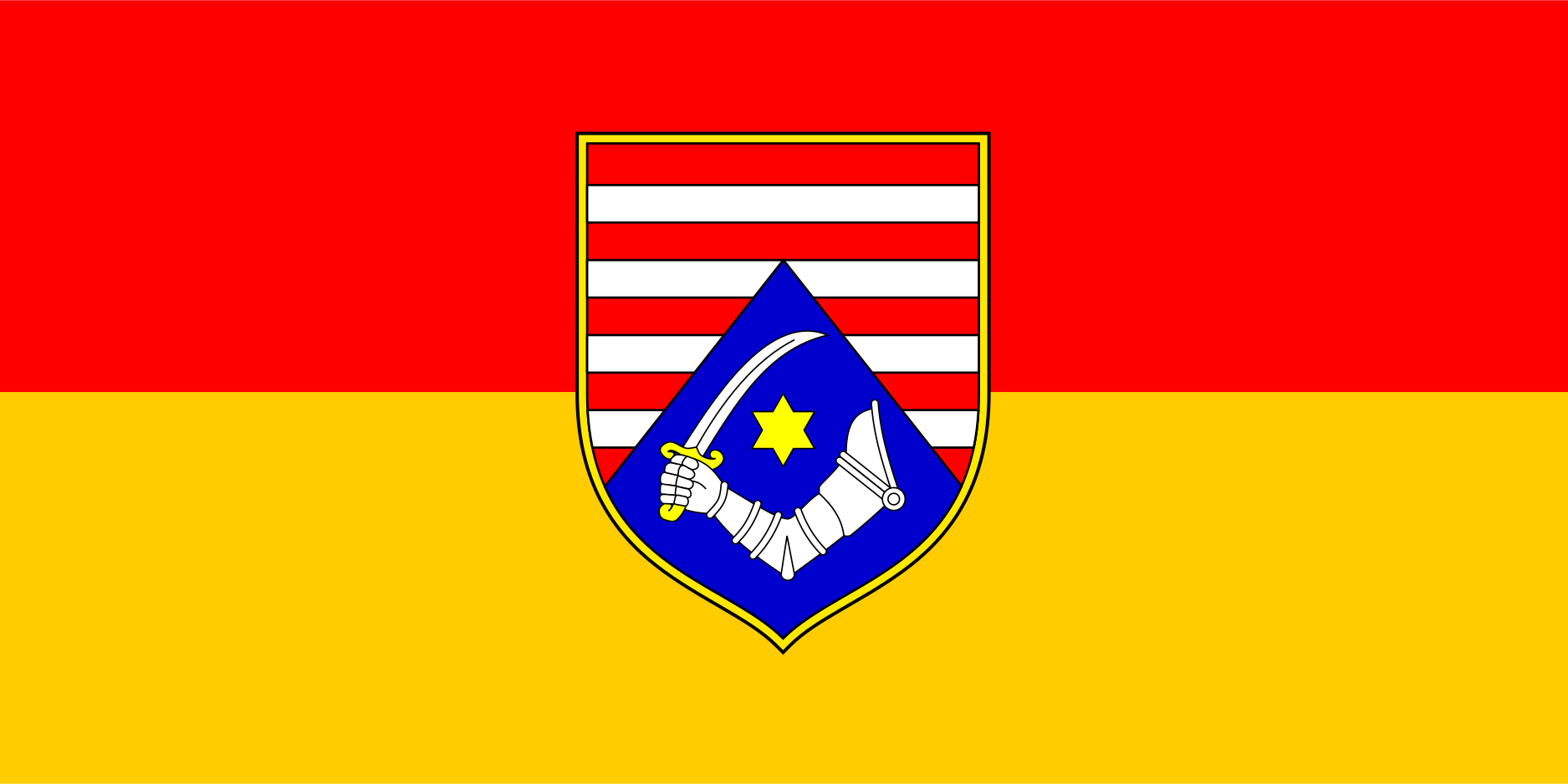 Karlovac
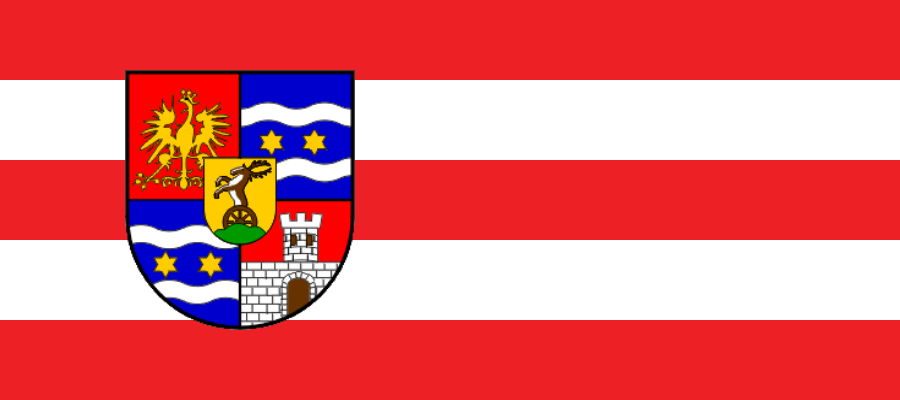 Varaždin
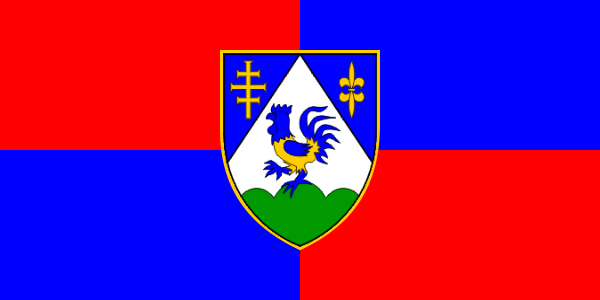 Koprivnica-Križevci
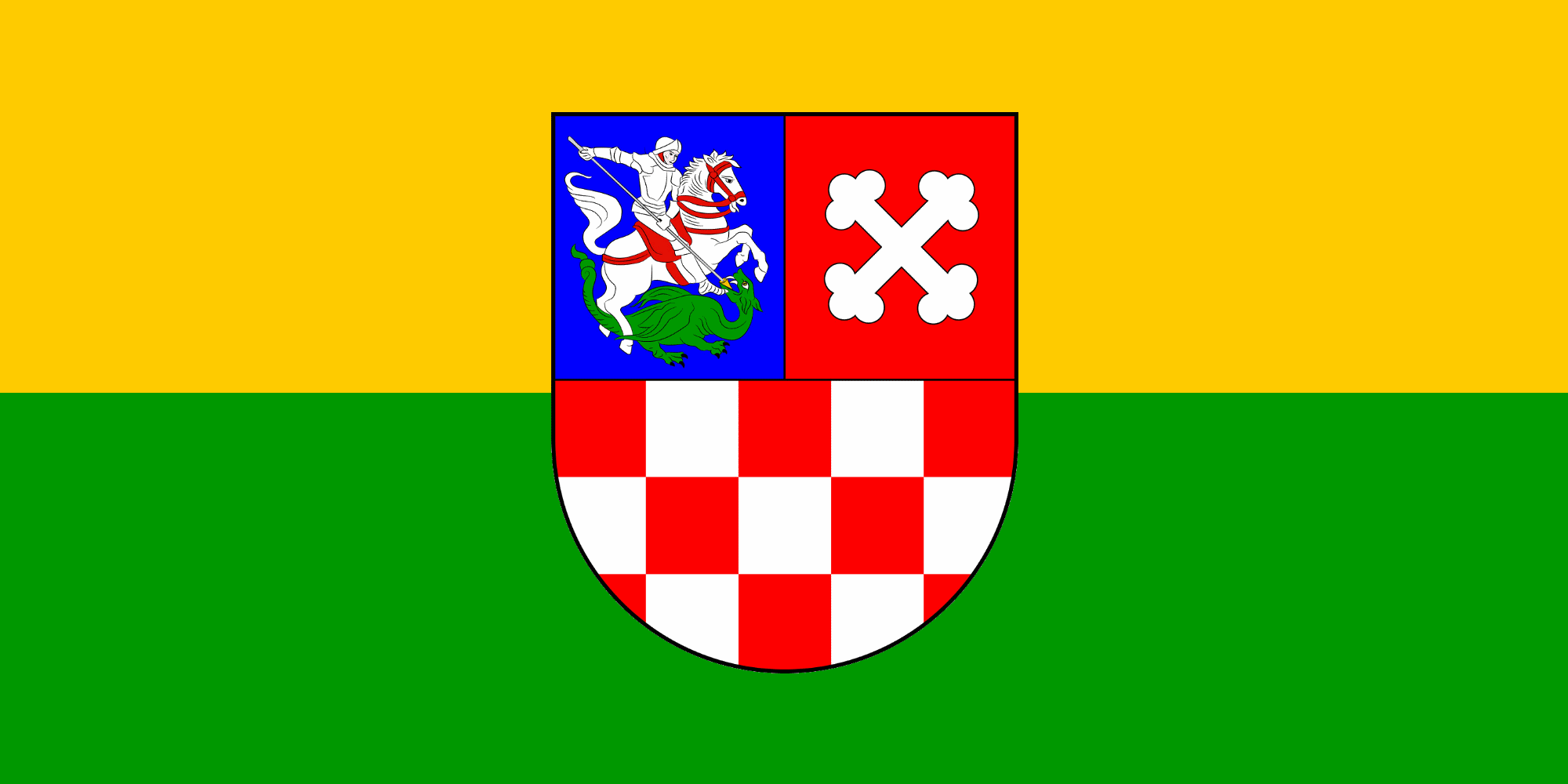 Bjelovar-Bilogora
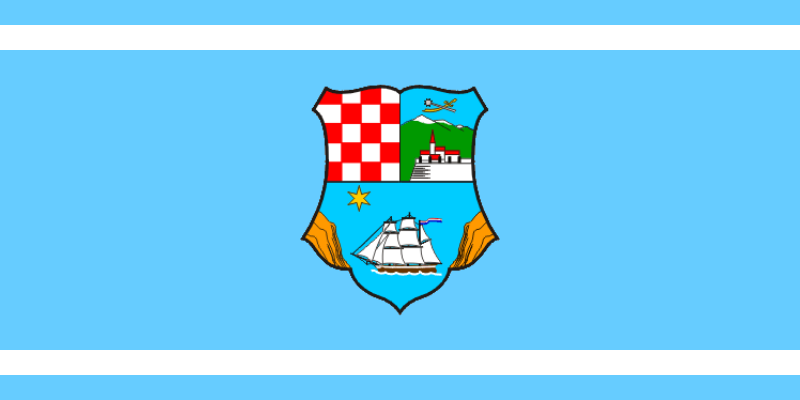 Primorje-Gorski Kotar
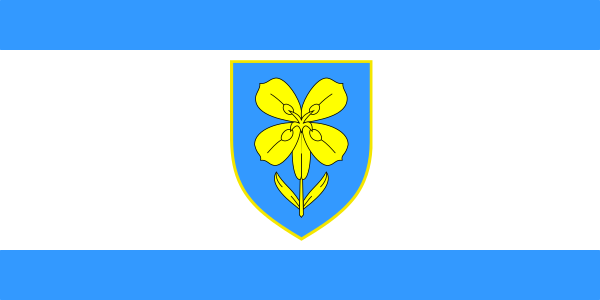 Lika-Senj
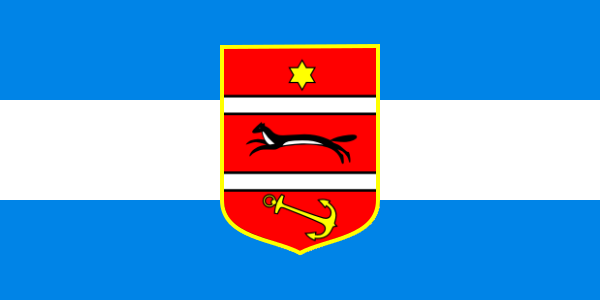 Virovitica-Podravina
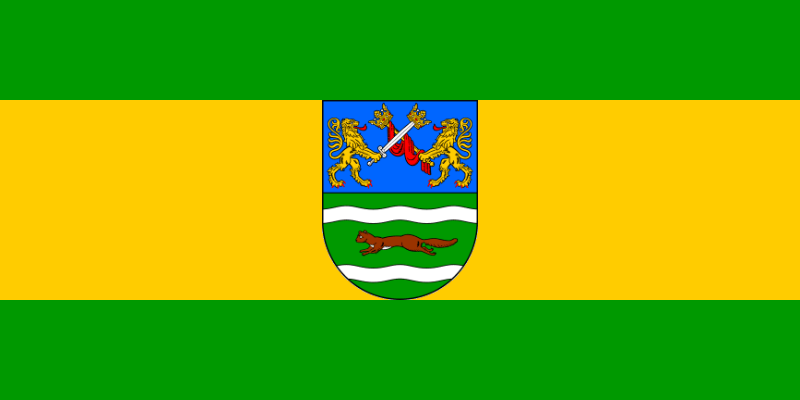 Požega-Slavonia
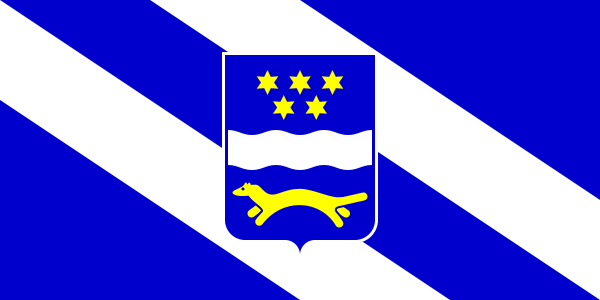 Brod-Posavina
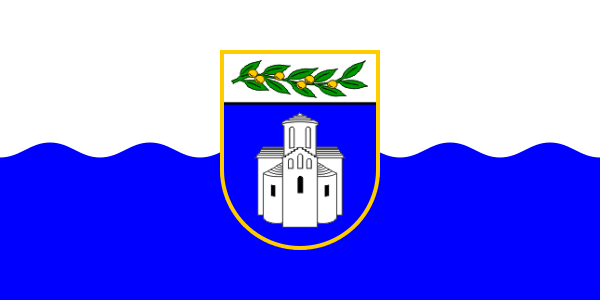 Zadar
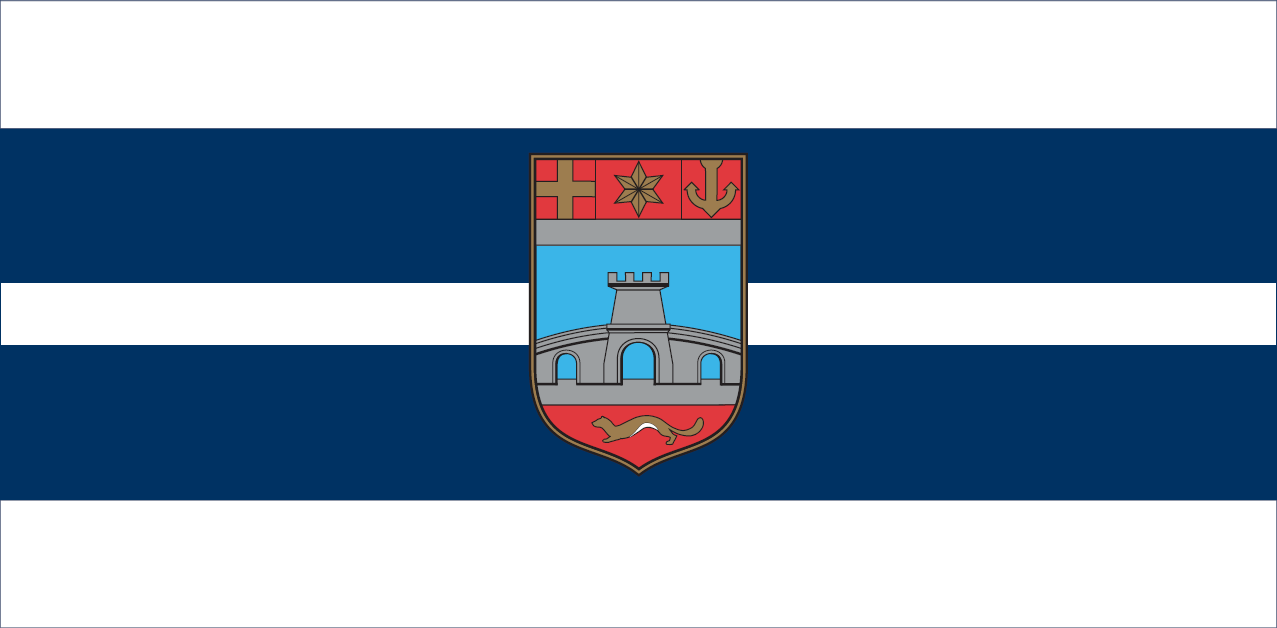 Osijek-Baranja
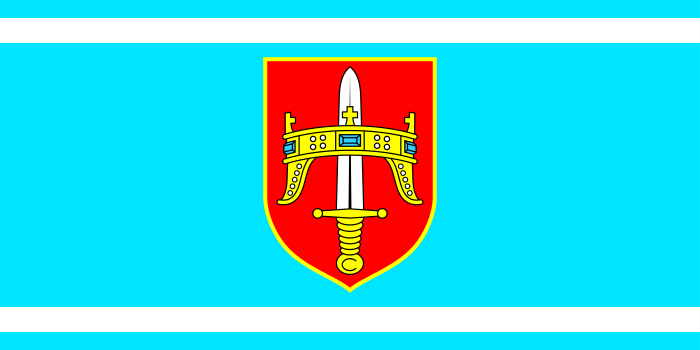 Šibenik-Knin
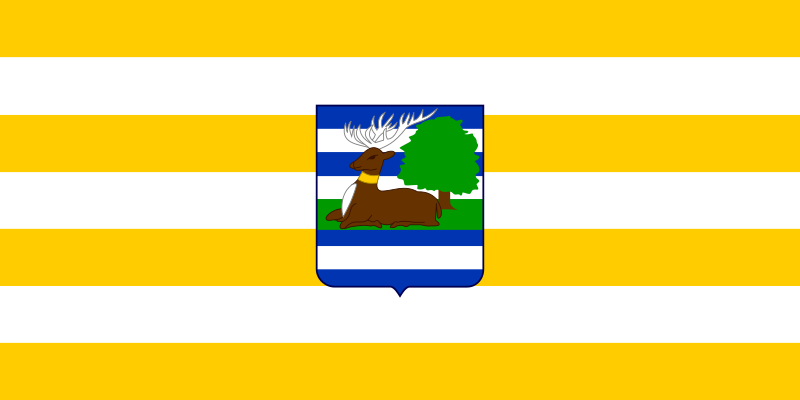 Vukovar-Srijem
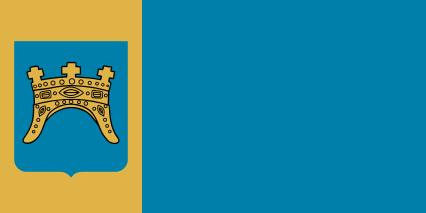 Split-Dalmatia
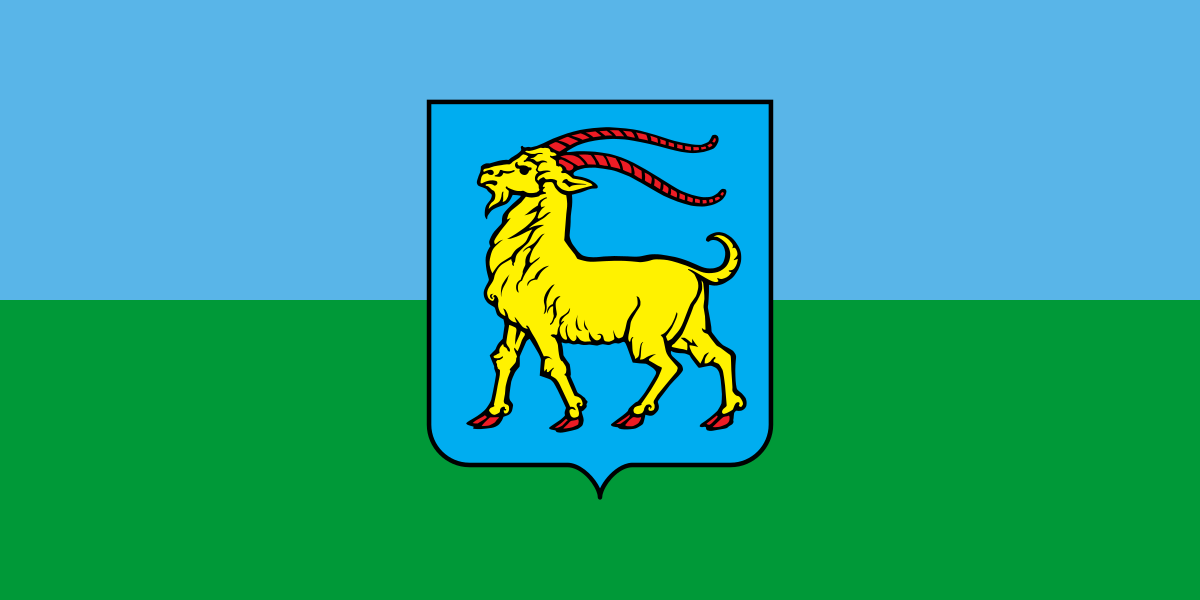 Istria
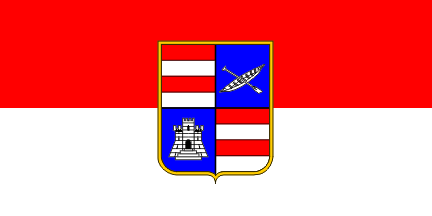 Dubrovnik-Neretva
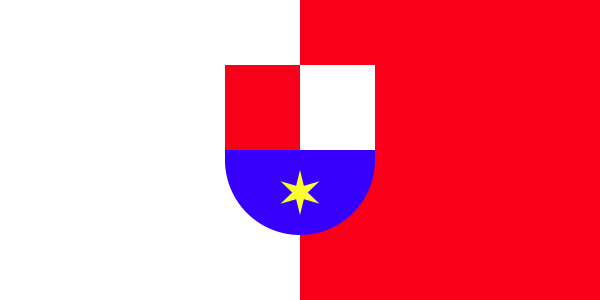 Međimurje
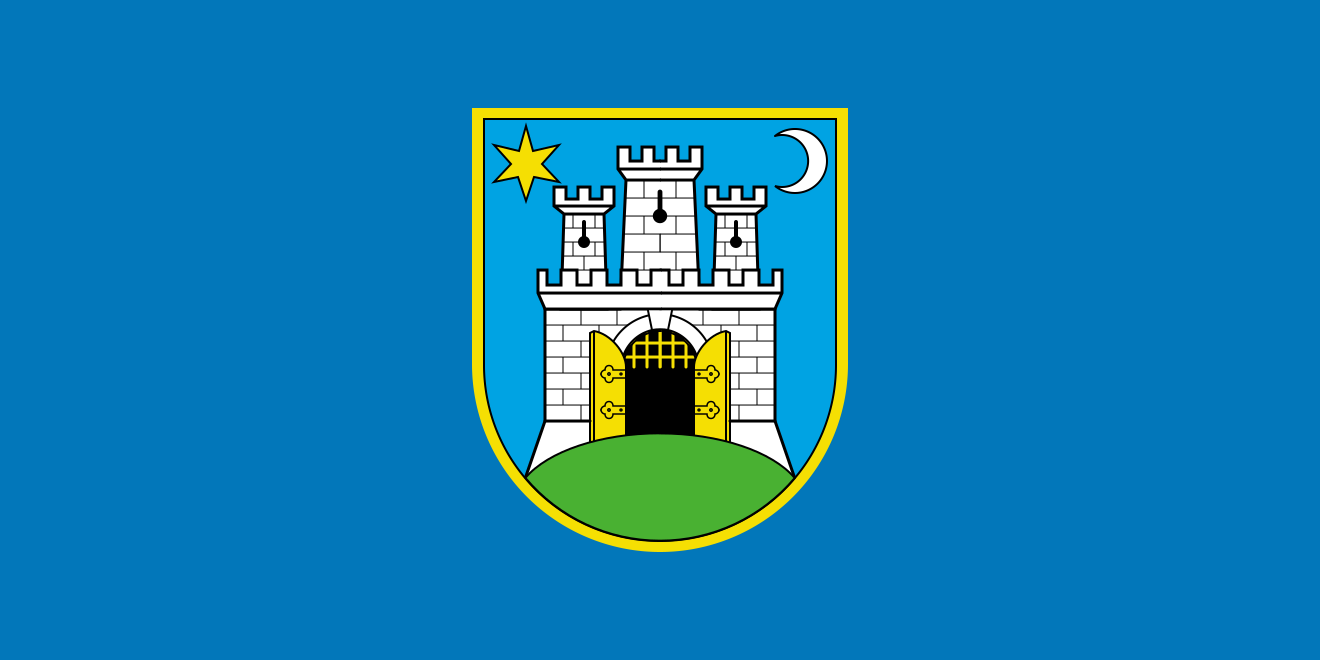 City of Zagreb
Croatia shares a land border with 5 countries: Bosnia and Herzegovina, Hungary, Montenegro, Serbia and Slovenia.
30 other national flags use the same main colours as Croatia's.
 Australia
 Belize
 Cambodia
 Chile
 Costa Rica
 Cuba
 Czech Republic
 Dominican Republic
 Fiji
 France
 Iceland
 Laos
 Liberia
 Luxembourg
 Nepal
 Netherlands
 New Zealand
 North Korea
 Norway
 Panama
 Paraguay
 Russia
 Samoa
 Serbia
 Slovakia
 Slovenia
 Taiwan
 Thailand
 United Kingdom
 United States
 Bosnia and Herzegovina
 Hungary
 Montenegro