
1992–present
Slovak flag (with arms)
Adopted in September 1992 before the split from Czechoslovakia, it shifts the national arms (a double cross on three hills) toward the hoist so the flag is not confused with other Slavic tricolors.
Slovakia is a landlocked Central European country sharing borders with Austria, Czech Republic, Hungary, Poland, and Ukraine. It was joined with the Czech Republic in Czechoslovakia until the two nations amicably separated in 1993 in the Velvet Divorce. Bratislava, the capital, is uniquely positioned so that residents can reach three different countries — Slovakia, Austria, and Hungary — within an hour's drive, making it one of Europe's most internationally connected capitals.
Population and area are rounded.
Slovakia uses the Pan-Slavic white, blue and red. The coat of arms shows a white double cross standing on three blue hills, often linked to the Tatra, Fatra and Mátra mountain ranges and to the Christian mission of Saints Cyril and Methodius. The shield was added in 1992 to tell the flag apart from Russia's, and the flag has been official since September 1992.
Horizontal white-blue-red with a Slovak double cross shield on the left.
Slovakia has the highest number of castles and chateaux per capita in the world.
Slovakia's flag is often mixed up with these. Learn to tell them apart:
Every flag that has flown over Slovakia, from today back through time.
Adopted in September 1992 before the split from Czechoslovakia, it shifts the national arms (a double cross on three hills) toward the hoist so the flag is not confused with other Slavic tricolors.
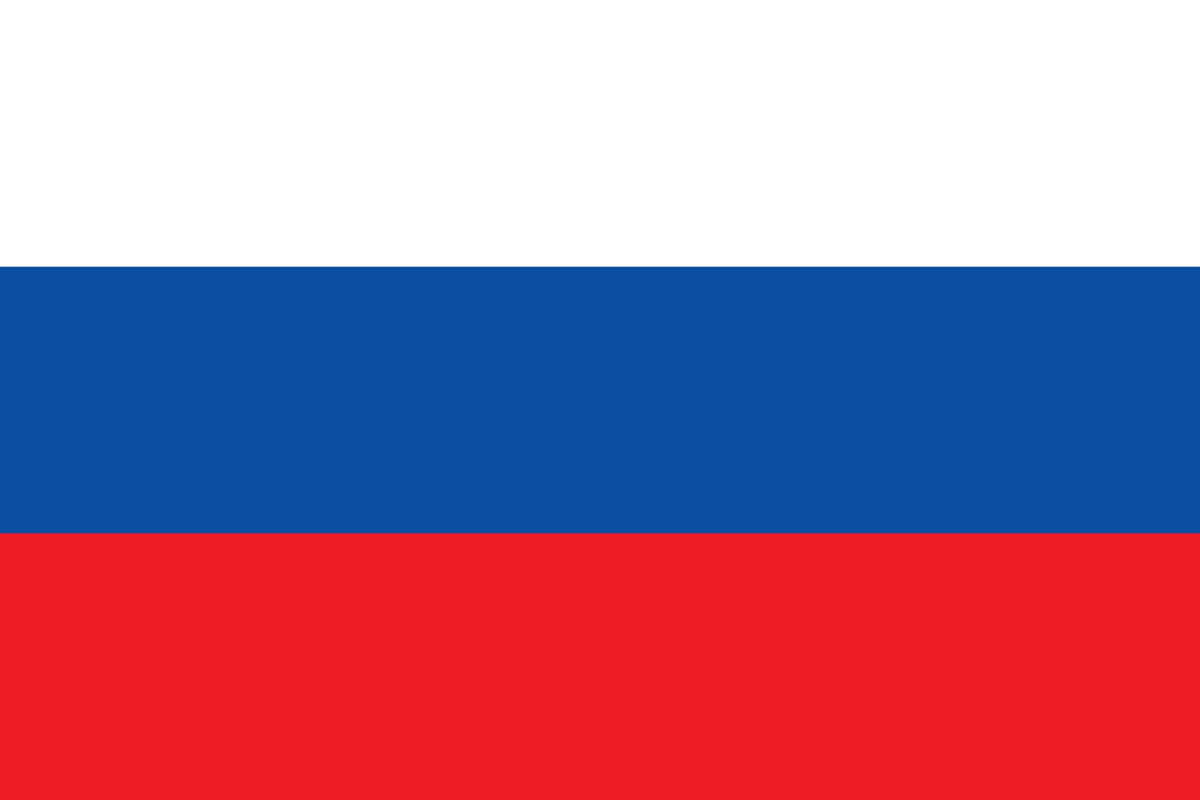
The WWII First Slovak Republic flew a plain white-blue-red tricolor identical to several other Slavic flags. The same plain design was briefly readopted in 1990–1992 before arms were added.

Apart from the WWII puppet state, Slovakia spent most of the 20th century as the eastern half of Czechoslovakia (1918–1939 and 1945–1992), flying the Czechoslovak flag with its blue hoist triangle. Slovak frustration at being the junior partner drove the "Velvet Divorce" of 1993 — the peaceful split that gave Slovakia its own arms-bearing flag.
Empires, kingdoms and republics that once covered part of Slovakia.
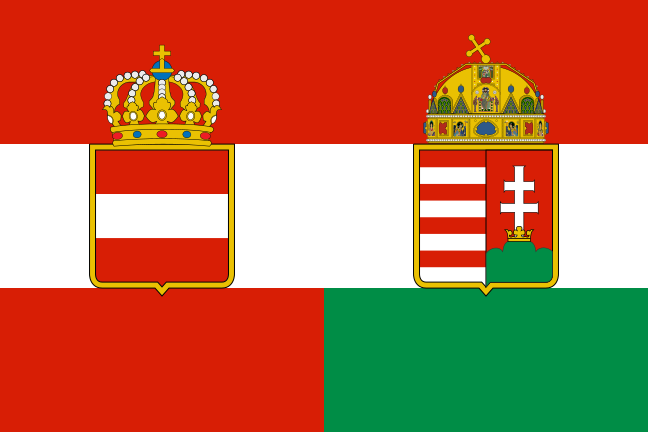
The civil ensign split 50/50, joining the Austrian red-white-red with Hungary's colors and both shields — the Dual Monarchy never agreed on a single flag for the whole empire.
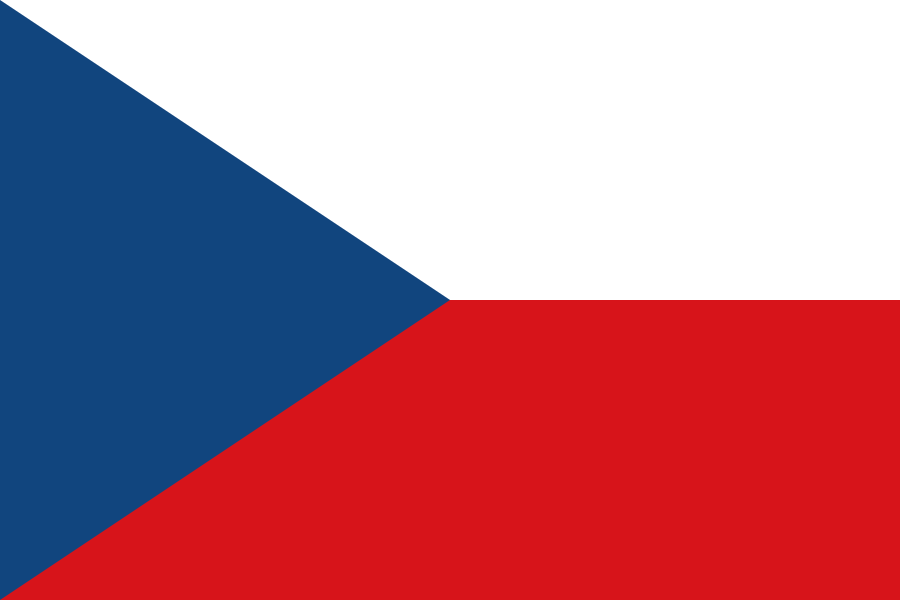
Adopted in 1920 with a blue hoist wedge to tell it apart from Poland's flag. Czechia kept it after the 1993 split, despite a clause meant to bar successor states from reusing it.
A clerical-nationalist client state of Nazi Germany under Jozef Tiso, the first time Slovakia existed as a separate state; it flew a plain white-blue-red tricolor.
The 8 states, provinces and regions of Slovakia with their own flags.
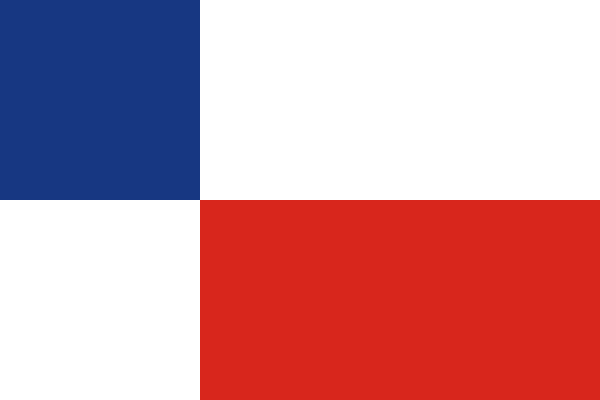 Banská Bystrica
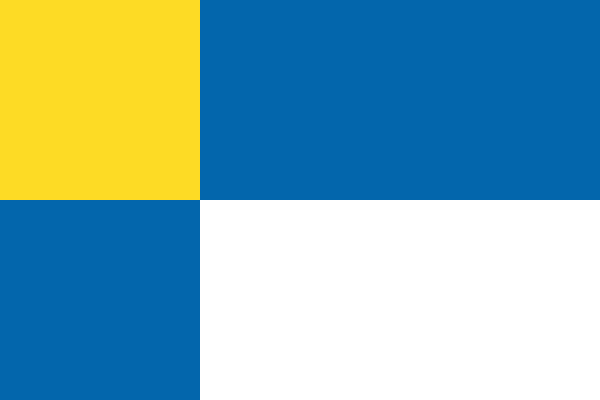 Bratislava
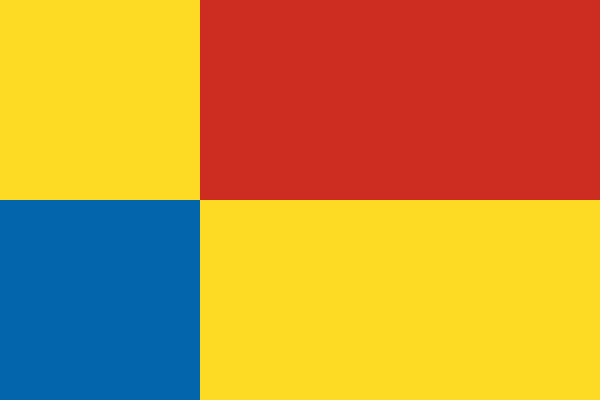 Košice
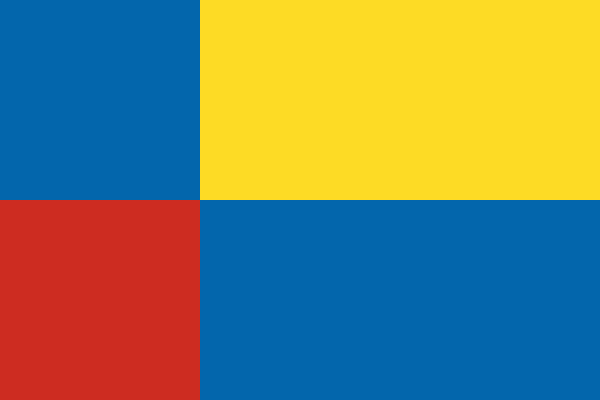 Nitra
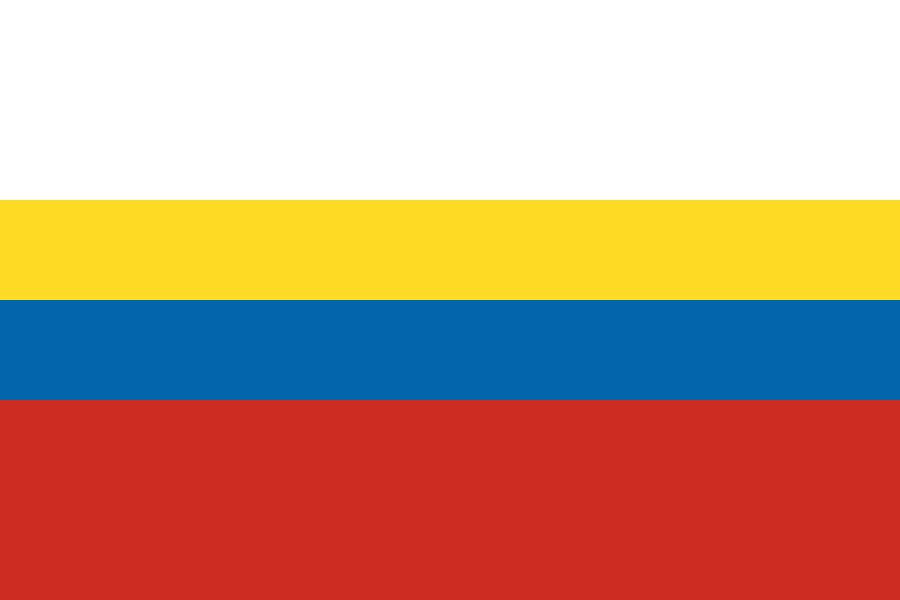 Prešov
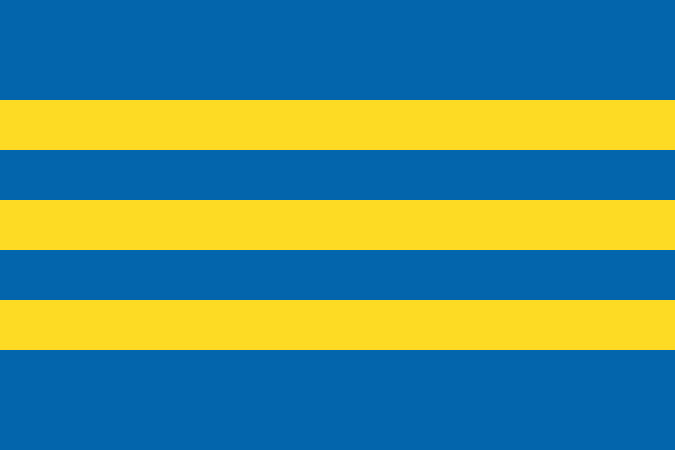 Trnava
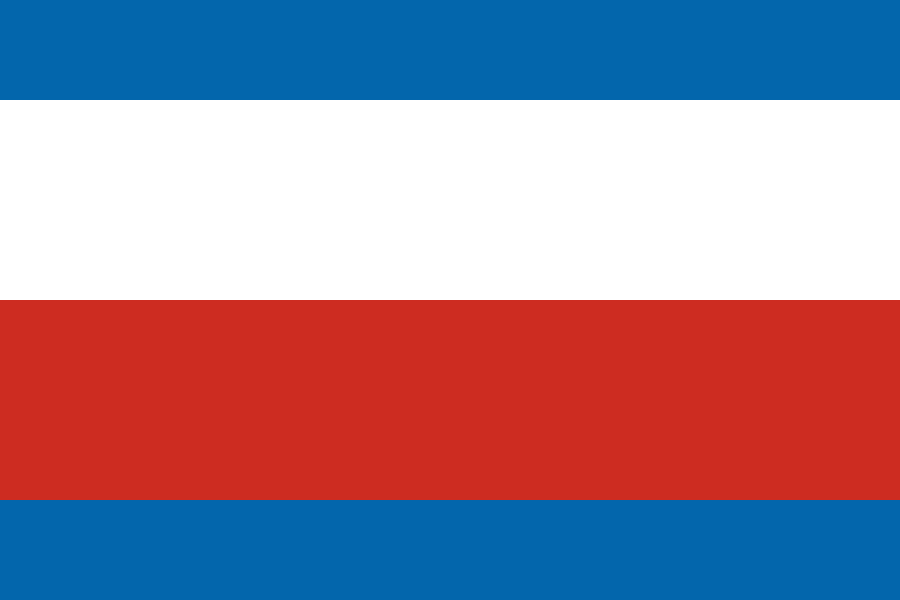 Trenčín
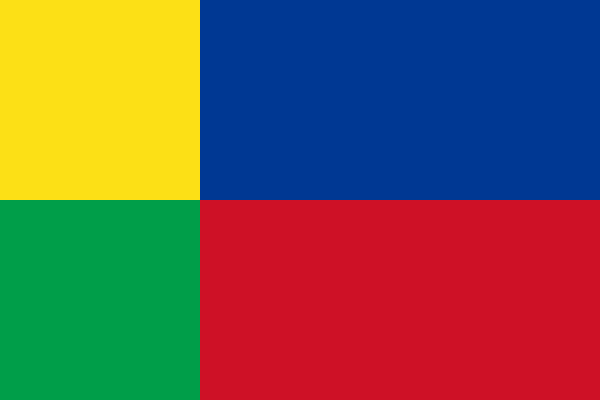 Žilina
Slovakia shares a land border with 5 countries: Austria, the Czech Republic, Hungary, Poland and Ukraine.
30 other national flags use the same main colours as Slovakia's.
 Australia
 Belize
 Cambodia
 Chile
 Costa Rica
 Croatia
 Cuba
Czech Republic
 Dominican Republic
 Fiji
 France
 Iceland
 Laos
 Liberia
 Luxembourg
 Nepal
 Netherlands
 New Zealand
 North Korea
 Norway
 Panama
 Paraguay
 Russia
 Samoa
 Serbia
 Slovenia
 Taiwan
 Thailand
 United Kingdom
 United States
 Austria
 Hungary
 Poland
 Ukraine