Europe
Flag of Ireland
Ireland is an island nation in northwestern Europe known for its lush green landscapes, rich literary heritage from writers like Oscar Wilde and James Joyce, and vibrant Celtic culture. The island is divided between the Republic of Ireland and Northern Ireland, which is part of the United Kingdom. Ireland joined the European Economic Community in 1973 and has since become one of Europe's most prosperous economies, home to the European headquarters of many global technology companies.

- CapitalDublin
- RegionEurope
- Current flag since1922
- Main coloursGreen, White, Orange
- Populationabout 5.1 million
- Areaabout 70,000 km²
- Flags in history2
Population and area are rounded.
What the flag of Ireland means
Green represents the Gaelic and Catholic tradition, orange the Protestant supporters of William of Orange, and the white between them a lasting peace between the two. The tricolour was presented by Thomas Francis Meagher in 1848, inspired by the flags of revolutionary France, and was widely flown after the 1916 Easter Rising. The 1937 constitution confirmed it as the national flag.
How to recognise it
Vertical green-white-orange. Côte d'Ivoire is the exact mirror: orange-white-green.
Did you know?
Ireland is one of the few countries where Halloween originated — from the Celtic festival of Samhain.
Easily confused with
Ireland's flag is often mixed up with these. Learn to tell them apart:
Flag history of Ireland
Every flag that has flown over Ireland, from today back through time.
1922–present
Green-white-orange tricolour
First flown by Thomas Francis Meagher in 1848 and raised over the GPO during the 1916 Rising, the tricolour was used by the Irish Free State from 1922 and given constitutional status in 1937. Green represents Catholics, orange Protestants, and the white the hoped-for peace between them.
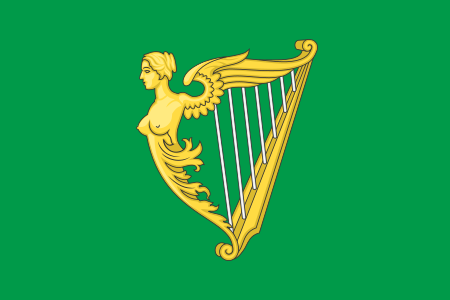
1642–1916
Green flag with gold harp
A green field bearing a golden harp was recognized as the flag of Ireland from the mid-1600s and remained the dominant nationalist emblem right up to the 1916 Easter Rising. The same design survives today as the flag of Leinster.
Saint Patrick's Saltire:
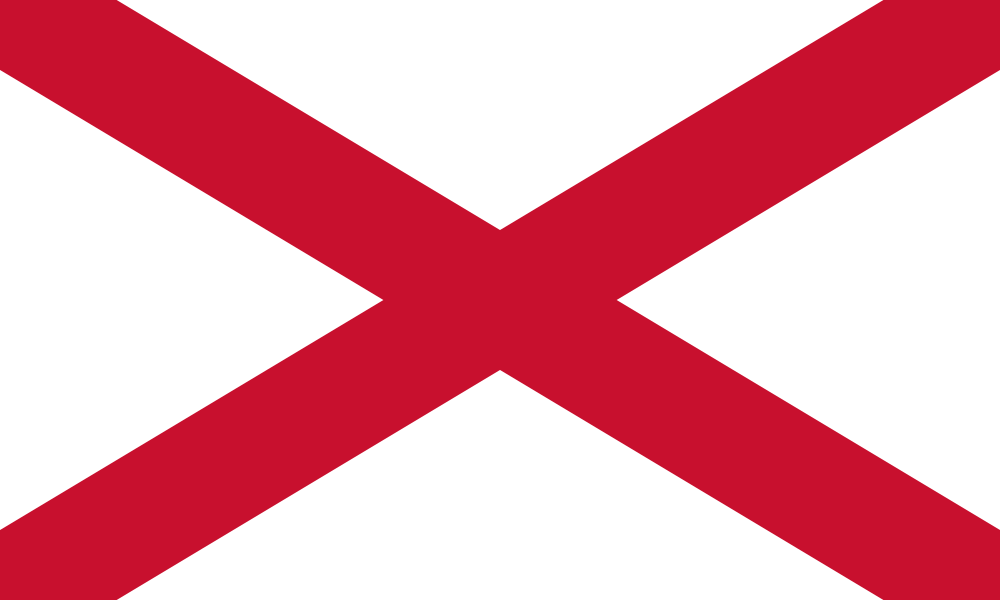
1783–present
St Patrick's Saltire
A red X-shaped cross on white, adopted by the Order of Saint Patrick in 1783 and folded into the Union Flag in 1801. Its status as a genuinely Irish symbol is disputed — it was largely an Anglo-Irish heraldic device.
Related historical states
Empires, kingdoms and republics that once covered part of Ireland.
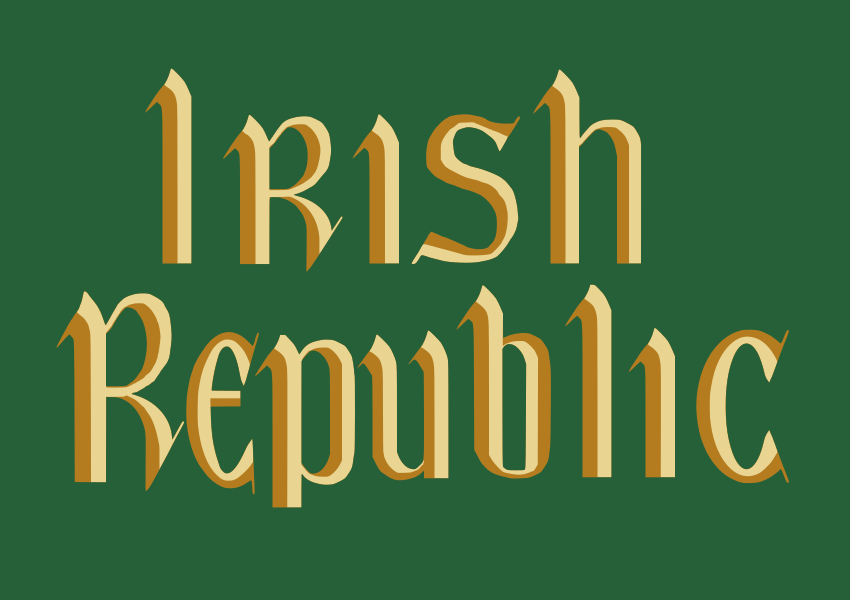
1916
Irish Republic (1916)
The green flag with gold lettering 'Irish Republic' flown over Dublin's General Post Office during the Easter Rising. The original captured banner survives in Dublin.
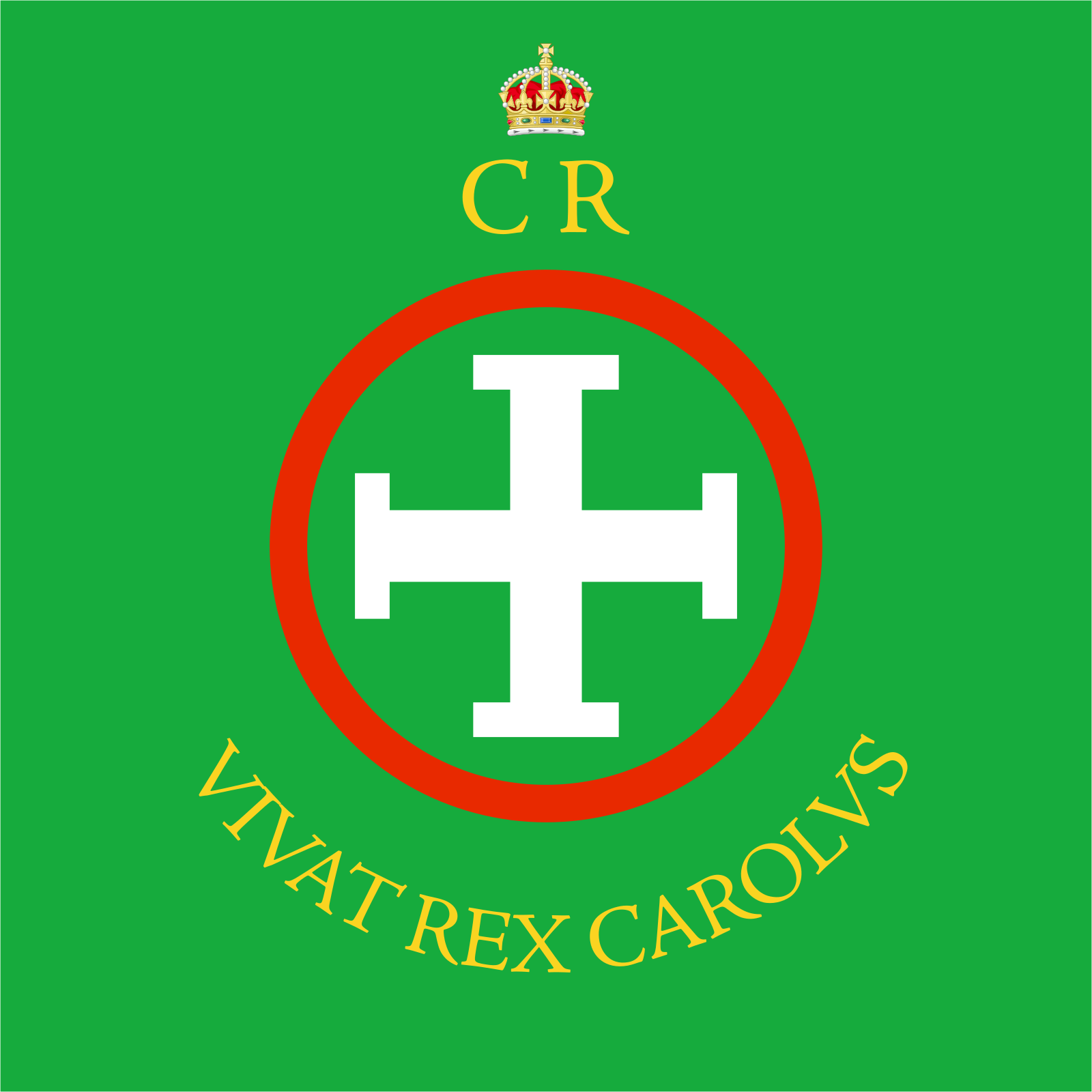
1642–1652
Confederate Ireland
The Catholic Confederation based at Kilkenny flew a green field with a gold harp and a white canton bearing a red cross during the Eleven Years' War.
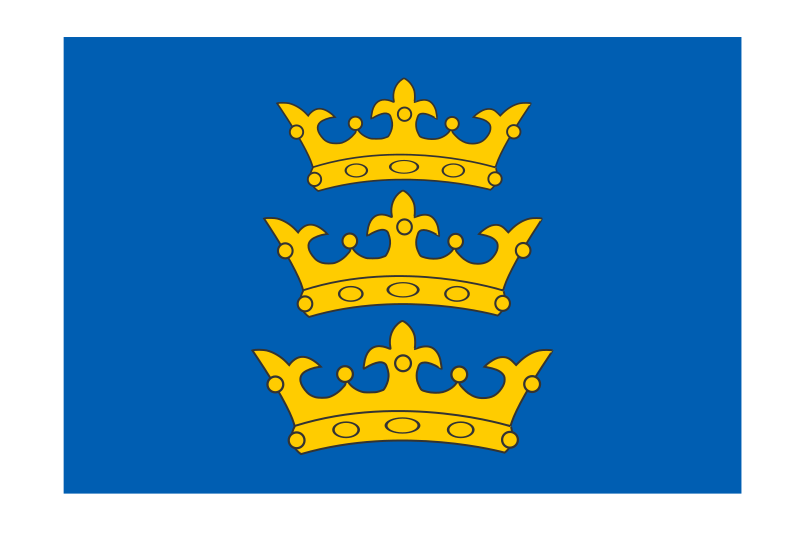
1171–1541
Lordship of Ireland
Three gold crowns on light blue with a white border, the banner of the medieval English lordship before the gold-harp arms replaced it under Henry VIII.
1542–1801
Kingdom of Ireland
The red saltire of St Patrick on white represented the kingdom under the English (later British) crown; it survives as the Irish element of the modern Union Flag.
Regional flags of Ireland
The 30 states, provinces and regions of Ireland with their own flags.
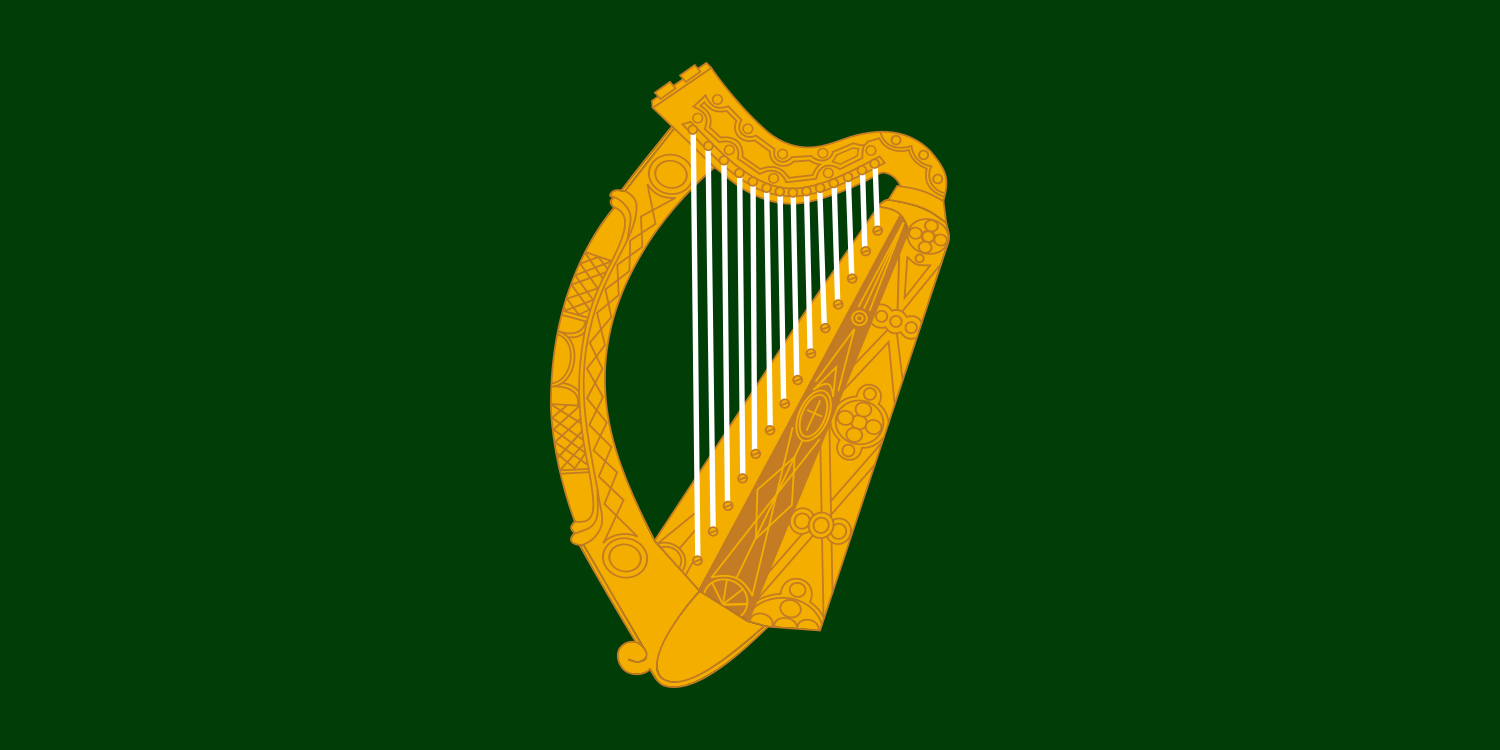
Leinster
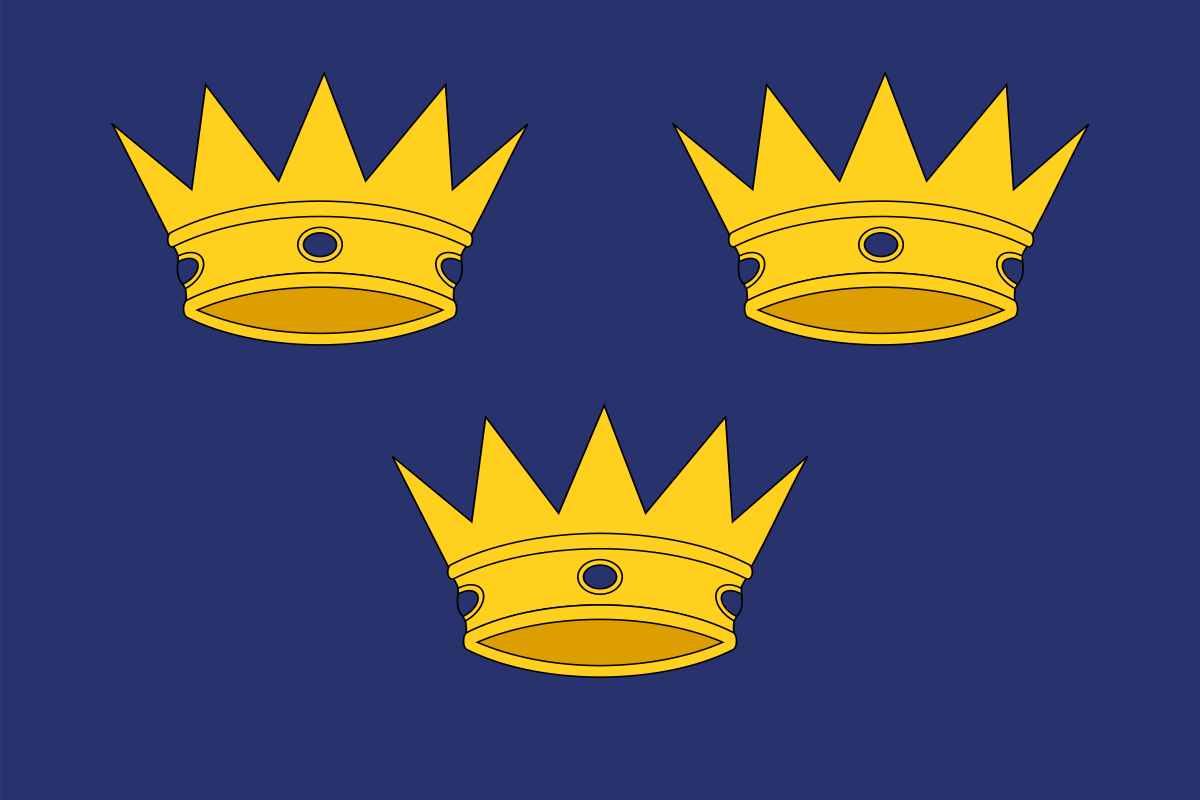
Munster
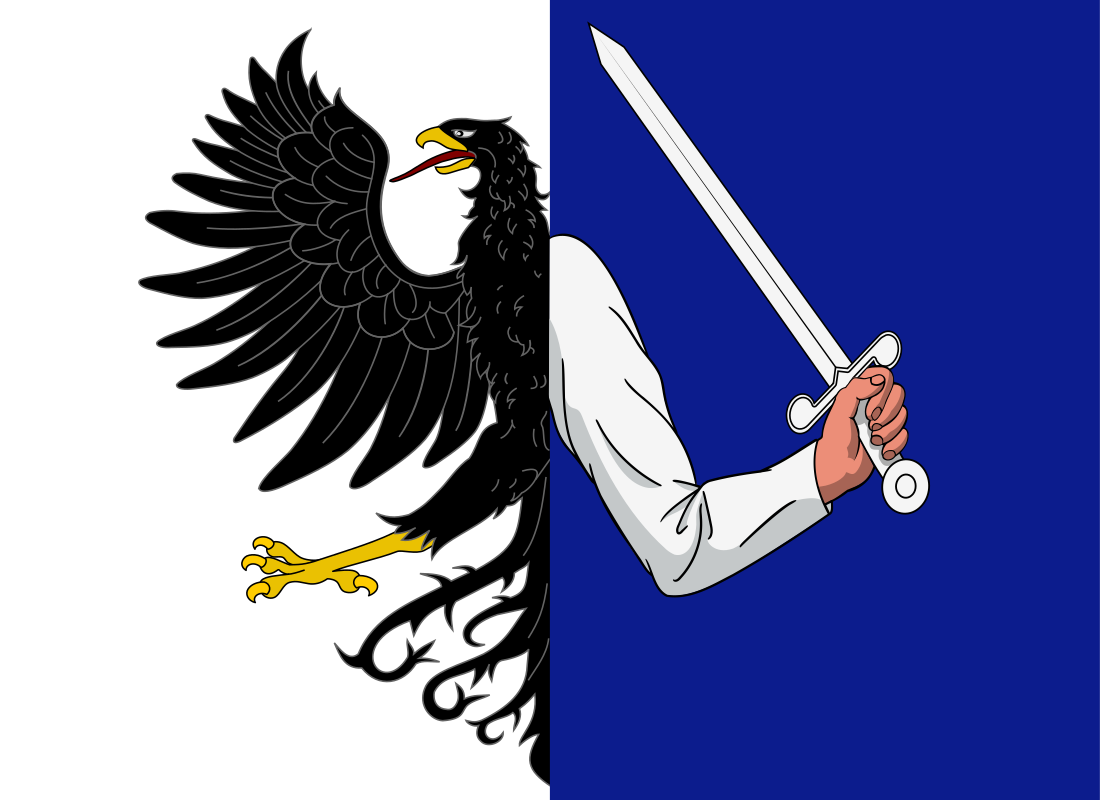
Connacht
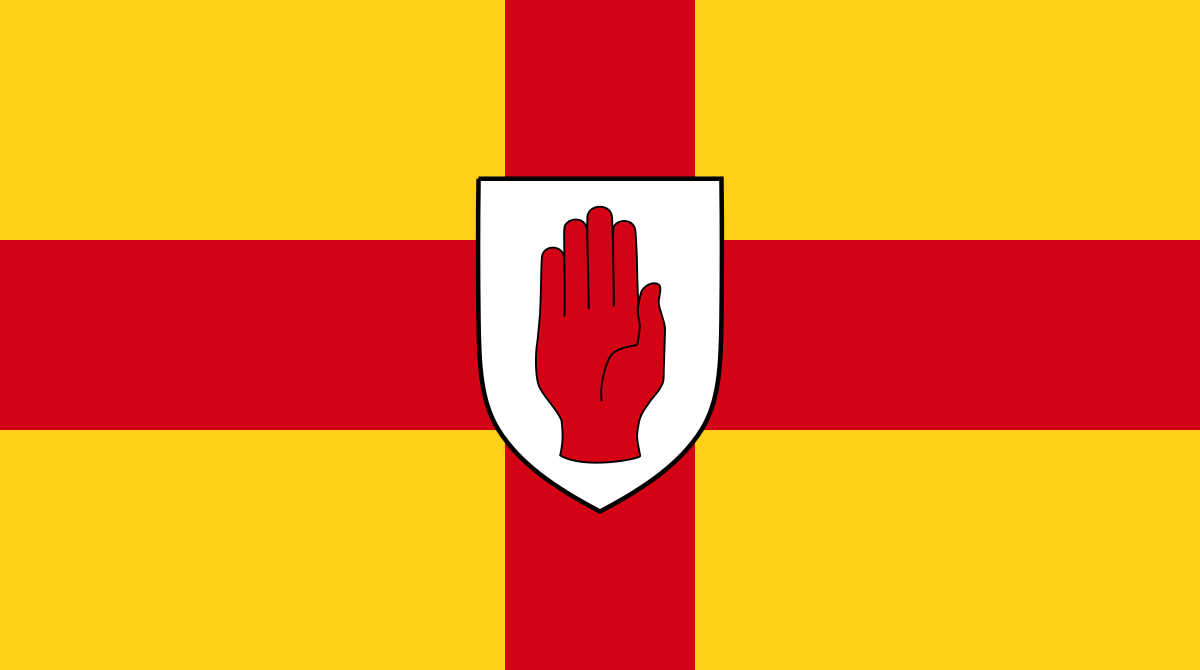
Ulster
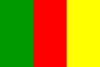
Carlow

Dublin

Kildare

Kilkenny

Laois
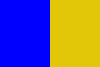
Longford

Louth
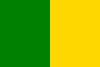
Meath
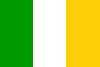
Offaly

Westmeath
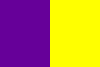
Wexford
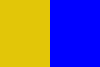
Wicklow
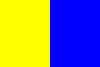
Clare

Cork
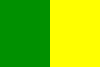
Kerry

Limerick

Tipperary

Waterford

Galway

Leitrim
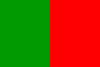
Mayo
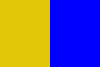
Roscommon

Sligo

Cavan
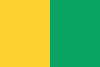
Donegal

Monaghan
Neighbouring countries
Ireland shares a land border with one country: the United Kingdom.
Other flags in green, white and orange
2 other national flags use the same main colours as Ireland's.
Play Globalio and learn Ireland's flag
 Côte d'Ivoire
 Italy
 Mexico
 United Kingdom
 Niger