Europe
Flag of Belgium
Belgium is a small but densely populated country in Western Europe that serves as the de facto capital of the European Union, hosting the EU's major institutions in Brussels. The country is divided into three linguistic communities — Dutch-speaking Flanders, French-speaking Wallonia, and a small German-speaking area — giving it a complex federal structure. Belgium is celebrated globally for its chocolate, beer, waffles, and its rich tradition of comic art.

- CapitalBrussels
- RegionEurope
- Current flag since1831
- Main coloursBlack, Yellow, Red
- Populationabout 12 million
- Areaabout 31,000 km²
- Flags in history3
Population and area are rounded.
What the flag of Belgium means
Belgium's colours come from the arms of the Duchy of Brabant: a golden lion with red claws and tongue on a black field. They were used in the Brabant Revolution of 1789 and again in the 1830 revolution that won independence from the Netherlands. The vertical layout, adopted in 1831, was probably inspired by the French tricolour. The official 13:15 proportions are unusual and rarely followed; most Belgian flags are made at 2:3.
How to recognise it
Vertical black-yellow-red stripes. Germany's similar colours are horizontal.
Did you know?
Belgium has more comic book artists per square kilometre than any other country.
Easily confused with
Belgium's flag is often mixed up with these. Learn to tell them apart:
Flag history of Belgium
Every flag that has flown over Belgium, from today back through time.
1831–present
Kingdom of Belgium
Belgium's vertical black-yellow-red tricolor was adopted at independence in 1831. The colours derive from the ducal arms of Brabant — a golden lion on black — combined with red from the arms of Hainaut. It's unusually tall and narrow compared to most flags (13:15 ratio), and the black stripe is on the hoist side — the only national flag with black in that position.
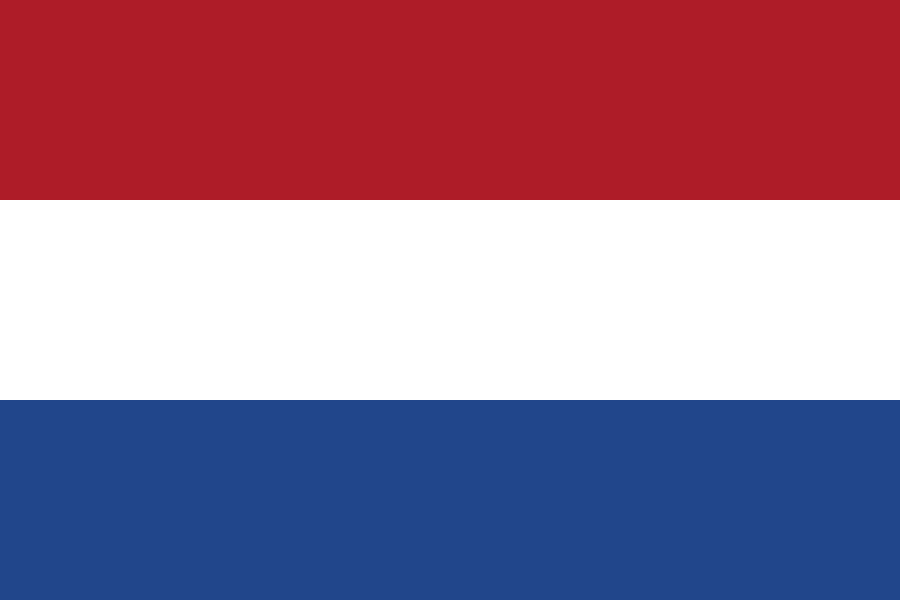
1815–1830
Under the Kingdom of the Netherlands
After Napoleon's defeat, the Congress of Vienna merged the Austrian Netherlands (roughly modern Belgium) and the Dutch Republic into the United Kingdom of the Netherlands under King William I. The Dutch orange-white-blue flag (displayed as red-white-blue) flew over Belgian territory. The forced union proved deeply unpopular — language, religion, and economic policies all divided north from south, leading to the Belgian Revolution of 1830.
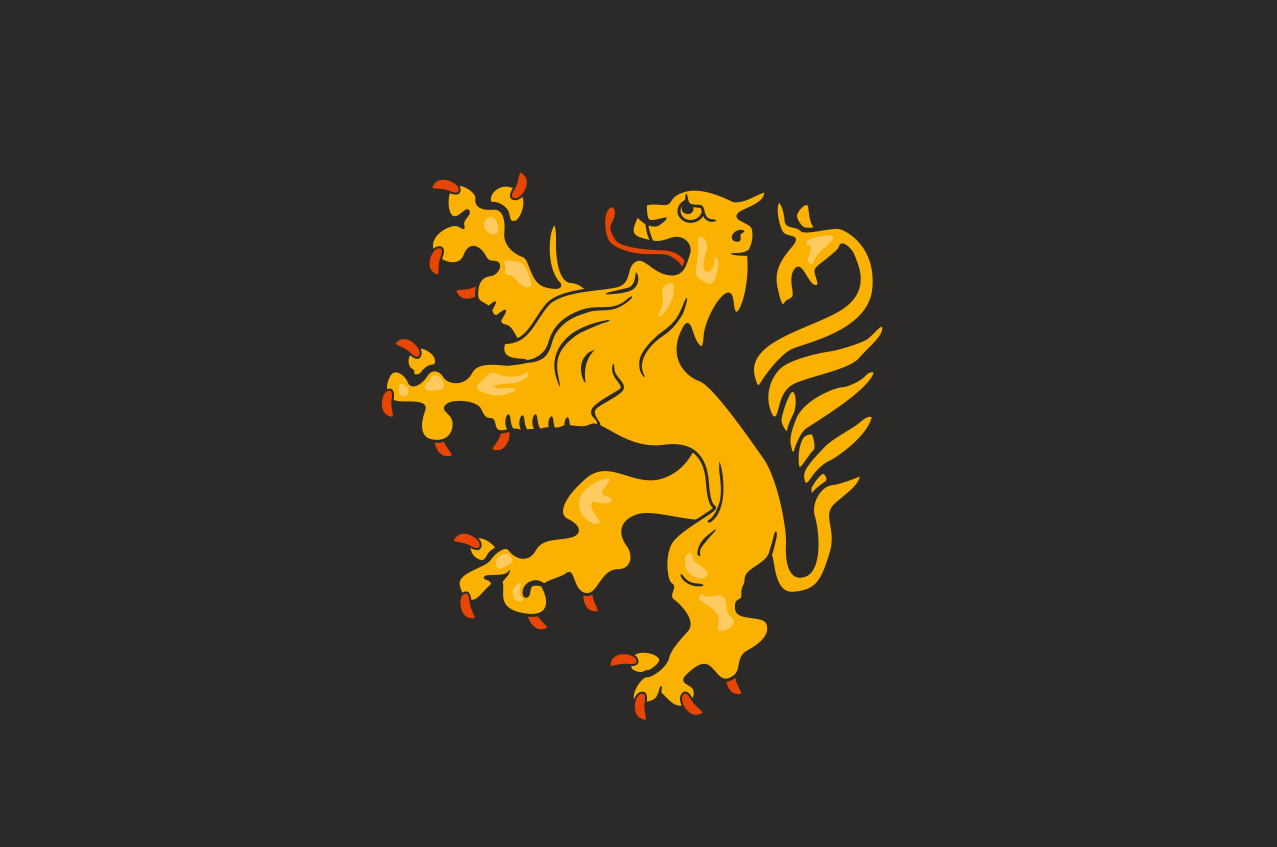
1789–1790
Brabantine Revolution
The 1789 Brabantine Revolution against Austrian rule briefly created the United Belgian States. The revolutionary flag took the black, yellow, and red from the coat of arms of the Duchy of Brabant and arranged them horizontally (black on top, as in the Brabant arms). After Belgium's eventual independence in 1830, the revolutionary tradition was honoured but the stripes were turned vertical — creating today's distinctive flag.
Related historical states
Empires, kingdoms and republics that once covered part of Belgium.
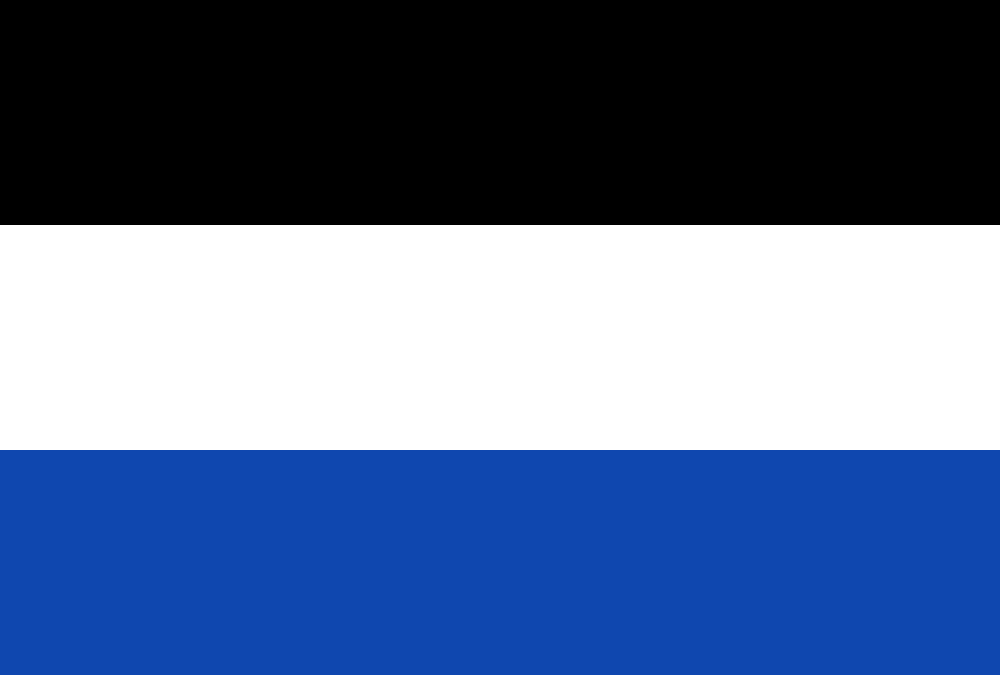
1816–1920
Neutral Moresnet
A neutral zinc-mining territory jointly administered by Prussia and the Netherlands (later Belgium) after the Congress of Vienna. Its flag is a black-white-blue tricolor.
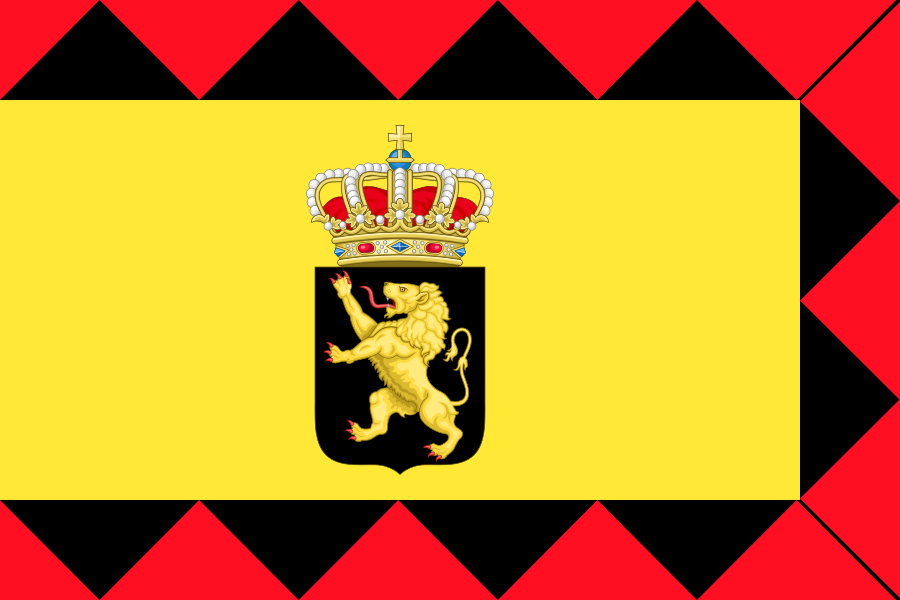
1790
United Belgian States
A short-lived confederation born of the Brabant Revolution against Austrian rule; its black-yellow-red colors were the direct forerunner of the modern Belgian flag.
Regional flags of Belgium
The 11 states, provinces and regions of Belgium with their own flags.
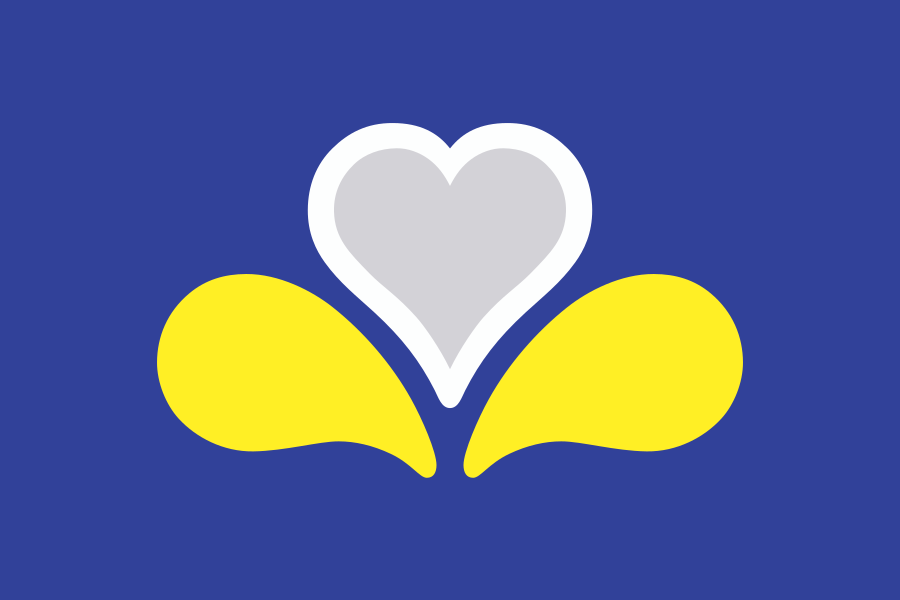
Brussels-Capital Region
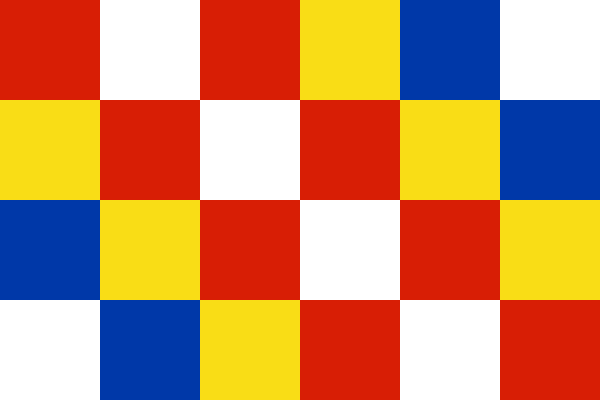
Antwerp
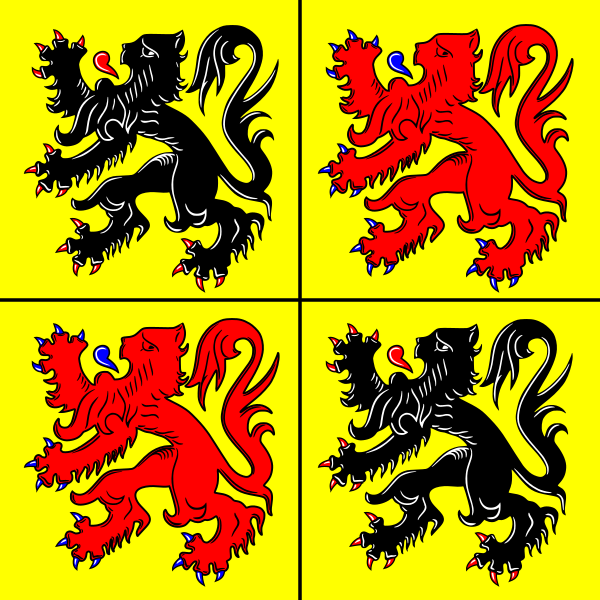
Hainaut
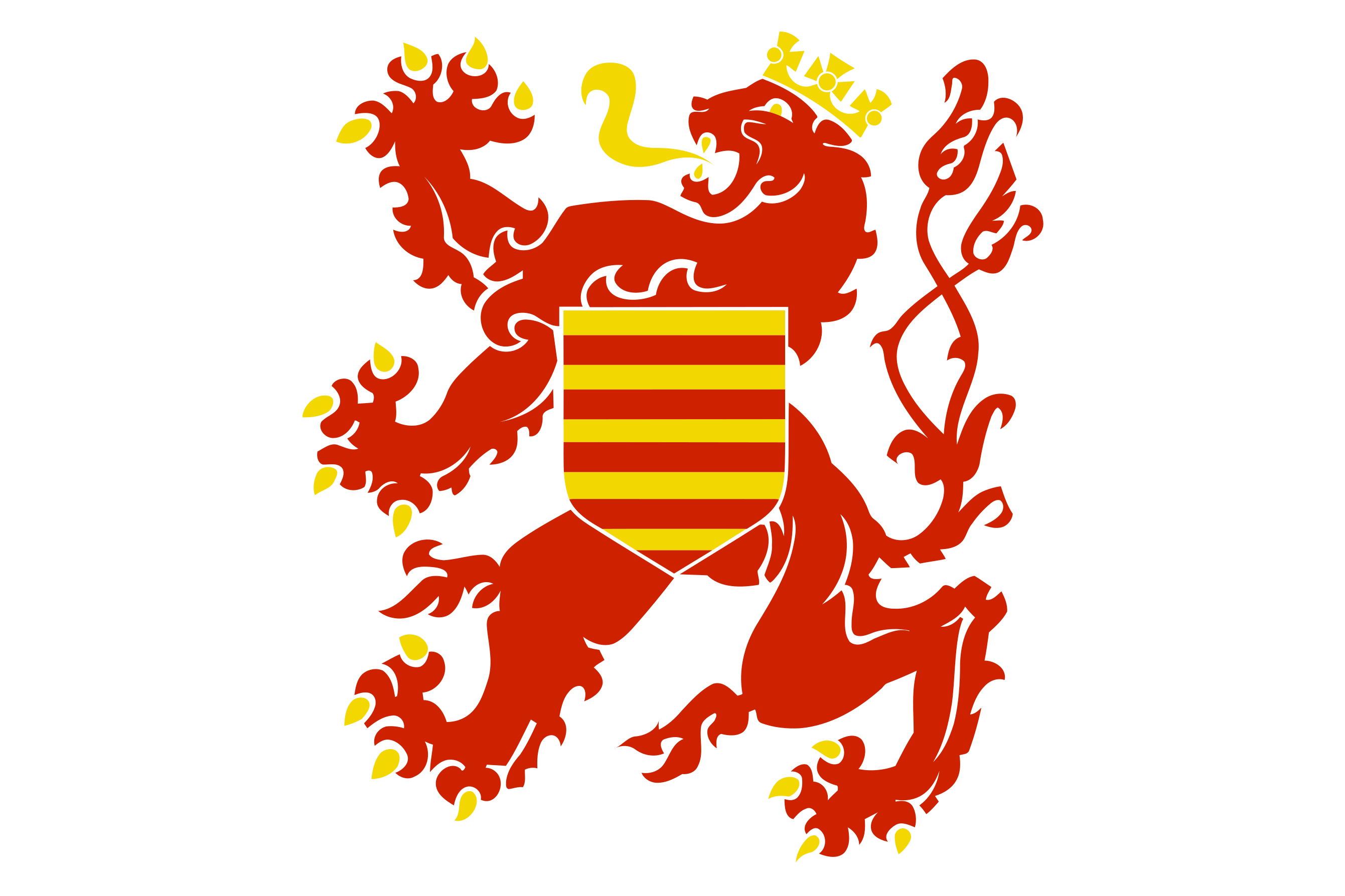
Limburg
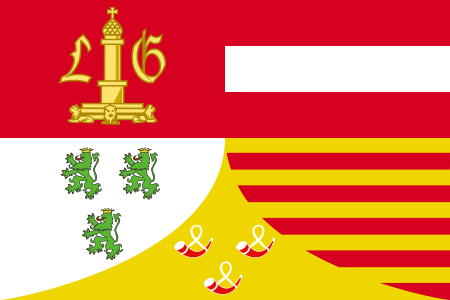
Liège
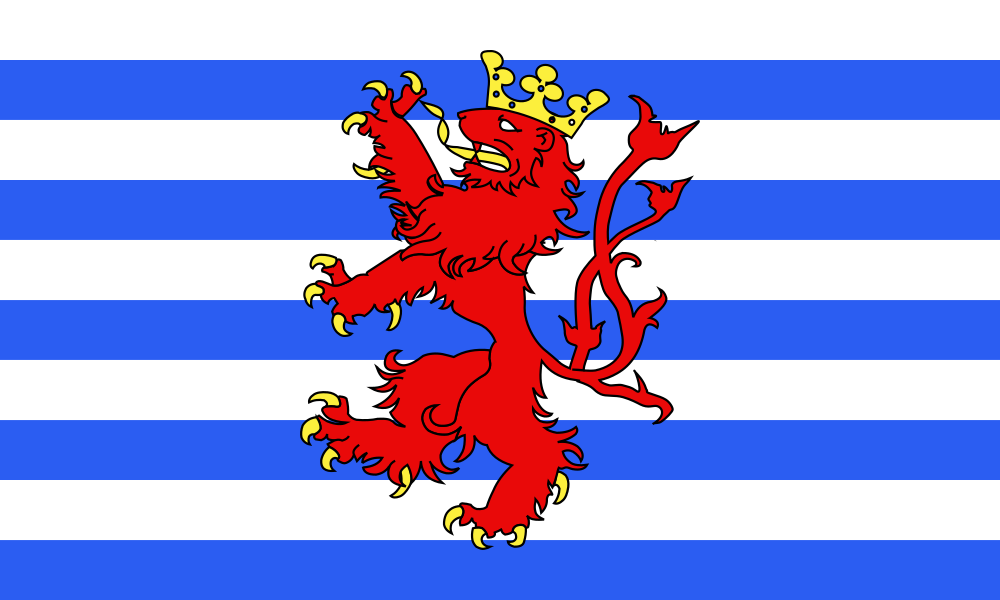
Luxembourg
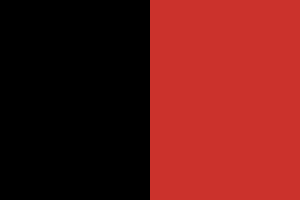
Namur
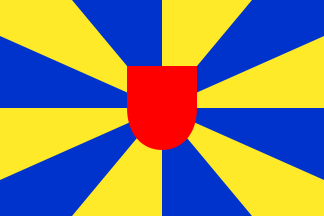
West Flanders
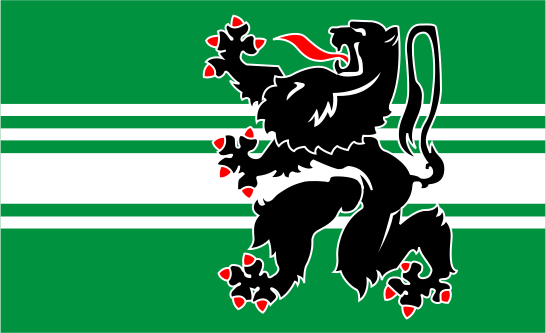
East Flanders
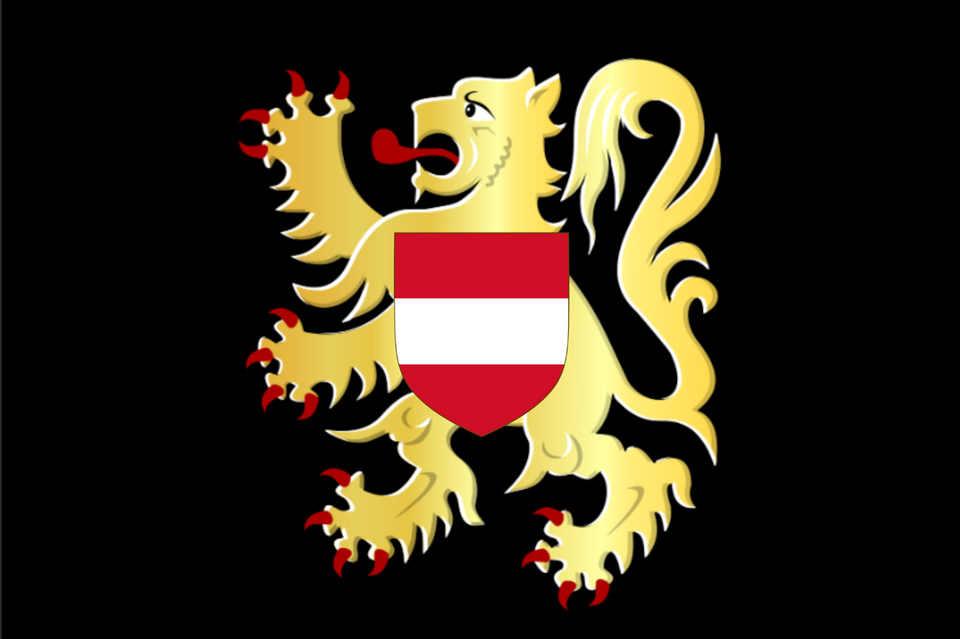
Flemish Brabant
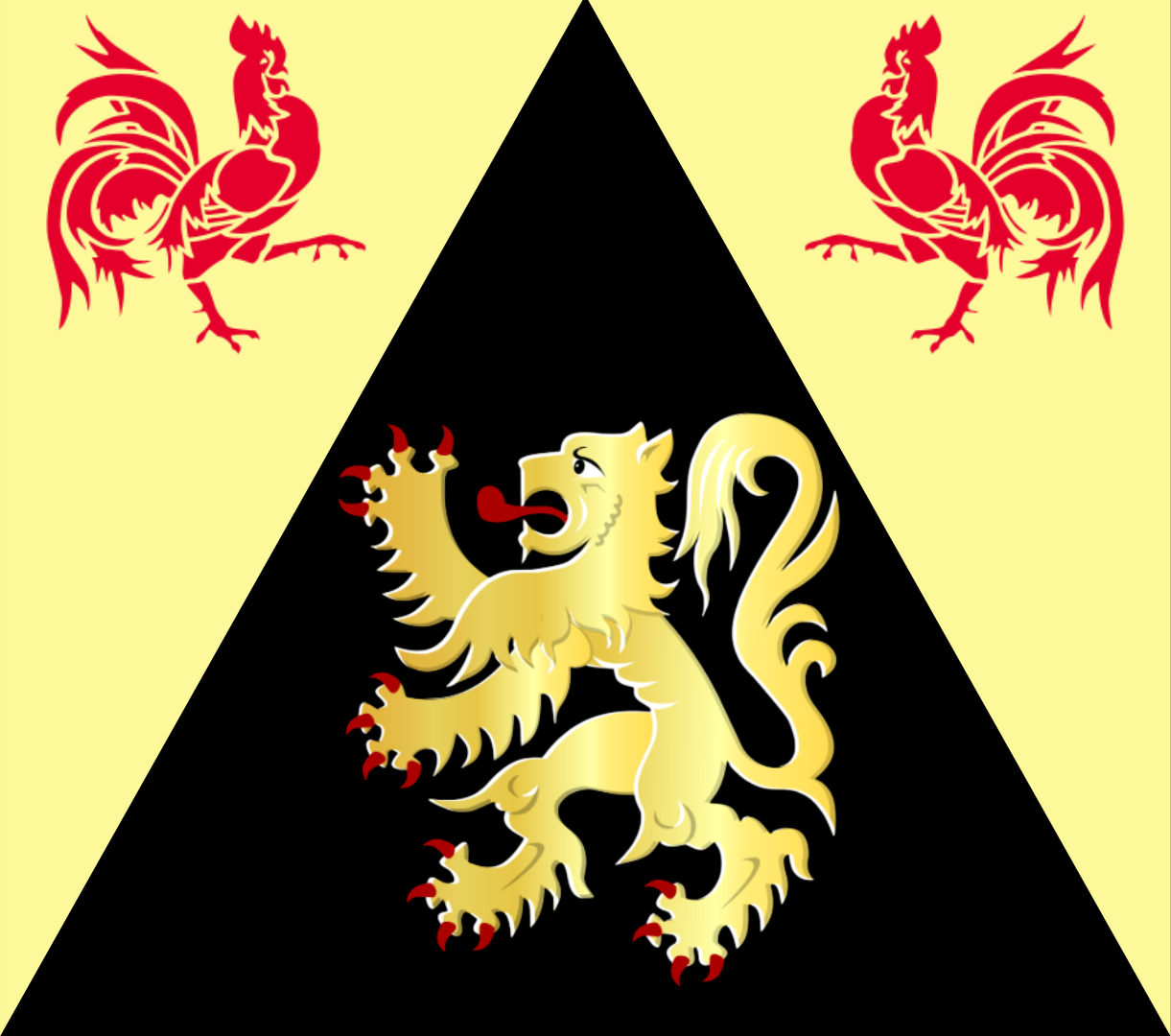
Walloon Brabant
Neighbouring countries
Belgium shares a land border with 4 countries: France, Germany, Luxembourg and the Netherlands.
Other flags in black, yellow and red
2 other national flags use the same main colours as Belgium's.
Play Globalio and learn Belgium's flag
 Germany
 Cameroon
 France
 Luxembourg
 Netherlands
 Angola