Europe
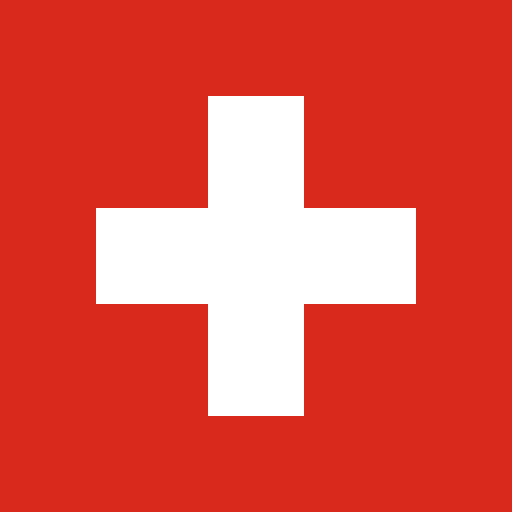
Flag of Switzerland
Switzerland is a landlocked country in Central Europe famous for its stunning alpine scenery, precision watchmaking, chocolate, cheese, and centuries of political neutrality. The Swiss Confederation, founded in 1291, is one of the world's oldest federations and has maintained armed neutrality in European conflicts since 1815. Switzerland is home to the International Red Cross (founded there in 1863), numerous United Nations agencies, and has four official national languages: German, French, Italian, and Romansh.

- CapitalBern
- RegionEurope
- Current flag since1889
- Main coloursRed, White
- Populationabout 8.8 million
- Areaabout 41,300 km²
- GeographyLandlocked
- Flags in history4
Population and area are rounded.
What the flag of Switzerland means
The white cross on red comes from the banner of the canton of Schwyz and from the white cross worn by Swiss Confederate soldiers from the 14th century. It became the federal flag in 1848. It is one of only two square national flags, with the Vatican's, though a 2:3 version is used at sea. The Red Cross emblem was created by reversing its colours, to honour Switzerland.
How to recognise it
SQUARE (not rectangular) red flag with bold white plus sign that doesn't reach the edges.
Did you know?
Switzerland has been neutral in international armed conflicts since 1815.
Easily confused with
Switzerland's flag is often mixed up with these. Learn to tell them apart:
Flag history of Switzerland
Every flag that has flown over Switzerland, from today back through time.
1889–present
Swiss Federal Flag (standardised)
Switzerland officially standardised its federal flag in 1889 — a bold white cross on red, in a square format unique among sovereign nations (only Vatican City also uses a square flag). The equal-armed cross has represented the Swiss Confederation since at least the Battle of Laupen in 1339, when Swiss troops wore white crosses as field insignia. The Red Cross flag is its inverse — white field, red cross — created in 1863 by Swiss founder Henry Dunant as a deliberate tribute.
1815–1889
Restored Confederation
After the fall of Napoleon, the 1815 Federal Treaty restored the Swiss Confederation and revived the white cross on red as its emblem. The proportions and exact shade of red still varied between cantons for decades before the square national flag was formally standardised in 1889.
1798–1803
Helvetic Republic
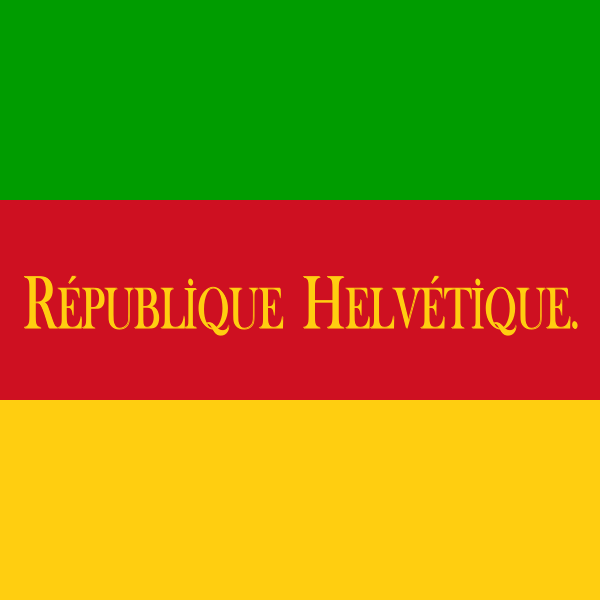
When France invaded in 1798 and swept away the old confederation, the short-lived Helvetic Republic adopted a completely different flag — a horizontal green-red-yellow tricolor, the first ever single national flag for all of Switzerland. It abandoned the centuries-old cross entirely. The republic collapsed by 1803, and the cross returned with the restored confederation.
1339–1798
Medieval Origins
Swiss soldiers wore white crosses on red surcoats at the Battle of Laupen (1339) to identify themselves as a confederation. The cross appeared on cantonal battle flags long before Switzerland had a formal national banner, flying over the loose alliance of cantons until the French invasion of 1798.
Related historical states
Empires, kingdoms and republics that once covered part of Switzerland.
1802–1810
Rhodanic Republic
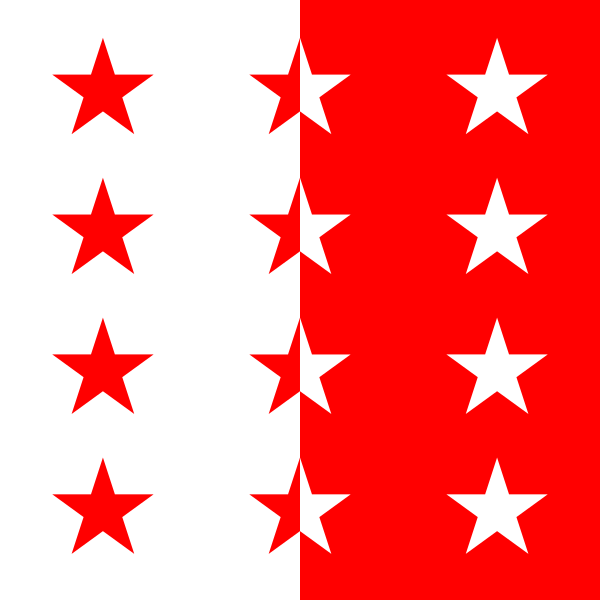
The Napoleonic-era republic of Valais flew a vertical red-and-white field with stars for its districts, before being absorbed directly into France.
1541–1798
Republic of Geneva
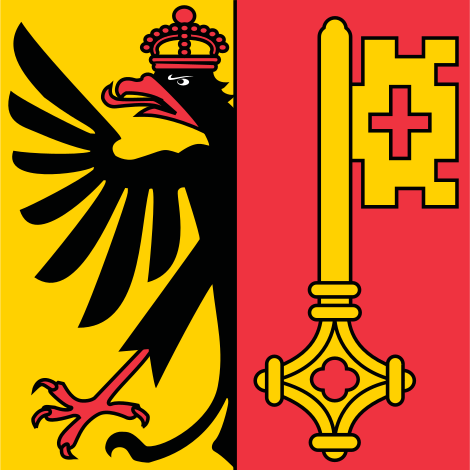
An independent Calvinist city-republic — the 'Protestant Rome' — until France annexed it; it later joined the Swiss Confederation as a canton in 1815.
1300–1798
Old Swiss Confederacy
The loose alliance of cantons that grew from the legendary 1291 oath; the white cross on red it fought under at Morgarten and Sempach became the modern Swiss flag.
Regional flags of Switzerland
The 26 states, provinces and regions of Switzerland with their own flags.
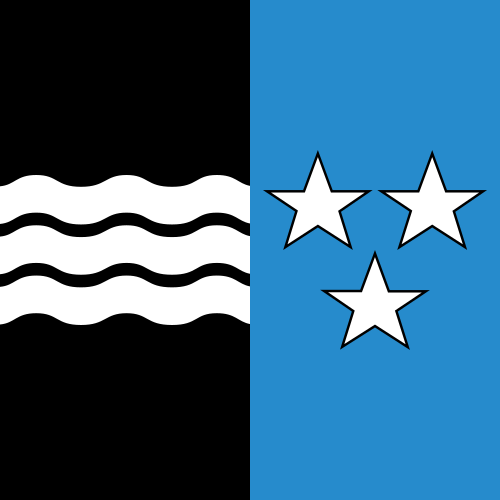
Aargau
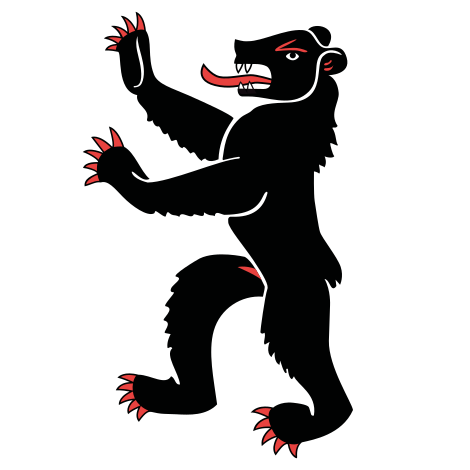
Appenzell Innerrhoden

Appenzell Ausserrhoden
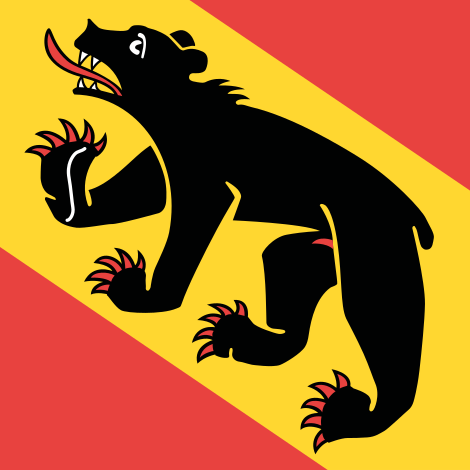
Bern
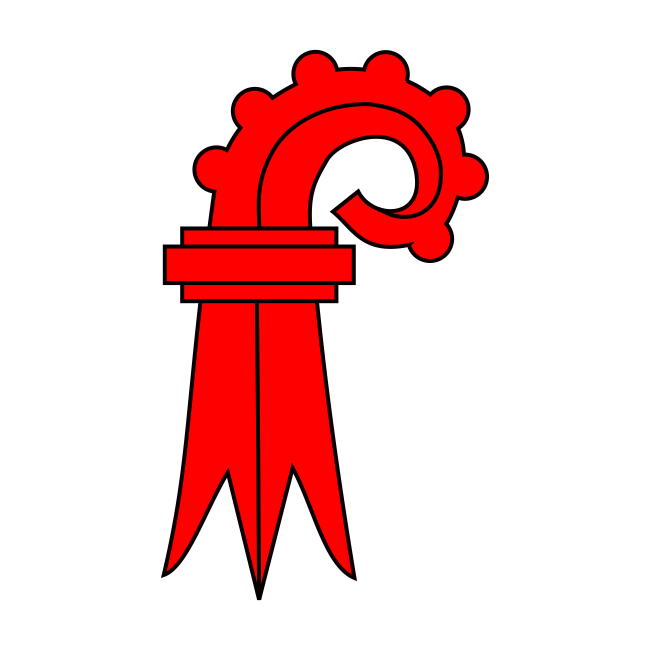
Basel-Landschaft

Basel-Stadt

Fribourg
Geneva
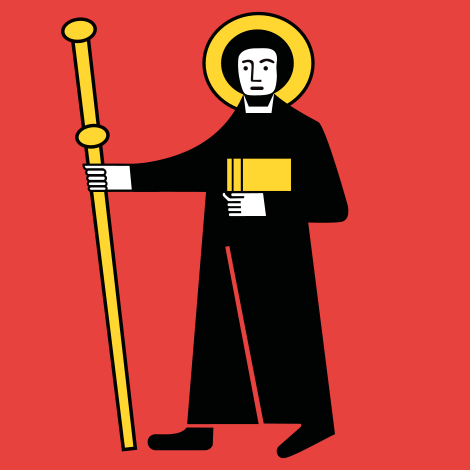
Glarus
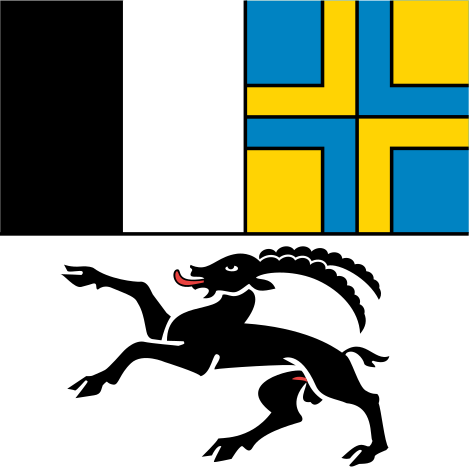
Graubünden
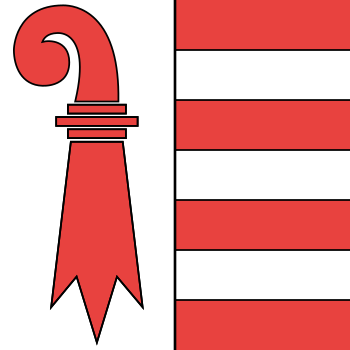
Jura

Lucerne
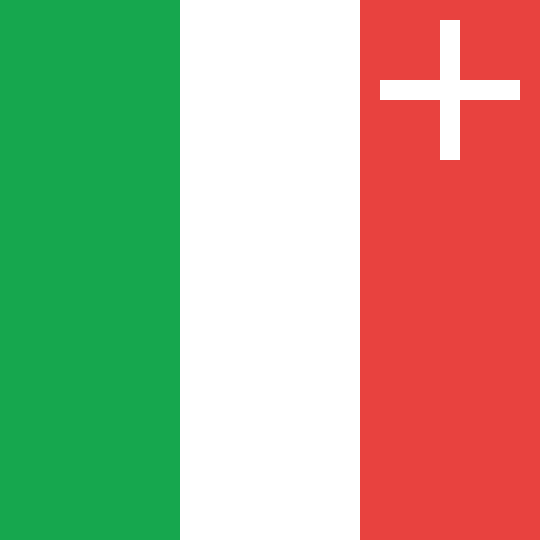
Neuchâtel
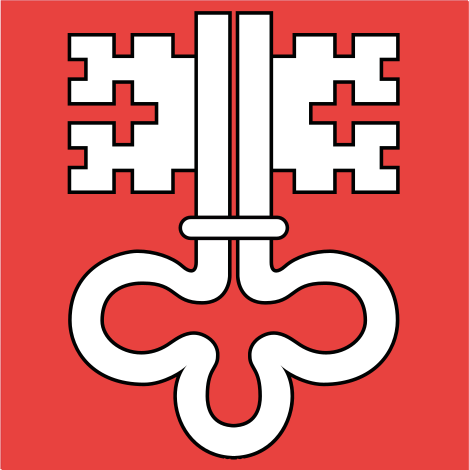
Nidwalden
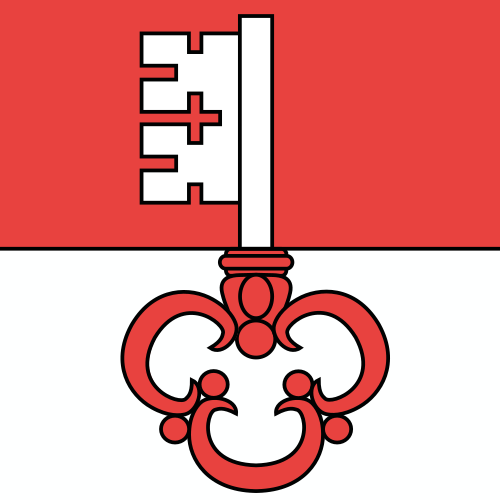
Obwalden
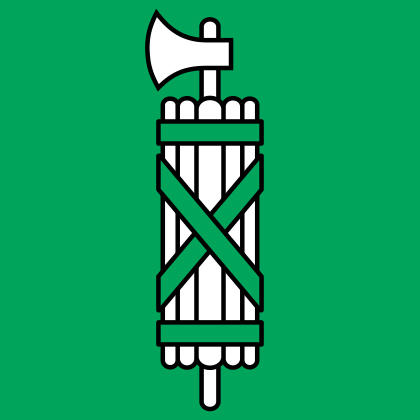
St. Gallen
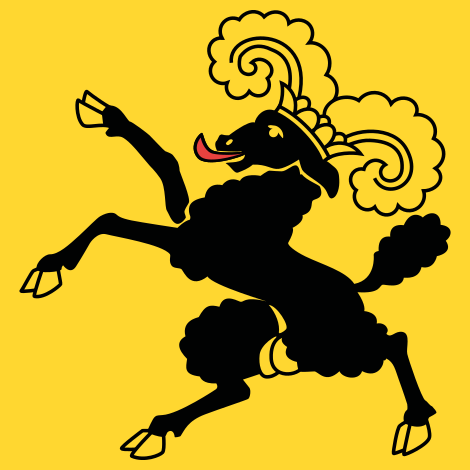
Schaffhausen
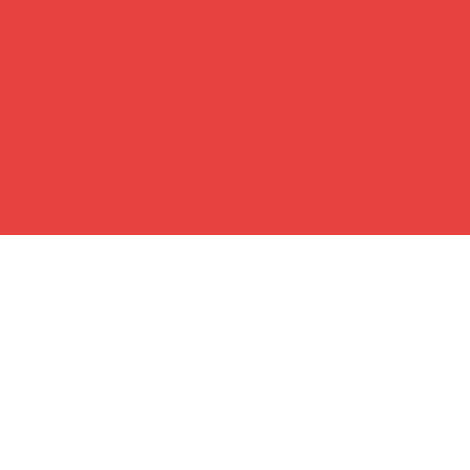
Solothurn
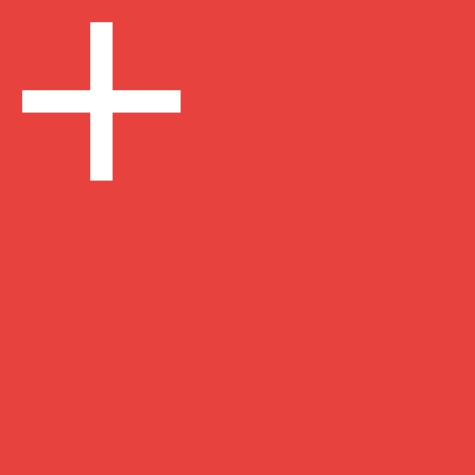
Schwyz
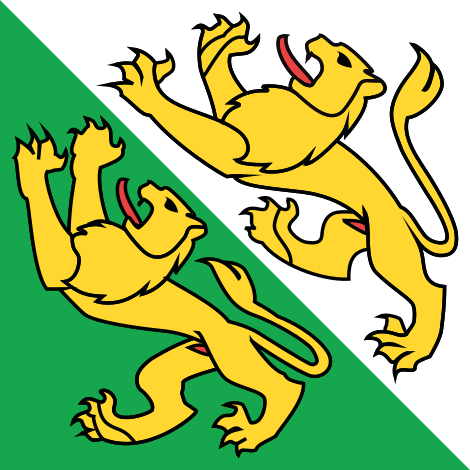
Thurgau
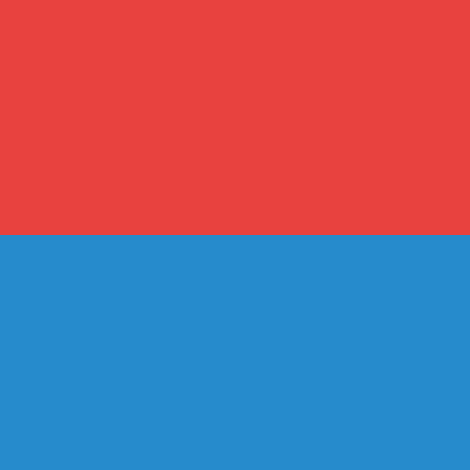
Ticino
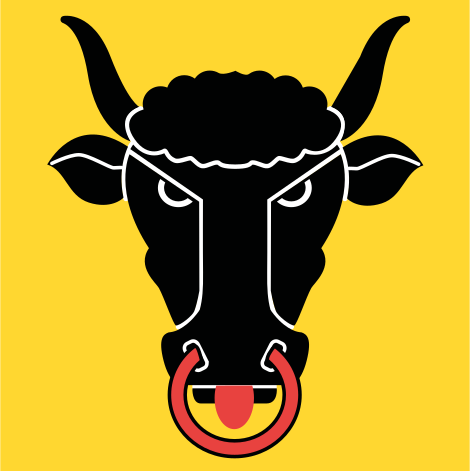
Uri
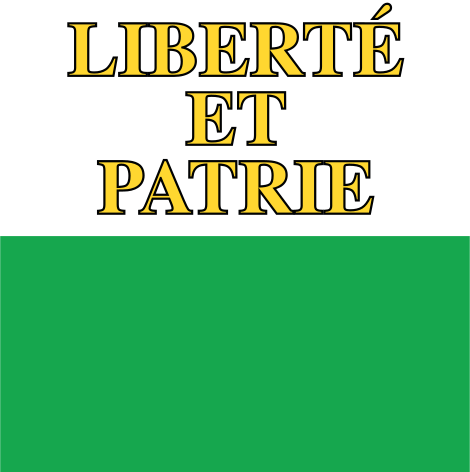
Vaud
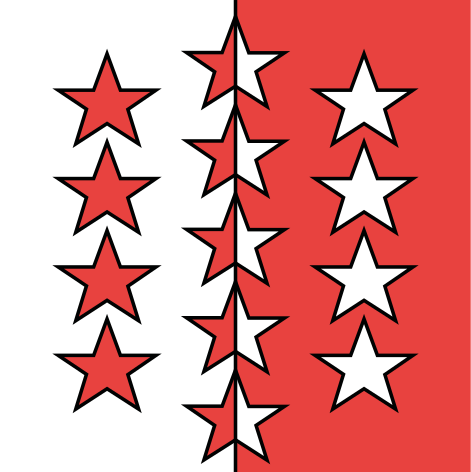
Valais

Zug
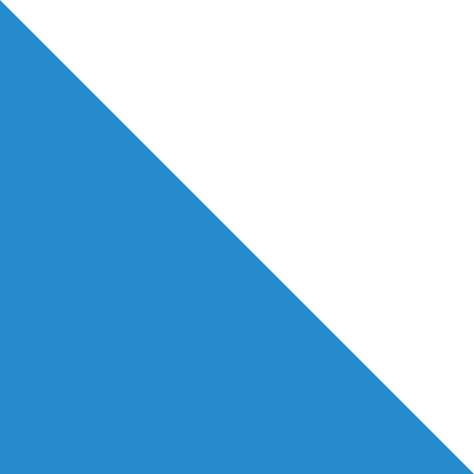
Zurich
Neighbouring countries
Switzerland shares a land border with 5 countries: Austria, France, Germany, Italy and Liechtenstein.
Other flags in red and white
17 other national flags use the same main colours as Switzerland's.
Play Globalio and learn Switzerland's flag
 Denmark
 Vatican City
 Austria
 France
 Germany
 Italy
 Liechtenstein
 Bahrain
 Canada
 Georgia
 Indonesia
 Japan
 Latvia
 Malta
 Monaco
 Peru
 Poland
 Qatar
 Singapore
 Tonga
 Tunisia
 Turkey