 Ireland
 France
 Mexico

1946–present
Italian Republic
After the 1946 referendum abolished the monarchy, the Savoy royal arms were removed, leaving the plain green-white-red tricolore enshrined in the 1948 Constitution. It remains Italy's flag today.
Italy is a southern European country occupying the boot-shaped peninsula that reaches into the Mediterranean, together with the islands of Sicily and Sardinia. The heart of the ancient Roman Empire and the birthplace of the Renaissance, Italy has shaped Western art, architecture, music, and cuisine more than almost any other nation. It holds more UNESCO World Heritage Sites than any country on Earth, and Rome, the capital, completely surrounds the independent Vatican City. Italy unified into a single kingdom only in 1861.
Population and area are rounded.
The Italian tricolour was first adopted by the Cispadane Republic in 1797, modelled on the French flag carried by Napoleon's armies; green is said to come from the uniforms of the Milanese civic guard. During unification and under the monarchy it carried the arms of the House of Savoy, and the plain tricolour was adopted when Italy became a republic in 1946. A popular reading links the colours to hope, faith and charity.
Vertical green-white-red. Ireland is green-white-orange. France is blue-white-red. Mexico has the same colours but with a coat of arms in the centre.
Italy has more UNESCO World Heritage Sites than any other country in the world.
Italy's flag is often mixed up with these. Learn to tell them apart:
Every flag that has flown over Italy, from today back through time.
After the 1946 referendum abolished the monarchy, the Savoy royal arms were removed, leaving the plain green-white-red tricolore enshrined in the 1948 Constitution. It remains Italy's flag today.
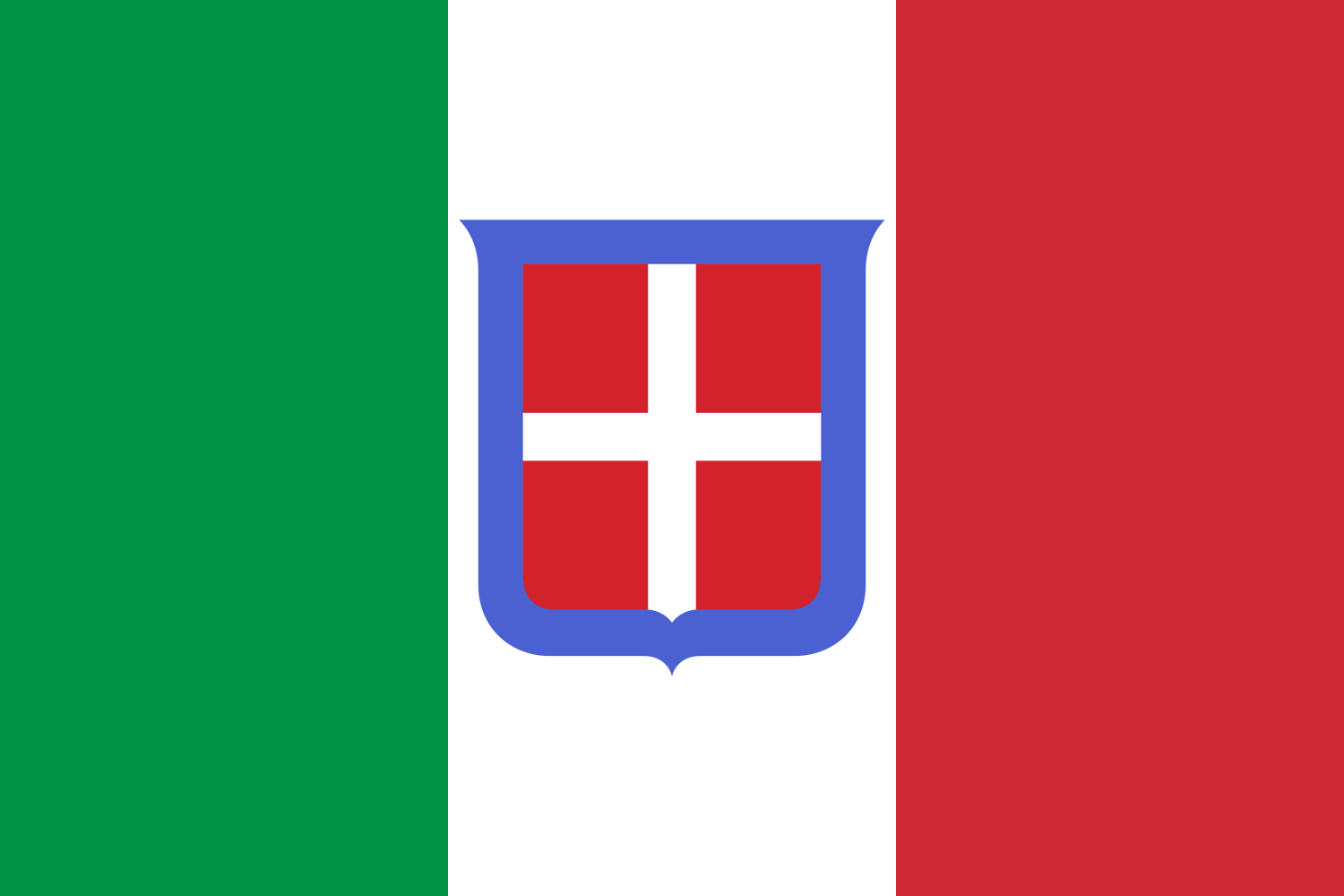
On unification in 1861 the tricolore carried the coat of arms of the House of Savoy at its centre. This flag flew for 85 years through both World Wars until the monarchy was abolished.
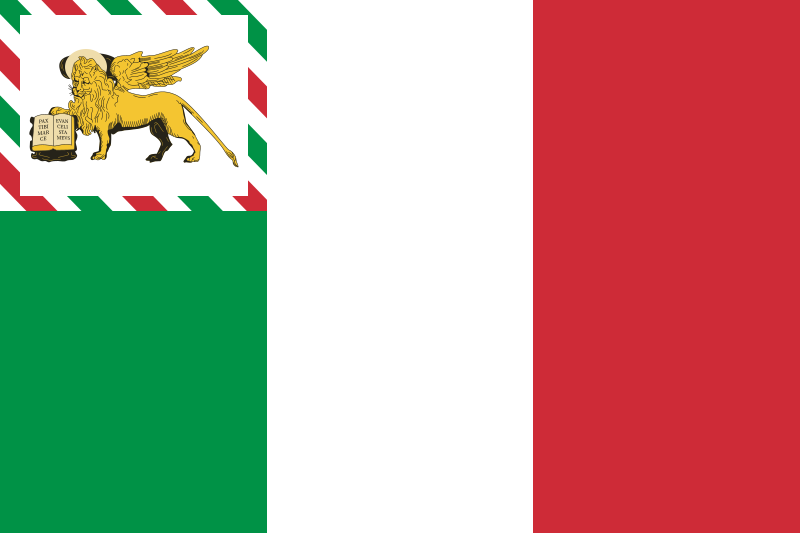
During the 1848 revolutions, Venice rose against Austrian rule and proclaimed the Republic of San Marco under Daniele Manin, placing the gold Winged Lion of Saint Mark on the Italian tricolor. Austria besieged and retook the city in 1849 after seventeen months — one of the last holdouts of the revolutionary wave.
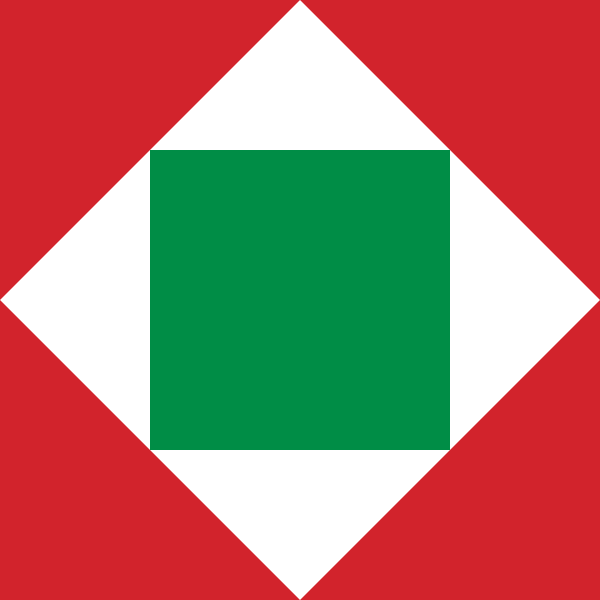
A striking design of a red field bearing a white lozenge enclosing a green square. Adopted by Napoleon's Italian Republic in 1802, it carried over when he made himself King of Italy in 1805.
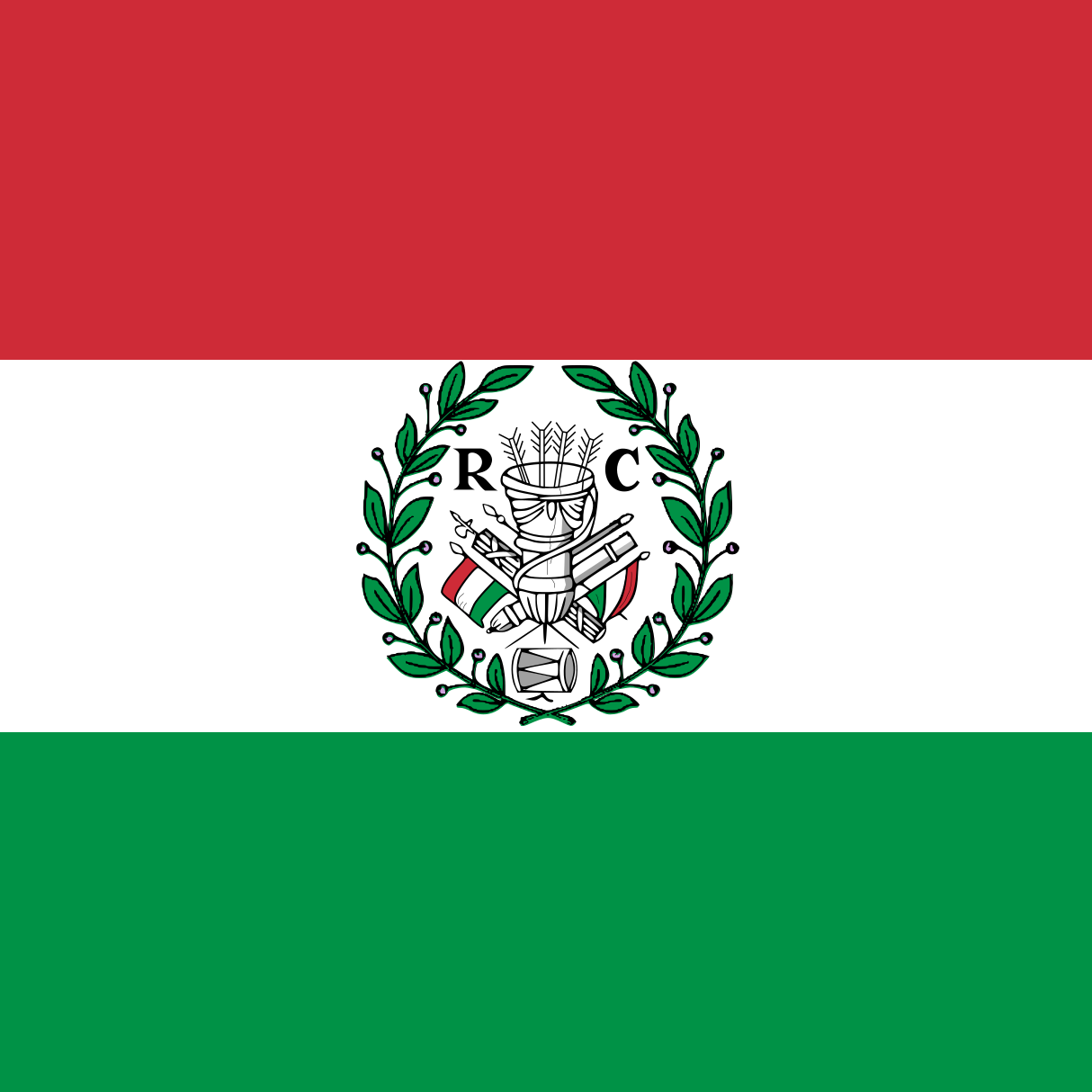
On 7 January 1797 in Reggio Emilia, the Cispadane Republic adopted a green-white-red tricolour — the very first official use of the Italian tricolore as a national flag.
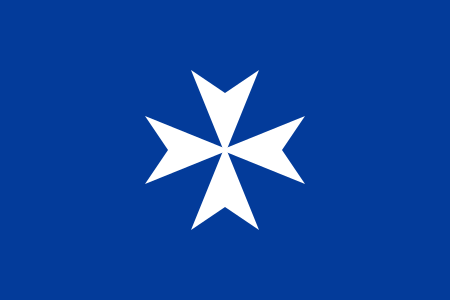
Amalfi was one of the first Italian maritime republics, a Mediterranean trading power from the 9th to 12th centuries that rivalled Venice, Pisa, and Genoa. Its banner bore a white cross on blue — later associated with the Order of Malta. Norman conquest in 1131 ended its independence.
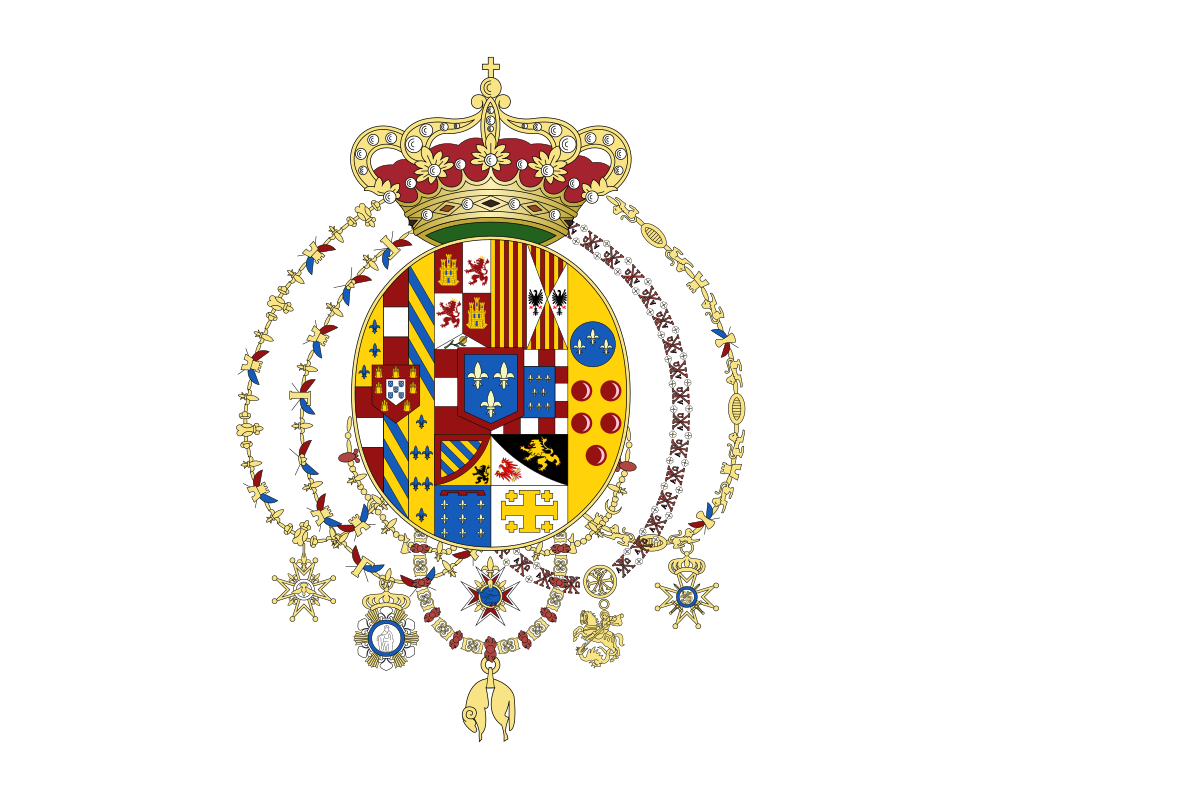
The largest of the pre-unification Italian states — Naples and Sicily under the Bourbons — conquered by Garibaldi's Redshirts and folded into a united Italy.
Empires, kingdoms and republics that once covered part of Italy.
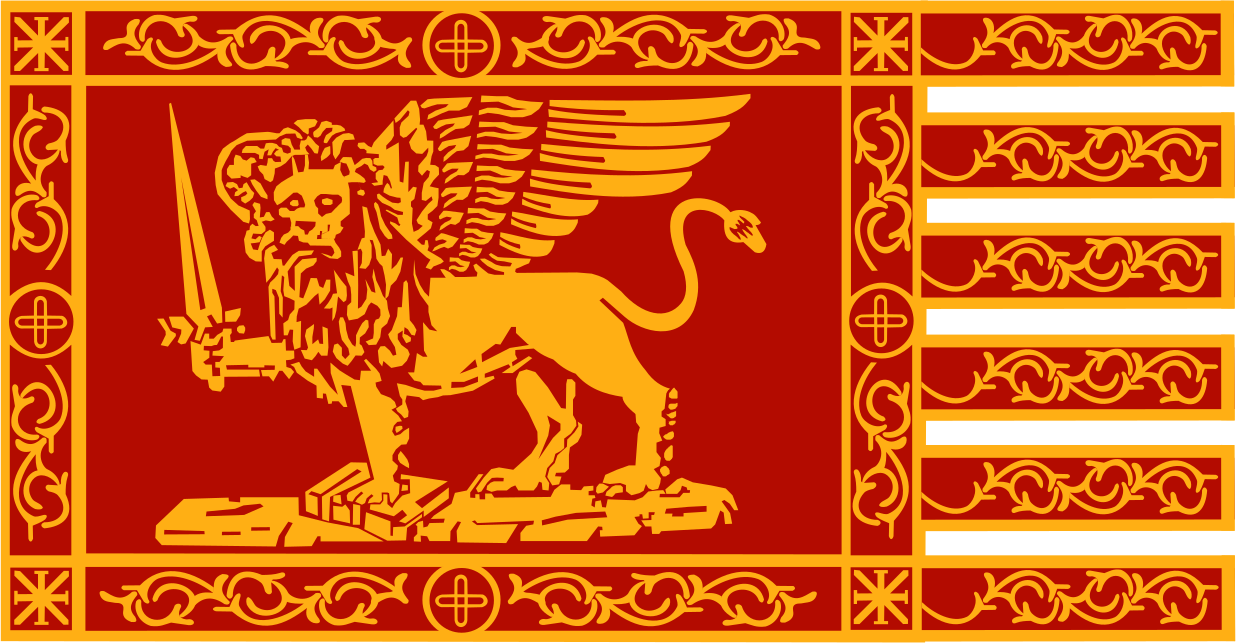
The golden winged Lion of St Mark holds an open Gospel; by tradition the book was shown open in peacetime and the lion grasped a sword in war.
The white Bourbon field carries an elaborate coat of arms of the many southern Italian domains the dynasty ruled, until Garibaldi's forces conquered it in 1860–61.
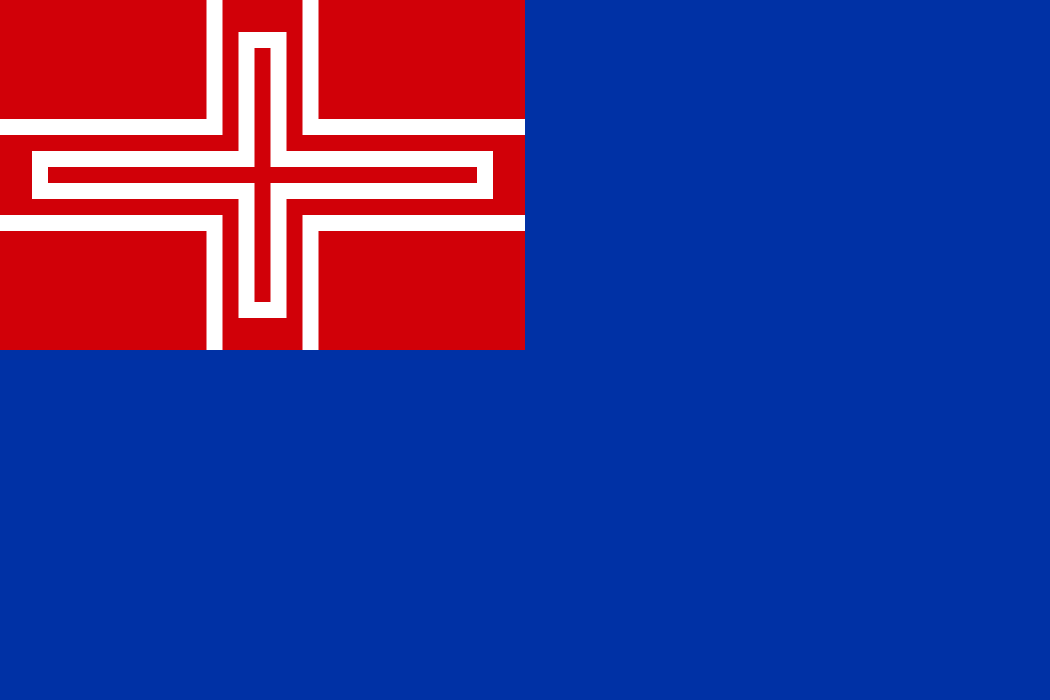
A white field with the red Savoy cross in a blue border. After 1848 Sardinia switched to the tricolor with the Savoy shield, which became the basis of the Kingdom of Italy's flag.
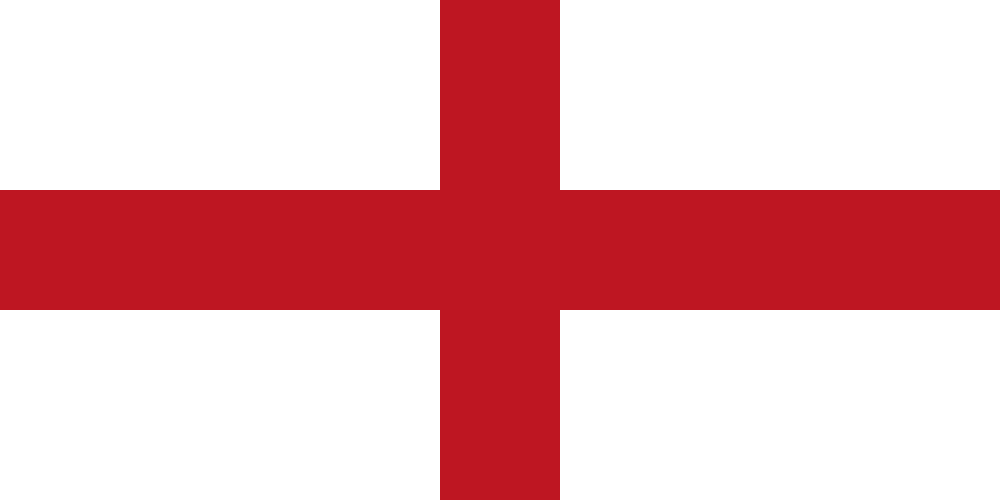
The red cross of St George on white was Genoa's medieval ensign. By one account England paid Genoa in 1190 for the right to fly it for naval protection.
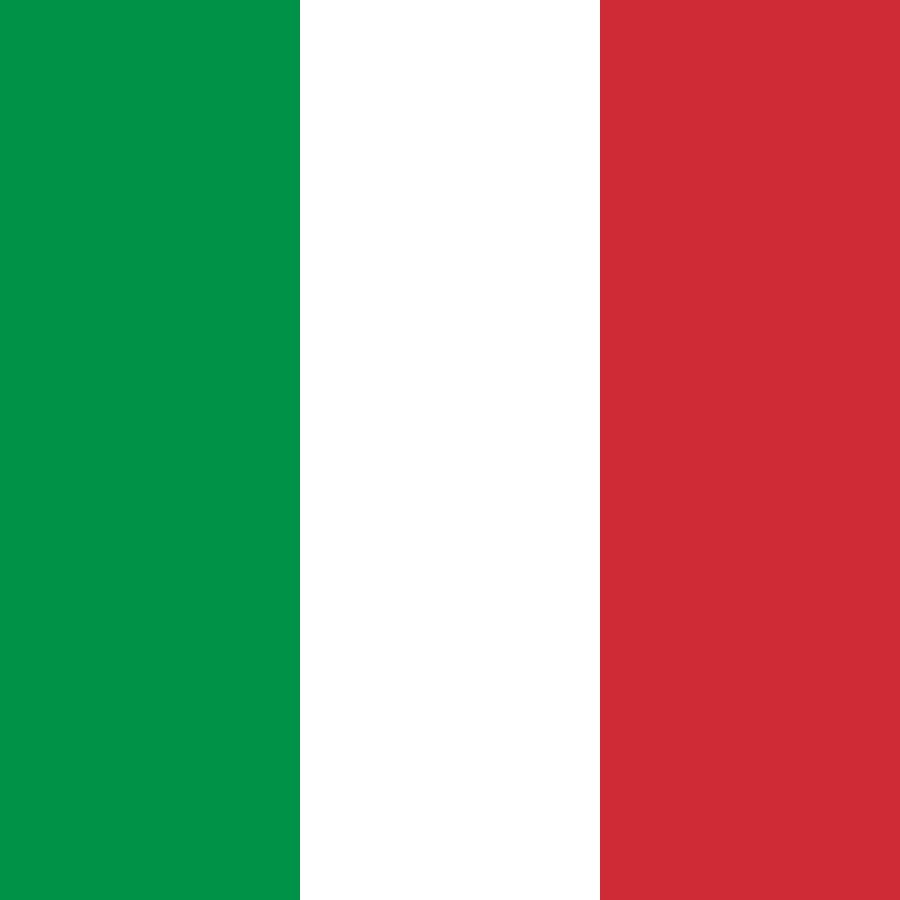
This Napoleonic sister republic in northern Italy flew a vertical green-white-red tricolor modeled on revolutionary France — a direct forerunner of the modern Italian flag.
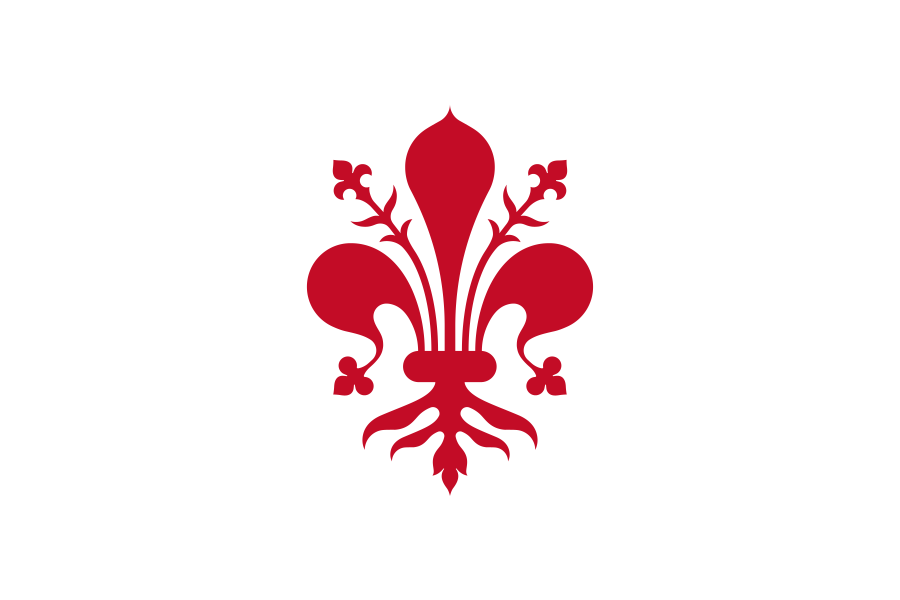
The red giglio — a stylized lily — on white was the emblem of the medieval commune. Florence reversed the earlier white-on-red Ghibelline lily to mark its Guelph allegiance.

The black-and-white Balzana is said to recall the white and black smoke that rose when Siena's legendary founders Senius and Aschius made sacrifices on the city's hills.
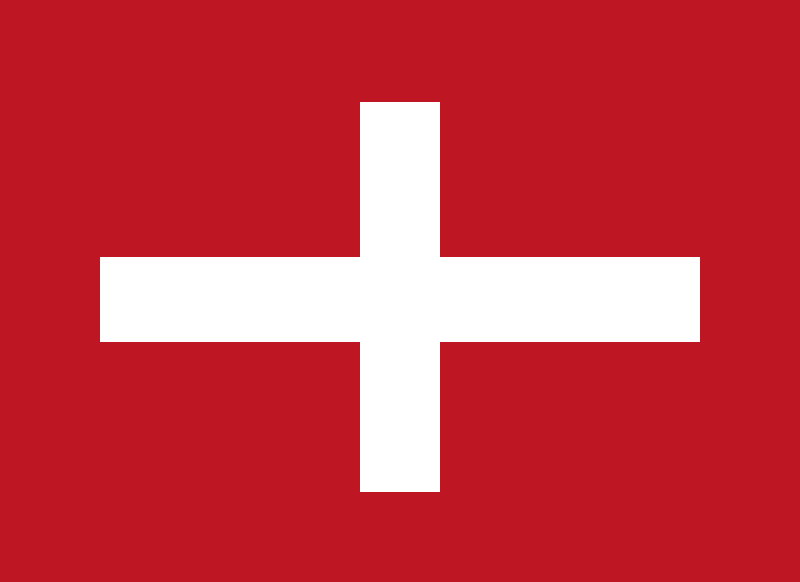
One of the smallest and least-known Italian maritime republics, this tiny Ligurian town governed itself for six centuries under the protection of allied Genoa.
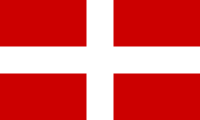
The white cross on red of the House of Savoy, the dynasty that ruled an Alpine state straddling France and Italy and eventually became the royal house of a united Italy.
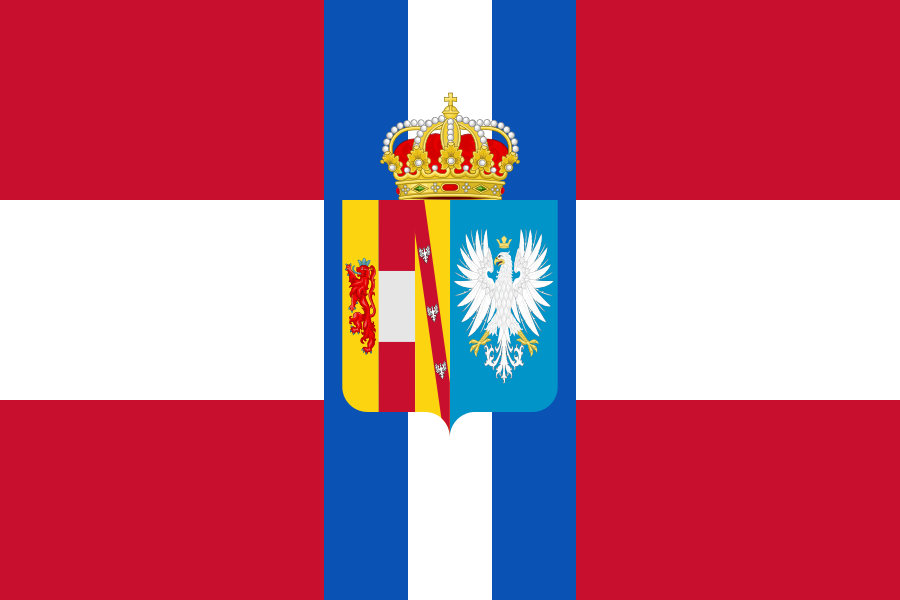
Ruled by the Este dynasty and later the Austrian Habsburg-Este line, the duchy flew a tricolour charged with the Este eagle until it was absorbed into unified Italy.
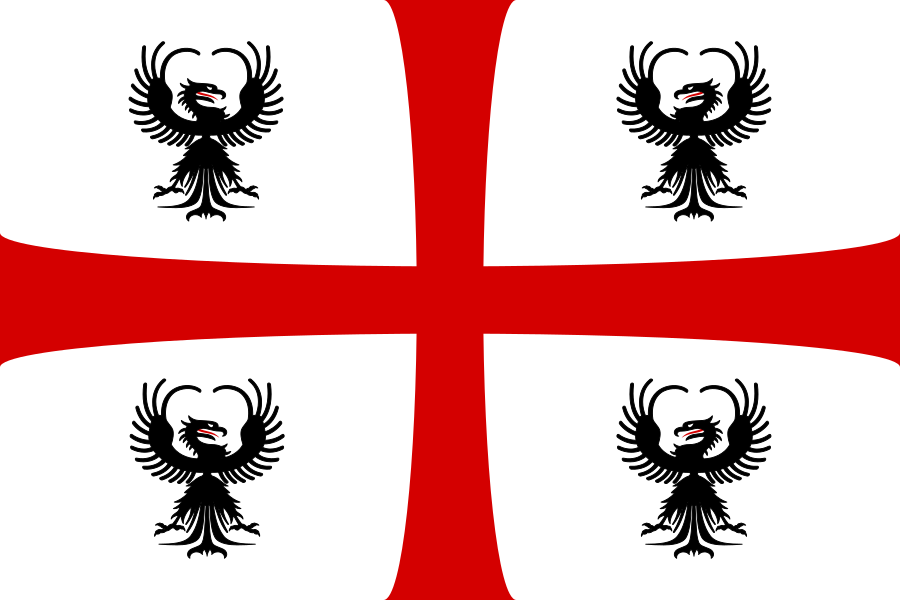
The Gonzaga dynasty's duchy in the Po plain, a great Renaissance art and music centre, flew a flag quartered with their eagles and lions before passing to Austria.

The Este capital and a brilliant Renaissance court; when the last legitimate Este duke died without heirs in 1597, the Pope reclaimed Ferrara for the Papal States.
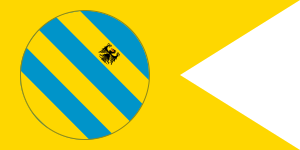
The Montefeltro and later Della Rovere dukes made Urbino one of the foremost humanist courts of the Renaissance, birthplace of the painter Raphael.

A long-lived northern Italian march whose Aleramici marquises led crusades and even briefly held the throne of the Kingdom of Thessalonica.
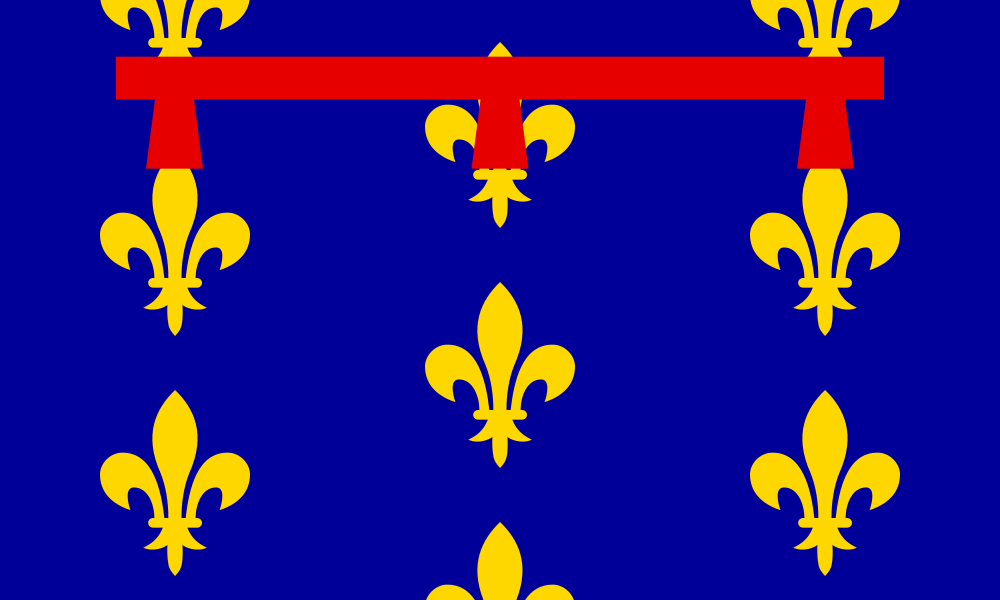
The independent southern kingdom before its 1816 merger with Sicily; its white flag bore the arms of the successive Aragonese, Spanish, and Bourbon dynasties that ruled it.
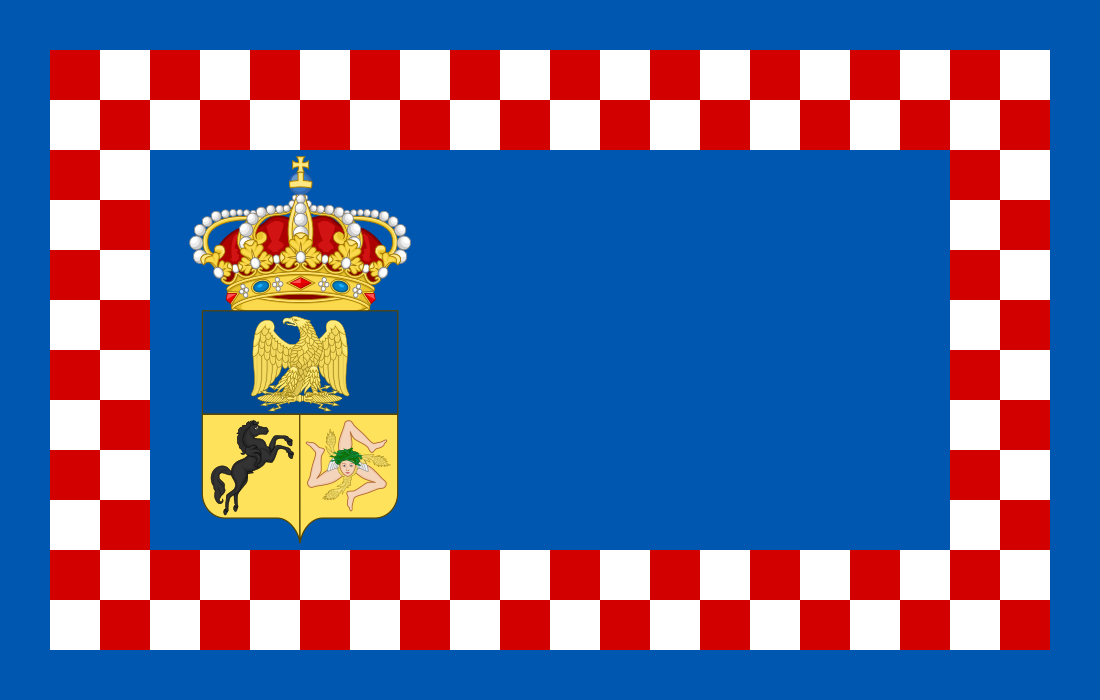
Under Napoleon's marshal Joachim Murat, Naples flew a white field with a red border and a central emblem, before Murat was deposed and executed in 1815.
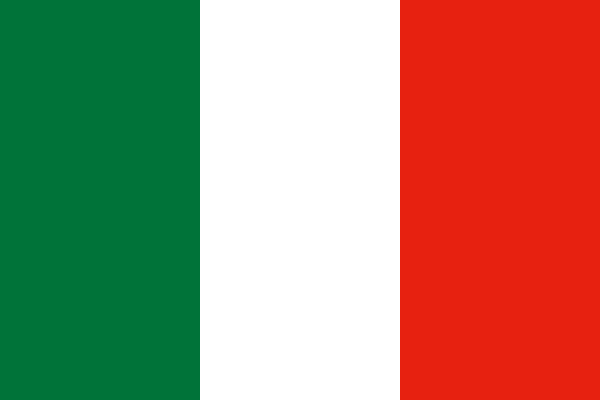
A short-lived Napoleonic sister republic around Milan that flew a vertical green-white-red tricolour, soon merged with the Cispadane Republic to form the Cisalpine Republic.

A Napoleonic republic proclaimed after French troops seized Rome and deposed Pope Pius VI; its black-white-red tricolour flew until Neapolitan and Austrian forces restored papal rule.
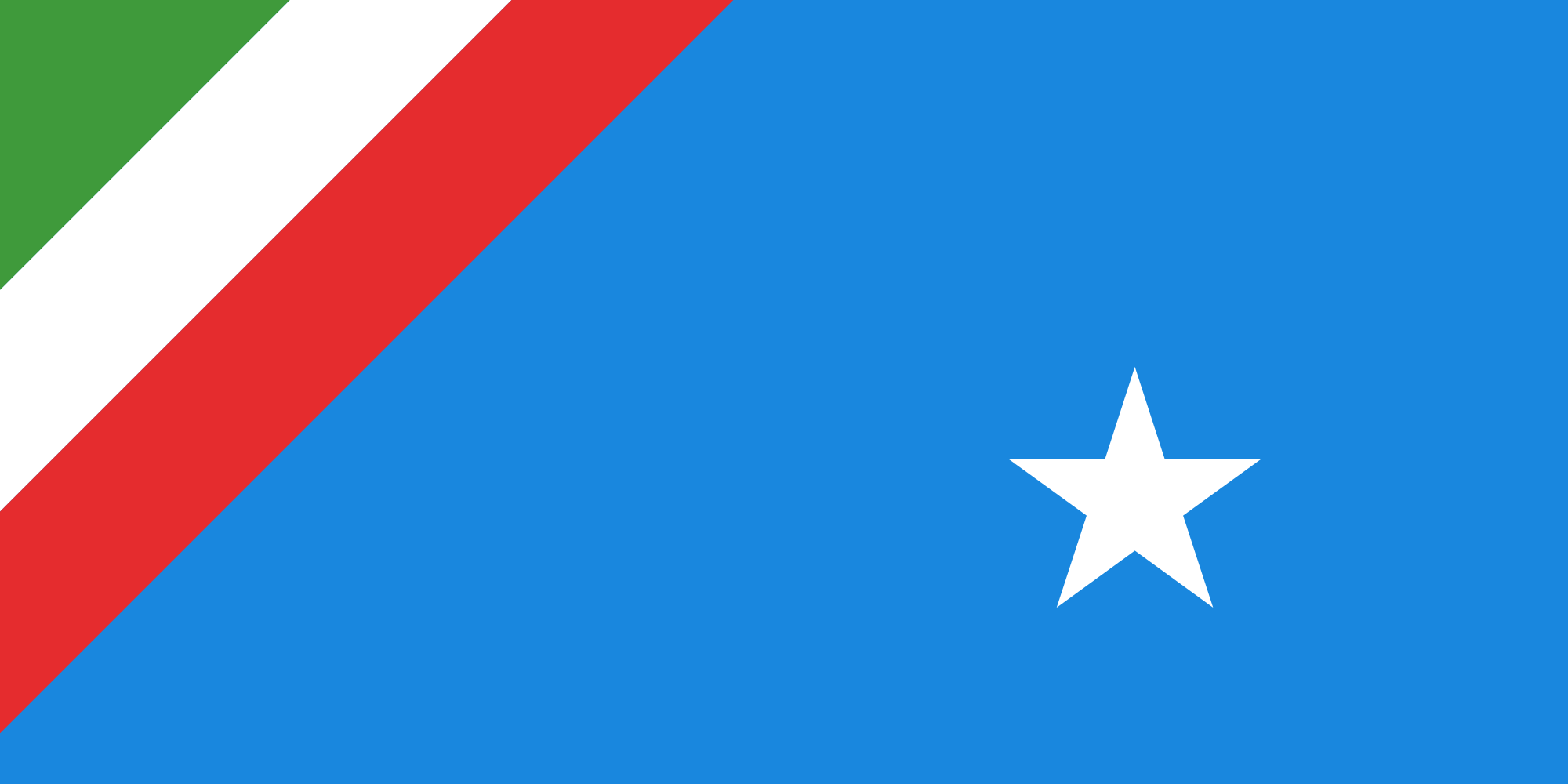
A free zone liberated by anti-Fascist partisans in the Alps near the Swiss border, self-governing for forty days in 1944 before German and Fascist forces retook it.
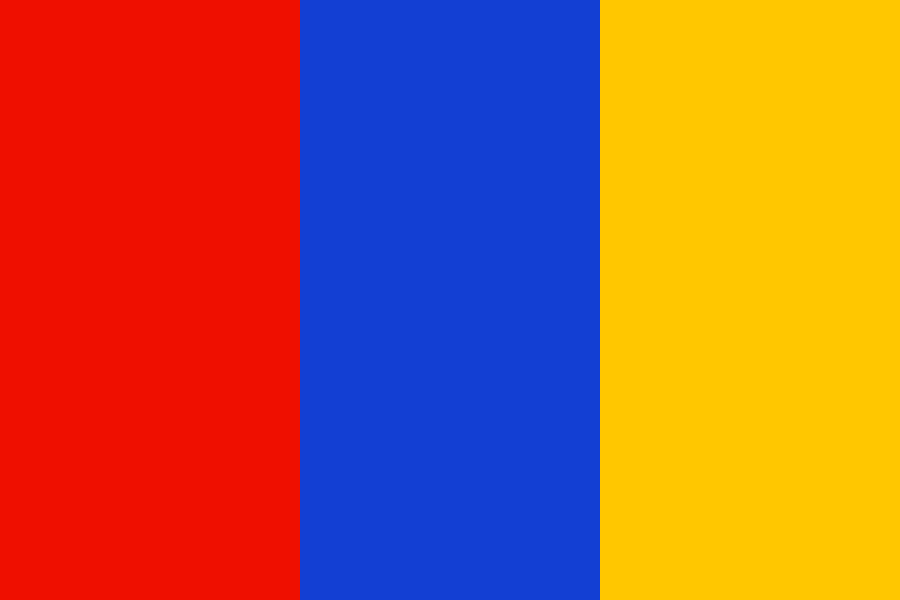
A Piedmontese town held free by partisans for 23 days in 1944, immortalized in Beppe Fenoglio's novel 'I ventitré giorni della città di Alba'.
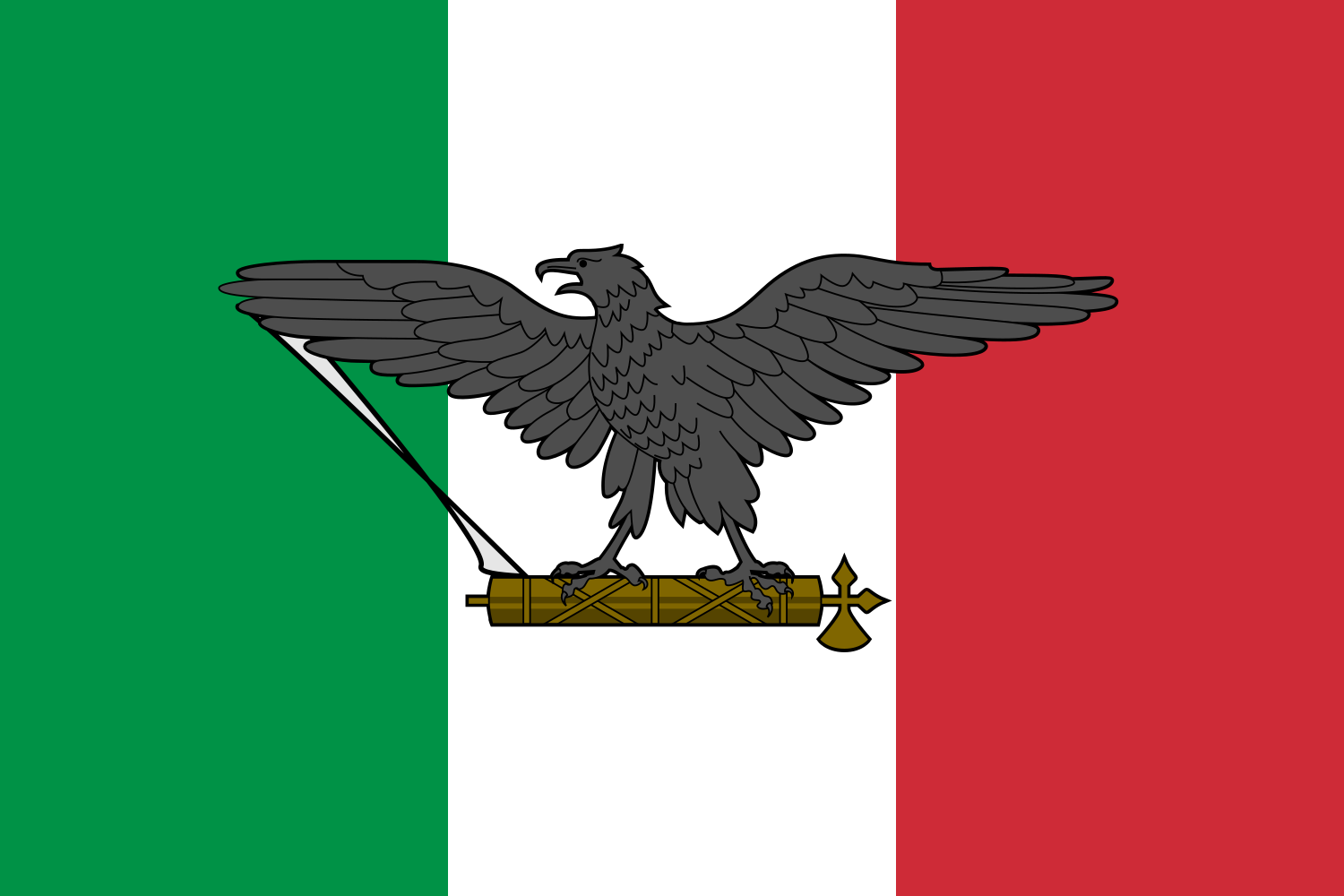
Mussolini's German-backed rump state in northern Italy, often called the Republic of Salò; its war flag added a fasces-clutching eagle to the tricolour.
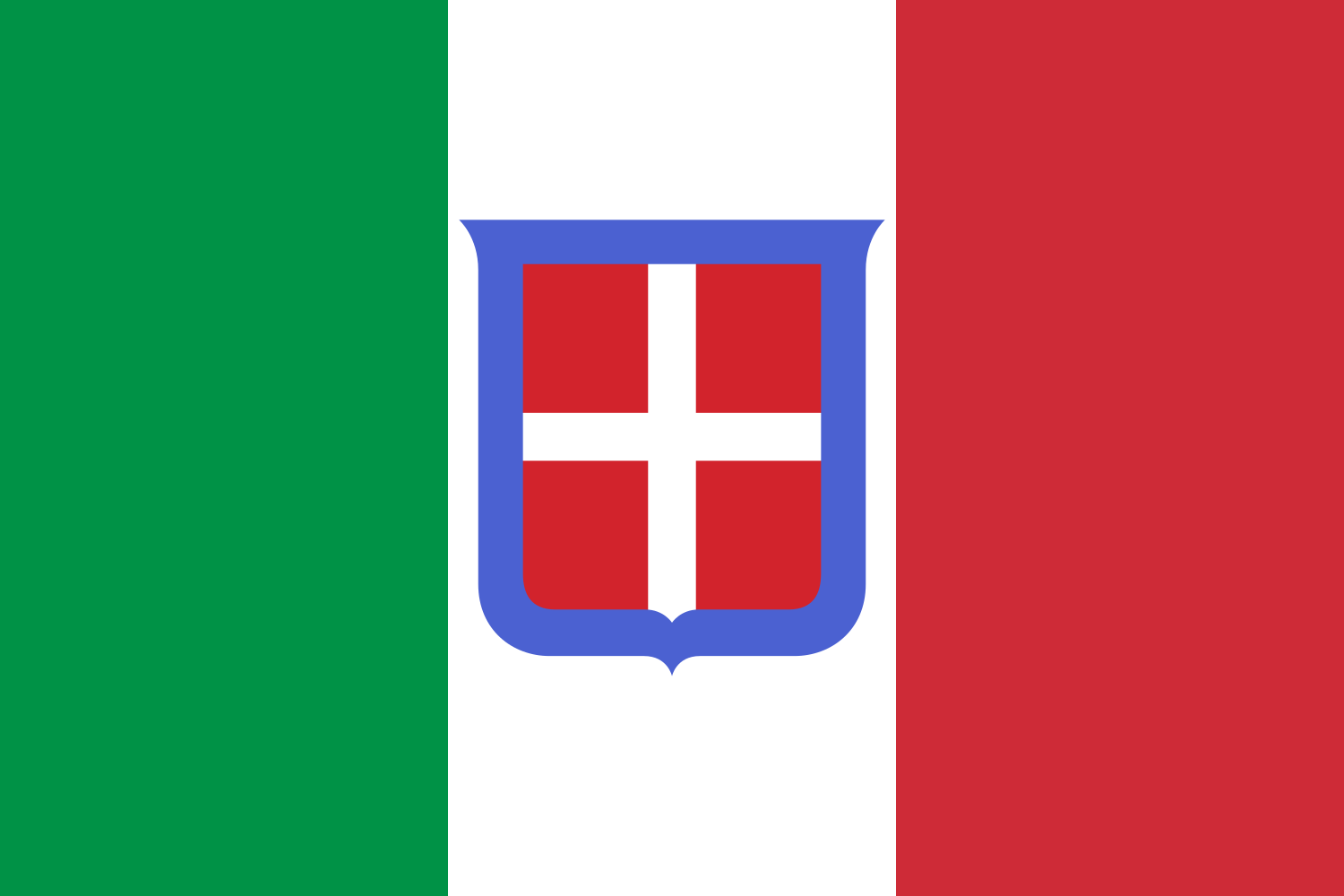
The green-white-red tricolor charged with the crowned shield of the House of Savoy, flown through both World Wars until the 1946 referendum abolished the monarchy.
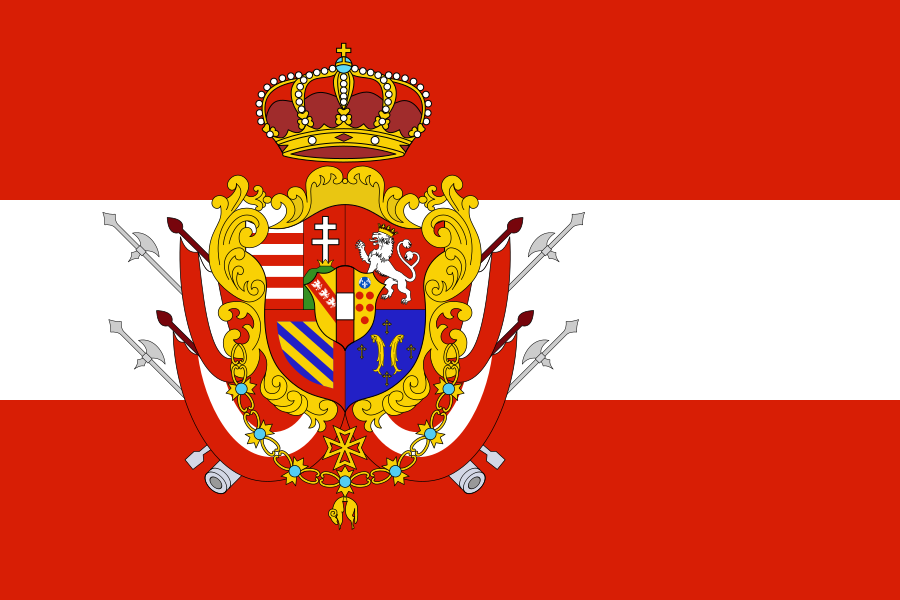
The red-white-red triband charged with the grand-ducal crown was used by the Habsburg-Lorraine grand dukes who ruled Florence and Tuscany.
Daniele Manin's revolutionary Venetian republic flew the Italian tricolor with the winged Lion of St Mark in the canton, until Austria retook Venice in 1849.
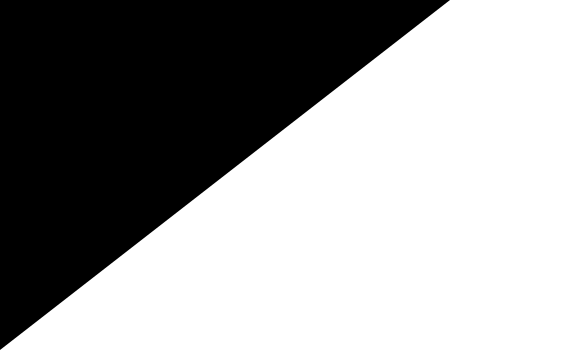
A tiny accidental republic on the Tuscan–Papal border, created by a surveying error and famous for freely growing tobacco. Its flag is divided black and white diagonally.
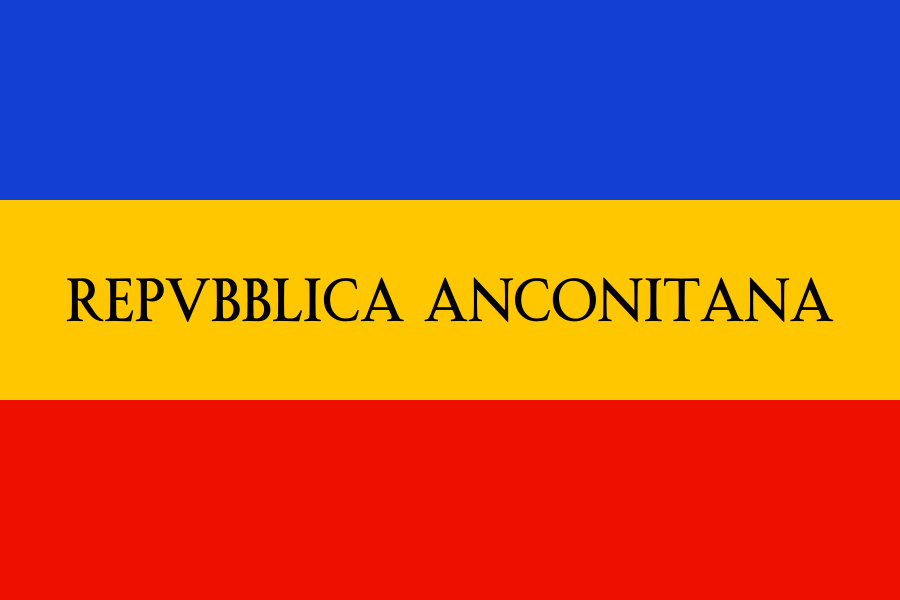
A Napoleonic sister republic around the Adriatic port of Ancona, flying a light blue–yellow–red tricolor with the republic's name lettered across it.
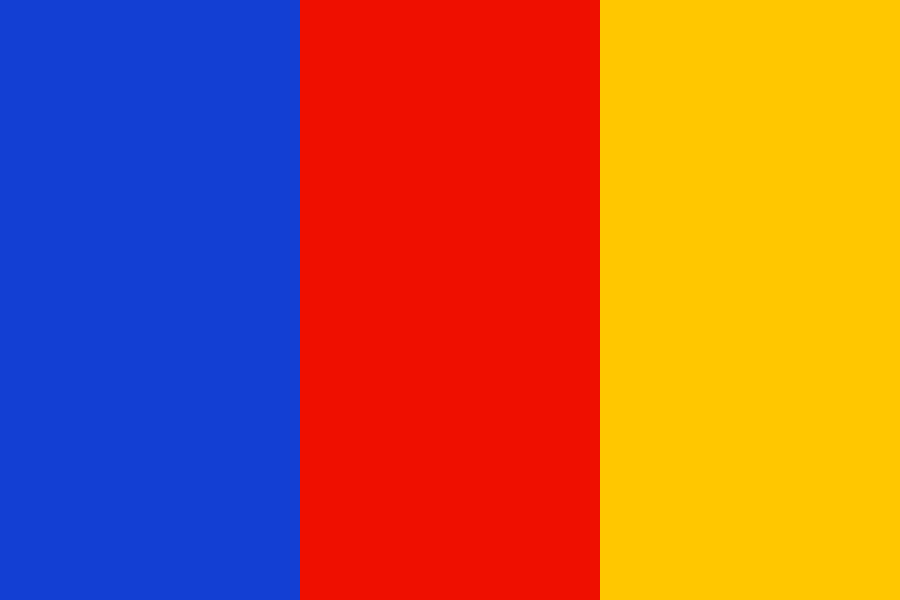
A short-lived Neapolitan sister republic that joined French blue with the yellow and red of Naples, crushed within months by a royalist peasant army.
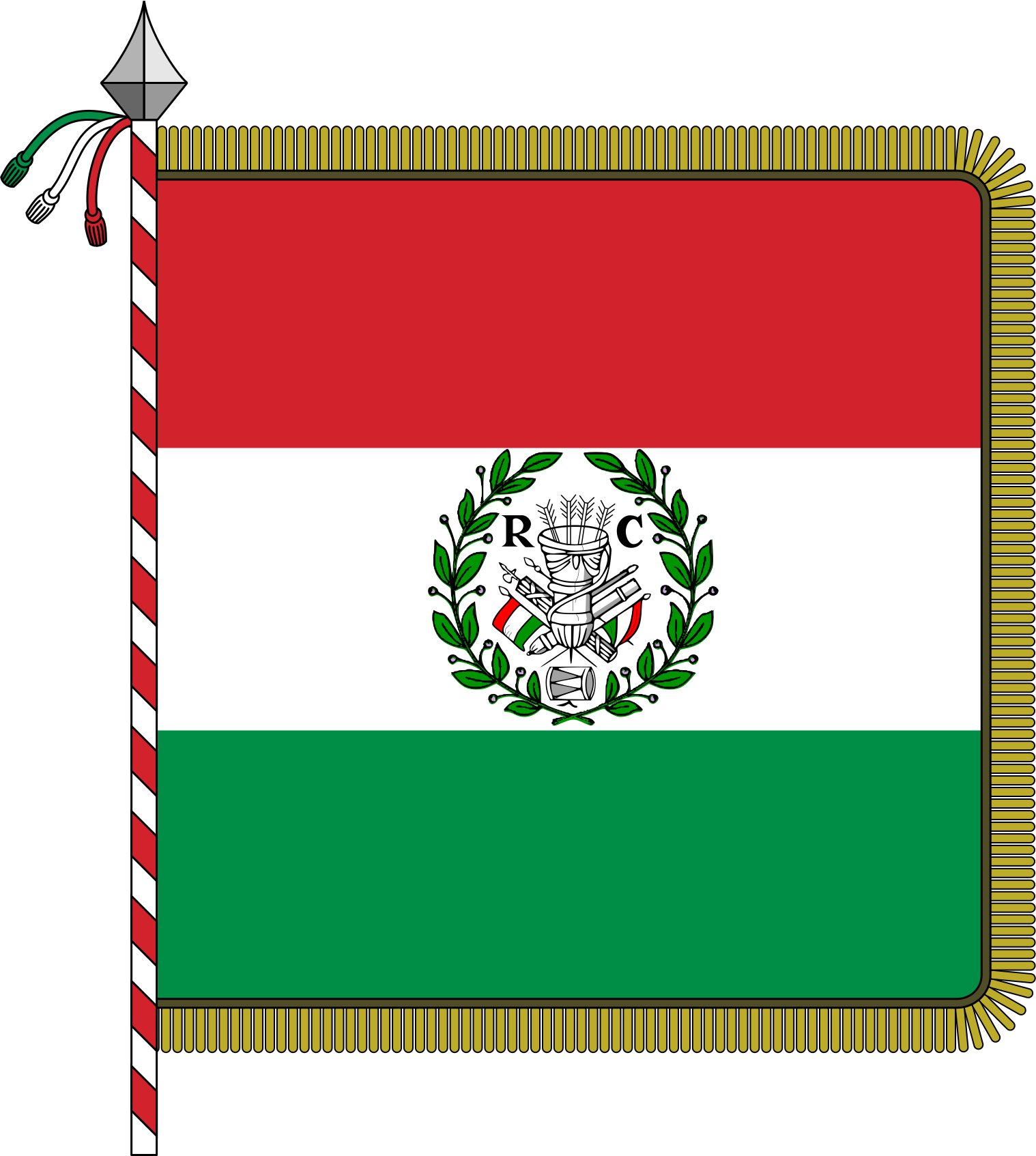
The first Italian horizontal red-white-green tricolor, with a central quiver of four arrows. Adopted on 7 January 1797, it is commemorated as Italy's Tricolour Day.
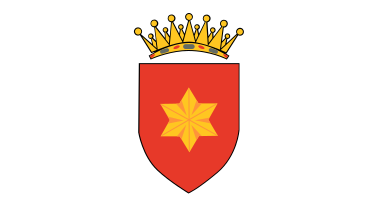
A tiny island kingdom off Sardinia ruled by the Bertoleoni family, sometimes called the smallest kingdom in the world. Its flag bears a gold star beneath a crown.
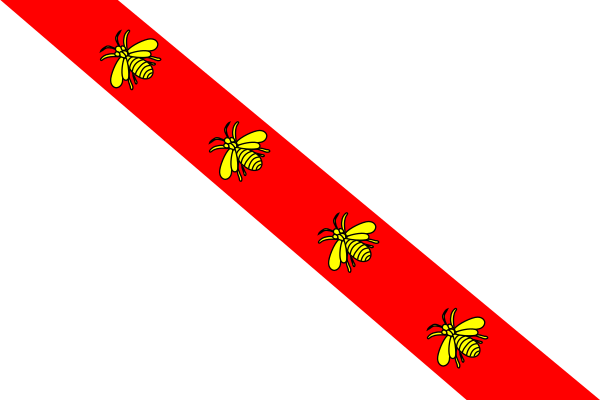
The tiny Mediterranean island Napoleon was given to rule during his first exile; he designed its white flag with a red bar and three gold bees before escaping to retake France.
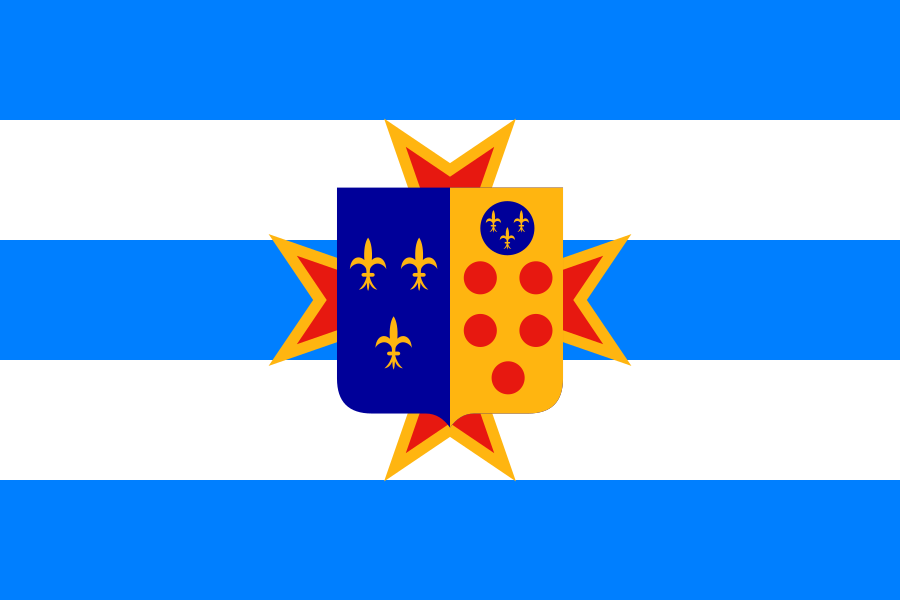
A short-lived Napoleonic client kingdom in Tuscany under the Bourbon-Parma dynasty, before Napoleon annexed it directly into France.
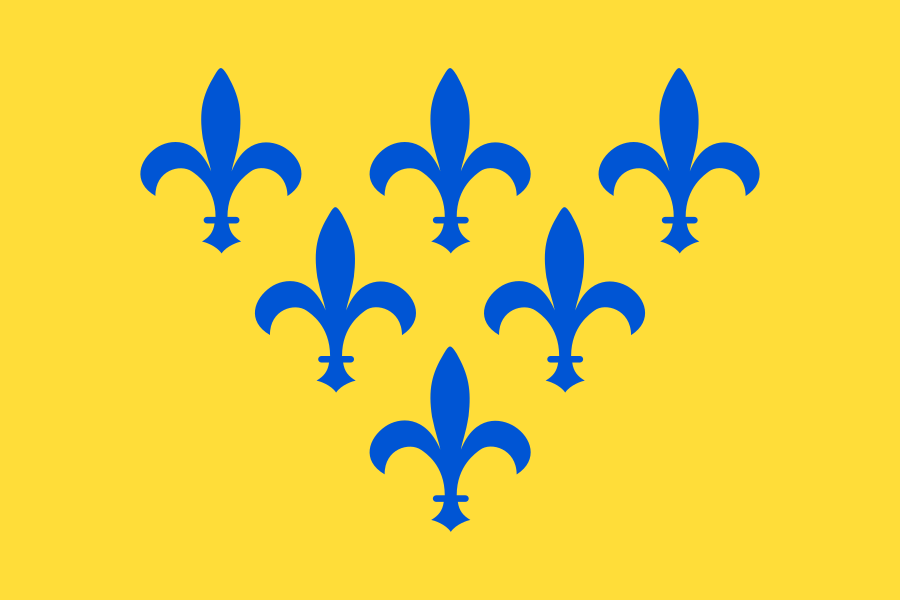
A northern Italian duchy long ruled by the Farnese and later Bourbon-Parma dynasties, its yellow flag bearing a blue fleur-de-lis shield, absorbed into unified Italy.
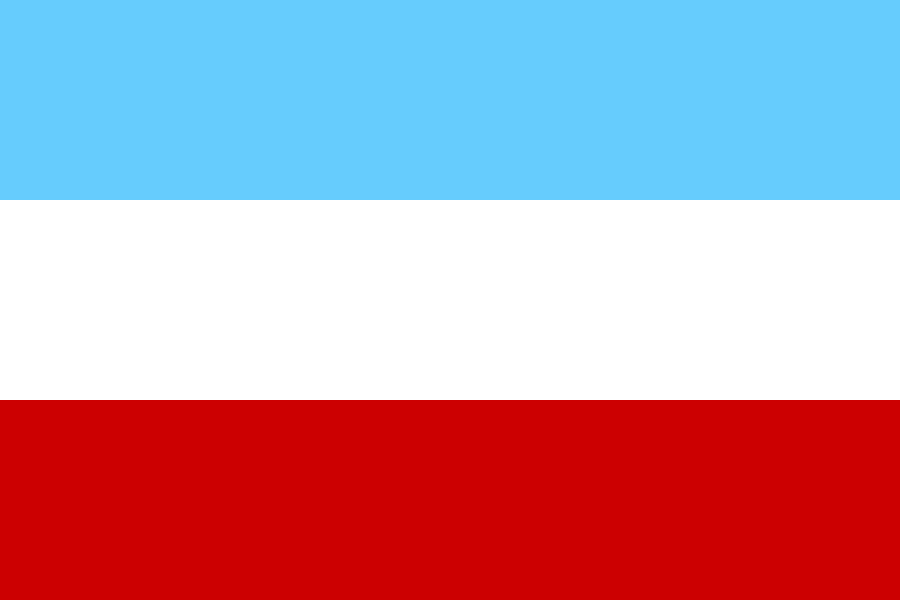
A Napoleonic state given to the emperor's sister Elisa Bonaparte, the only one of his siblings to rule in her own right.
The 20 states, provinces and regions of Italy with their own flags.
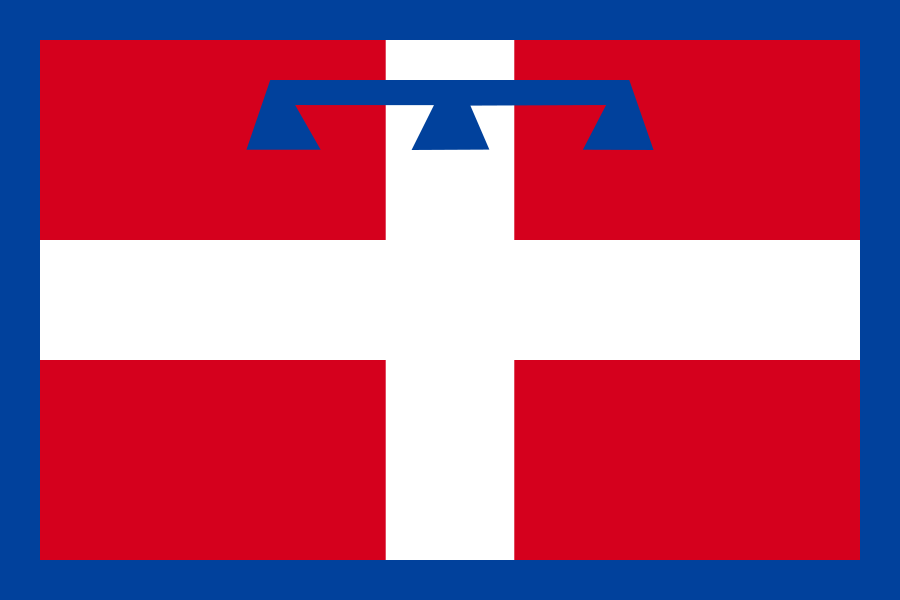 Piedmont
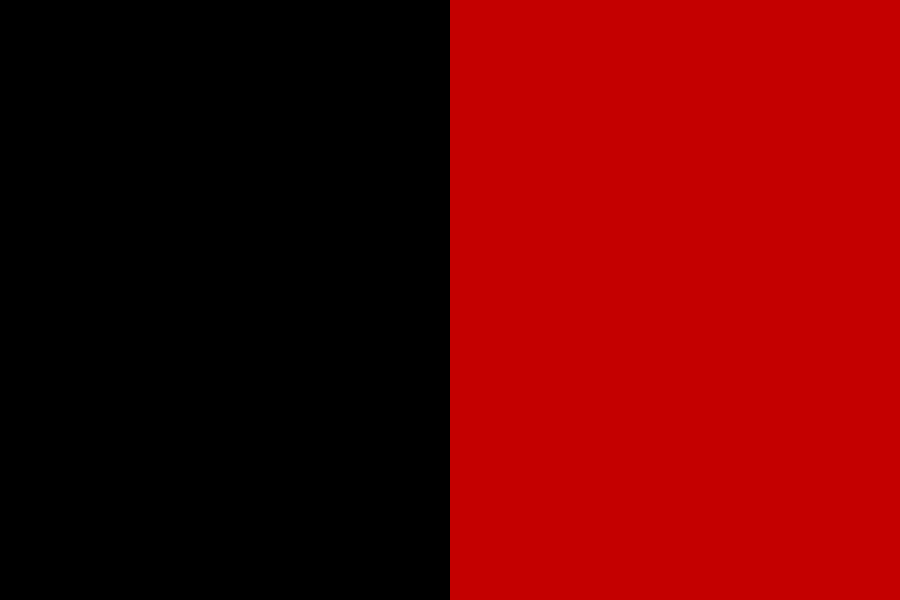 Aosta Valley
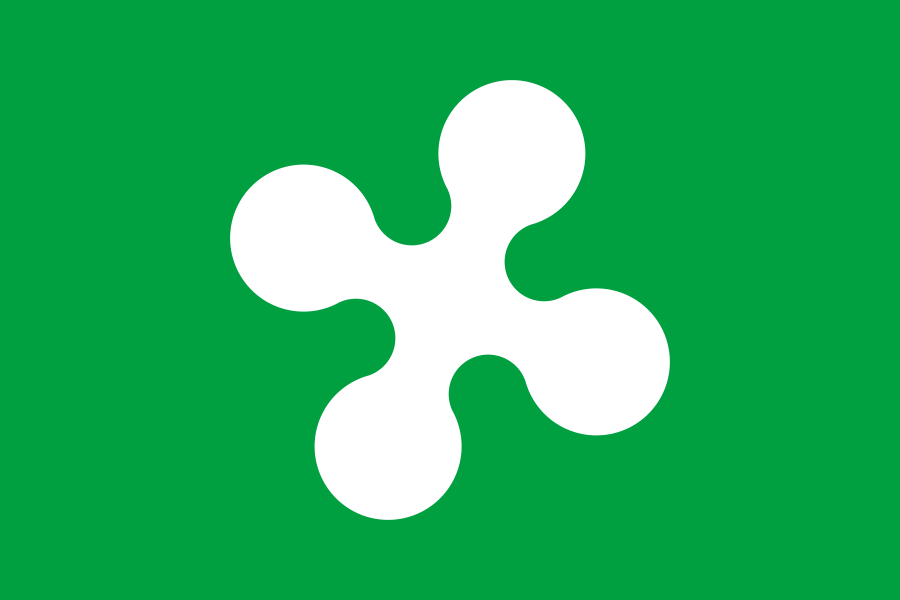 Lombardy
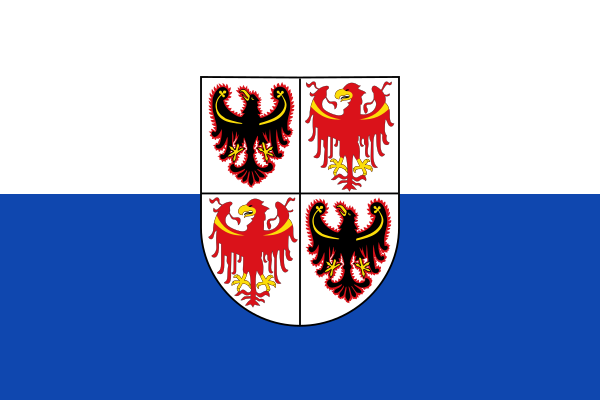 Trentino-Alto Adige
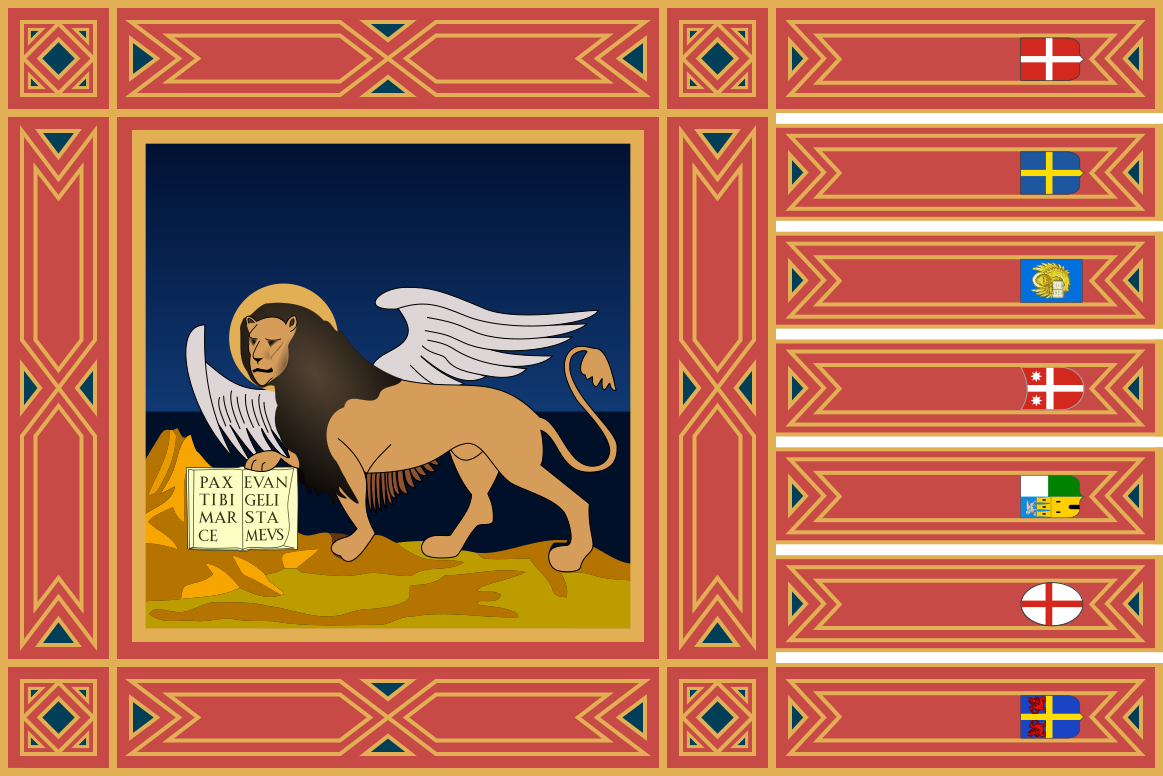 Veneto
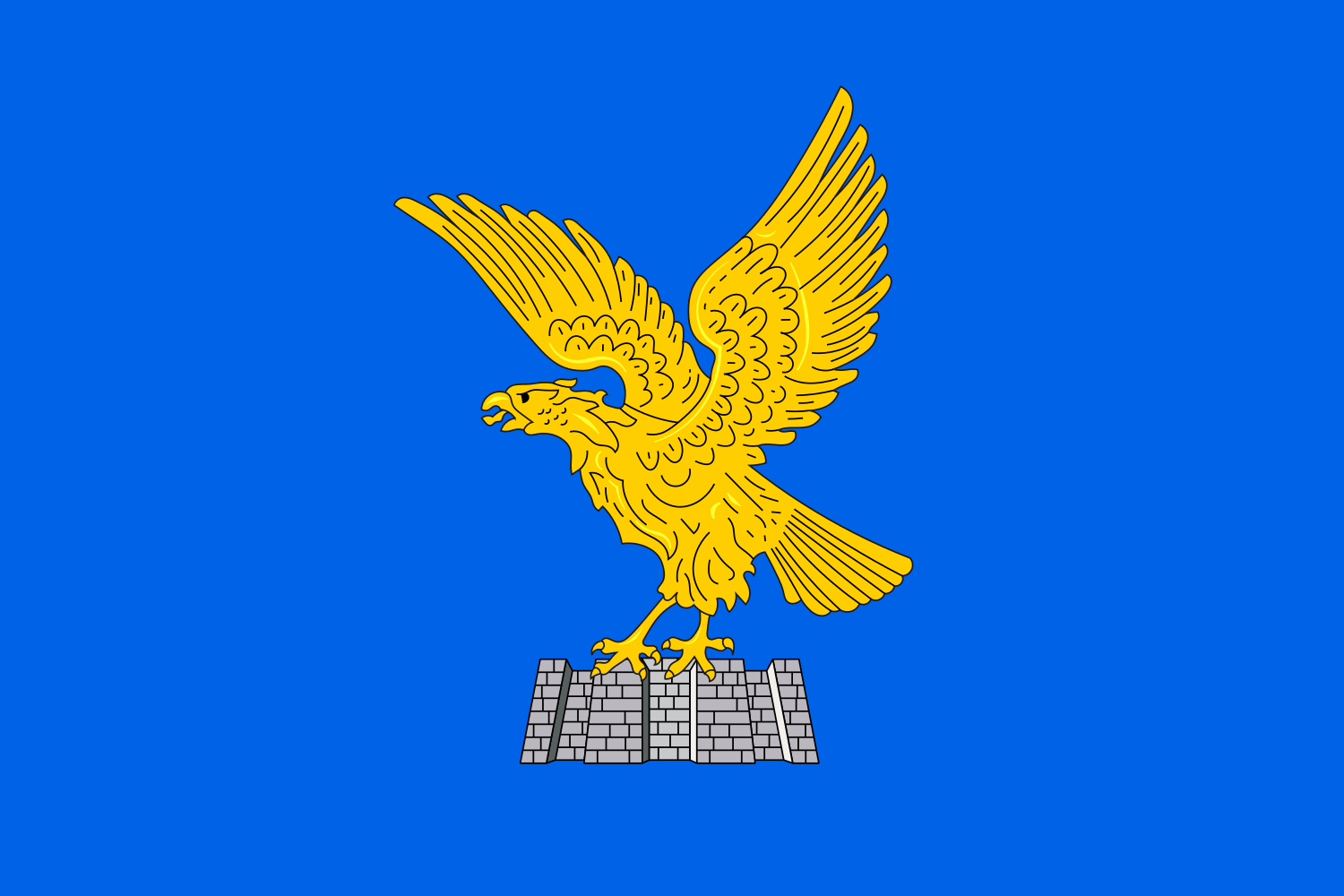 Friuli-Venezia Giulia
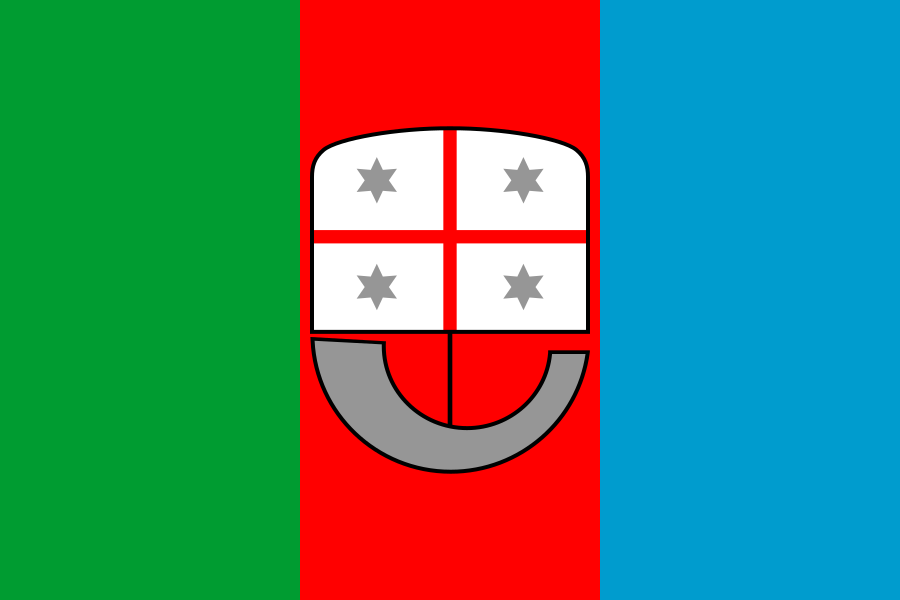 Liguria
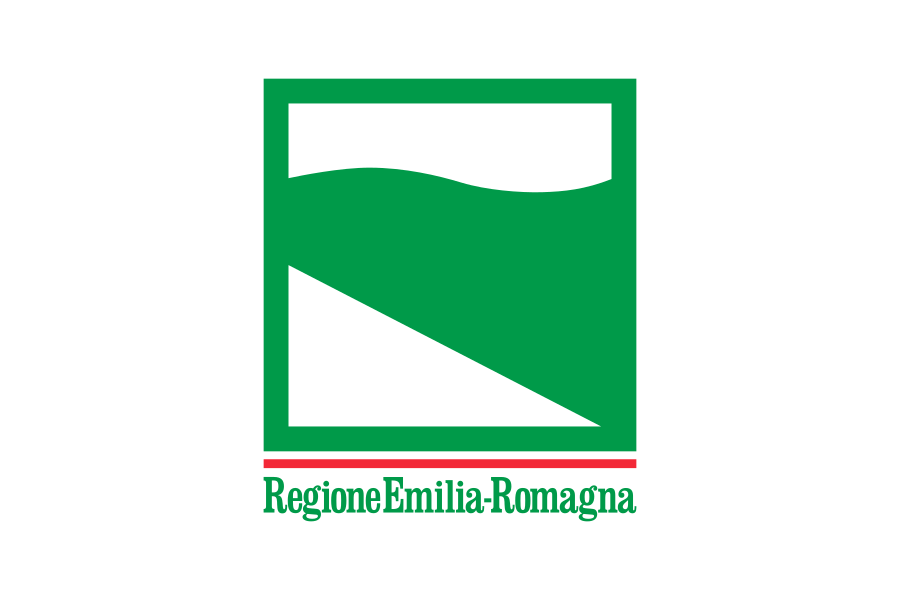 Emilia-Romagna
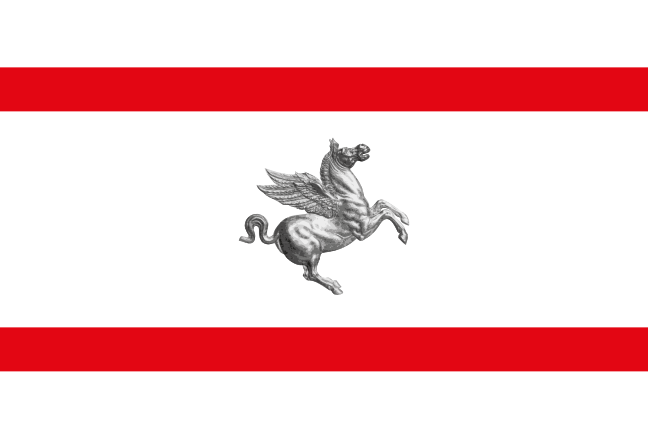 Tuscany
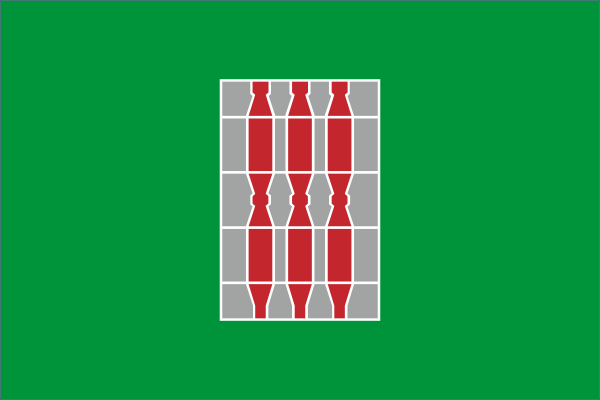 Umbria
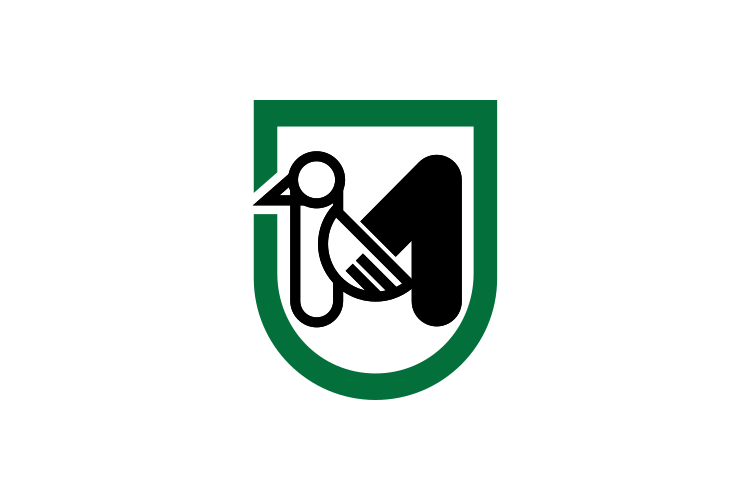 Marche
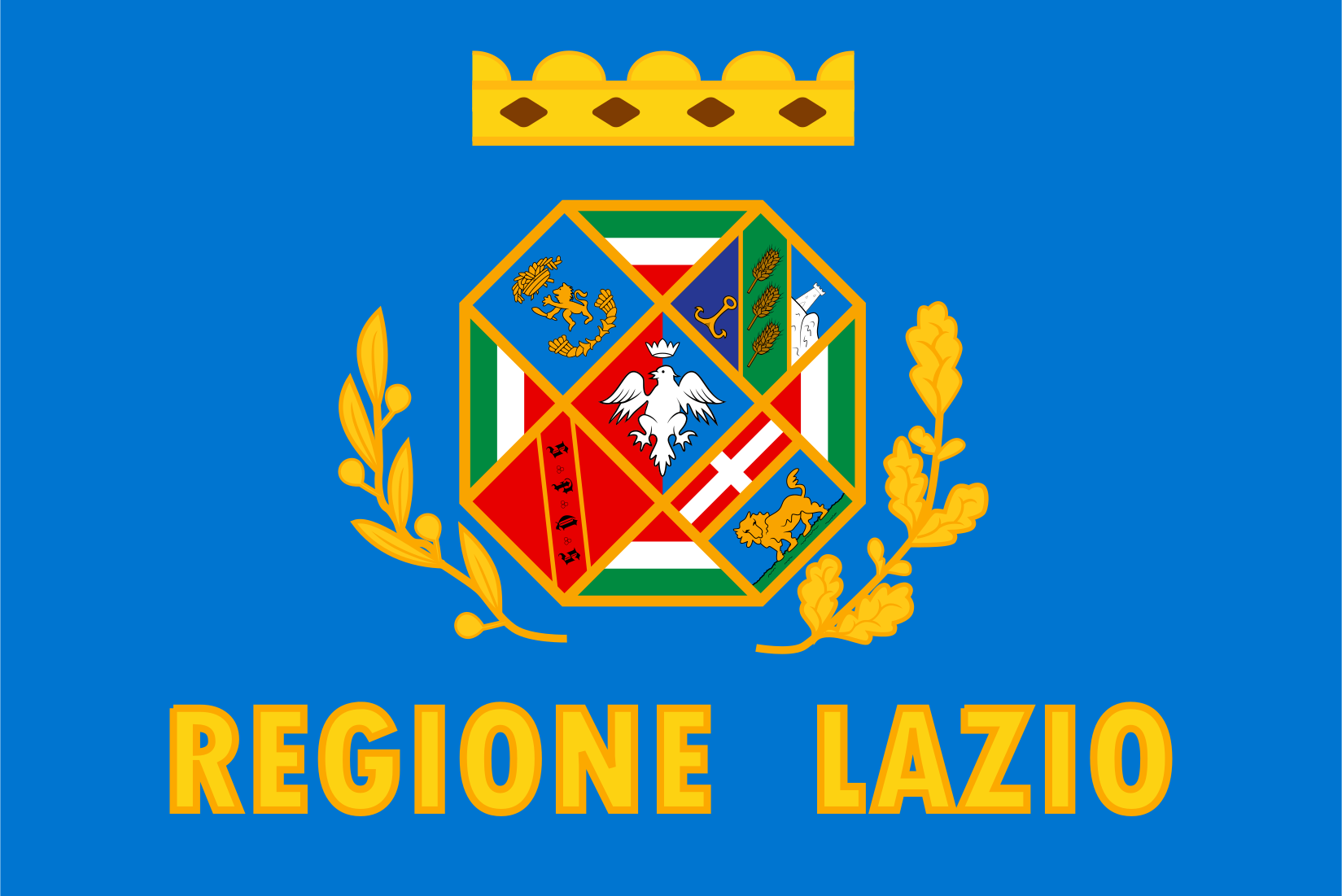 Lazio
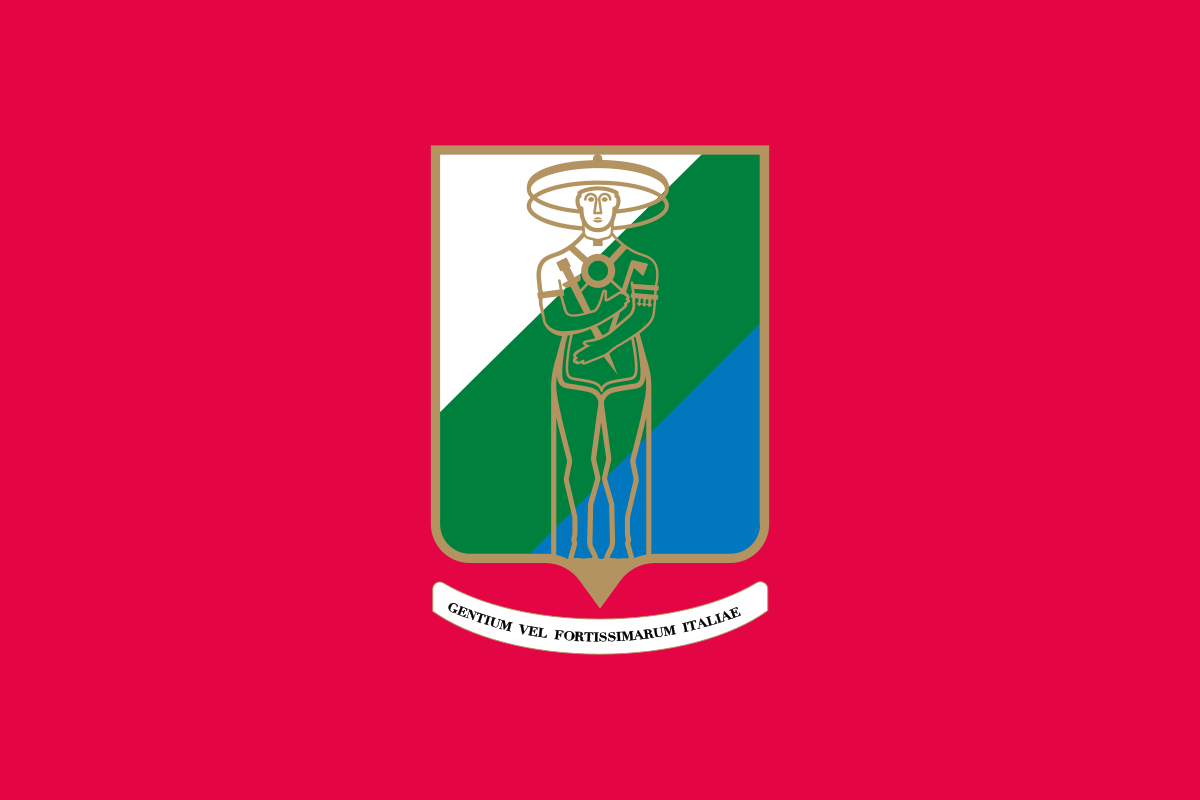 Abruzzo
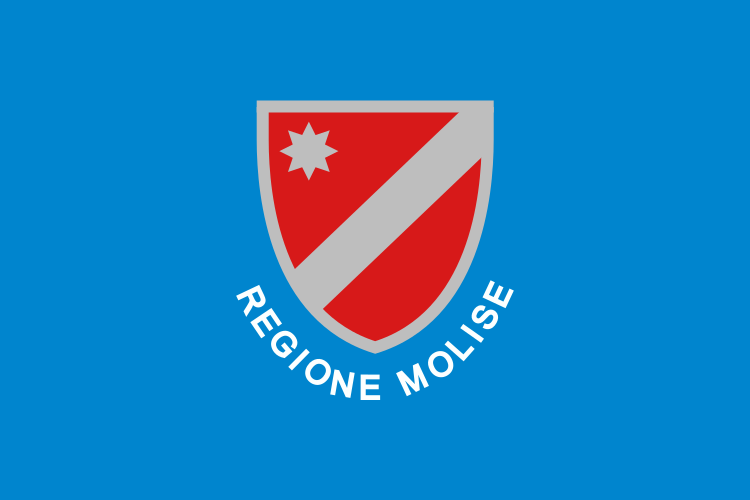 Molise
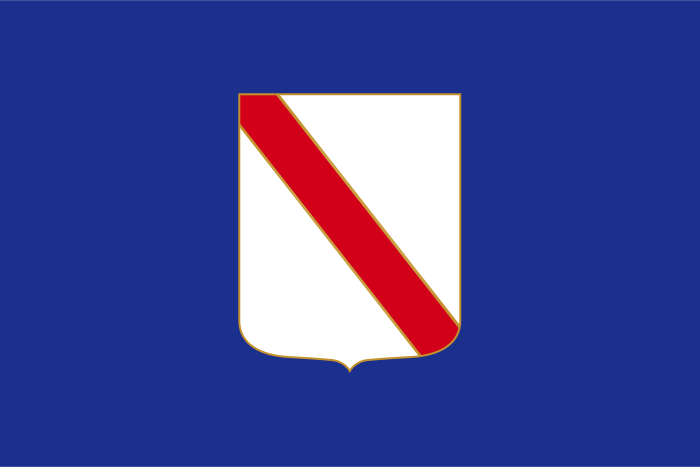 Campania
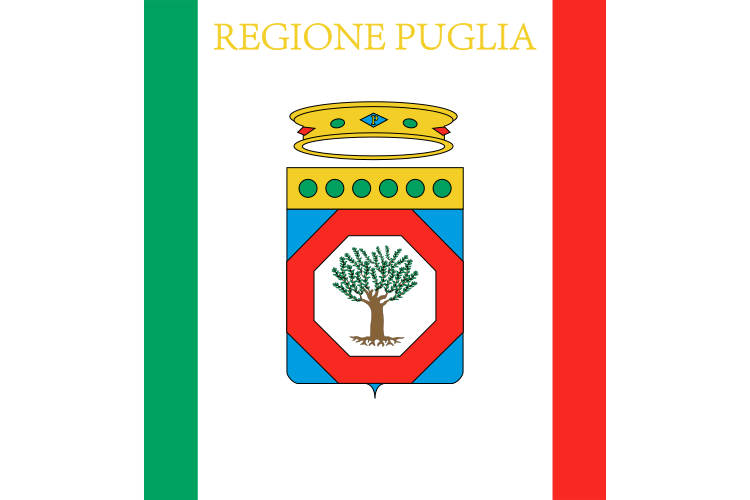 Apulia
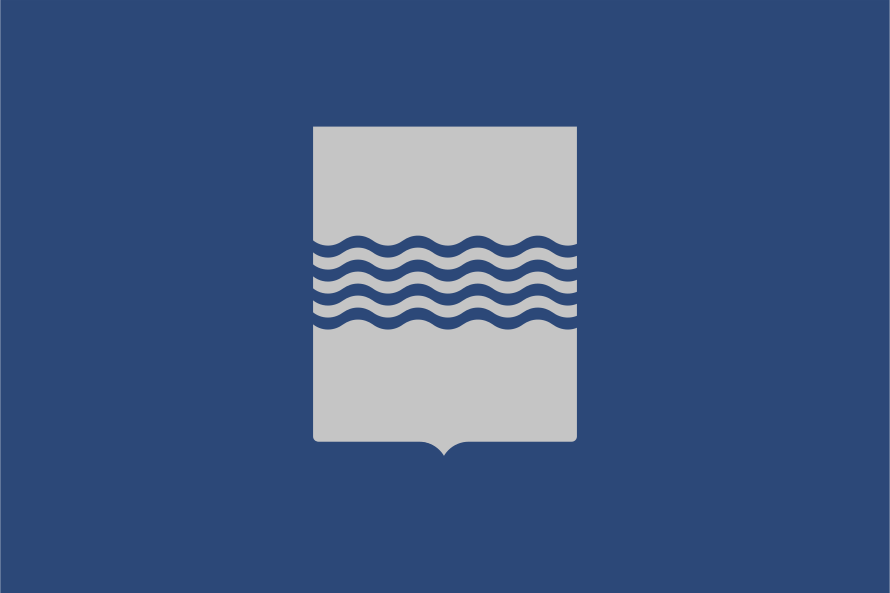 Basilicata
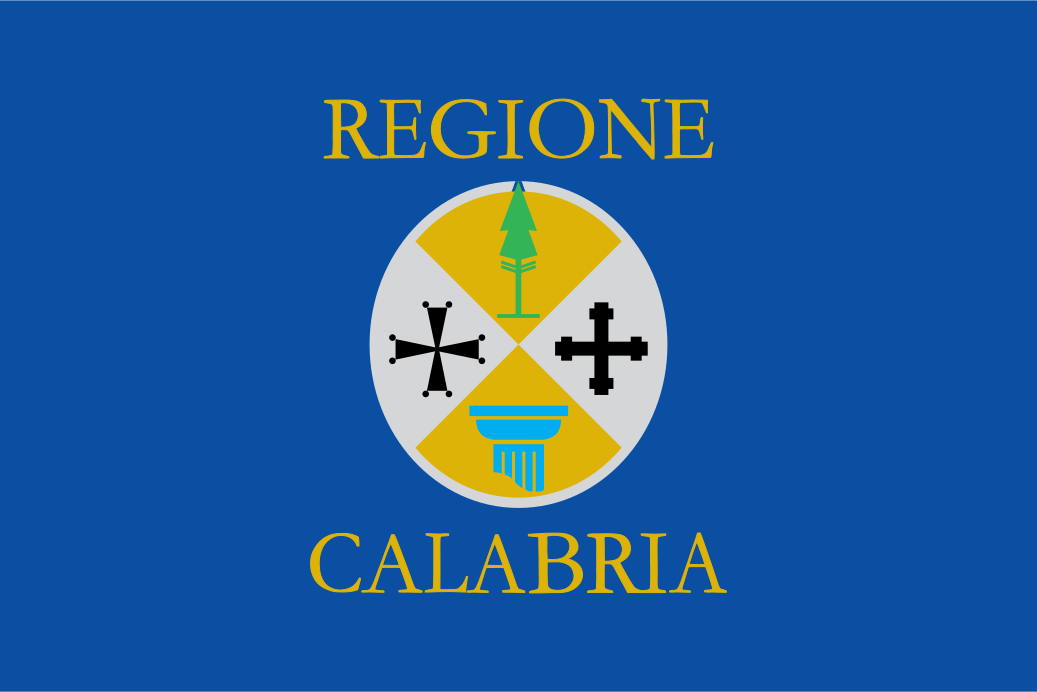 Calabria
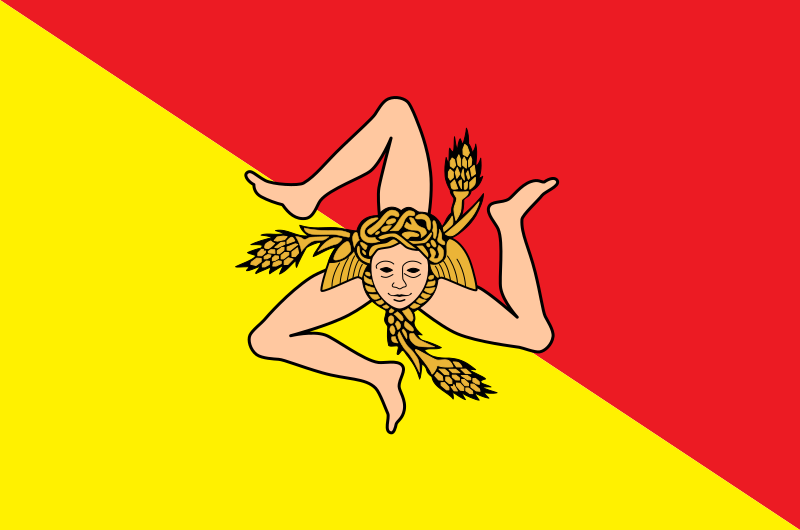 Sicily
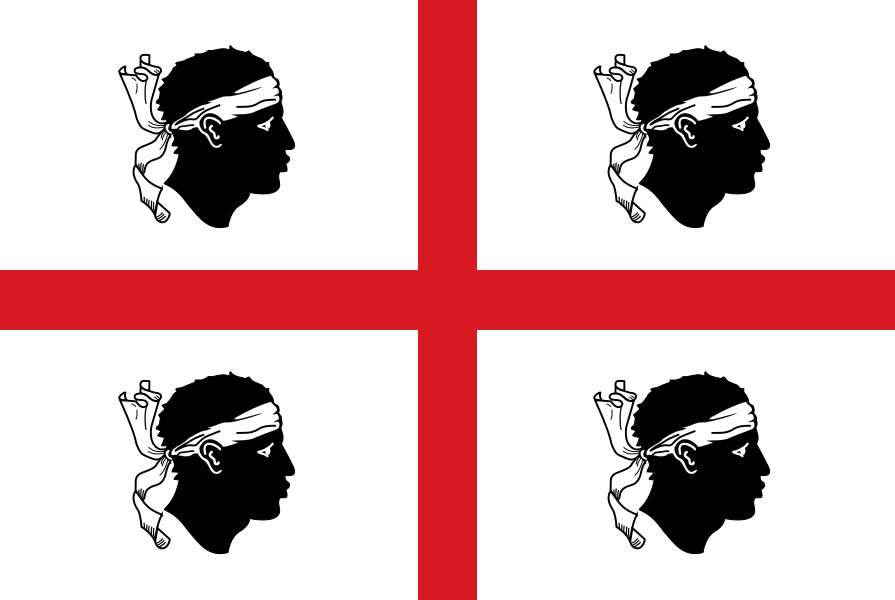 Sardinia
Italy shares a land border with 6 countries: Austria, France, San Marino, Slovenia, Switzerland and Vatican City.
12 other national flags use the same main colours as Italy's.
Play Globalio and learn Italy's flag Austria
 San Marino
 Slovenia
 Switzerland
 Vatican City
 Algeria
 Belarus
 Bulgaria
 Burundi
 Hungary
 Iran
 Lebanon
 Madagascar
 Maldives
 Oman
 Turkmenistan