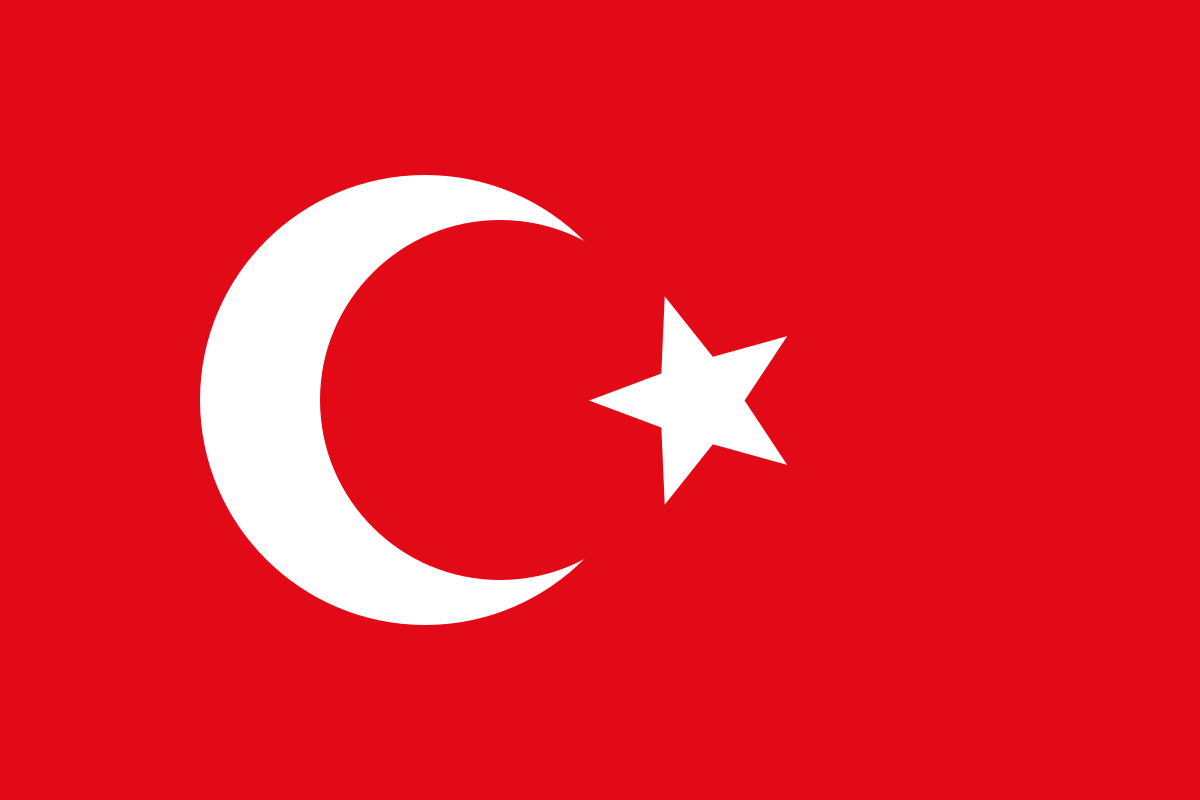
1844–1922
Ottoman Empire
The red field with white crescent and star was standardized in 1844; older Ottoman banners varied widely and often carried multiple crescents.
Today part of: Bosnia and Herzegovina, Albania, North Macedonia, Bulgaria
86 kingdoms, empires, republics and short-lived states from Africa and the Middle East that no longer exist, with the flags they flew and the story behind each one.
The red field with white crescent and star was standardized in 1844; older Ottoman banners varied widely and often carried multiple crescents.
Today part of: Bosnia and Herzegovina, Albania, North Macedonia, Bulgaria

The Abbasids were nicknamed the 'Black Flags' — black was their dynastic color, recalling the banner of the Abbasid Revolution. They ruled a golden age from Baghdad.
Today part of: Iraq

White was the Umayyad dynastic color, deliberately contrasting with the black of their Abbasid rivals. They ruled the largest empire the world had yet seen, from Damascus.
Today part of: Syria

The Shia Ismaili Fatimids adopted green as their standard, and green's lasting association with Islam owes much to this dynasty. They founded Cairo as their capital.
Today part of: Egypt
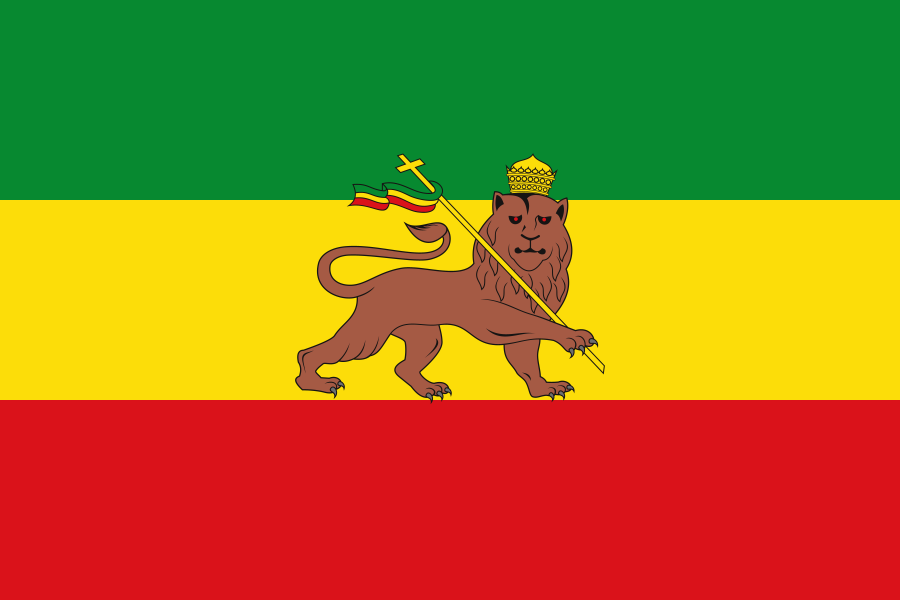
The crowned Lion of Judah symbolized the Solomonic dynasty's claimed descent from King Solomon and the Queen of Sheba. Its green-yellow-red became the model for Pan-African colors.
Today part of: Ethiopia
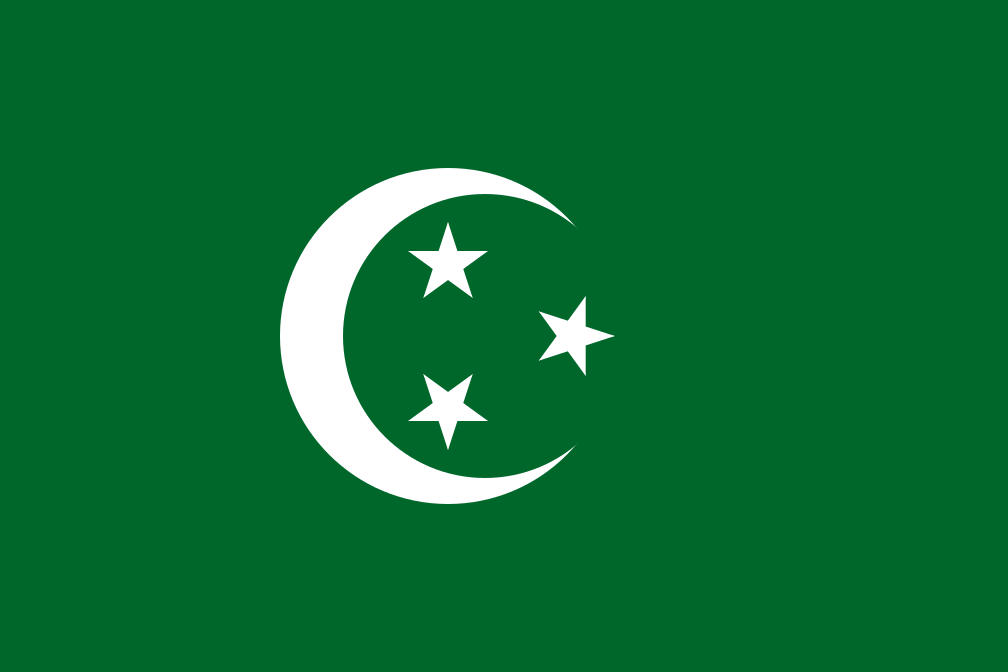
Adopted under King Fuad I in 1922; the green field's three stars are commonly said to represent Egypt, Nubia, and Sudan.
Today part of: Egypt
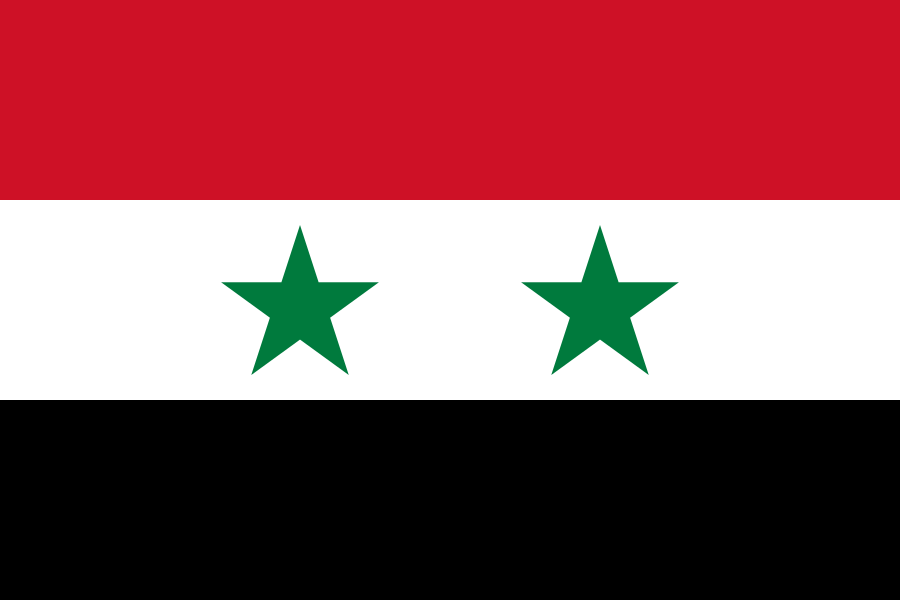
The two green stars stood for the two members of the brief Egypt–Syria union. Syria later readopted this exact flag, which is why it doubles as a Syrian flag.
Today part of: Syria

The rising sun flew over the short-lived secessionist republic during the Nigerian Civil War: black mourned the slain, red the blood, green prosperity.
Today part of: Nigeria
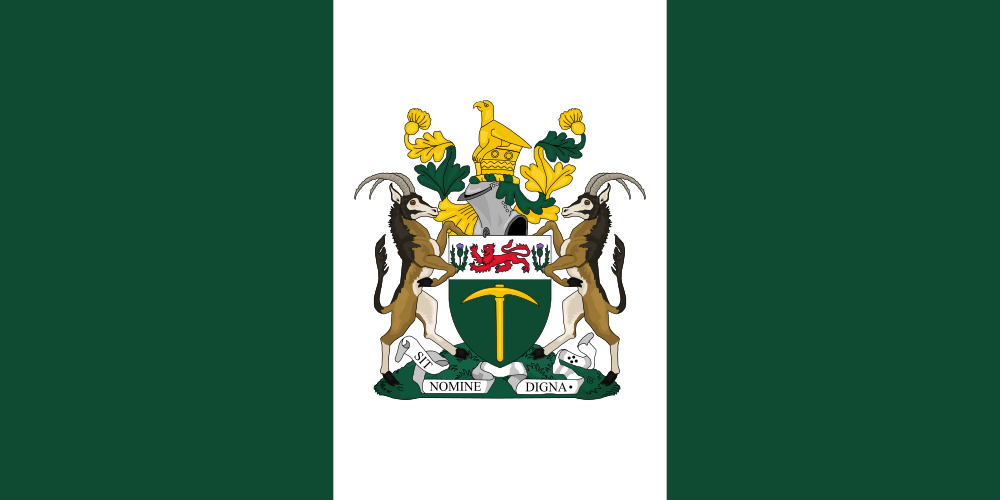
Adopted after Ian Smith's white-minority government declared independence; the central colonial arms feature a golden lion and the ancient Great Zimbabwe bird.
Today part of: Zimbabwe
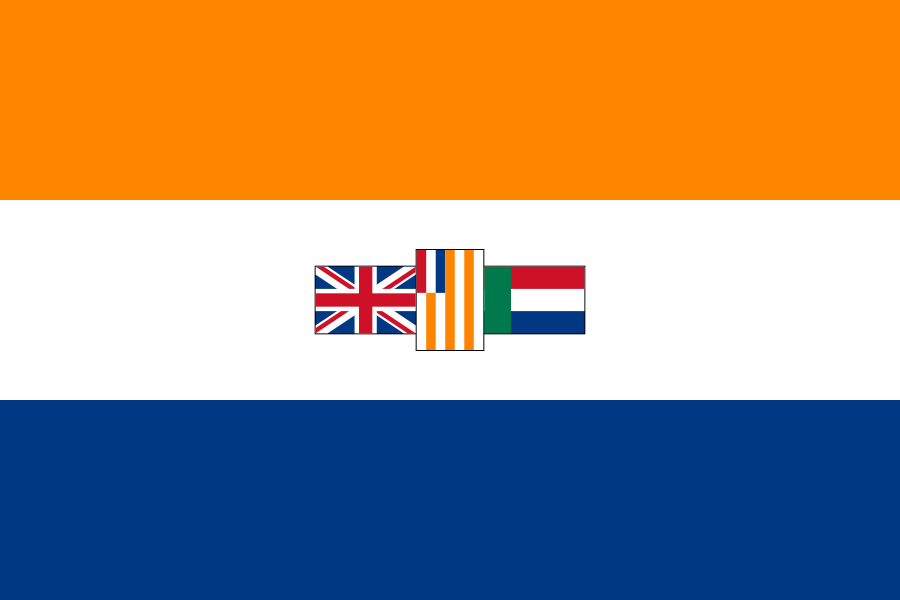
Based on the Dutch Prinsenvlag, its white stripe carries three miniature flags — the Union Flag, the Orange Free State, and the Transvaal Vierkleur — for the territories of the Union.
Today part of: South Africa
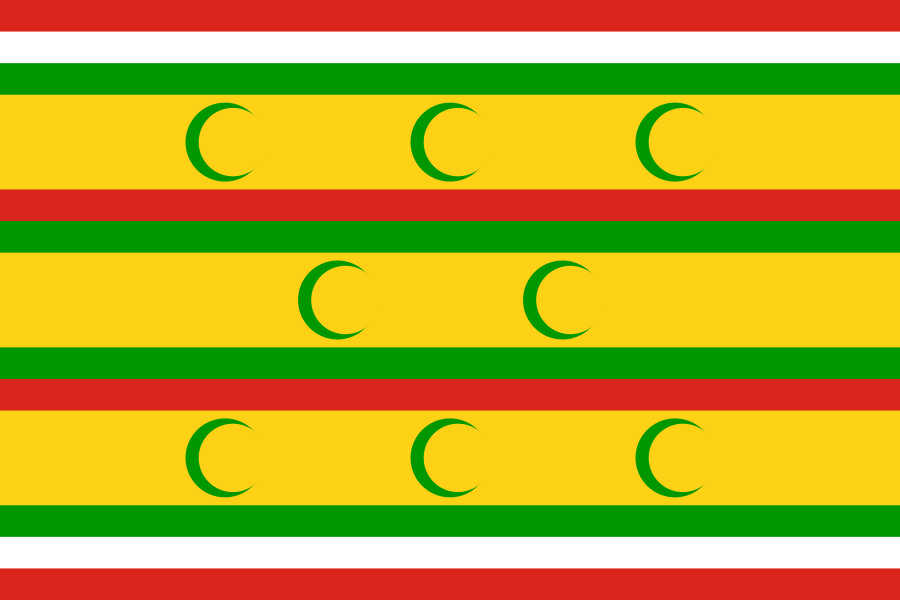
The plain red banner derives from the Sultanate of Oman, whose Busaidi dynasty ruled Zanzibar until the 1964 revolution that led to union with Tanganyika as Tanzania.
Today part of: Tanzania
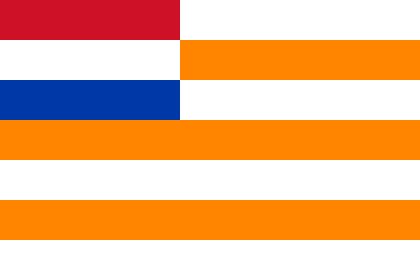
This Boer republic placed the Dutch tricolor in the canton over orange-and-white stripes. The flag was later embedded inside the apartheid-era South African flag.
Today part of: South Africa
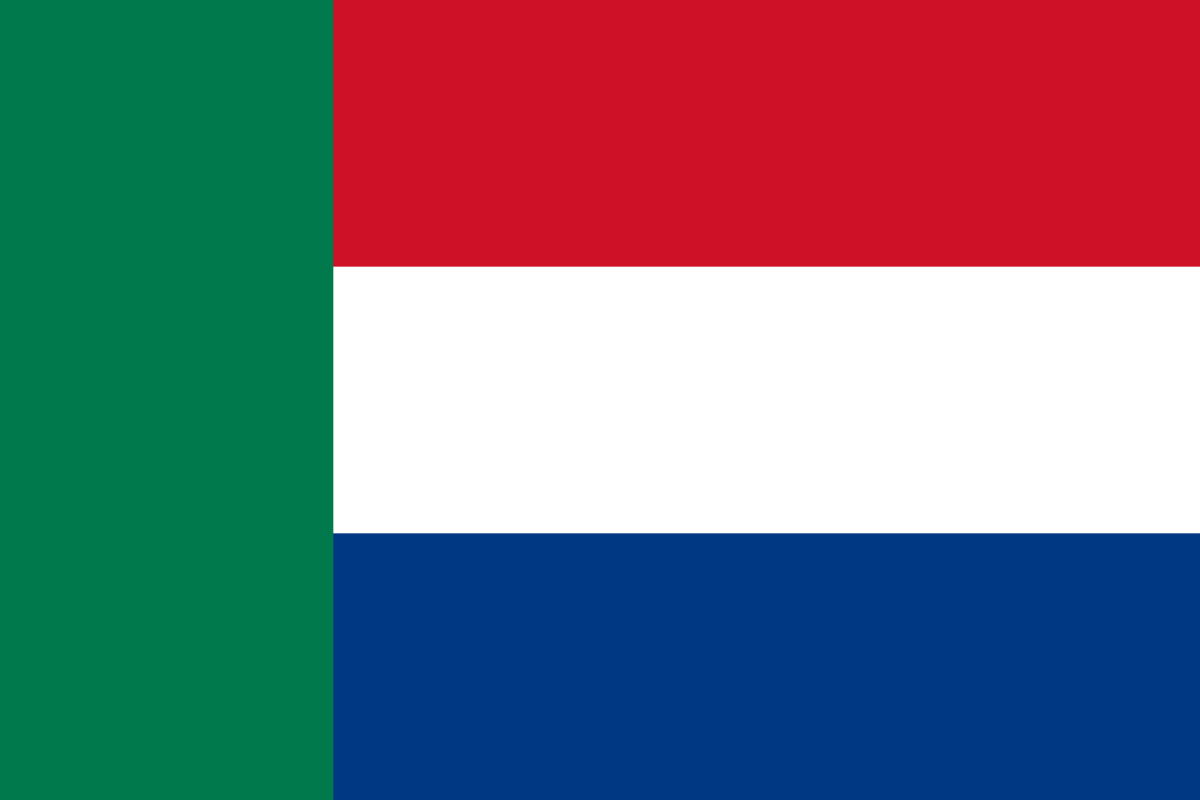
The Boer 'Vierkleur' added a green vertical stripe to the Dutch red-white-blue. It flew over Paul Kruger's republic through the Anglo-Boer Wars.
Today part of: South Africa
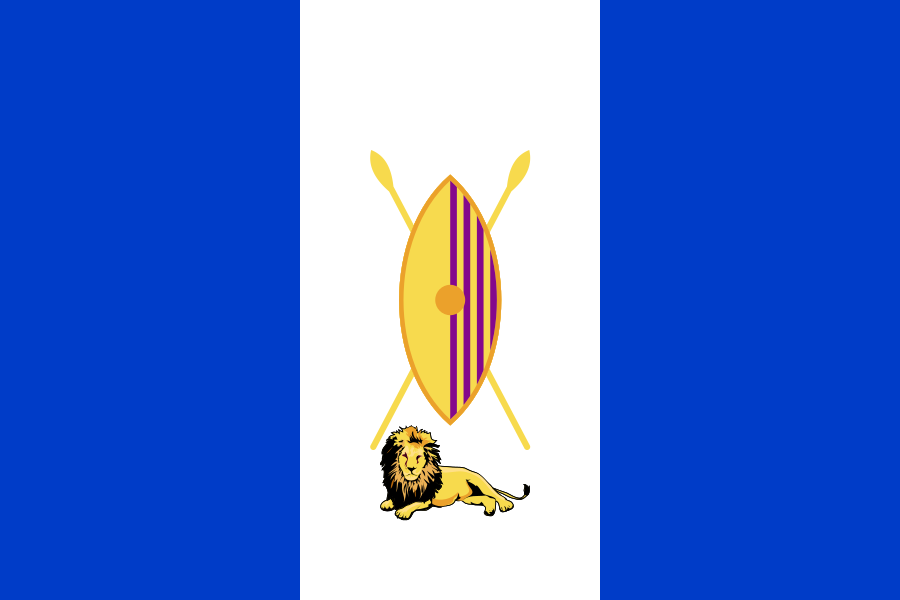
The vertical blue-yellow-blue bears a shield and crossed spears. Buganda, in present-day Uganda, remains one of Africa's oldest continuous monarchies under the Kabaka.
Today part of: Uganda
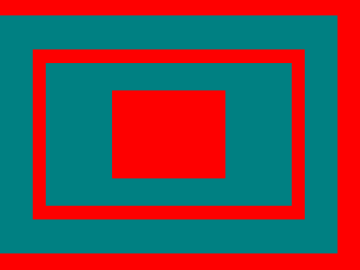
The banner of the Dervish movement led by Sayyid Mohammed Abdullah Hassan, who resisted British, Italian, and Ethiopian forces in the Somali interior for over two decades.
Today part of: Somalia
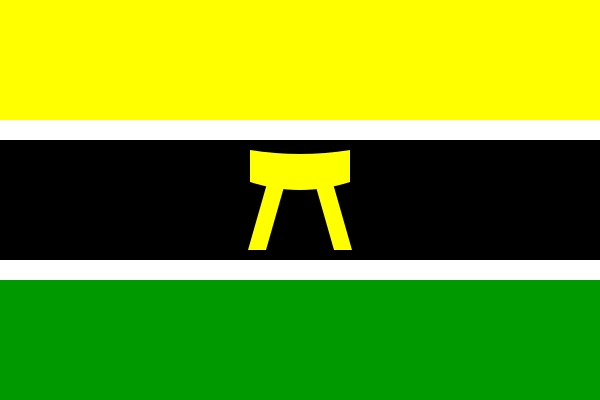
The gold-black-green flag bears the Golden Stool, the sacred soul of the Asante nation. The empire favored umbrellas and the Stool over flags; this design dates to 1935.
Today part of: Ghana
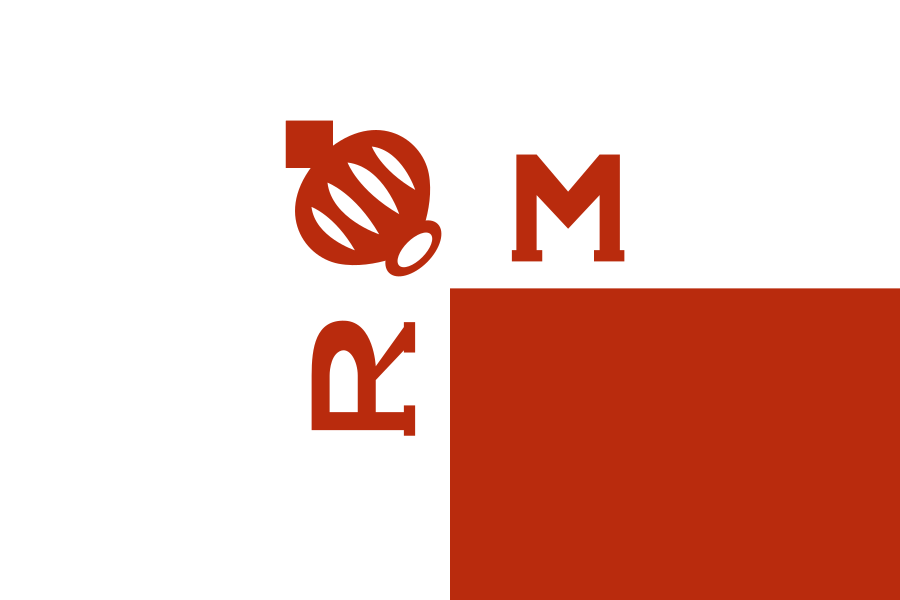
The Merina rulers of highland Madagascar flew white-and-red flags, the personal colors of King Radama I. These royal colors survive in Madagascar's modern flag.
Today part of: Madagascar

The small island declared independence from the Comoros in 1997; its yellow-and-red flag recalls the banner of 19th-century Queen Djoumbé Fatima.
Today part of: Comoros
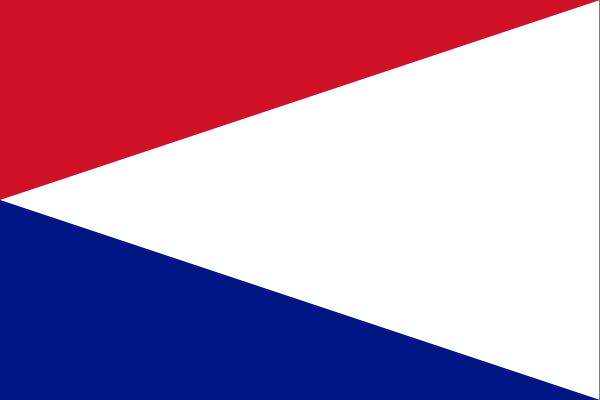
A short-lived Voortrekker republic in present-day KwaZulu-Natal, annexed by Britain in 1843; its flag was a Dutch-style design with a white hoist triangle.
Today part of: South Africa
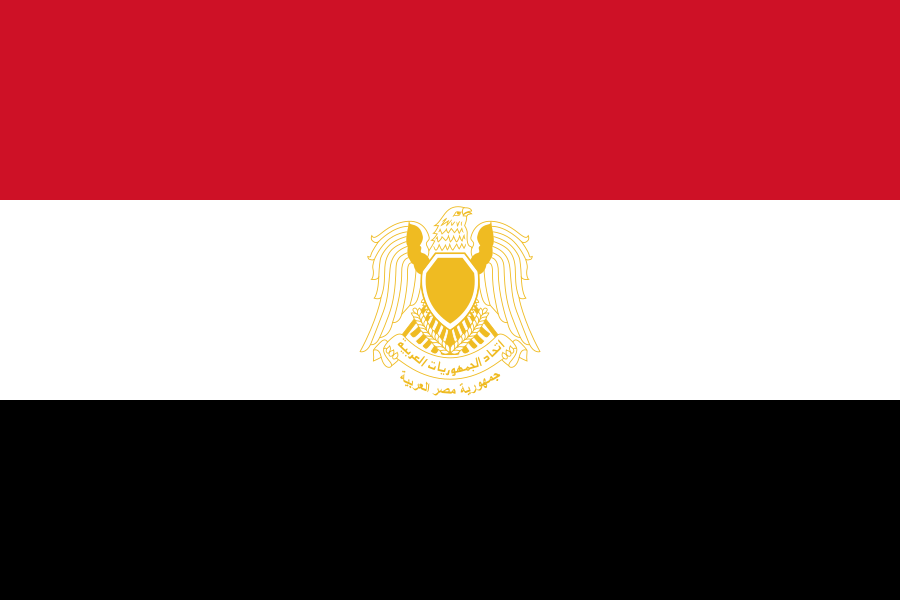
The red-white-black Arab Liberation tricolor with a golden Hawk of Quraish, flown simultaneously as the national flag of all three members — Egypt, Libya, and Syria.
Today part of: Egypt
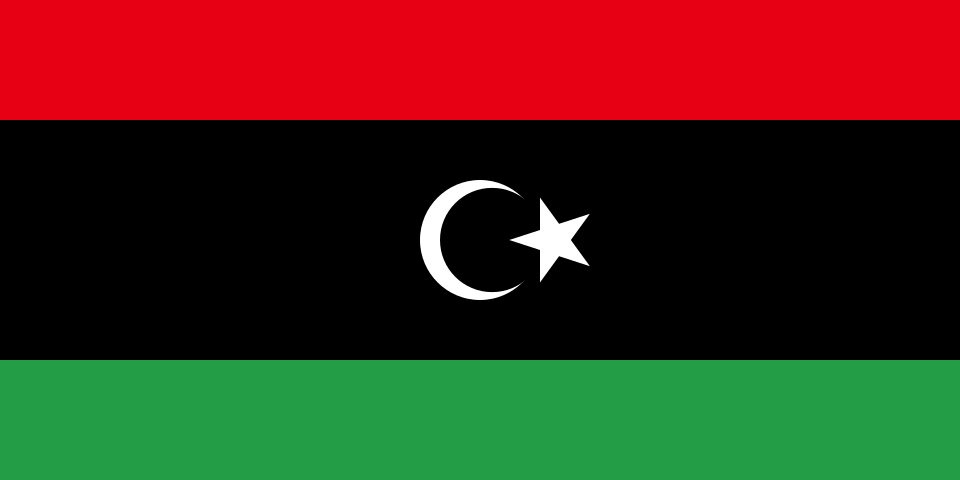
A red-black-green triband with a double-height black band bearing a white crescent and star. Designed under King Idris and triumphantly restored after Gaddafi fell in 2011.
Today part of: Libya

A plain solid green field — the only single-color national flag in modern history. Gaddafi adopted it after Egypt's peace with Israel broke up the Federation of Arab Republics.
Today part of: Libya
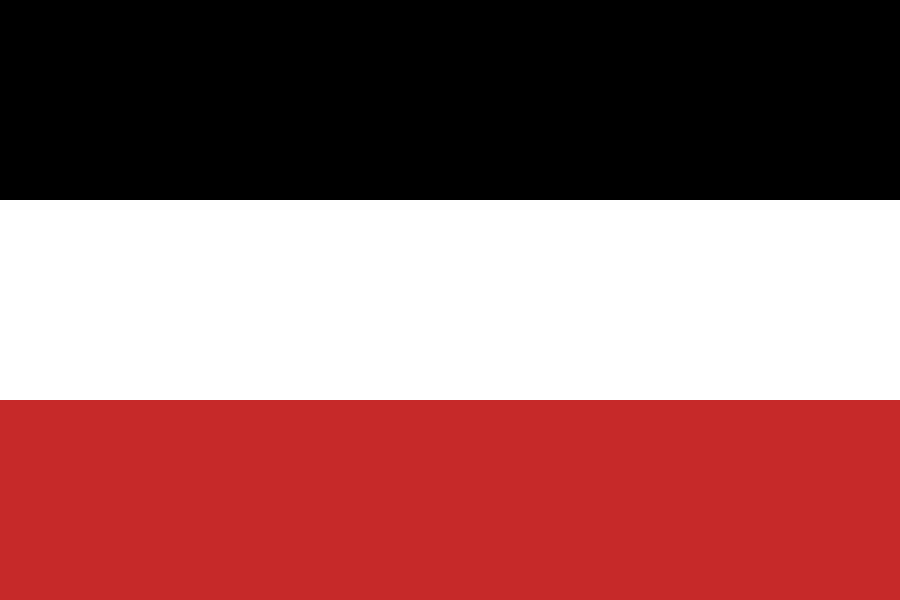
A black-white-red tricolor for the Black, White, and Red Volta rivers, flown until Thomas Sankara renamed the country Burkina Faso in 1984.
Today part of: Burkina Faso
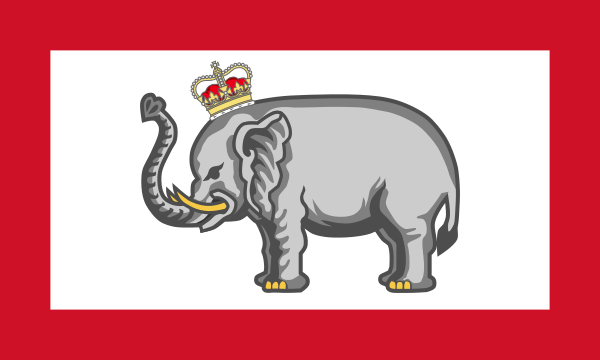
A yellow field with a wide red border and a crowned white elephant, attributed to King Ghezo of the West African kingdom famed for its all-female Dahomey Amazon regiment.
Today part of: Benin
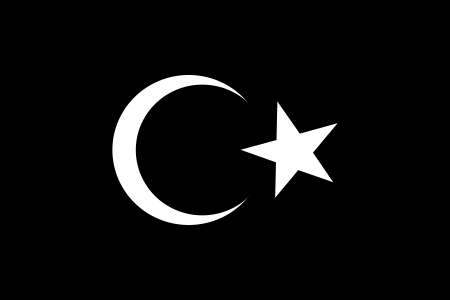
A solid black field with a white crescent and star, adopted by Emir Idris. With red and green stripes added, it became the basis of the Kingdom of Libya's flag.
Today part of: Libya
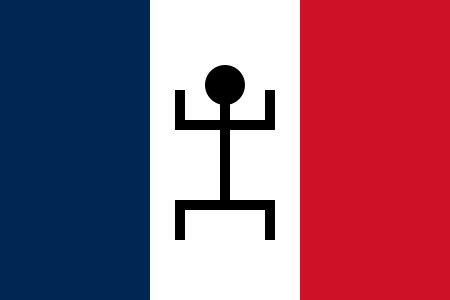
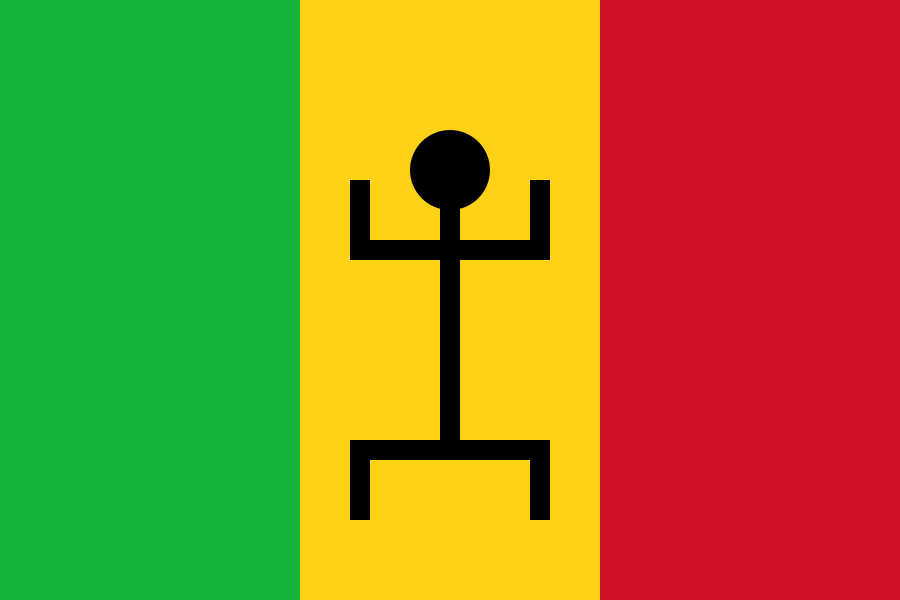
A green-yellow-red tricolor with a black Kanaga (a Dogon stick-figure) on the center stripe. The Kanaga was dropped in 1961, leaving the present plain Mali flag.
Today part of: Mali
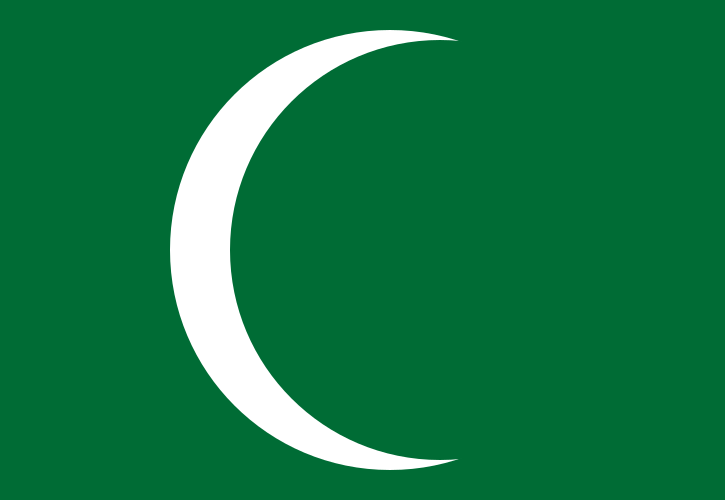
The plain green banner with the white Arabic shahada served both the First and Second Saudi States ruled from Riyadh, the forerunners of modern Saudi Arabia.
Today part of: Saudi Arabia
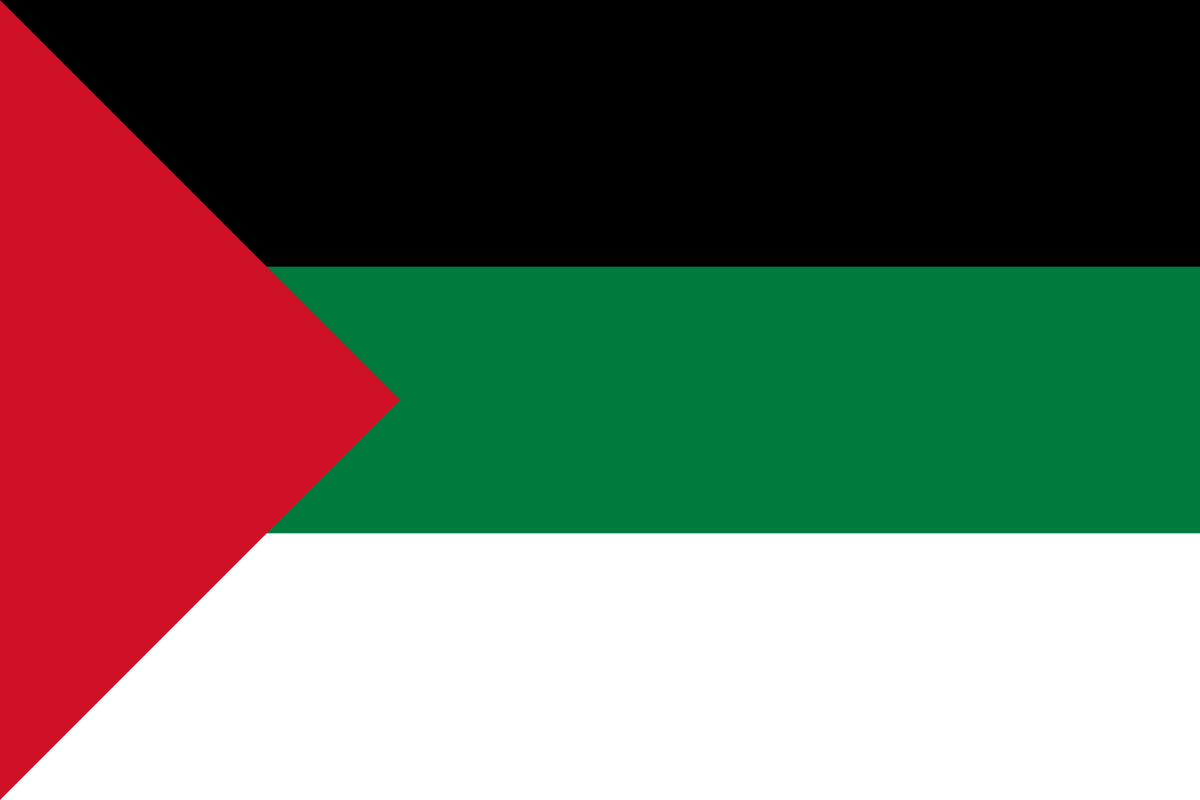
Sharif Hussein's black-green-white tricolor with a red hoist triangle was the flag of the Arab Revolt, the template for nearly every later pan-Arab flag.
Today part of: Saudi Arabia
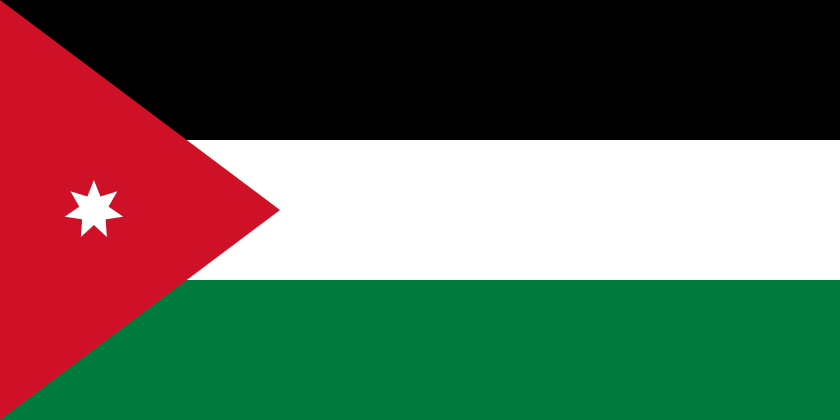
Black-white-green bands with a red chevron and a white seven-pointed star for the seven verses of Al-Fatiha — the direct precursor of the modern flag of Jordan.
Today part of: Jordan
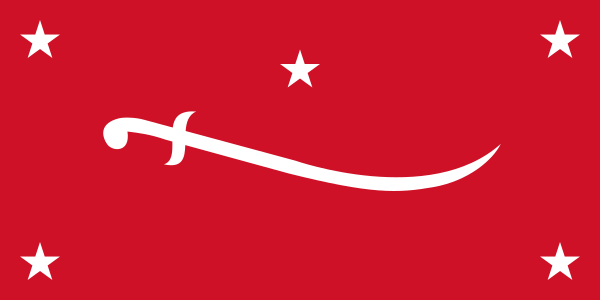
A red field with the white sword of Ali flanked by five white stars, flown by the Zaydi imams who ruled North Yemen until a 1962 coup founded a republic.
Today part of: Yemen
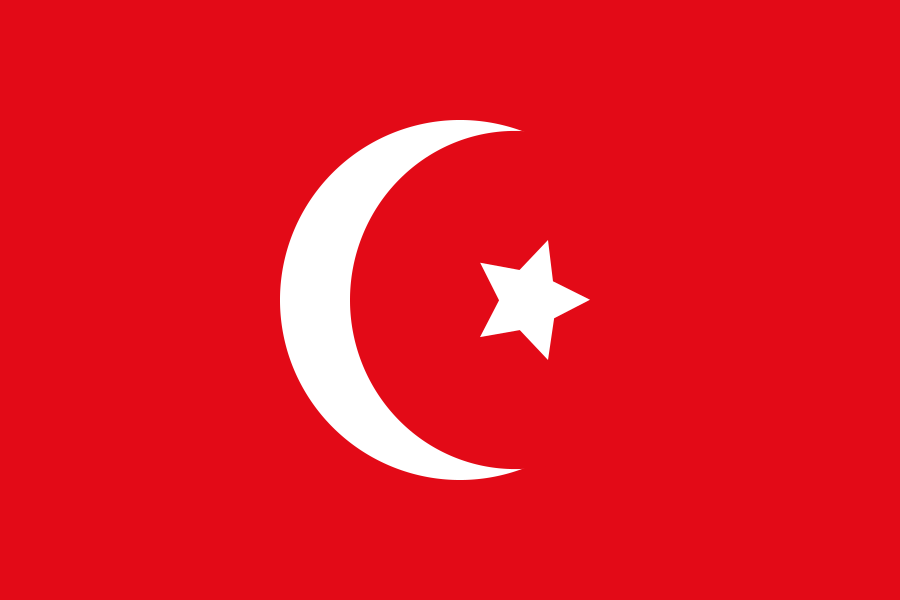
A red field with three white crescents each cradling a star, flown under Muhammad Ali's dynasty while Egypt was an autonomous Ottoman province.
Today part of: Egypt
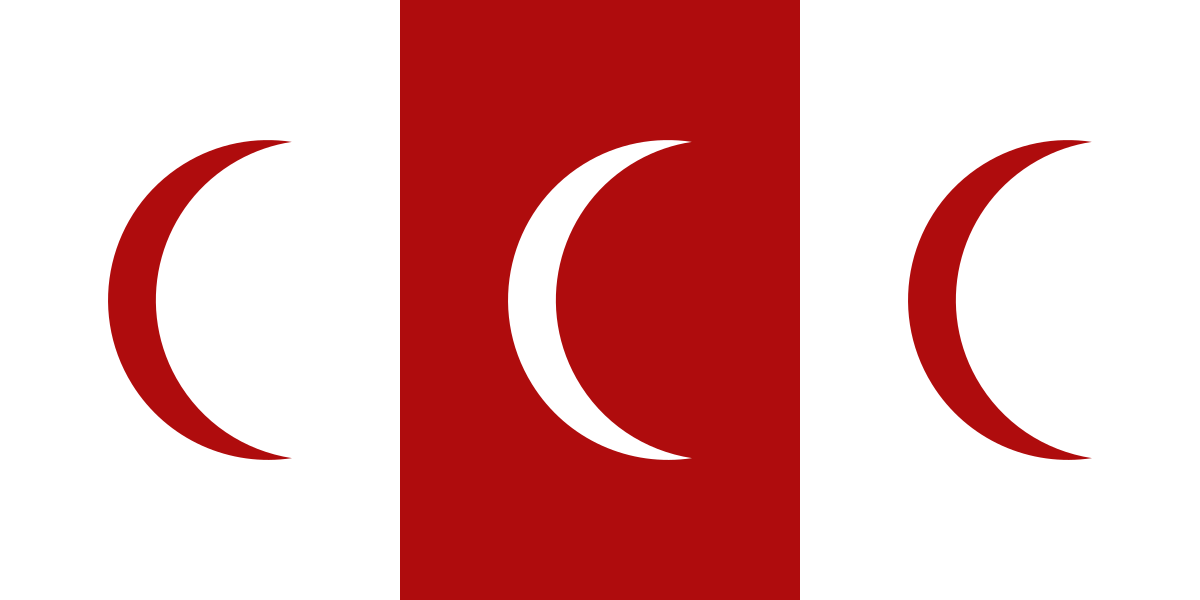
A powerful medieval Muslim sultanate of the Horn of Africa that waged a devastating 16th-century war against the Christian Ethiopian Empire.
Today part of: Somalia
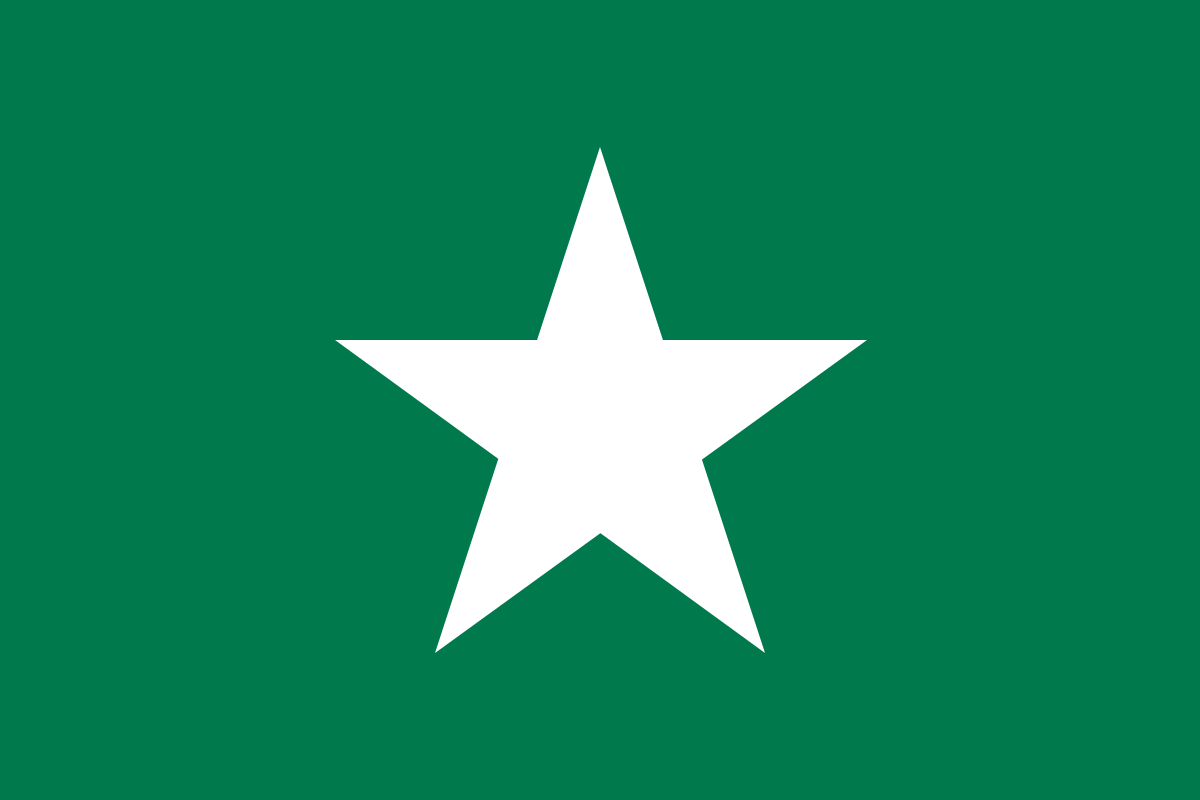
A Boer republic — its name means 'star land' for a comet seen at its founding — with a green flag and a single white star, soon annexed into British Bechuanaland.
Today part of: South Africa
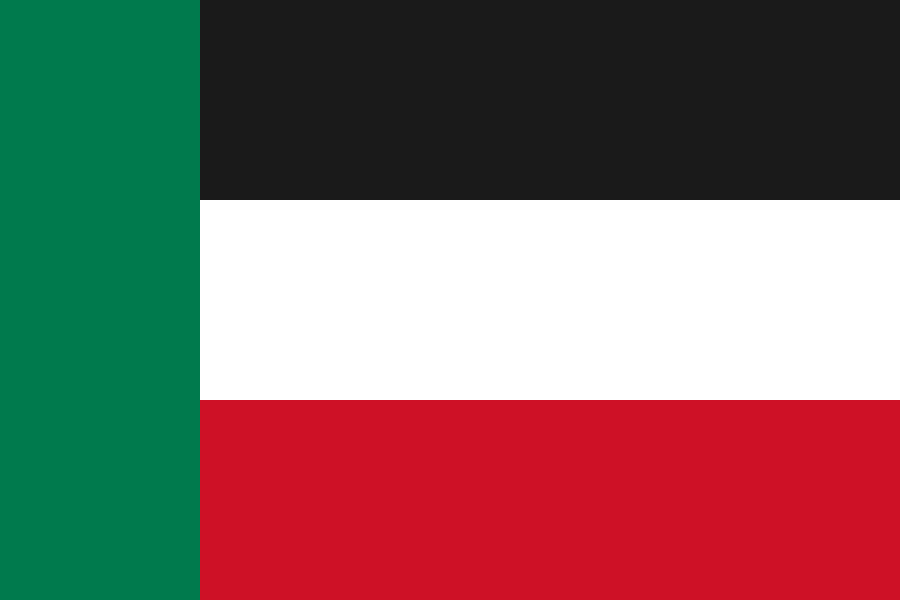
A tiny Boer republic near the Transvaal border, which briefly merged with neighbouring Stellaland before Britain absorbed both.
Today part of: South Africa
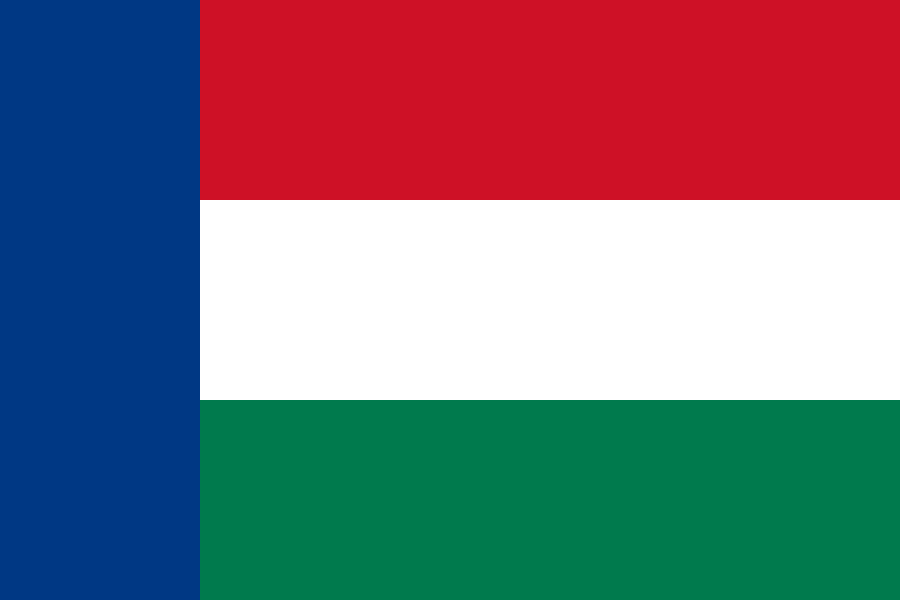
A Boer 'New Republic' around Vryheid, carved out of Zulu land as a reward for backing a claimant to the Zulu throne, before joining the Transvaal.
Today part of: South Africa
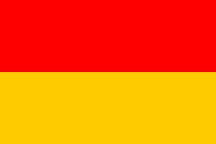
A traditional Akan kingdom in southeastern Côte d'Ivoire that has twice attempted to secede from the modern republic.
Today part of: Côte d'Ivoire
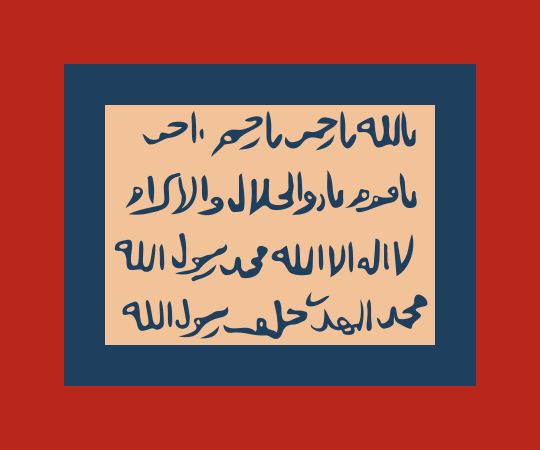
The Islamic state founded by the self-proclaimed Mahdi after his forces stormed Khartoum and killed General Gordon; its banners were covered in Arabic calligraphy.
Today part of: Sudan

A coastal trading kingdom north of the Congo River, famed for its cloth and ivory, before it fell under French control.
Today part of: Republic of the Congo
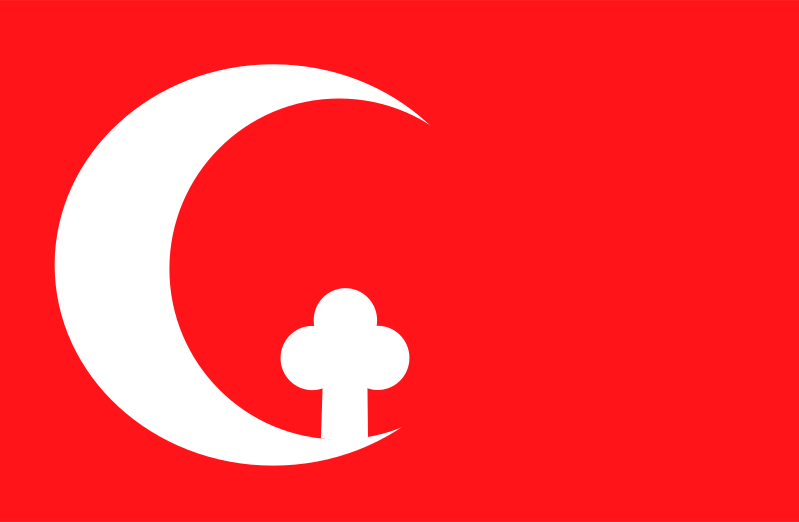
An independent walled city-state in eastern Ethiopia, a revered centre of Islamic learning, until Emperor Menelik II conquered it in 1887. Its flag bears crossed swords.
Today part of: Ethiopia
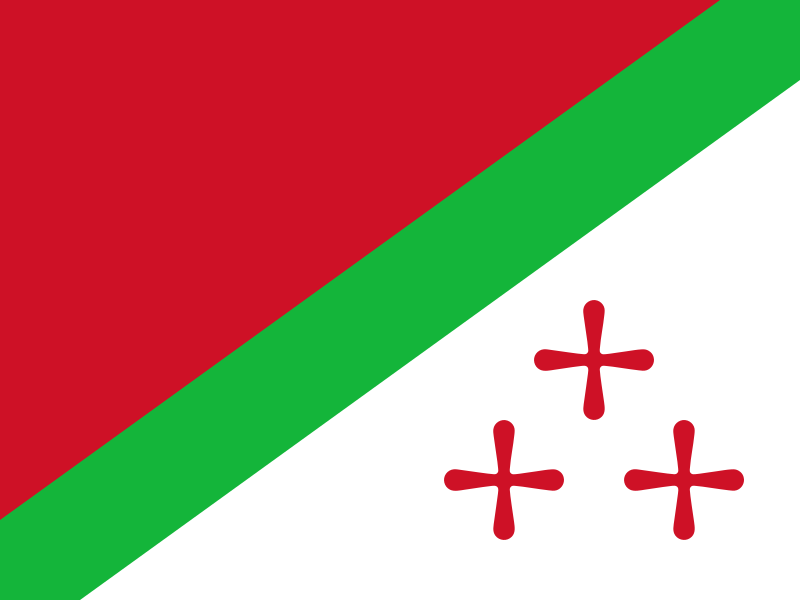
Moïse Tshombe's mineral-rich province seceded days after Congo's independence, triggering a UN war; its flag's three red croisettes are traditional Katangese copper crosses.
Today part of: DR Congo
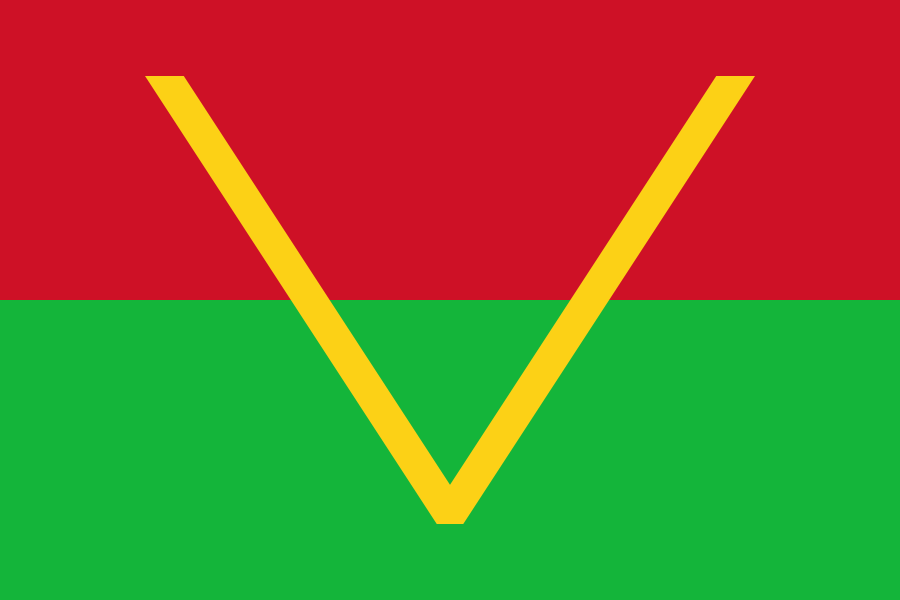
A diamond-rich Congolese region that broke away alongside Katanga, flying a red-and-green flag with a gold 'V' for victory before the central government reconquered it.
Today part of: DR Congo
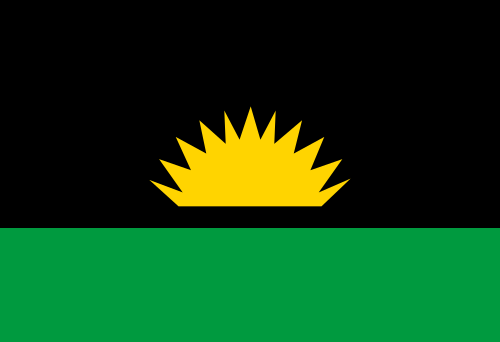
One of the shortest-lived states in history — declared in Benin City as a Biafran ally during the Nigerian Civil War, it existed for a single day before federal troops retook the city.
Today part of: Nigeria
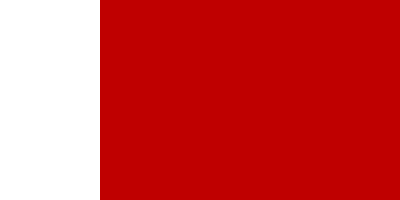
Before the UAE formed in 1971, Dubai flew a red field with a white hoist band, adopted to mark its ships at sea under the Trucial States agreements with Britain.
Today part of: United Arab Emirates
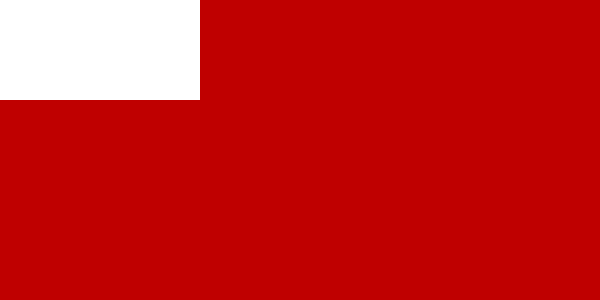
The largest of the Trucial emirates flew a red flag with a white canton before joining the United Arab Emirates in 1971.
Today part of: United Arab Emirates
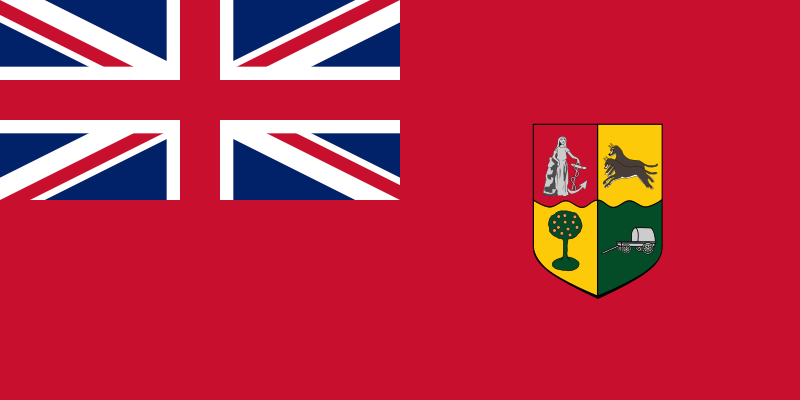
Before the 1928 'oranje-blanje-blou' was designed, the new Union flew the British Red Ensign defaced with a South African shield — a stopgap that lingered as a de facto national flag for years.
Today part of: South Africa
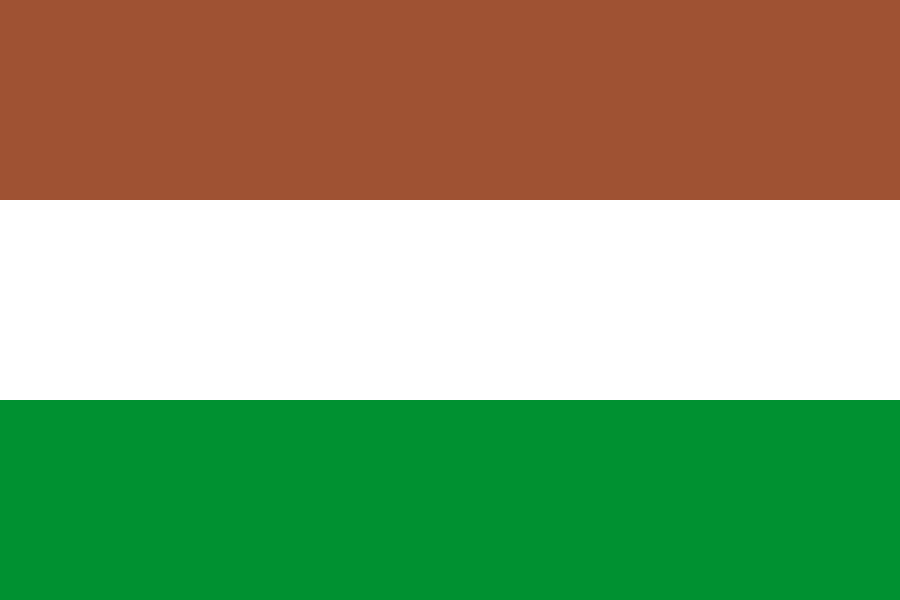
The first of the nominally independent apartheid 'homelands', its ochre-white-green flag was recognized by no country but South Africa. Its Xhosa-majority population were stripped of South African citizenship.
Today part of: South Africa
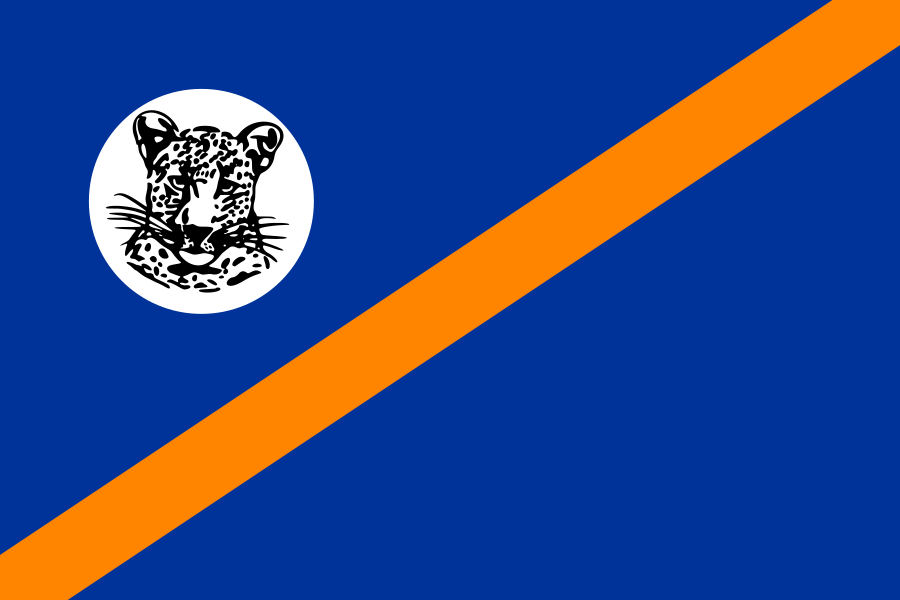
A Tswana bantustan scattered across seven non-contiguous enclaves, its orange flag bore a leopard's head. Its casino resort of Sun City became a way for foreigners to sidestep the cultural boycott of South Africa.
Today part of: South Africa
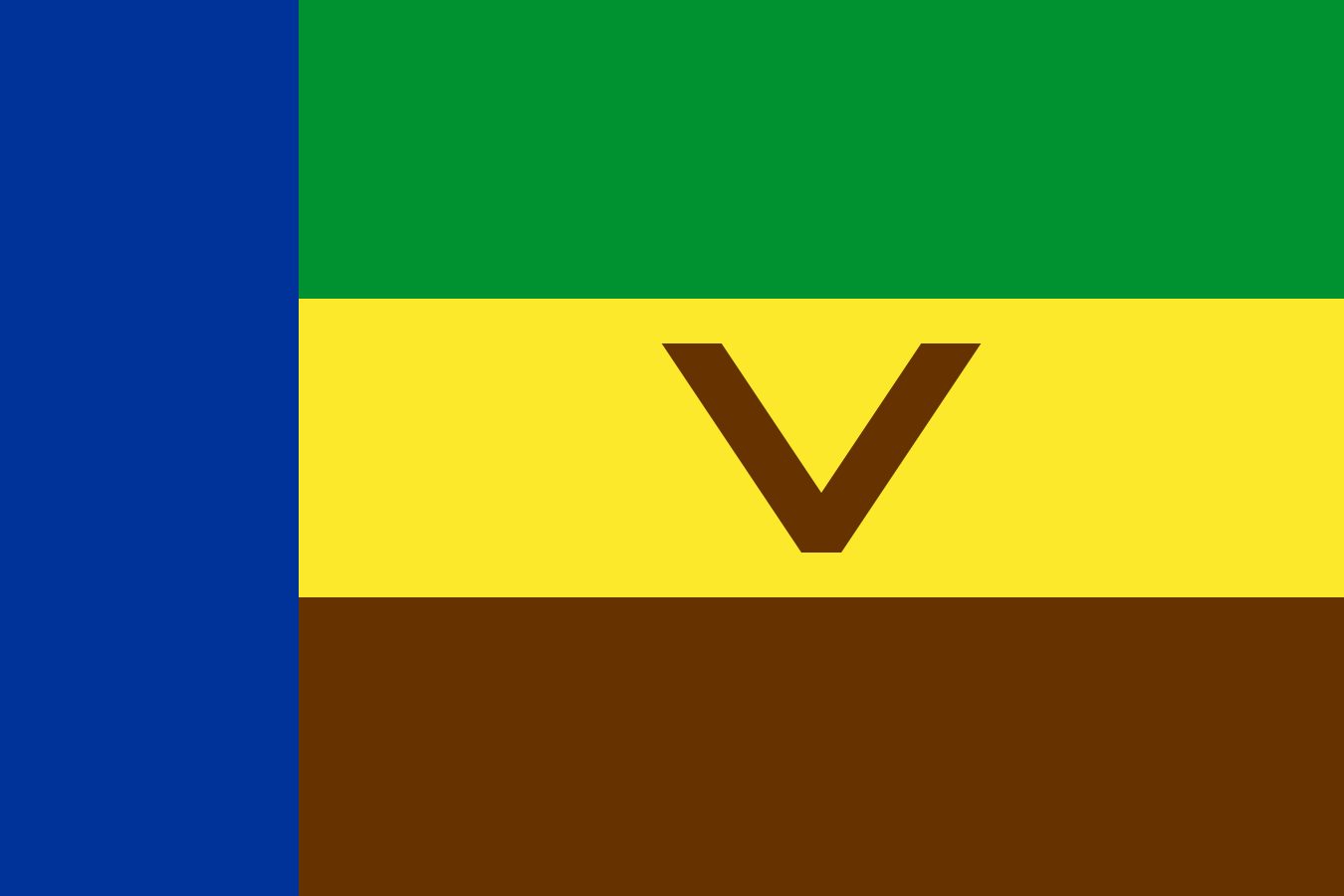
A small Venda-speaking homeland in the far north, one of the four bantustans that accepted nominal 'independence' from apartheid South Africa before all were reabsorbed in 1994.
Today part of: South Africa
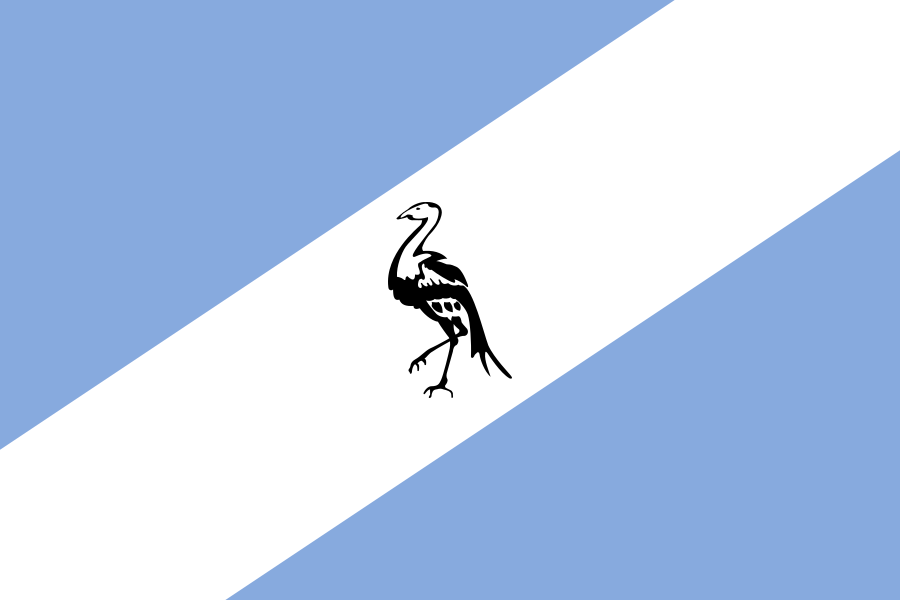
A Xhosa homeland on the west bank of the Great Kei River; its flag's diagonal stripe and rising sun did little to disguise a state propped up entirely by Pretoria, the scene of the 1992 Bisho massacre.
Today part of: South Africa
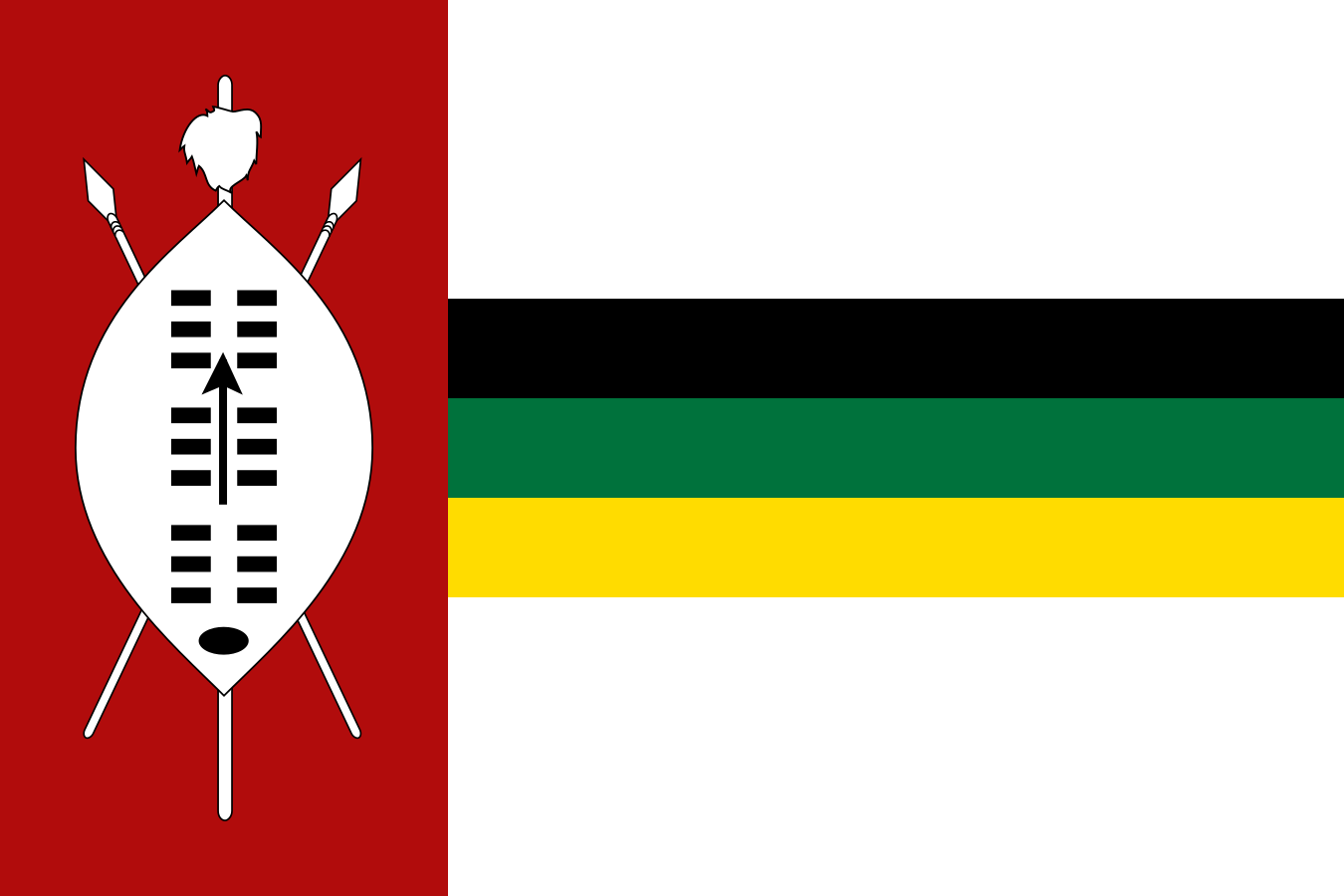
The Zulu homeland under Chief Mangosuthu Buthelezi never took the 'independence' offered by apartheid, but flew its own lion-and-shield flag as a self-governing territory until 1994.
Today part of: South Africa
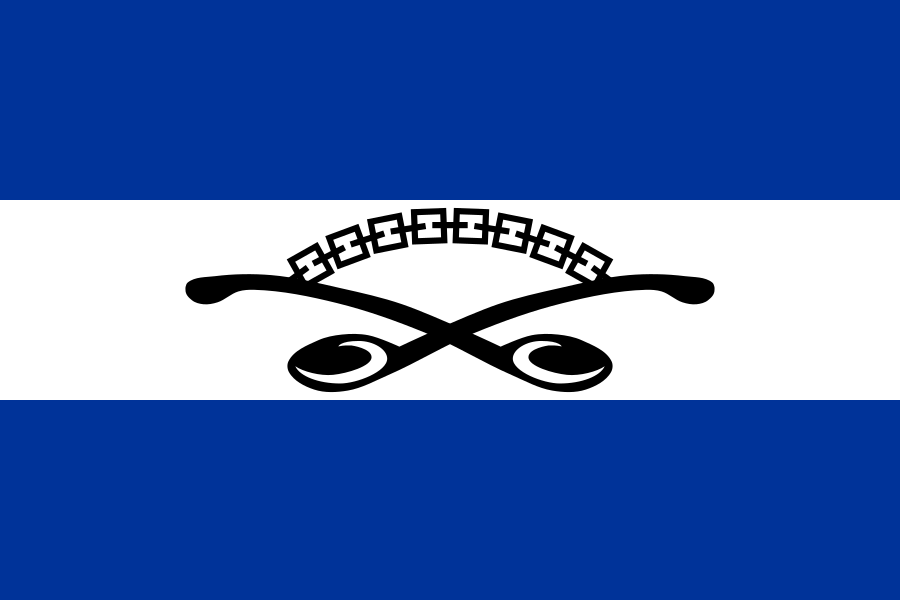
A Tsonga-Shangaan self-governing homeland in the northeast Transvaal; its green flag carried a yellow elephant tusk, and unlike the TBVC states it declined nominal independence.
Today part of: South Africa
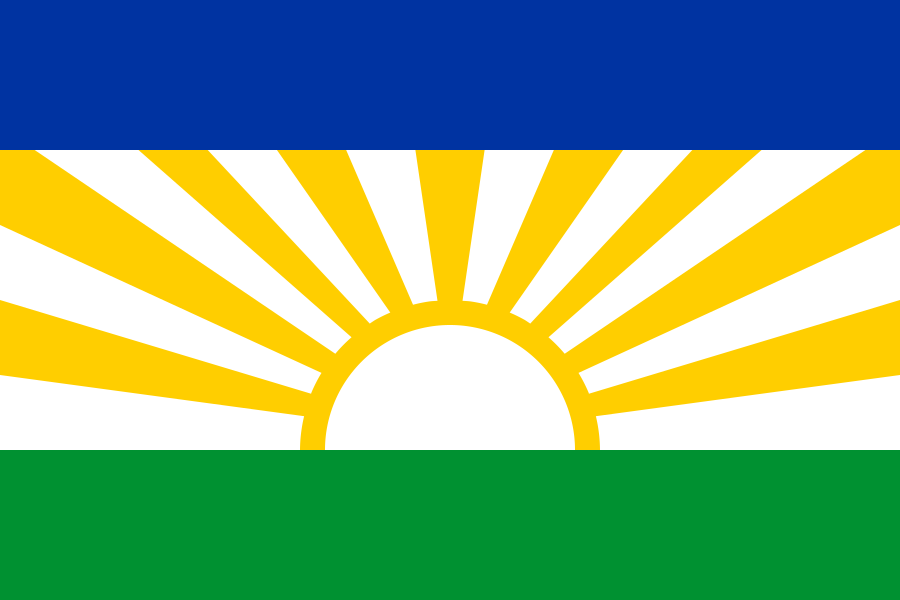
A self-governing homeland for the Northern Sotho (Pedi) people, its green-and-white flag bearing a stylized head of cattle, before South Africa's homelands were dissolved in 1994.
Today part of: South Africa
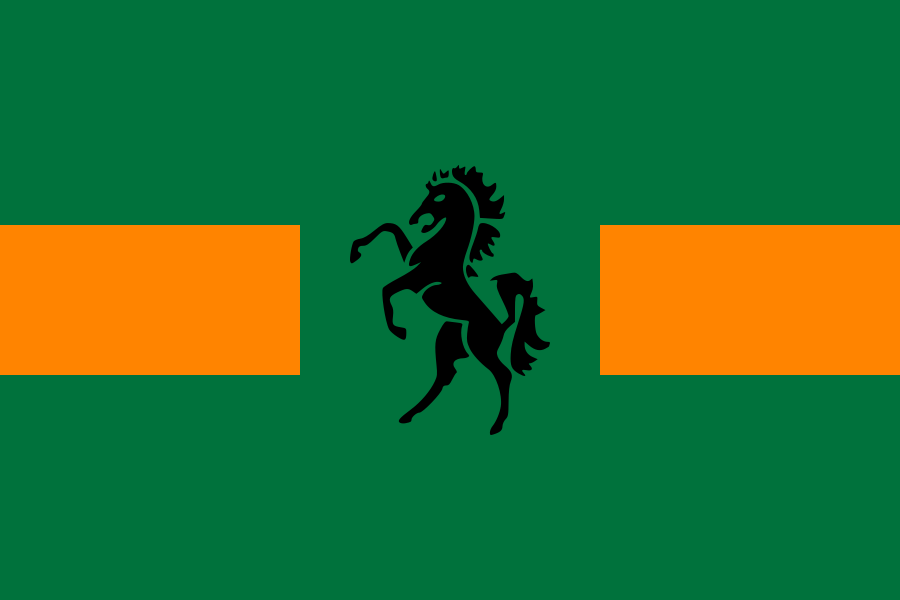
The smallest of the homelands, a tiny mountainous enclave for Southern Sotho speakers wedged against Lesotho; its name means 'whiter than white' for the sandstone cliffs above it.
Today part of: South Africa
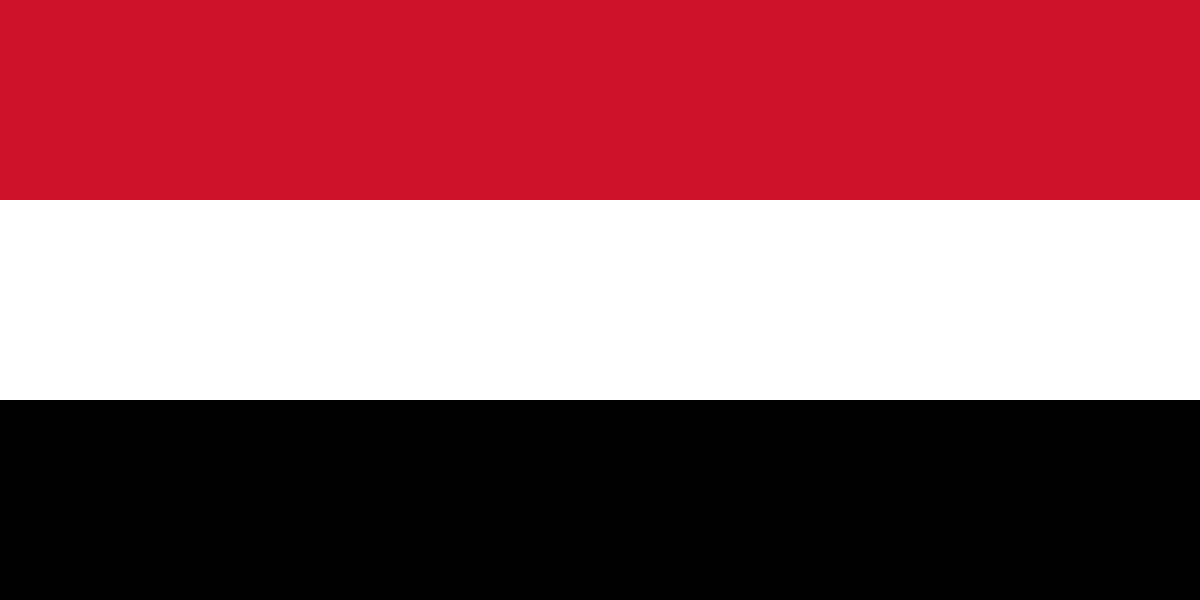
After Gaddafi's 1969 coup toppled the monarchy, Libya flew the plain red-white-black Arab Liberation tricolour, before joining Egypt and Syria's Federation of Arab Republics flag in 1972.
Today part of: Libya
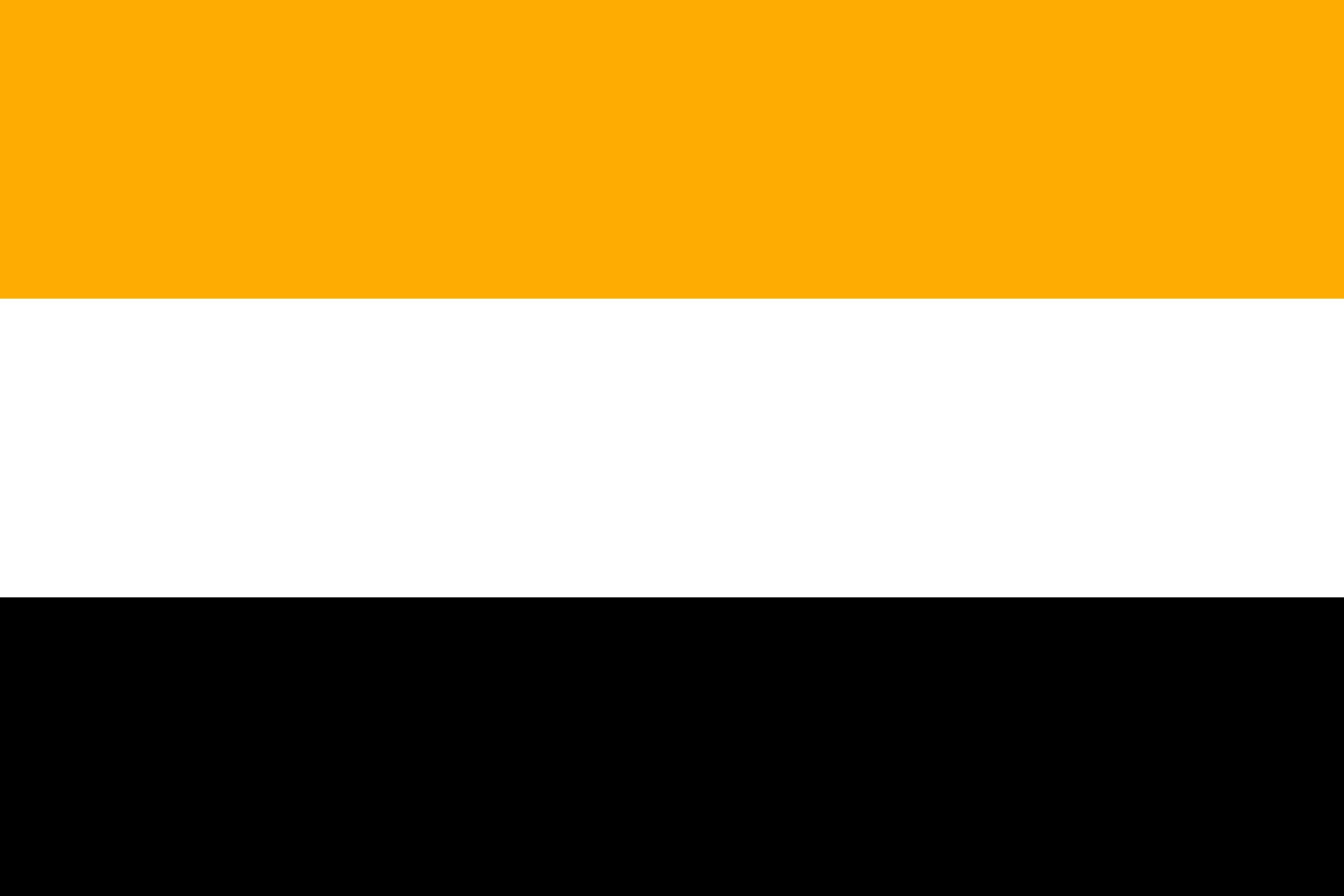
An oil-rich exclave separated from the rest of Angola by a strip of DR Congo; its separatist movement FLEC has flown this blue-yellow-red flag with a star in a long, low-level independence struggle.
Today part of: Angola
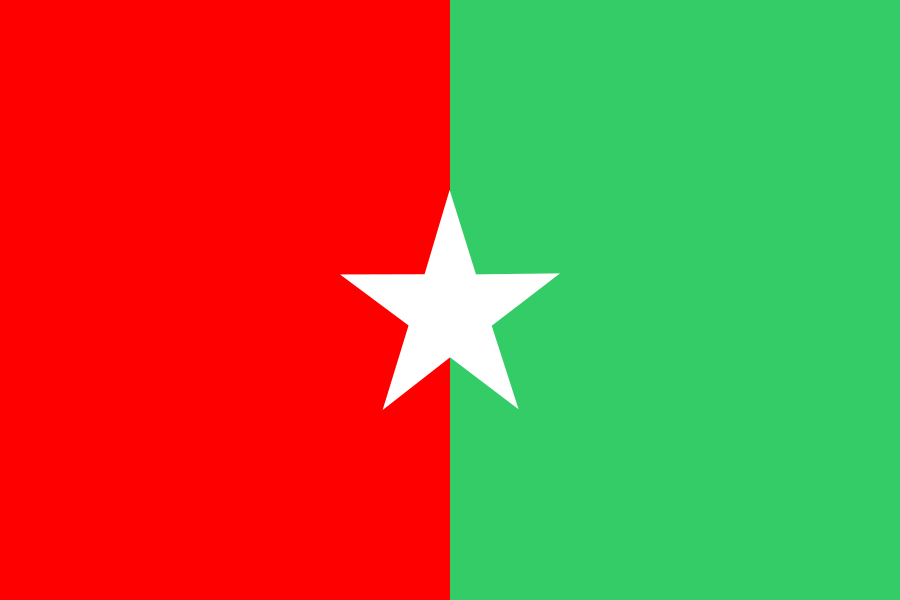
A self-declared then federal region of southern Somalia around the Jubba River, its blue flag with a white star and green-and-gold canton flown amid years of conflict over the port of Kismayo.
Today part of: Somalia
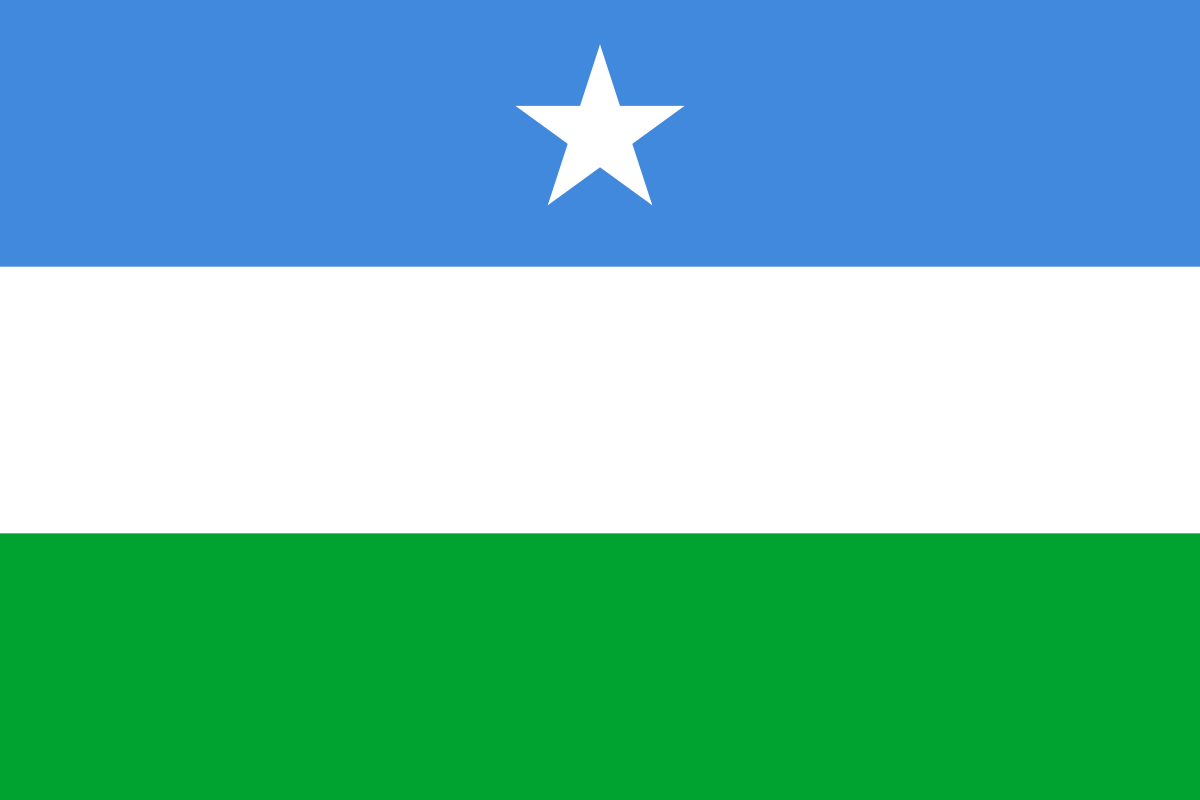
Named for the ancient 'Land of Punt', this northeastern Somali state declared autonomy in 1998 — seeking a federal Somalia rather than full independence like neighbouring Somaliland.
Today part of: Somalia
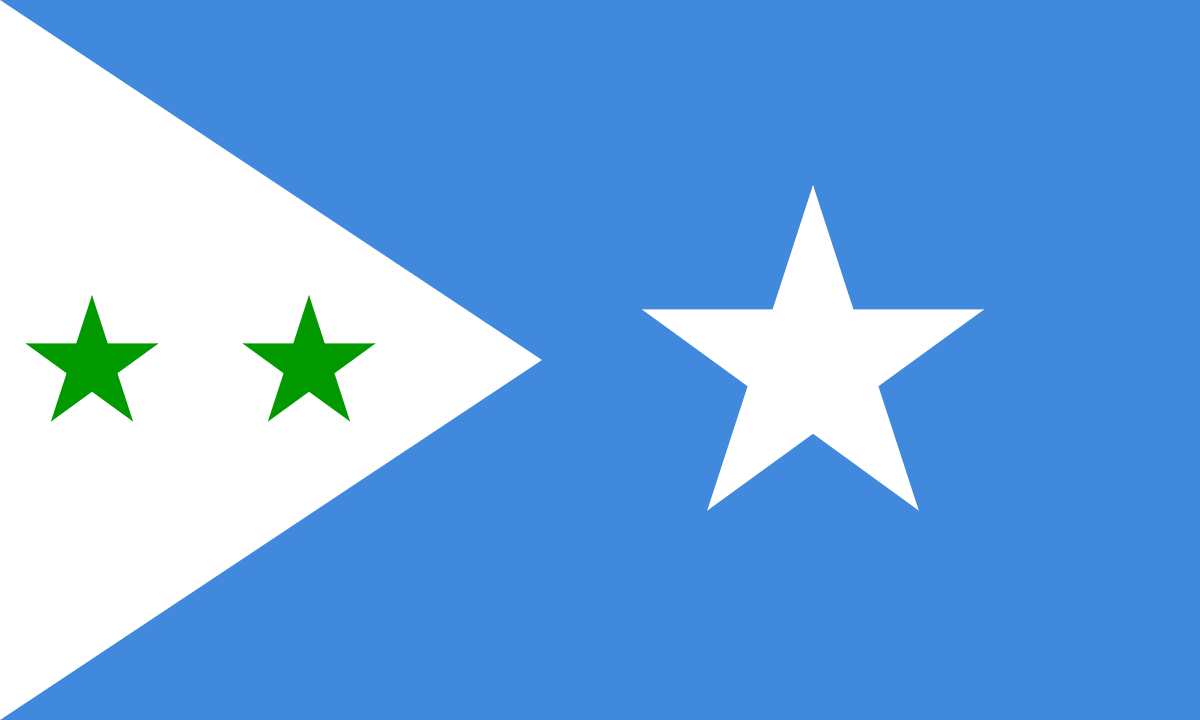
A central Somali state whose name blends the Galguduud and Mudug regions it straddles, formed during the fragmentation of Somalia's central government in the mid-2000s.
Today part of: Somalia
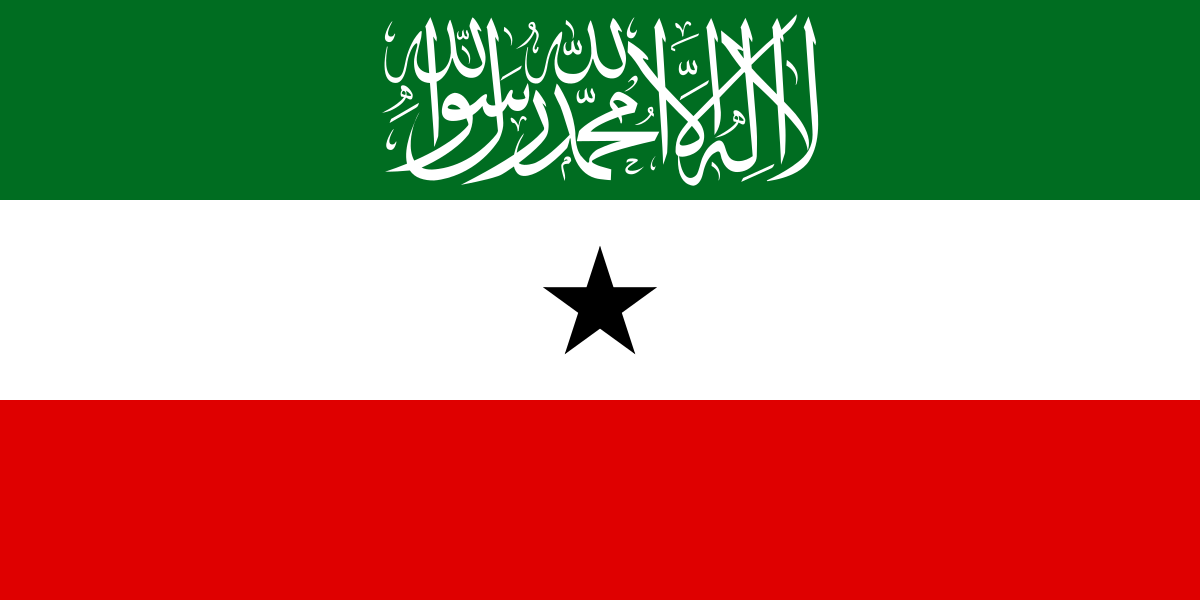
The former British Somaliland reasserted independence in 1991 with a green-white-red flag bearing the Islamic shahada. Though stable and democratic, it remains unrecognized by any UN member state.
Today part of: Somalia
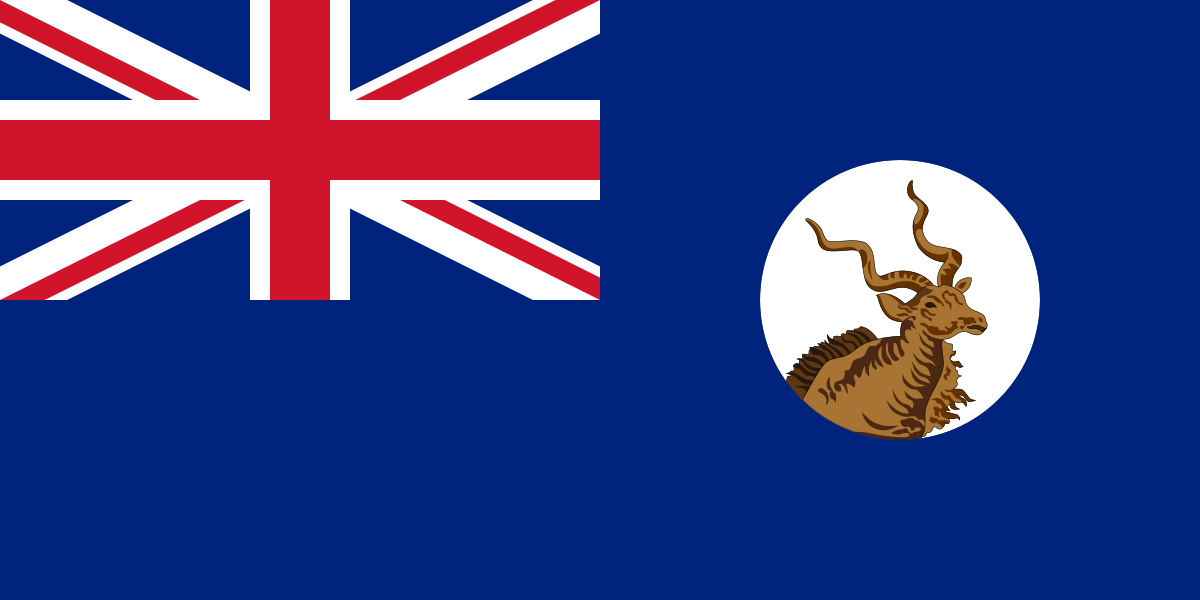
The British protectorate on the Gulf of Aden flew a blue ensign with a kudu antelope badge. It briefly became independent in 1960 before uniting with Italian Somalia to form Somalia.
Today part of: Somalia
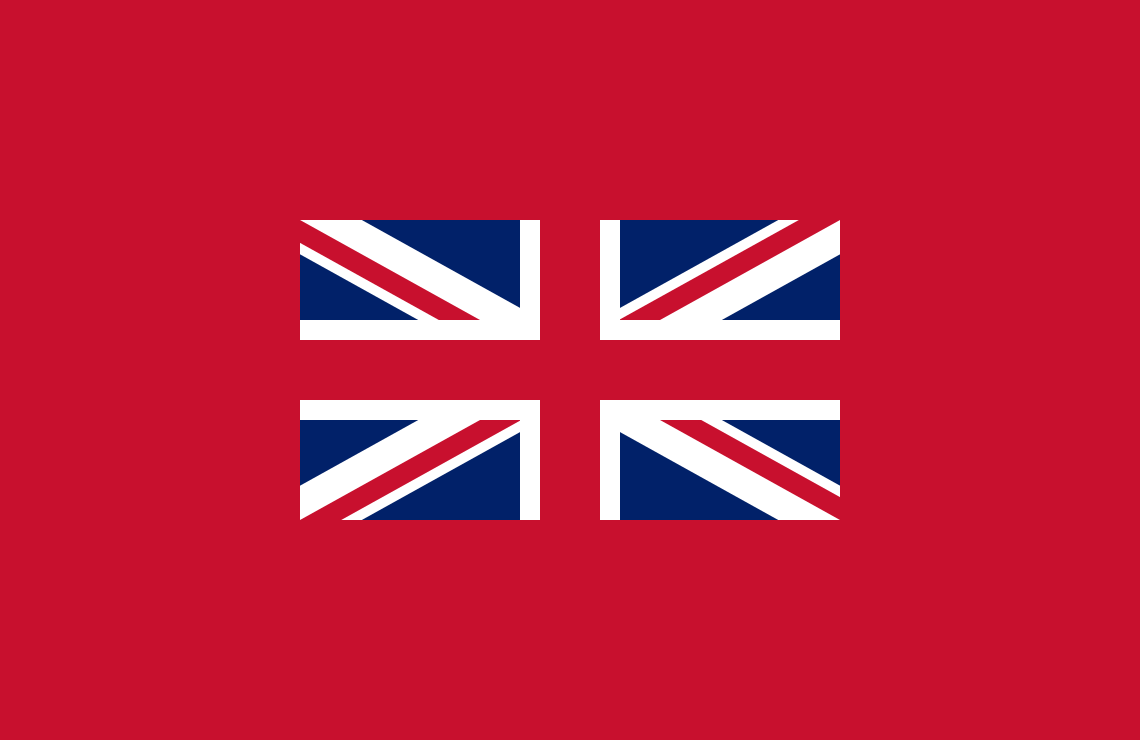
A small Swahili sultanate on the Kenyan coast that played Germany against Britain — it was a German protectorate in the 1880s before passing to Britain, flying a red flag with a white crescent and stars.
Today part of: Kenya
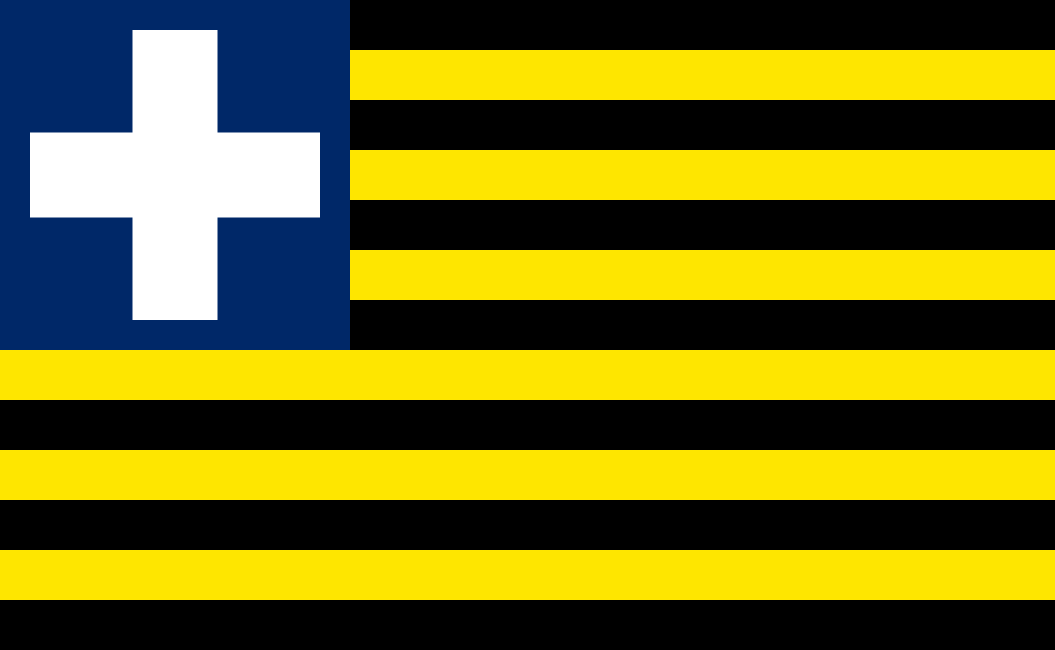
An independent state of freed American slaves founded by the Maryland State Colonization Society at Cape Palmas, with a US-style flag, before it merged into neighbouring Liberia.
Today part of: Liberia
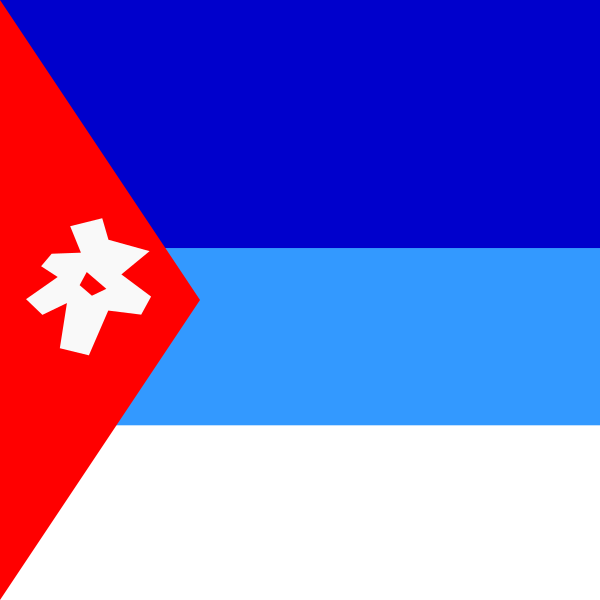

The long-lived successor to the Kanem Empire around Lake Chad, a centre of Islamic scholarship and trans-Saharan trade for centuries, until the warlord Rabih az-Zubayr overran it in the 1890s.
Today part of: Nigeria

For two and a half centuries the Sharifian sultanate flew a plain red banner; the green Seal of Solomon was added in 1915 under the French protectorate, producing the modern Moroccan flag.
Today part of: Morocco
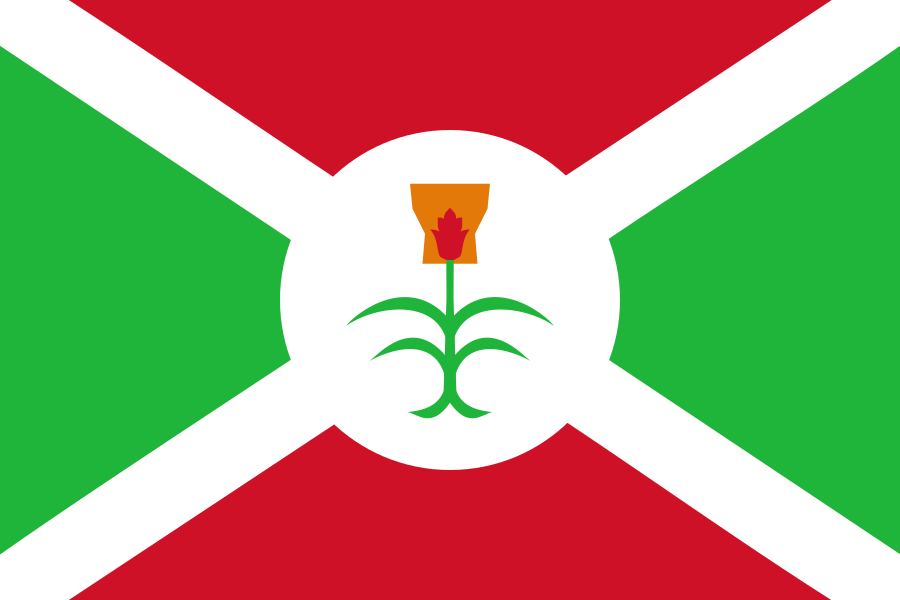
At independence Burundi was a kingdom under the mwami (king); its flag added a royal drum and a sorghum plant to the saltire design, until a 1966 coup abolished the monarchy.
Today part of: Burundi
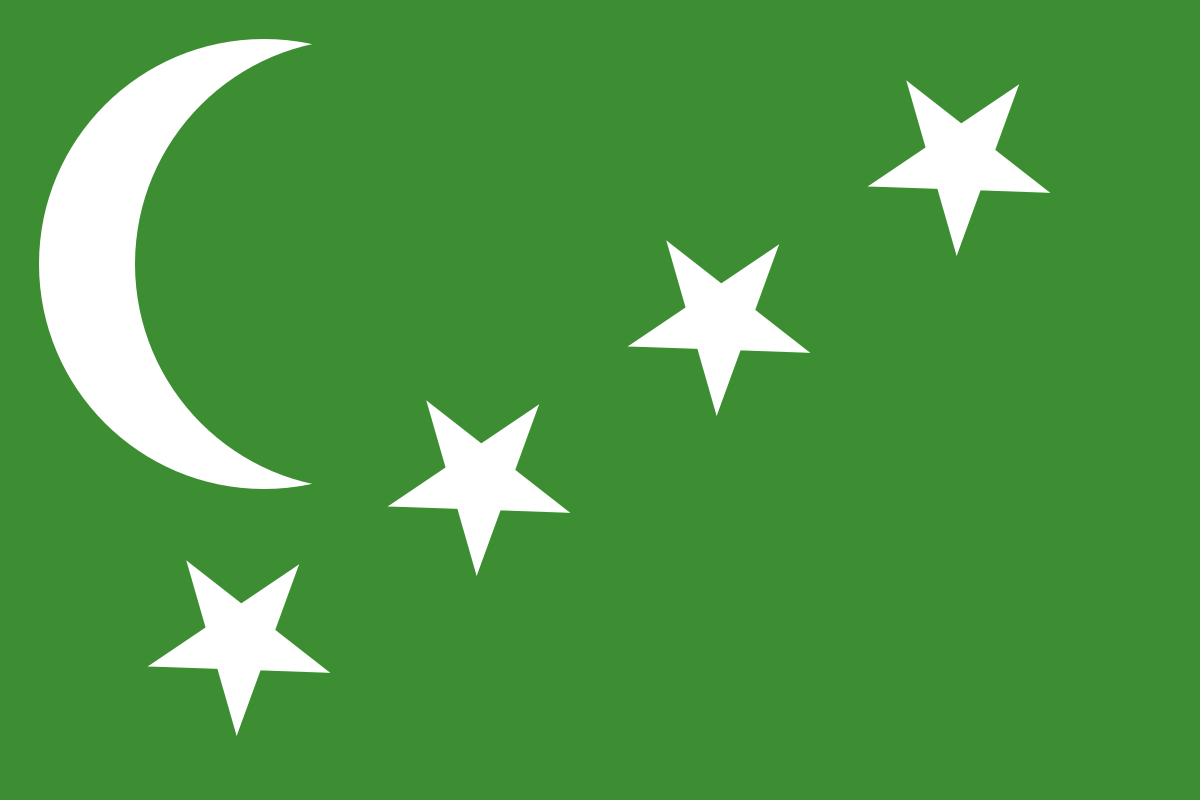
The green flag with a white crescent and four stars for the four islands was flown while the Comoros was an autonomous French territory, before its unilateral declaration of independence in 1975.
Today part of: Comoros
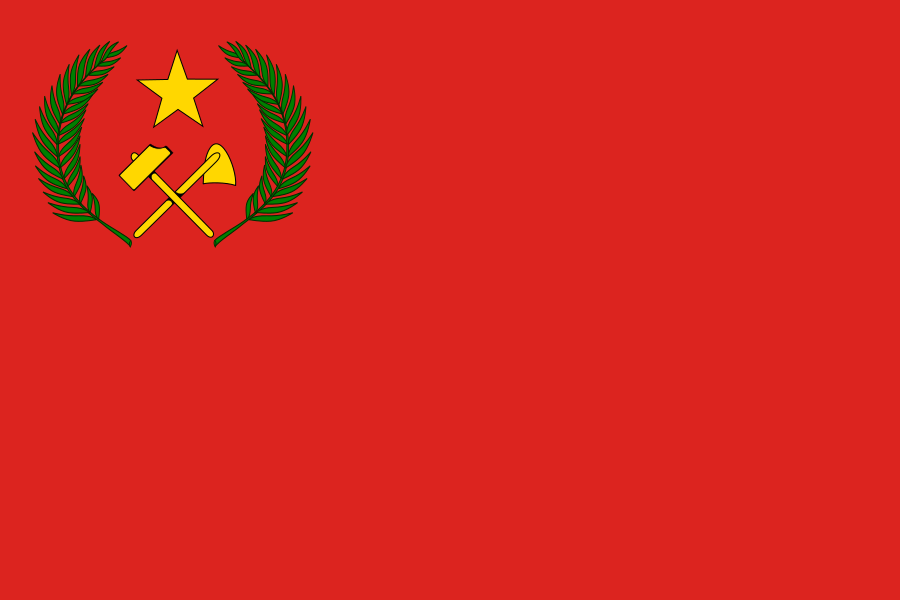
Congo-Brazzaville's Marxist–Leninist state flew a red flag with a crossed hoe and hammer beneath a star — the only avowedly communist state in Africa for much of the Cold War.
Today part of: Republic of the Congo
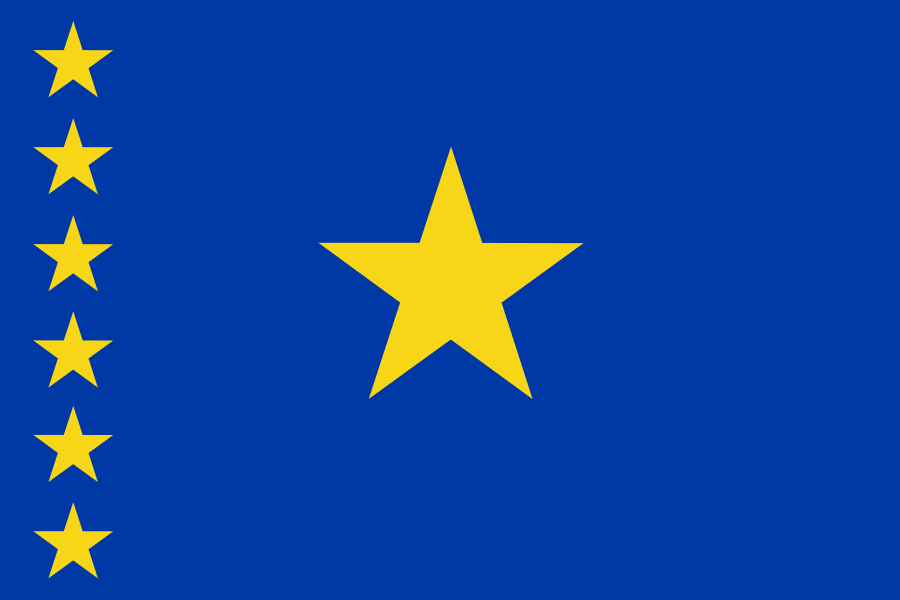
The newly independent Congo flew a blue flag with a large yellow star and six small stars for its provinces, through the chaotic Congo Crisis that followed Belgian withdrawal in 1960.
Today part of: DR Congo
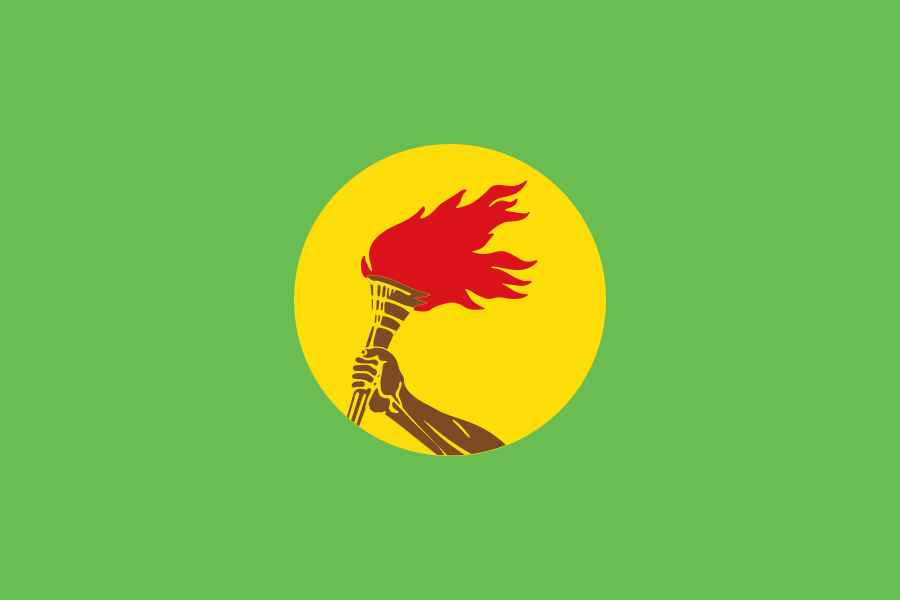
Under Mobutu Sese Seko's 'authenticity' campaign, the country was renamed Zaire and flew a green flag with a hand bearing a flaming torch, until his overthrow restored the name Congo.
Today part of: DR Congo
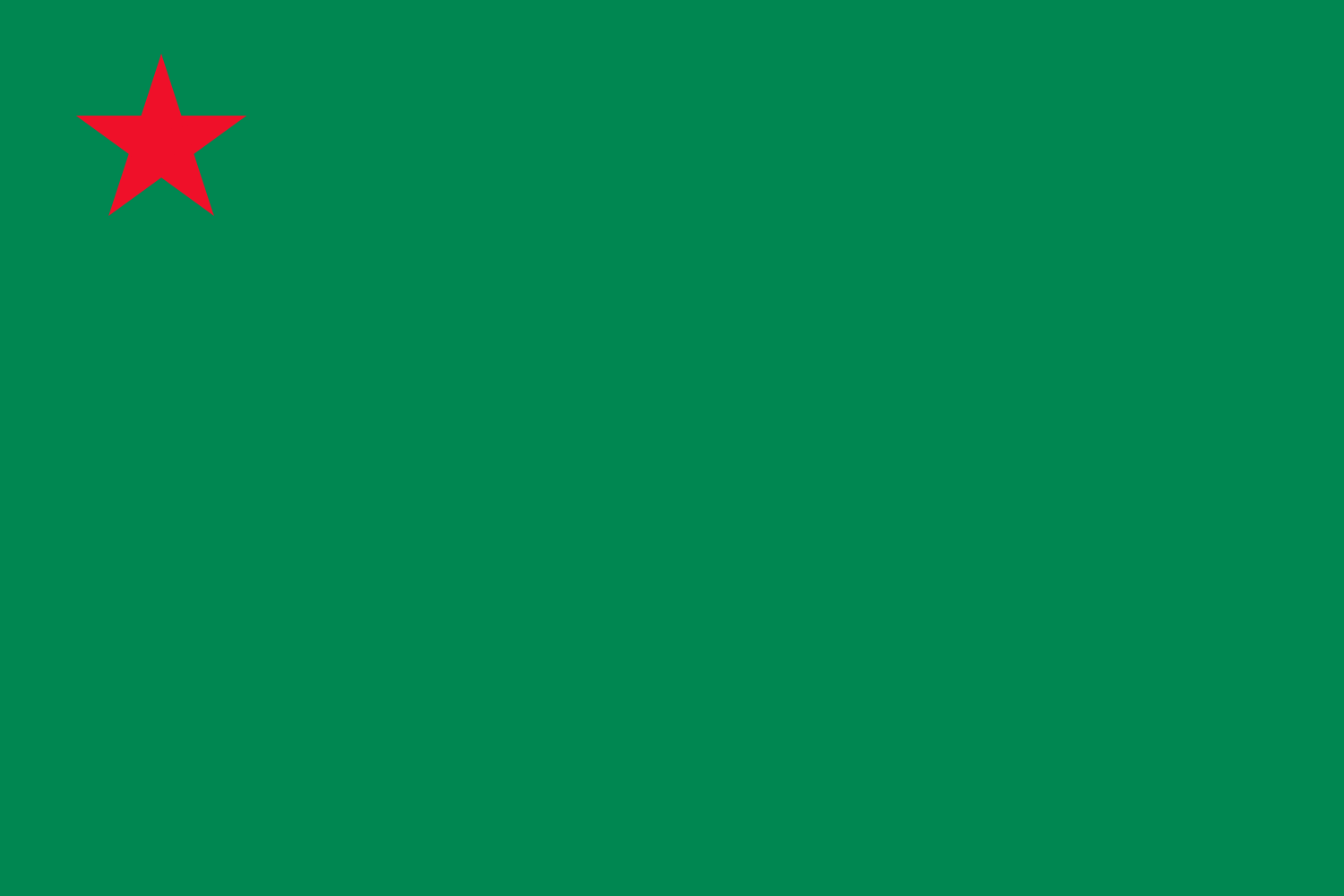
After Mathieu Kérékou's Marxist coup, Dahomey was renamed Benin and flew a plain green flag with a red star, until multi-party reform in 1990 restored the older yellow-green-red colours.
Today part of: Benin
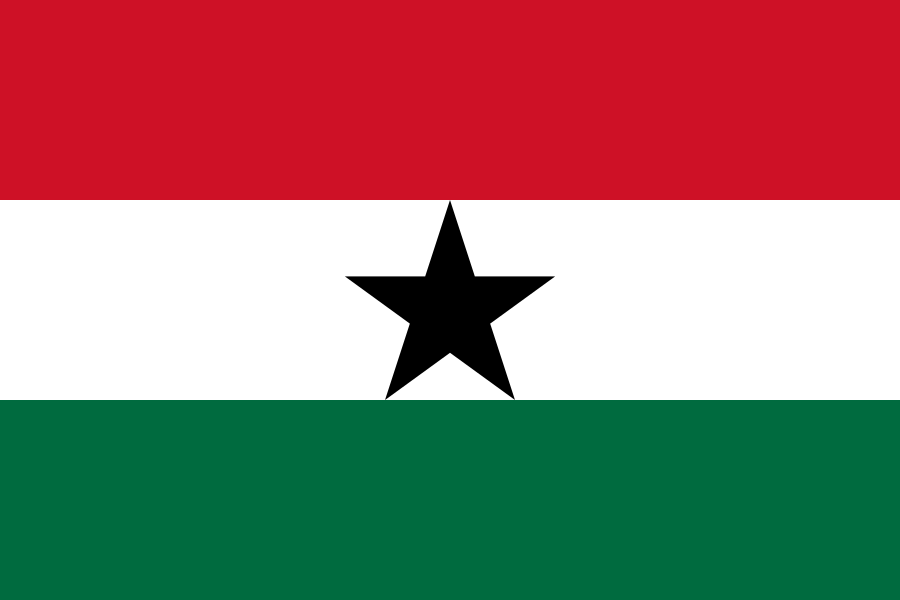
Under Kwame Nkrumah's one-party state the gold stripe of the national flag was changed to white, before the 1966 coup that ousted him restored the original red-gold-green with the black star.
Today part of: Ghana
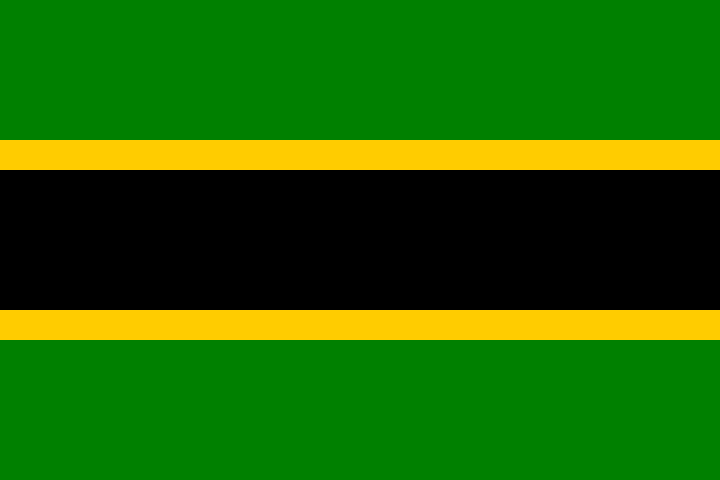
Newly independent Tanganyika flew a green-black-green flag before merging with Zanzibar in 1964; the union's name, Tanzania, fused 'Tan-' from Tanganyika with 'Zan-' from Zanzibar.
Today part of: Tanzania
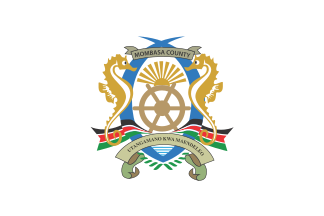
Long ruled by the Mazrui dynasty as a rival to Omani Zanzibar, the Swahili port city flew a plain red banner before being absorbed into the British East Africa Protectorate.
Today part of: Kenya
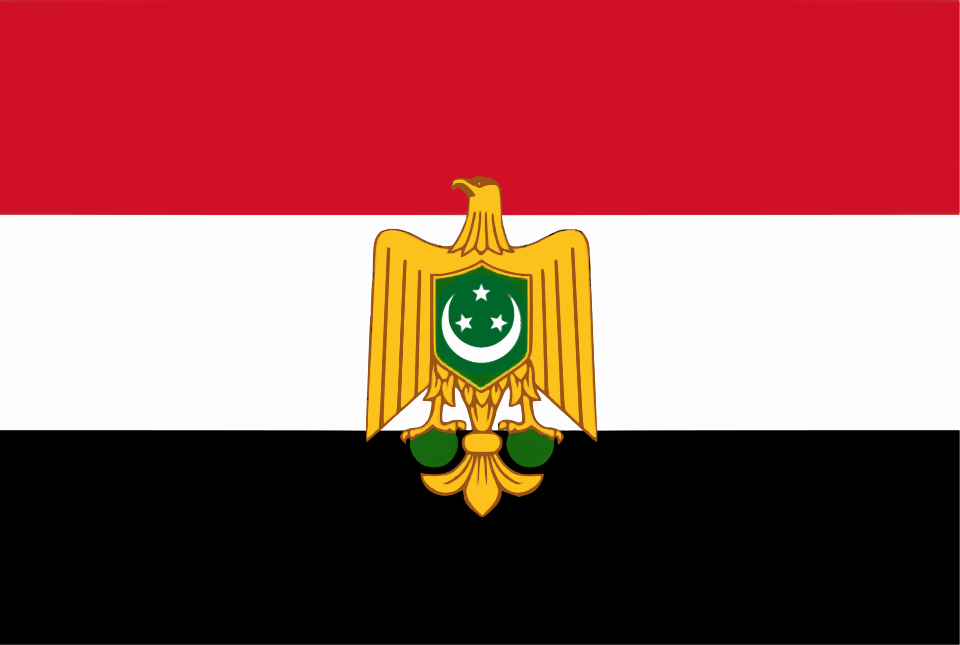
After the Free Officers abolished the monarchy, Egypt flew a red-white-black 'Liberation' flag with a golden Eagle of Saladin, until the 1958 union with Syria as the United Arab Republic.
Today part of: Egypt
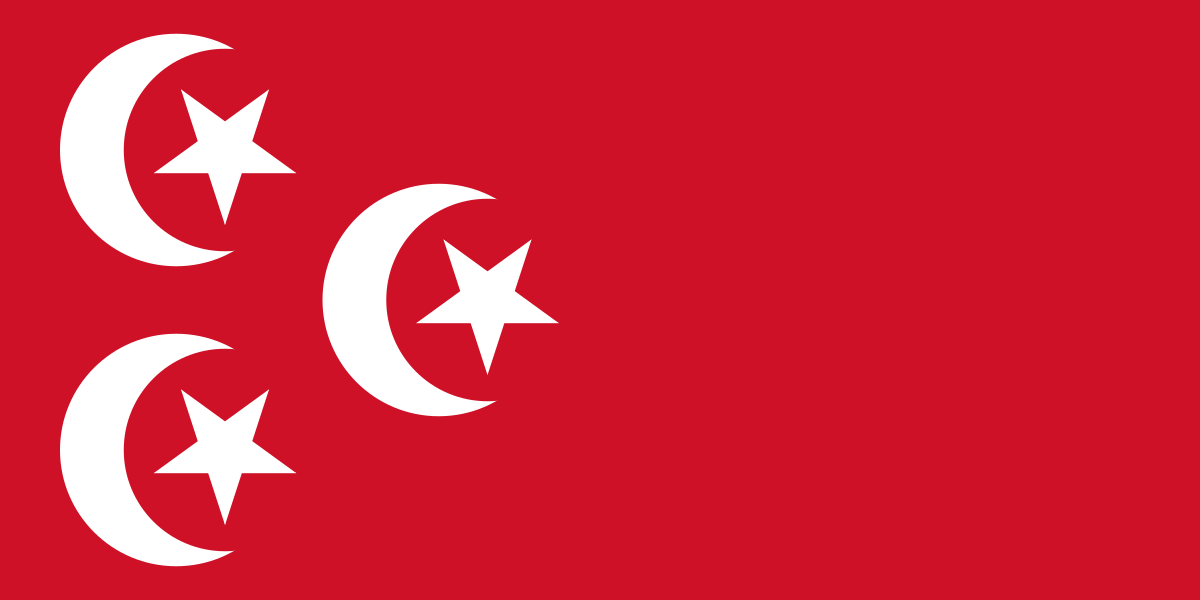
A red field with a white crescent and three stars, flown while Egypt was nominally an Ottoman khedivate but in practice under British occupation, until it became the Kingdom of Egypt in 1922.
Today part of: Egypt
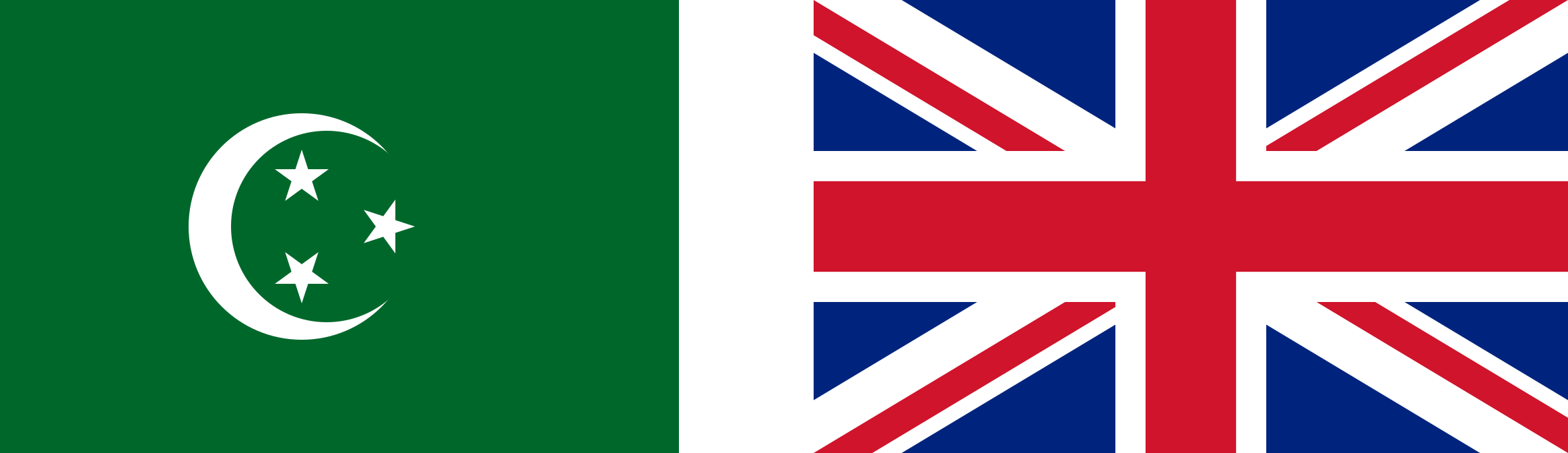
Sudan was jointly ruled as a condominium of Britain and Egypt, flying the British and Egyptian flags together, until full independence in 1956.
Today part of: Sudan
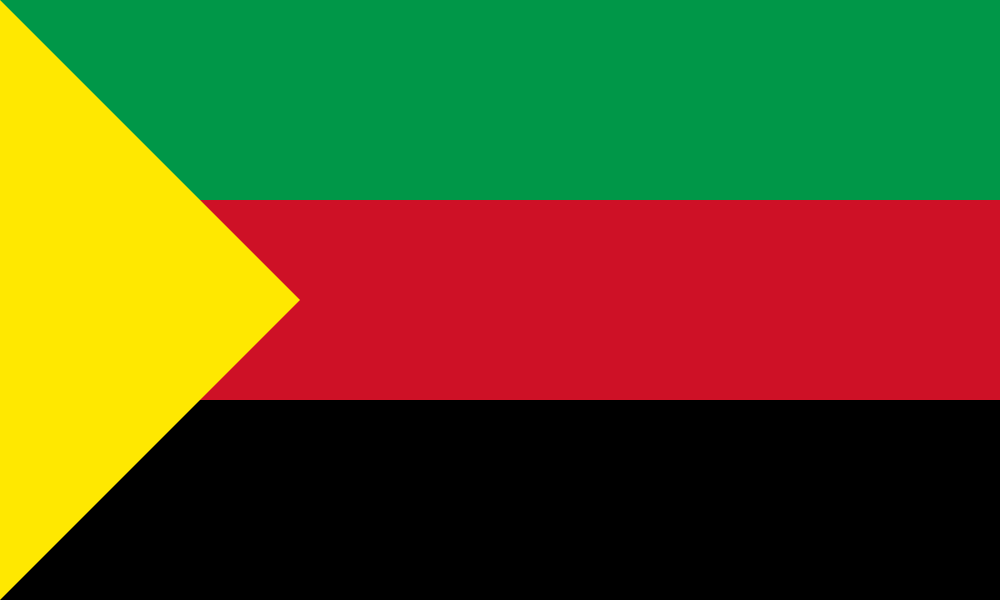
Tuareg rebels of the MNLA declared an independent state of Azawad across northern Mali in 2012, flying this green-red-black flag with a yellow triangle, before Islamist allies pushed them aside.
Today part of: Mali
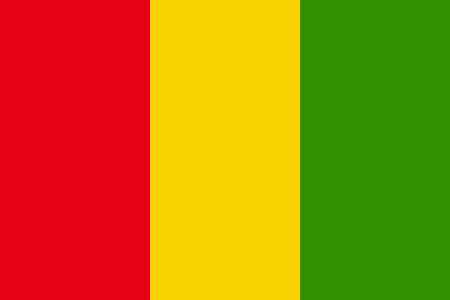
On the eve of independence Rwanda was briefly a monarchy under the mwami; this red-yellow-green tricolour flew for months in 1961 before a referendum abolished the monarchy.
Today part of: Rwanda
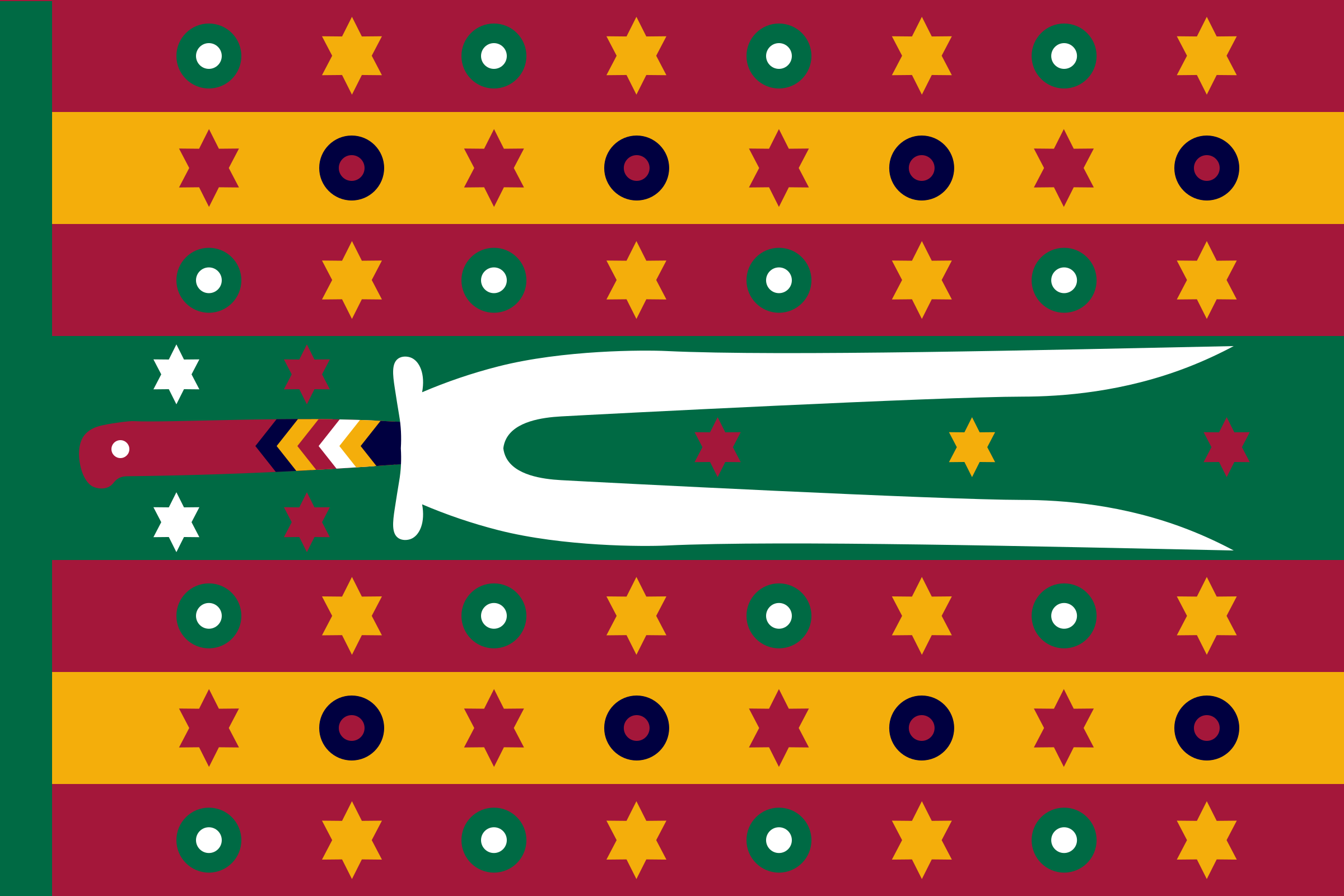
The Husainid beys ruled Tunis as an autonomous Ottoman province, flying an early ensign with horizontal bands and a crescent, before the French protectorate of 1881.
Today part of: Tunisia
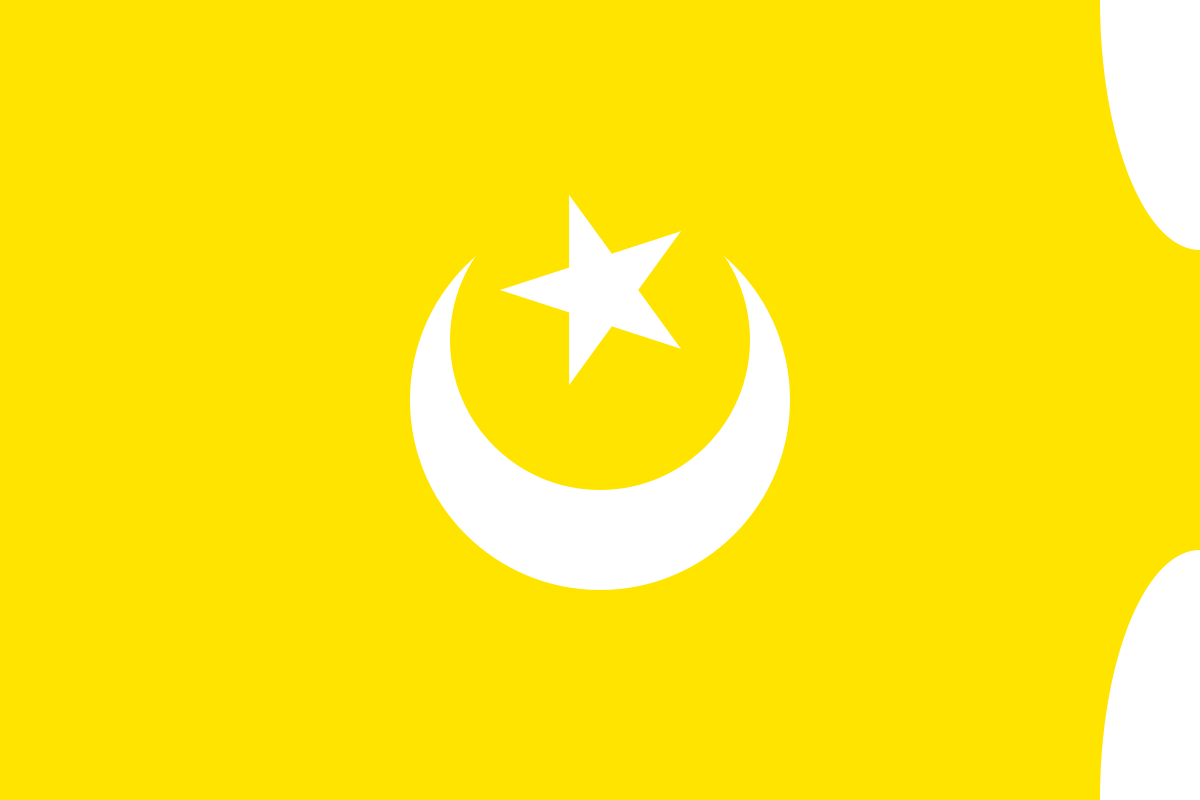
The Berber dynasty that ruled Ifriqiya (modern Tunisia) from Tunis for over three centuries, a major Mediterranean trading power, until it fell to the Ottomans.
Today part of: Tunisia

Founded by Saladin, the Kurdish-origin dynasty ruled Egypt and Syria and recaptured Jerusalem from the Crusaders, flying a plain yellow banner — the colour the modern Eagle of Saladin recalls.
Today part of: Egypt
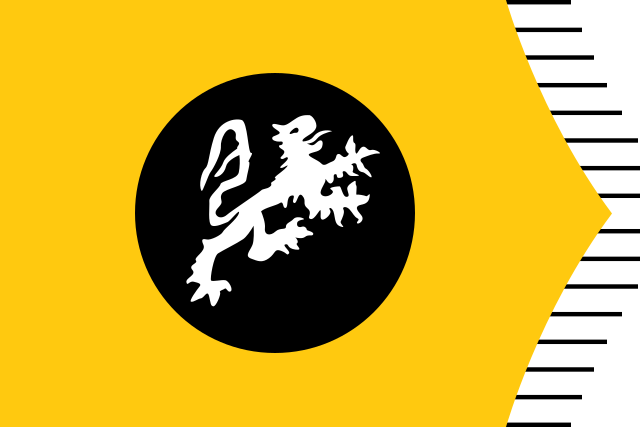
A state ruled by a self-perpetuating caste of slave-soldiers from Cairo, which halted the Mongols at Ain Jalut and dominated Egypt and the Levant until the Ottoman conquest.
Today part of: Egypt
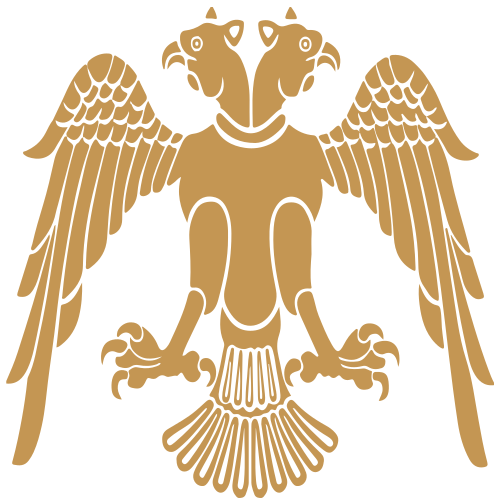
The Seljuk Turkish sultanate that ruled much of Anatolia after the Battle of Manzikert, flying a double-headed eagle; its collapse opened the way for the rise of the Ottomans.
Today part of: Turkey
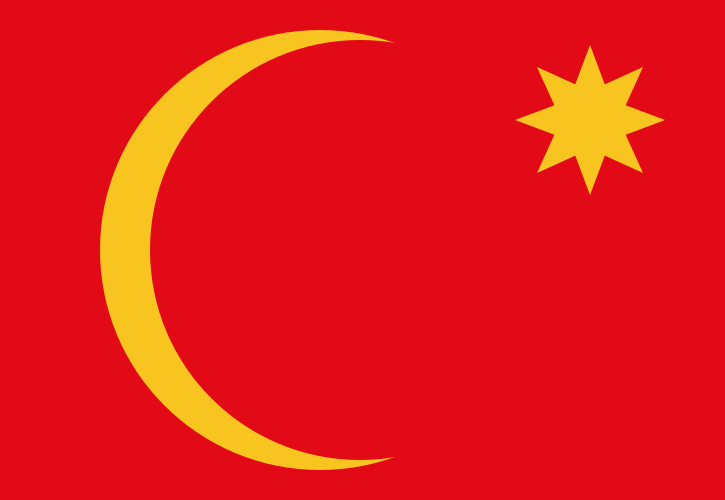
The Rashidi emirate centred on Ha'il in northern Arabia, the great rival of the House of Saud until Ibn Saud conquered it in 1921 and folded it into what became Saudi Arabia.
Today part of: Saudi Arabia