 Jordan
 United Arab Emirates
 Yemen

1970–present
Flag of Sudan
Adopted in 1970 after Gaafar Nimeiry's coup, using the pan-Arab red-white-black tricolour with a green hoist triangle, based on the Arab Liberation Flag of Egypt's 1952 revolution.
Sudan is the third-largest country in Africa and was the continent's largest until South Sudan seceded in 2011. Located in northeastern Africa, Sudan is home to more ancient pyramids than Egypt — the Nubian kingdoms at Meroe, Nuri, and El-Kurru have hundreds of smaller, steeper pyramids scattered across the desert. Sudan gained independence from British-Egyptian rule in 1956 and the Nile flows through the country from south to north.
Population and area are rounded.
Red, white, black and green are the pan-Arab colours. Red recalls the struggle for independence and its martyrs, white peace and optimism, black the country's name and the flag of the Mahdist revolution of the 1880s, and green Islam and farming. The flag was adopted in 1970, replacing a blue-yellow-green tricolour used since independence in 1956.
Horizontal red-white-black with a green triangle at the hoist.
Sudan has more ancient pyramids than Egypt — over 200 pyramids built by the Kushite kingdoms.
Sudan's flag is often mixed up with these. Learn to tell them apart:
Every flag that has flown over Sudan, from today back through time.
Adopted in 1970 after Gaafar Nimeiry's coup, using the pan-Arab red-white-black tricolour with a green hoist triangle, based on the Arab Liberation Flag of Egypt's 1952 revolution.
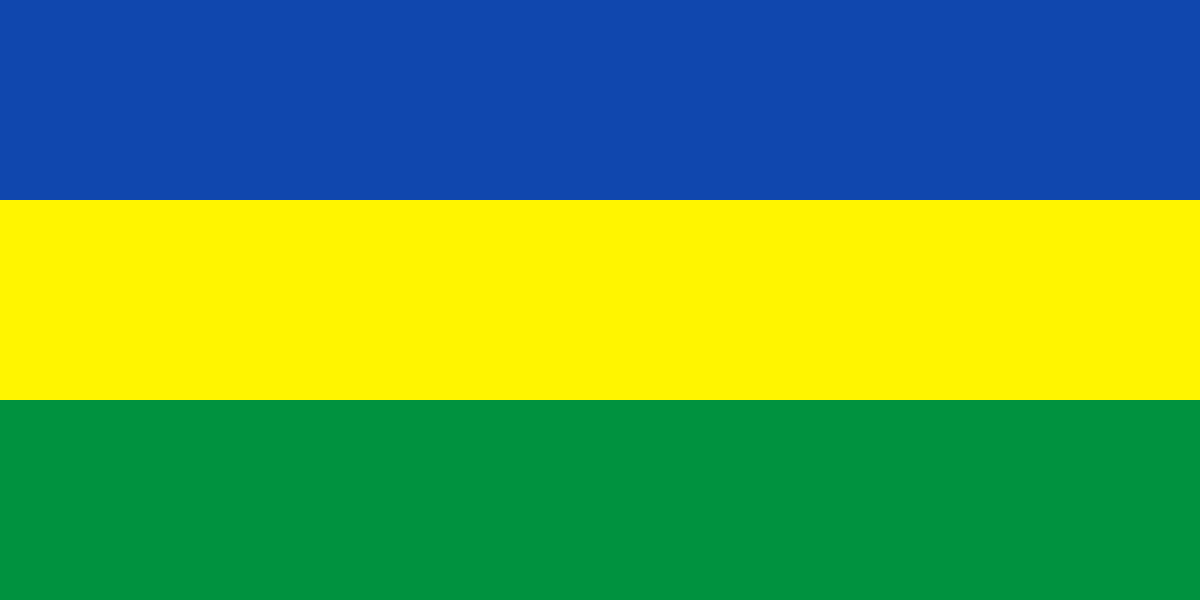
Adopted at independence in 1956, with blue for the Nile, yellow for the Sahara, and green for farmland.

After Britain crushed the Mahdist State, Sudan was governed from 1899 to 1956 as the Anglo-Egyptian Sudan — nominally a joint British–Egyptian condominium, in practice run by Britain under the Union Jack and Egyptian flags. Its administration deliberately developed the Arab-Muslim north and the African-Christian south separately, planting the seeds of the civil wars that eventually split off South Sudan.
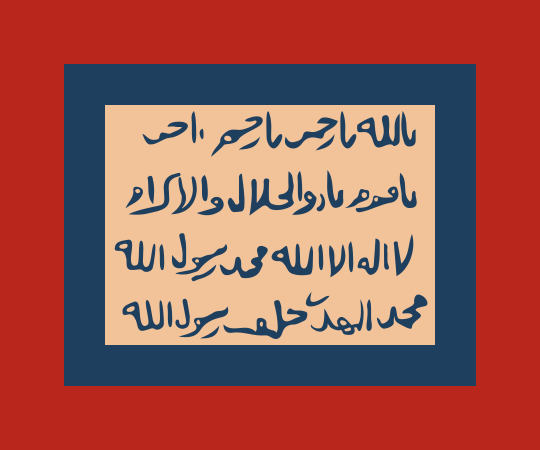
In 1881 a Sudanese religious leader, Muhammad Ahmad, declared himself the Mahdi and led a holy war that swept away Egyptian rule — famously killing General Gordon at the fall of Khartoum in 1885. His Mahdist State, flying banners inscribed with the shahada, was the first independent Sudanese nation, until a British–Egyptian army destroyed it at Omdurman in 1898.
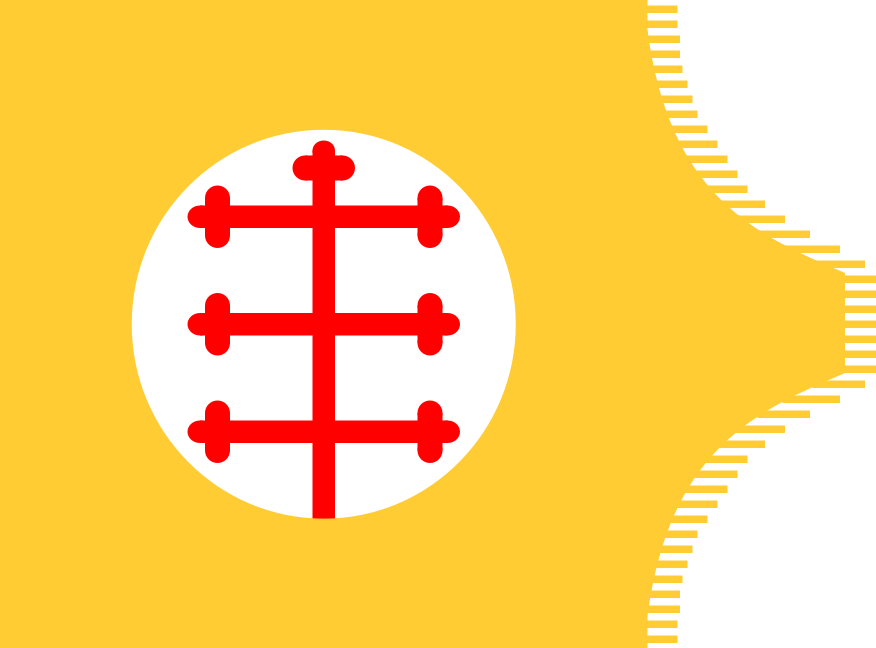
Alwa, the southern of the medieval Christian Nubian kingdoms, centred at Soba near modern Khartoum.
A Christian Nubian kingdom on the Nile whose archers held back the early Arab conquests for centuries.
Empires, kingdoms and republics that once covered part of Sudan.
The Islamic state founded by the self-proclaimed Mahdi after his forces stormed Khartoum and killed General Gordon; its banners were covered in Arabic calligraphy.
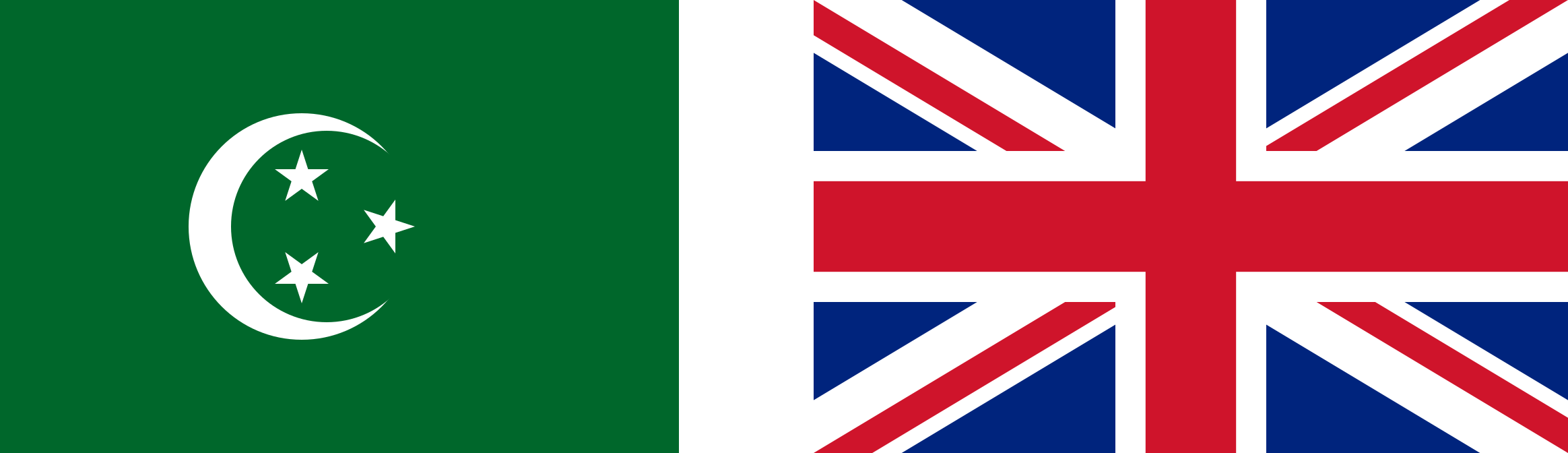
Sudan was jointly ruled as a condominium of Britain and Egypt, flying the British and Egyptian flags together, until full independence in 1956.
The 8 states, provinces and regions of Sudan with their own flags.
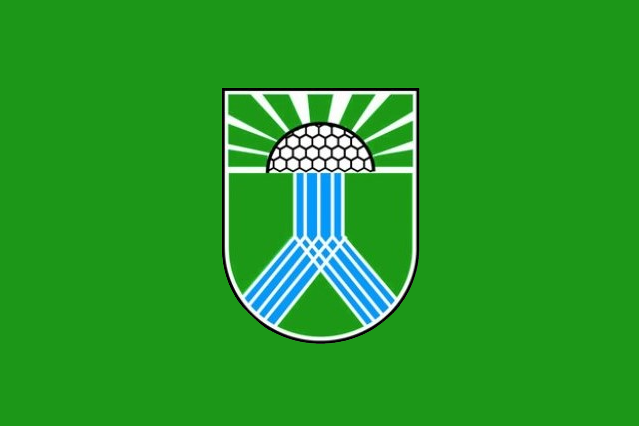 Khartoum
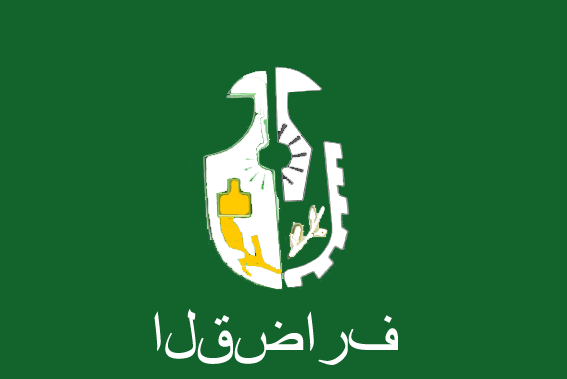 Al Qadarif
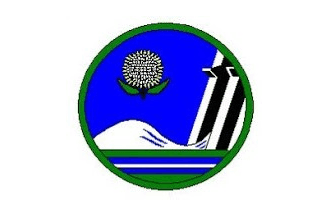 Blue Nile
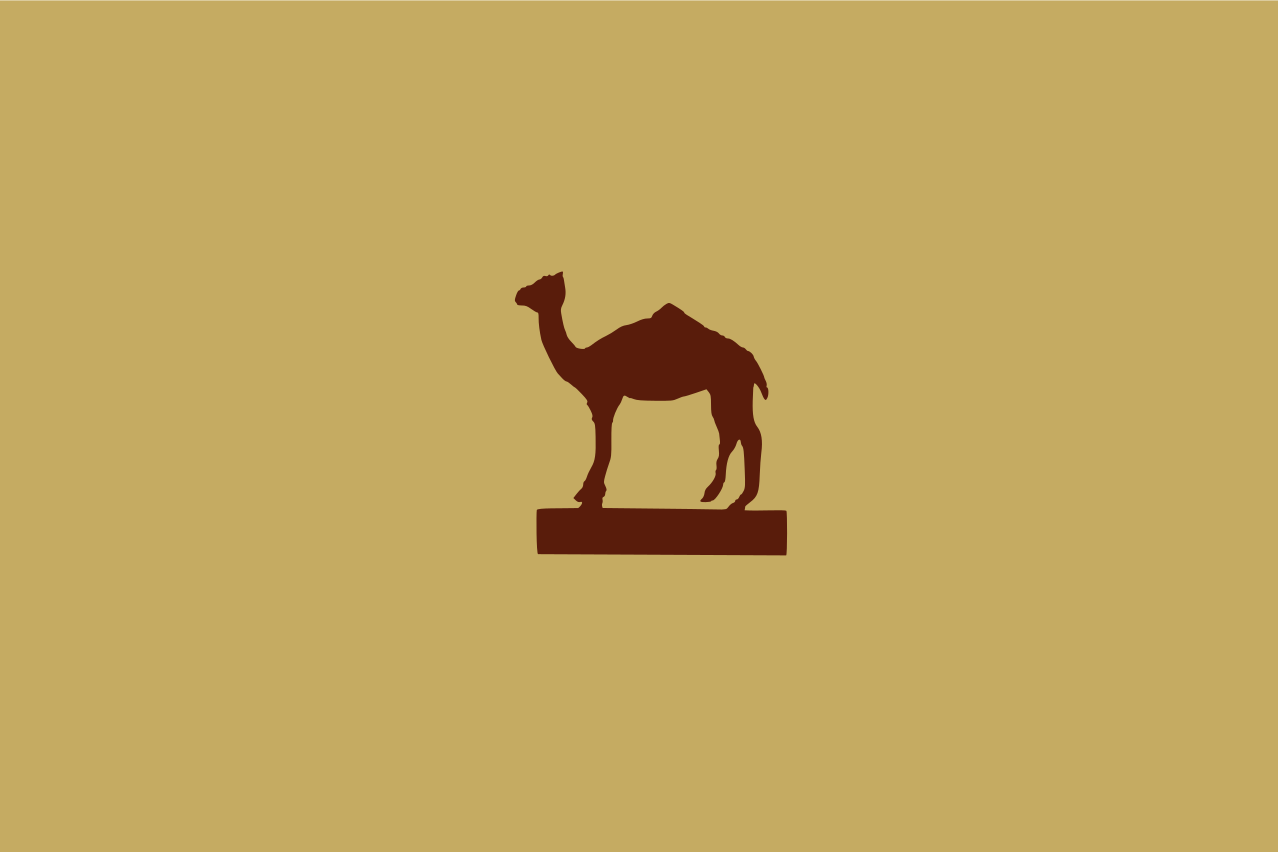 North Kordofan
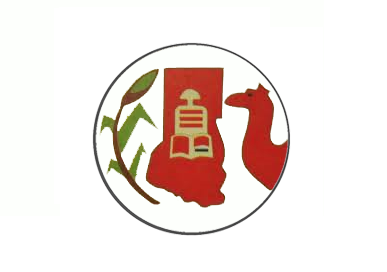 North Darfur
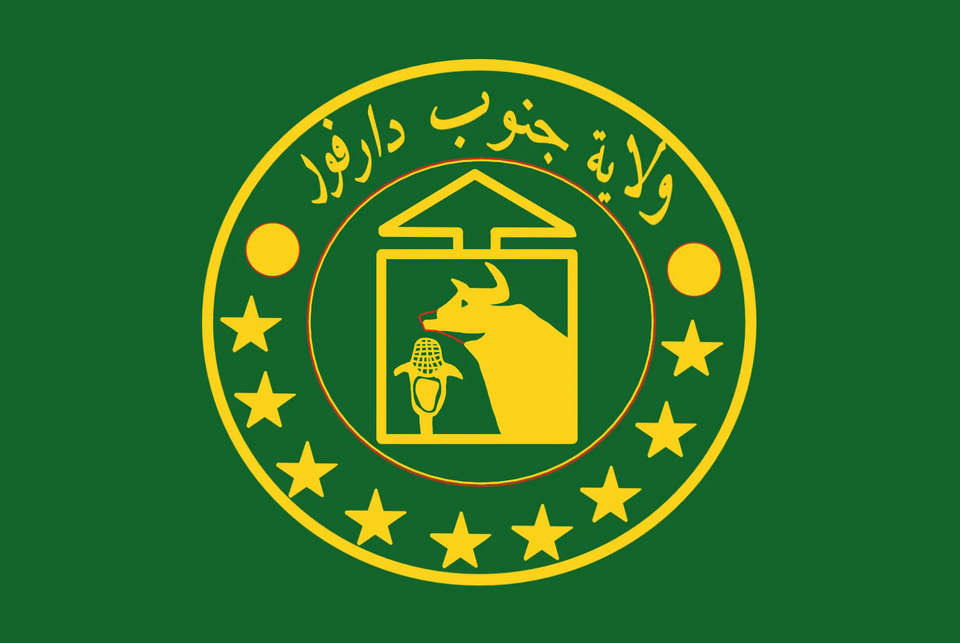 South Darfur
 West Darfur
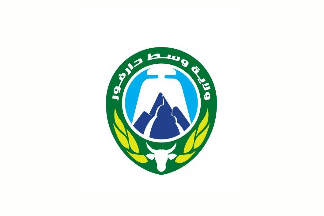 Central Darfur
Sudan shares a land border with 7 countries: the Central African Republic, Chad, Egypt, Eritrea, Ethiopia, Libya and South Sudan.
8 other national flags use the same main colours as Sudan's.
Play Globalio and learn Sudan's flag Central African Republic
 Chad
 Egypt
 Eritrea
 Ethiopia
 Libya
 South Sudan
 Afghanistan
 Kenya
 Kuwait
 Palestine
 Syria