 Solomon Islands

1960–present
Flag of Nigeria
Adopted on independence day in 1960 from a design by 23-year-old student Michael Taiwo Akinkunmi. The green bands represent agriculture and natural wealth; the white center stands for peace and unity.
Nigeria is Africa's most populous country, home to over 200 million people and more than 500 distinct languages and ethnic groups, making it one of the world's most diverse nations. It is Africa's largest economy and a significant oil exporter, with a vibrant creative culture including Nollywood (the world's second-largest film industry by volume) and Afrobeats music that has gained enormous global influence. Nigeria's celebrated writers include Chinua Achebe and Nobel Prize laureate Wole Soyinka.
Population and area are rounded.
Green stands for the country's forests and natural wealth and white for peace and unity. The flag was designed by Michael Taiwo Akinkunmi, a Nigerian student in London, who won a national competition in 1958; the judges removed the red sun he had placed in the centre. It was first raised at independence on 1 October 1960.
Two vertical green stripes flanking a white centre — no symbol, no other colours.
Nigeria is Africa's most populous country and home to more than 500 distinct languages.
Nigeria's flag is often mixed up with these. Learn to tell them apart:
Every flag that has flown over Nigeria, from today back through time.
Adopted on independence day in 1960 from a design by 23-year-old student Michael Taiwo Akinkunmi. The green bands represent agriculture and natural wealth; the white center stands for peace and unity.
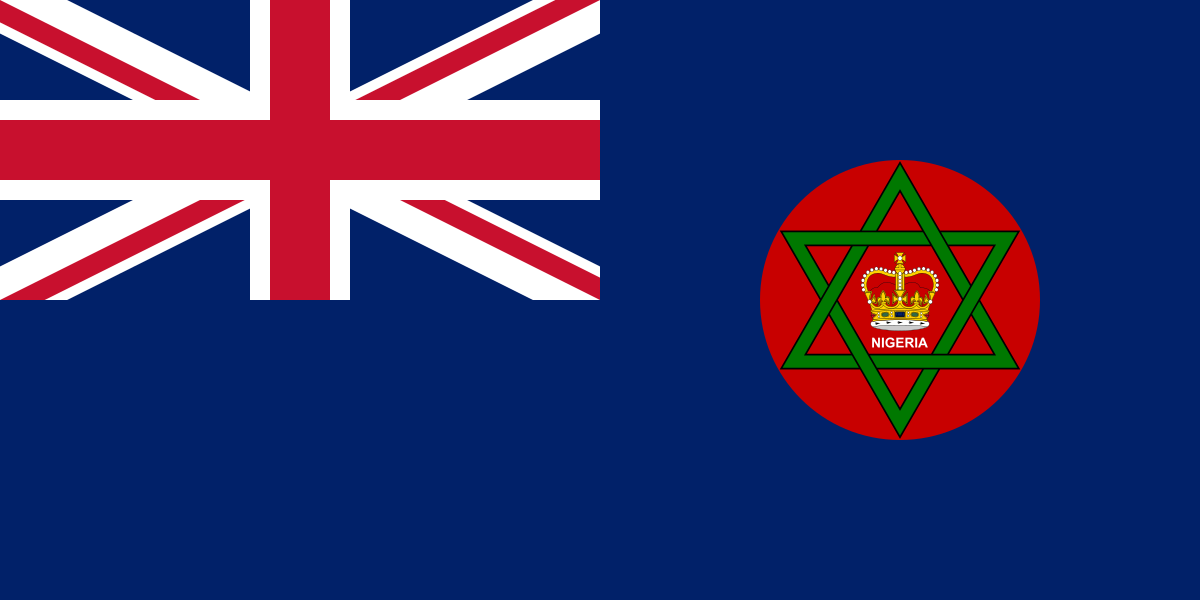
The British Colony and Protectorate of Nigeria flew a Blue Ensign defaced with a green six-pointed "Seal of Solomon" star around a red disc and crown, used as the government ensign until independence.

Across what is now northern Nigeria, the jihad of Usman dan Fodio founded the Sokoto Caliphate in 1804 — one of the largest and most populous states in 19th-century Africa, a federation of emirates flying green Islamic banners. Britain conquered it in 1903 but ruled through its emirs, so the caliphate's structures (and the north–south divide with the Christian-animist south) shaped Nigeria to this day.

The secessionist Igbo republic whose bid for independence triggered the Nigerian Civil War and a devastating famine.
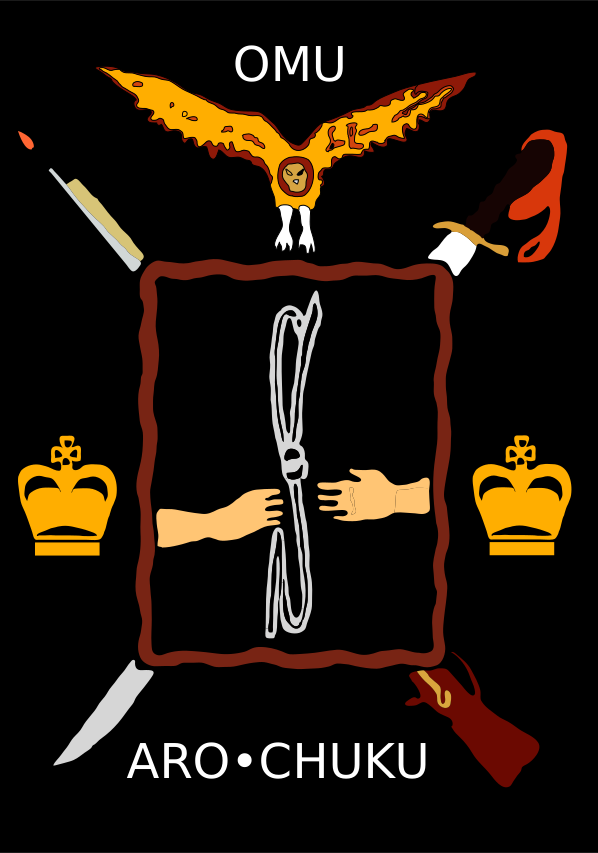
An Igbo trading and oracle confederacy that dominated southeastern Nigeria until the British 'Aro Expedition' broke it.
Empires, kingdoms and republics that once covered part of Nigeria.
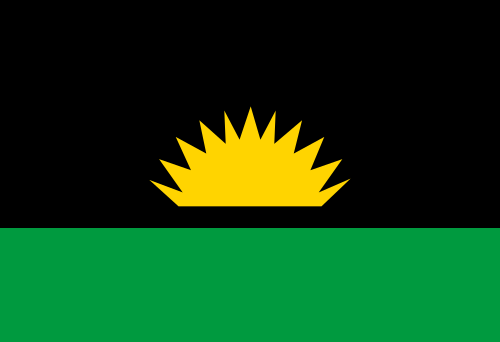
The rising sun flew over the short-lived secessionist republic during the Nigerian Civil War: black mourned the slain, red the blood, green prosperity.
One of the shortest-lived states in history — declared in Benin City as a Biafran ally during the Nigerian Civil War, it existed for a single day before federal troops retook the city.
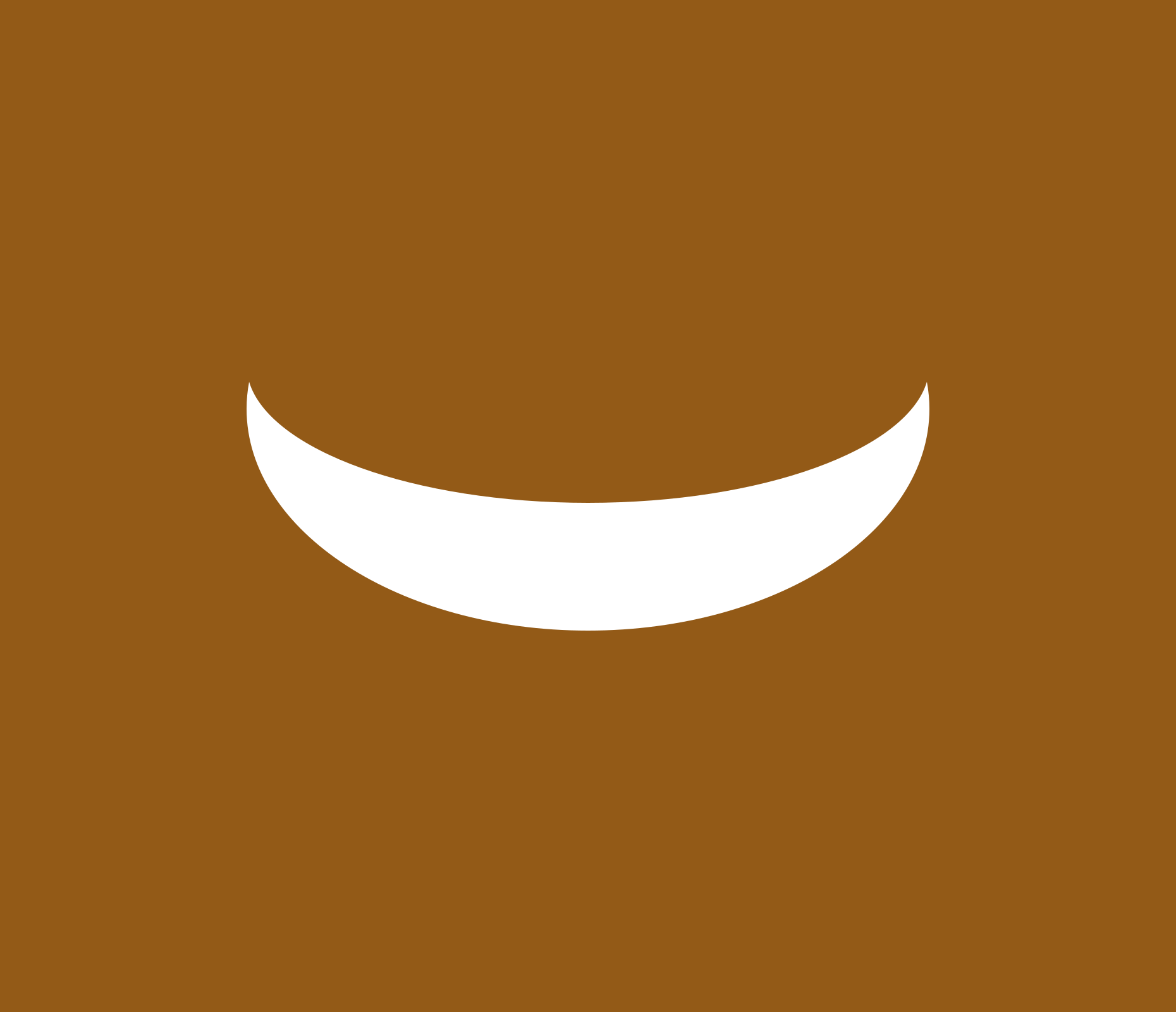
The long-lived successor to the Kanem Empire around Lake Chad, a centre of Islamic scholarship and trans-Saharan trade for centuries, until the warlord Rabih az-Zubayr overran it in the 1890s.
The 29 states, provinces and regions of Nigeria with their own flags.
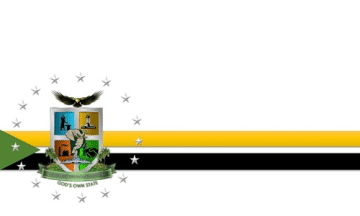 Abia
 Adamawa
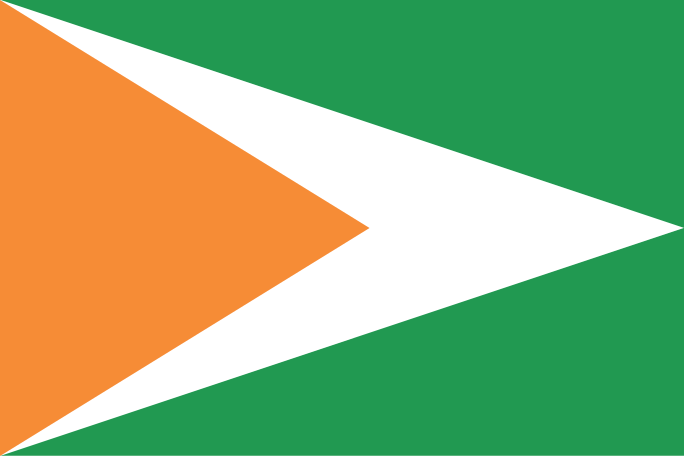 Akwa Ibom
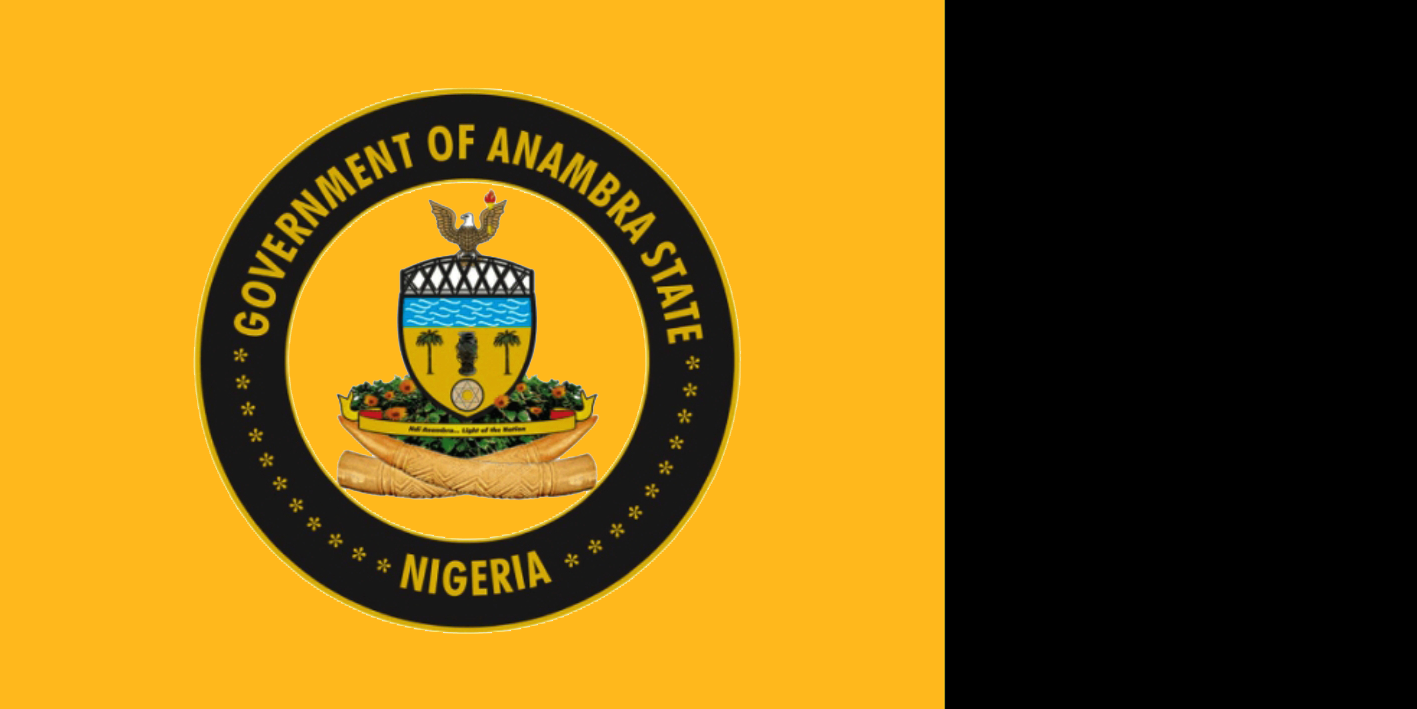 Anambra
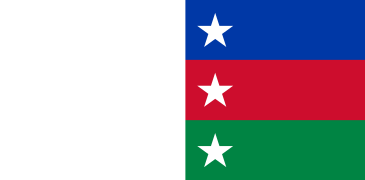 Bayelsa
 Cross River
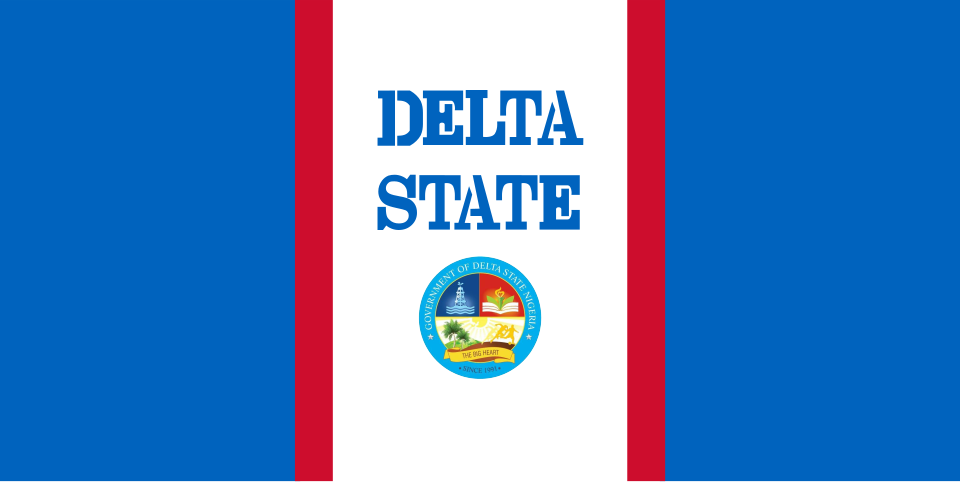 Delta
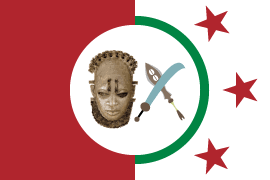 Edo
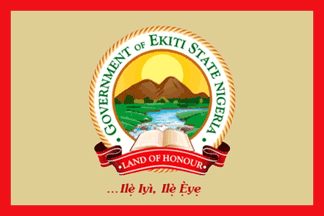 Ekiti
 Enugu
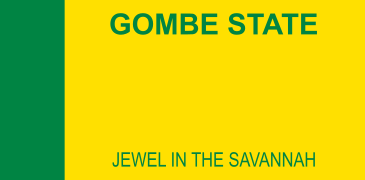 Gombe
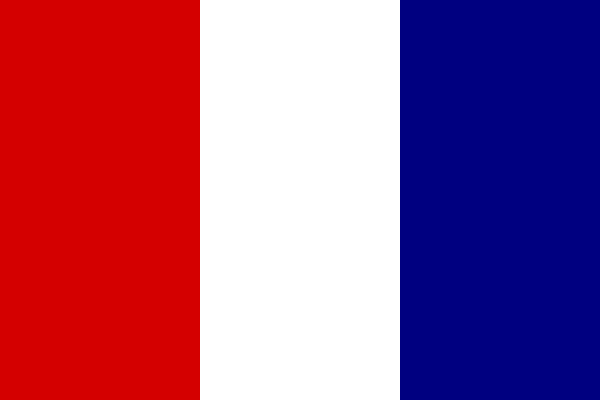 Imo
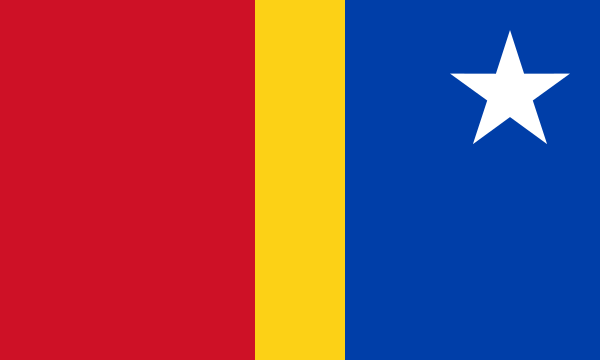 Kano
 Katsina
 Kogi
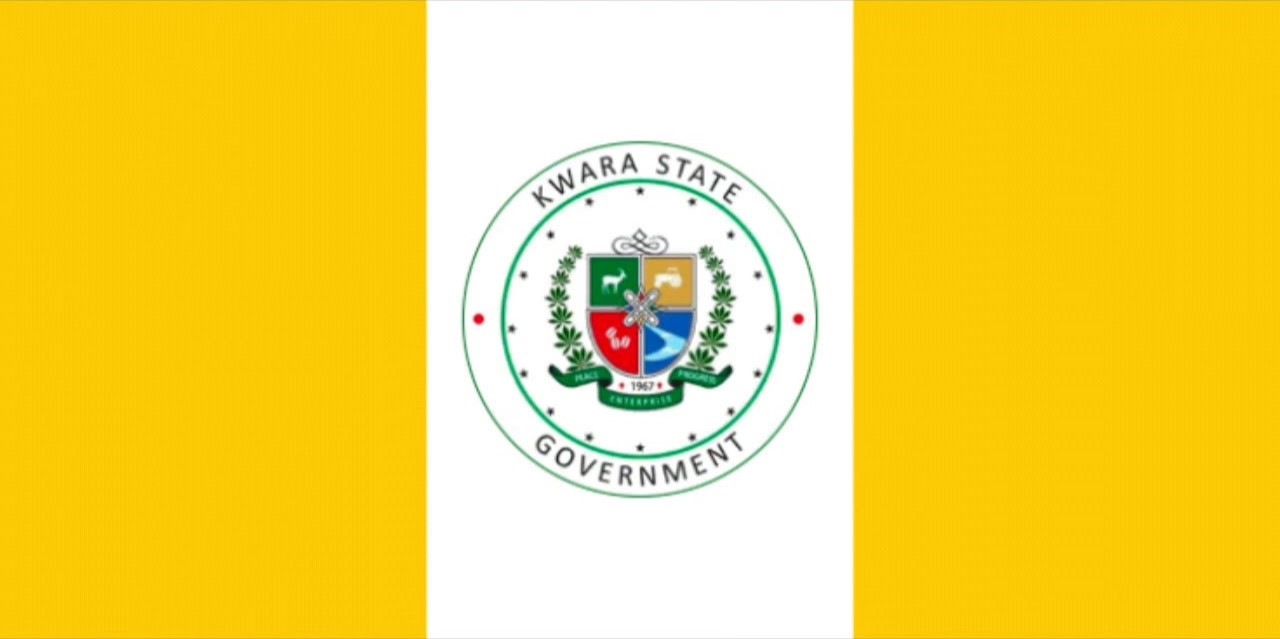 Kwara
 Lagos
 Nasarawa
 Niger
 Ogun
 Ondo
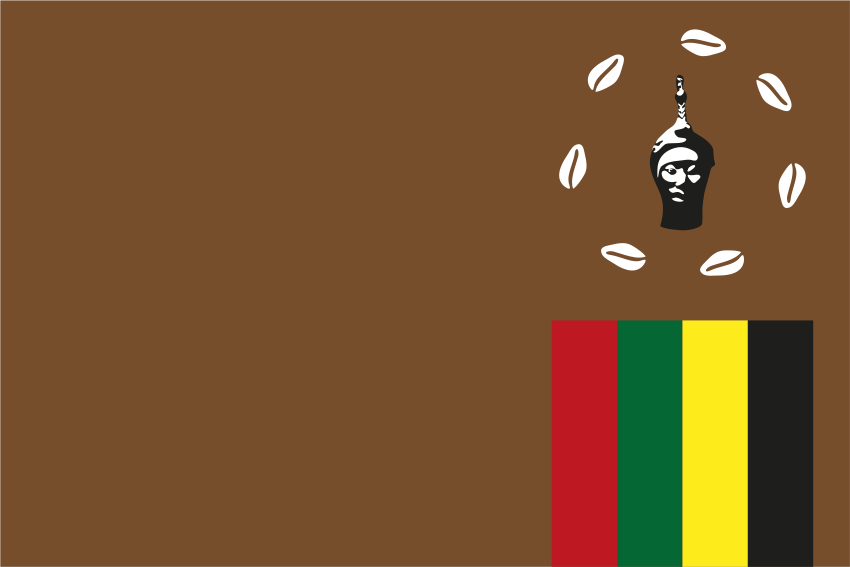 Osun
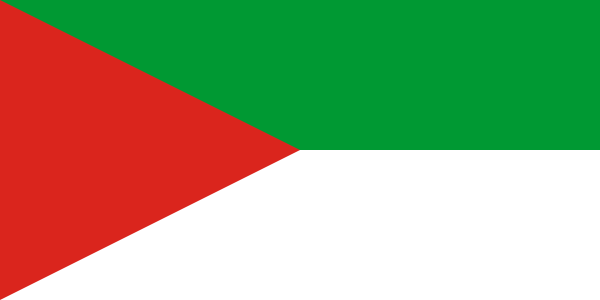 Oyo
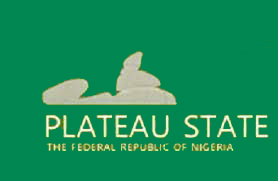 Plateau
 Rivers
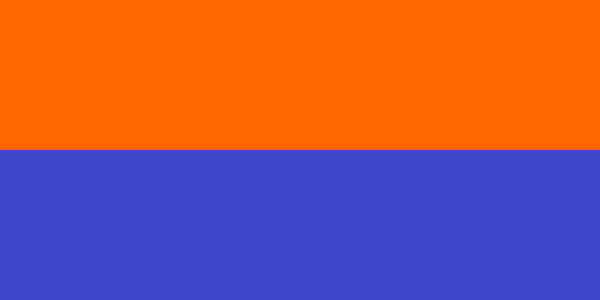 Sokoto
 Yobe
 Zamfara
 Abuja (FCT)
Nigeria shares a land border with 4 countries: Benin, Cameroon, Chad and Niger.
2 other national flags use the same main colours as Nigeria's.
Play Globalio and learn Nigeria's flag Benin
 Cameroon
 Chad
 Niger
 Pakistan
 Saudi Arabia