 Egypt
 Georgia

1992–present
Current flag
After communism fell, the red star was removed on 7 April 1992, leaving the plain black double-headed eagle on red. The eagle derives from the 15th-century seal of national hero Skanderbeg.
Albania is a small Balkan nation on the Adriatic and Ionian coasts of southeastern Europe, bordered by Montenegro, Kosovo, North Macedonia, and Greece. Once one of the most isolated countries in the world under communist rule until 1991, it has since opened significantly to the wider world. The country is known for its ancient Illyrian heritage, its distinctive double-headed eagle national symbol, and its well-preserved Ottoman-era cities such as UNESCO-listed Gjirokastër.
Population and area are rounded.
The red field and black double-headed eagle come from the seal of Gjergj Kastrioti Skanderbeg, the 15th-century noble who led Albanian resistance against the Ottoman Empire. The eagle's two heads are often read as looking east and west. Albanians call themselves “sons of the eagle”, and the country's own name, Shqipëria, is popularly linked to shqiponjë, the Albanian word for eagle. The current version, without the communist star, was adopted in 1992.
Black double-headed eagle on red field — no other European flag has this eagle.
Albania is one of the oldest continuously inhabited places in Europe, with settlements dating back over 100,000 years.
Albania's flag is often mixed up with these. Learn to tell them apart:
Every flag that has flown over Albania, from today back through time.
After communism fell, the red star was removed on 7 April 1992, leaving the plain black double-headed eagle on red. The eagle derives from the 15th-century seal of national hero Skanderbeg.
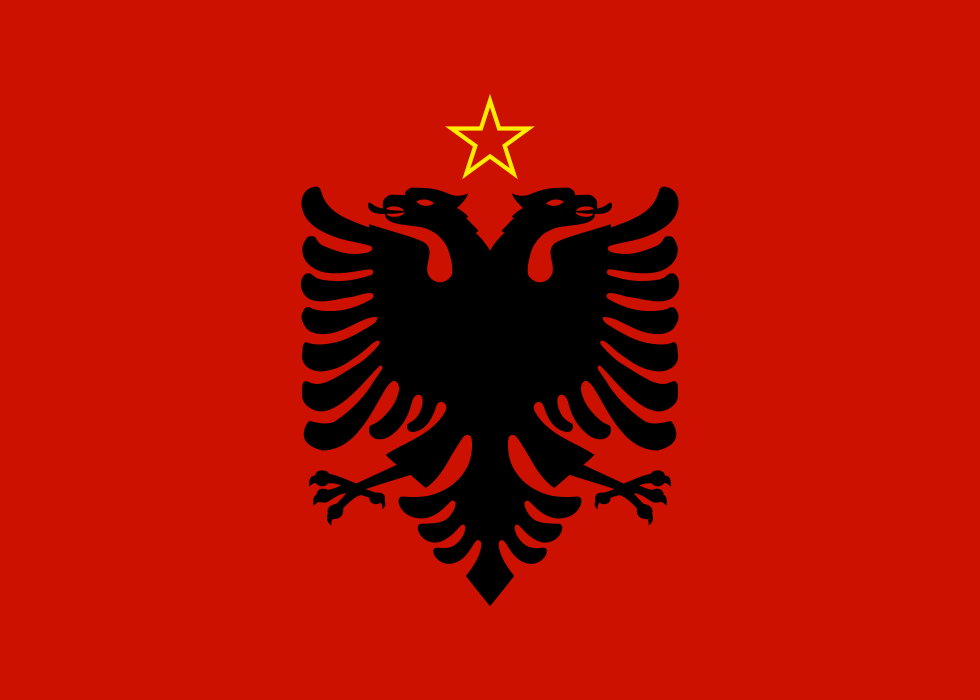
Enver Hoxha's People's (later Socialist) Republic topped the eagle with a gold-edged red star, which flew through nearly five decades of hardline Stalinist isolation.
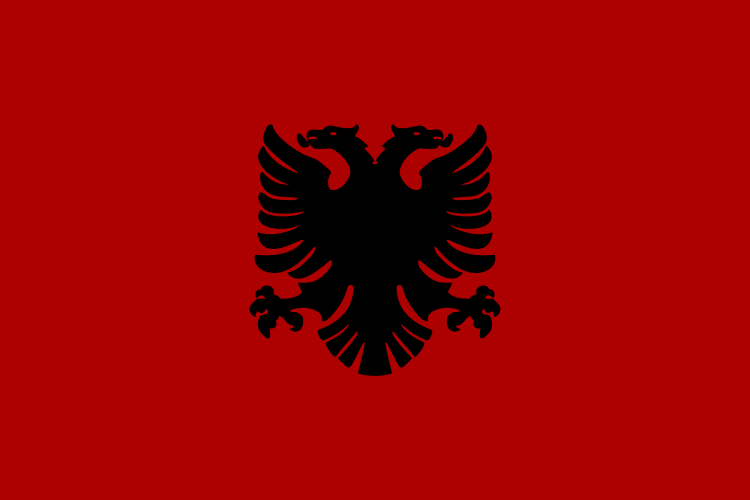
After Italy capitulated in 1943, Nazi Germany occupied Albania and installed a puppet regime that flew the plain black eagle on red — stripped of the fascist fasces — while presenting itself as "independent." Communist-led partisans controlled much of the country and drove the Germans out by late 1944.
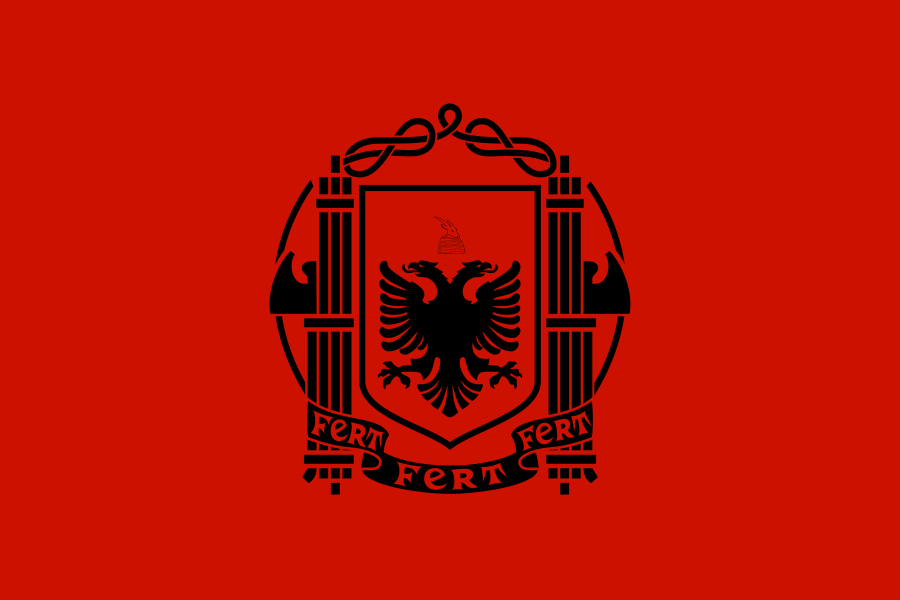
Under Italian occupation the eagle was flanked by two fascist fasces, replacing the Zog crown and tying Albania's symbol to Mussolini's regime.
When Ahmet Zogu proclaimed himself King Zog I, a royal crown was placed above the double-headed eagle and the monarchy styled itself the Kingdom of Albania.
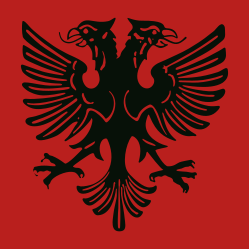
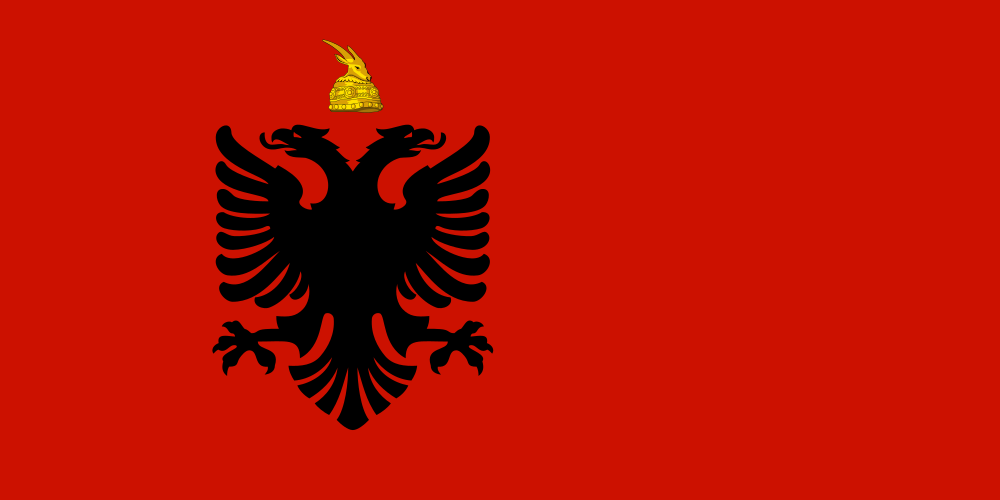
Between the principality and the monarchy, Ahmet Zogu first ruled as president of a short-lived Albanian Republic, whose flag placed the black double-headed eagle on red beneath a helmet — the helmet of Skanderbeg, the 15th-century national hero. Zogu dissolved the republic in 1928 to crown himself king.
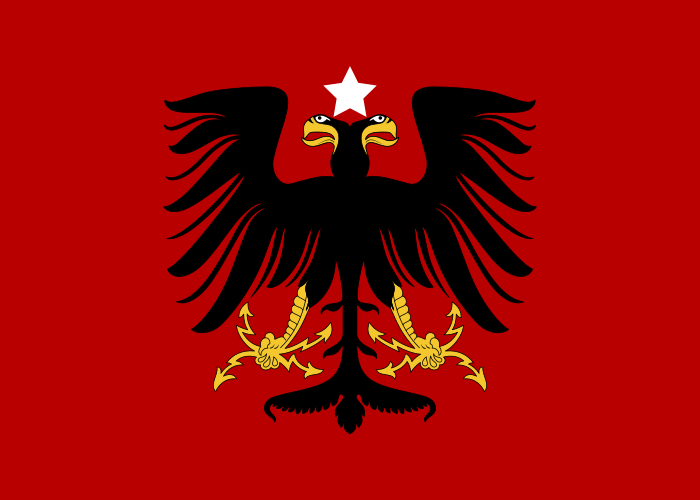
The short-lived principality under Prince Wilhelm of Wied flew the black double-headed eagle on red, marking Albania's first modern statehood.
Empires, kingdoms and republics that once covered part of Albania.
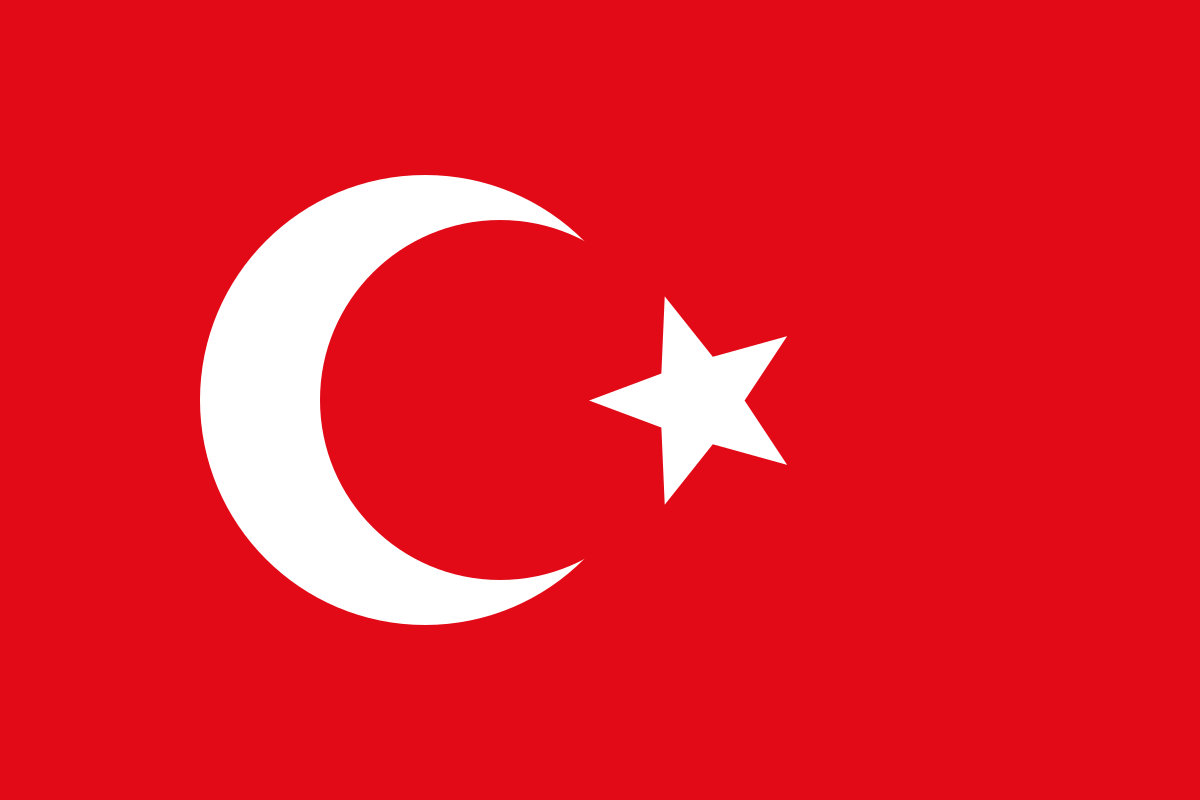
The red field with white crescent and star was standardized in 1844; older Ottoman banners varied widely and often carried multiple crescents.
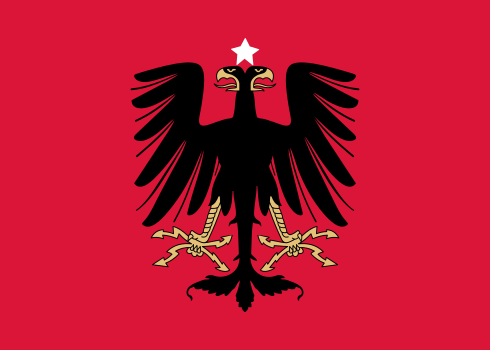
The brief principality under Prince Wilhelm of Wied: a deep-red field with a large black double-headed eagle, established just after Albanian independence.

Warlord Essad Pasha Toptani's short-lived statelet around Durrës during Albania's chaotic birth, flying a red flag with a white star.
The 12 states, provinces and regions of Albania with their own flags.
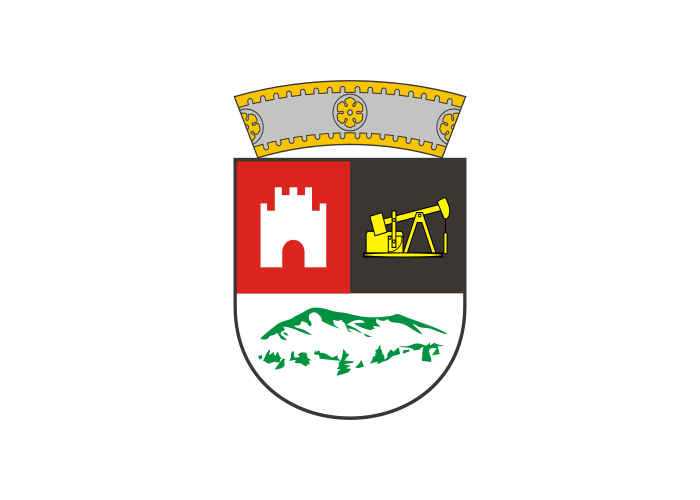 Berat
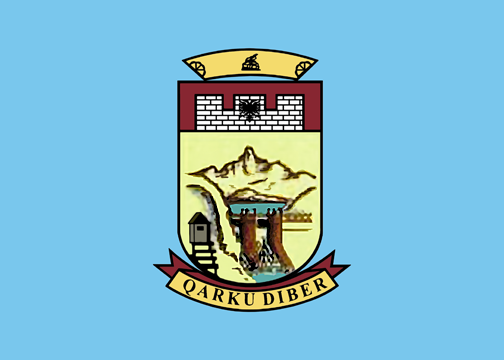 Dibër
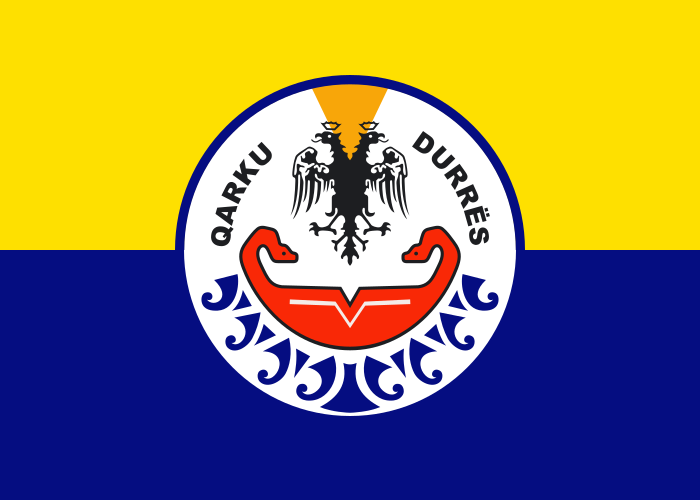 Durrës
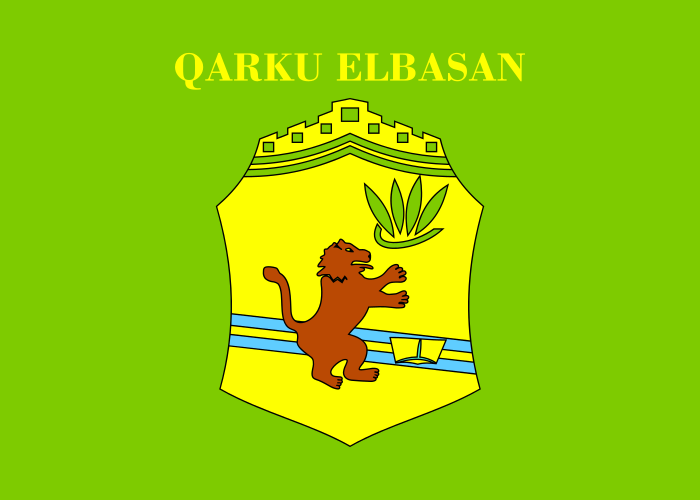 Elbasan
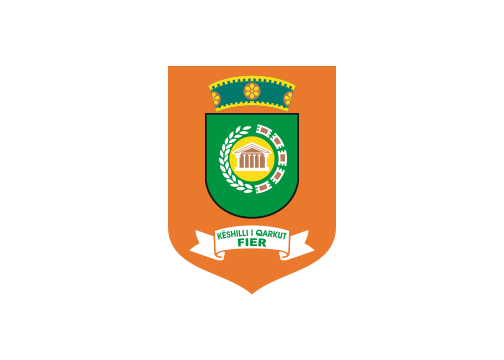 Fier
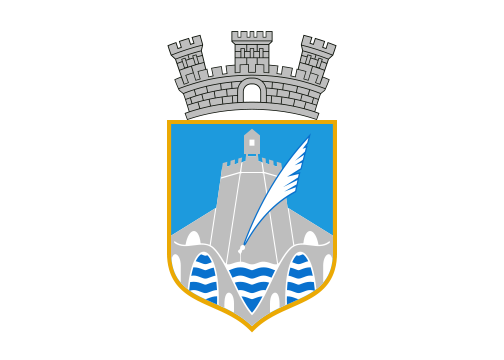 Gjirokastër
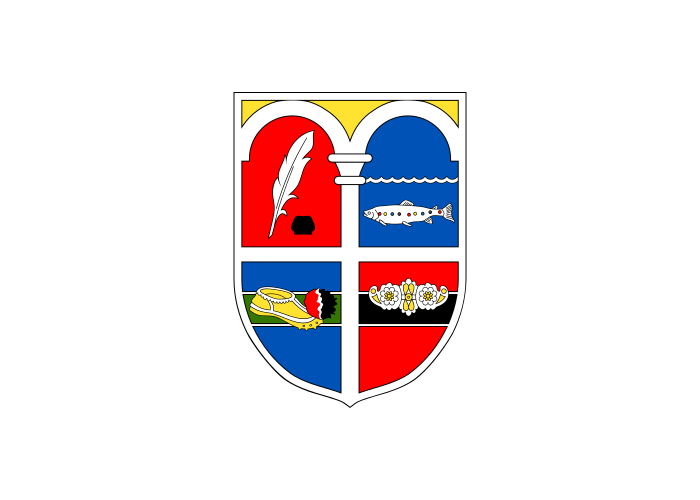 Korçë
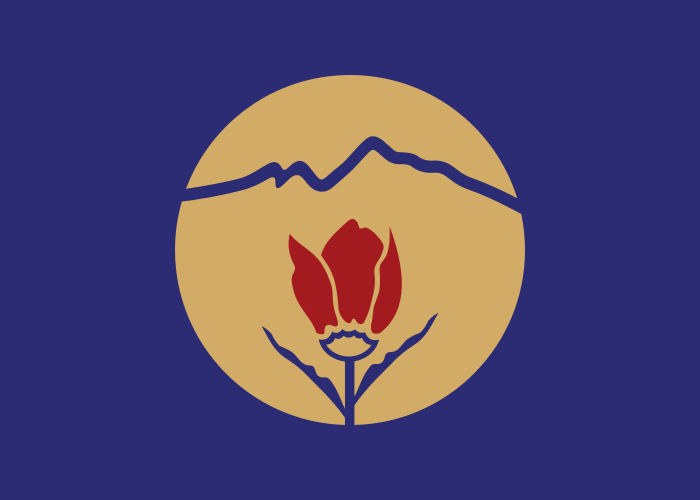 Kukës
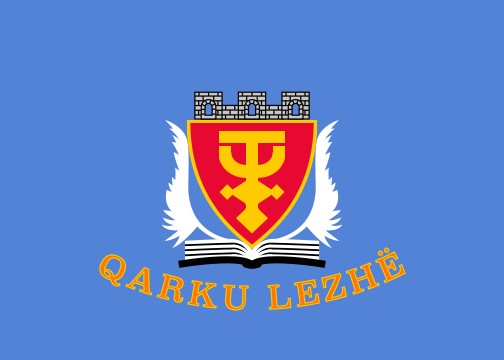 Lezhë
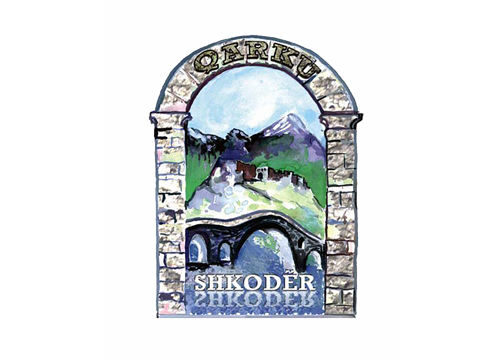 Shkodër
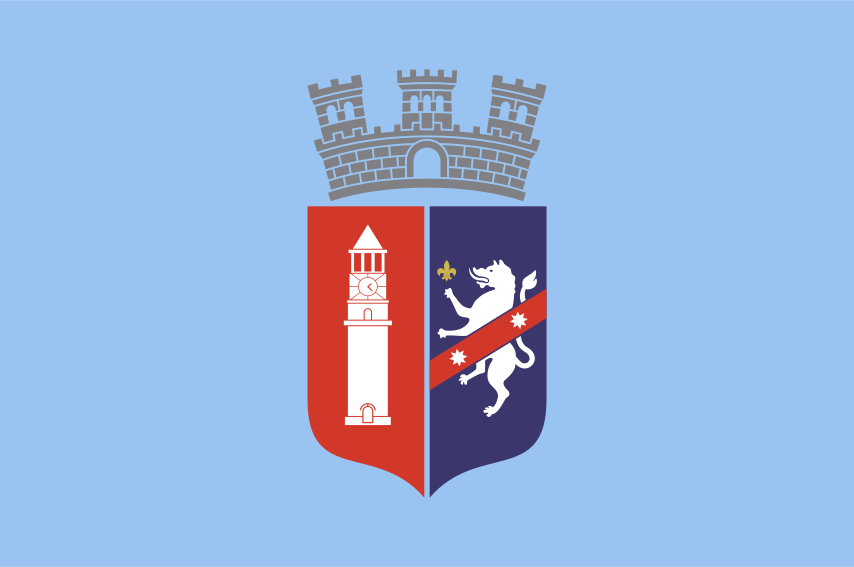 Tirana
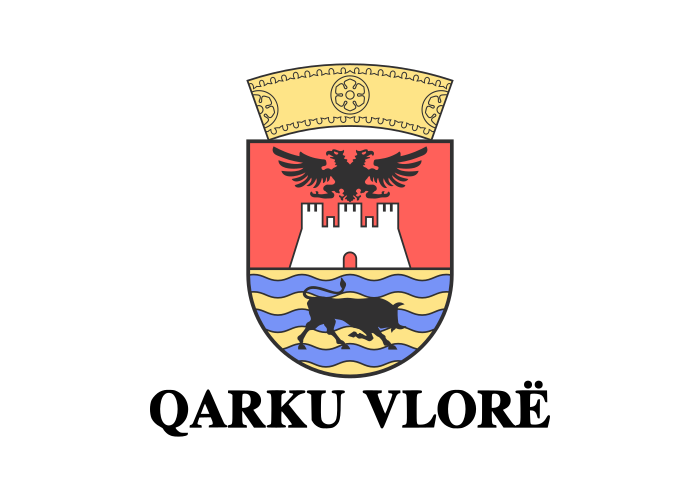 Vlorë
Albania shares a land border with 4 countries: Greece, Kosovo, Montenegro and North Macedonia.
Play Globalio and learn Albania's flag Greece
 Kosovo
 Montenegro
 North Macedonia