 Djibouti

1954–present
Flag of Somalia
Designed by Mohammed Awale Liban and adopted in 1954 during the UN trusteeship, with a light-blue field honoring the UN and a white Star of Unity for the five regions inhabited by ethnic Somalis.
Somalia occupies the Horn of Africa and has the longest coastline in mainland Africa, stretching nearly 3,300 kilometres. Despite having a common language, culture, and religion shared across its population — unusual in a region of great ethnic diversity — Somalia has lacked a functioning central government since 1991 and has experienced prolonged clan-based conflict. Somali culture has a rich tradition of poetry, and the country is sometimes called a 'nation of poets.'
Population and area are rounded.
The light blue was inspired by the flag of the United Nations, which oversaw Somalia's path to independence. The white Star of Unity has five points for the five areas where Somali people live: former Italian Somaliland, former British Somaliland, the Ogaden in Ethiopia, northeastern Kenya and Djibouti. Adopted in 1954, it became the national flag in 1960.
Light blue field with a white five-pointed star in the centre.
The Somali coastline is the longest on the African mainland at about 3,333 km.
Somalia's flag is often mixed up with these. Learn to tell them apart:
Every flag that has flown over Somalia, from today back through time.
Designed by Mohammed Awale Liban and adopted in 1954 during the UN trusteeship, with a light-blue field honoring the UN and a white Star of Unity for the five regions inhabited by ethnic Somalis.

The south was Italian Somaliland from 1889, flying the Italian flag (and briefly part of Mussolini's Italian East Africa). After WWII it returned to Italy as a UN trust territory, where the modern star flag was born in 1954. At independence in 1960 it united with the separate British Somaliland in the north to form Somalia — the two colonial legacies the white five-pointed Star of Unity was meant to bind together.

A central Somali sultanate carved out by Yusuf Ali Kenadid, later an Italian protectorate.
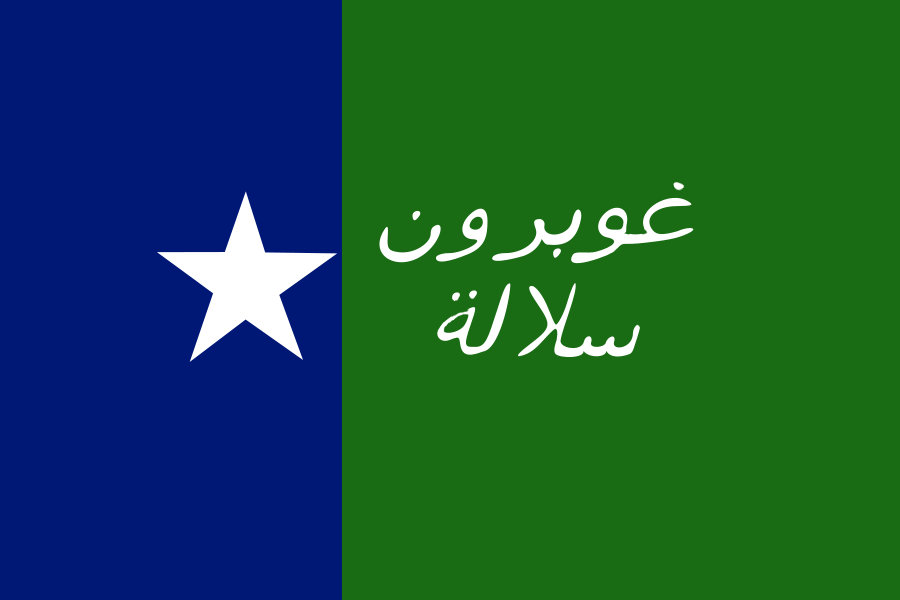
A southern Somali sultanate that dominated the trade of the Jubba and Shebelle river valleys.
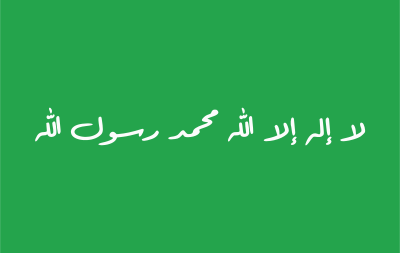
A Somali sultanate in the northwest (modern Somaliland) before the British protectorate.
A northeastern Somali sultanate (Migiurtinia) that controlled the Horn's coast until the Italians subdued it.
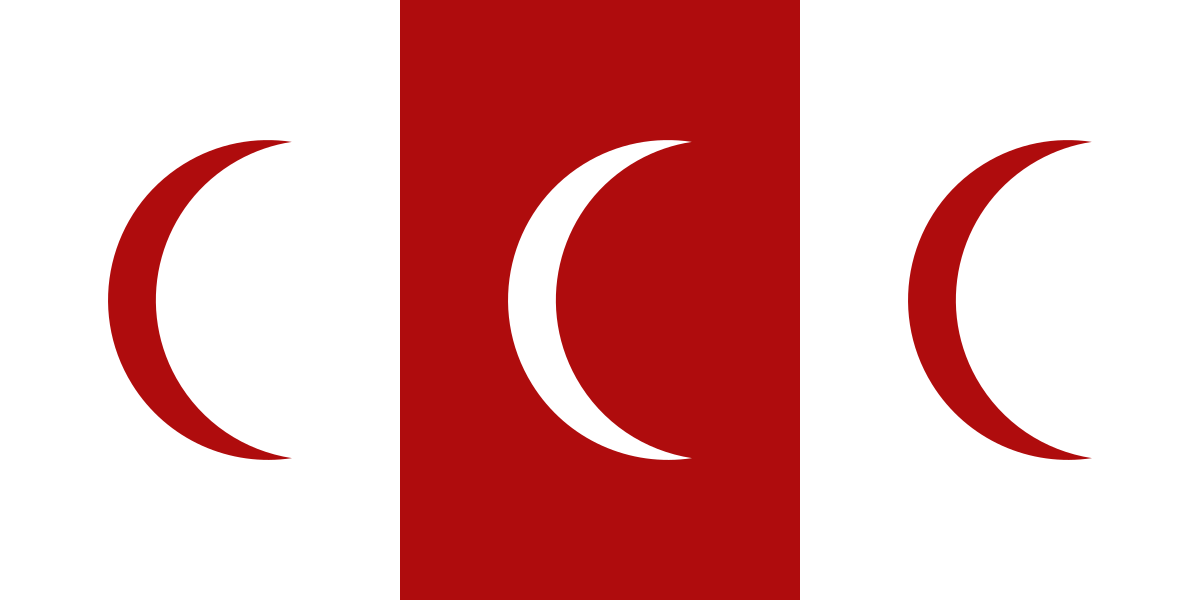
A Muslim sultanate of the Horn that, under Ahmad ibn Ibrahim, nearly conquered Christian Ethiopia in the 16th century.
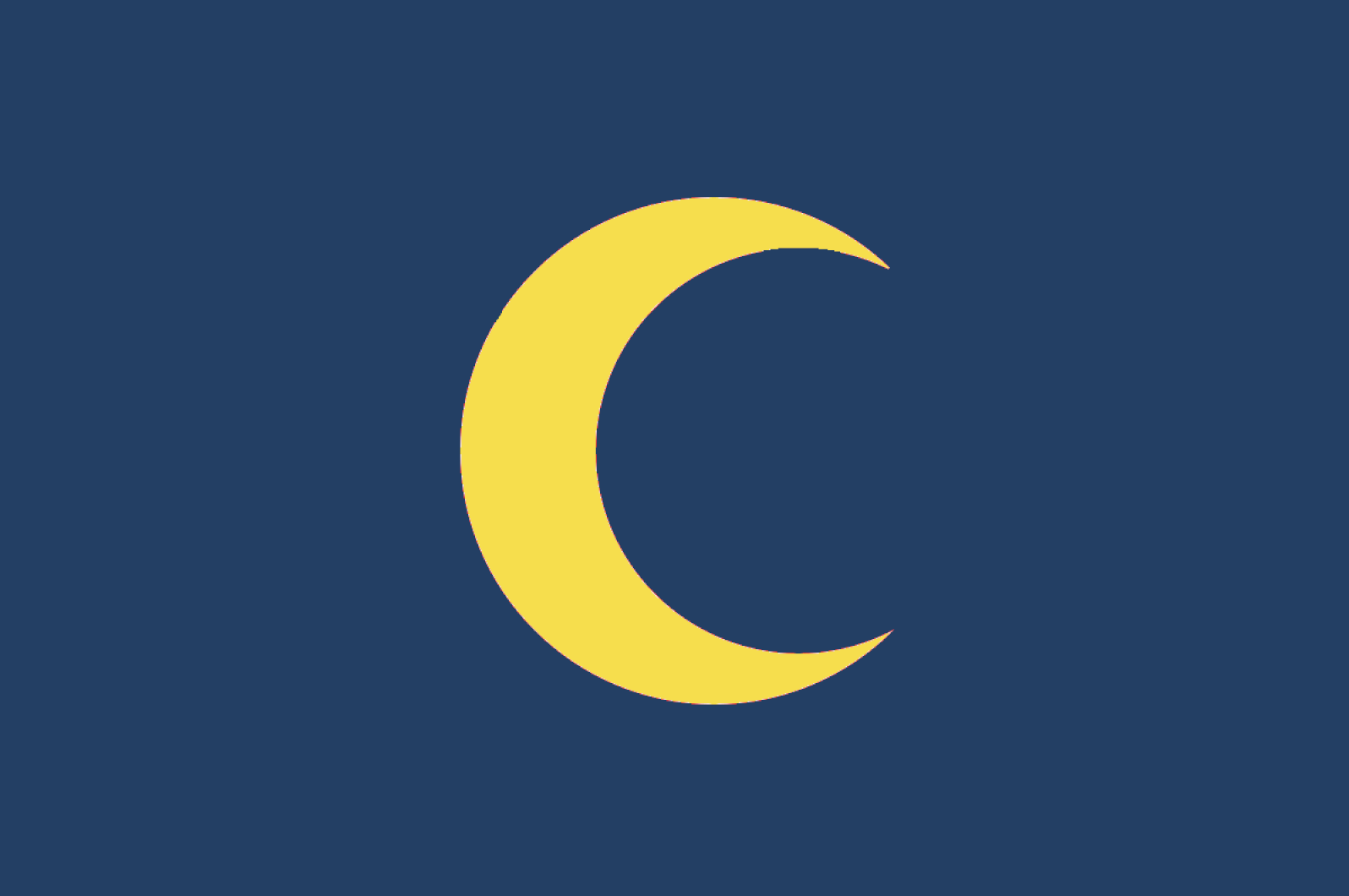
A medieval Somali city-sultanate, one of the wealthiest trading ports on the Indian Ocean's Swahili coast.
Empires, kingdoms and republics that once covered part of Somalia.
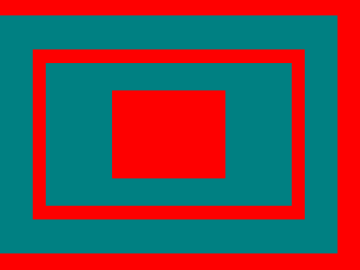
The banner of the Dervish movement led by Sayyid Mohammed Abdullah Hassan, who resisted British, Italian, and Ethiopian forces in the Somali interior for over two decades.
A powerful medieval Muslim sultanate of the Horn of Africa that waged a devastating 16th-century war against the Christian Ethiopian Empire.
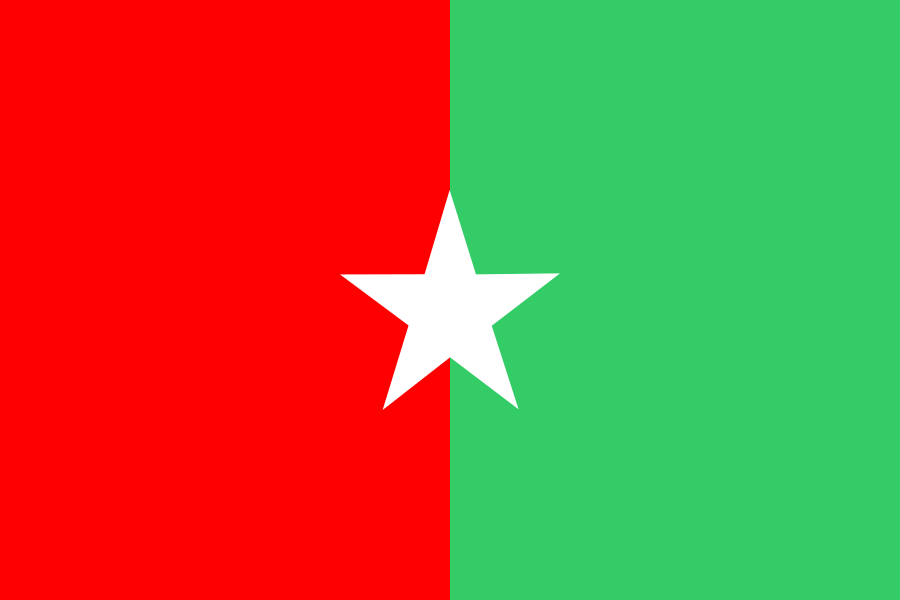
A self-declared then federal region of southern Somalia around the Jubba River, its blue flag with a white star and green-and-gold canton flown amid years of conflict over the port of Kismayo.
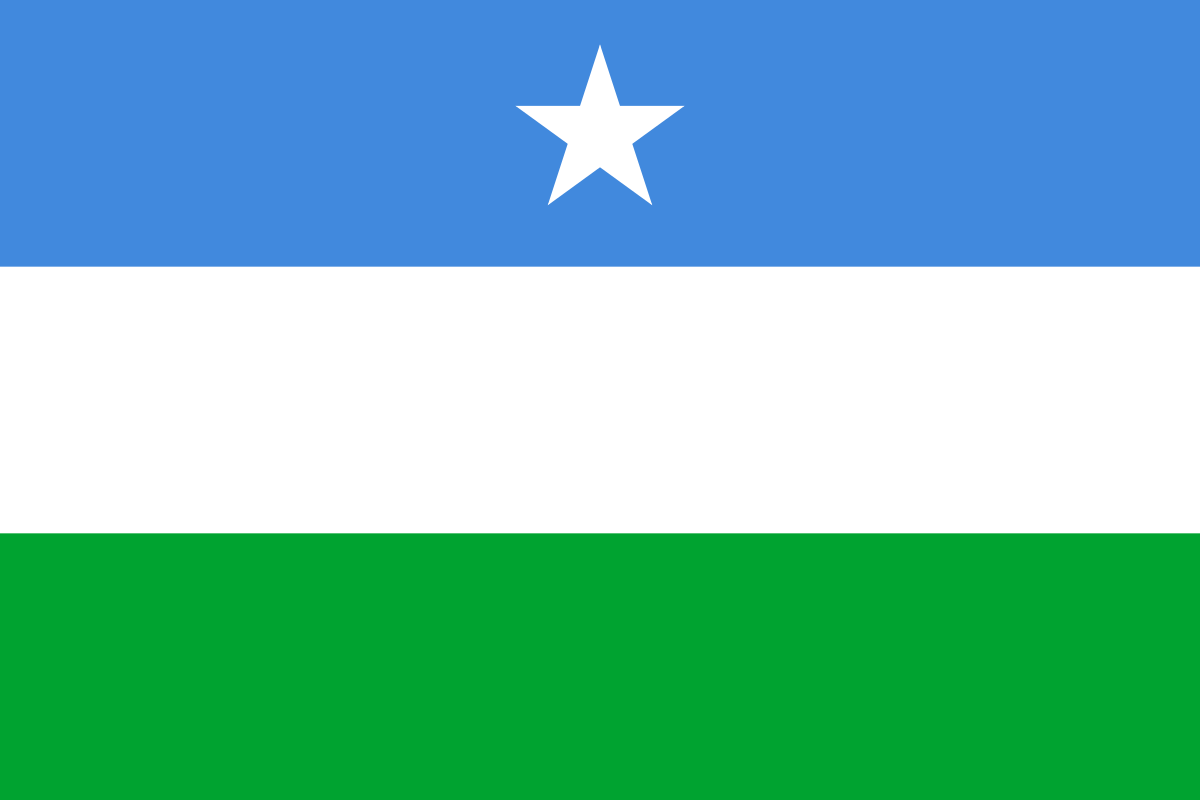
Named for the ancient 'Land of Punt', this northeastern Somali state declared autonomy in 1998 — seeking a federal Somalia rather than full independence like neighbouring Somaliland.
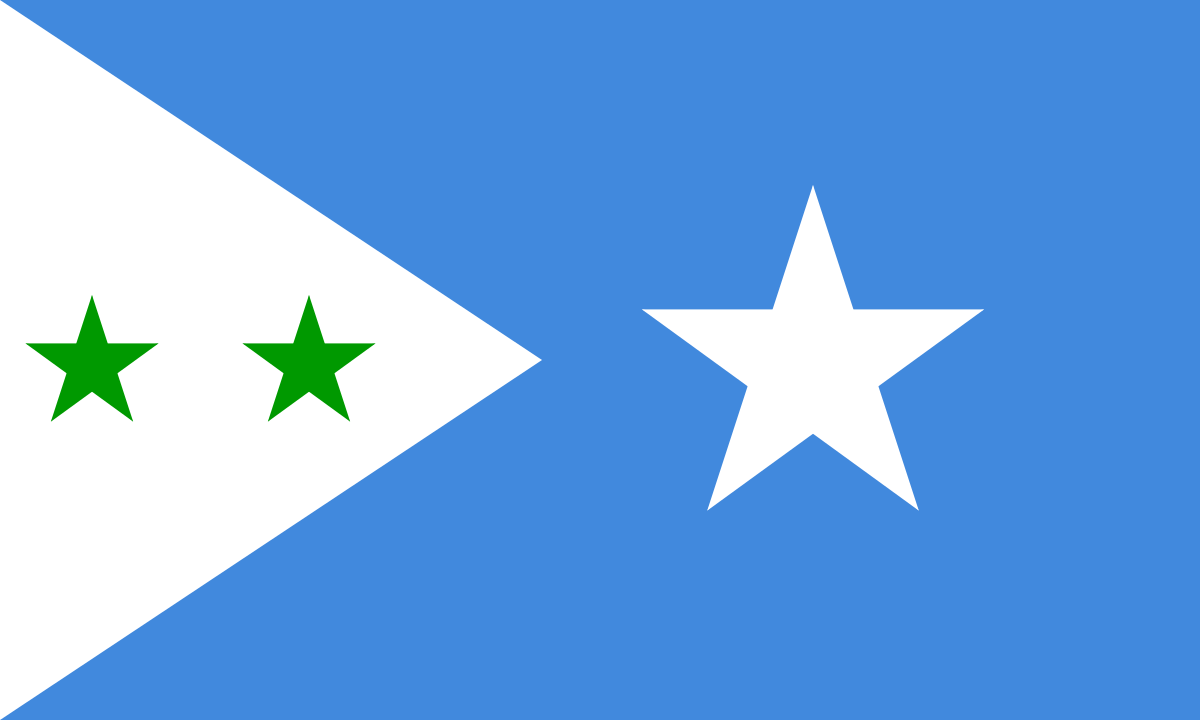
A central Somali state whose name blends the Galguduud and Mudug regions it straddles, formed during the fragmentation of Somalia's central government in the mid-2000s.
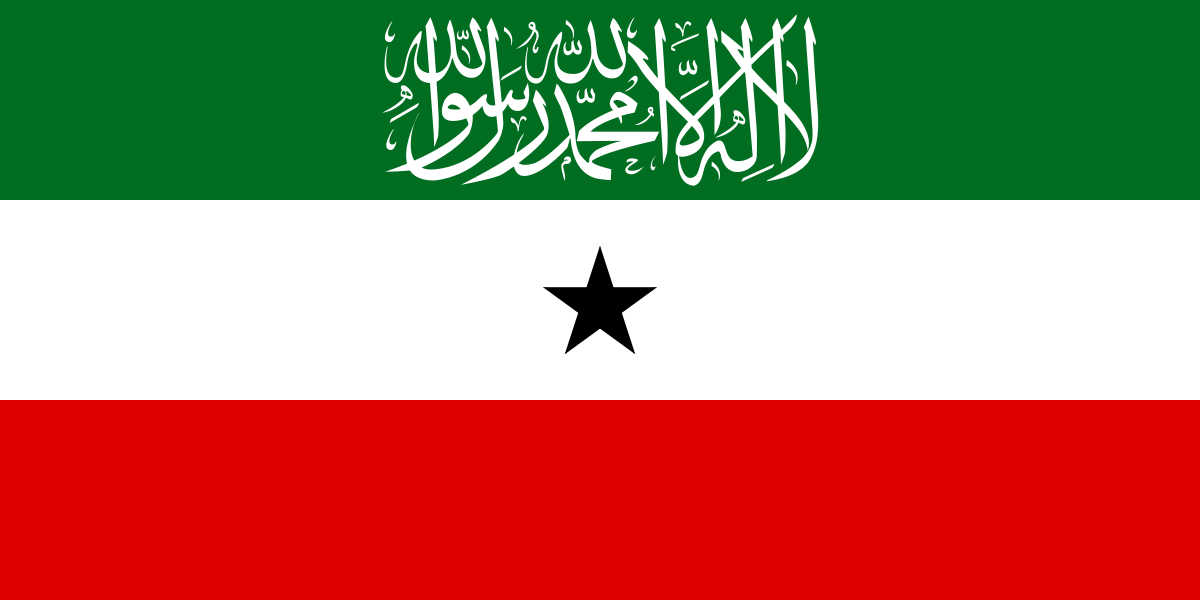
The former British Somaliland reasserted independence in 1991 with a green-white-red flag bearing the Islamic shahada. Though stable and democratic, it remains unrecognized by any UN member state.
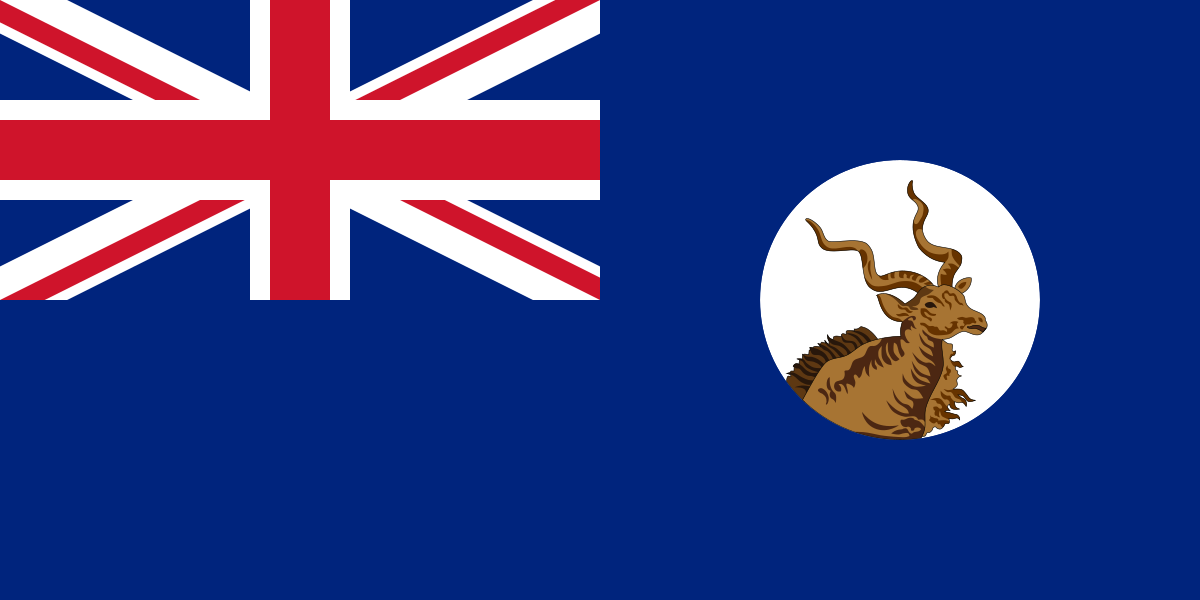
The British protectorate on the Gulf of Aden flew a blue ensign with a kudu antelope badge. It briefly became independent in 1960 before uniting with Italian Somalia to form Somalia.
Somalia shares a land border with 3 countries: Djibouti, Ethiopia and Kenya.
9 other national flags use the same main colours as Somalia's.
Play Globalio and learn Somalia's flag Ethiopia
 Kenya
 El Salvador
 Finland
 Greece
 Guatemala
 Honduras
 Israel
 Micronesia
 Nicaragua
 San Marino