
1958–present
Flag of Madagascar
Adopted in 1958 as the Malagasy Republic gained autonomy within the French Community. White and red recall the historic Merina kingdom, while green honors the Hova commoners.
Madagascar is the world's fourth-largest island, located in the Indian Ocean off the southeastern coast of Africa. It is one of the world's most important biodiversity hotspots, with over 90% of its wildlife found nowhere else on Earth — including all of its lemur species, most of the world's chameleon species, and iconic baobab trees. Madagascar separated from the Indian subcontinent approximately 88 million years ago and was first settled by seafarers from Borneo around 2,000 years ago.
Population and area are rounded.
White stands for purity, red for sovereignty, and green for hope. Red and white were the colours of the Merina Kingdom that ruled most of the island before French colonisation, while green represents the coastal peoples. The flag was adopted in 1958, two years before independence.
Madagascar, the fourth-largest island in the world, adopted its flag on 14 October 1958, when it became an autonomous republic within the French Community, and gained full independence on 26 June 1960. Most of its wildlife, including every species of lemur, is found nowhere else on Earth. The capital, Antananarivo, lies in the central highlands.
Vertical white stripe on the left, with horizontal red-over-green on the right.
Madagascar is the world's fourth-largest island and home to species found nowhere else on Earth.
Every flag that has flown over Madagascar, from today back through time.
Adopted in 1958 as the Malagasy Republic gained autonomy within the French Community. White and red recall the historic Merina kingdom, while green honors the Hova commoners.

France conquered the independent Kingdom of Madagascar in 1895–96, abolished the monarchy, and ruled the island as a colony under the French tricolor. A 1947 nationalist revolt was crushed with tens of thousands of deaths, but the island's own white-and-red royal colours survived to be woven into the flag adopted as autonomy returned in 1958.
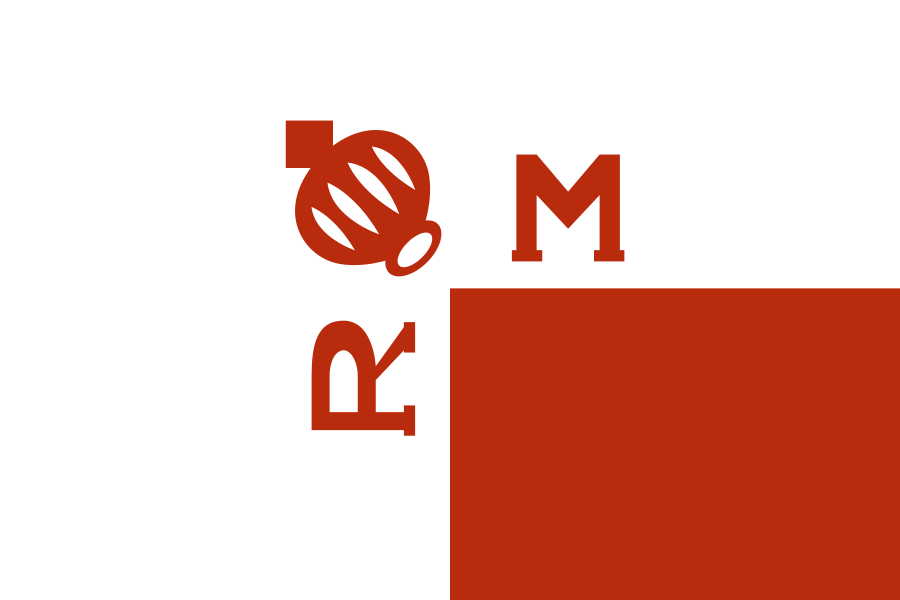
Before the French, almost the whole island was unified under the Merina monarchy — the Kingdom of Madagascar — which flew a white-and-red flag often bearing the royal initials. A sophisticated state that traded with Europe and adopted Christianity and a written script, it kept its independence until France invaded and abolished the monarchy in 1896. Its white-and-red endures at the hoist of the modern flag.
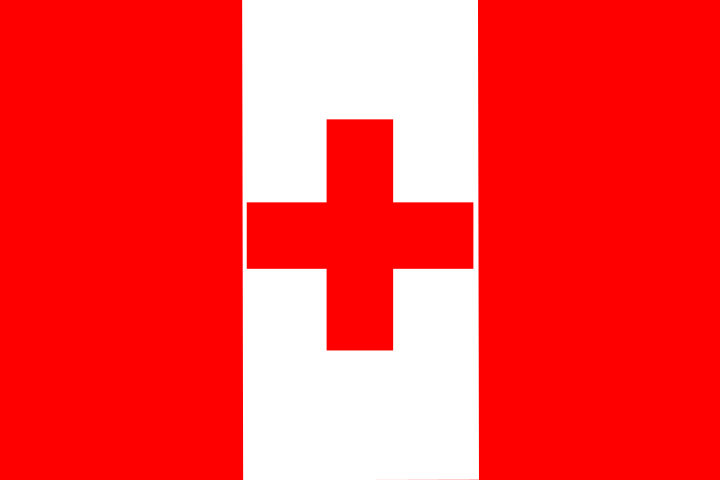
A powerful Sakalava kingdom of northwest Madagascar, rich from the slave and cattle trade, before the Merina unification.
Empires, kingdoms and republics that once covered part of Madagascar.
The Merina rulers of highland Madagascar flew white-and-red flags, the personal colors of King Radama I. These royal colors survive in Madagascar's modern flag.
12 other national flags use the same main colours as Madagascar's.
Play Globalio and learn Madagascar's flag Algeria
 Belarus
 Bulgaria
 Burundi
 Hungary
 Iran
 Italy
 Lebanon
 Maldives
 Mexico
 Oman
 Turkmenistan