Africa
Flag of Ethiopia
Ethiopia is the oldest independent country in Africa and one of the world's oldest nations, having successfully resisted European colonisation by defeating Italy at the Battle of Adwa in 1896. It is the second most populous country in Africa and the most populous landlocked country in the world. Ethiopia is widely considered the birthplace of coffee and is home to some of humanity's earliest known fossil remains, including the famous 'Lucy' skeleton discovered in 1974.

- CapitalAddis Ababa
- RegionAfrica
- Current flag since2009
- Main coloursGreen, Yellow, Red, Blue
- Populationabout 126 million
- Areaabout 1,104,000 km²
- GeographyLandlocked
- Flags in history5
Population and area are rounded.
What the flag of Ethiopia means
Green, yellow and red have been Ethiopia's colours since the late 19th century. Because Ethiopia resisted colonisation, they became the model for the Pan-African colours used by many countries at independence. The blue disc with a yellow star, added in 1996, represents the unity and equality of the nations and peoples of Ethiopia.
How to recognise it
Horizontal green-yellow-red with a blue disc and yellow star in the centre.
Did you know?
Ethiopia is the only African country never to be colonised — it defeated Italy at the Battle of Adwa in 1896.
Easily confused with
Ethiopia's flag is often mixed up with these. Learn to tell them apart:
Flag history of Ethiopia
Every flag that has flown over Ethiopia, from today back through time.
2009–present
Flag of Ethiopia
A 2009 standardization fixed the current national emblem — a gold rayed pentagram on a blue disc — whose rays symbolize the equality and unity of Ethiopia's peoples. The red-yellow-green is one of the world's oldest tricolors.
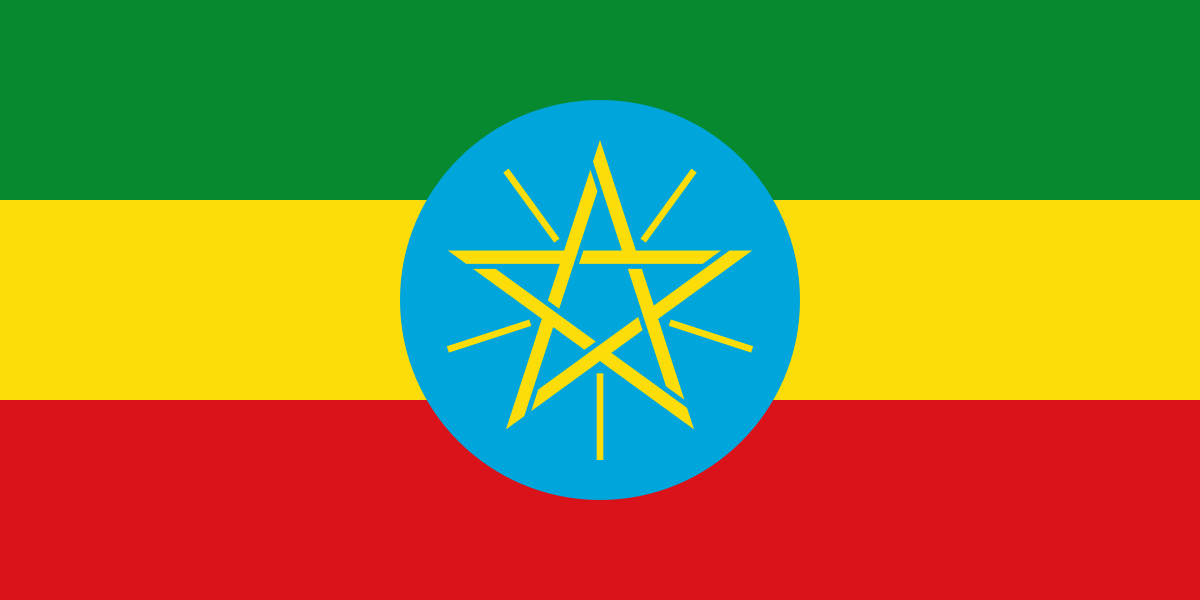
1996–2009
National emblem flag (light disc)
The current design debuted in 1996, adding the gold pentagram on a blue disc; the shade and proportions were tweaked over the following years.
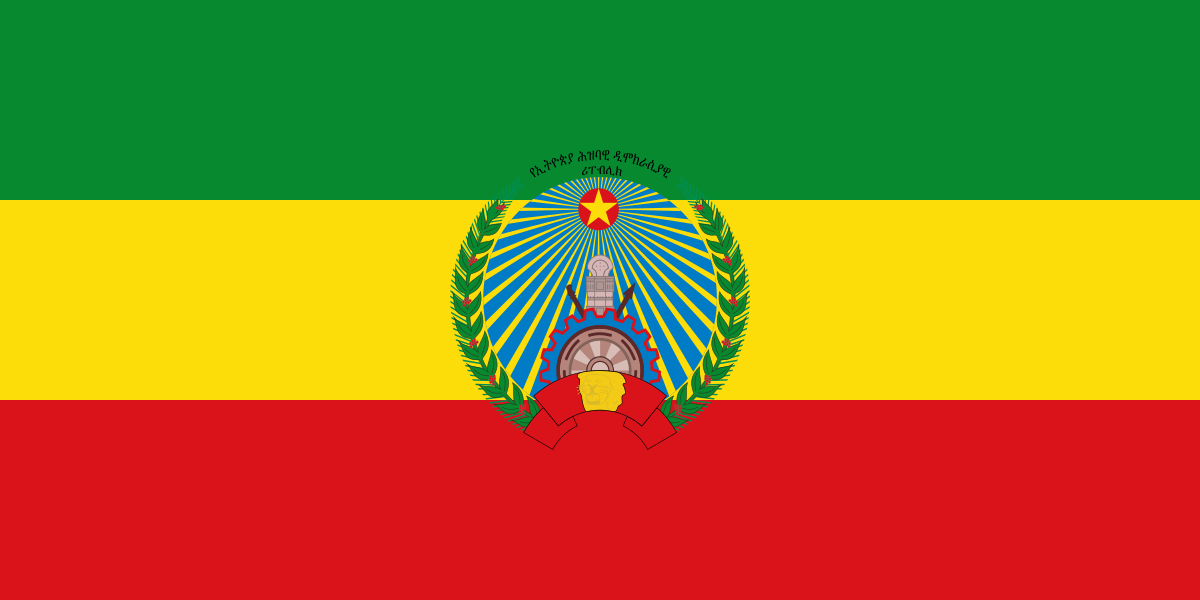
1987–1991
PDRE socialist flag
When Mengistu's People's Democratic Republic was proclaimed in 1987, a state emblem with a red star, gear, and rising sun was added.
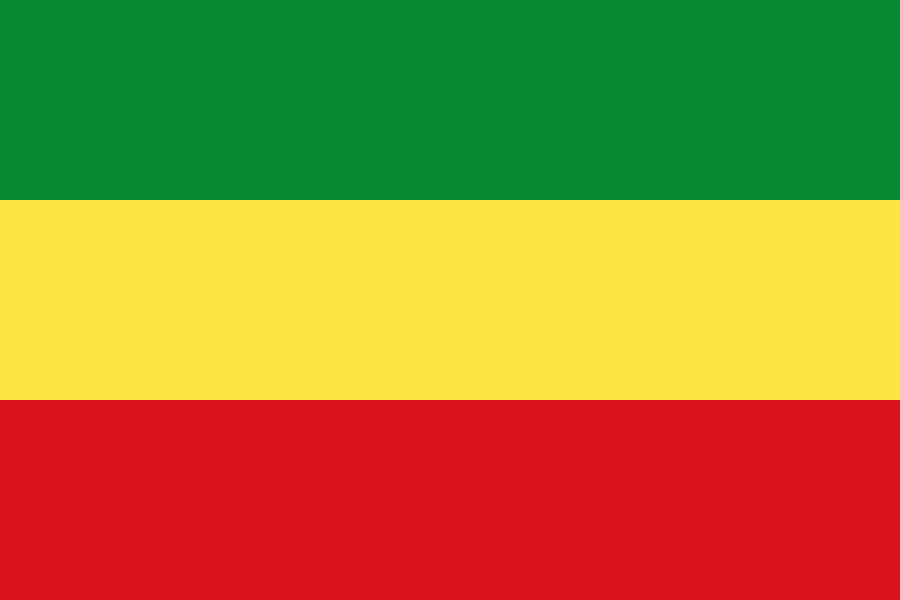
1975–1987
Plain Derg tricolour
From 1975 the military Derg flew the bare red-yellow-green tricolour with no emblem, stripping away all imperial symbolism.
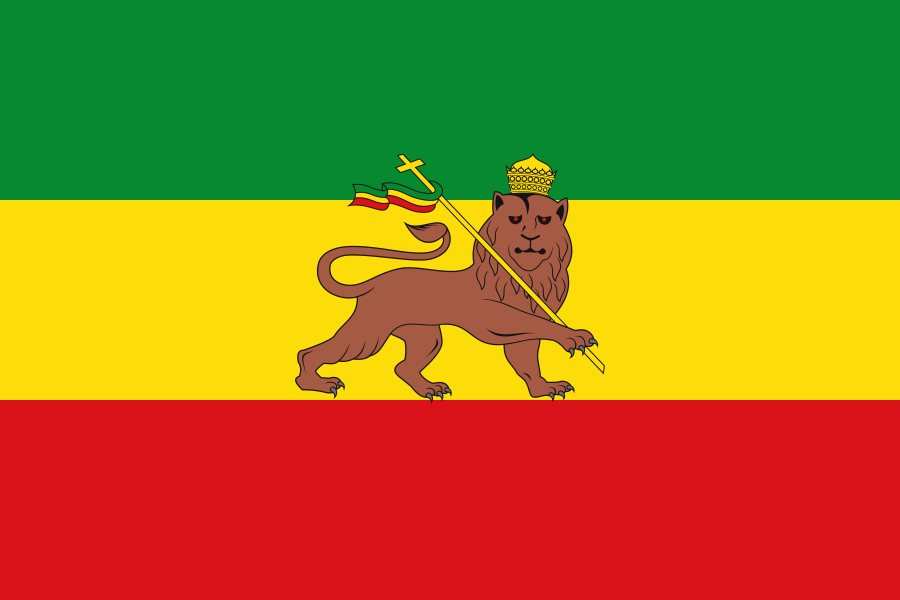
1897–1974
Imperial Lion of Judah
Menelik II fixed the tricolour in 1897; from 1914 it bore the crowned Lion of Judah holding a cross-tipped staff, emblem of the Solomonic dynasty — interrupted only by the Italian occupation of 1936–1941.
Related historical states
Empires, kingdoms and republics that once covered part of Ethiopia.
1897–1974
Ethiopian Empire
The crowned Lion of Judah symbolized the Solomonic dynasty's claimed descent from King Solomon and the Queen of Sheba. Its green-yellow-red became the model for Pan-African colors.
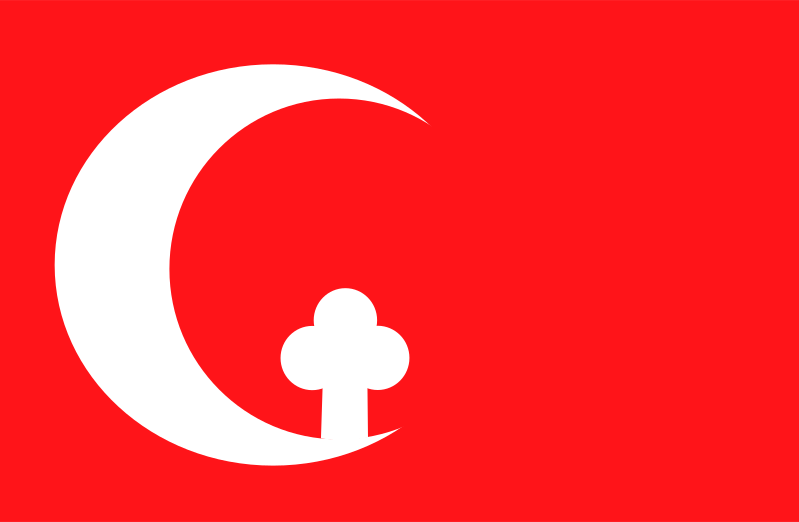
1647–1887
Emirate of Harar
An independent walled city-state in eastern Ethiopia, a revered centre of Islamic learning, until Emperor Menelik II conquered it in 1887. Its flag bears crossed swords.
Regional flags of Ethiopia
The 14 states, provinces and regions of Ethiopia with their own flags.
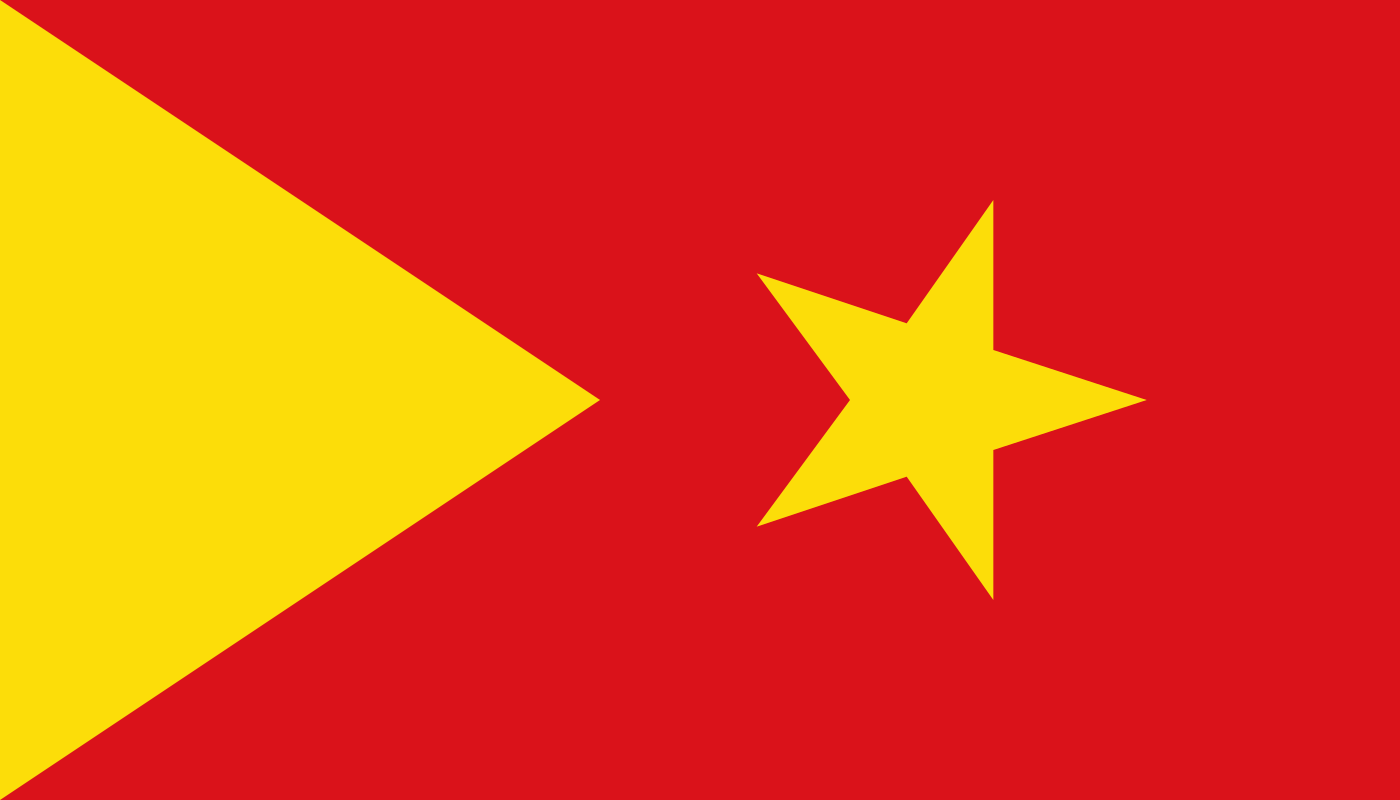
Tigray
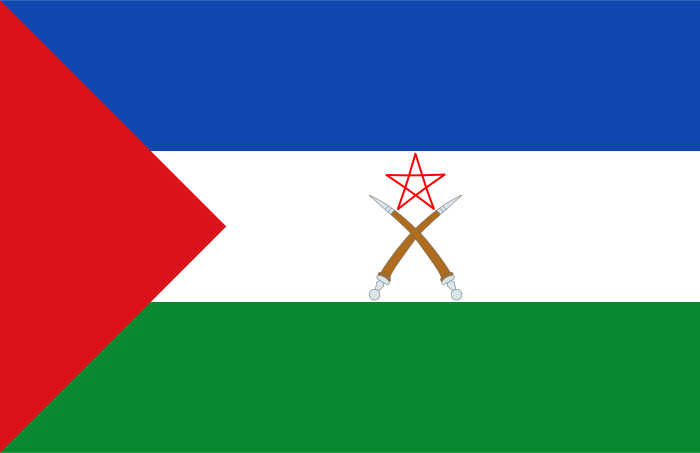
Afar
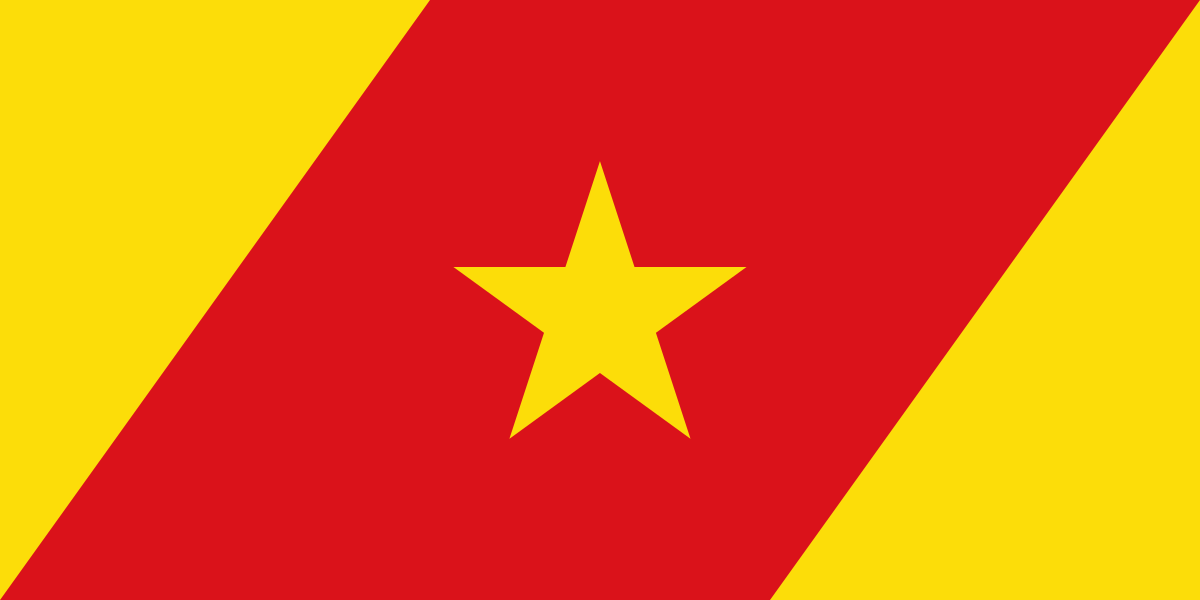
Amhara
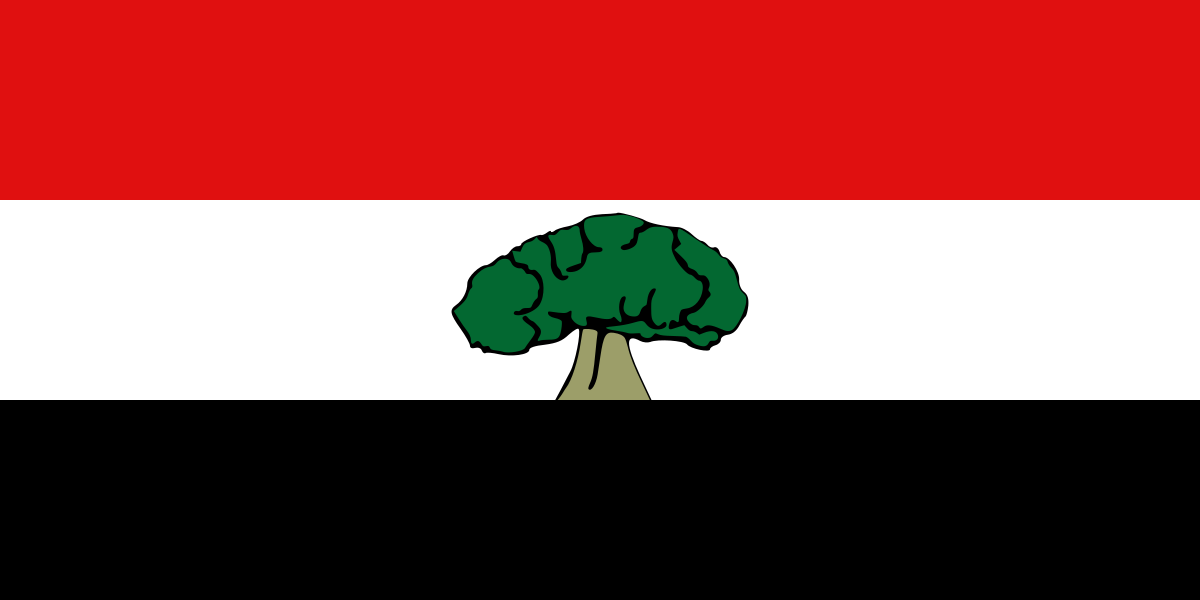
Oromia
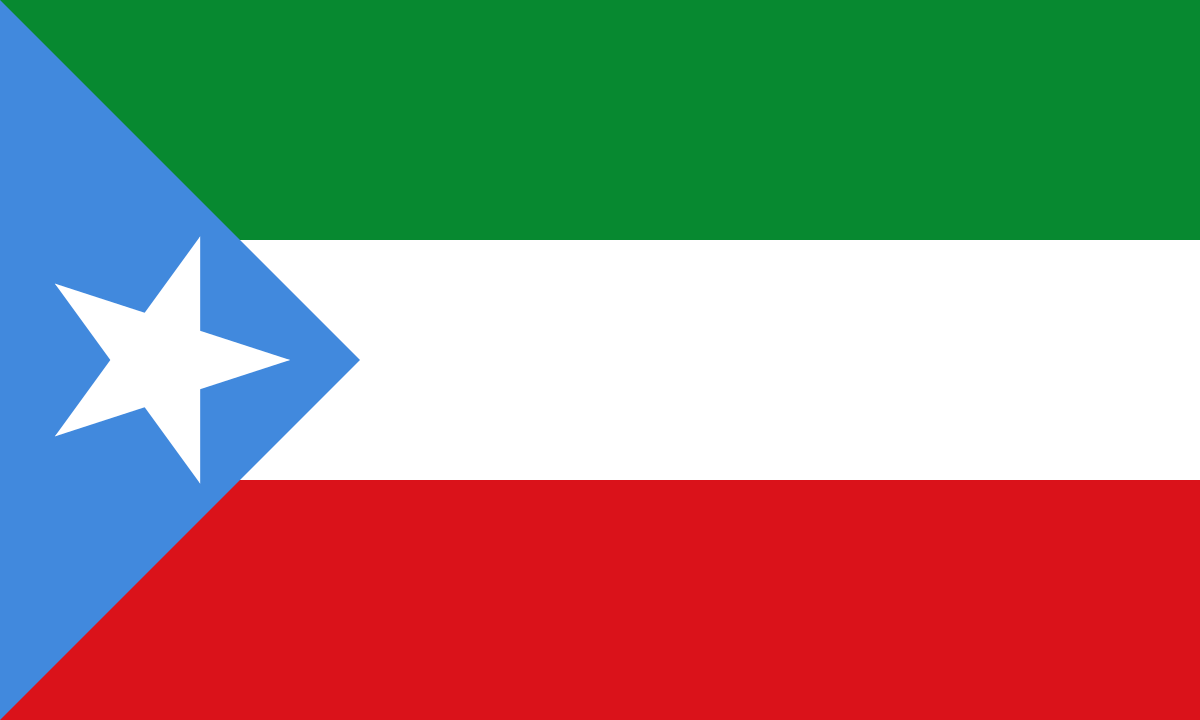
Somali
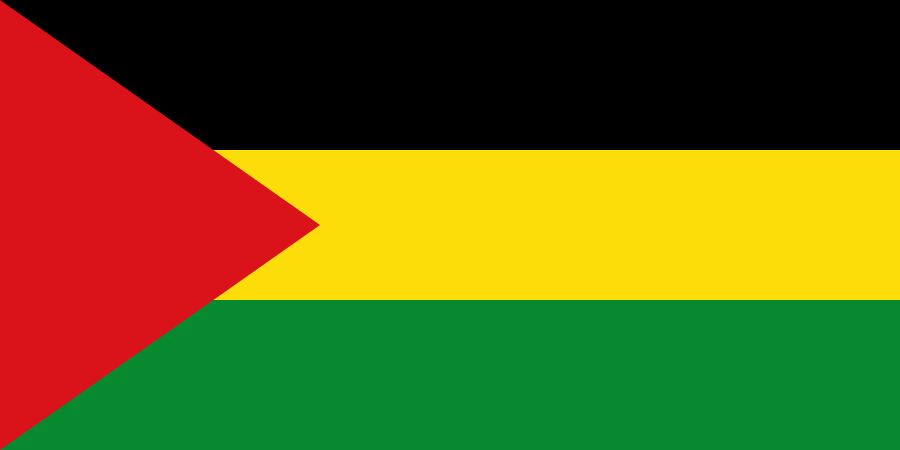
Benishangul-Gumuz
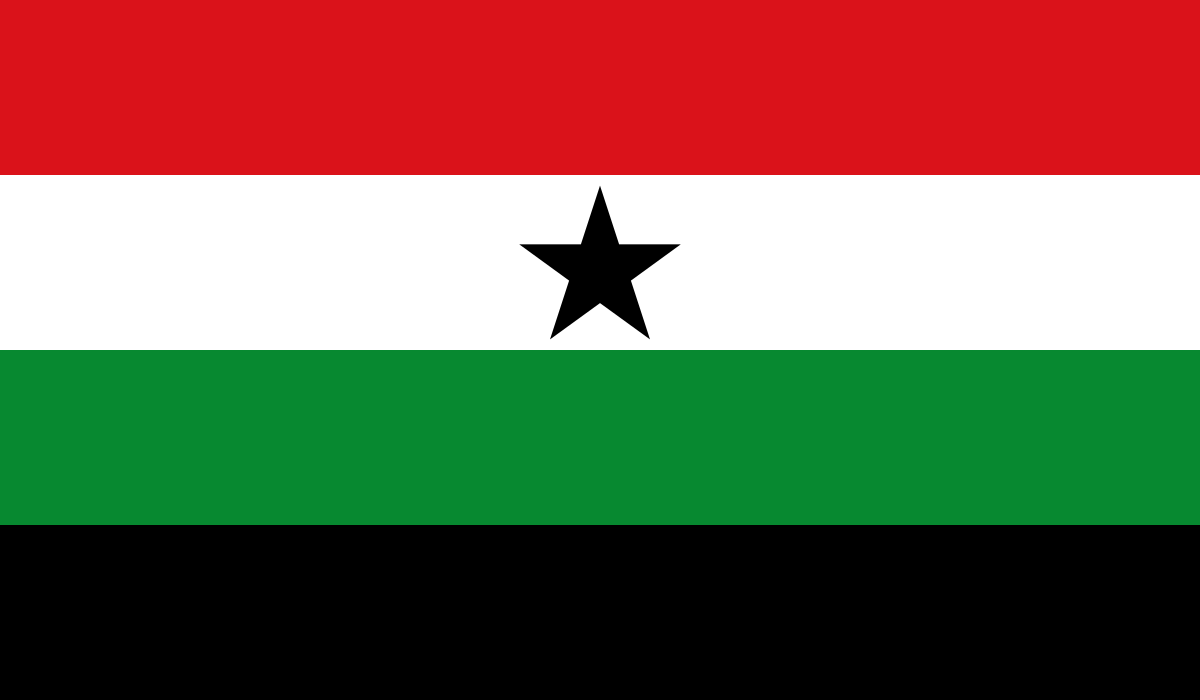
Gambela
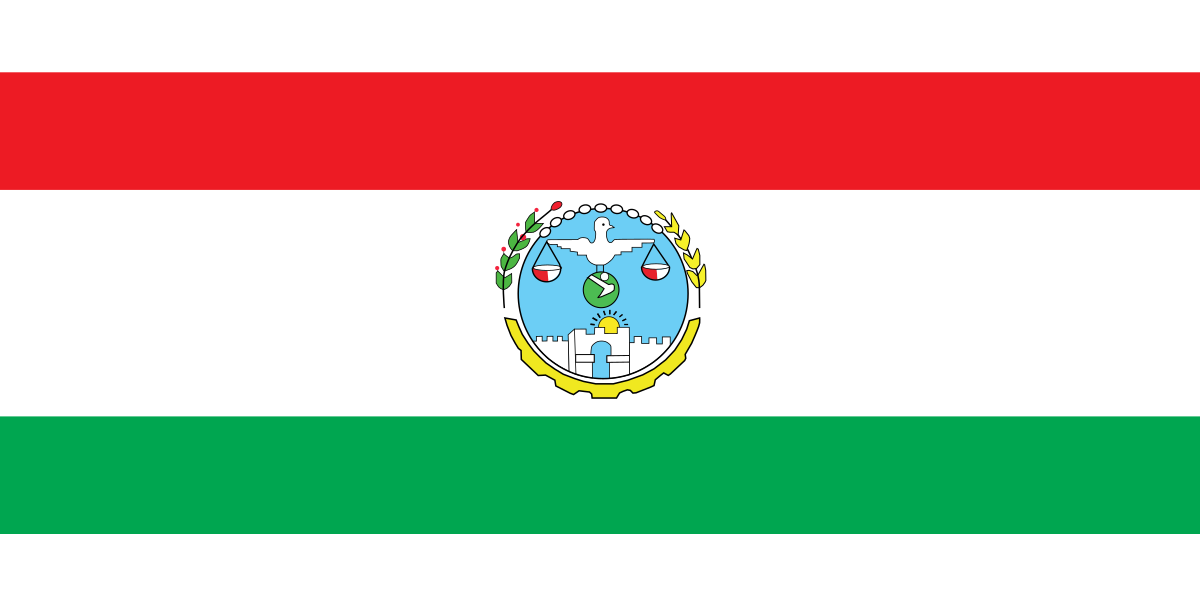
Harari
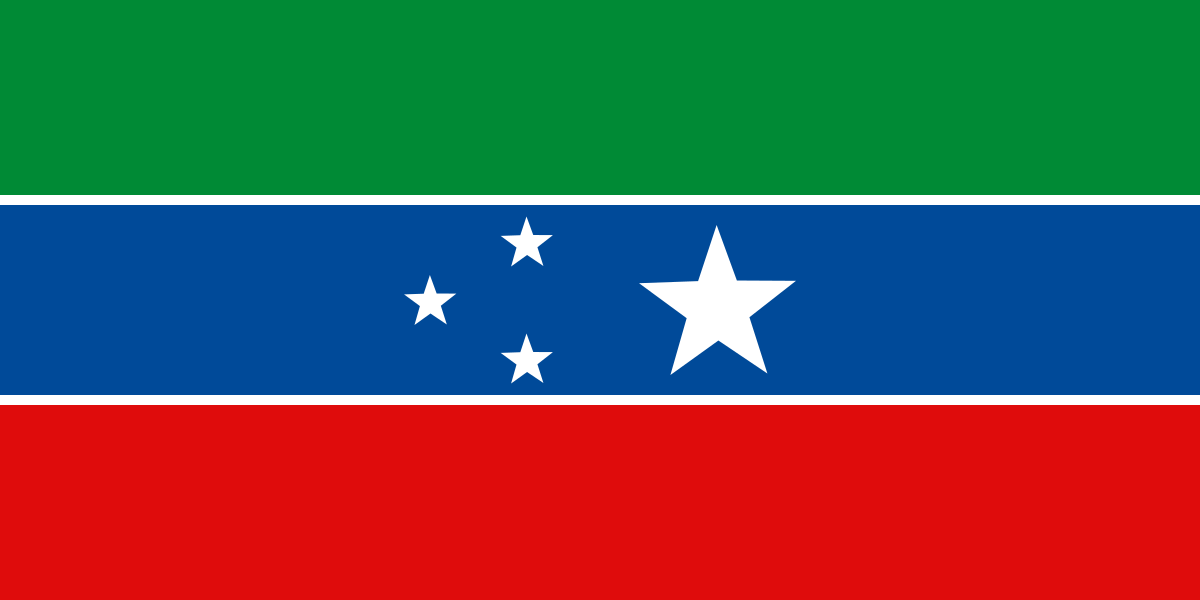
Sidama
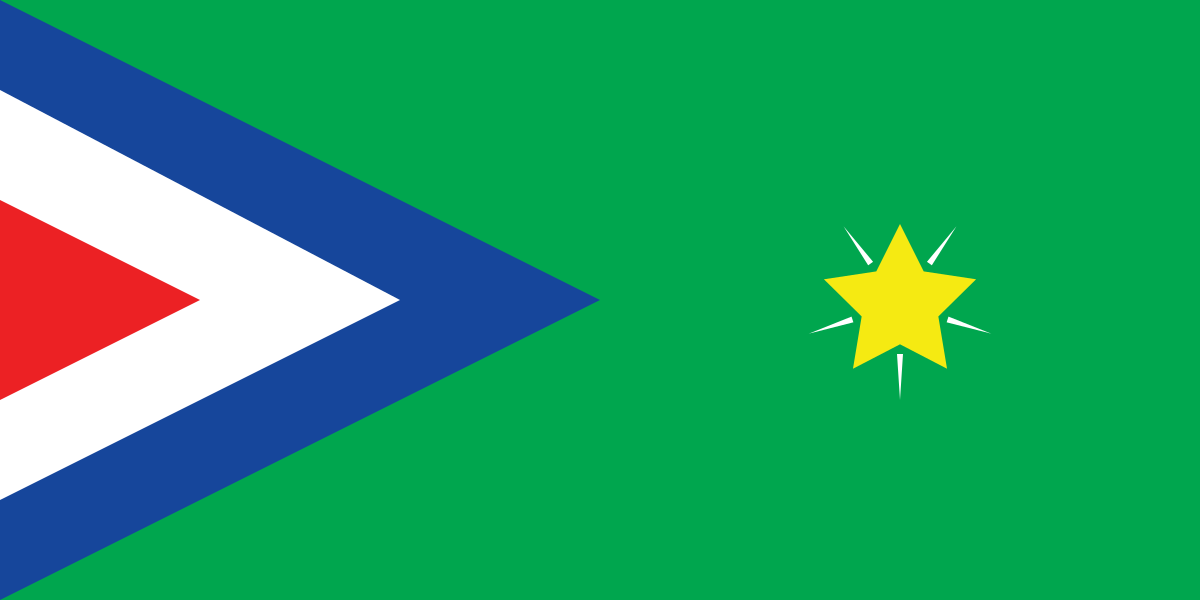
South West Ethiopia
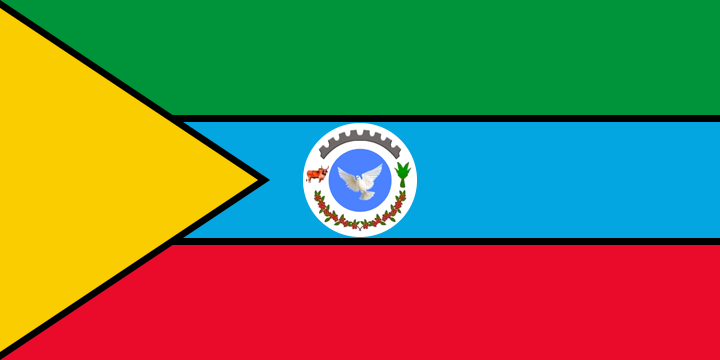
South Ethiopia
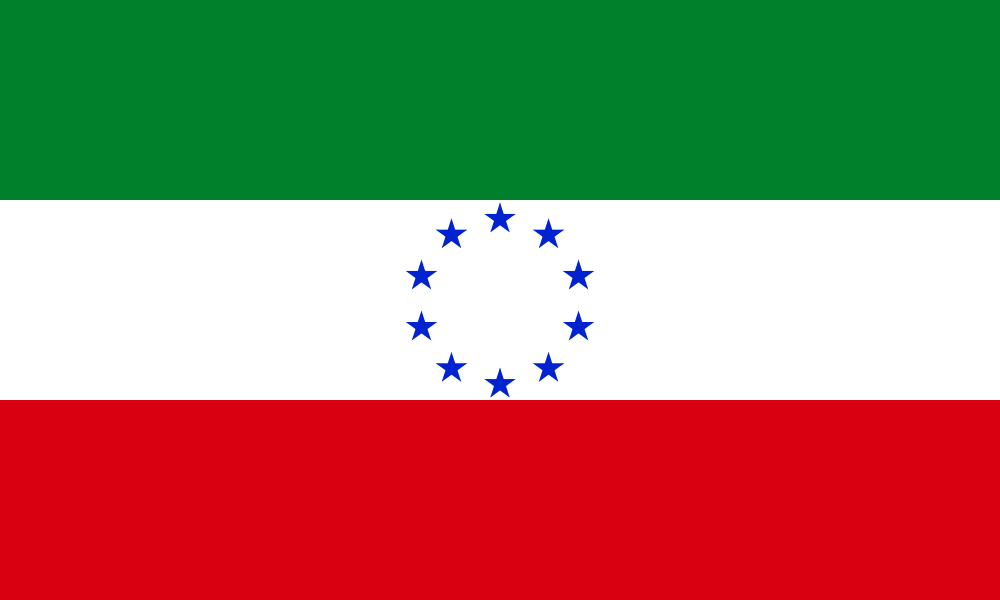
Central Ethiopia
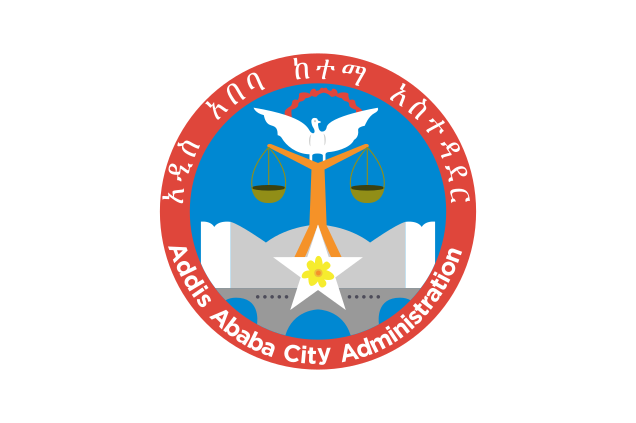
Addis Ababa
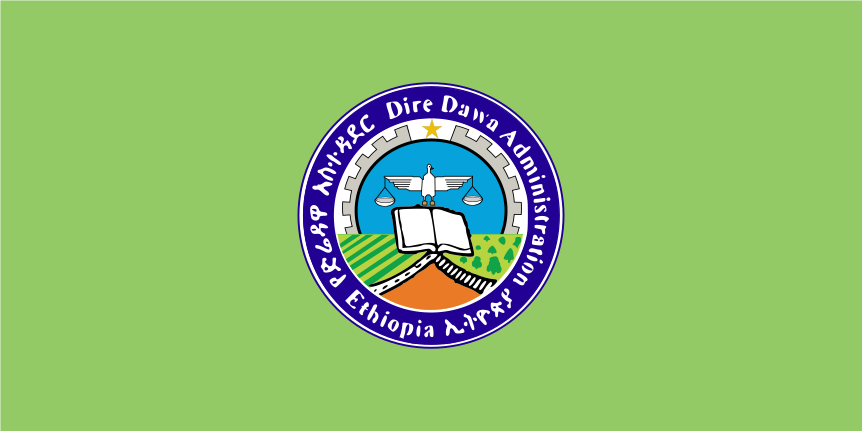
Dire Dawa
Neighbouring countries
Ethiopia shares a land border with 6 countries: Djibouti, Eritrea, Kenya, Somalia, South Sudan and Sudan.
Other flags in green, yellow, red and blue
2 other national flags use the same main colours as Ethiopia's.
Play Globalio and learn Ethiopia's flag
 Ghana
 Cameroon
 Lithuania
 Djibouti
 Eritrea
 Kenya
 Somalia
 South Sudan
 Sudan
 Mauritius