 Italy
 Bulgaria
 Iran

1957–present
Current tricolor
After the 1956 revolution was crushed, the Kádár government removed all heraldry, returning to the plain red-white-green tricolor. This emblem-free flag has remained Hungary's flag ever since.
Hungary is a landlocked Central European country with a language unrelated to its Slavic and Germanic neighbours, belonging to the Finno-Ugric language family. Budapest, formed by the union of Buda and Pest in 1873, is often called the 'Paris of the East' for its grand boulevards, thermal baths, and ornate parliament building on the Danube. Hungary was a major power within the Austro-Hungarian Empire and joined the European Union in 2004.
Population and area are rounded.
The colours come from the historic Hungarian coat of arms, with its red and white bars and a green triple mound. They are popularly read as strength (red), faithfulness (white) and hope (green). The tricolour took its present form during the revolution of 1848. During the 1956 uprising, protesters cut the communist emblem out of the centre, and the flag with a hole became the symbol of the revolt.
Horizontal red-white-green (top to bottom). Italy is vertical green-white-red.
Hungary invented the Rubik's Cube, the ballpoint pen, and the hologram.
Hungary's flag is often mixed up with these. Learn to tell them apart:
Every flag that has flown over Hungary, from today back through time.
After the 1956 revolution was crushed, the Kádár government removed all heraldry, returning to the plain red-white-green tricolor. This emblem-free flag has remained Hungary's flag ever since.
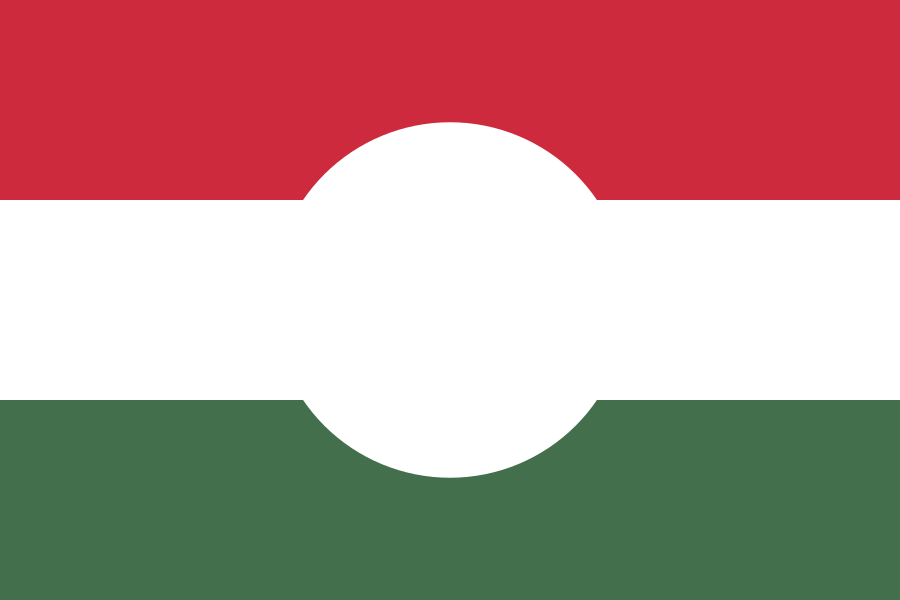
Revolutionaries cut the hated communist coat of arms out of the flag's center, leaving an iconic ragged hole. This "hole flag" became the enduring emblem of the 1956 uprising against Soviet rule.
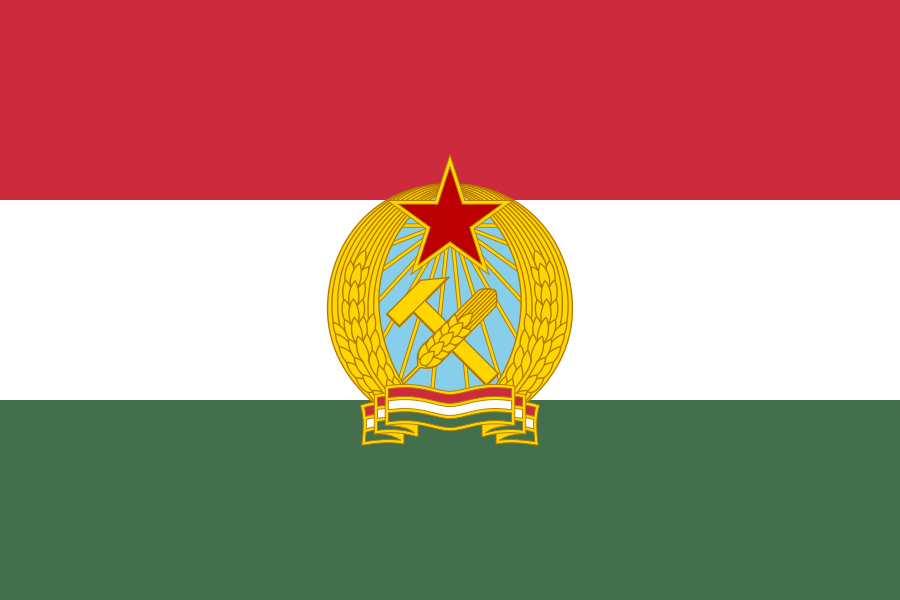
The Stalinist Rákosi regime placed a Soviet-style emblem of wheat, hammer and red star at the flag's center — a foreign-looking symbol that Hungarians widely resented.
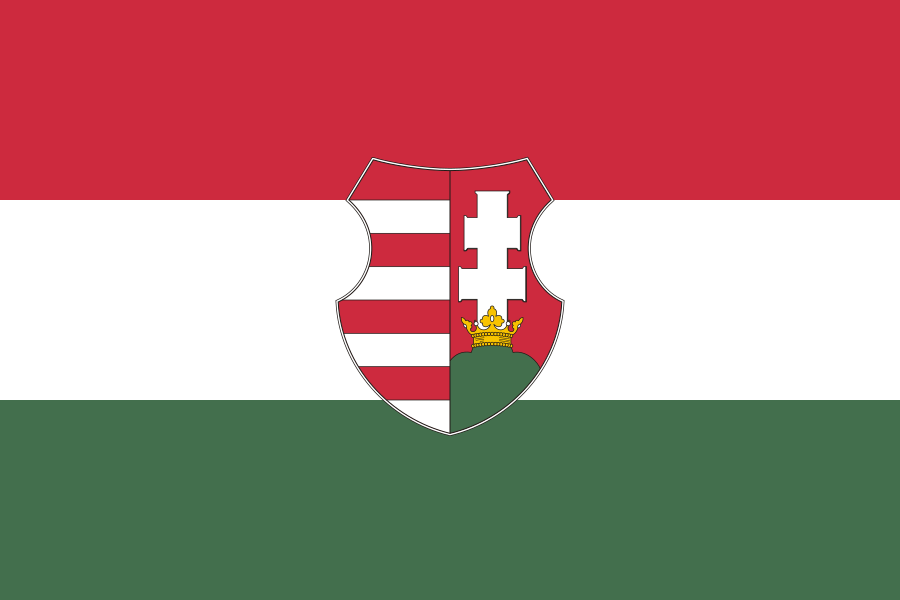
The post-war Second Hungarian Republic restored the small Kossuth coat of arms to the tricolor. The same flag returned briefly during the 1956 revolution.
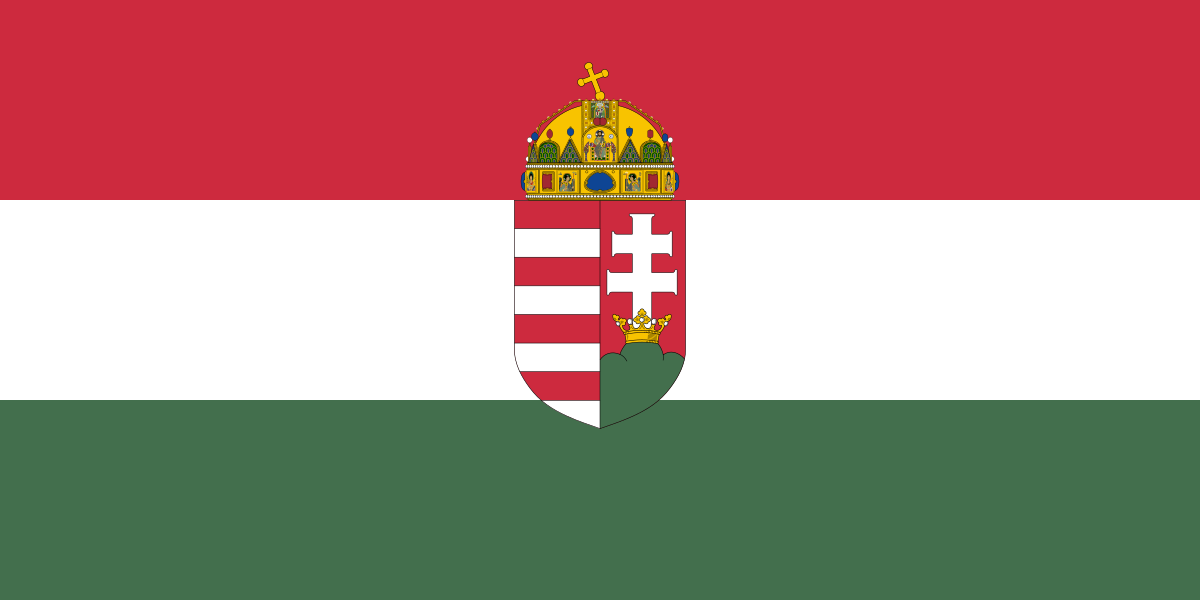
The plain red-white-green tricolor flew over the interwar Kingdom of Hungary — a kingdom with no king, ruled by Regent Horthy.
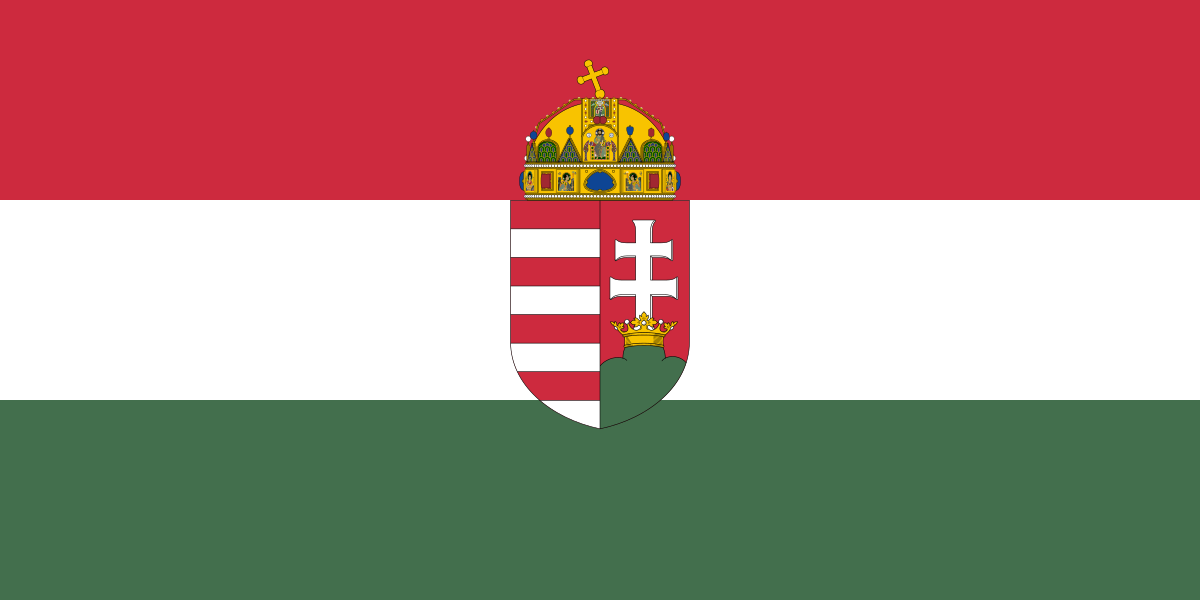
Within the Austro-Hungarian Empire, the Kingdom of Hungary flew the red-white-green tricolor charged with the crowned middle coat of arms, often flanked by angels. It was the flag of the Hungarian half of the Dual Monarchy, at the height of Budapest's belle-époque grandeur, until the empire collapsed in 1918.
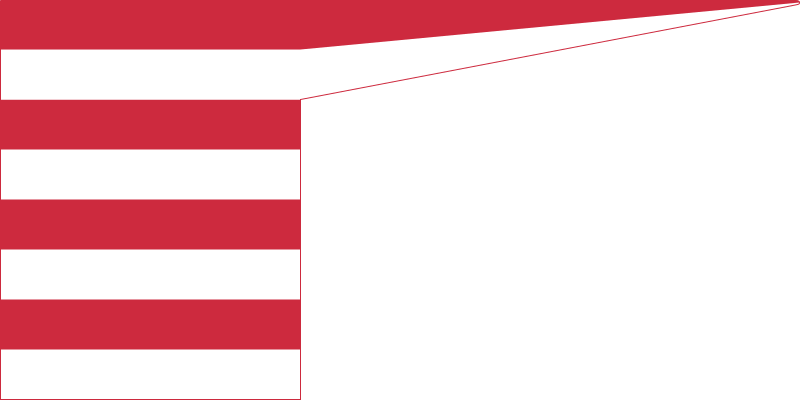
The red-and-white horizontal stripes (the "Árpád stripes") were the banner of the House of Árpád, Hungary's founding dynasty, from around the 11th century. One of the oldest heraldic devices in Europe, they still occupy the left half of Hungary's coat of arms and remain a powerful — and politically contested — national symbol.
Empires, kingdoms and republics that once covered part of Hungary.
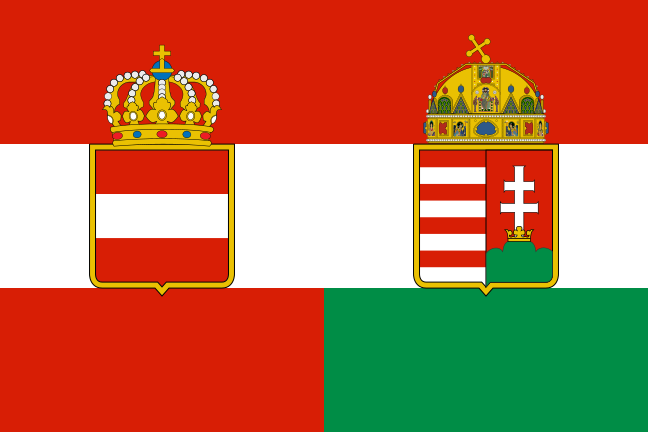
The civil ensign split 50/50, joining the Austrian red-white-red with Hungary's colors and both shields — the Dual Monarchy never agreed on a single flag for the whole empire.

Béla Kun's plain red communist state, the second Soviet republic in the world after Russia, which lasted just 133 days before Romanian troops toppled it.
The communist 'Rákosi coat of arms' on the tricolor was so hated that 1956 revolutionaries cut it out, leaving a hole-in-the-flag that became the uprising's emblem.
The 20 states, provinces and regions of Hungary with their own flags.
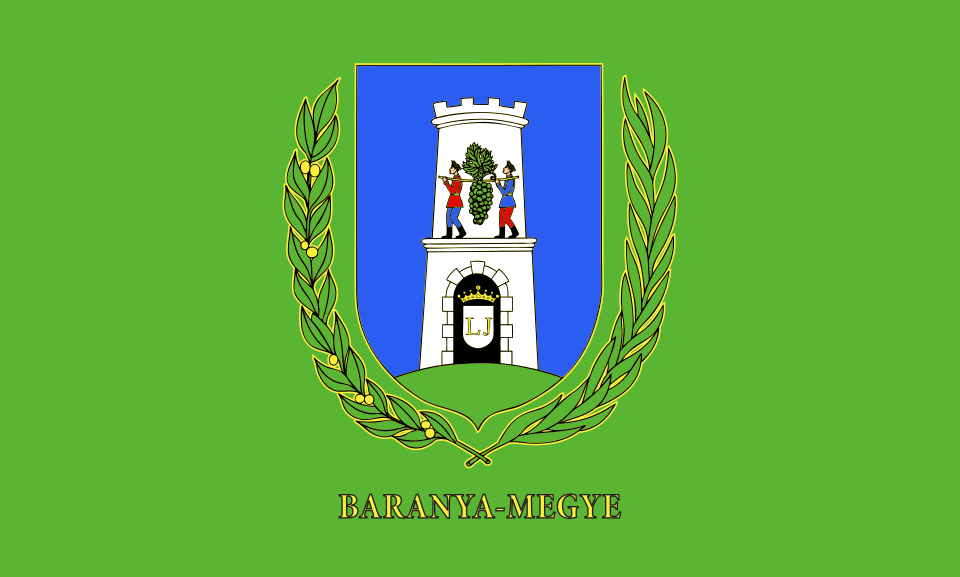 Baranya
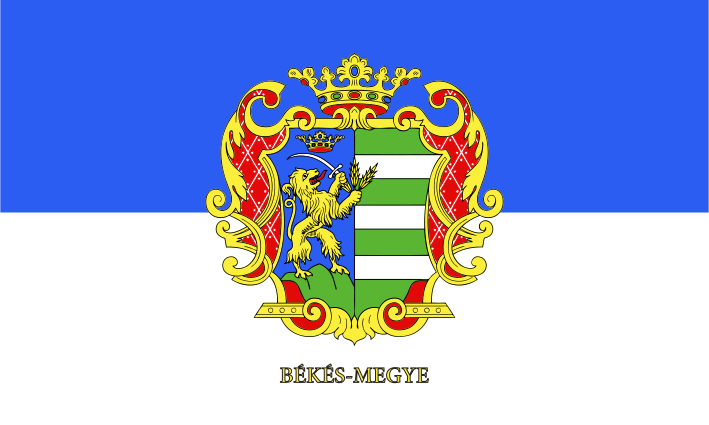 Békés
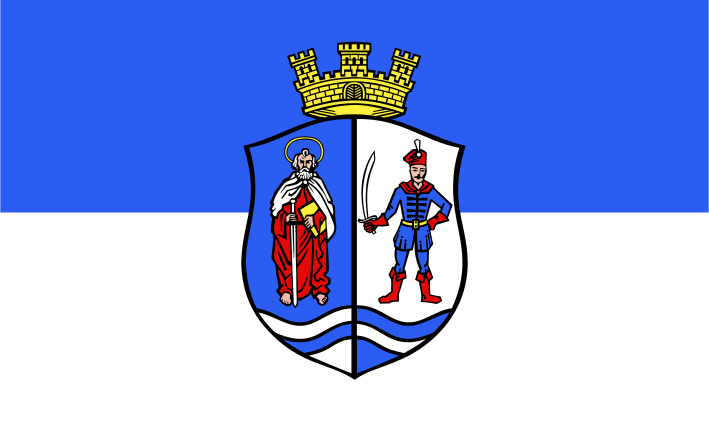 Bács-Kiskun
 Budapest
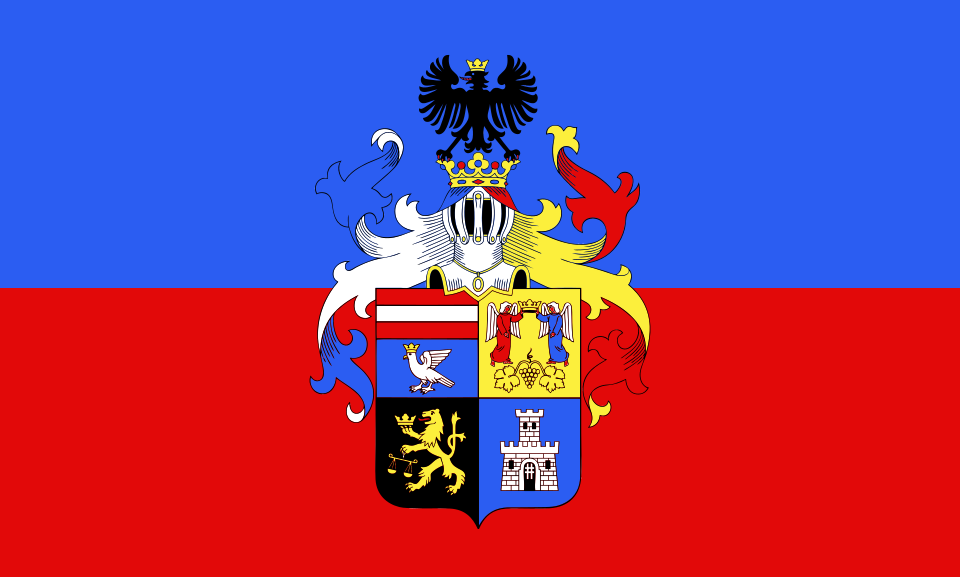 Borsod-Abaúj-Zemplén
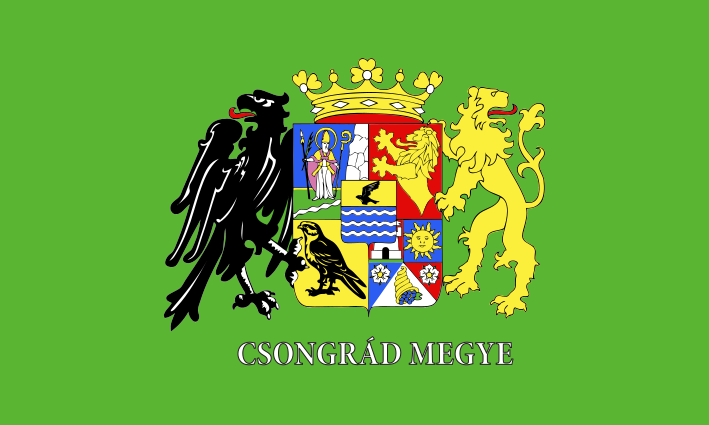 Csongrád-Csanád
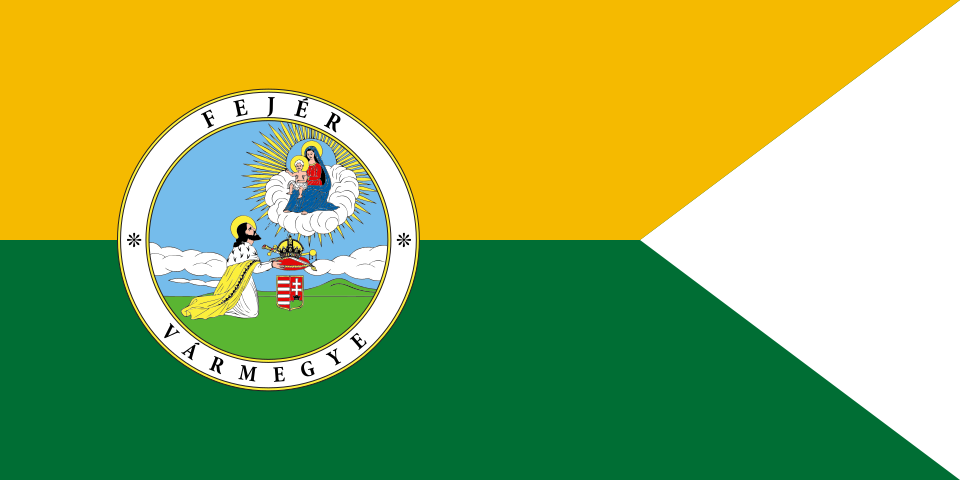 Fejér
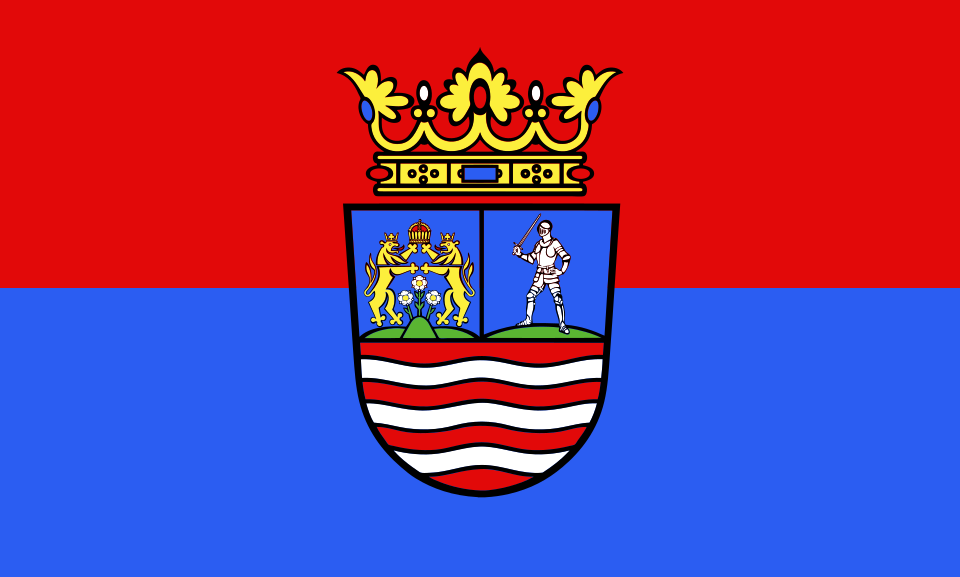 Győr-Moson-Sopron
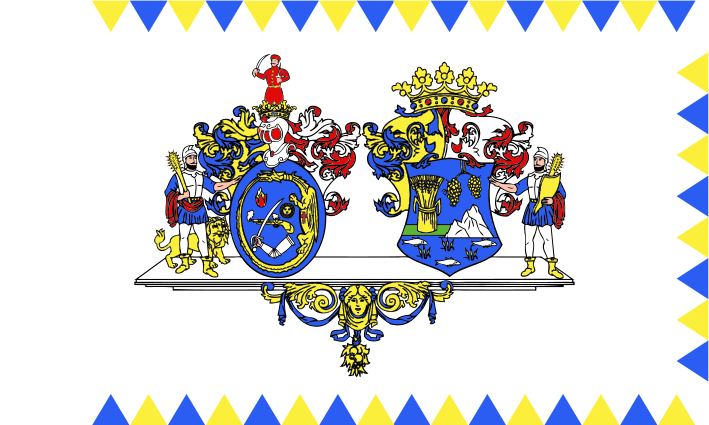 Hajdú-Bihar
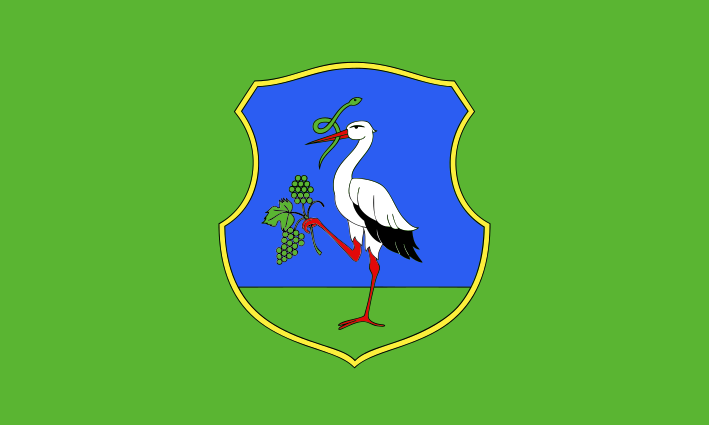 Heves
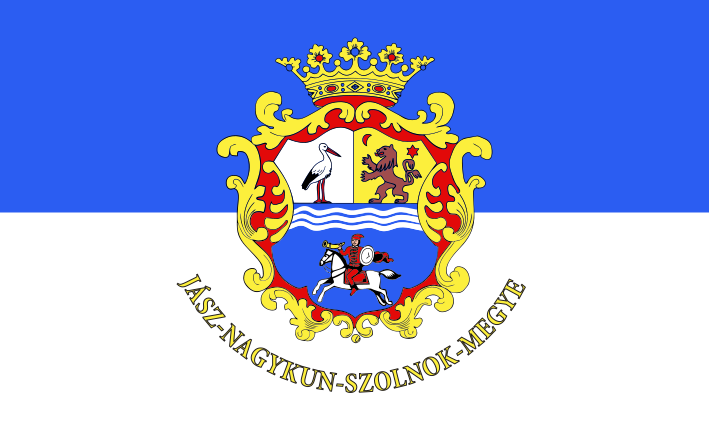 Jász-Nagykun-Szolnok
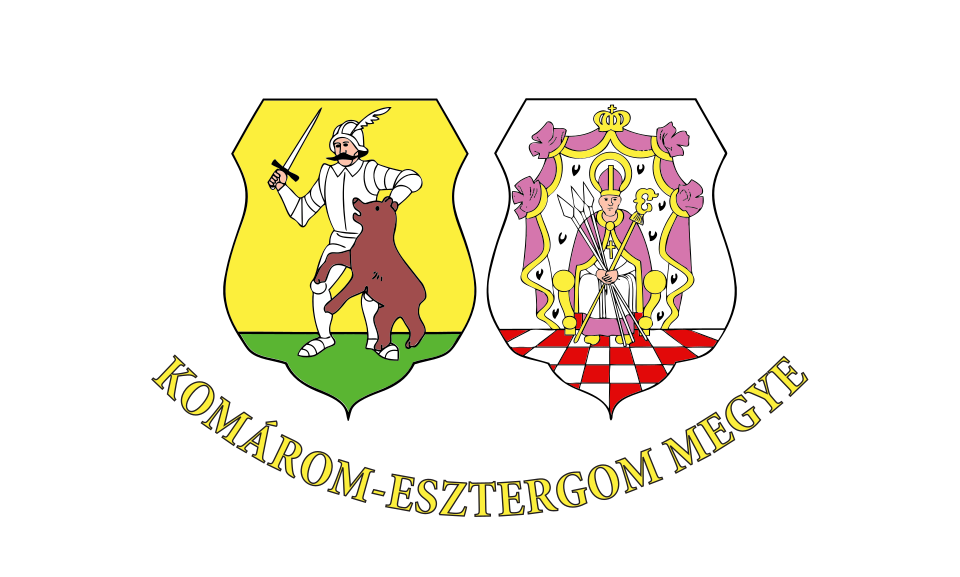 Komárom-Esztergom
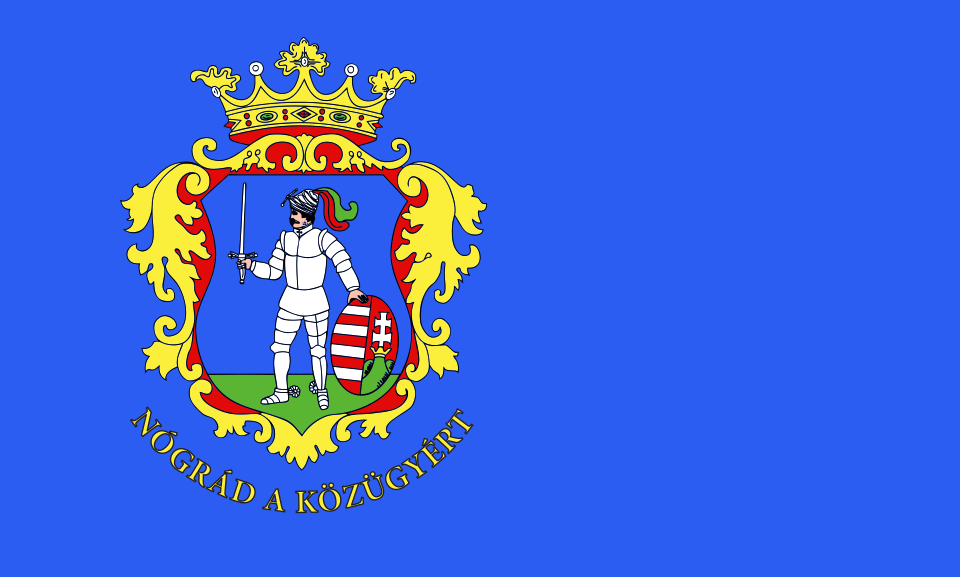 Nógrád
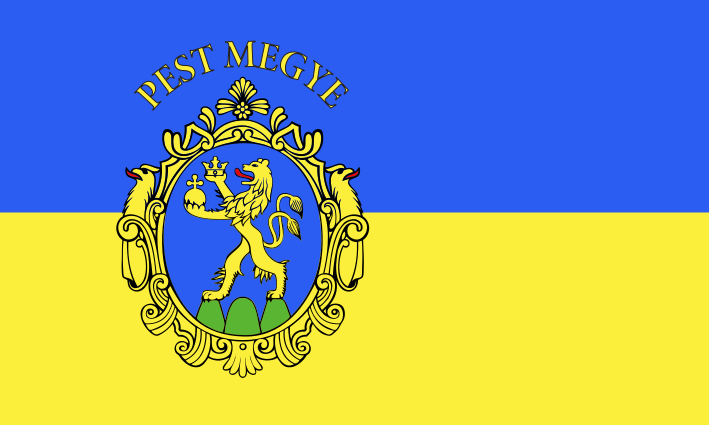 Pest
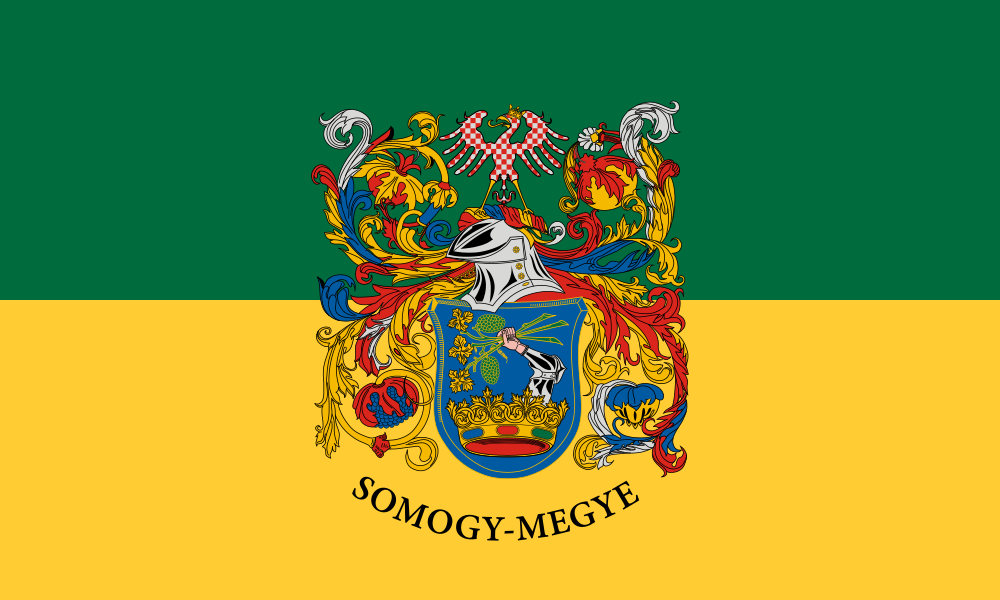 Somogy
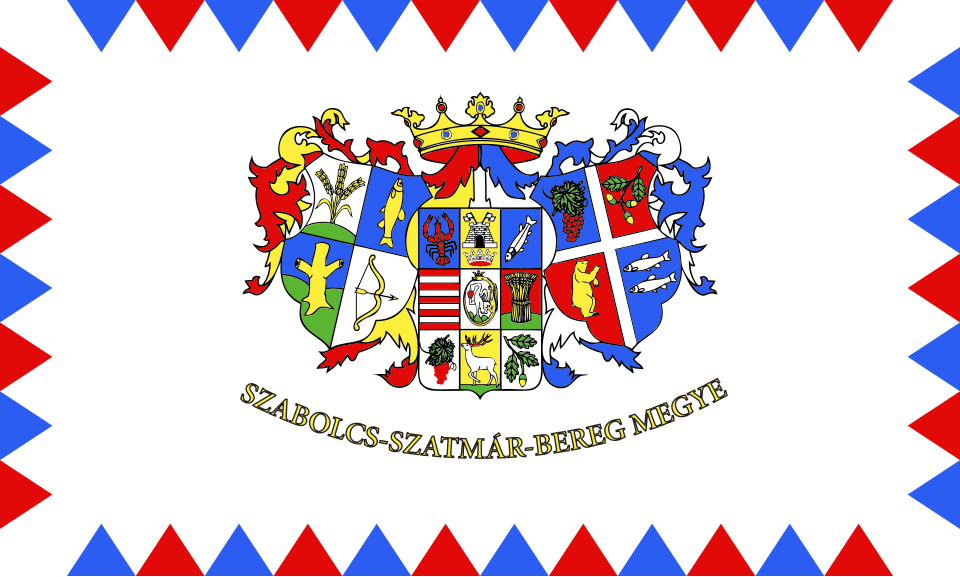 Szabolcs-Szatmár-Bereg
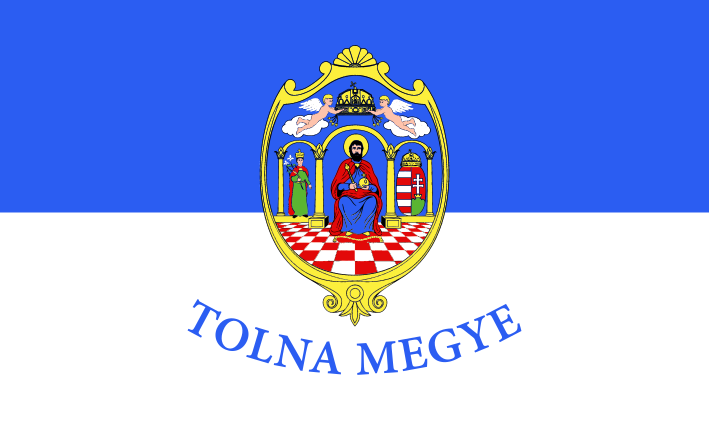 Tolna
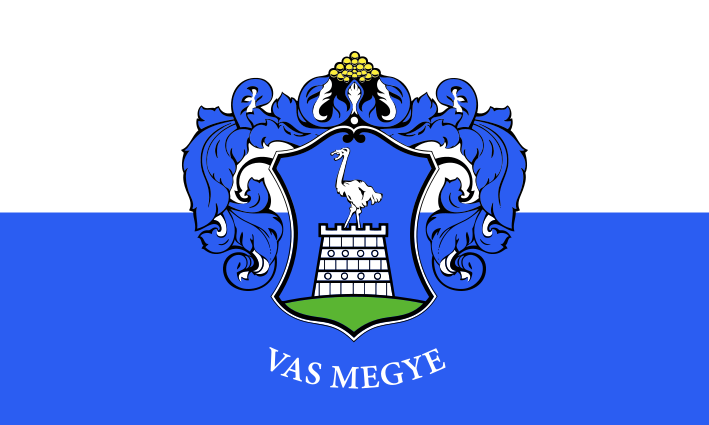 Vas
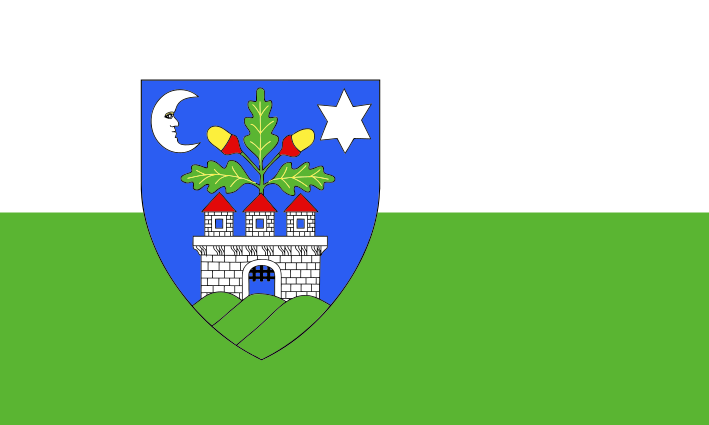 Veszprém
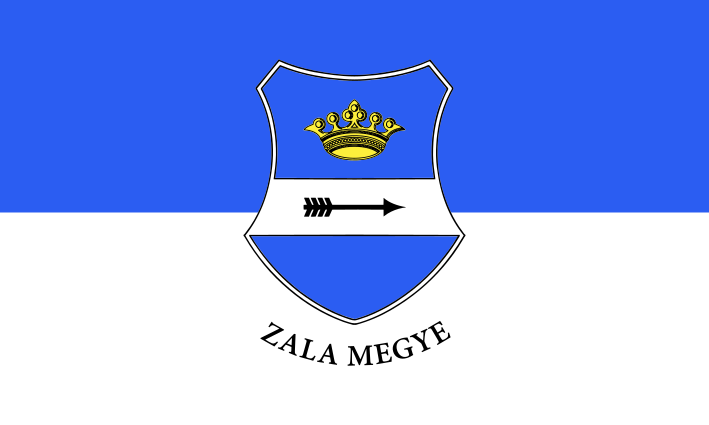 Zala
Hungary shares a land border with 7 countries: Austria, Croatia, Romania, Serbia, Slovakia, Slovenia and Ukraine.
12 other national flags use the same main colours as Hungary's.
Play Globalio and learn Hungary's flag Austria
 Croatia
 Romania
 Serbia
 Slovakia
 Slovenia
 Ukraine
 Algeria
 Belarus
 Burundi
 Lebanon
 Madagascar
 Maldives
 Mexico
 Oman
 Turkmenistan