Europe
Flag of Austria
Austria is a landlocked country in Central Europe known for its alpine scenery, imperial architecture, and extraordinary musical heritage. For centuries it was the centre of the Habsburg Empire, one of Europe's most powerful dynasties, which shaped the culture of the entire continent. Vienna, the capital, was home to Mozart, Beethoven, Schubert, Brahms, and Mahler, and remains one of the world's preeminent cultural cities.

- CapitalVienna
- RegionEurope
- Current flag since1945
- Main coloursRed, White
- Populationabout 9 million
- Areaabout 84,000 km²
- GeographyLandlocked
- Flags in history5
Population and area are rounded.
What the flag of Austria means
Legend says Duke Leopold V's white tunic was soaked in blood at the Siege of Acre in 1191 except under his belt, leaving a red-white-red pattern. In fact the colours are the arms of the Babenberg dukes, recorded from the 13th century, which makes this one of the oldest national flag designs still in use. The state flag adds the federal eagle holding a sickle and hammer, with the broken chains added in 1945 to mark liberation.
How to recognise it
Simple horizontal red-white-red stripes — one of the oldest national flags still in use.
Did you know?
Austria is the birthplace of Mozart, Beethoven lived there, and it gave the world the croissant.
Easily confused with
Austria's flag is often mixed up with these. Learn to tell them apart:
Flag history of Austria
Every flag that has flown over Austria, from today back through time.
1945–present
Austria (Second Republic)
With independence restored in 1945, Austria reinstated the red-white-red triband. Legend ties it to a medieval Babenberg duke whose white tunic was left red but for the band under his belt — one of the oldest flag designs still in use.
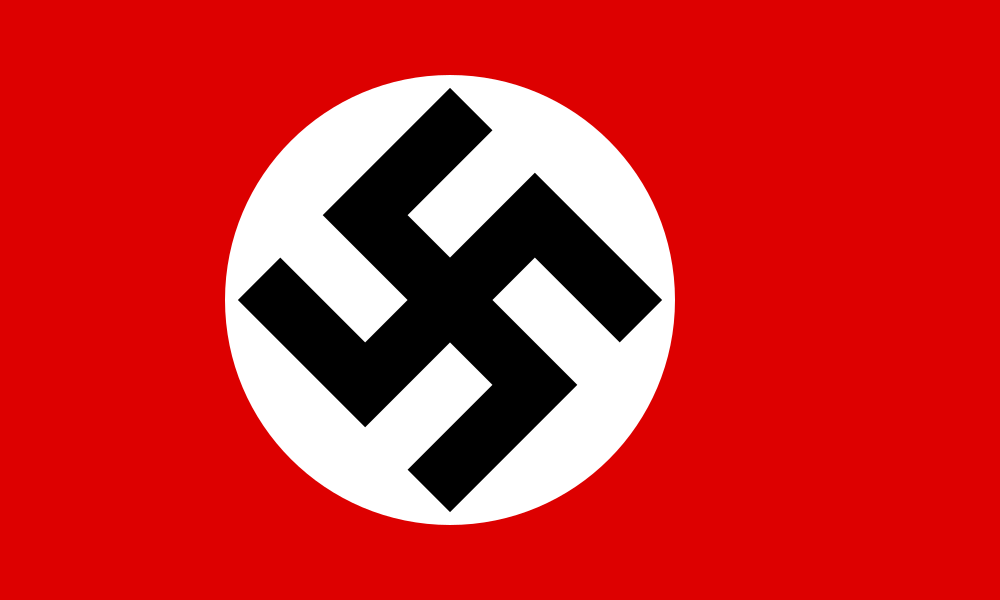
1938–1945
Anschluss (annexed by Nazi Germany)
Following the Anschluss of March 1938, Austria ceased to exist as an independent state and the Nazi German flag flew over its territory until liberation in 1945.
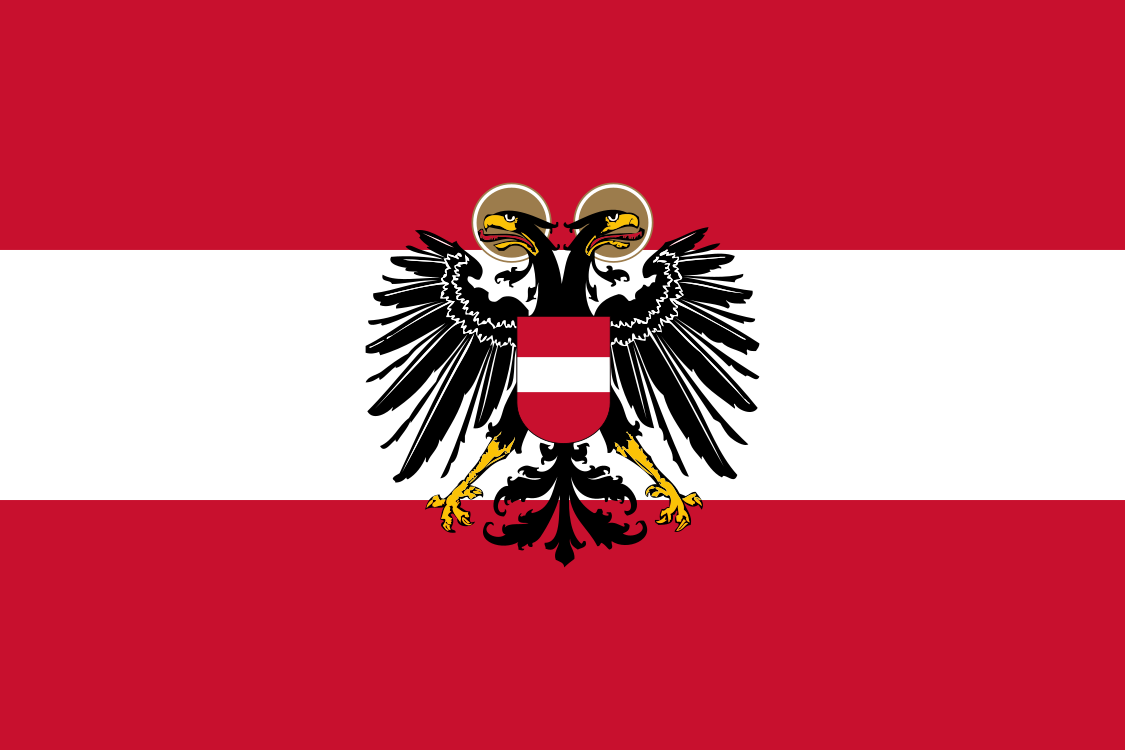
1934–1938
Federal State (Ständestaat)
The authoritarian Austrofascist Federal State kept the red-white-red bands but added a state emblem with a double-headed eagle and the crutch-cross. It ended with the Nazi annexation.
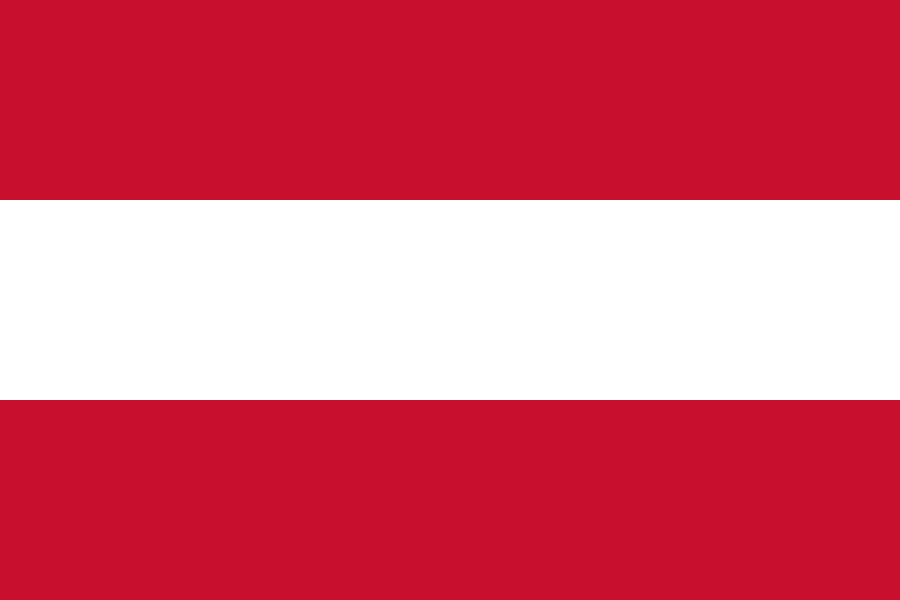
1918–1934
First Austrian Republic
After the empire collapsed, the new republic adopted the red-white-red triband that is essentially the modern Austrian flag.
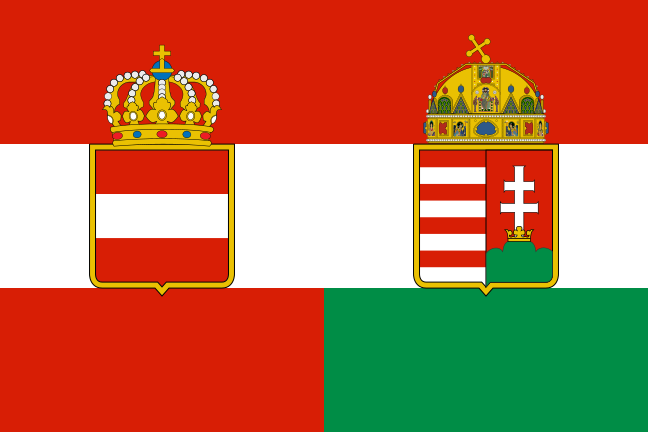
1869–1918
Austria-Hungary
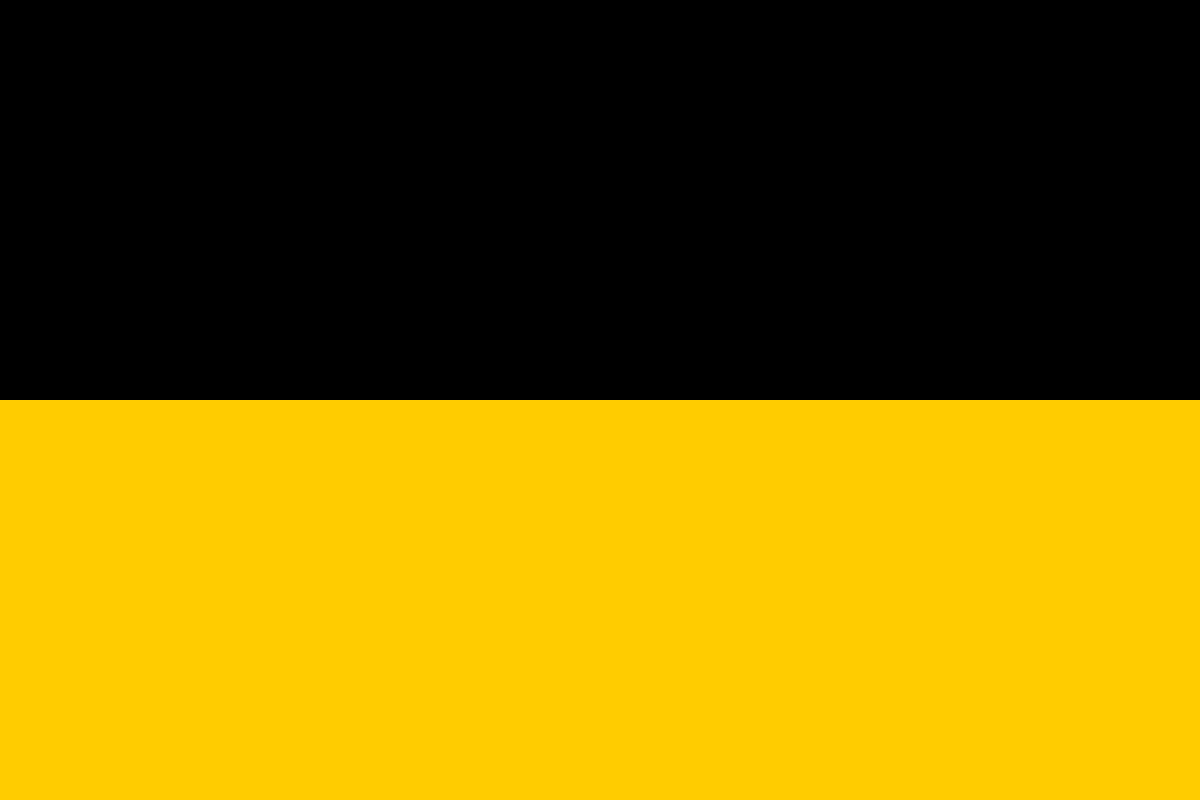
The Dual Monarchy used a combined civil ensign joining the Austrian red-white-red with the Hungarian colors, while the black-gold Habsburg flag remained in dynastic use until 1918.
Habsburg dynastic flag:
1804–1867
Austrian Empire (Habsburg)
The black-gold horizontal bicolour was the dynastic flag of the House of Habsburg, derived from their long reign as Holy Roman Emperors.
Related historical states
Empires, kingdoms and republics that once covered part of Austria.
1180–1918
Duchy of Styria
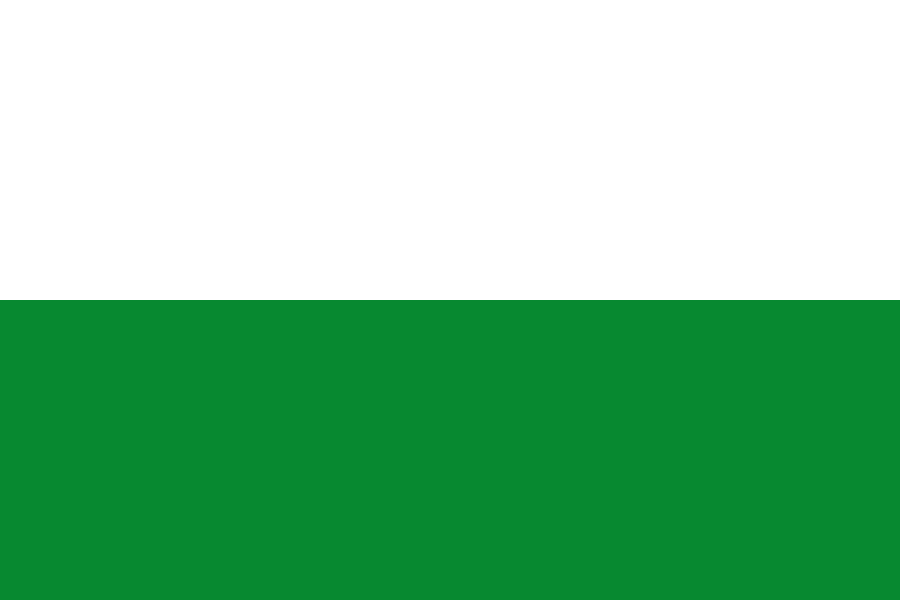
The white-over-green Landesfarben of the Habsburg duchy; its arms bear a white fire-breathing panther. Styria is now split between Austria and Slovenia.

976–1918
Duchy of Carinthia
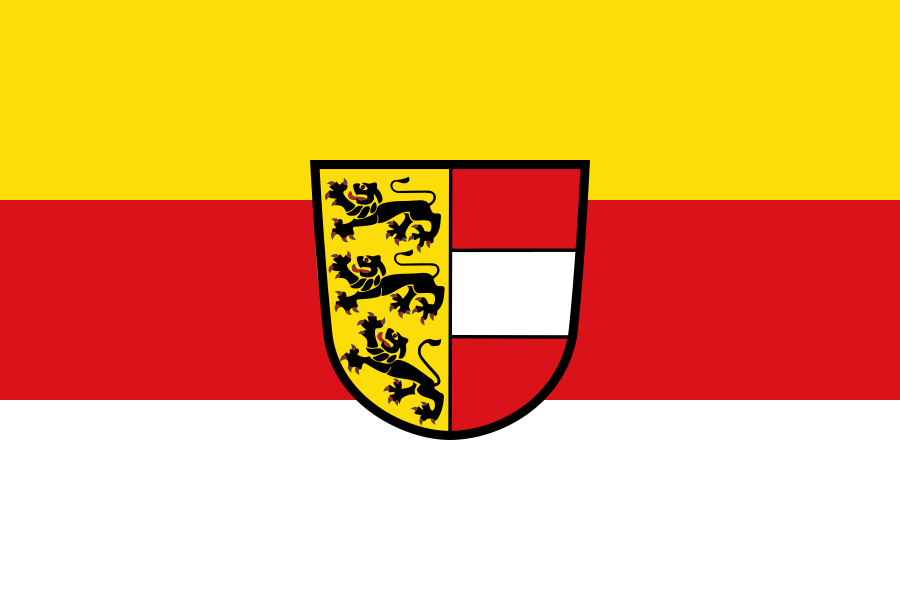
The yellow-red-white crown-land flag of one of the oldest duchies of the Holy Roman Empire, whose arms show three black lions on gold.
Regional flags of Austria
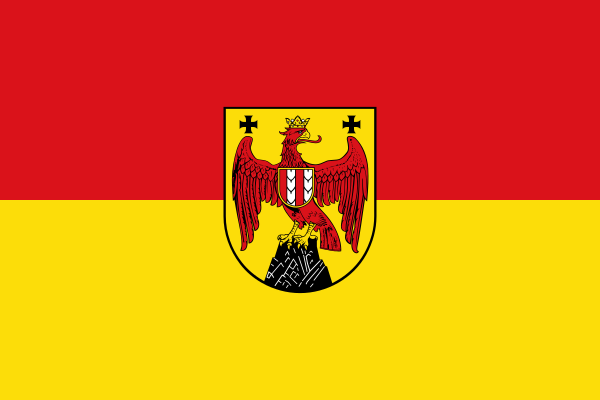
The 9 states, provinces and regions of Austria with their own flags.
Burgenland
Carinthia
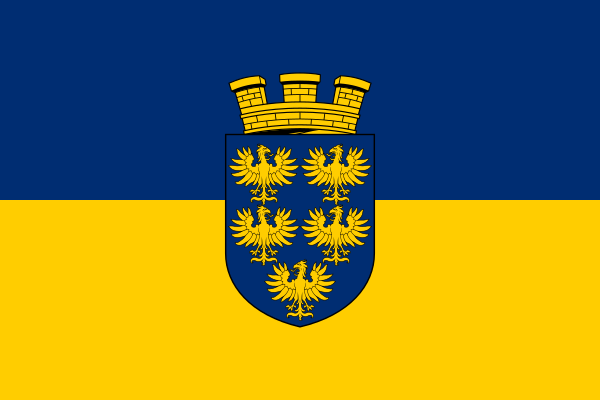
Lower Austria
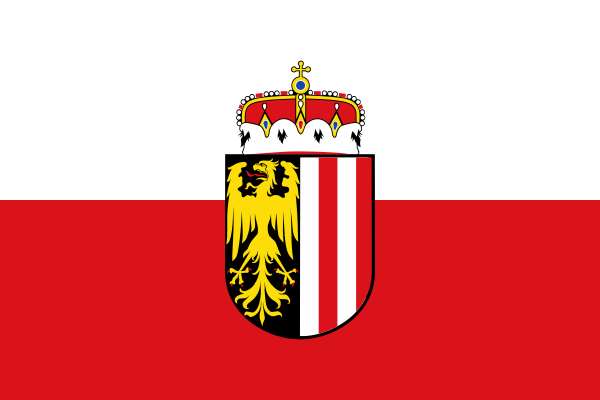
Upper Austria
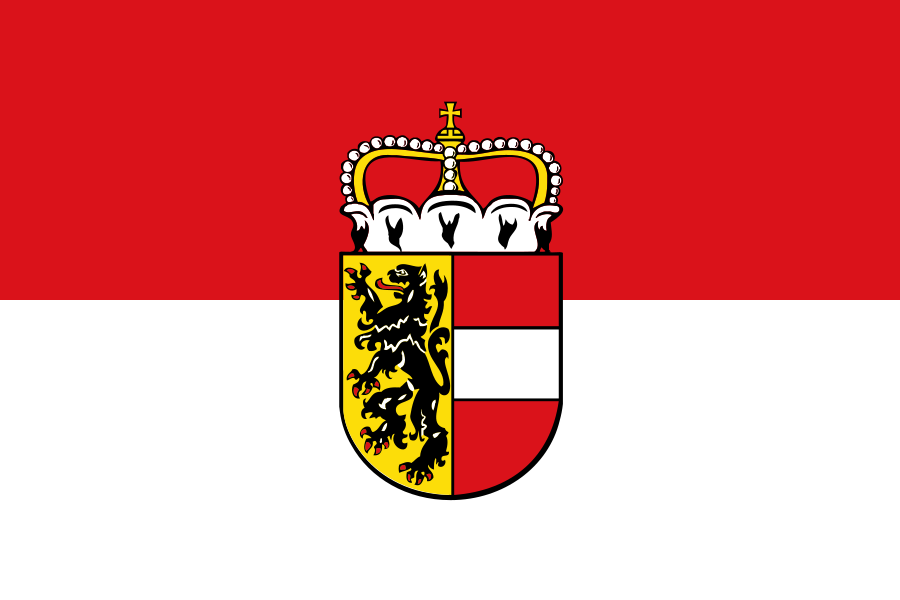
Salzburg
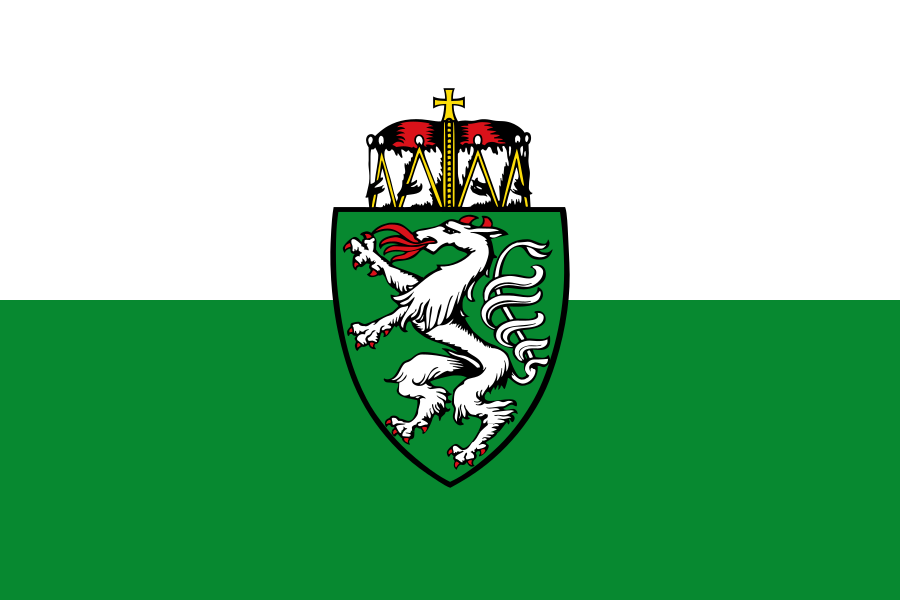
Styria
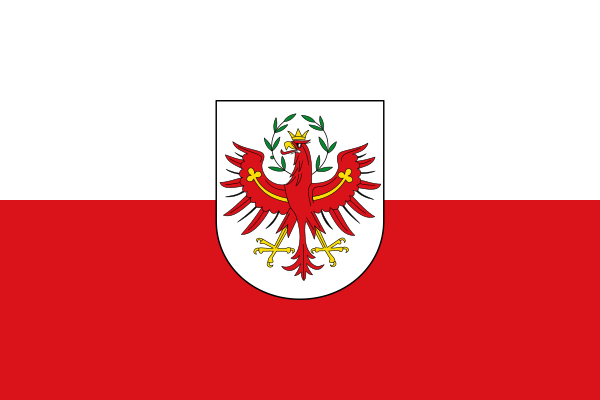
Tyrol
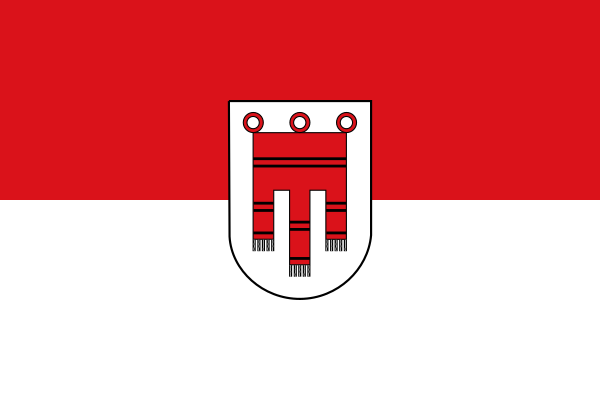
Vorarlberg
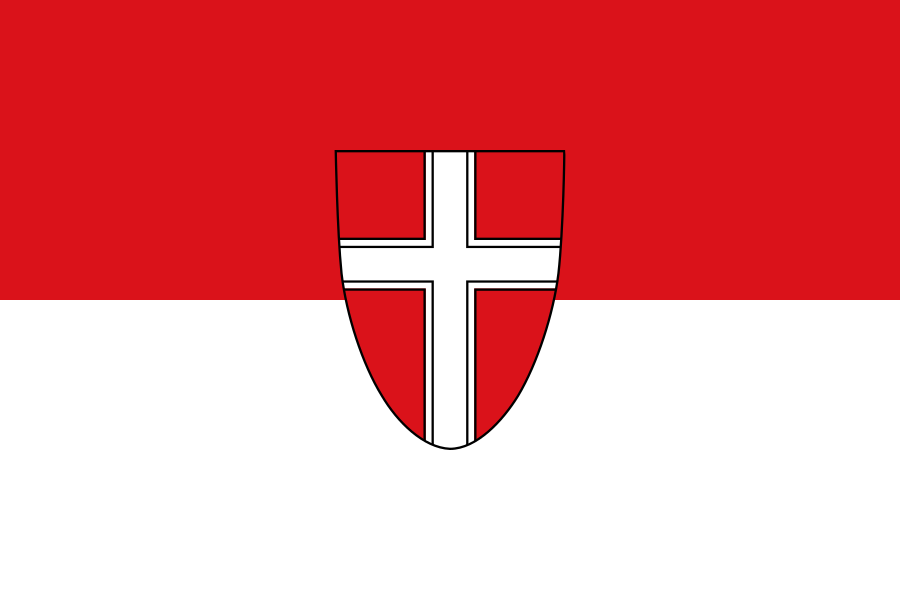
Vienna
Neighbouring countries
Austria shares a land border with 8 countries: the Czech Republic, Germany, Hungary, Italy, Liechtenstein, Slovakia, Slovenia and Switzerland.
Other flags in red and white
17 other national flags use the same main colours as Austria's.
Play Globalio and learn Austria's flag
 Latvia
 Lithuania
 Czech Republic
 Germany
 Hungary
 Italy
 Liechtenstein
 Slovakia
 Slovenia
 Switzerland
 Bahrain
 Canada
 Denmark
 Georgia
 Indonesia
 Japan
 Malta
 Monaco
 Peru
 Poland
 Qatar
 Singapore
 Tonga
 Tunisia
 Turkey