 North Macedonia

2004–present
Flag of Montenegro
Adopted in 2004 ahead of independence: a red field with a gold border bearing the golden double-headed eagle of the historic House of Petrović-Njegoš, a deliberate break from the Serbian-style tricolor.
Montenegro is a small Balkan nation on the Adriatic Sea that declared independence from the State Union of Serbia and Montenegro in 2006. Its name means 'Black Mountain' in Italian, referring to the imposing dark peak of Mount Lovćen. The country is known for its dramatic mountain landscape, medieval walled towns, and the stunning Bay of Kotor, sometimes described as Europe's southernmost fjord.
Population and area are rounded.
Montenegro's flag, adopted in 2004, shows the double-headed golden eagle of the Petrović-Njegoš dynasty on a red field with a golden border. The eagle holds a sceptre and an orb, and on its breast is a shield with a golden lion, an old symbol of the prince-bishops who once ruled Montenegro. The country became independent from its union with Serbia two years later, in 2006.
Gold-bordered red field with a golden eagle and coat of arms in the centre.
Montenegro means "Black Mountain" in Italian and Venetian — the name given by medieval sailors.
Montenegro's flag is often mixed up with these. Learn to tell them apart:
Every flag that has flown over Montenegro, from today back through time.
Adopted in 2004 ahead of independence: a red field with a gold border bearing the golden double-headed eagle of the historic House of Petrović-Njegoš, a deliberate break from the Serbian-style tricolor.
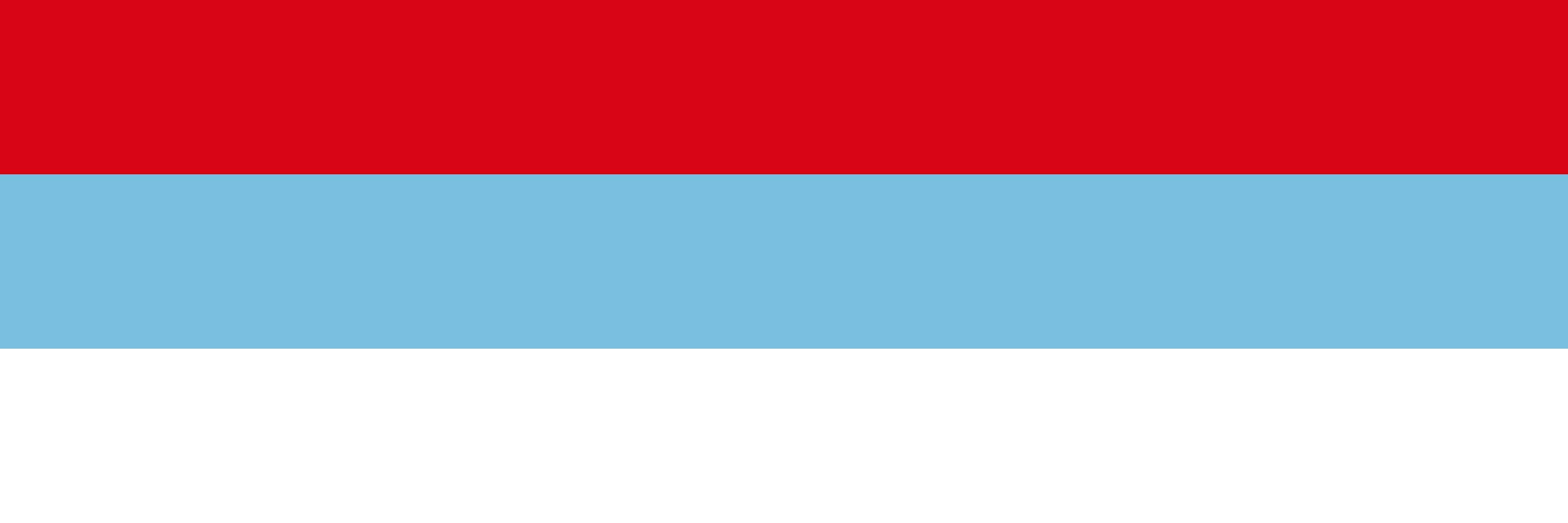
A red, light-blue and white tricolor in a 1:3 ratio — then the longest national flag proportions in the world — and nearly indistinguishable from Serbia's plain tricolor of the same era.
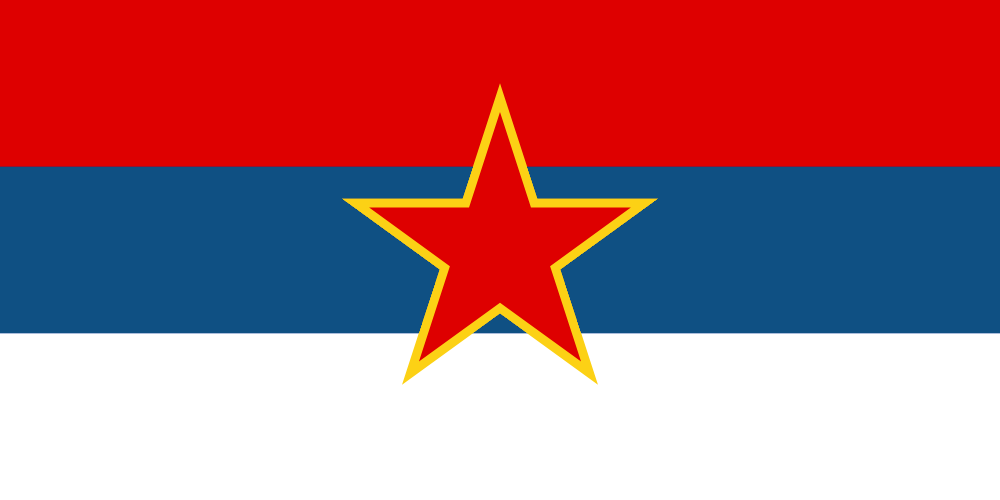
The Socialist Republic's red-blue-white tricolor with a centered gold-bordered red star was visually identical to SR Serbia's flag.
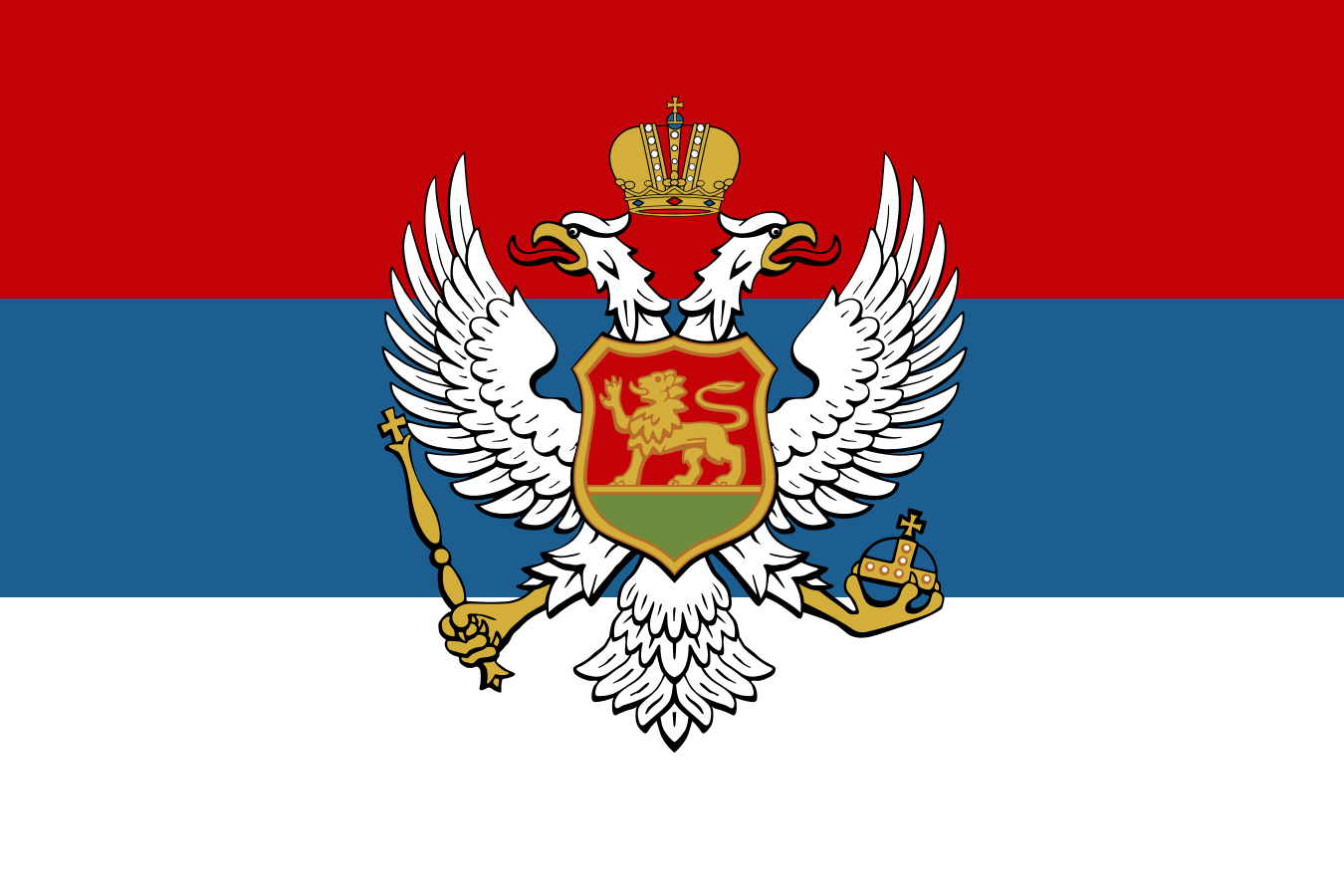
Montenegro was an independent principality and then, from 1910, a kingdom under Nicholas I — the last of the warrior prince-bishops' line — flying a red-blue-white tricolor charged with the royal cypher and the double-headed eagle. Tiny but fiercely independent, the kingdom vanished in 1918 when it was absorbed into the new Yugoslavia, a loss that fuelled Montenegrin identity debates for a century.
Empires, kingdoms and republics that once covered part of Montenegro.

The blue-white-red Pan-Slavic tricolor symbolized the union of Serbs, Croats, and Slovenes, flown by the Kingdom until the Axis invasion of 1941.
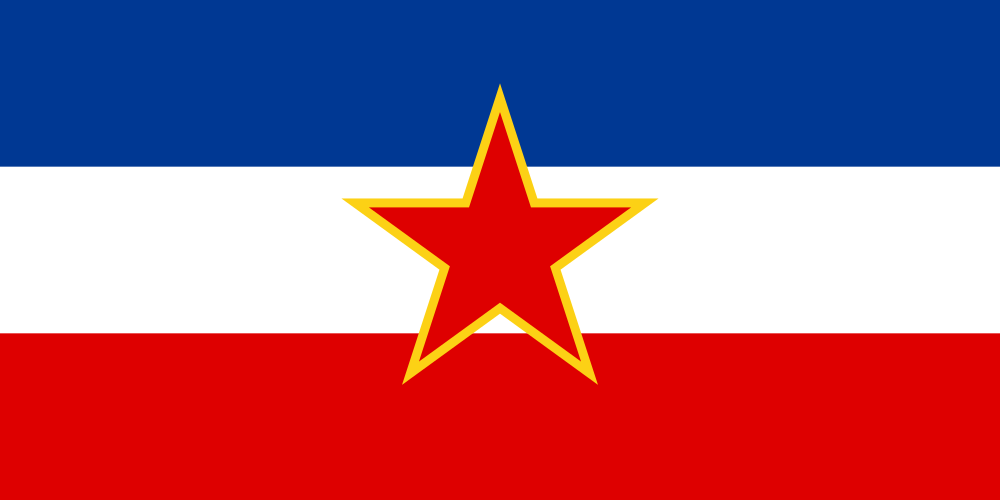
Tito's Partisans added a red, gold-bordered star to the tricolor; it marked the country's communist character until the federation's violent breakup in the 1990s.
The red flag bearing the crowned cypher of King Nikola I, ruler of the small Balkan mountain kingdom that merged into Yugoslavia after World War I.
The 23 states, provinces and regions of Montenegro with their own flags.
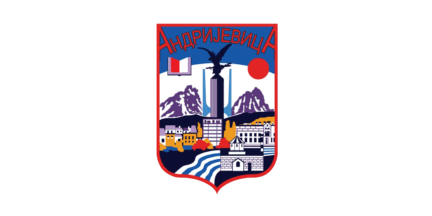 Andrijevica
 Bar
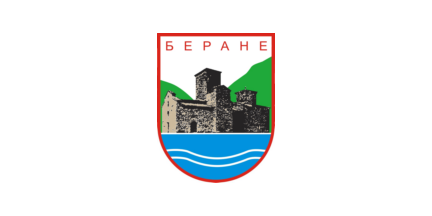 Berane
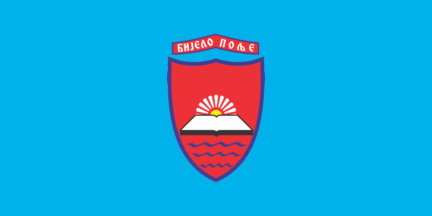 Bijelo Polje
 Budva
 Cetinje
 Danilovgrad
 Herceg Novi
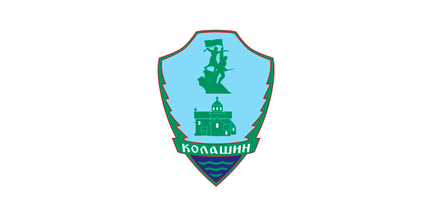 Kolašin
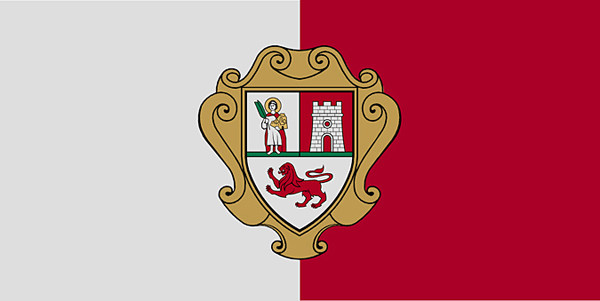 Kotor
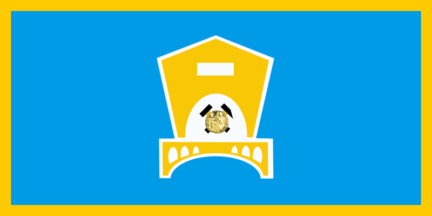 Mojkovac
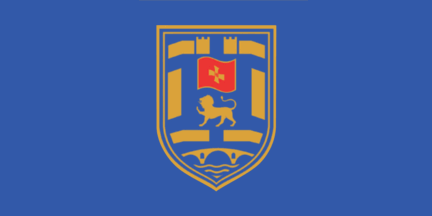 Nikšić
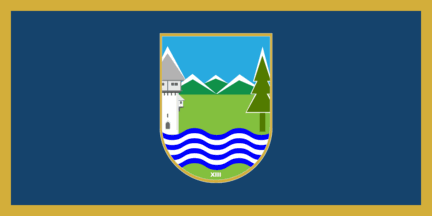 Plav
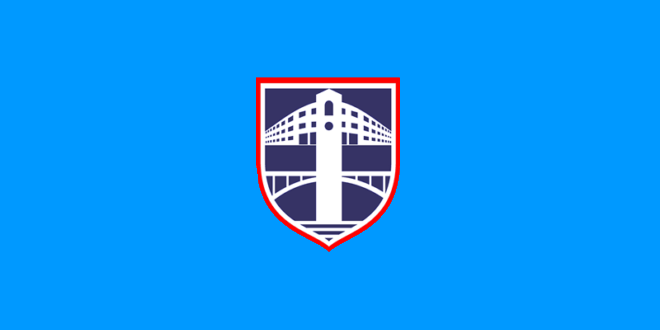 Pljevlja
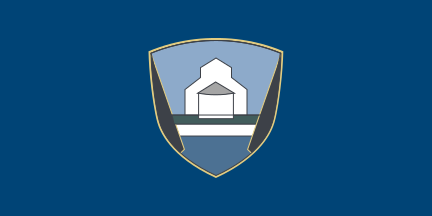 Plužine
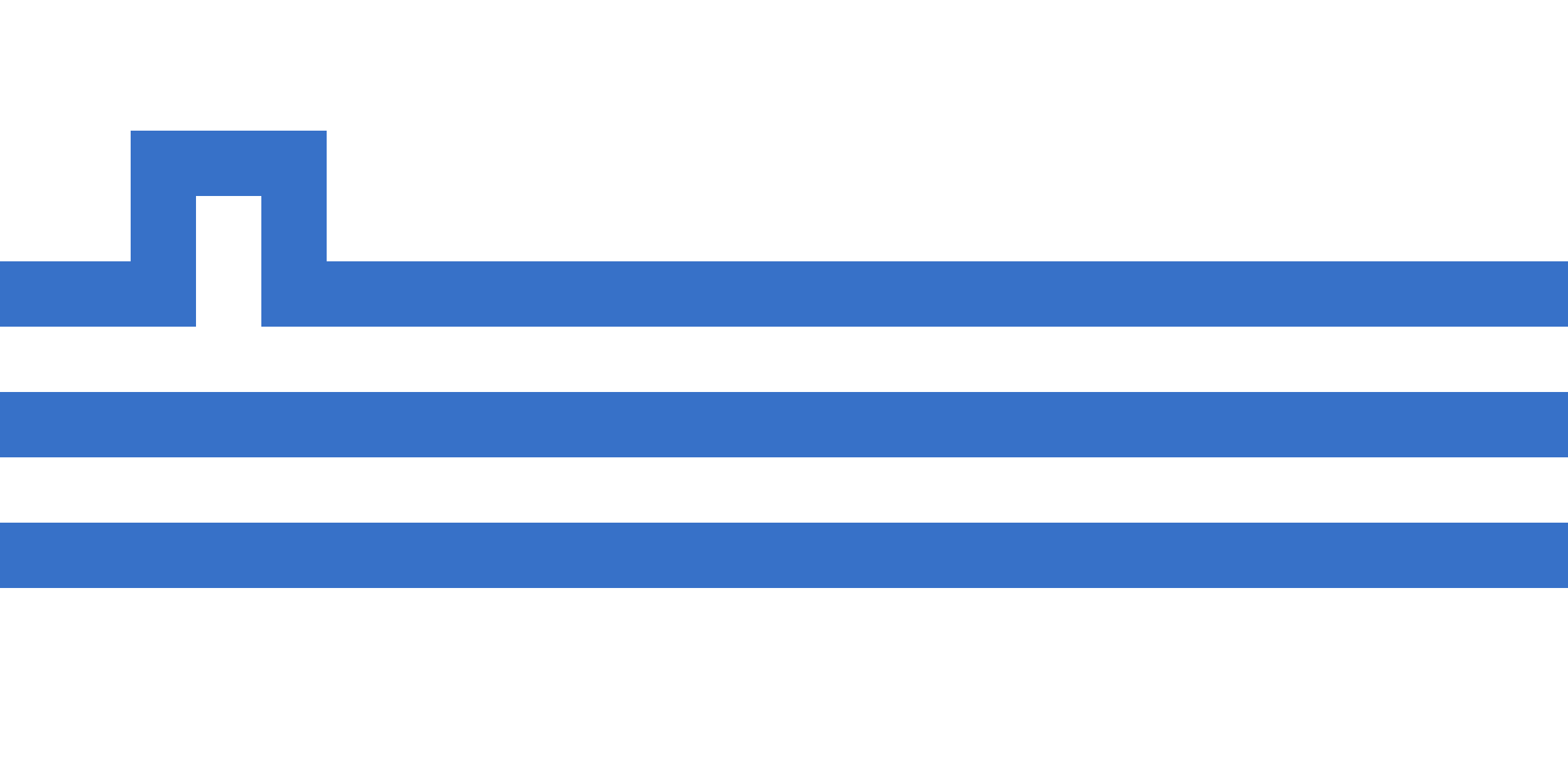 Podgorica
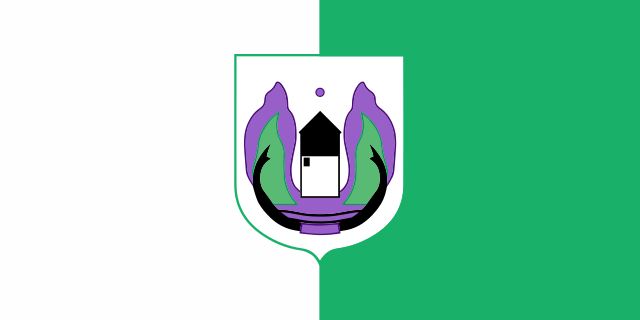 Rožaje
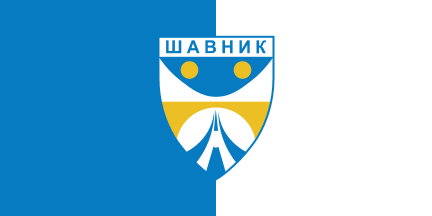 Šavnik
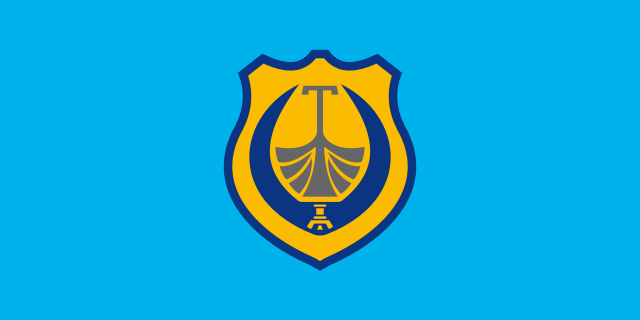 Tivat
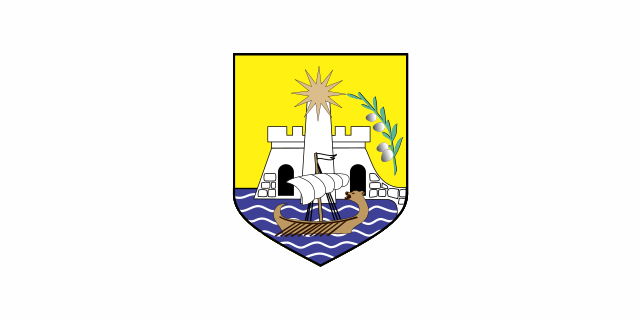 Ulcinj
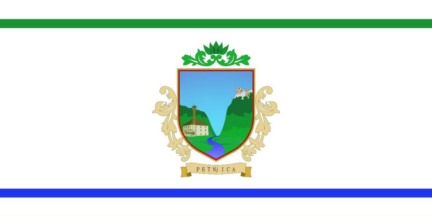 Petnjica
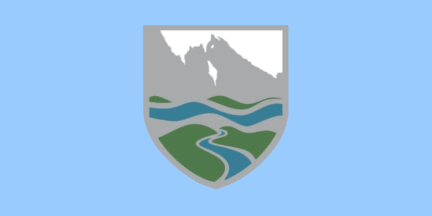 Gusinje
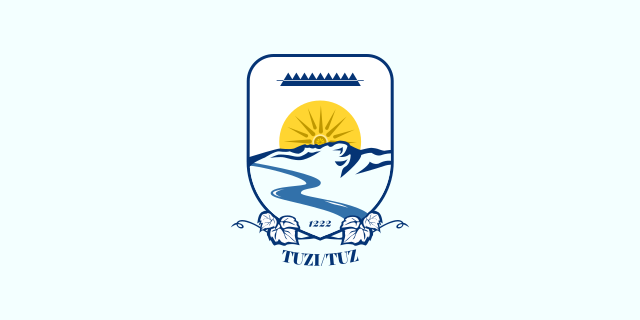 Tuzi
Montenegro shares a land border with 5 countries: Albania, Bosnia and Herzegovina, Croatia, Kosovo and Serbia.
5 other national flags use the same main colours as Montenegro's.
Play Globalio and learn Montenegro's flag Albania
 Bosnia and Herzegovina
 Croatia
 Kosovo
 Serbia
 China
 Kyrgyzstan
 Spain
 Vietnam