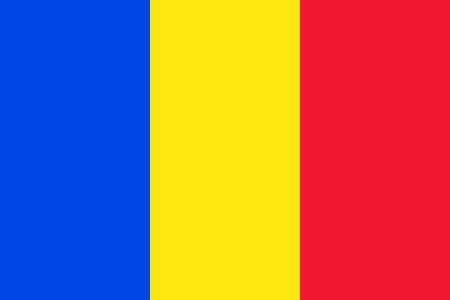
 Chad
 Andorra
 Moldova

1989–present
Current tricolor
Post-revolution Romania restored the plain blue-yellow-red tricolor without any emblem. The official cobalt blue, chrome yellow and vermilion red shades were later fixed by law.
Romania is a country at the intersection of Central, Eastern, and Southeastern Europe, home to the legendary Transylvania region, the Carpathian Mountains, and the biodiverse Danube Delta. The country emerged dramatically from communist rule in December 1989, when Nicolae Ceaușescu's government was overthrown in the only violent revolution of the Eastern Bloc's 1989 wave. Romania joined the EU in 2007 and is known for its medieval citadels, painted monasteries of Bucovina, and unique folk traditions.
Population and area are rounded.
Blue, yellow and red came together in the principalities of Wallachia and Moldavia and were used as a tricolour in the 1848 revolution and again from 1866. Under communism the state emblem was placed in the centre. In December 1989 revolutionaries cut the emblem out, and the plain tricolour was restored. The flag is nearly identical to Chad's, which uses a darker shade of blue.
Vertical blue-yellow-red. Chad is nearly identical, but its blue is darker.
Romania's Bran Castle is marketed as Dracula's Castle, though Vlad the Impaler barely visited it.
Romania's flag is often mixed up with these. Learn to tell them apart:
Every flag that has flown over Romania, from today back through time.
Post-revolution Romania restored the plain blue-yellow-red tricolor without any emblem. The official cobalt blue, chrome yellow and vermilion red shades were later fixed by law.
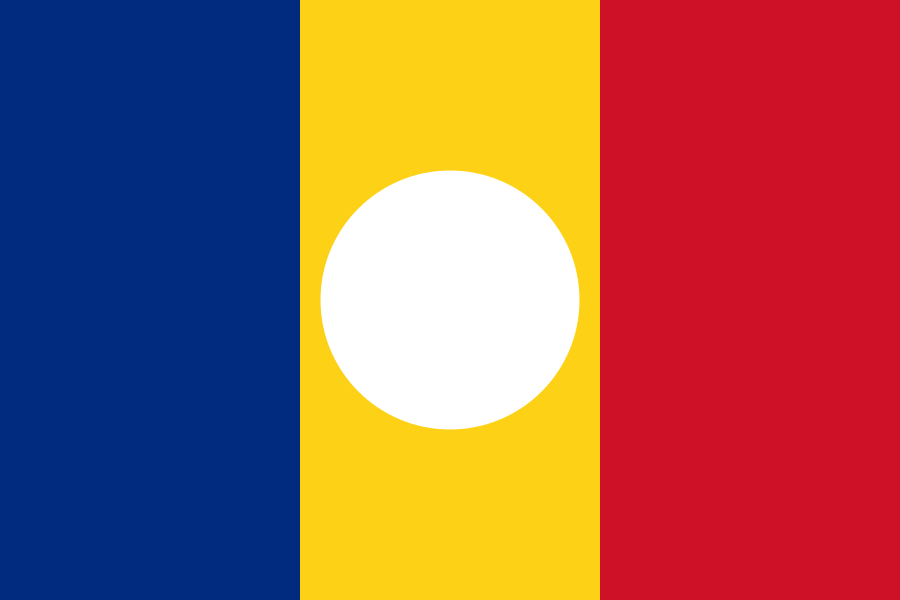
During the December 1989 revolution, protesters cut the socialist emblem out of the flag's center, leaving a defiant hole. It became the iconic image of the overthrow of Ceaușescu.
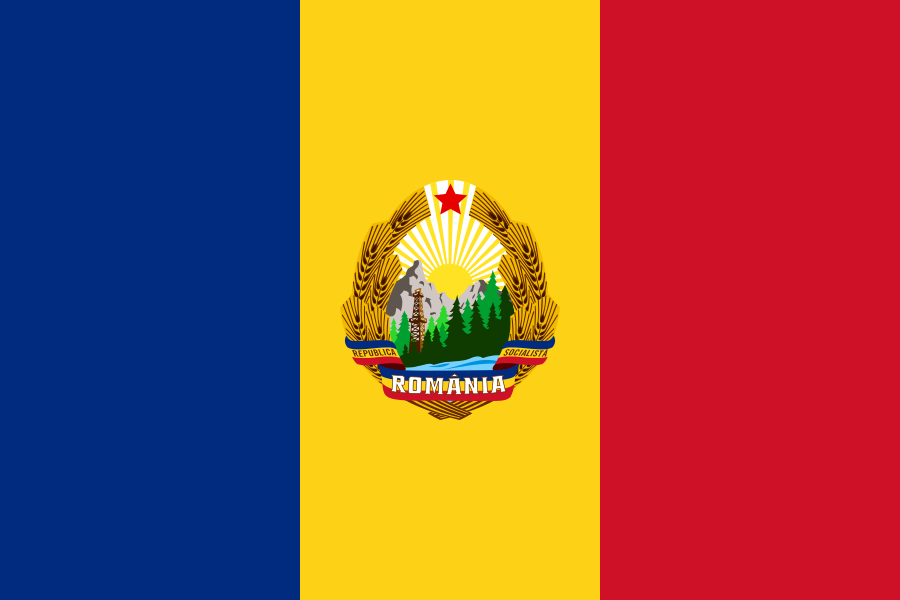
Under Ceaușescu the emblem was finalized with the inscription "Republica Socialistă România". This is the flag protesters would later mutilate in 1989.
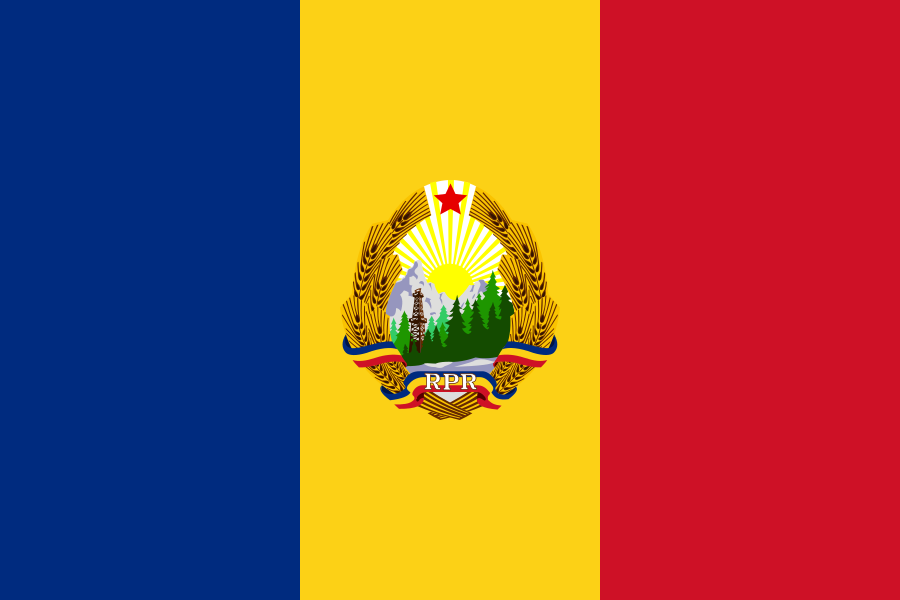
A red five-pointed star was added atop the emblem during the high-Stalinist period, the arms bordered by a ribbon in the national colors.
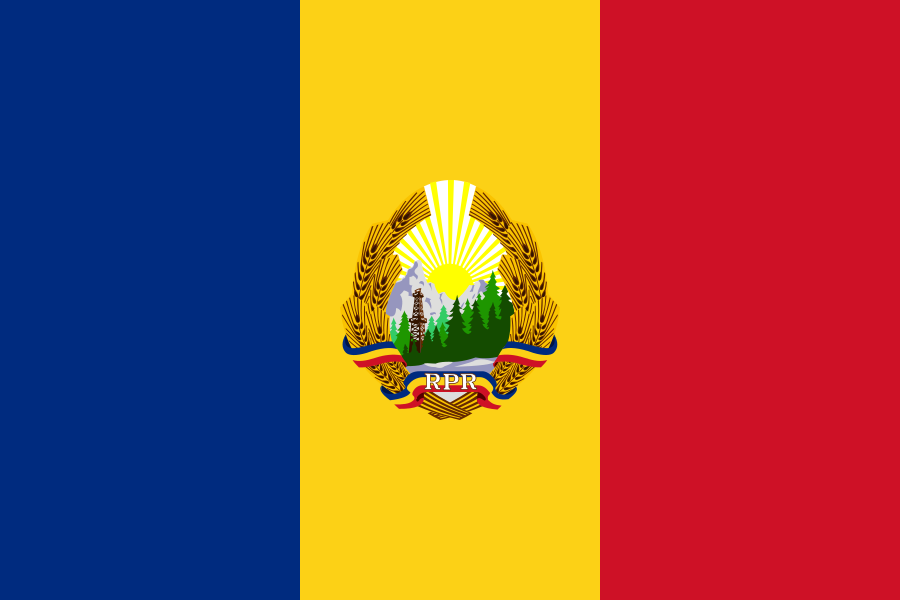
The new communist republic added a coat of arms with a rising sun, oil derrick and wheat to the tricolor's center.
The plain blue-yellow-red vertical tricolor served the Romanian Old Kingdom and interwar monarchy. The colors trace back to the revolutions of 1848.
Empires, kingdoms and republics that once covered part of Romania.
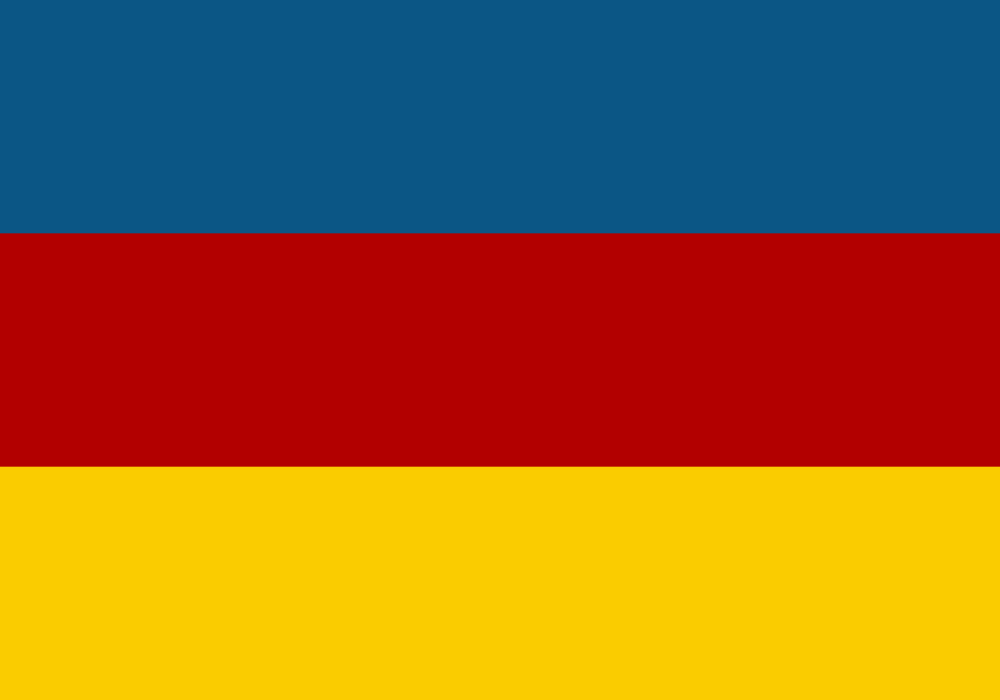
A largely autonomous Ottoman vassal principality and Protestant stronghold; its blue-and-gold flag joined the symbols of its Hungarian, Székely, and Saxon 'nations'.
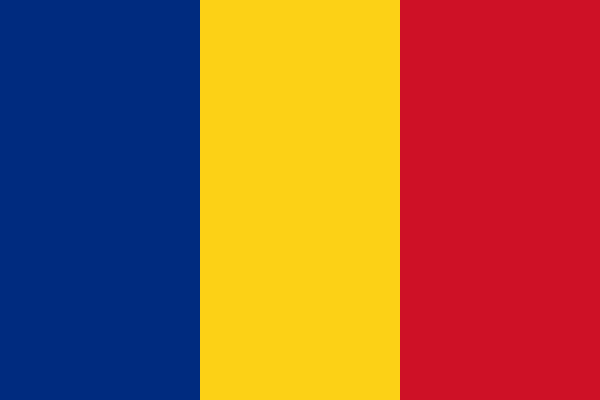
The blue-yellow-red tricolor of the Hohenzollern-Sigmaringen kings, who doubled the country's size after World War I before the communists forced King Michael to abdicate.
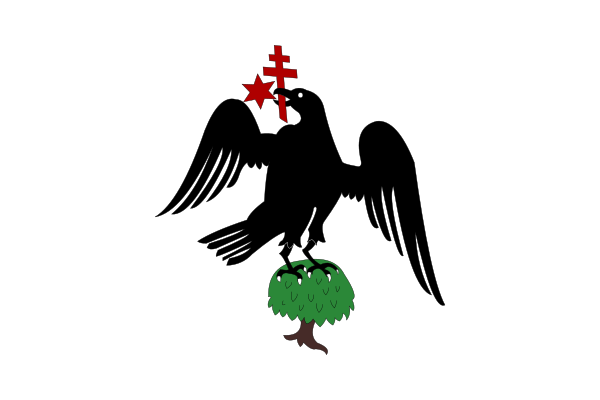
A Danubian principality long under Ottoman suzerainty, ruled by voivodes including Vlad the Impaler; it united with Moldavia in 1859 to form modern Romania.
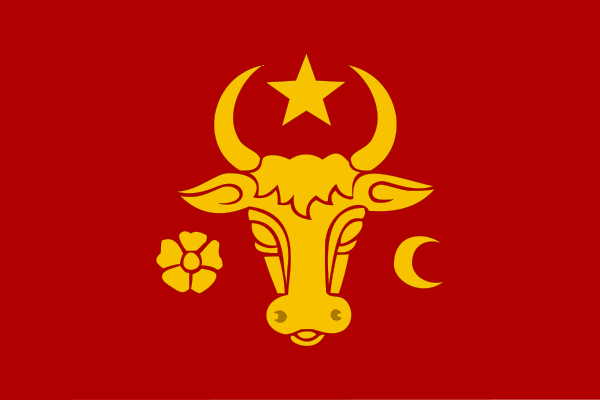
The eastern Romanian principality of Stephen the Great, who held off the Ottomans for decades; its union with Wallachia created the United Principalities of Romania.
The 42 states, provinces and regions of Romania with their own flags.
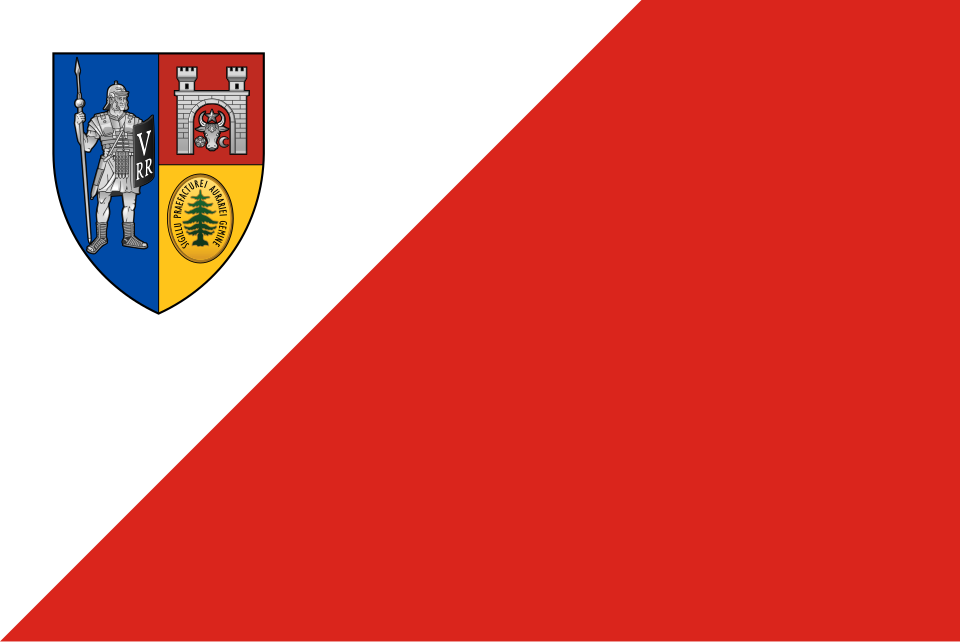 Alba
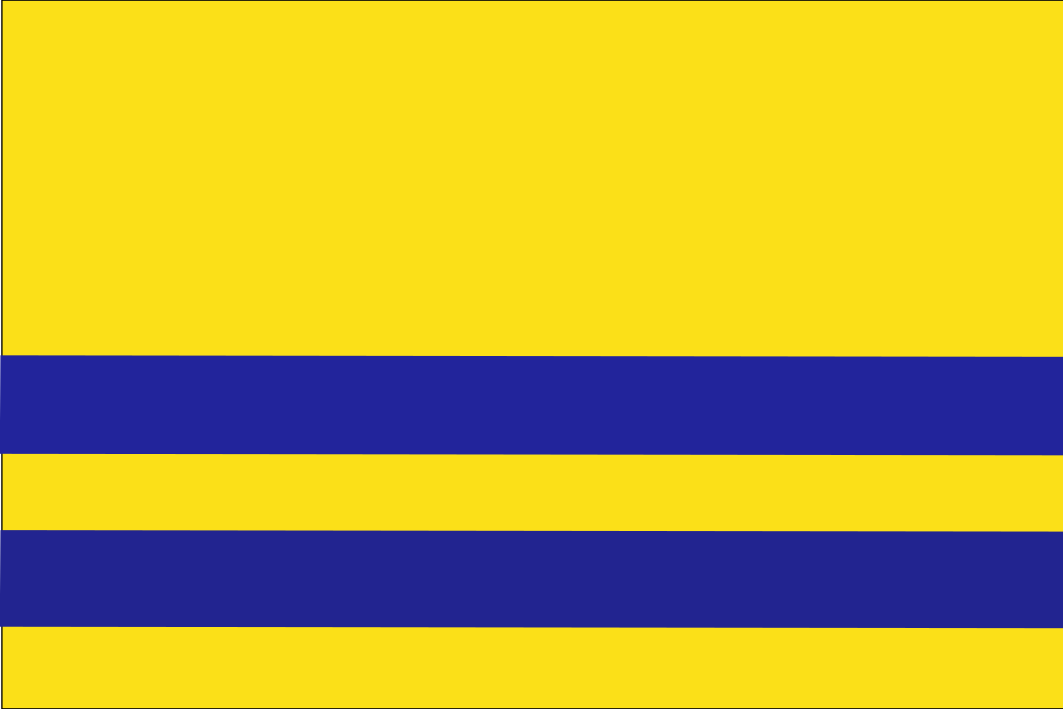 Arad
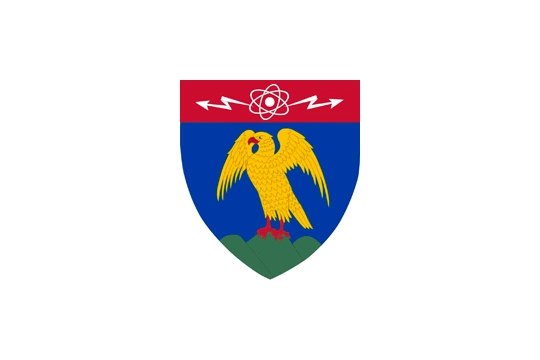 Argeș
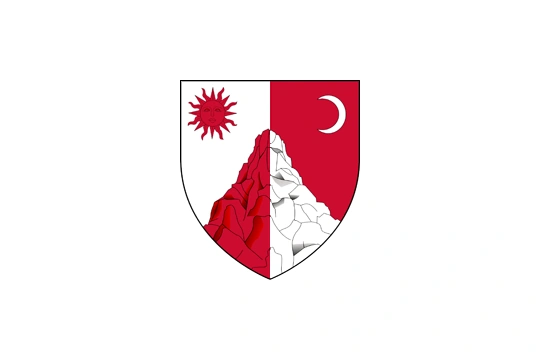 Bacău
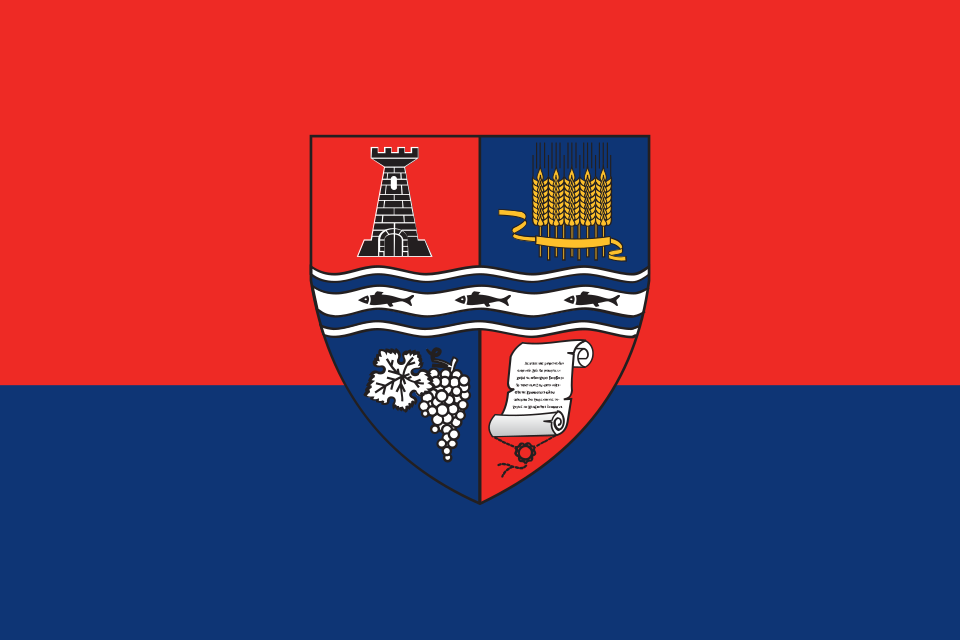 Bihor
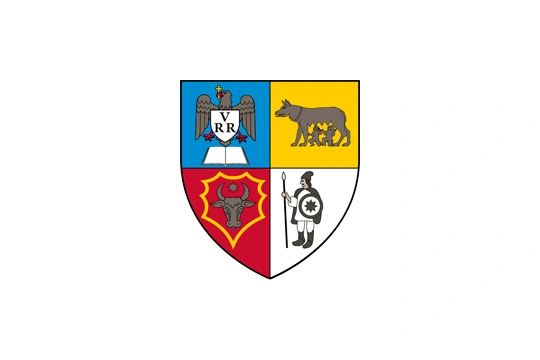 Bistrița-Năsăud
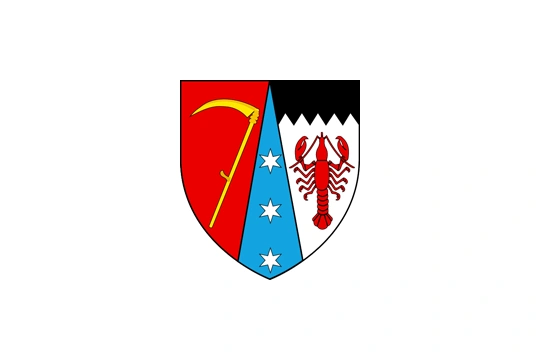 Botoșani
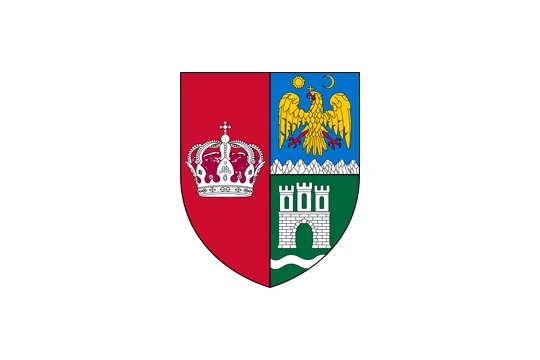 Brașov
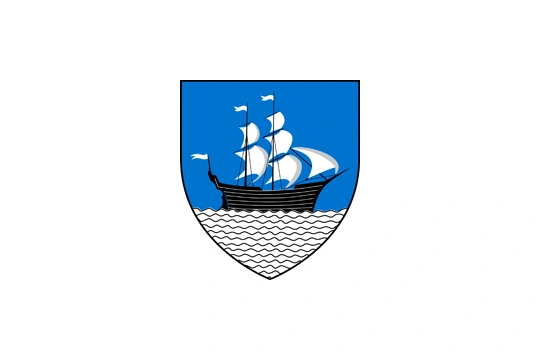 Brăila
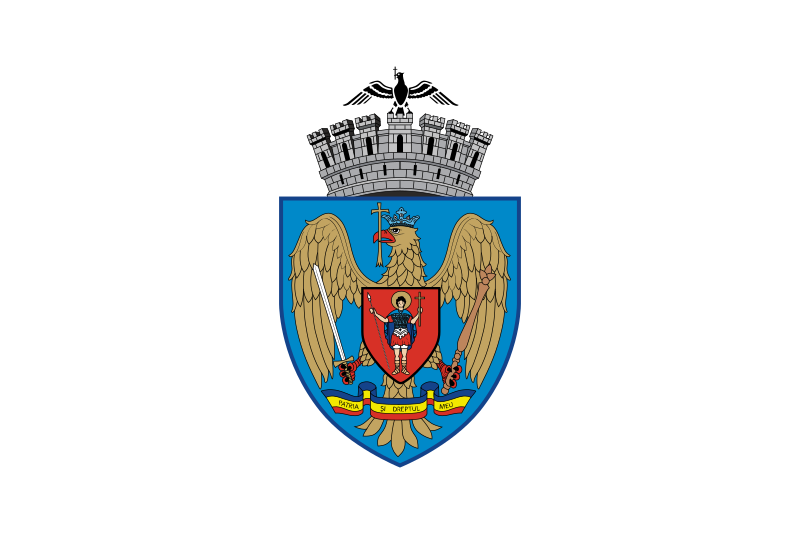 Bucharest
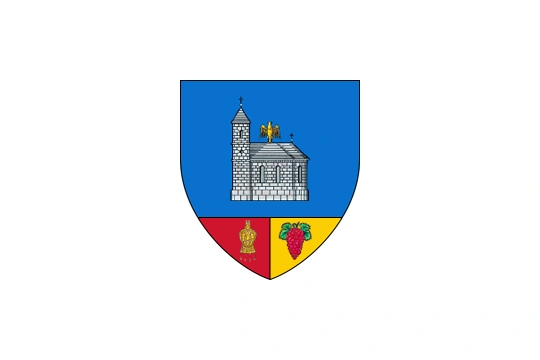 Buzău
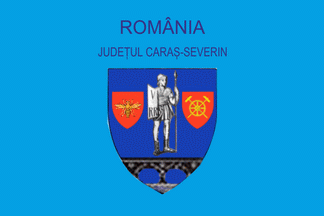 Caraș-Severin
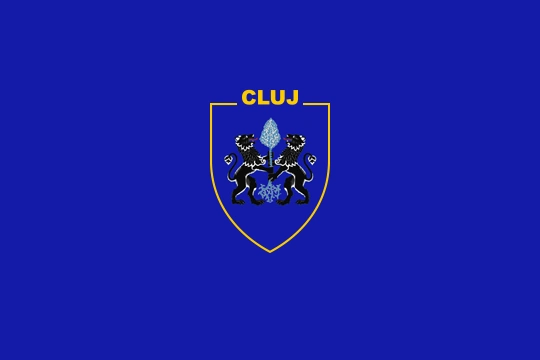 Cluj
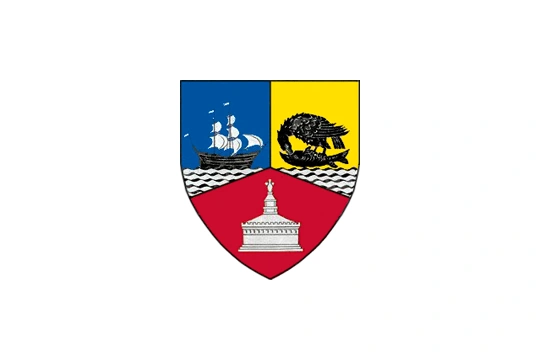 Constanța
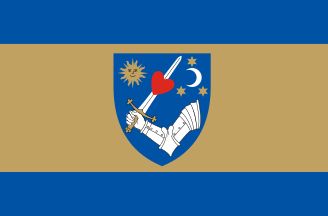 Covasna
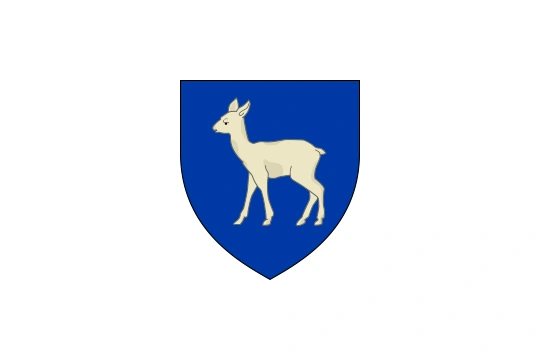 Dâmbovița
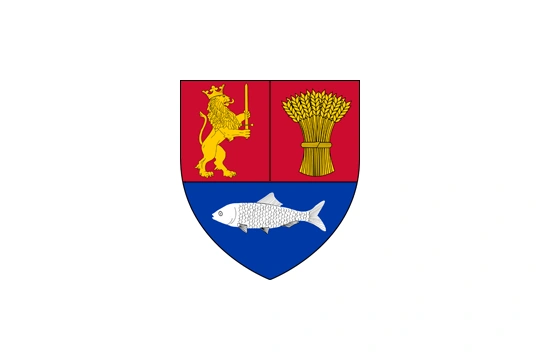 Dolj
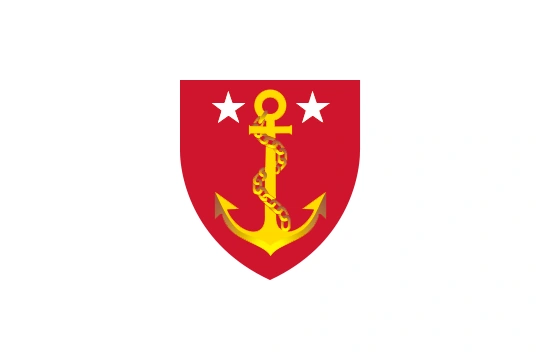 Galați
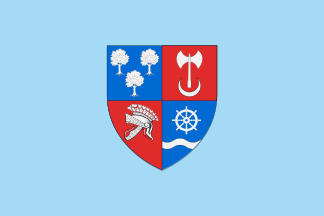 Giurgiu
 Gorj
 Harghita
 Hunedoara
 Ialomița
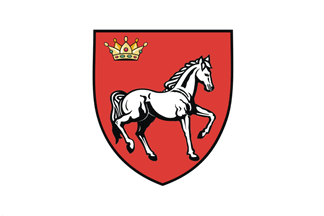 Iași
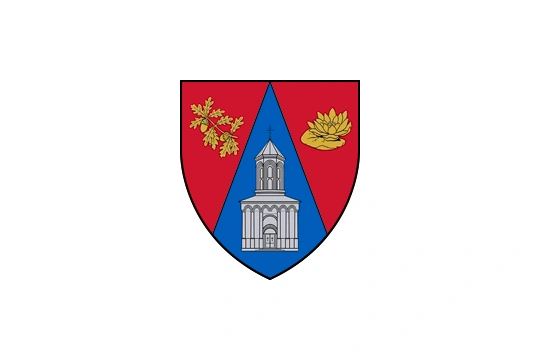 Ilfov
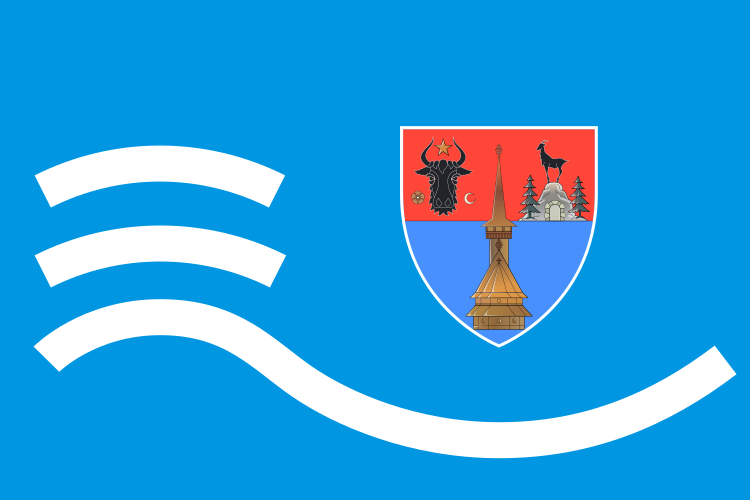 Maramureș
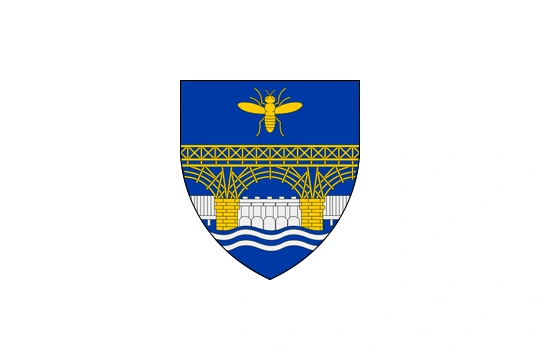 Mehedinți
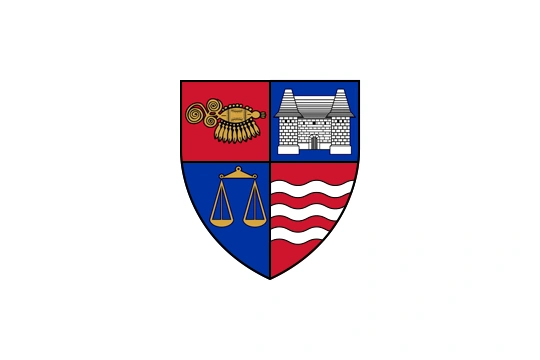 Mureș
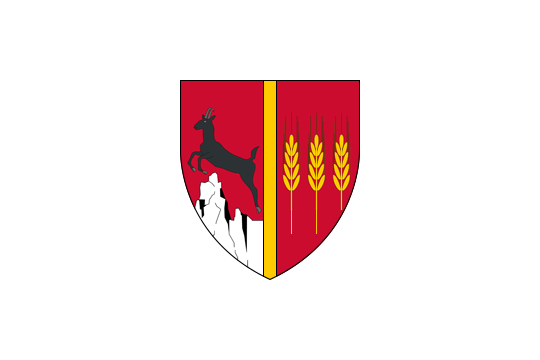 Neamț
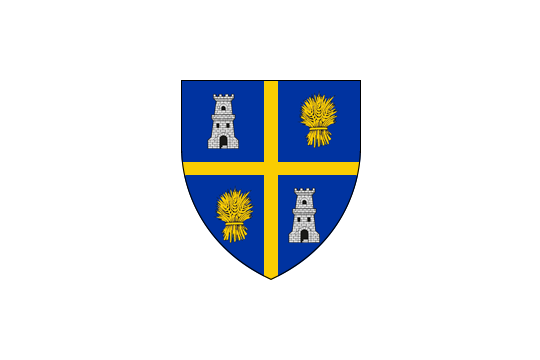 Olt
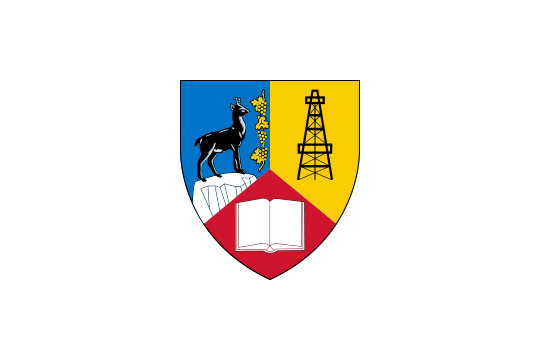 Prahova
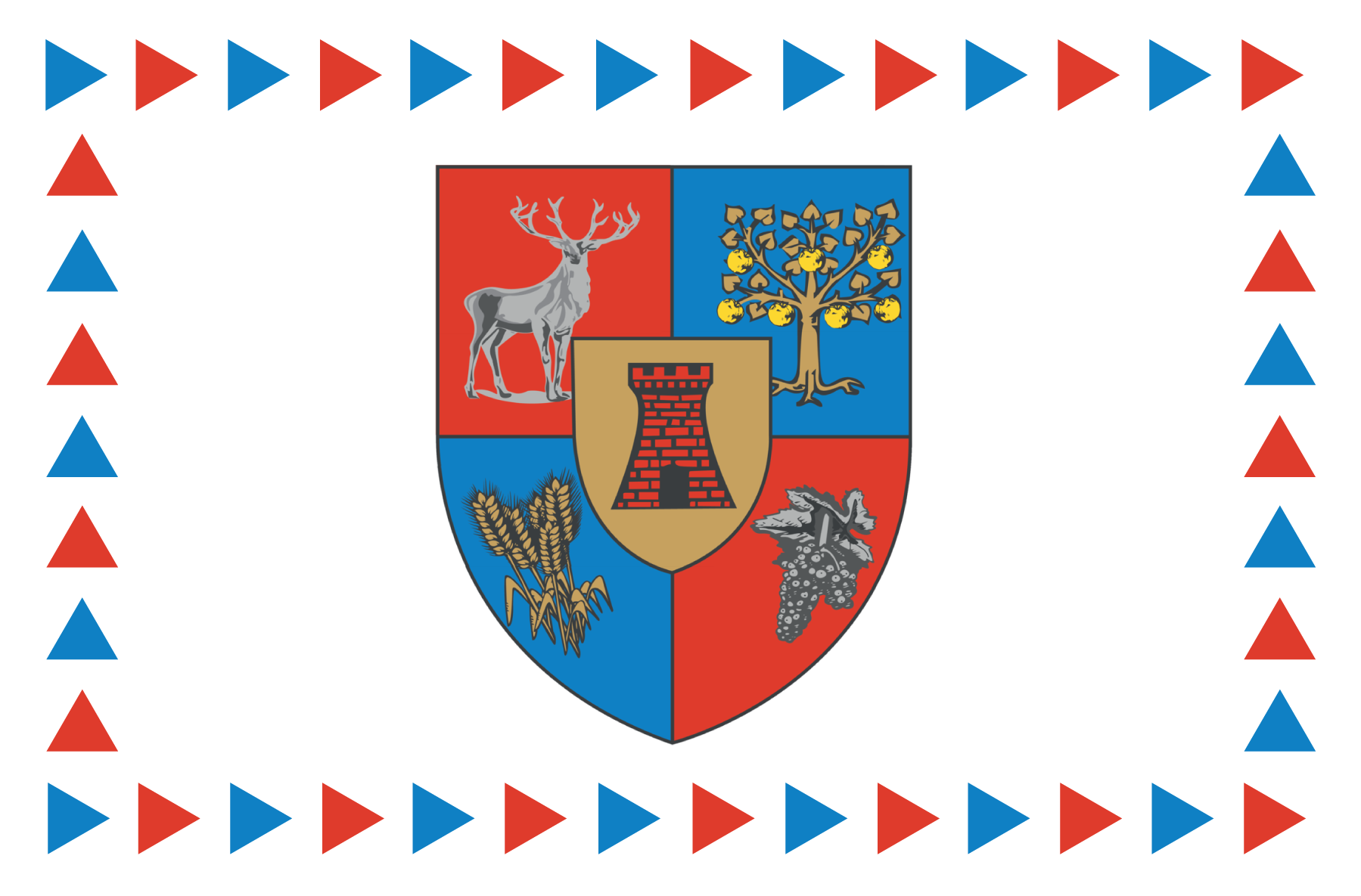 Satu Mare
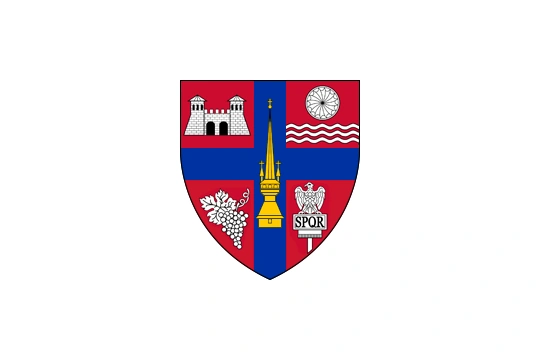 Sălaj
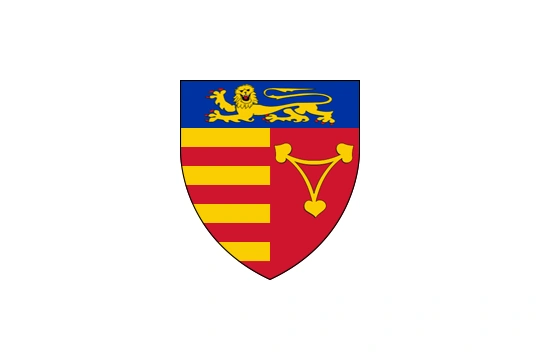 Sibiu
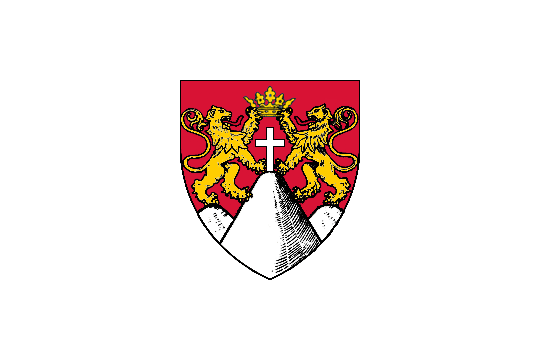 Suceava
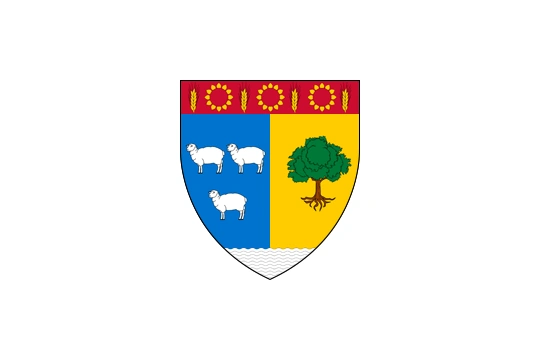 Teleorman
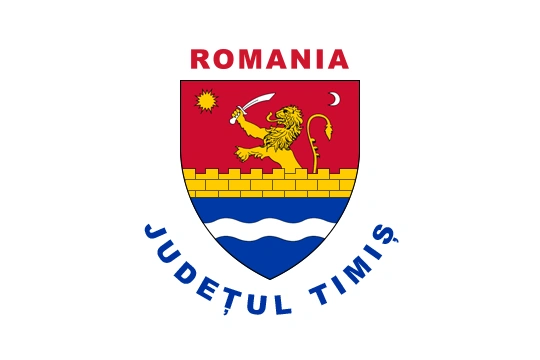 Timiș
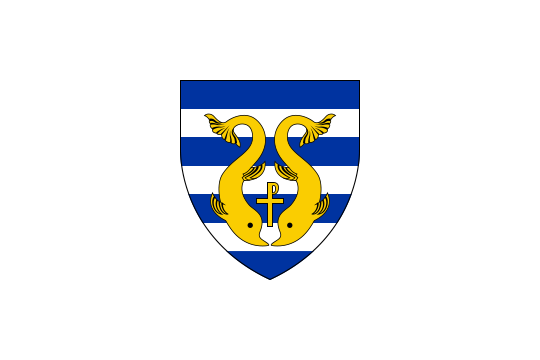 Tulcea
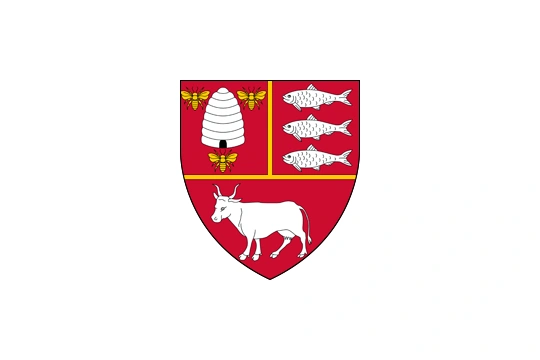 Vaslui
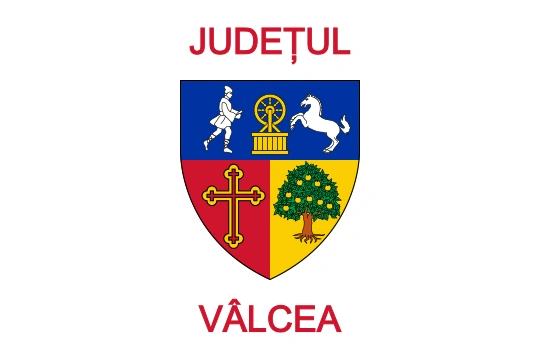 Vâlcea
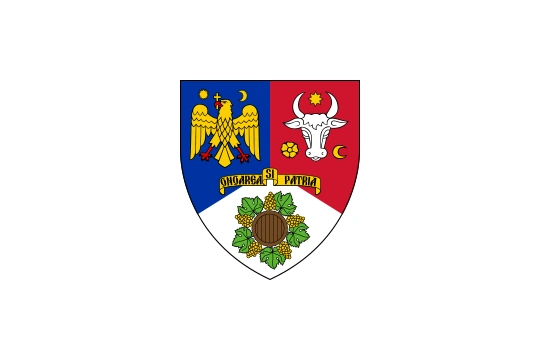 Vrancea
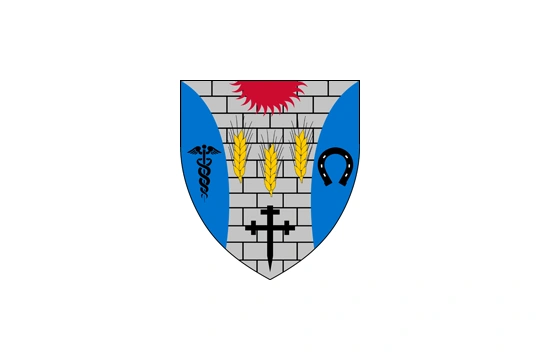 Călărași
Romania shares a land border with 5 countries: Bulgaria, Hungary, Moldova, Serbia and Ukraine.
9 other national flags use the same main colours as Romania's.
Play Globalio and learn Romania's flag Bulgaria
 Hungary
 Serbia
 Ukraine
 Colombia
 DR Congo
 Ecuador
 Liechtenstein
 Mongolia
 Venezuela