Europe
Flag of Sweden
Sweden is the largest country in Northern Europe and is known for its progressive social model, high standard of living, and a long tradition of neutrality in international conflicts. It is home to the Nobel Prize, awarded annually in Stockholm, and has produced globally influential exports including IKEA, Spotify, Volvo, ABBA, and a remarkable tradition of children's literature. Sweden joined the European Union in 1995 and has one of the world's highest rates of gender equality.

- CapitalStockholm
- RegionEurope
- Current flag since1906
- Main coloursBlue, Yellow
- Populationabout 11 million
- Areaabout 450,000 km²
- Flags in history3
Population and area are rounded.
What the flag of Sweden means
Blue and gold come from the Swedish coat of arms, three gold crowns on blue, used since at least the 14th century. The cross design, inspired by Denmark's Dannebrog, has been used since the 16th century. Sweden's National Day and Flag Day, 6 June, marks Gustav Vasa's election as king in 1523.
How to recognise it
Blue with a yellow Nordic cross offset to the left.
Did you know?
Sweden has given the world IKEA, Spotify, Minecraft, and the Nobel Prize.
Easily confused with
Sweden's flag is often mixed up with these. Learn to tell them apart:
Flag history of Sweden
Every flag that has flown over Sweden, from today back through time.
1906–present
Swedish Flag (colours standardised)
In 1906 a royal decree fixed the exact shades of blue and yellow, ending a century of variation. The Nordic cross design itself stretches back to at least the early 16th century — one of the oldest unchanged national symbols in Europe.

1844–1905
Swedish Flag with Union Mark
During the personal union with Norway (1814–1905), a combined canton showing both national crosses appeared in the upper hoist corner. Sweden and Norway shared a king but remained separate kingdoms; the union mark was a constant reminder of that political arrangement.
Norwegian counterpart during the union:
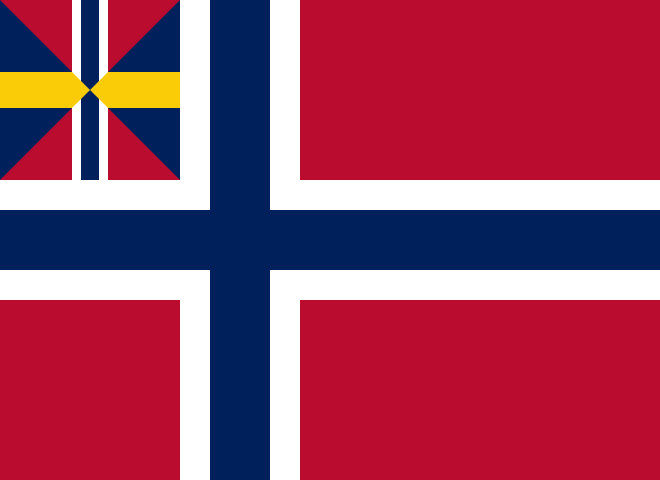
1844–1899
Norwegian counterpart
Norway's flag carried the same union mark in the same position — the two mirrors of a political arrangement that ended peacefully in 1905 when Norway voted for independence.
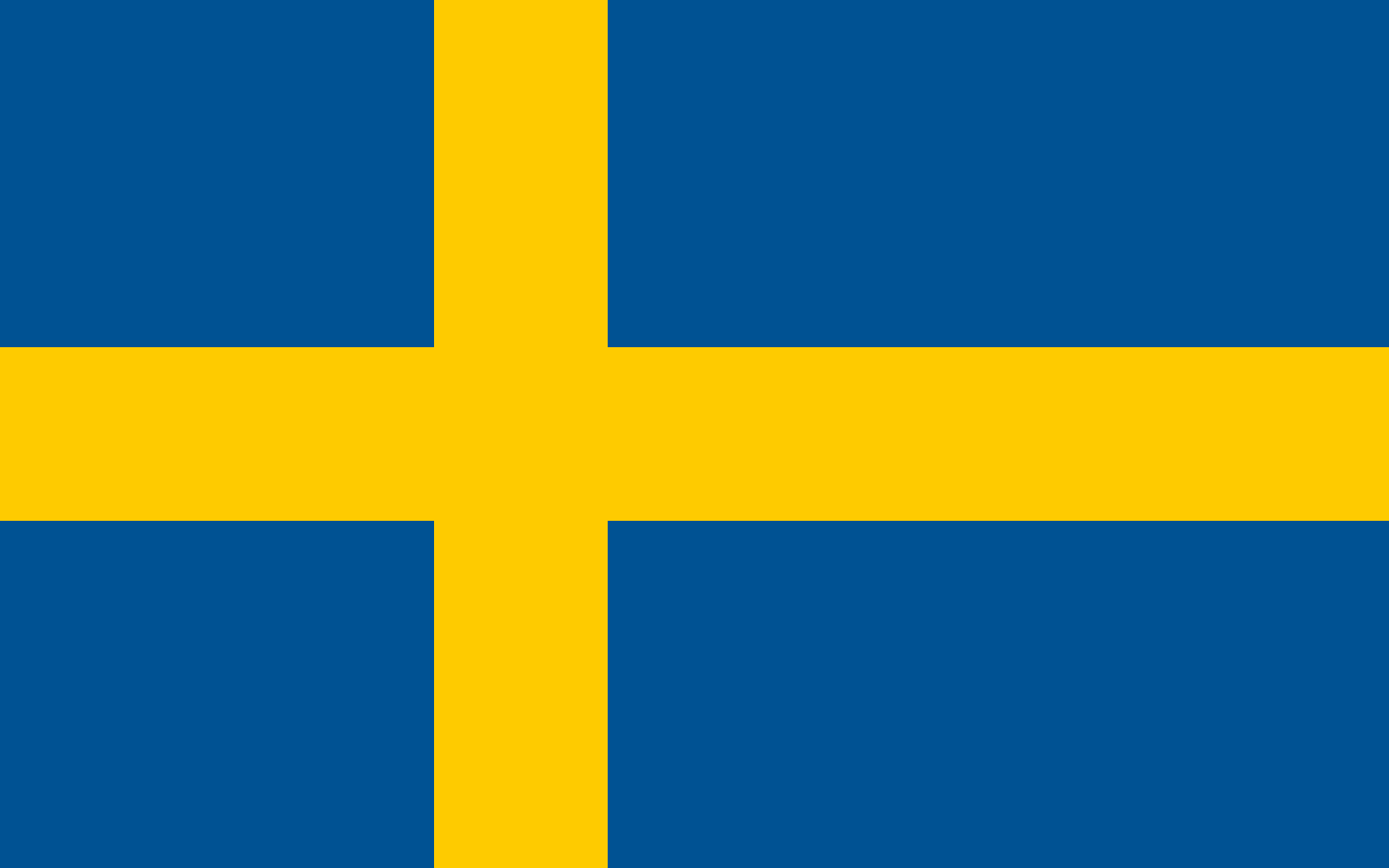
1521–1844
Classic Swedish Flag
The golden Nordic cross on blue is virtually unchanged from the earliest recorded use under Gustav Vasa in the 1520s. Sweden is one of the very few countries whose flag design has remained stable for five centuries.
Related historical states
Empires, kingdoms and republics that once covered part of Sweden.
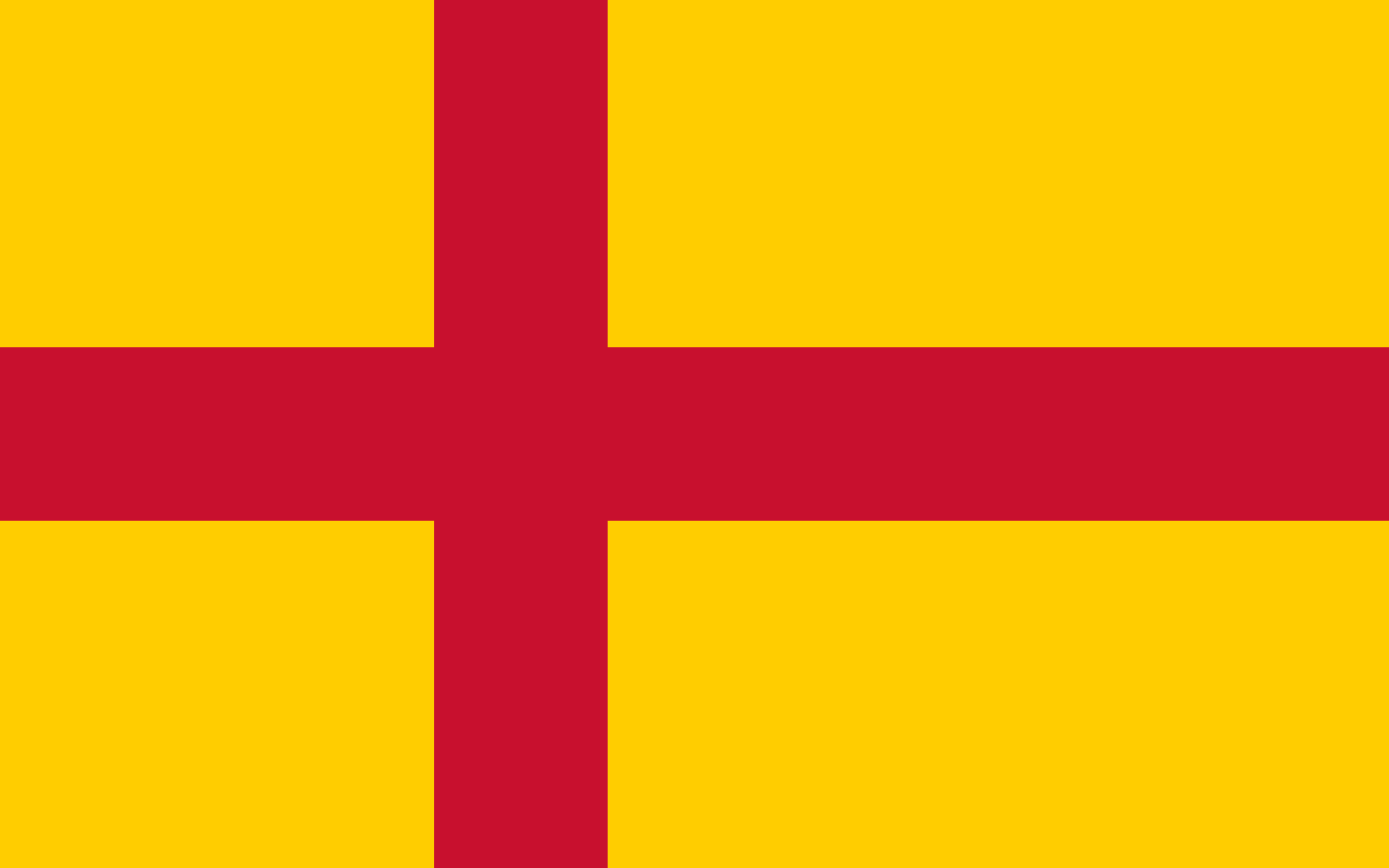
1397–1523
Kalmar Union
The dynastic union that joined Denmark, Sweden, and Norway under a single monarch for over a century, until Gustav Vasa led Sweden to break away in 1523.
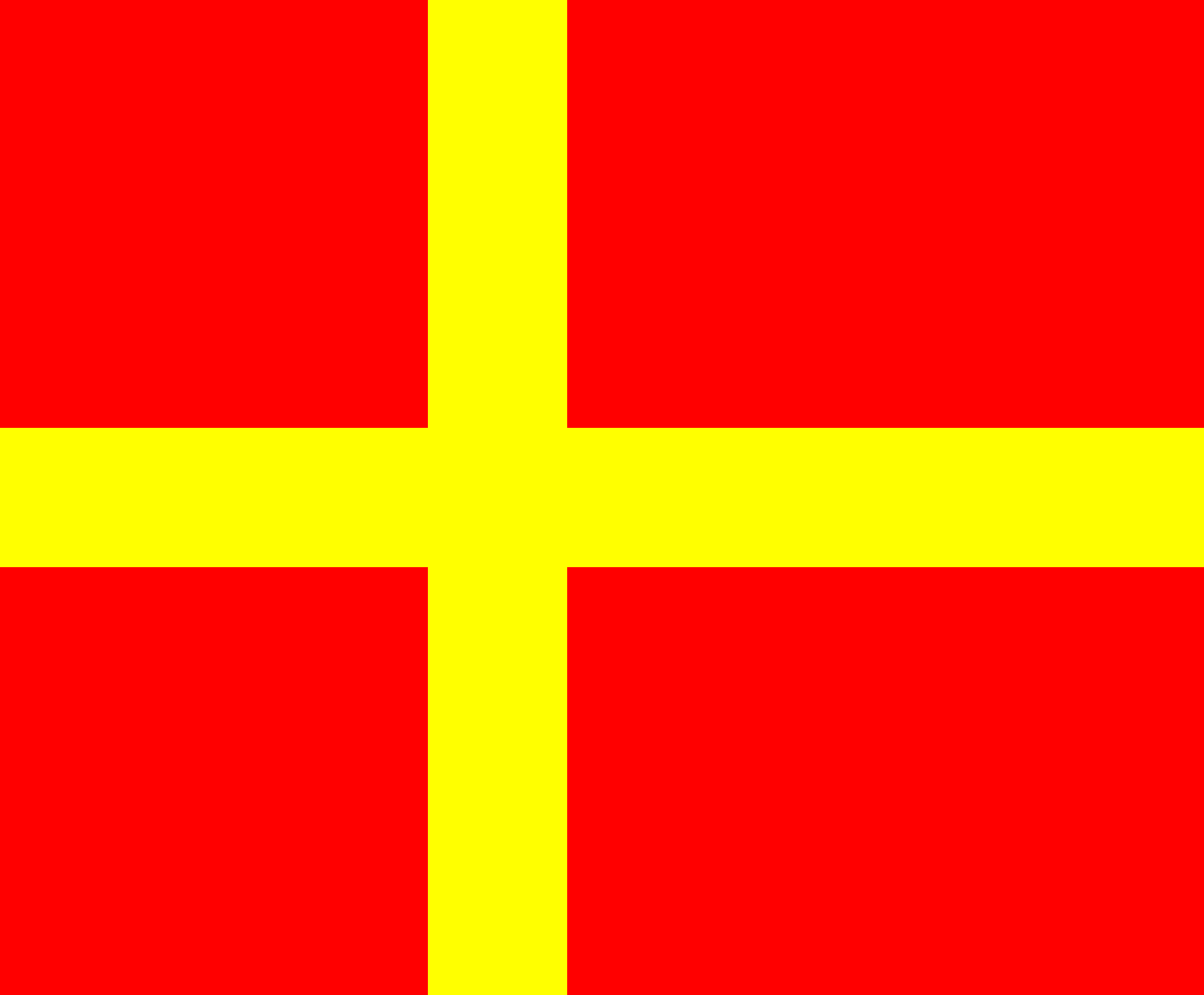
medieval–1658
Scanian Lands
A red-and-yellow Nordic-cross flag for the southern provinces that were Danish for centuries before Sweden conquered them in 1658 — a frontier fought over for generations.
Regional flags of Sweden
The 21 states, provinces and regions of Sweden with their own flags.
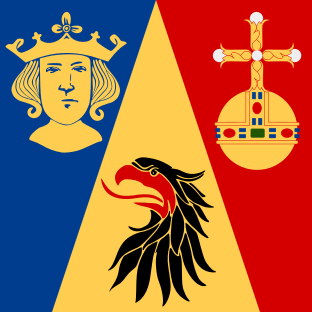
Stockholm
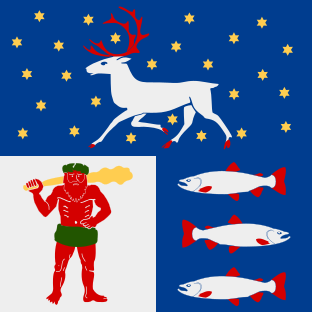
Västerbotten
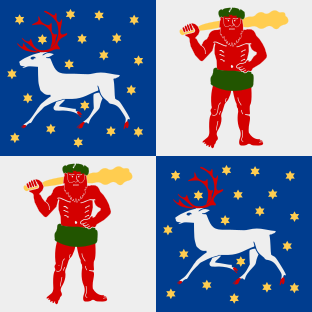
Norrbotten
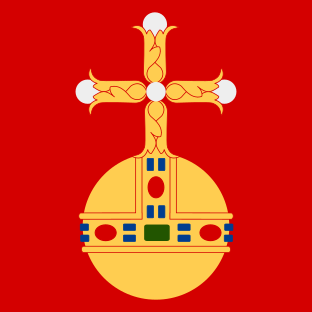
Uppsala
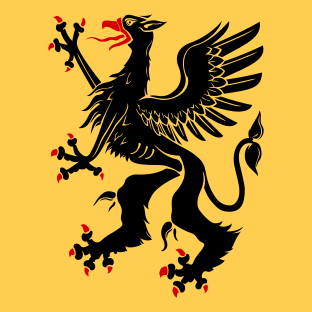
Södermanland
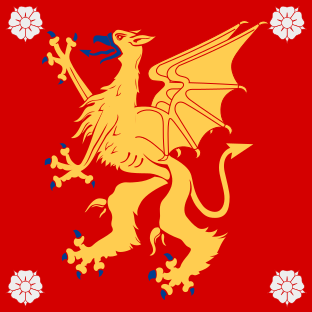
Östergötland
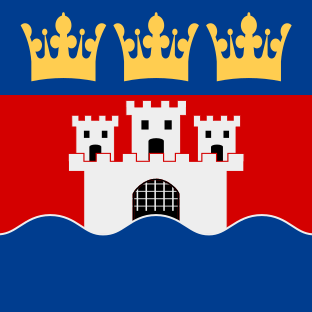
Jönköping
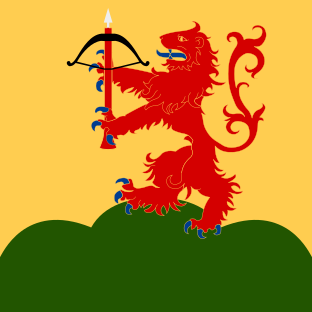
Kronoberg
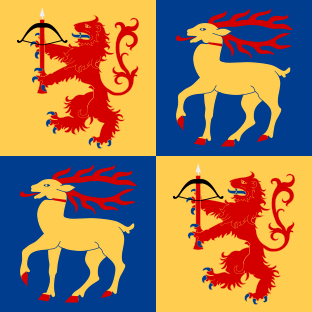
Kalmar
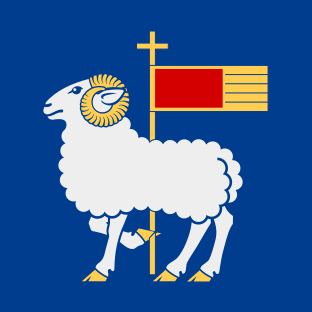
Gotland
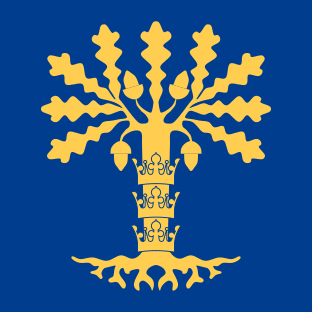
Blekinge
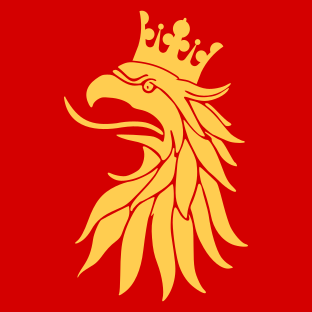
Skåne
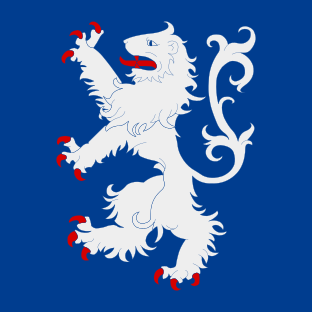
Halland
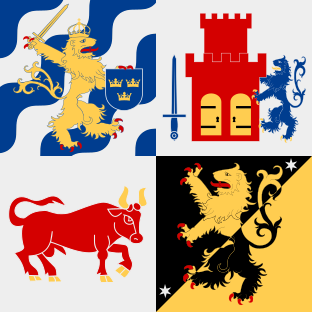
Västra Götaland
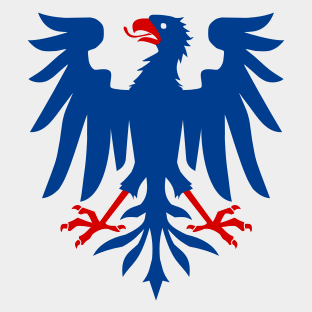
Värmland
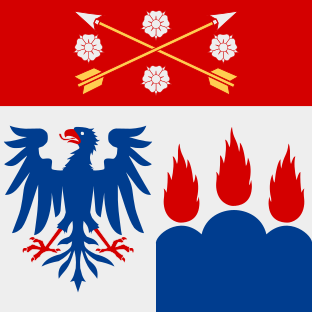
Örebro
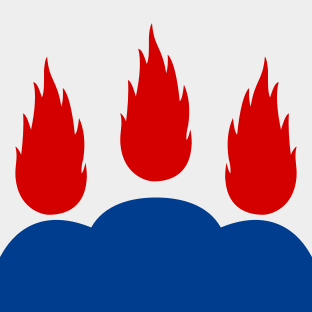
Västmanland
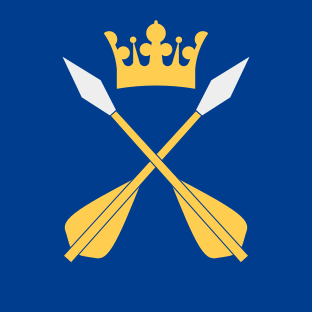
Dalarna
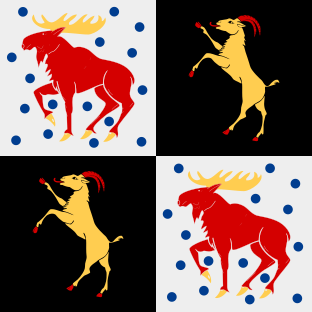
Gävleborg
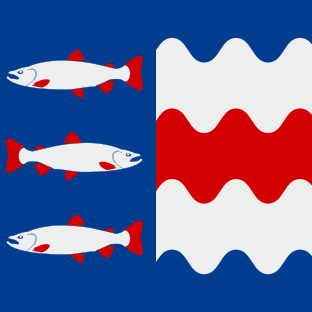
Västernorrland
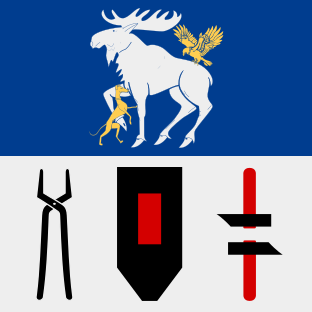
Jämtland
Neighbouring countries
Sweden shares a land border with 2 countries: Finland and Norway.
Other flags in blue and yellow
3 other national flags use the same main colours as Sweden's.
Play Globalio and learn Sweden's flag
 Finland
 Norway
 Denmark
 Kazakhstan
 Palau
 Ukraine