Americas
Flag of Argentina
Argentina is the second-largest country in South America, stretching from the subtropical north down to sub-Antarctic Patagonia and Cape Horn. Buenos Aires, the capital, is a cosmopolitan city strongly influenced by European immigration and known for its tango music and dance, vibrant cultural scene, and world-class restaurants. Argentina has won the FIFA World Cup three times and produced celebrated writers including Jorge Luis Borges.

- CapitalBuenos Aires
- RegionAmericas
- Current flag since1818
- Main coloursBlue, White, Yellow
- Populationabout 46 million
- Areaabout 2,780,000 km²
- Flags in history4
Population and area are rounded.
What the flag of Argentina means
Light blue and white were worn by the patriots of the May Revolution of 1810 and turned into a flag by Manuel Belgrano in 1812. The Sun of May, a golden face with 32 rays, represents Inti, the Inca sun god, and the sun said to have broken through the clouds on 25 May 1810. Argentina's Flag Day, 20 June, marks Belgrano's death.
How to recognise it
Horizontal light blue-white-light blue with a yellow Sun of May in the centre.
Did you know?
Argentina has produced more Nobel Prize winners in the sciences than any other Latin American country.
Easily confused with
Argentina's flag is often mixed up with these. Learn to tell them apart:
Flag history of Argentina
Every flag that has flown over Argentina, from today back through time.
1818–present
Flag of Argentina (with Sun of May)
The Sun of May — representing Inti, the Inca sun god, and commemorating the May Revolution of 1810 — was officially added to the flag on February 25, 1818. The sun is depicted with alternating straight and wavy rays and a human face, copied from the reverse of Argentina's first coin minted in 1813. It distinguishes the "official ceremonial flag" from the plain-striped civil flag.
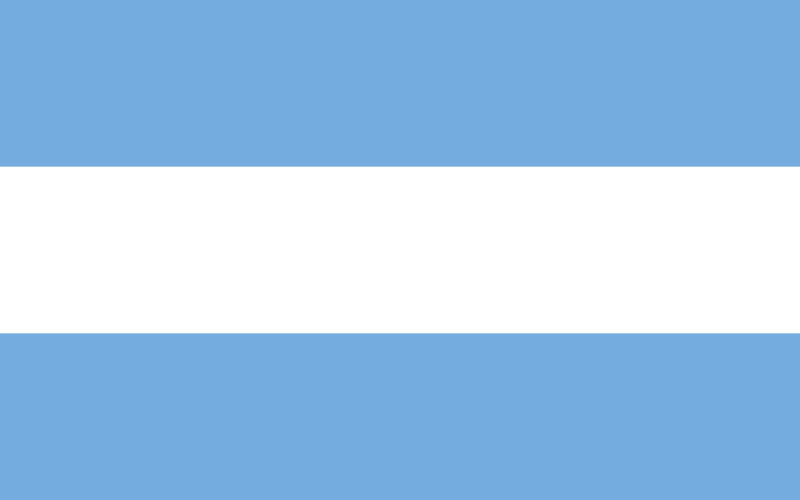
1816–1818
Flag without the Sun
The plain horizontal tricolor of light blue-white-light blue was created by General Manuel Belgrano on February 27, 1812, using the cockade colours of the revolution. It flew at the Declaration of Independence on July 9, 1816 — before the Sun of May was incorporated. This simpler version remains in use today as the "civil flag" (without the sun) on non-official occasions.

1812–1816
Belgrano's Original Flag (1812)
Manuel Belgrano improvised the first Argentine flag in 1812 to rally troops at the Battle of Rosario, using the blue and white colours of the Buenos Aires revolutionary cockade. He raised it on February 27, 1812 — a date now celebrated as Flag Day in Argentina. Belgrano had to seek permission from the revolutionary government to use it officially, permission that came only gradually.
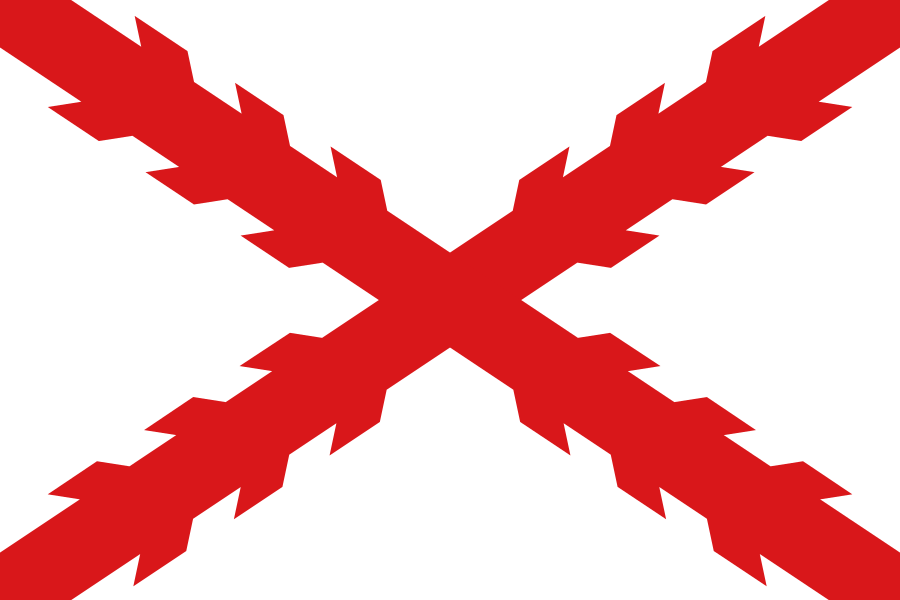
1776–1812
Viceroyalty of the Río de la Plata
Before Belgrano's blue-and-white, the lands of Argentina were the Spanish Viceroyalty of the Río de la Plata, governed from Buenos Aires and flying the red Cross of Burgundy of the Spanish Empire. The May Revolution of 1810 began the break from Spain, replacing the saltire with the revolutionary cockade colours that became the national flag.
Related historical states
Empires, kingdoms and republics that once covered part of Argentina.
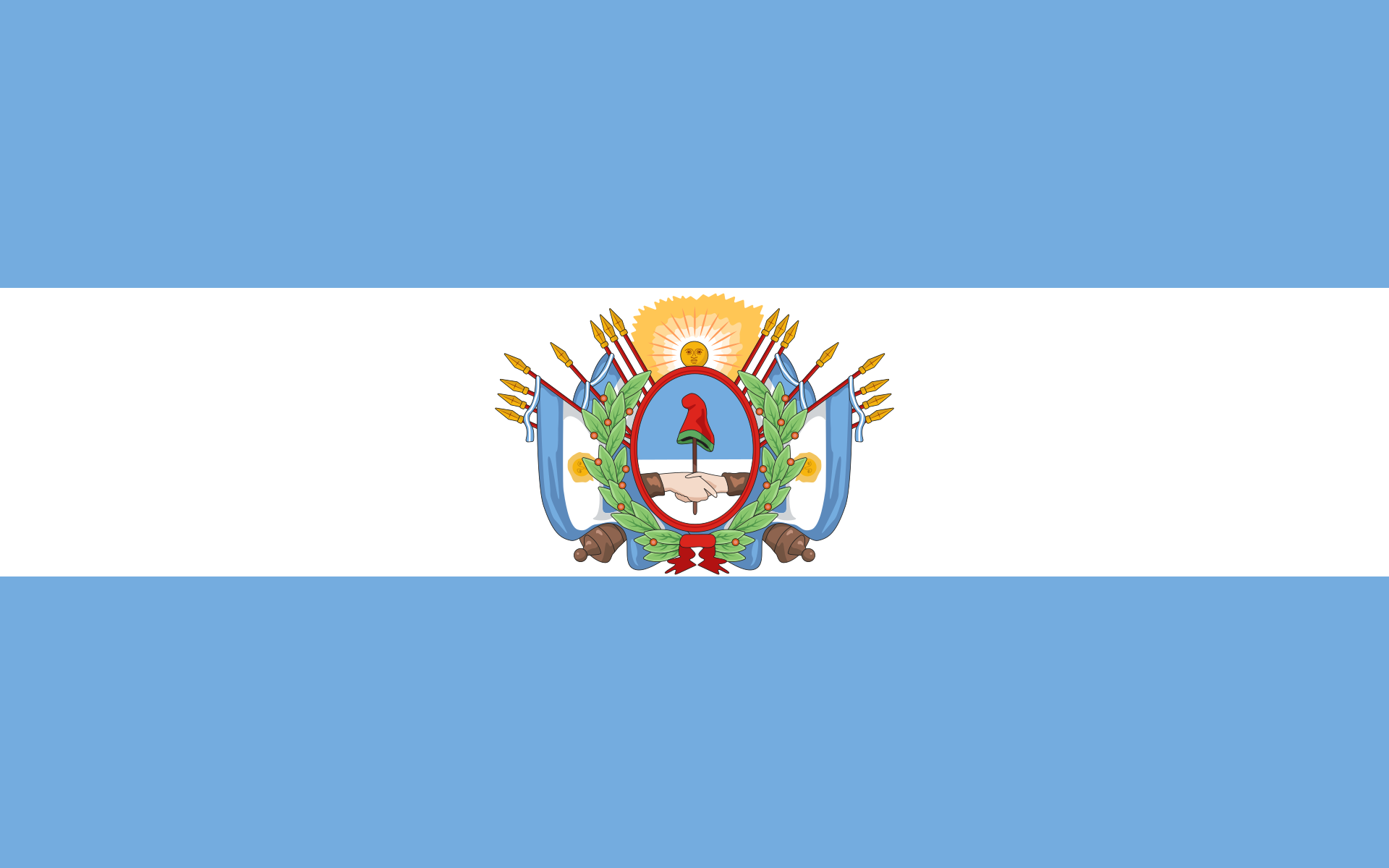
1852–1861
State of Buenos Aires
Blue-white-blue with a Sun of May and four red liberty caps, flown while Buenos Aires seceded from the rest of the Argentine Confederation for nearly a decade.
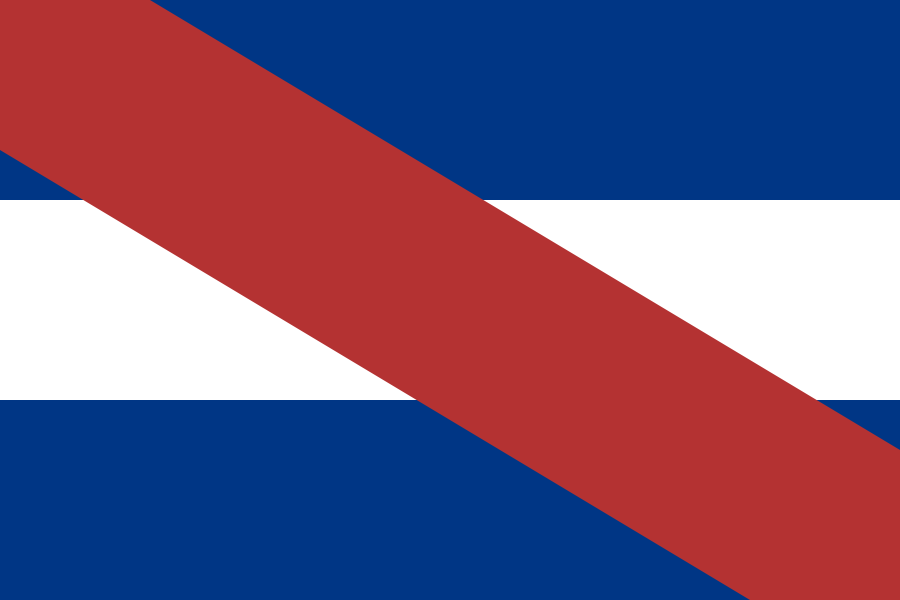
1820–1821
Republic of Entre Ríos
Warlord Francisco Ramírez's federalist republic flew the blue-white-blue flag of Artigas, crossed by a red diagonal bar for the federal cause.
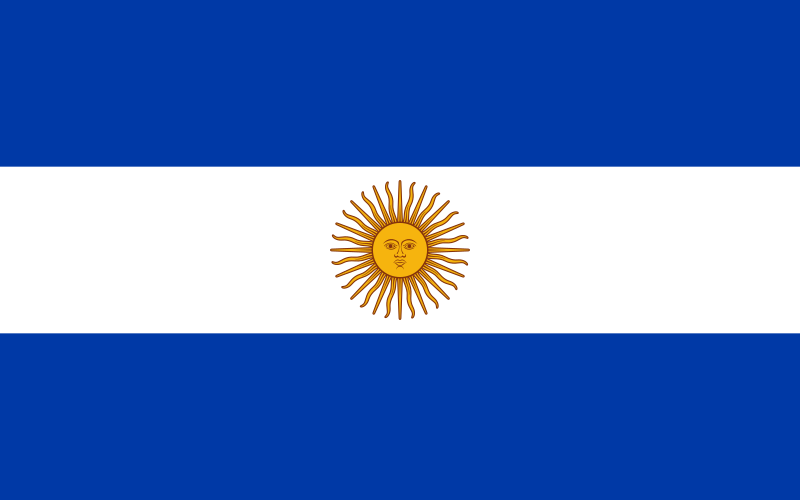
1816–1820s
United Provinces of the Río de la Plata
The state that declared independence at Tucumán in 1816 and is the direct forerunner of Argentina; its sky-blue-white flag gained the golden Sun of May in 1818.
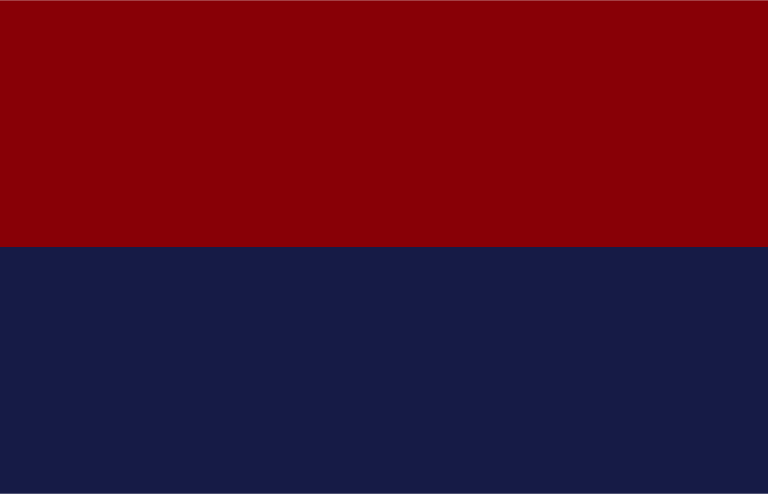
1820–1821
Republic of Tucumán
A short-lived independent province-state during the anarchy that followed the collapse of central authority in the Río de la Plata, before rejoining the Argentine confederation.
Regional flags of Argentina
The 24 states, provinces and regions of Argentina with their own flags.
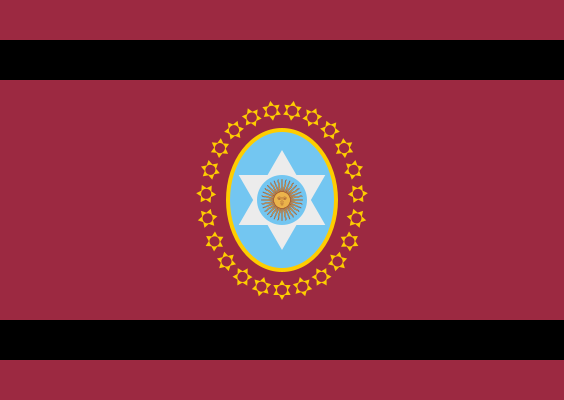
Salta
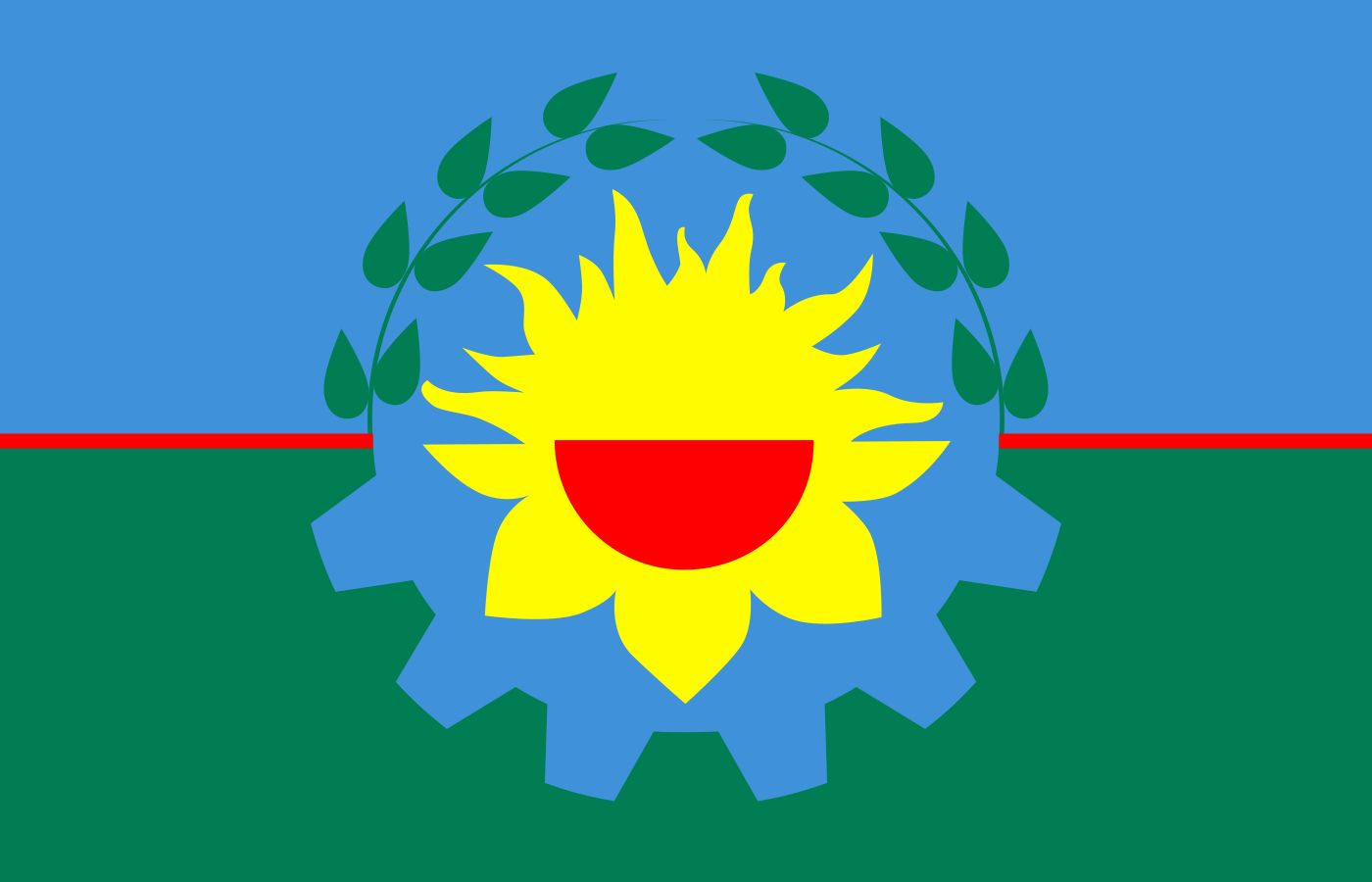
Buenos Aires Prov.
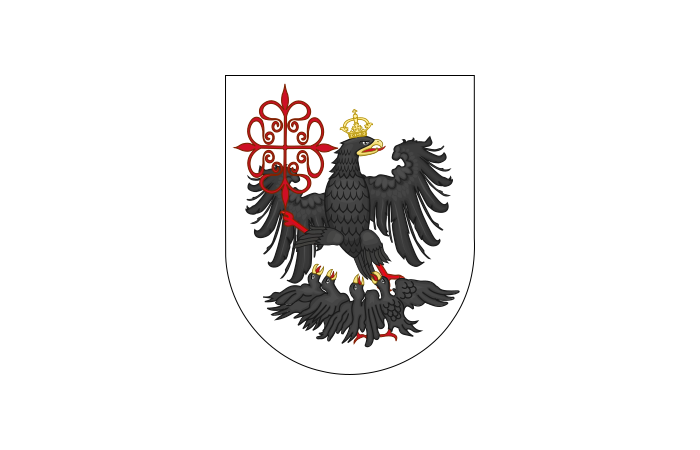
Buenos Aires City
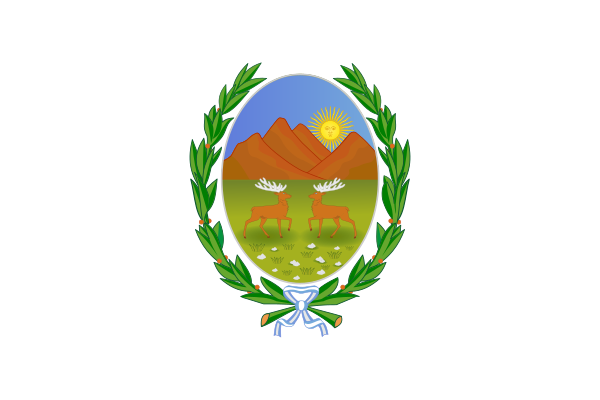
San Luis
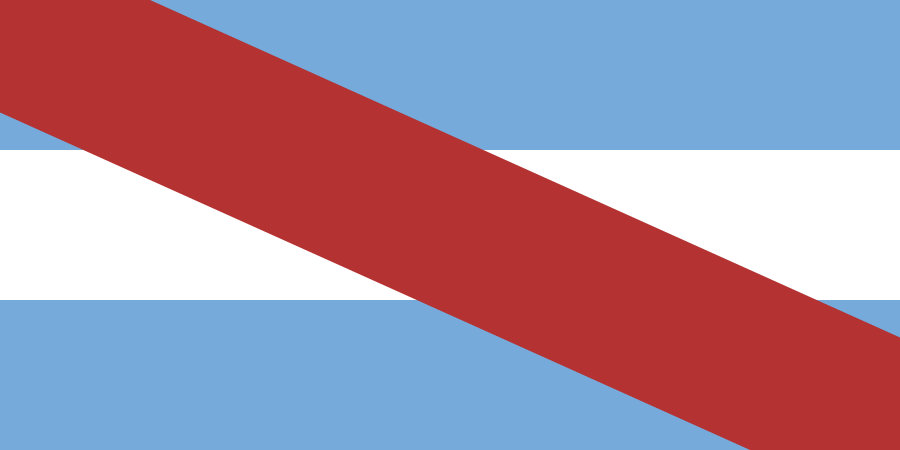
Entre Ríos
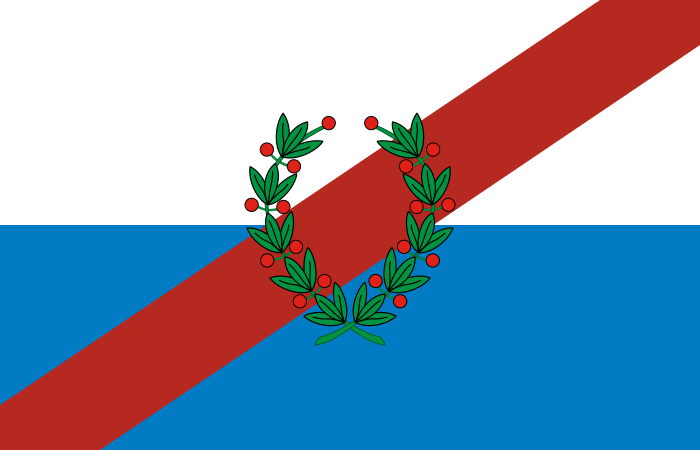
La Rioja
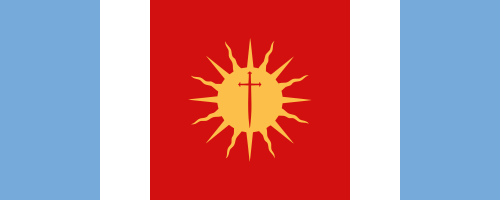
Santiago del Estero
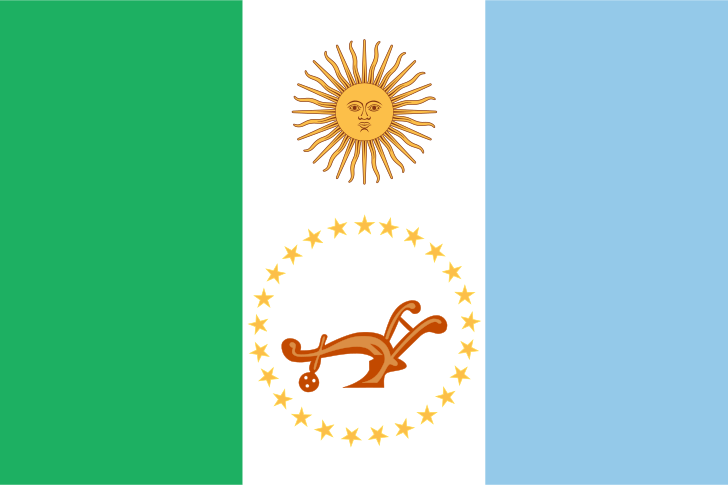
Chaco
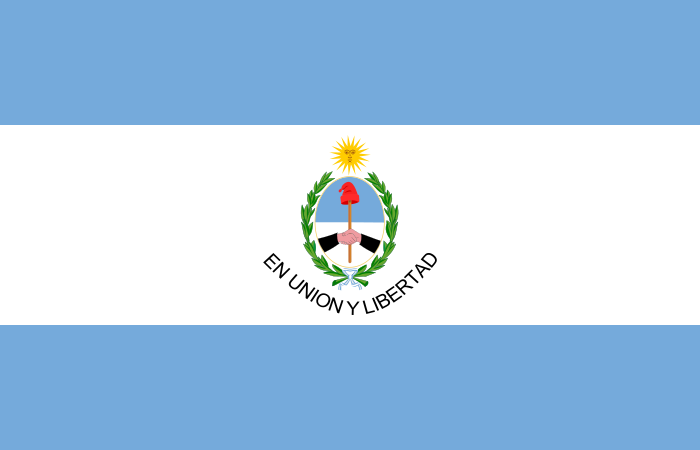
San Juan
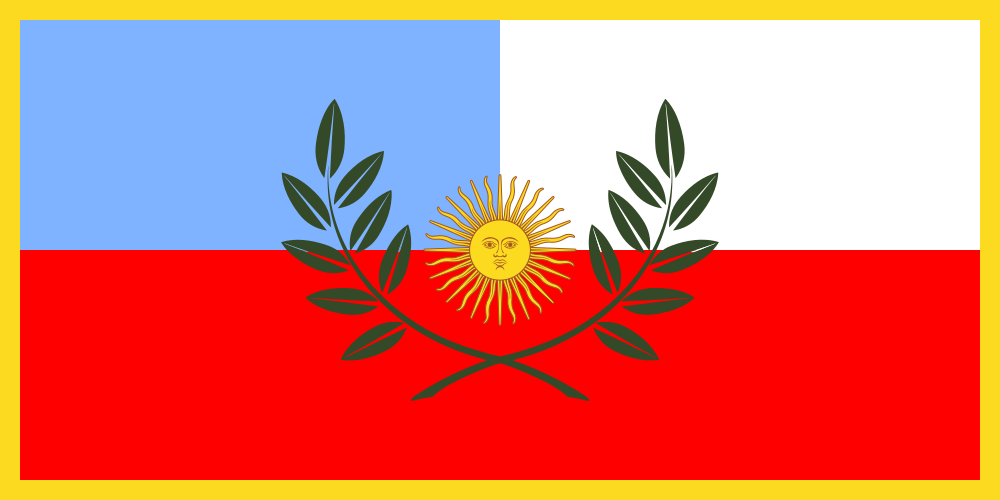
Catamarca
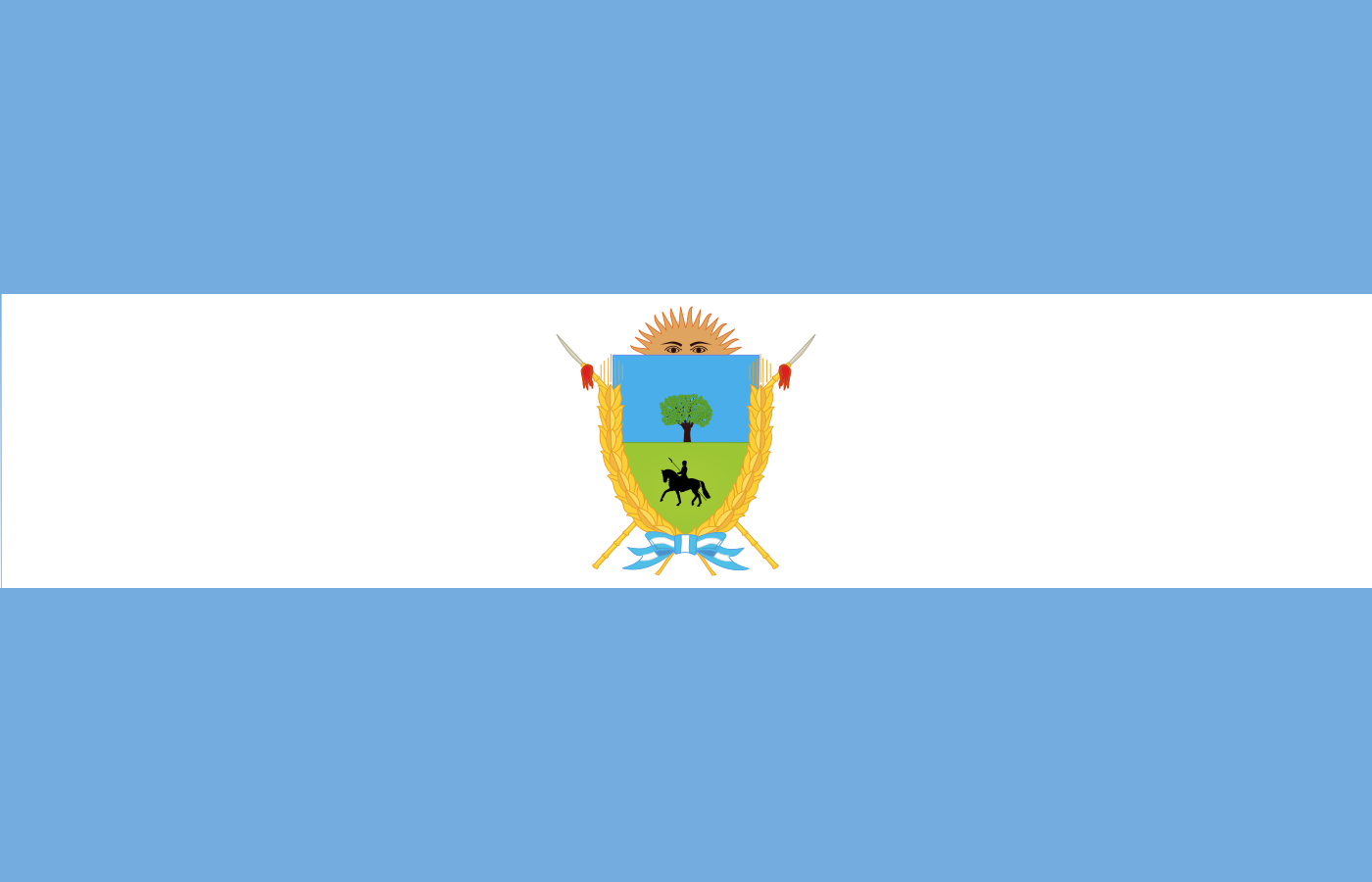
La Pampa
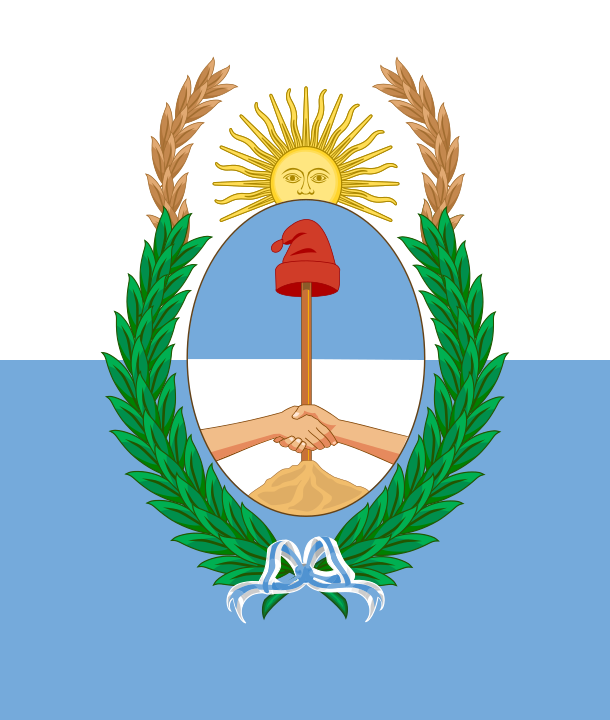
Mendoza
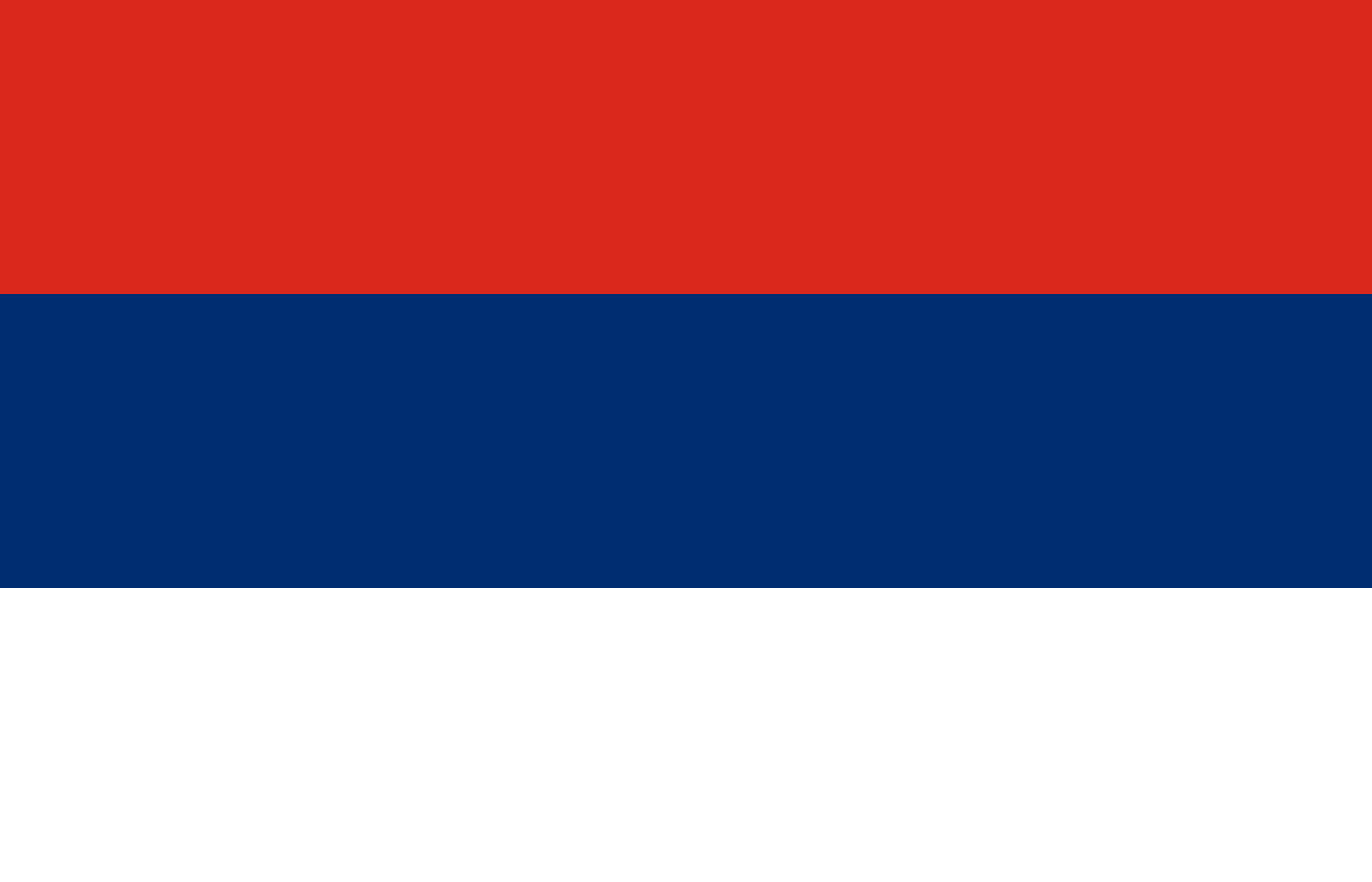
Misiones
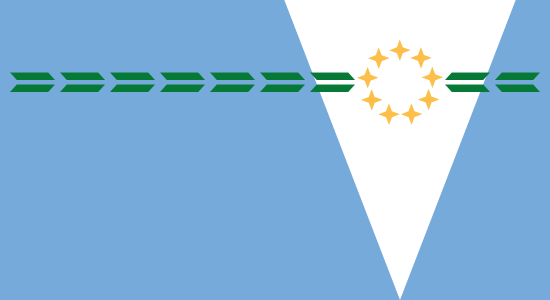
Formosa
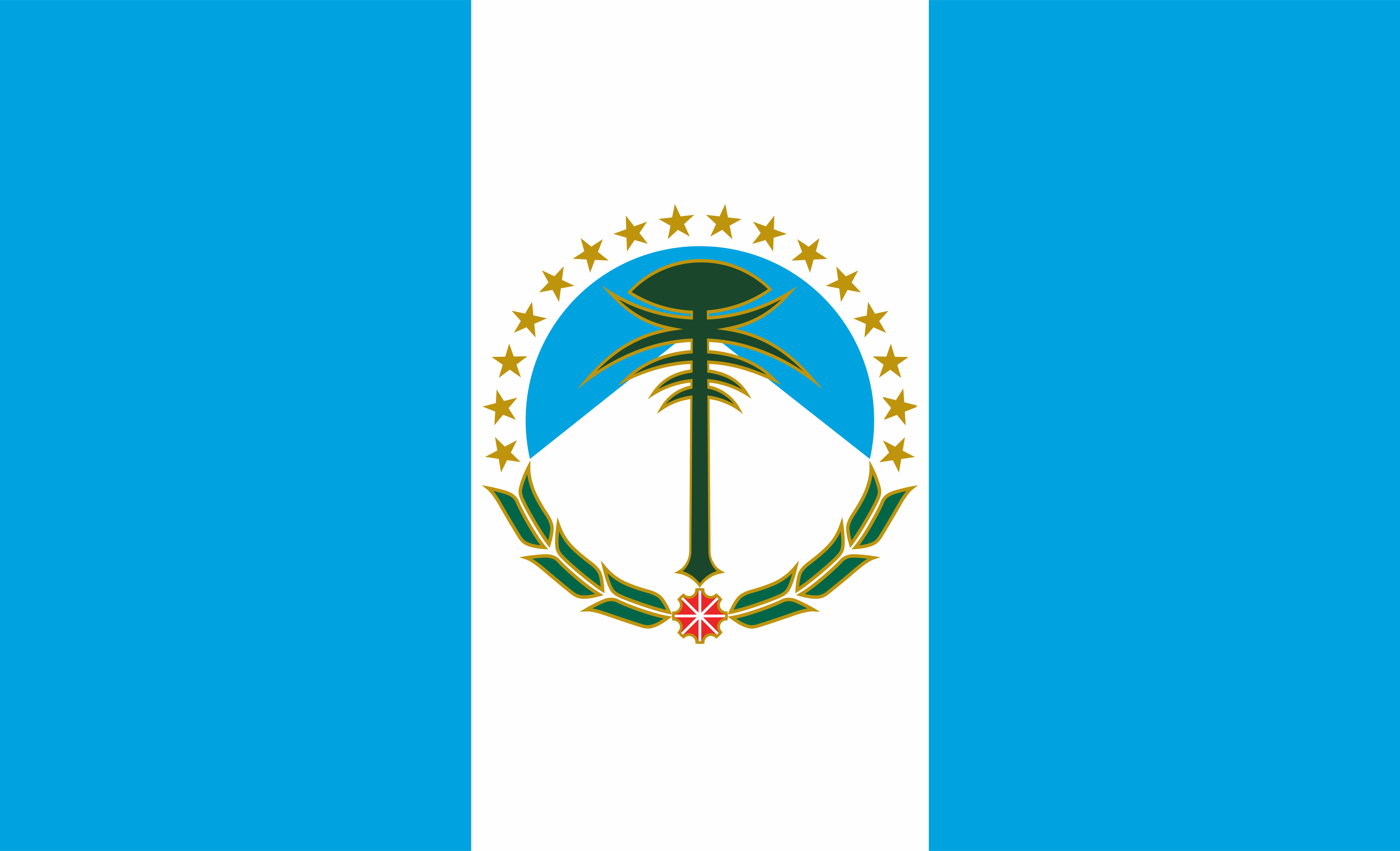
Neuquén
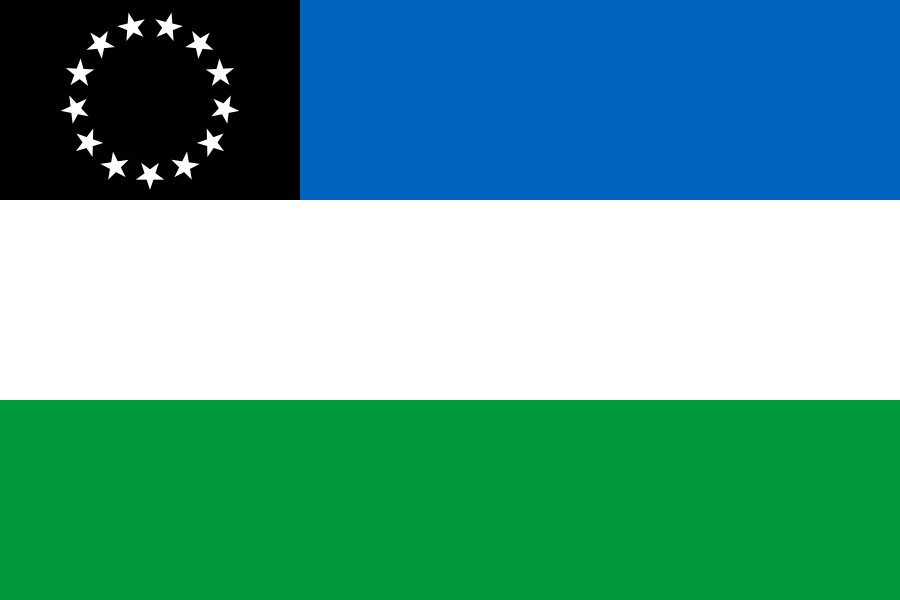
Río Negro
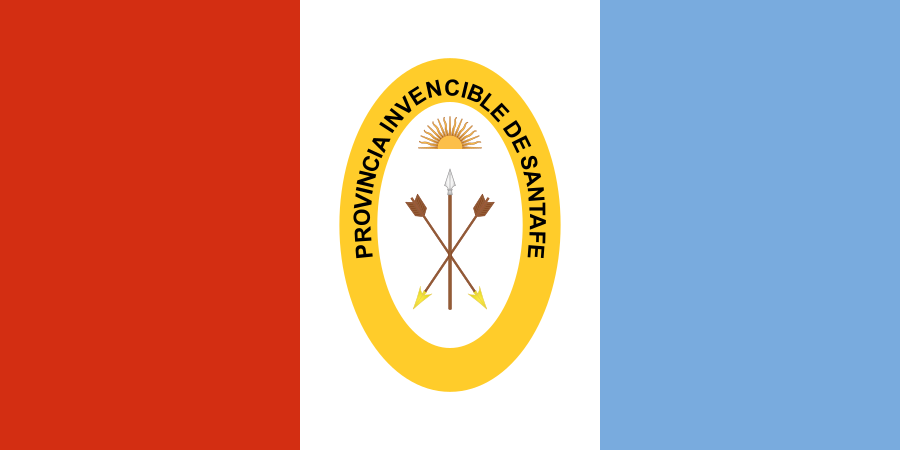
Santa Fe

Tucumán
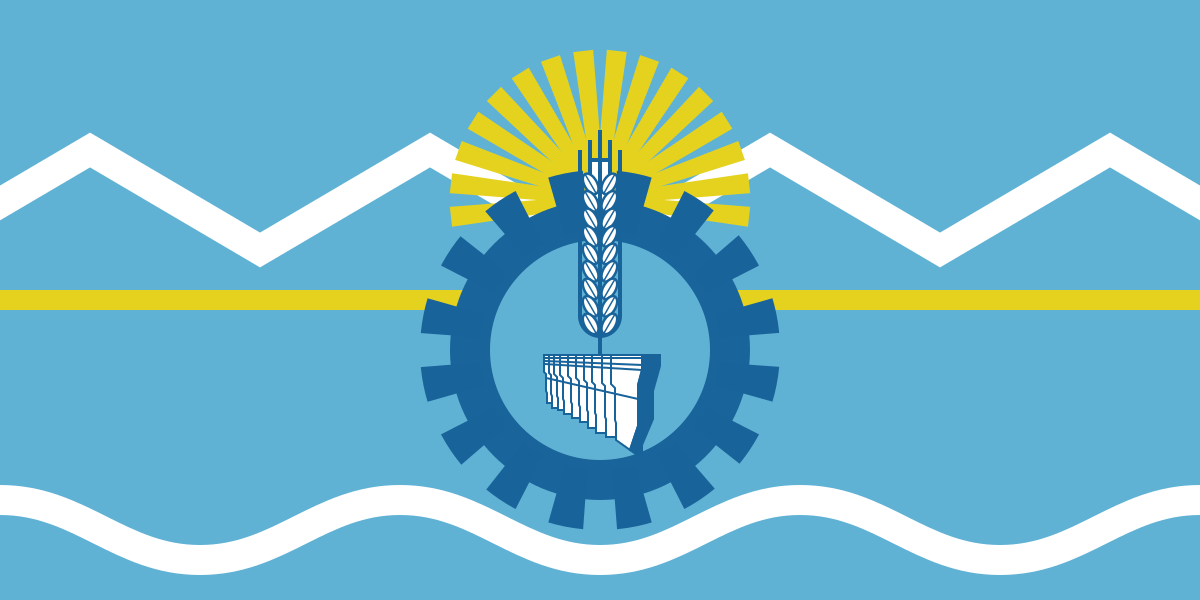
Chubut

Tierra del Fuego
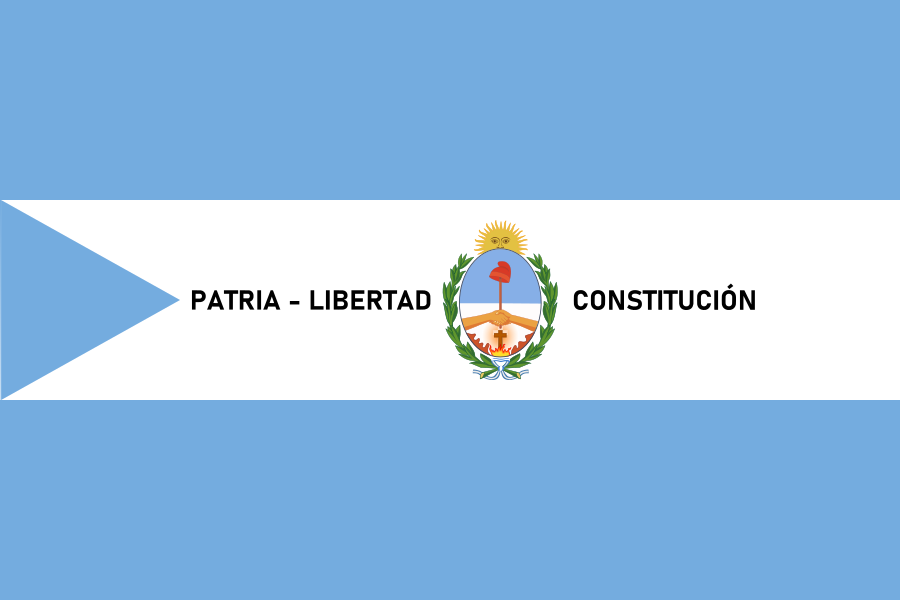
Corrientes
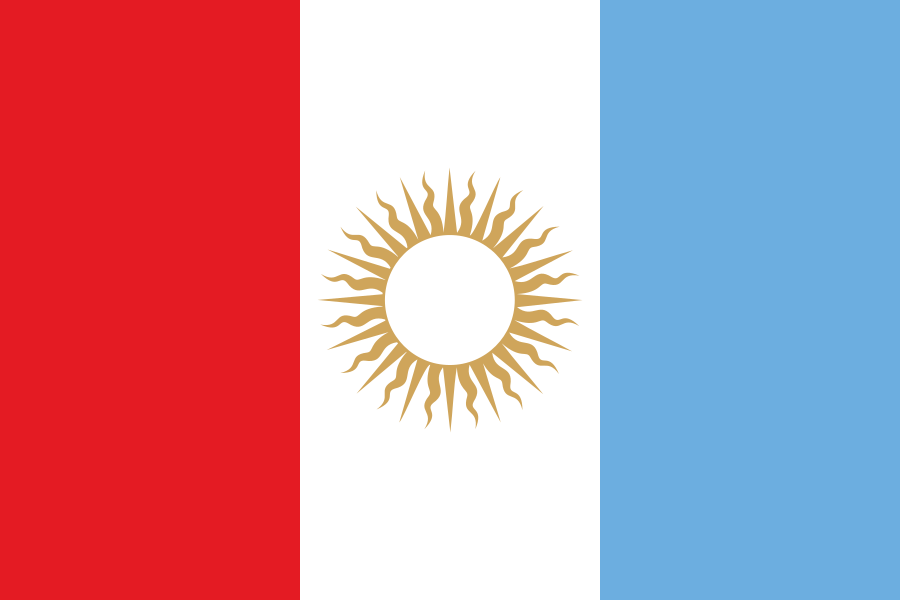
Córdoba
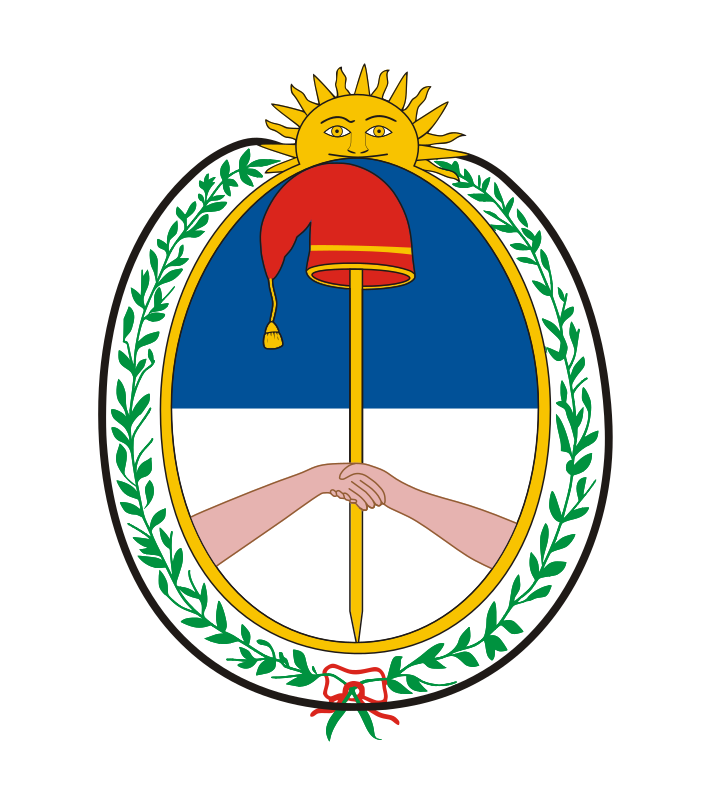
Jujuy
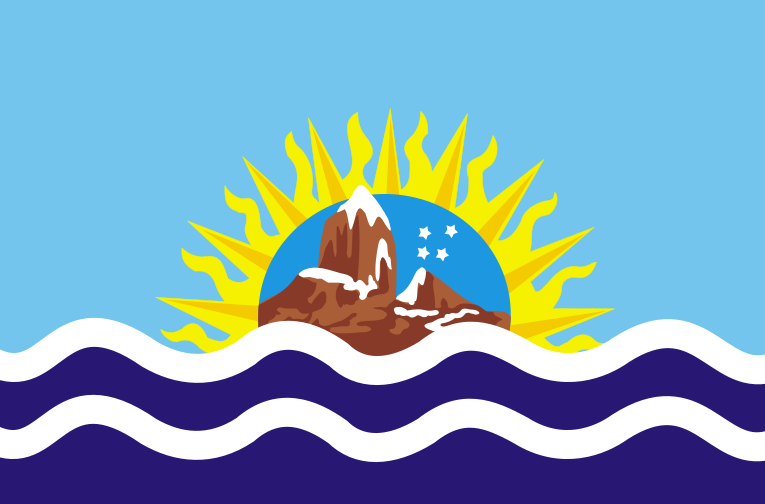
Santa Cruz
Neighbouring countries
Argentina shares a land border with 5 countries: Bolivia, Brazil, Chile, Paraguay and Uruguay.
Other flags in blue, white and yellow
4 other national flags use the same main colours as Argentina's.
Play Globalio and learn Argentina's flag
 Uruguay
 Honduras
 Guatemala
 Bolivia
 Brazil
 Chile
 Paraguay
 Bosnia and Herzegovina
 Kosovo
 Nauru