Americas
Flag of Bolivia
Bolivia is a landlocked South American country with one of the world's highest and most isolated seats of government — La Paz, the administrative capital, sits at over 3,600 metres above sea level. The country has the world's largest salt flat, Salar de Uyuni (10,582 sq km), which becomes the world's largest natural mirror when flooded with a thin film of water. Bolivia also holds the world's largest known lithium reserves, a resource critical for electric vehicle batteries.

- CapitalSucre
- RegionAmericas
- Current flag since1851
- Main coloursRed, Yellow, Green
- Populationabout 12 million
- Areaabout 1,099,000 km²
- GeographyLandlocked
- Flags in history3
Population and area are rounded.
What the flag of Bolivia means
Red represents the blood shed by the nation's heroes, yellow its mineral wealth, and green the fertility of the land. The state flag adds the coat of arms, with the silver mountain of Potosí, an alpaca, a breadfruit tree and a sheaf of wheat. Since 2009 the Wiphala, the square chequered flag of the Andean peoples, has also been an official national symbol.
How to recognise it
Horizontal red-yellow-green with the Bolivian coat of arms in the centre.
Did you know?
Bolivia has two capital cities: Sucre (constitutional) and La Paz (seat of government).
Easily confused with
Bolivia's flag is often mixed up with these. Learn to tell them apart:
Flag history of Bolivia
Every flag that has flown over Bolivia, from today back through time.
1851–present
Republic of Bolivia (red-yellow-green)
Bolivia's horizontal red-yellow-green tricolor was established by law in 1851, though the colours had been in use since independence in 1825. Red represents the blood of independence heroes; yellow the country's mineral wealth (Bolivia has some of the world's largest lithium and tin deposits); green the fertile land. The Wiphala — a rainbow-chequered flag of the indigenous Aymara people — was added as a co-official state flag in the 2009 constitution.
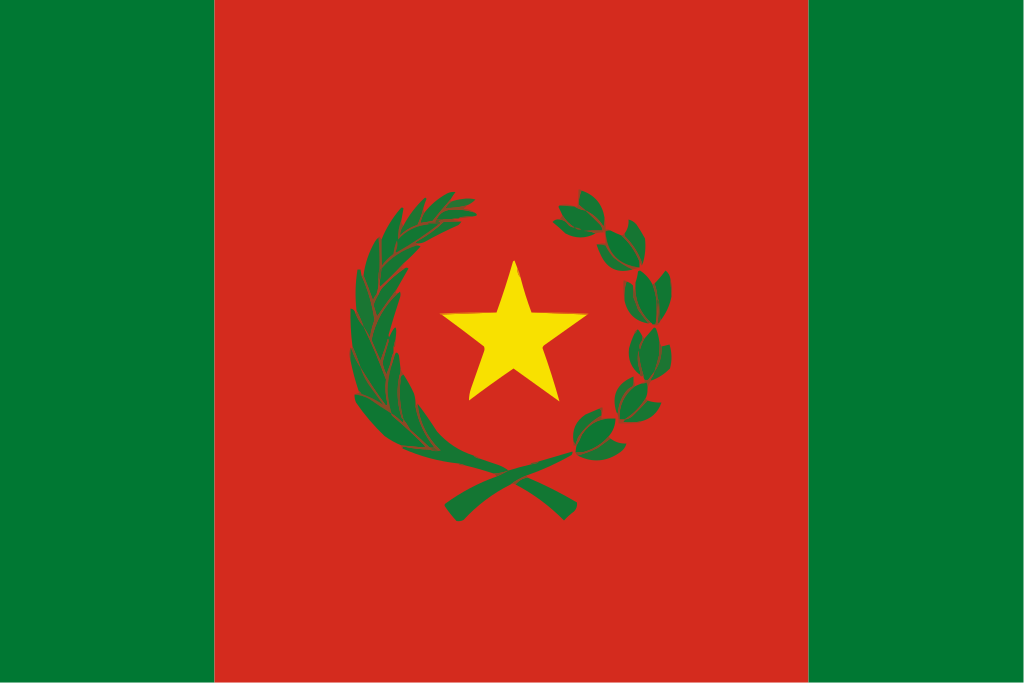
1825–1851
Early Republic of Bolivia
Bolivia declared independence on August 6, 1825, named after its liberator Simón Bolívar. The earliest flags used different colour arrangements — some sources show green-red-yellow and other combinations — as the new republic experimented before settling on the current order. Bolivia's independence came partly through the campaigns of both Bolívar (from the north) and San Martín (from the south), making it a meeting point of two great liberation movements.
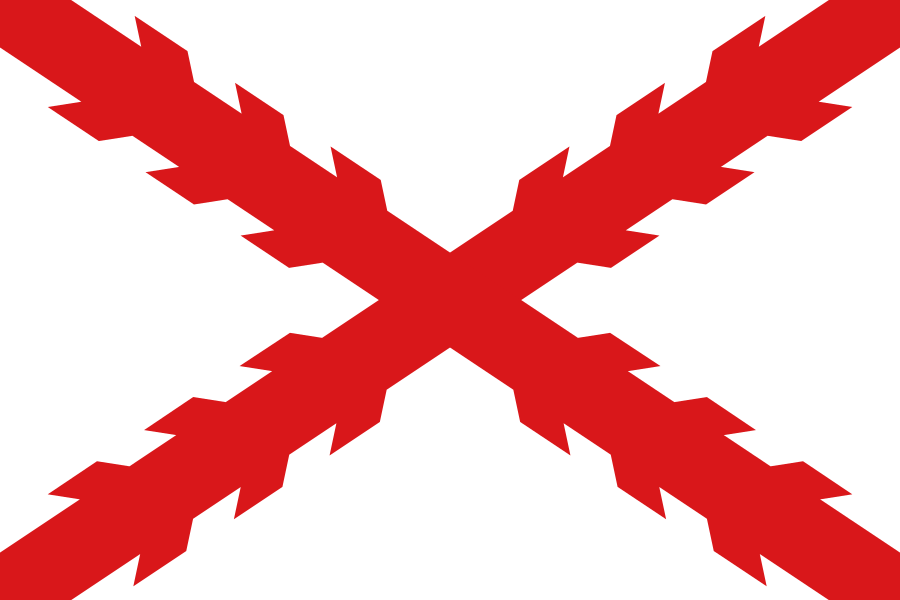
1559–1825
Upper Peru (Spanish)
For nearly 300 years Bolivia was "Upper Peru" — the Audiencia de Charcas within the Spanish Empire, flying the Cross of Burgundy. Its silver mountain at Potosí was the richest mine on earth, bankrolling the Spanish crown and the global silver trade. That wealth, built on brutal forced indigenous labour, makes the green stripe's "mineral wealth" a double-edged symbol in independent Bolivia.
Related historical states
Empires, kingdoms and republics that once covered part of Bolivia.
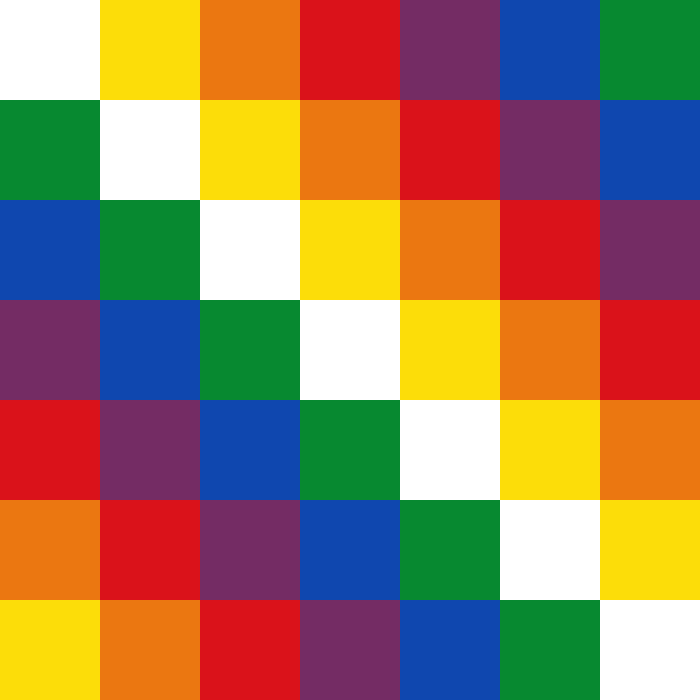
Andean
Inca / Wiphala
The Wiphala is a square 7×7 rainbow patchwork; the color of its longest diagonal identifies the region. A modern Andean emblem — the Incas are not known to have used flags as such.
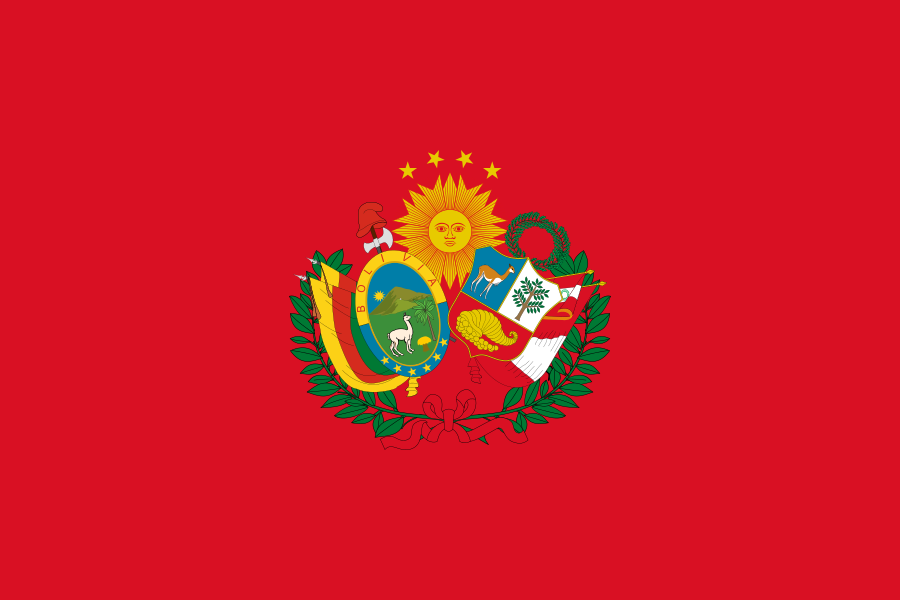
1836–1839
Peru-Bolivian Confederation
A red field bearing the combined arms of North Peru, South Peru, and Bolivia, under the brief union led by Andrés de Santa Cruz.
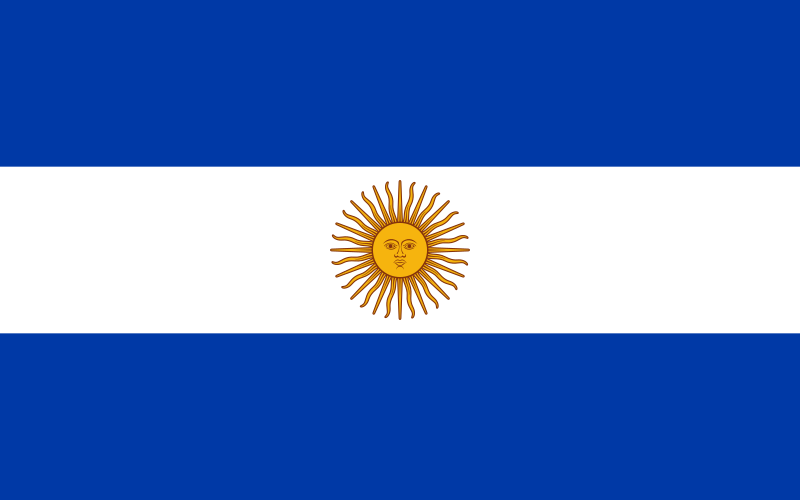
1816–1820s
United Provinces of the Río de la Plata
The state that declared independence at Tucumán in 1816 and is the direct forerunner of Argentina; its sky-blue-white flag gained the golden Sun of May in 1818.
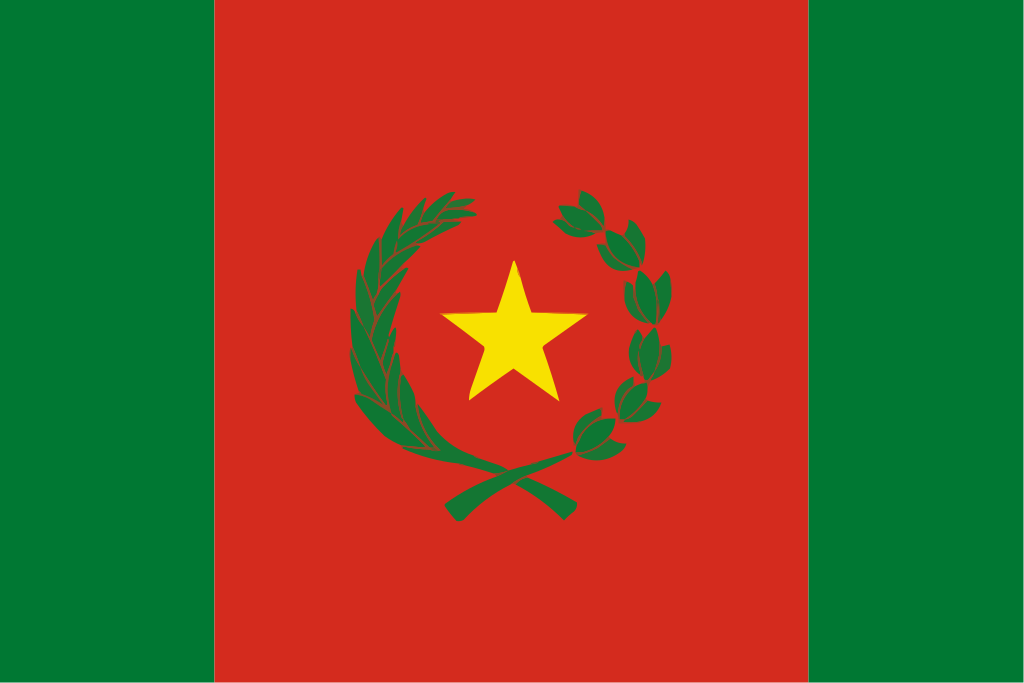
1825–1826
Bolivia (first flag, 1825)
The very first flag of newly independent Bolivia: a green field bordered in red with golden stars, used briefly before the red-yellow-green tricolour took its place.
Regional flags of Bolivia
The 9 states, provinces and regions of Bolivia with their own flags.
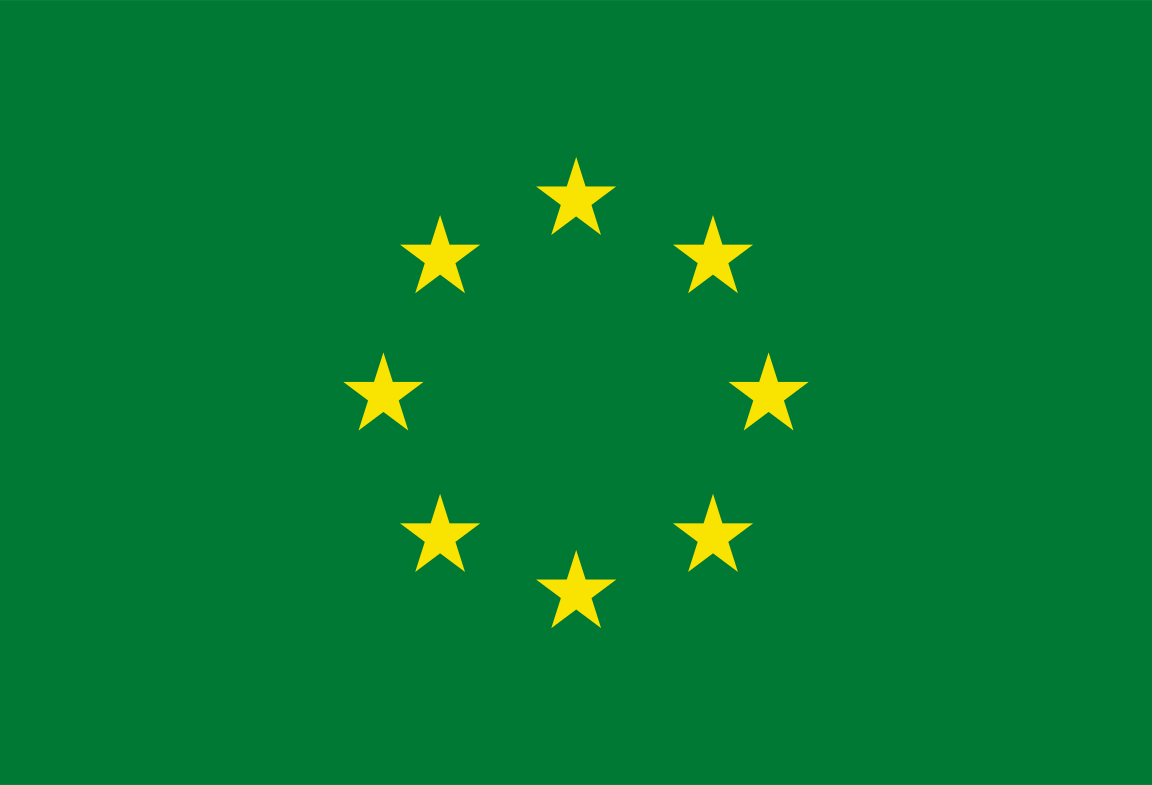
El Beni

Cochabamba
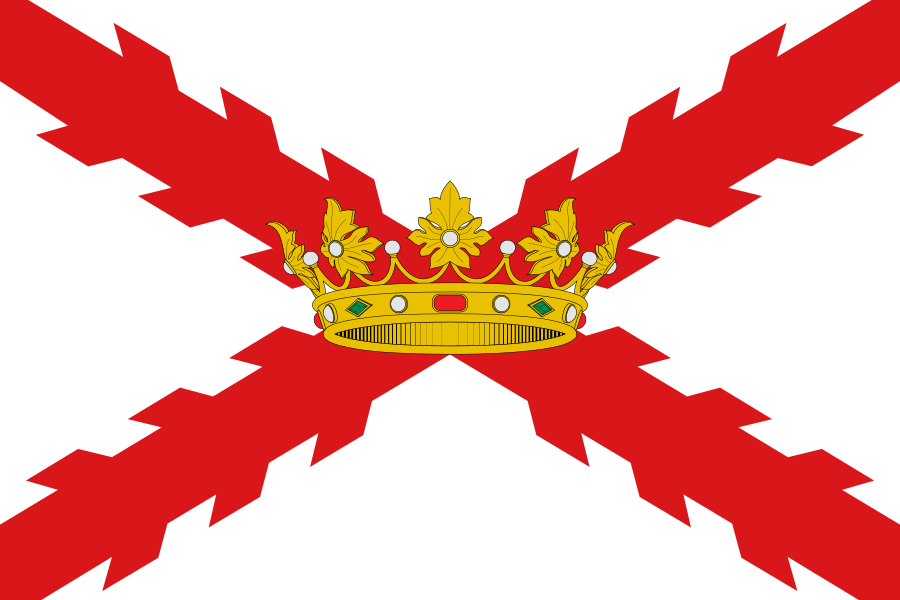
Chuquisaca
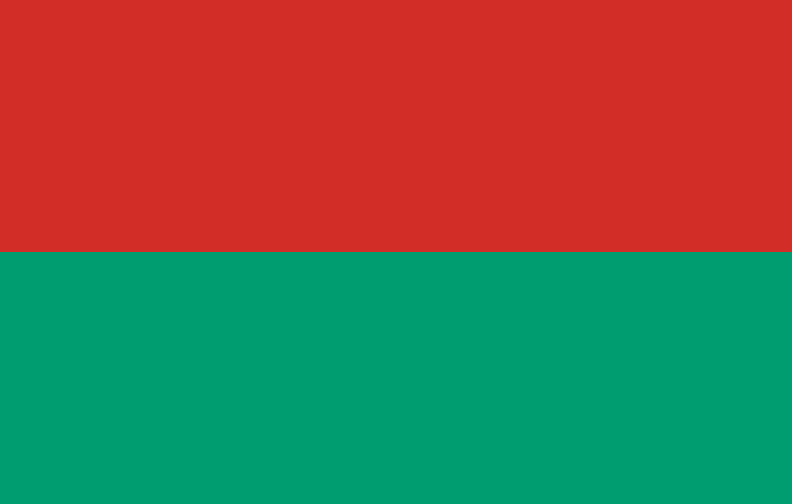
La Paz
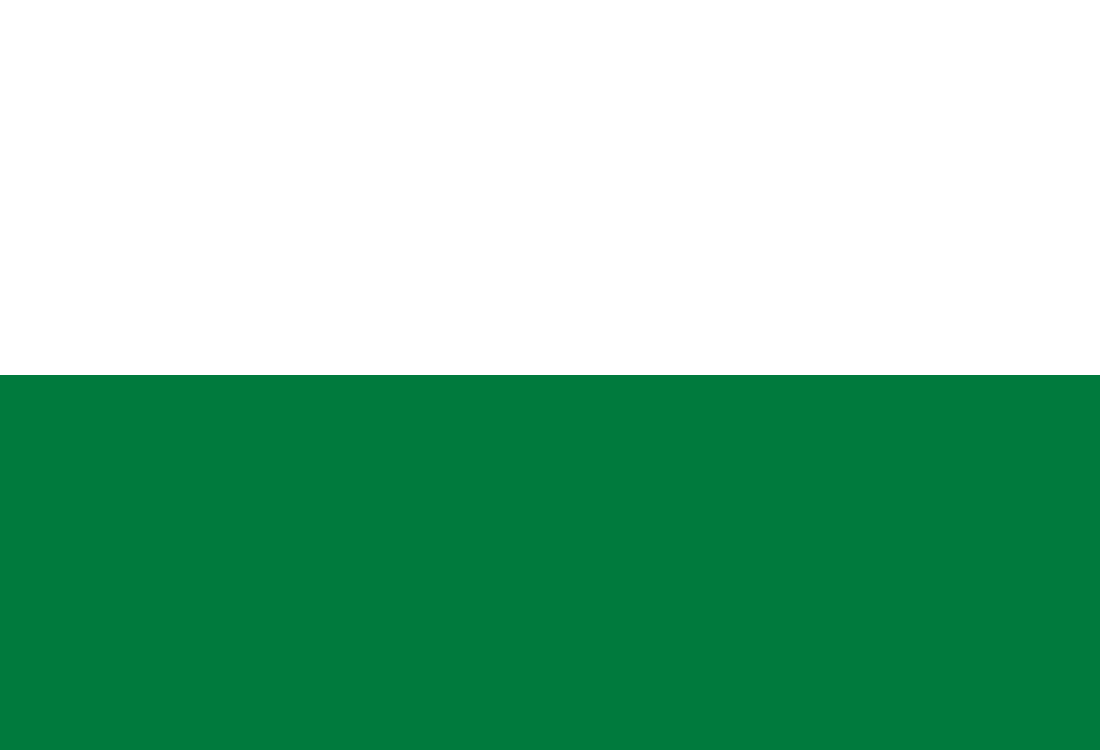
Pando

Oruro
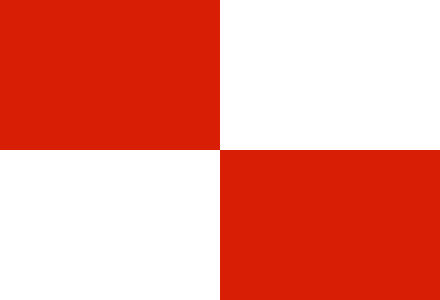
Potosí
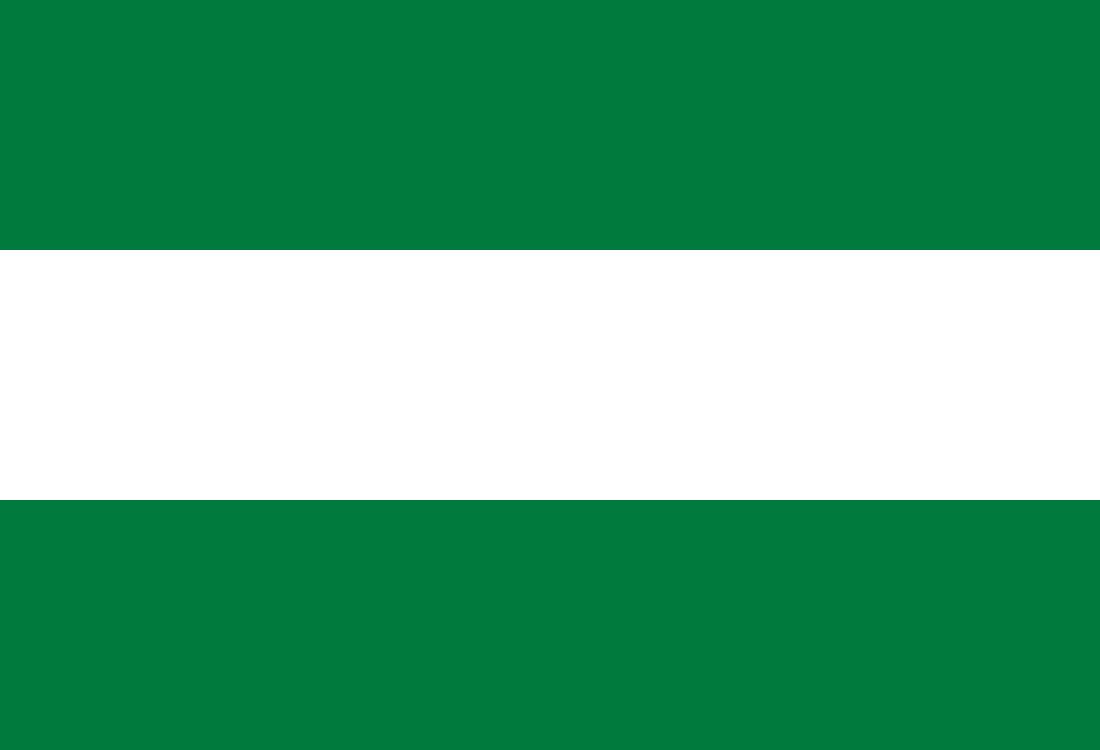
Santa Cruz
Tarija
Neighbouring countries
Bolivia shares a land border with 5 countries: Argentina, Brazil, Chile, Paraguay and Peru.
Other flags in red, yellow and green
11 other national flags use the same main colours as Bolivia's.
Play Globalio and learn Bolivia's flag
 Ethiopia
 Ghana
 Argentina
 Brazil
 Chile
 Paraguay
 Peru
 Benin
 Burkina Faso
 Cameroon
 Grenada
 Guinea
 Lithuania
 Mali
 Mauritania
 Portugal
 Republic of the Congo
 Senegal