Americas
Flag of Peru
Peru is located in western South America and was the centre of the Inca Empire, the largest empire in pre-Columbian America, which at its peak stretched from present-day Colombia to Chile. Machu Picchu, the 15th-century Inca citadel perched at 2,430 metres in the Andes, is one of the world's most visited and photographed archaeological sites. Peru has extraordinary ecological diversity spanning the Andes mountains, the Amazon jungle (covering over 60% of the country), and a coastal desert.

- CapitalLima
- RegionAmericas
- Current flag since1950
- Main coloursRed, White
- Populationabout 34 million
- Areaabout 1,285,000 km²
- Flags in history4
Population and area are rounded.
What the flag of Peru means
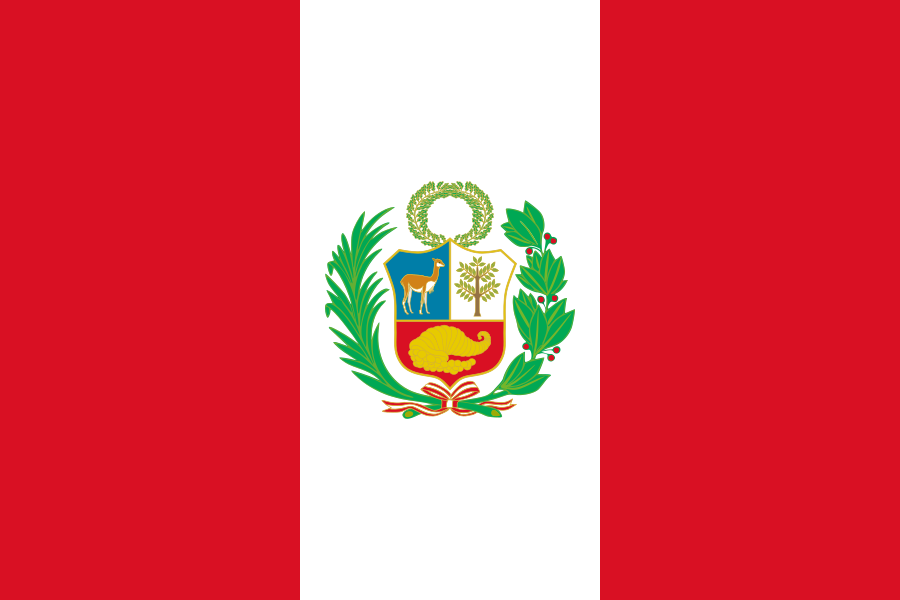
According to legend, General José de San Martín saw a flock of flamingos with red wings and white breasts when he landed in Peru in 1820, and took their colours. Red represents the blood of the independence heroes and white peace. The vertical design was fixed in 1825.
How to recognise it
Vertical red-white-red, no emblem on the plain national flag (coat of arms only on state flag).
Did you know?
Peru is home to Machu Picchu and the Amazon River (measured by volume, the world's largest).
Easily confused with
Peru's flag is often mixed up with these. Learn to tell them apart:
Flag history of Peru
Every flag that has flown over Peru, from today back through time.
1950–present
Republic of Peru (current)
Peru's red-white-red vertical tricolor has been the national colour scheme since independence, but the coat of arms in the state flag was simplified and standardised in 1950. The arms feature a vicuña (national animal), a cinchona tree (source of quinine), and a cornucopia — three symbols of Peru's natural wealth. The civil flag (without arms) is among the oldest unchanged designs in the Americas.
1825–1950
Republic of Peru (19th century)
After independence from Spain in 1821, Peru went through several flag designs. Simón Bolívar imposed a different coat of arms on the existing red-white-red. The 1825 constitution stabilised the tricolor format, though the exact coat of arms changed multiple times over the following century. The vertical red-white-red stripes were chosen to distinguish Peru from Spain's red-yellow-red, avoiding any visual association with the former colonial power.
1820–1825
San Martín's Original Design
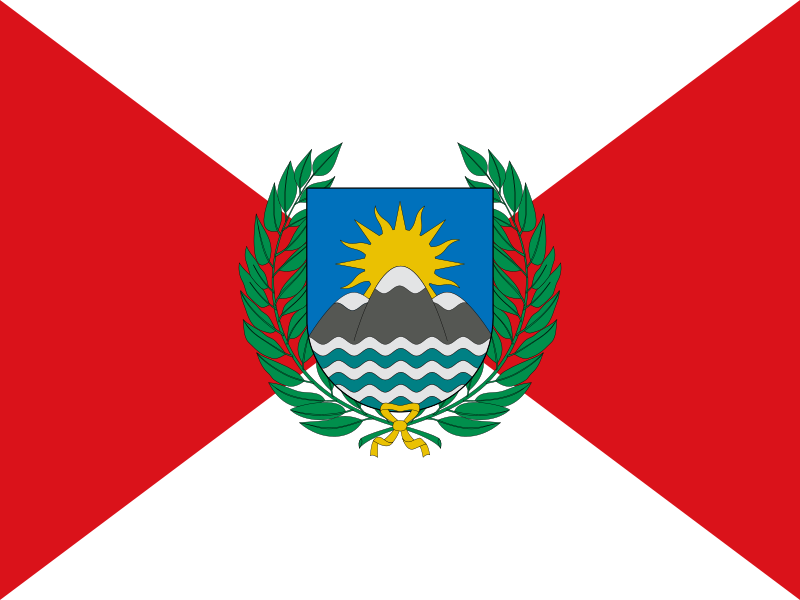
When General José de San Martín landed in Peru in 1820 to liberate it from Spain, he designed the first Peruvian flag with diagonal red and white stripes radiating from the centre. The story goes that San Martín was inspired by watching flamingos fly at dawn over Paracas Bay — the red of their wings against white sky suggesting Peru's colours. The diagonal design was quickly changed to vertical stripes but the red-and-white palette remained.
1542–1820
Viceroyalty of Peru (Spanish)
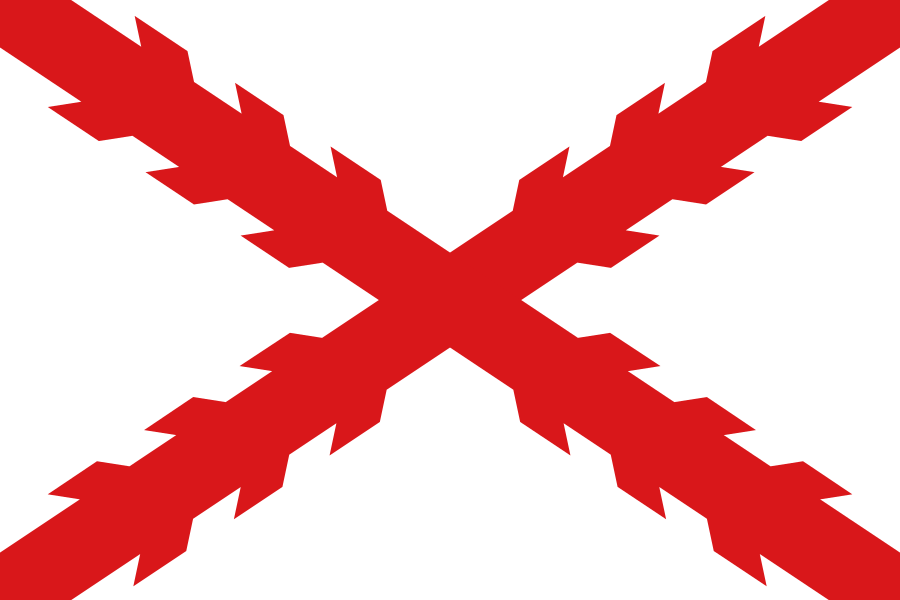
Peru was the jewel of Spanish South America — the Viceroyalty of Peru, ruled from Lima, the "City of Kings," which governed most of the continent and funnelled the silver of Potosí to Spain. For nearly three centuries it flew the Cross of Burgundy. It was also the last royalist stronghold, not finally liberated until the Battle of Ayacucho in 1824.
Related historical states
Empires, kingdoms and republics that once covered part of Peru.
1836–1839
Peru-Bolivian Confederation
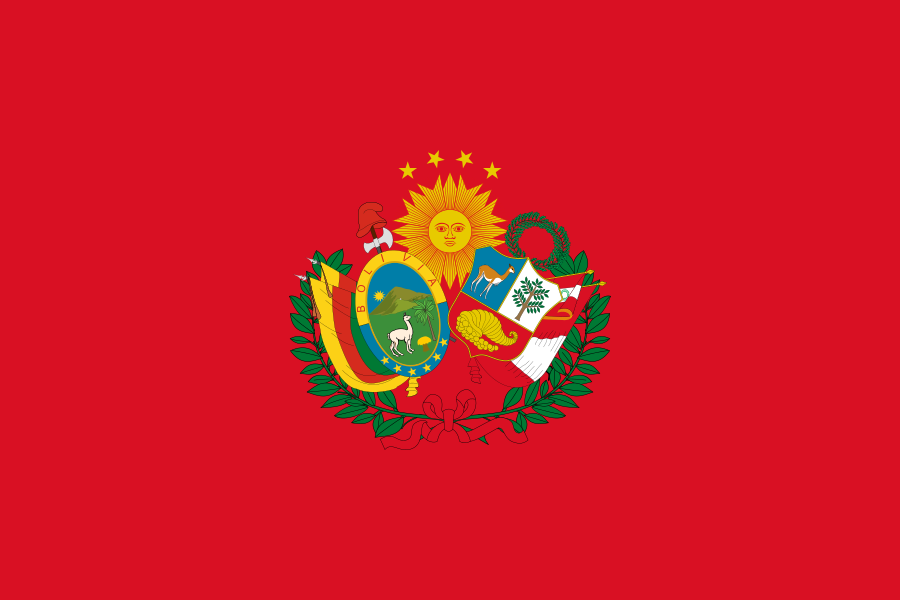
A red field bearing the combined arms of North Peru, South Peru, and Bolivia, under the brief union led by Andrés de Santa Cruz.
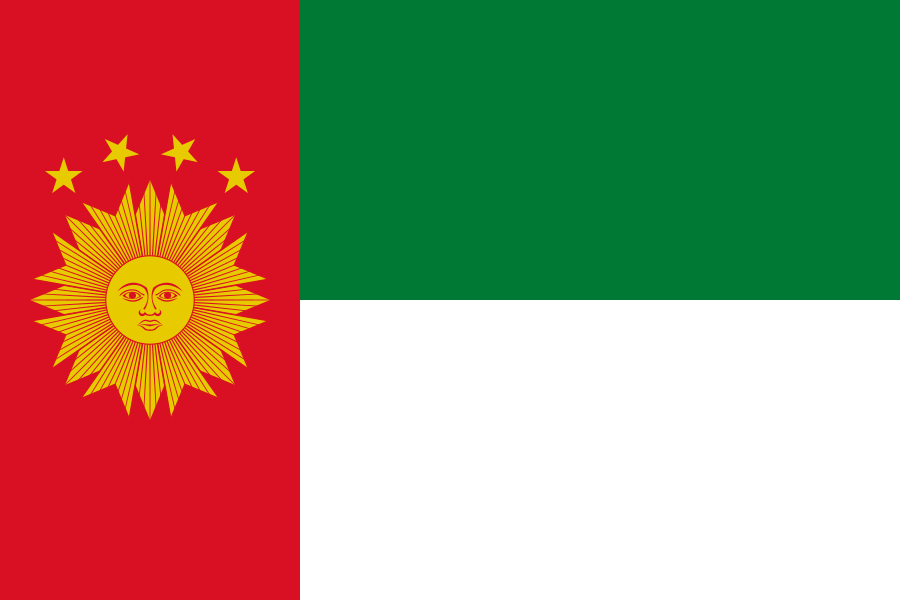
1836–1839
Republic of South Peru
A green-white-red design with a gold sun and stars, one of the member states of the Peru-Bolivian Confederation.
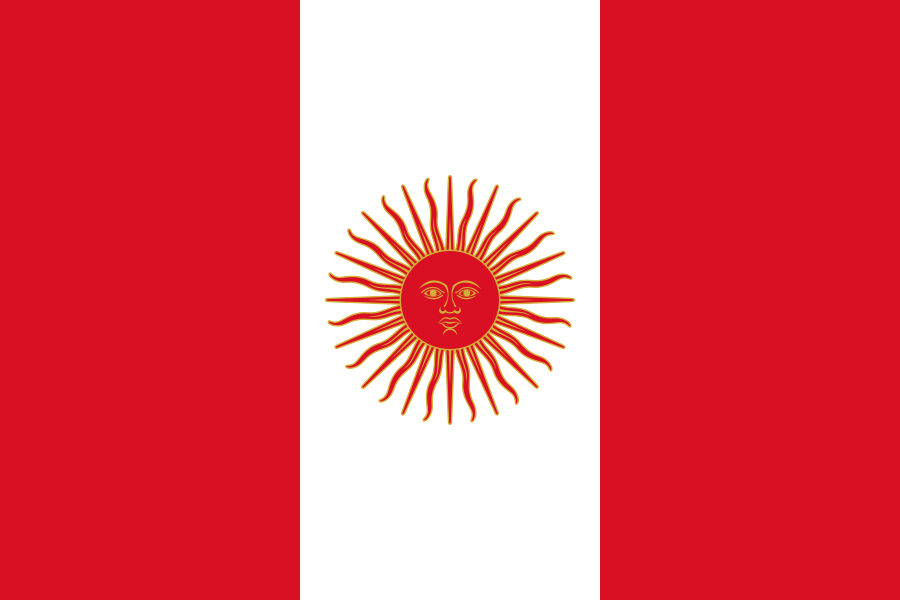
1822–1825
Protectorate of Peru
An early Peruvian flag of the independence era, when San Martín and then Bolívar fought to expel Spanish royalists; the red-and-white colours were soon fixed in the modern arrangement.
Regional flags of Peru
The 25 states, provinces and regions of Peru with their own flags.
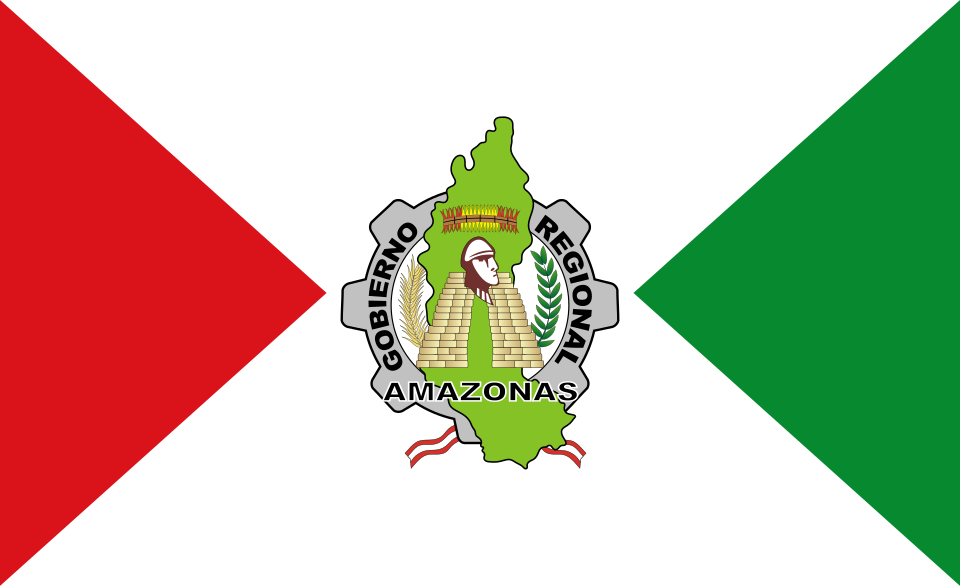
Amazonas
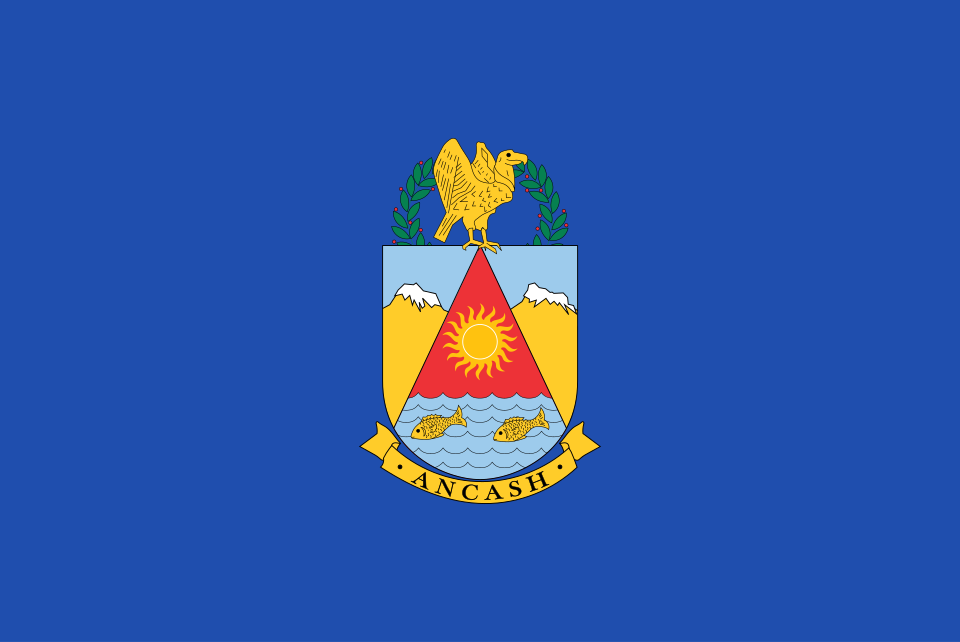
Áncash
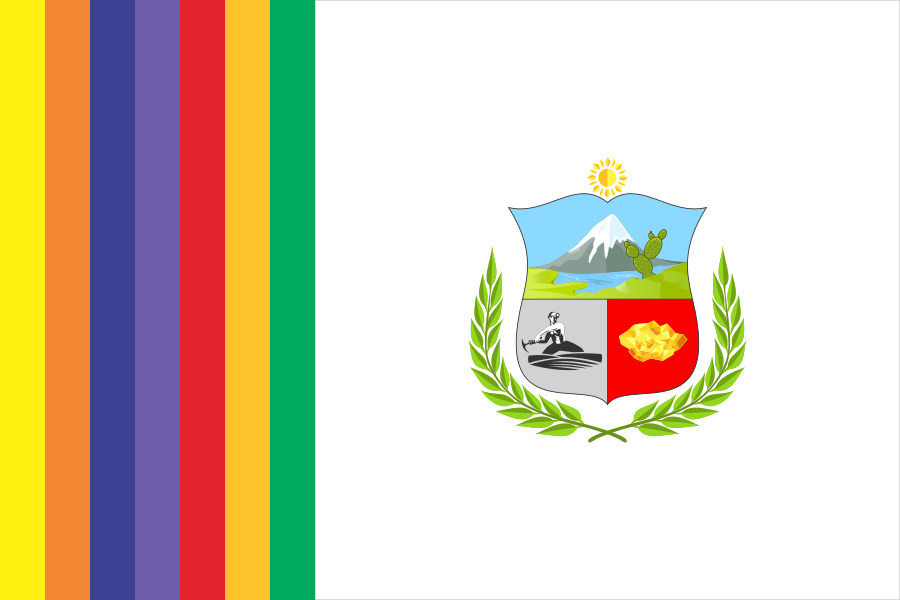
Apurímac
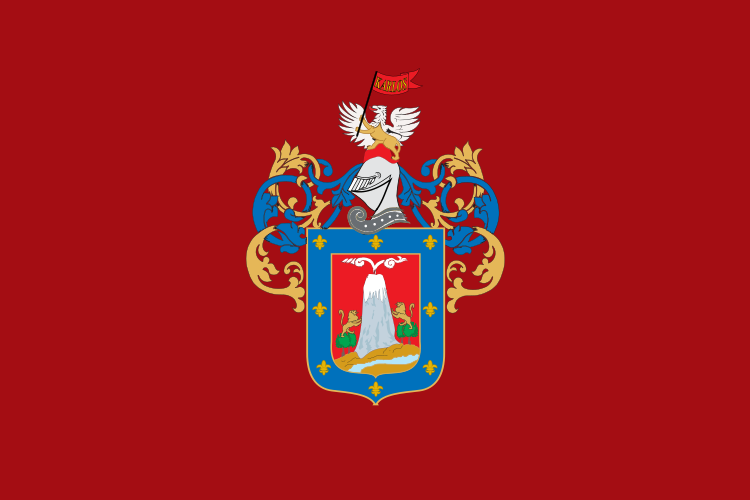
Arequipa
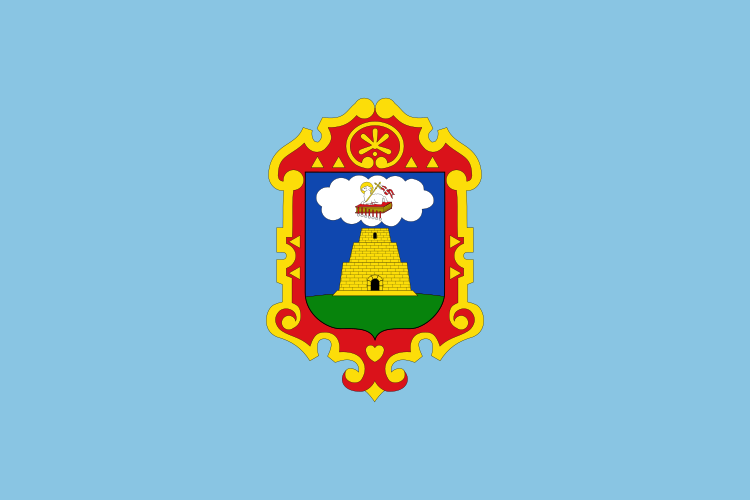
Ayacucho
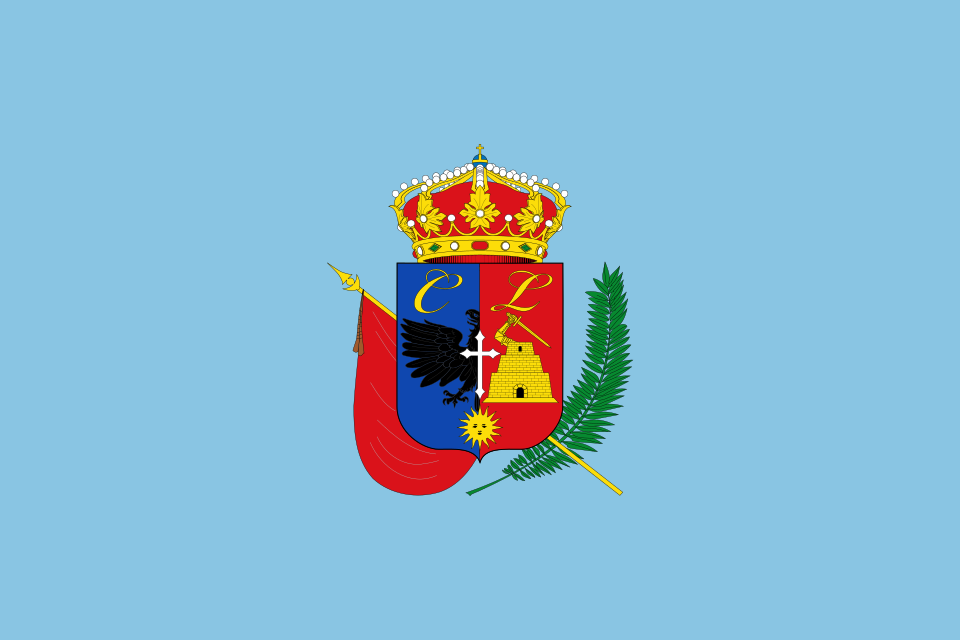
Cajamarca
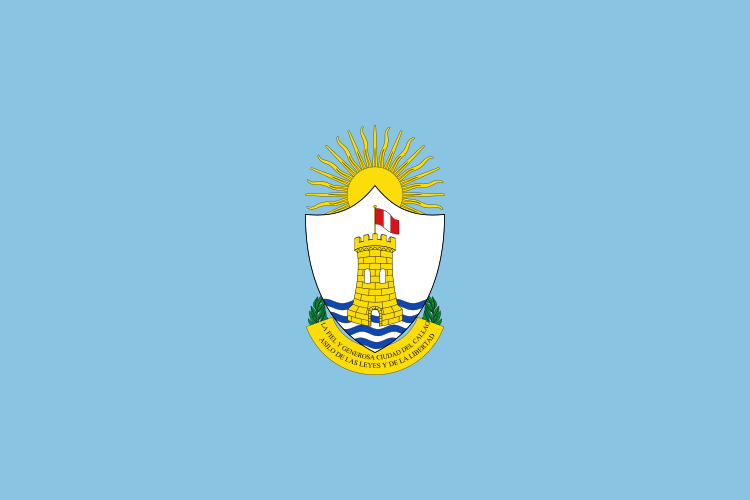
Callao
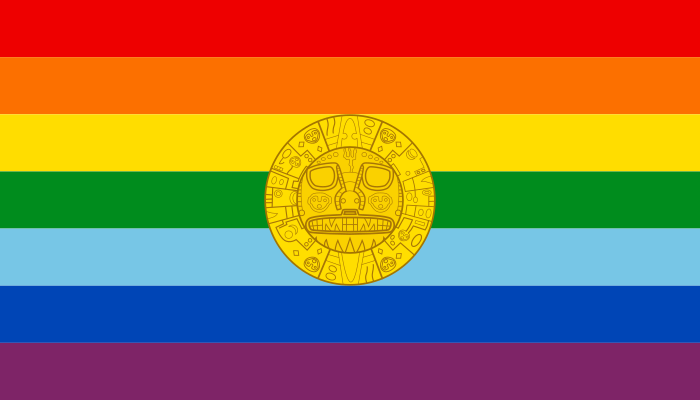
Cusco
Huánuco
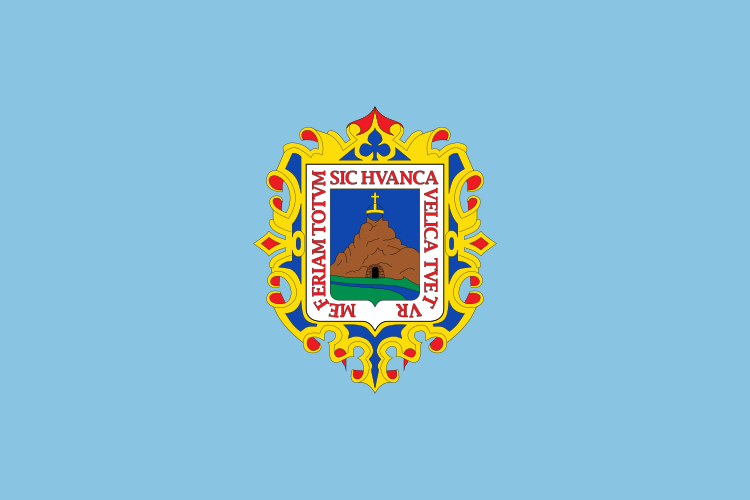
Huancavelica
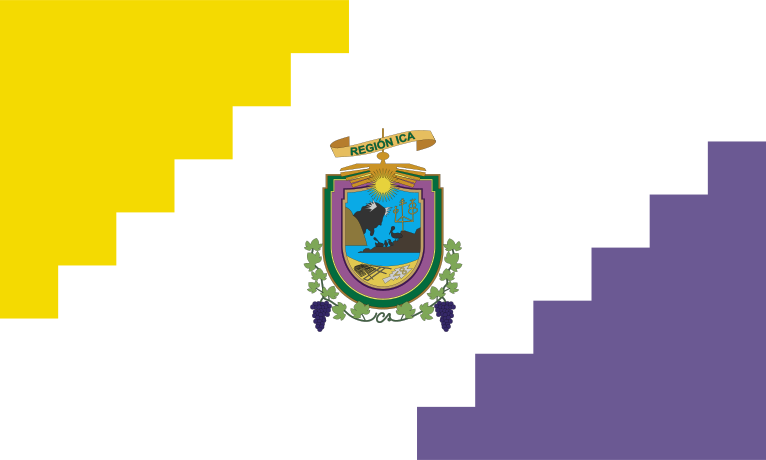
Ica
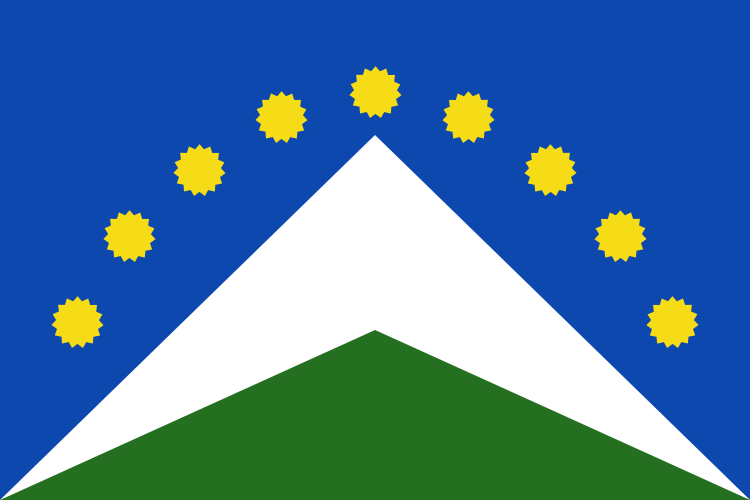
Junín
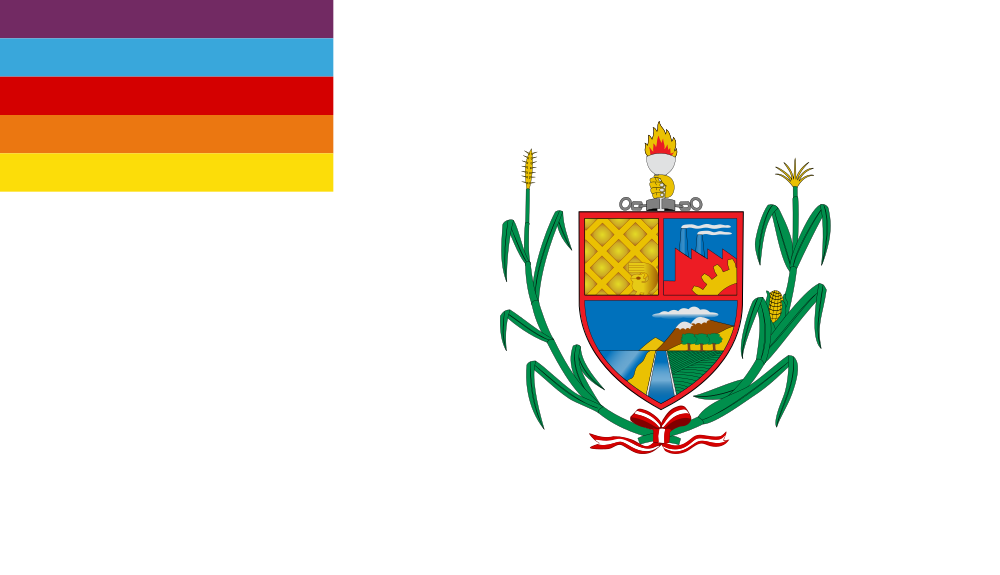
La Libertad
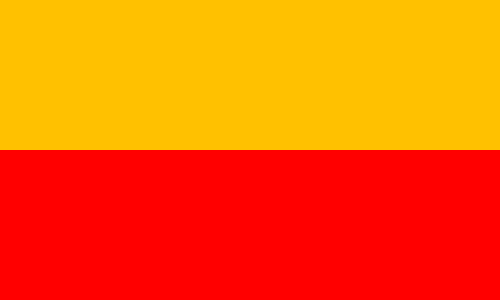
Lambayeque
Lima Region
Loreto
Madre de Dios
Moquegua
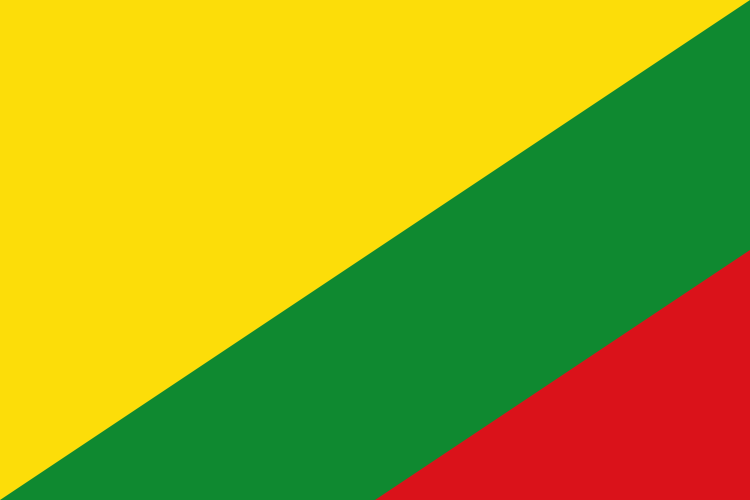
Pasco
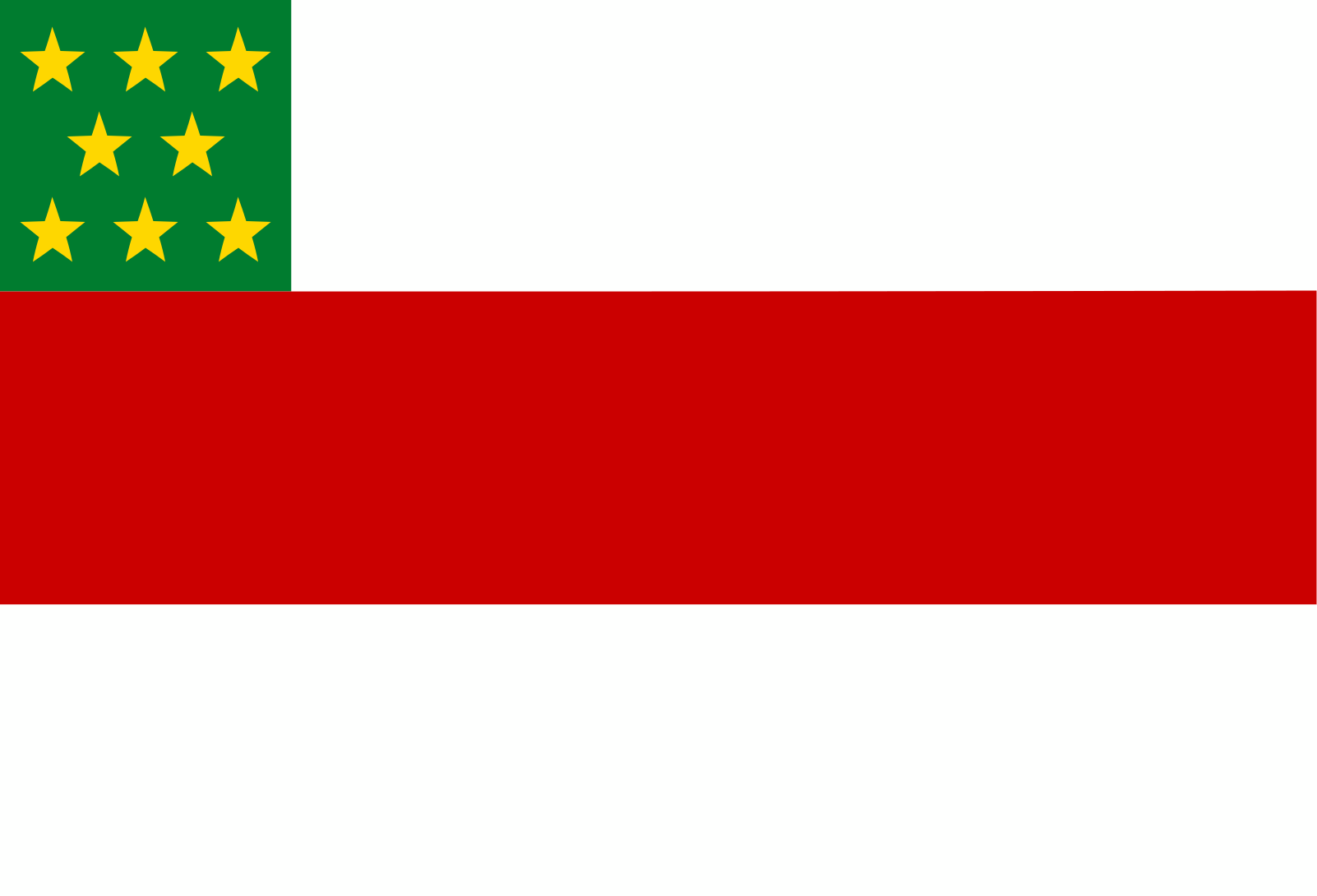
Piura
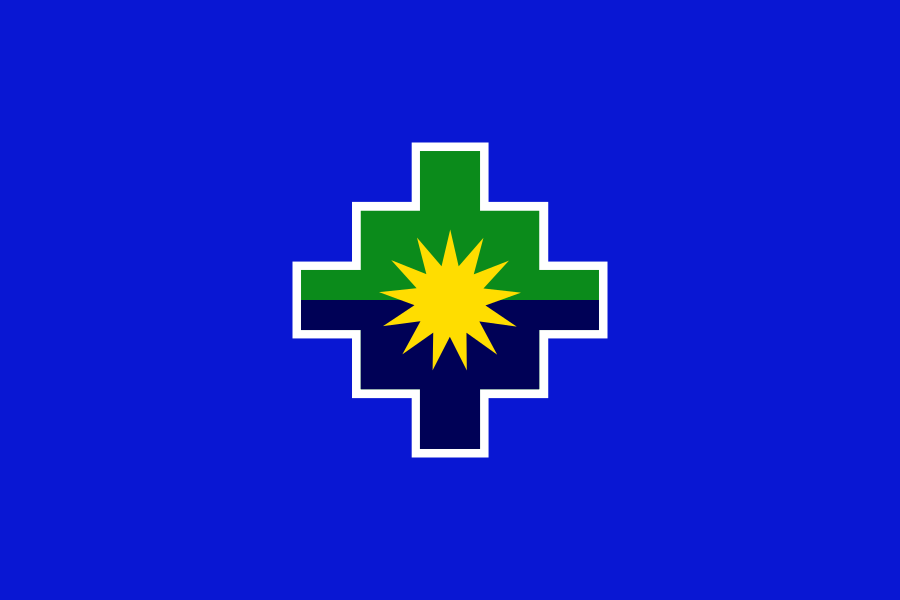
Puno
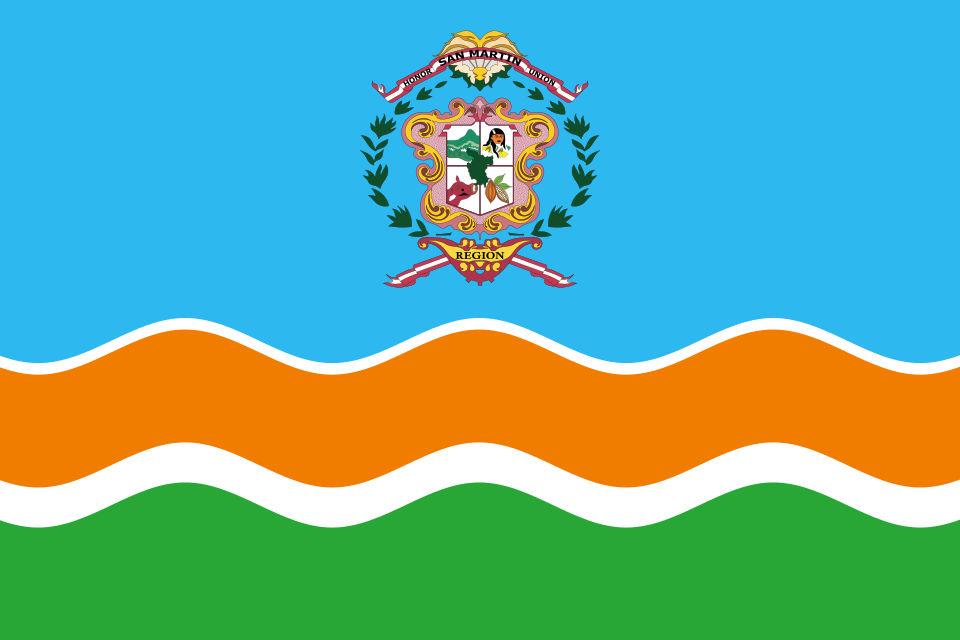
San Martín
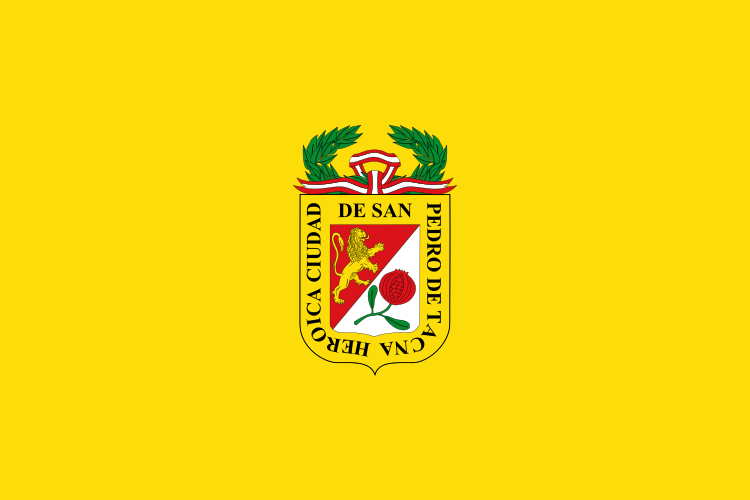
Tacna
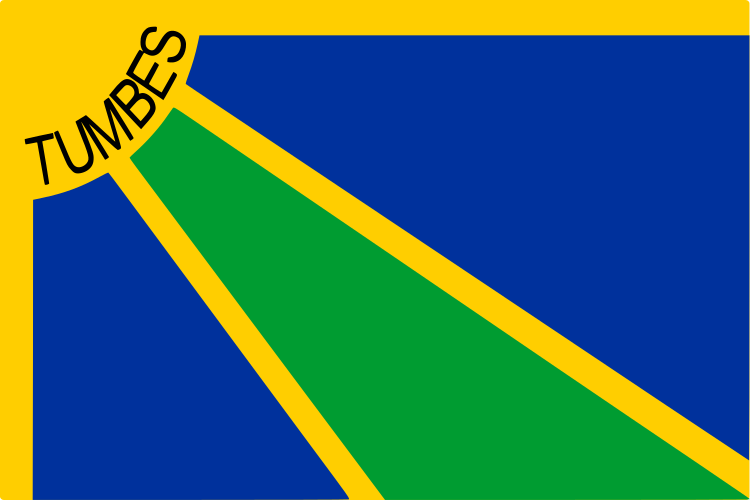
Tumbes
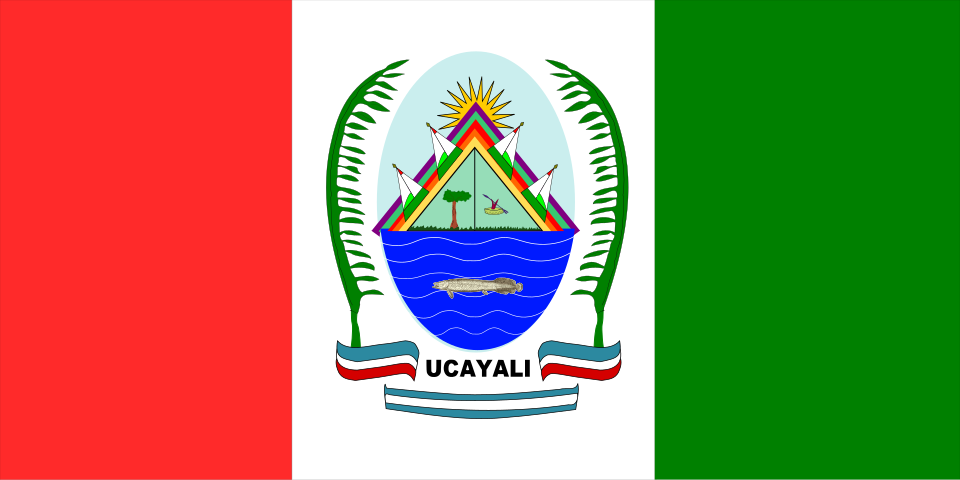
Ucayali
Neighbouring countries
Peru shares a land border with 5 countries: Bolivia, Brazil, Chile, Colombia and Ecuador.
Other flags in red and white
17 other national flags use the same main colours as Peru's.
Play Globalio and learn Peru's flag
 Colombia
 Canada
 Bolivia
 Brazil
 Chile
 Ecuador
 Austria
 Bahrain
 Denmark
 Georgia
 Indonesia
 Japan
 Latvia
 Malta
 Monaco
 Poland
 Qatar
 Singapore
 Switzerland
 Tonga
 Tunisia
 Turkey