 Italy
 Ireland
 Côte d'Ivoire

1968–present
Flag of Mexico
Standardized in 1968 ahead of the Mexico City Olympics, it fixed the eagle, serpent, and cactus emblem in its current detailed form. The arms recall the Aztec founding legend of Tenochtitlan.
Mexico is one of the world's largest countries by area, located in southern North America, and Mexico City — built on the ancient Aztec capital Tenochtitlan — is one of the Western Hemisphere's largest and most historic cities. Mexico was the centre of major pre-Columbian civilisations including the Aztec and Maya empires, and today is the world's largest silver producer. Its culinary tradition has been recognised by UNESCO as Intangible Cultural Heritage of Humanity.
Population and area are rounded.
The coat of arms tells the Aztec legend of the founding of Tenochtitlan: the god Huitzilopochtli told the Mexica to build their city where they saw an eagle on a cactus, eating a snake. Green, white and red date from the Army of the Three Guarantees of 1821, when they stood for independence, religion and union. The current version was adopted in 1968.
Vertical green-white-red with a detailed eagle-on-cactus coat of arms in the white band.
Mexico City is built on a former lake bed and sinks about 20 cm per year.
Mexico's flag is often mixed up with these. Learn to tell them apart:
Every flag that has flown over Mexico, from today back through time.
Standardized in 1968 ahead of the Mexico City Olympics, it fixed the eagle, serpent, and cactus emblem in its current detailed form. The arms recall the Aztec founding legend of Tenochtitlan.
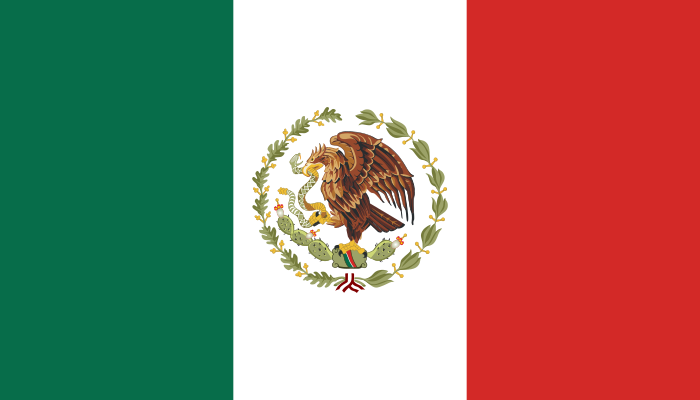
The eagle and wreath were restyled with a more uniform, darker emblem under President Abelardo Rodríguez, tightening the proportions and colors toward the present look.
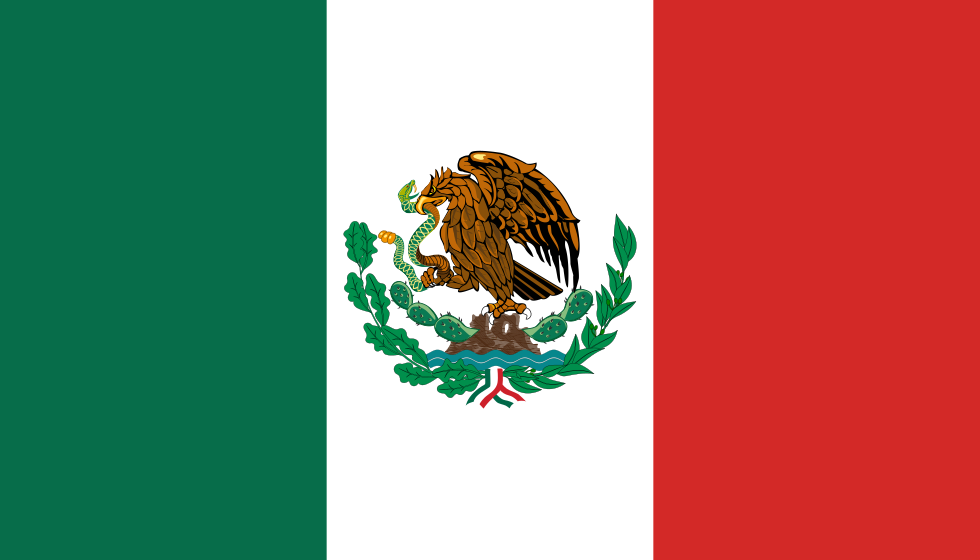
President Venustiano Carranza decreed a naturalistic eagle shown in left profile — the basis for the modern emblem and a deliberate break from the earlier heraldic style.
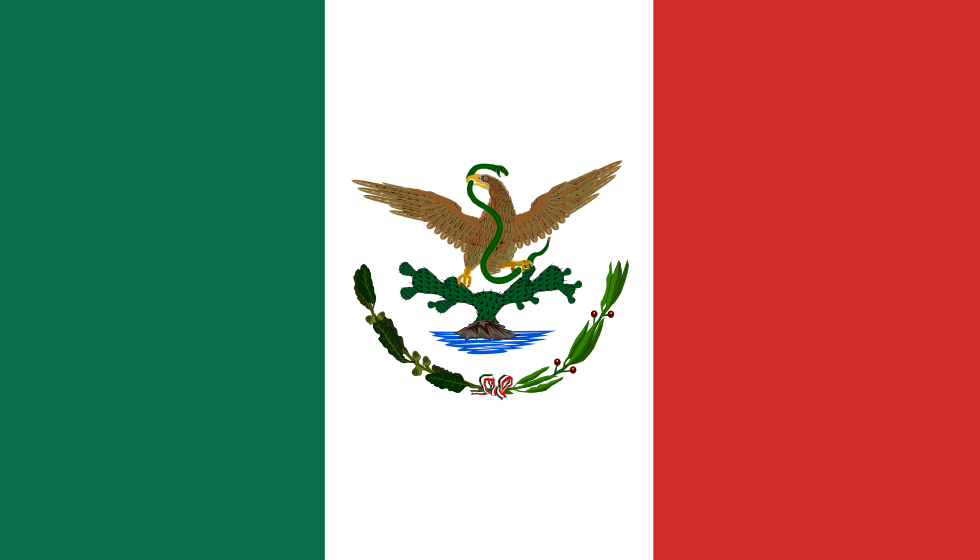
Used during the Porfirio Díaz era, it showed the eagle facing forward with wings spread heraldically. It flew through the early years of the Mexican Revolution.
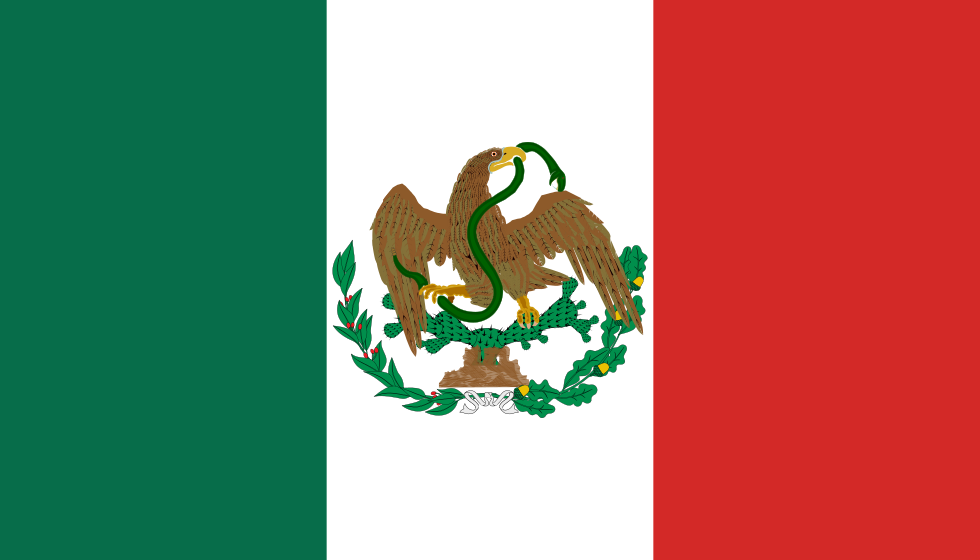
The republican redesign placed an uncrowned eagle on a cactus gripping a snake, ringed by oak and laurel. The same design returned from 1867 to 1893.
Secessionist & breakaway states of the era:

A short-lived 1840 republic of northern Mexican states resisting centralist rule from Mexico City; its flag bore three stars for its claimed territories. It was reabsorbed by Mexico within the year.
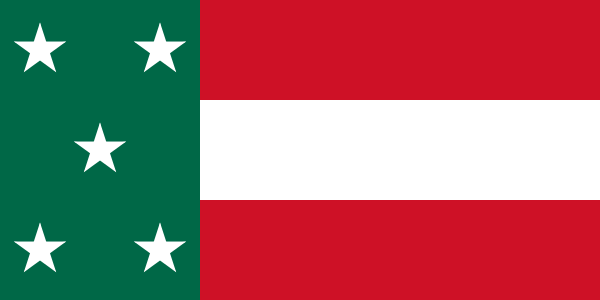
Yucatán declared independence from Mexico twice (1841 and 1846) over disputes about federalism, flying five green stars beside red-white-red stripes. The peninsula rejoined Mexico in 1848 amid the Caste War.
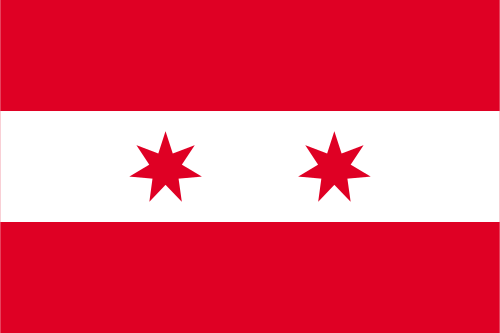
American filibuster William Walker proclaimed a "Republic of Sonora" in 1854 during a failed private invasion of northwestern Mexico. The venture collapsed within months and Walker was tried in the US for violating neutrality laws.
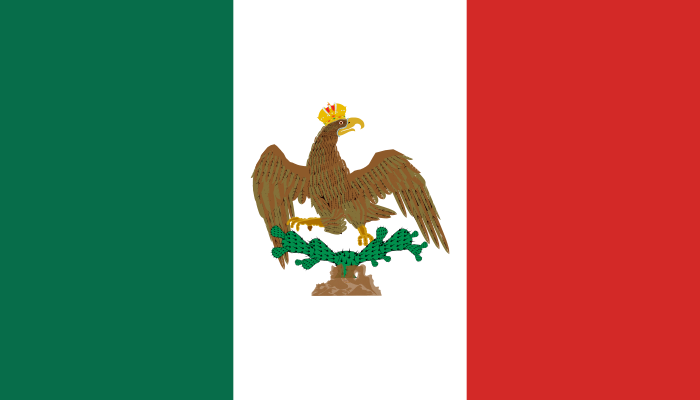
The first flag after independence, with a crowned eagle reflecting the short-lived empire of Agustín de Iturbide. The crown was removed once Mexico became a republic.
Empires, kingdoms and republics that once covered part of Mexico.

A breakaway federalist republic of northern Mexico; its three stars stood for Coahuila, Nuevo León, and Tamaulipas. It was crushed by Mexican forces within a year.
Red-white-red bands with a green hoist holding five white stars for its five departments. Yucatán declared independence from Mexico twice over centralist rule.
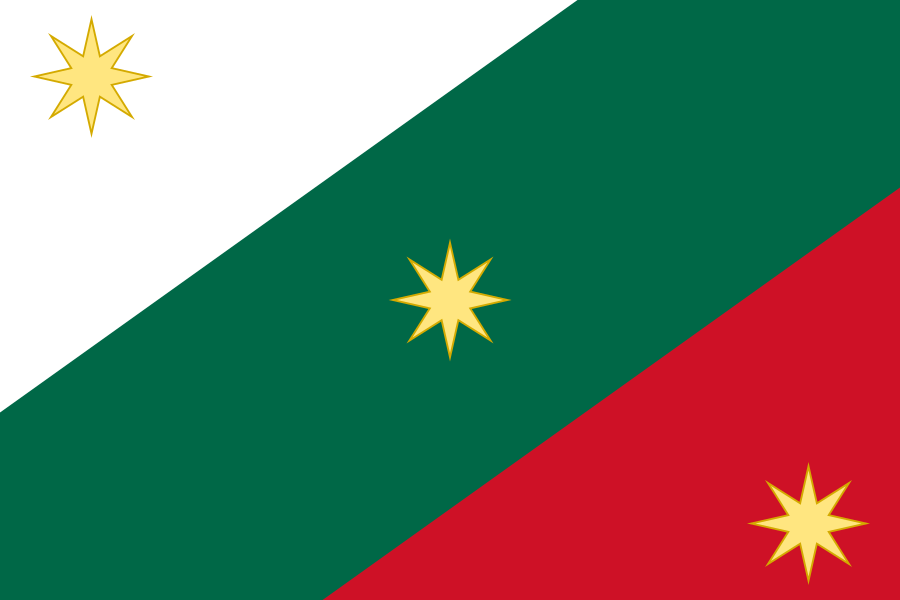
Agustín de Iturbide's empire flew the green-white-red tricolor with a crowned golden eagle. Removing the crown after the empire fell produced the basis of the republican flag.
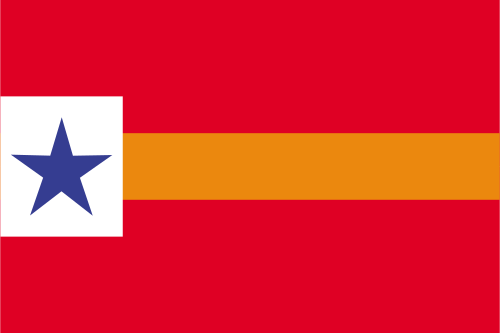
The filibuster republic American mercenary William Walker declared in Baja California; its two stars stood for Baja California and Sonora.
Walker's renamed two-state mercenary republic. He was driven out of Mexico within months — and was later executed in Honduras after a similar scheme.
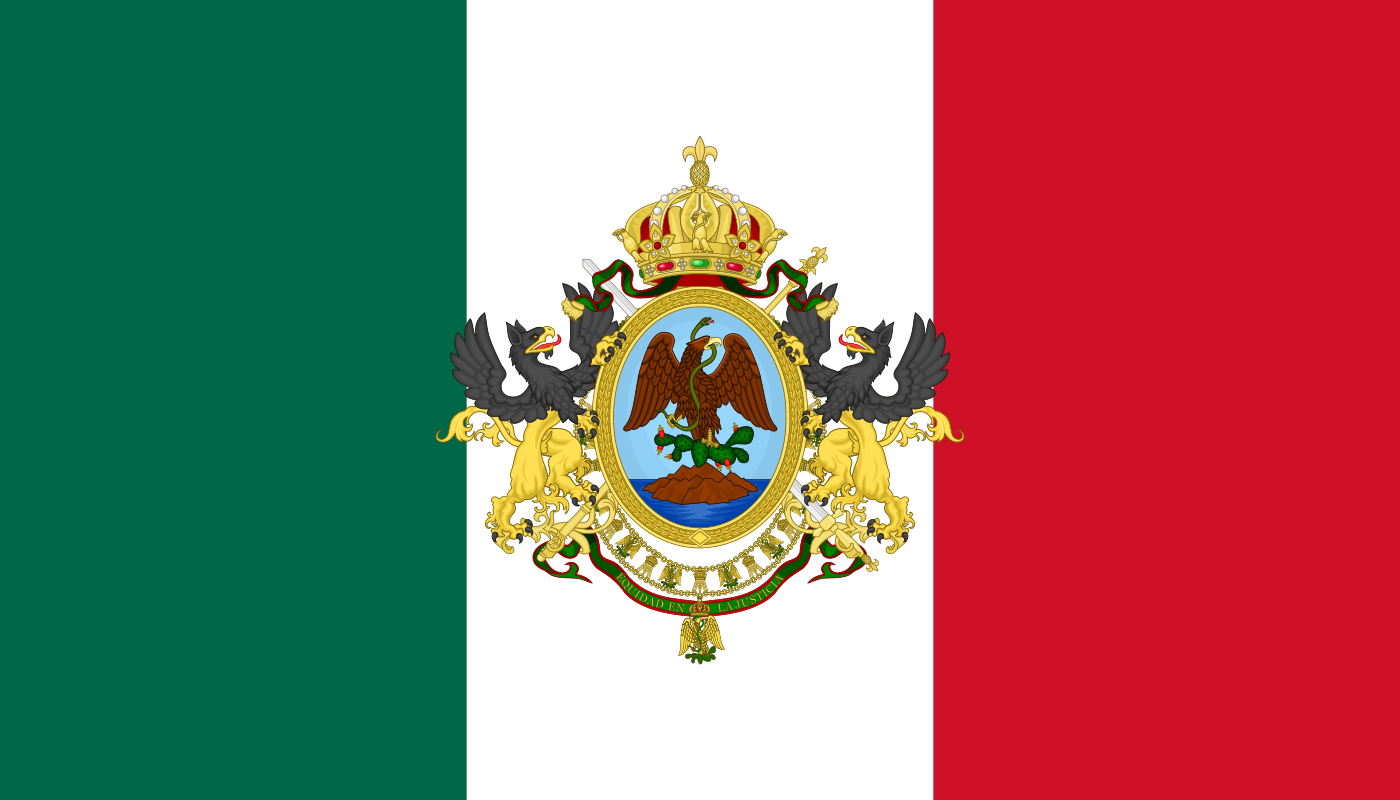
The empire of the Habsburg archduke Maximilian I, installed by Napoleon III. Its green-white-red tricolour bore a crowned eagle and four more eagles in the corners before he was executed in 1867.
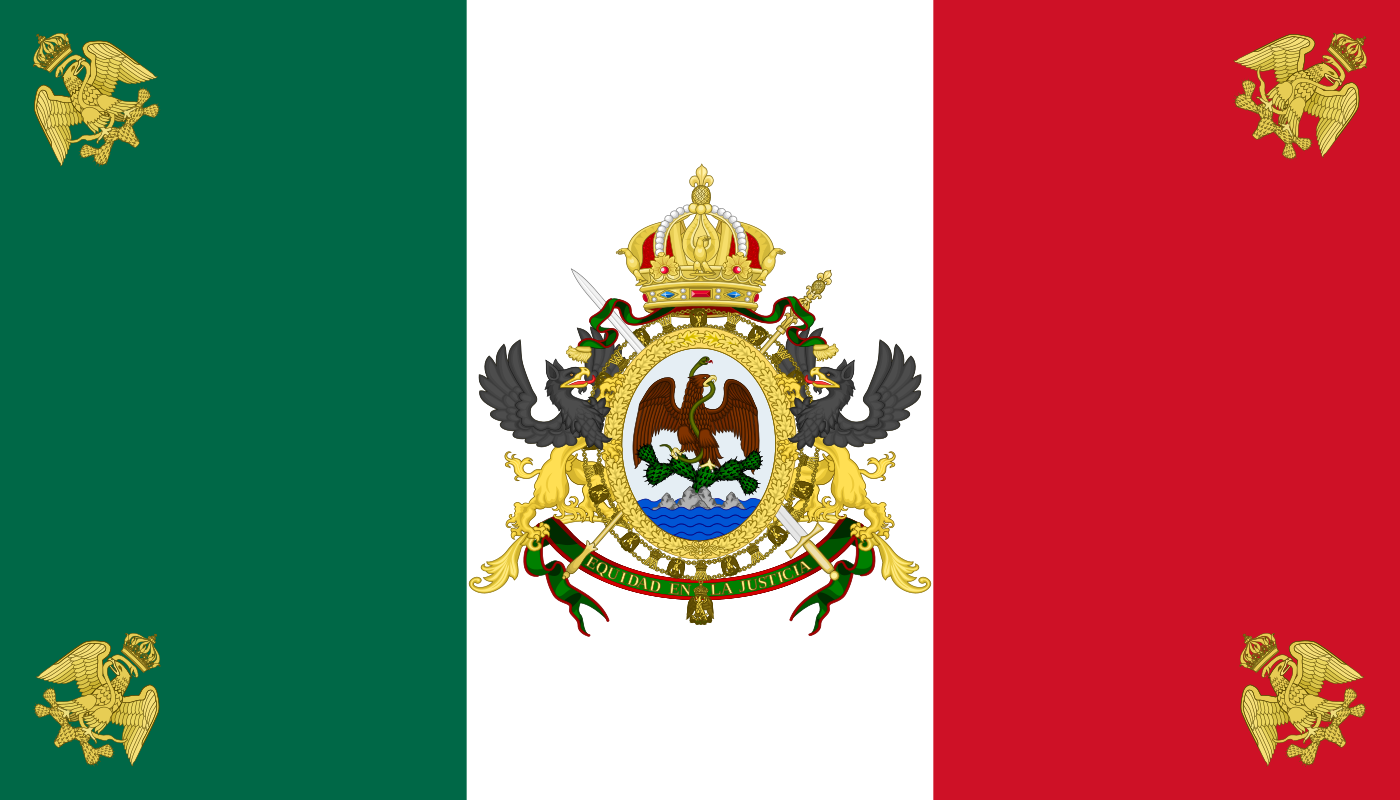
The personal standard of Emperor Maximilian I framed the imperial eagle with the motto 'Equidad en la Justicia' and golden corner eagles, used until the empire collapsed in 1867.
After the First Empire fell, the federal republic stripped the crown from the eagle and added a snake, oak, and laurel — the design that, restored in 1867, defined the Mexican flag for decades.
The 32 states, provinces and regions of Mexico with their own flags.
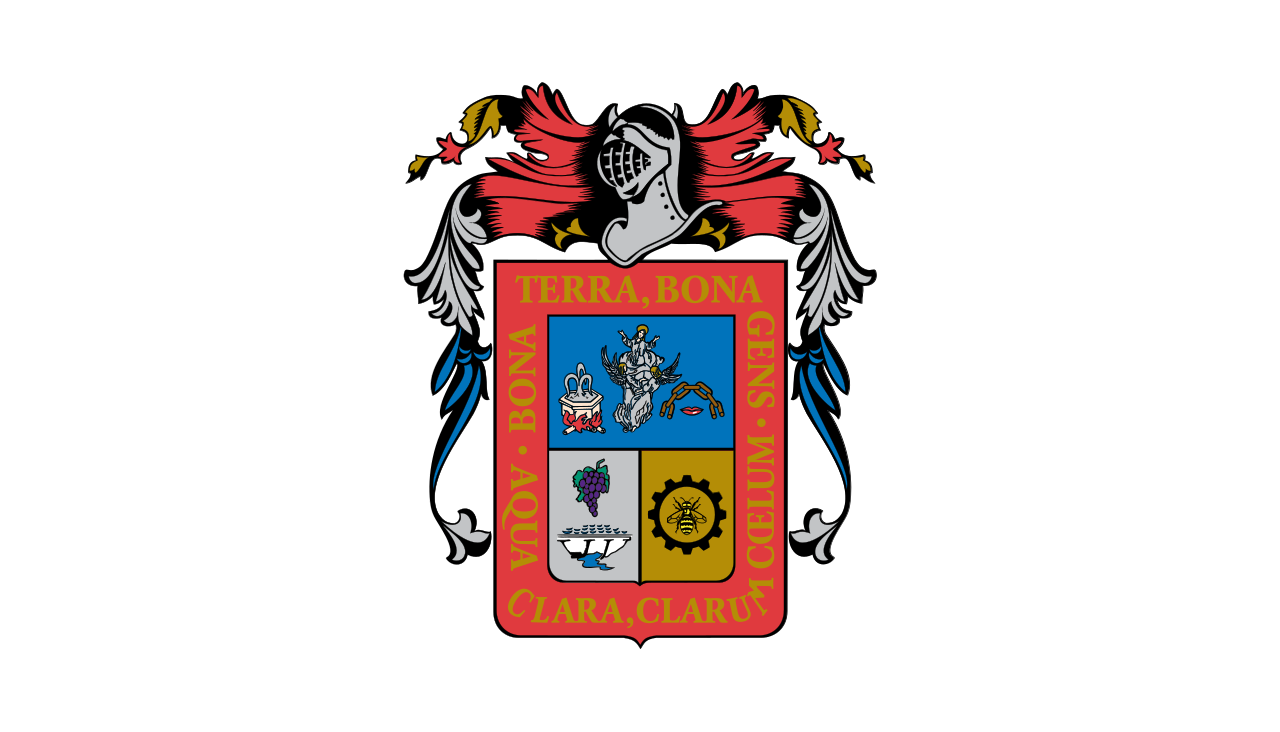 Aguascalientes
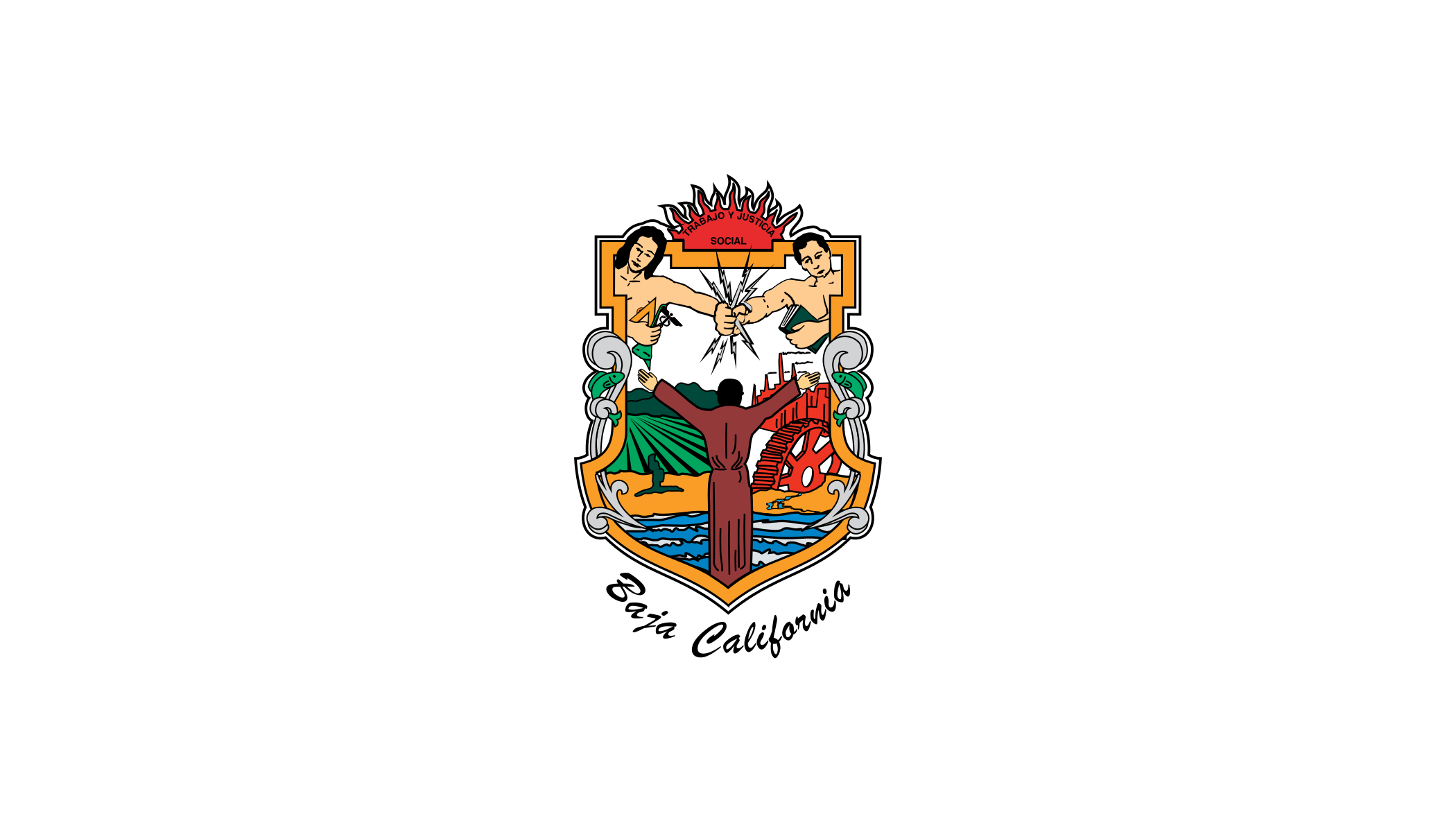 Baja California
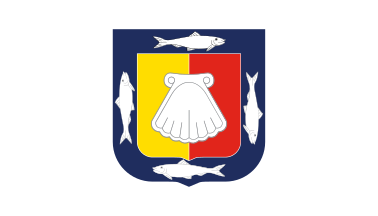 Baja California Sur
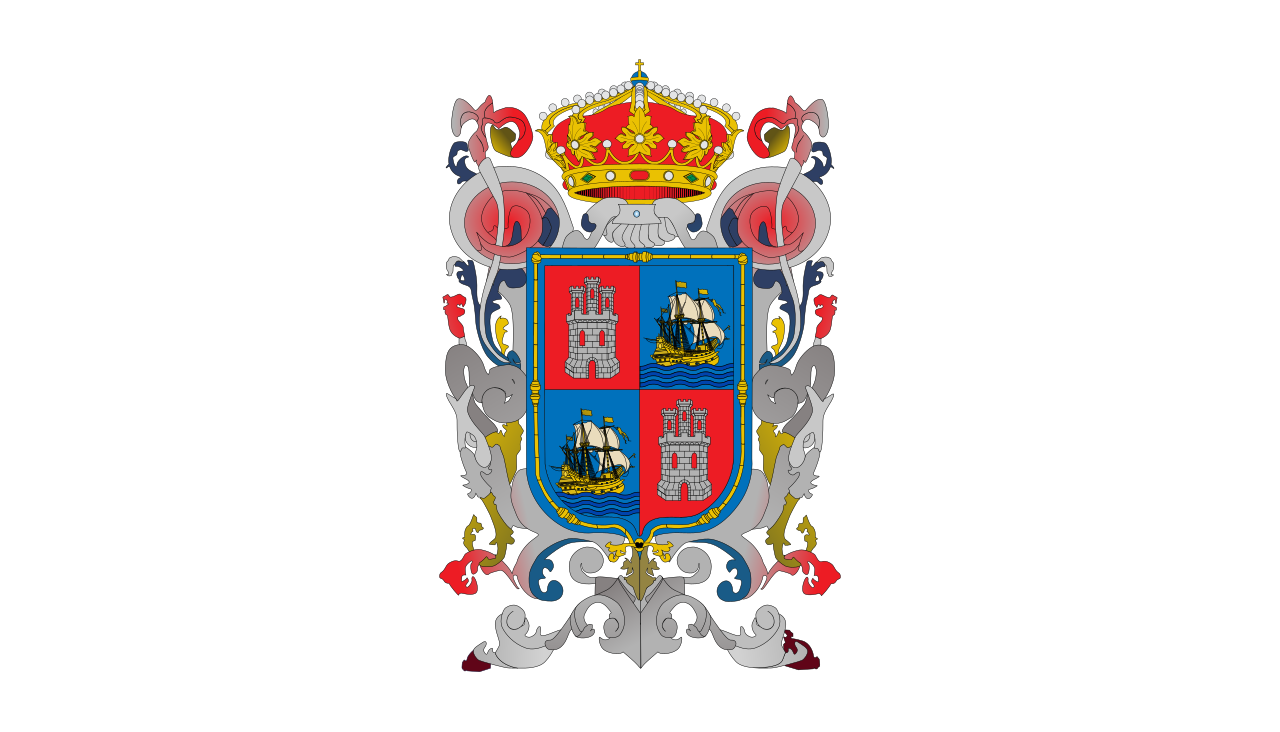 Campeche
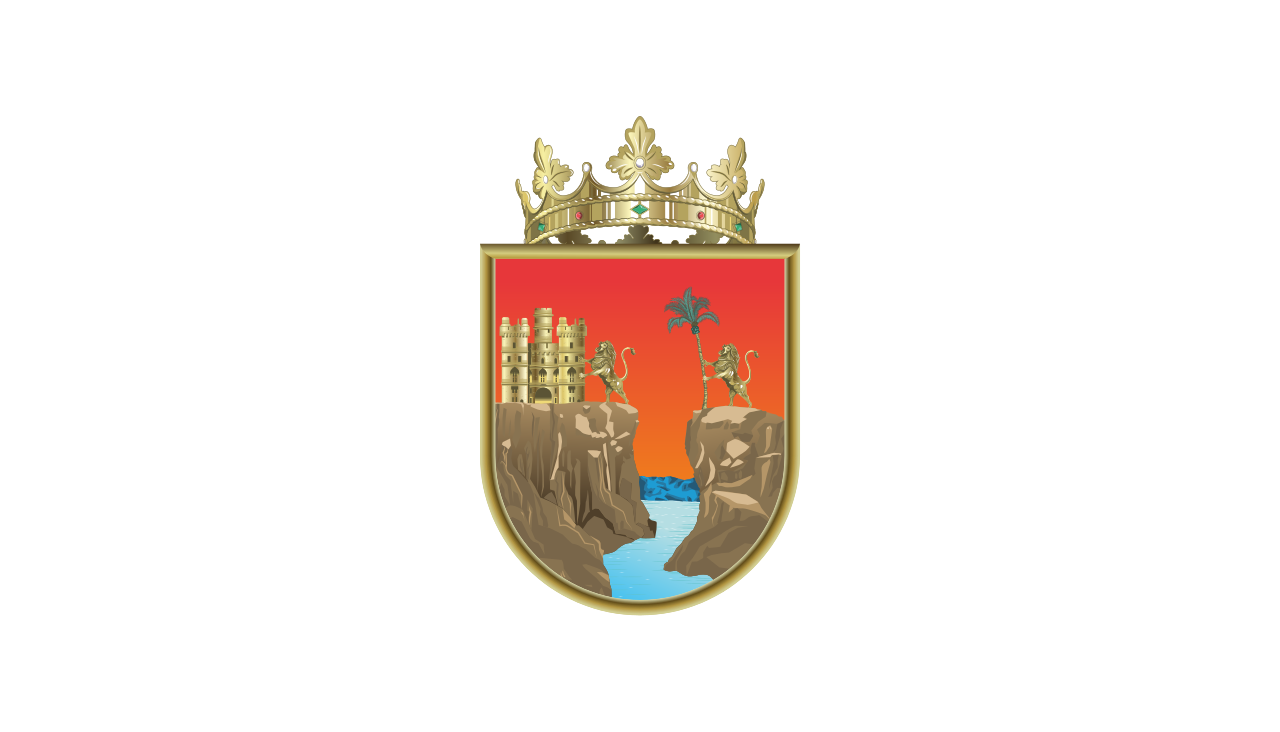 Chiapas
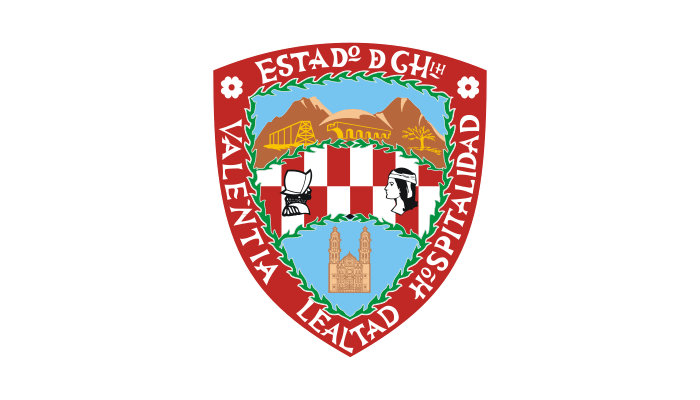 Chihuahua
 Mexico City
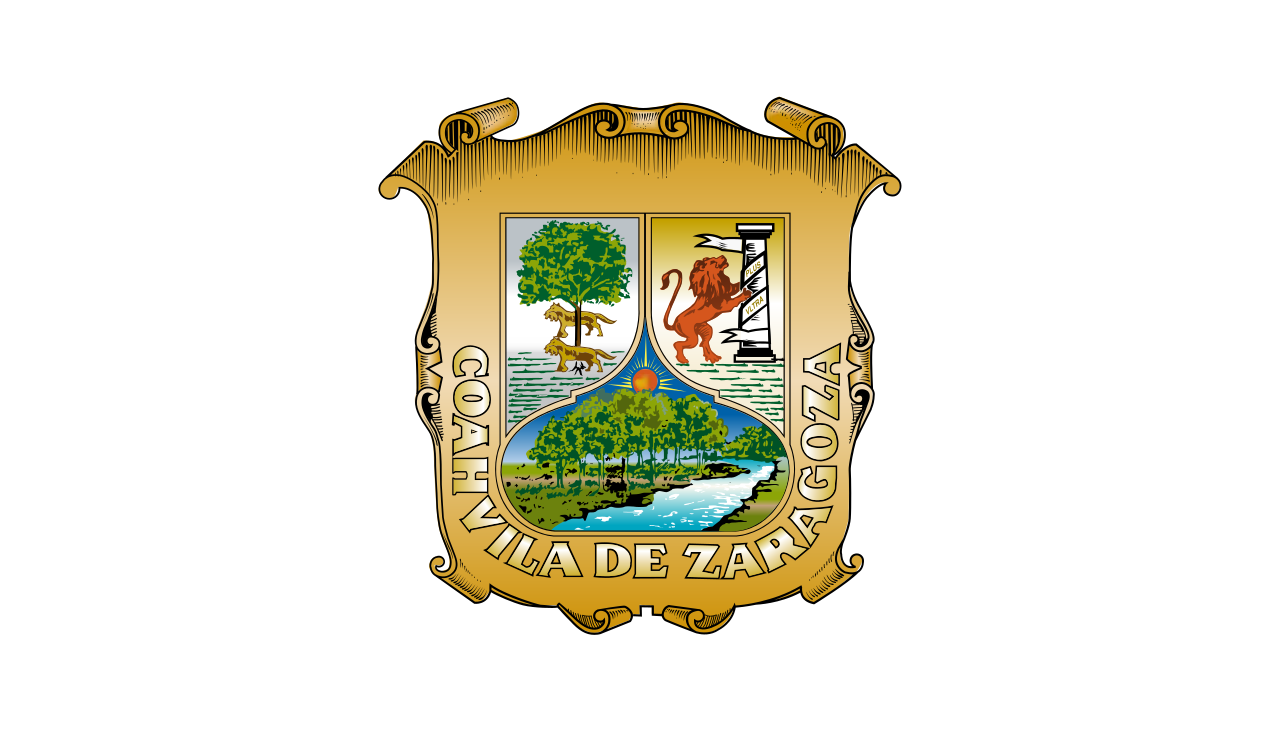 Coahuila
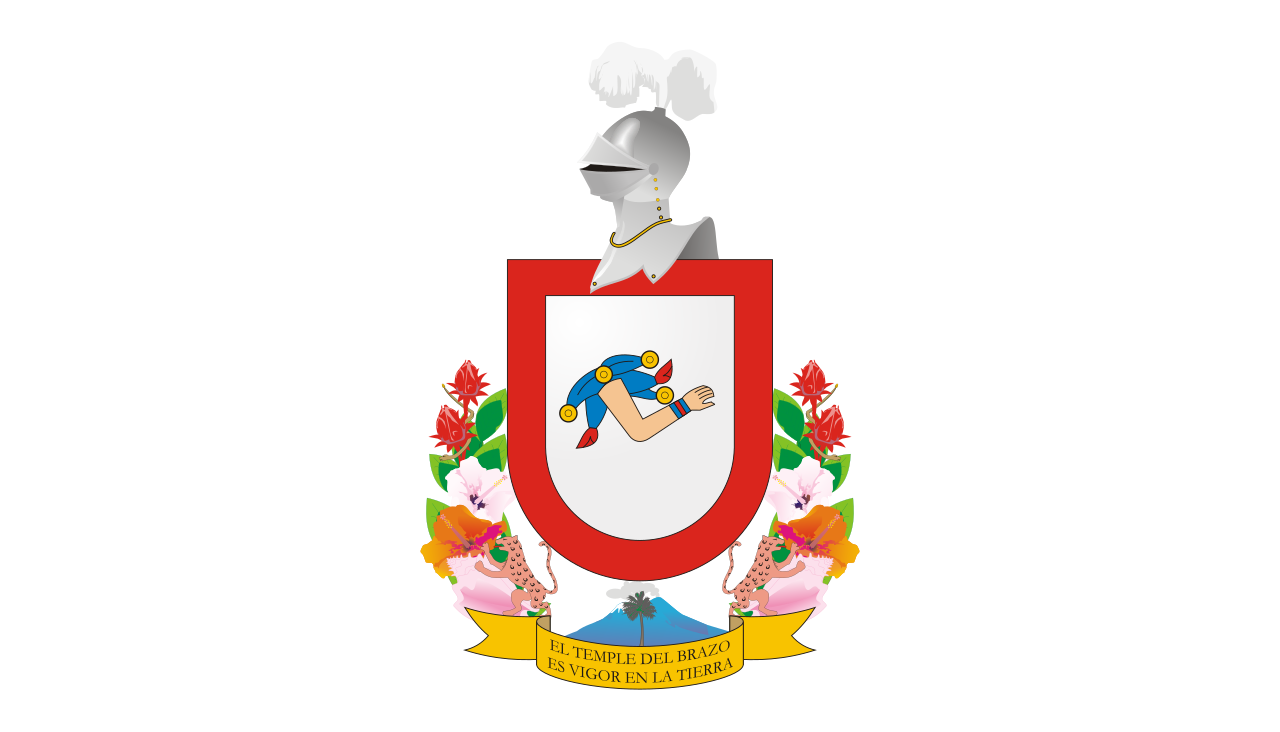 Colima
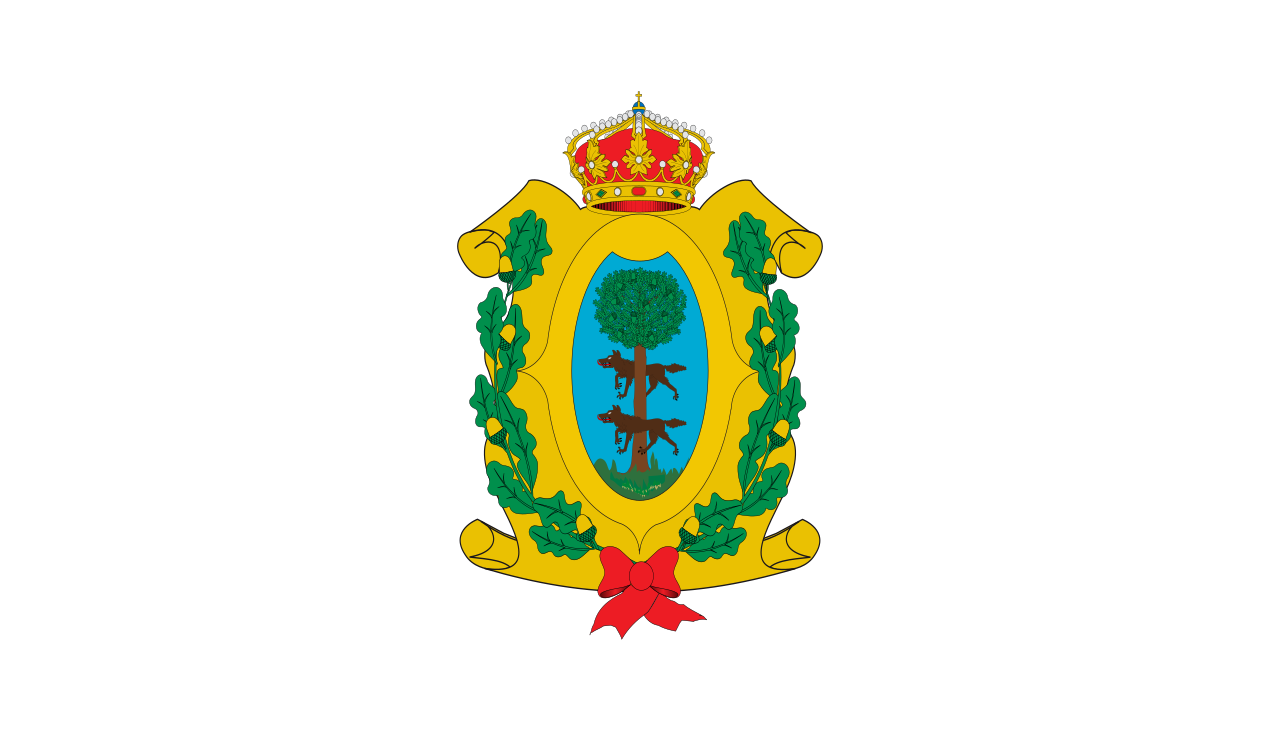 Durango
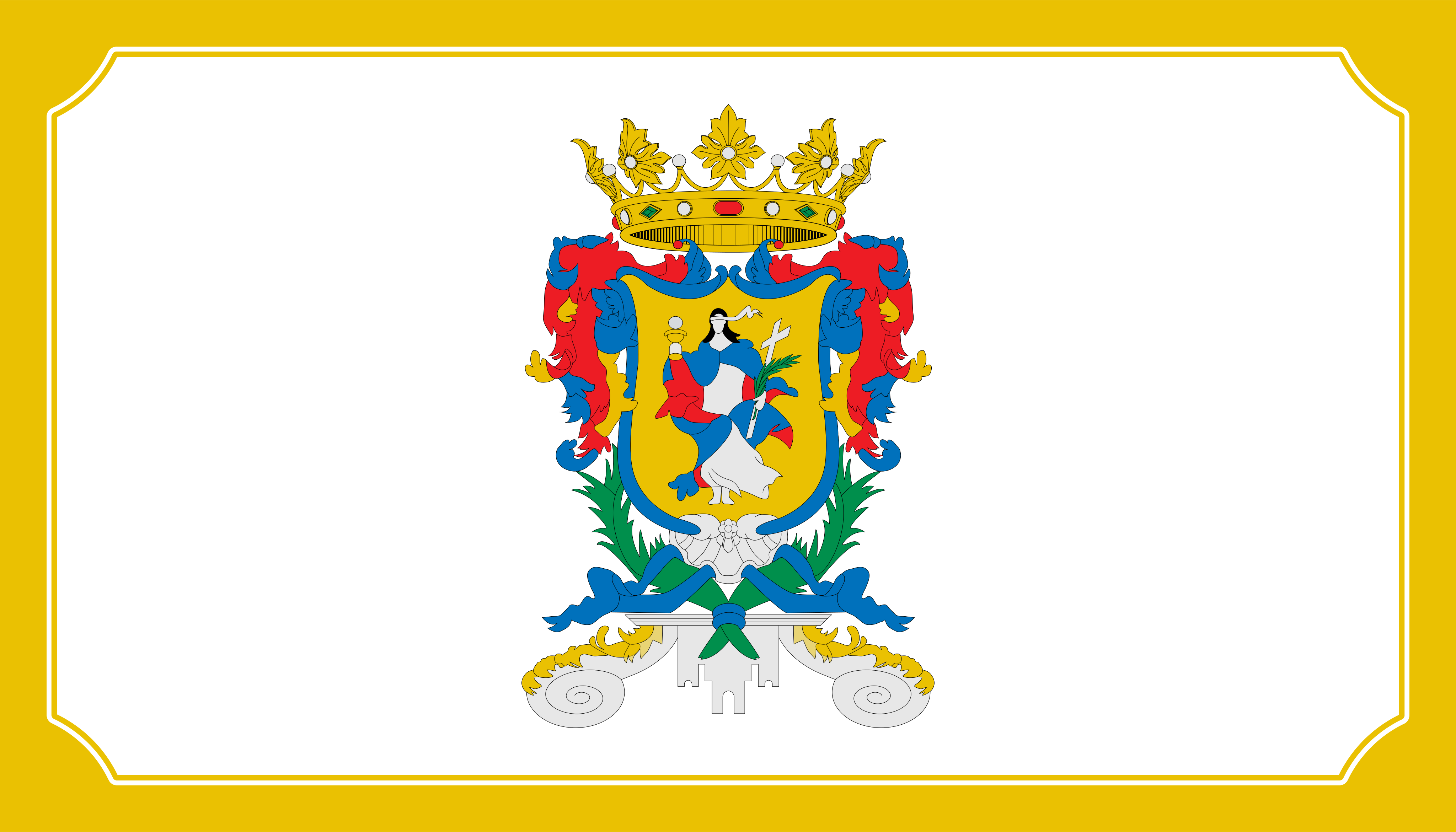 Guanajuato
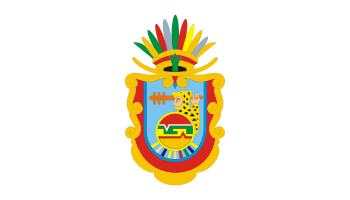 Guerrero
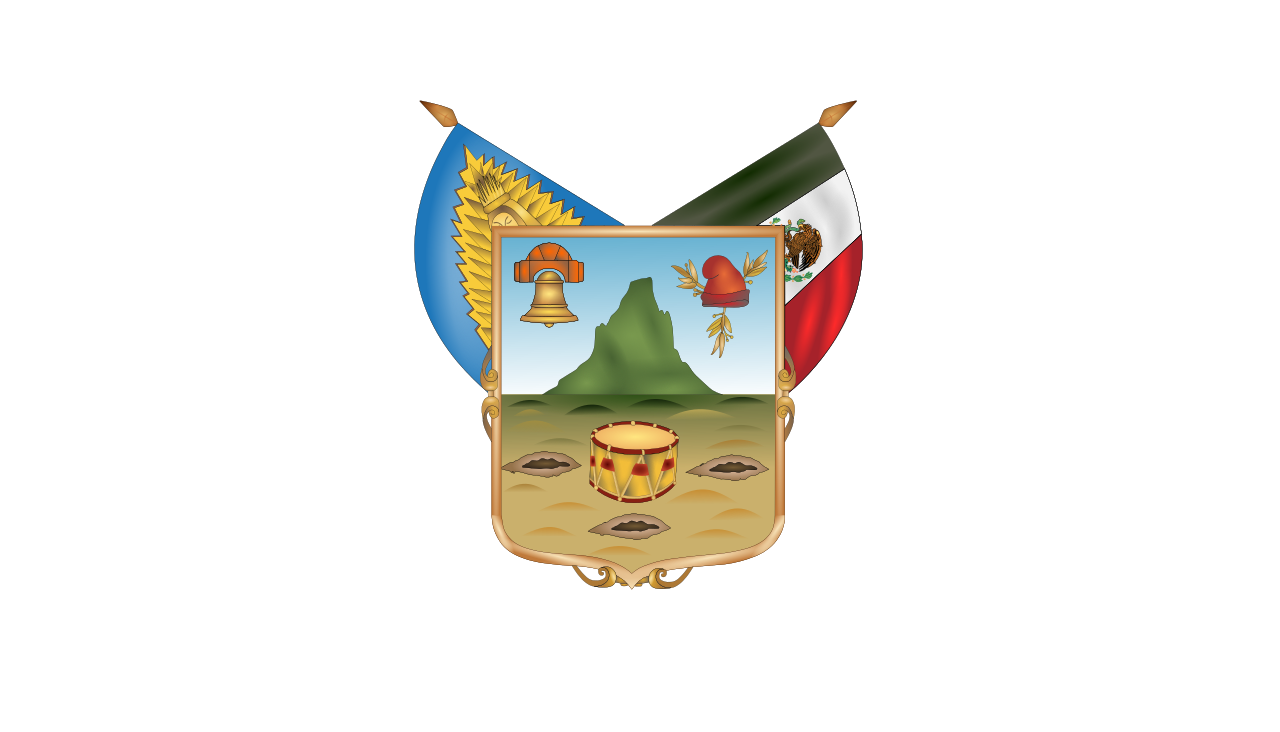 Hidalgo
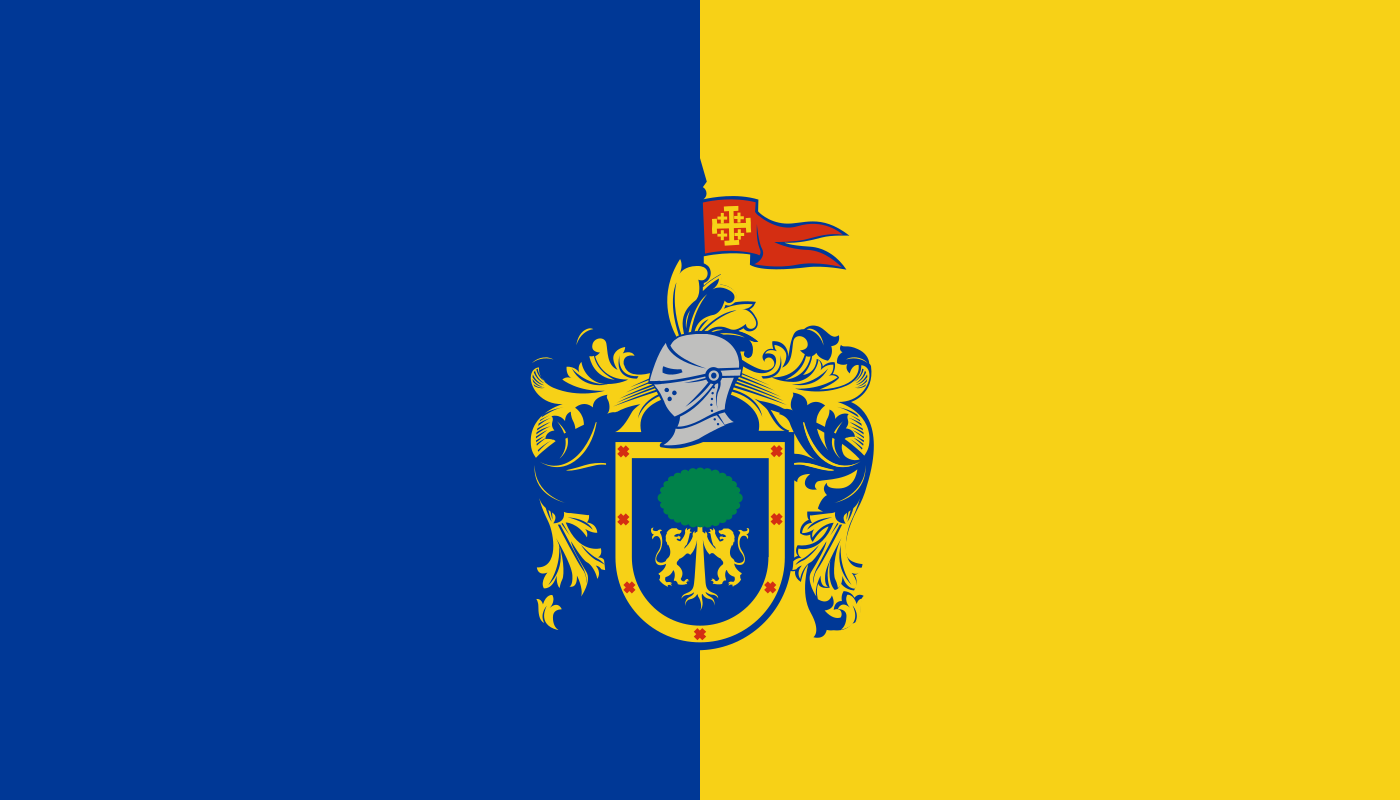 Jalisco
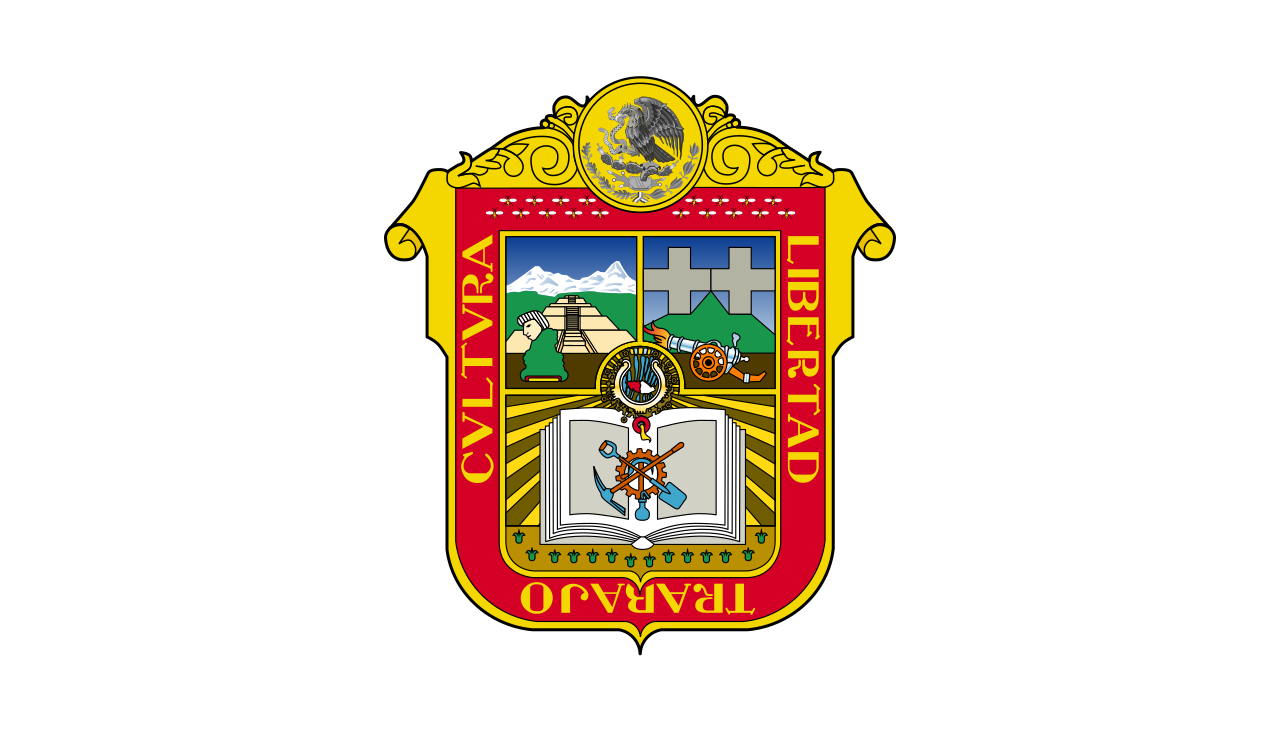 State of Mexico
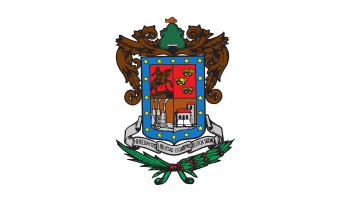 Michoacán
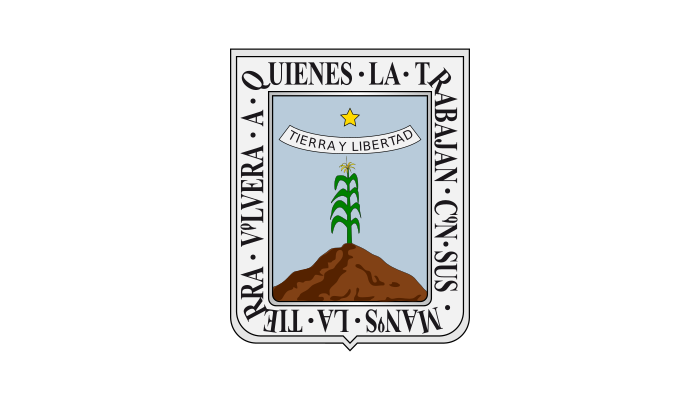 Morelos
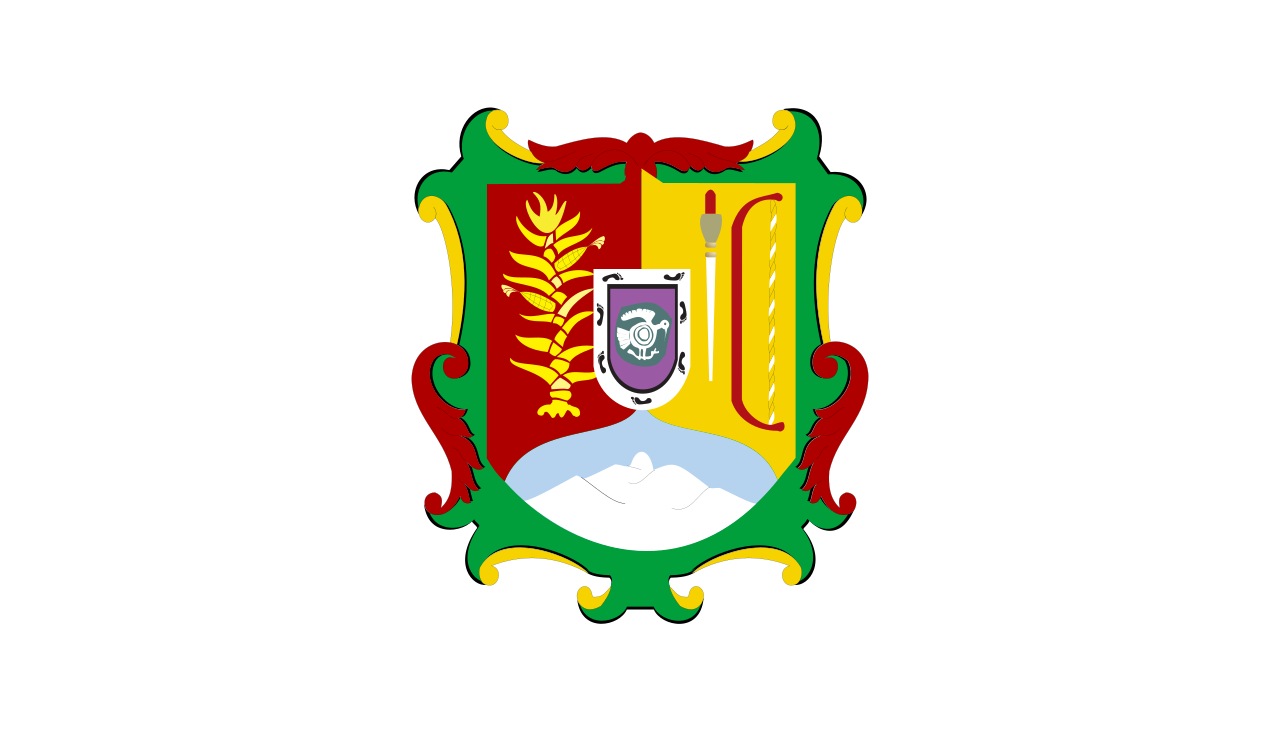 Nayarit
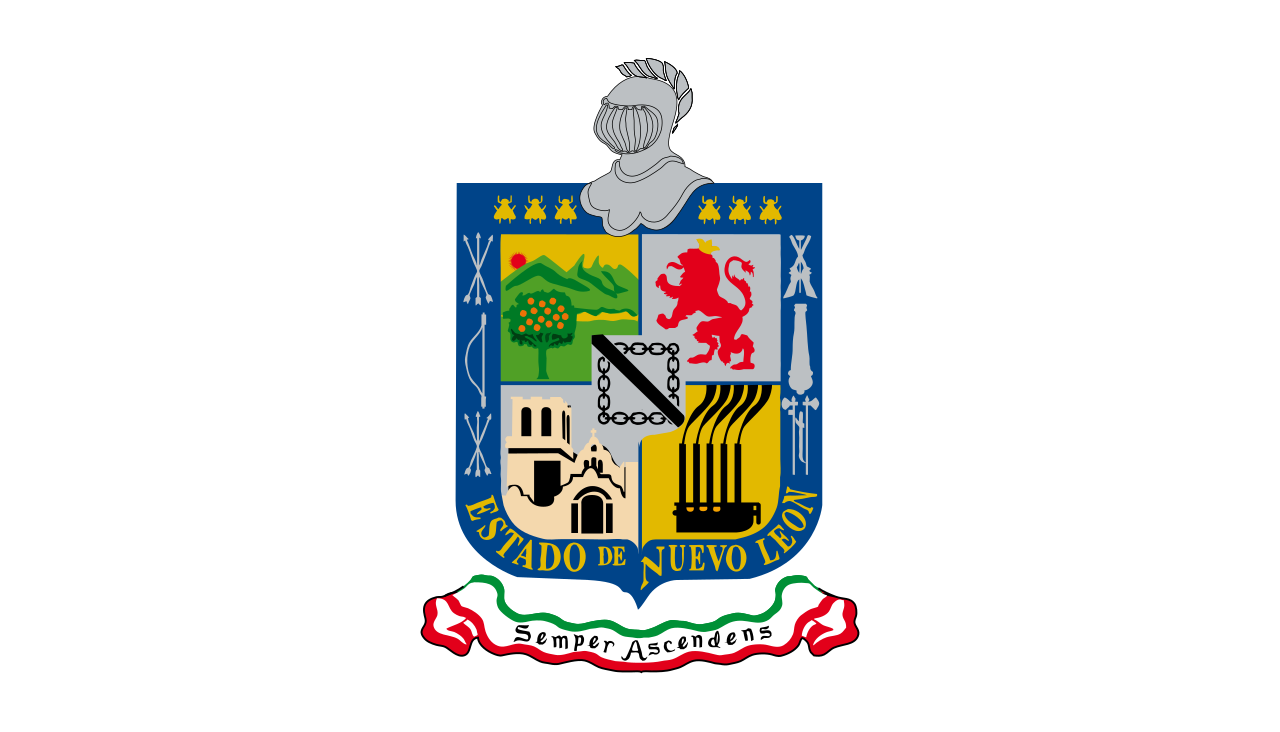 Nuevo León
 Oaxaca
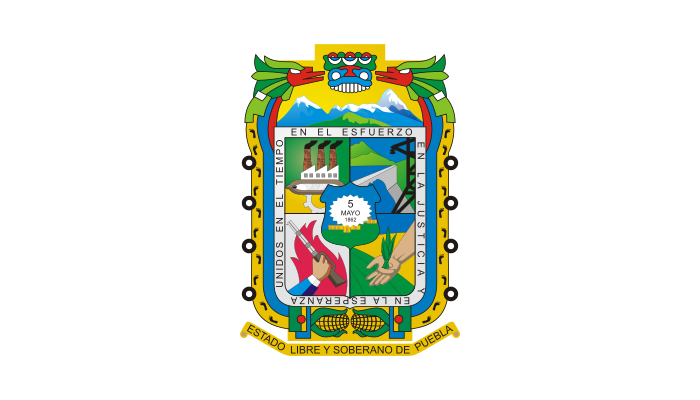 Puebla
 Querétaro
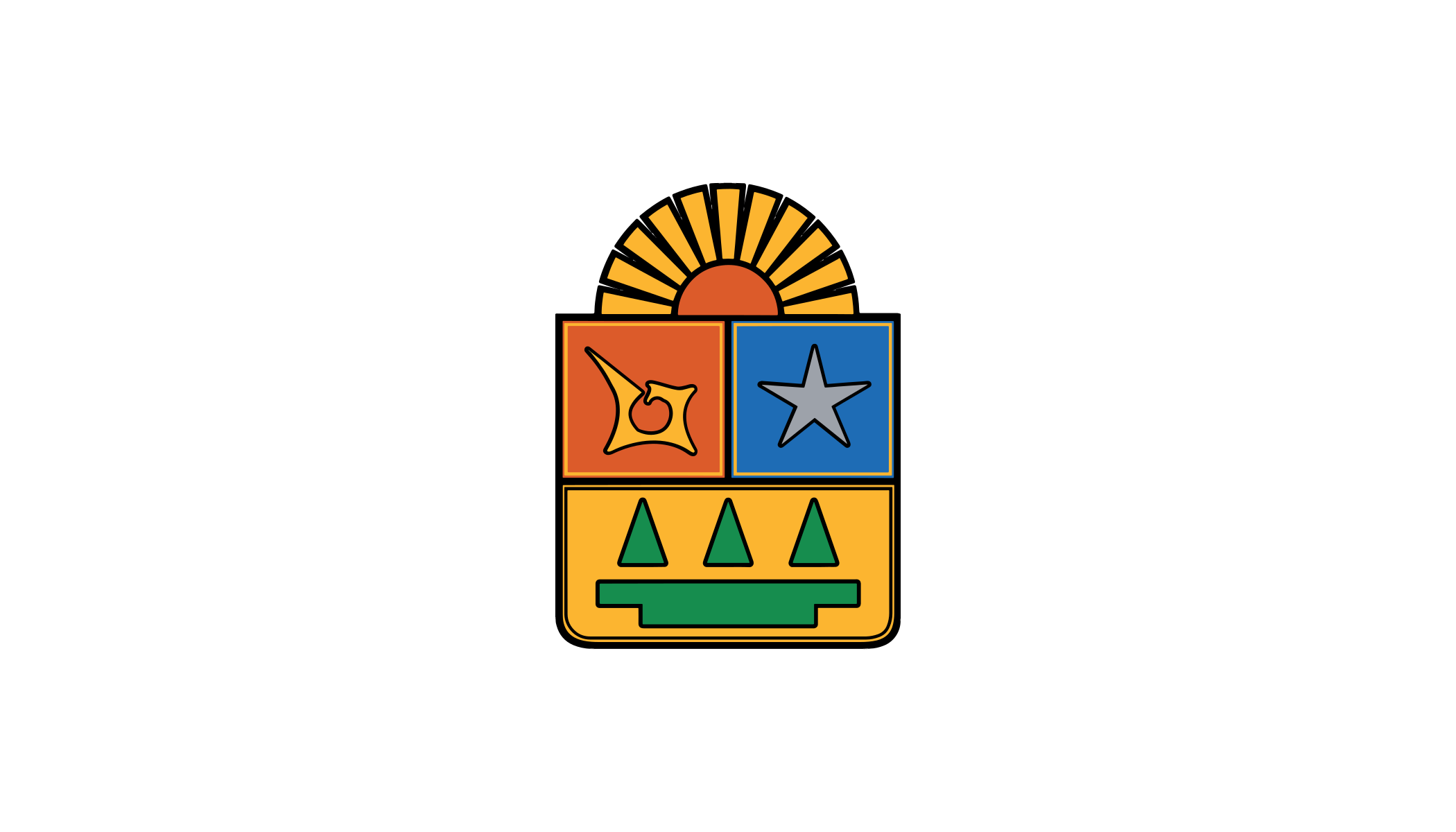 Quintana Roo
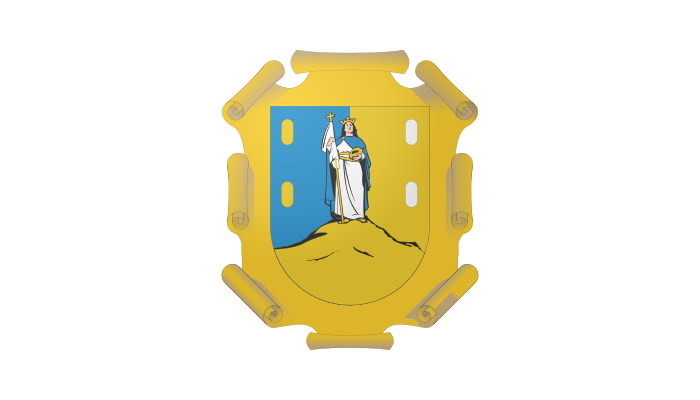 San Luis Potosí
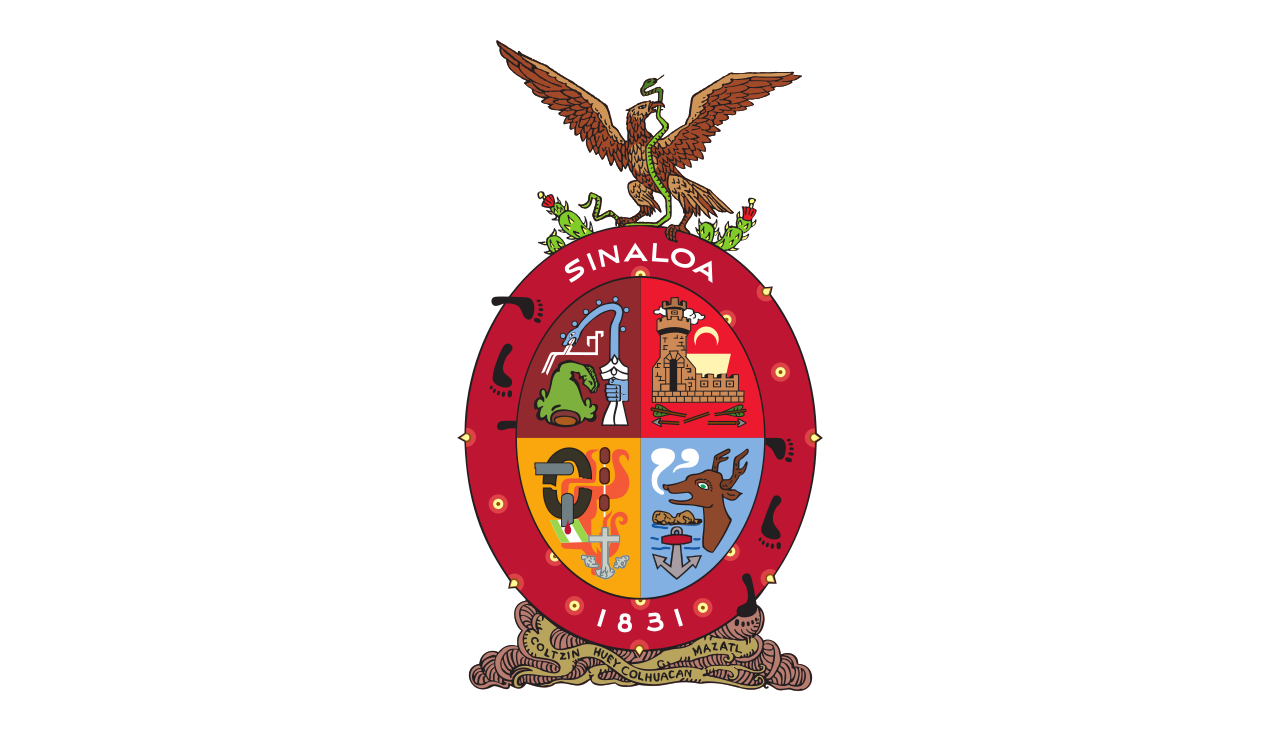 Sinaloa
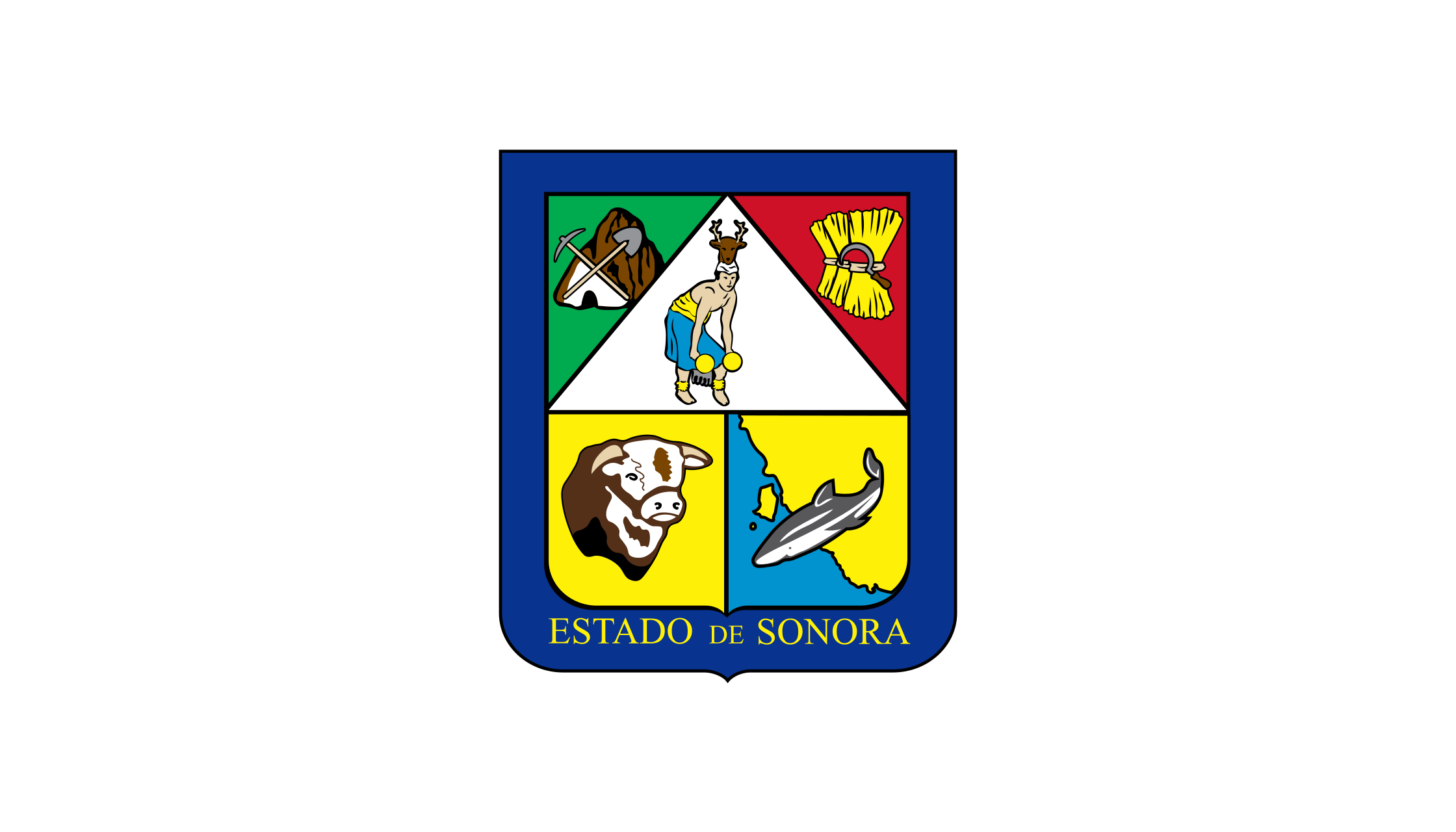 Sonora
 Tabasco
 Tamaulipas
 Tlaxcala
 Veracruz
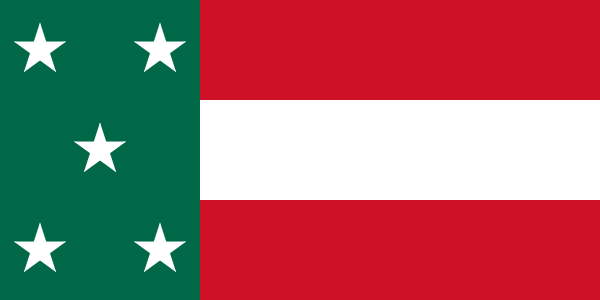 Yucatán
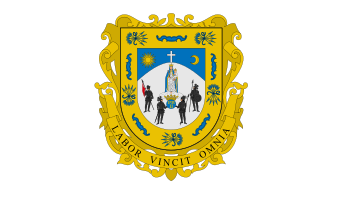 Zacatecas
Mexico shares a land border with 3 countries: Belize, Guatemala and the United States.
12 other national flags use the same main colours as Mexico's.
Play Globalio and learn Mexico's flag Belize
 Guatemala
 United States
 Algeria
 Belarus
 Bulgaria
 Burundi
 Hungary
 Iran
 Lebanon
 Madagascar
 Maldives
 Oman
 Turkmenistan