Americas
Flag of Canada
Canada is the second-largest country in the world by total area, spanning six time zones from the Atlantic to the Pacific to the Arctic Ocean. It is a bilingual nation with English and French as official languages, reflecting its complex colonial history and the distinct heritage of its Francophone population, particularly in Quebec. Canada is known for its vast and diverse natural landscapes, multicultural cities, and a universal healthcare system.

- CapitalOttawa
- RegionAmericas
- Current flag since1965
- Main coloursRed, White
- Populationabout 39 million
- Areaabout 9,985,000 km²
- Flags in history6
Population and area are rounded.
What the flag of Canada means
Adopted in 1965 after a long national debate, the Maple Leaf flag replaced the Canadian Red Ensign. Red and white were proclaimed Canada's official colours by King George V in 1921, and the maple leaf had been a Canadian emblem since the 19th century. The stylised leaf has eleven points. National Flag of Canada Day is 15 February.
How to recognise it
Vertical red-white-red with a red maple leaf in the white centre.
Did you know?
Canada has the world's longest coastline at over 202,000 km and 20% of the world's freshwater.
Easily confused with
Canada's flag is often mixed up with these. Learn to tell them apart:
Flag history of Canada
Every flag that has flown over Canada, from today back through time.
1965–present
The Maple Leaf Flag
Adopted February 15, 1965 after a passionate national debate. The single red maple leaf on a white field was chosen over dozens of competing designs after months of parliamentary argument known as the "Great Canadian Flag Debate."
1957–1965
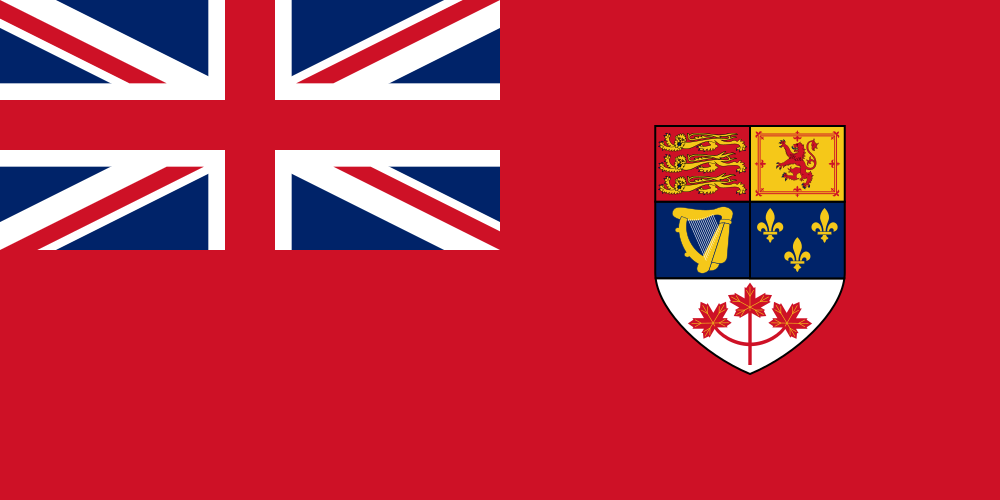
Canadian Red Ensign (1957–1965)
A Red Ensign defaced with the updated 1957 Canadian coat of arms. This flag was flown on federal buildings and represented Canada internationally in the years immediately before the Maple Leaf was adopted.
1921–1957
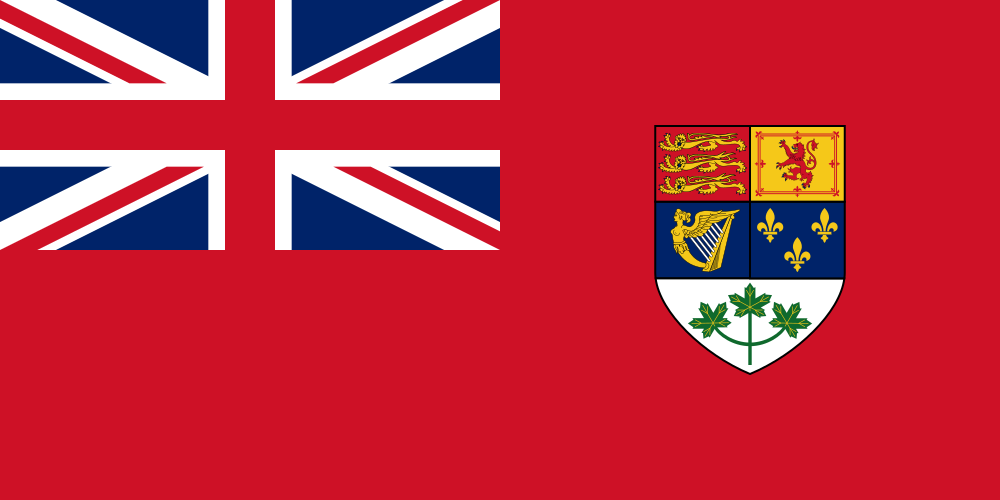
Canadian Red Ensign (1921–1957)
The Red Ensign bearing the 1921 Canadian coat of arms, which added the fleurs-de-lis of France and the English lions. This version was used after Canada formally received its own coat of arms from the Crown.
1868–1921
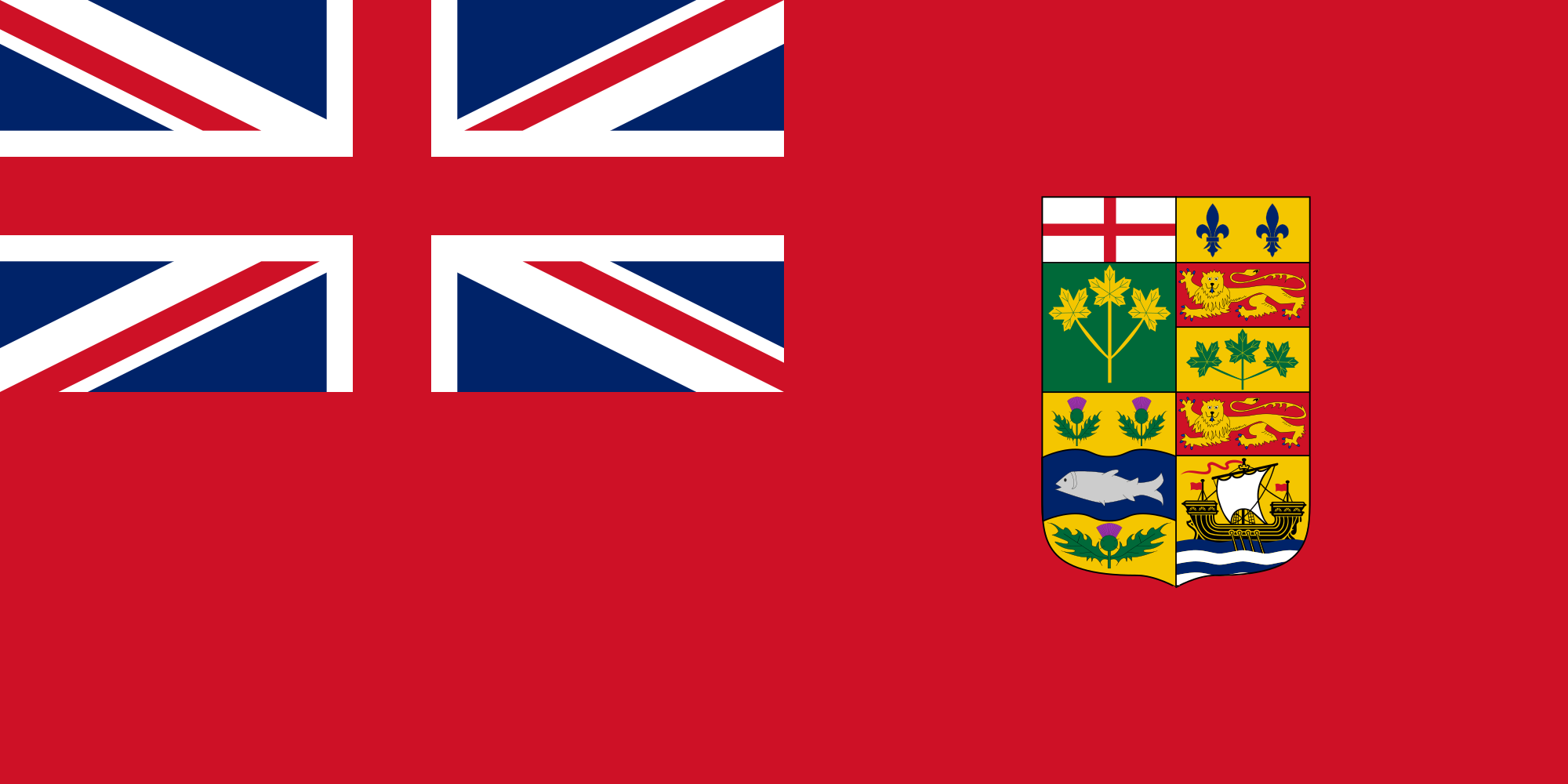
Canadian Red Ensign (1868–1921)
The earliest Canadian Red Ensign, defaced with the shield of the original four provinces at Confederation: Ontario, Quebec, Nova Scotia, and New Brunswick. Used informally as Canada expanded westward.
1837–1838
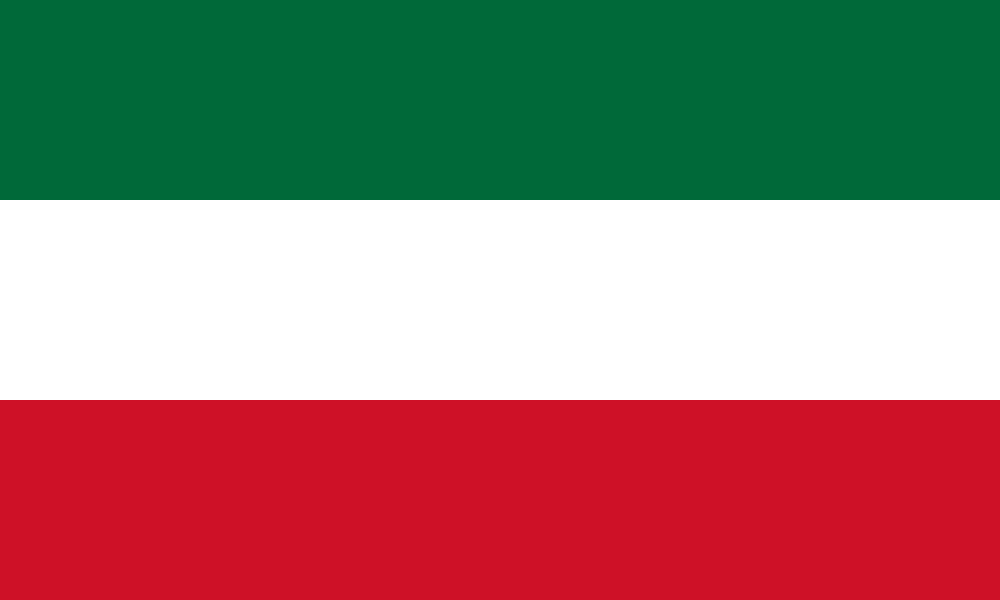
Patriote Movement (Lower Canada)
During the 1837–38 rebellions, French-Canadian Patriotes in Lower Canada (Quebec) flew a green-white-red horizontal tricolor against British colonial rule. The uprising was crushed, but the flag endures as a Québécois nationalist symbol.
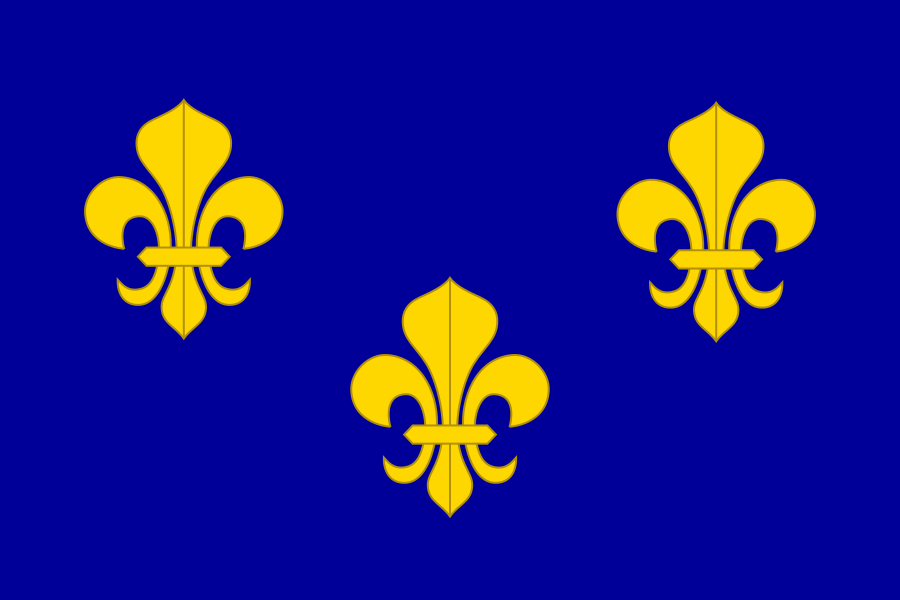
1534–1763
New France
For over two centuries before British rule, the St Lawrence valley and a vast arc of the continent from Acadia to Louisiana were New France — the French colonial empire of fur traders, missionaries and habitants, flying the royal banner of the French crown (gold fleurs-de-lis on blue). France ceded it to Britain in 1763 after the Seven Years' War, but its language, faith and place names endure across Quebec and beyond.
Related historical states
Empires, kingdoms and republics that once covered part of Canada.
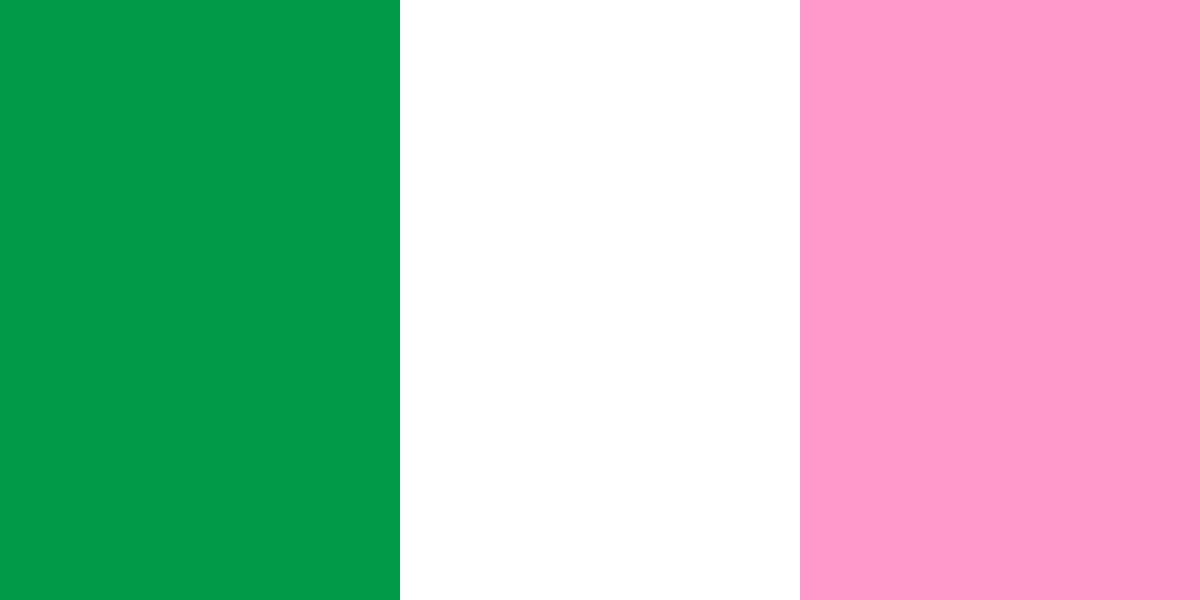
1869–1949
Dominion of Newfoundland
The unofficial 'Pink, White and Green' originated with St. John's fishermen's societies. Newfoundland was a self-governing dominion until it joined Canada in 1949.

1837–1838
Republic of Canada (1837)
Blue-white-blue with two white stars for Upper and Lower Canada, flown by William Lyon Mackenzie's provisional government during the Upper Canada Rebellion.
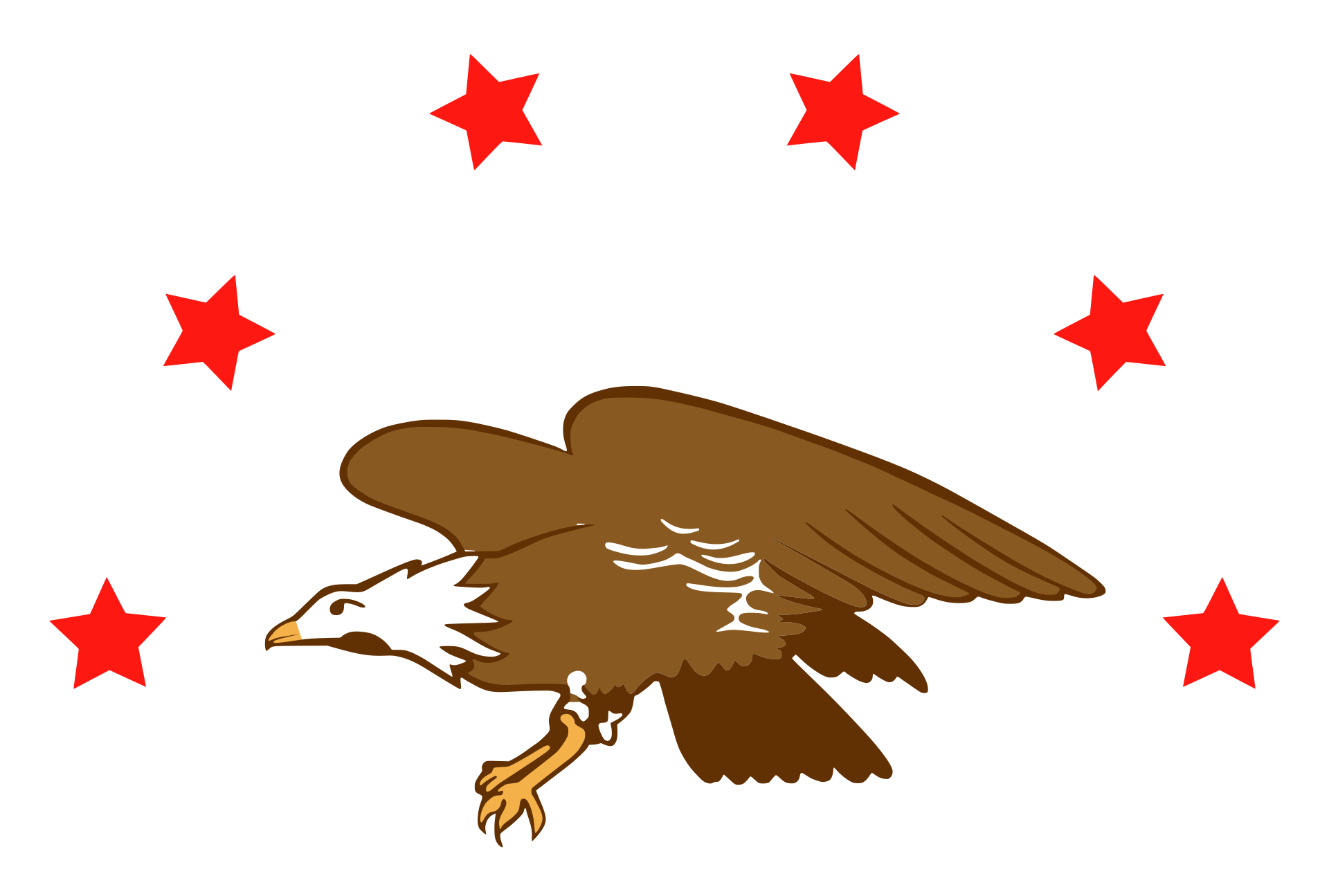
1827
Republic of Madawaska
A white field with an eagle and a ring of red stars, emblem of the self-declared 'republic' in the disputed Maine–New Brunswick borderland (the design itself is a later commemorative one).
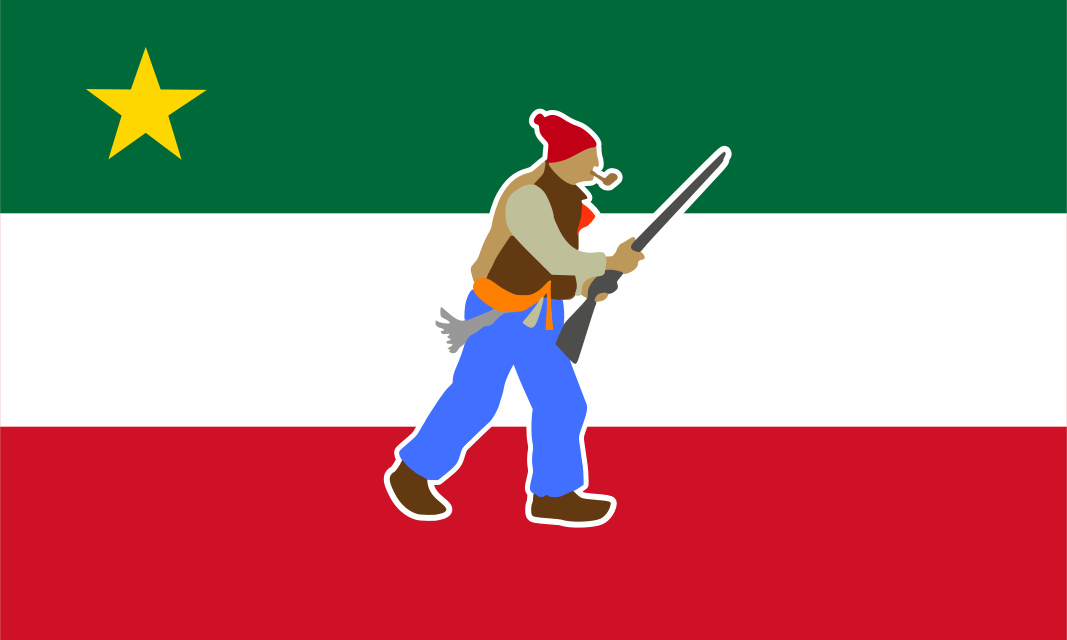
1837–1838
Patriote Movement (Lower Canada)
The green-white-red flag of the Patriotes who rose against British rule in the 1837–38 Lower Canada Rebellion; it remains a symbol of Quebec nationalism today.
Regional flags of Canada
The 13 states, provinces and regions of Canada with their own flags.
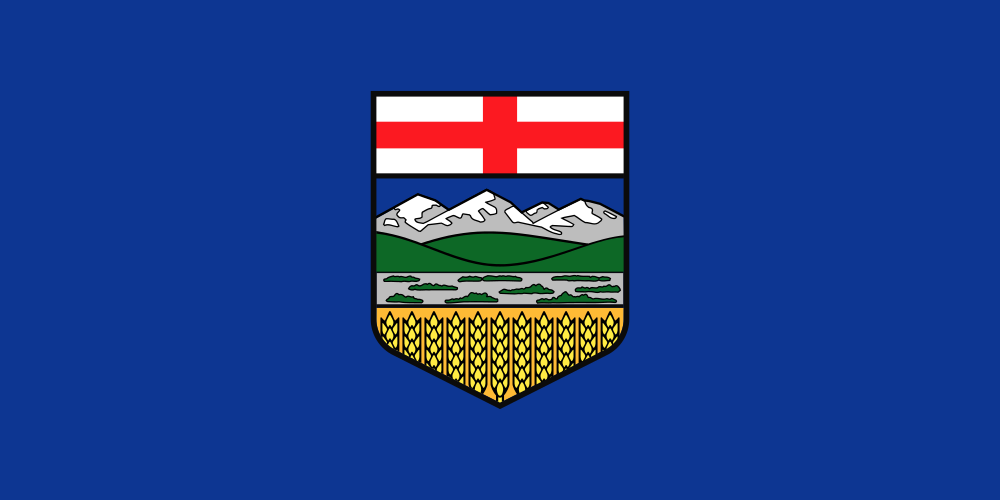
Alberta
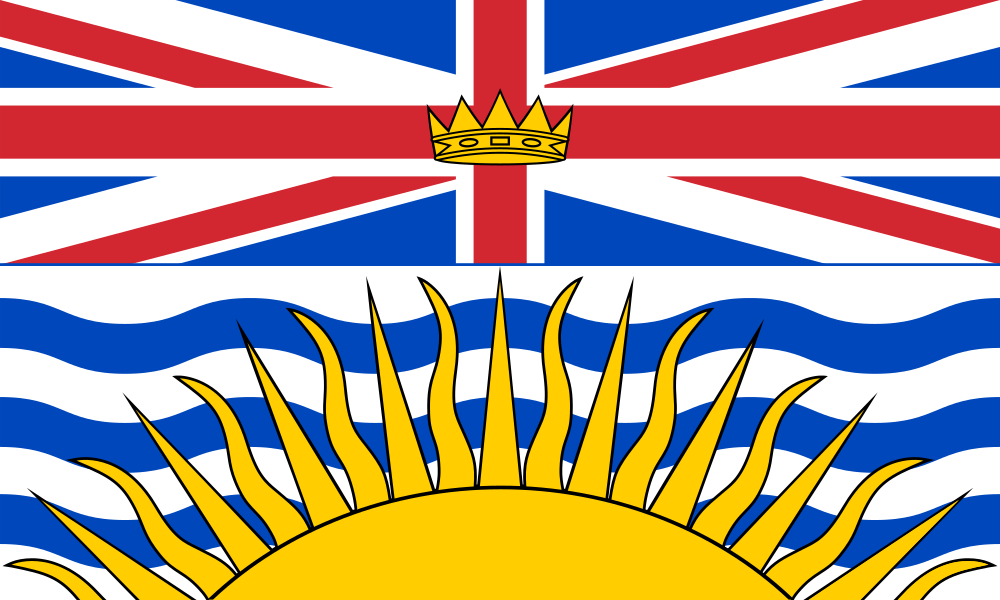
British Columbia
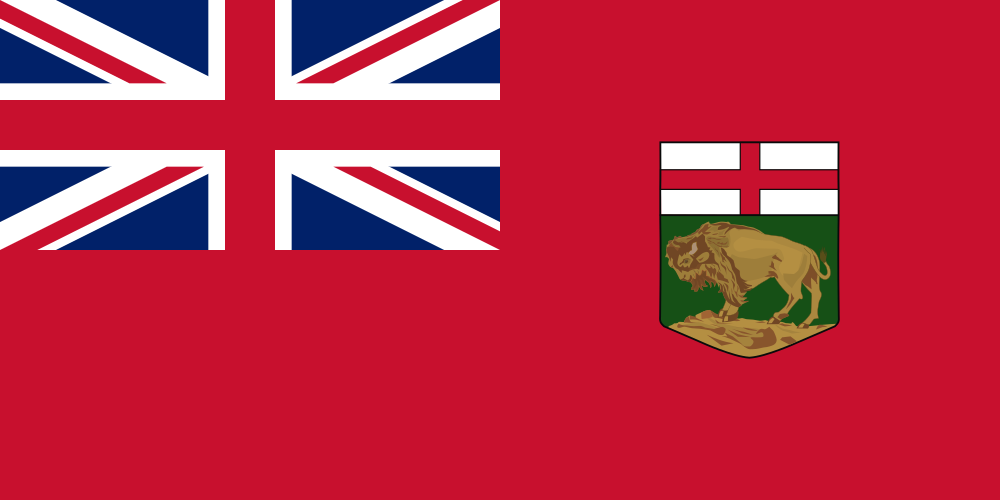
Manitoba
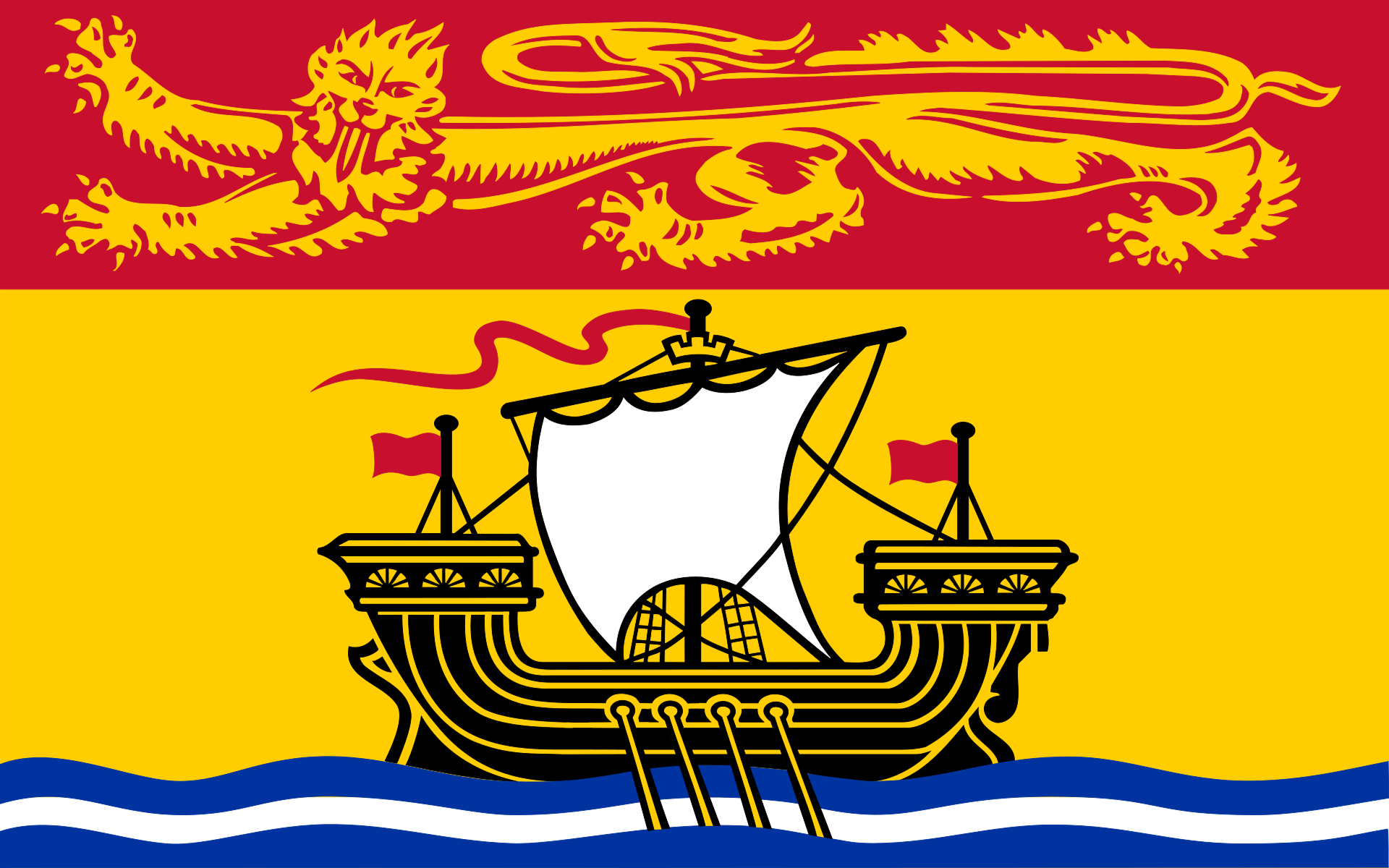
New Brunswick
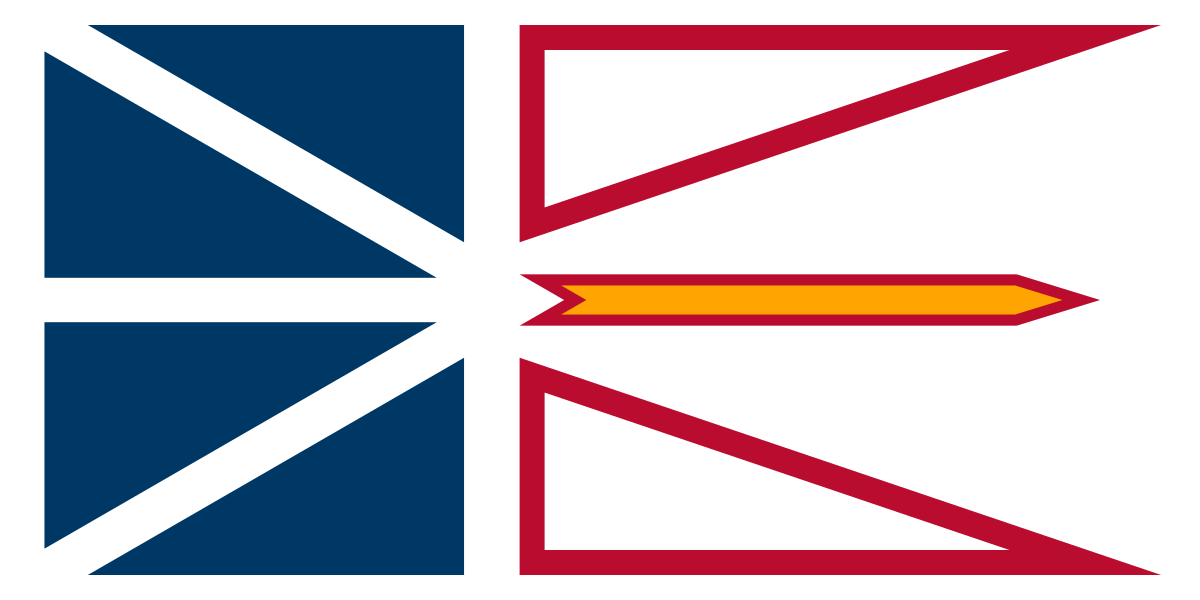
Newfoundland and Labrador
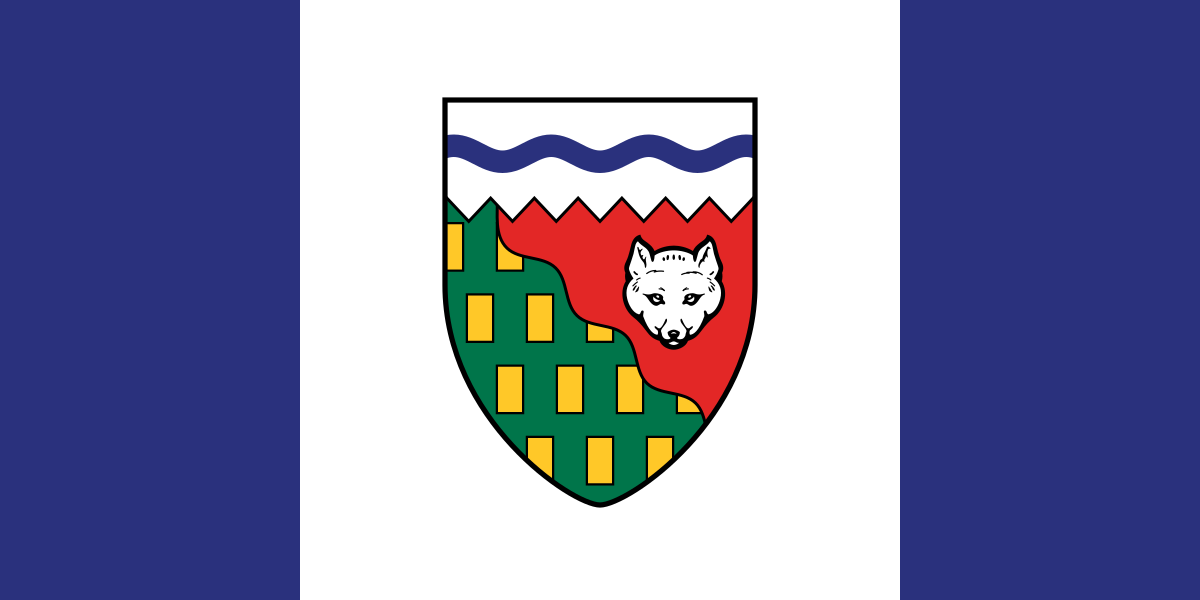
Northwest Territories
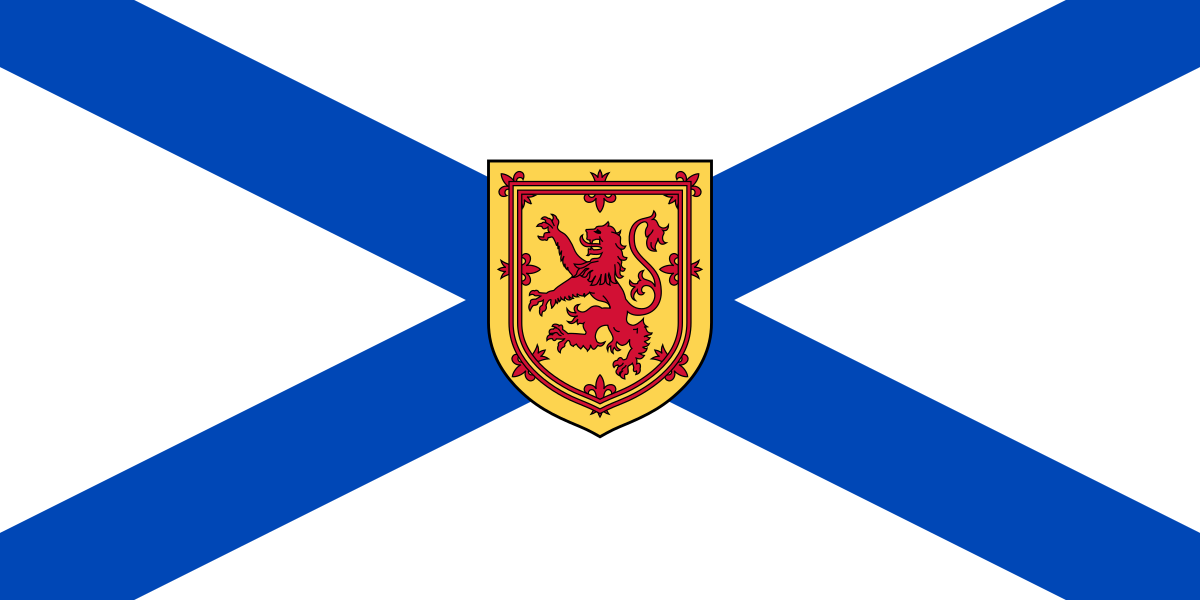
Nova Scotia
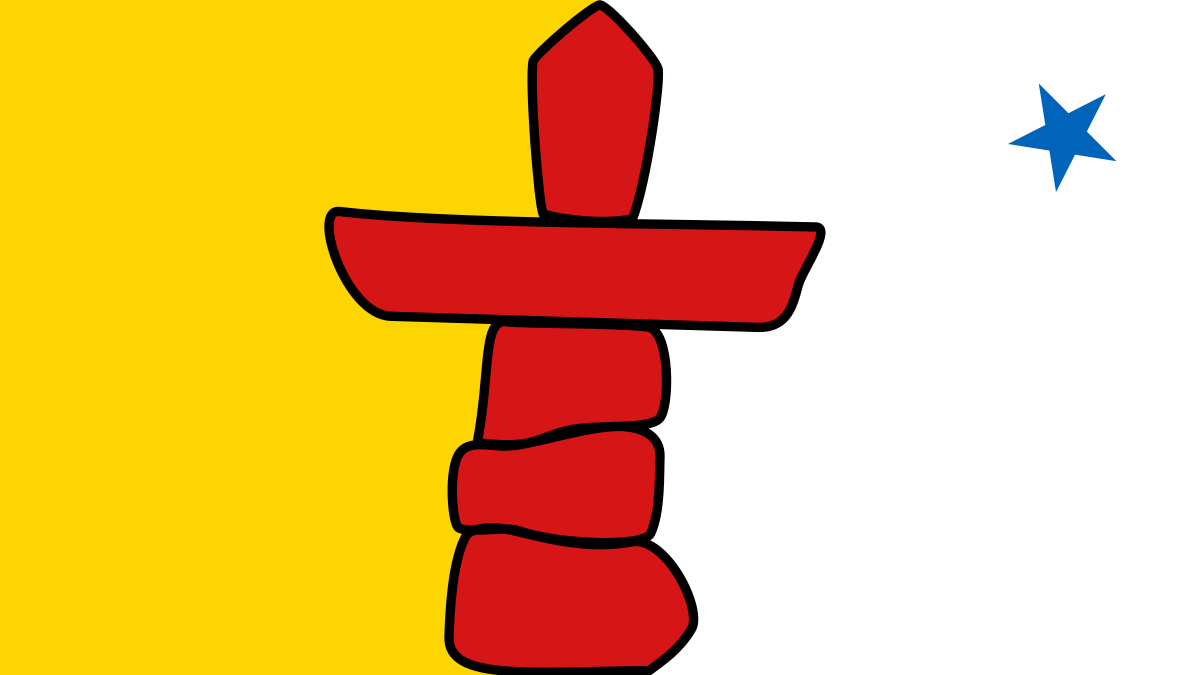
Nunavut
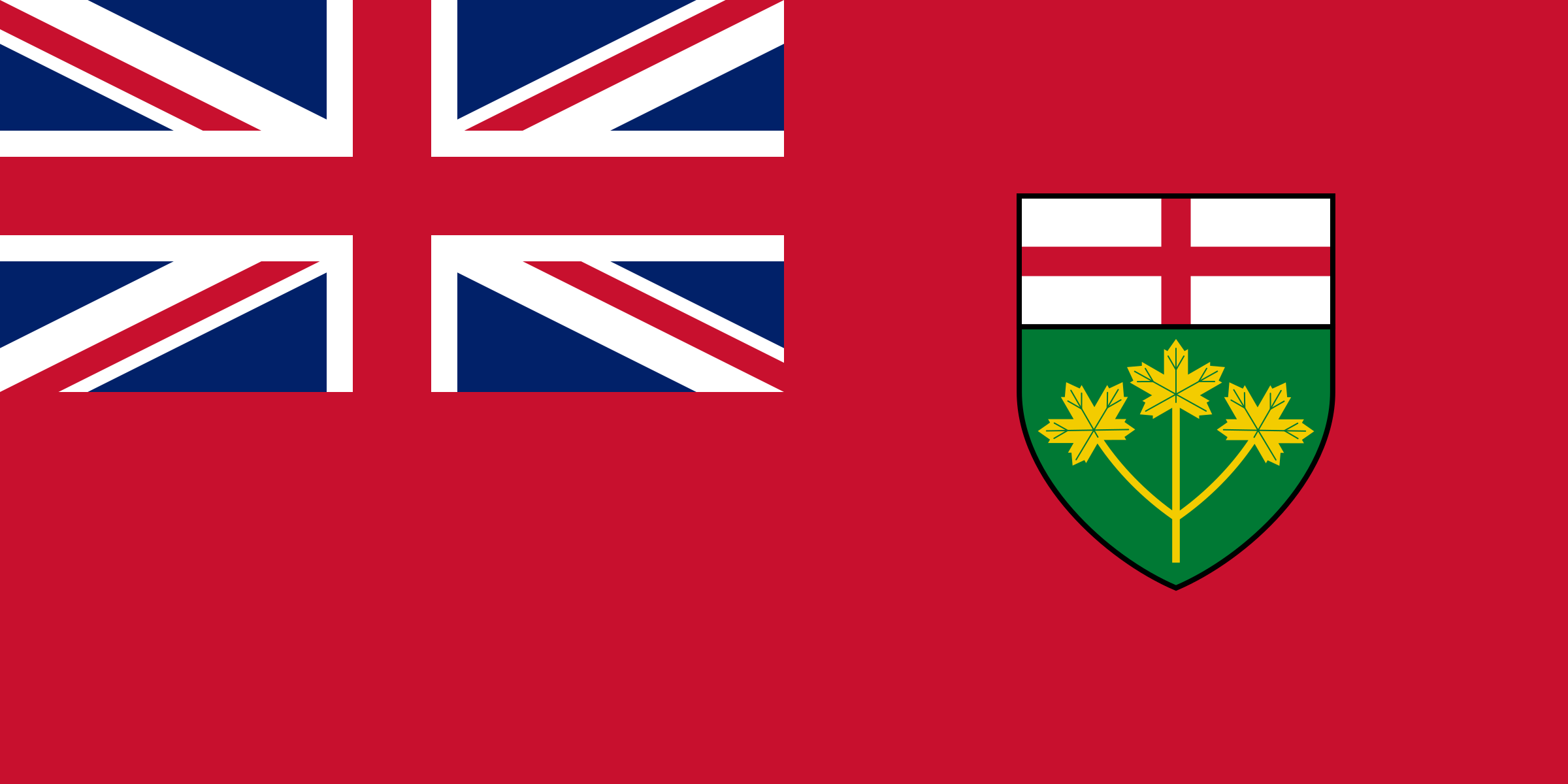
Ontario
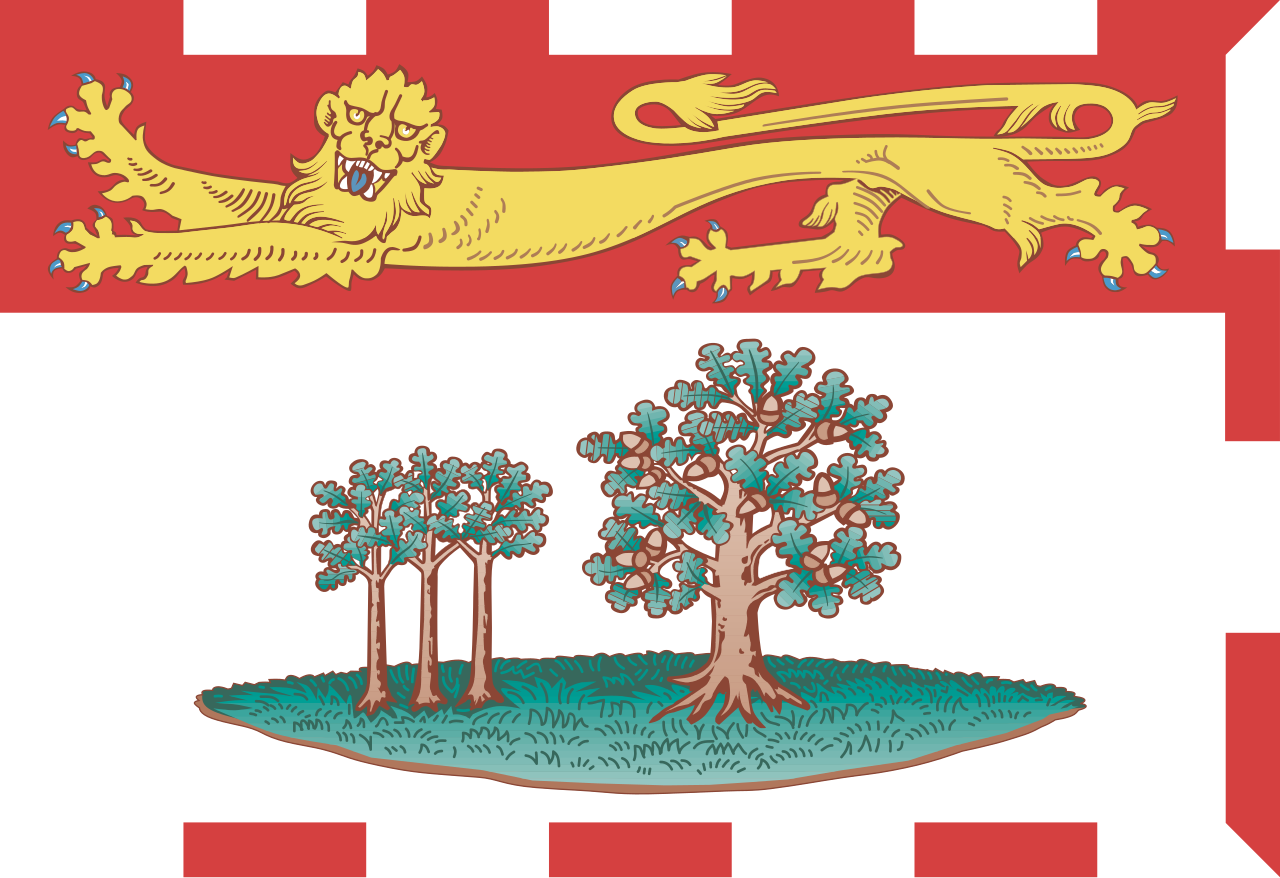
Prince Edward Island
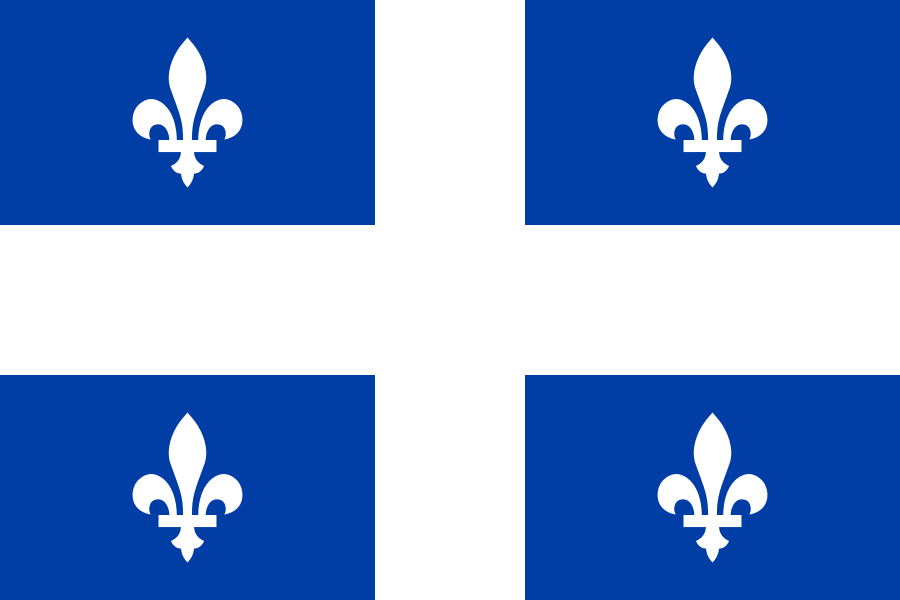
Quebec
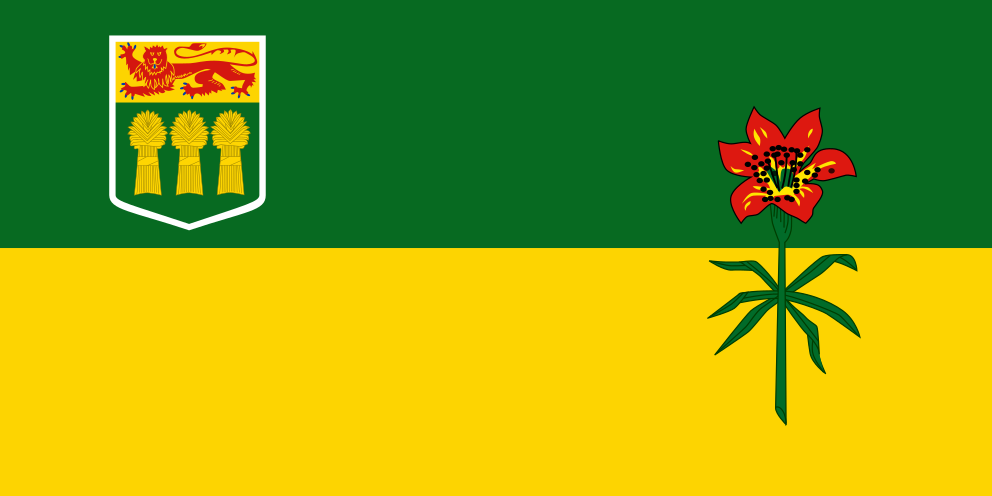
Saskatchewan
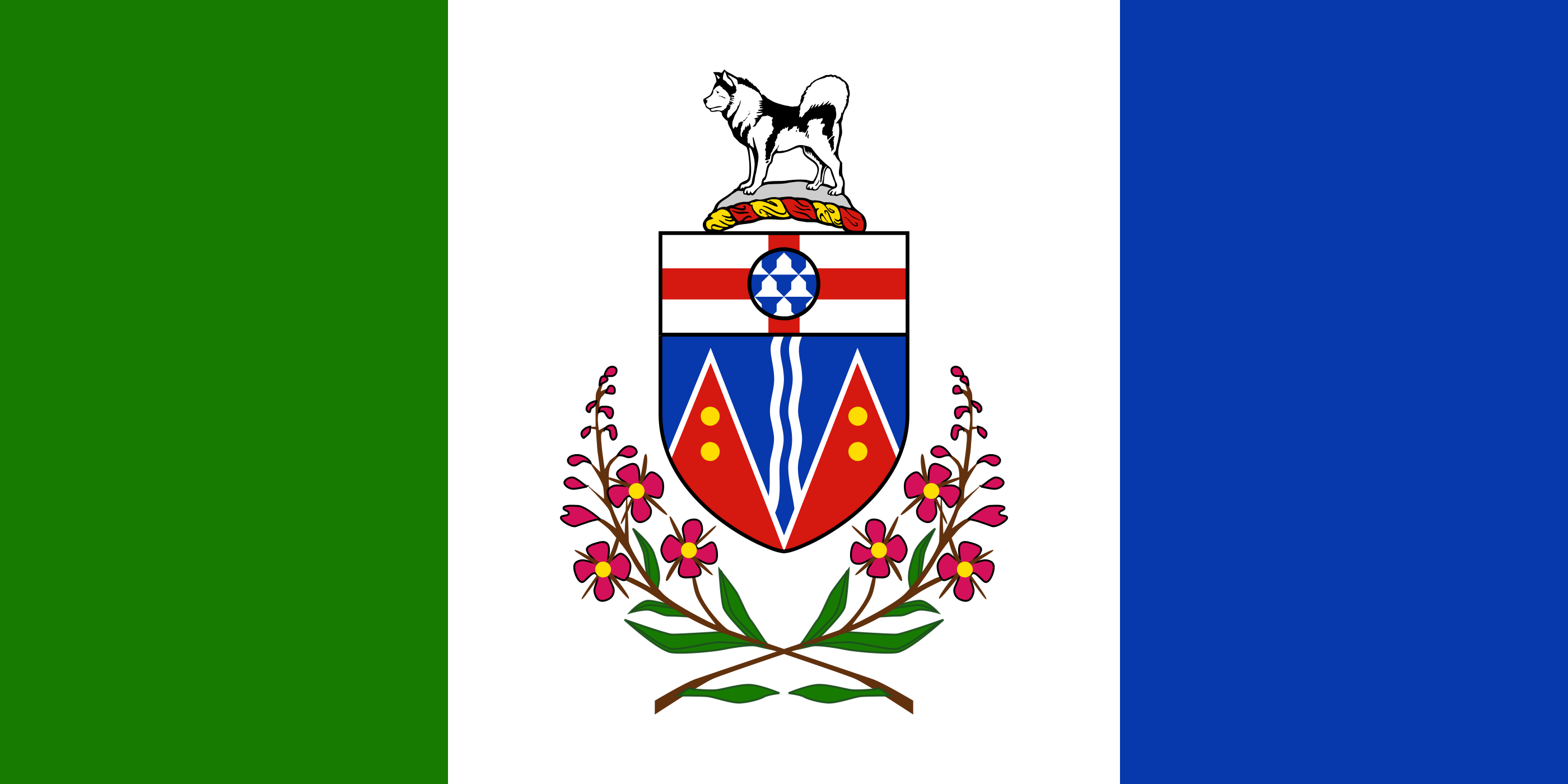
Yukon
Neighbouring countries
Canada shares a land border with one country: the United States.
Other flags in red and white
17 other national flags use the same main colours as Canada's.
Play Globalio and learn Canada's flag
 Denmark
 Poland
 United States
 Austria
 Bahrain
 Georgia
 Indonesia
 Japan
 Latvia
 Malta
 Monaco
 Peru
 Qatar
 Singapore
 Switzerland
 Tonga
 Tunisia
 Turkey