1901–1909
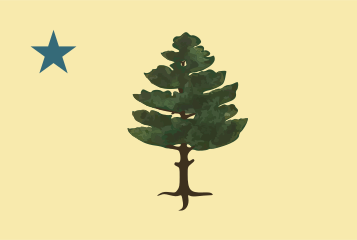
Republic of Maine (1901 ensign)
A buff field with a green pine tree and a blue North Star in the canton — the beloved 'pine tree' flag, recently the subject of campaigns to bring it back.
Today part of: United States
62 kingdoms, empires, republics and short-lived states from the Americas that no longer exist, with the flags they flew and the story behind each one.
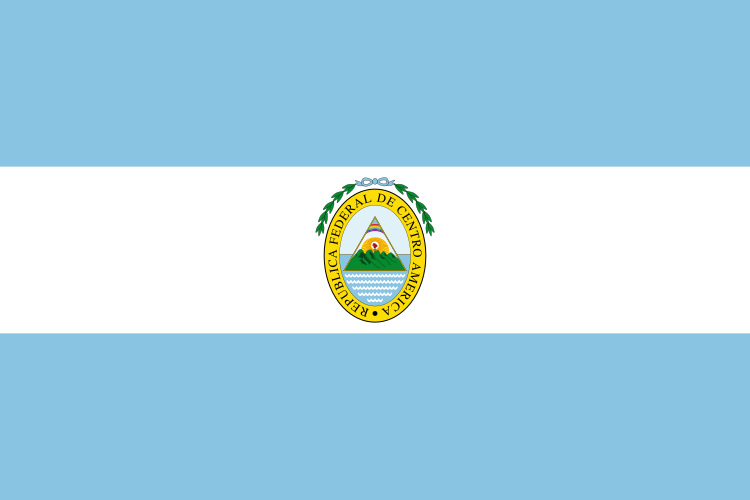
Its blue-white-blue stripes survive almost unchanged in the flags of Honduras, Nicaragua, El Salvador, and Guatemala. White stood for the land between the two oceans.
Today part of: Guatemala, El Salvador, Honduras, Nicaragua, Costa Rica
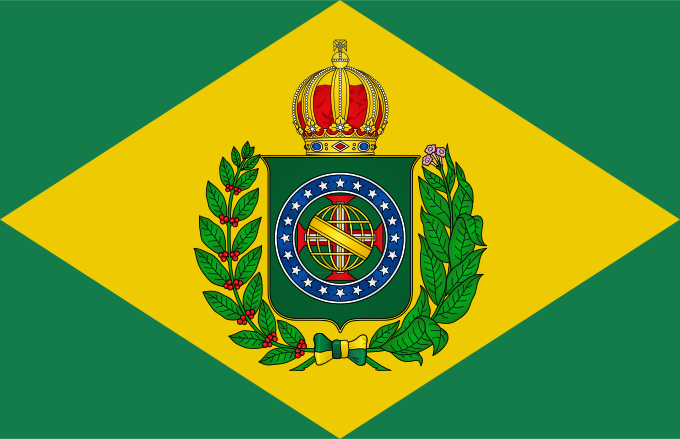
A green field with a yellow rhombus bearing the imperial arms ringed by 20 stars. The republican coup of 1889 swapped the crowned arms for the celestial globe and 'Ordem e Progresso'.
Today part of: Brazil
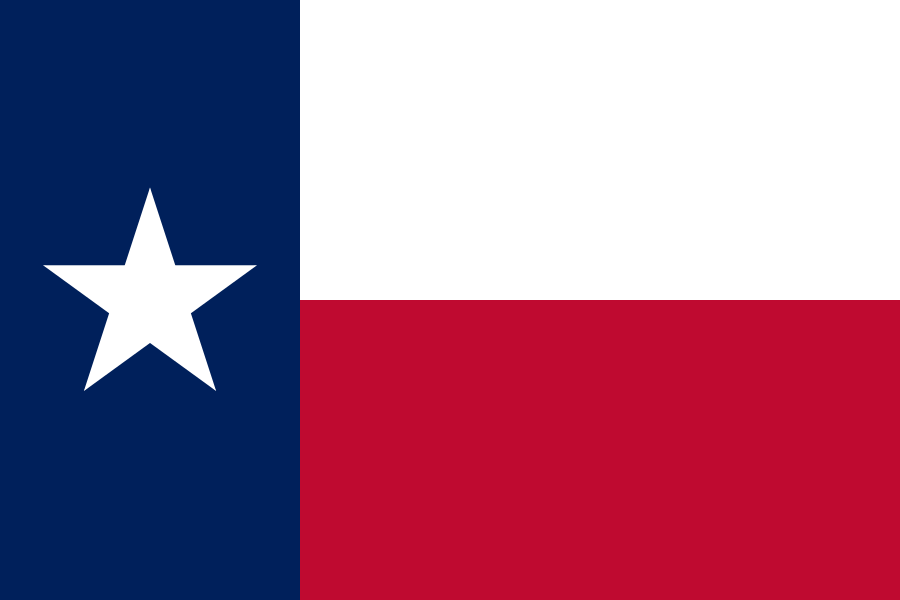
The 1839 Lone Star flag became the US state flag of Texas unchanged. Its predecessor, the 'Burnet flag', was a plain gold star on blue.
Today part of: United States
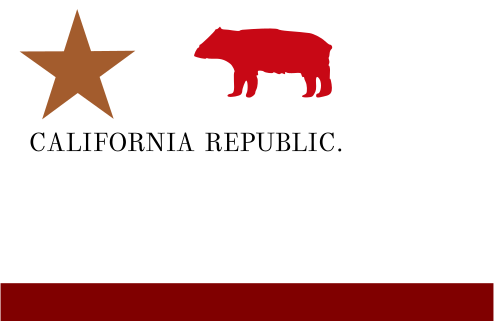
The original hand-painted Bear Flag of the 25-day Bear Flag Revolt was so crude its grizzly was mocked as looking like a pig. The 1846 original burned in the 1906 San Francisco earthquake.
Today part of: United States
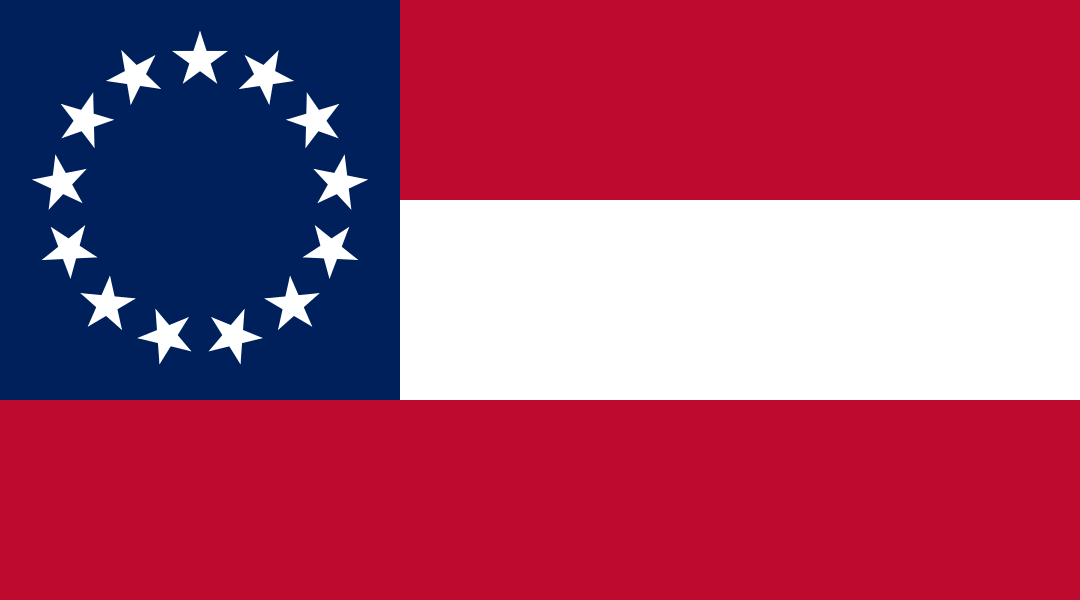
The Confederate States were formed by eleven slave states that seceded from the United States in 1860–61 to preserve slavery. Their first national flag, the 'Stars and Bars', was so easily confused with the US flag in battle smoke that a separate square Battle Flag was created for the field.
Today part of: United States
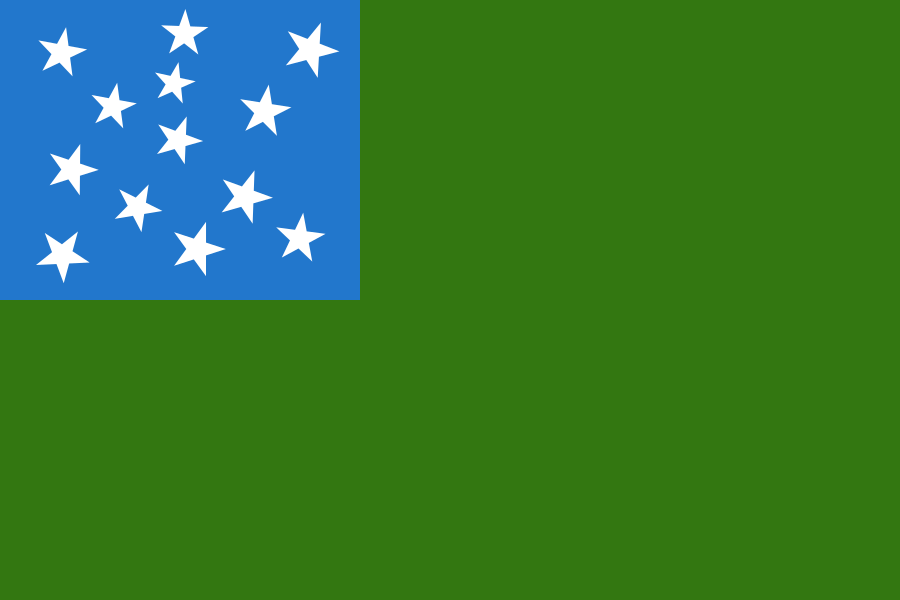
The independent republic that existed before Vermont became the 14th US state governed itself for 14 years and abolished adult slavery in its 1777 constitution.
Today part of: United States
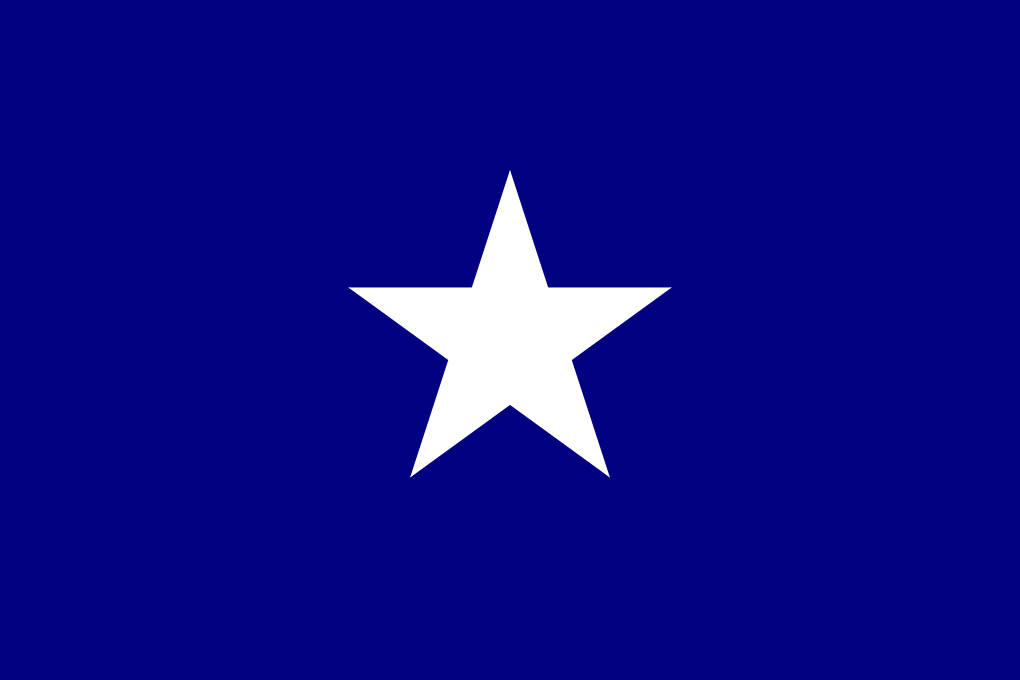
A single white star on blue, this 'Bonnie Blue Flag' was the first lone-star flag in US history and directly inspired the Texas and Confederate lone-star imagery.
Today part of: United States
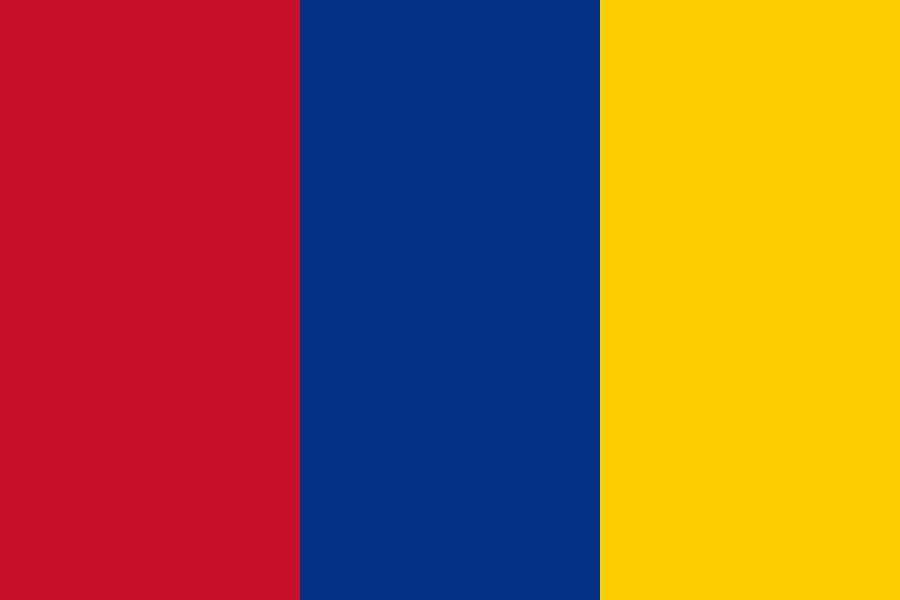
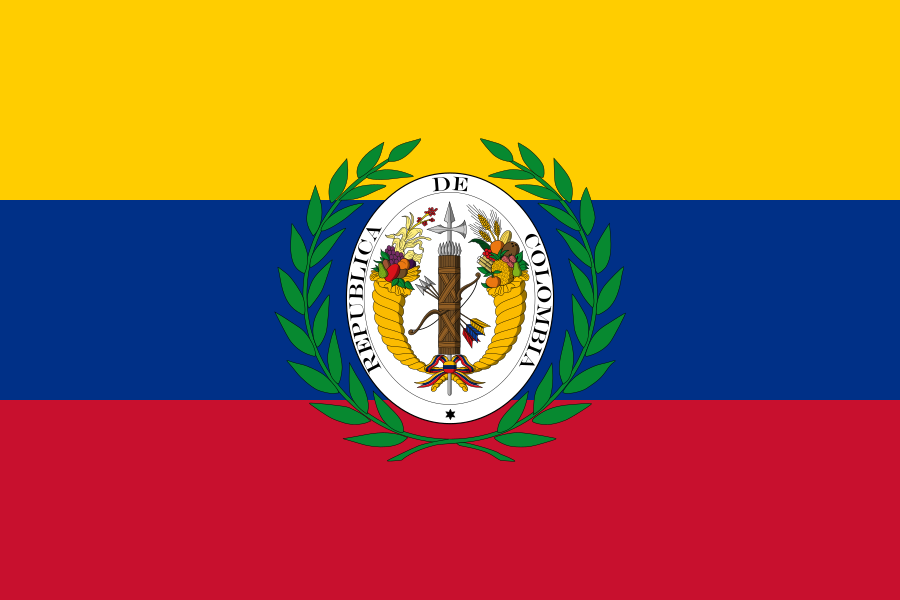
A vertical red-blue-yellow variant of the Gran Colombia colors, used after Venezuela and Ecuador split away. It later evolved into the horizontal flag of modern Colombia.
Today part of: Colombia
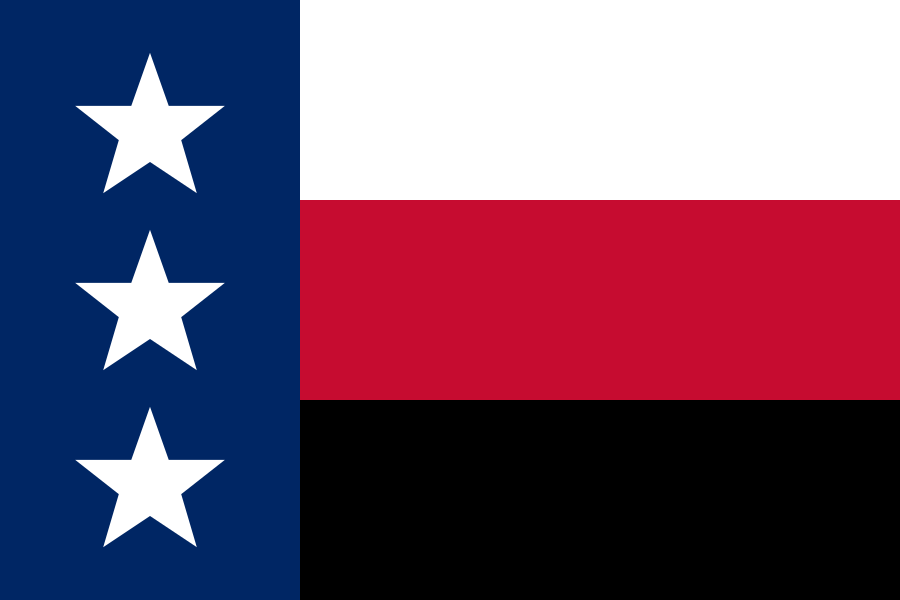
A breakaway federalist republic of northern Mexico; its three stars stood for Coahuila, Nuevo León, and Tamaulipas. It was crushed by Mexican forces within a year.
Today part of: Mexico
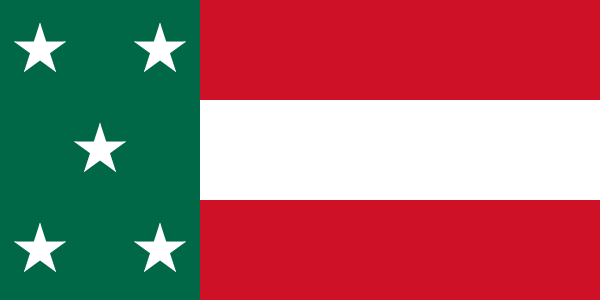
Red-white-red bands with a green hoist holding five white stars for its five departments. Yucatán declared independence from Mexico twice over centralist rule.
Today part of: Mexico
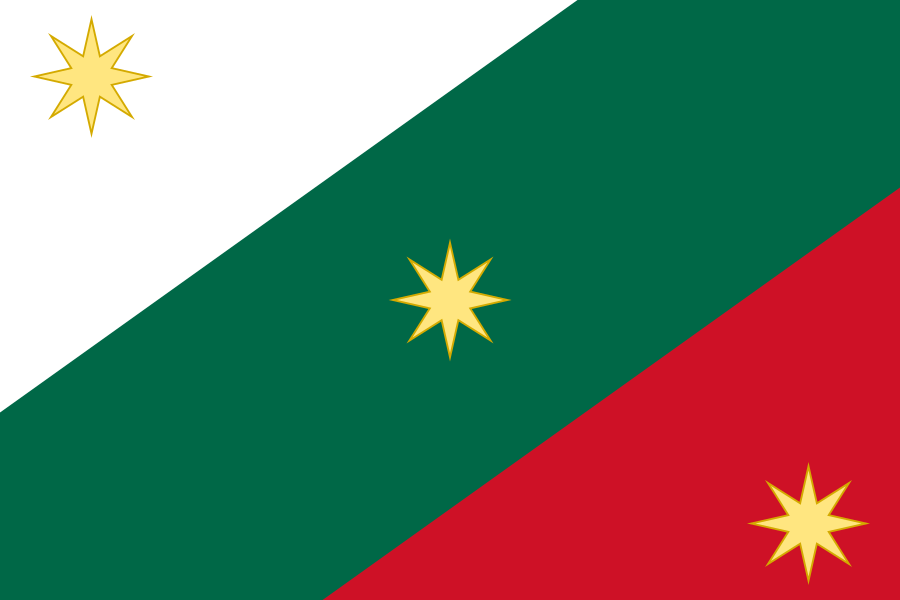
Agustín de Iturbide's empire flew the green-white-red tricolor with a crowned golden eagle. Removing the crown after the empire fell produced the basis of the republican flag.
Today part of: Mexico
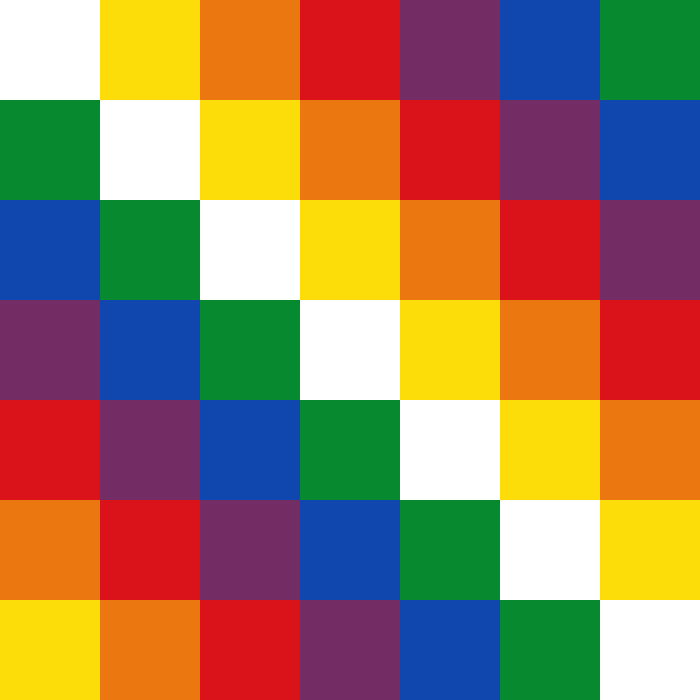
The Wiphala is a square 7×7 rainbow patchwork; the color of its longest diagonal identifies the region. A modern Andean emblem — the Incas are not known to have used flags as such.
Today part of: Bolivia
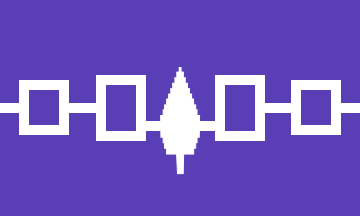
A purple field bearing the white Hiawatha Belt — the Tree of Peace flanked by squares for the union of the Five Nations. Designed in the 1980s for the Haudenosaunee lacrosse team.
Today part of: United States

The unofficial 'Pink, White and Green' originated with St. John's fishermen's societies. Newfoundland was a self-governing dominion until it joined Canada in 1949.
Today part of: Canada

Blue-white-blue with two white stars for Upper and Lower Canada, flown by William Lyon Mackenzie's provisional government during the Upper Canada Rebellion.
Today part of: Canada
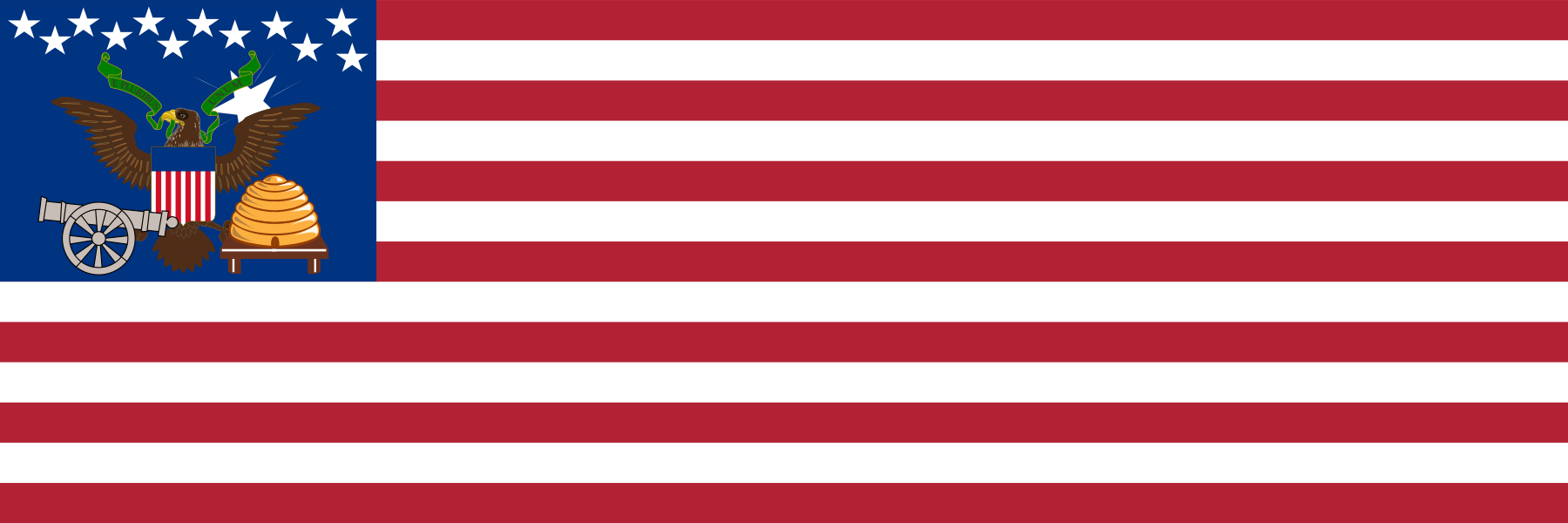
A reconstructed beehive flag of the provisional Mormon state that covered much of the future US Southwest before Congress created Utah Territory.
Today part of: United States
A buff field with a green pine tree and a blue North Star in the canton — the beloved 'pine tree' flag, recently the subject of campaigns to bring it back.
Today part of: United States
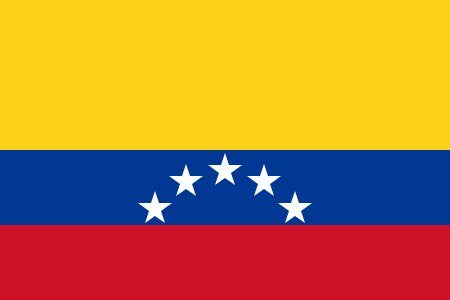
A yellow-blue-red tricolor with silver stars, flown by the short-lived breakaway state of Santo Domingo before Haiti annexed it in 1822.
Today part of: Dominican Republic
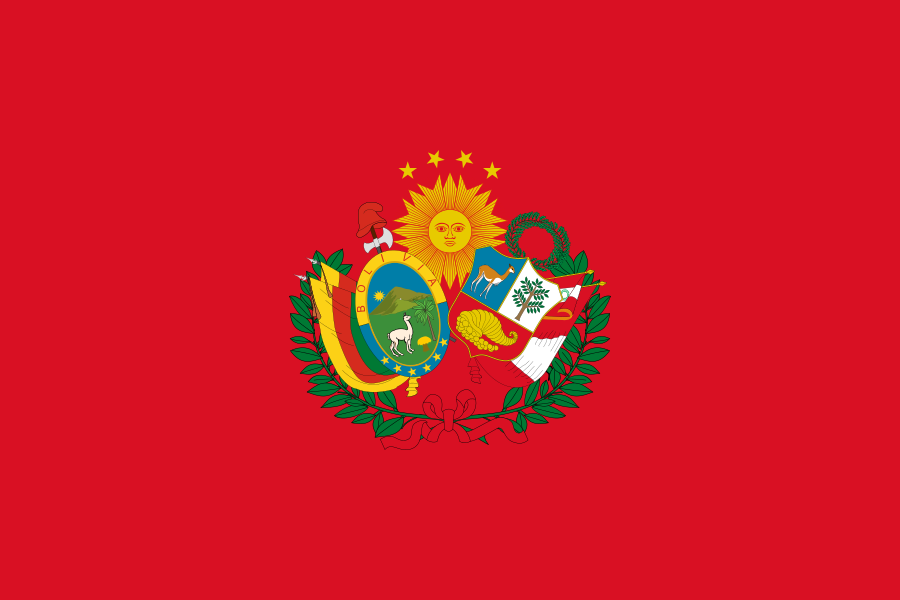
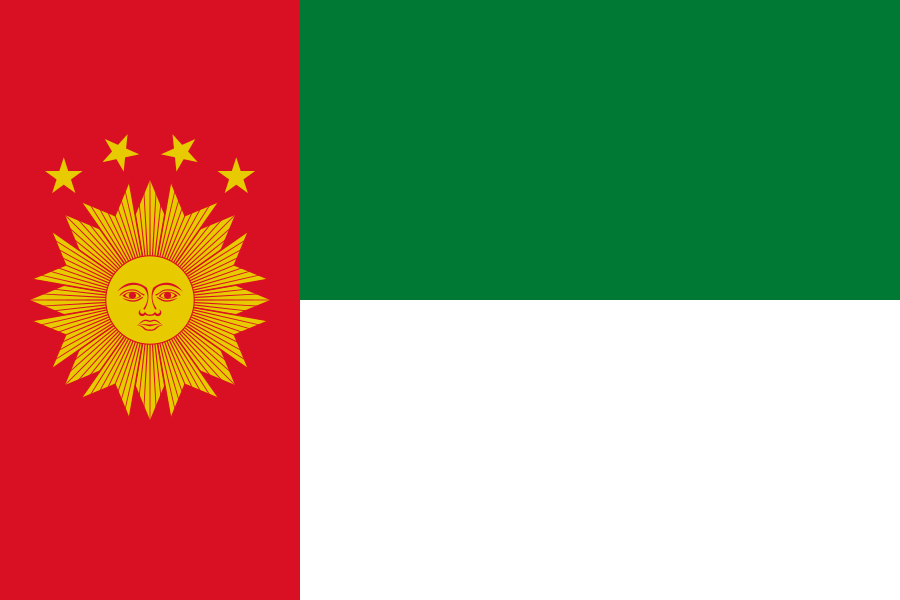
A green-white-red design with a gold sun and stars, one of the member states of the Peru-Bolivian Confederation.
Today part of: Peru
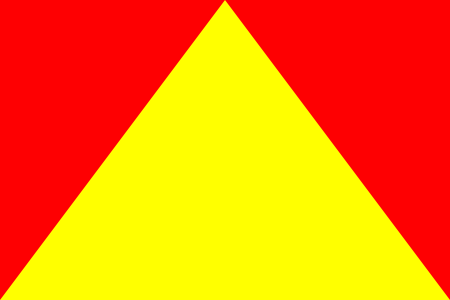
A yellow field with a red cross, designed by adventurer James Harden-Hickey for his unrecognized micronation on the uninhabited Brazilian island of Trindade.
Today part of: Brazil
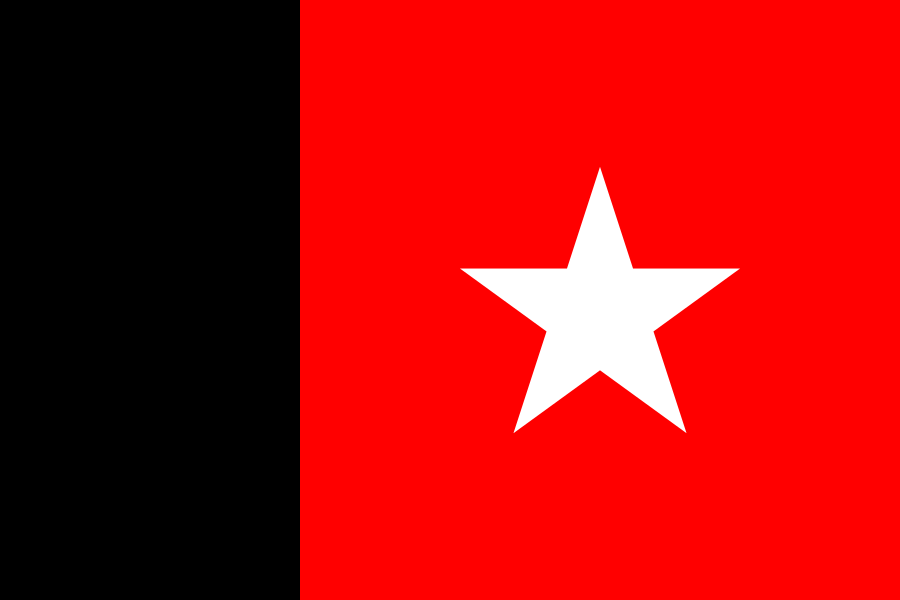
A self-proclaimed republic in the disputed France–Brazil border zone of Guiana, promoted by French adventurers but never internationally recognized.
Today part of: Brazil
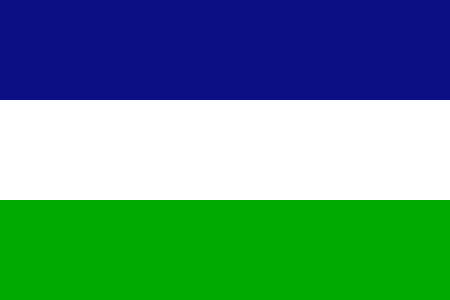
A blue-white-green tricolor for the unrecognized kingdom that French adventurer Orélie-Antoine de Tounens proclaimed over Mapuche territory in southern Chile.
Today part of: Chile
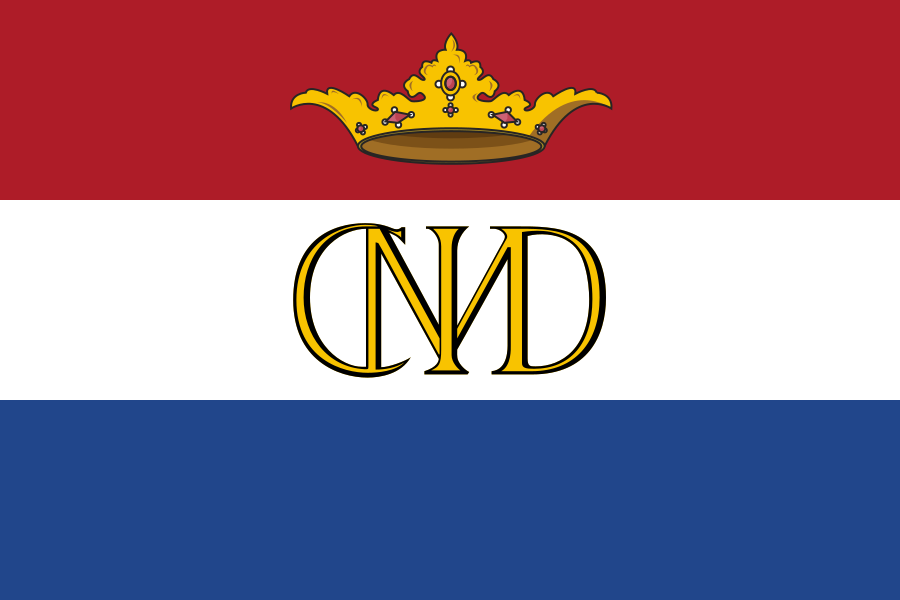
A Dutch tricolor with the Dutch West India Company monogram, flown over the sugar colony the Dutch held in northeastern Brazil for a quarter-century.
Today part of: Brazil
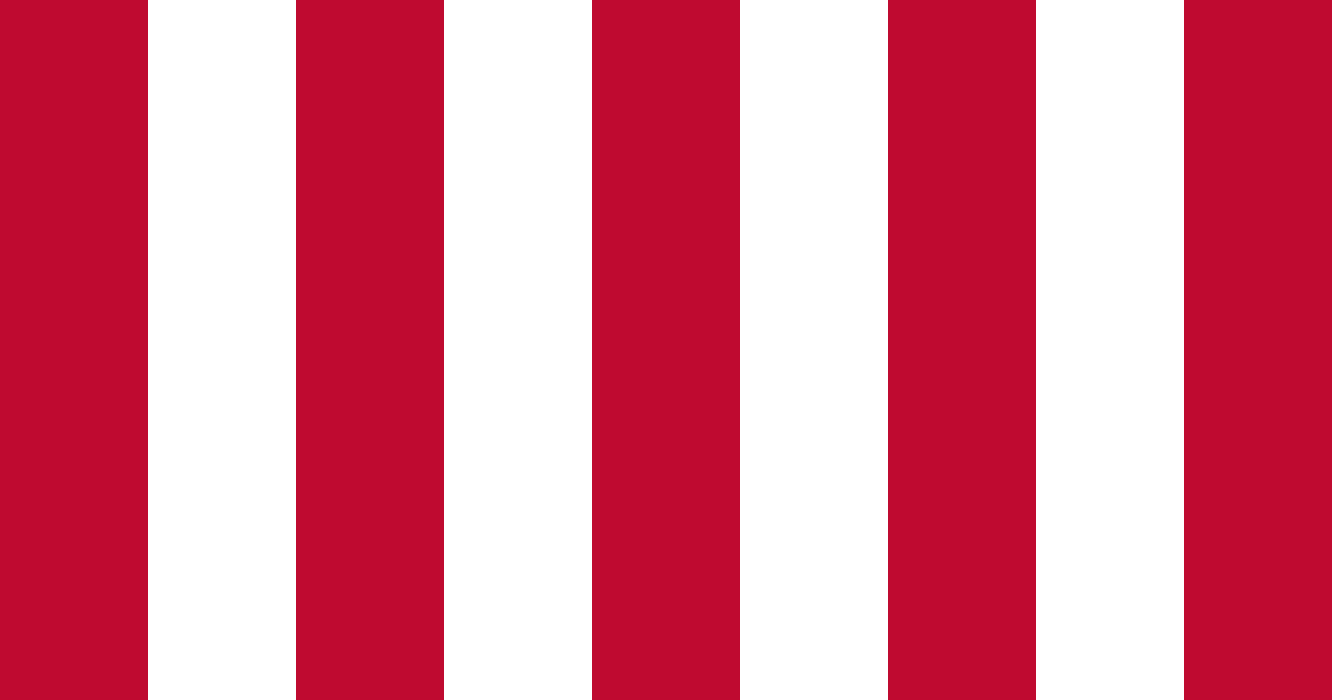
Nine alternating vertical red and white stripes — the 'Rebellious Stripes' — representing the colonies at the 1765 Stamp Act Congress.
Today part of: United States
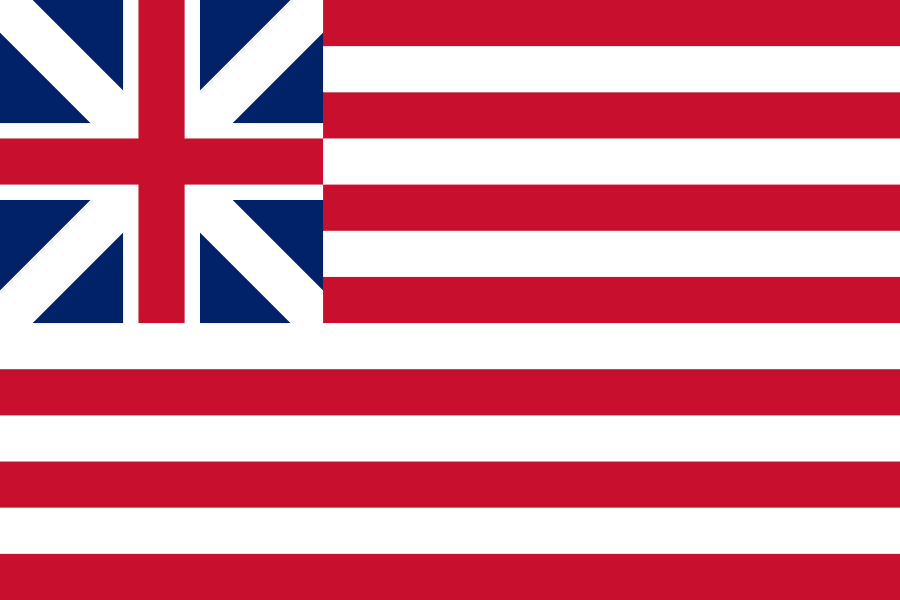
Thirteen red-white stripes with the British Union Jack in the canton — the de facto first US flag, flown before the stars replaced the Union Jack in 1777.
Today part of: United States
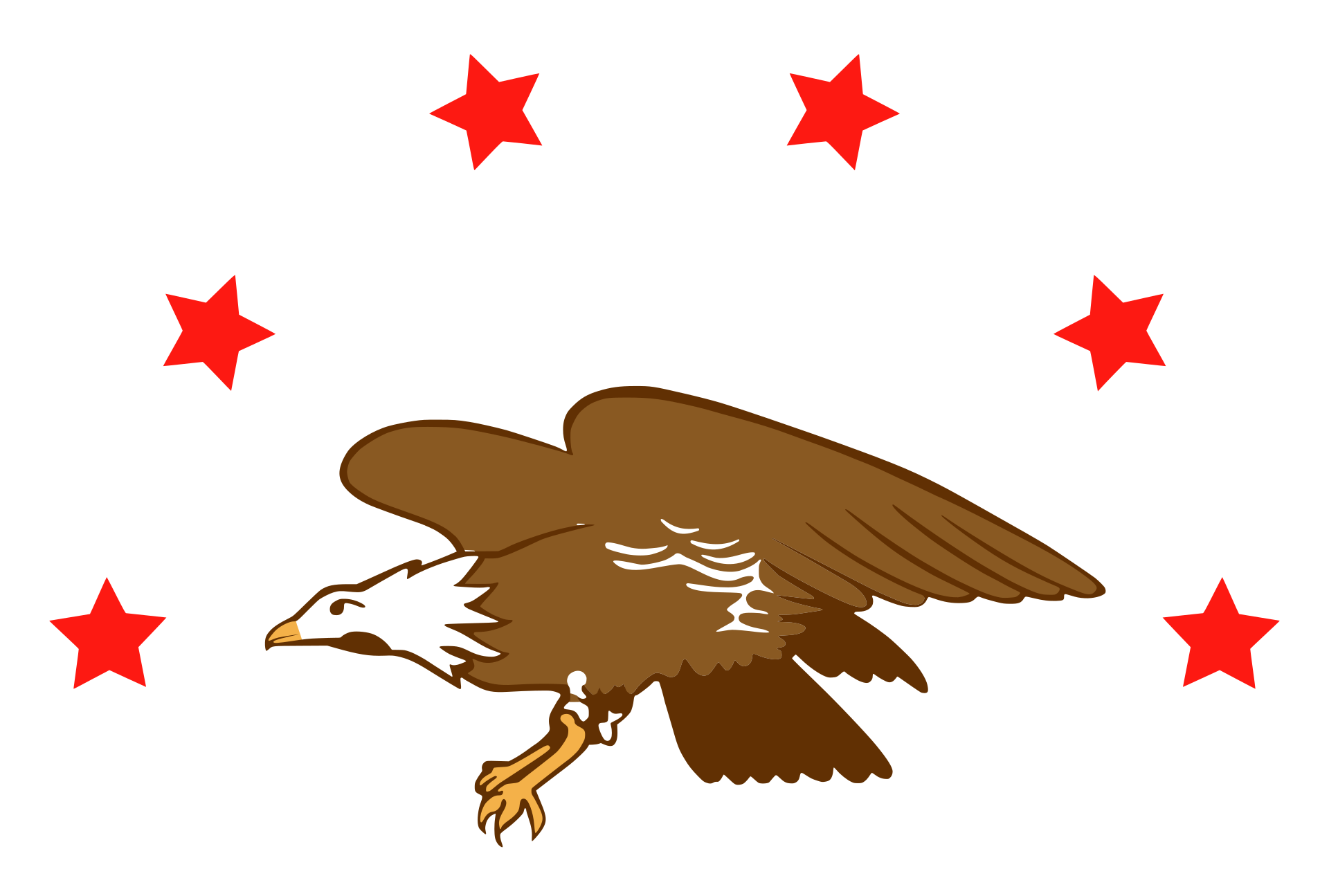
A white field with an eagle and a ring of red stars, emblem of the self-declared 'republic' in the disputed Maine–New Brunswick borderland (the design itself is a later commemorative one).
Today part of: Canada
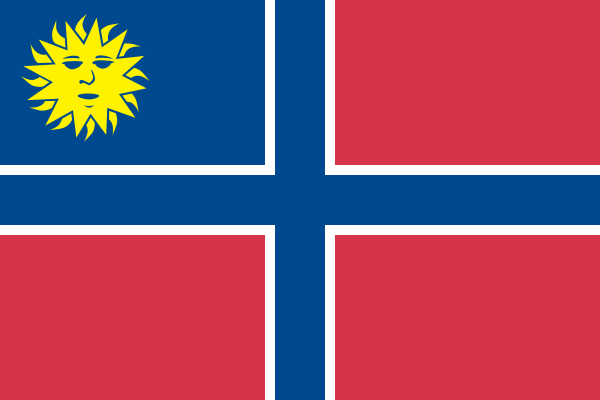
A red field with a blue canton and sunburst, flown by the Creek–Seminole state that adventurer William Augustus Bowles tried to build in Spanish Florida.
Today part of: United States
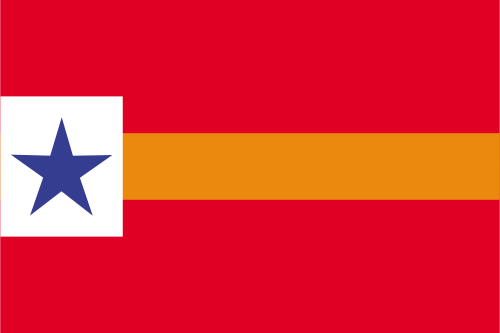
The filibuster republic American mercenary William Walker declared in Baja California; its two stars stood for Baja California and Sonora.
Today part of: Mexico
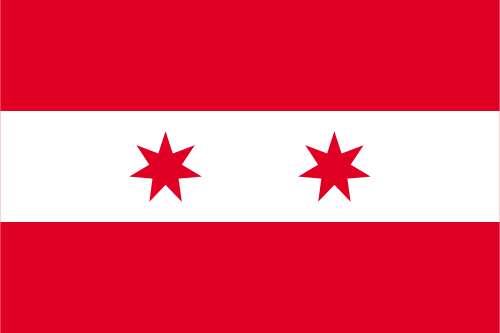
Walker's renamed two-state mercenary republic. He was driven out of Mexico within months — and was later executed in Honduras after a similar scheme.
Today part of: Mexico
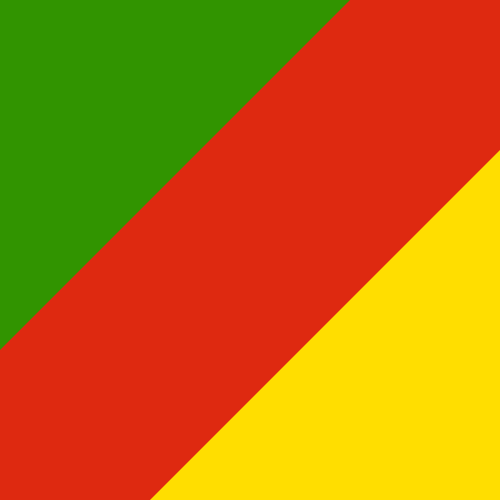
The breakaway republic of the decade-long Farroupilha (Ragamuffin) War in southern Brazil — three diagonal stripes of green, red, and yellow.
Today part of: Brazil
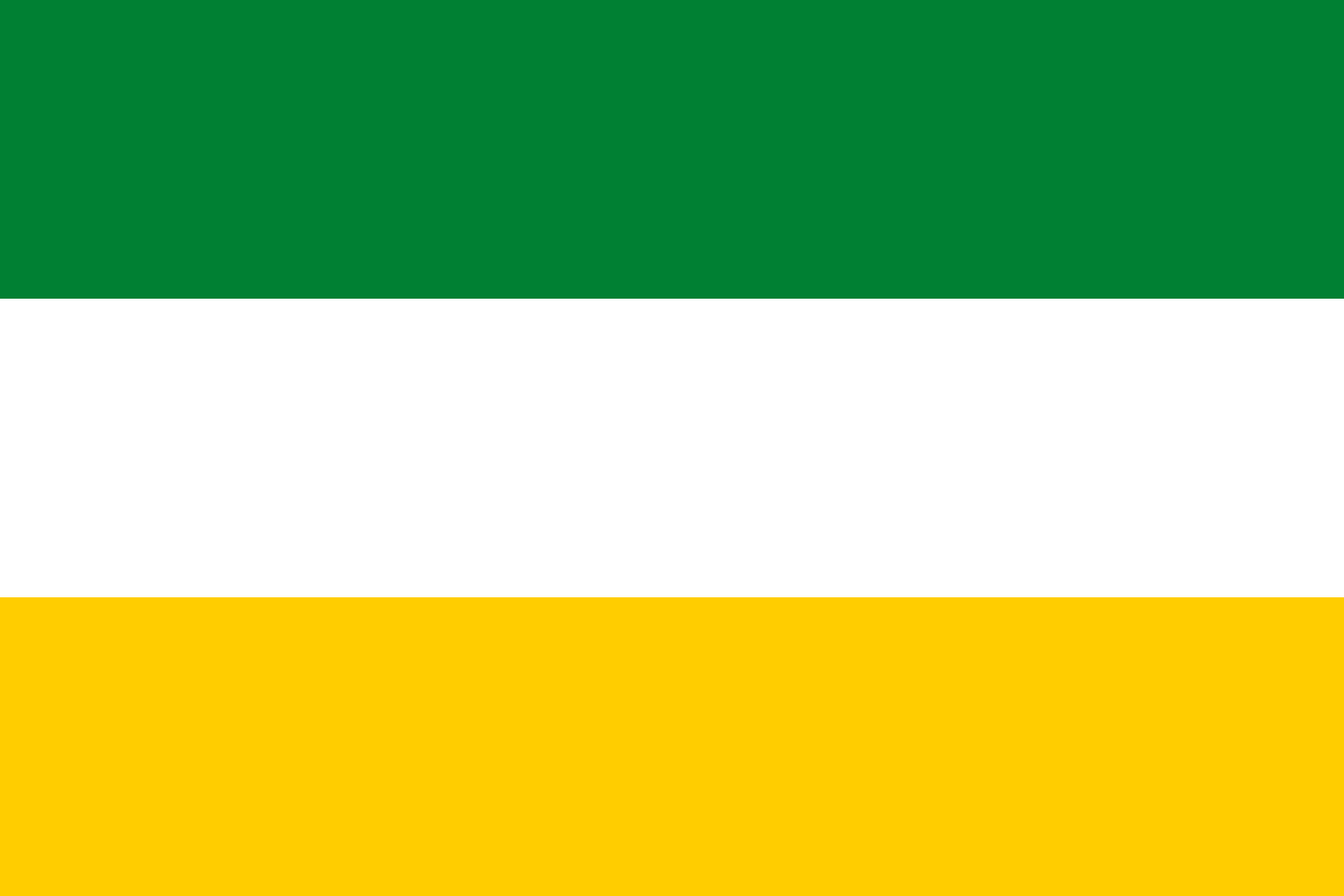
A short-lived republic proclaimed at Laguna in Santa Catarina during the Ragamuffin War, allied with the Riograndense rebels. The Italian revolutionary Giuseppe Garibaldi fought for it.
Today part of: Brazil
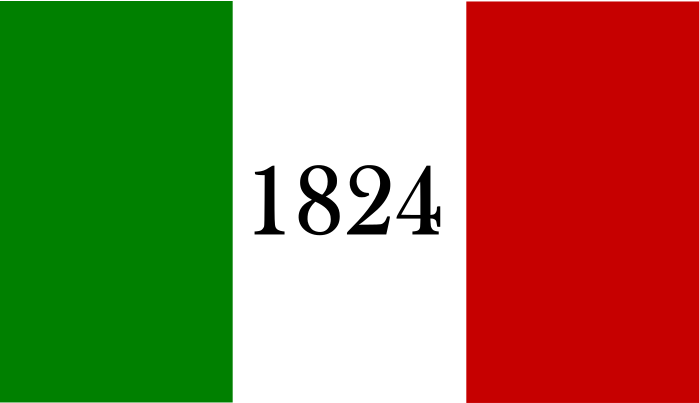
A short-lived secessionist confederation of northeastern Brazilian provinces revolting against the new emperor; a sky-blue field with a shield reading 'Confederação'.
Today part of: Brazil

The Grito de Lares revolutionary flag — a white cross dividing blue and red quarters with a white star — raised in the brief 1868 uprising against Spanish rule.
Today part of: United States
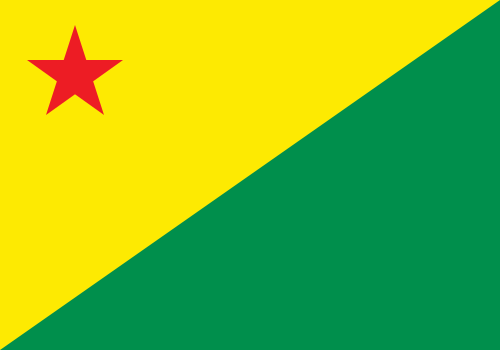
Rubber-tappers in the Bolivia–Brazil borderland declared an independent republic over the lucrative Acre territory; its diagonal yellow-green flag survives as the Brazilian state flag.
Today part of: Brazil
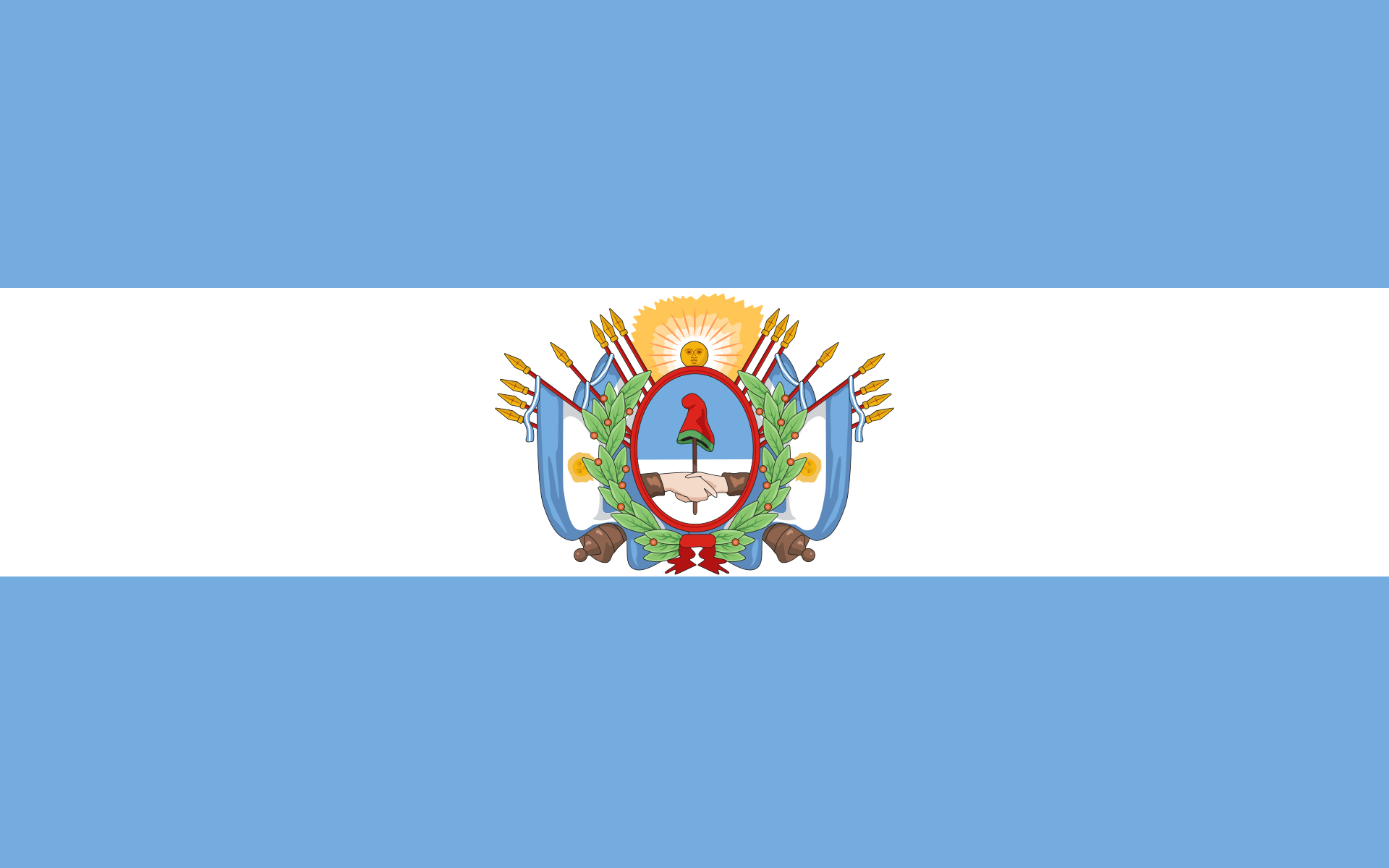
Blue-white-blue with a Sun of May and four red liberty caps, flown while Buenos Aires seceded from the rest of the Argentine Confederation for nearly a decade.
Today part of: Argentina
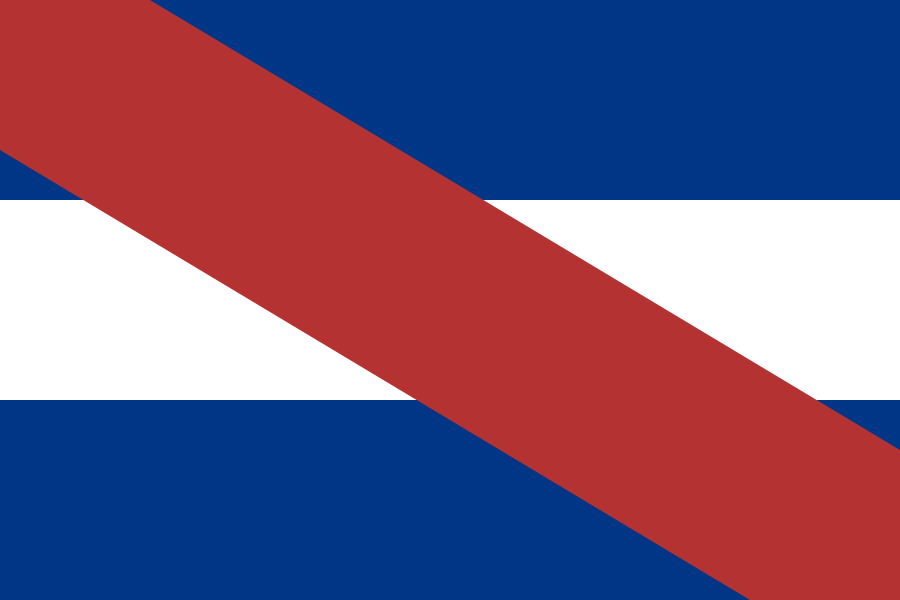
Warlord Francisco Ramírez's federalist republic flew the blue-white-blue flag of Artigas, crossed by a red diagonal bar for the federal cause.
Today part of: Argentina
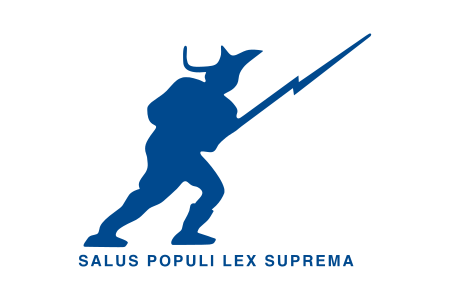
American 'Patriots' raised this flag of a charging soldier in a covert 1812 bid to seize Spanish East Florida — a filibuster the US government quietly encouraged, then disavowed.
Today part of: United States

The Confederacy's second national flag placed the square Battle Flag canton on a white field; its designer openly described the white as standing for white supremacy. Critics warned that when hanging limp it could be mistaken for a flag of surrender.
Today part of: United States
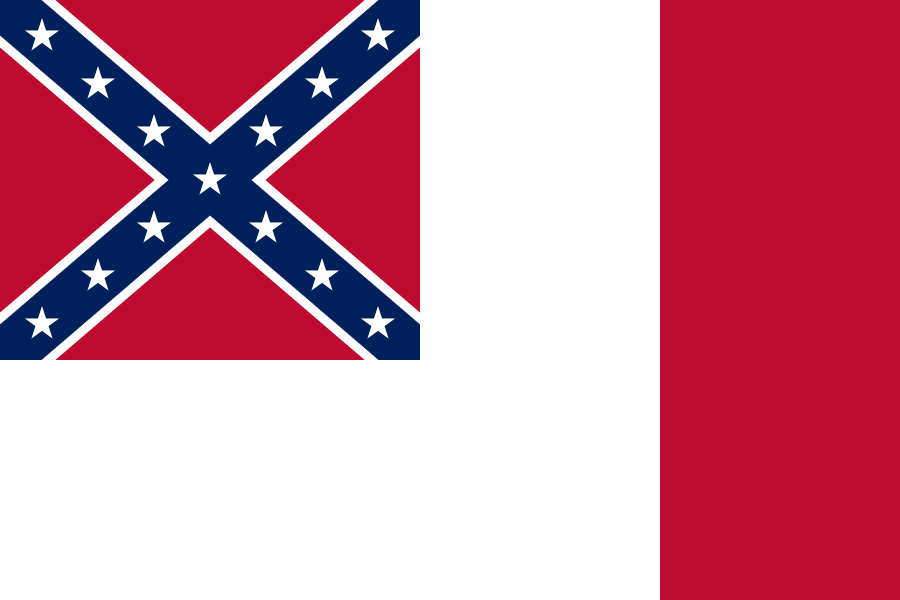
The third and final Confederate national flag added a vertical red bar to the white 'Stainless Banner' to fix its surrender-flag problem — adopted barely a month before the war ended.
Today part of: United States
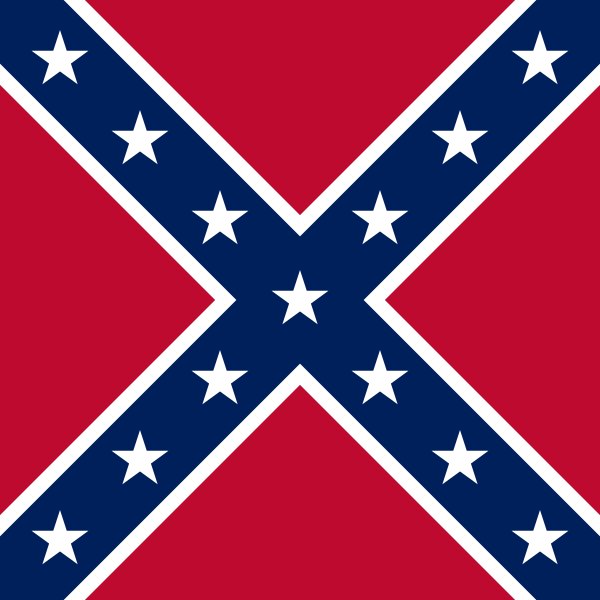
The square blue Saint Andrew's cross with thirteen stars was carried by the Army of Northern Virginia. Never an official national flag, it later became the basis of the rectangular 'rebel flag', which segregationists took up in the 20th century to oppose civil rights; it is widely seen today as a symbol of racism.
Today part of: United States
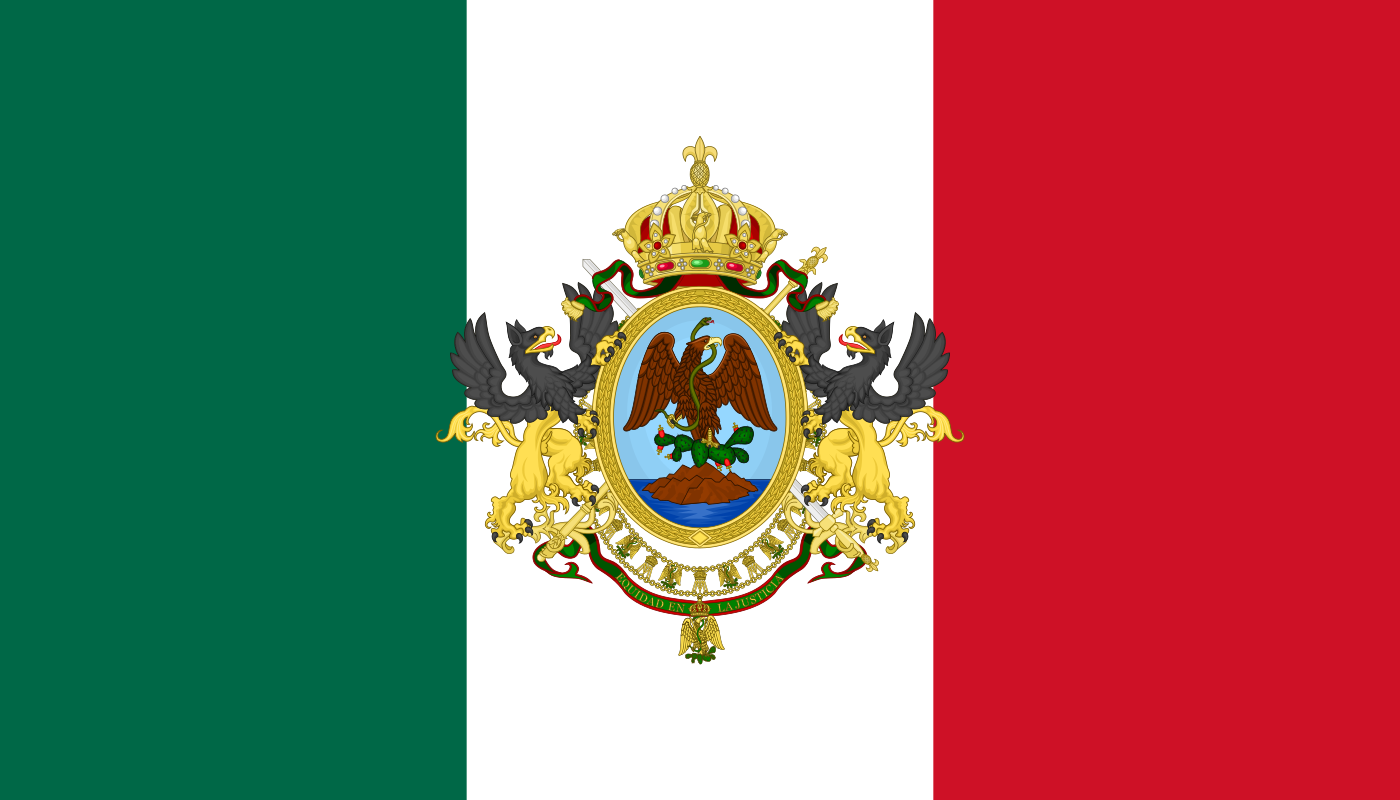
The empire of the Habsburg archduke Maximilian I, installed by Napoleon III. Its green-white-red tricolour bore a crowned eagle and four more eagles in the corners before he was executed in 1867.
Today part of: Mexico
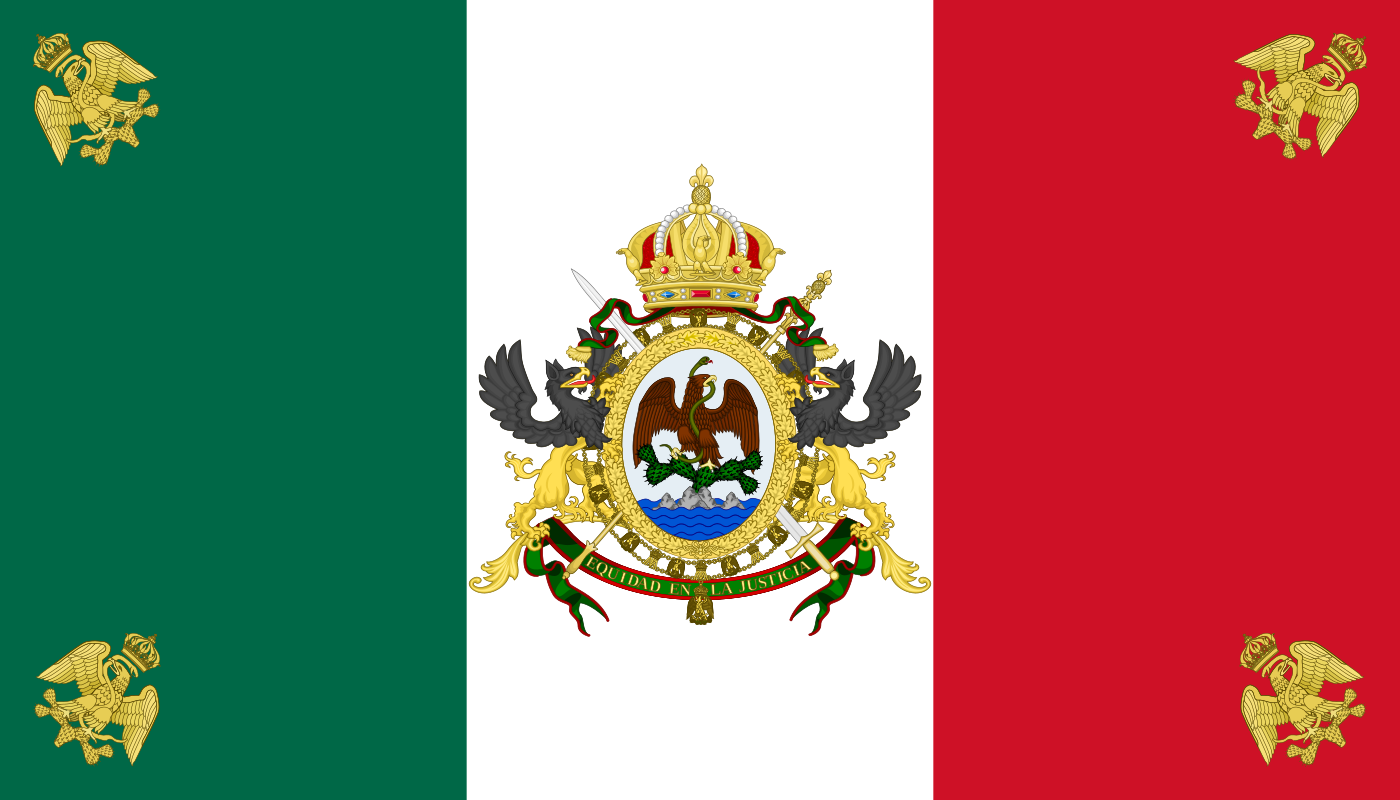
The personal standard of Emperor Maximilian I framed the imperial eagle with the motto 'Equidad en la Justicia' and golden corner eagles, used until the empire collapsed in 1867.
Today part of: Mexico
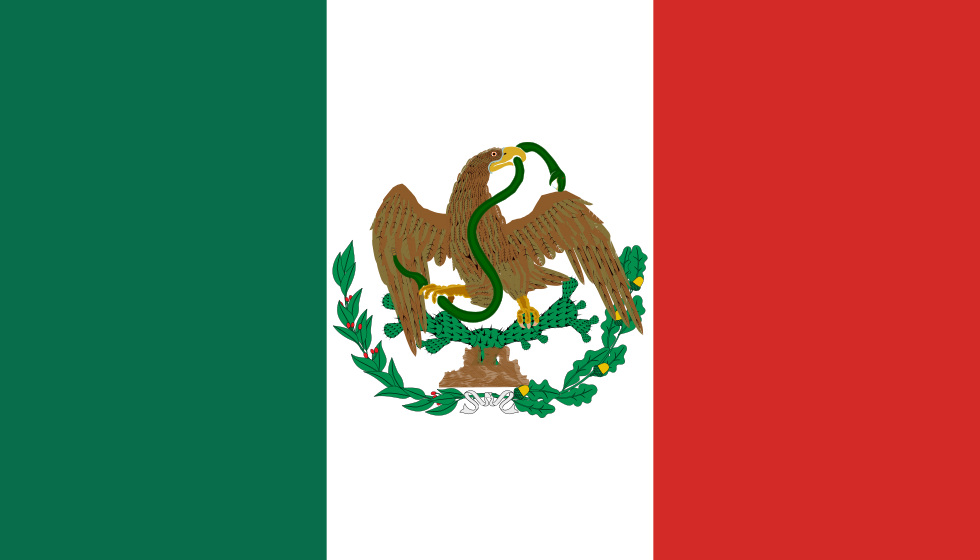
After the First Empire fell, the federal republic stripped the crown from the eagle and added a snake, oak, and laurel — the design that, restored in 1867, defined the Mexican flag for decades.
Today part of: Mexico
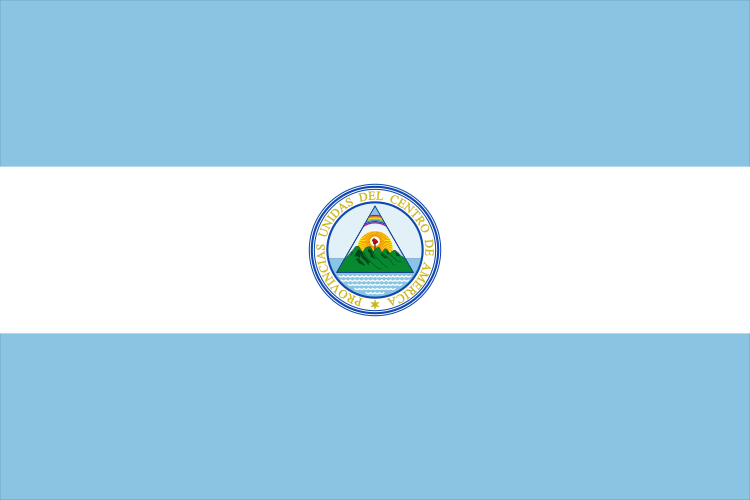
The first union of the Central American provinces after independence from Mexico, flying the blue-white-blue bands that preceded the Federal Republic and survive in five modern flags.
Today part of: Guatemala, El Salvador, Honduras, Nicaragua, Costa Rica
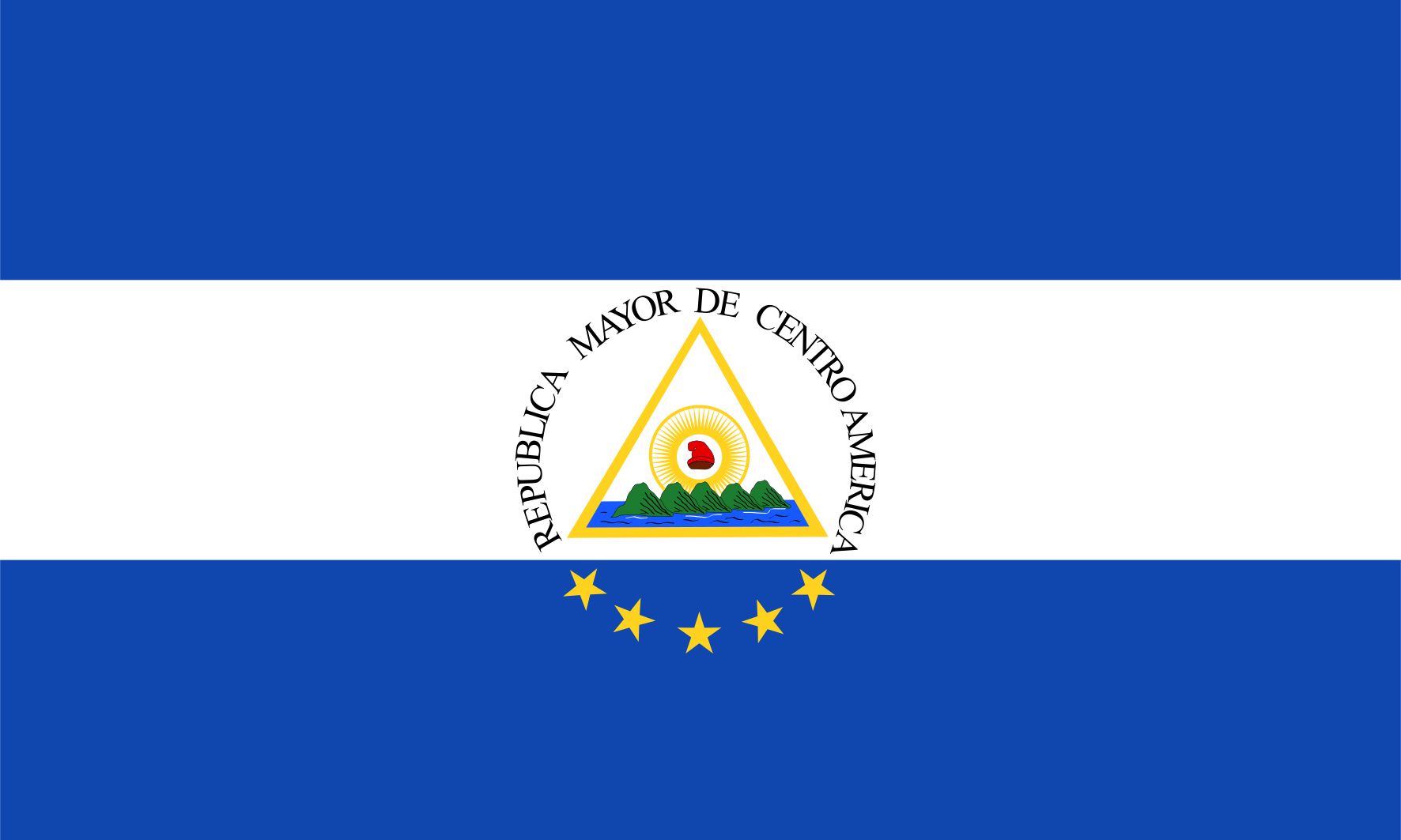
A short-lived attempt to reunify Nicaragua, Honduras, and El Salvador; its blue-white-blue flag carried five volcanoes and stars before the union dissolved within two years.
Today part of: Nicaragua, Honduras, El Salvador
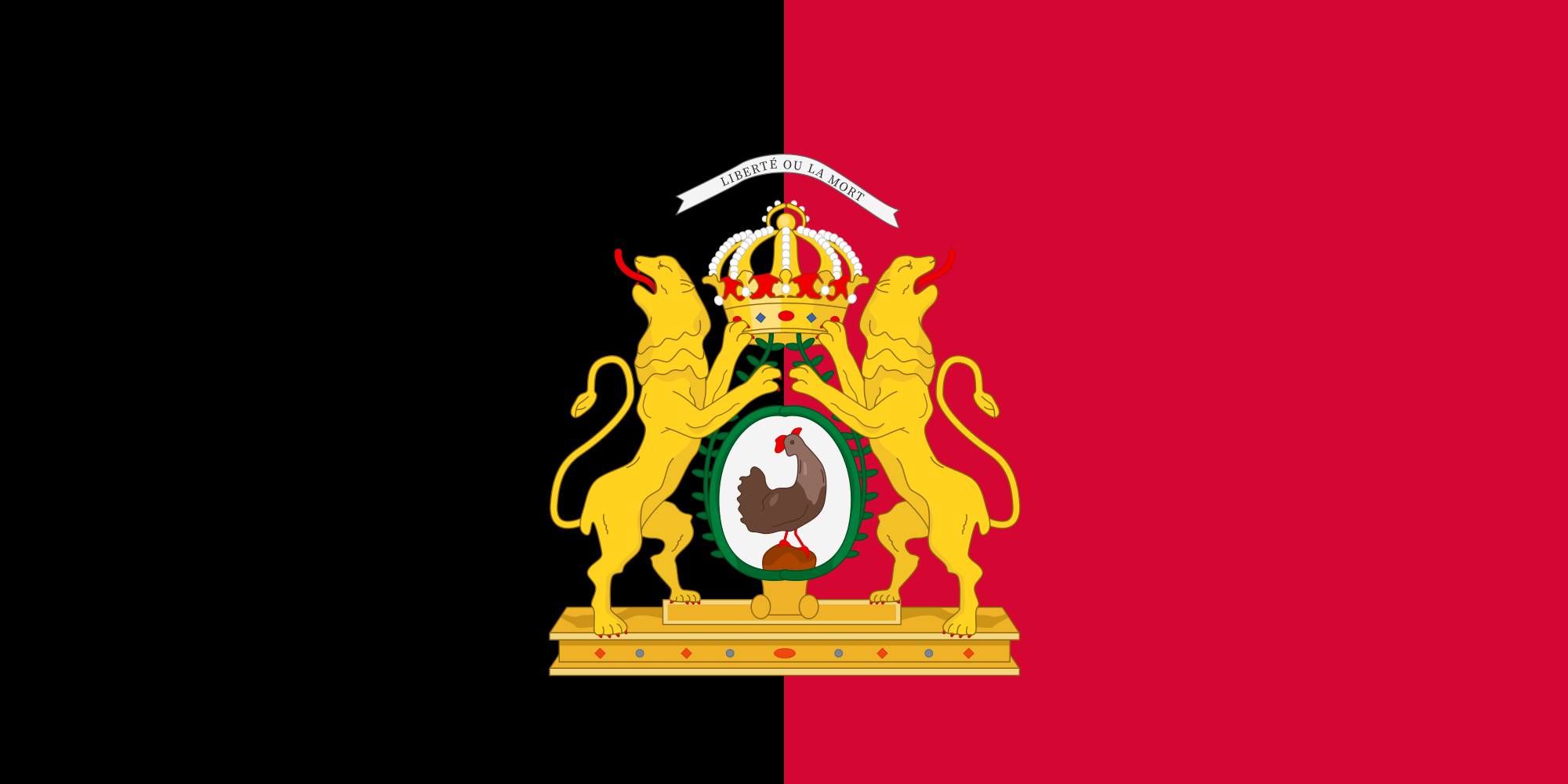
Jean-Jacques Dessalines, who declared Haiti's independence, crowned himself Emperor Jacques I. His black-and-red vertical bicolour symbolized the union of black and mixed-race Haitians against France.
Today part of: Haiti

Henri Christophe's northern republic before he proclaimed himself king, flying the blue-and-red bicolour that became the basis of the modern Haitian flag.
Today part of: Haiti
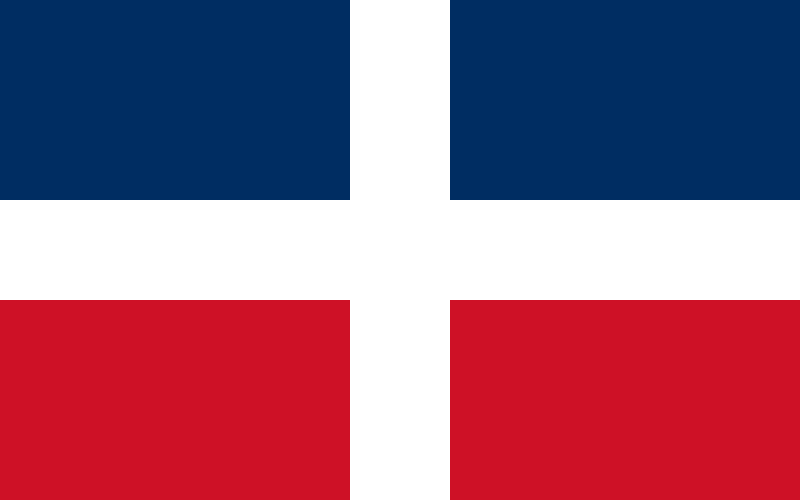
The flag raised when the Dominican Republic won independence from Haiti in 1844, a white cross dividing blue and red quarters — the design, with arms added, that endures today.
Today part of: Dominican Republic
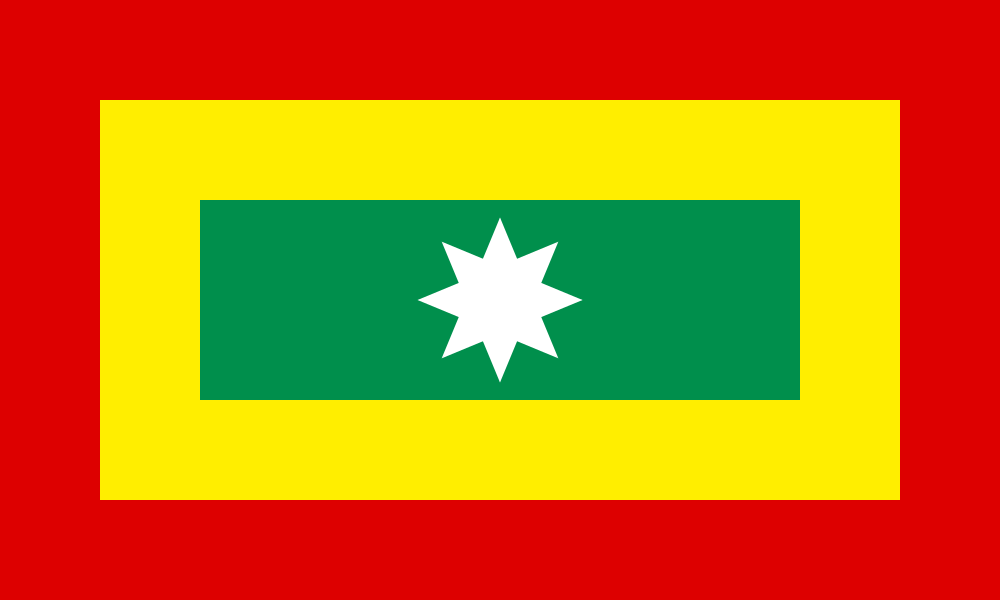
Cartagena was the first province of New Granada to declare absolute independence from Spain in 1811; its red-yellow-green flag with a blue star is still flown by the Colombian city today.
Today part of: Colombia
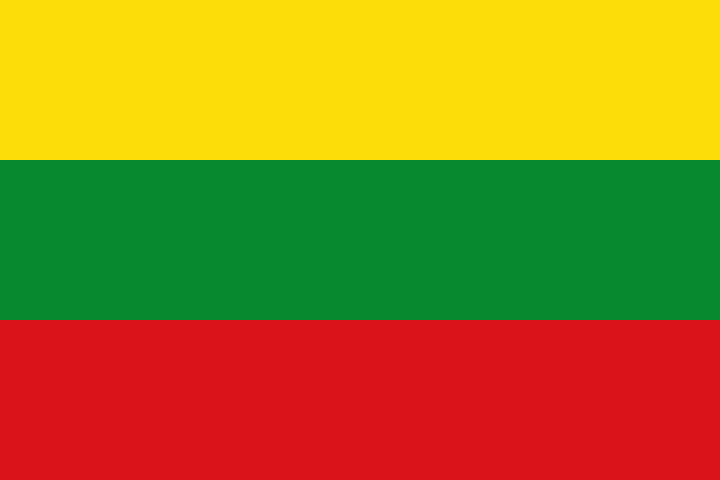
One of the sovereign states of the federal United States of Colombia, centred on Cartagena, flying a yellow-blue-red flag before the 1886 constitution abolished the states.
Today part of: Colombia
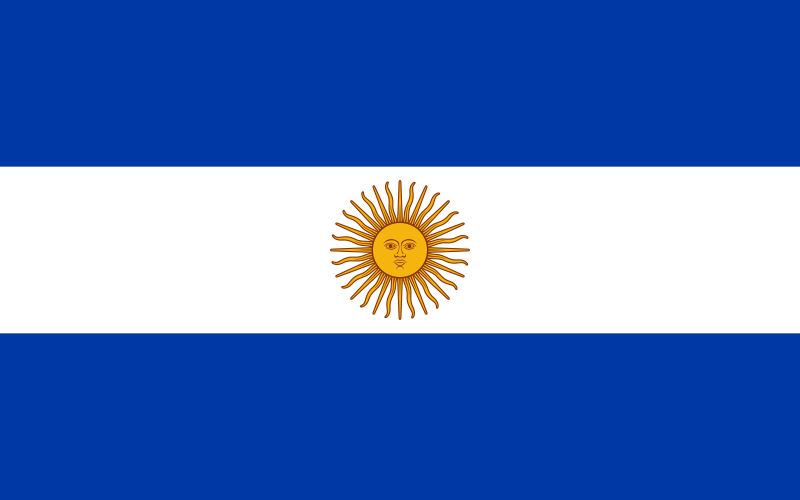
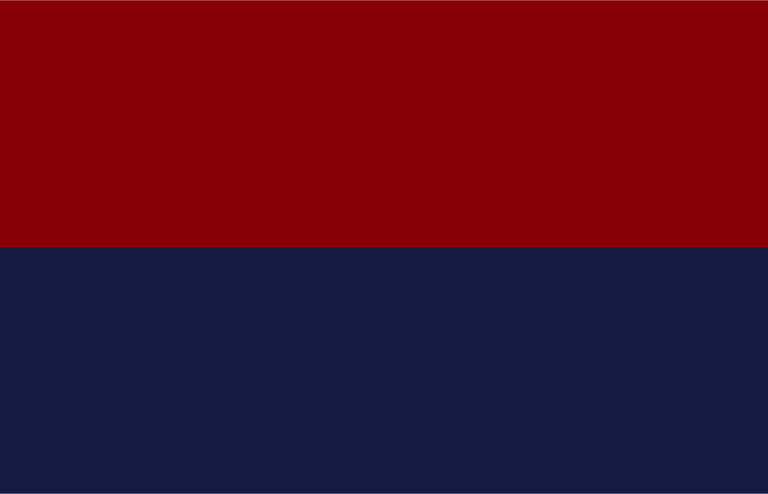
A short-lived independent province-state during the anarchy that followed the collapse of central authority in the Río de la Plata, before rejoining the Argentine confederation.
Today part of: Argentina
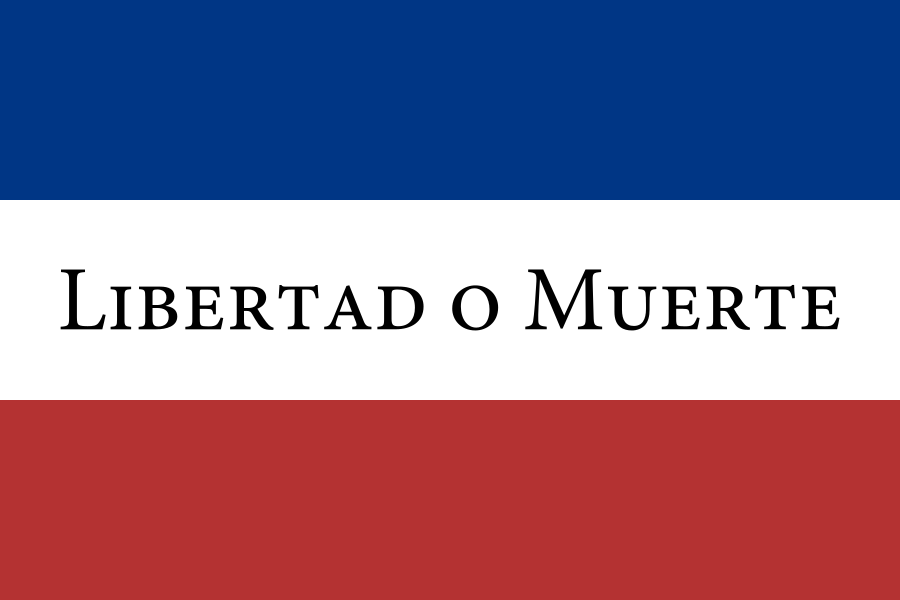
The blue-white-red banner of the '33 Orientals' led by Lavalleja, whose 1825 landing began Uruguay's war of independence; its motto 'Libertad o Muerte' means 'Liberty or Death'.
Today part of: Uruguay
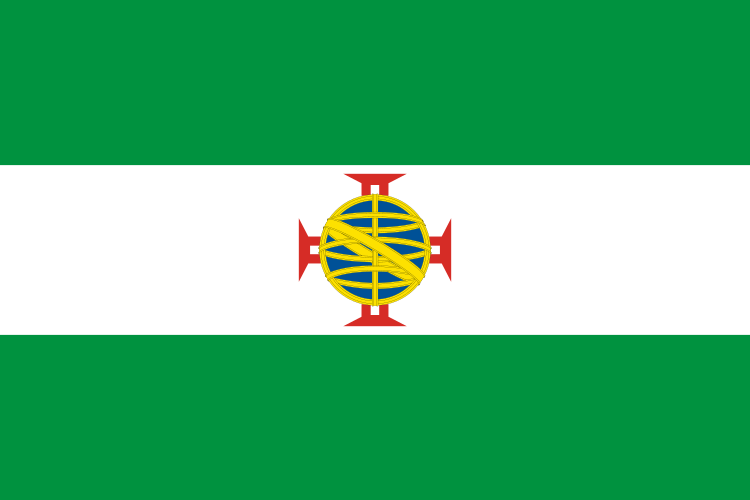
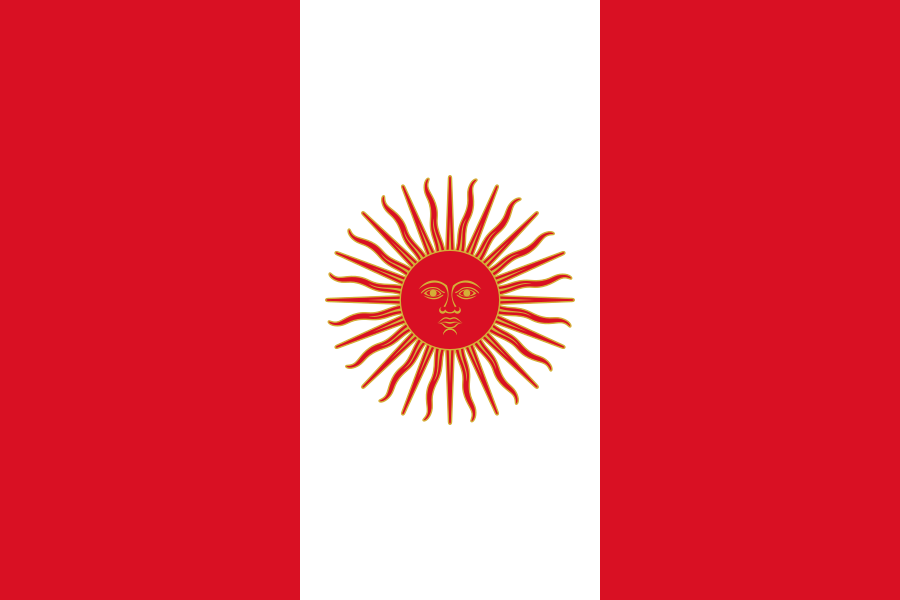
An early Peruvian flag of the independence era, when San Martín and then Bolívar fought to expel Spanish royalists; the red-and-white colours were soon fixed in the modern arrangement.
Today part of: Peru

The Pacific port declared itself an independent province in 1820, flying a white flag with light-blue stripes and three stars, before Bolívar incorporated it into Gran Colombia.
Today part of: Ecuador
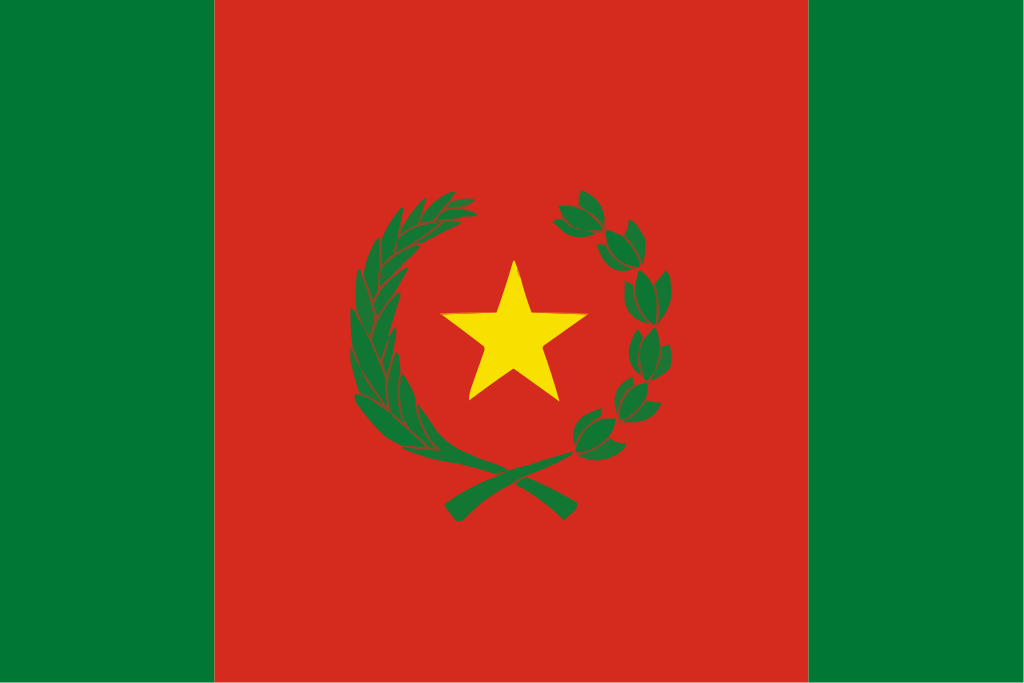
The very first flag of newly independent Bolivia: a green field bordered in red with golden stars, used briefly before the red-yellow-green tricolour took its place.
Today part of: Bolivia
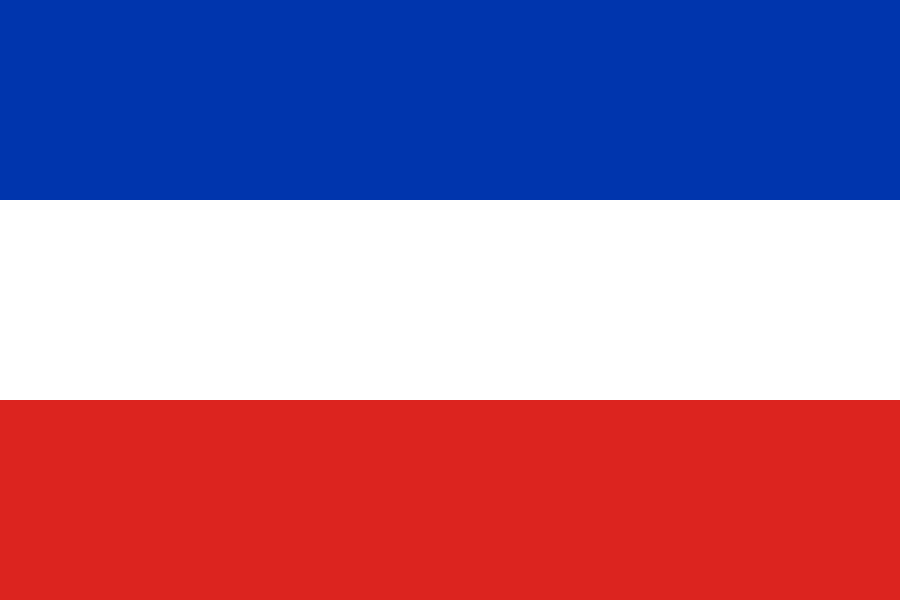
A transitional blue-white-red tricolour flown between the Patria Vieja and the definitive 1818 flag, during the years San Martín's army crossed the Andes to liberate Chile.
Today part of: Chile
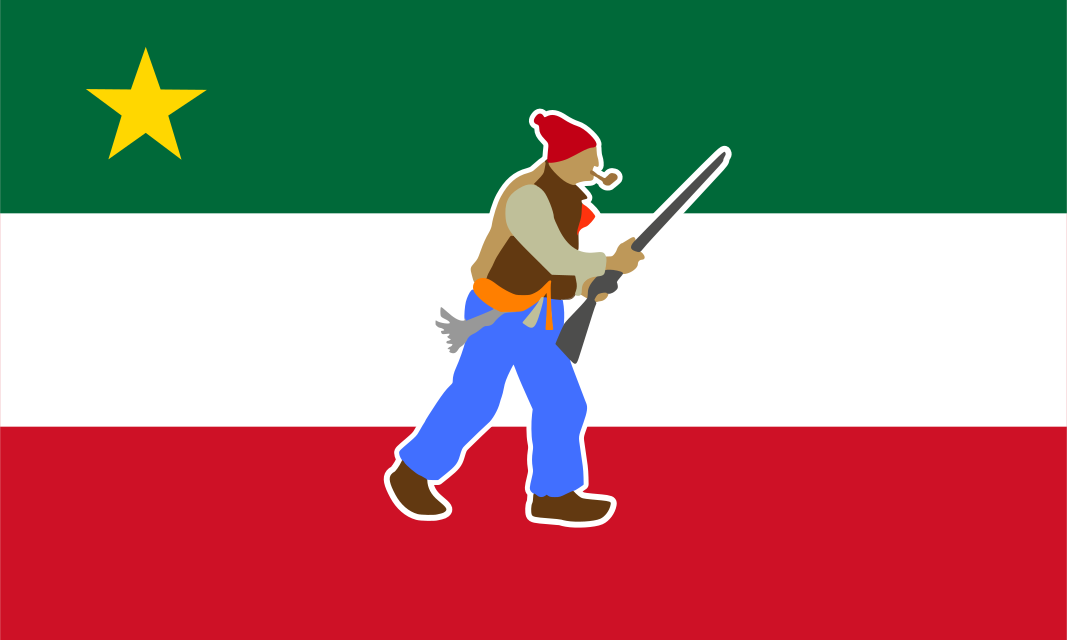
The green-white-red flag of the Patriotes who rose against British rule in the 1837–38 Lower Canada Rebellion; it remains a symbol of Quebec nationalism today.
Today part of: Canada
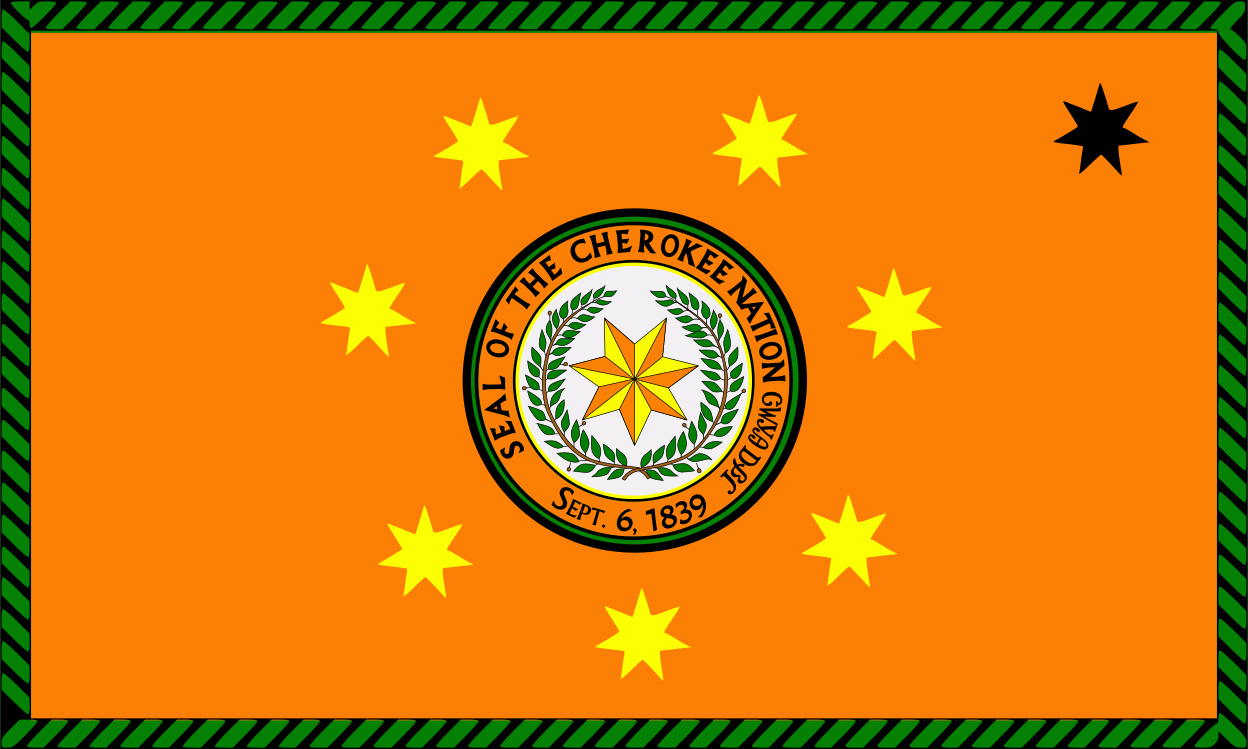
The seven-pointed star and ring of stars honour the seven clans and the Trail of Tears; one black star commemorates those who died on the forced removal to Indian Territory.
Today part of: United States