Americas
Flag of Guatemala
Guatemala is the most populous country in Central America and was the heartland of the ancient Maya civilisation, which built cities with sophisticated astronomical observatories and developed one of the few fully developed writing systems in the pre-Columbian Americas. The ancient Maya calendar, developed in Guatemala, attracted global attention in 2012. The colonial capital Antigua Guatemala is a UNESCO World Heritage Site.

- CapitalGuatemala City
- RegionAmericas
- Current flag since1871
- Main coloursBlue, White
- Populationabout 18 million
- Areaabout 109,000 km²
- Flags in history2
Population and area are rounded.
What the flag of Guatemala means
Sky blue stands for the two oceans and the sky, white for peace and purity. The coat of arms shows the resplendent quetzal, the national bird and a symbol of liberty, perched on a scroll with the date of independence, 15 September 1821, framed by crossed rifles, swords and laurel branches. The flag was adopted in 1871.
How to recognise it
Vertical light blue-white-light blue with the Guatemalan coat of arms in the white centre.
Did you know?
Guatemala is home to Tikal, one of the largest Mayan cities and a UNESCO World Heritage Site.
Easily confused with
Guatemala's flag is often mixed up with these. Learn to tell them apart:
Flag history of Guatemala
Every flag that has flown over Guatemala, from today back through time.
1871–present
Republic of Guatemala (blue-white-blue)
Guatemala's vertical blue-white-blue tricolor with the quetzal and coat of arms was established by the 1871 Liberal Revolution. The blue stripes represent the Pacific and Atlantic oceans that flank Central America; the white represents peace. The resplendent quetzal — one of the world's most striking birds — is the national symbol; a quetzal has never successfully been kept in captivity, making it an emblem of liberty. The currency is also called the quetzal.
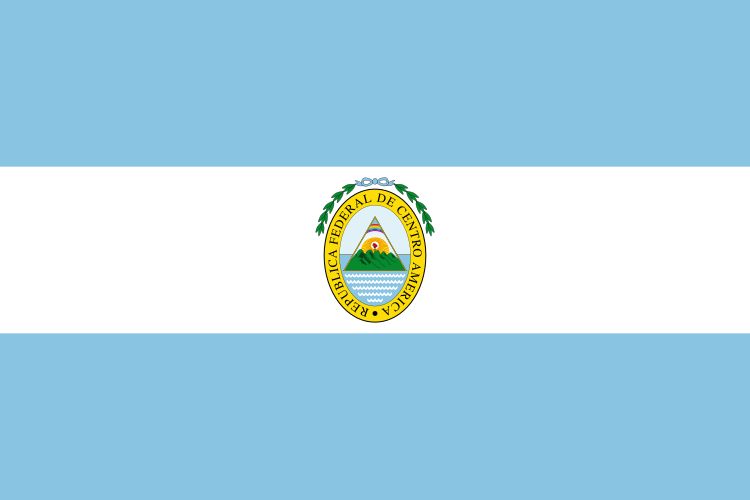
1823–1839
Federal Republic of Central America
After independence from Spain in 1821, Guatemala was briefly part of the Mexican Empire before joining the Federal Republic of Central America (1823–1839) alongside El Salvador, Honduras, Nicaragua, and Costa Rica. The federation's flag — blue-white-blue horizontal stripes with a central emblem — is the ancestor of every Central American national flag today. The federation collapsed in civil war, but the colours survived in each successor state's flag.
6th state of the federation (1838-40):
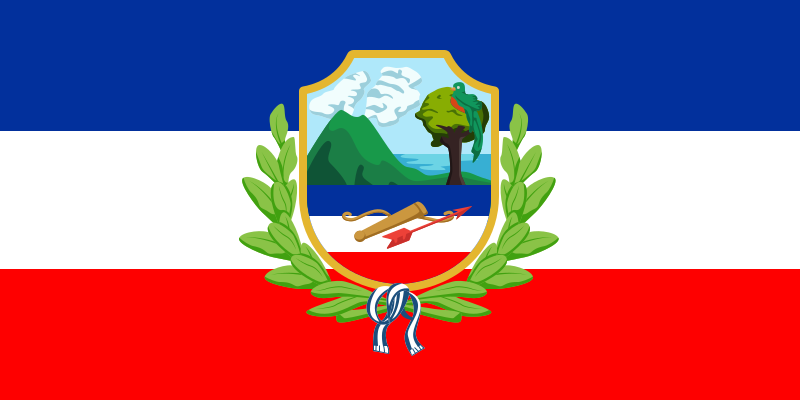
1838–1840
State of Los Altos
Los Altos was briefly the "sixth state" of the Federal Republic of Central America, formed in 1838 from the highlands around Quetzaltenango. Its flag carried the federation's blue-white-blue with a quetzal — the free-flying bird that became Guatemala's national symbol. Guatemalan forces under Rafael Carrera reconquered it by 1840.
Related historical states
Empires, kingdoms and republics that once covered part of Guatemala.
1823–1841
Federal Republic of Central America
Its blue-white-blue stripes survive almost unchanged in the flags of Honduras, Nicaragua, El Salvador, and Guatemala. White stood for the land between the two oceans.
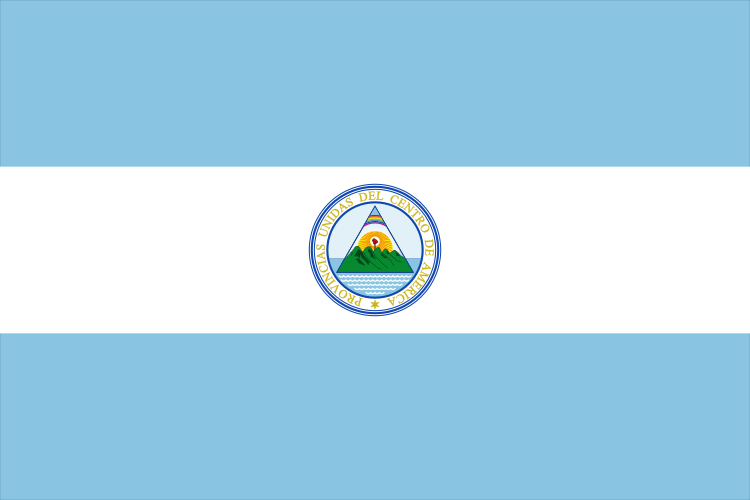
1823–1824
United Provinces of Central America
The first union of the Central American provinces after independence from Mexico, flying the blue-white-blue bands that preceded the Federal Republic and survive in five modern flags.
Regional flags of Guatemala
The 22 states, provinces and regions of Guatemala with their own flags.
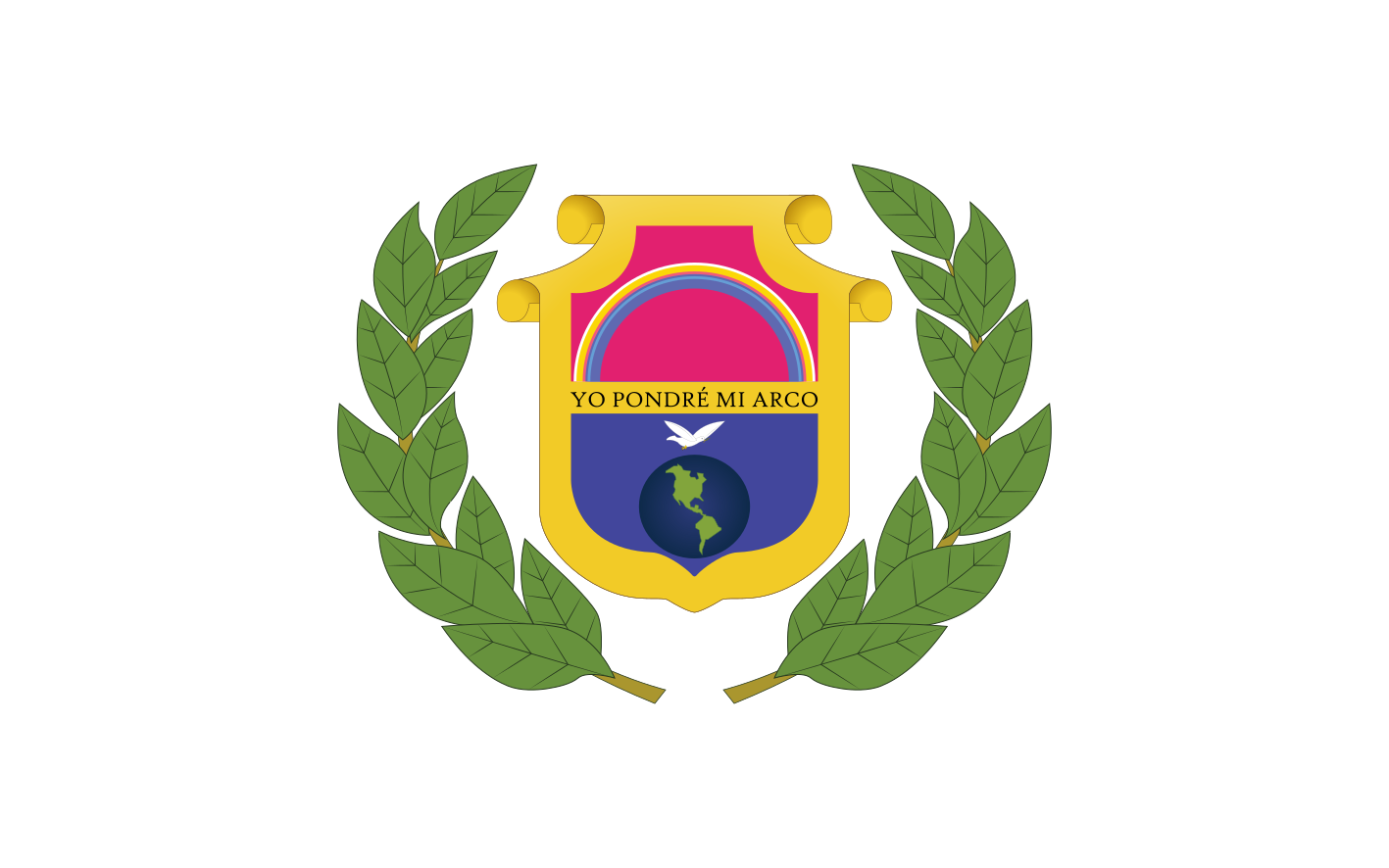
Alta Verapaz
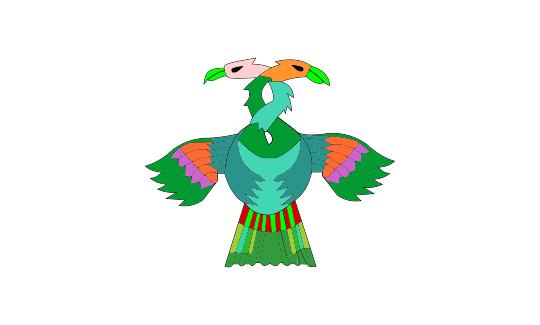
Baja Verapaz
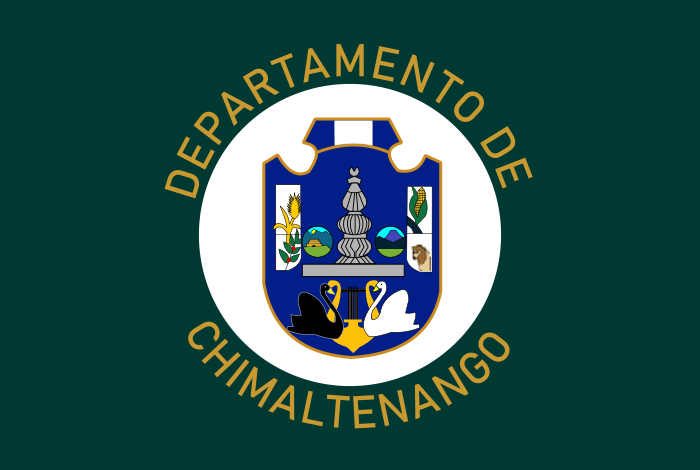
Chimaltenango
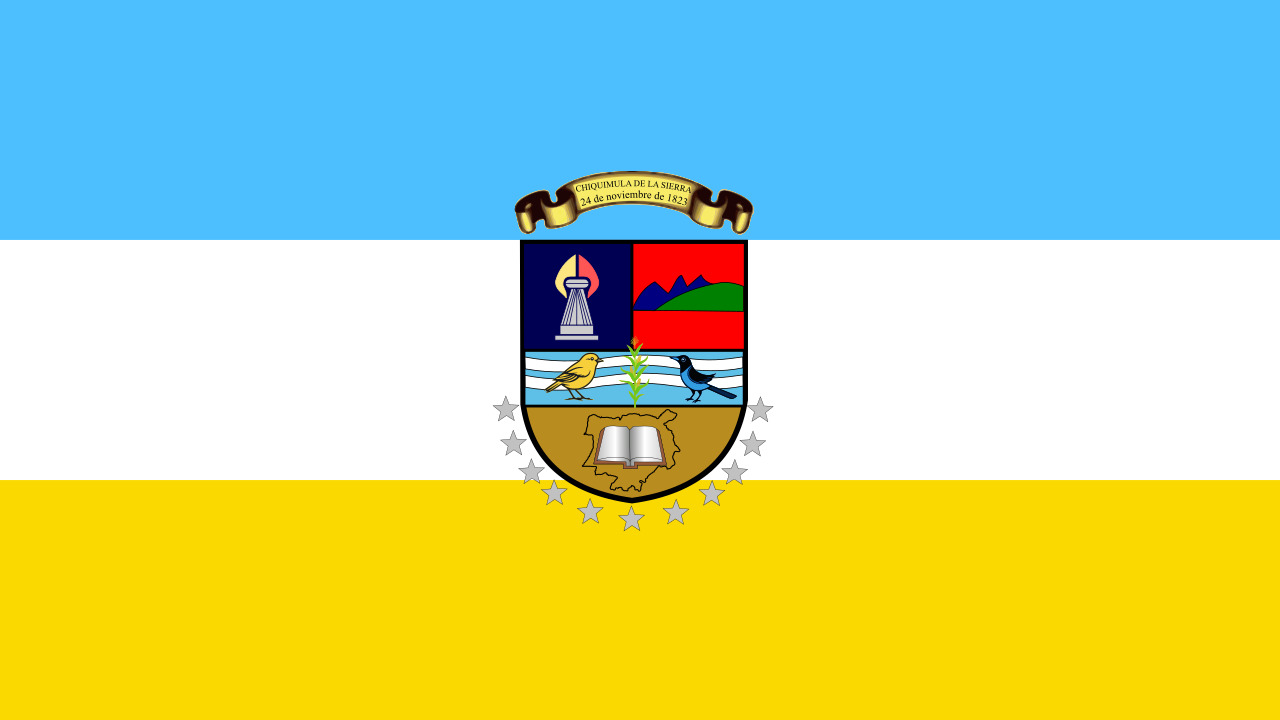
Chiquimula
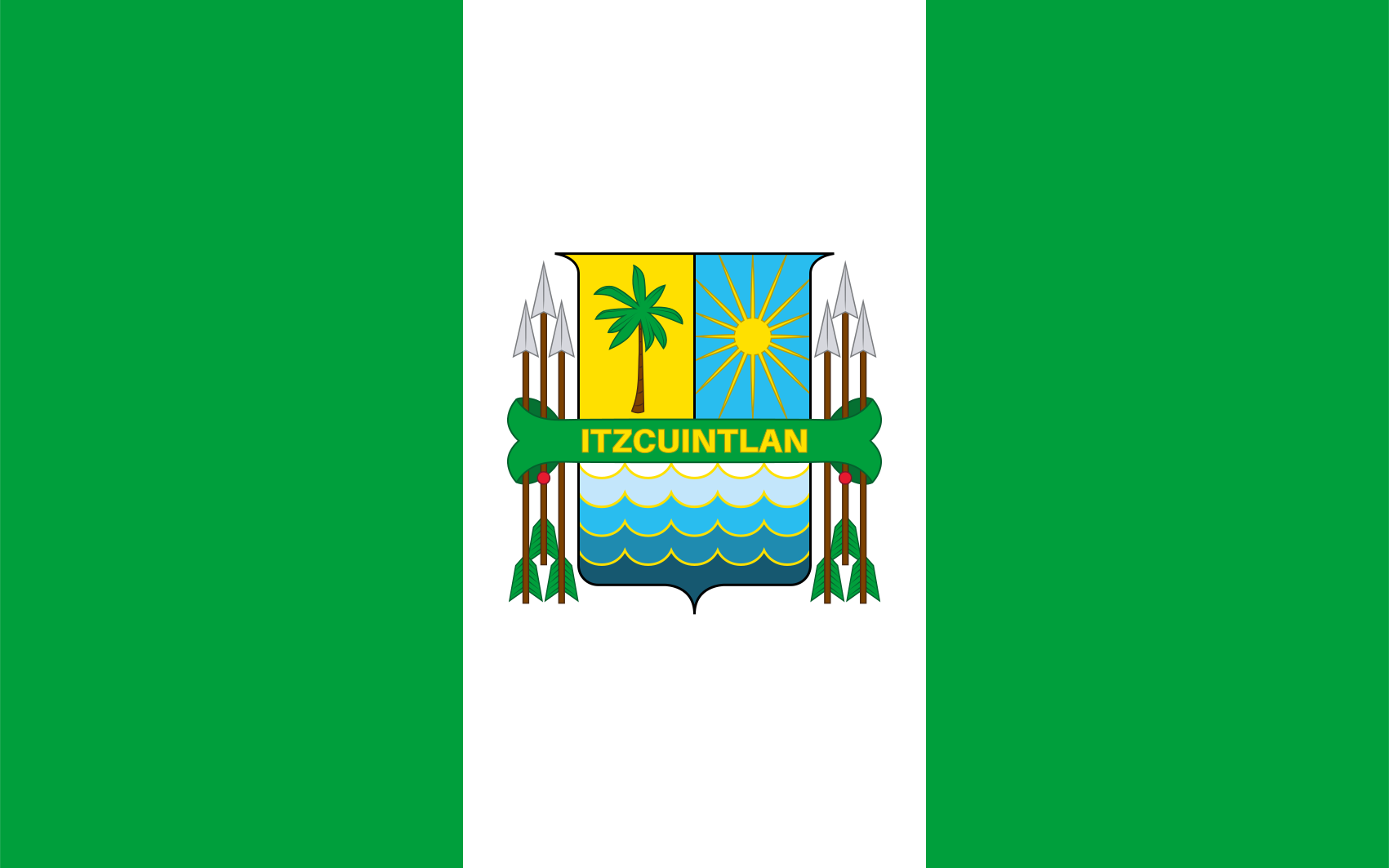
Escuintla
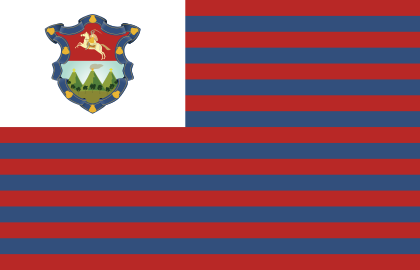
Guatemala
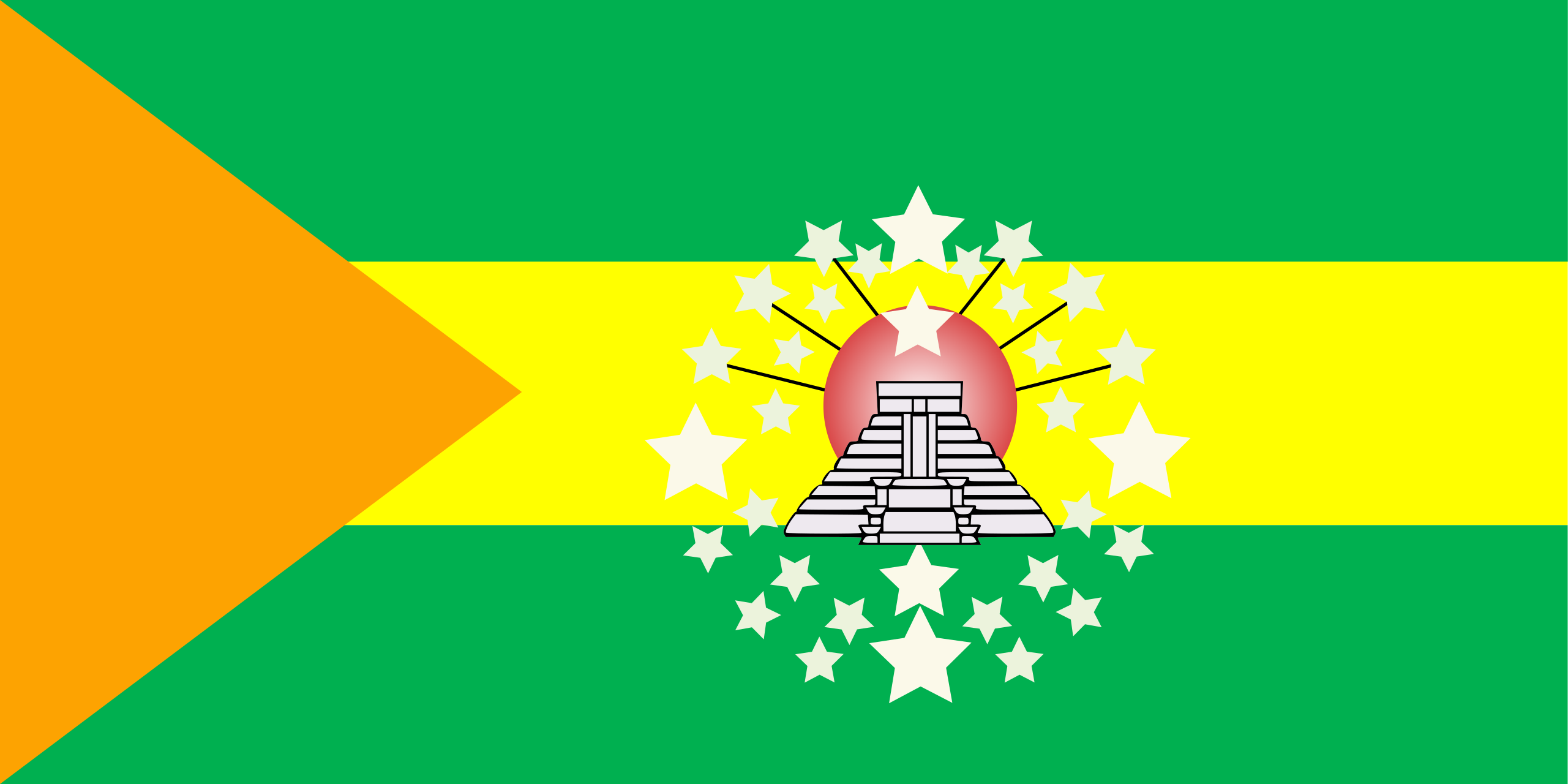
Huehuetenango
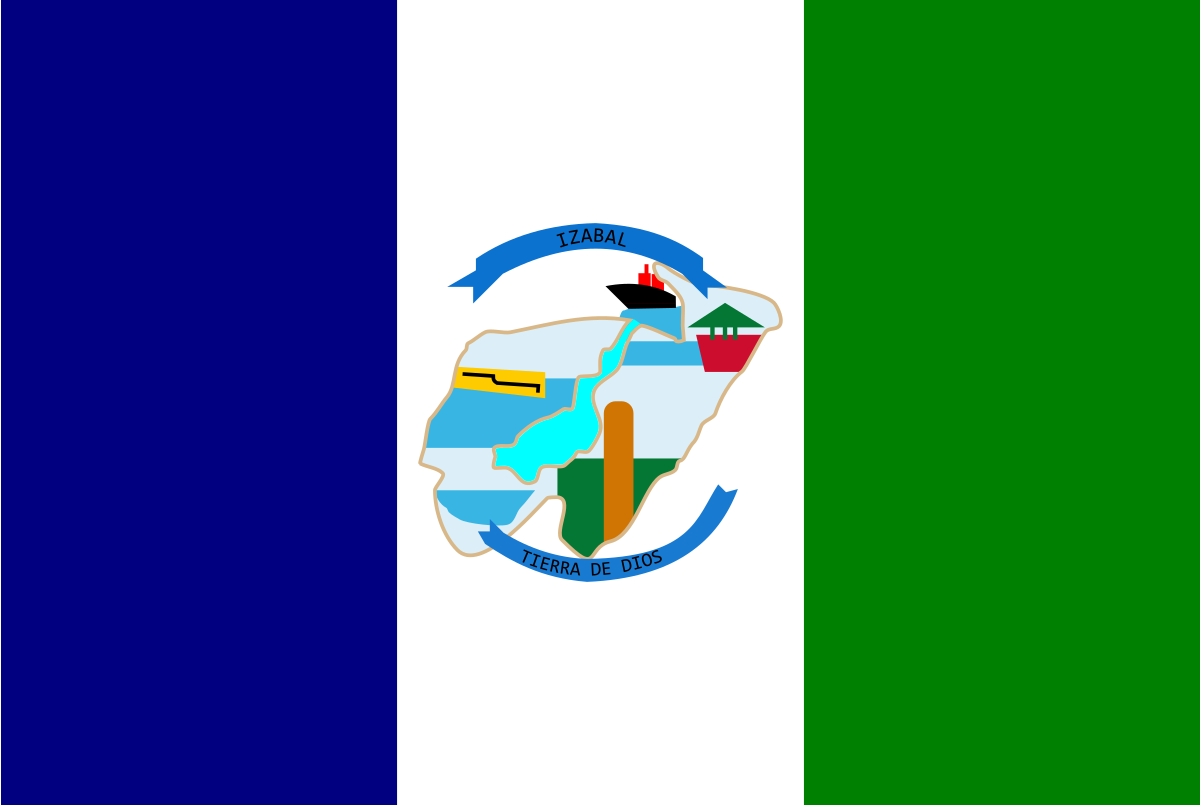
Izabal
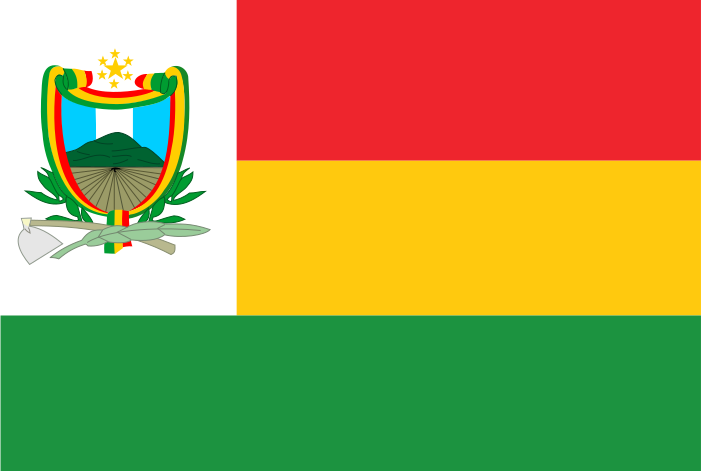
Jalapa
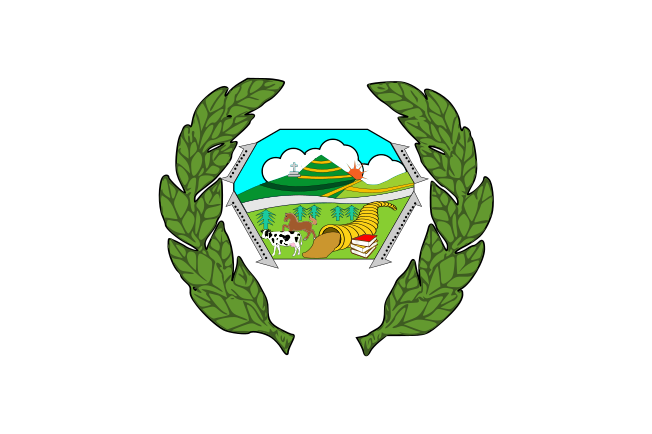
Jutiapa
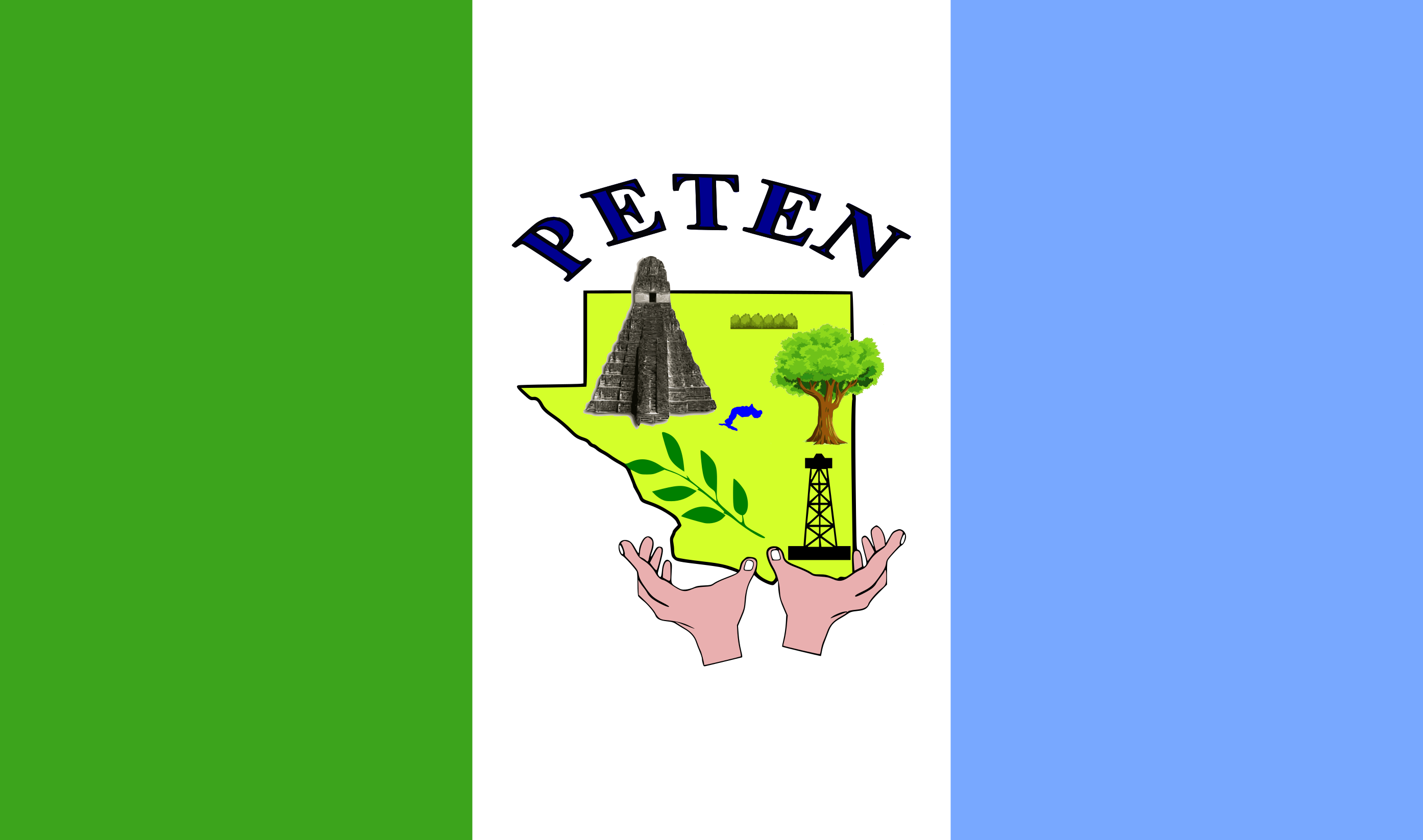
Petén
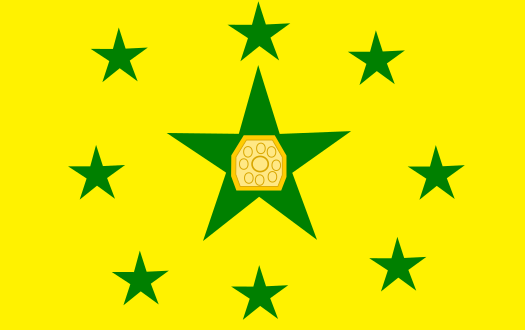
El Progreso
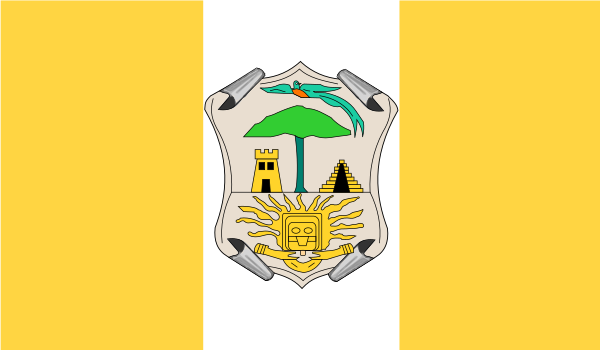
Quiché
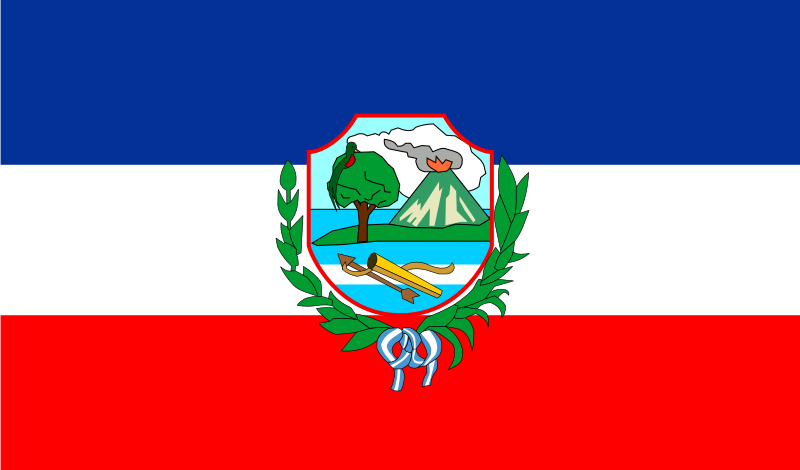
Quetzaltenango
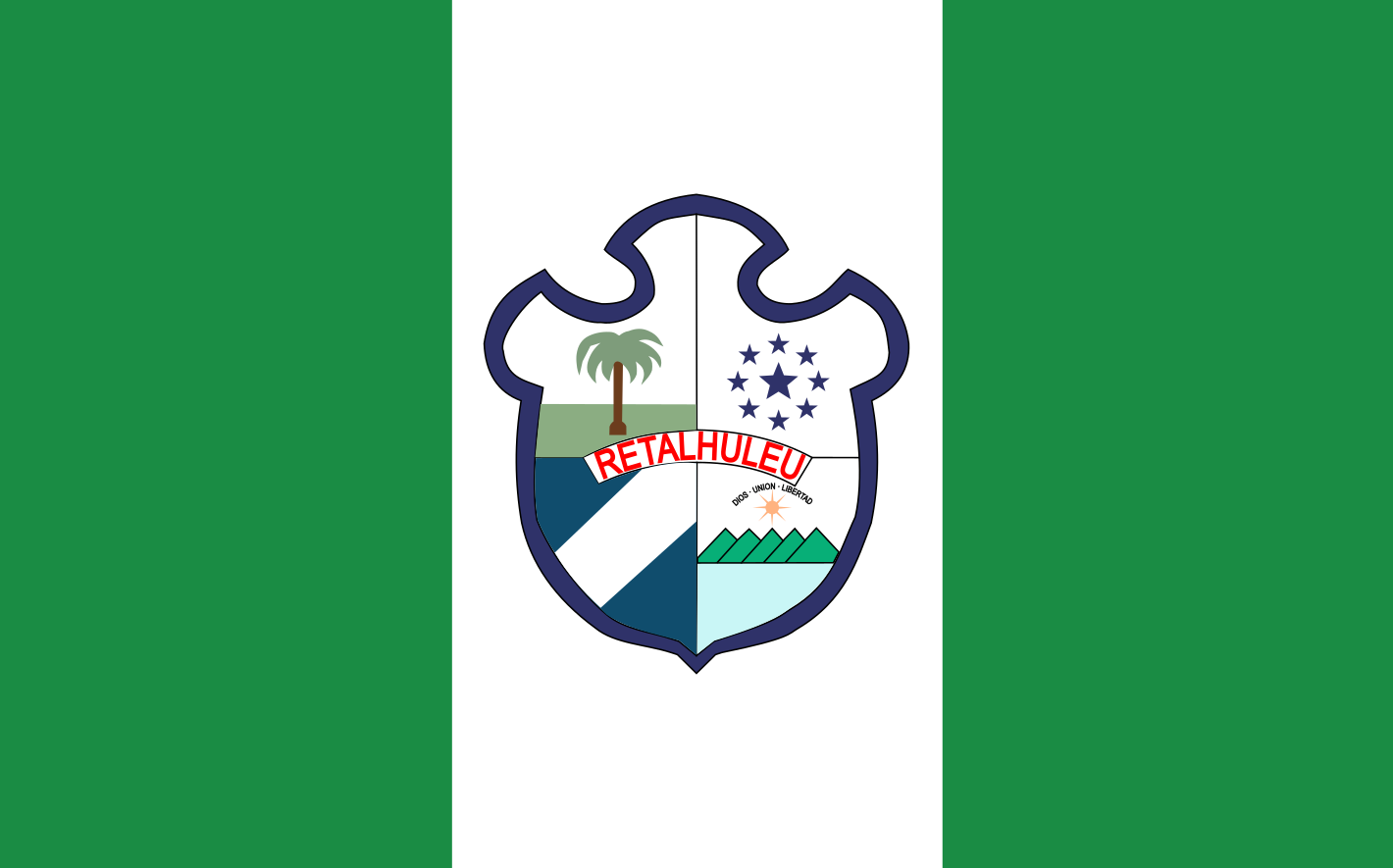
Retalhuleu
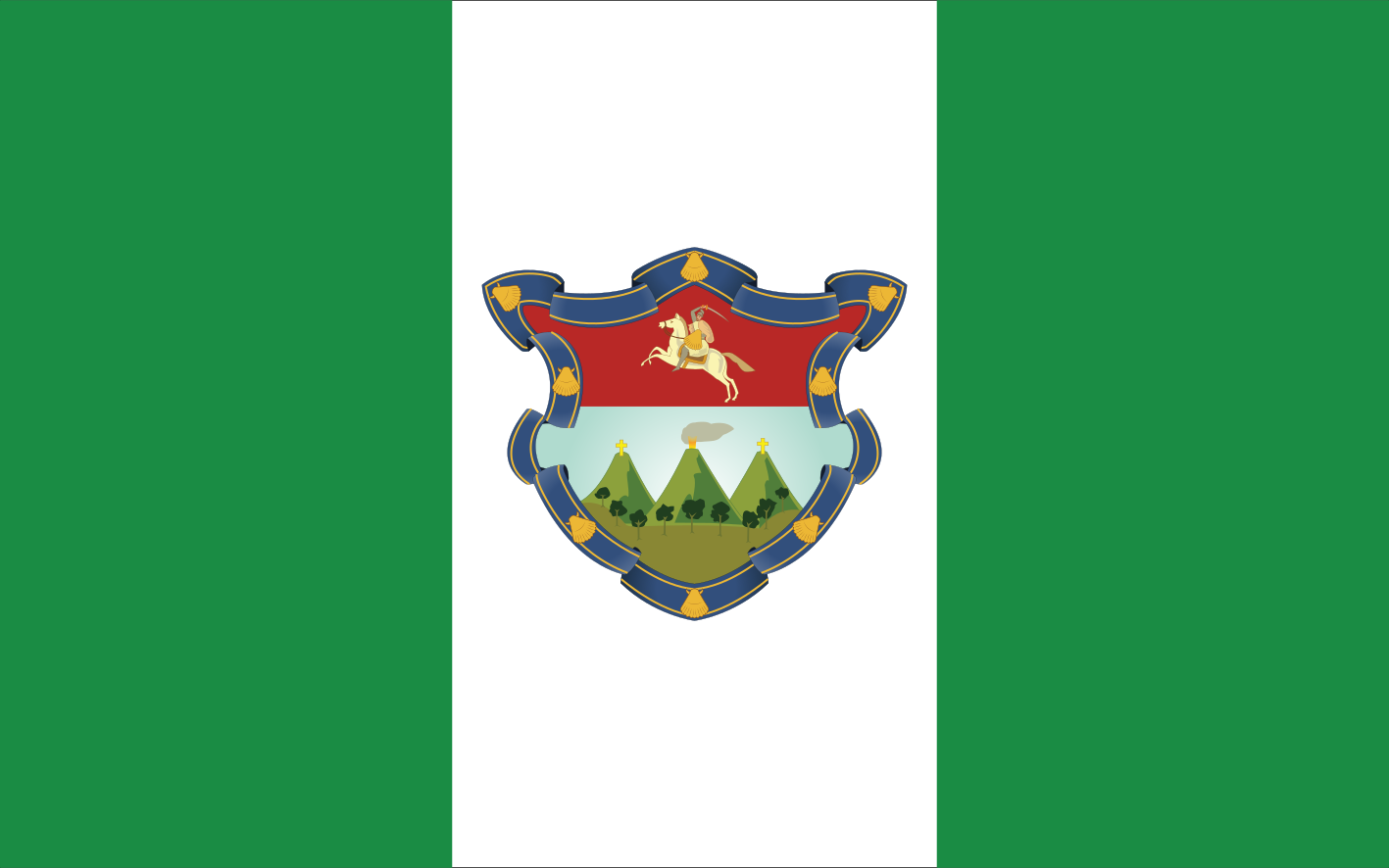
Sacatepéquez
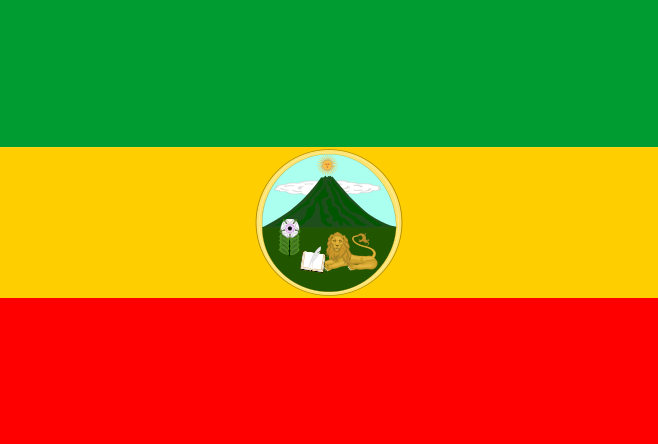
San Marcos
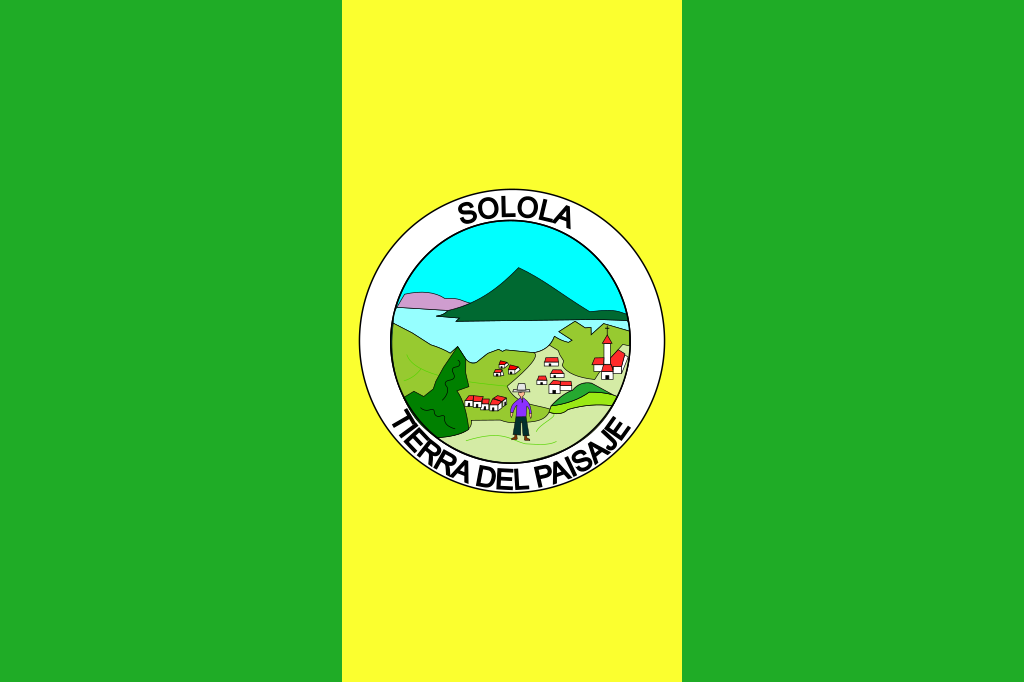
Sololá
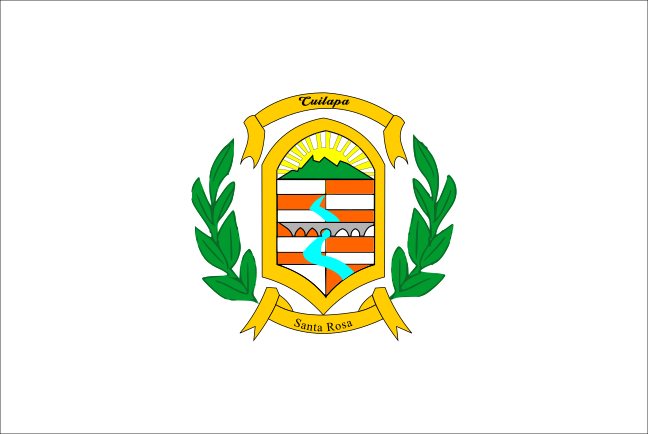
Santa Rosa
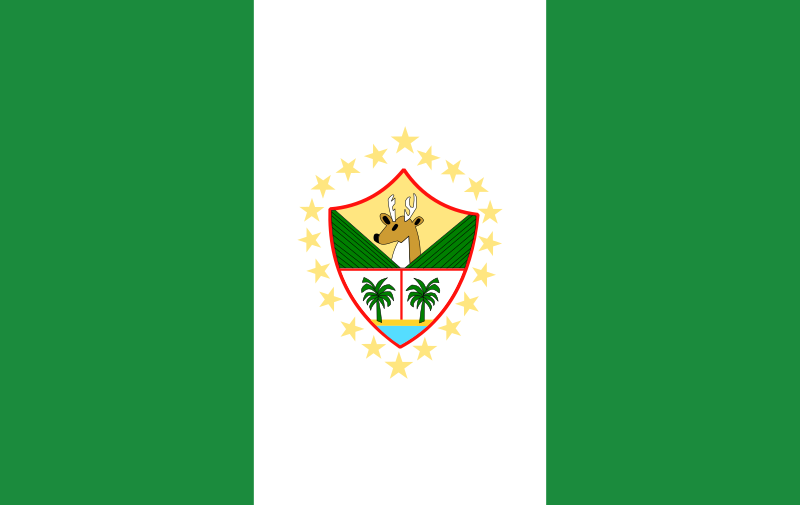
Suchitepéquez
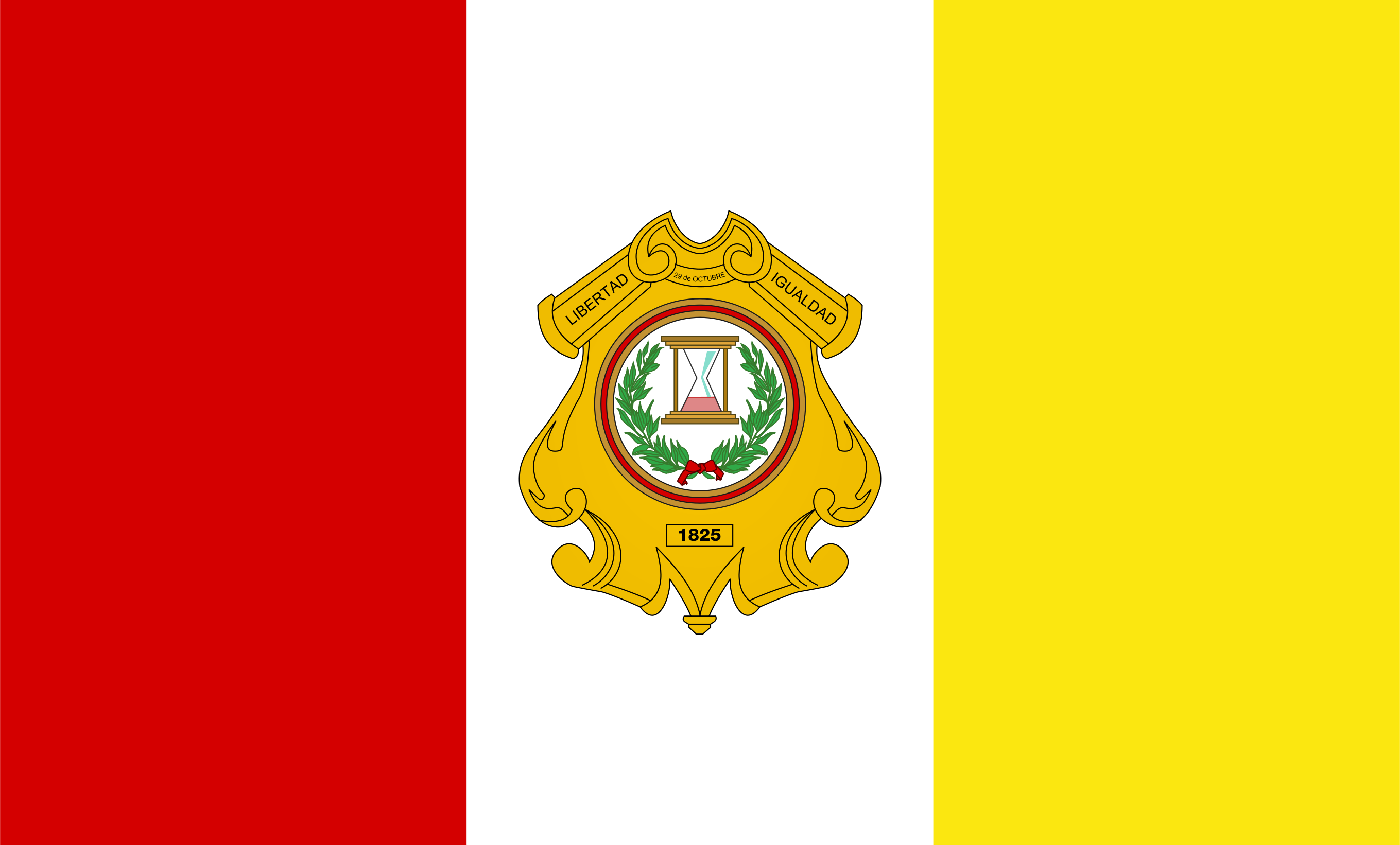
Totonicapán
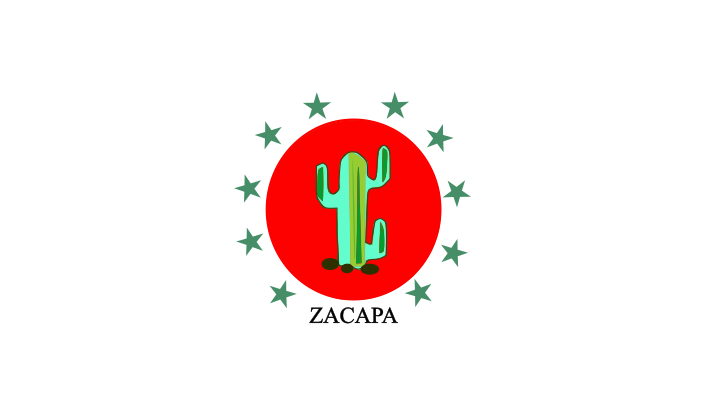
Zacapa
Neighbouring countries
Guatemala shares a land border with 4 countries: Belize, El Salvador, Honduras and Mexico.
Other flags in blue and white
9 other national flags use the same main colours as Guatemala's.
Play Globalio and learn Guatemala's flag
 Honduras
 El Salvador
 Nicaragua
 Belize
 Mexico
 Finland
 Greece
 Israel
 Micronesia
 San Marino
 Somalia