Americas
Flag of Honduras
Honduras is a Central American country with coastlines on the Caribbean Sea and the Pacific, home to Copán — one of the most important archaeological sites of the ancient Maya, known for its elaborately carved stelae and hieroglyphic stairway. The Bay Islands off the Caribbean coast are renowned for scuba diving due to their position on the Mesoamerican Barrier Reef. Honduras is one of Central America's most biodiverse countries.

- CapitalTegucigalpa
- RegionAmericas
- Current flag since1866
- Main coloursBlue, White
- Populationabout 10 million
- Areaabout 112,000 km²
- Flags in history2
Population and area are rounded.
What the flag of Honduras means
The blue stripes represent the Pacific Ocean and the Caribbean Sea, and the white the land and peace between them. The five stars stand for the five members of the former Federal Republic of Central America and the hope that they will unite again. The flag was adopted in 1866, and in 2022 Honduras changed the blue to turquoise.
More about the flag
Honduras celebrates Flag Day on 1 September and Independence Day on 15 September, the anniversary of Central America's independence from Spain in 1821. The five stars reflect the Central American federation that Honduras, Guatemala, El Salvador, Nicaragua and Costa Rica formed after independence. Honduras is home to the Maya city of Copán.
How to recognise it
Horizontal blue-white-blue with five blue stars in the white stripe.
Did you know?
Honduras is home to Copán, one of the most important Maya archaeological sites in the world.
Easily confused with
Honduras' flag is often mixed up with these. Learn to tell them apart:
Flag history of Honduras
Every flag that has flown over Honduras, from today back through time.
1866–present
Republic of Honduras
Honduras's flag directly inherits the Central American Federal Republic's blue-white-blue horizontal tricolor. The five blue stars added in 1866 represent the five original nations of the Federal Republic — a quiet expression of the old dream of Central American unity. Honduras has held these colours continuously since the federation's collapse, with only the star design changing.
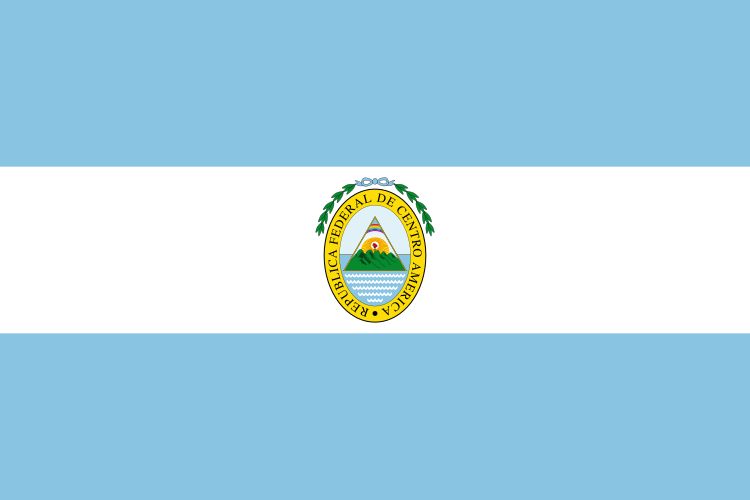
1823–1839
Federal Republic of Central America
Honduras was one of five founding members of the Federal Republic of Central America (1823–1839). The federation's horizontal blue-white-blue tricolor became the visual template for every Central American country's flag. When the federation fragmented, each state kept some variant of the design — making Central American flags a uniquely coherent family among the world's national flags.
Related historical states
Empires, kingdoms and republics that once covered part of Honduras.
1823–1841
Federal Republic of Central America
Its blue-white-blue stripes survive almost unchanged in the flags of Honduras, Nicaragua, El Salvador, and Guatemala. White stood for the land between the two oceans.
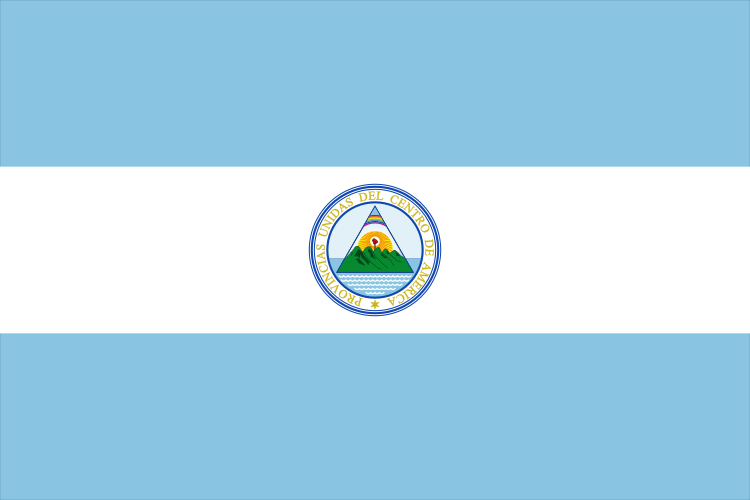
1823–1824
United Provinces of Central America
The first union of the Central American provinces after independence from Mexico, flying the blue-white-blue bands that preceded the Federal Republic and survive in five modern flags.
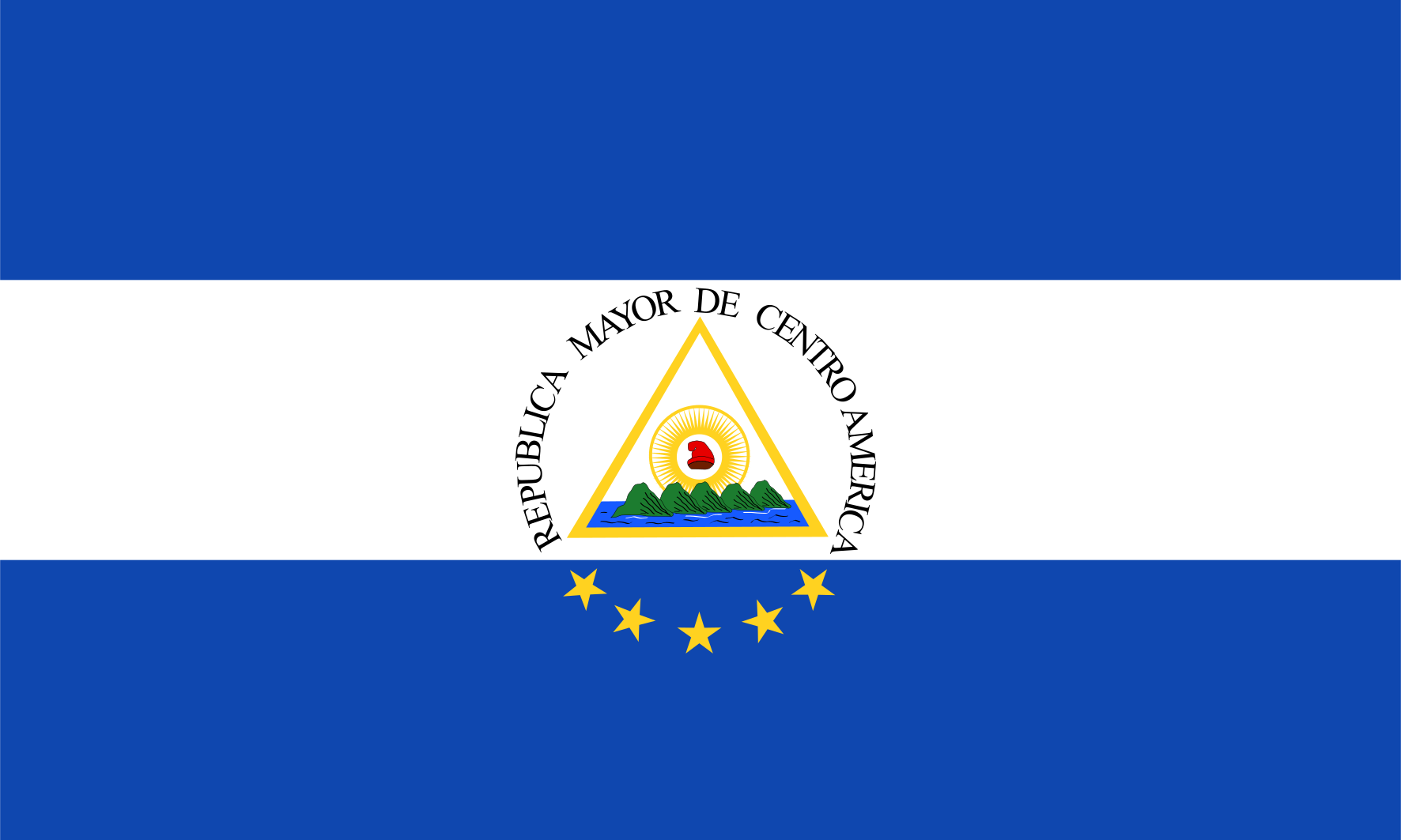
1896–1898
Greater Republic of Central America
A short-lived attempt to reunify Nicaragua, Honduras, and El Salvador; its blue-white-blue flag carried five volcanoes and stars before the union dissolved within two years.
Regional flags of Honduras
The 4 states, provinces and regions of Honduras with their own flags.
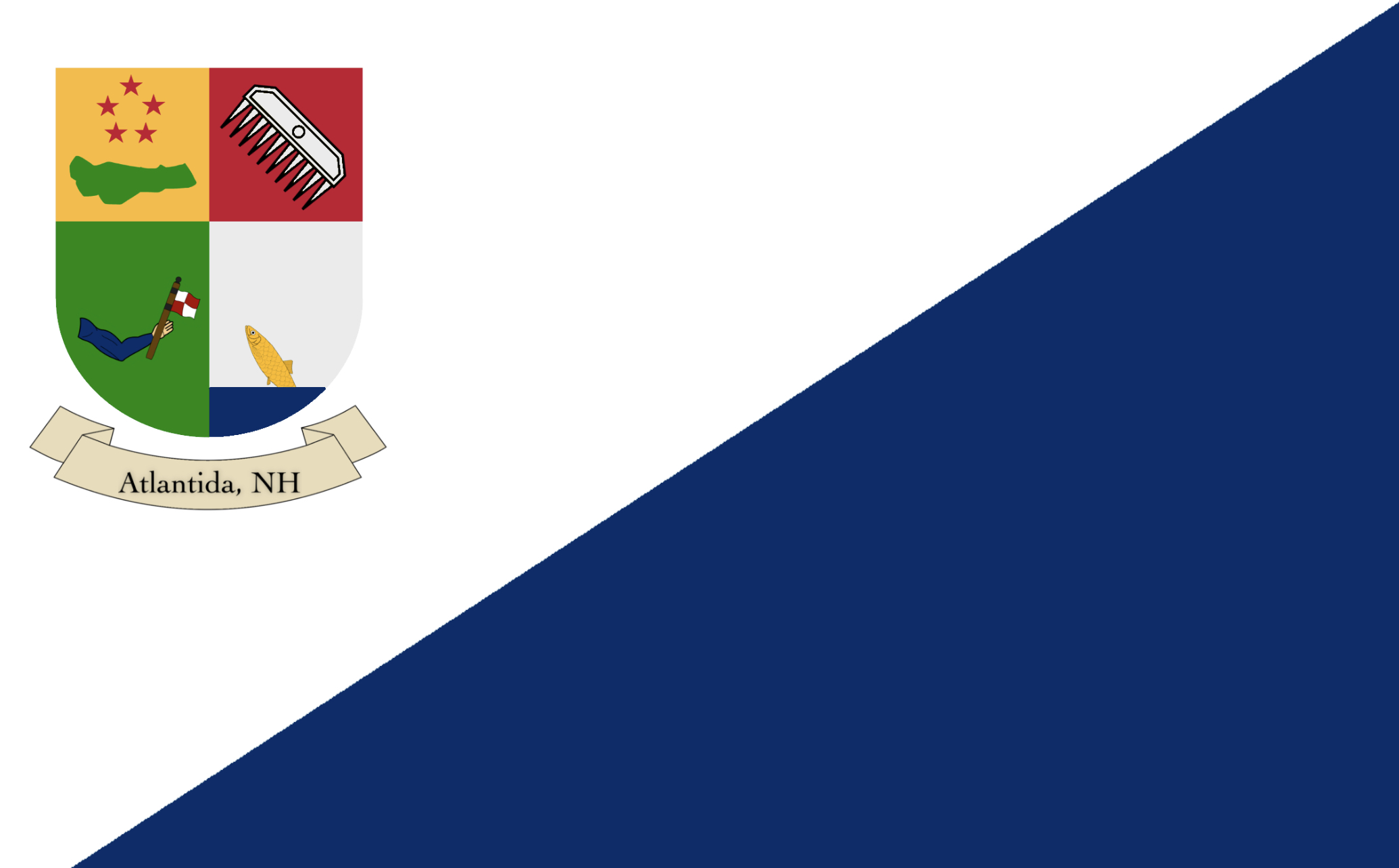
Atlántida
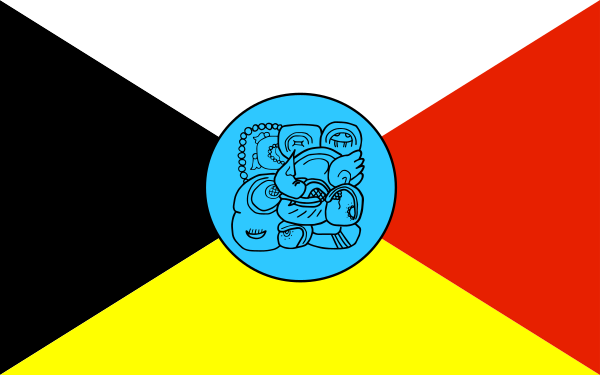
Copán
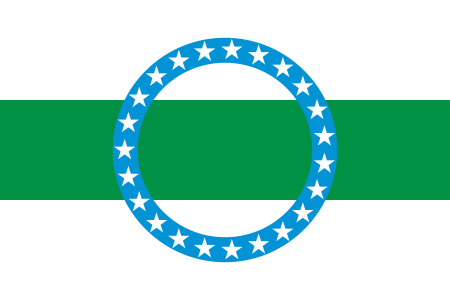
Olancho

Santa Bárbara
Neighbouring countries
Honduras shares a land border with 3 countries: El Salvador, Guatemala and Nicaragua.
Other flags in blue and white
9 other national flags use the same main colours as Honduras'.
Play Globalio and learn Honduras' flag
 El Salvador
 Guatemala
 Nicaragua
 Finland
 Greece
 Israel
 Micronesia
 San Marino
 Somalia