Americas
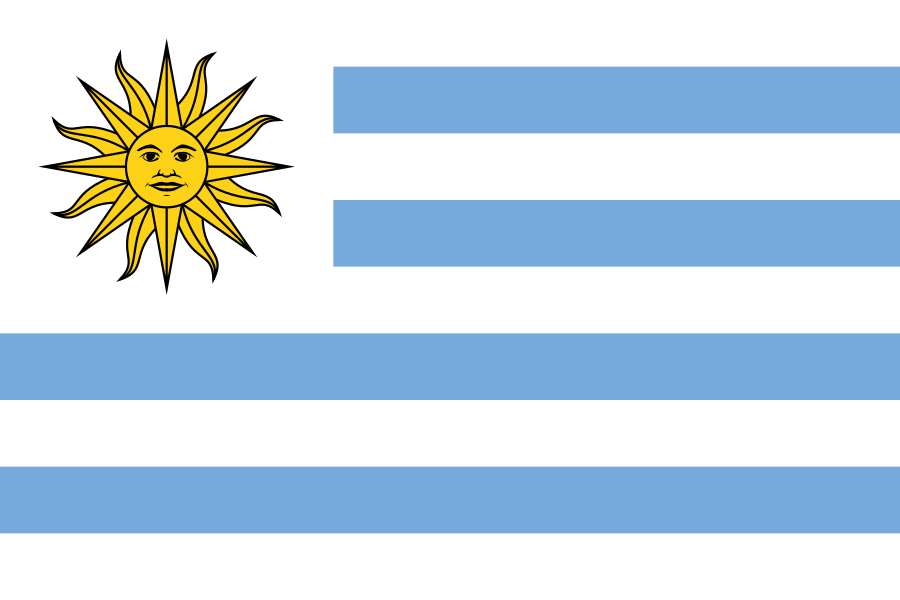
Flag of Uruguay
Uruguay is the second-smallest country in South America and is consistently ranked as Latin America's most democratic, transparent, and socially progressive nation. It was the first country in Latin America to legalise same-sex marriage (2013) and the first in the world to fully legalise recreational cannabis (2013). Uruguay has a strong tradition of public education dating to the 19th century and a high level of human development relative to its regional neighbours.

- CapitalMontevideo
- RegionAmericas
- Current flag since1830
- Main coloursBlue, White, Yellow
- Populationabout 3.4 million
- Areaabout 176,000 km²
- Flags in history2
Population and area are rounded.
What the flag of Uruguay means
The nine stripes represent the nine original departments of Uruguay. The Sun of May in the canton, shared with Argentina, stands for independence. The flag was adopted in 1828 and took its present form in 1830.
How to recognise it
Horizontal white and light blue stripes with a golden Sun of May in the white canton.
Did you know?
Uruguay was the first country in the world to provide every child with a free laptop (via the OLPC programme).
Easily confused with
Uruguay's flag is often mixed up with these. Learn to tell them apart:
Flag history of Uruguay
Every flag that has flown over Uruguay, from today back through time.
1830–present
Oriental Republic of Uruguay
Uruguay's flag takes its nine horizontal stripes (five white, four blue) from the United States flag — at the time of independence, the US model was enormously influential across the Americas. In the canton sits the Sun of May, identical in meaning to Argentina's: both nations recognise the same revolutionary sunrise of May 25, 1810. Uruguay was once part of the United Provinces of the Río de la Plata alongside Argentina, and the shared sun reflects that common origin.
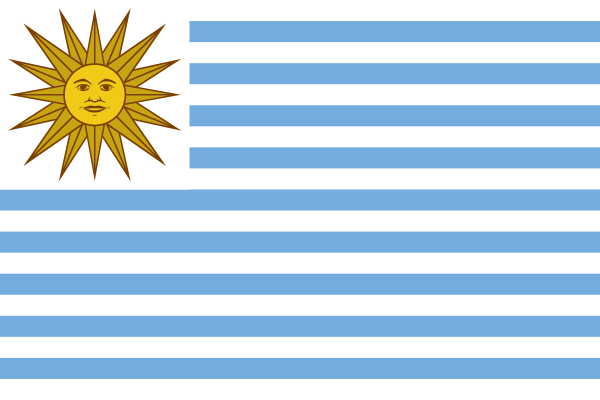
1828–1830
Early Uruguayan Flag
Uruguay's independence was formally recognised in 1828 after years of fighting involving Argentina, Brazil, and Great Britain (which brokered the peace). Early versions of the flag had different numbers of stripes — an 1828 design had 17, later reduced to 9. The Sun of May was added from the start, reflecting Uruguay's political and cultural ties to the Argentine independence tradition.
Related historical states
Empires, kingdoms and republics that once covered part of Uruguay.
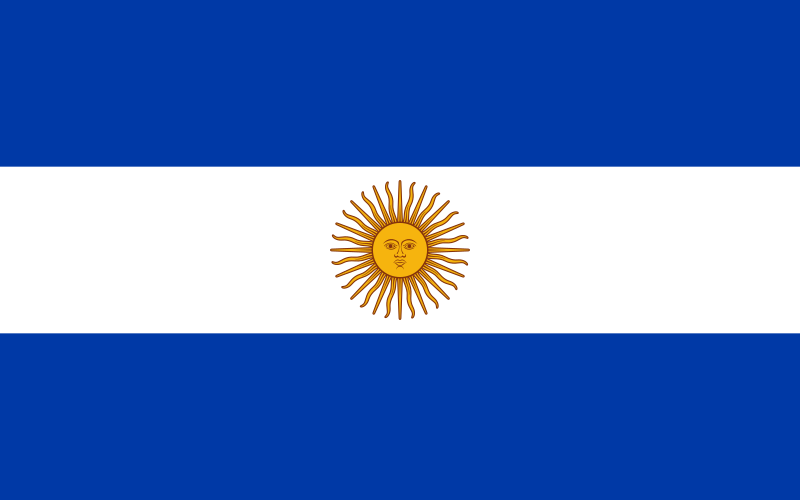
1816–1820s
United Provinces of the Río de la Plata
The state that declared independence at Tucumán in 1816 and is the direct forerunner of Argentina; its sky-blue-white flag gained the golden Sun of May in 1818.
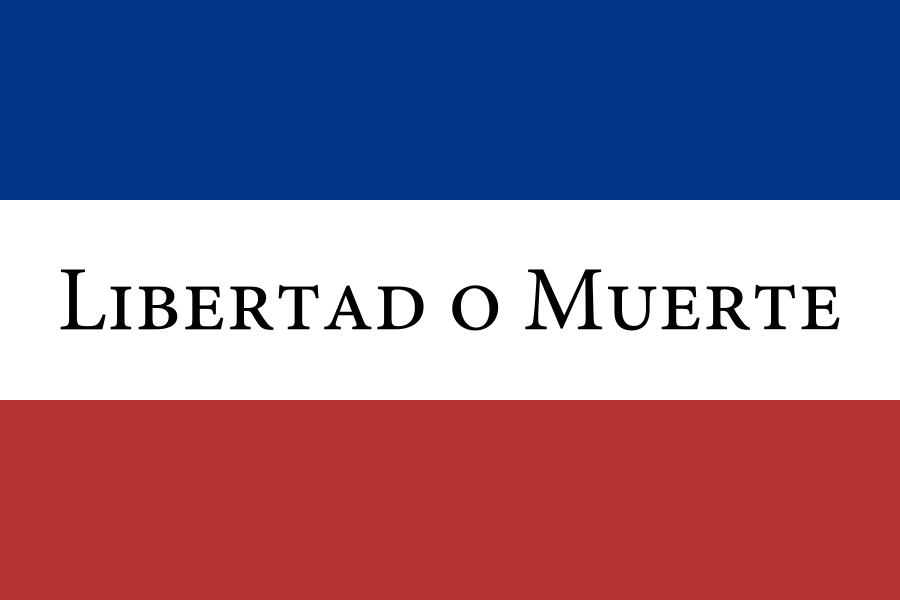
1825
Thirty-Three Orientals
The blue-white-red banner of the '33 Orientals' led by Lavalleja, whose 1825 landing began Uruguay's war of independence; its motto 'Libertad o Muerte' means 'Liberty or Death'.
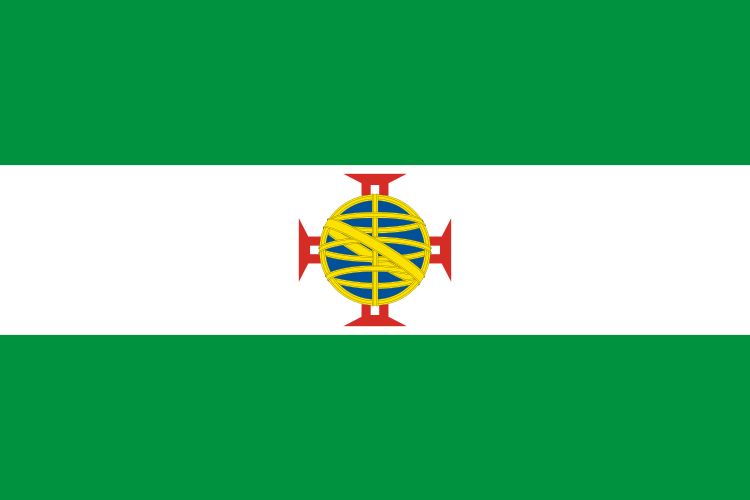
1821–1828
Cisplatine Province
The name given to present-day Uruguay while it was annexed first to Portugal and then to the Empire of Brazil, until the 1828 war secured its independence.
Regional flags of Uruguay
The 18 states, provinces and regions of Uruguay with their own flags.
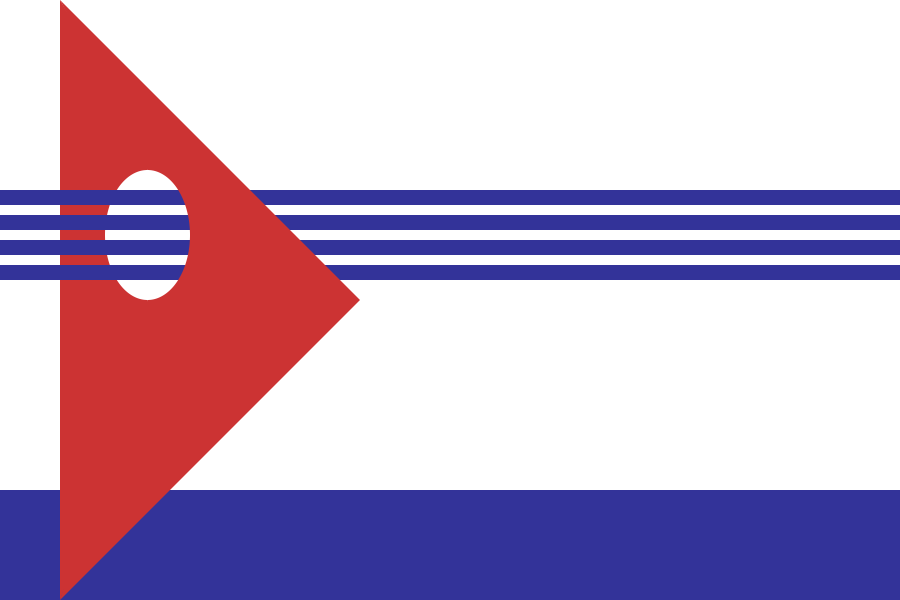
Artigas
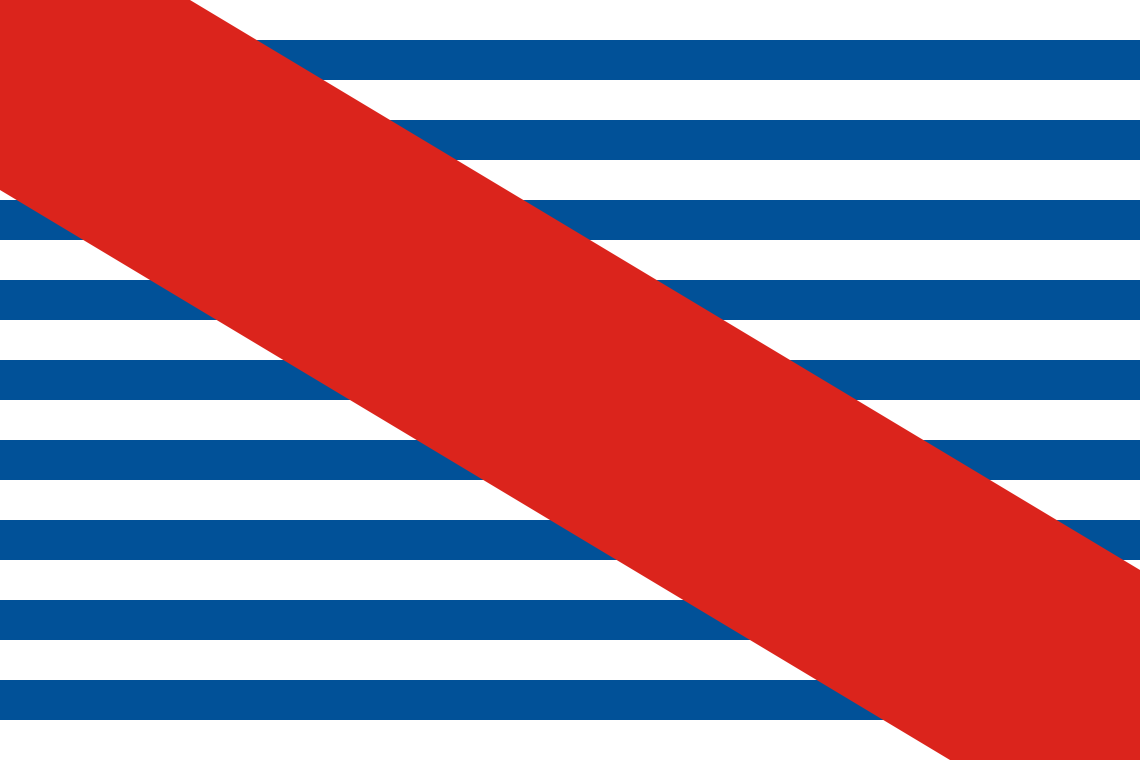
Canelones
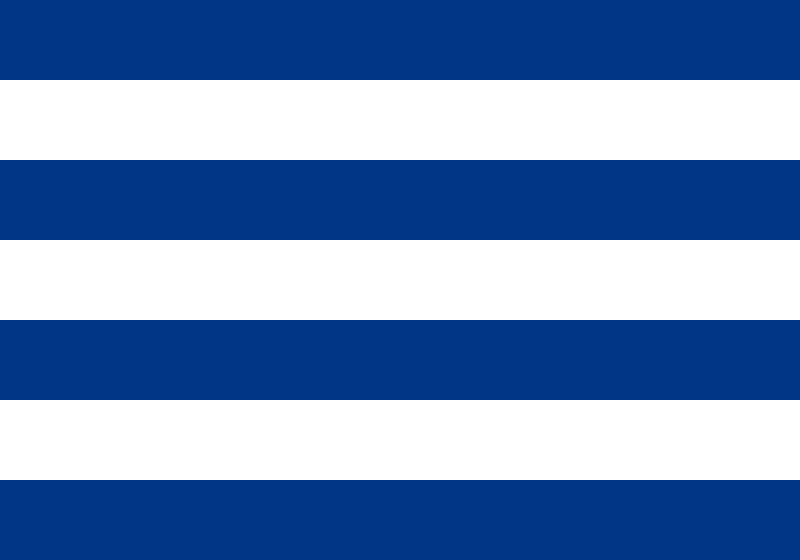
Cerro Largo
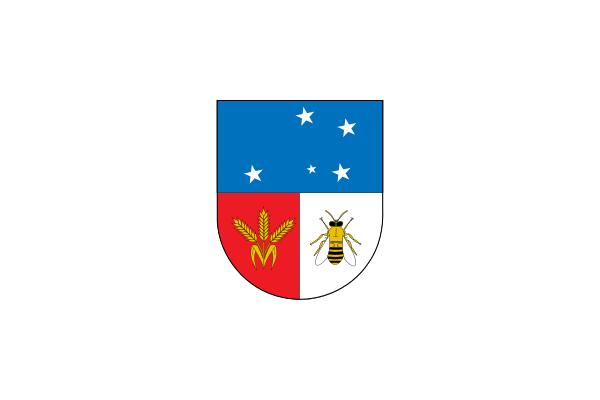
Colonia
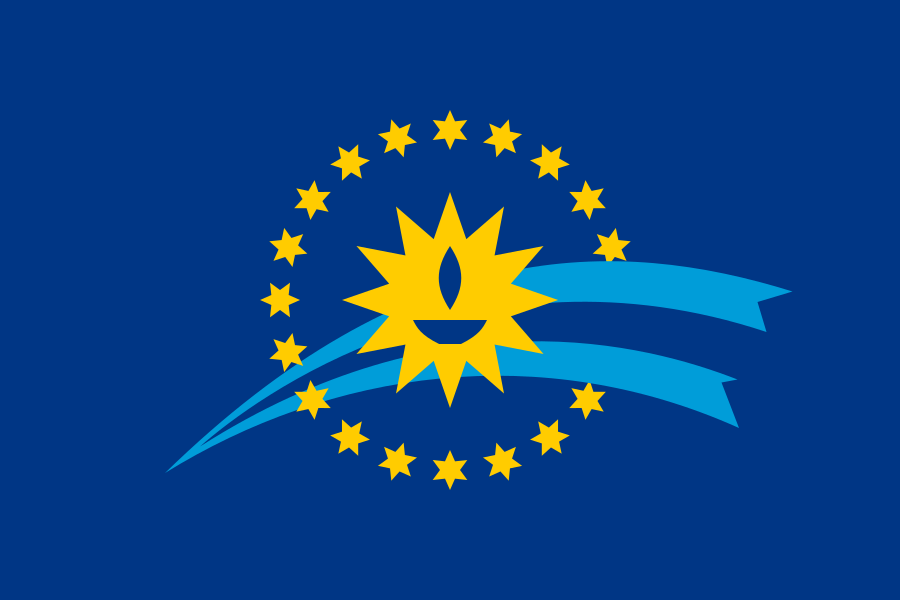
Durazno
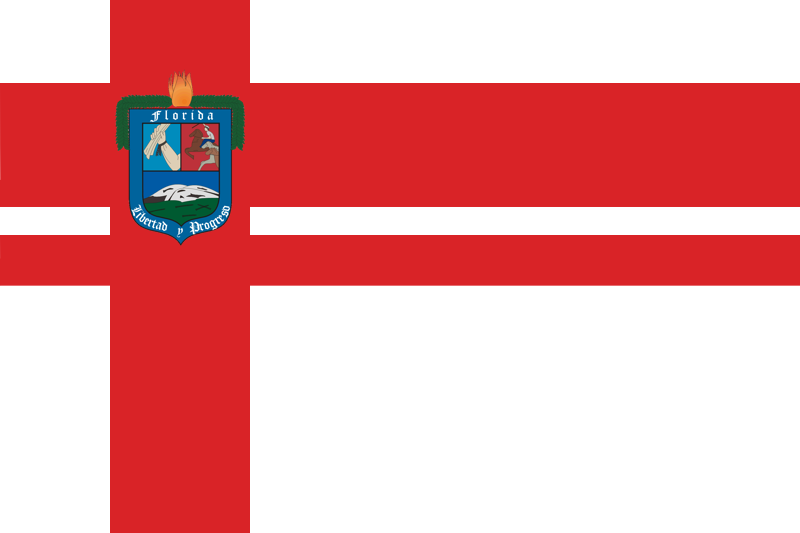
Florida
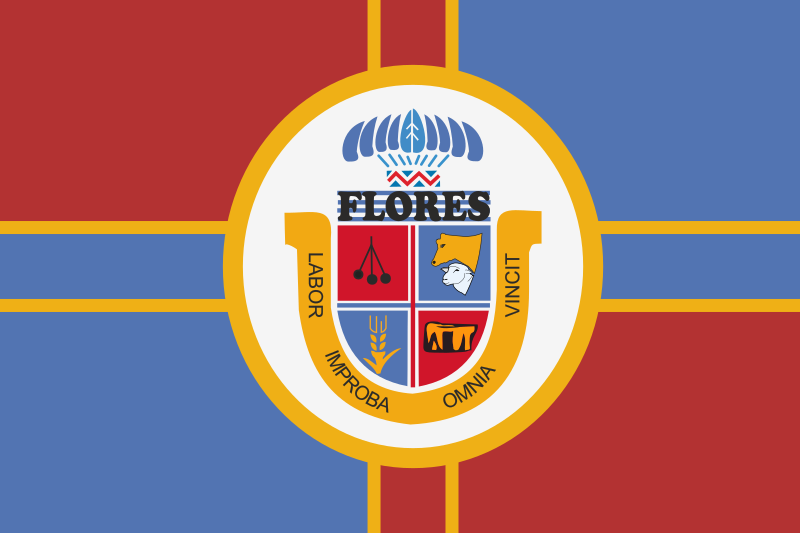
Flores
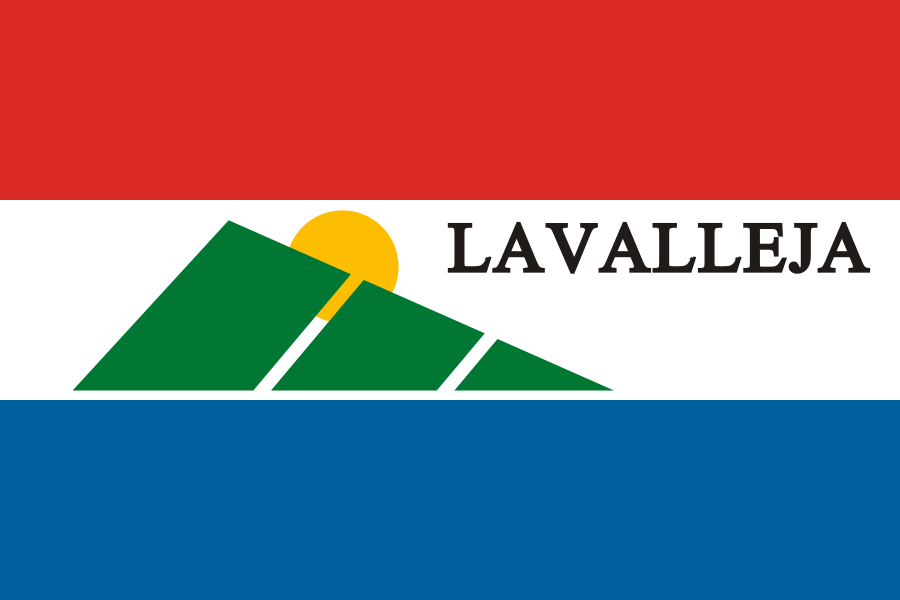
Lavalleja
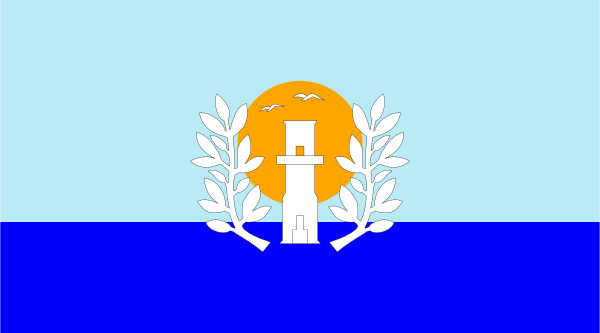
Maldonado
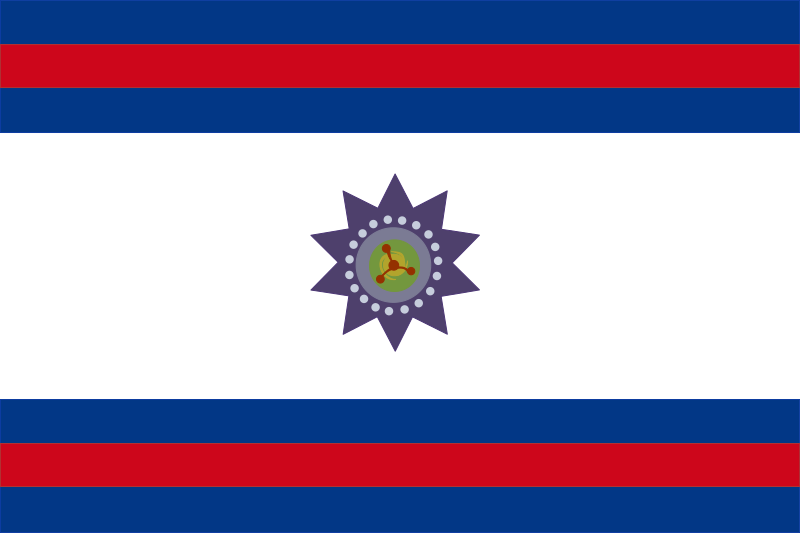
Paysandú
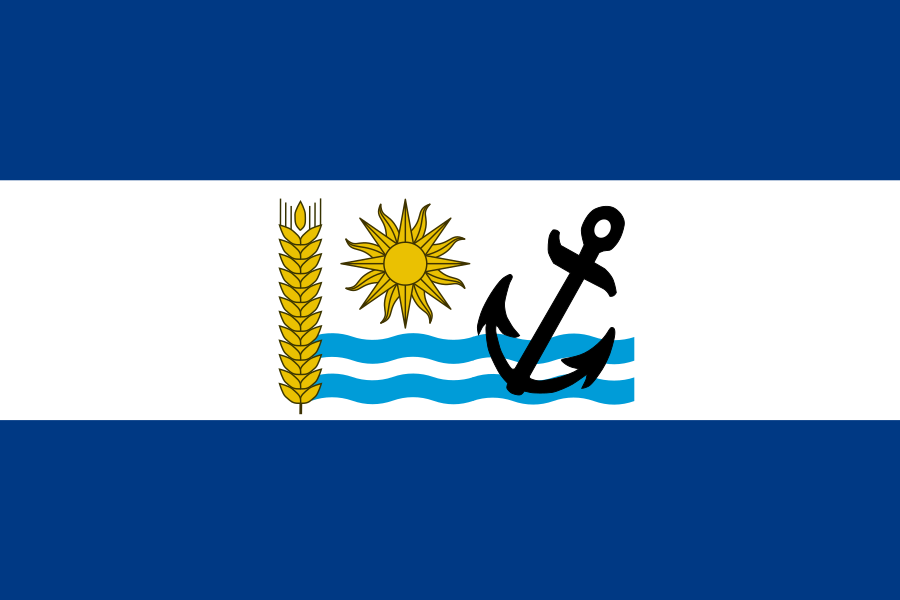
Río Negro
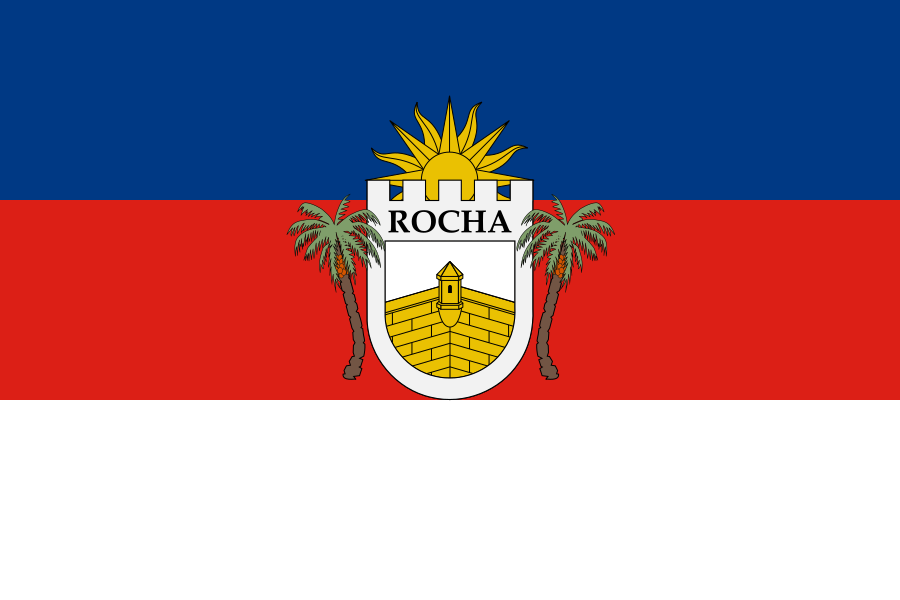
Rocha
Rivera
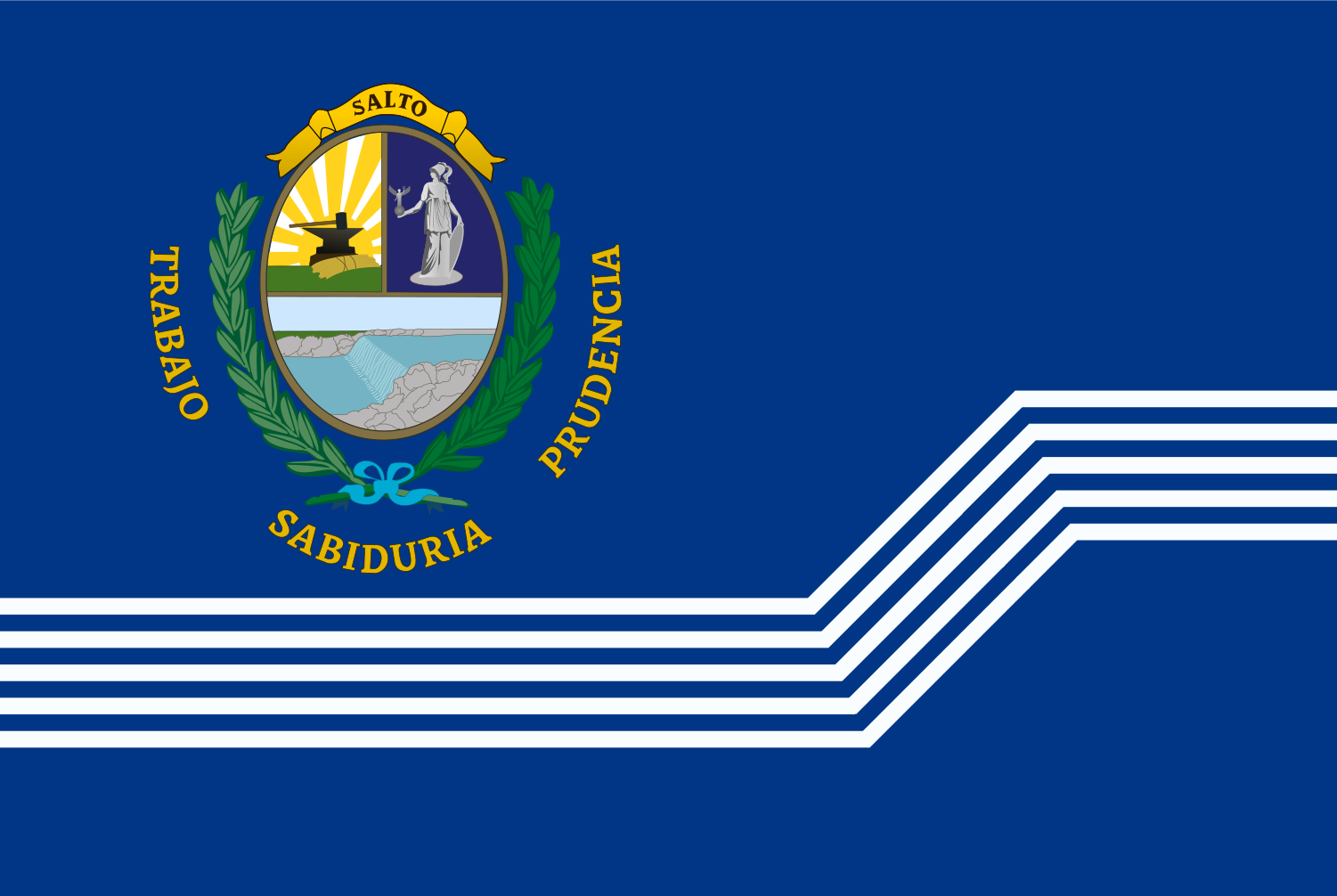
Salto
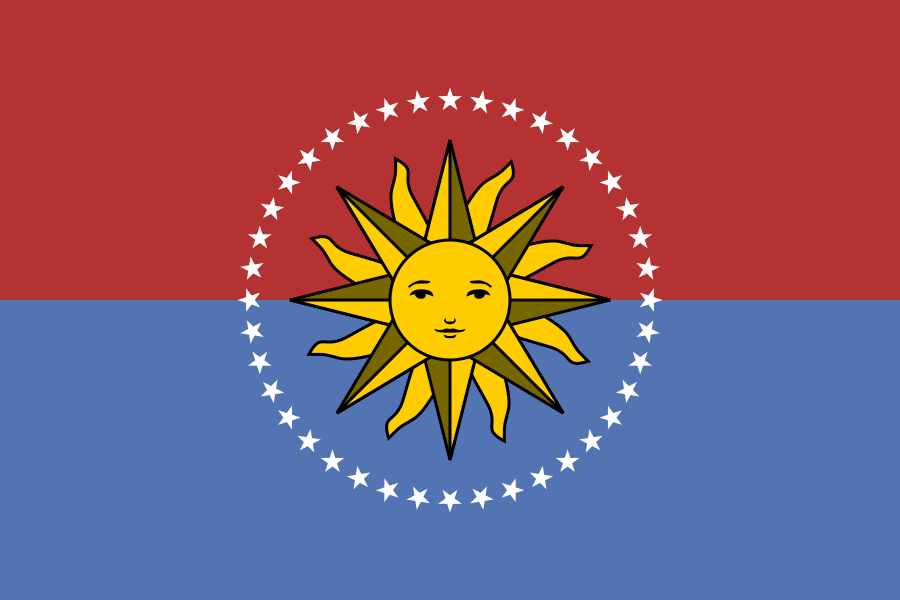
San José
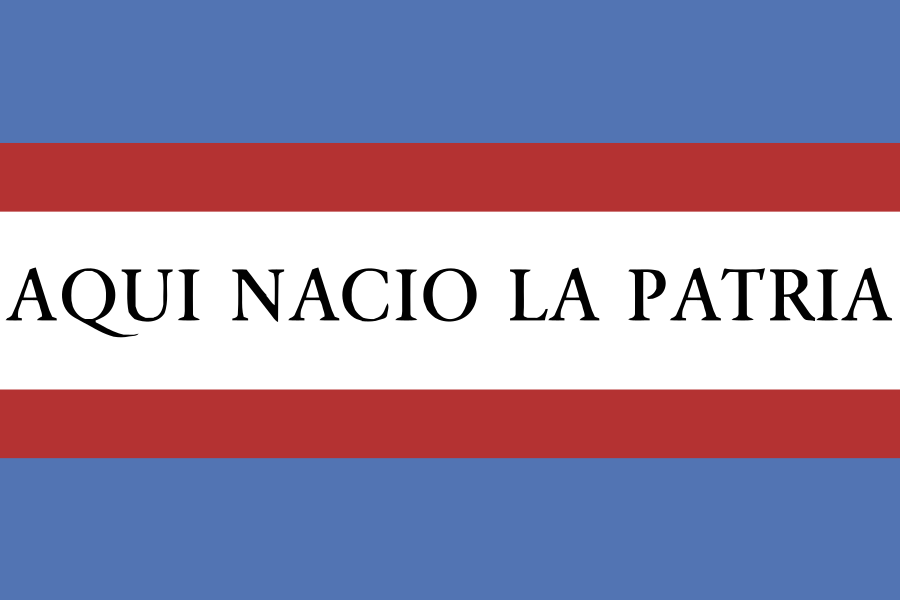
Soriano
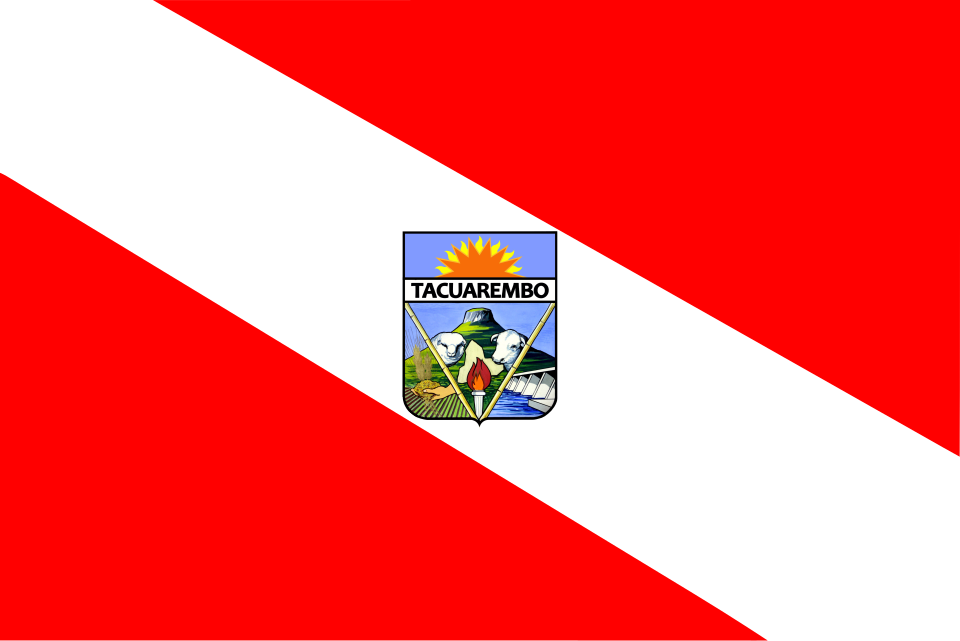
Tacuarembó
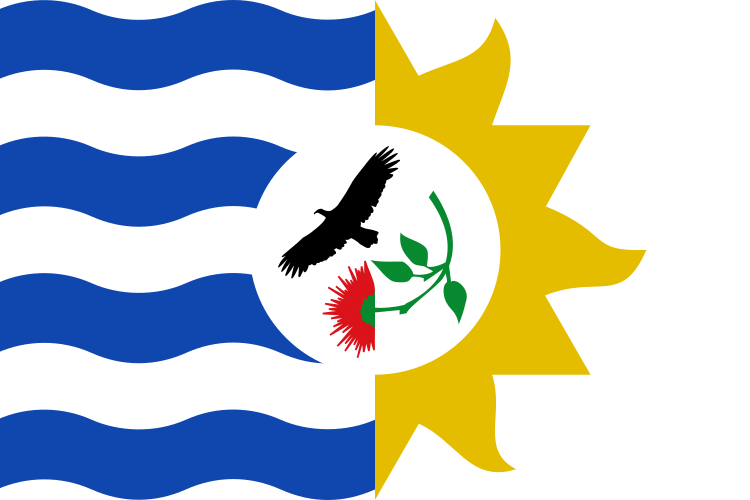
Treinta y Tres
Neighbouring countries
Uruguay shares a land border with 2 countries: Argentina and Brazil.
Other flags in blue, white and yellow
4 other national flags use the same main colours as Uruguay's.
Play Globalio and learn Uruguay's flag
 Argentina
 Israel
 Brazil
 Bosnia and Herzegovina
 Kosovo
 Nauru