Americas
Flag of Venezuela
Venezuela is located on the northern coast of South America and has the world's largest proven oil reserves, though managing this wealth has been a central challenge throughout its modern history. The country is home to Angel Falls (Salto Ángel), the world's highest uninterrupted waterfall at 979 metres, located in the Canaima National Park in the tepui highlands. Venezuela has an extraordinary ecological range encompassing the Andes, the Orinoco River delta, Caribbean beaches, and the unique table-top tepui mountains.

- CapitalCaracas
- RegionAmericas
- Current flag since2006
- Main coloursYellow, Blue, Red
- Populationabout 28 million
- Areaabout 916,000 km²
- Flags in history5
Population and area are rounded.
What the flag of Venezuela means
Yellow stands for the wealth of the land, blue for the sea separating Venezuela from Spain, and red for the blood shed for independence. The stars represent the seven provinces that signed the 1811 declaration of independence; an eighth was added in 2006 following a decree by Simón Bolívar for the province of Guayana.
How to recognise it
Horizontal yellow-blue-red with eight white stars in an arc on the blue stripe (the state flag adds a coat of arms on the left).
Did you know?
Venezuela has the world's largest proven oil reserves and Angel Falls, the world's highest uninterrupted waterfall.
Easily confused with
Venezuela's flag is often mixed up with these. Learn to tell them apart:
Flag history of Venezuela
Every flag that has flown over Venezuela, from today back through time.
2006–present
Bolivarian Republic of Venezuela
In 2006 President Hugo Chávez updated the flag by adding an eighth star (previously seven) to honour the province of Guayana, aligning the stars in an arc rather than a line, and moving the coat of arms to the hoist side. The horse in the coat of arms — which had previously been running to the right — was controversially reversed to gallop to the left, which critics read as a political statement.
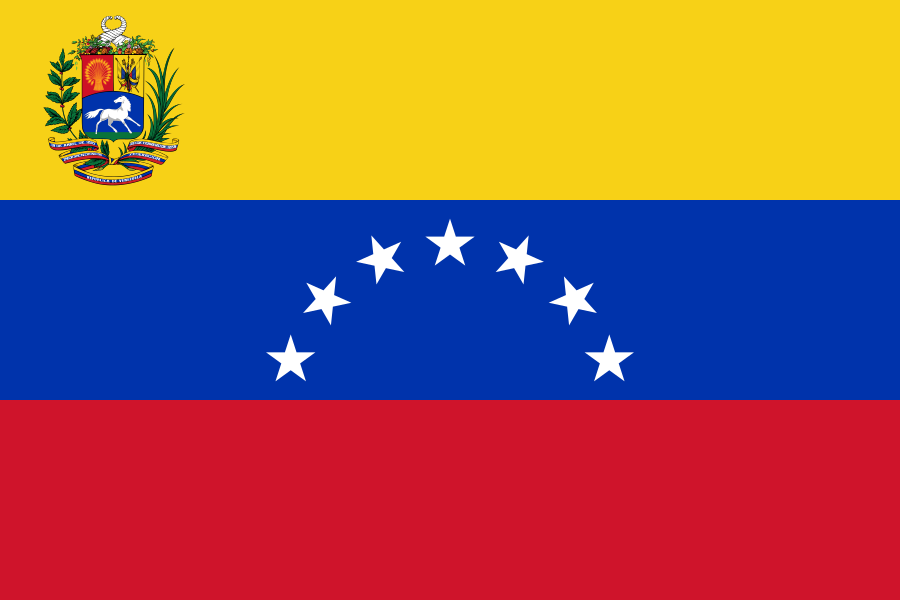
1954–2006
Venezuela (seven stars, 1954–2006)
This version carried seven stars in a straight horizontal line representing the seven provinces that signed the Declaration of Independence in 1811. The coat of arms appeared only on the state flag (not the civil flag). This flag flew from the Marcos Pérez Jiménez dictatorship through the democratic era up until Chávez's redesign.
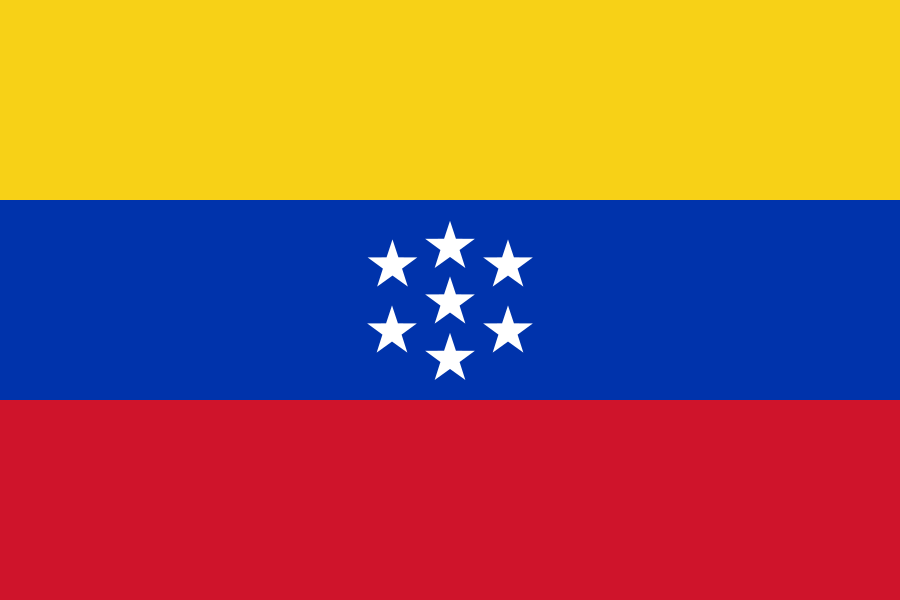
1863–1954
Venezuela (various star counts)
Throughout the 19th and early 20th centuries Venezuela's flag went through numerous versions with different numbers of stars (3, 5, 6, 7) and varying arrangements, reflecting the country's turbulent political history of civil wars, caudillo rule, and federal reorganisation. The yellow-blue-red tricolor inherited from Gran Colombia remained constant; everything else was negotiable.
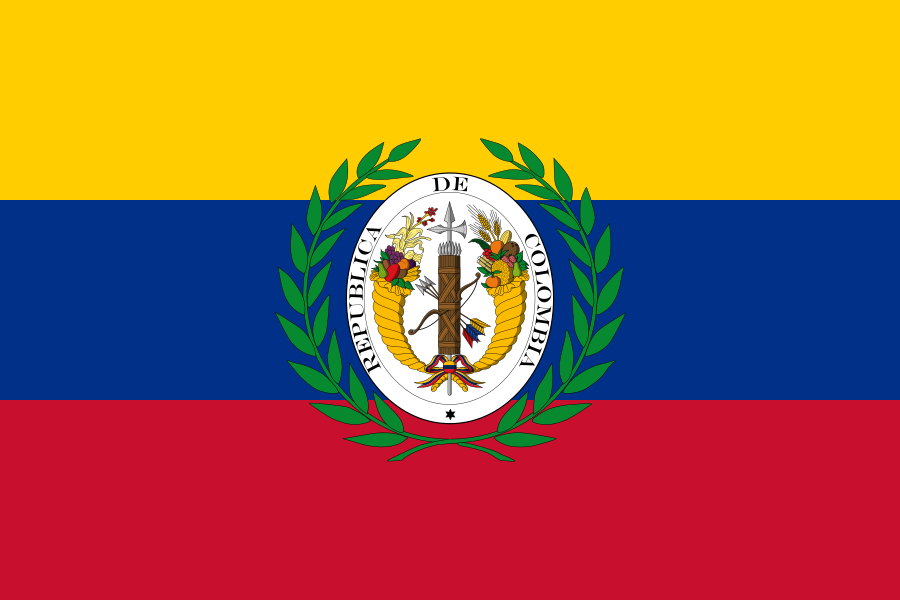
1819–1830
Gran Colombia
Venezuela was a founding component of Simón Bolívar's Gran Colombia alongside Colombia and Ecuador. The shared tricolor of yellow, blue, and red designed by Francisco de Miranda in 1806 became the common ancestor of all three nations' flags — a visible reminder of the dream of a unified South American republic that collapsed in 1830.
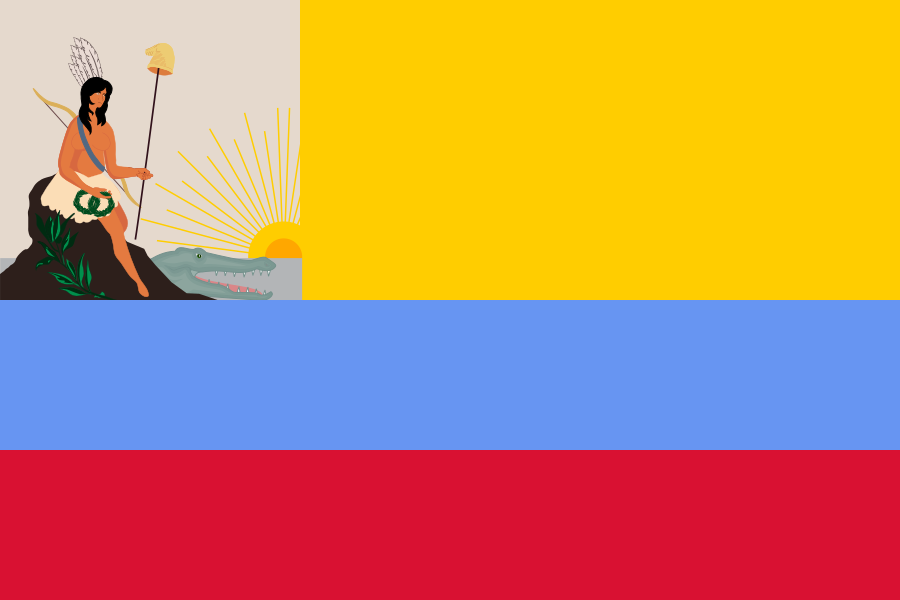
1811–1812
First Republic of Venezuela
The first independent Venezuelan state (1811–12) flew an early version of Miranda's yellow-blue-red tricolor with a canton of stars. It collapsed after an earthquake and royalist counterattack, but began the lineage that runs to today's flag.
Related historical states
Empires, kingdoms and republics that once covered part of Venezuela.
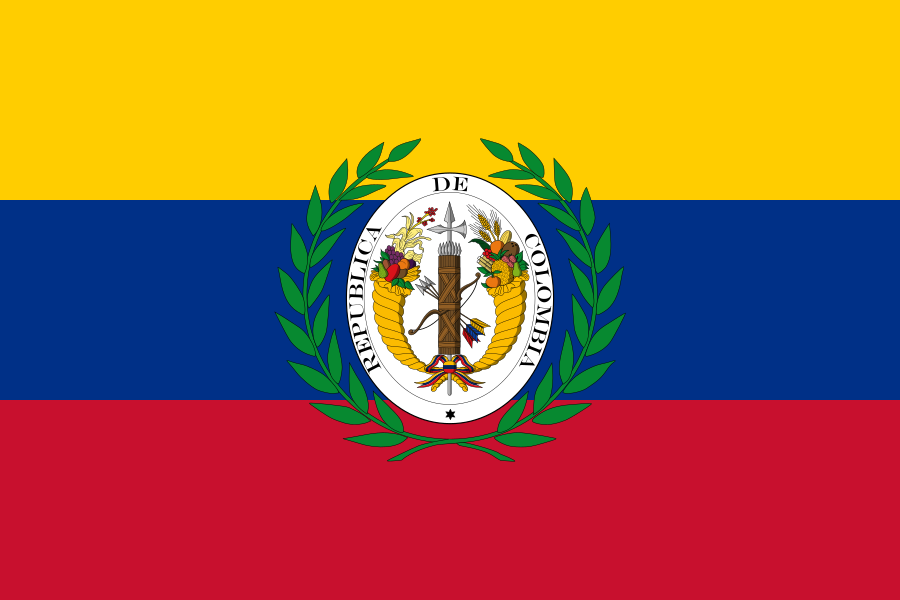
1819–1831
Gran Colombia
Bolívar's union of present-day Colombia, Venezuela, Ecuador, and Panama. Its yellow-blue-red tricolor is the direct ancestor of all three modern flags.
Regional flags of Venezuela
The 24 states, provinces and regions of Venezuela with their own flags.
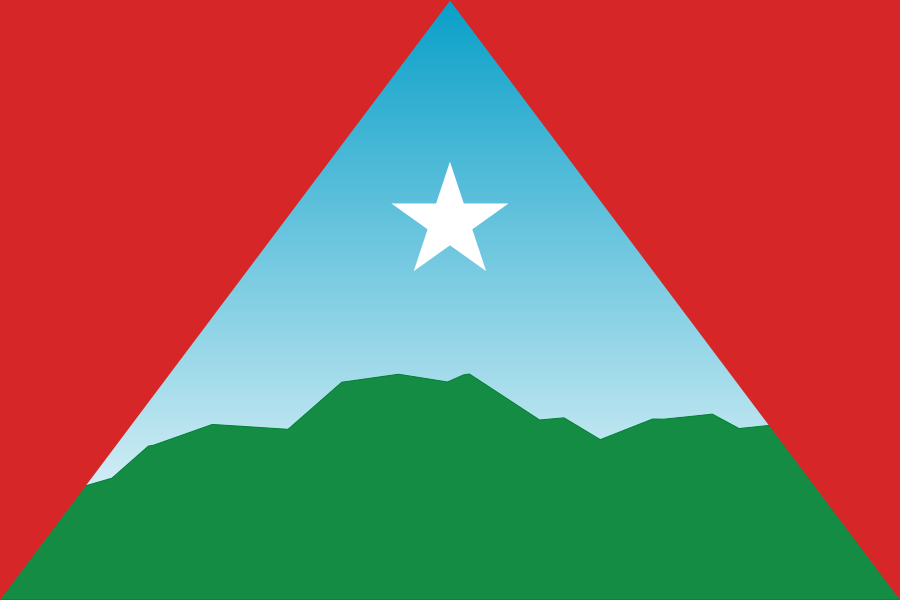
Distrito Capital
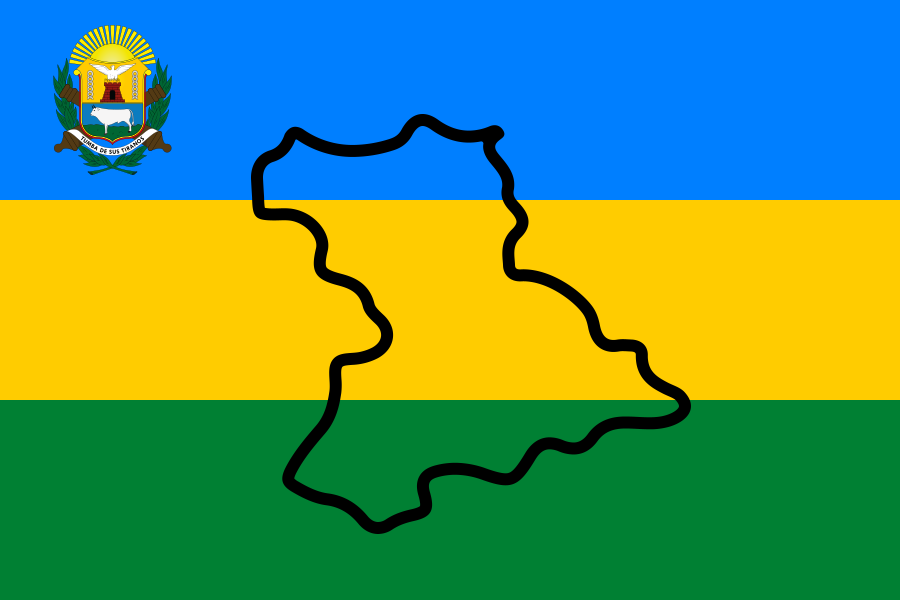
Anzoátegui
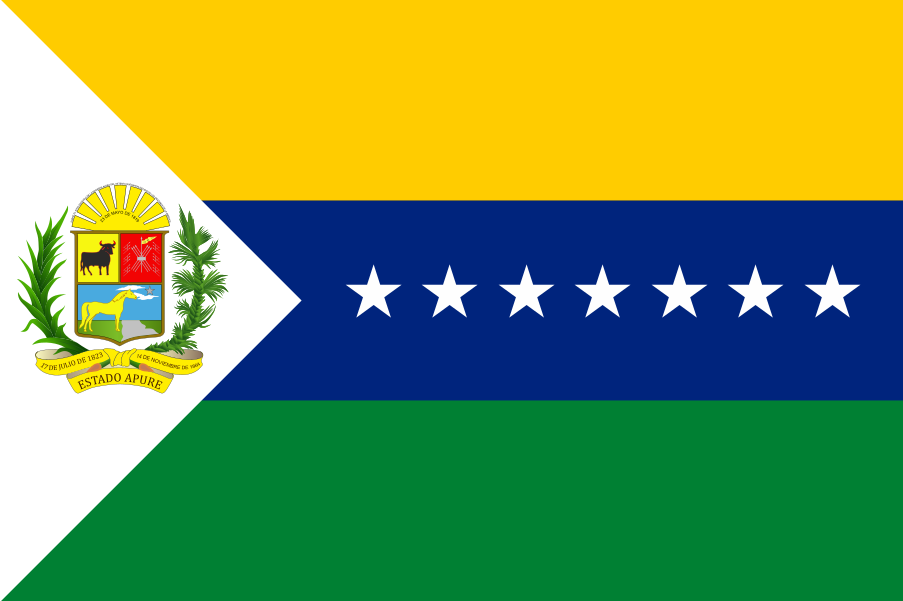
Apure
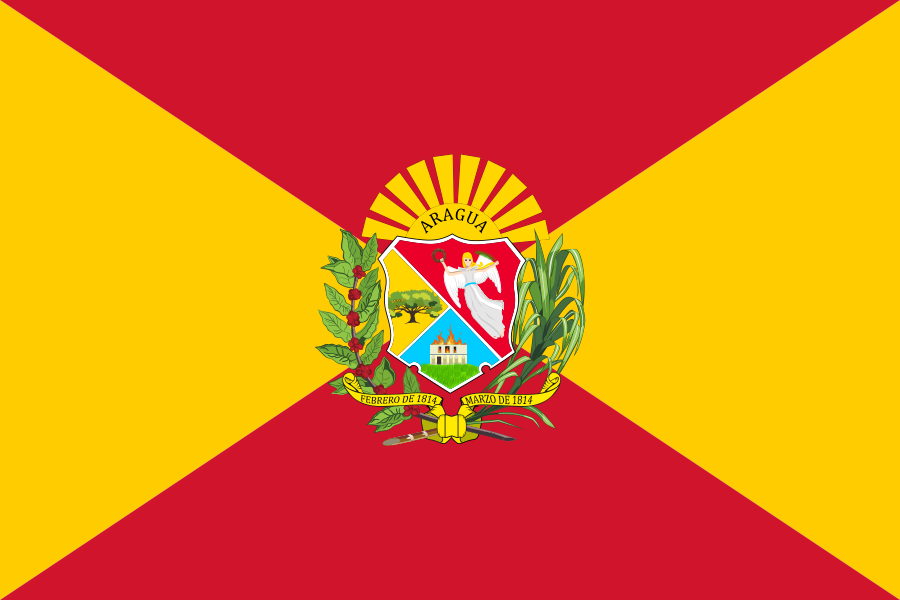
Aragua
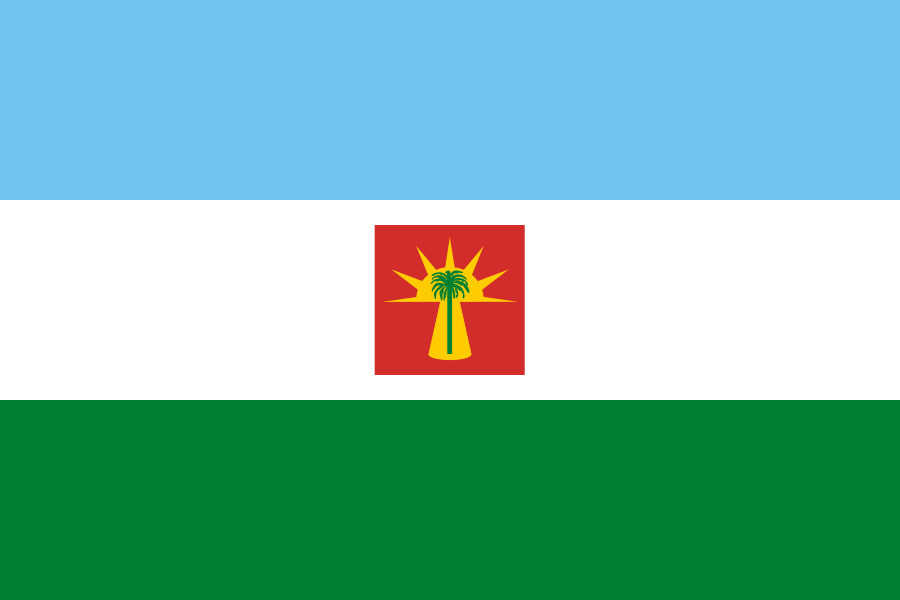
Barinas
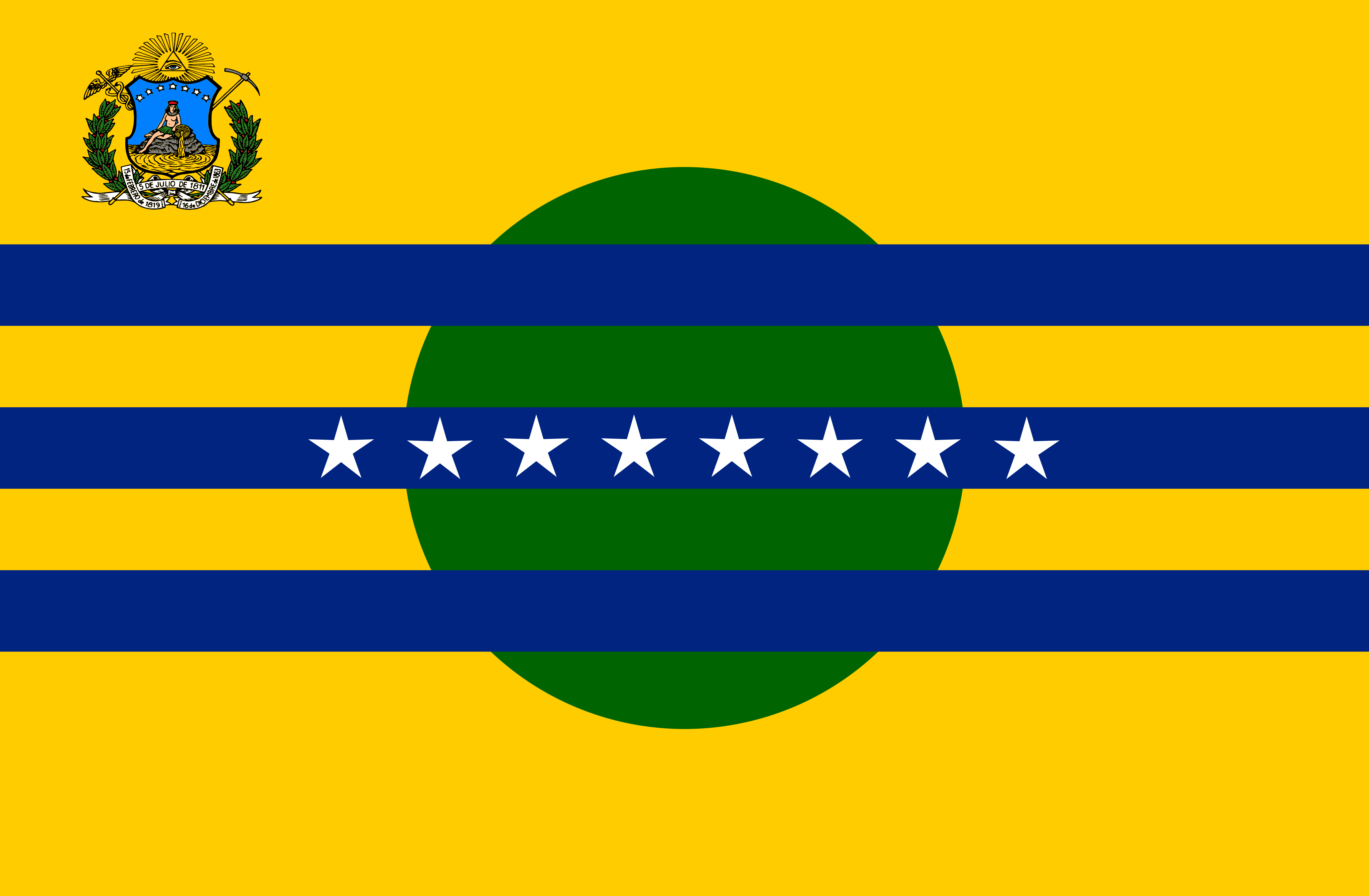
Bolívar
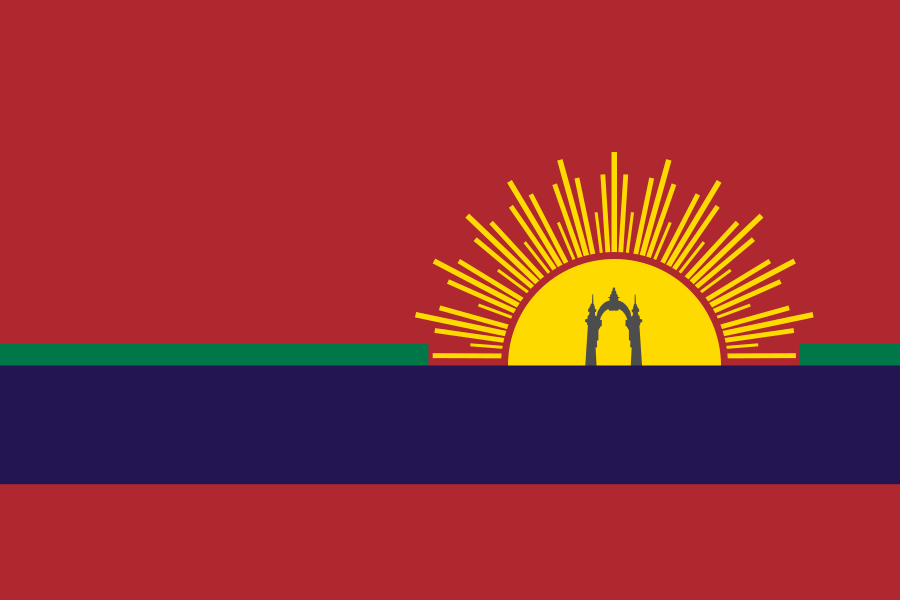
Carabobo
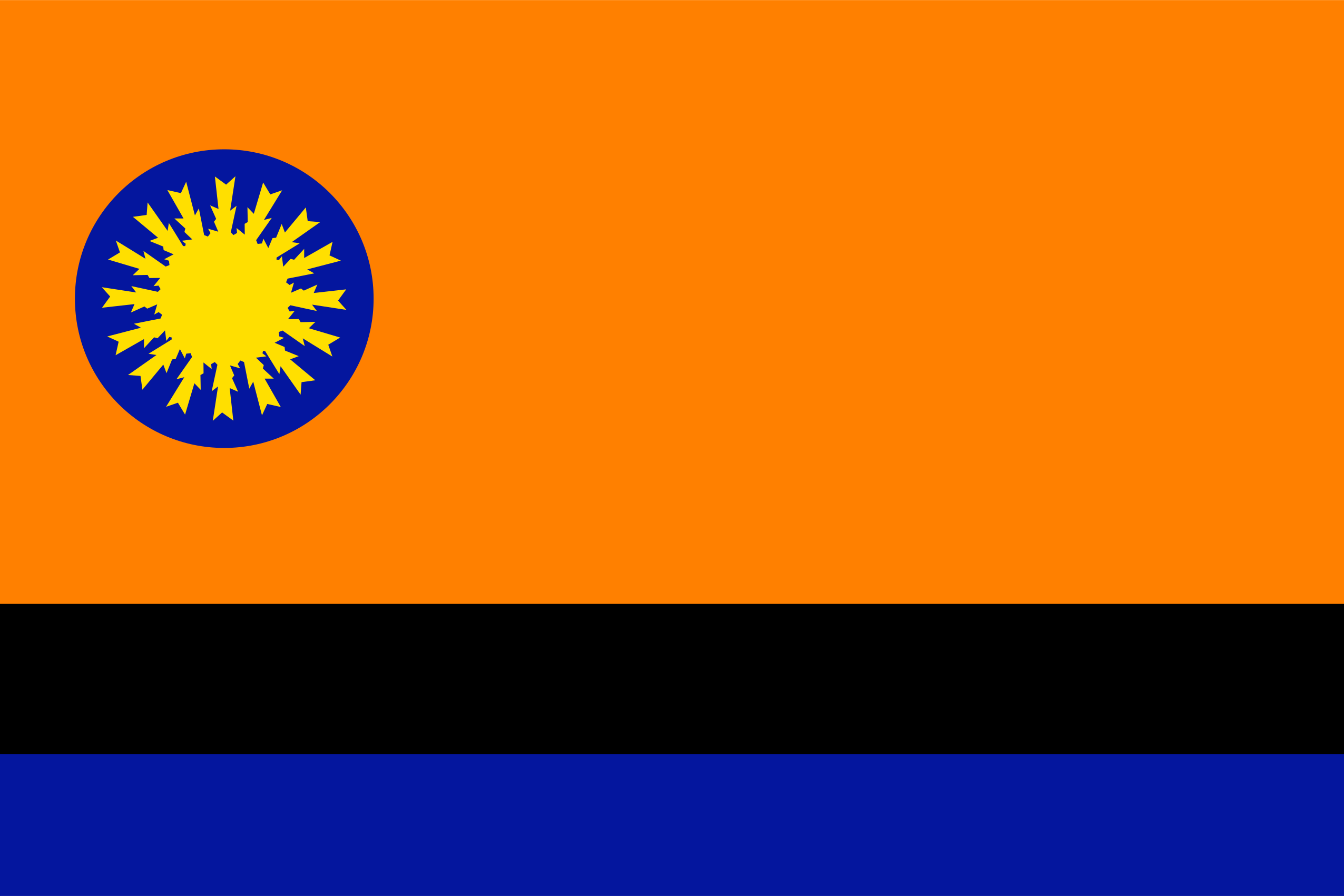
Cojedes
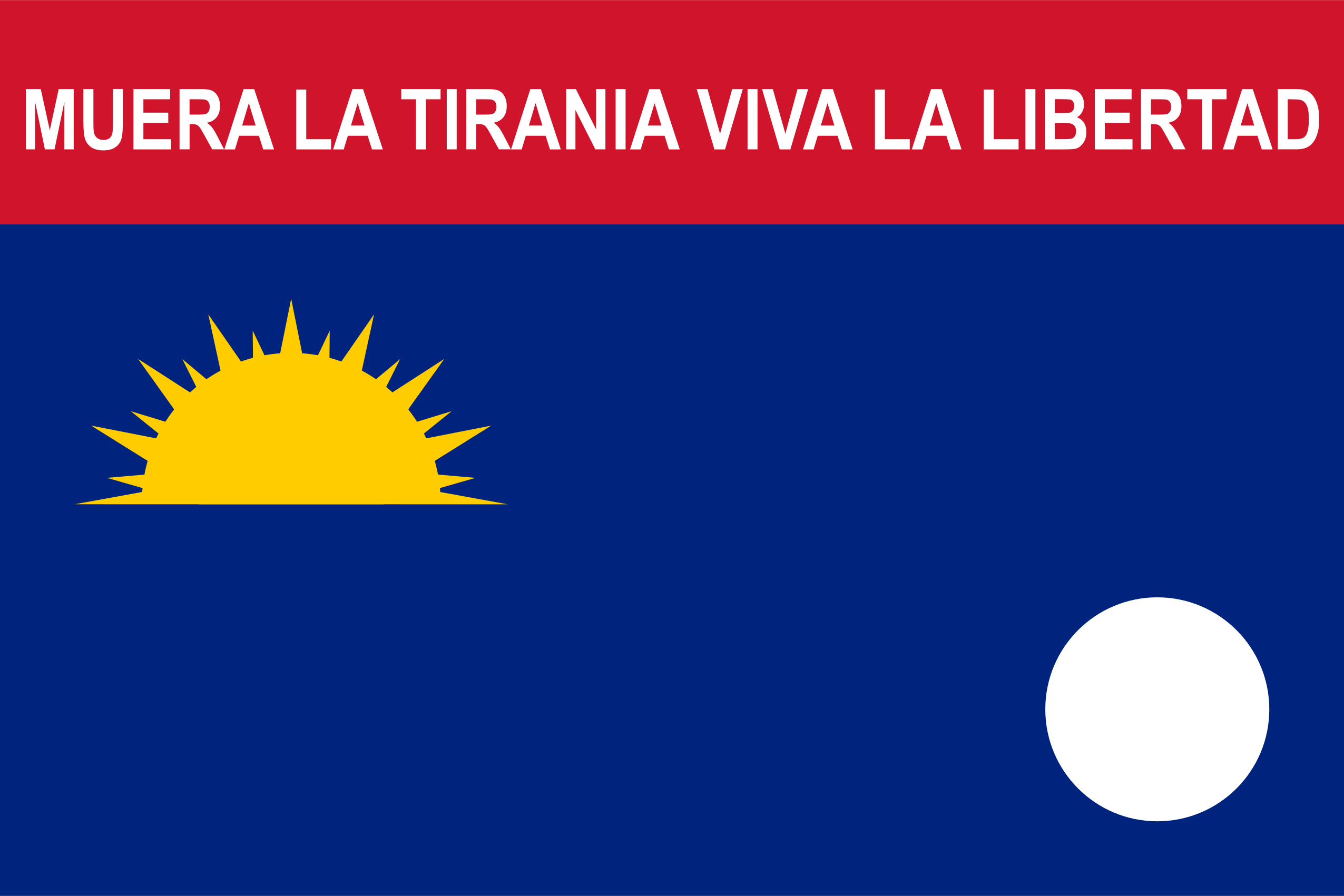
Falcón
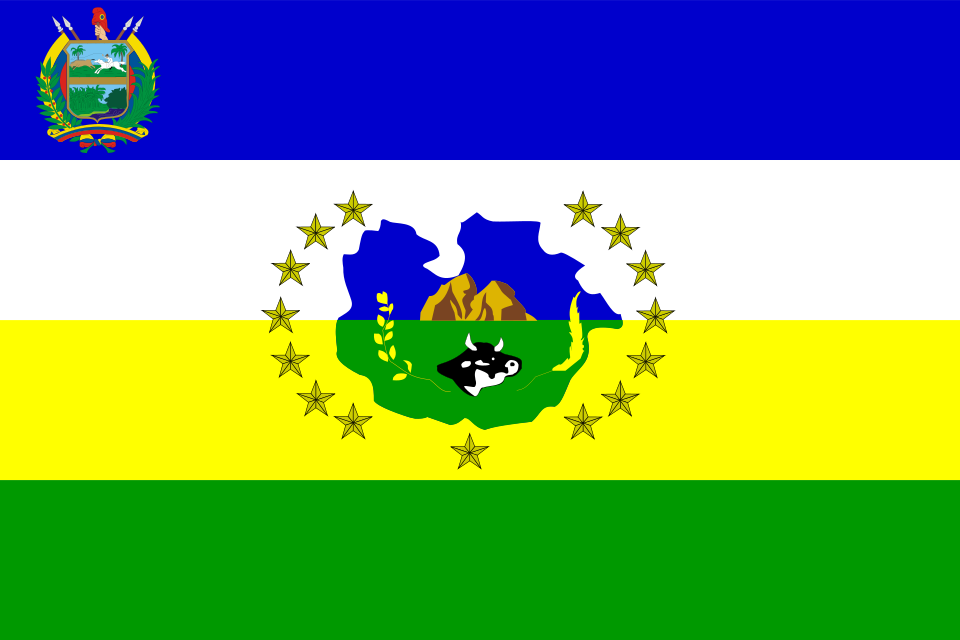
Guárico
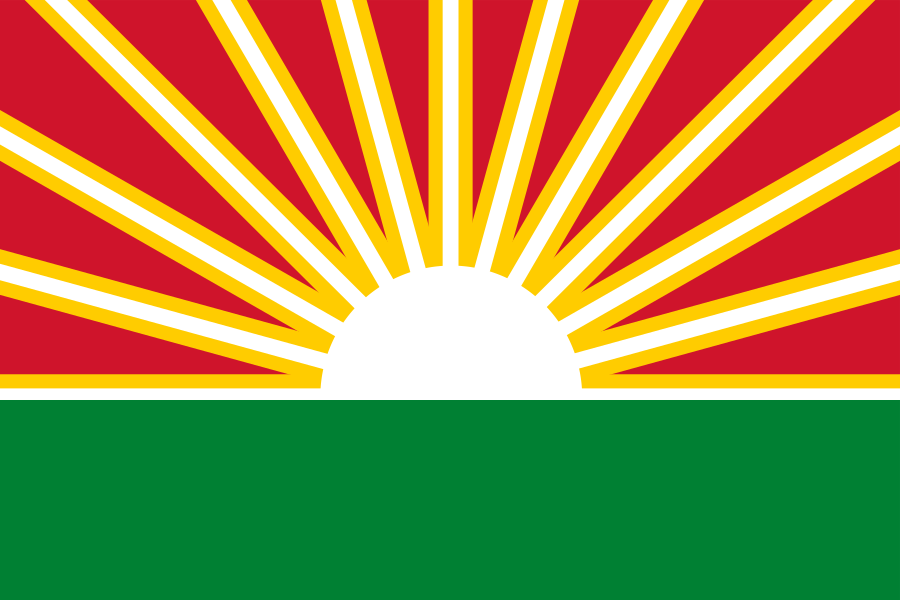
Lara
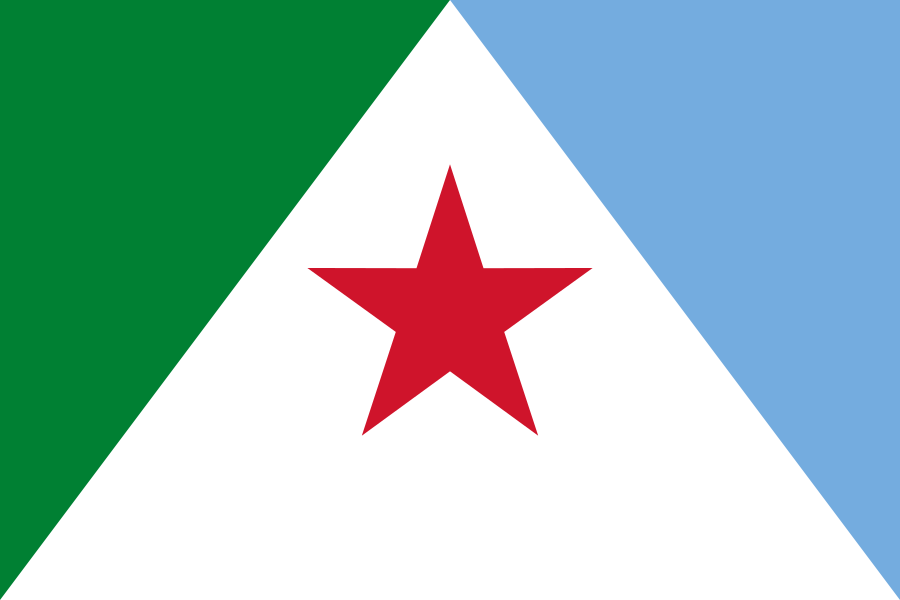
Mérida
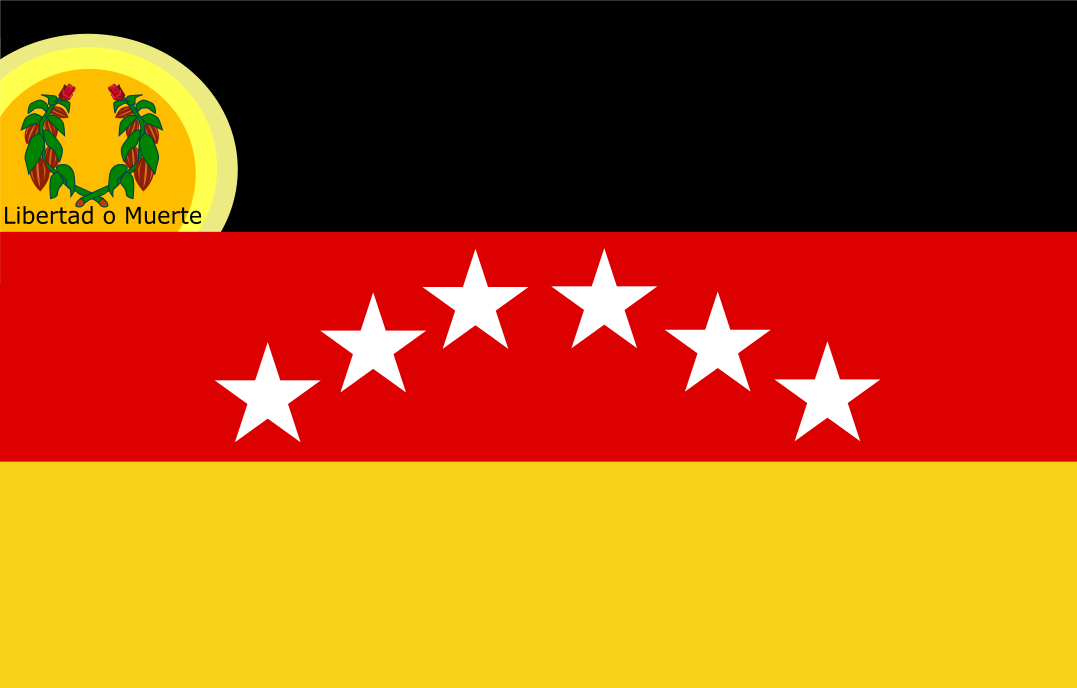
Miranda
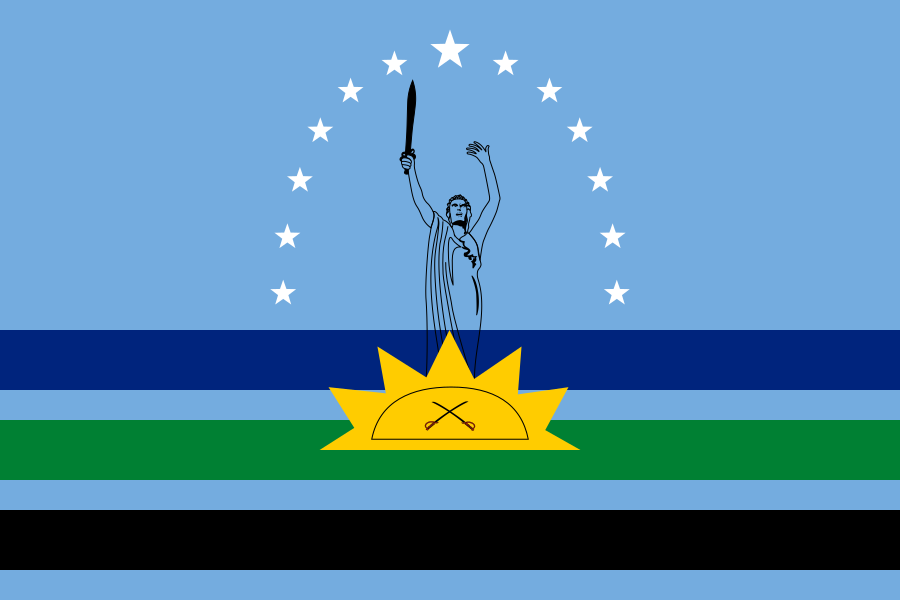
Monagas
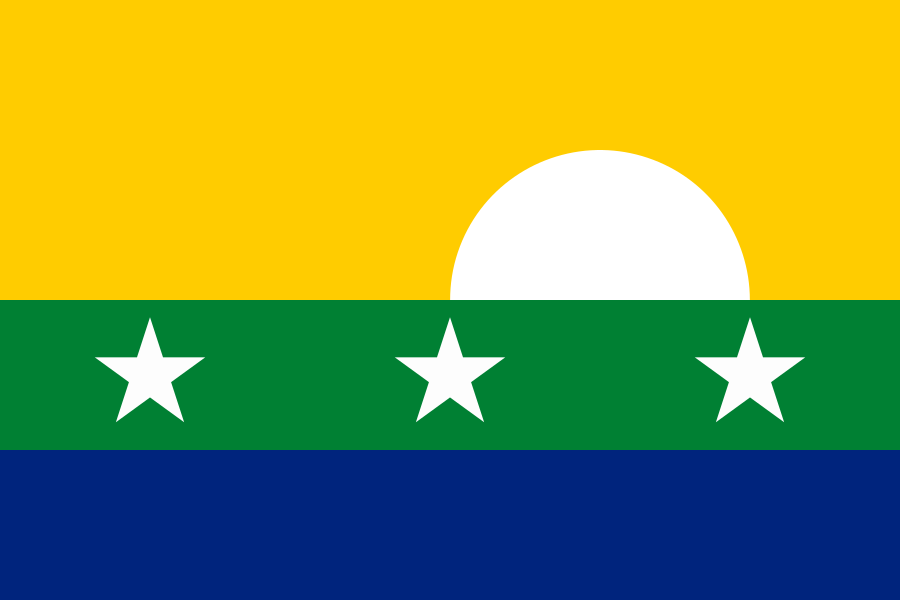
Nueva Esparta
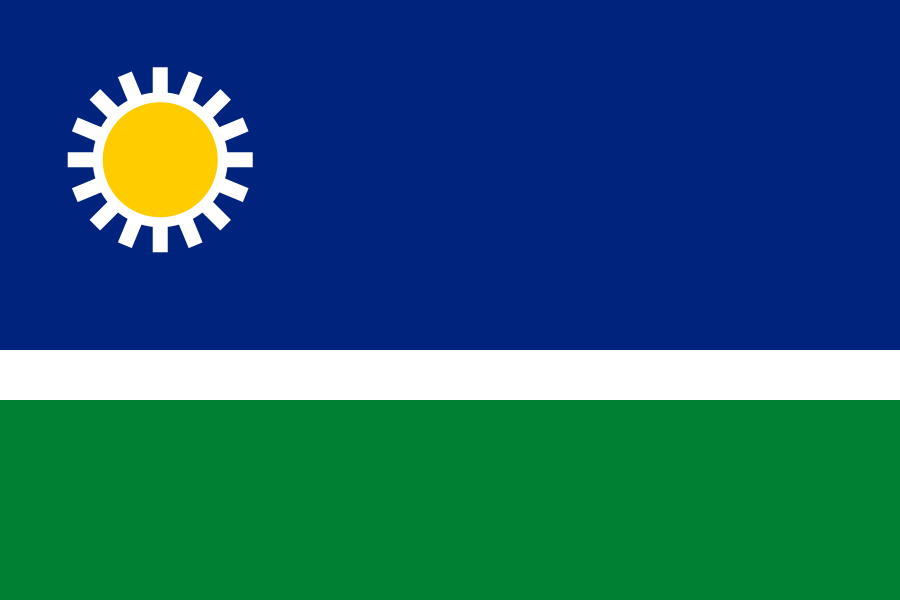
Portuguesa
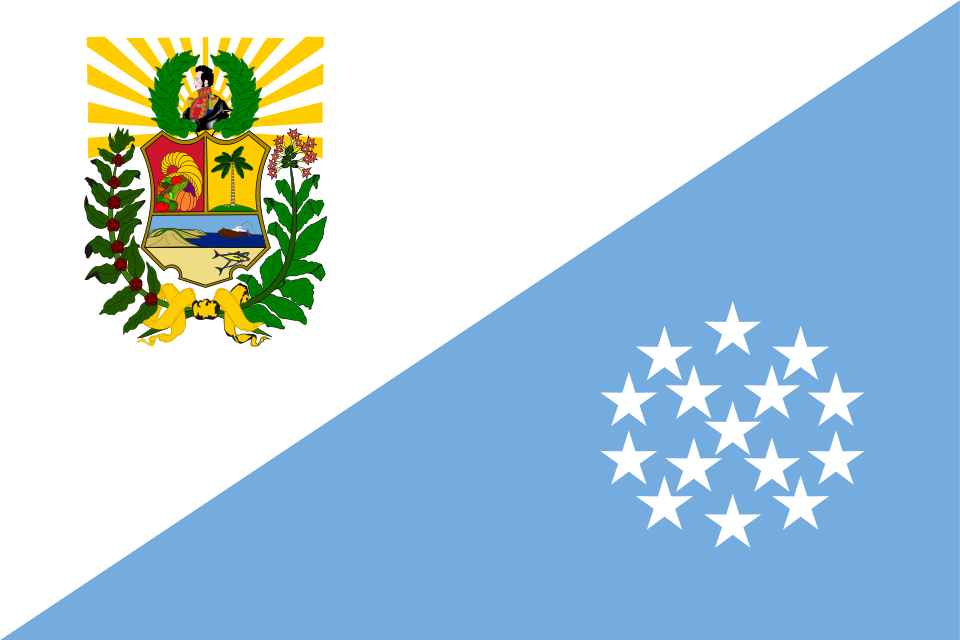
Sucre
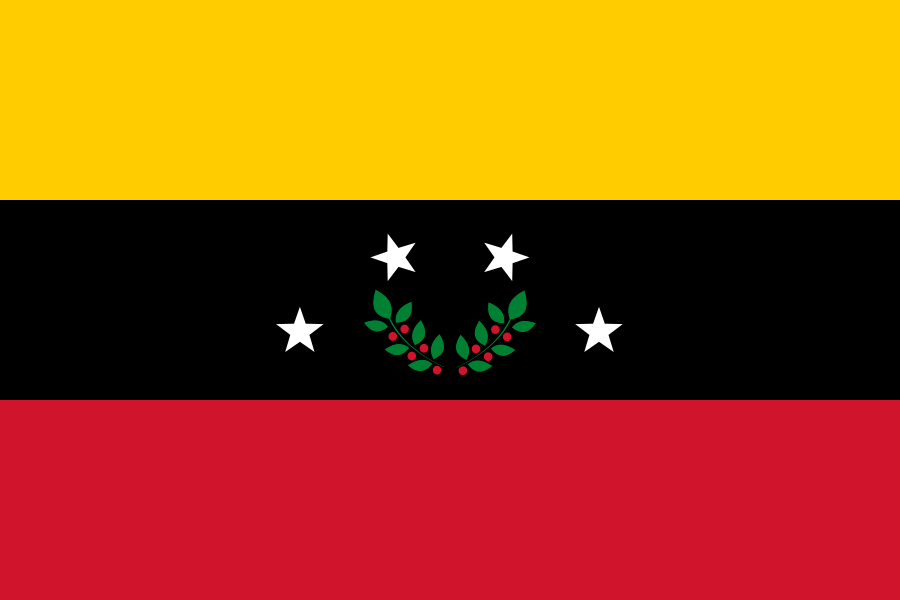
Táchira
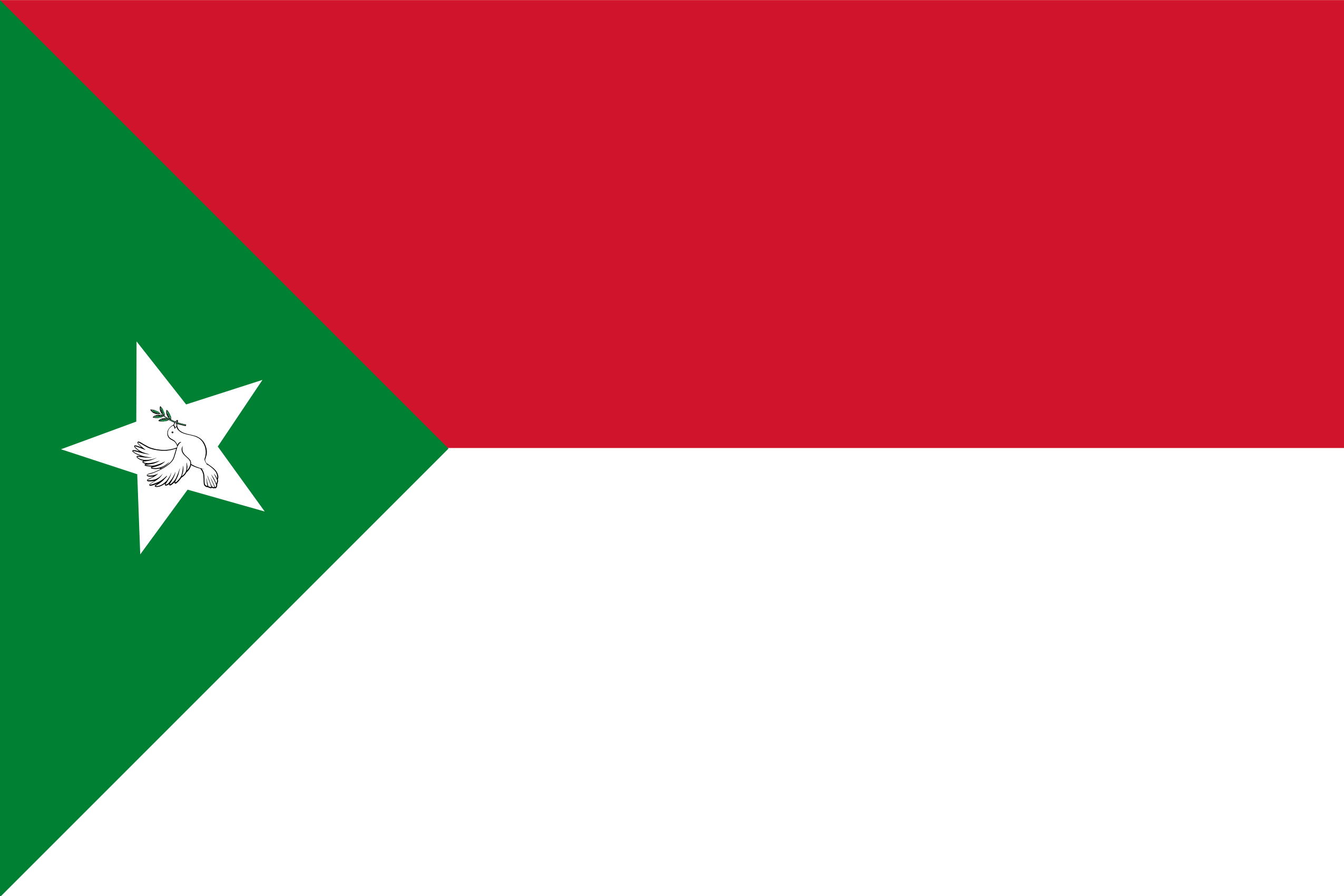
Trujillo
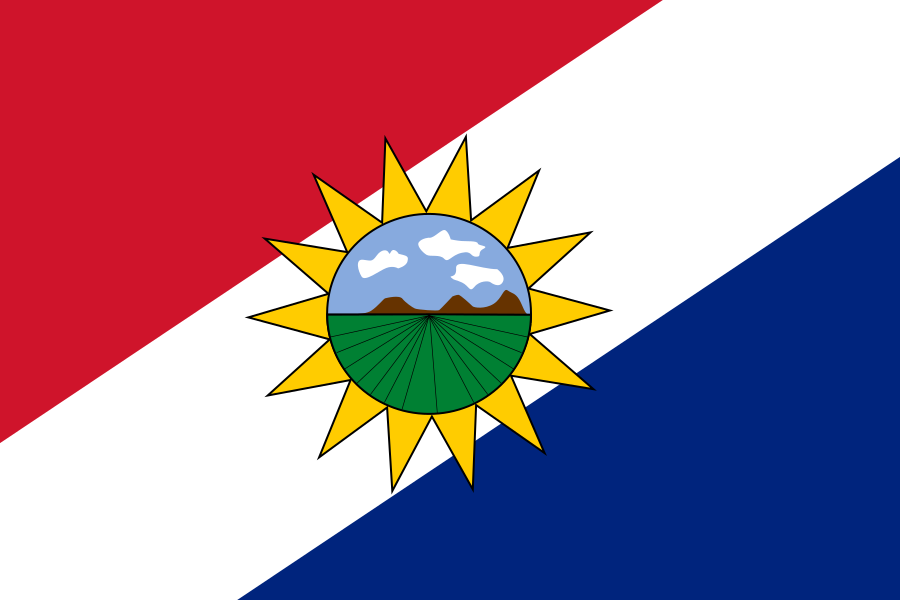
Yaracuy
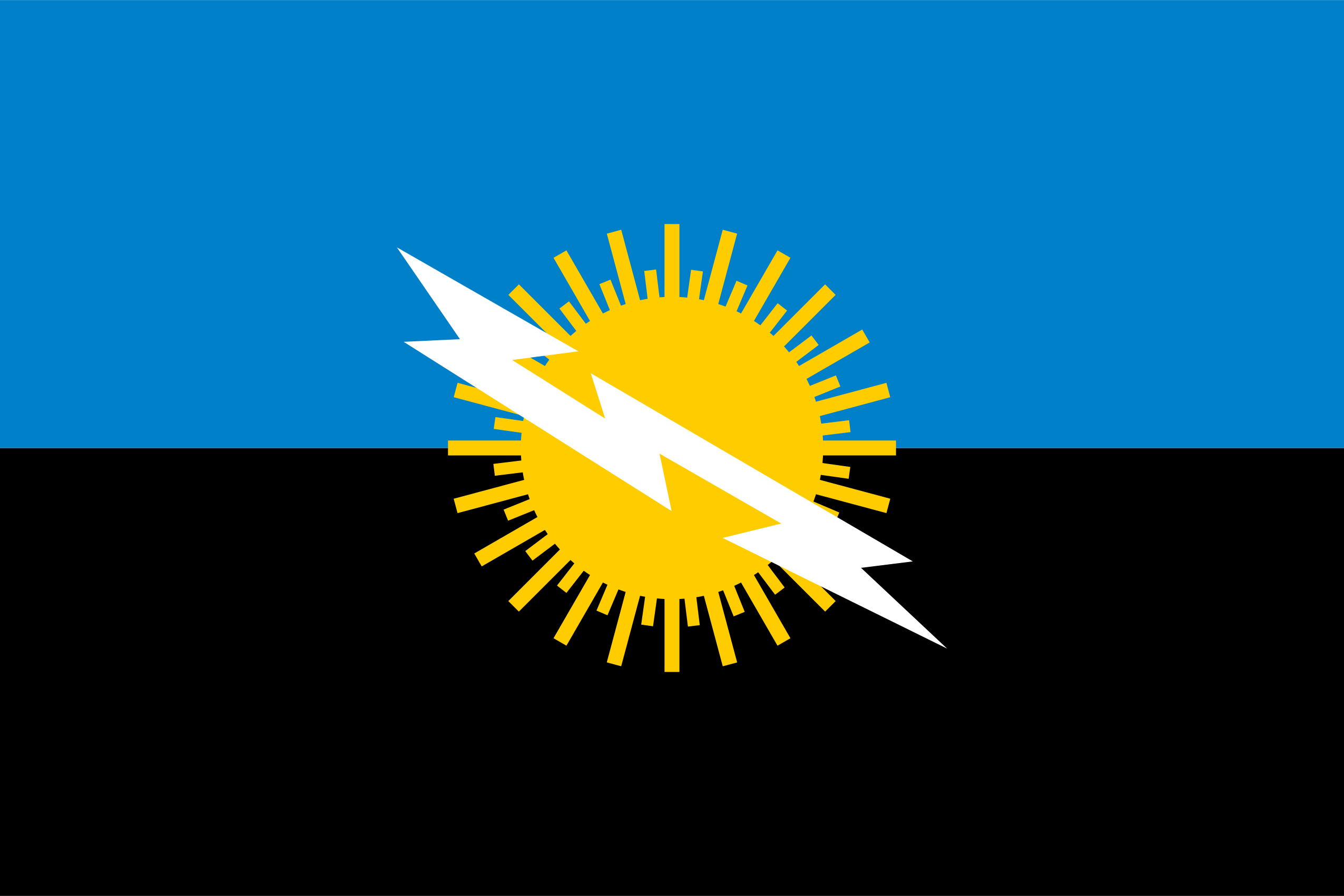
Zulia
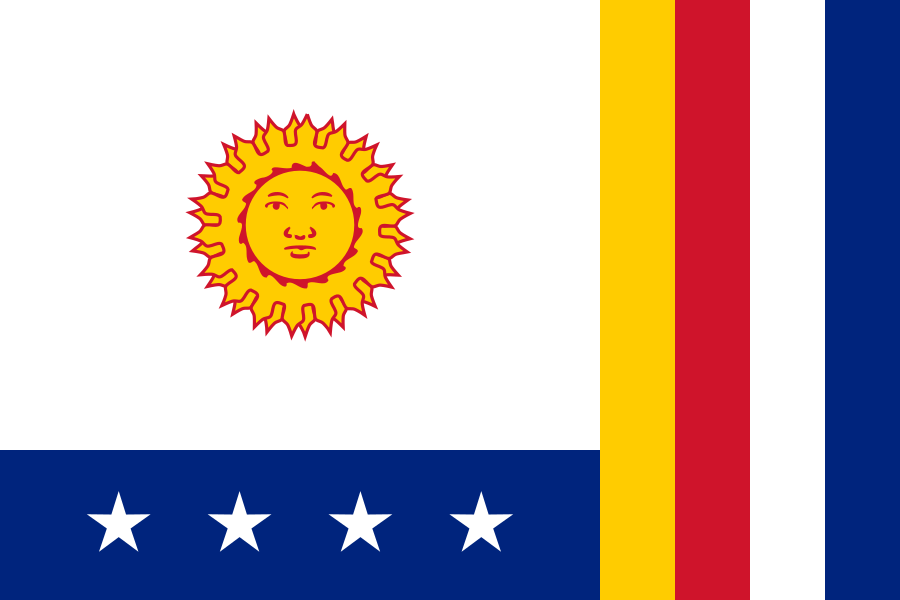
La Guaira
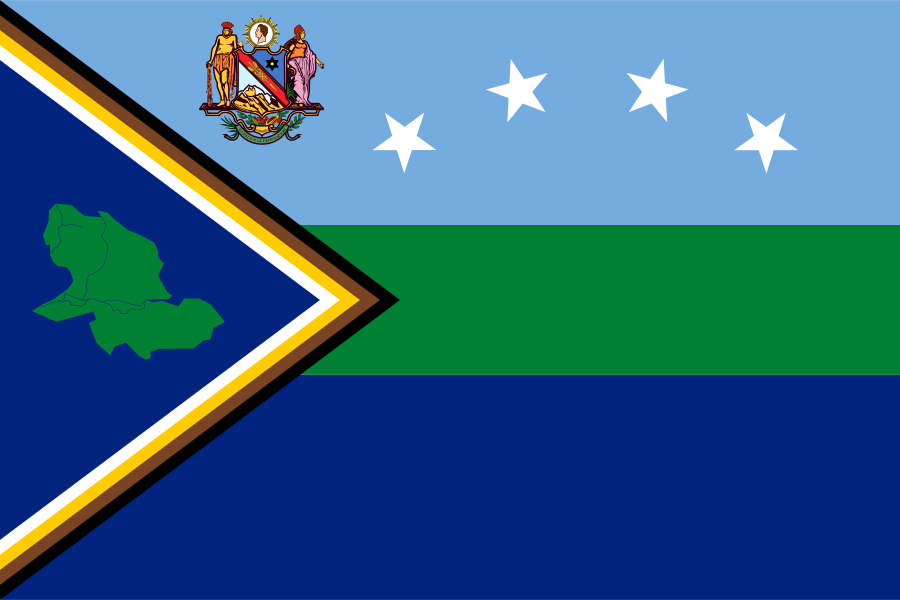
Delta Amacuro
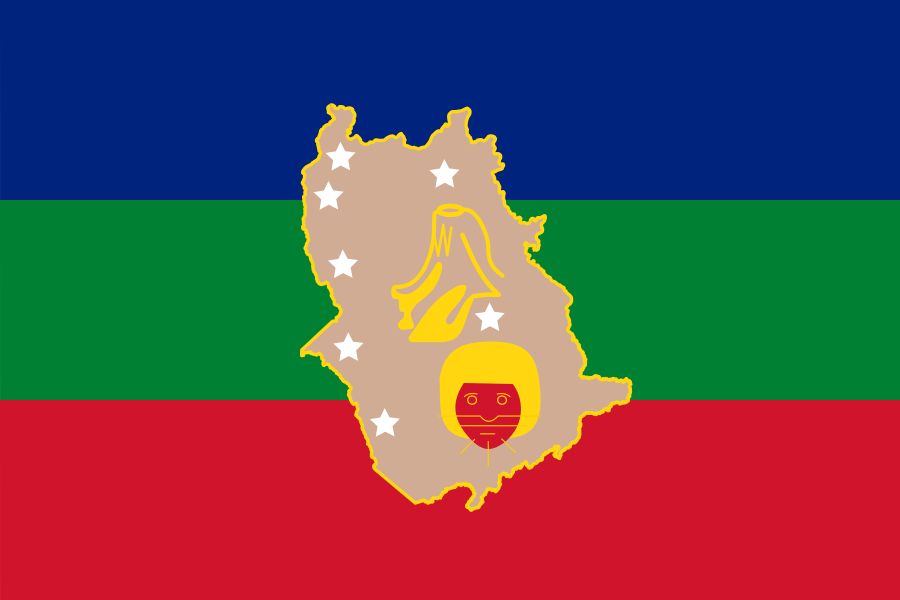
Amazonas
Neighbouring countries
Venezuela shares a land border with 3 countries: Brazil, Colombia and Guyana.
Other flags in yellow, blue and red
9 other national flags use the same main colours as Venezuela's.
Play Globalio and learn Venezuela's flag
 Colombia
 Ecuador
 Brazil
 Guyana
 Andorra
 Chad
 DR Congo
 Liechtenstein
 Moldova
 Mongolia
 Romania