 Colombia
 Ecuador
 Venezuela

1992–present
Flag of Brazil (27 stars)
Updated in 1992 to 27 stars after several territories became states, each star representing a state or the Federal District. It is one of the few national flags that maps an actual astronomical sky.
Brazil is the largest country in South America and the fifth-largest in the world, home to the Amazon Rainforest — the world's largest tropical rainforest — which contains roughly 10% of all species on Earth. Brazil has one of the world's most diverse populations, shaped by Indigenous, African, Portuguese, and subsequent immigrant heritage from around the world. It is renowned for its Carnival festival, passionate football culture, and the music genres of samba and bossa nova.
Population and area are rounded.
Green and yellow come from the royal houses of Emperor Pedro I and Empress Maria Leopoldina, though they are popularly read as forests and gold. The blue globe shows the night sky over Rio de Janeiro on 15 November 1889, when the republic was proclaimed, with 27 stars for the states and the Federal District, and the positivist motto “Ordem e Progresso”, order and progress.
Green field with a yellow diamond, blue globe with stars and the motto "Ordem e Progresso."
Brazil is the only country in the Americas where Portuguese is the official language.
Brazil's flag is often mixed up with these. Learn to tell them apart:
Every flag that has flown over Brazil, from today back through time.
Updated in 1992 to 27 stars after several territories became states, each star representing a state or the Federal District. It is one of the few national flags that maps an actual astronomical sky.
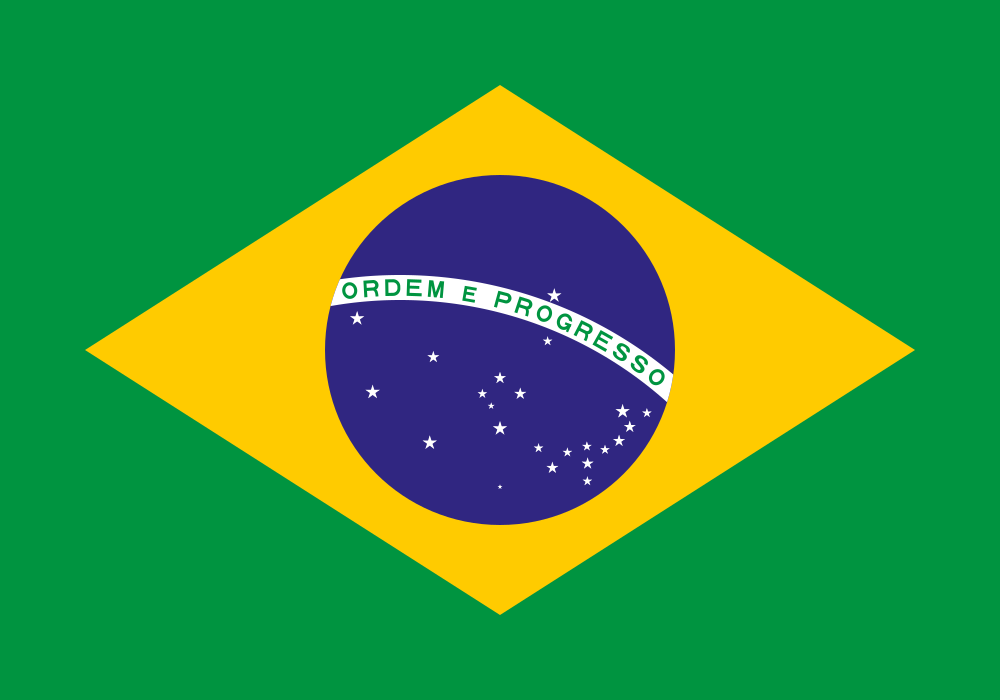
The constellation was rearranged and a star added for the new state of Acre. The layout still encoded the night sky over Rio de Janeiro on the morning the republic was proclaimed.
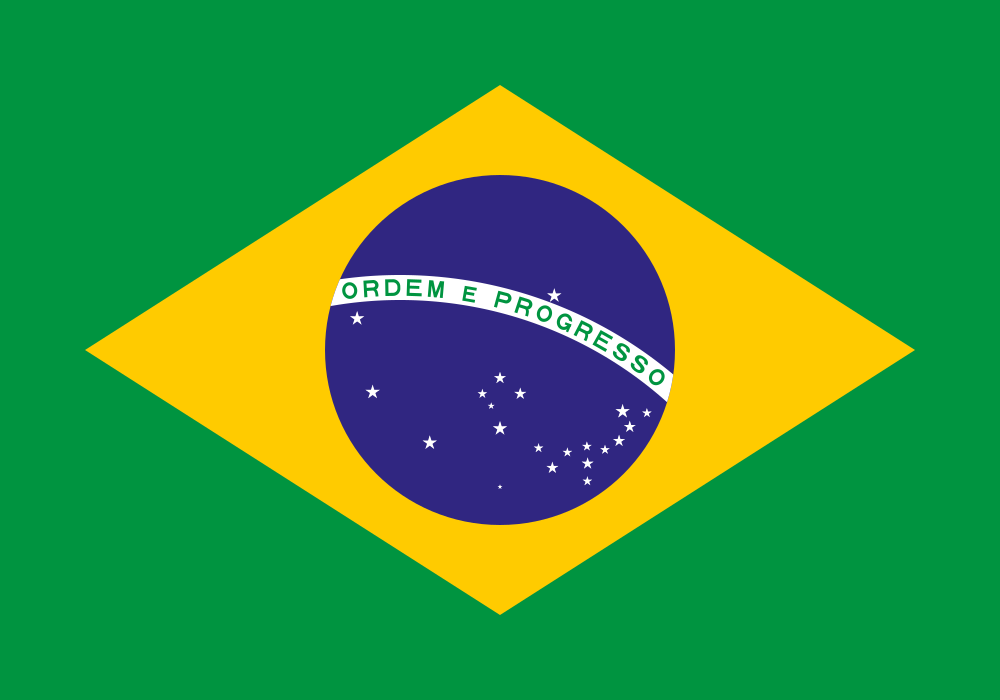
The classic green-and-yellow design with a blue celestial globe, the motto "Ordem e Progresso," and 21 stars. The sky depicts the constellations as seen over Rio on the morning of 15 November 1889.
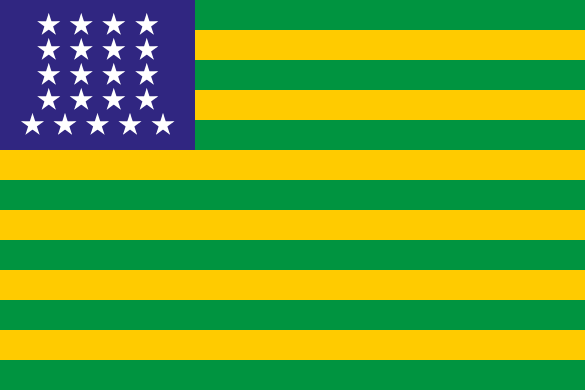
A short-lived flag inspired by the United States, with green-and-yellow stripes and a blue canton, flown for only days after the monarchy fell before the starry design replaced it.
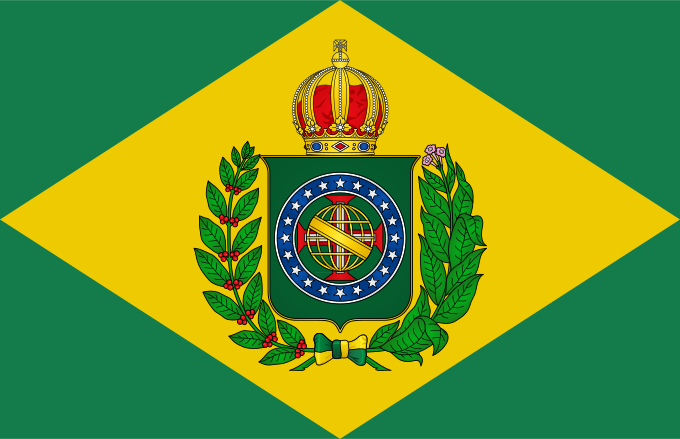
A green field with a yellow rhombus framing the imperial arms. Green stood for the House of Braganza and yellow for the Habsburgs — the houses of Emperor Pedro I and Empress Maria Leopoldina.
Separatist republic of the era:
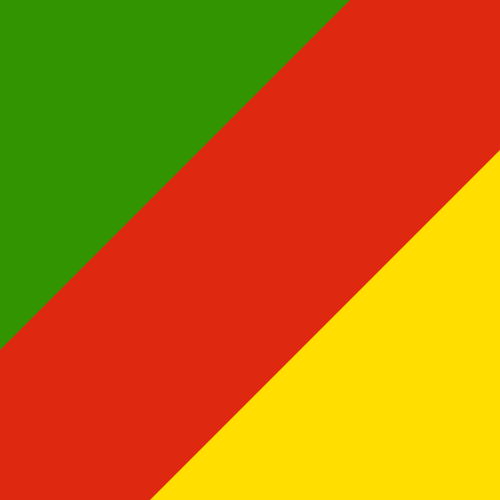
The "Ragamuffin War" saw Brazil's southernmost province secede as the Riograndense Republic from 1836 to 1845 — the longest civil war in Brazilian history. Giuseppe Garibaldi fought on the rebel side before his later Italian campaigns.
Empires, kingdoms and republics that once covered part of Brazil.
A green field with a yellow rhombus bearing the imperial arms ringed by 20 stars. The republican coup of 1889 swapped the crowned arms for the celestial globe and 'Ordem e Progresso'.
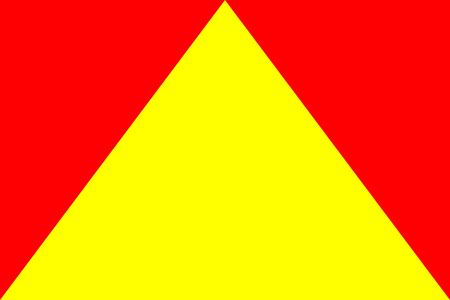
A yellow field with a red cross, designed by adventurer James Harden-Hickey for his unrecognized micronation on the uninhabited Brazilian island of Trindade.
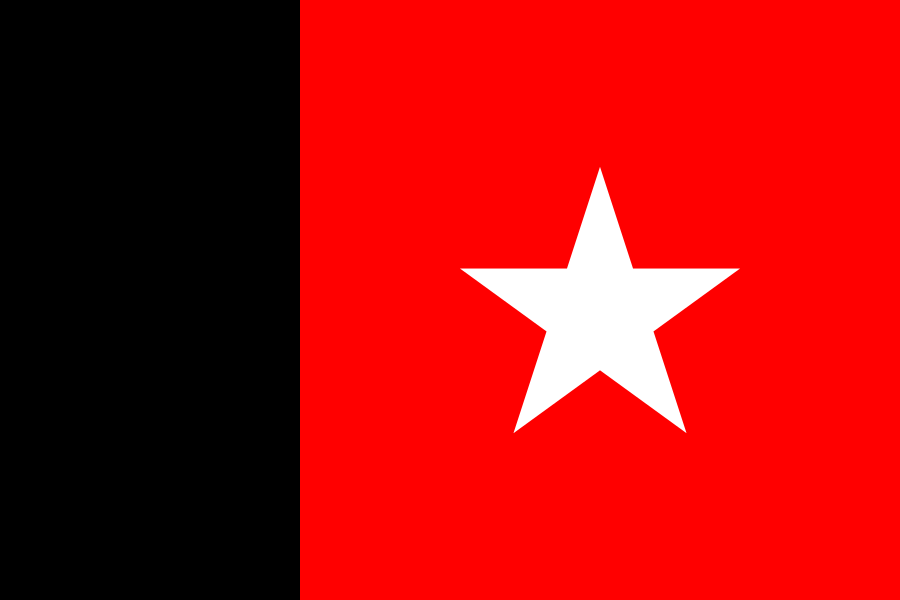
A self-proclaimed republic in the disputed France–Brazil border zone of Guiana, promoted by French adventurers but never internationally recognized.
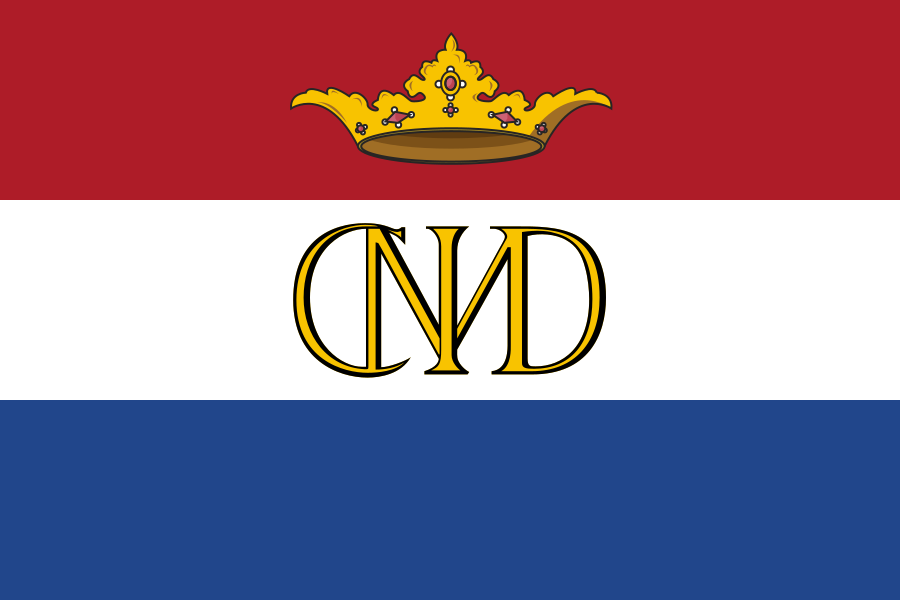
A Dutch tricolor with the Dutch West India Company monogram, flown over the sugar colony the Dutch held in northeastern Brazil for a quarter-century.
The breakaway republic of the decade-long Farroupilha (Ragamuffin) War in southern Brazil — three diagonal stripes of green, red, and yellow.
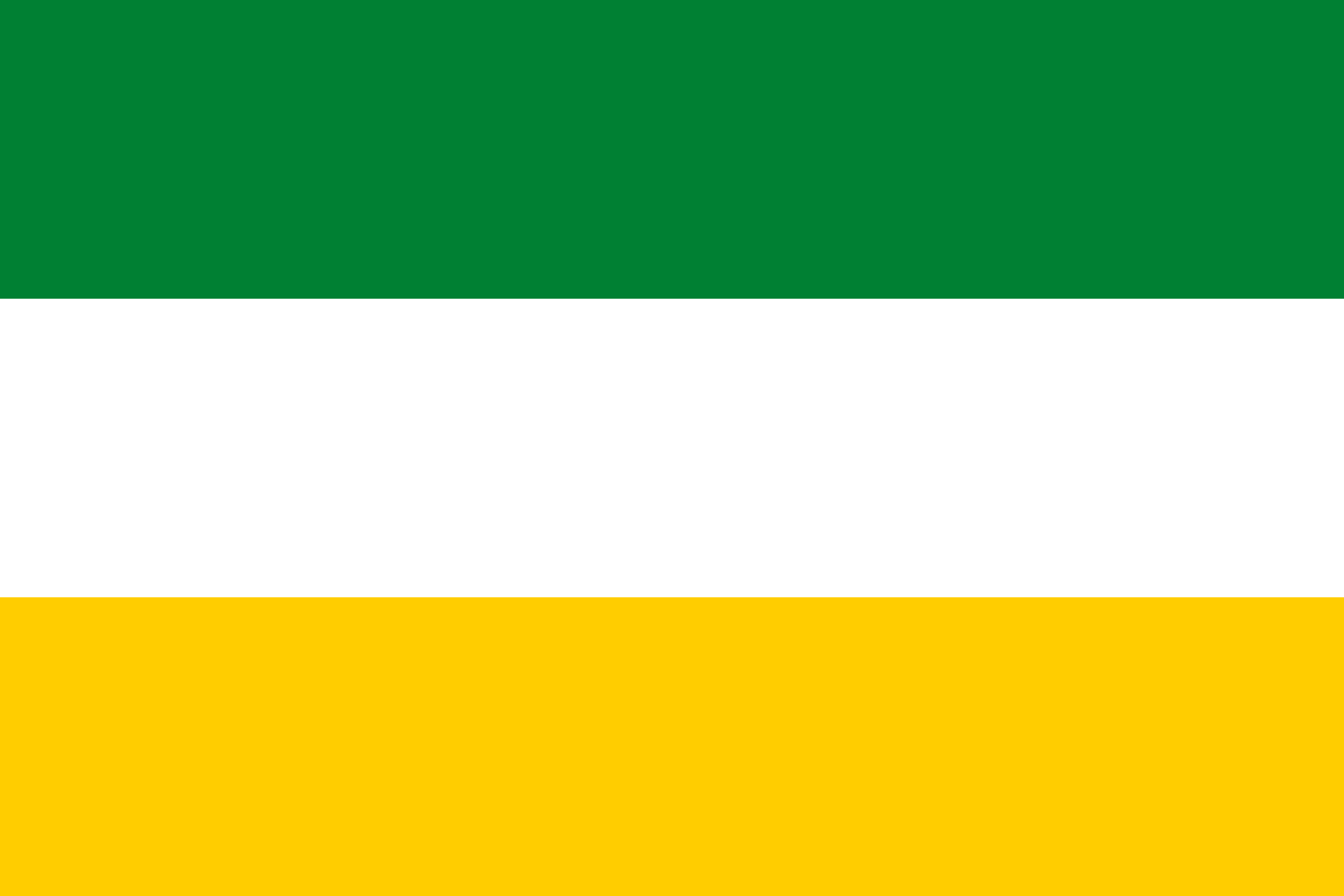
A short-lived republic proclaimed at Laguna in Santa Catarina during the Ragamuffin War, allied with the Riograndense rebels. The Italian revolutionary Giuseppe Garibaldi fought for it.
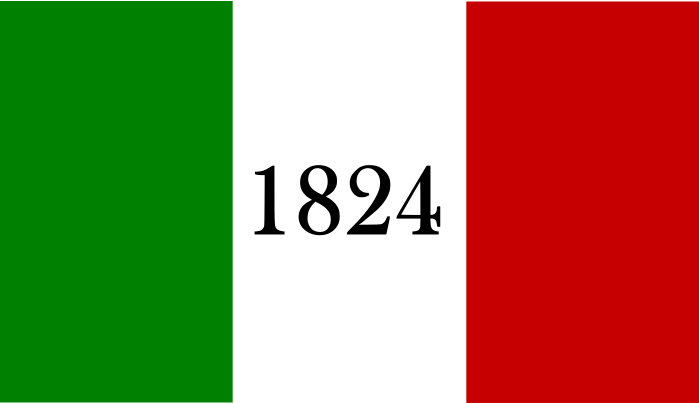
A short-lived secessionist confederation of northeastern Brazilian provinces revolting against the new emperor; a sky-blue field with a shield reading 'Confederação'.
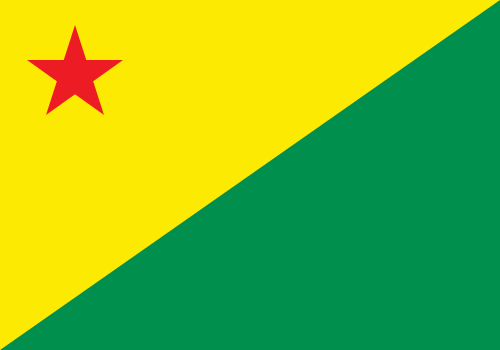
Rubber-tappers in the Bolivia–Brazil borderland declared an independent republic over the lucrative Acre territory; its diagonal yellow-green flag survives as the Brazilian state flag.
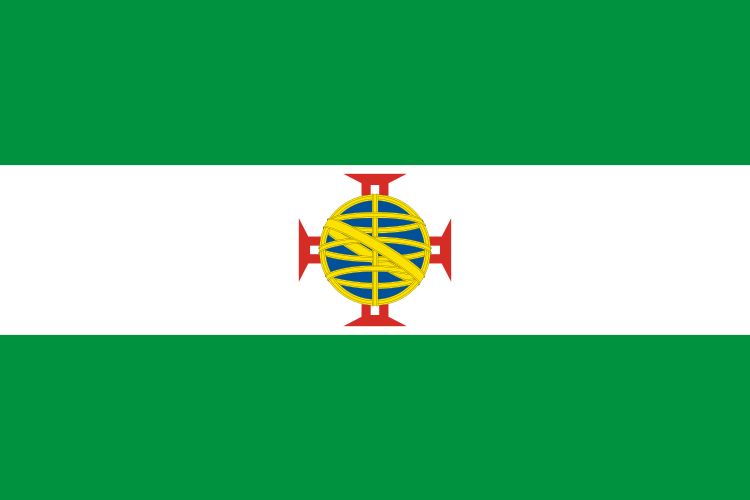
The name given to present-day Uruguay while it was annexed first to Portugal and then to the Empire of Brazil, until the 1828 war secured its independence.
The 27 states, provinces and regions of Brazil with their own flags.
Acre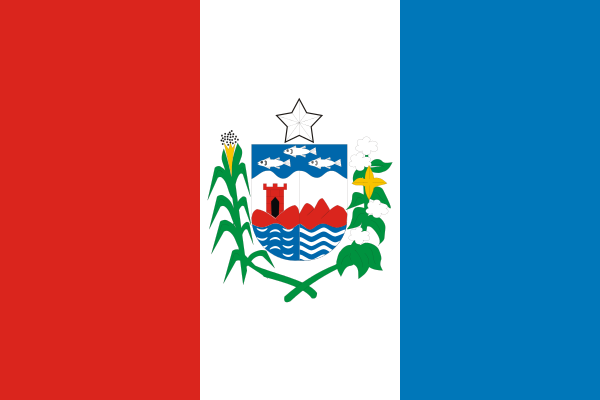 Alagoas
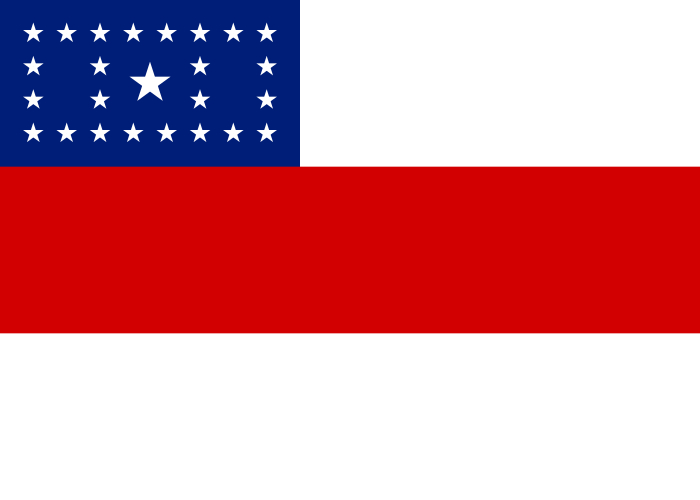 Amazonas
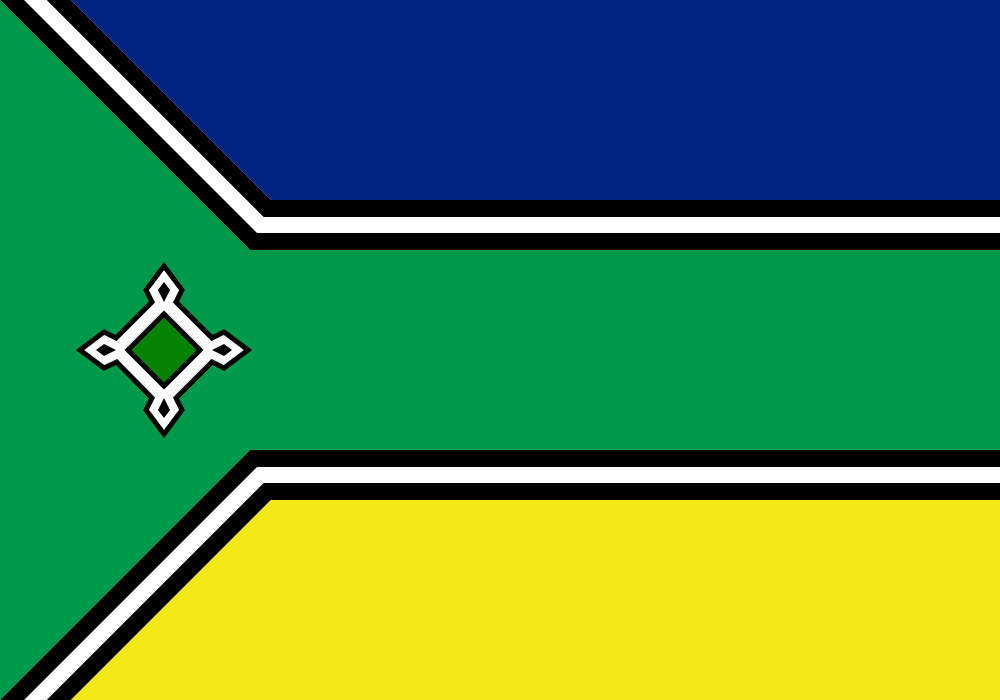 Amapá
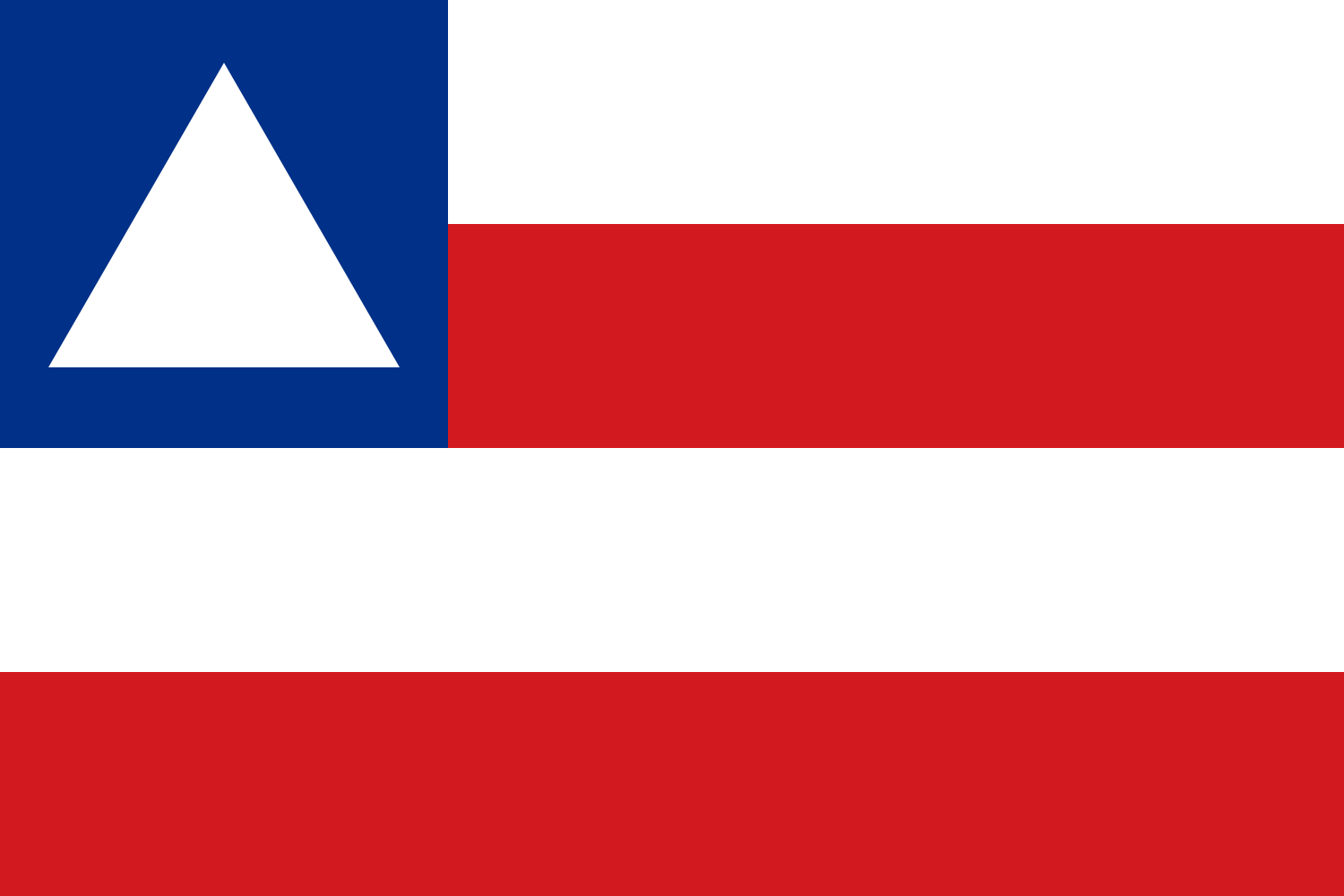 Bahia
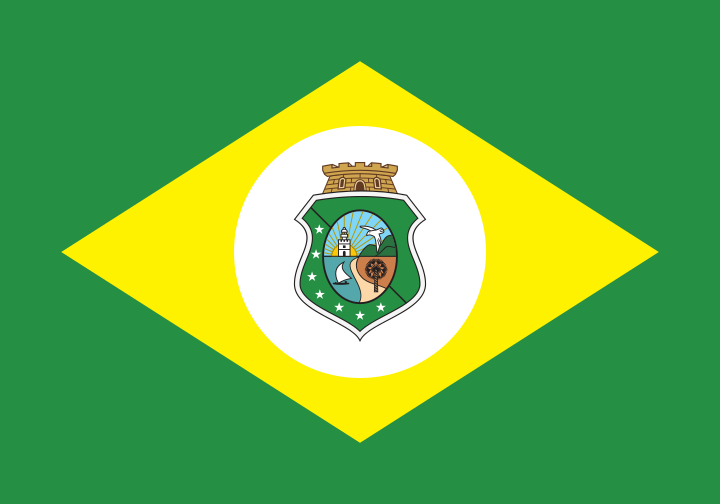 Ceará
 Distrito Federal
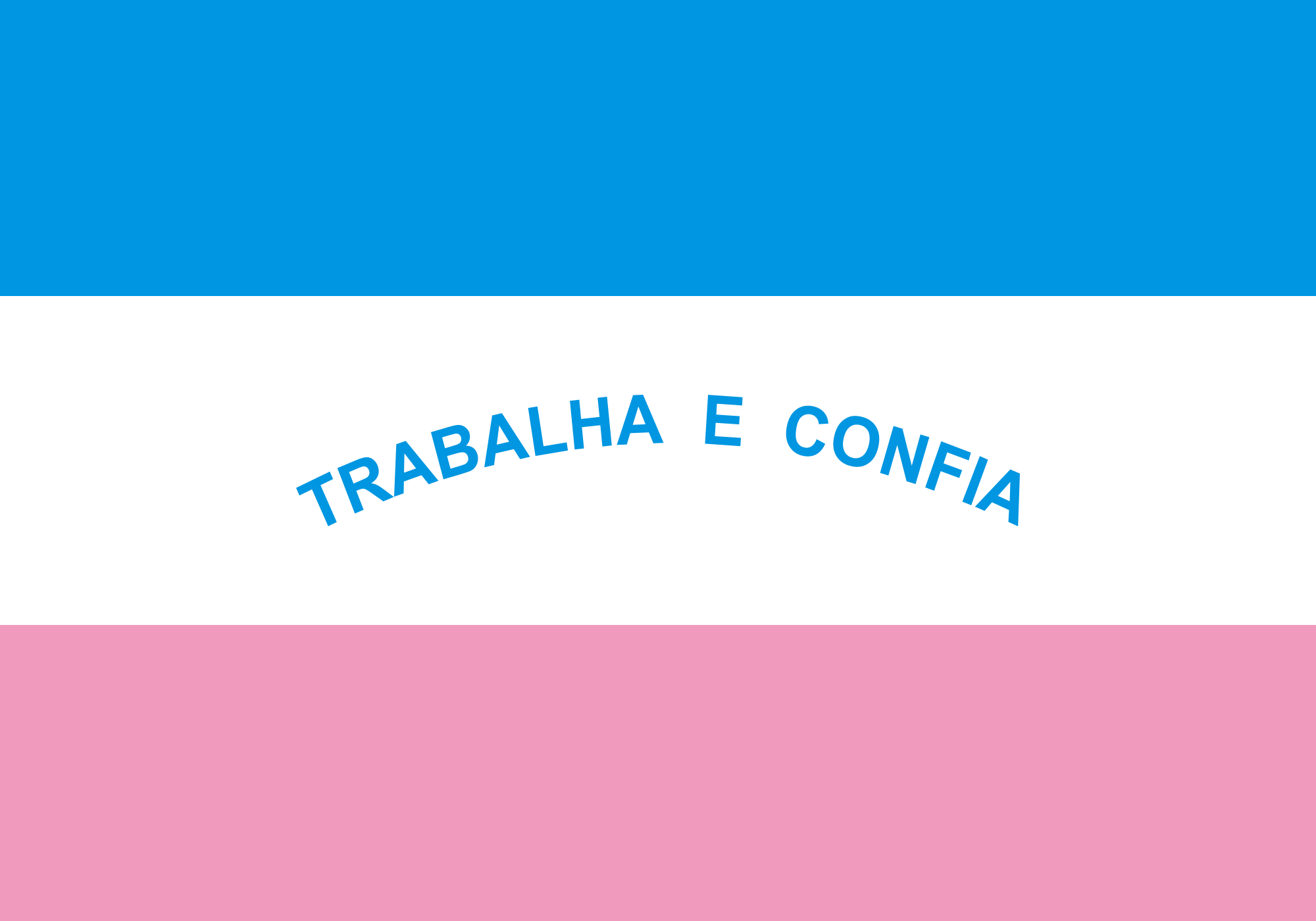 Espírito Santo
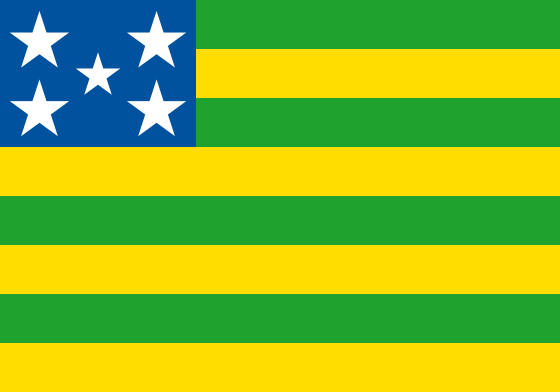 Goiás
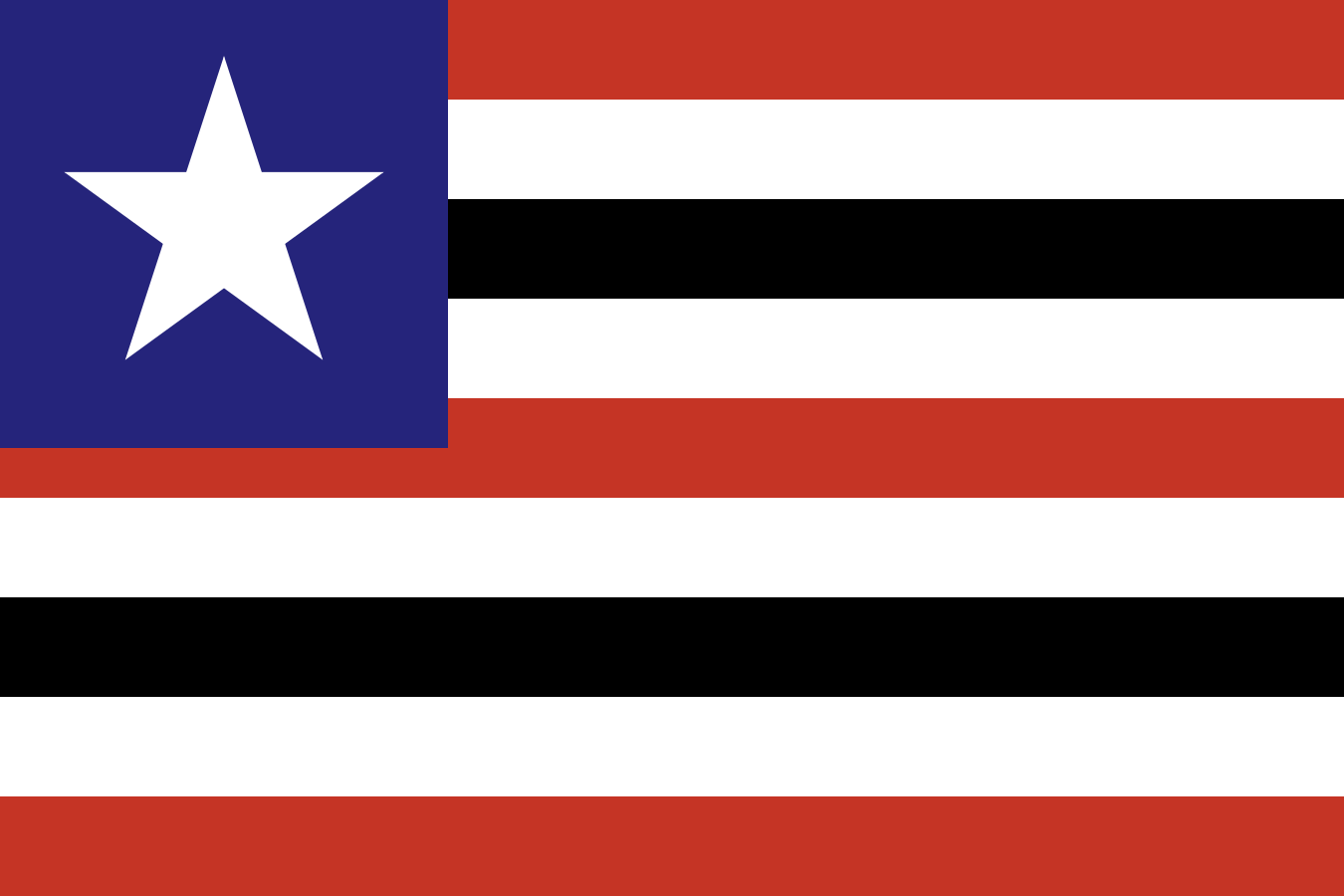 Maranhão
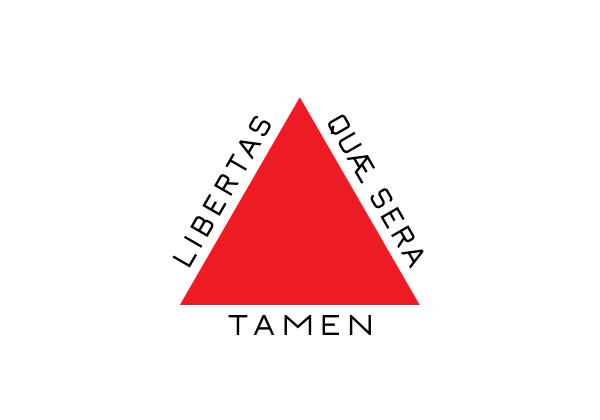 Minas Gerais
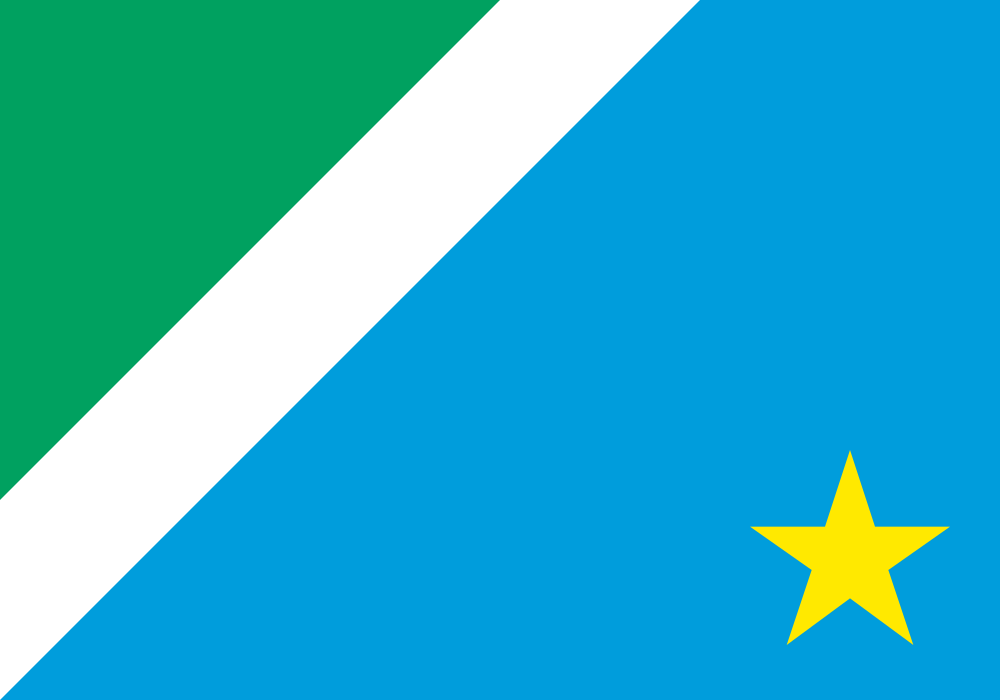 Mato Grosso do Sul
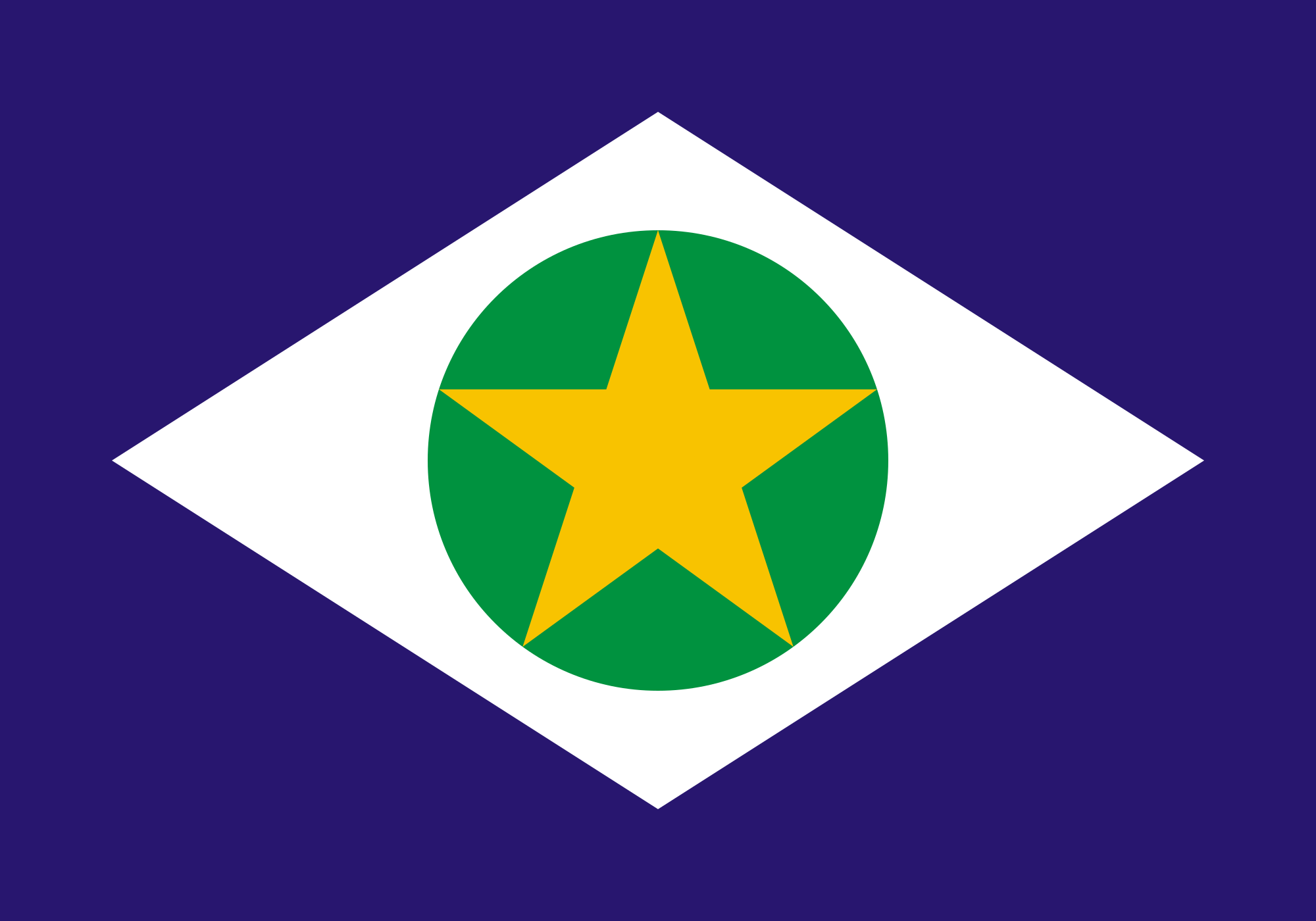 Mato Grosso
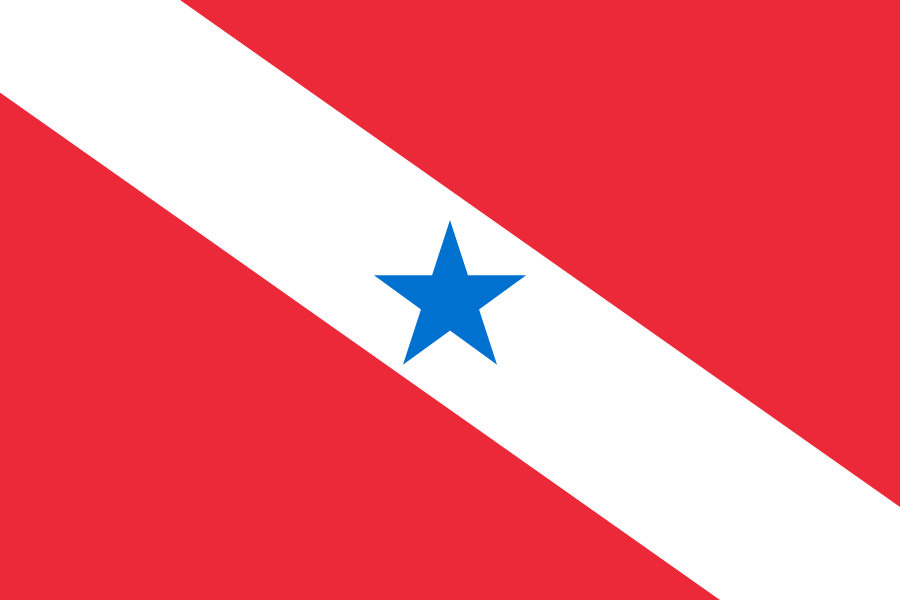 Pará
 Paraíba
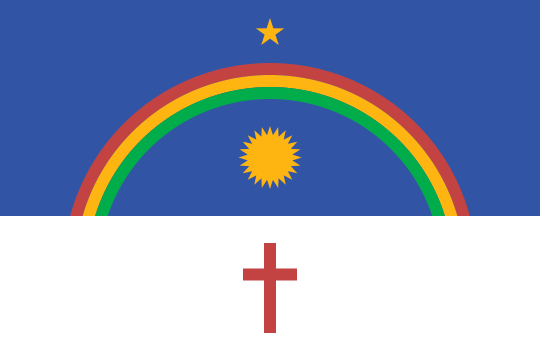 Pernambuco
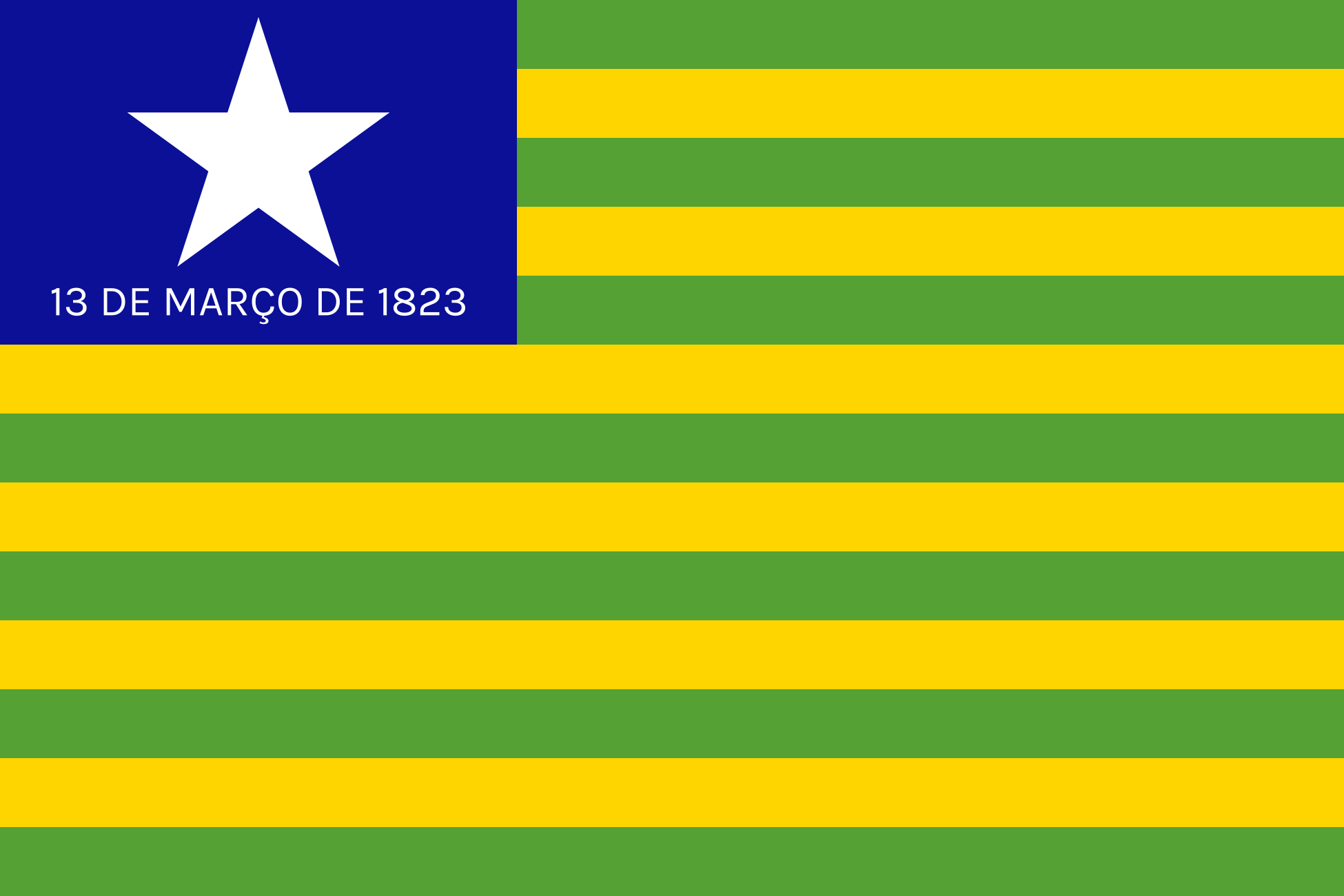 Piauí
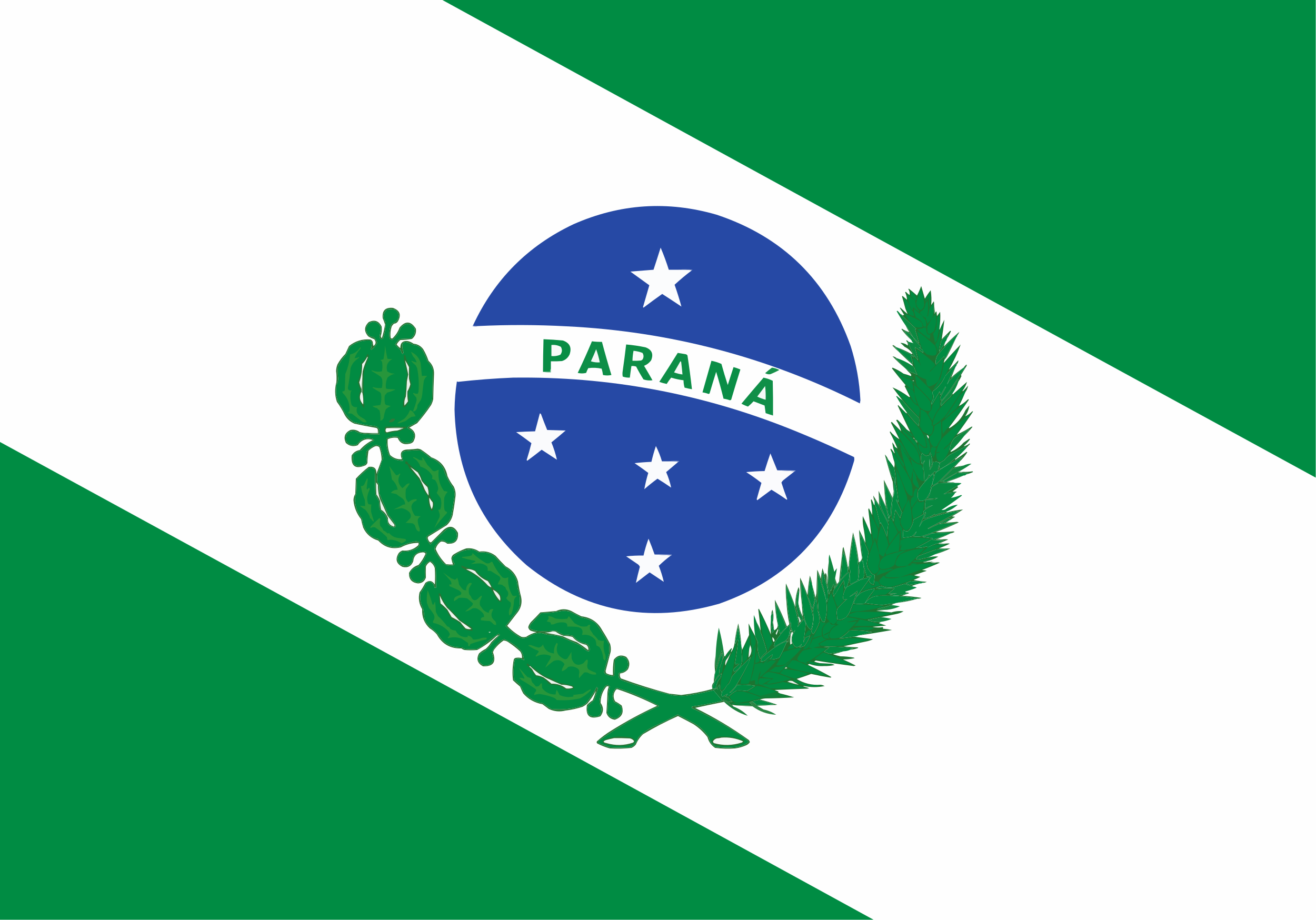 Paraná
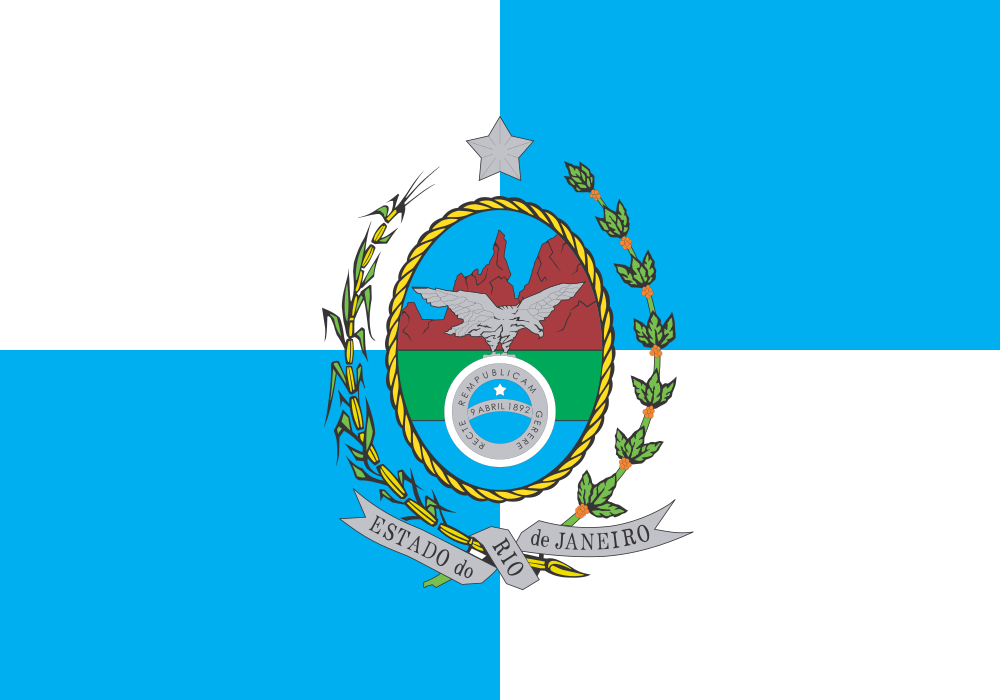 Rio de Janeiro
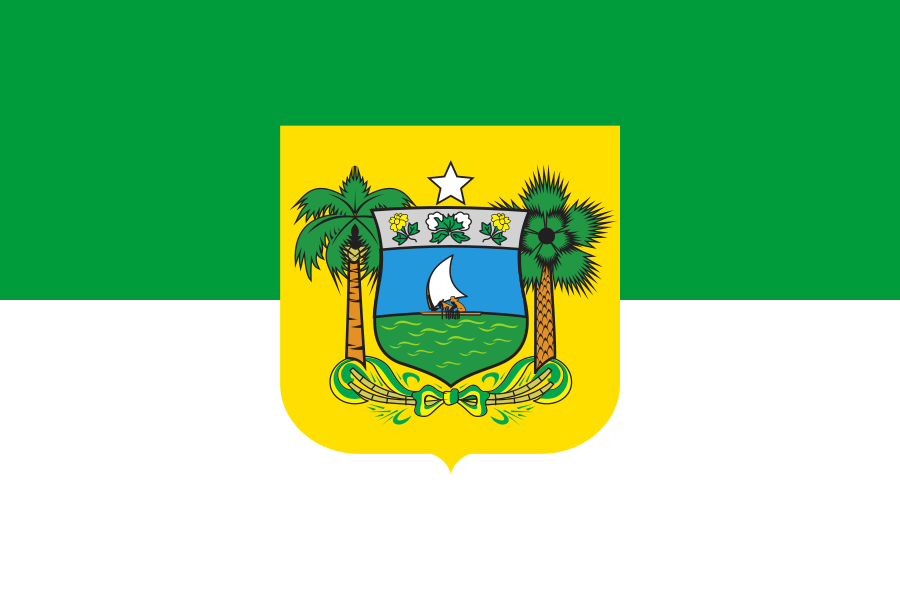 Rio Grande do Norte
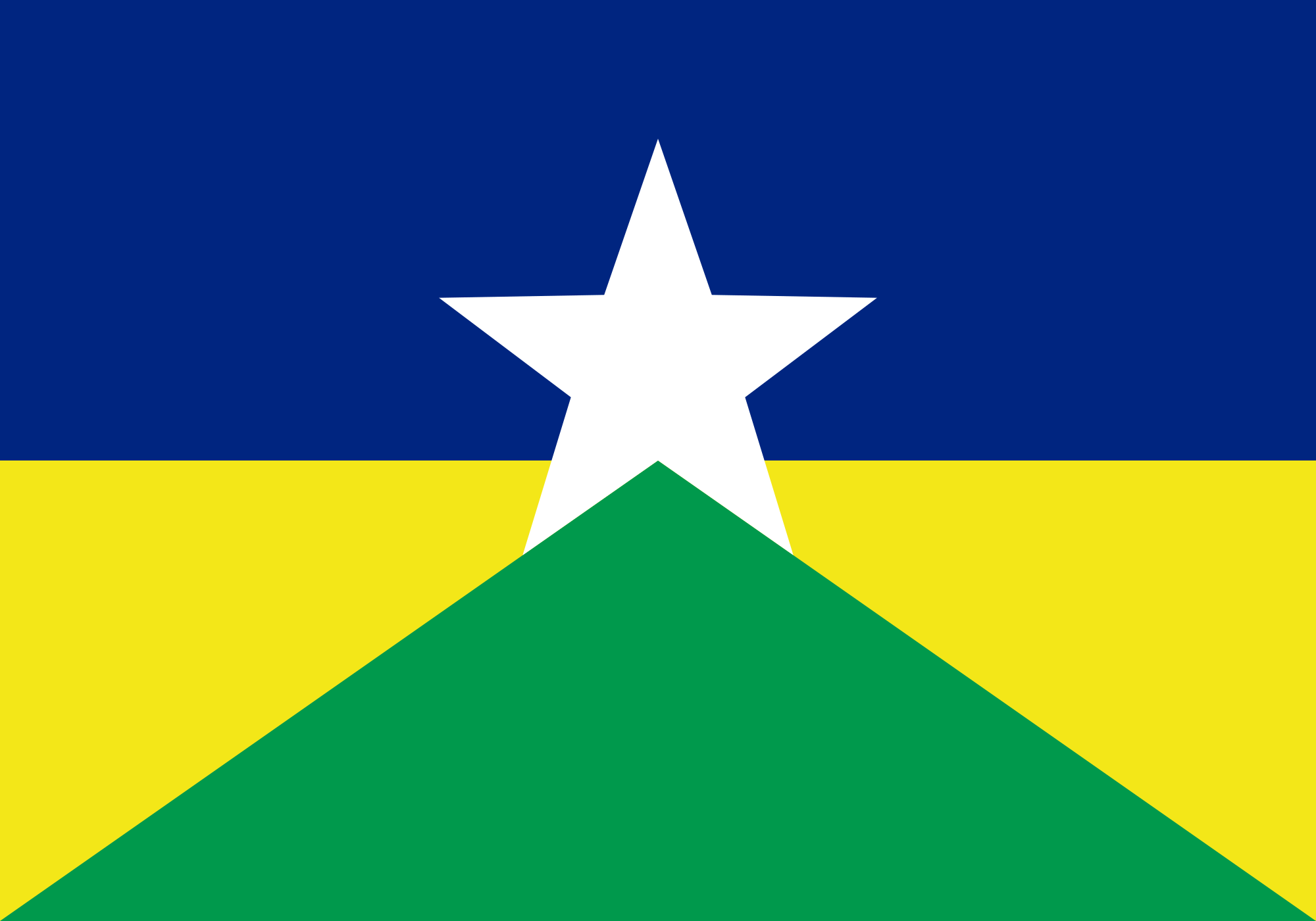 Rondônia
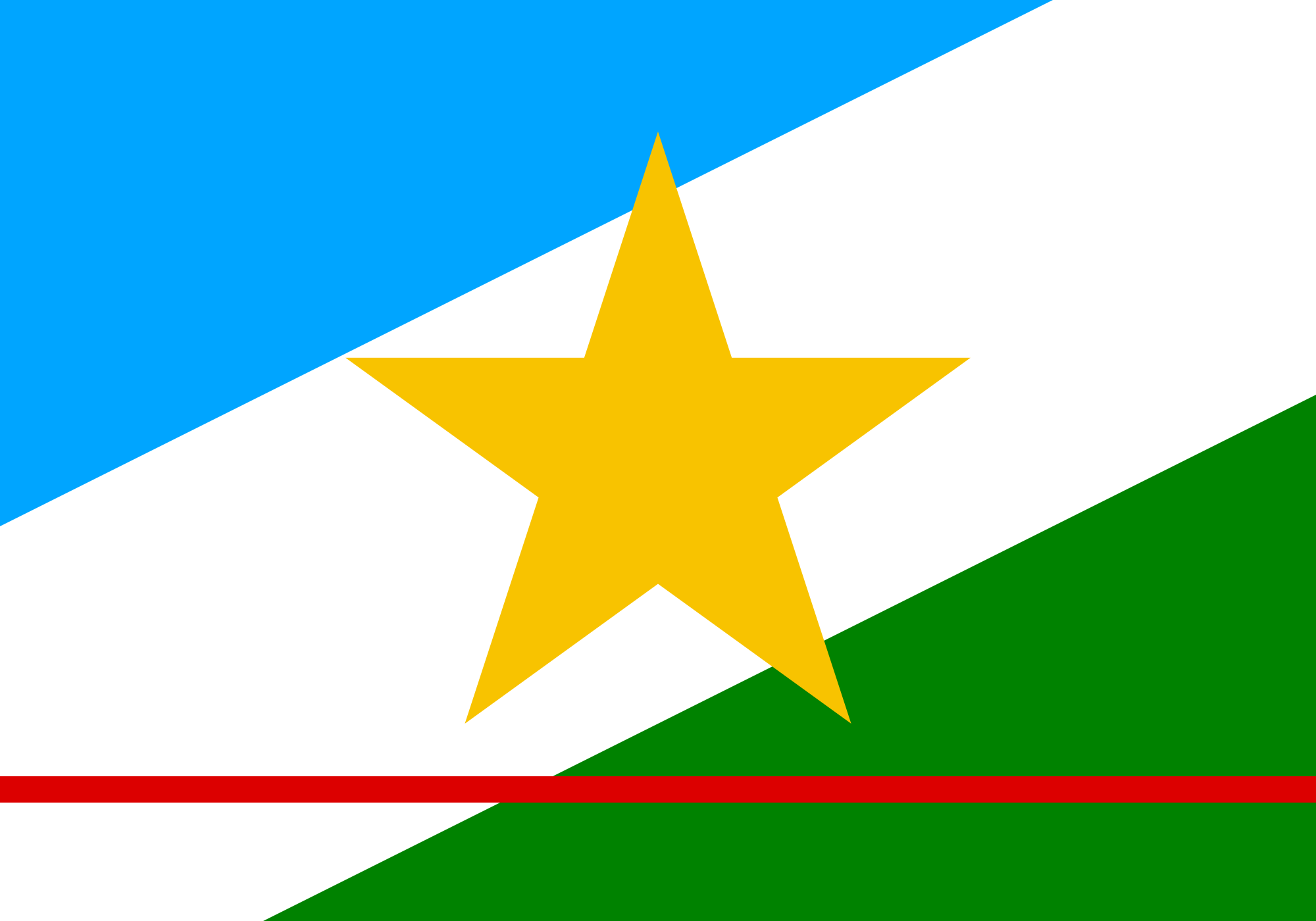 Roraima
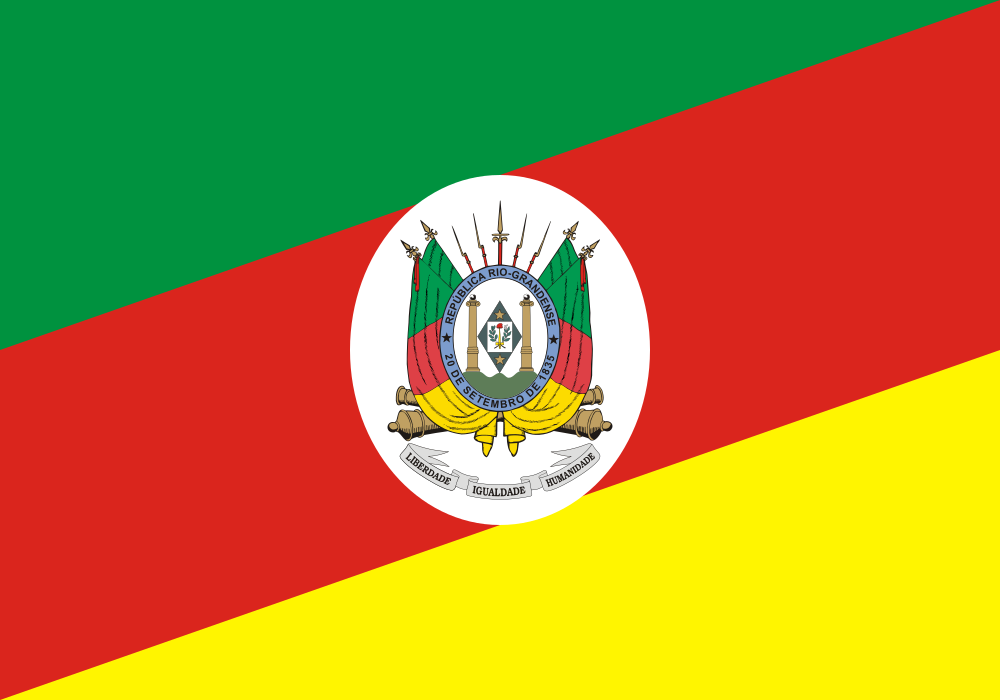 Rio Grande do Sul
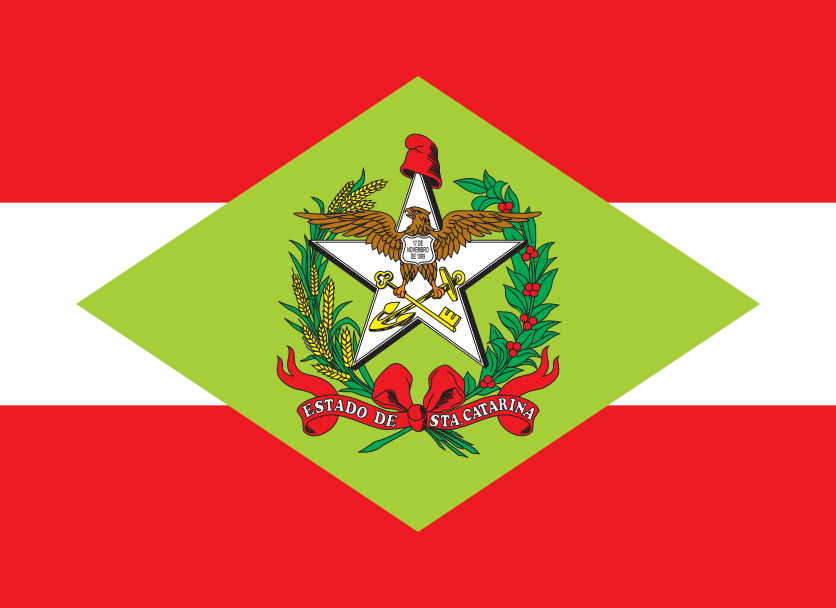 Santa Catarina
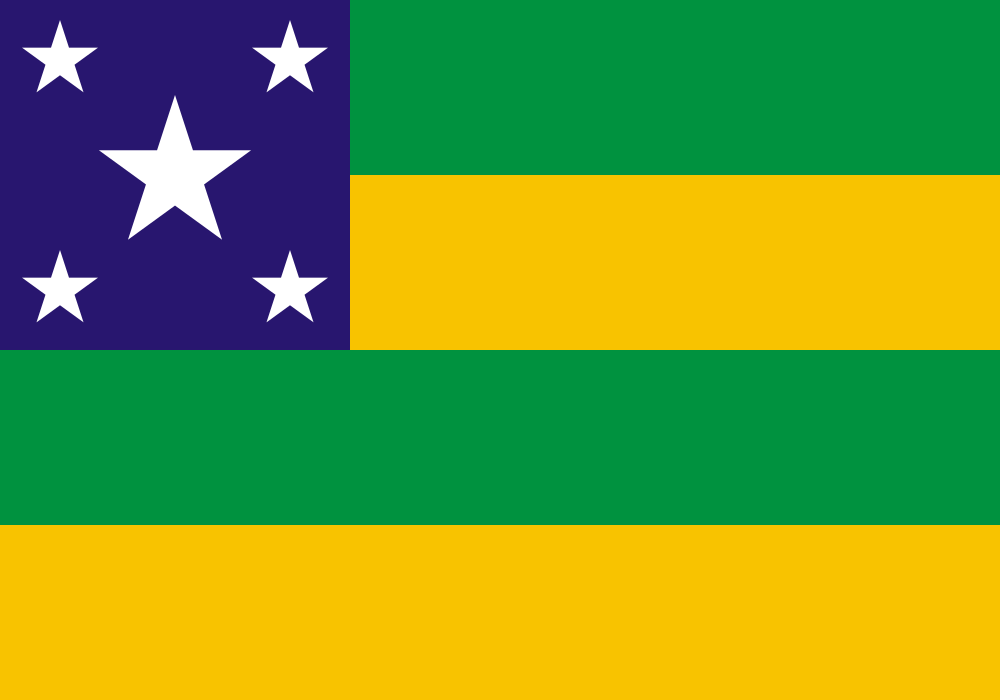 Sergipe
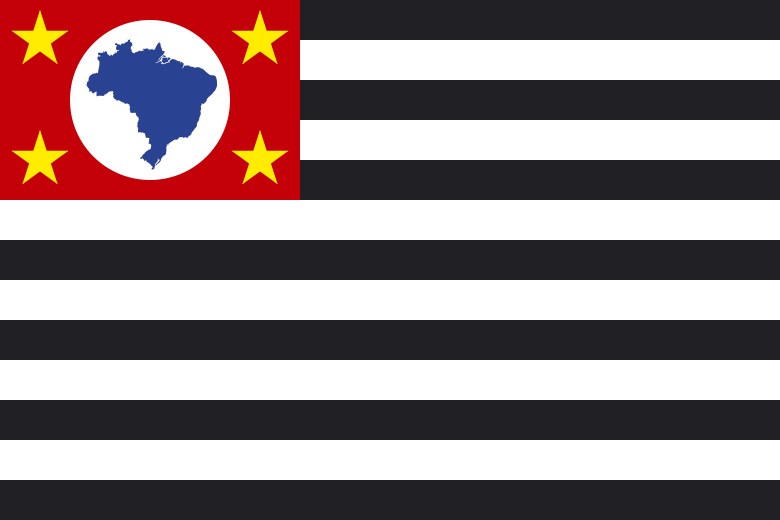 São Paulo
 Tocantins
Brazil shares a land border with 9 countries: Argentina, Bolivia, Colombia, Guyana, Paraguay, Peru, Suriname, Uruguay and Venezuela.
One other national flag uses the same main colours as Brazil's.
Play Globalio and learn Brazil's flag Argentina
 Bolivia
 Guyana
 Paraguay
 Peru
 Suriname
 Uruguay
 Solomon Islands