Americas
Flag of Ecuador
Ecuador is a small country on South America's northwestern coast named after the equator that runs through its territory. It is considered one of the world's most biodiverse countries by land area, and the Galápagos Islands — an Ecuadorian archipelago 1,000 kilometres offshore — are where Charles Darwin developed key insights that led to his theory of natural selection. Ecuador was the first country to enshrine the legal rights of nature in its national constitution, in 2008.

- CapitalQuito
- RegionAmericas
- Current flag since1900
- Main coloursYellow, Blue, Red
- Populationabout 18 million
- Areaabout 256,000 km²
- Flags in history3
Population and area are rounded.
What the flag of Ecuador means
Ecuador shares the yellow, blue and red of Gran Colombia. Its coat of arms shows Mount Chimborazo, the Guayas River with a steamship, a sun surrounded by zodiac signs for the months of the 1845 revolution, and an Andean condor with its wings spread. The current flag was adopted in 1860.
How to recognise it
Horizontal yellow-blue-red with a double-width yellow stripe, like Colombia, but with a coat of arms (a condor above Mount Chimborazo) in the centre.
Did you know?
Ecuador is one of only two countries in the world named after a geographical feature — the equator.
Easily confused with
Ecuador's flag is often mixed up with these. Learn to tell them apart:
Flag history of Ecuador
Every flag that has flown over Ecuador, from today back through time.
1900–present
Republic of Ecuador (with coat of arms)
Ecuador's flag is visually almost identical to Colombia's and Venezuela's — all three descend from Gran Colombia's yellow-blue-red tricolor. Ecuador distinguishes its state flag with a large coat of arms featuring Mount Chimborazo, a steamboat, and a condor. The proportions of the stripes (yellow taking half the flag) are also inherited directly from Francisco de Miranda's original Gran Colombia design.
1845–1900
Republic of Ecuador (early)
After Gran Colombia dissolved in 1830, Ecuador struggled to differentiate its flag from those of Colombia and Venezuela. Various designs were tried with different coat of arms configurations. The tricolor stripes were maintained throughout but arrangements and arms changed with each new constitution and government.
1819–1830
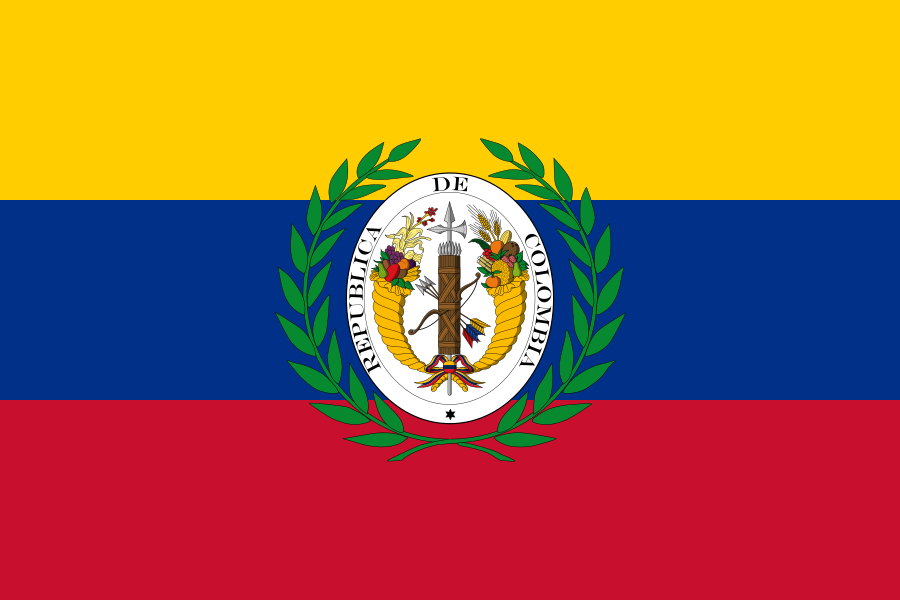
Gran Colombia
Ecuador (then known as the District of the South) was part of Simón Bolívar's Gran Colombia from 1819 to 1830. The yellow-blue-red tricolor designed by Francisco de Miranda was shared across what is now Venezuela, Colombia, and Ecuador — and it still unites all three visually today, more than 190 years after Gran Colombia dissolved.
Related historical states
Empires, kingdoms and republics that once covered part of Ecuador.
1819–1831
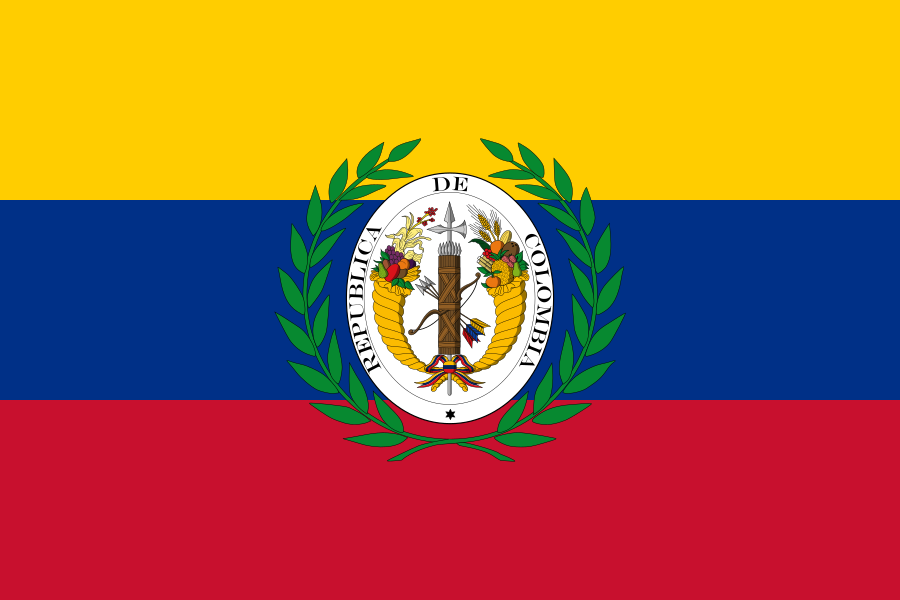
Gran Colombia
Bolívar's union of present-day Colombia, Venezuela, Ecuador, and Panama. Its yellow-blue-red tricolor is the direct ancestor of all three modern flags.

1820–1822
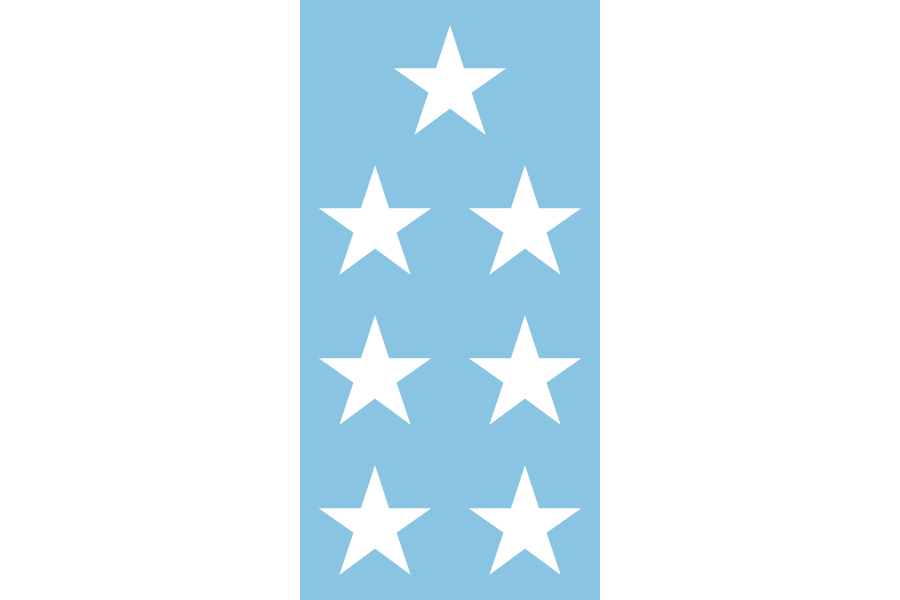
Free Province of Guayaquil
The Pacific port declared itself an independent province in 1820, flying a white flag with light-blue stripes and three stars, before Bolívar incorporated it into Gran Colombia.
Regional flags of Ecuador
The 24 states, provinces and regions of Ecuador with their own flags.
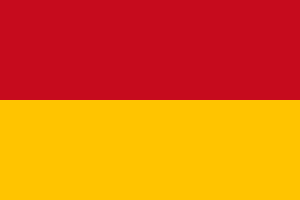
Azuay
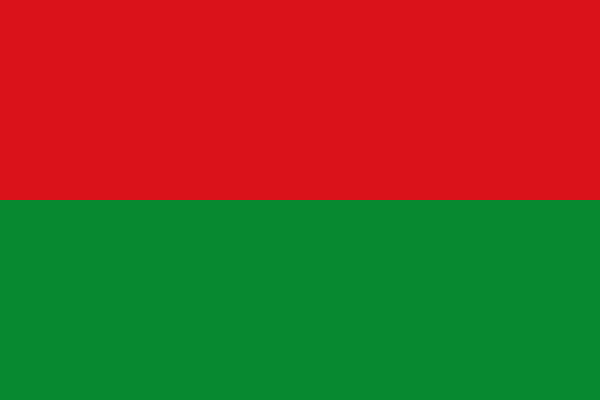
Bolívar
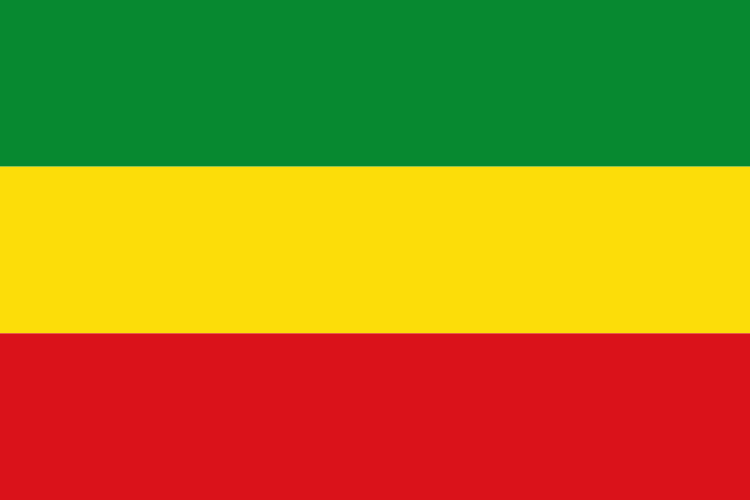
Carchi
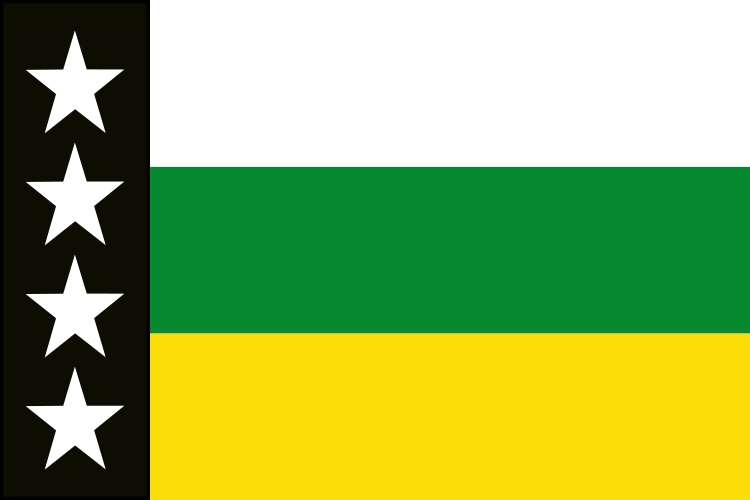
Orellana
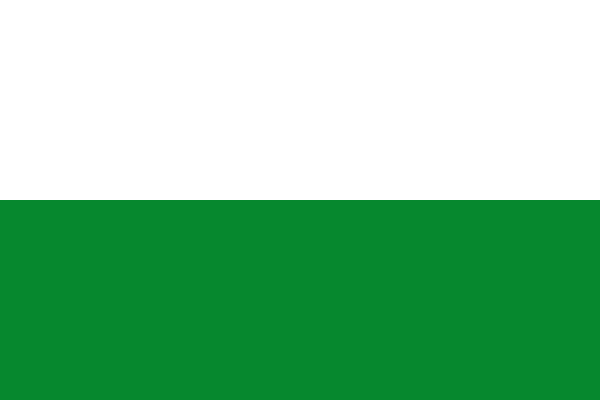
Esmeraldas
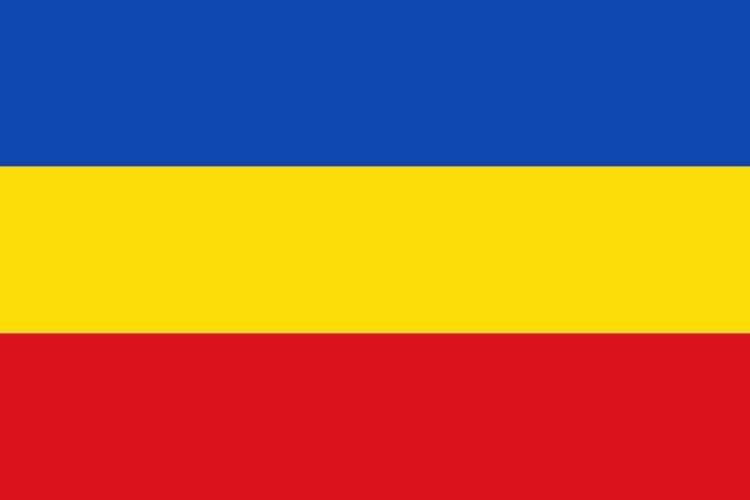
Cañar
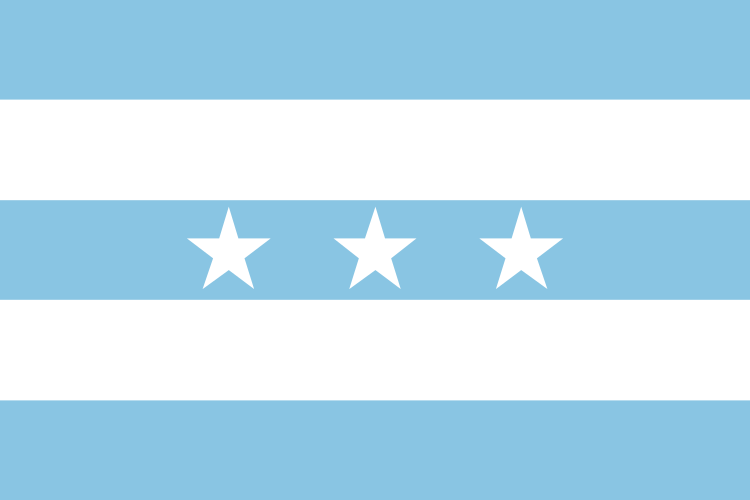
Guayas
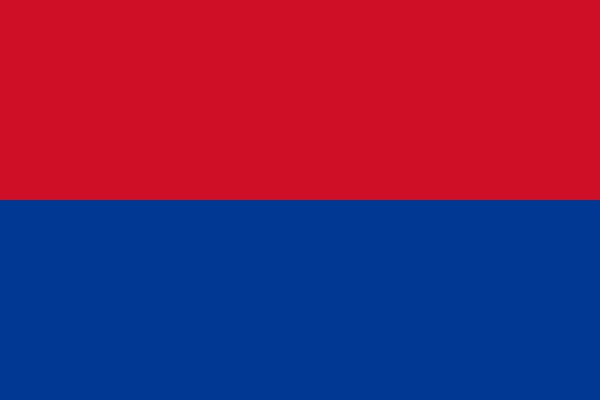
Chimborazo
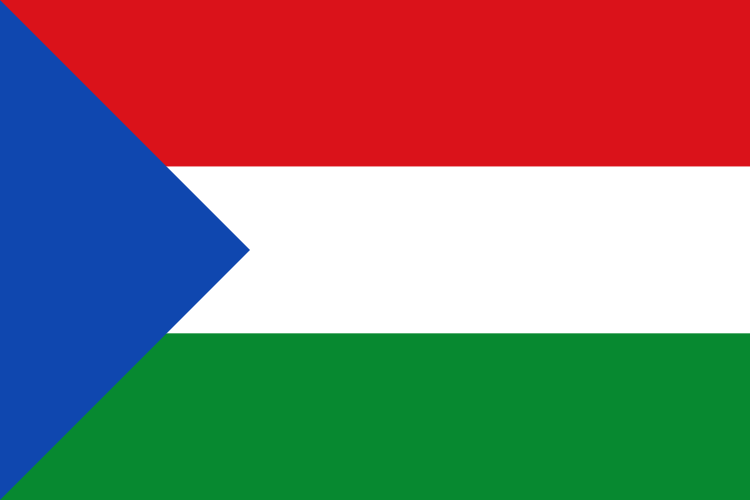
Imbabura
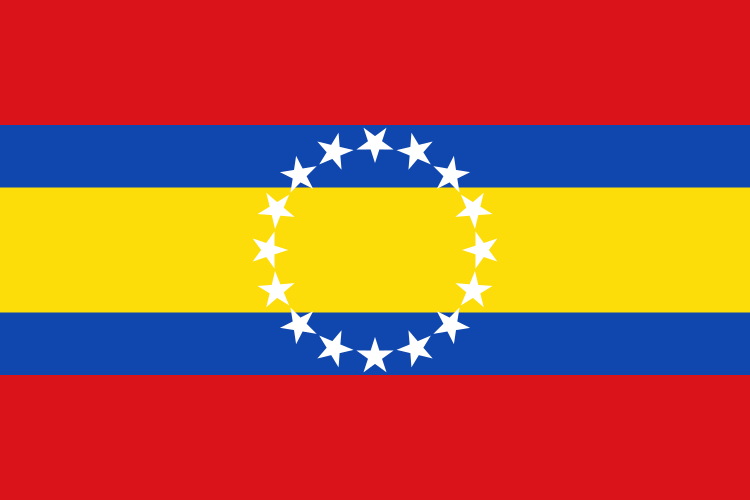
Loja
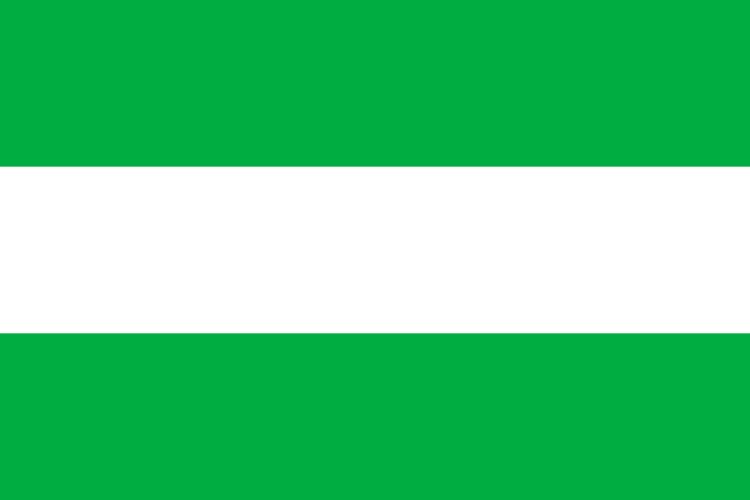
Los Ríos
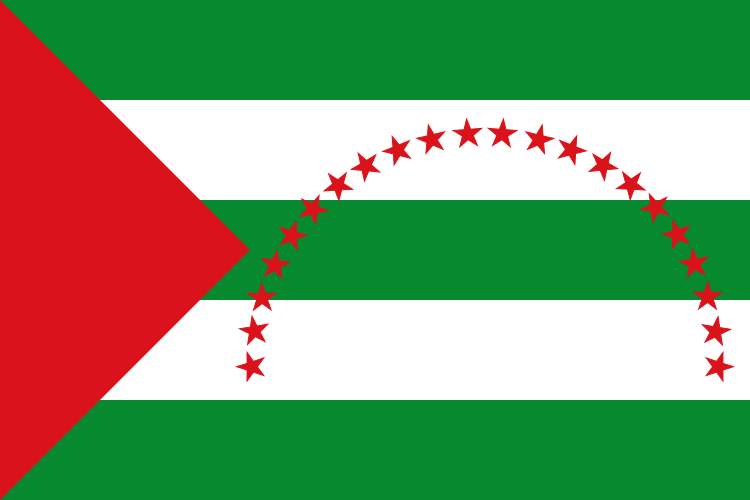
Manabí
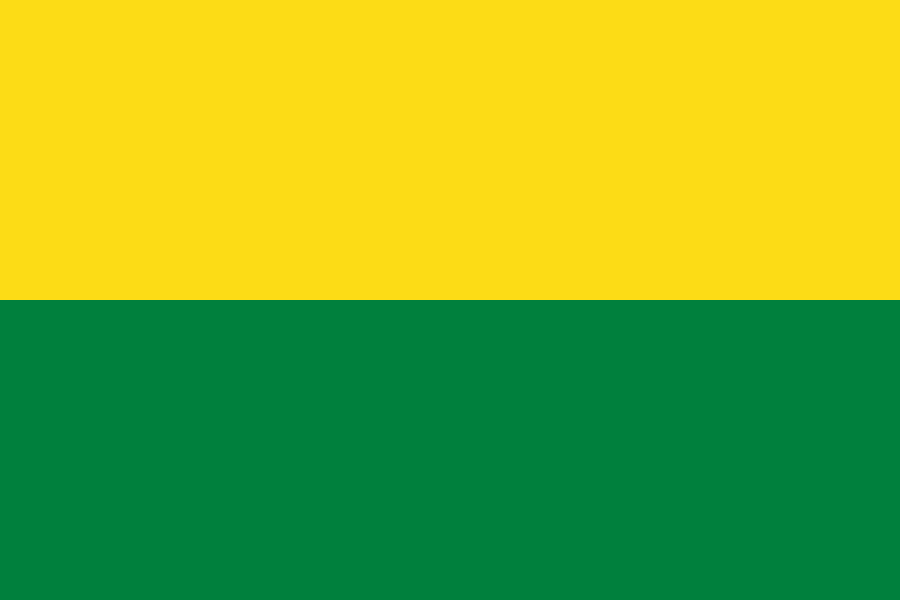
Morona Santiago
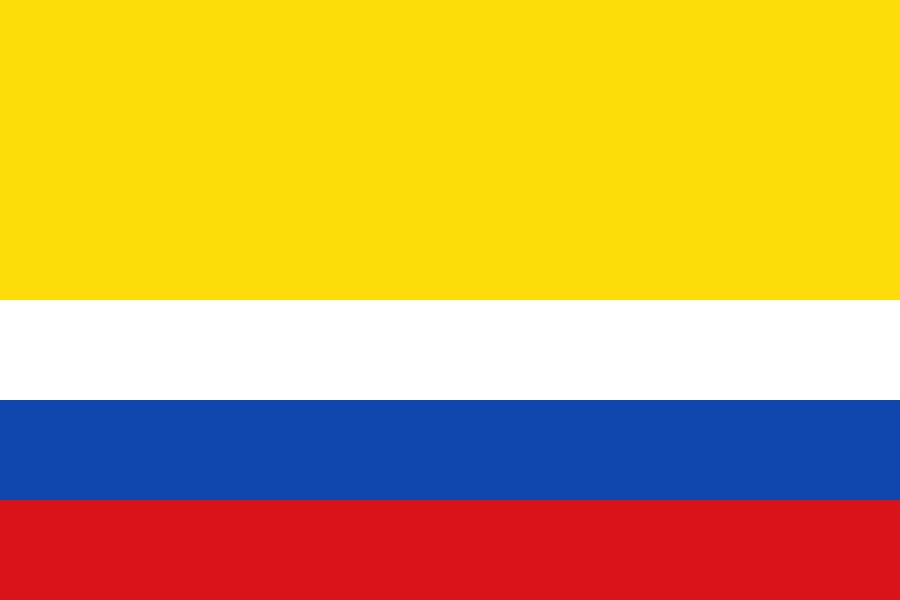
Napo
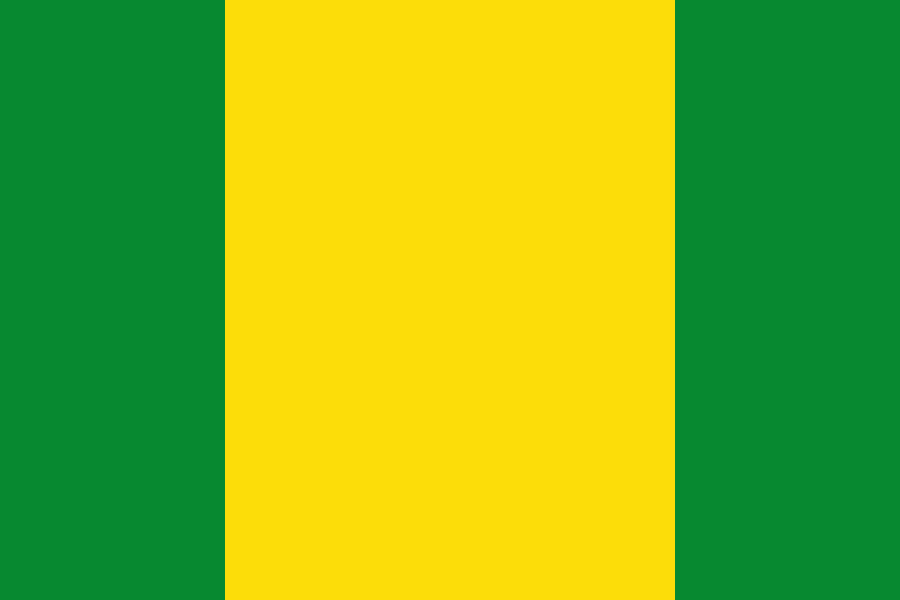
El Oro
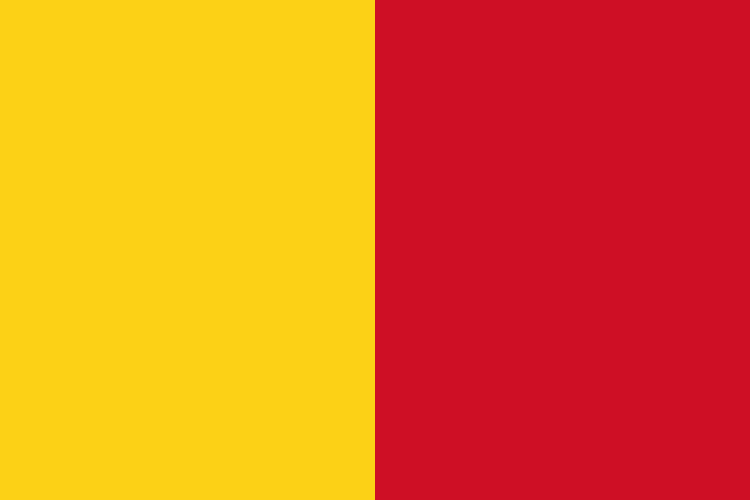
Pichincha
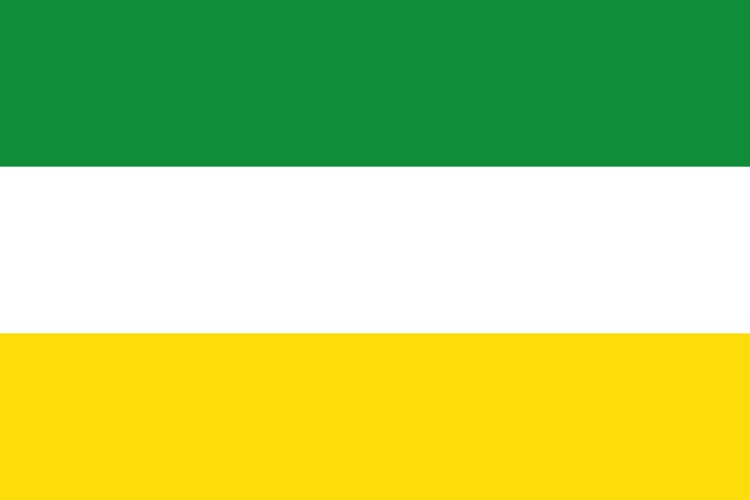
Sucumbíos
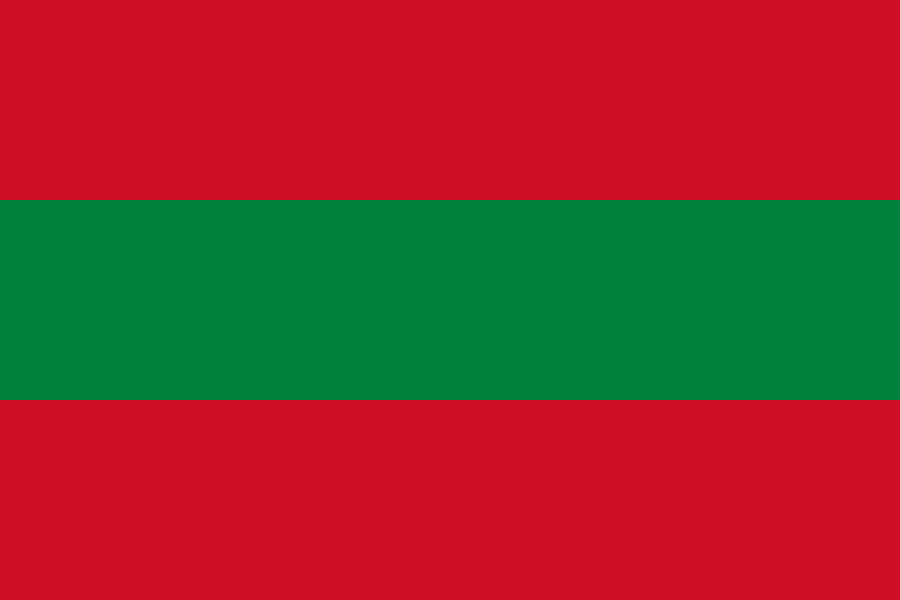
Tungurahua
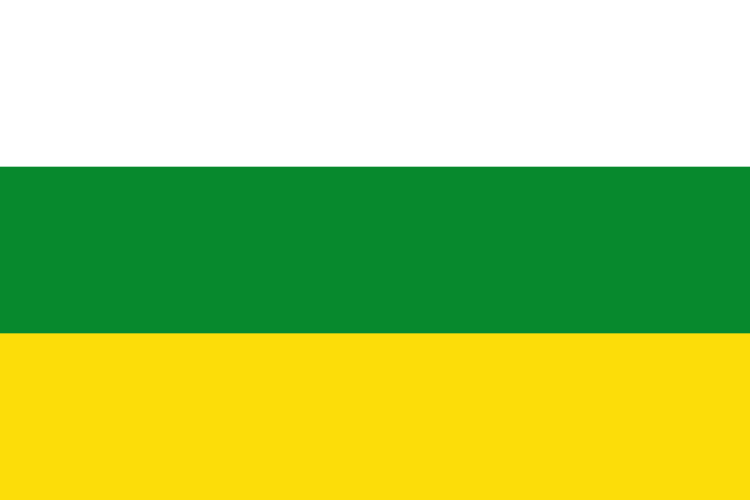
Zamora Chinchipe
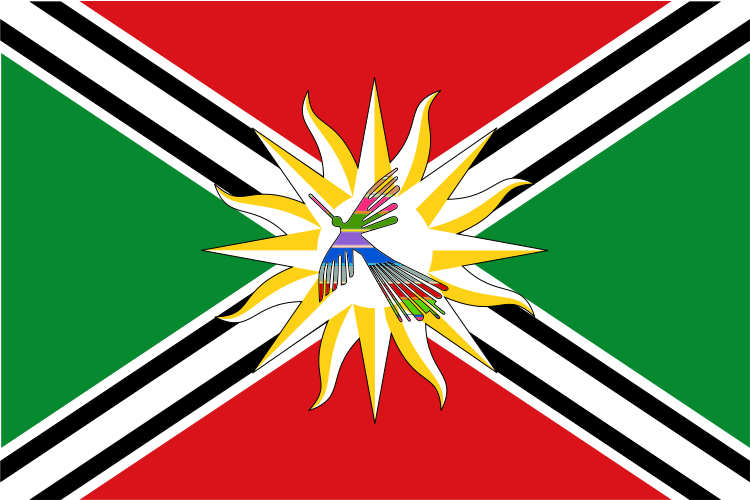
Santo Domingo de los Tsáchilas
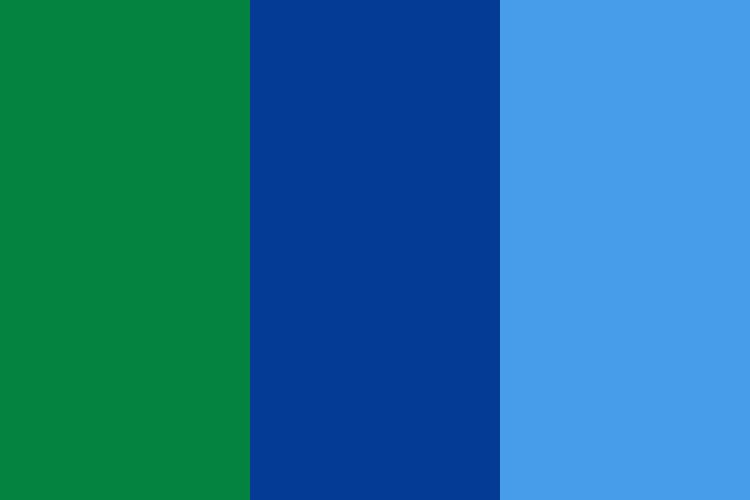
Santa Elena
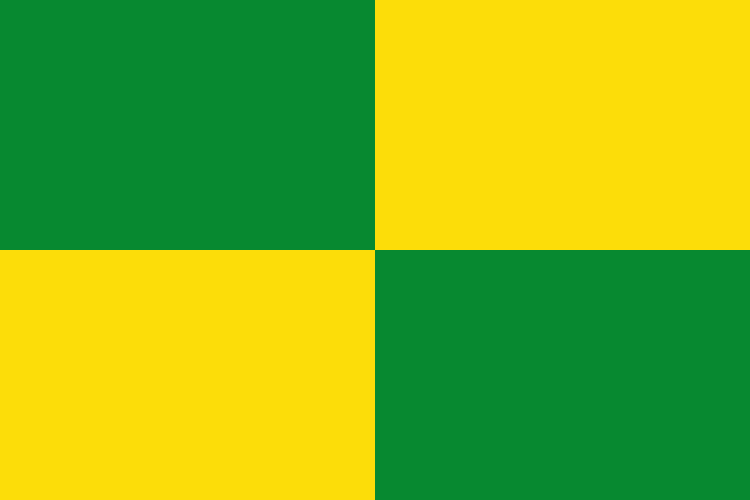
Pastaza
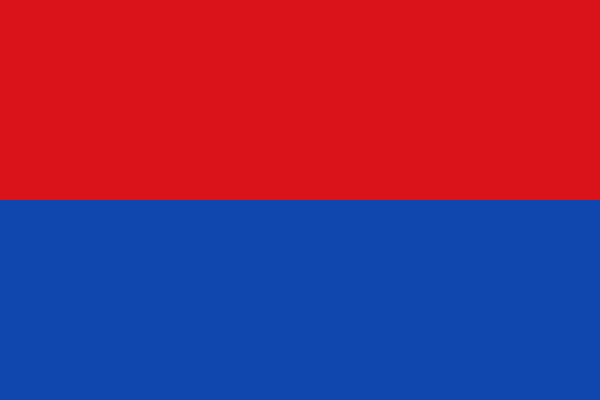
Cotopaxi
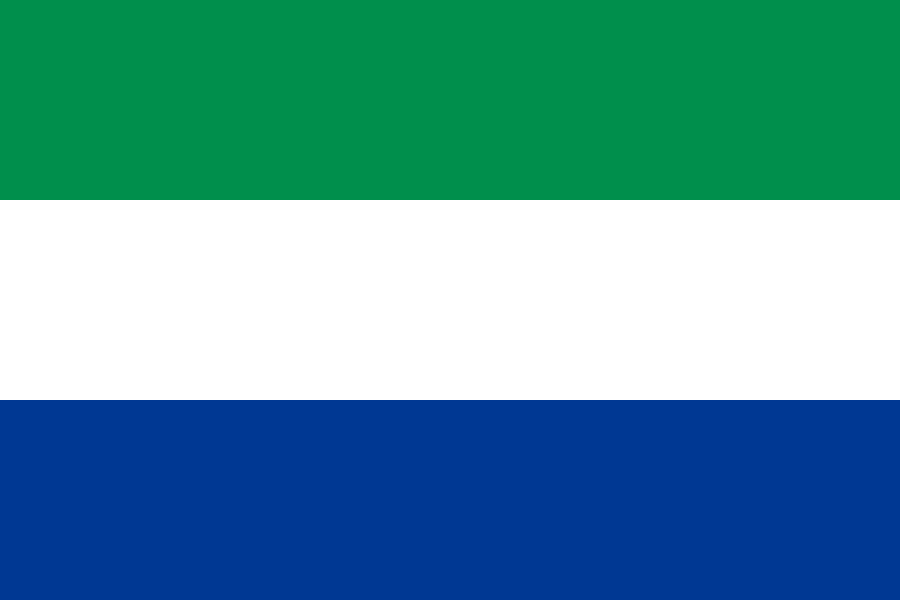
Galápagos
Neighbouring countries
Ecuador shares a land border with 2 countries: Colombia and Peru.
Other flags in yellow, blue and red
9 other national flags use the same main colours as Ecuador's.
Play Globalio and learn Ecuador's flag
 Colombia
 Venezuela
 Peru
 Andorra
 Chad
 DR Congo
 Liechtenstein
 Moldova
 Mongolia
 Romania