Europe
Flag of Portugal
Portugal occupies the southwestern tip of continental Europe and was once the centre of one of history's most far-reaching maritime empires. Portuguese navigators in the 15th and 16th centuries opened sea routes to Africa, Asia, and the Americas, fundamentally reshaping global trade. Today Portugal is known for its fado music, azulejo tilework, pastel de nata custard tarts, port wine, and is one of the oldest nation-states in Europe.

- CapitalLisbon
- RegionEurope
- Current flag since1911
- Main coloursGreen, Red, Yellow
- Populationabout 10 million
- Areaabout 92,000 km²
- Flags in history3
Population and area are rounded.
What the flag of Portugal means
Green and red were adopted after the 1910 revolution that ended the monarchy; green is linked to hope and red to the blood of those who died for the nation. The yellow armillary sphere recalls the navigators of the Age of Discovery, and the shield holds seven castles and five blue shields, symbols of the Portuguese kings since the 12th century. The flag was officially adopted in 1911.
How to recognise it
Vertical green-red with a complex coat of arms straddling the two colour sections.
Did you know?
Portugal is the oldest country in Europe with its modern borders, established in 1139.
Easily confused with
Portugal's flag is often mixed up with these. Learn to tell them apart:
Flag history of Portugal
Every flag that has flown over Portugal, from today back through time.
1911–present
Republican flag
Adopted in 1911 after the Republic was proclaimed, replacing royal blue-and-white with green and red. The arms sit on an armillary sphere recalling the Age of Discoveries, placed over the boundary of the two colors.
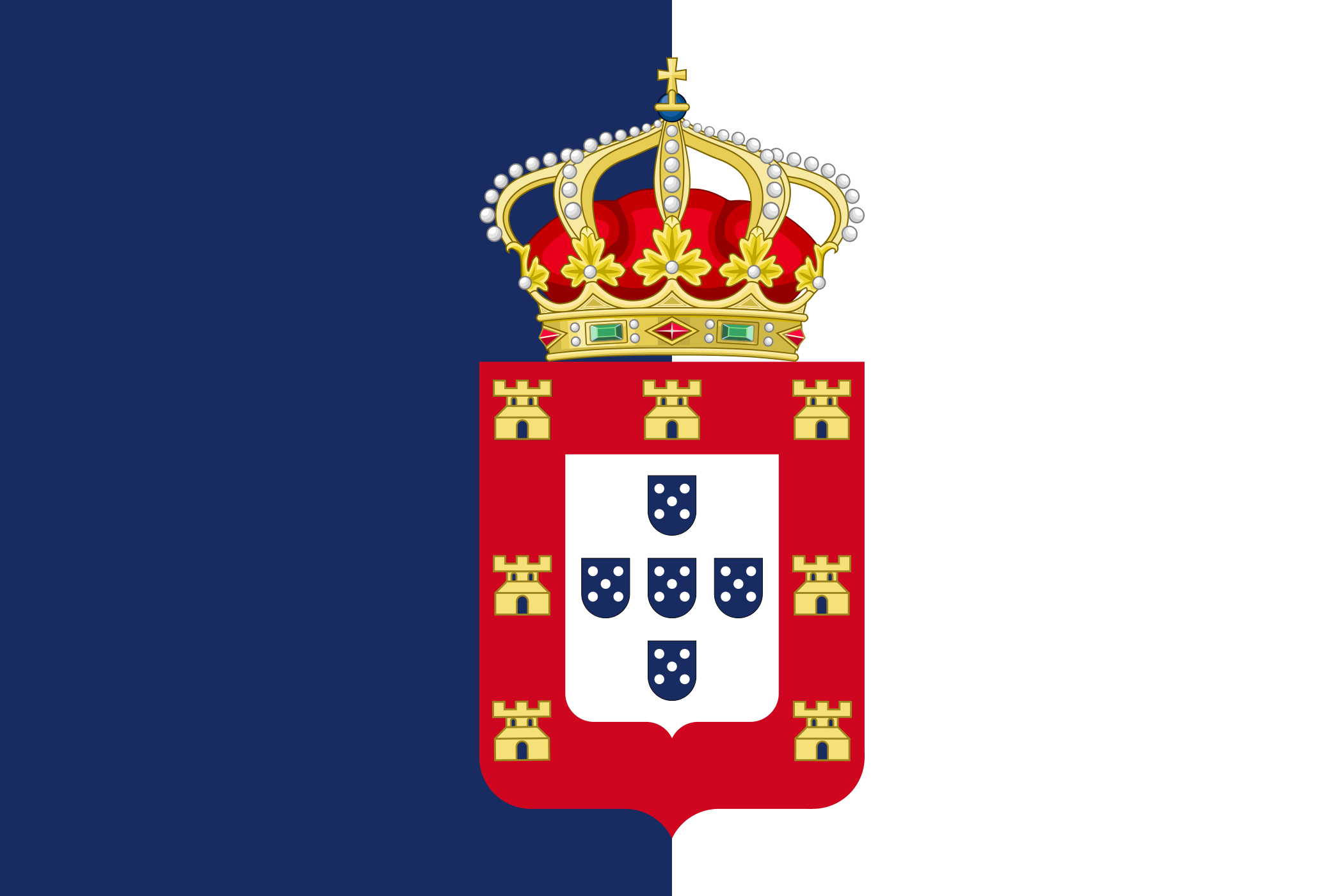
1830–1910
Constitutional Monarchy
A field split blue at the hoist and white at the fly, with the crowned royal arms over an armillary sphere on the dividing line. It flew until the revolution of 5 October 1910 overthrew the monarchy.
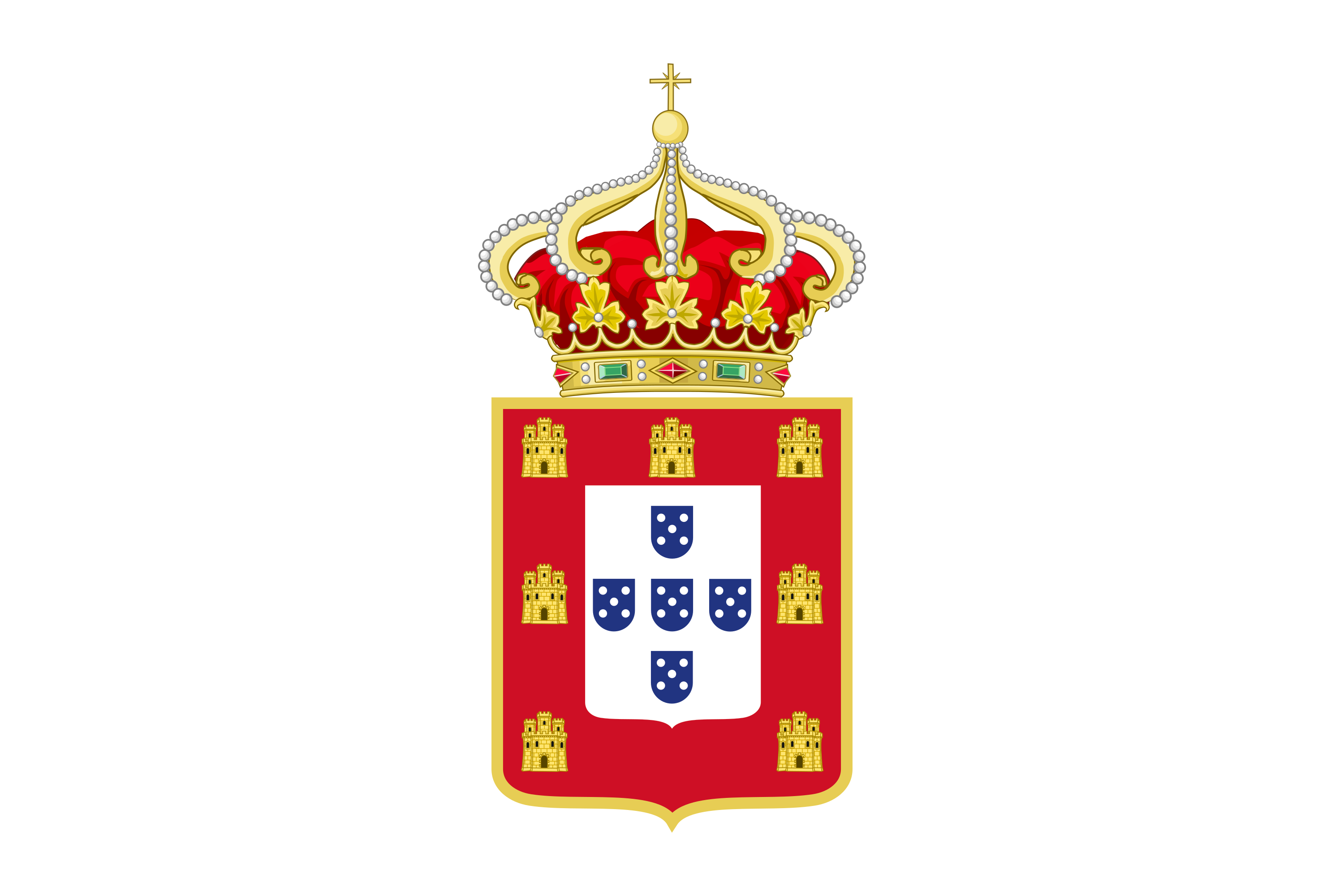
1707–1816
White flag with royal arms
A plain white field bearing the Portuguese royal coat of arms, used through the reigns of John V, Joseph I and Maria I. The white field carried no meaning of its own until colors were added in the 19th century.
Related historical states
Empires, kingdoms and republics that once covered part of Portugal.
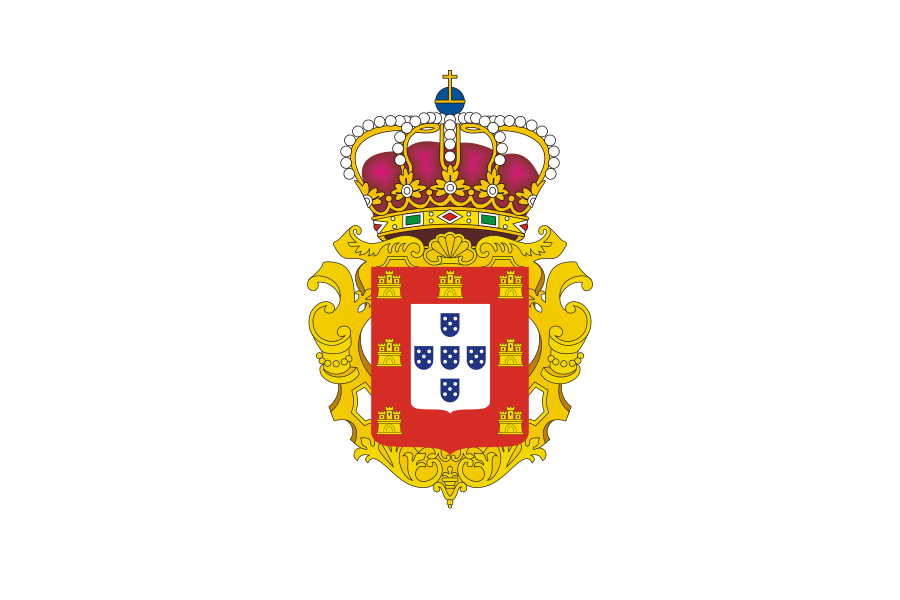
1139–1910
Kingdom of Portugal
The white-and-blue royal banner with the shield of five 'quinas' flew over the seafaring kingdom that launched the Age of Discovery, until the 1910 republican revolution.
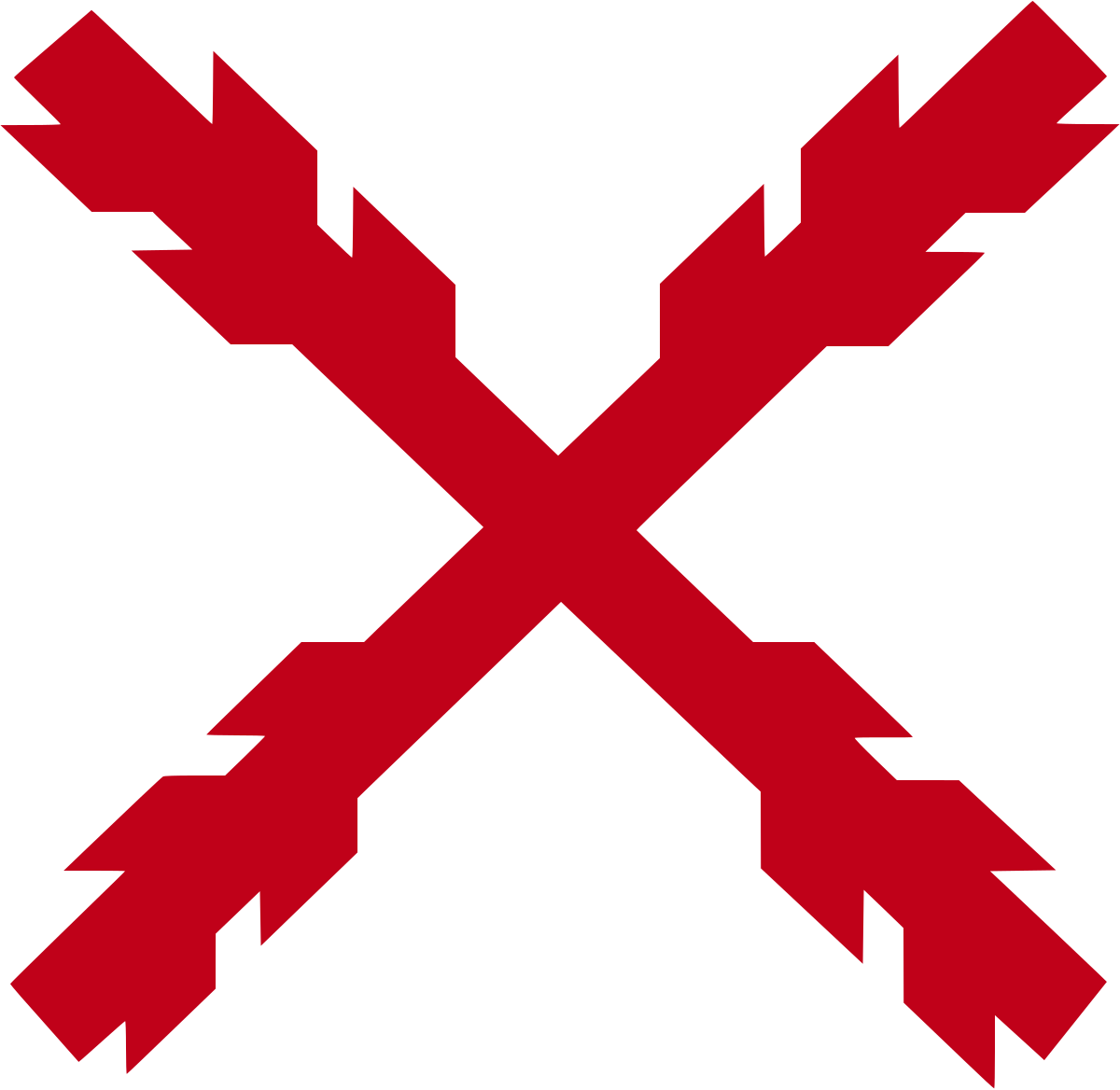
1580–1640
Iberian Union
For sixty years the Spanish and Portuguese crowns were joined under one Habsburg king, briefly creating a single empire spanning the globe, until Portugal revolted in 1640.
Regional flags of Portugal
The 19 states, provinces and regions of Portugal with their own flags.
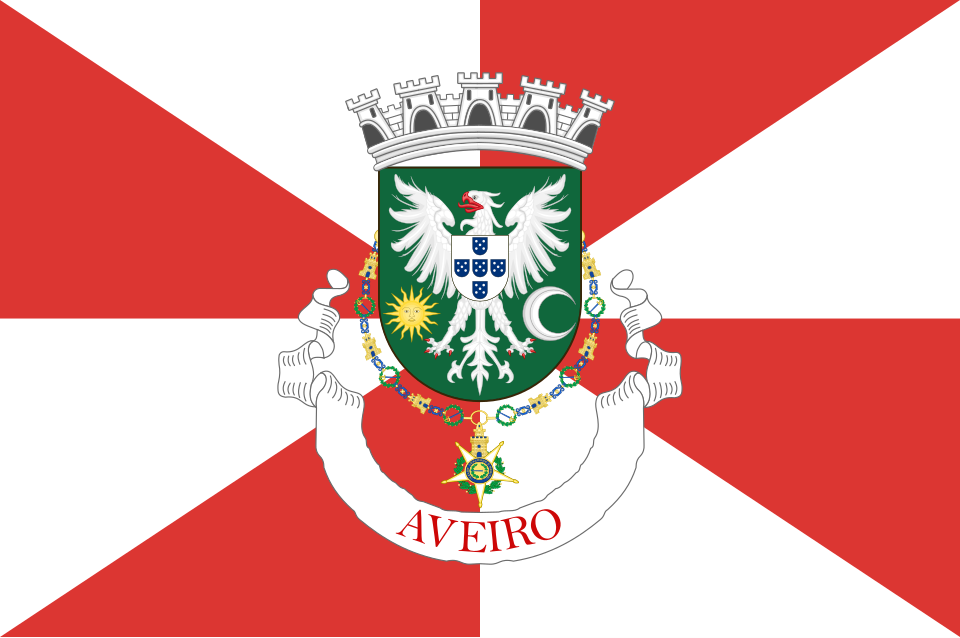
Aveiro
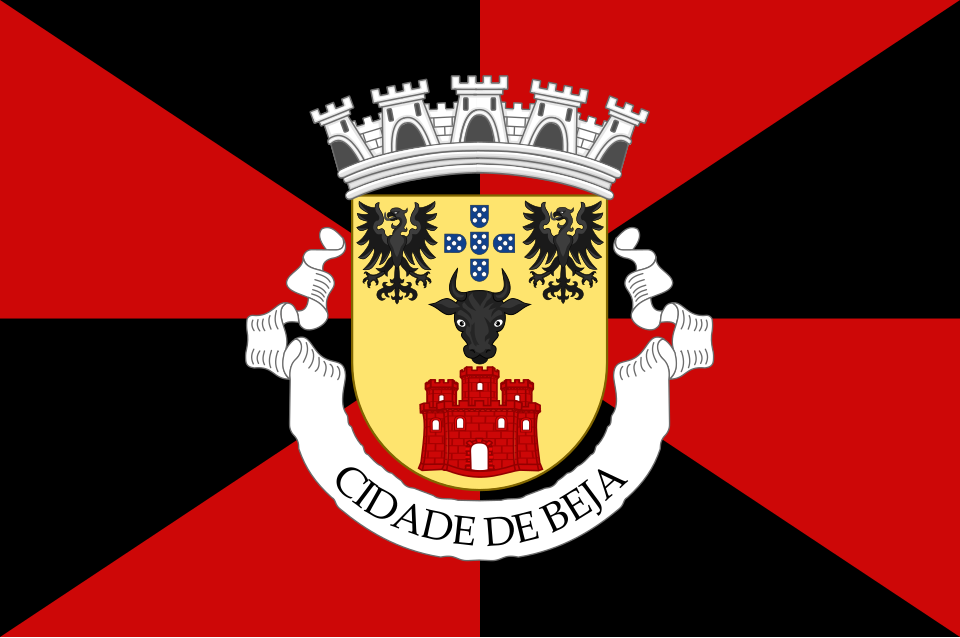
Beja
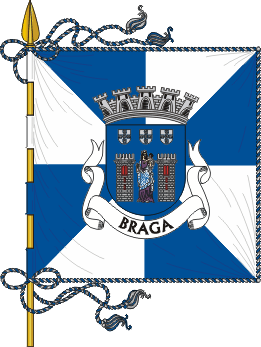
Braga
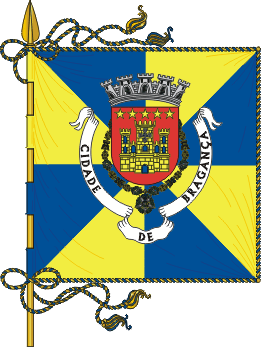
Bragança
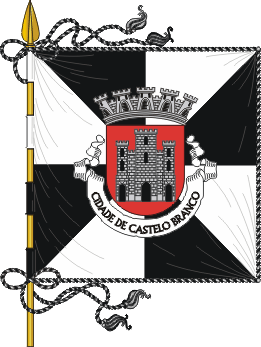
Castelo Branco
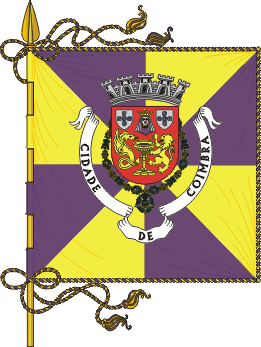
Coimbra
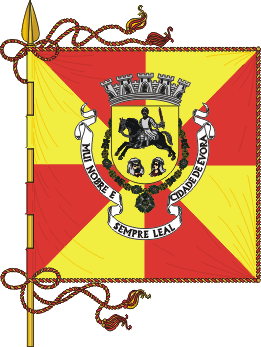
Évora
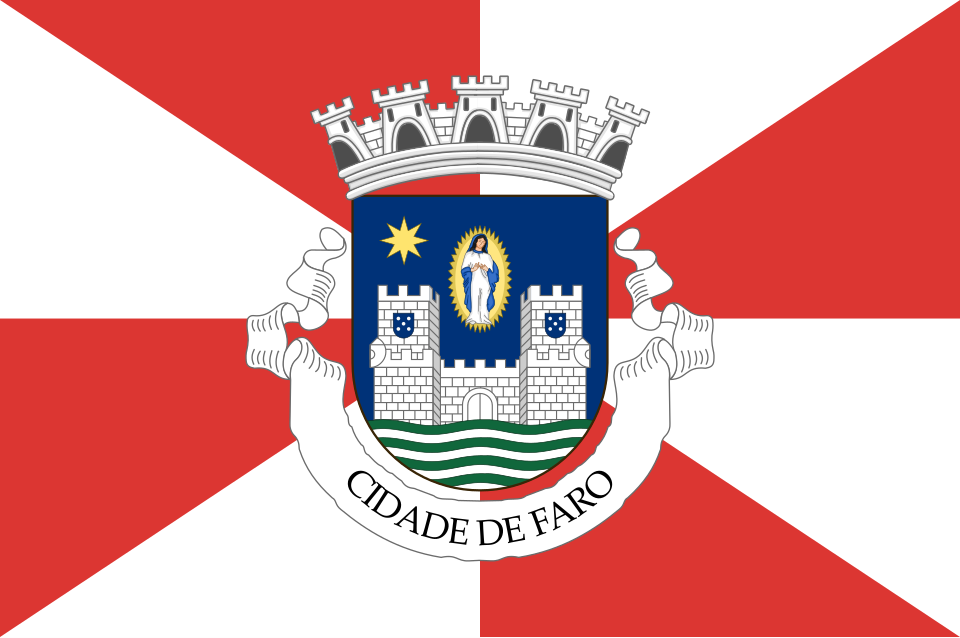
Faro
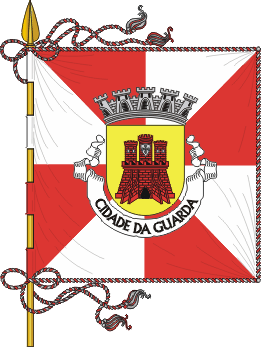
Guarda
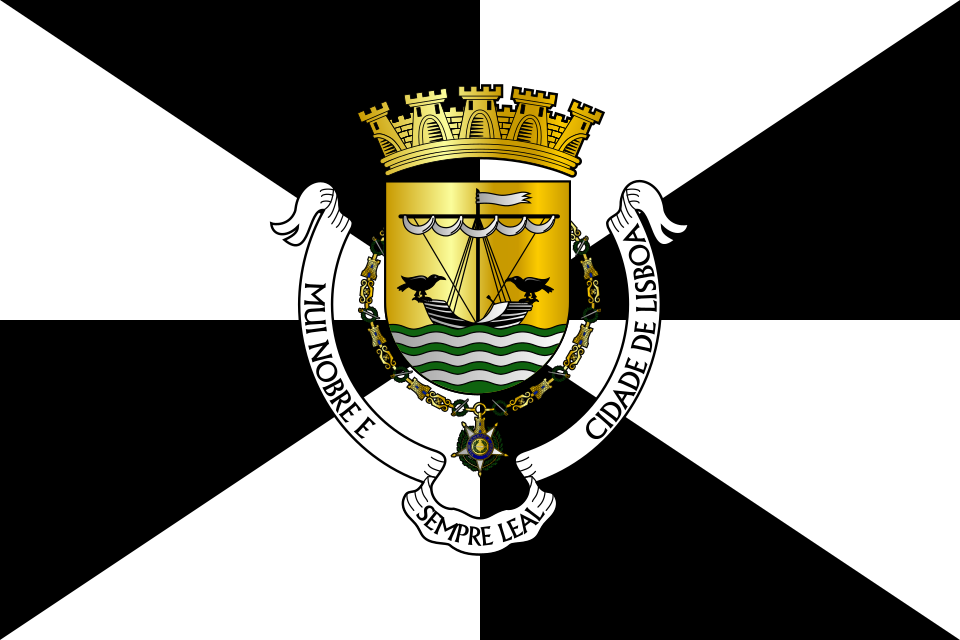
Lisbon
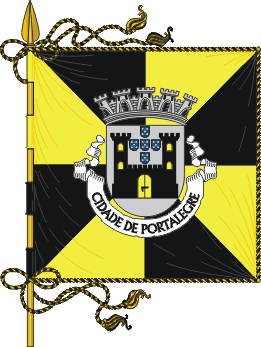
Portalegre
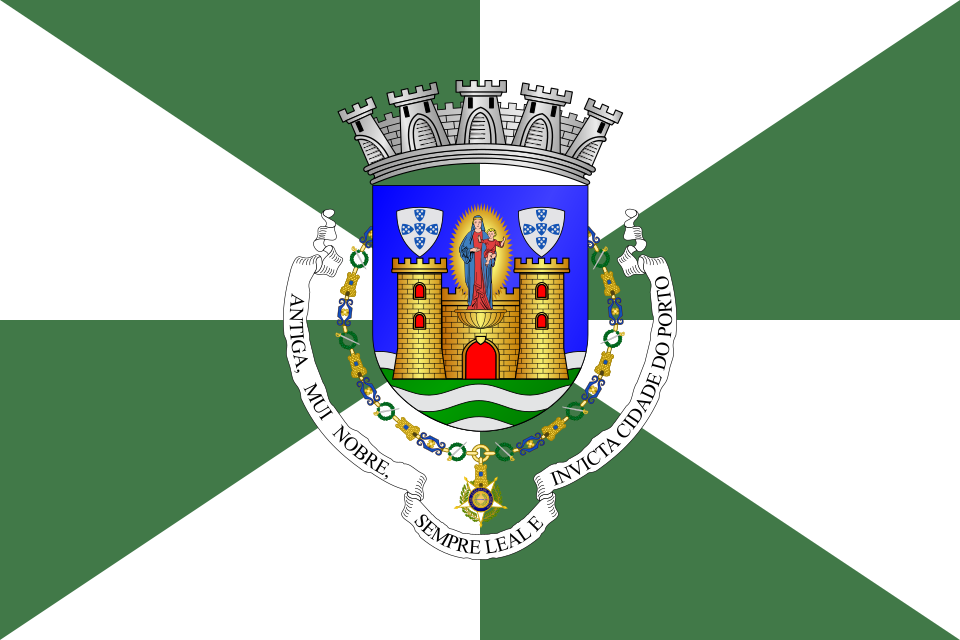
Porto
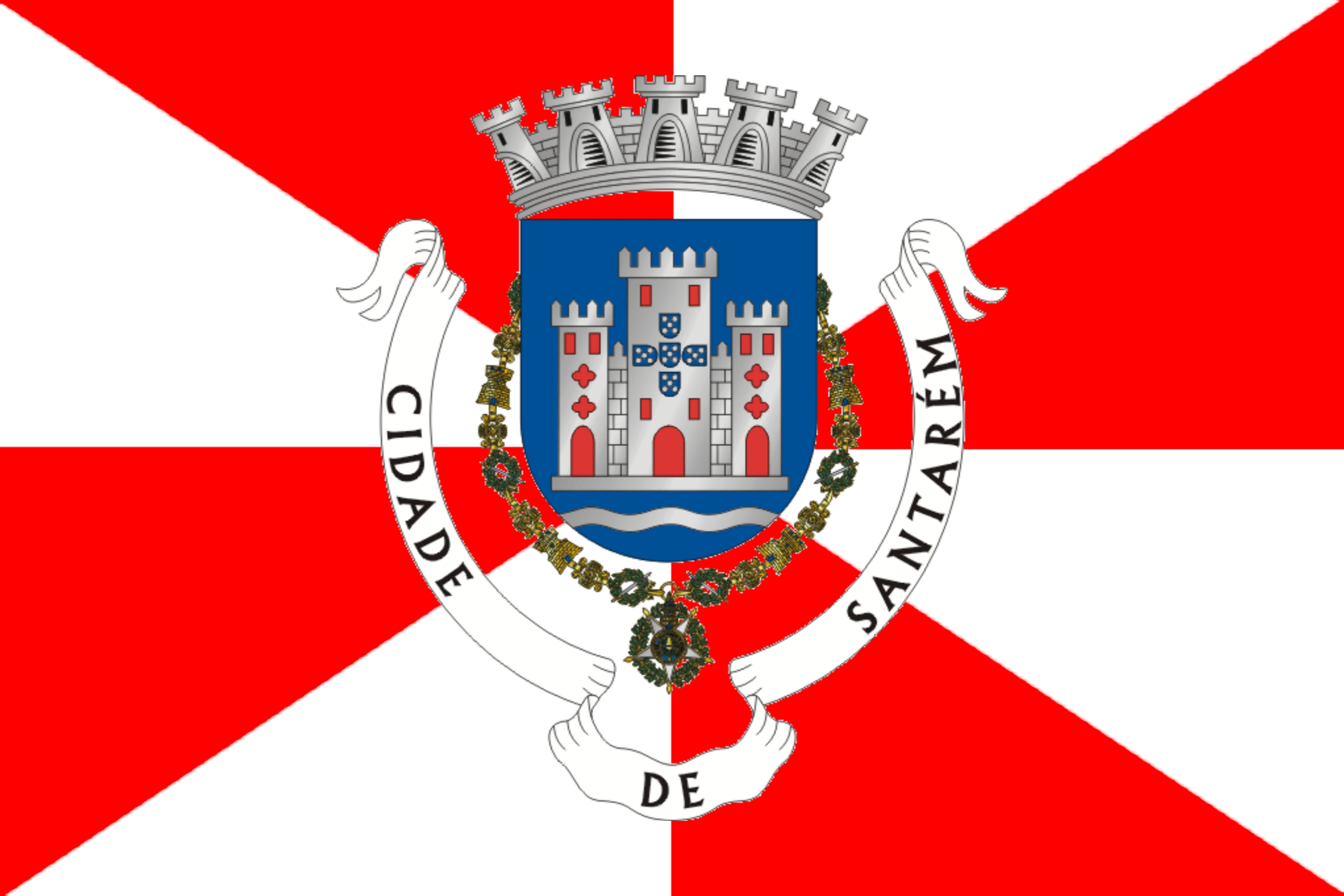
Santarém
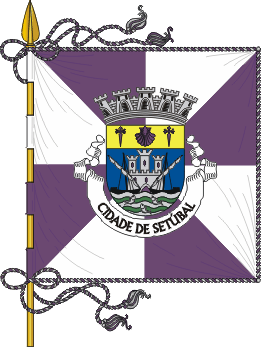
Setúbal
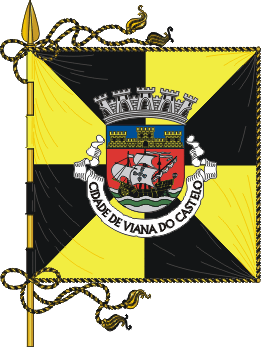
Viana do Castelo
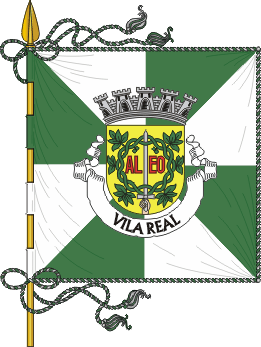
Vila Real
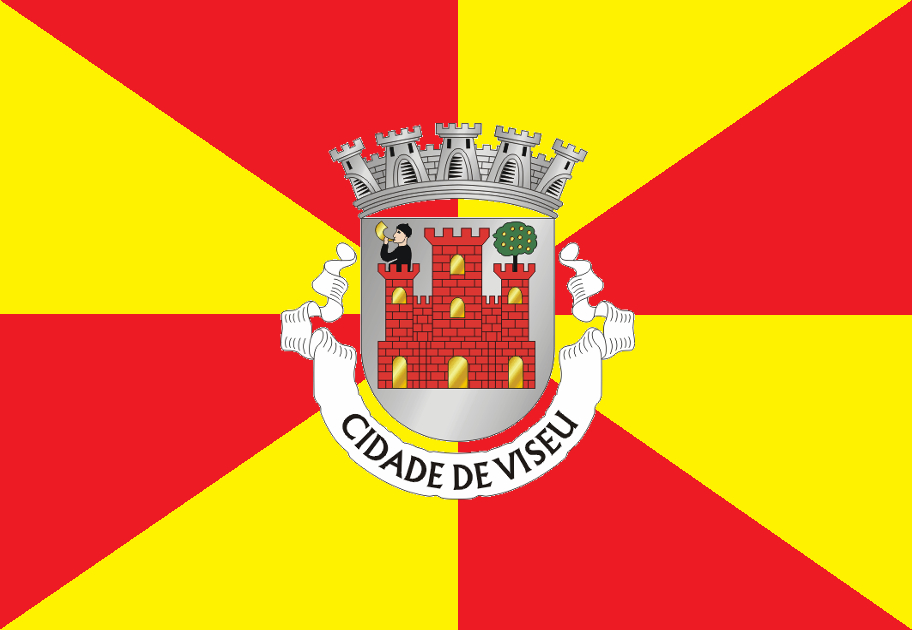
Viseu
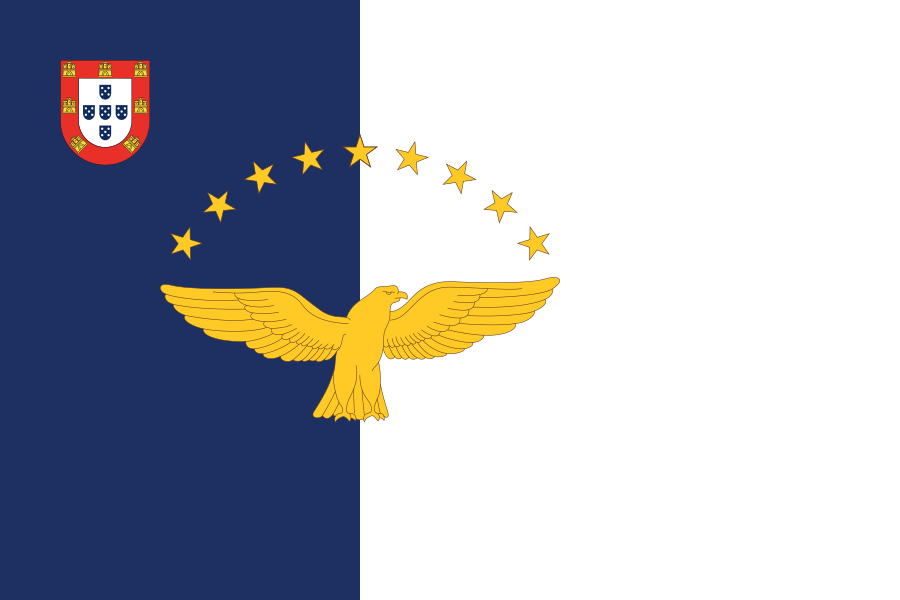
Azores
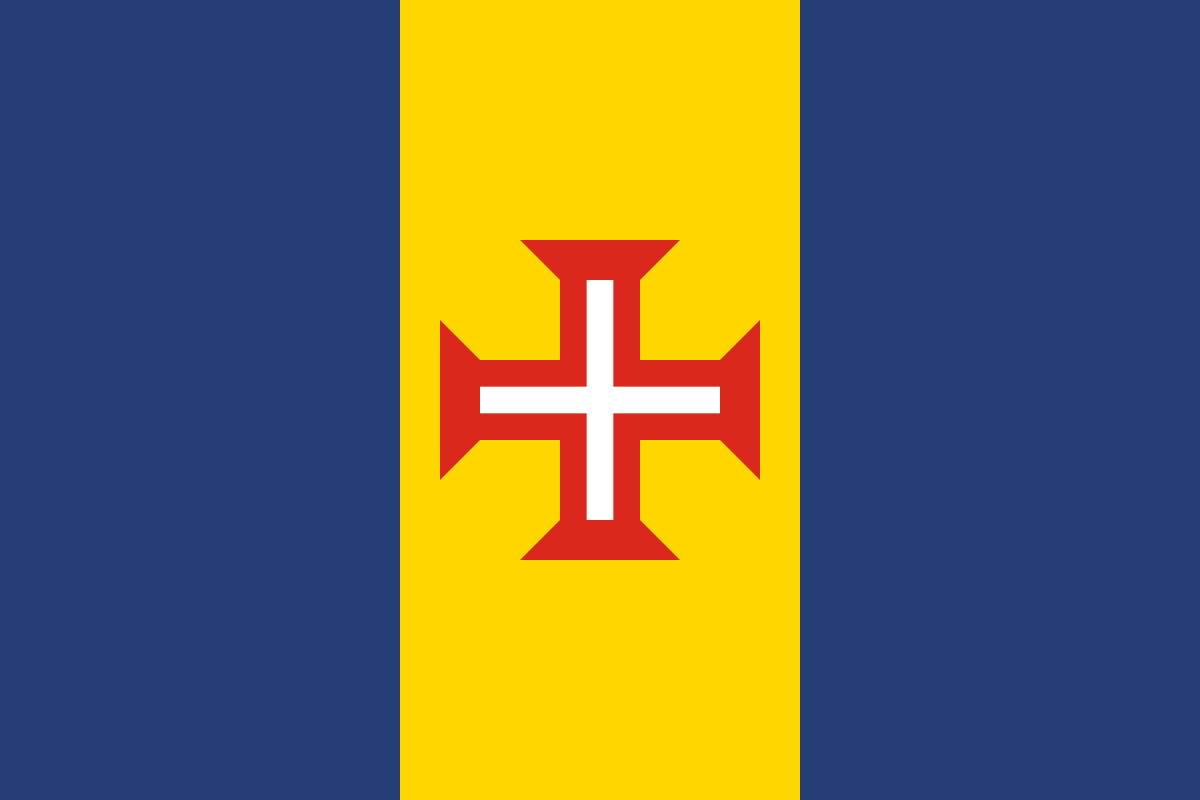
Madeira
Neighbouring countries
Portugal shares a land border with one country: Spain.
Other flags in green, red and yellow
11 other national flags use the same main colours as Portugal's.
Play Globalio and learn Portugal's flag
 Spain
 Benin
 Bolivia
 Burkina Faso
 Cameroon
 Grenada
 Guinea
 Lithuania
 Mali
 Mauritania
 Republic of the Congo
 Senegal