Asia
Flag of Indonesia
Indonesia is the world's largest archipelago nation, consisting of more than 17,000 islands and home to the world's fourth-largest population. It spans a vast area straddling the equator in Southeast Asia and has extraordinary biodiversity including orangutans, Komodo dragons, Sumatran tigers, and pygmy elephants. Indonesia has the world's largest Muslim population while maintaining a pluralistic, secular constitution, and is home to a remarkable diversity of more than 700 languages.

- CapitalJakarta
- RegionAsia
- Current flag since1945
- Main coloursRed, White
- Populationabout 277 million
- Areaabout 1,905,000 km²
- Flags in history19
Population and area are rounded.
What the flag of Indonesia means
Red and white, the Sang Saka Merah-Putih, are linked to the 13th-century Majapahit Empire, whose banners used the same colours. Red stands for courage and white for purity. The flag was first officially raised at the proclamation of independence on 17 August 1945; that original flag, sewn by Fatmawati Sukarno, is kept as a national heirloom.
How to recognise it
Horizontal red-over-white. Monaco is red-over-white but narrower. Poland is the reverse: white-over-red.
Did you know?
Indonesia is the world's largest archipelago, comprising over 17,000 islands.
Easily confused with
Indonesia's flag is often mixed up with these. Learn to tell them apart:
Flag history of Indonesia
Every flag that has flown over Indonesia, from today back through time.
1945–present
Sang Saka Merah Putih
A simple red-over-white bicolour whose colors trace back to the 13th-century Majapahit Empire. Banned by the Dutch, it was raised on independence day in 1945. It is nearly identical to Monaco's flag but with a 2:3 ratio.

1816–1945
Dutch East Indies
For over a century the islands were governed as the Dutch East Indies under the red-white-blue flag of the Netherlands — the colonial empire built on spices, sugar, coffee and rubber. The red-and-white nationalist flag was banned throughout this period; raising it was an act of defiance, which is exactly what the independence leaders did in 1945 as Dutch rule collapsed after the Japanese occupation.
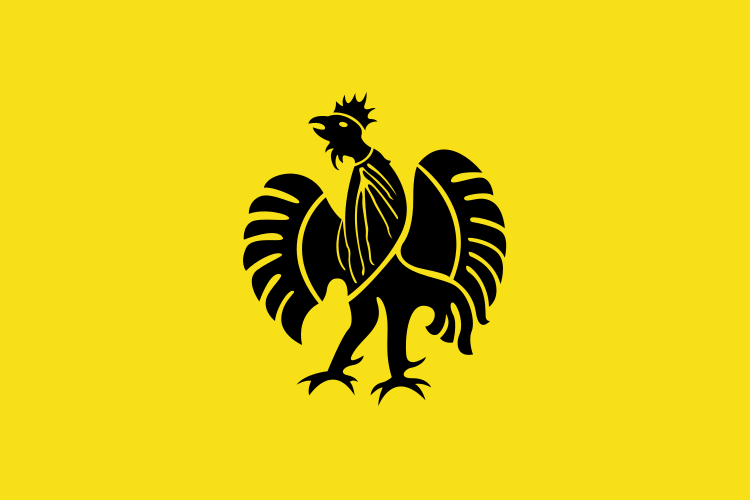
1605–1669
Sultanate of Gowa
Gowa was a powerful Makassar seafaring kingdom in southern Sulawesi that dominated the eastern Indonesian spice trade. After a long war, the Dutch East India Company and allied Bugis forces defeated Gowa at the 1669 Treaty of Bongaya, breaking its commercial power.
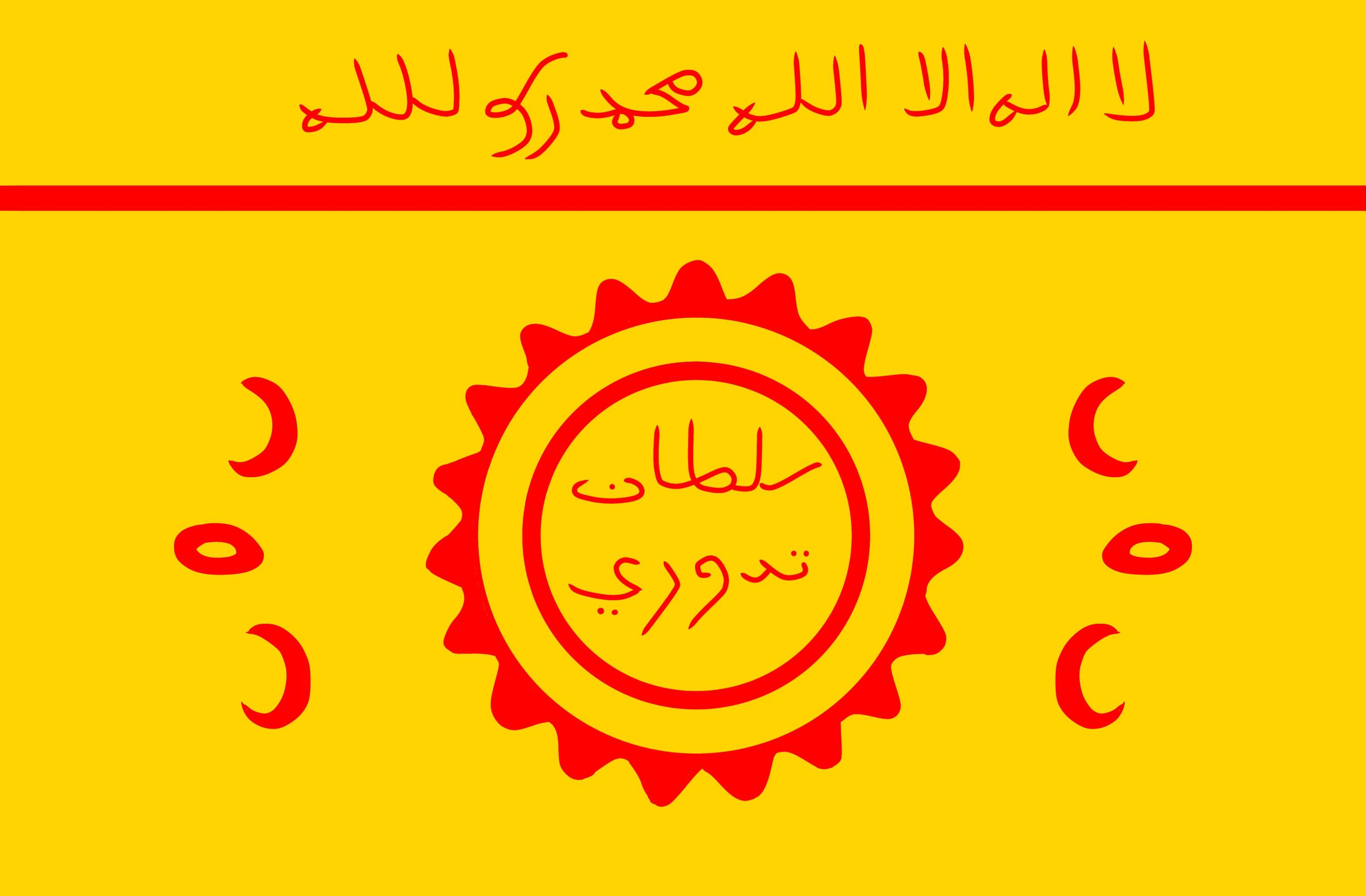
1081–1950
Sultanate of Tidore
Tidore was a Moluccan spice kingdom and the great rival of neighbouring Ternate, controlling cloves and nutmeg coveted across the world. It long resisted European domination, allying variously with the Spanish and Portuguese against the Dutch, before being absorbed into the Dutch East Indies.
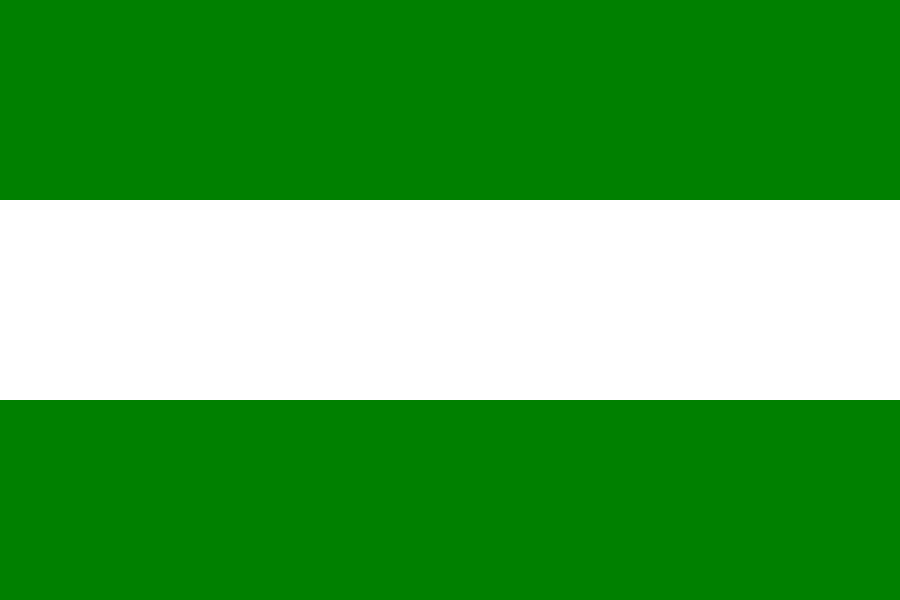
1948–1950
State of Pasundan
A Dutch-created federal state in West Java (Sundanese lands), folded into the Republic of Indonesia.
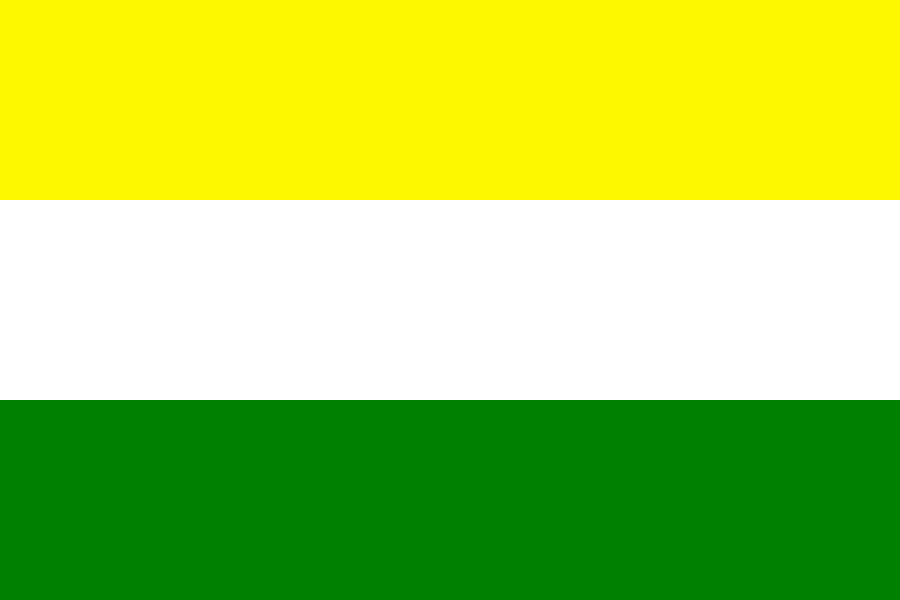
1947–1950
State of East Sumatra
A Dutch-sponsored federal state created to weaken the Indonesian Republic, dissolved into the unitary republic.
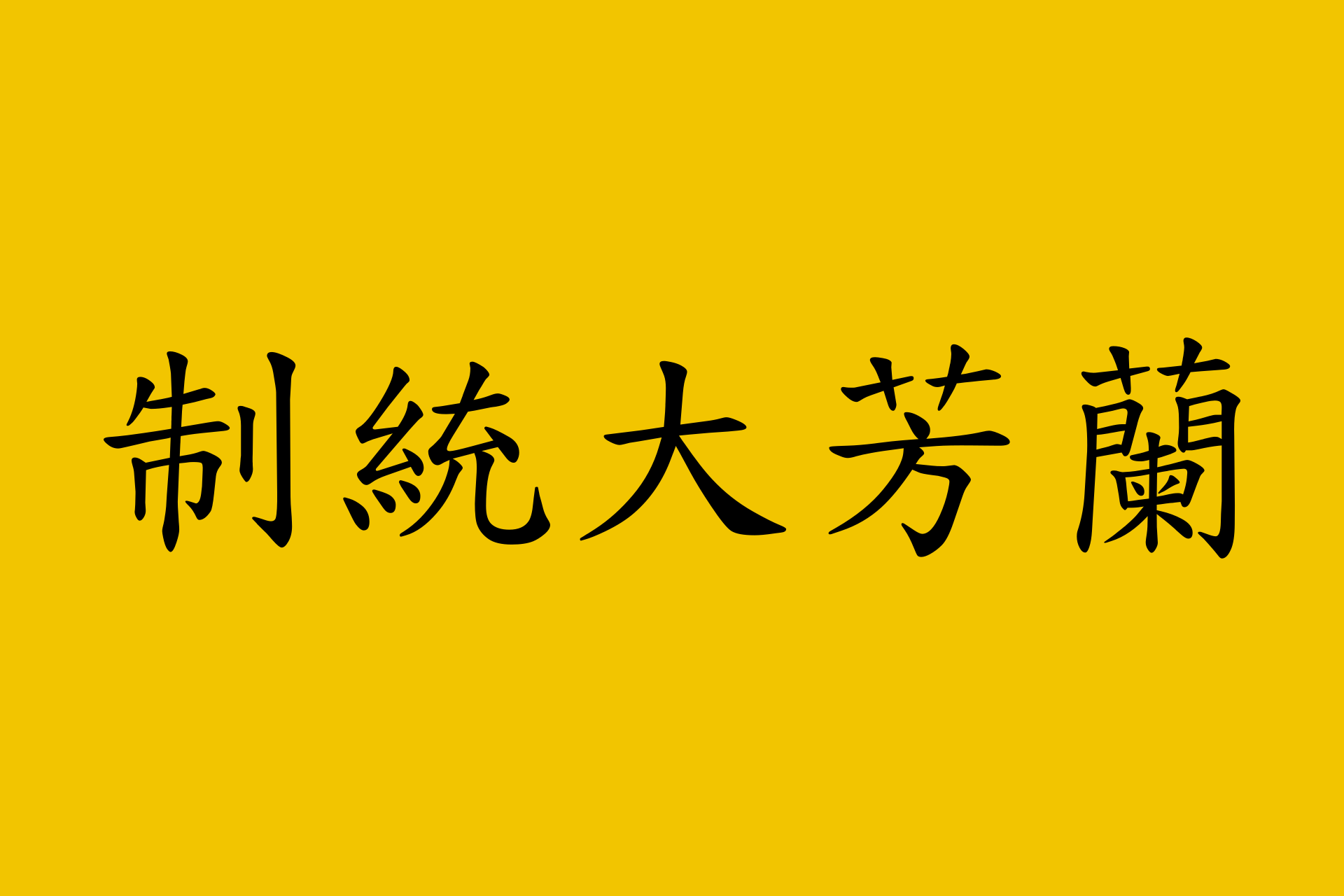
1777–1884
Lanfang Republic
A remarkable self-governing republic of Chinese gold miners in West Borneo, often called one of Asia's first republics.
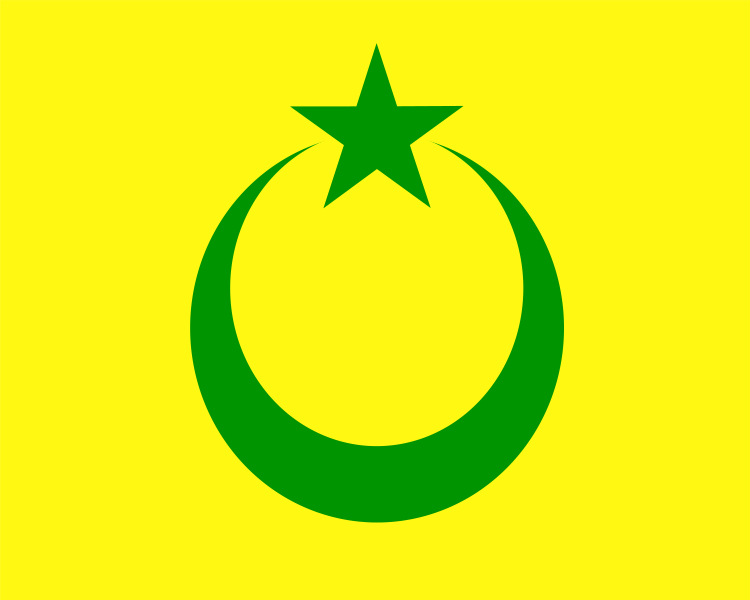
1771–1950
Pontianak Sultanate
A sultanate at the mouth of the Kapuas in West Borneo, founded by an Arab sayyid dynasty.

1659–1823
Palembang Sultanate
A wealthy Sumatran sultanate, heir to the ancient Srivijaya empire, abolished by the Dutch.
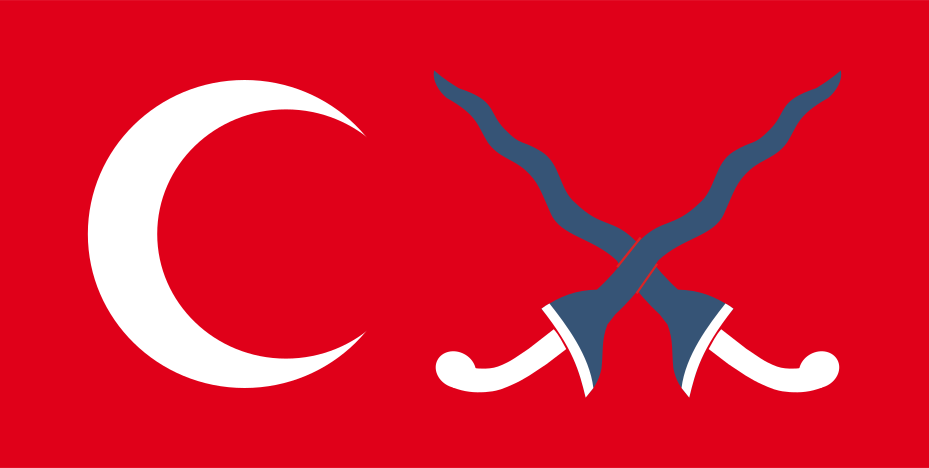
1587–1755
Sultanate of Mataram
The last great independent Javanese kingdom, which the Dutch broke up into the courts of Yogyakarta and Surakarta.

1526–1860
Sultanate of Banjar
A sultanate of southern Borneo (Kalimantan), rich in pepper and diamonds, abolished by the Dutch after a long war.

1460–1906
Jambi Sultanate
A Sumatran sultanate on the Jambi River, a pepper-trading power before the Dutch deposed its sultan.

1948–1950
State of East Java
A Dutch-engineered federal state, one of several meant to dilute the Indonesian Republic before they all merged into it.
1948–1950
State of Madura
A short-lived Dutch-sponsored federal state on the island of Madura, absorbed into unitary Indonesia.
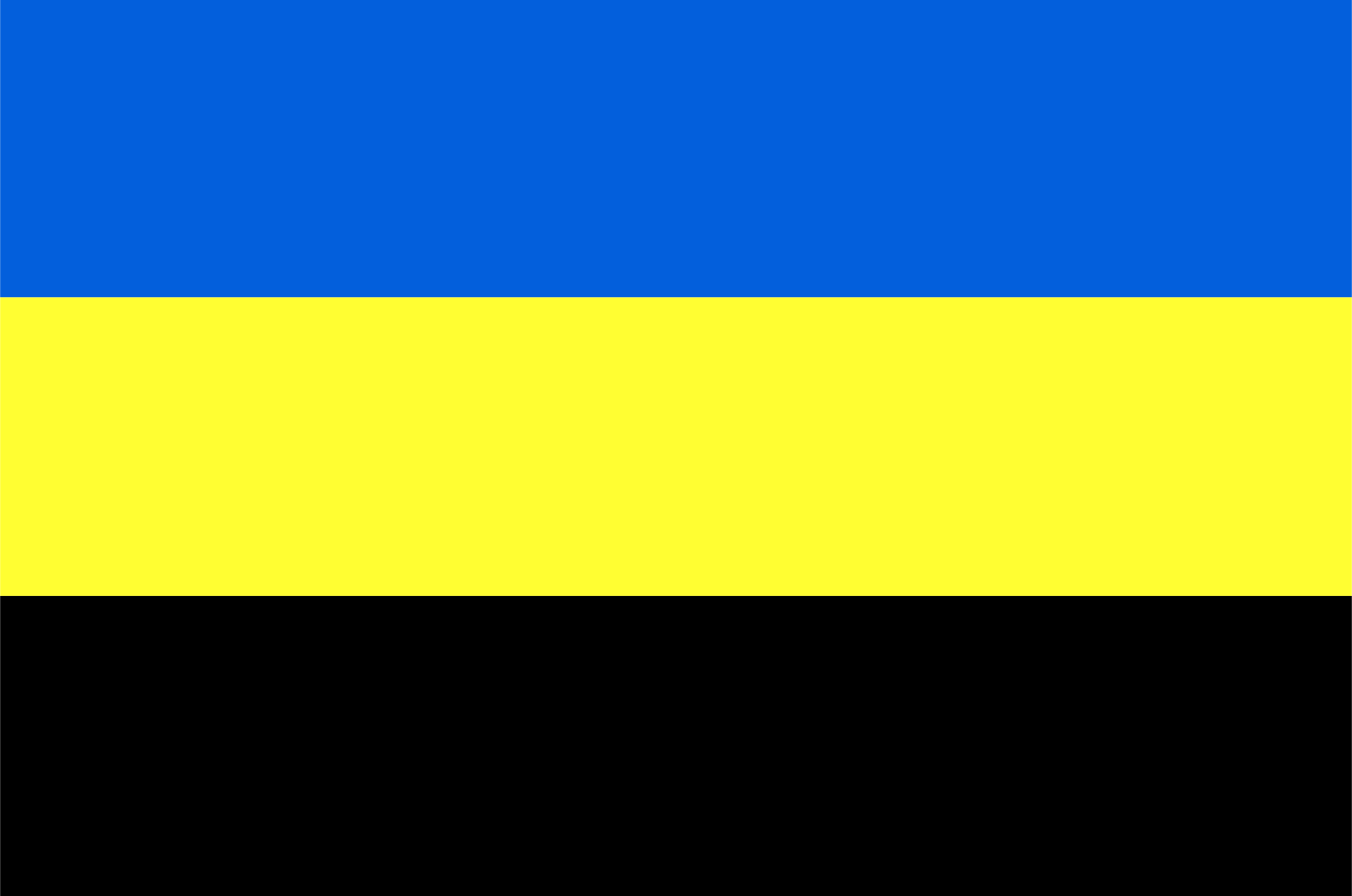
1731–1959
Sultanate of Bulungan
A sultanate of northeastern Borneo, dissolved into the Indonesian republic.
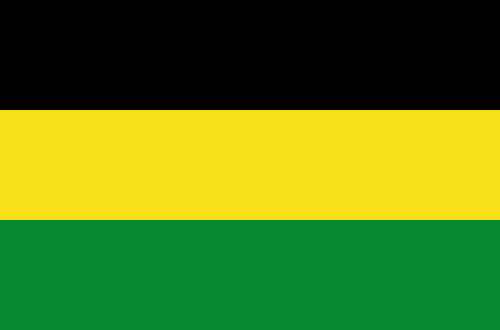
1723–1945
Sultanate of Siak Sri Indrapura
A Malay sultanate of eastern Sumatra whose sultan was among the first to back the new Indonesian Republic.
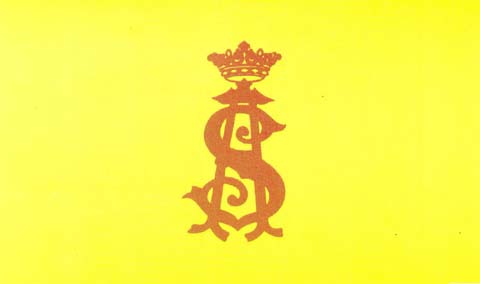
1723–1946
Sultanate of Serdang
A Malay sultanate of Sumatra's east coast, swept away in the 1946 social revolution.

1631–1950
Sambas Sultanate
A sultanate of West Borneo (Kalimantan), long a centre of gold mining and Malay culture.
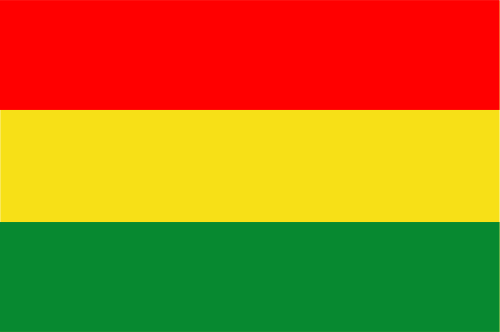
1568–1948
Sultanate of Langkat
A Malay sultanate of northeast Sumatra that grew rich on tobacco and then oil, abolished in Indonesia's social revolution.
Related historical states
Empires, kingdoms and republics that once covered part of Indonesia.
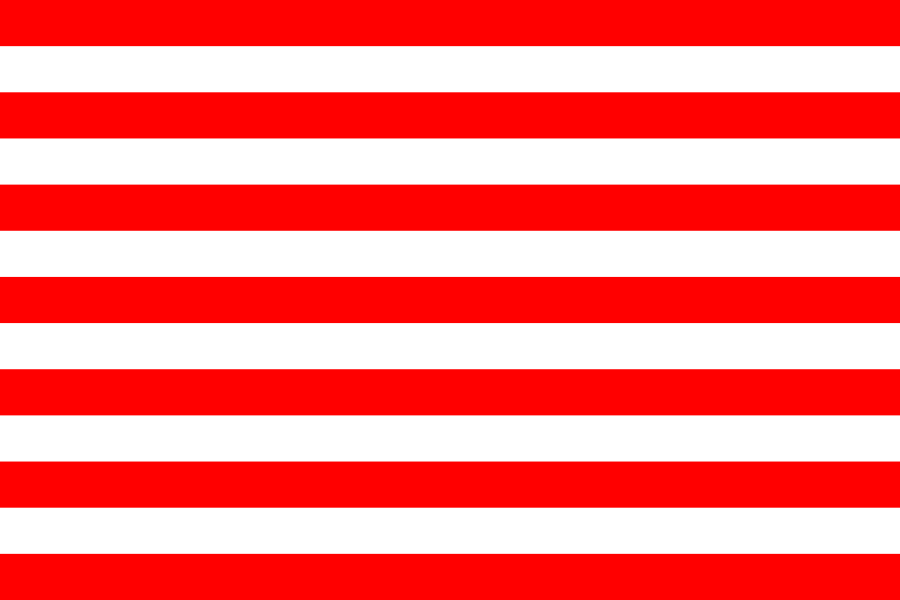
1293–1527
Majapahit Empire
Alternating red-and-white stripes flown by the great Javanese maritime empire — the ancestral colors that became modern Indonesia's flag.
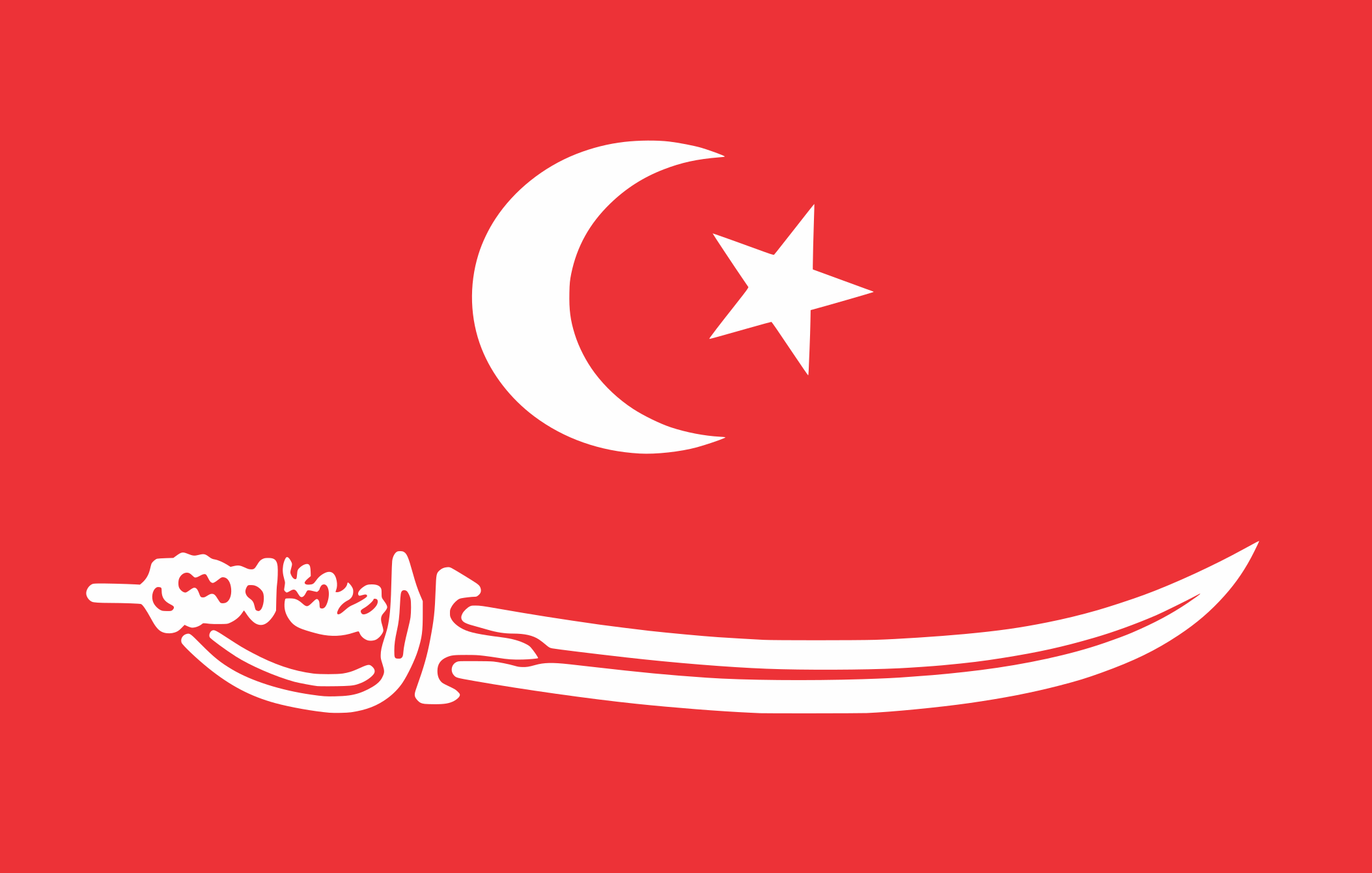
1496–1903
Sultanate of Aceh
The Alam Peudeueng or 'Sword Standard' — a dark-red field with a white crescent, star, and sword, the crescent reflecting the sultanate's Ottoman alliance against the Portuguese.
1587–1755
Mataram Sultanate
The greatest Islamic kingdom of central Java, which fought the Dutch East India Company for decades before being split into the Yogyakarta and Surakarta courts.
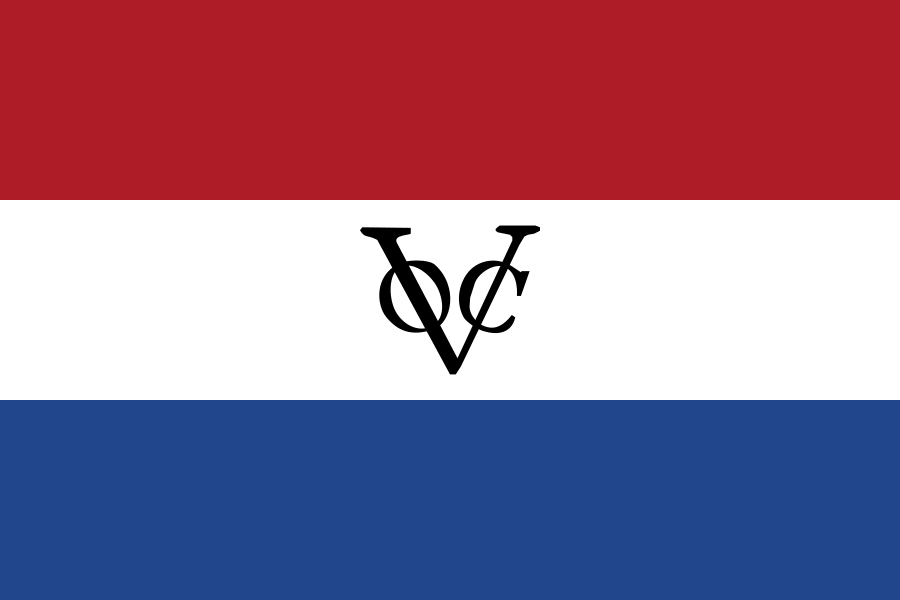
1602–1799
Dutch East India Company
The red-white-blue tricolor with the 'VOC' monogram — the flag of the world's first multinational corporation, which ruled much of the Indies before the Dutch state took over.
1300–1946
Sultanate of Gowa
The dominant Makassarese power of South Sulawesi flew a deep-red field with a white canton and a kris dagger, until it fell to the Dutch after the Makassar War.
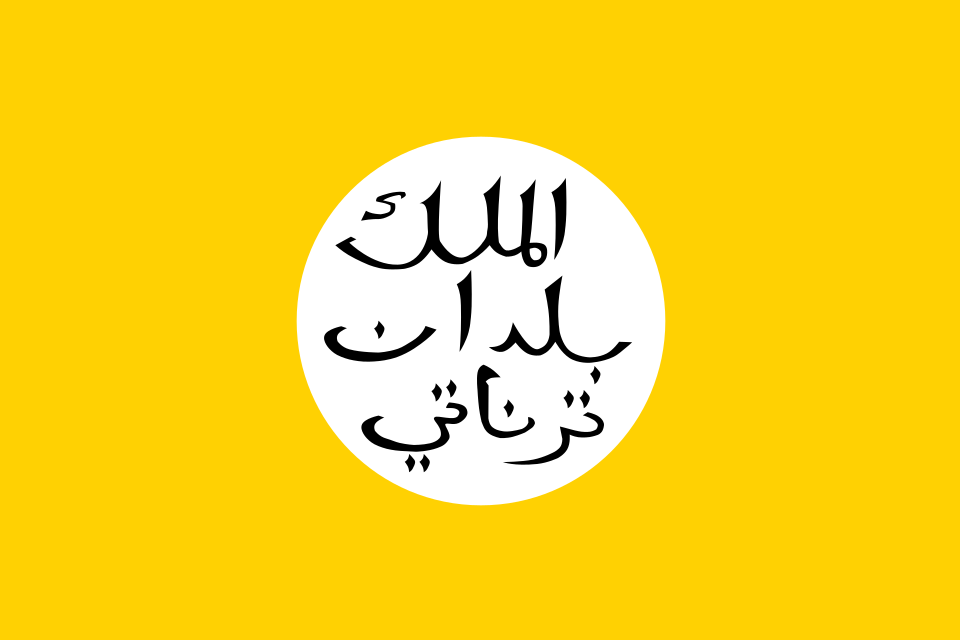
1257–1914
Sultanate of Ternate
A yellow flag with a black ring reading 'the realm of Ternate'. This Moluccan clove kingdom was one of the original Spice Islands powers fought over by Europe.
1081–1967
Sultanate of Tidore
Ternate's great spice-trade rival in Maluku, whose flag carried Arabic inscriptions. At its height Tidore claimed influence as far as western New Guinea.
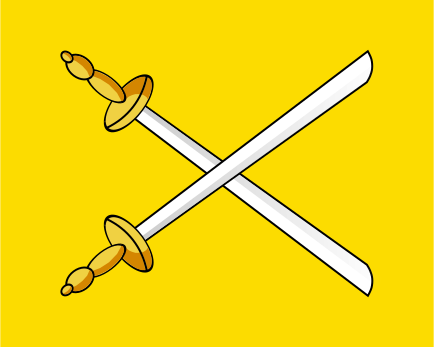
1527–1813
Sultanate of Banten
A white field with two crossed golden swords, flown by the wealthy pepper-trading Islamic sultanate of western Java until the Dutch abolished it.

1777–1884
Lanfang Republic
A Hakka Chinese mining state on Borneo, sometimes called one of Asia's first republics, with elected leaders — until the Dutch absorbed it.
1723–1945
Sultanate of Siak Sri Indrapura
A Malay sultanate on Sumatra's east coast that grew rich on trade, flying black and yellow bands with a red hoist crest, until it joined the new Indonesian republic in 1945.
1771–1950
Sultanate of Pontianak
A Borneo sultanate founded at the mouth of the Kapuas River by an Arab sayyid, flying a yellow flag with a green crescent and star.
1731–1959
Sultanate of Bulungan
A North Kalimantan coastal sultanate with a simple yellow-over-blue flag, dissolved after a violent 1950s clash with the Indonesian republic.
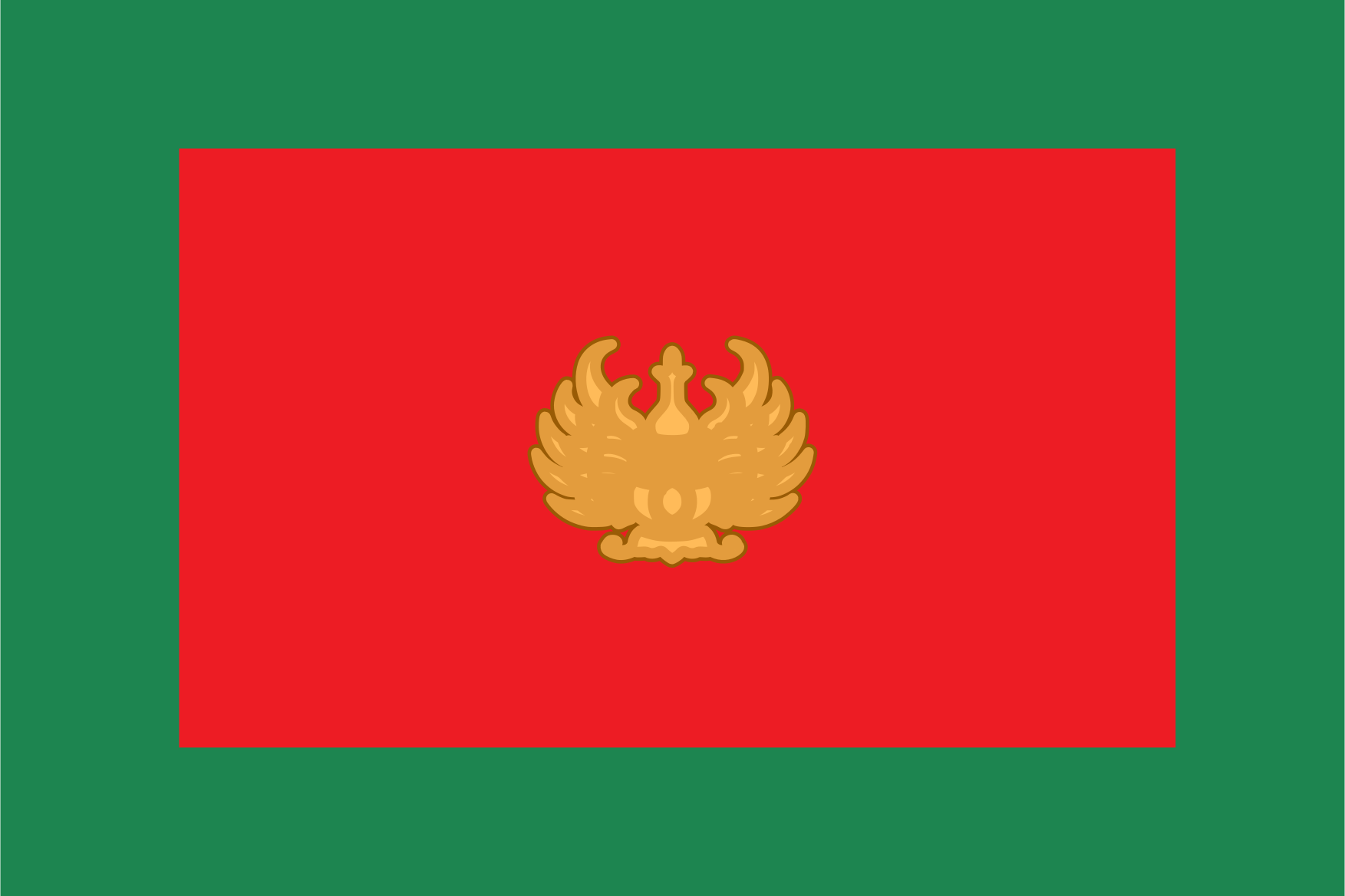
1660–1908
Kingdom of Karangasem
A Balinese kingdom in the island's east that once ruled neighbouring Lombok, before falling to the Dutch in the early 1900s.
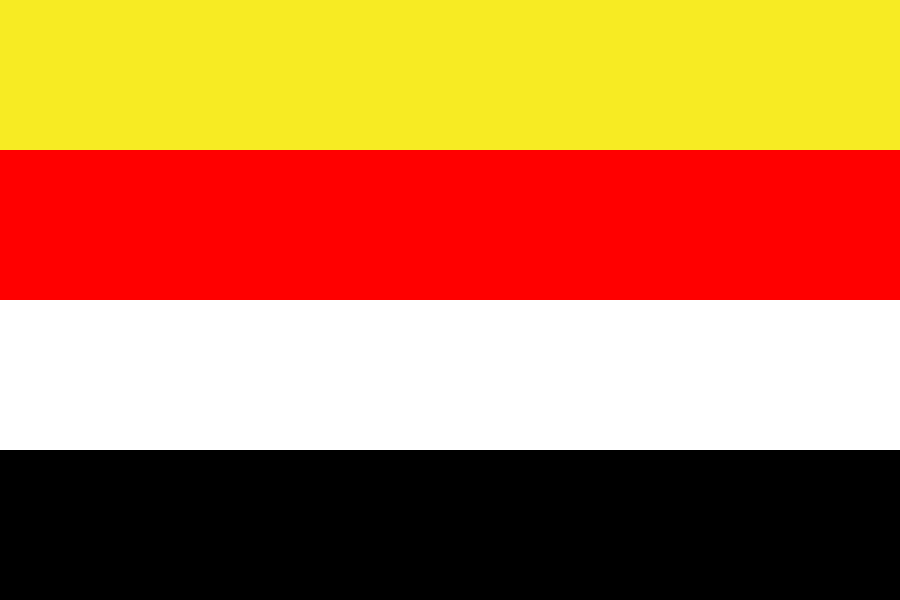
1332–1960
Sultanate of Buton
A long-lived island sultanate off southeast Sulawesi, strategically placed on the spice routes, with a distinctive constitution limiting the sultan's power.

1632–1946
Sultanate of Deli
A Malay sultanate on Sumatra's east coast that grew immensely rich from Dutch tobacco plantations around Medan, before the 1946 social revolution swept away the Sumatran sultanates.
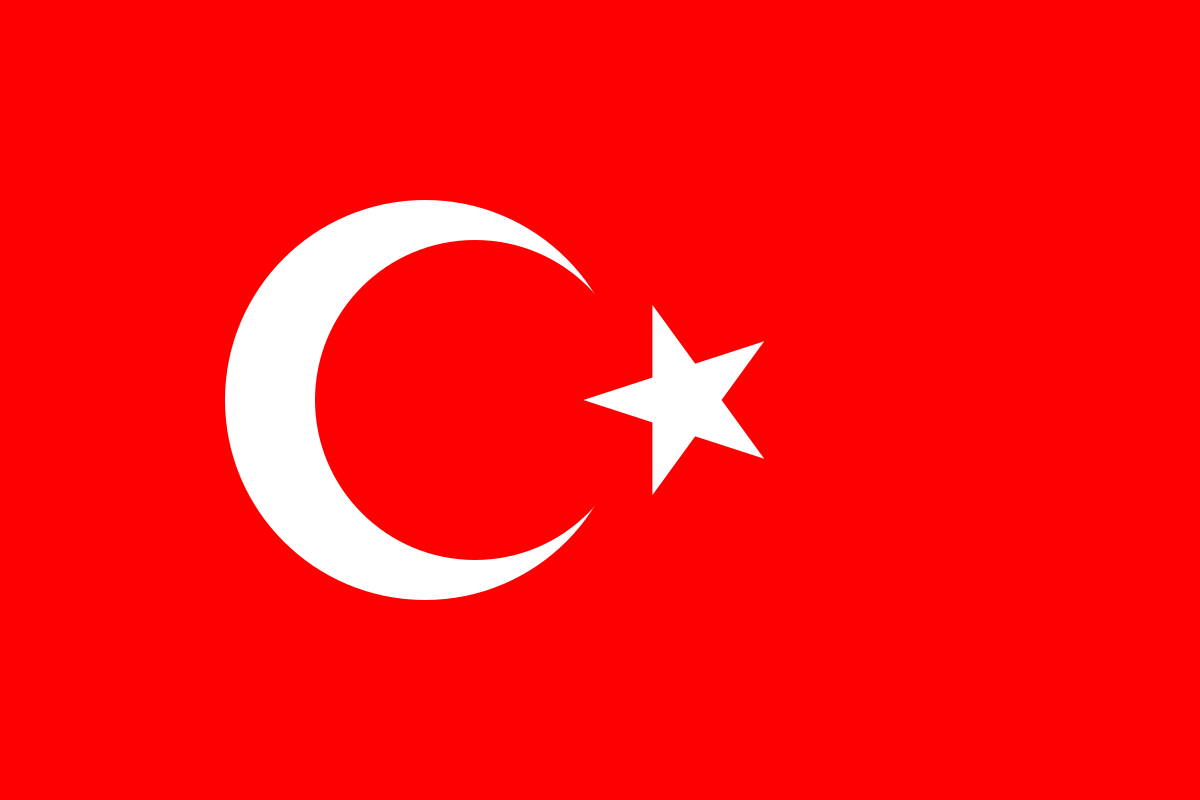
1824–1911
Sultanate of Riau-Lingga
A Malay maritime sultanate of the islands between Sumatra and Borneo, formed when the British and Dutch split the old Johor realm, dissolved by the Dutch in 1911.
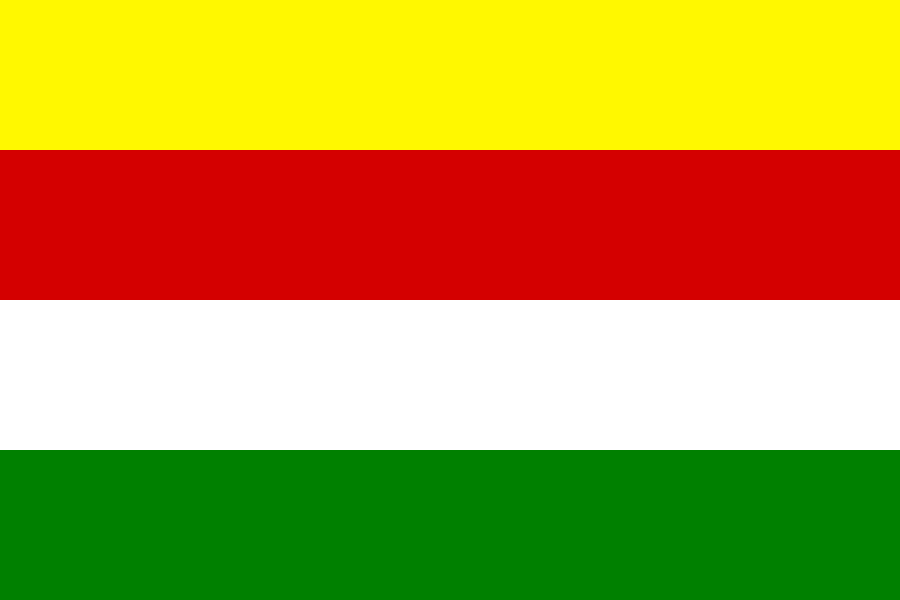
1946–1950
State of East Indonesia
A Dutch-sponsored federal state covering Sulawesi and the eastern islands during the Indonesian National Revolution, dissolved into the unitary Republic of Indonesia in 1950.
1948–1950
State of Pasundan
A Dutch-backed Sundanese federal state in West Java set up during the revolution, one of several puppet states that were quickly absorbed into the unitary Indonesian republic.
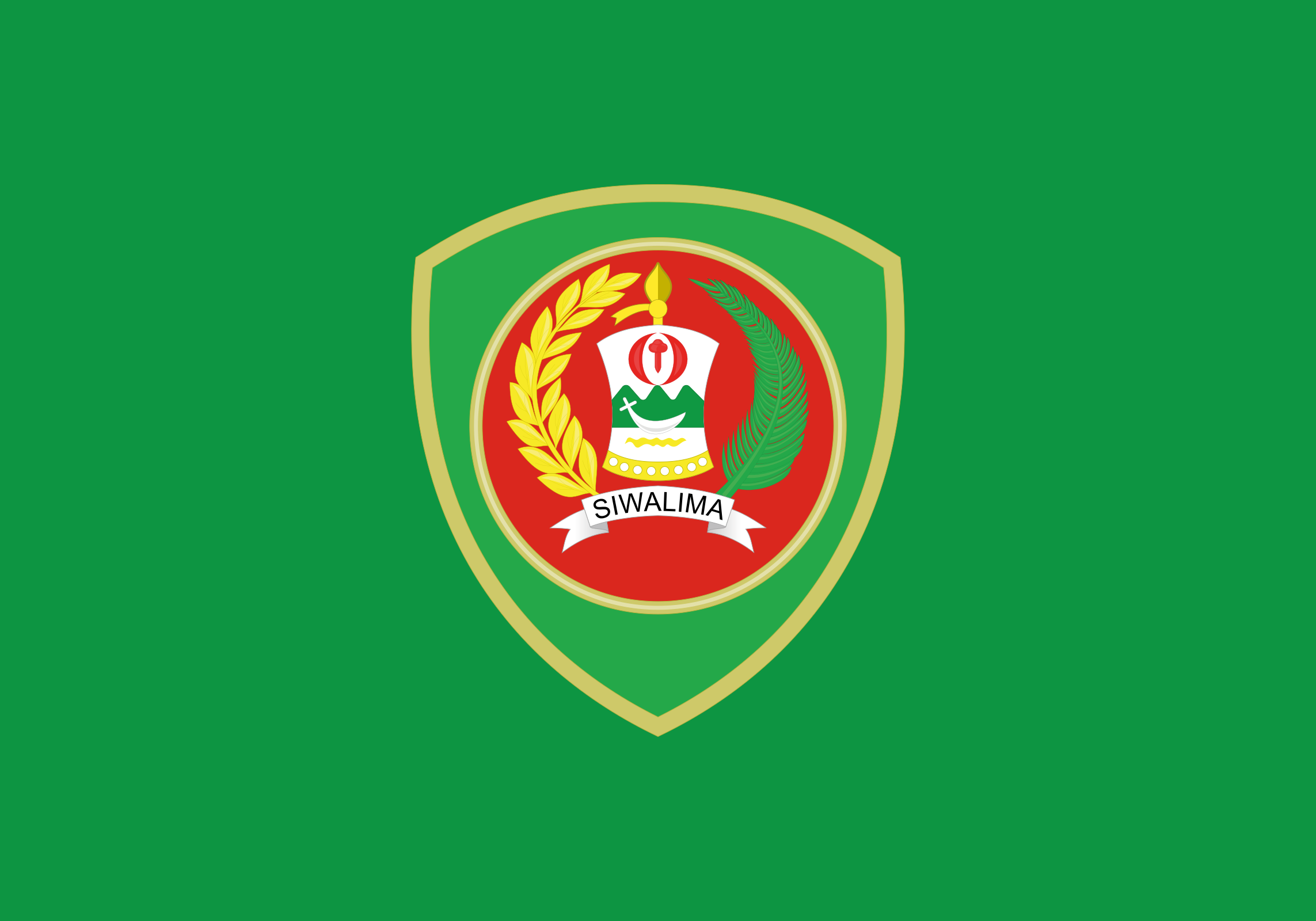
1950
Republic of South Maluku
Largely Christian Ambonese proclaimed an independent republic in the Moluccas in 1950; its blue-white-green-red flag is still flown by an exiled government-in-exile in the Netherlands.
Regional flags of Indonesia
The 38 states, provinces and regions of Indonesia with their own flags.
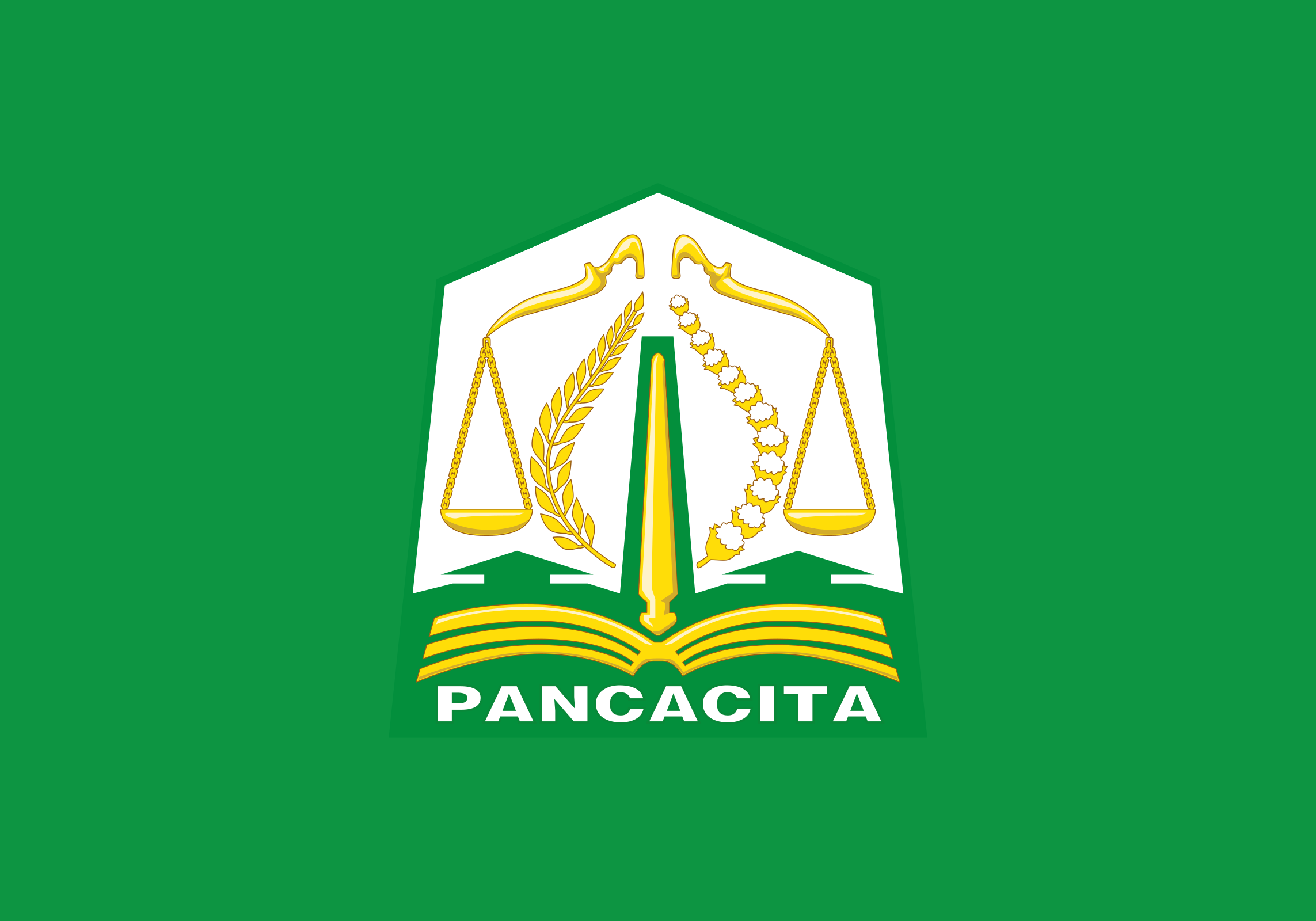
Aceh
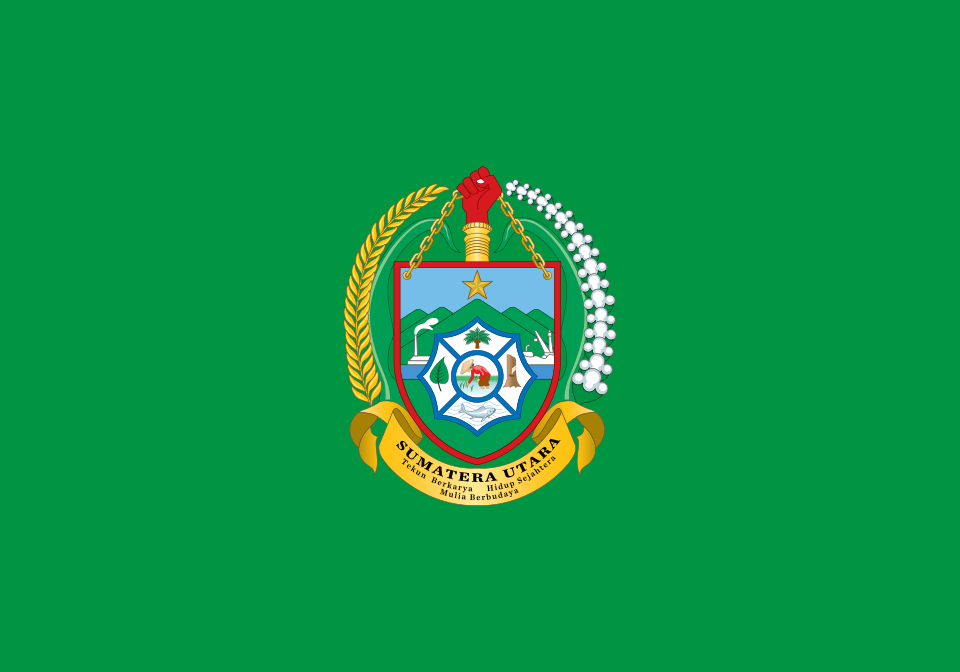
North Sumatra
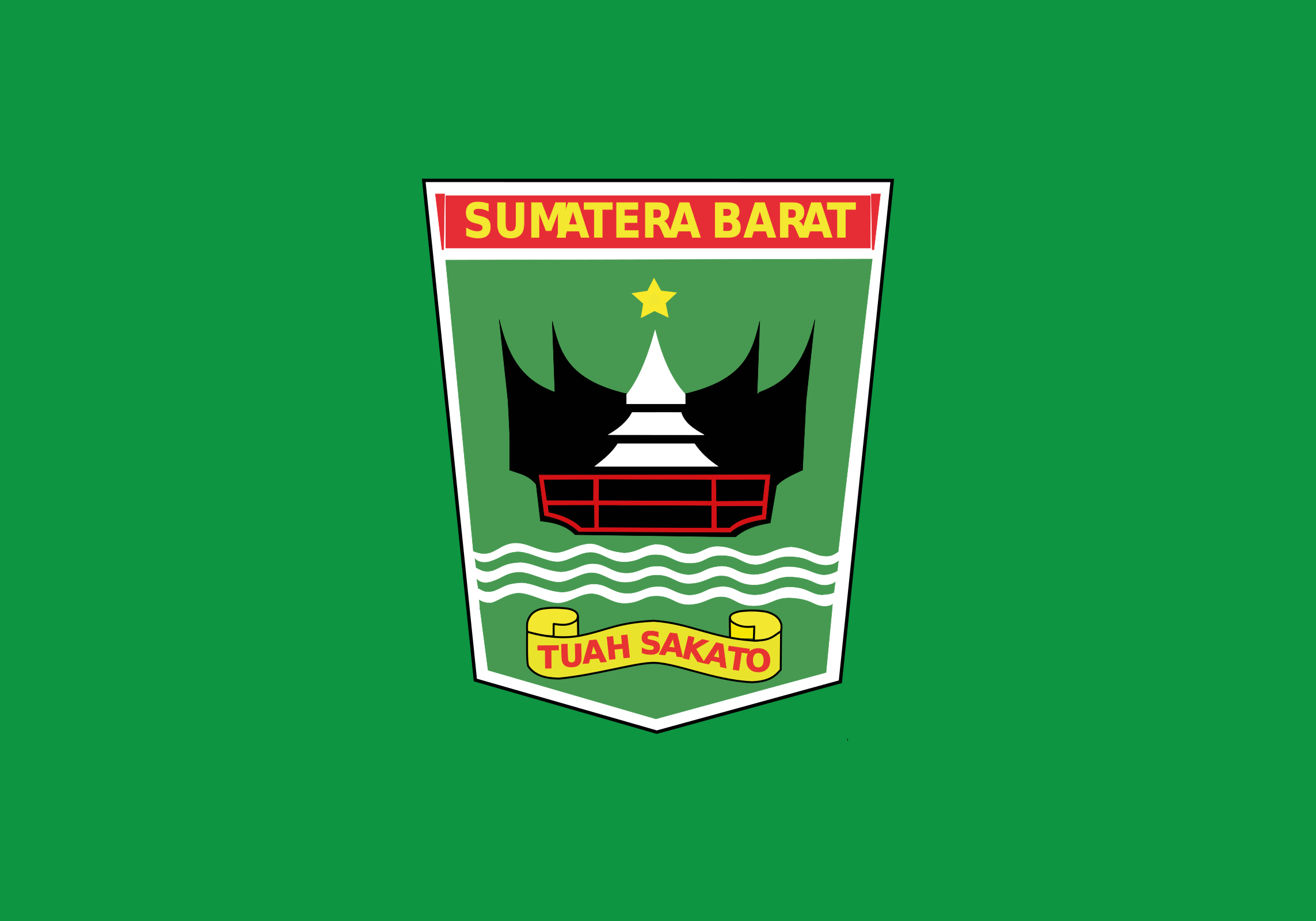
West Sumatra
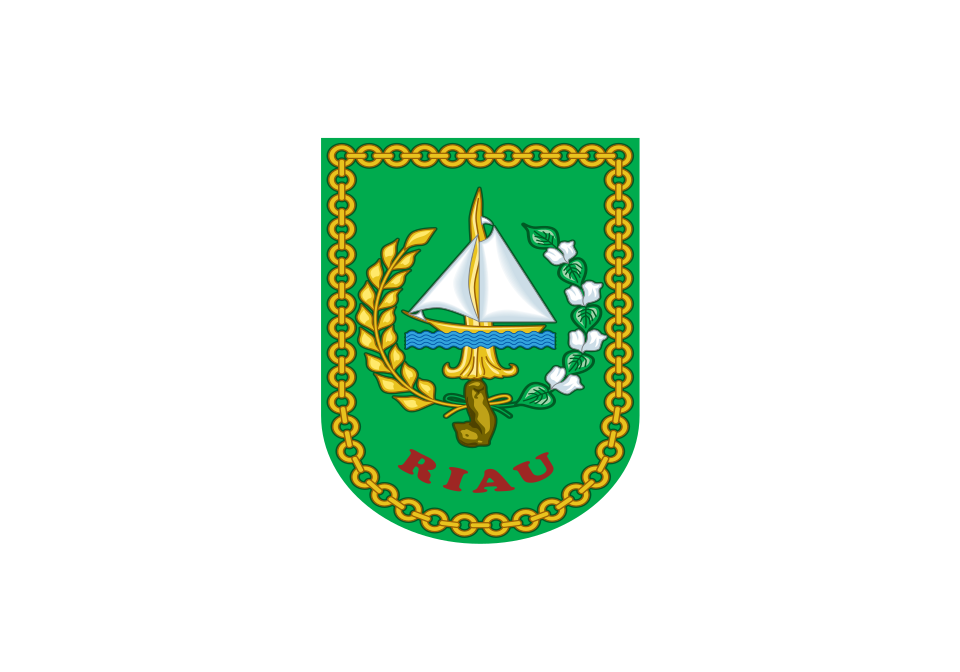
Riau
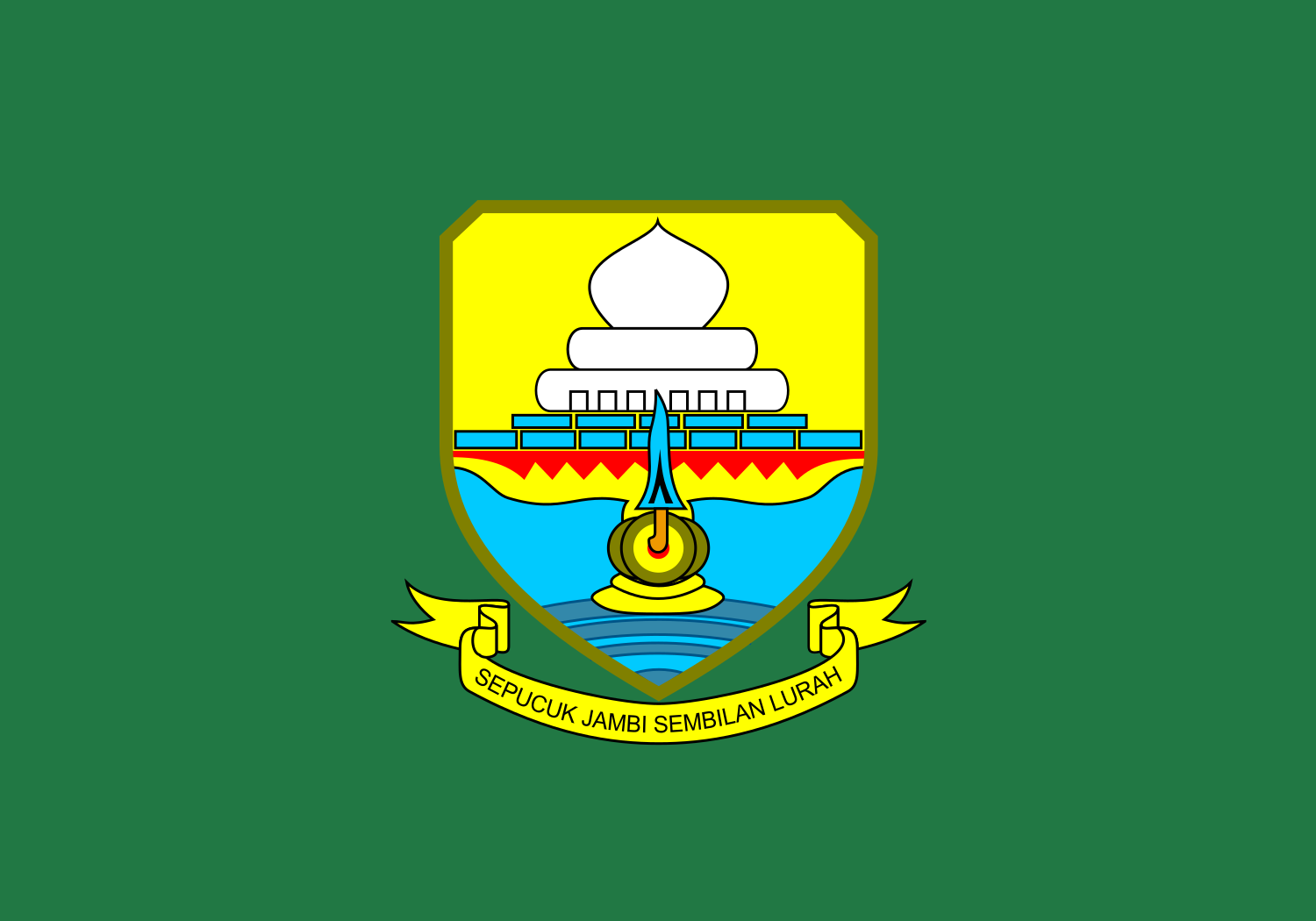
Jambi
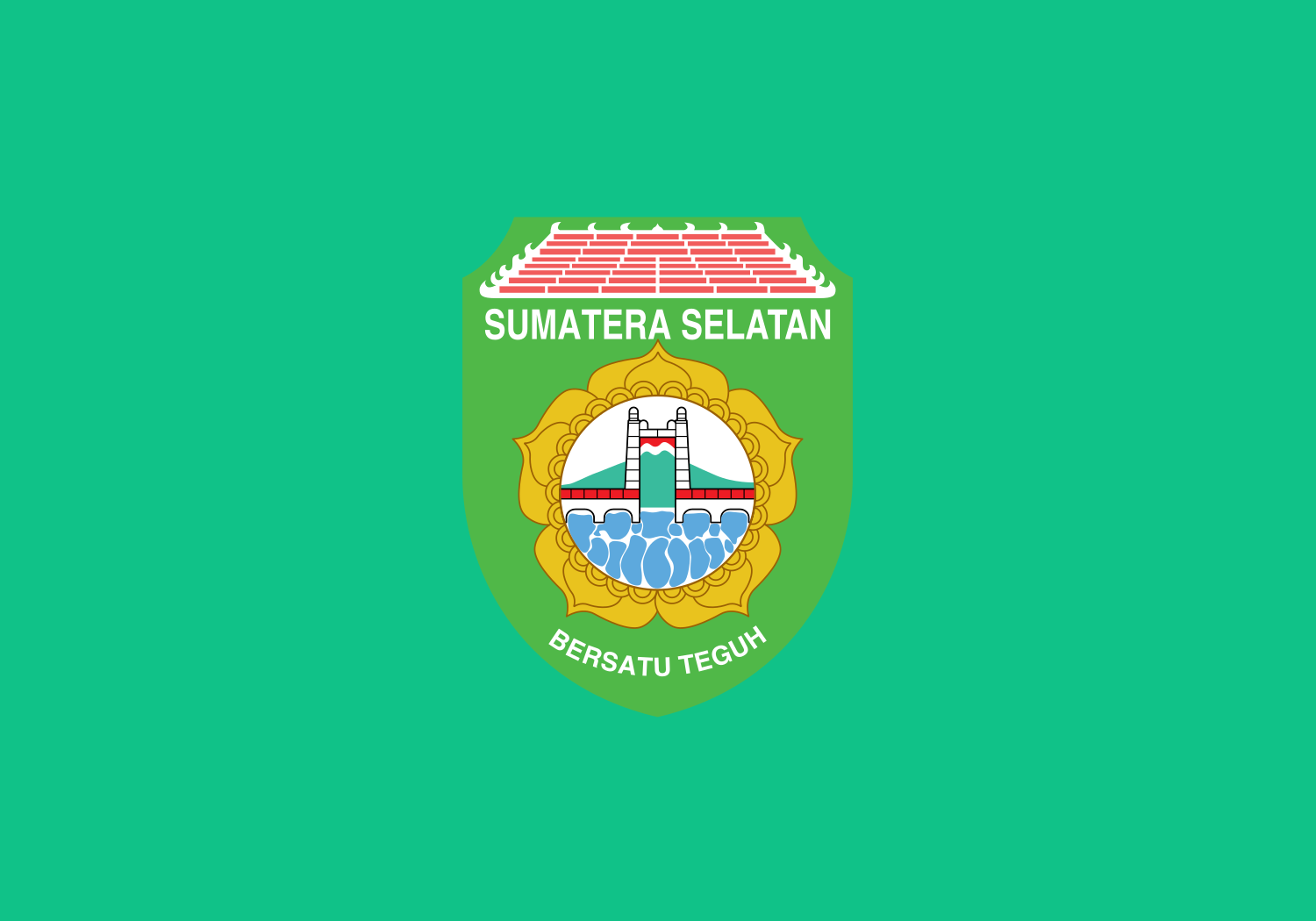
South Sumatra
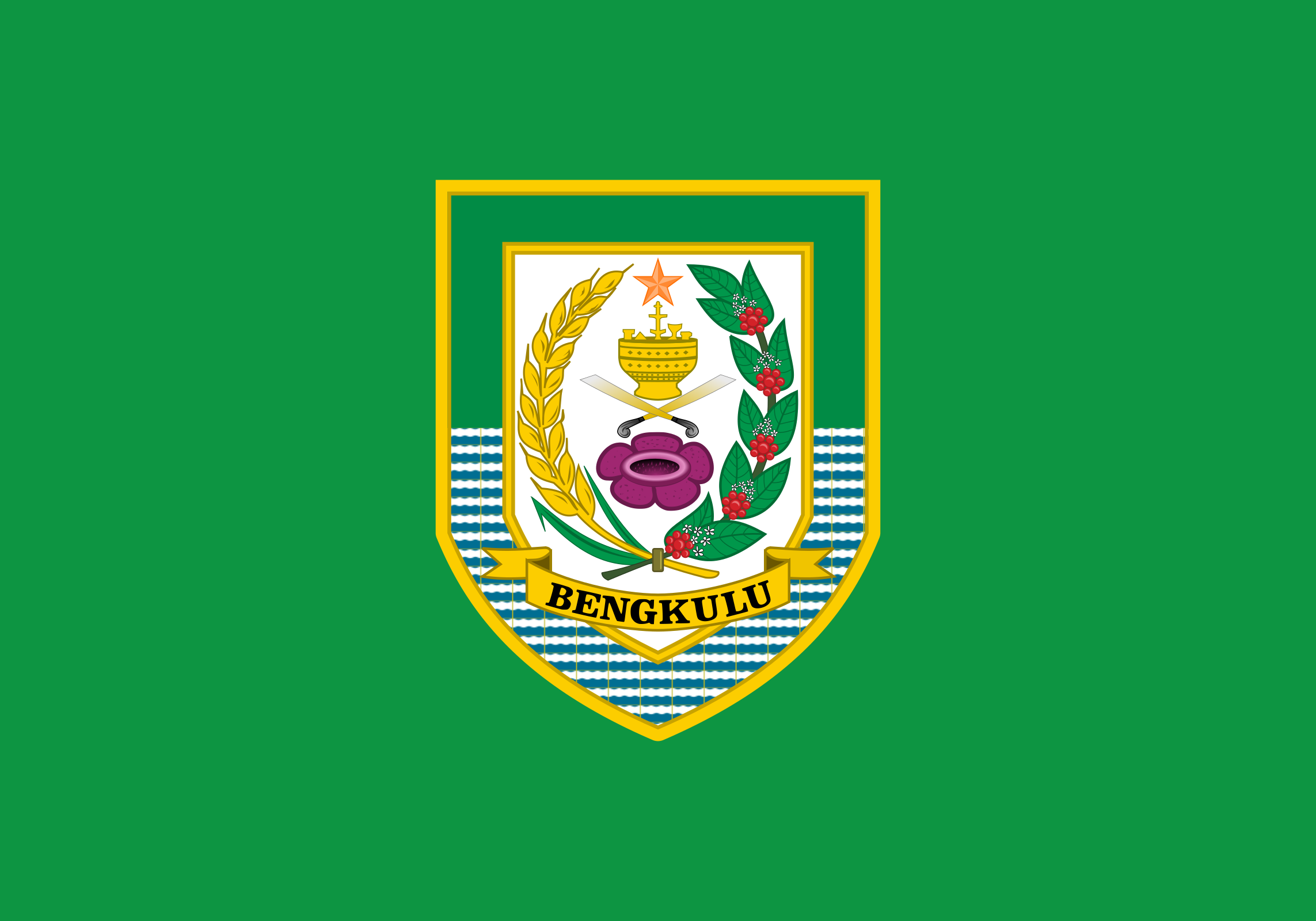
Bengkulu
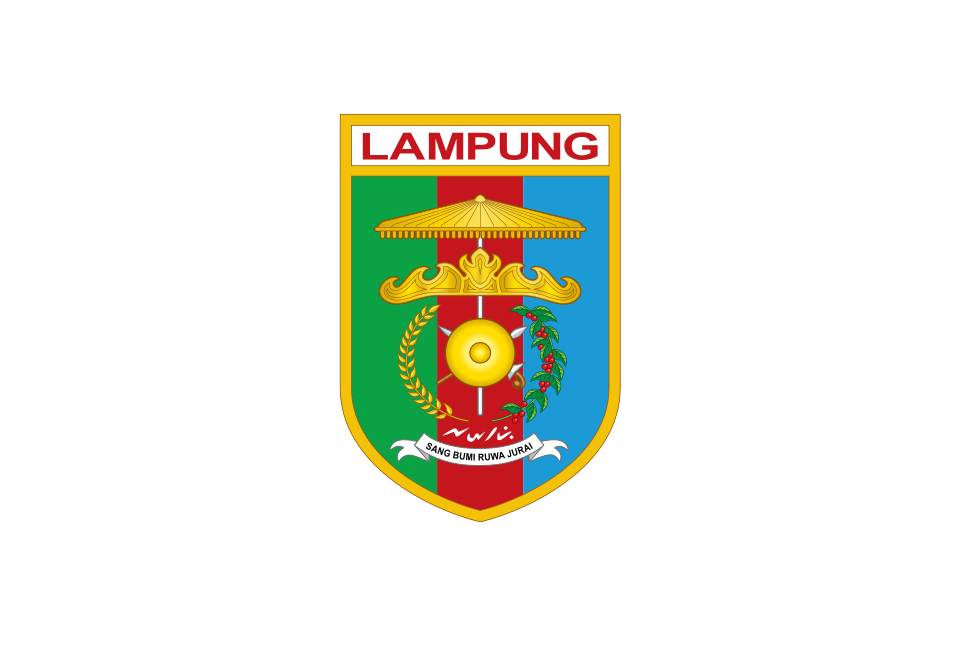
Lampung
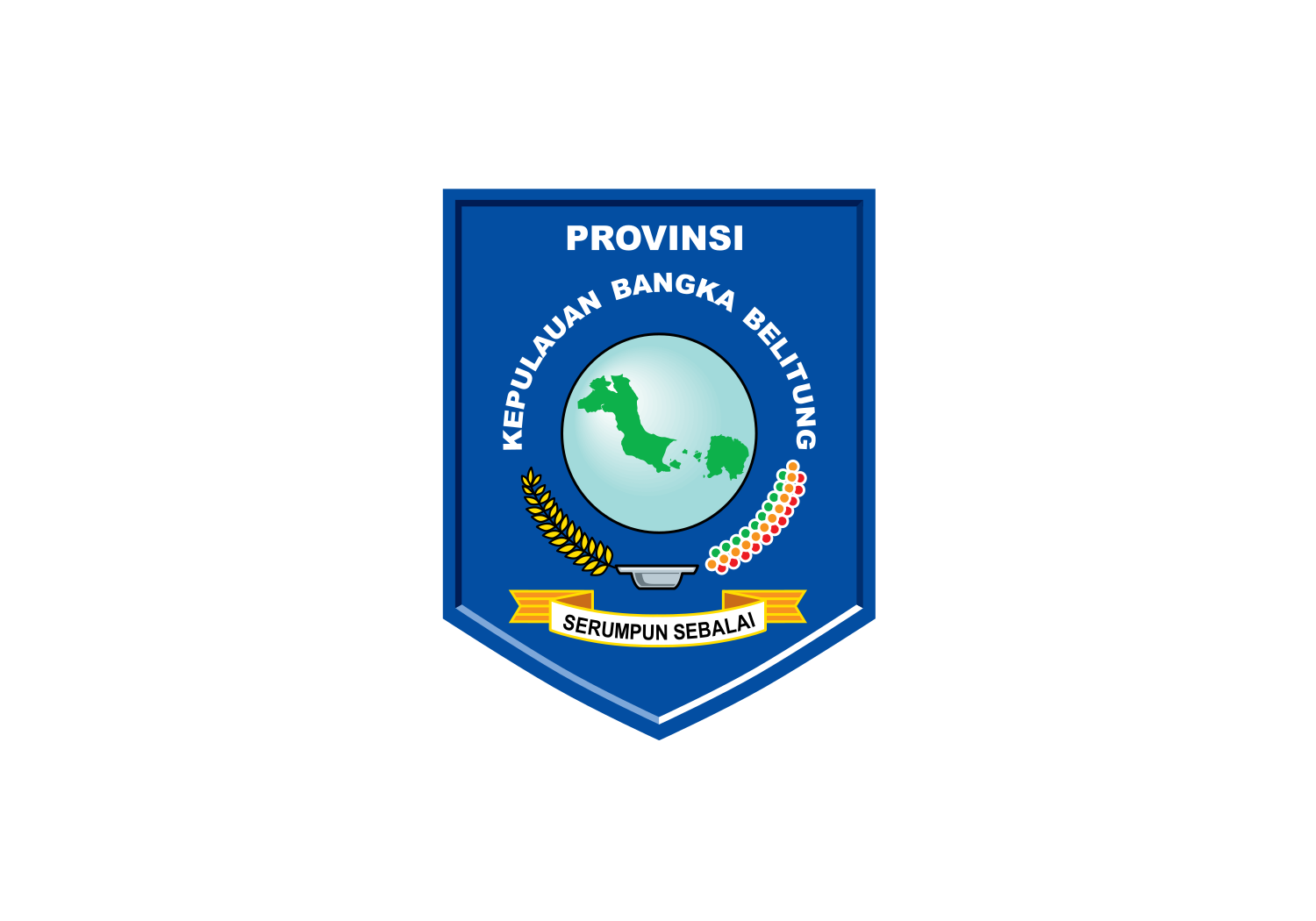
Bangka Belitung Islands
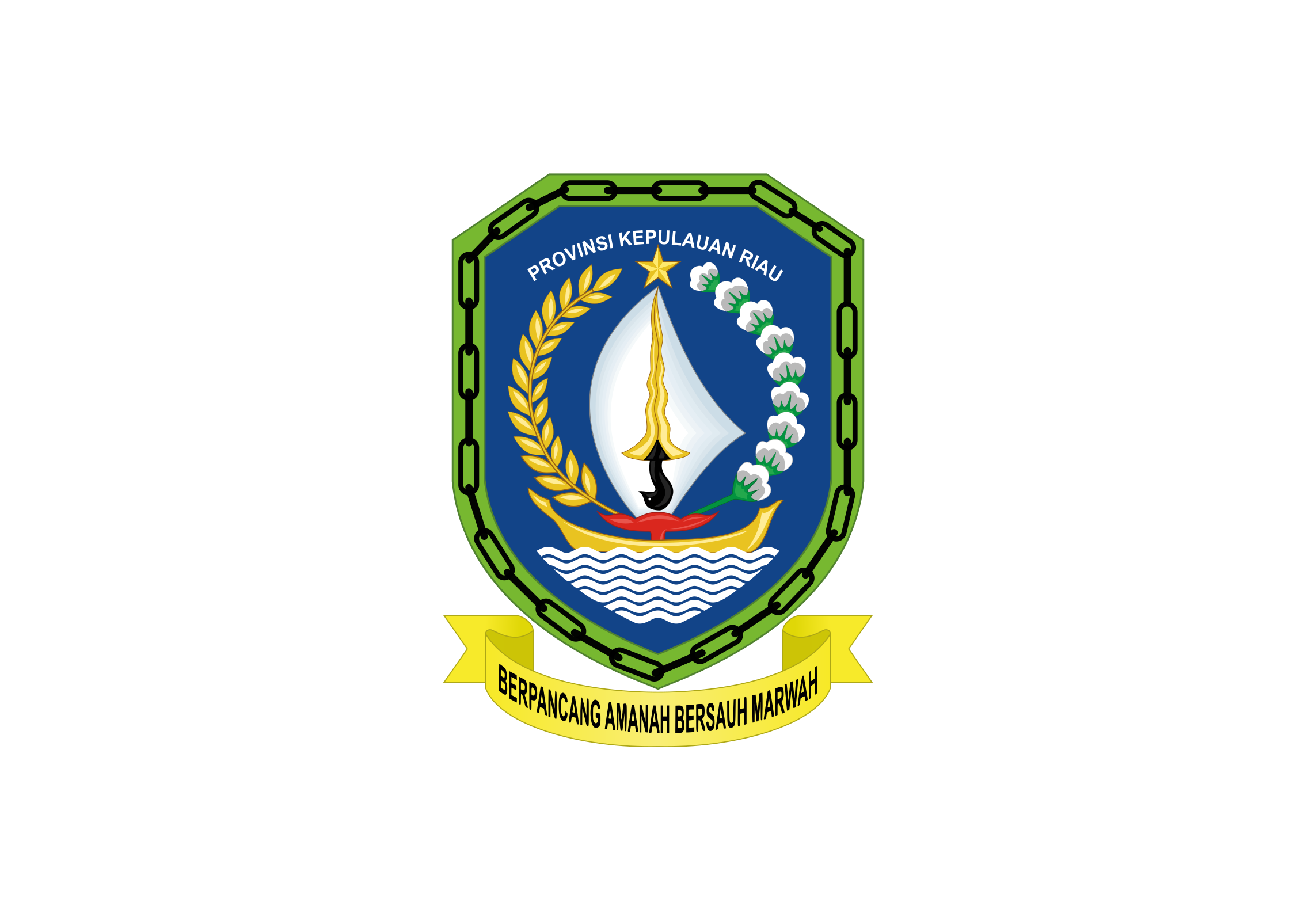
Riau Islands
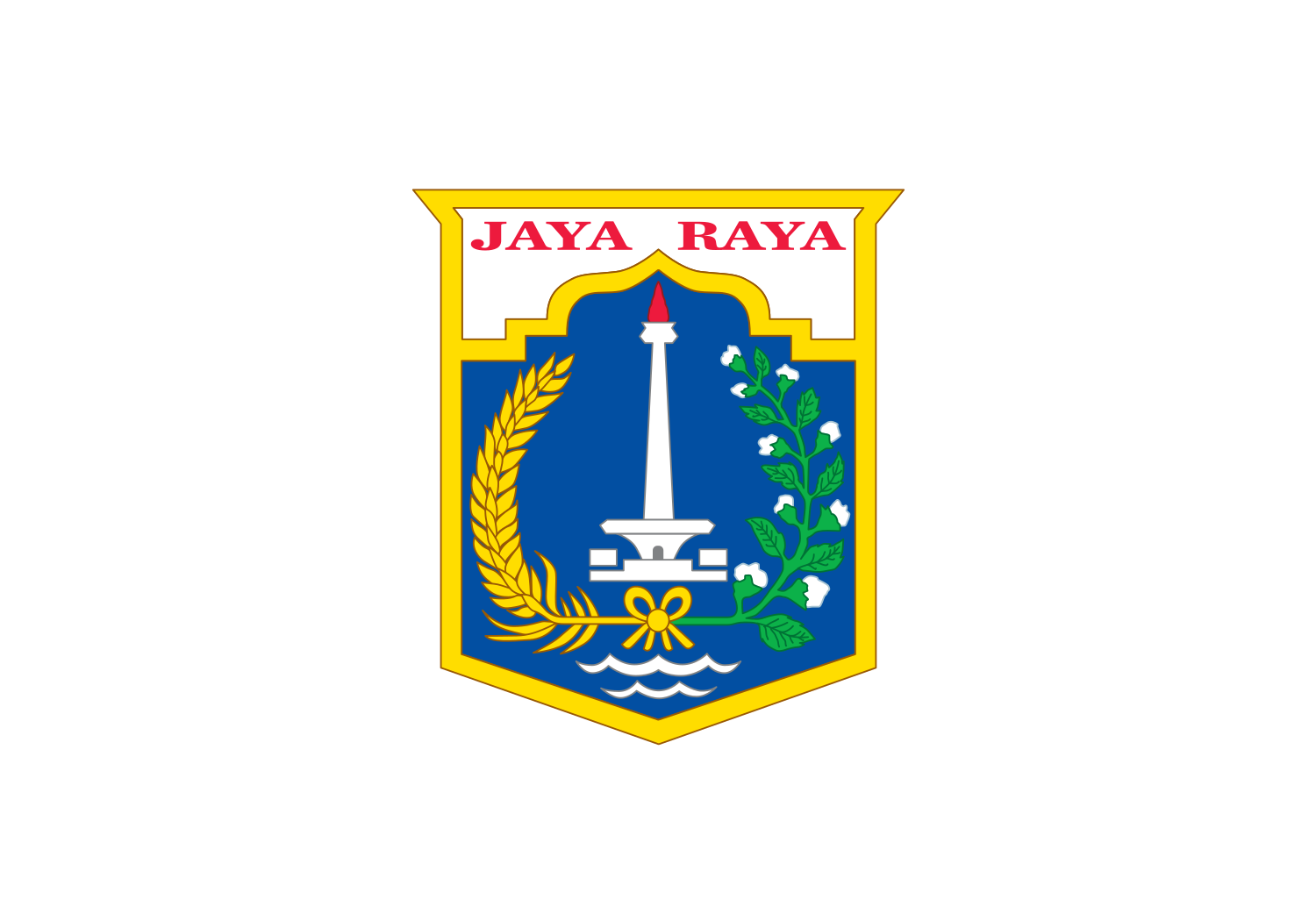
Jakarta
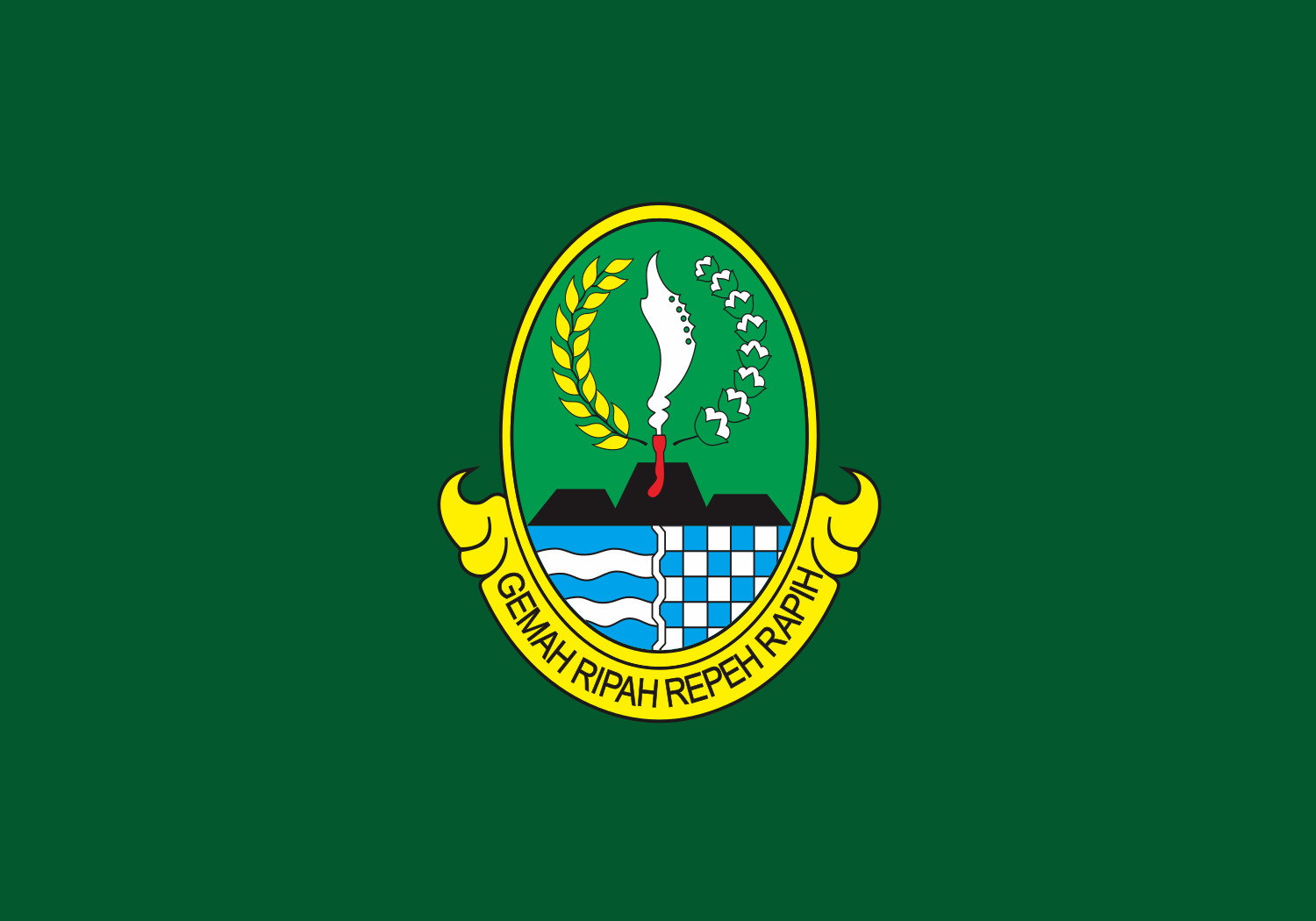
West Java
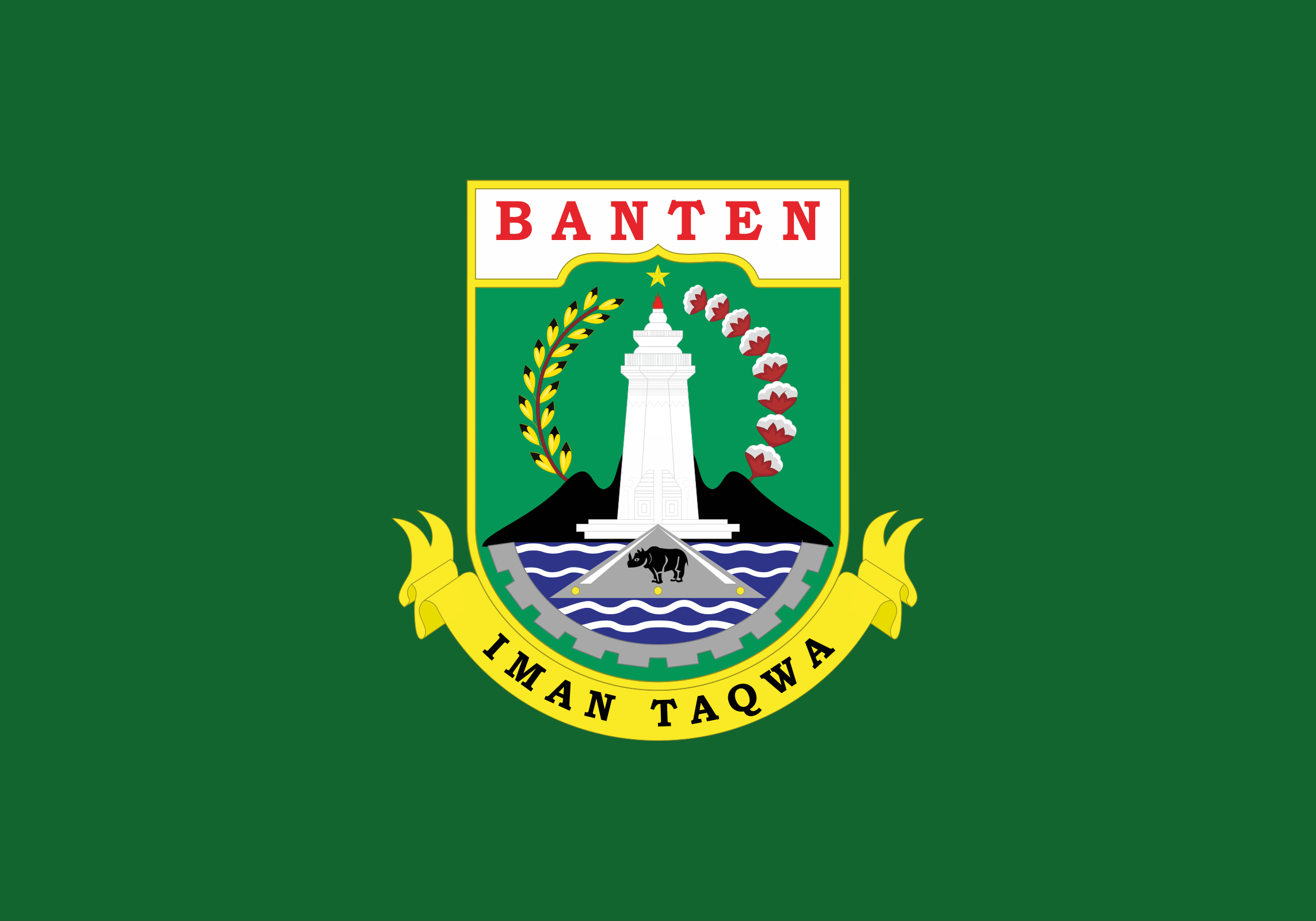
Banten
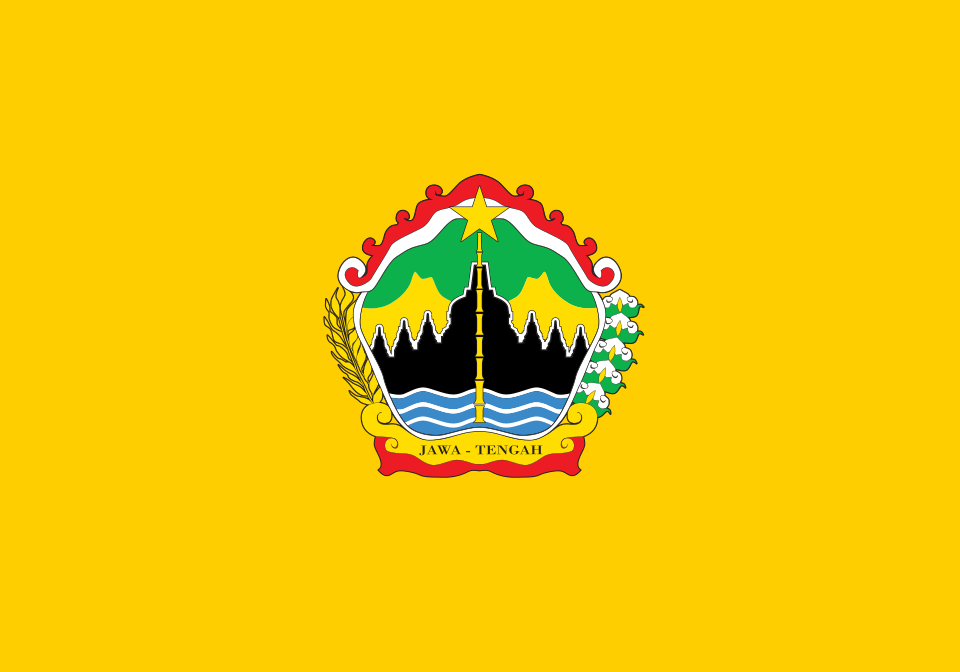
Central Java
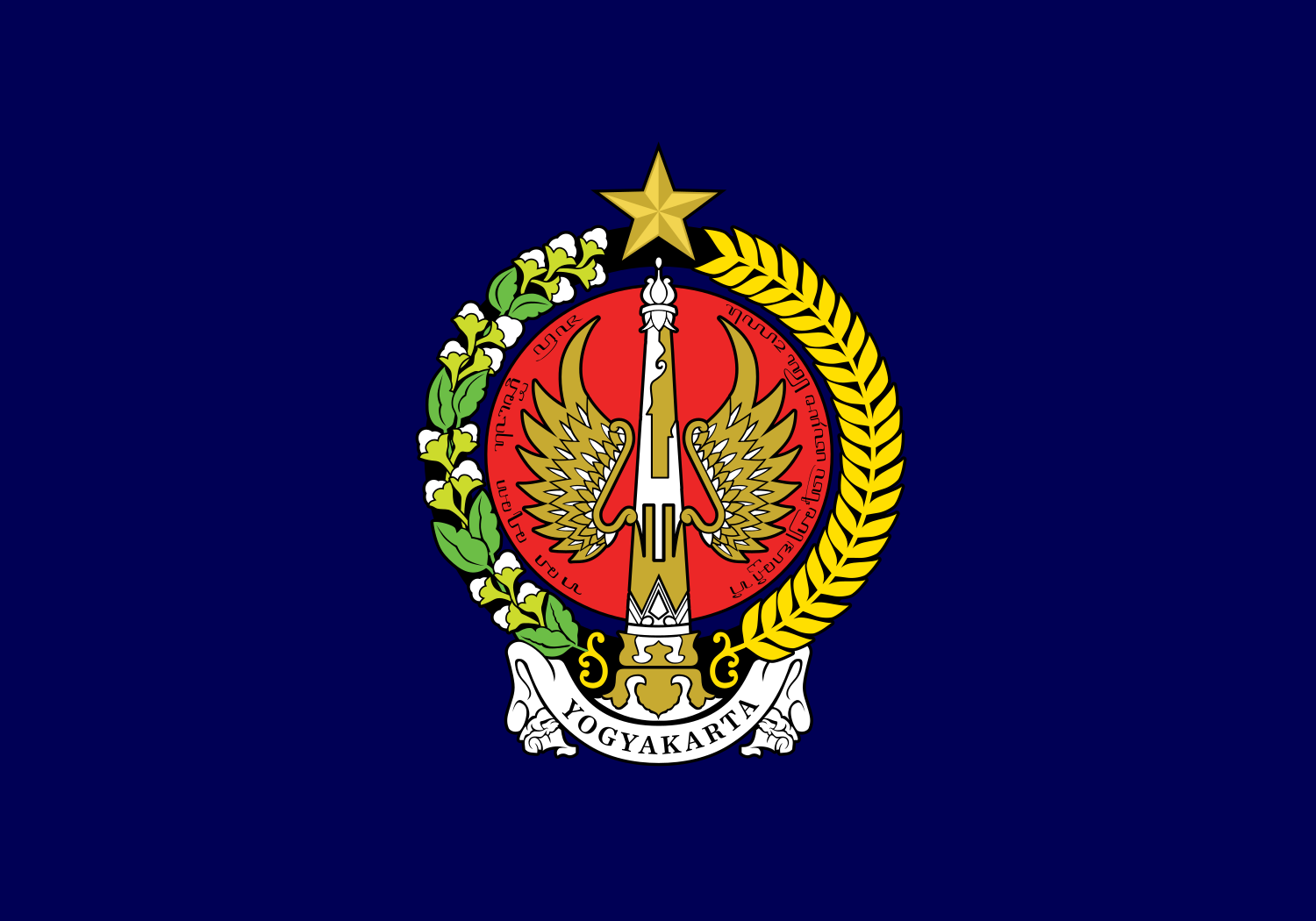
Yogyakarta
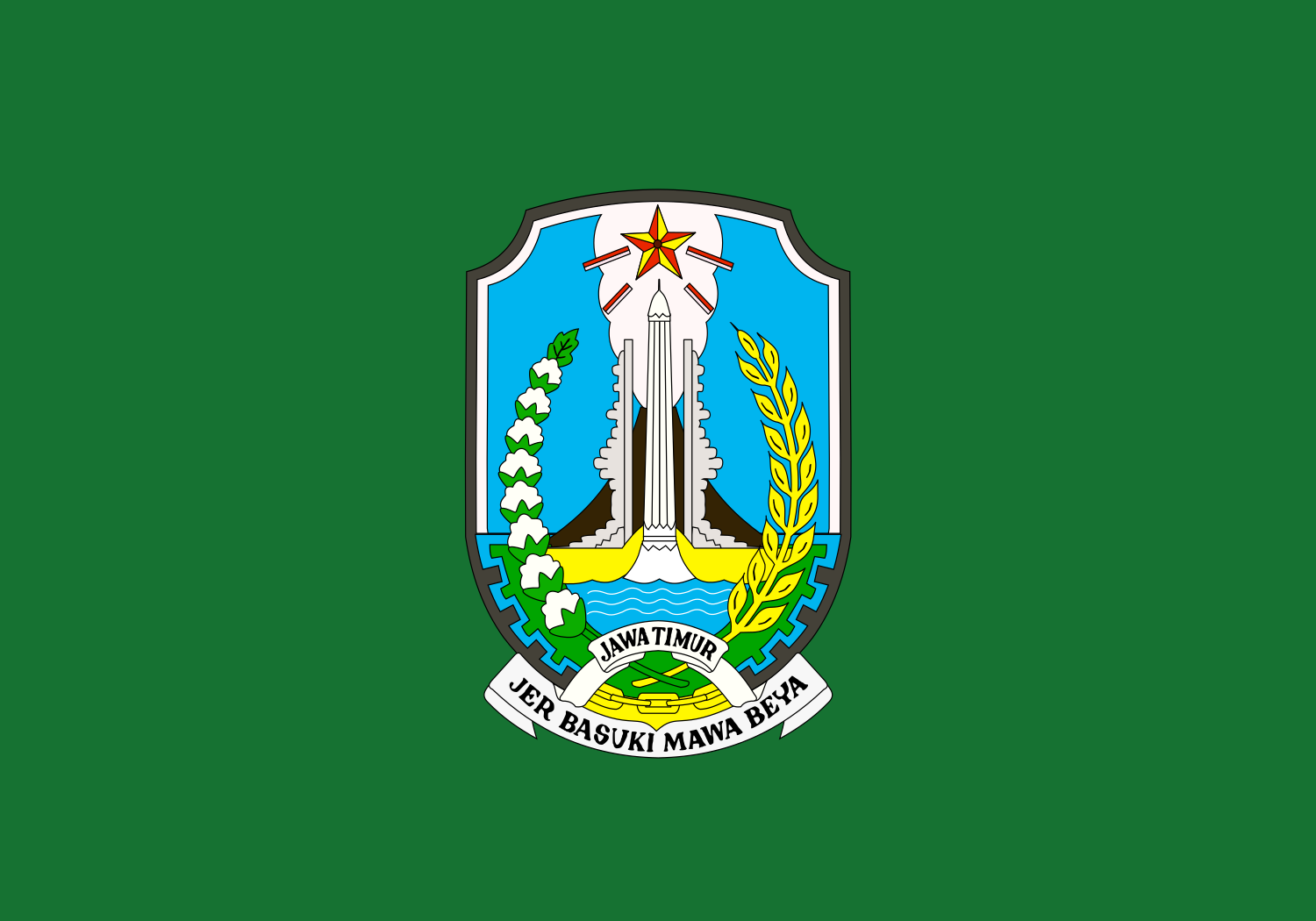
East Java
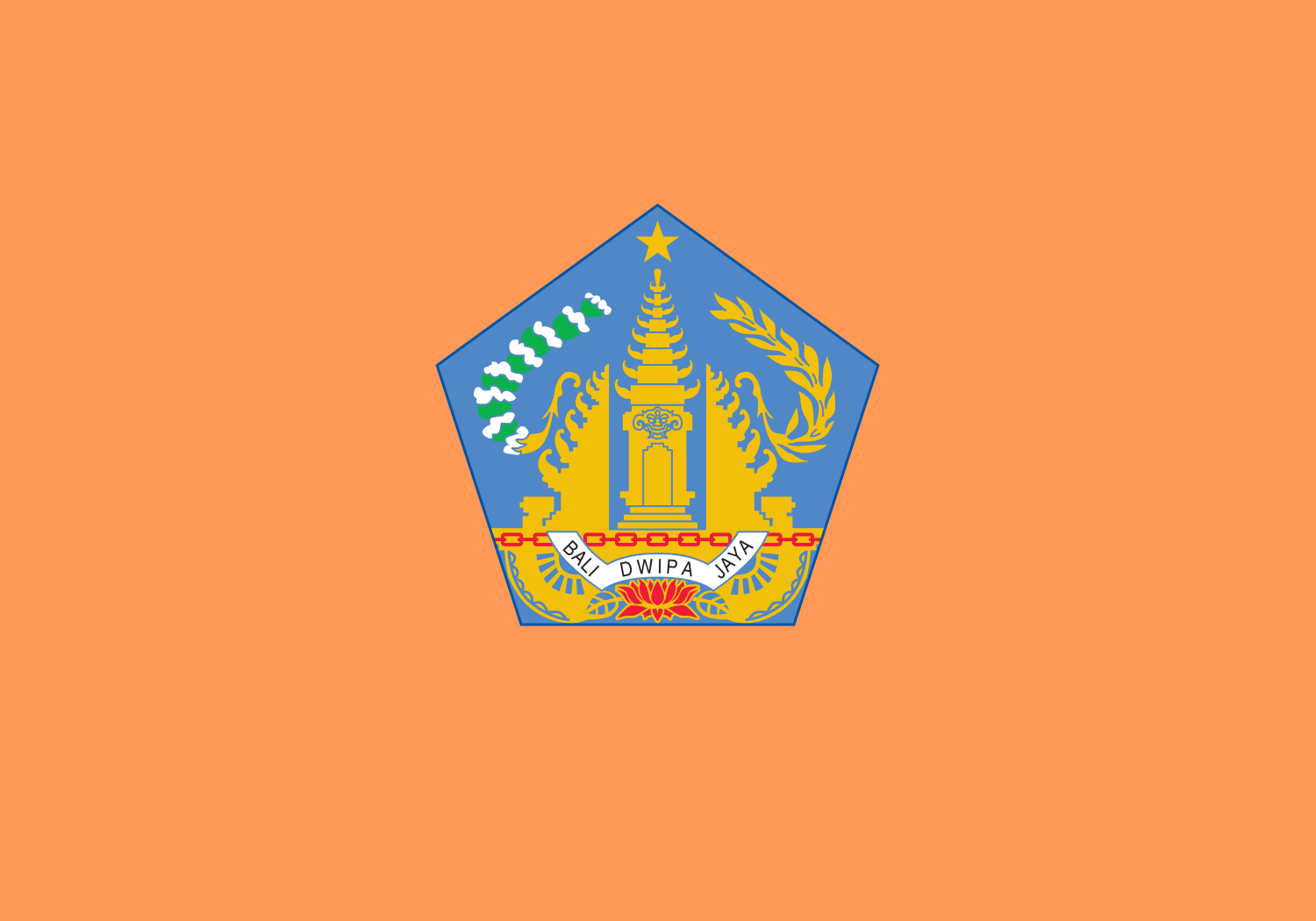
Bali
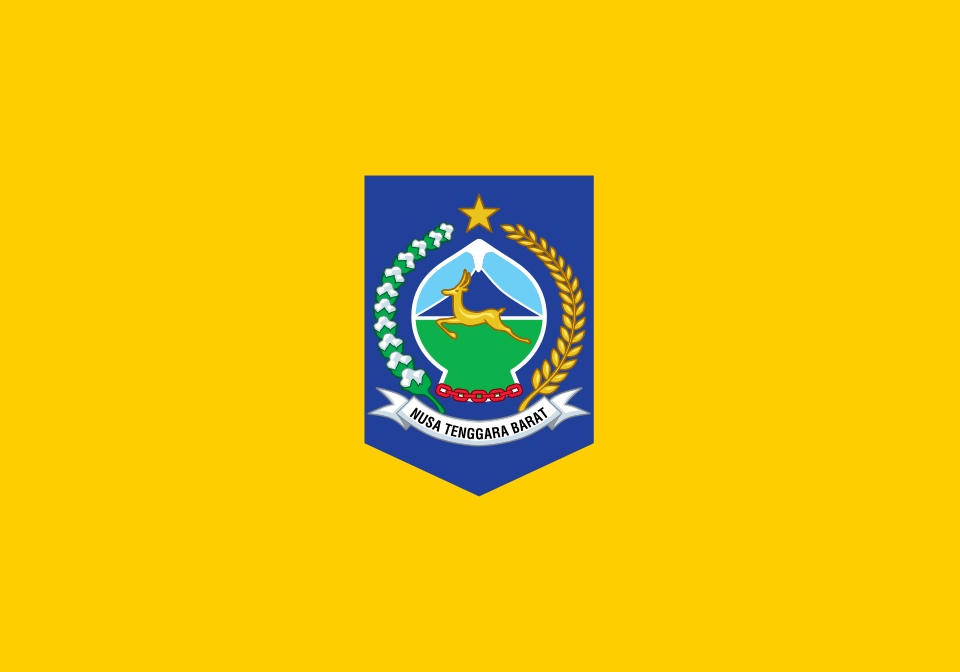
West Nusa Tenggara
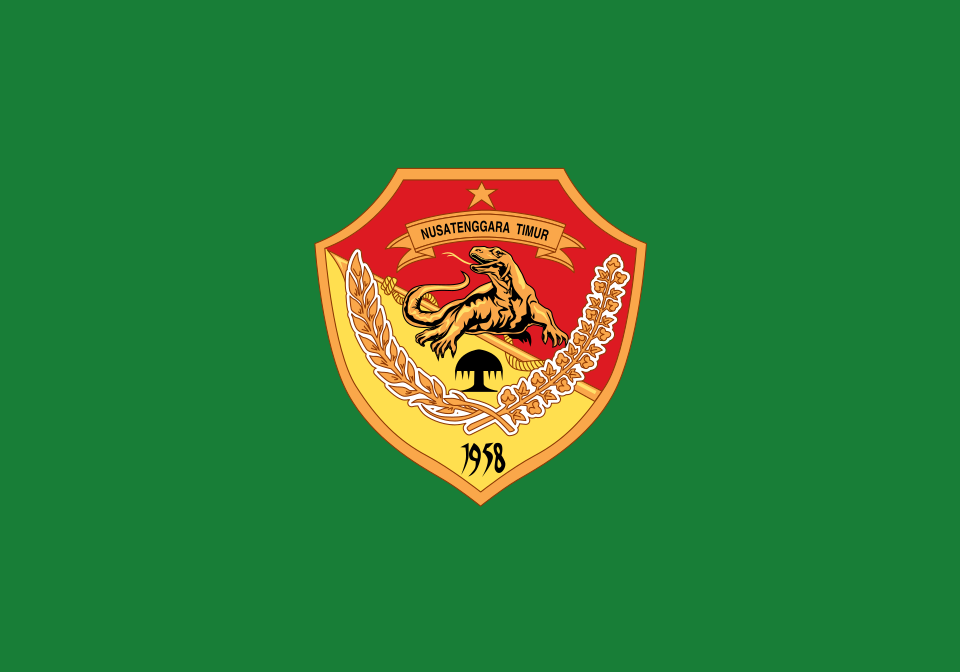
East Nusa Tenggara
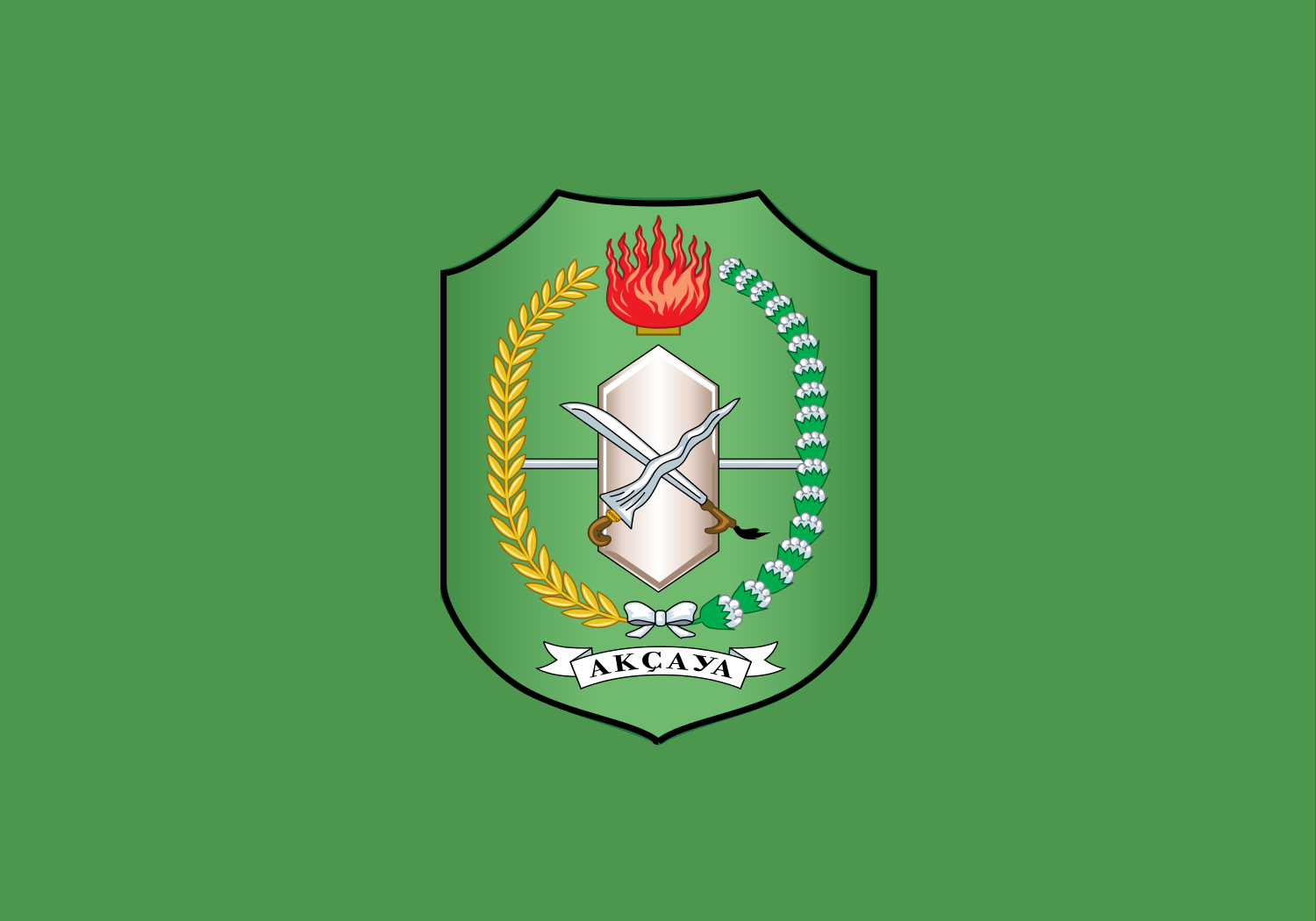
West Kalimantan
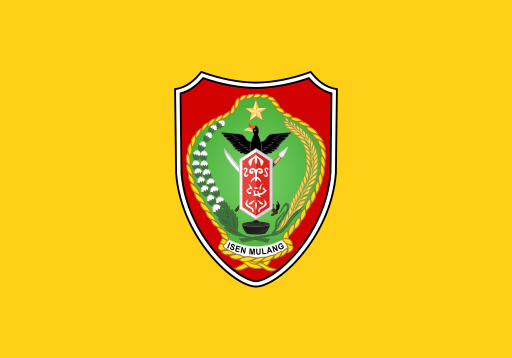
Central Kalimantan
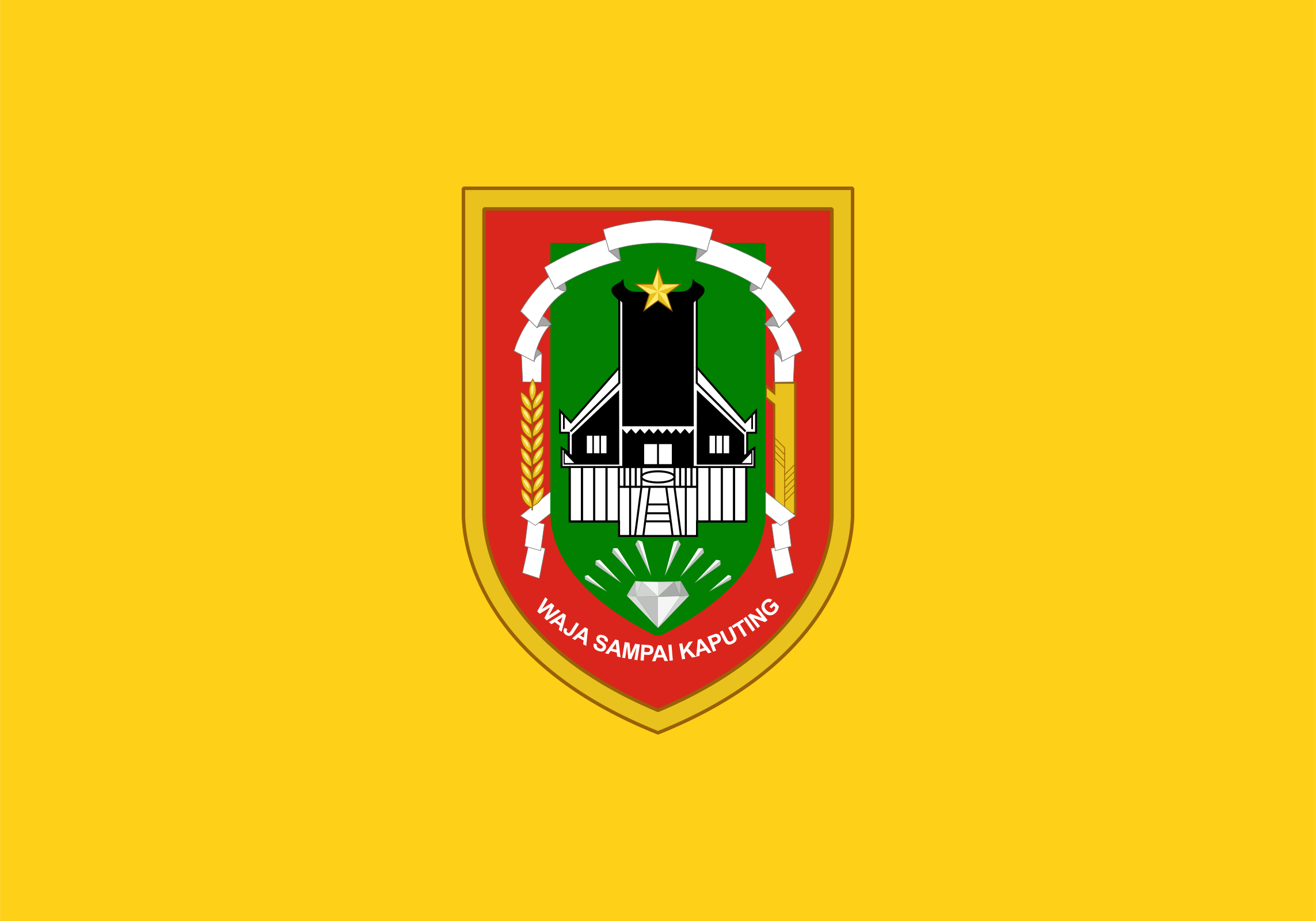
South Kalimantan
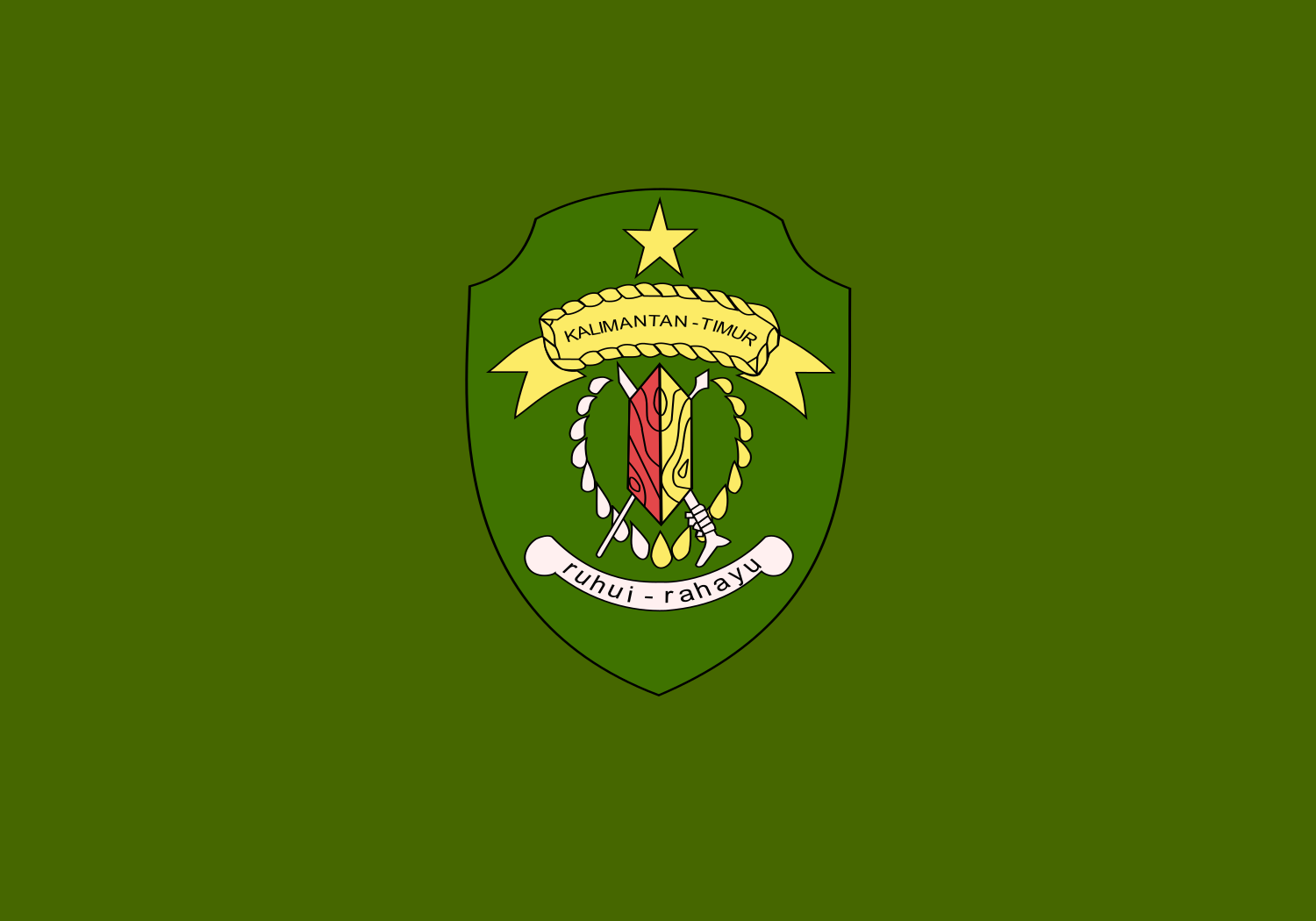
East Kalimantan
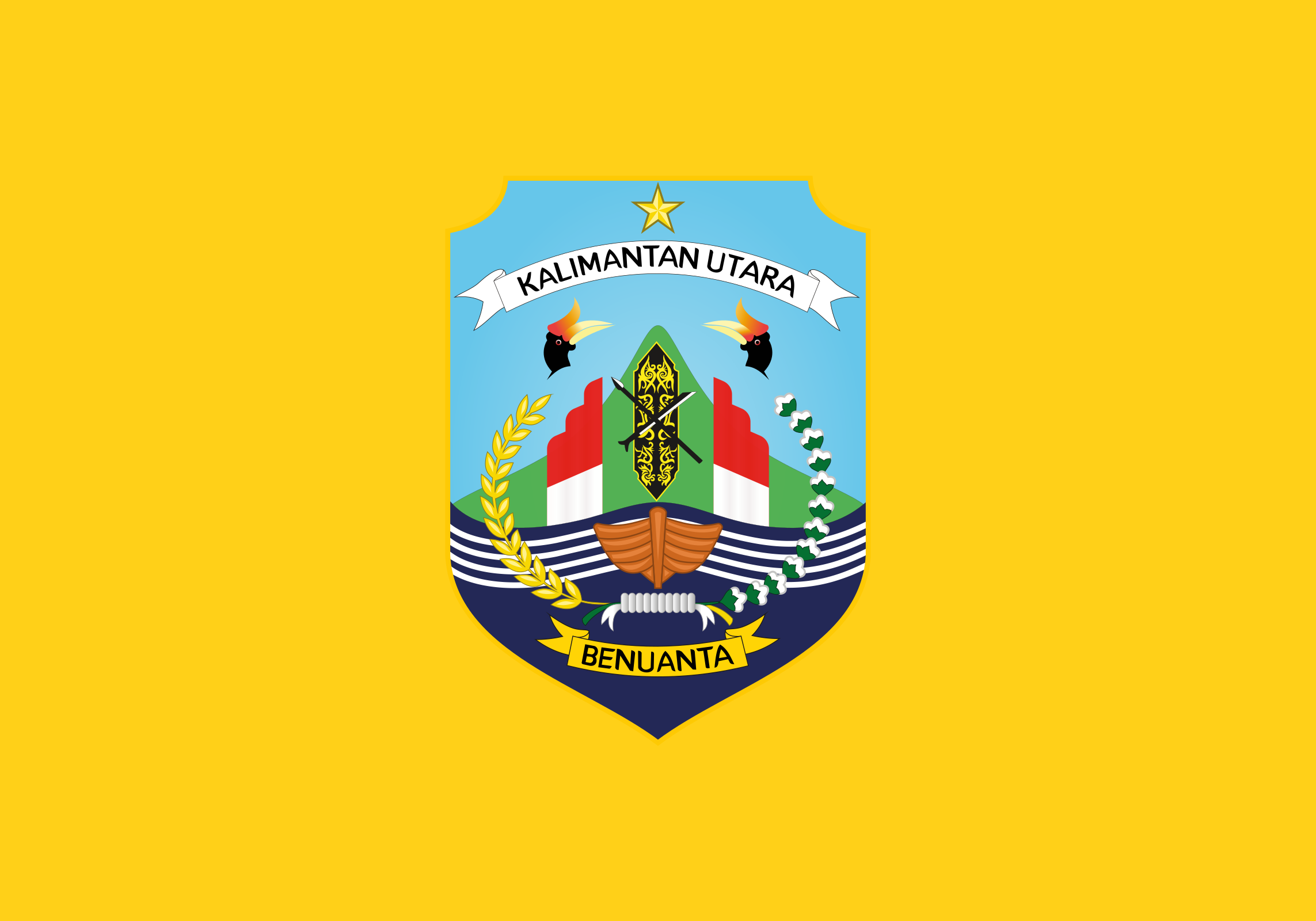
North Kalimantan
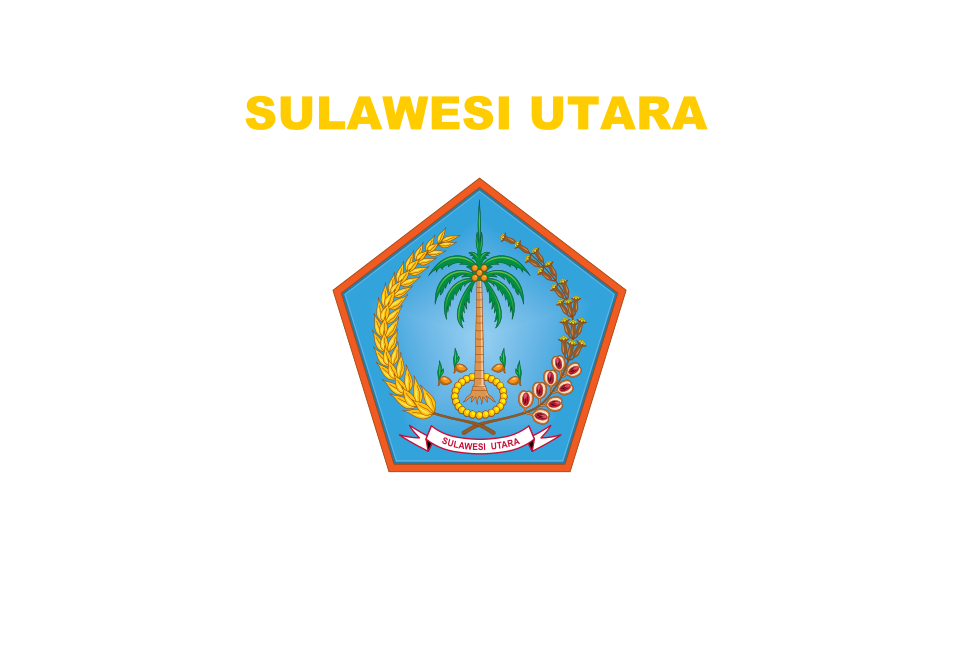
North Sulawesi
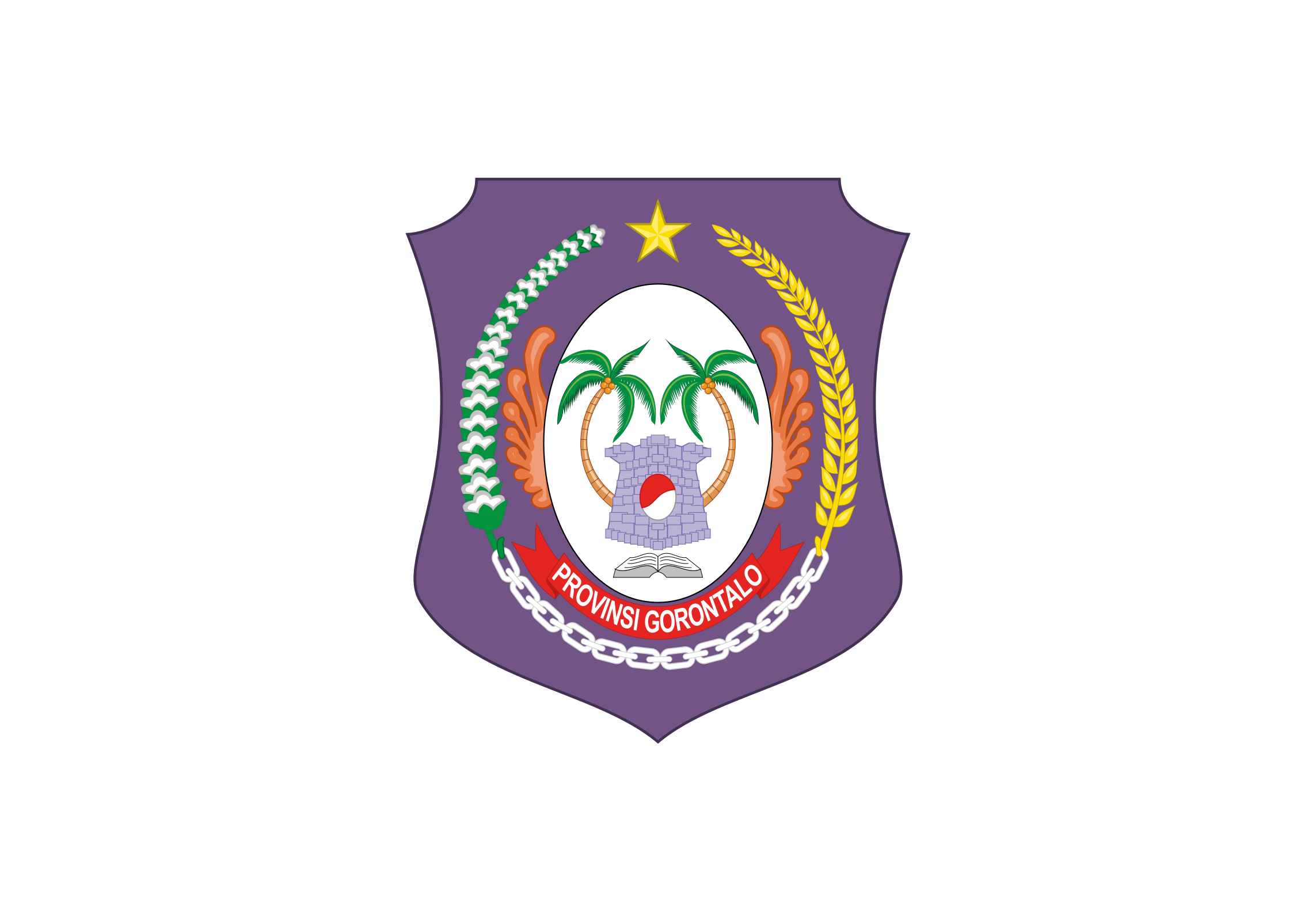
Gorontalo
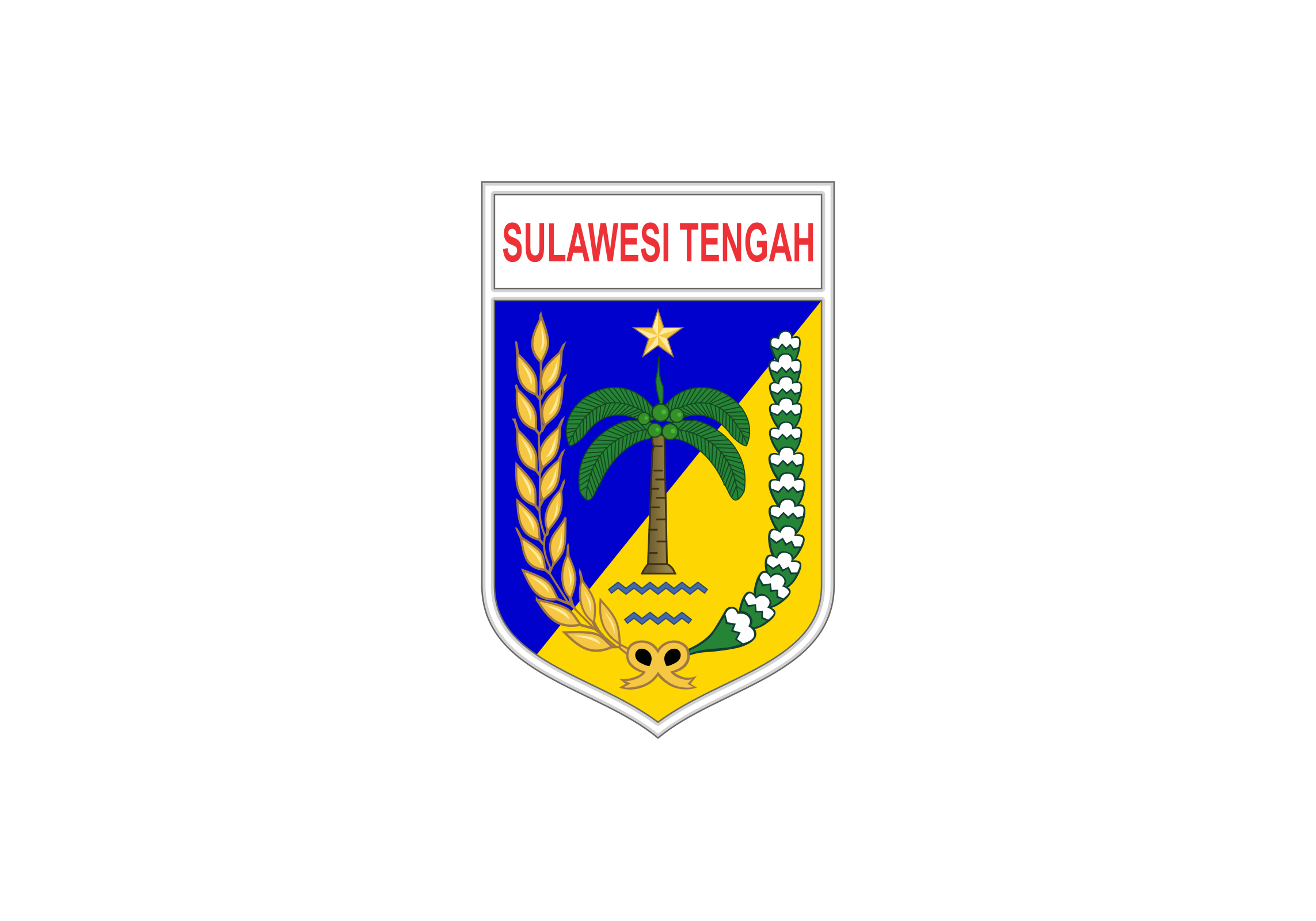
Central Sulawesi
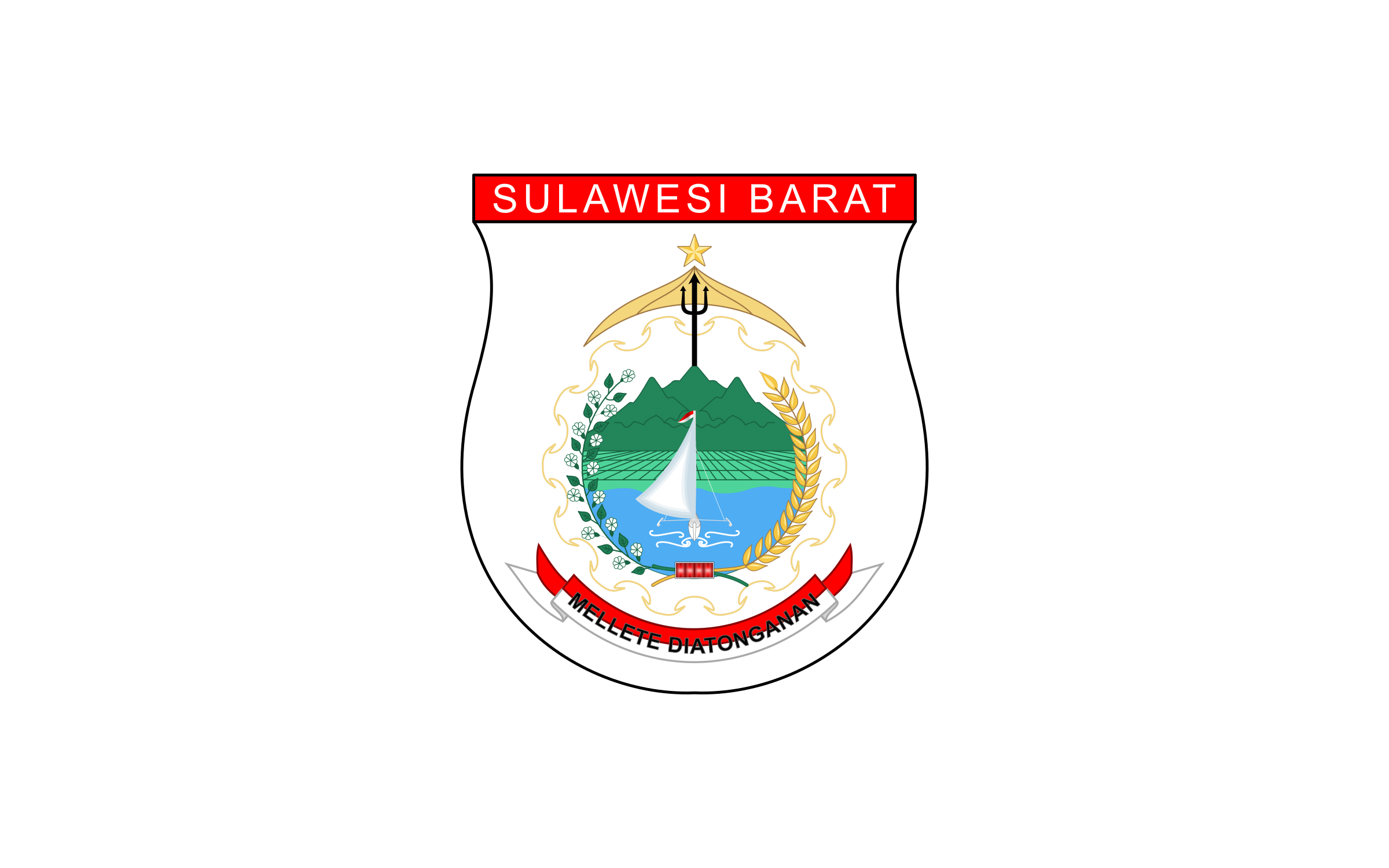
West Sulawesi
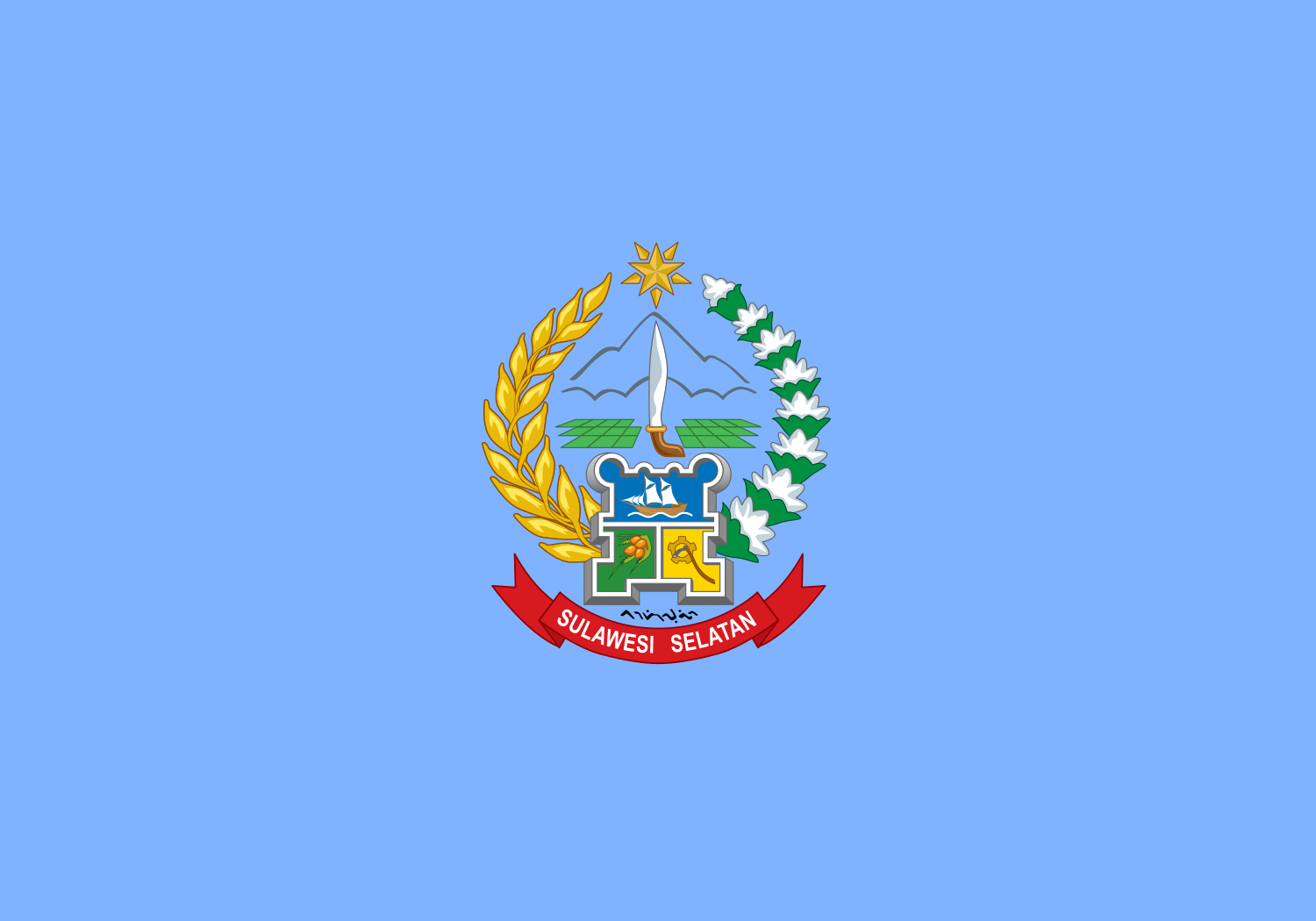
South Sulawesi
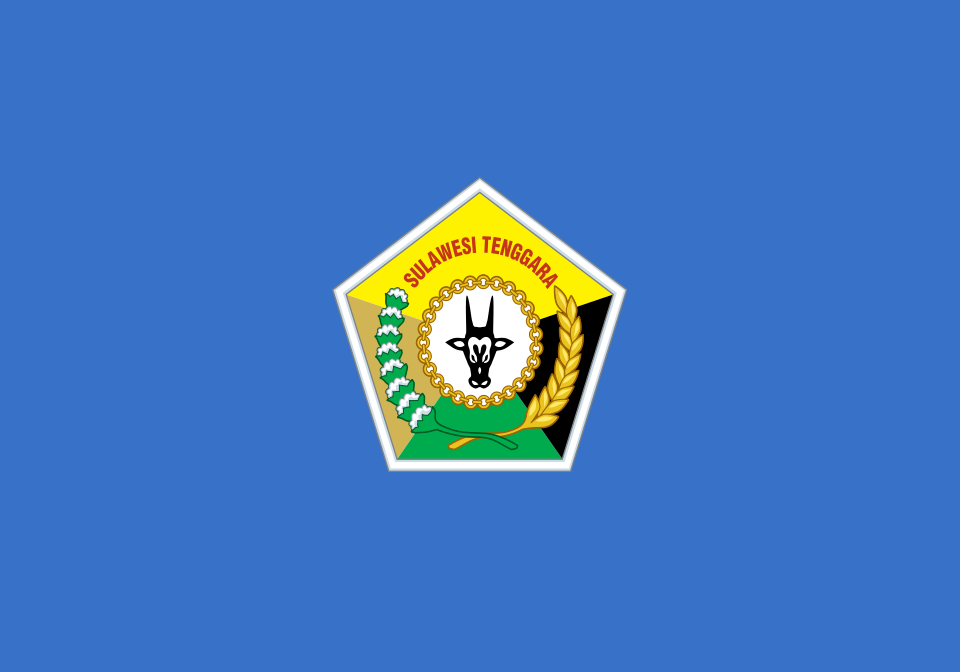
Southeast Sulawesi
Maluku
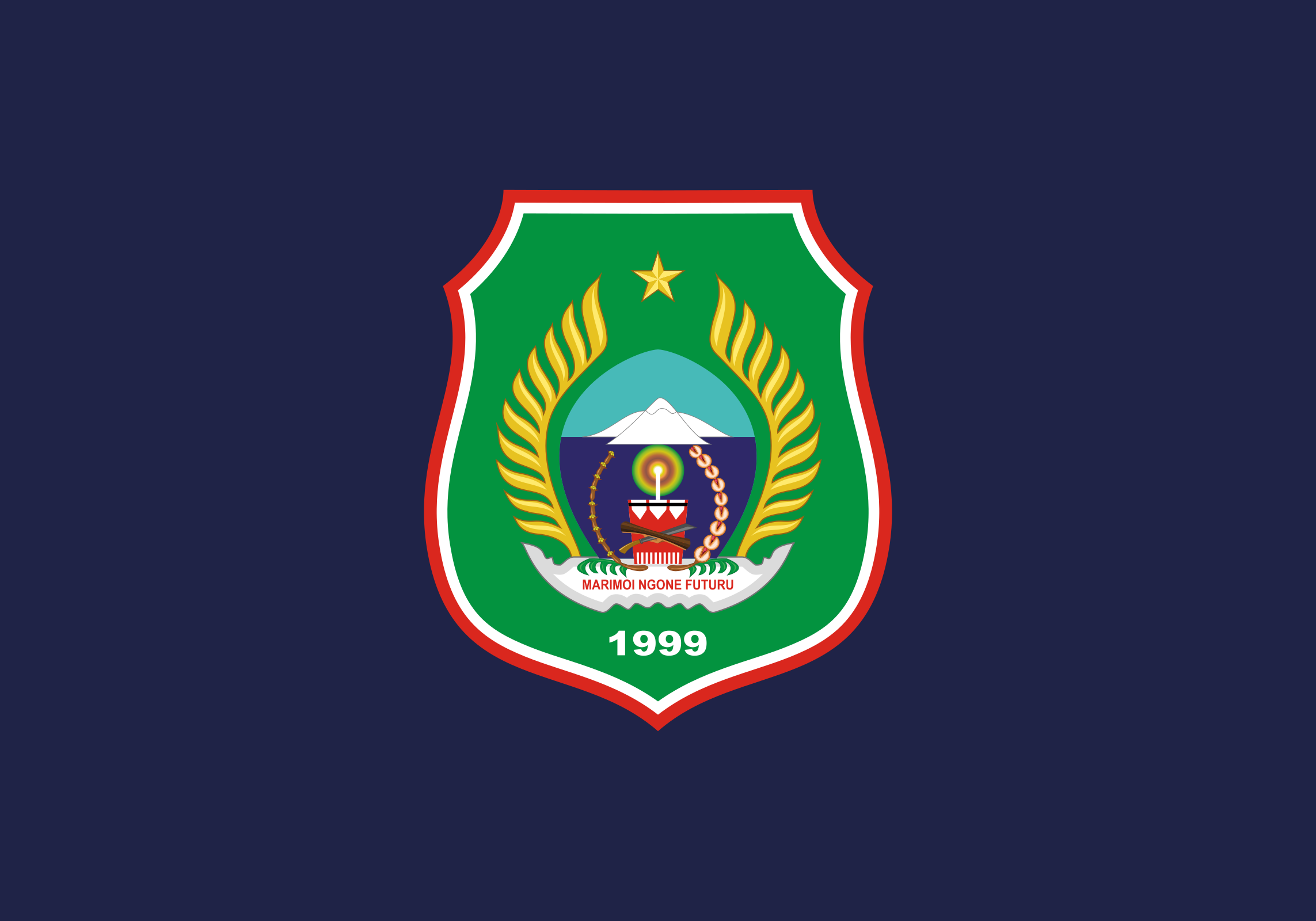
North Maluku
Papua
West Papua
South Papua
Central Papua
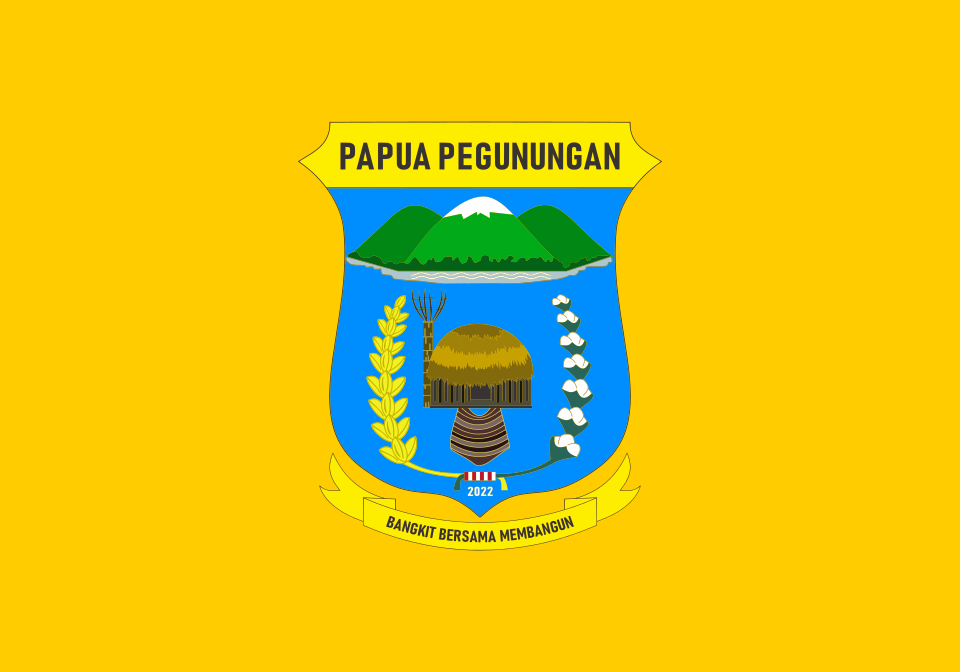
Highland Papua
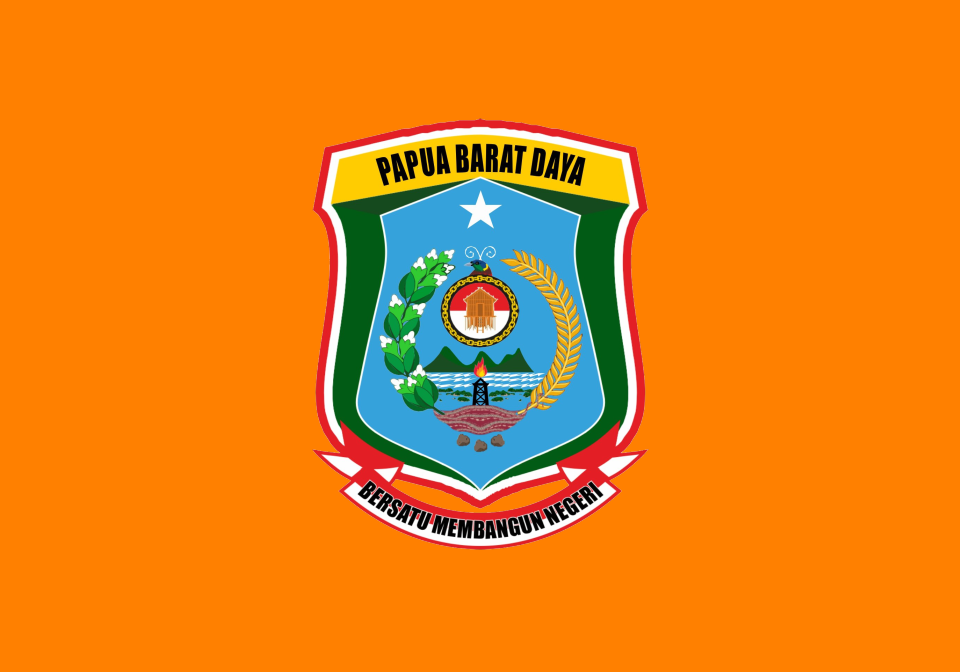
Southwest Papua
Neighbouring countries
Indonesia shares a land border with 3 countries: Malaysia, Papua New Guinea and Timor-Leste.
Other flags in red and white
17 other national flags use the same main colours as Indonesia's.
Play Globalio and learn Indonesia's flag
 Monaco
 Singapore
 Poland
 Malaysia
 Papua New Guinea
 Timor-Leste
 Austria
 Bahrain
 Canada
 Denmark
 Georgia
 Japan
 Latvia
 Malta
 Peru
 Qatar
 Switzerland
 Tonga
 Tunisia
 Turkey